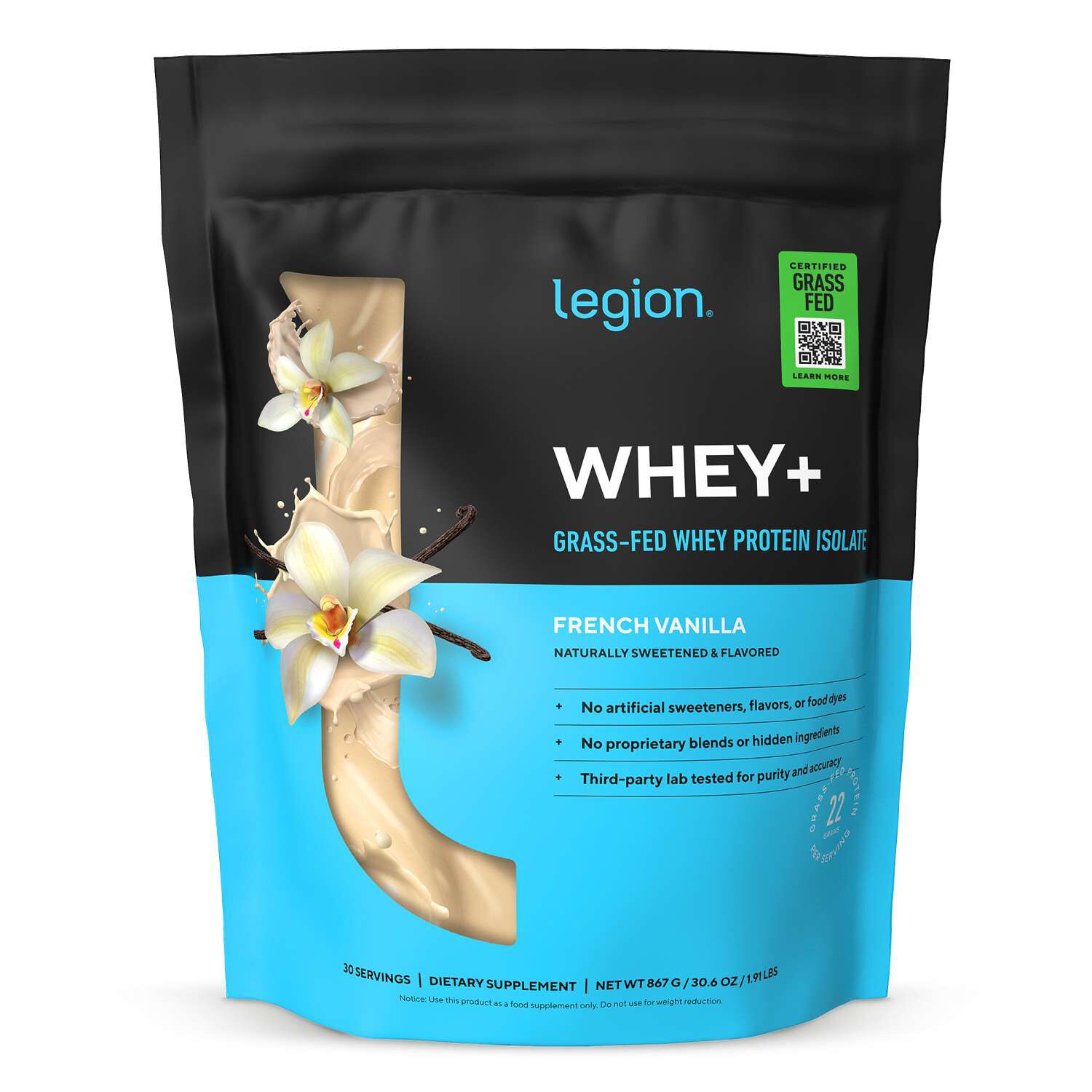
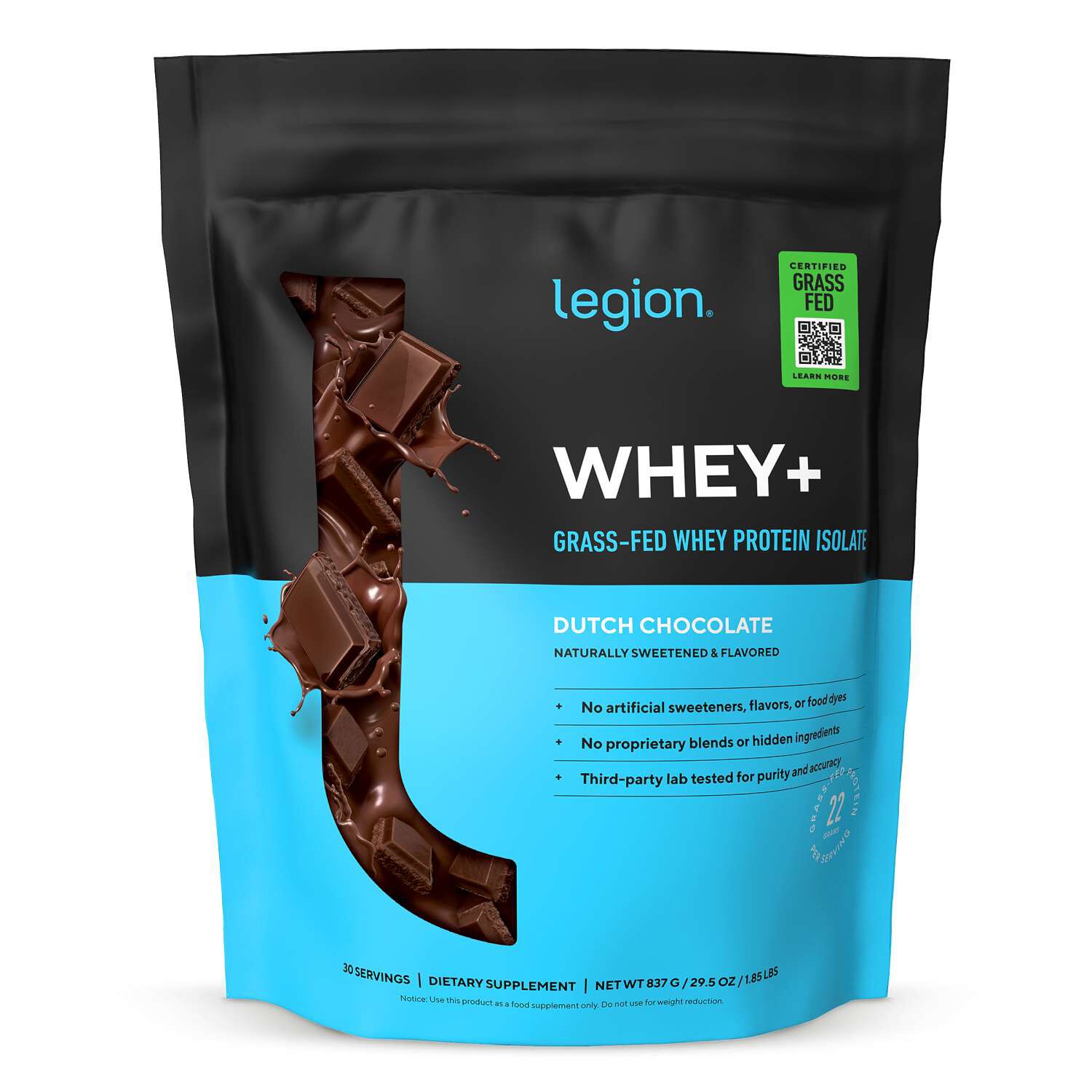
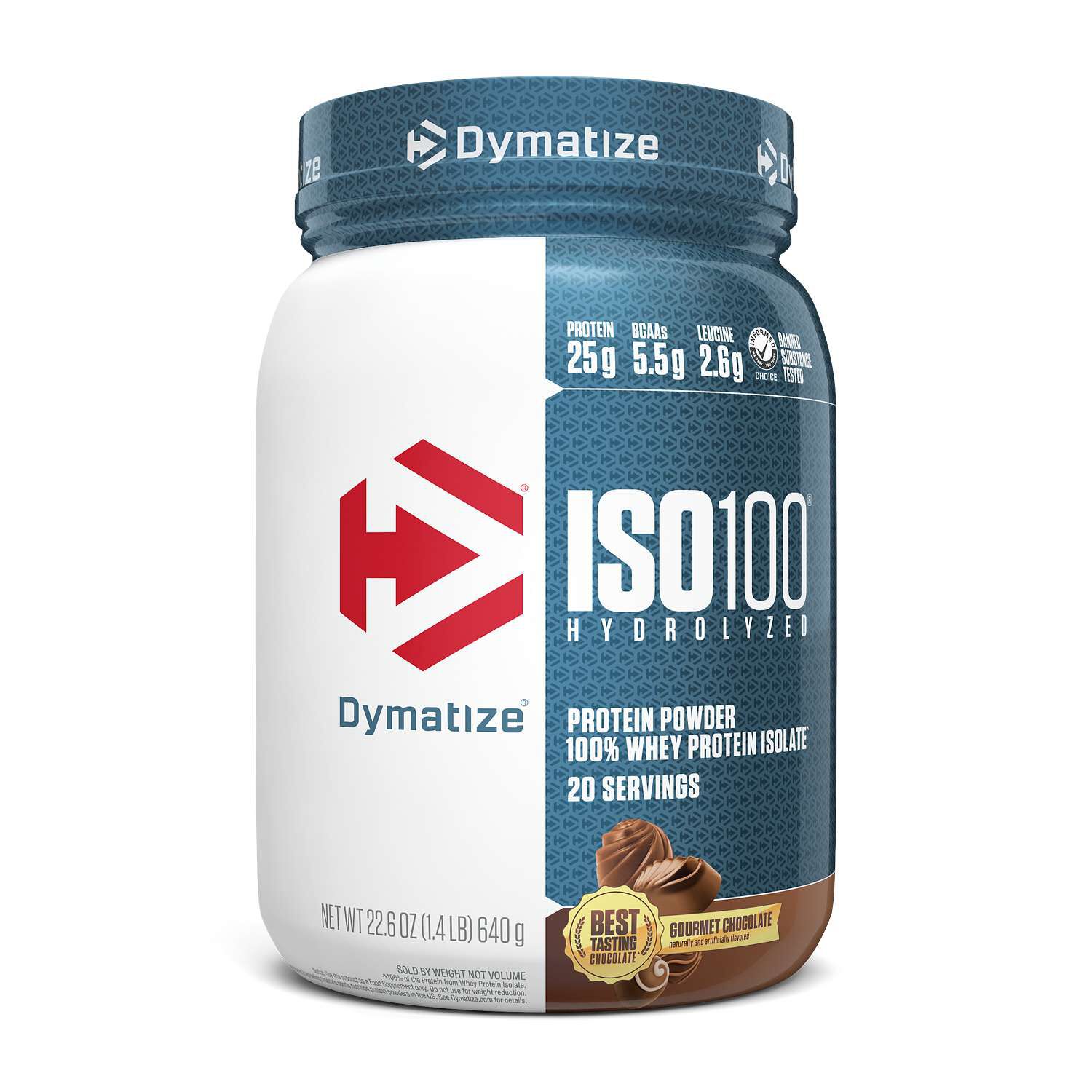
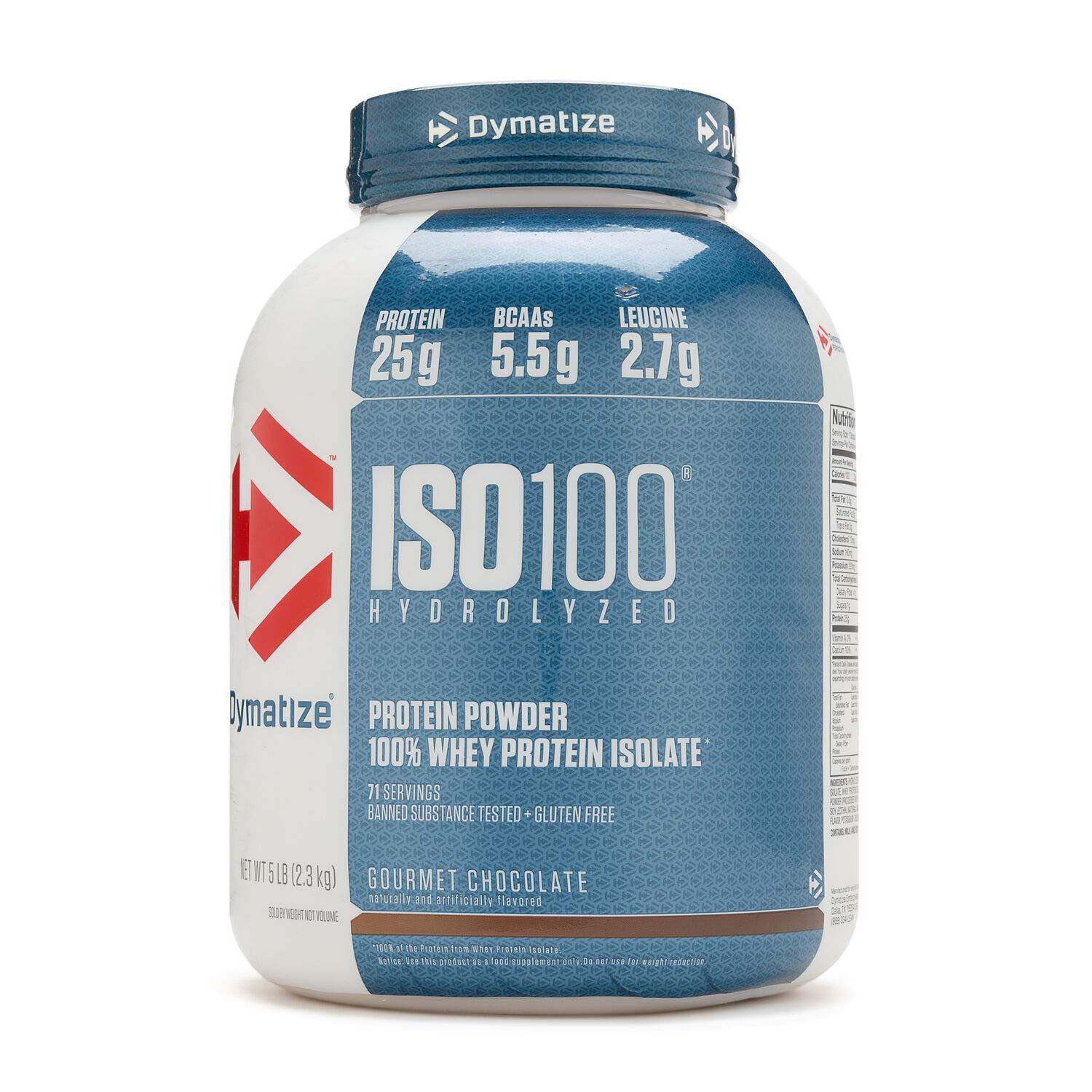
Sport And Performance Protein Powder
(0 Results)
Looking to take your workouts to new heights? Our Sport and Performance Protein Powder selection is here to help you achieve your fitness goals. Packed with high-quality ingredients designed to support muscle recovery and growth, our protein powders are perfect for athletes, fitness enthusiasts, and anyone looking to enhance their performance. Whether you're hitting a new personal best at CrossFit or training for a marathon, our range of protein powders has something for everyone. Choose from a variety of flavors and formulations to find your perfect match and fuel your active lifestyle.


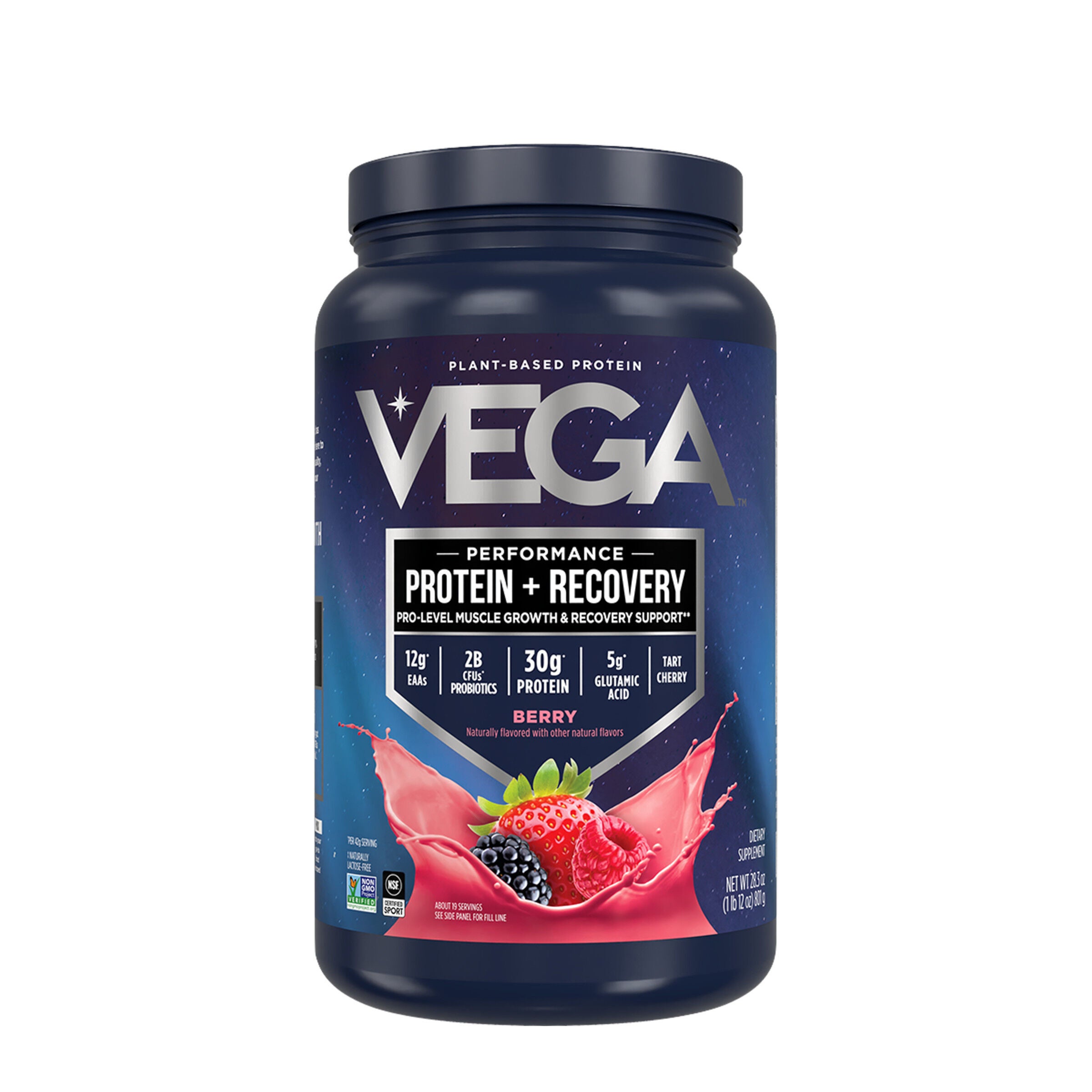


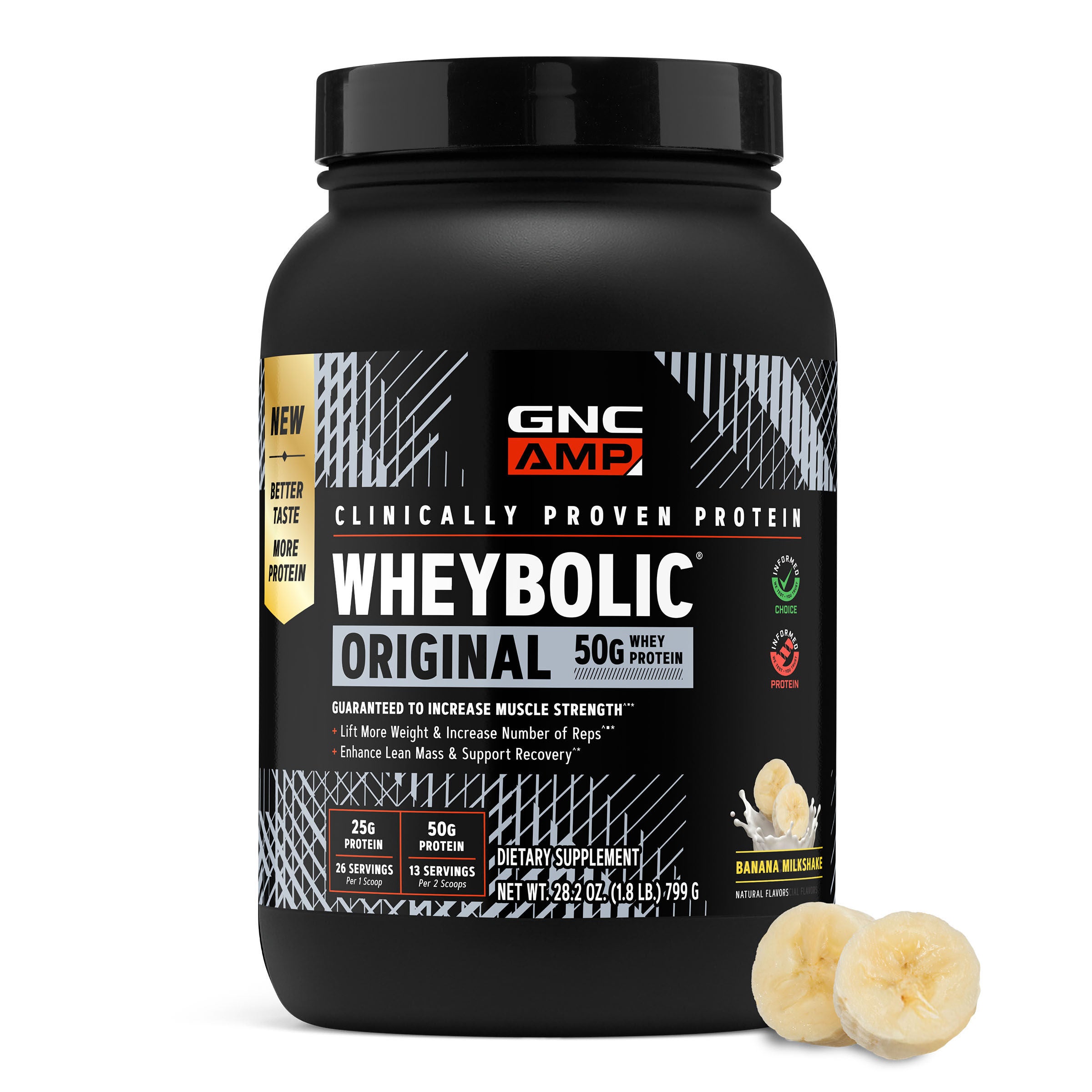
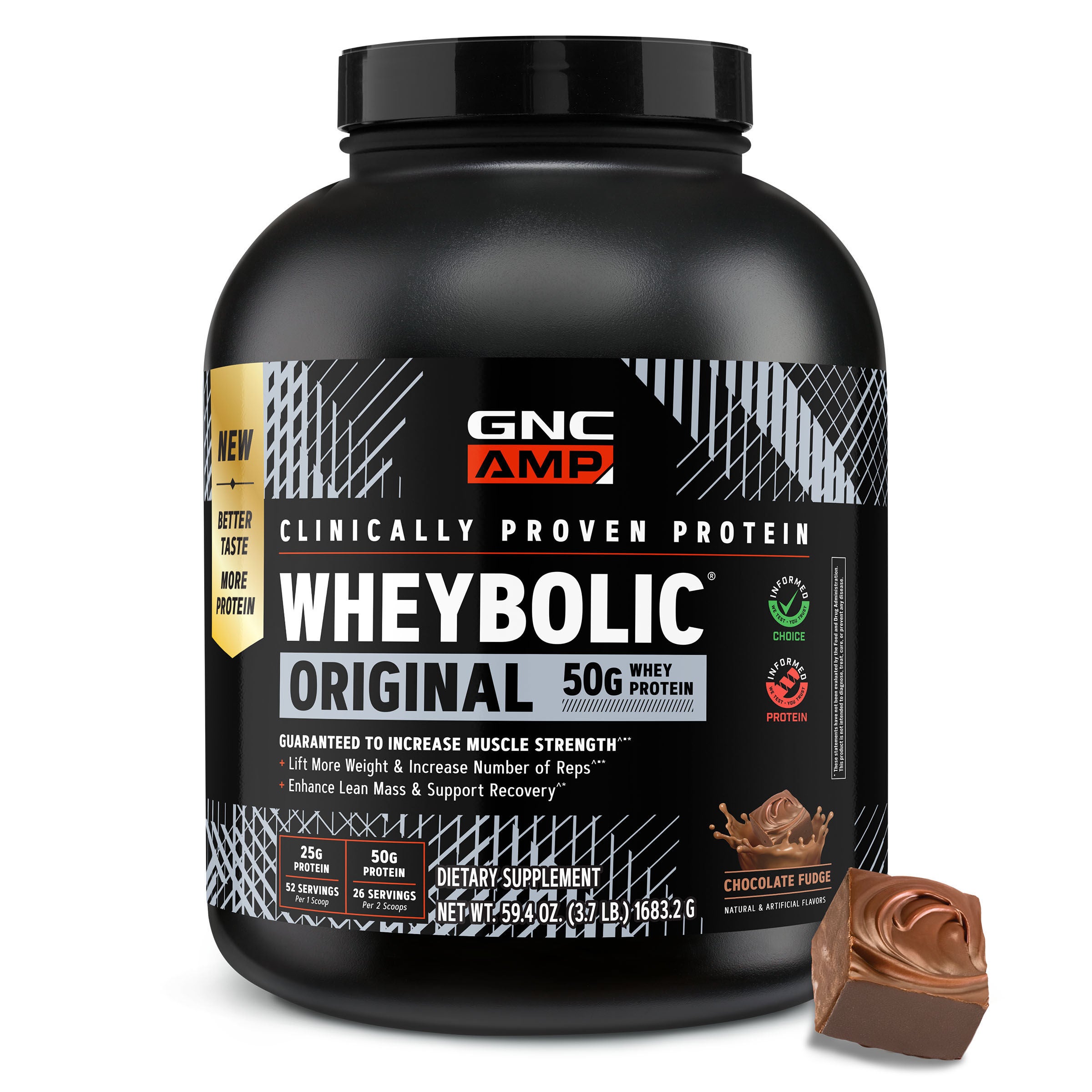
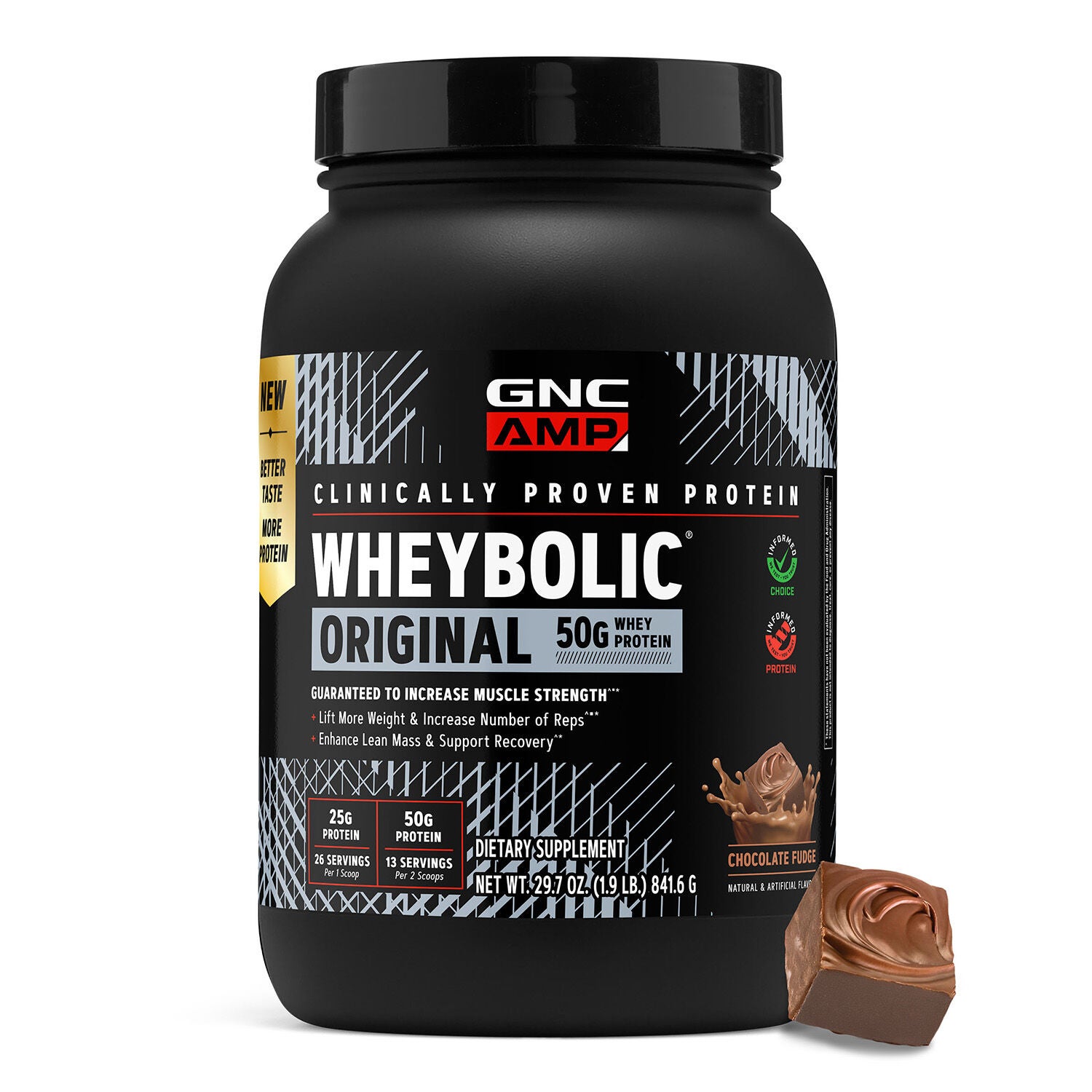
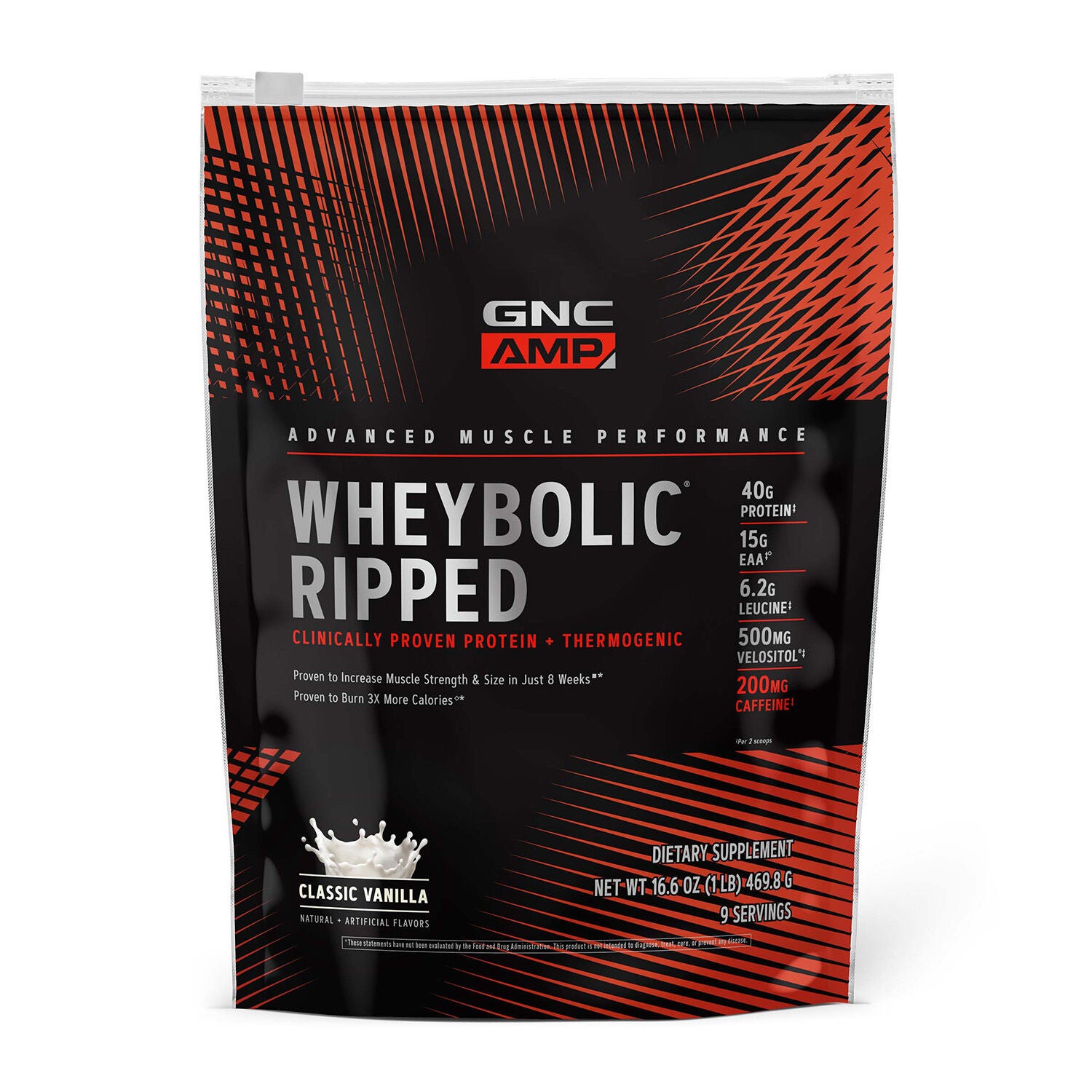


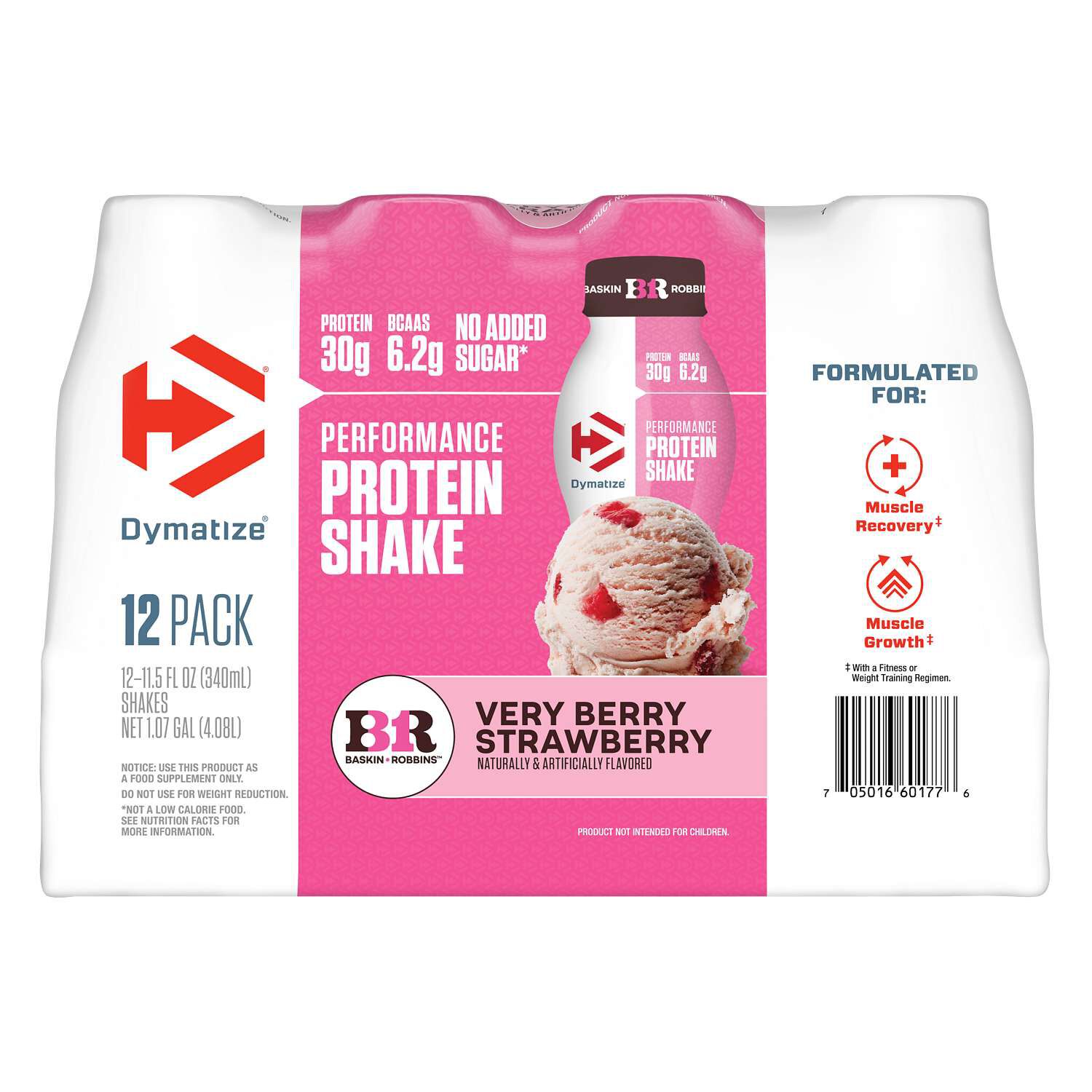

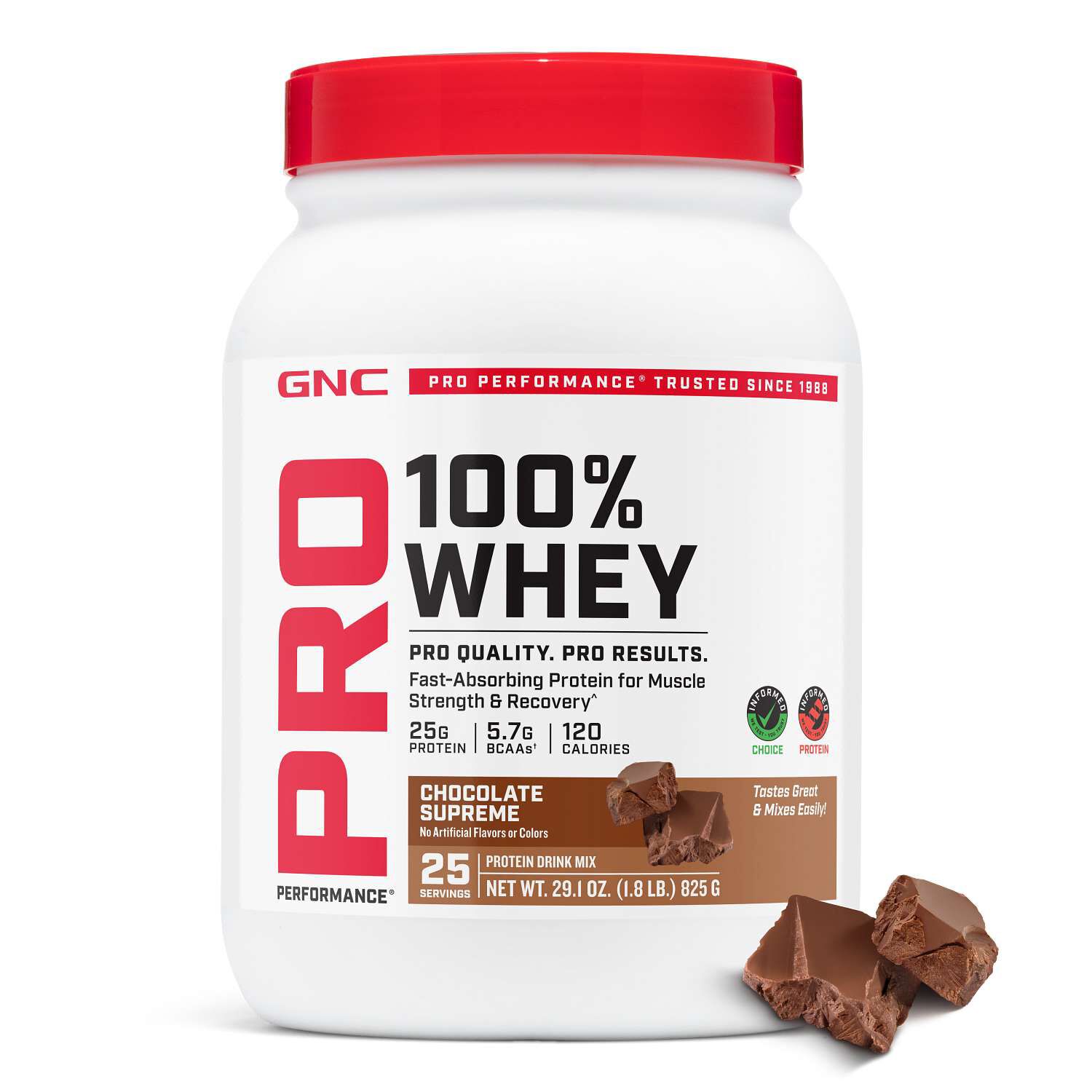
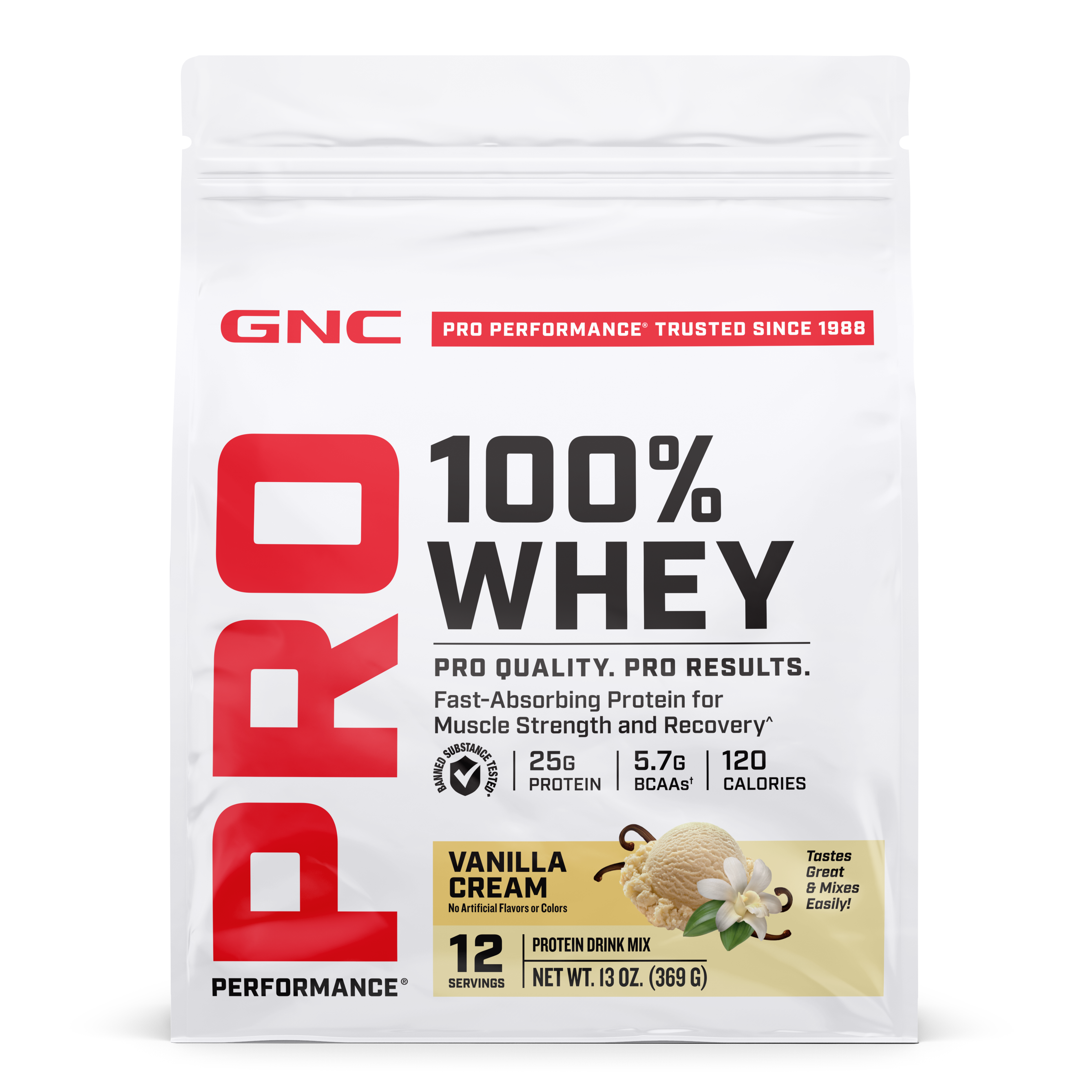

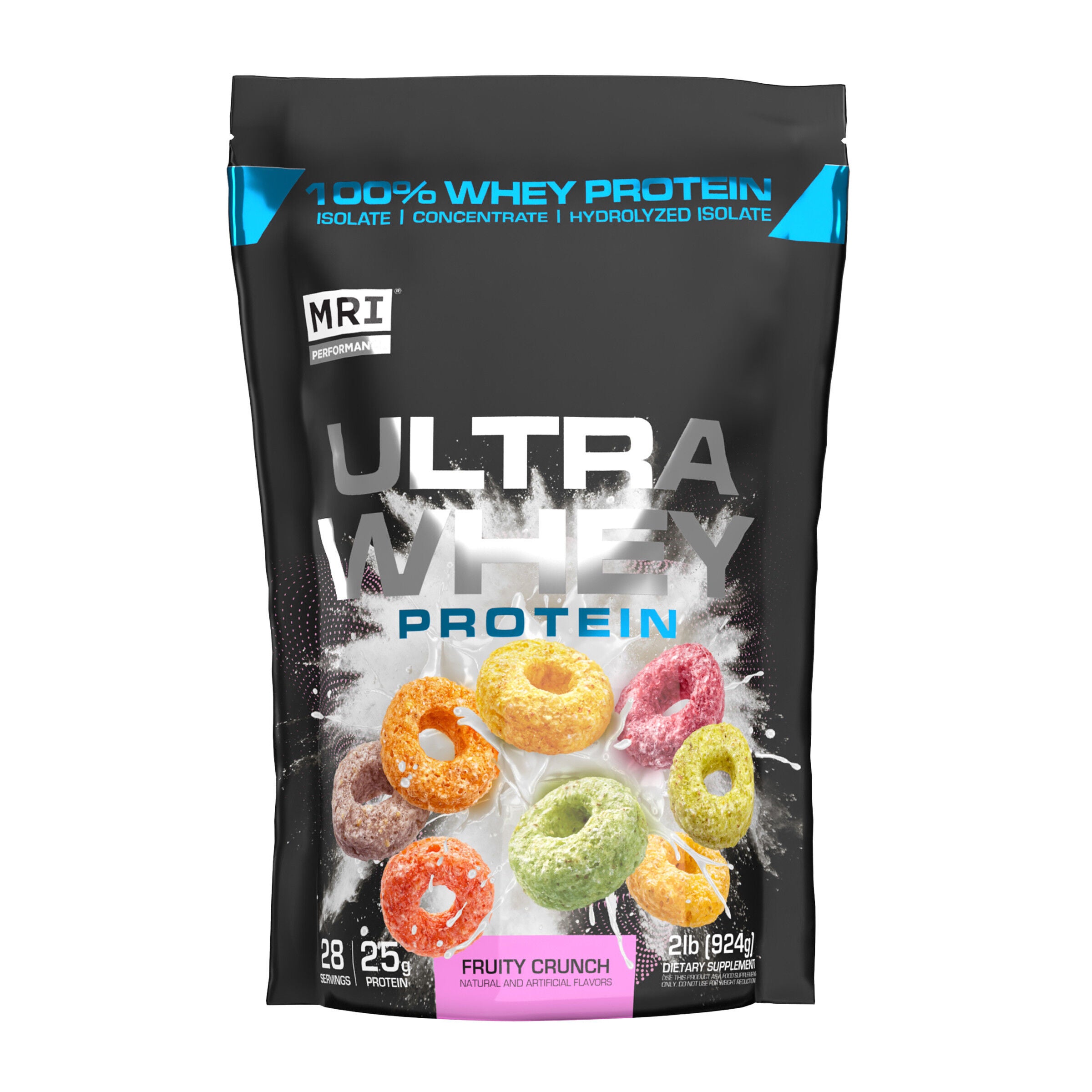
Sport and performance protein powder is a concentrated source of dietary protein intended for athletes, regular gymgoers, and people whose routines include strength training, running, cycling, swimming, or recreational sports. These powders are typically mixed with water, milk, or a plant-based beverage, and some can also be incorporated into smoothies, oatmeal, and other foods. Alongside varied meals and consistent training, protein powder may support muscle maintenance and recovery after exercise. Its place in a routine depends on everyday food choices, training demands, and personal preferences rather than the intensity of the label or the size of the container. The main distinctions within this category include protein source, protein content per serving, other ingredients, flavor, and texture. Whey and casein come from milk, while plant-based protein powders can use peas, rice, soy, or combinations of plant ingredients. Egg white protein provides another option for people who prefer an animal-derived source other than milk. Whey concentrate and whey isolate differ in how they are processed; isolate generally contains a higher proportion of protein by weight and less carbohydrate and fat, although the finished formula determines the actual amounts. Casein often produces a thicker shake, while the texture of plant-based blends varies with the ingredients and preparation method. Blends combine two or more protein sources, so the ingredient list offers a clearer picture than a broad description on the front of a package. Protein provides amino acids, and different sources have different amino acid profiles. For shoppers comparing sport protein powders, that background provides useful context without making one source the right choice for everyone. A person who enjoys a milk-based shake after lifting may favor a different formula than a runner who prefers plant ingredients in a fruit smoothie. Both preferences belong within the category, as do simpler powders for everyday use and more substantial blends intended to accompany demanding training schedules.
Flavor, consistency, and the way a powder fits into familiar meals are meaningful parts of choosing performance protein powder. A formula that tastes pleasant with cold water suits a different setting than one intended for blending with bananas, oats, and milk. Chocolate and vanilla are familiar choices because they pair with many everyday ingredients, while fruit-inspired flavors can suit lighter shakes. Unflavored powders offer another approach for shoppers who prefer to determine the taste of the finished drink, though the protein source can still contribute its own character. Sweeteners, cocoa, flavorings, and ingredients used for texture all influence the experience. Some powders make a thin, smooth drink; others create a denser consistency or retain a noticeable graininess, particularly when stirred rather than blended. The amount and temperature of the liquid also matter, and the package mixing directions provide a useful starting point. A shaker bottle is practical for a gym bag or an office kitchenette, while a countertop blender accommodates fruit, oats, nut butter, and ice. Those additions change the nutritional content as well as the texture, so a shake made with water is not nutritionally interchangeable with a smoothie built from several foods. For an early workout followed by a commute, portability and straightforward preparation may carry more weight than an elaborate flavor combination. For someone returning from an afternoon ride, a thicker smoothie may fit naturally alongside the next meal. During the cooler months, familiar flavors can also work in foods such as oatmeal when prepared according to the product directions. Powders differ in their suitability for heating and baking, so their performance in recipes is not uniform. The everyday appeal of sports nutrition protein powder often comes down to these ordinary details: whether it mixes with the liquid already in the refrigerator, whether the sweetness suits the person drinking it, and whether its preparation fits the time between training and the next part of the day.
Label details bring the comparison back to what is actually in each serving. Protein grams, serving size, carbohydrate, fat, sodium, and added sugars can differ considerably between formulas, even when the containers use similar sports-oriented language. Scoop size is not a consistent measurement across powders, and a serving may require more than one scoop. The listed serving weight and preparation directions are therefore useful reference points when comparing nutrition panels. A powder centered on protein has a different intended use from a blend that also includes a substantial amount of carbohydrate. Neither description alone establishes how well it fits a particular eating pattern or training routine. Ingredient preferences deserve the same attention: milk, soy, egg, and other allergen information should be checked on the package, including any statements about shared manufacturing equipment. A plant-based description does not necessarily address every ingredient preference, and whey isolate remains milk-derived despite its processing. Competitive athletes may also place importance on independent certification for sport. Certification programs have different testing criteria, so the named program and its scope matter more than a general testing statement. Related selections in Protein Powders For Athletes offer another way to browse this category with athletic routines in mind. Package format, storage, and handling round out the practical considerations. Larger containers call for a dry storage space and consistent resealing, while individual packets can be convenient for travel or days spent away from home. Powder should be stored according to its label, with the lid or closure secured and the scoop kept clean and dry. Moisture introduced by a wet utensil can affect the powder’s condition, and a container left in a hot car is not the same storage environment as a kitchen cabinet. Date markings and directions for prepared shakes also deserve attention. Together, these details distinguish a protein powder that simply sounds suited to sport from one whose ingredients, preparation, packaging, and intended use fit a real training day.