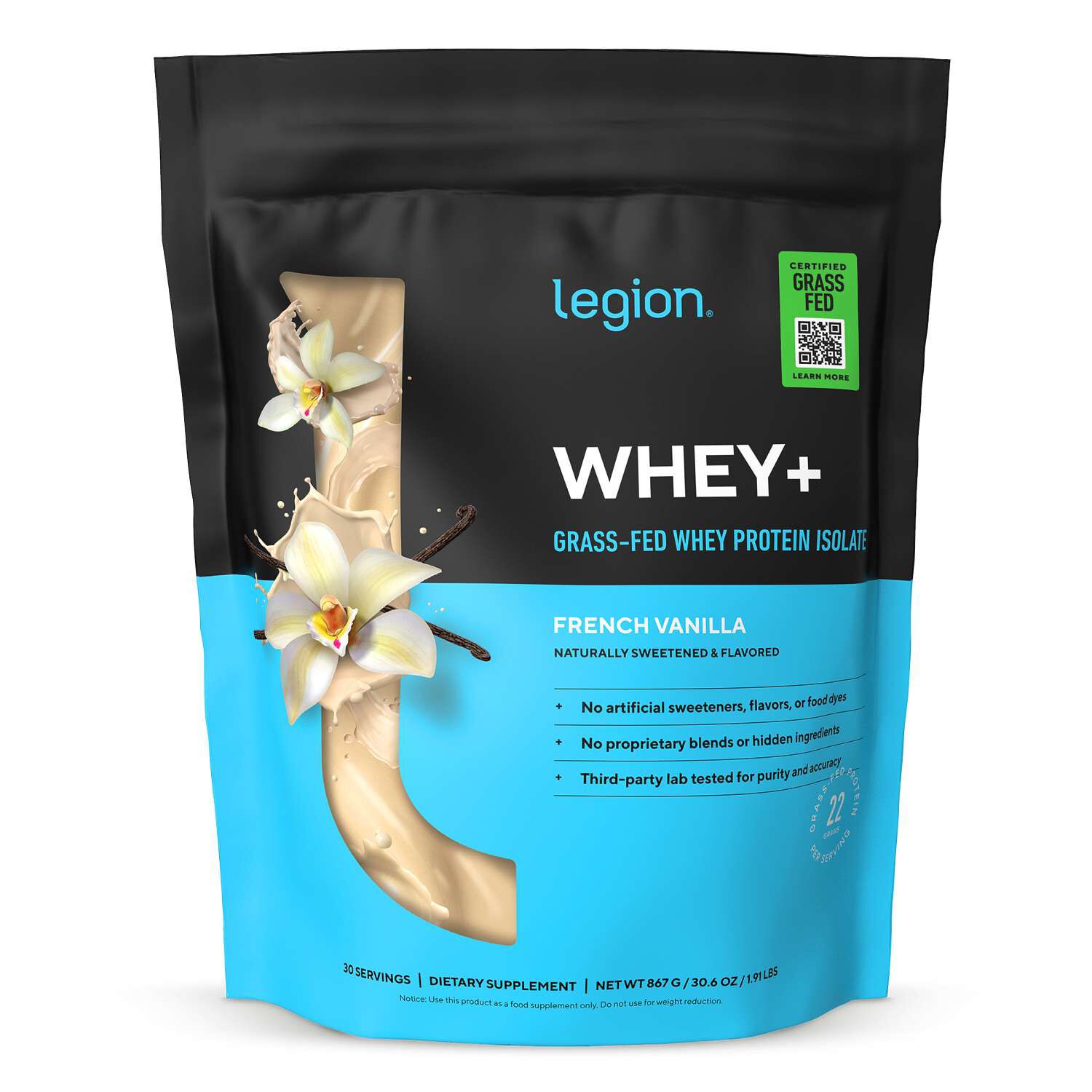
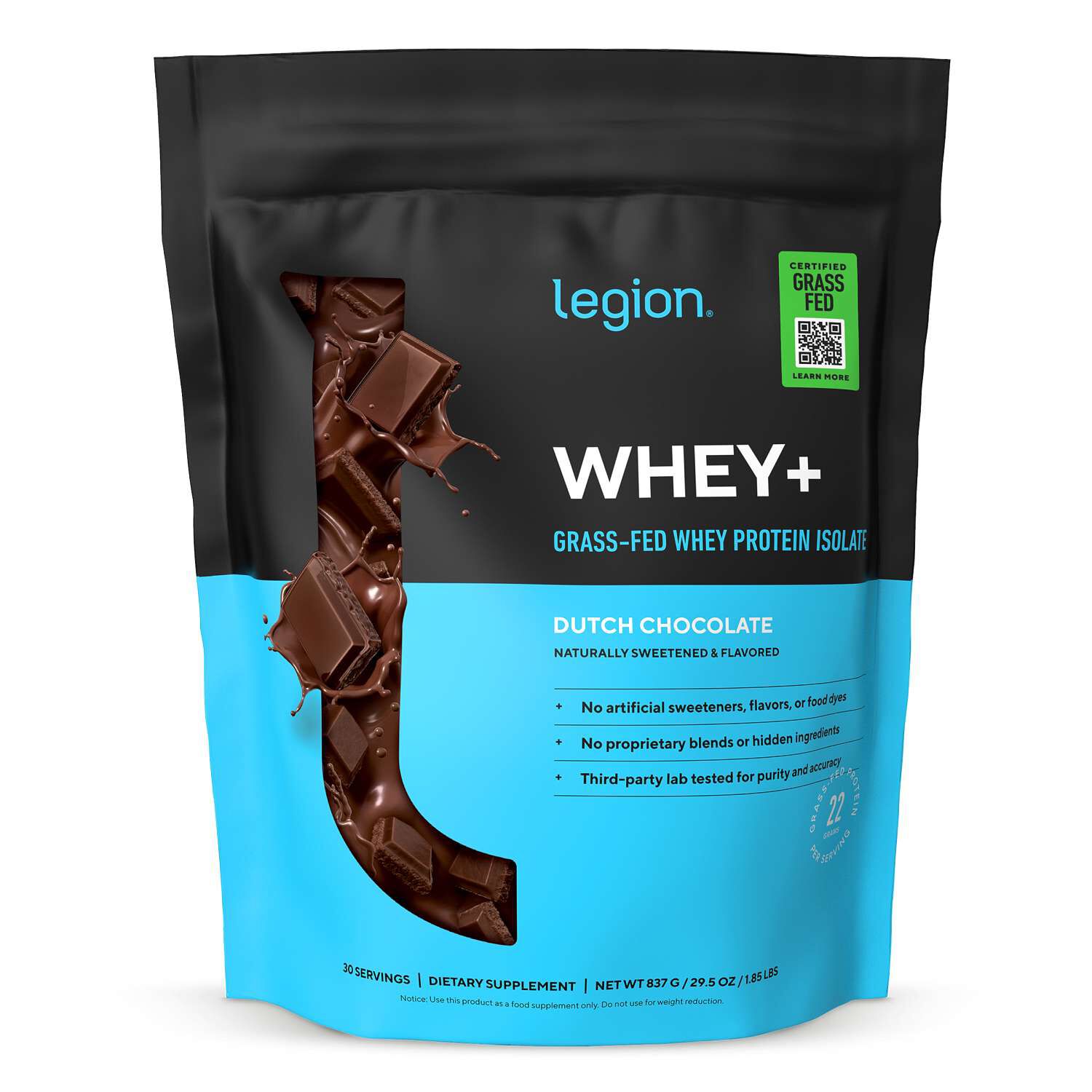
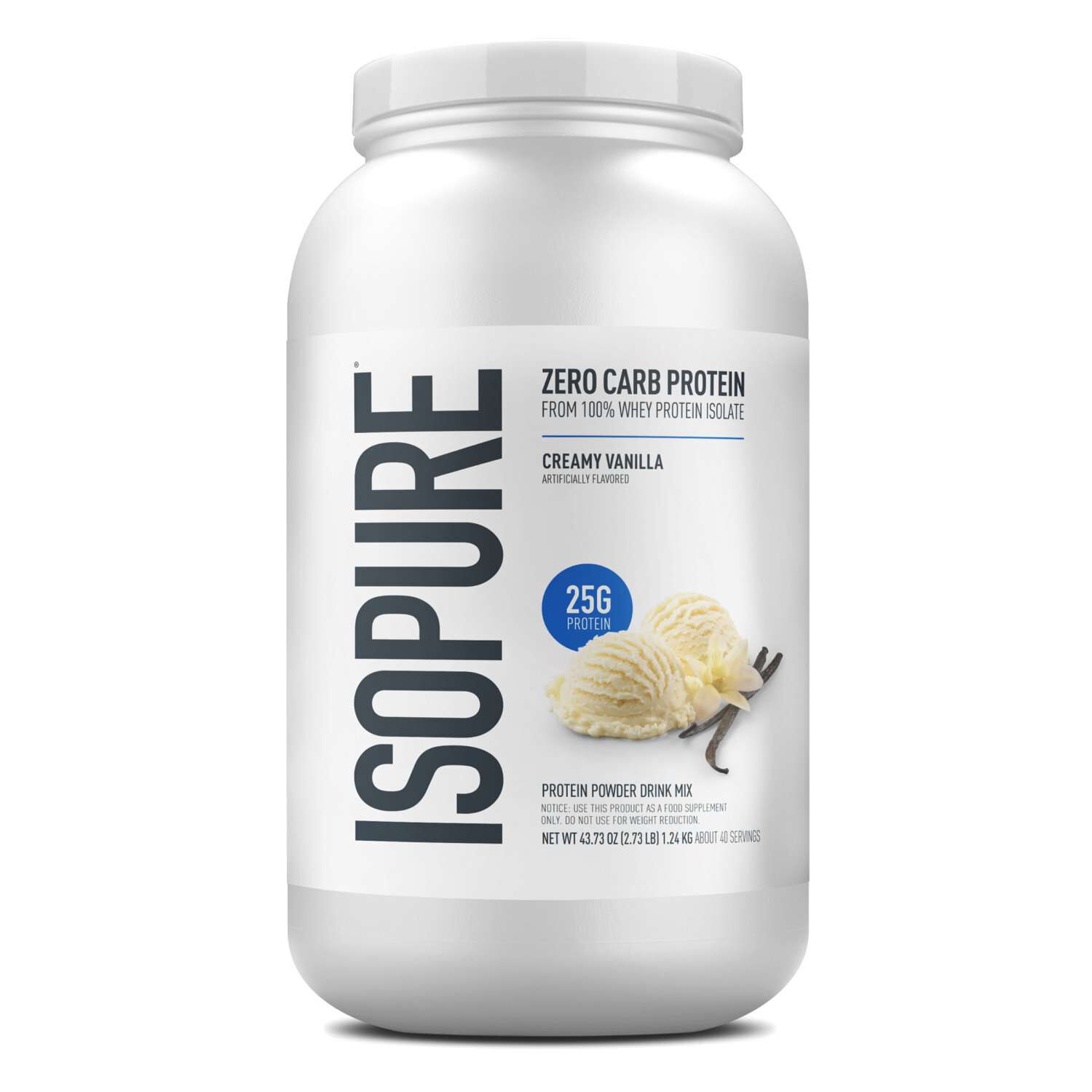
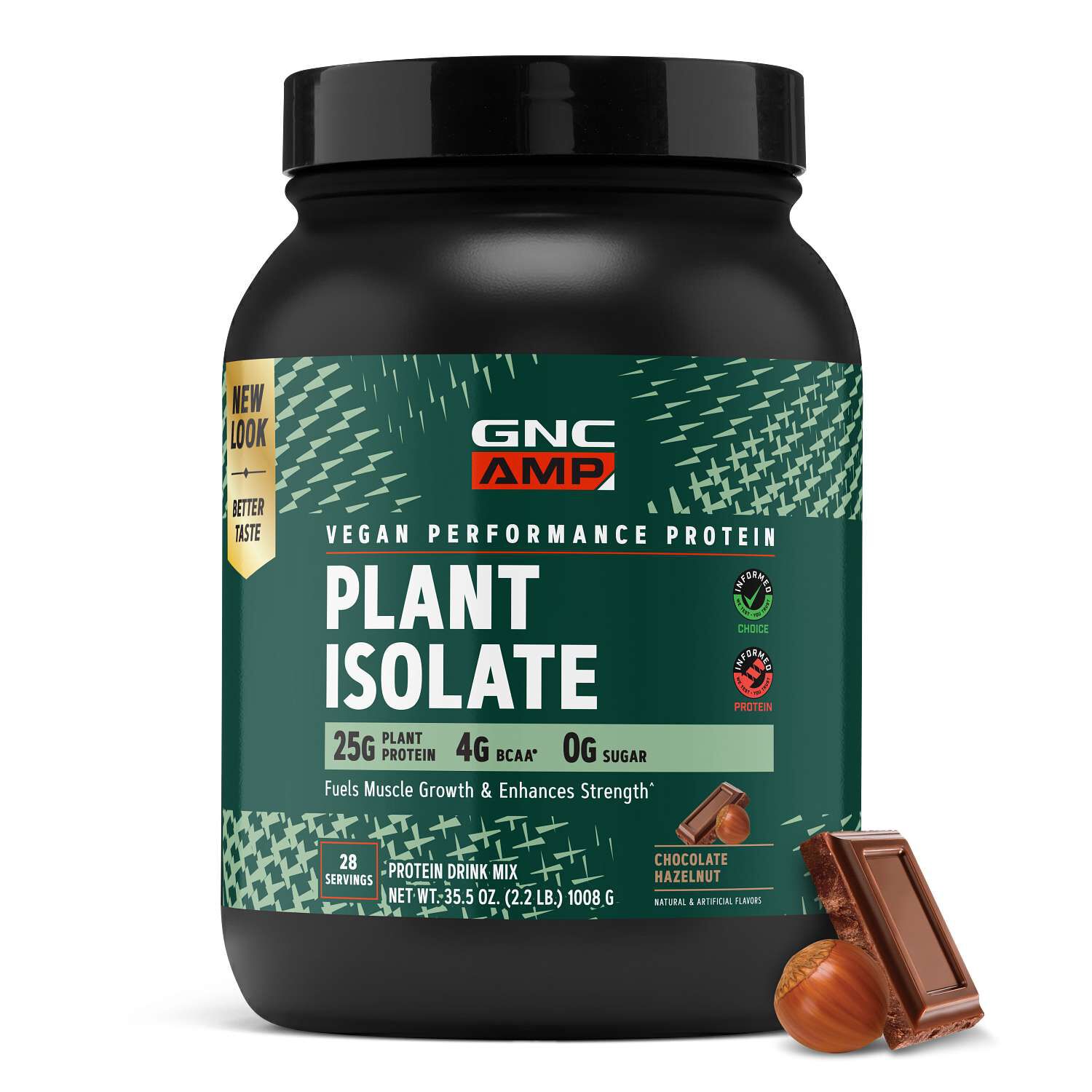
Creamy Proteins
(0 Results)
Indulge in the delicious world of creamy proteins, where flavor meets nutrition. Perfect for those seeking a smooth and satisfying way to support their fitness goals, creamy proteins offer a delightful experience with every sip. Whether blending into your favorite smoothie or simply mixing with water, these protein options could provide the nourishment needed to fuel your day. Dive into our selection and discover how creamy proteins might transform your routine with their rich texture and taste.
-

-
-

-
-
-
-

-
-
-
-
-
-
-
-
-
-

-

-

-
-

-
 $29.99
-

-

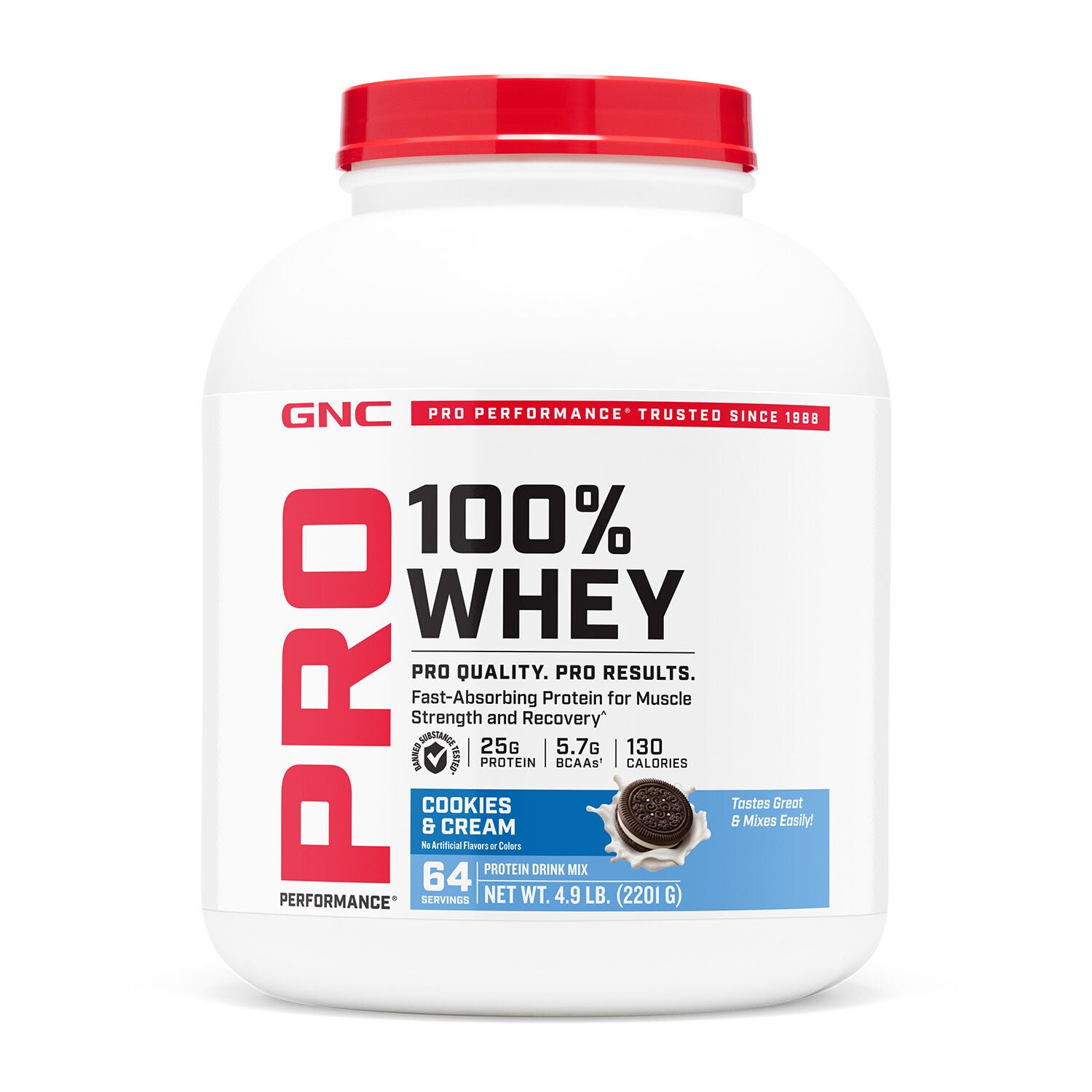
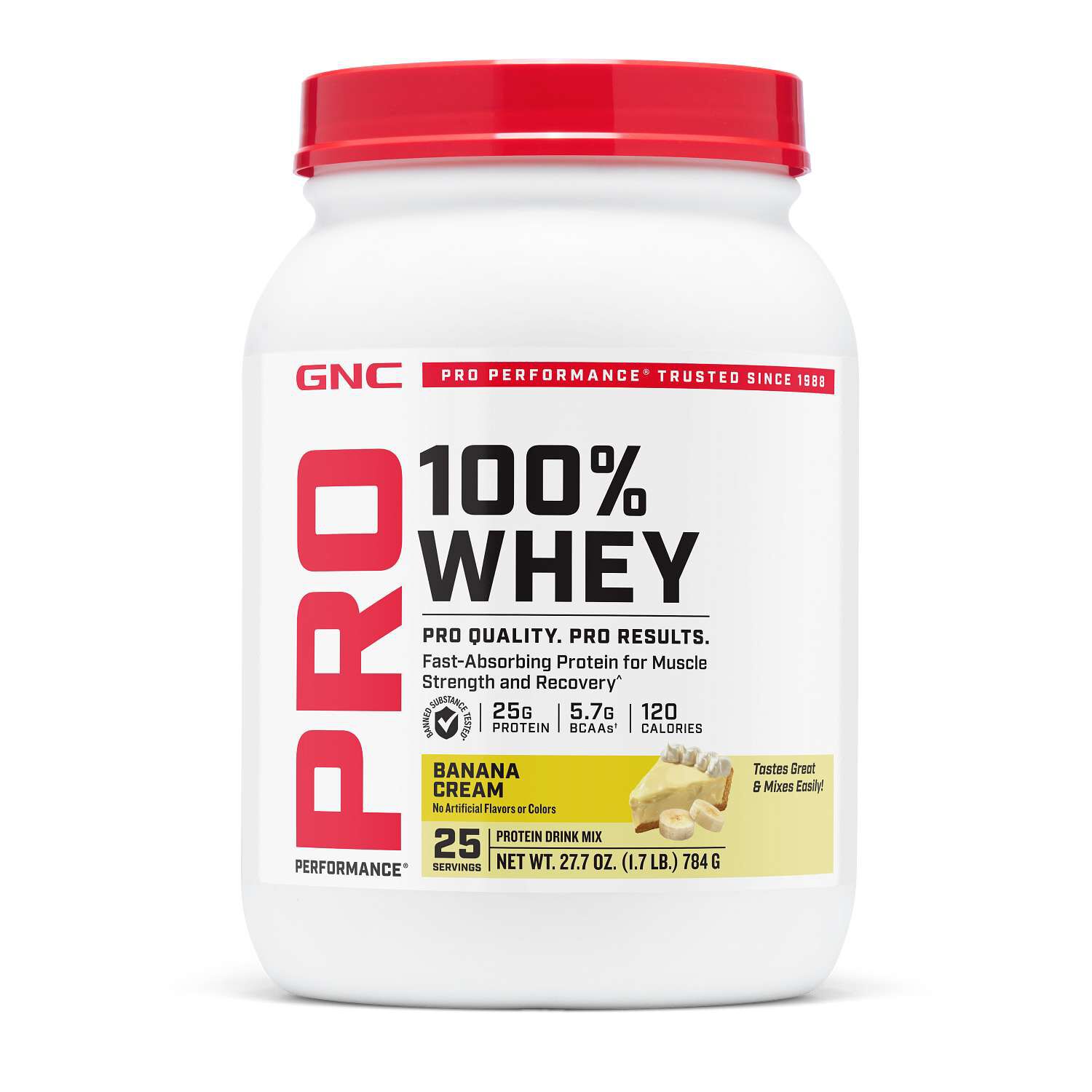
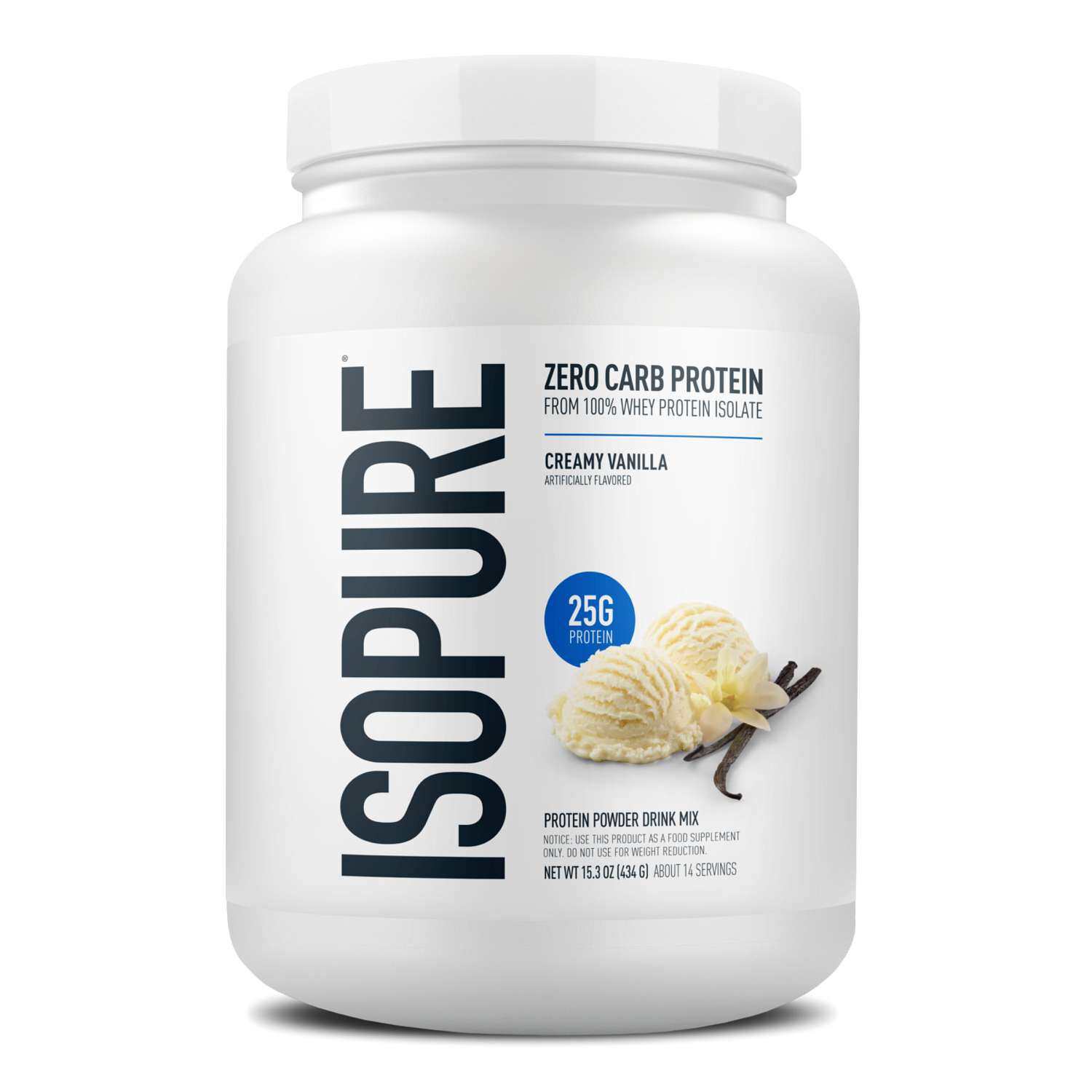
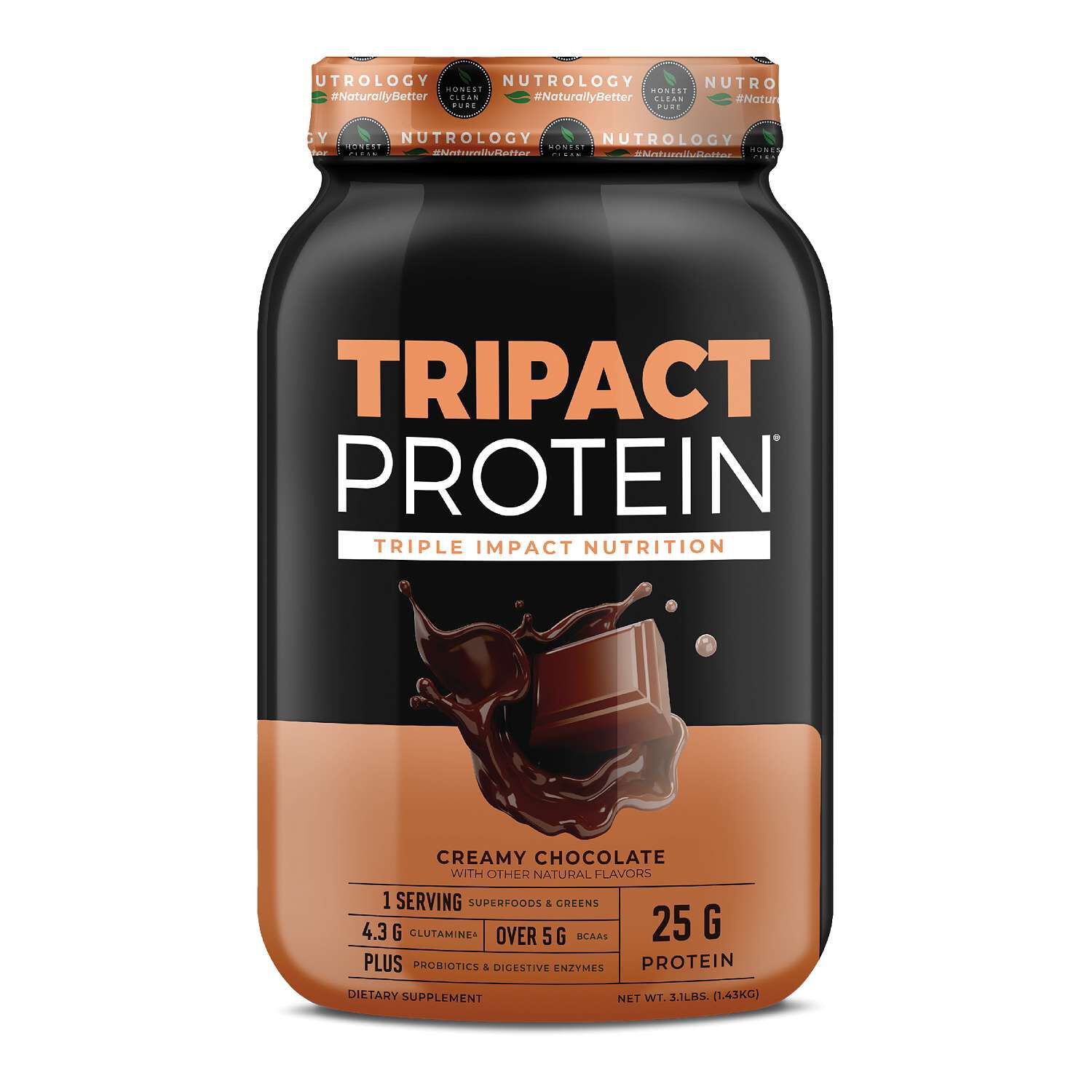
Creamy protein powders and ready-to-drink shakes are made for a smoother, fuller texture than lighter protein drinks. Creamy describes the mouthfeel, not the protein source: a shake can have a milkshake-like consistency whether it starts with milk proteins or a plant-based blend. Whey and casein both come from milk, but they may give a shake a different feel. Whey may suit a more pourable shake, while casein and whey-casein blends may have a thicker consistency that coats the inside of the glass. Plant-based powders can use pea protein on its own or pair it with another source, such as rice protein. The protein source is only part of what determines texture. Ingredients such as xanthan gum may add body, and the amount of liquid and the way the powder is mixed can make a noticeable difference. Smoothness and thickness are worth considering separately. A shake can be thin and silky, or thick enough to eat with a spoon and still have a little graininess. Flavor matters just as much if the powder gets used often. Vanilla may fit a routine that alternates between fruit smoothies and oatmeal, while cocoa may make more sense for a shake that gets mixed and served on its own. A plain powder leaves more room for ingredients that already have a strong flavor, such as tart berries or roasted nut butter. For shoppers comparing dairy and plant-based options, the ingredient list and allergen statement are more useful than the flavor name. A creamy vanilla flavor says little about whether the formula contains milk, which sweetener it uses, or how much protein is in a serving. The Nutrition Facts or Supplement Facts panel gives that comparison a firmer footing, particularly when one powder lists a different serving size than another. For a powder that will usually be mixed with milk or a plant beverage, the liquid contributes its own flavor and nutrition beyond what is listed for the powder alone.
The choice between a powder and a ready-to-drink shake often comes down to where it will be opened and what needs to happen before the first sip. Powder leaves room to choose a liquid and adjust the consistency, which may make it a better fit for someone who already keeps a blender on the kitchen counter or mixes a shake into the breakfast routine. A bottled shake takes the measuring and mixing out of the process, a practical distinction when lunch is packed before leaving for work or a gym bag already has enough in it. Shoppers who prefer that format can browse Creamy Protein Shakes with an eye toward the protein source, flavor, and serving size they prefer. For powder that will mostly go into a shaker, the label’s mixing directions are worth a look: there is a practical difference between a powder intended for a quick shake by hand and one prepared with a blender and several other ingredients. Package size matters, too. A larger container may fit easily on a pantry shelf but take up too much room in a narrow cabinet, while individually portioned packets can be easier to tuck into a lunch bag without carrying a scoop. For someone who switches between flavors, the number of servings in a container may be a better measure of fit than the size of the tub itself. Storage is another everyday consideration. A dry scoop and a tightly closed lid help keep moisture out of a powder container, and the label gives storage directions for both powders and bottled shakes. For bottled formats, check whether refrigeration is needed before opening as well as how to store any portion left afterward. A shaker with a wide opening and a removable mixing insert can be simpler to rinse, especially when a thicker blend leaves residue under the lid or around the threads.
A powder chosen for drinking straight from a shaker serves a different purpose from one that gets folded into breakfast or blended into a dessert. For a simple shake, water leaves the flavor of the powder more apparent, while dairy milk or an oat beverage may produce a rounder taste and fuller texture. That difference may matter if an already sweet powder is paired with a sweetened beverage, or if a plain powder is going into a smoothie with fruit. Frozen banana or a spoonful of Greek yogurt may add body to a blended shake; nut butter may do the same while bringing a roasted flavor that comes through even alongside cocoa. If the goal is a shake that pours easily from a bottle, a base that already includes yogurt and banana may not need a particularly thick powder. For a spoonable consistency closer to pudding, a casein-based or other thicker blend may suit the job, especially when the preparation directions allow for less liquid. The same distinctions carry over to everyday uses like stirring powder into overnight oats, where the oats also absorb liquid, or using it in a frozen dessert base, where the milk or yogurt contributes to the finished texture. A blend that tastes balanced in a glass may come across differently in oats or a soft-serve-style dessert, so sweetness and flavor are worth weighing alongside creaminess. For someone who typically mixes a shake after a workout, a smooth, pourable consistency may matter more than how the powder holds up in a bowl. For someone who likes breakfast thick enough to spoon up with berries, the opposite may be true. Comparing formats by the way they will actually be used makes the differences easier to picture, from a bottled shake packed with lunch to a blended cocoa shake that leaves a silky ribbon down the side of the glass.