





Creamy Plant Protein Powders
(0 Results)
Creamy plant protein powders offer a smooth and satisfying way to support your nutrition goals. With a variety of delicious flavors and blends, these protein options may fit easily into your daily routine whether you're mixing them into shakes, smoothies, or recipes. Explore creamy plant protein powders that could provide a convenient choice for those looking for plant-based options with a rich texture. Discover selections that might suit your lifestyle and help you enjoy every sip.

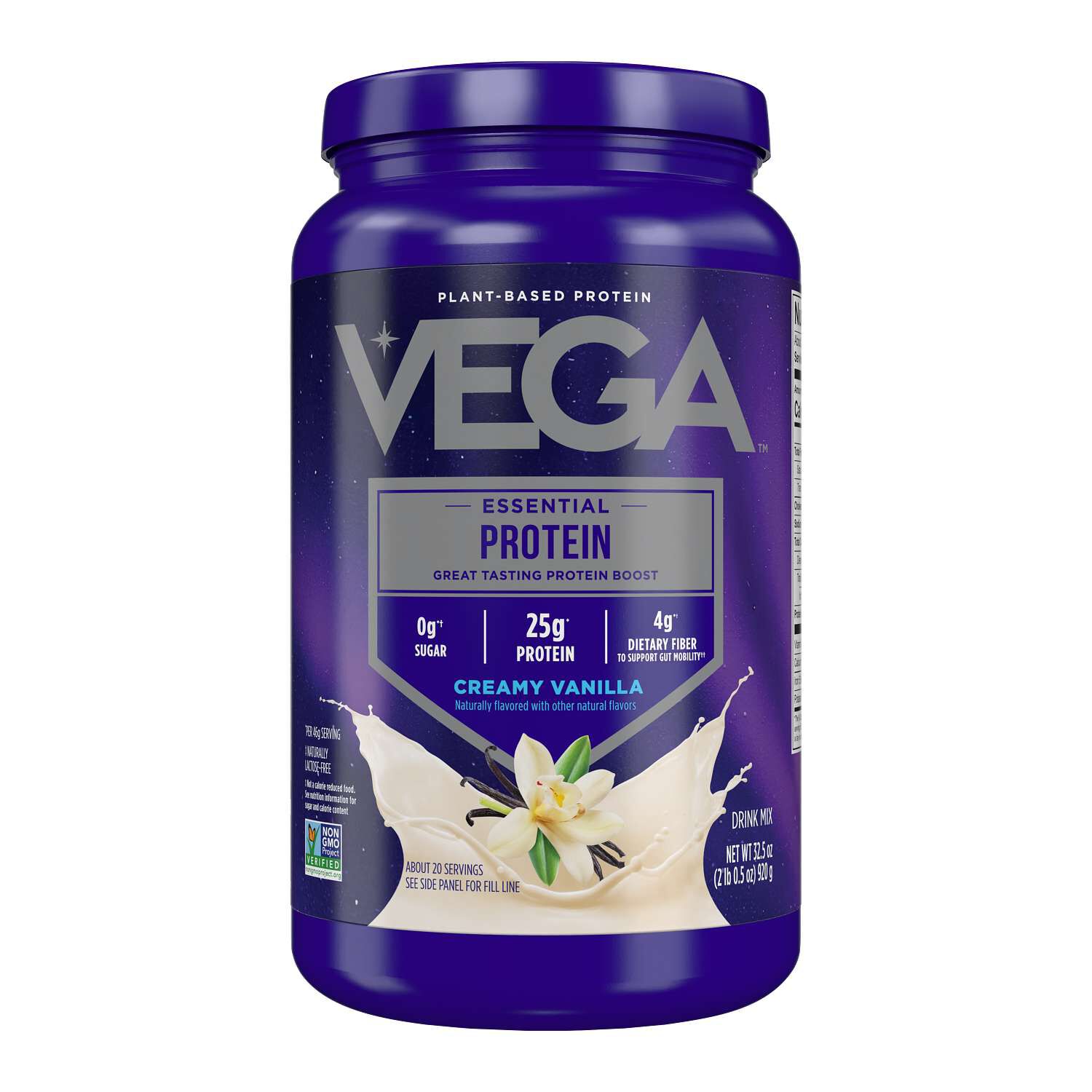
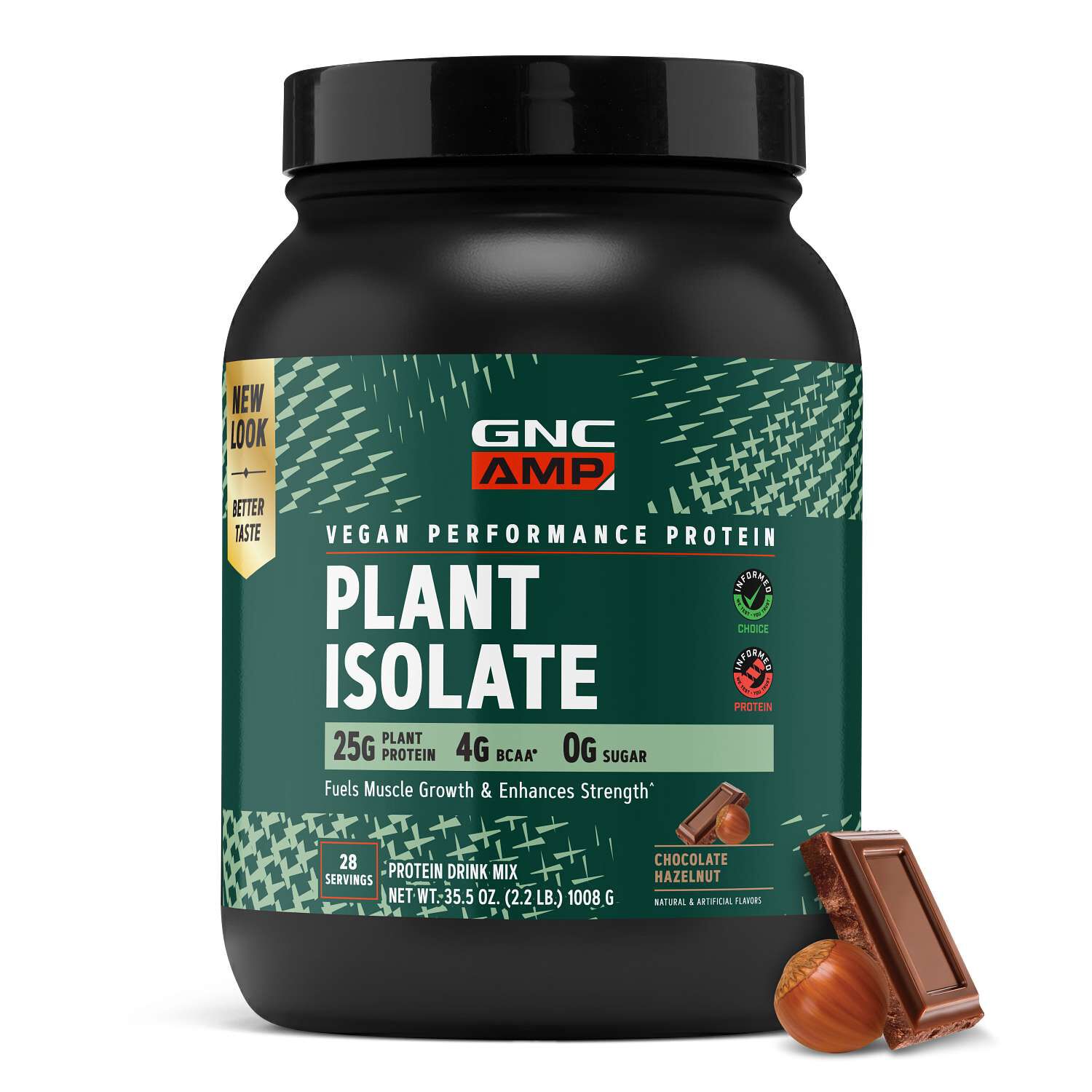


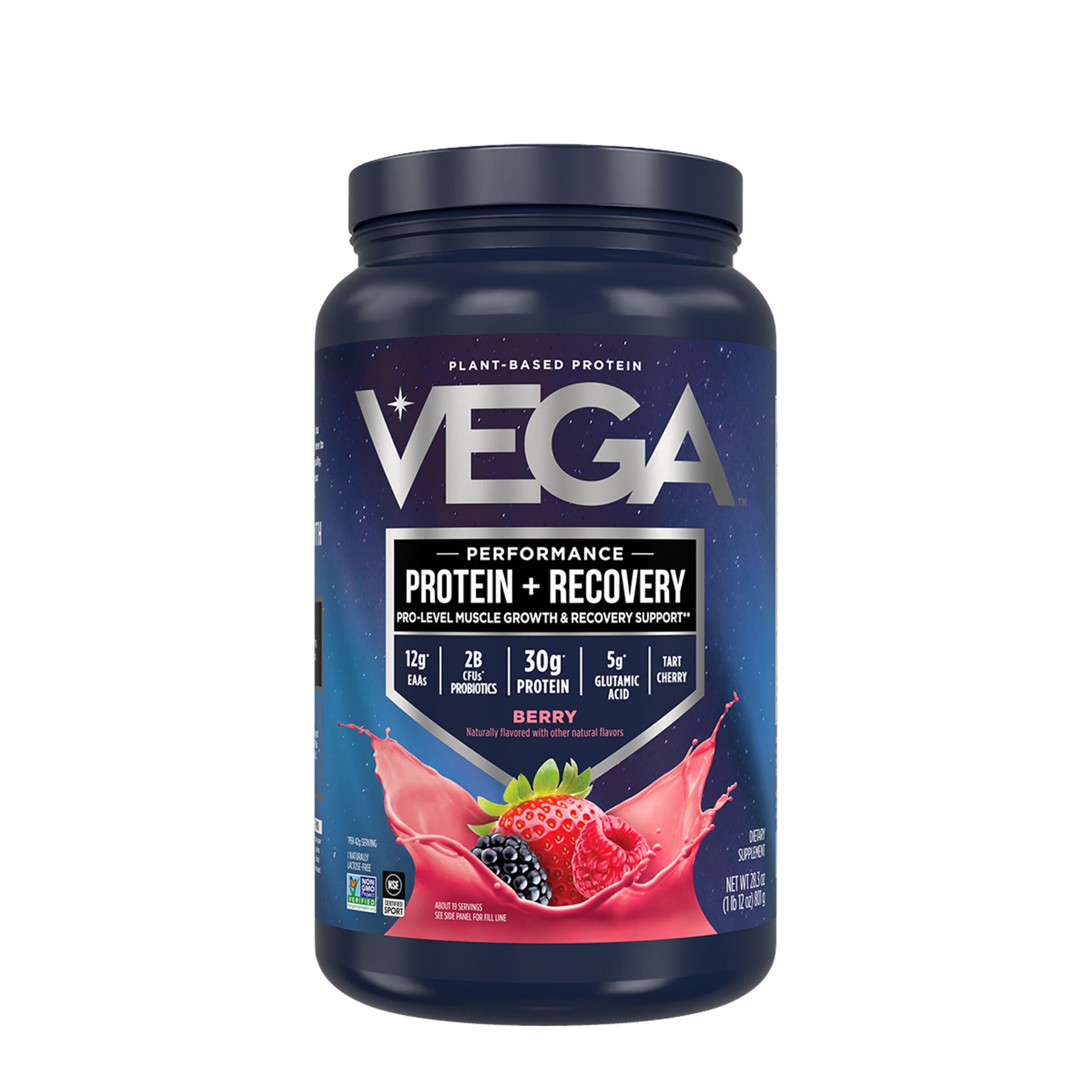
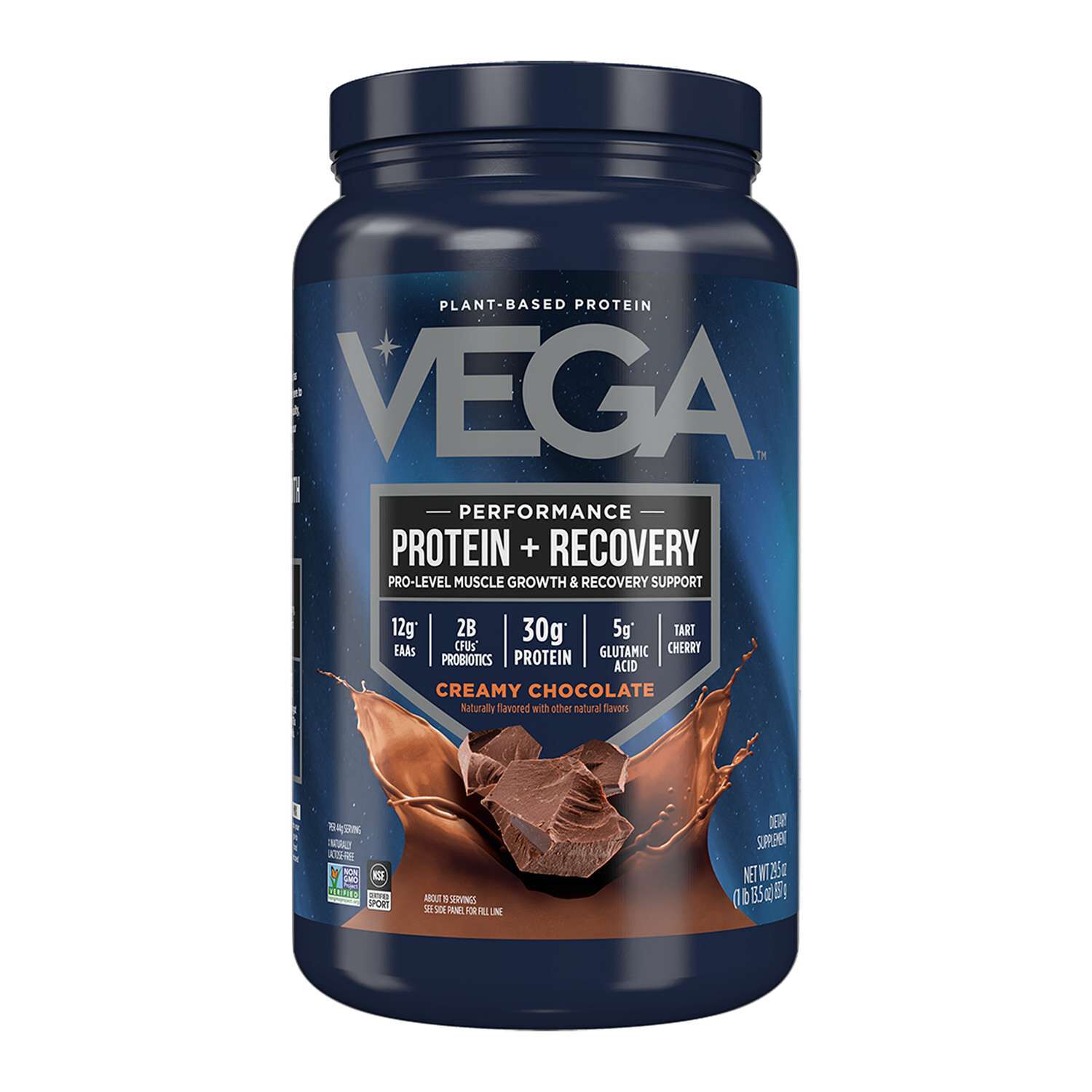
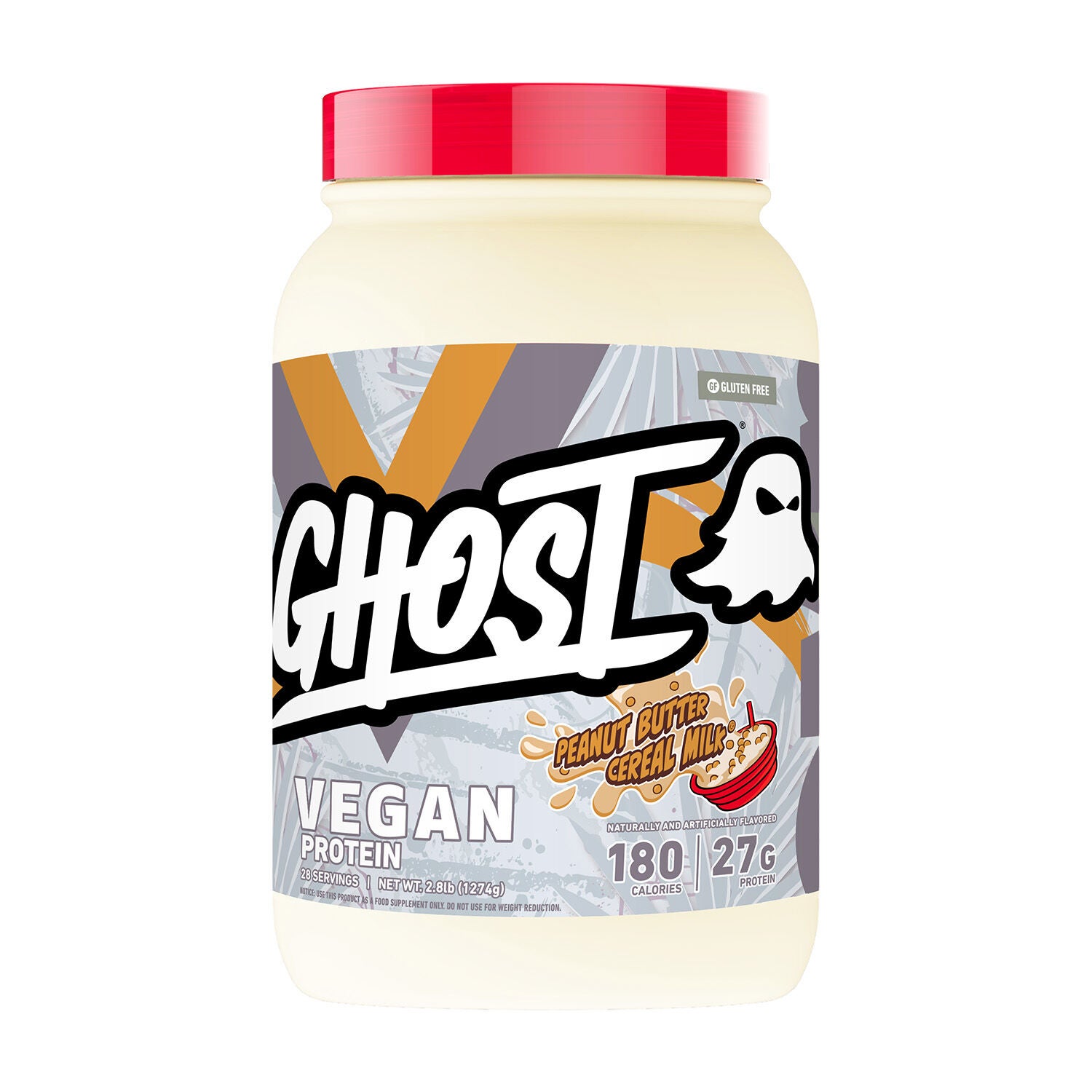
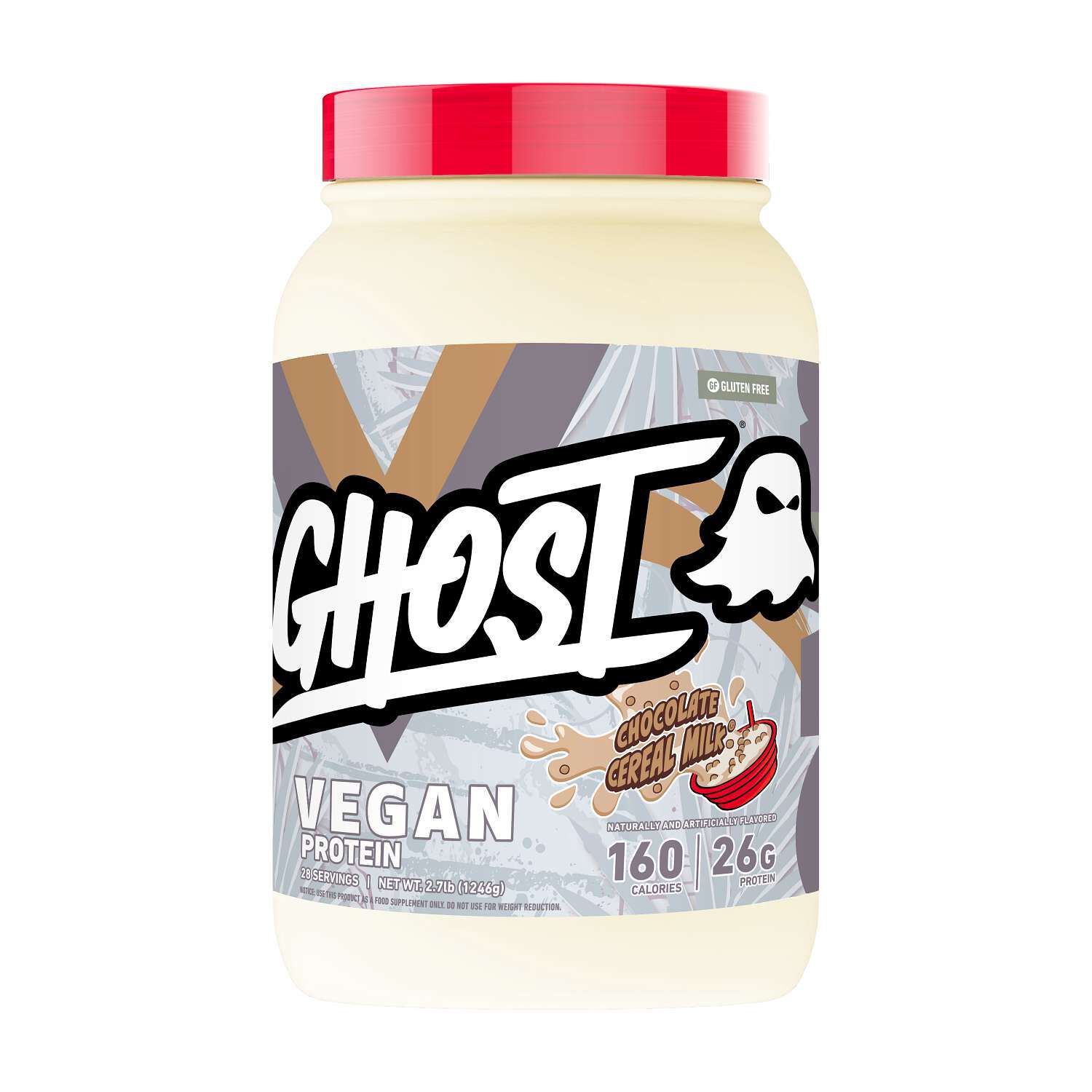

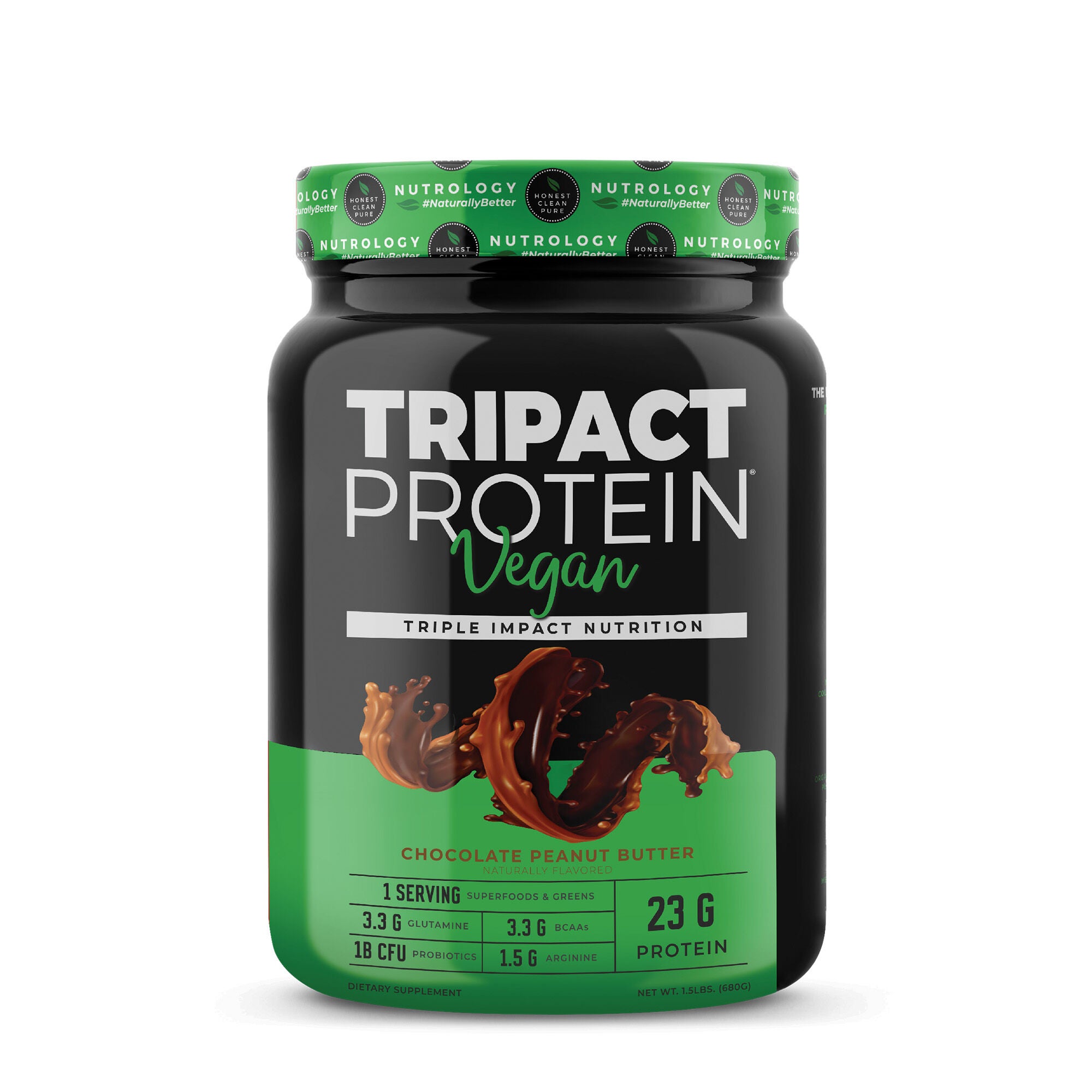

Creamy plant protein powders often pair protein from peas, brown rice, soy, or fava beans with ingredients selected for a smooth, shake-like texture. Depending on the formula, those ingredients might include oat flour, coconut milk powder, almond flour, or small amounts of gums that may contribute body and a more uniform consistency. The appeal is as much about the drinking experience as the protein source: a shake that feels rounded and substantial rather than thin, with a flavor that fits comfortably into everyday meals and snacks. Creaminess is not determined by a single ingredient, though. The fineness of the powder, the blend of protein sources, the supporting ingredients, and the amount of liquid all play a part in the finished texture. Pea and rice proteins appear together in some blends, while other formulas feature soy or a combination of several plant sources. Protein isolates and concentrates describe different ingredient preparations, but those terms alone do not establish how a finished shake will taste or feel. Oat ingredients may lend a cereal-like softness, coconut ingredients may contribute richness, and nut-based ingredients may bring a fuller flavor alongside additional texture. Guar gum, xanthan gum, and similar ingredients may help keep a mixture more uniform, although preferences differ between a light, pourable shake and something closer to a dessert-style smoothie. Chocolate, vanilla, and unflavored varieties offer different starting points for that experience. Cocoa may bring a deeper flavor, vanilla may pair comfortably with fruit or oats, and an unflavored option may suit recipes where another ingredient takes the lead. Creamy describes a texture preference, not a particular nutritional profile or ingredient standard. Protein per serving, serving size, added sugars, fat, fiber, and sweetener choices remain separate label details, even when two powders share the same flavor description. For shoppers who value both taste and ingredient transparency, those distinctions provide a more useful comparison than texture language alone.
The way a creamy plant protein powder fits into a routine often depends on what goes into the cup with it. Water offers a straightforward base for tasting the powder itself, while oat, soy, almond, or coconut beverages may contribute their own flavor and body. The combination matters: a mildly flavored powder paired with an oat beverage may feel quite different from the same serving mixed with water. Less liquid may produce a thicker shake, while a larger amount may create a lighter consistency; the preparation directions on the package provide a starting point for each formula. A shaker bottle suits a simple drink between errands or after a workout, while a blender may be more useful for incorporating banana, berries, oats, or nut butter. Blended banana may contribute a soft, spoonable texture, and nut butter may add richness, but both also change the flavor and nutrition of the finished serving. A chocolate powder with peanut butter creates a different experience from vanilla blended with peaches, even if the underlying protein blend is similar. Mixing equipment matters, too. A bottle with enough room for the liquid and powder to move may produce a more even mixture than an overfilled container. A blender may distribute thicker ingredients more evenly, although individual powders differ in how they respond to mixing. Some mixtures may become thicker after standing as ingredients take up liquid, making the amount prepared and the timing of the drink relevant to the experience. These powders also have uses beyond a glass. A measured portion may suit oatmeal, a yogurt alternative, or a smoothie bowl when the flavor and texture work with the other ingredients. In baking, protein powder may change moisture and density, so a recipe written for that ingredient offers a more predictable starting point than replacing flour in equal amounts. The goal is a format that fits naturally into the meals and snacks someone already enjoys, rather than a shake that requires an elaborate routine.
Choosing among creamy plant protein powders also involves matching the label to personal preferences and practical habits. Someone following a vegan eating pattern may look for a clearly stated vegan designation, while a shopper avoiding a particular ingredient needs to review the full ingredient list and allergen information. Plant-based wording alone does not establish how a product is made or whether it meets an individual dietary requirement. Soy, almonds, and other nuts appear in some recipes, and manufacturing statements provide another important point of comparison. Sweeteners deserve similar attention because a powder intended for a simple shake may taste different once combined with sweetened beverages or fruit. Some shoppers prefer sugar, others choose alternative sweeteners, and others favor an unflavored formula that leaves more room for the ingredients around it. A shorter ingredient list and a creamy texture are separate considerations; a formula with fewer ingredients is not automatically smoother or better suited to every recipe. Shoppers comparing ingredient preferences may also explore Clean Plant Based Protein Powder, with individual product labels remaining the clearest reference for what each formula contains. Container format and serving instructions matter for everyday use as well. A resealable pouch or lidded tub belongs in a dry storage area away from direct sunlight, with the closure secured according to the package directions. A clean, dry scoop helps keep moisture out of the container, and reusable bottles need thorough cleaning between uses. Prepared shakes should be handled according to the label rather than treated like dry powder. For a shared household, clearly labeled containers and separate attention to ingredient preferences make the selection more personal. As a gift for someone who already enjoys plant-based shakes, a familiar flavor profile and a known dietary preference are more thoughtful reference points than an unfamiliar formulation. Ultimately, the most suitable creamy plant protein powder is one whose ingredients, preparation style, and flavor match the way it will actually be used.
- Q: What are creamy plant protein powders made from?
A: Creamy plant protein powders are typically made from sources like peas, brown rice, pumpkin seeds, or sunflower seeds, and may include natural thickeners or creaminess enhancers such as coconut milk powder or oat flour. - Q: How can I use creamy plant protein powder in recipes?
A: Creamy plant protein powders can be blended into smoothies, stirred into oatmeal, mixed with non-dairy milk for a shake, or even added to baked goods for a plant-based source of protein. - Q: What makes a plant protein powder 'creamy' compared to other types?
A: A 'creamy' plant protein powder often contains ingredients that help create a smooth texture and rich mouthfeel when mixed with liquids, which may make it more enjoyable in shakes and recipes. - Q: Are creamy plant protein powders suitable for people avoiding dairy?
A: Most creamy plant protein powders are formulated without dairy ingredients, making them a popular choice for those following vegan or dairy-avoiding lifestyles. It's always best to check the ingredient list to be sure. - Q: Can I mix creamy plant protein powder with water instead of milk?
A: Yes, you can mix creamy plant protein powder with water. Many people enjoy the taste and texture when blended with water, though using non-dairy milk may provide an even creamier result.
Best Sellers
Related Pages
Top Collections
- Chronic Fatigue Supplements
- Vitamins For Hair Loss
- Capsule Supplements For Energy And Stamina
- Supplements For Yoga Joint Flexibility
- Zinc Supplements For Men
- Best Brand of Magnesium Glycinate
- Cortisol Supplements
- Supplements For Energy And Wellness
- Joint Mobility Supplement Packs
- Peptide Supplements