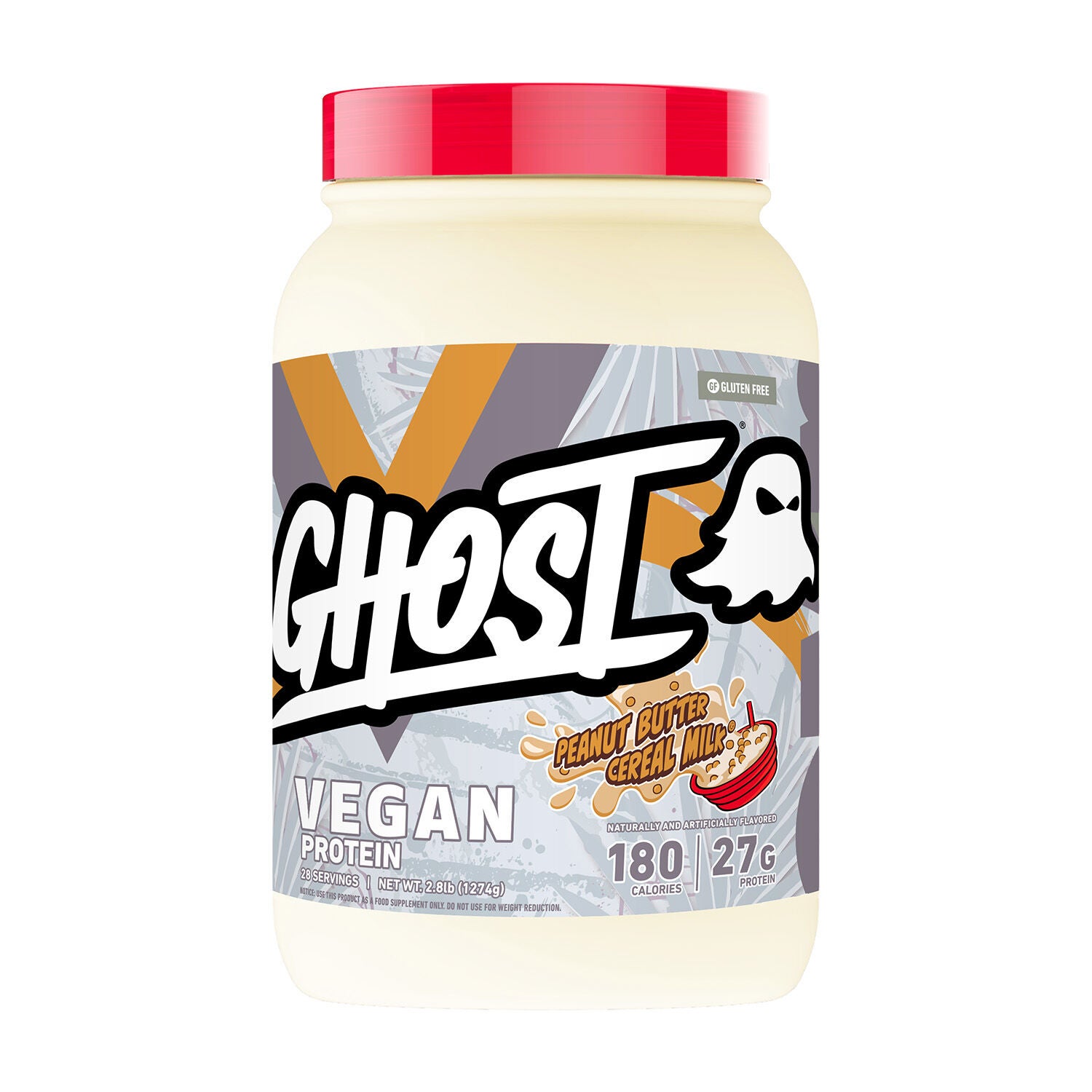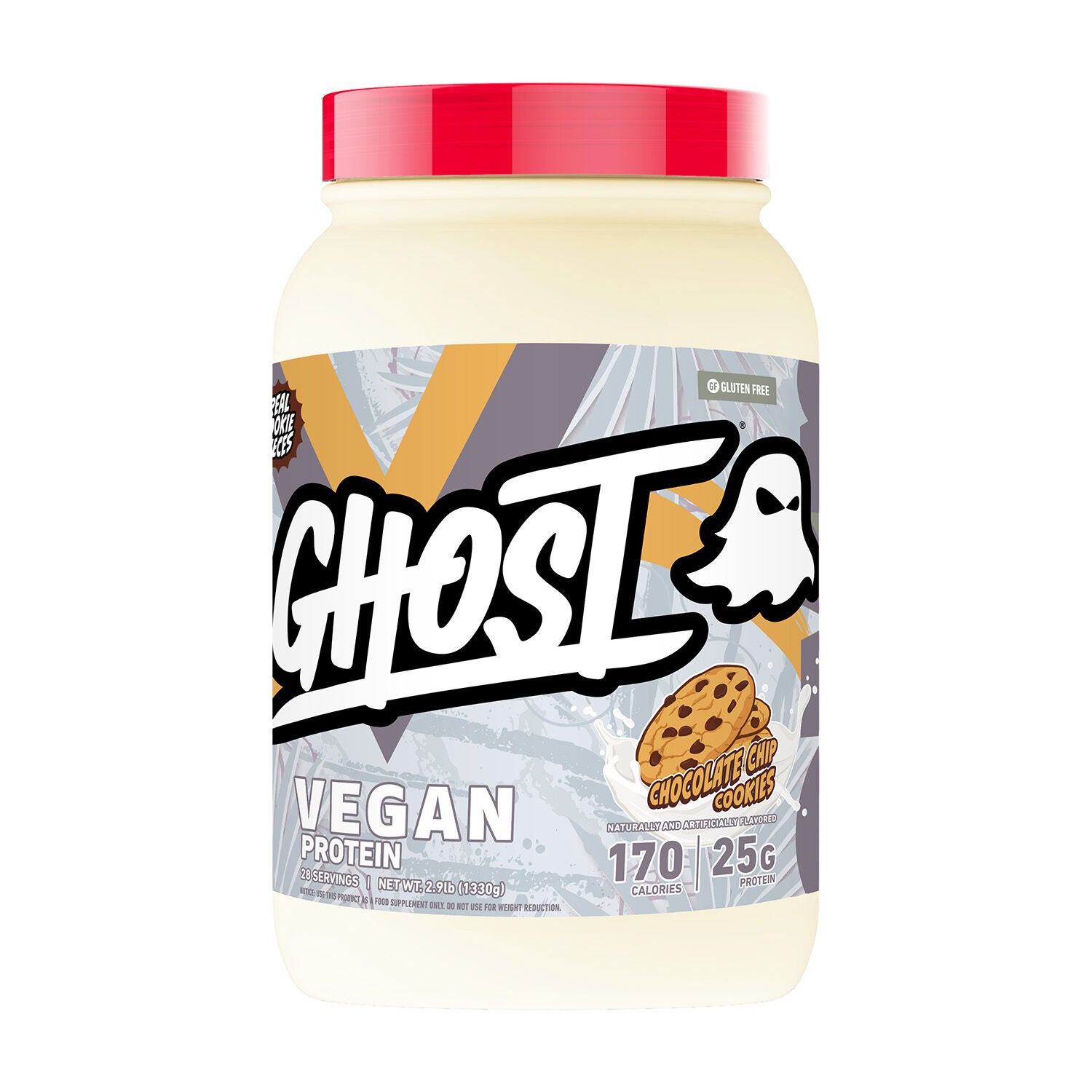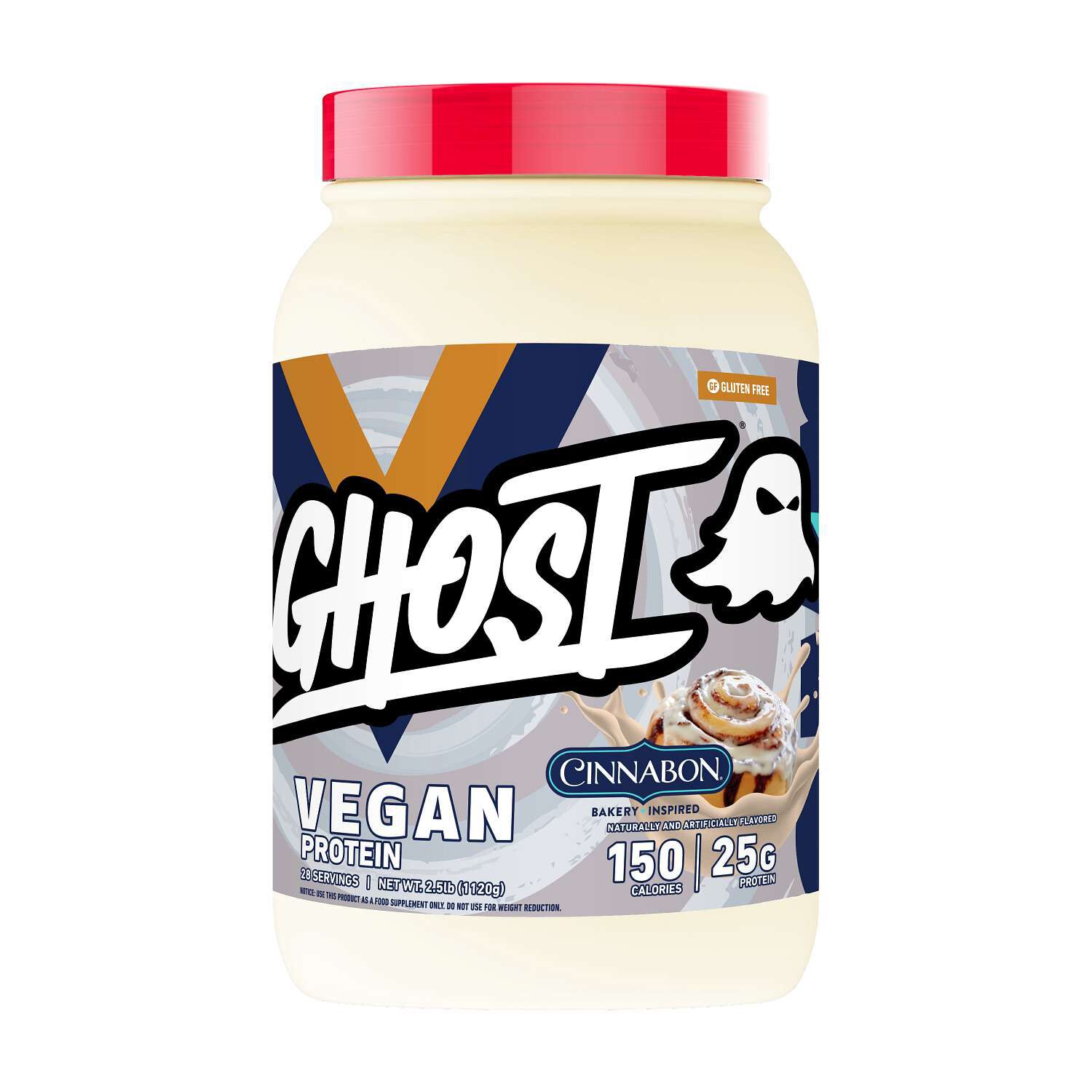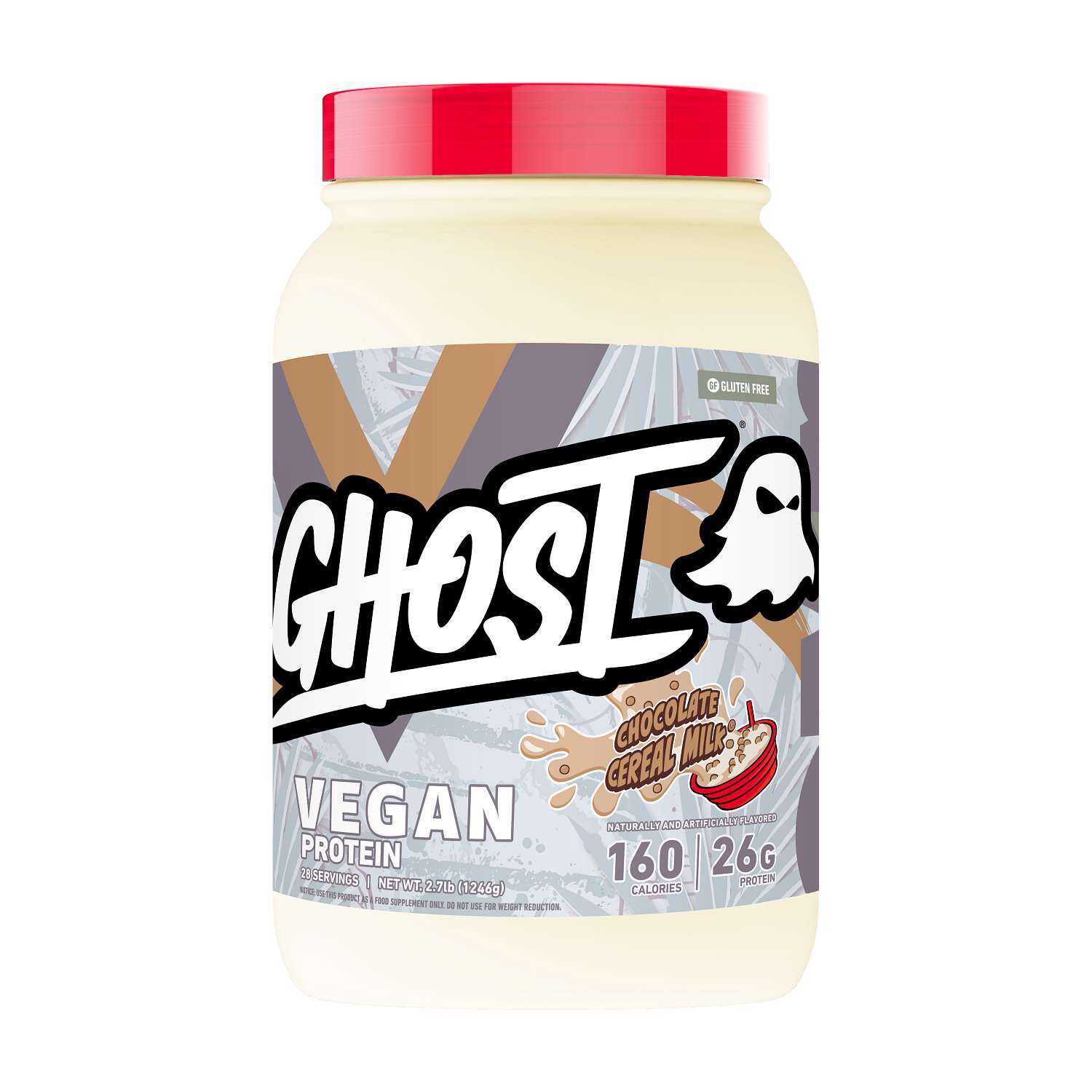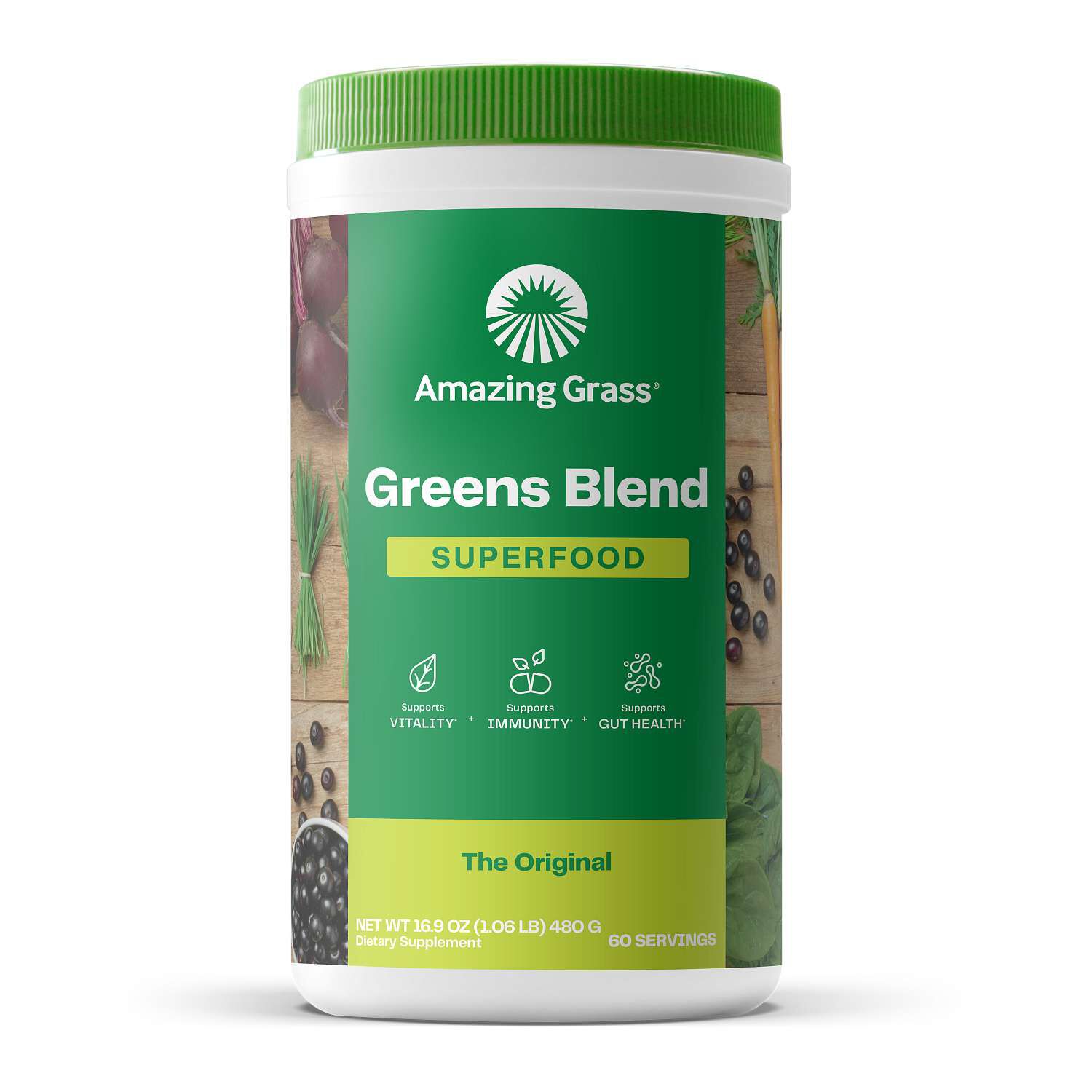


Plant Based Protein Powders For Shakes
(0 Results)
Plant based protein powders for shakes offer a convenient way to incorporate more plant-derived nutrition into your daily routine. With a variety of flavors and blends available, these protein powders may be ideal for those looking to support their active lifestyle or explore alternatives to traditional animal-based proteins. Whether you’re mixing up a post-workout shake or adding a boost to your favorite smoothie, plant based protein powders for shakes could fit seamlessly into your wellness journey.
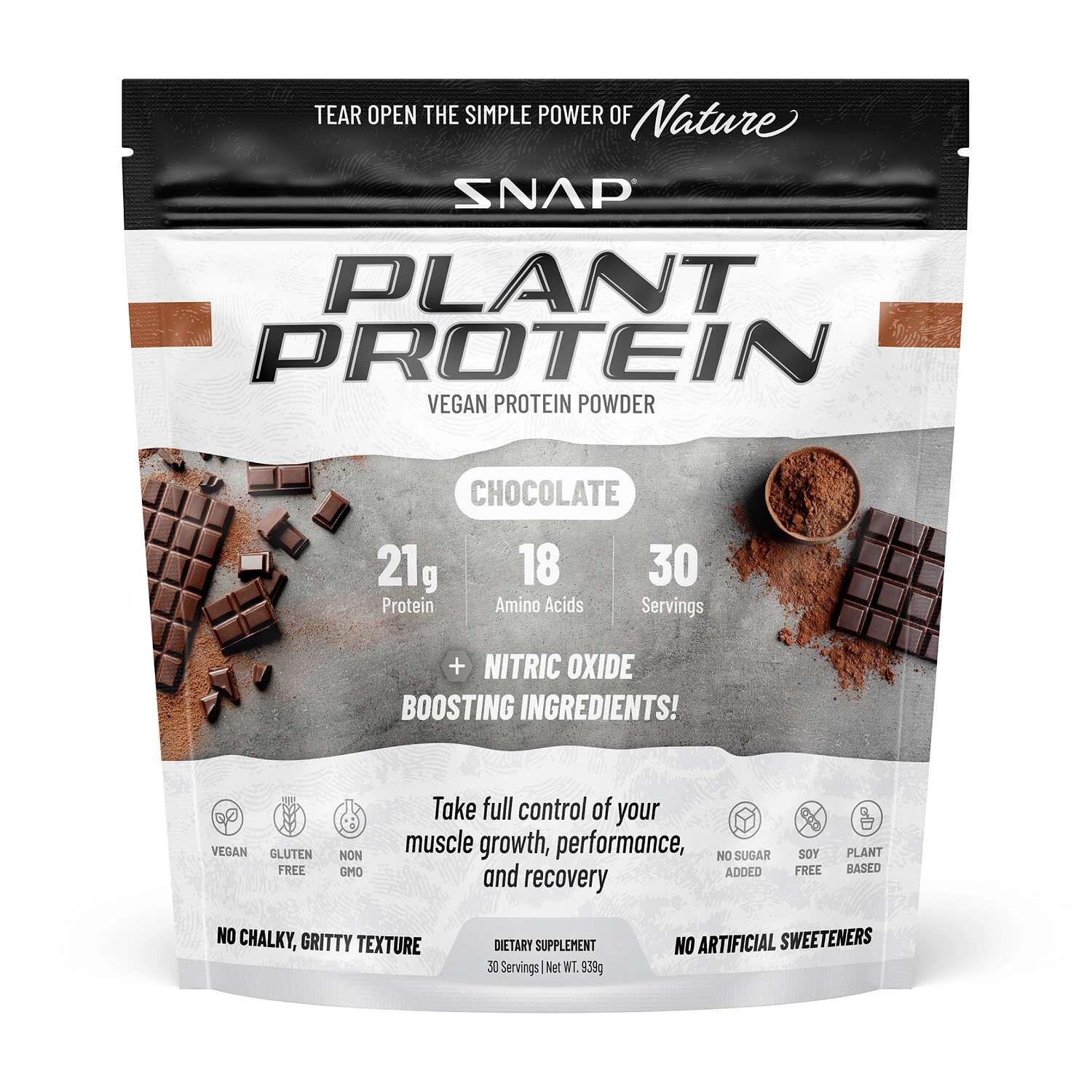
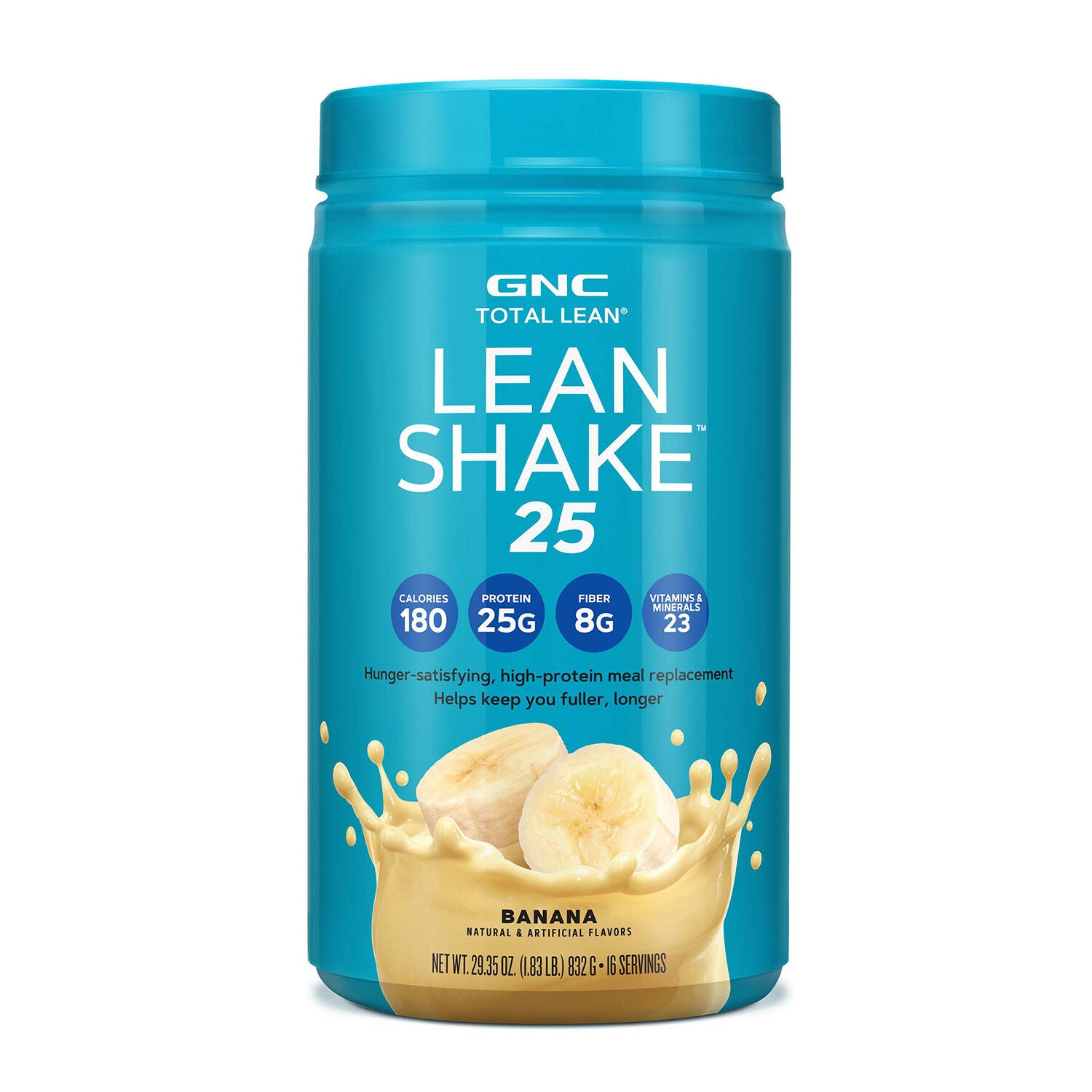

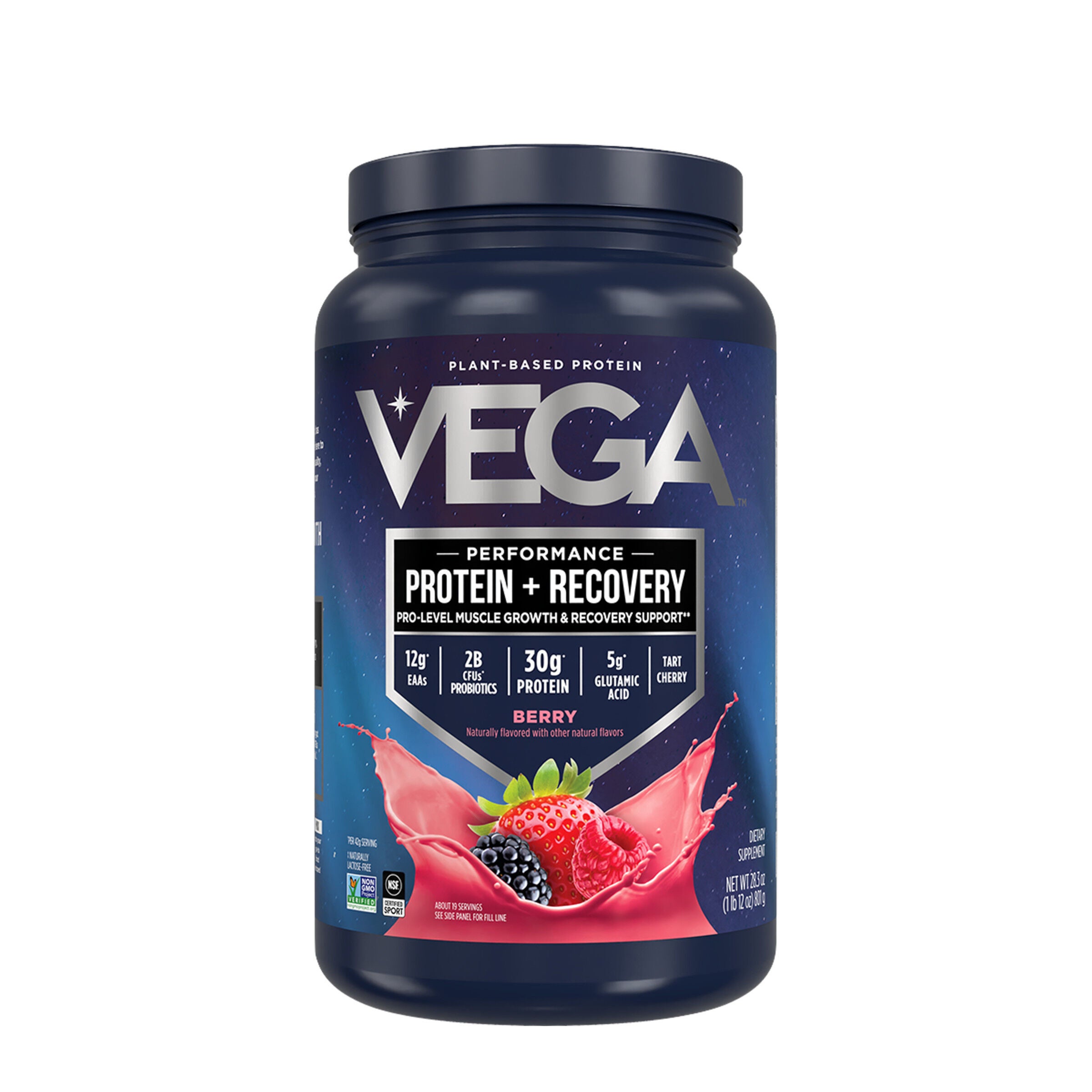
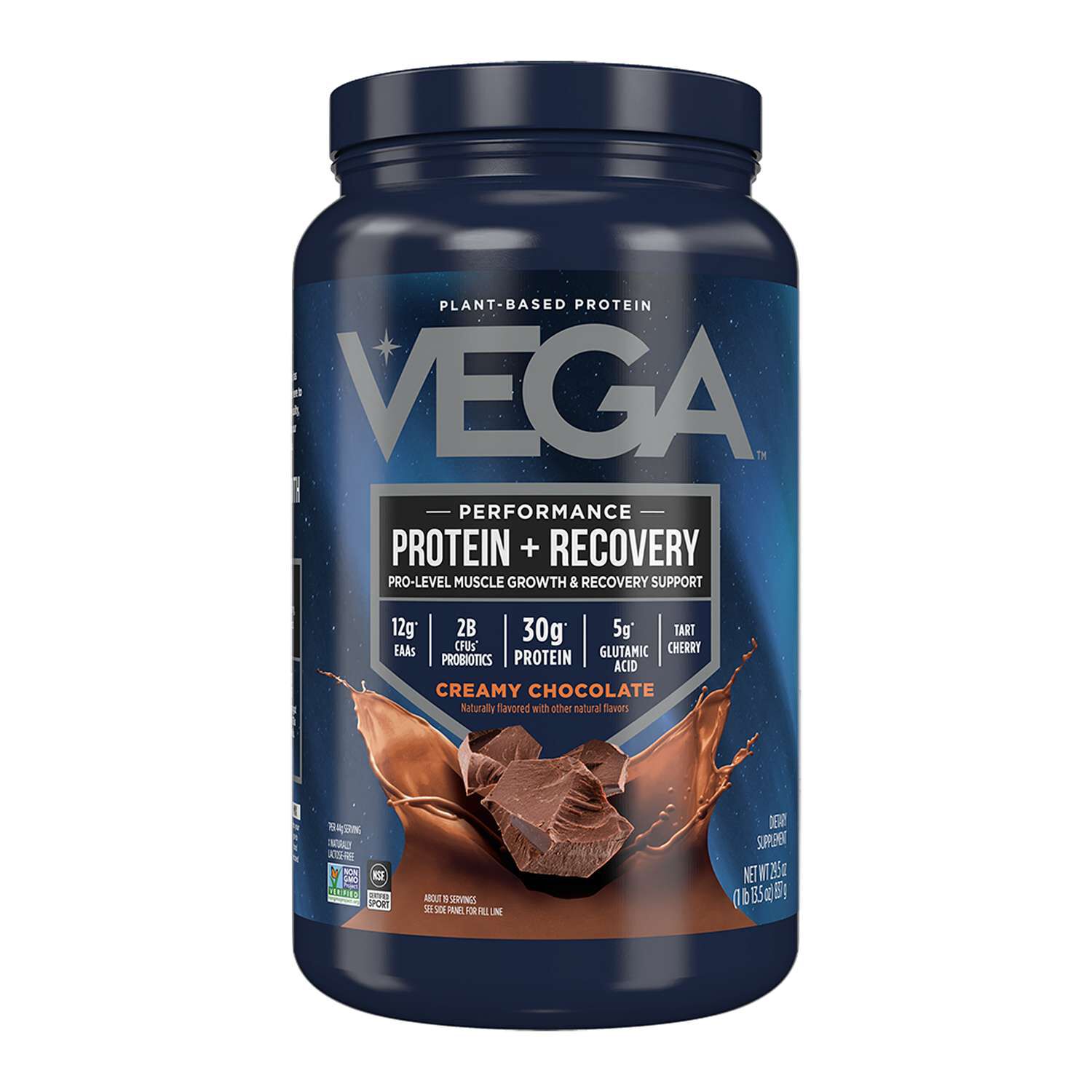

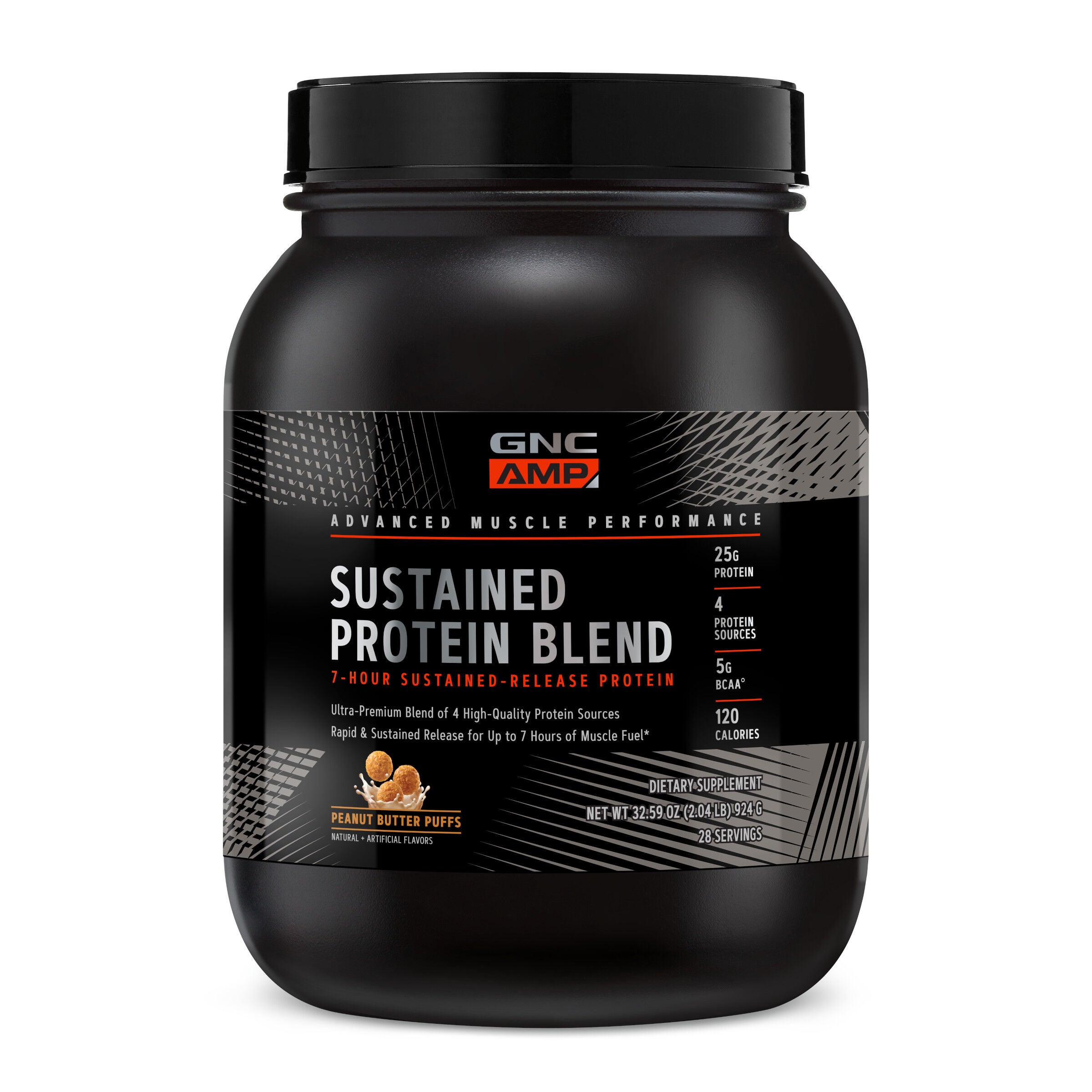

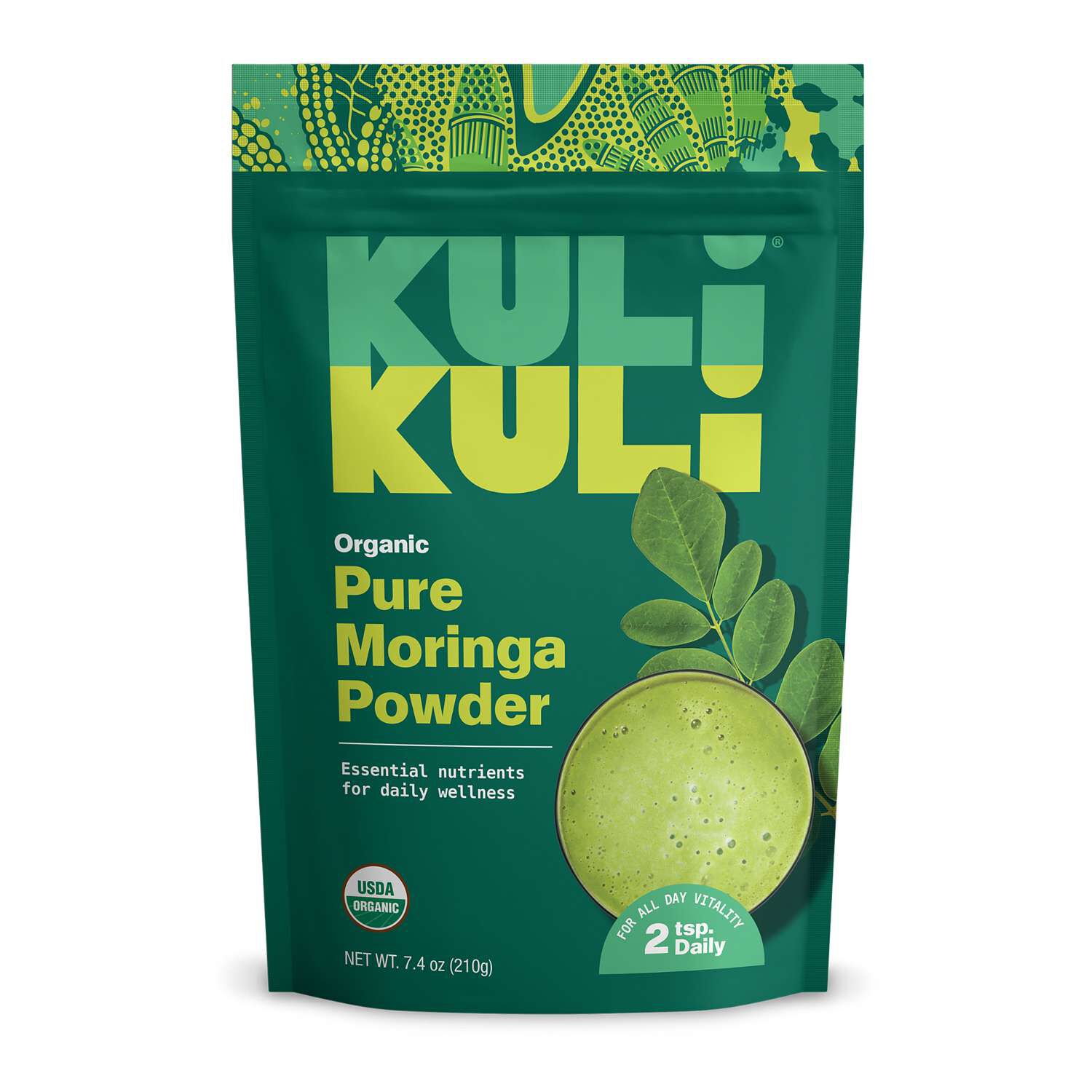
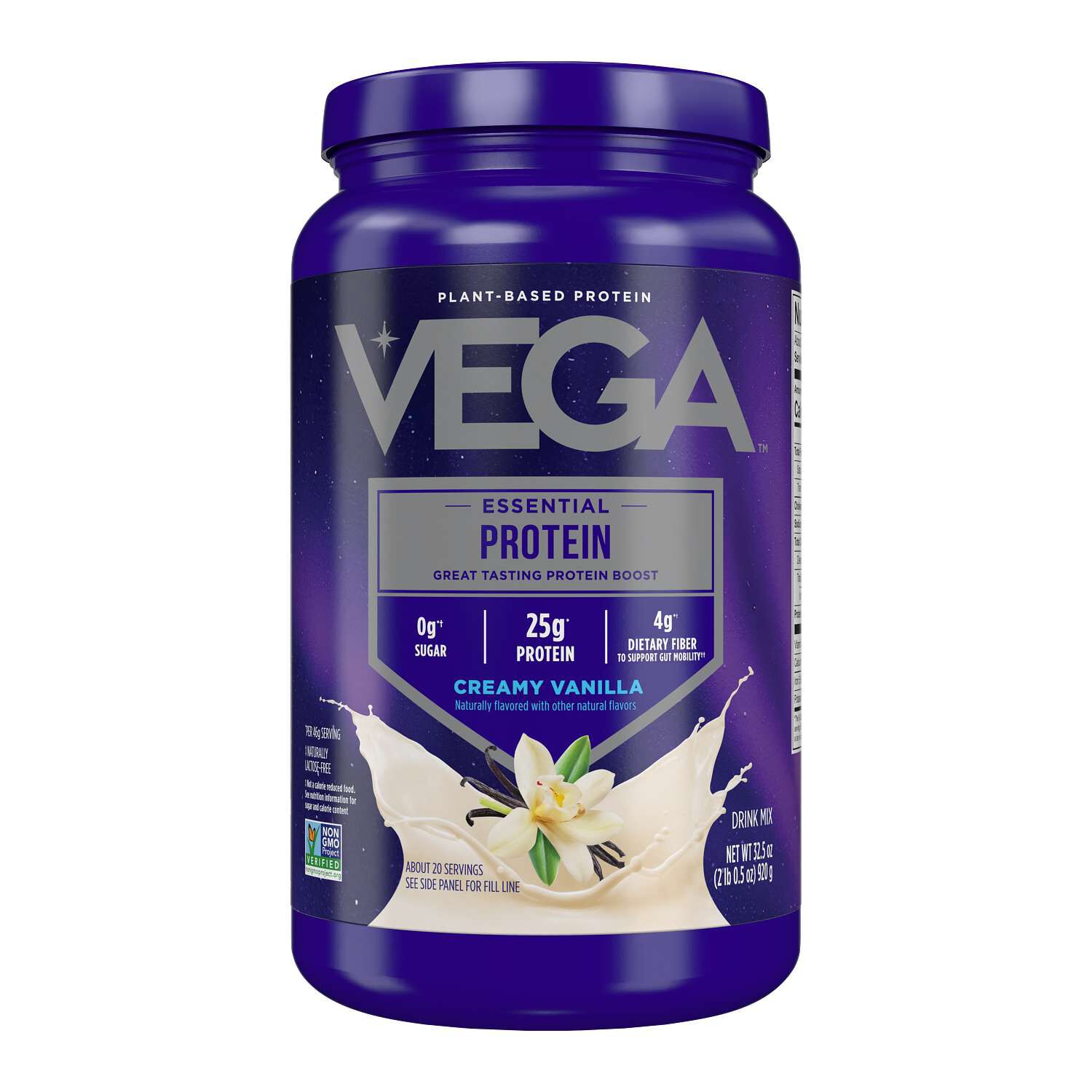


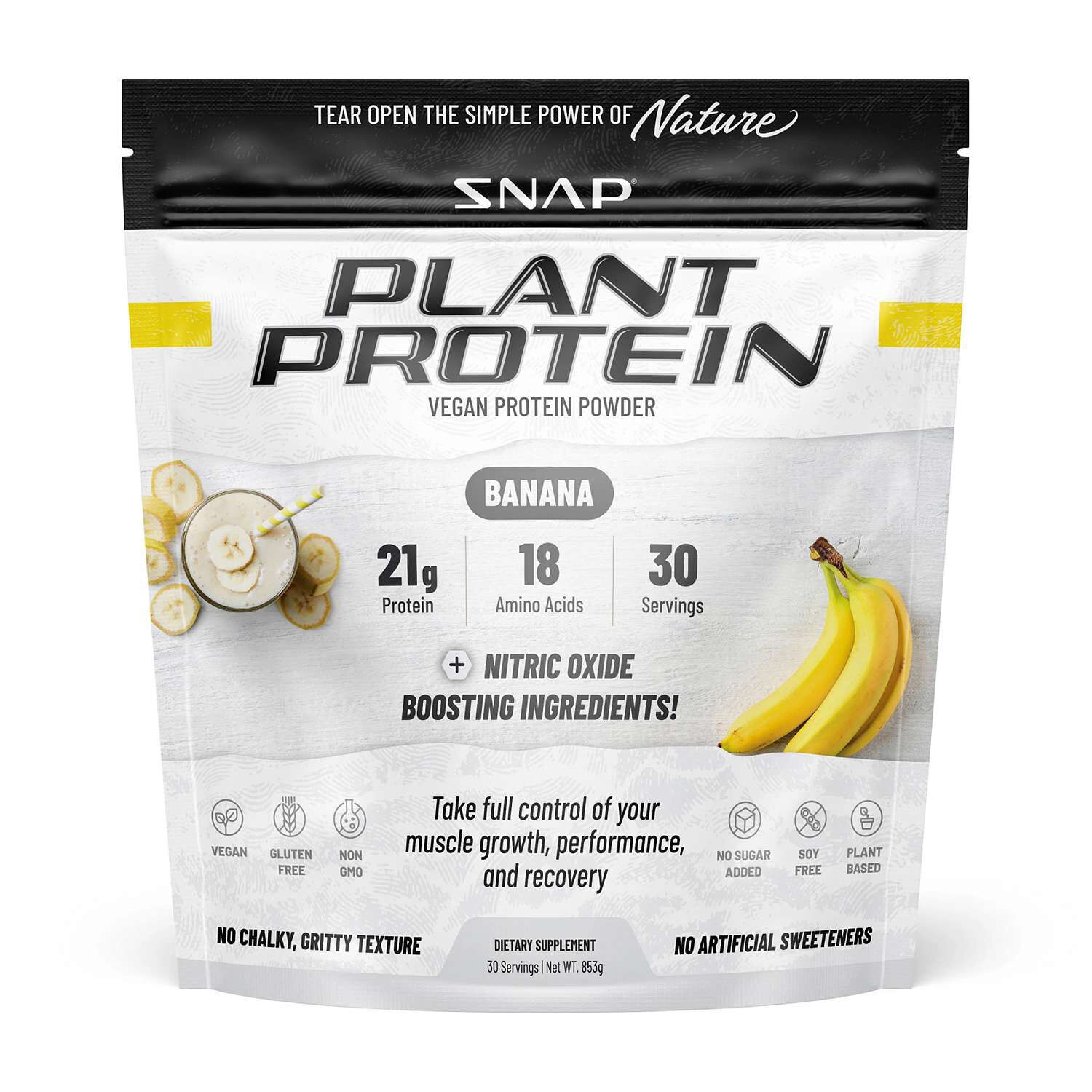
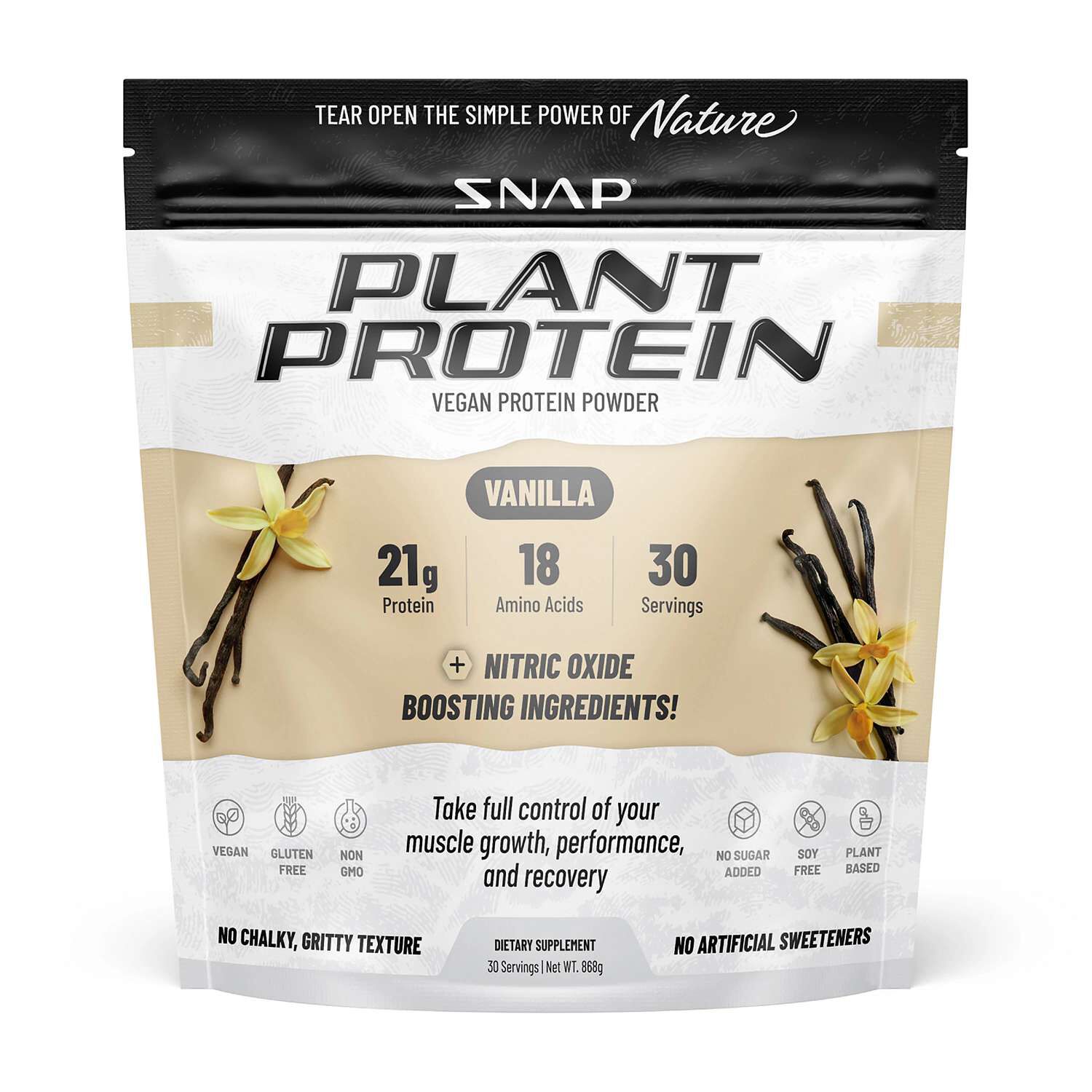


Plant-based protein powders for shakes are powdered supplements made with protein from sources such as peas, soy, brown rice, pumpkin seeds, and other plant ingredients. They are intended for mixing with liquids or blending into smoothies, with recipes ranging from single-source powders to blends of several plant proteins. For shoppers who prefer plant-derived ingredients, these powders offer a format that may fit into breakfast routines, afternoon snacks, or shakes enjoyed around a workout. Some people choose them as part of a vegan eating pattern, while others simply enjoy alternating between different protein sources. The plant origin of the protein does not, by itself, describe every ingredient in the container, so ingredient lists and dietary labeling remain important distinctions. A powder containing pea protein, for example, may also contain flavorings, sweeteners, thickeners, or ingredients from other food sources. Protein content is listed in grams per serving, and serving sizes differ between formulas; one scoop is not necessarily equivalent to one scoop from another container. The nutrition panel also provides context on carbohydrates, fats, sugars, and sodium, helping distinguish a straightforward protein powder from a formula with a longer list of added ingredients. Plant proteins have different amino acid profiles, which is one reason some formulations combine multiple sources. That distinction is separate from flavor or texture: a blend is not automatically smoother, sweeter, or better suited to every shake than a single-source powder. Intended use matters just as much as the protein source. A shake made with water and powder is a different preparation from a substantial smoothie containing oats, fruit, nut butter, and a plant-based beverage. Protein powder alone is not necessarily formulated to replace a meal. Shoppers exploring Plant Based Powders can consider protein source, serving information, flavor, and preparation directions together rather than treating any single feature as the deciding factor.
Flavor and mouthfeel are especially relevant when a powder will be used repeatedly in shakes. Plant-derived ingredients have their own sensory characteristics, and those characteristics vary with processing and the surrounding recipe. Pea-based formulas can have earthy or savory notes, rice-based formulas can have a cereal-like character, and seed-based ingredients can introduce a nutty impression. Cocoa, vanilla, fruit, and other flavorings create different starting points for a finished drink. Vanilla is a familiar pairing with banana, oats, or cinnamon, while chocolate pairs naturally with peanut butter or coffee. An unflavored powder offers a different approach for people who want the fruit or other ingredients to lead, although unflavored does not mean tasteless. Sweetness deserves similar attention. Powders may contain sugar, stevia, monk fruit, or other sweeteners, and the ingredient list identifies which are present. A sweetened powder mixed with a sweetened beverage and ripe banana may taste quite different from the same powder shaken with water. Texture depends on more than the plant protein itself. Finely milled ingredients, added fibers, gums, and the amount of liquid all play a part in how a shake feels when sipped. Some preparations have a light, pourable consistency; others are thick enough to resemble a blended breakfast smoothie. A shaker bottle is suited to simple powder-and-liquid preparations, while a blender accommodates ingredients such as fruit, oats, and nut butter. The package directions provide a useful starting ratio, with personal preference guiding whether a shake includes additional liquid. Mixing liquid into the container before adding powder may help limit dry pockets near the bottom. For a shake carried to work or enjoyed after a gym session, ease of mixing may matter more than an elaborate recipe. For someone who enjoys blending breakfast at home, the way a powder tastes alongside familiar ingredients may be the more meaningful distinction.
The practical details of plant-based protein powders for shakes often determine how comfortably they fit into everyday life. A person using a small shaker bottle at a desk has different preparation needs from someone with a full-size blender and a kitchen counter dedicated to smoothie ingredients. Serving directions, the amount of liquid called for, and the space needed in a bottle are useful considerations, particularly when other ingredients are part of the recipe. Powder occupies relatively little storage space compared with keeping several prepared shakes on hand, but packaging still matters: a resealable pouch and a rigid container require different amounts of shelf room and different handling when scooping. Storage directions and the printed date provide the relevant reference for keeping an opened container. A dry scoop, a securely closed package, and storage away from moisture are practical habits for handling powdered foods. Prepared shakes require separate attention to the storage needs of their liquid and fresh ingredients; a powder’s shelf-storage instructions do not apply to a finished drink containing a perishable beverage or cut fruit. Dietary preferences also extend beyond the words plant based. Soy is a plant protein and a major food allergen, and recipes may contain other ingredients that matter to an individual shopper. Allergen statements, ingredient lists, and any relevant certifications offer more specific information than a broad category name. Similar care applies when choosing a powder as a gift for someone who enjoys smoothies or plant-centered cooking: familiar flavor preferences and known ingredient requirements are more useful than assumptions about what they eat. For regular personal use, variety can come from the shake ingredients rather than from changing the powder each time. A vanilla preparation with strawberries has a different character from one blended with banana and almond butter, even when the protein base stays the same. The most suitable choice is personal, shaped by the desired flavor, preferred consistency, dietary preferences, and the kind of shake someone actually enjoys making. Those everyday details give plant-based protein powders a place in routines built around familiar foods and individual taste.