Plant Based Protein Shakes For Summer
(0 Results)
Plant based protein shakes for summer could be a refreshing way to support your wellness goals while enjoying vibrant, seasonal flavors. Whether you’re blending up a post-workout treat or looking for a convenient option on busy days, plant based protein shakes for summer may offer a versatile addition to your routine. Explore a variety of options that might help you stay fueled and satisfied as temperatures rise.
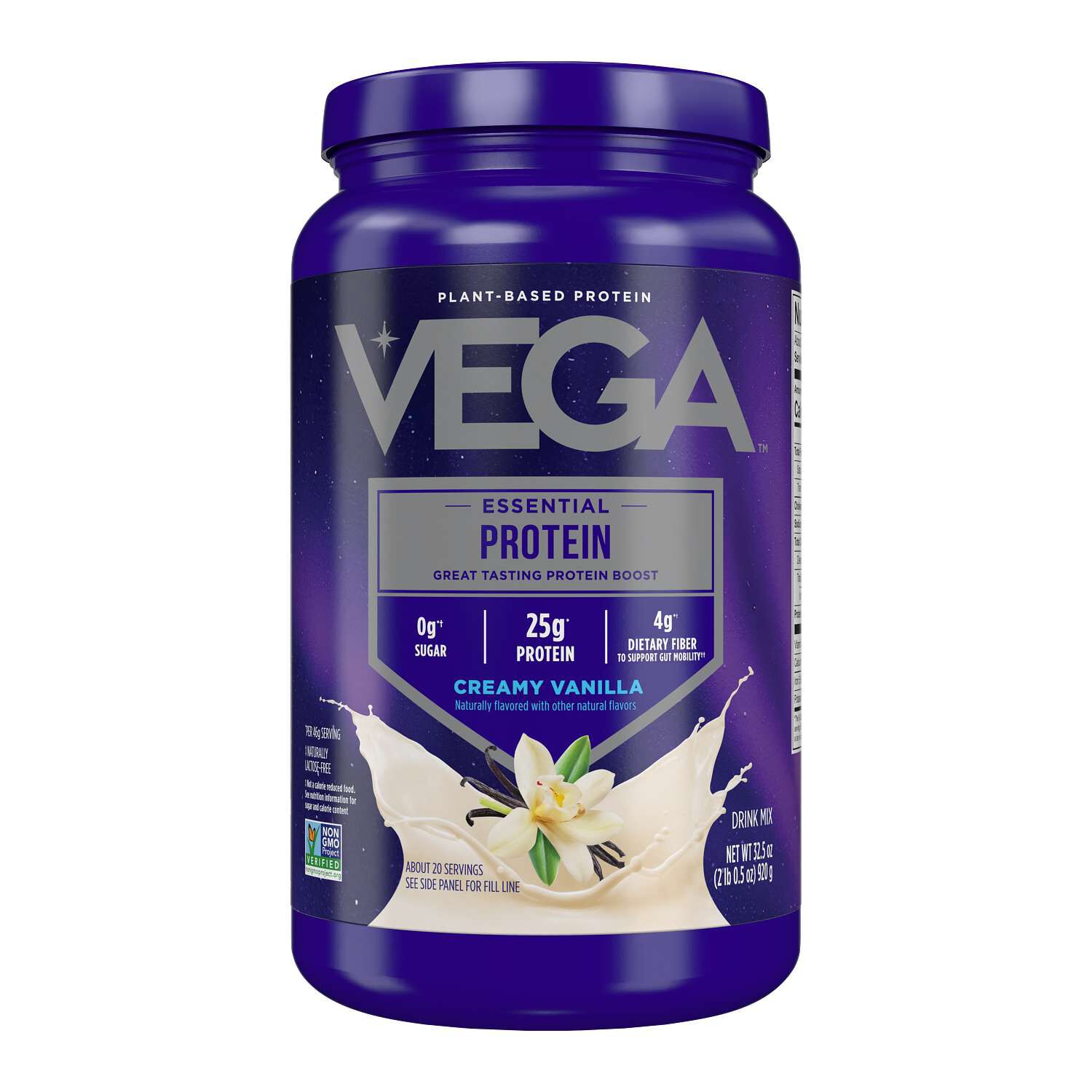
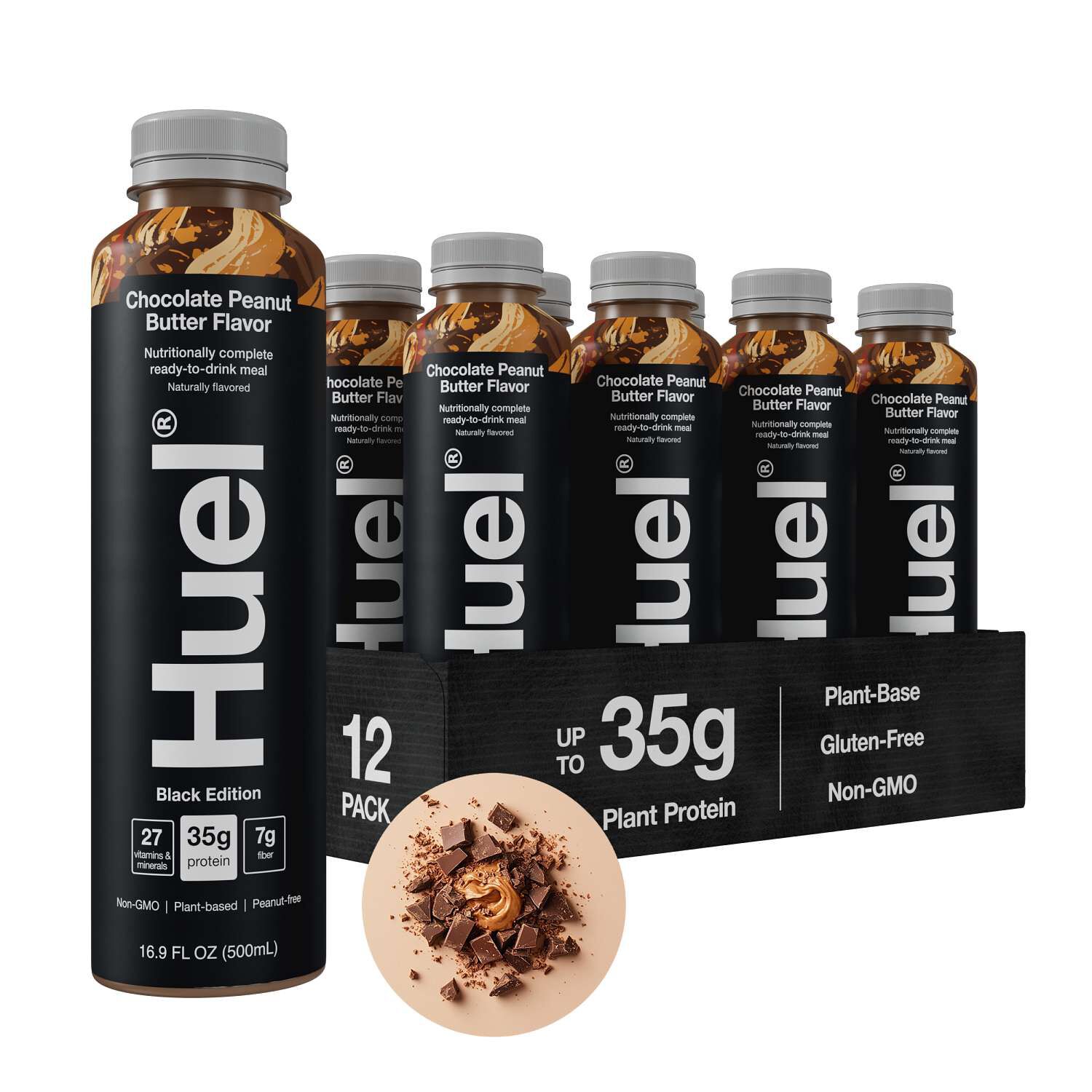

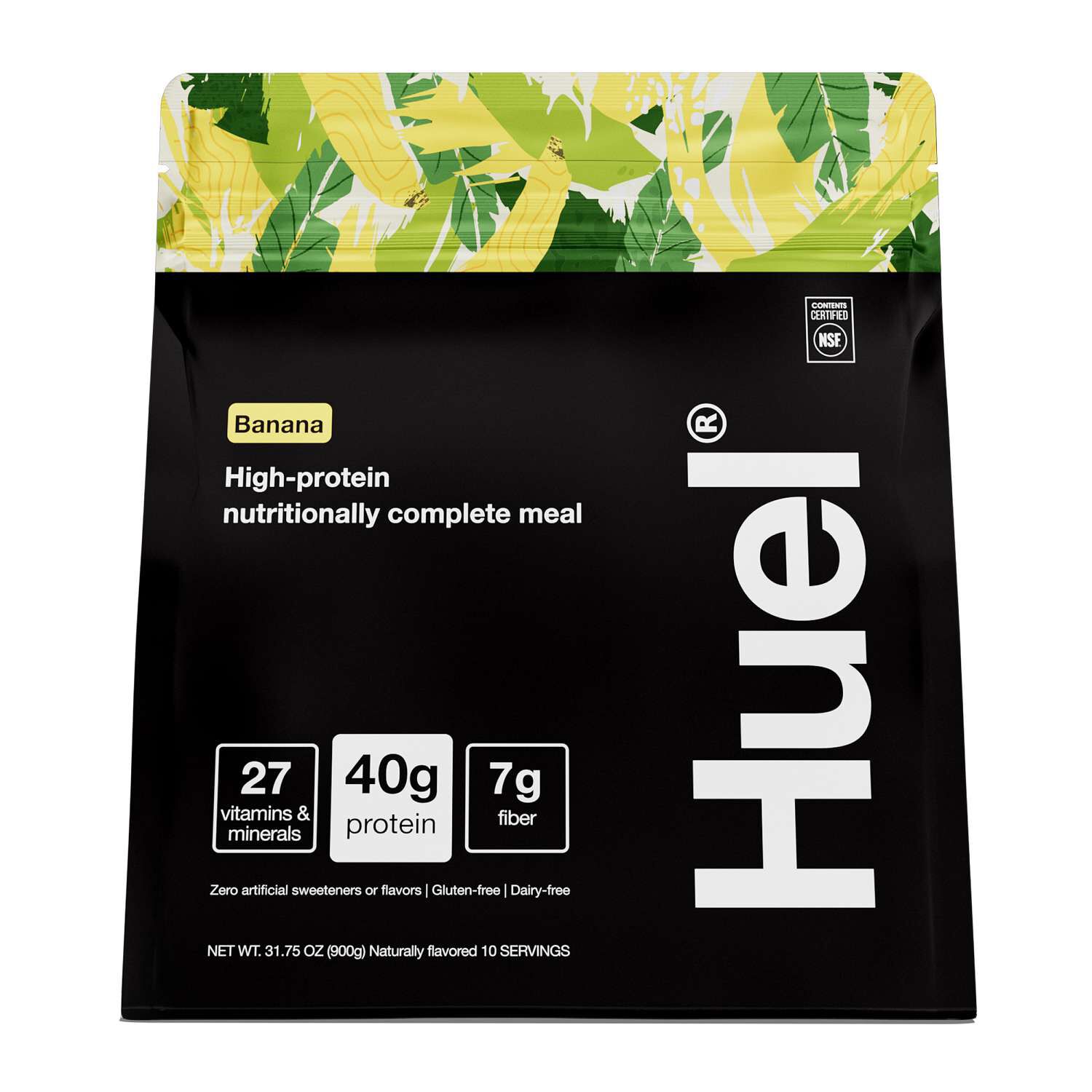


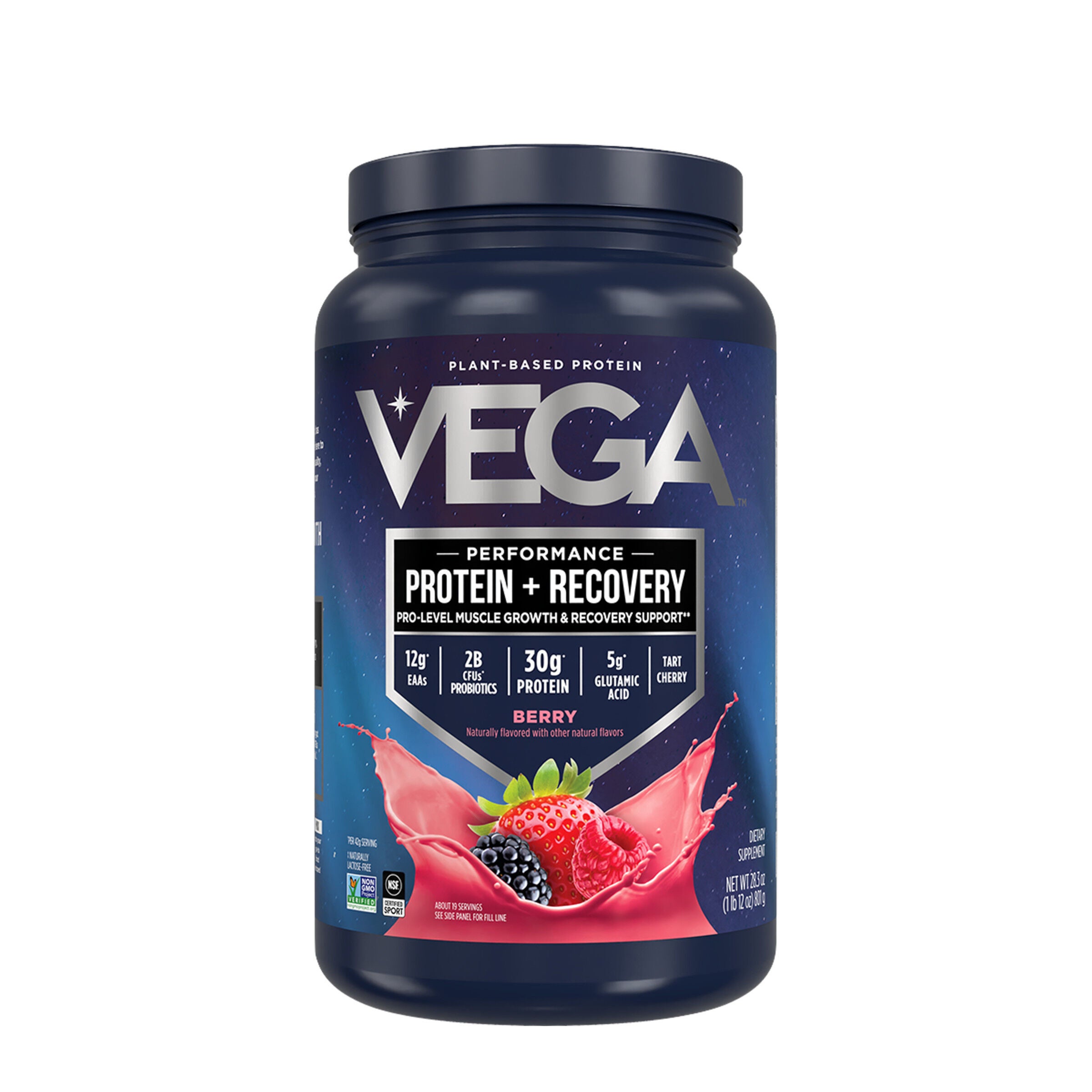
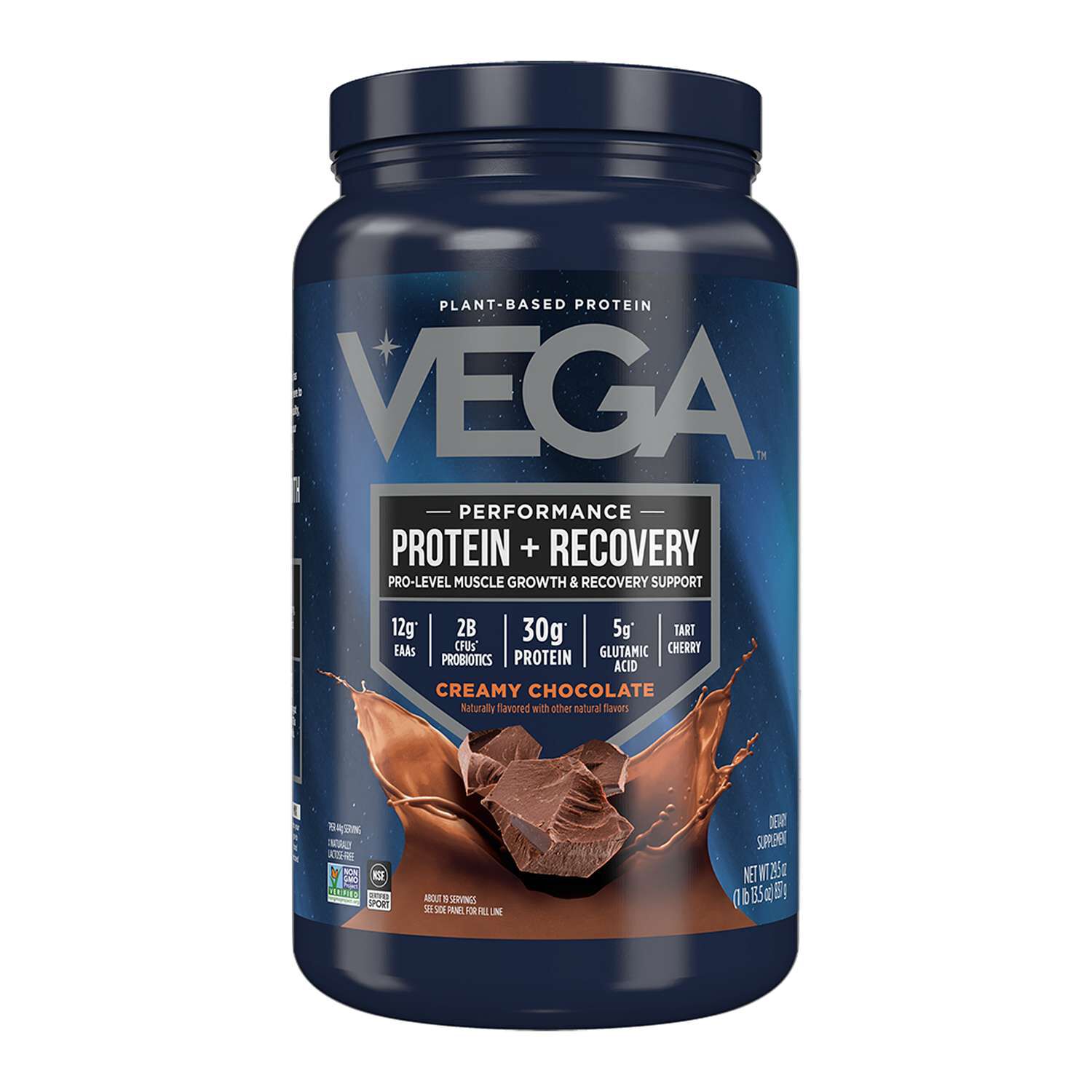

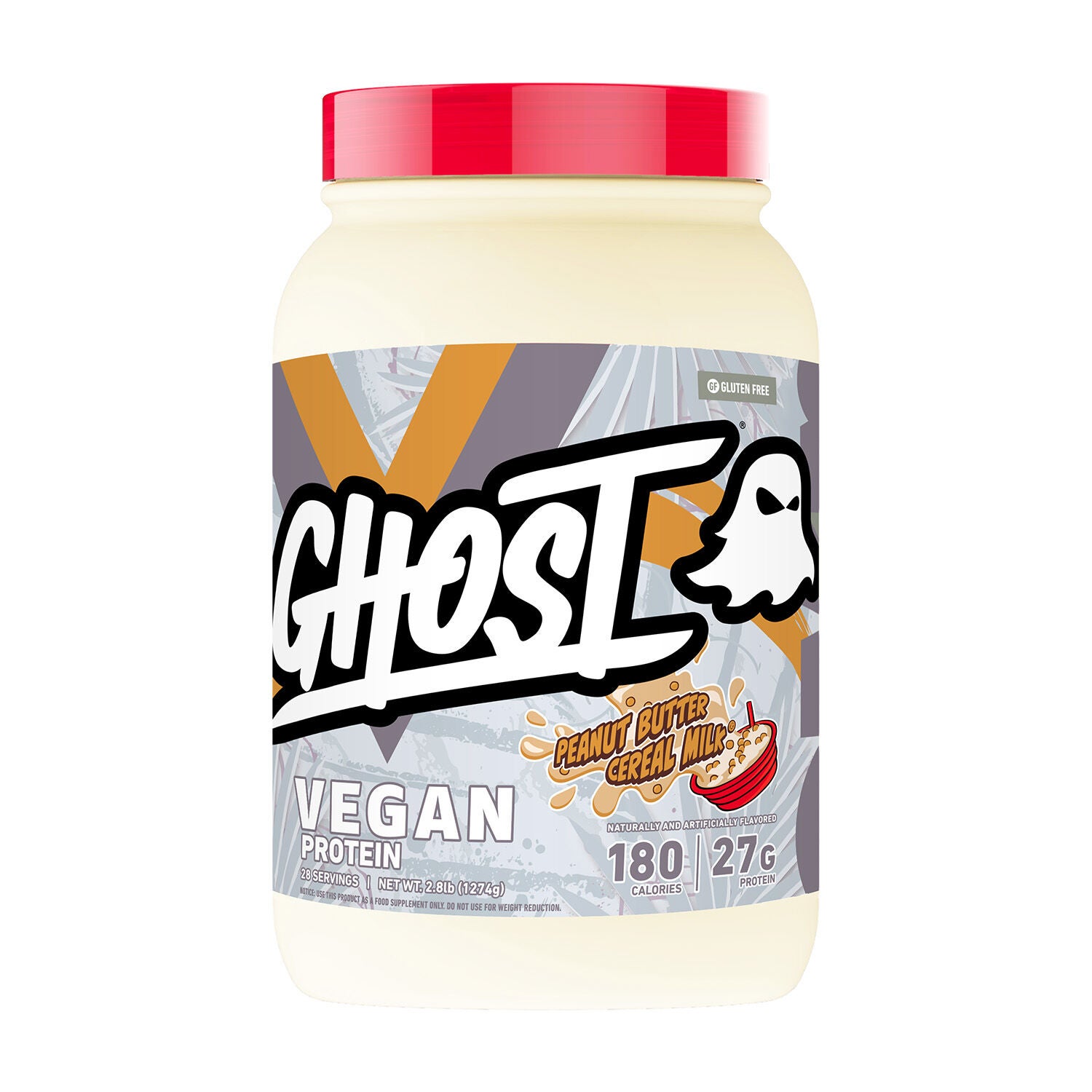
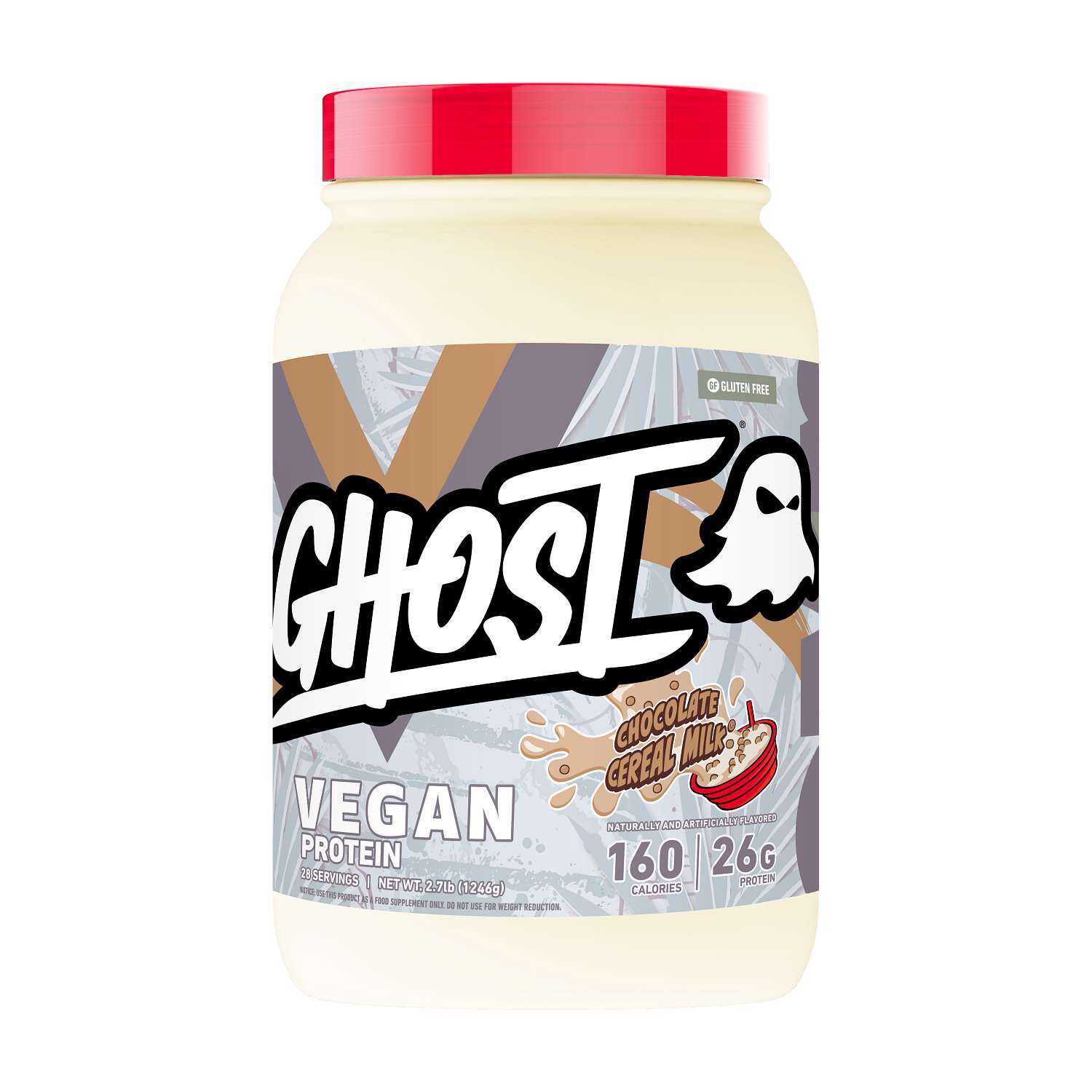

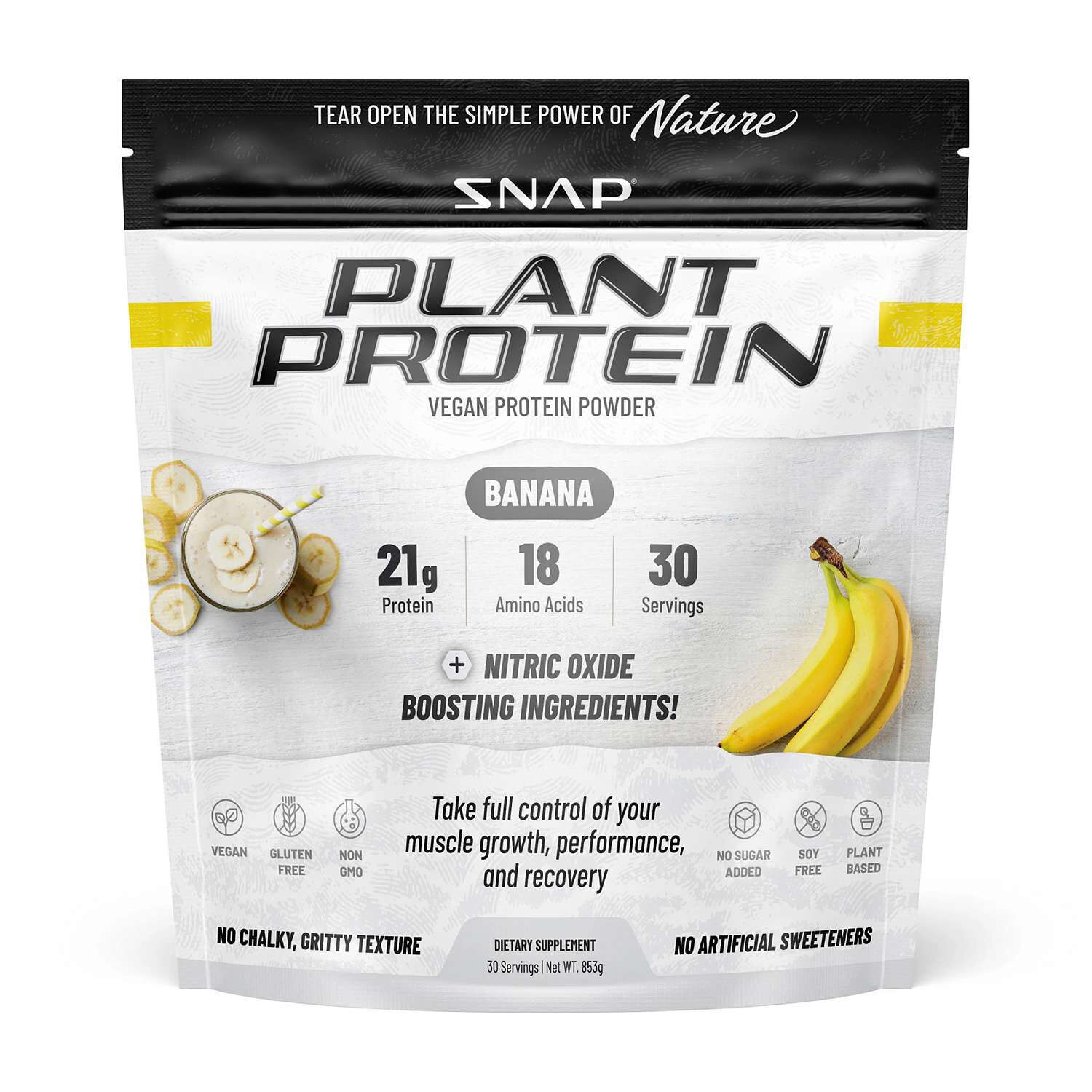

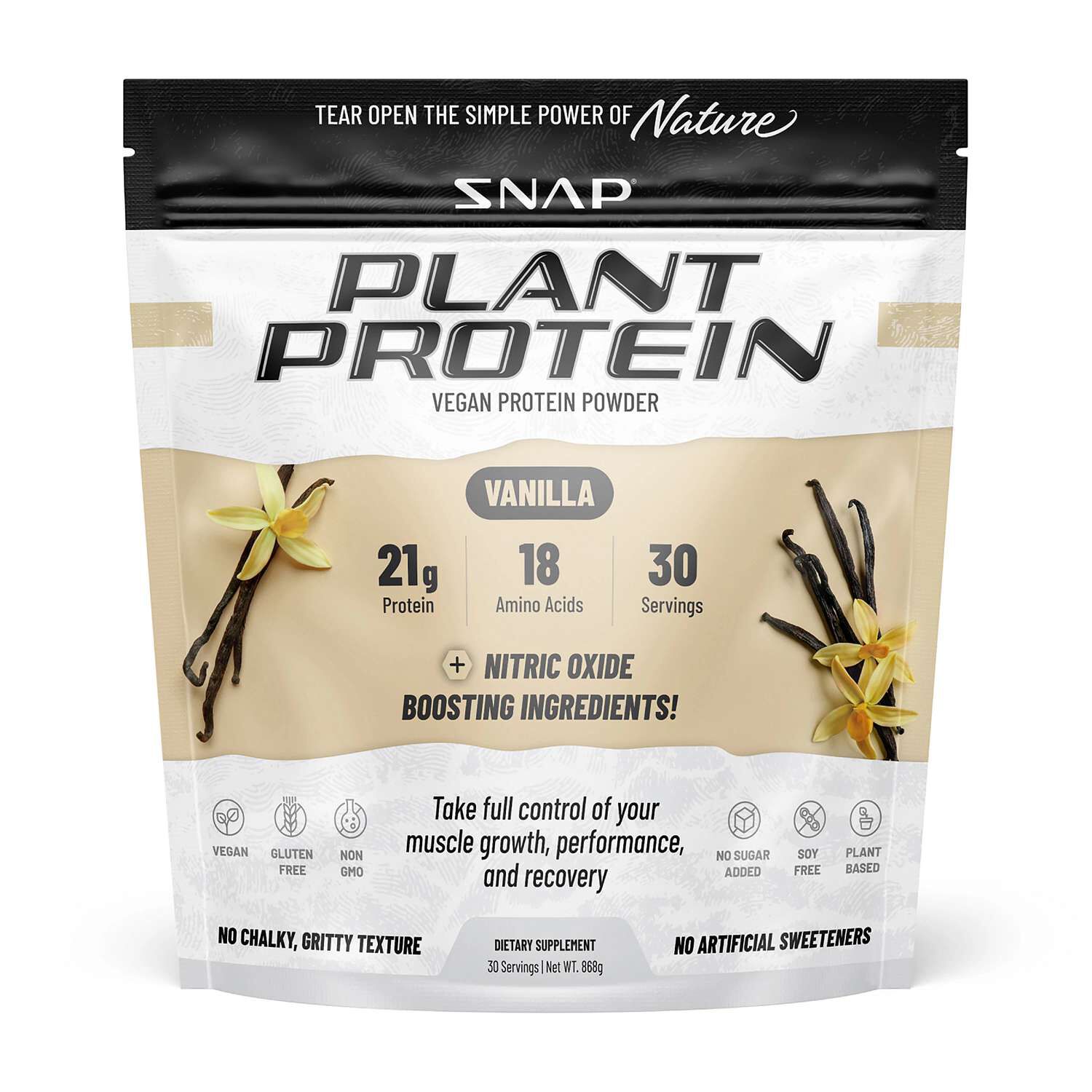

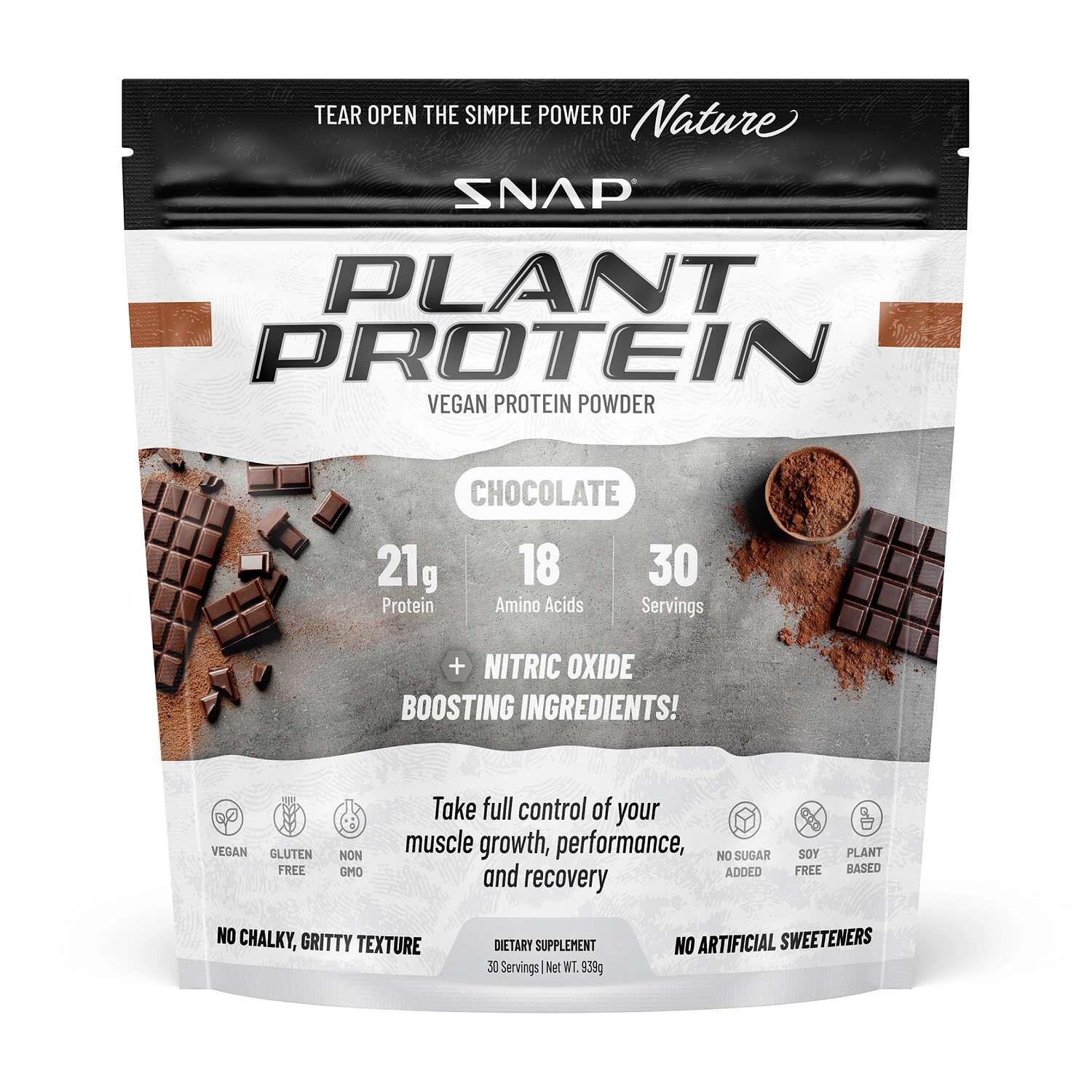


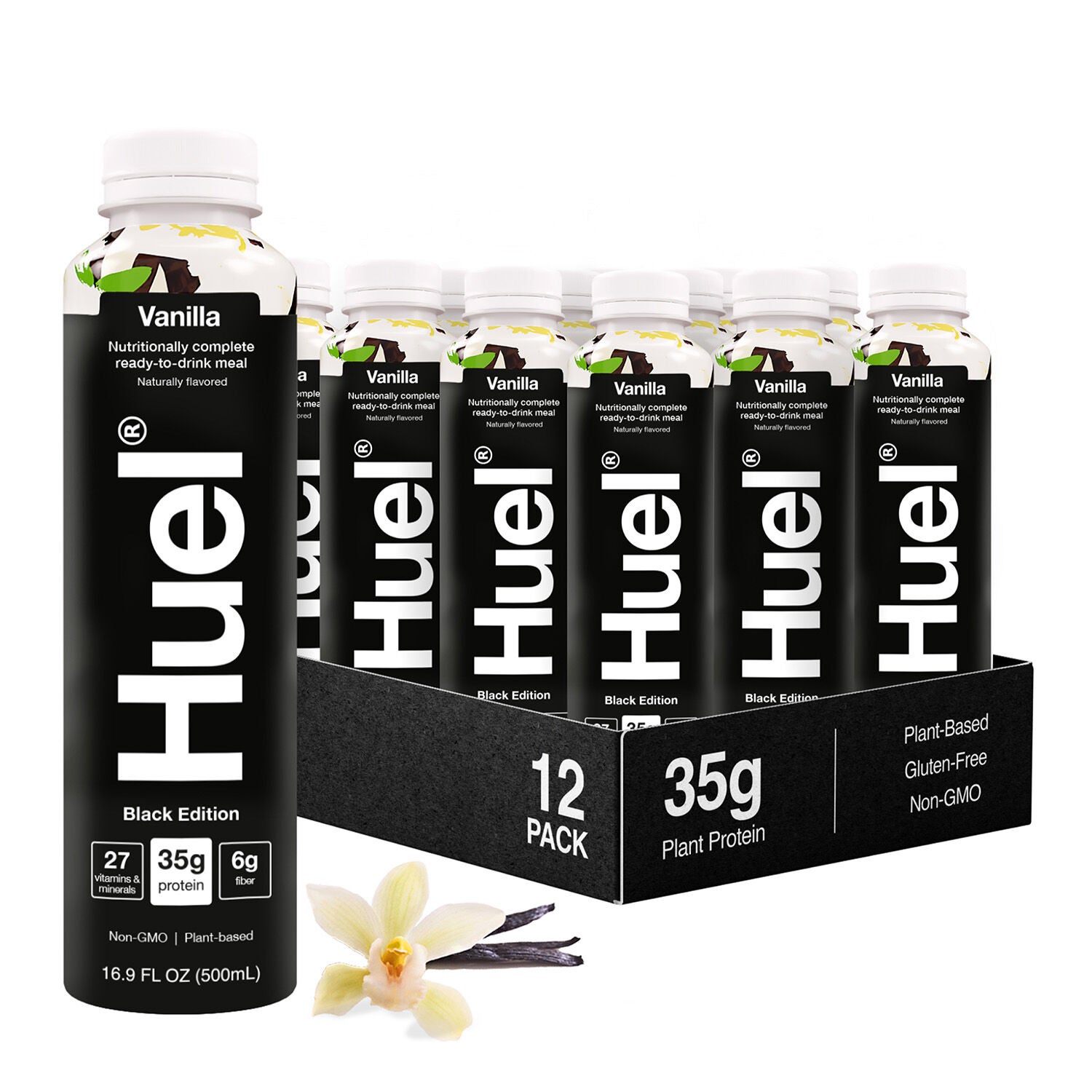

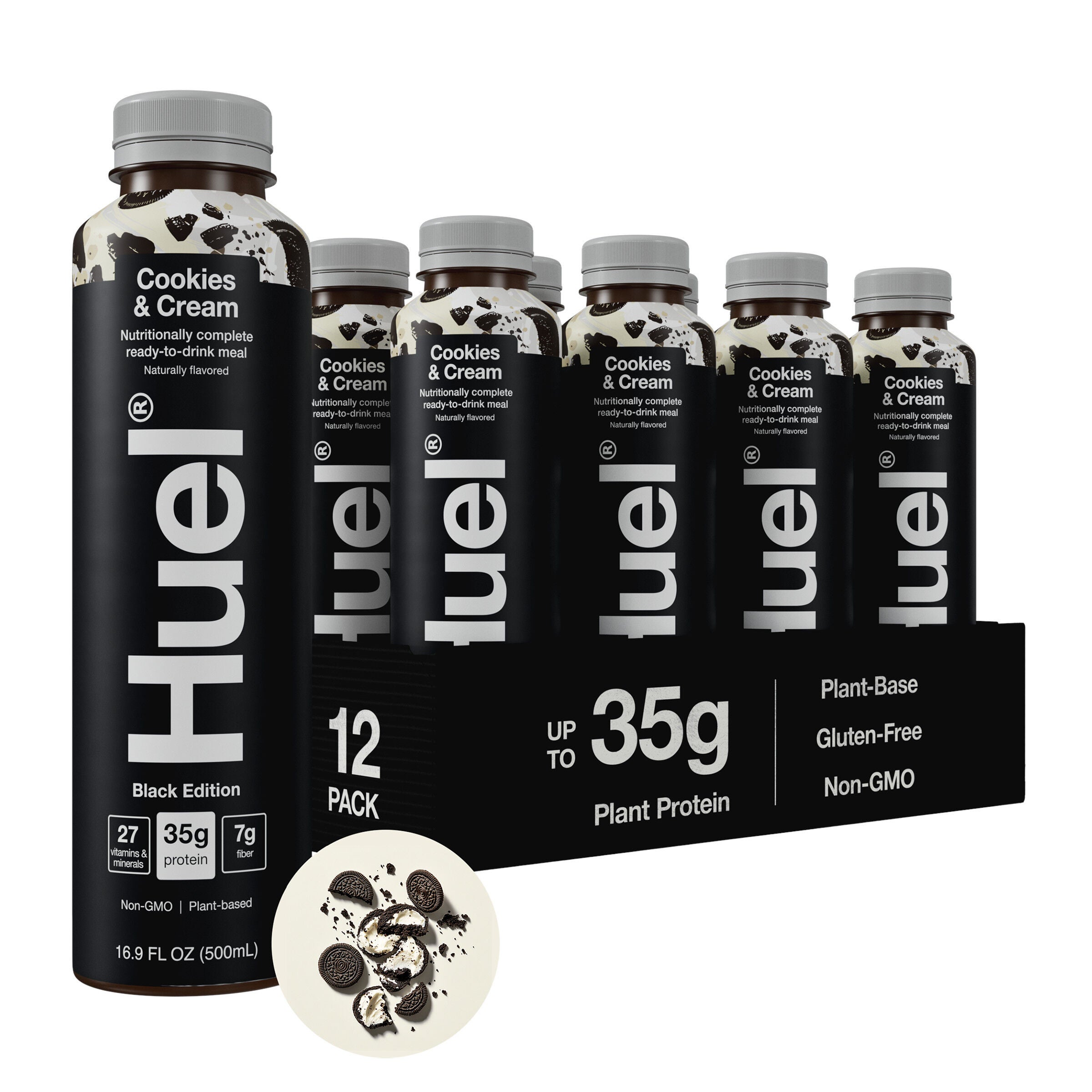
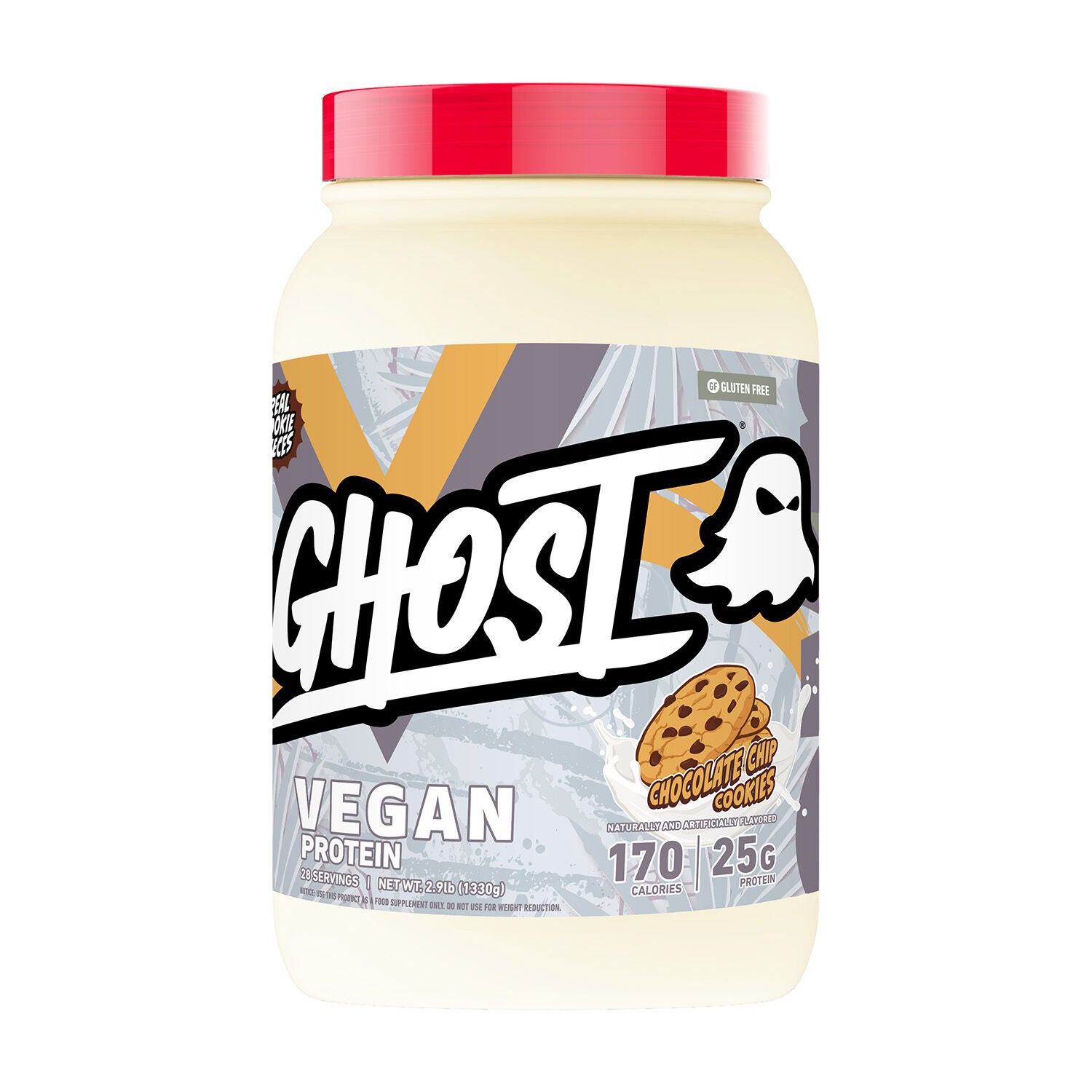
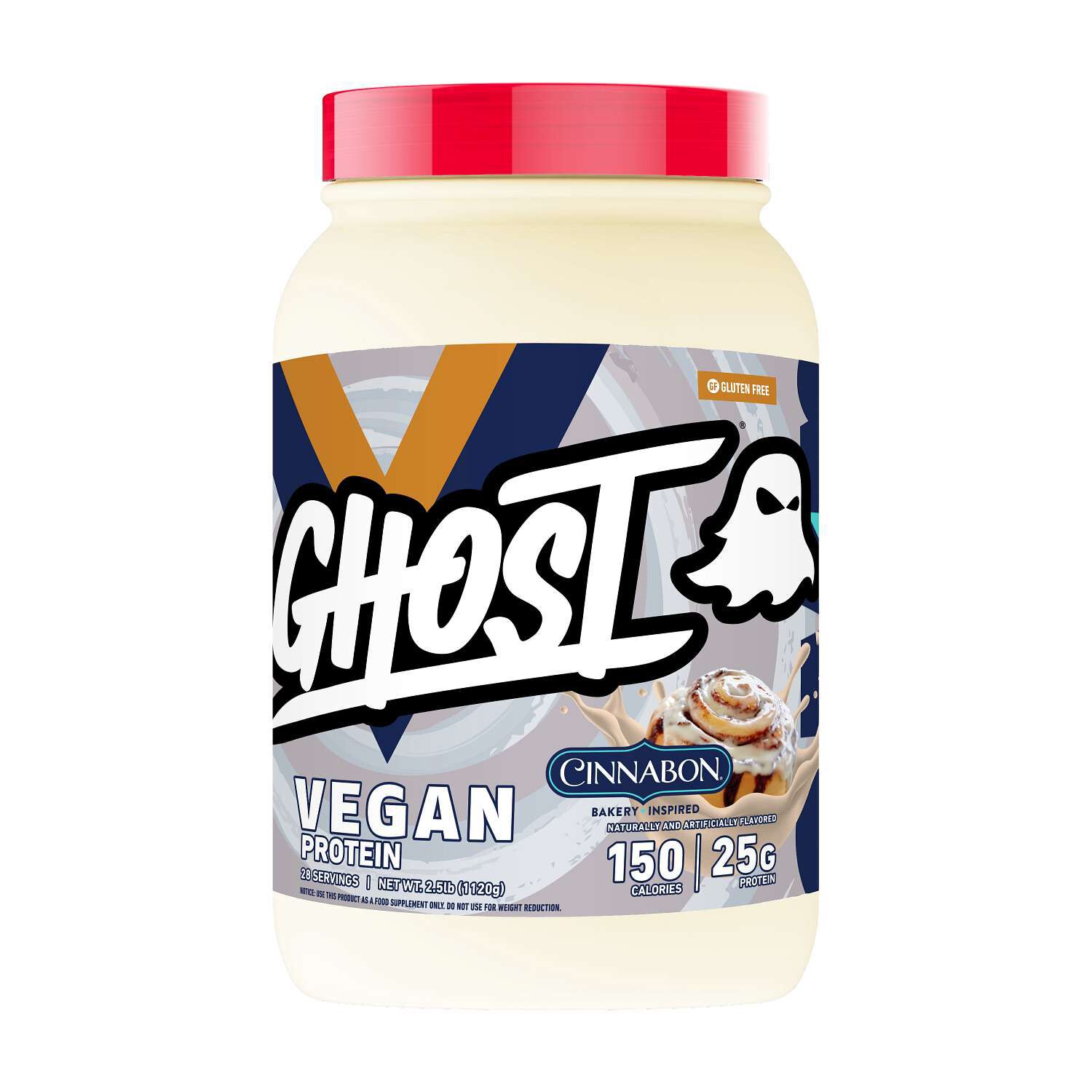
Plant-based protein shakes for summer bring together familiar flavors, plant-derived ingredients, and formats that fit everything from a leisurely breakfast to an afternoon away from home. The category includes ready-to-drink shakes and protein powders intended for mixing, with options built around pea, soy, brown rice, pumpkin seed, and other plant protein sources. Some formulas use one source, while others combine several; the ingredient list identifies what goes into each serving. For shoppers who prefer plant-based foods, these shakes offer another way to include protein in everyday meals and snacks without making every occasion a cooking project. Summer-inspired flavors also have a place beyond warm weather: vanilla with frozen peaches, chocolate alongside banana, or a berry blend served cold can feel just as welcome after an indoor workout during the cooler months. Flavor is only part of the selection, though. Protein grams, serving size, added sugars, ingredients, and preparation directions all help distinguish one formula from another. A bottle intended to be enjoyed as packaged is a different choice from a powder whose serving requires a measured scoop and a specified amount of liquid. Neither format needs an elaborate routine to have a place in the day, but each suits different circumstances. A ready-to-drink shake may suit a packed workday, while a powder allows more room to adjust the drink’s thickness and pair it with fruit or a preferred beverage. The broader selection of Plant Based Protein Shakes provides context for shoppers comparing these formats beyond a summer flavor preference. Across the category, the most useful distinctions are concrete ones: what the shake contains, how it is prepared, how much constitutes a serving, and whether its taste and texture suit the person drinking it. A shake enjoyed alongside breakfast also serves a different purpose from one packed as an afternoon snack; a protein-focused formula should not automatically be treated as a replacement for a varied meal.
Texture makes a meaningful difference when a shake is served cold, particularly for shoppers who prefer a drinkable consistency rather than a thick smoothie. Plant protein sources, processing methods, and other ingredients all contribute to the finished texture, so two vanilla powders can feel quite different in the glass. Some formulas contain gums or other thickening ingredients, while others have shorter ingredient lists and a more noticeable plant flavor. Water keeps the preparation straightforward, while oat, almond, coconut, or soy beverages introduce their own flavor and nutritional composition. The prepared drink’s nutrition changes with those additions, which makes the label on the mixing beverage relevant, too. Frozen fruit, ice, oats, and nut or seed butters create further differences in thickness and serving size. A vanilla base paired with mango has a different character from chocolate blended with banana, and an unflavored powder leaves more room for the other ingredients to stand out. Mint, cinnamon, or a small amount of cocoa can add another flavor dimension without requiring a long list of ingredients. These combinations are matters of taste rather than evidence that one shake is better for everyone. Sweetener preference deserves similar attention: some shoppers enjoy a dessert-like finish, while others prefer a subtler sweetness, especially when fruit is part of the drink. Labels identify added sugars and sweetening ingredients, although the way sweetness comes across depends on the entire formula and its preparation. Plant-based labeling also does not establish that a shake suits every dietary restriction. Soy, tree nuts, and other ingredients that some shoppers avoid can appear in these products, and allergen statements and manufacturing disclosures deserve a close look. For households with several preferences, a familiar flavor and clearly understood ingredient list may matter more than an unusual combination. Serving directions remain the starting point for comparing powders fairly, since scoop sizes and recommended liquid amounts are not uniform across the category.
Practical details become especially noticeable when a shake travels beyond the kitchen. Ready-to-drink packaging offers a measured serving without a separate mixing step, but storage requirements differ. Some unopened shakes are shelf-stable under the conditions stated on the package, while others require refrigeration; opening the container can change those requirements. A bottle carried to the office, a picnic, or a recreational sports outing needs storage that follows its label rather than an assumption that all packaged shakes handle heat the same way. An insulated lunch bag with cold packs may be useful when refrigeration is needed, and a parked car is not a substitute for appropriate storage. Powder formats have their own considerations, including a securely closed container, protection from moisture, and a clean, dry scoop. The package directions specify suitable storage conditions and how the prepared shake should be handled. For mixing on the go, a shaker bottle’s usable capacity needs to accommodate both the serving and enough room to shake it; a secure lid and components that can be washed thoroughly also matter. Blended fruit preparations generally require more equipment than powder mixed with water, making the intended setting part of the choice. Someone leaving early for work may value a simple bottle-and-bag routine, while someone preparing breakfast at home may enjoy a blender, frozen berries, and a chilled glass. Students, recreational athletes, travelers, and people exploring more plant-based foods can have different reasons for choosing the same category, without needing the same flavor or serving size. Even within one household, a chocolate shake for an afternoon snack and a neutral powder for a fruit blend may fill separate roles. As schedules move from outdoor activities to more time indoors, those everyday uses remain relevant. Summer character can come from bright fruit flavors and a cold serving style rather than a particular date on the calendar. A good match rests on the details that stay useful throughout the season: a taste worth returning to, ingredients that fit personal preferences, clear serving information, and preparation and storage requirements that work with daily life.