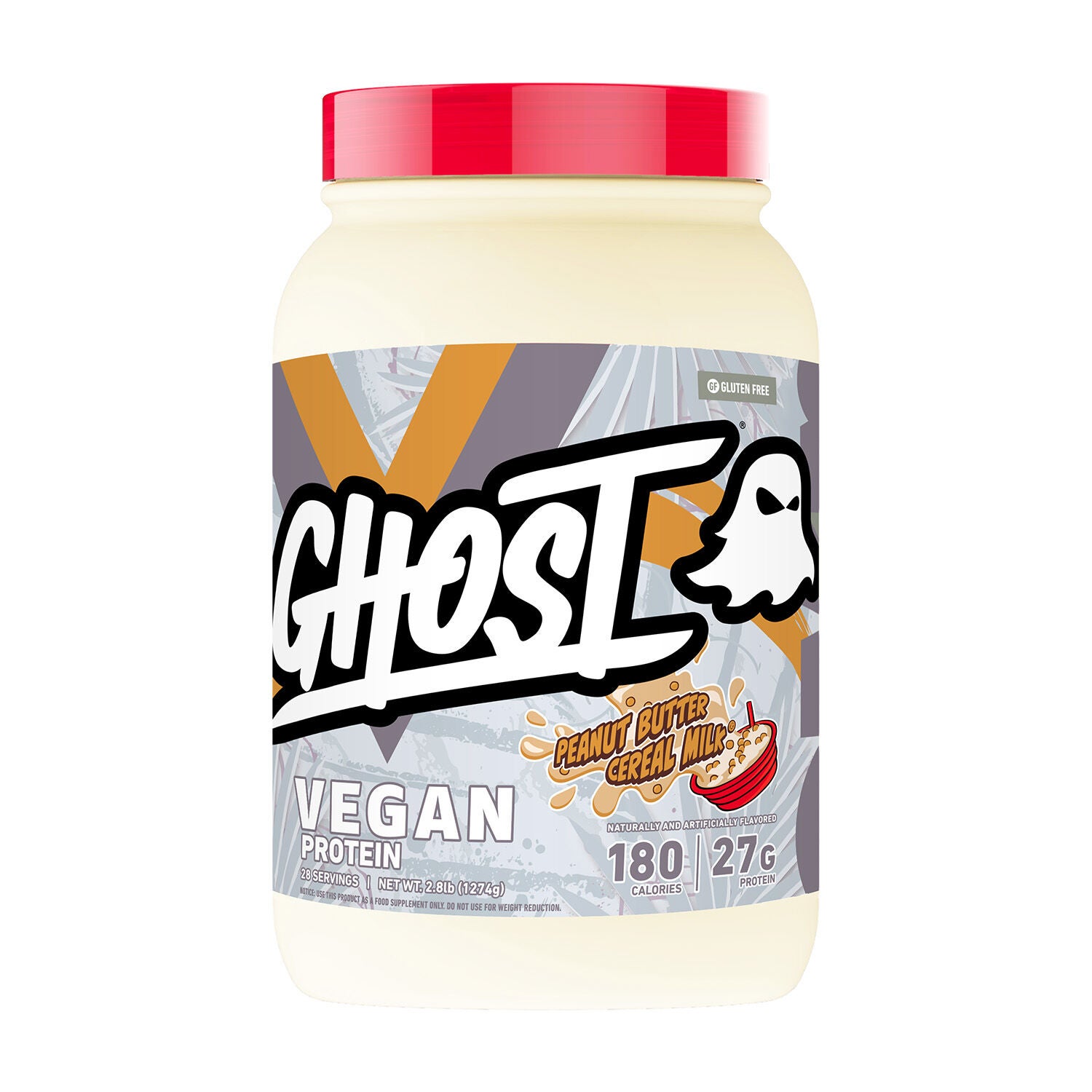
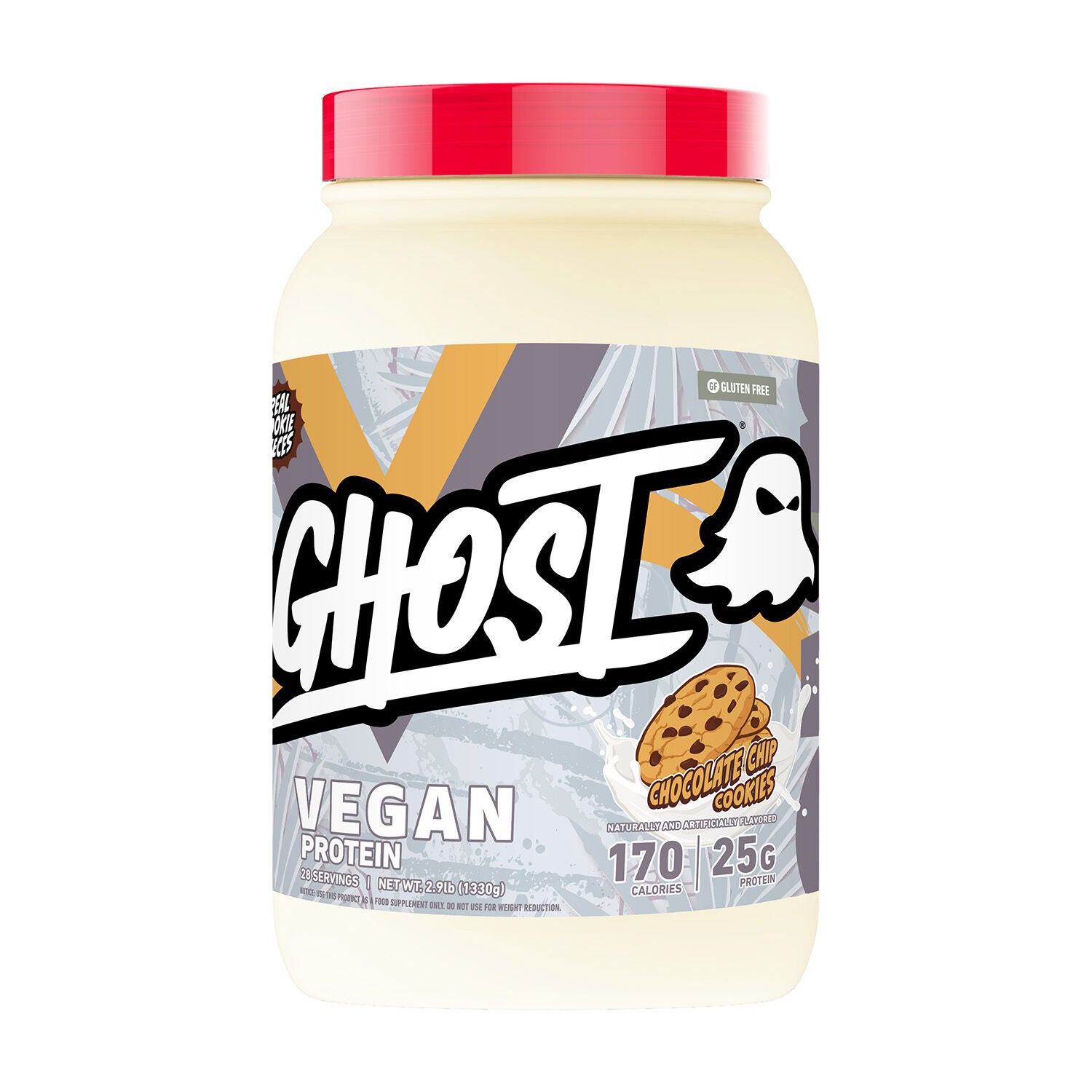
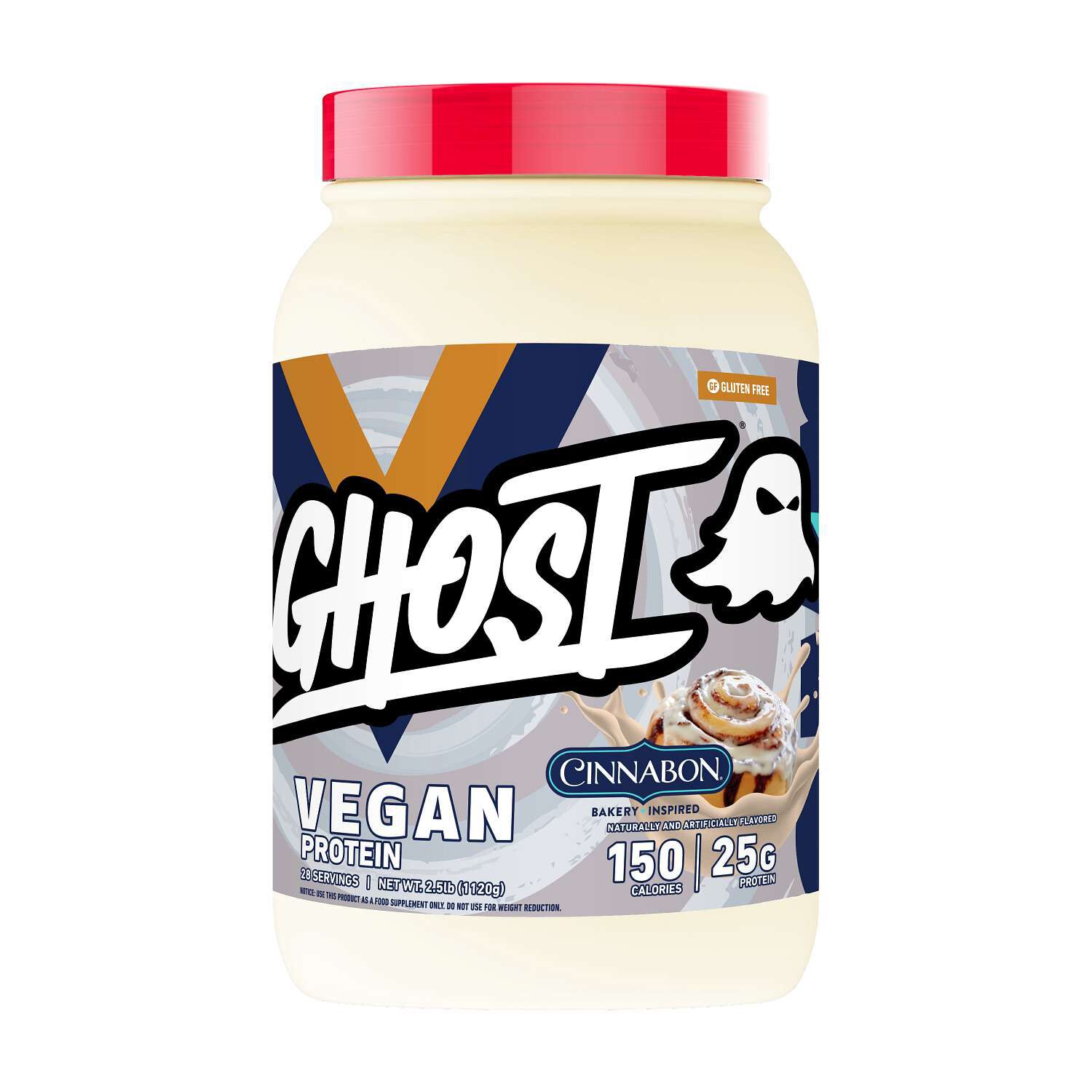
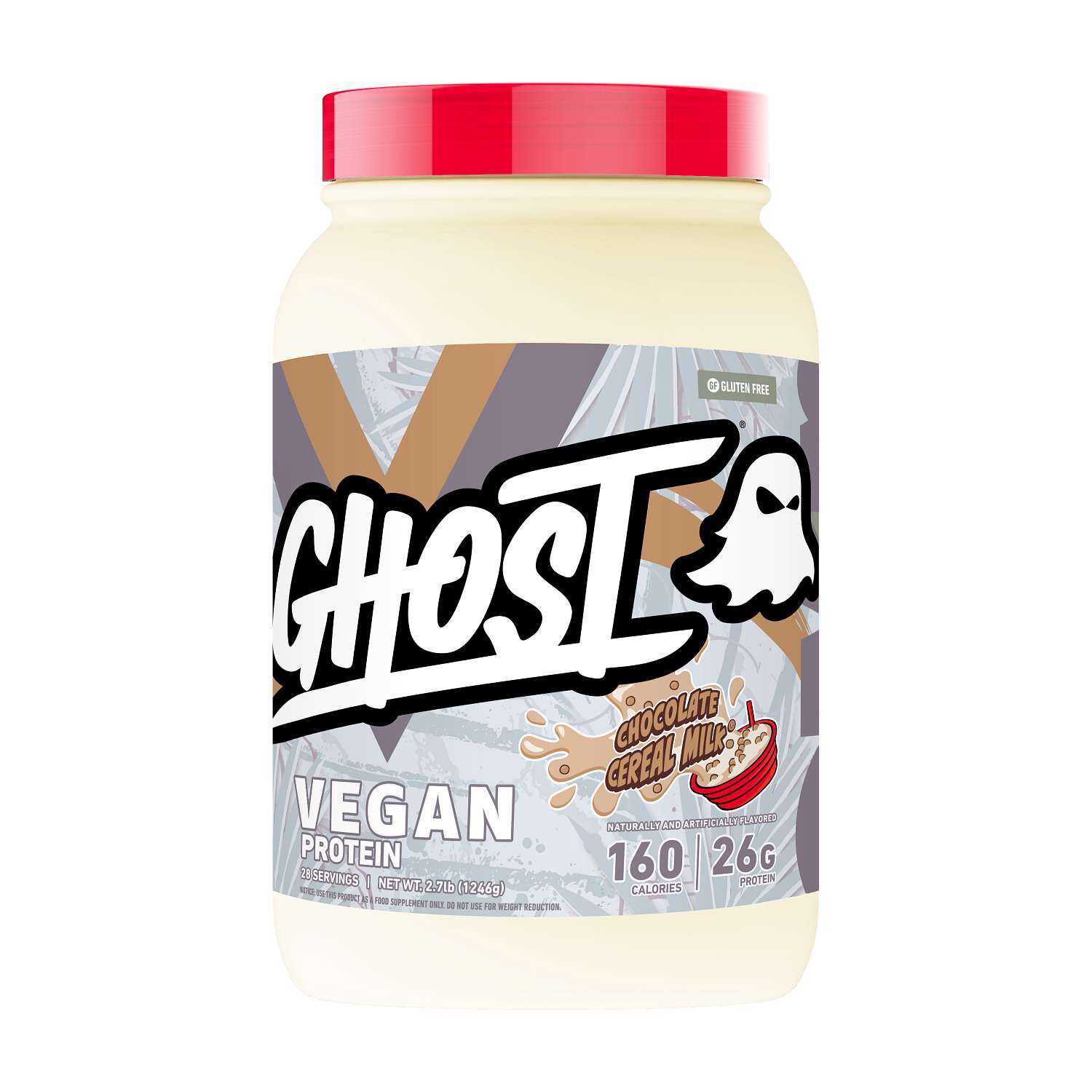
Clean Plant Based Protein Powder
(0 Results)
Discover a range of clean plant based protein powder options that could help support your wellness journey with ingredients sourced from plants. Whether you’re looking to enhance your daily nutrition or seeking a protein source to complement an active lifestyle, these plant-based formulas may fit seamlessly into your routine. Explore convenient and versatile choices that might align with your dietary preferences and personal goals, all while keeping your commitment to clean, plant-focused living in mind.
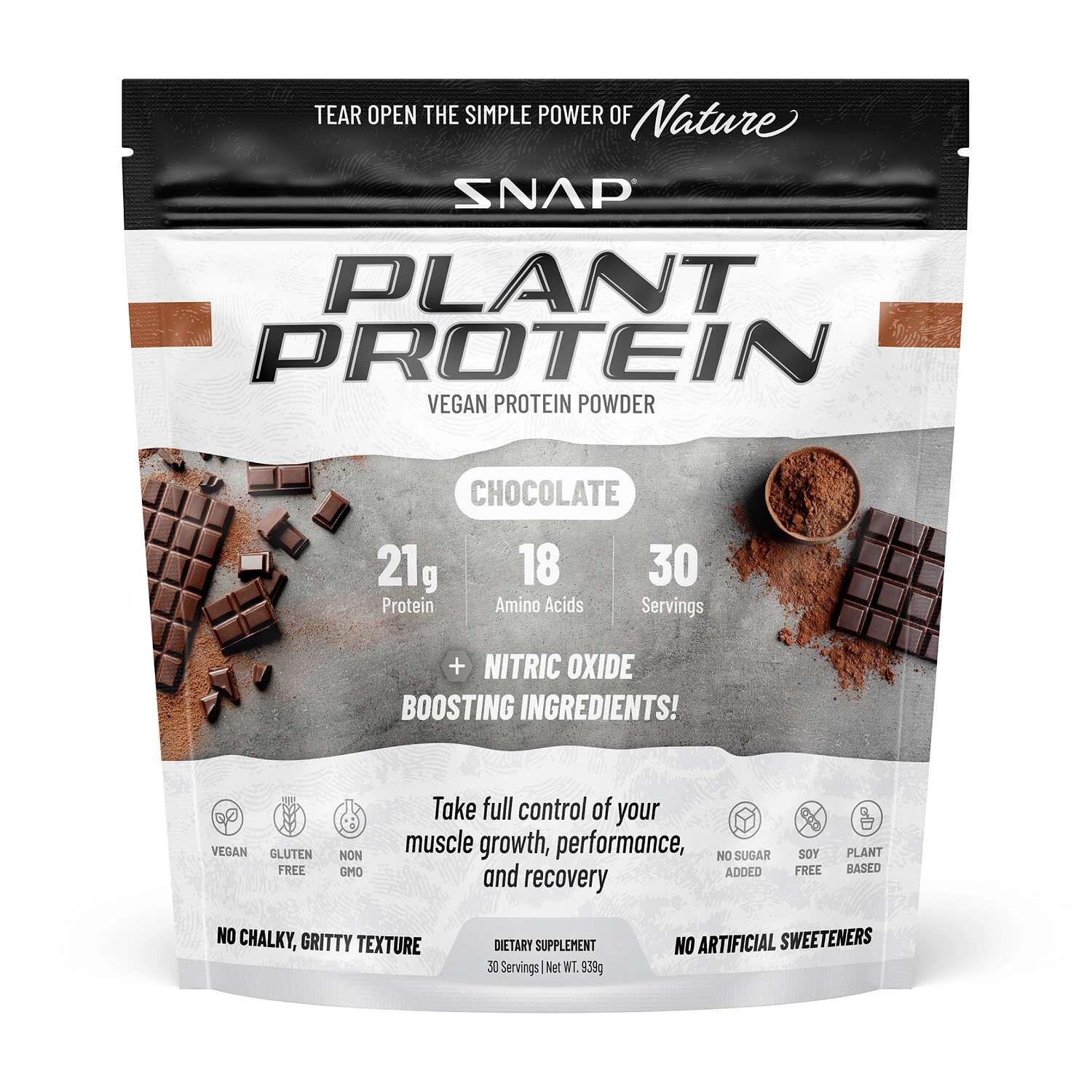

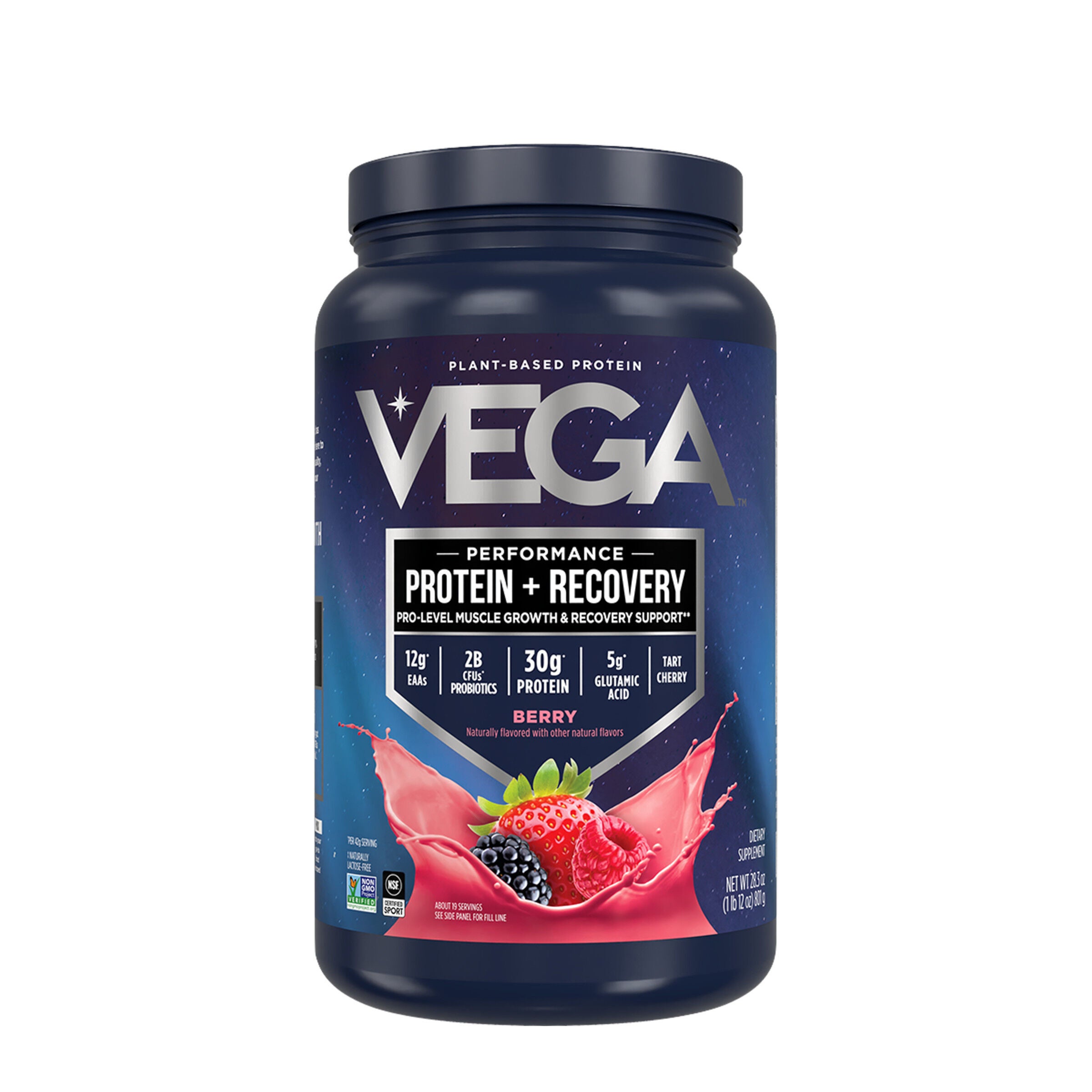
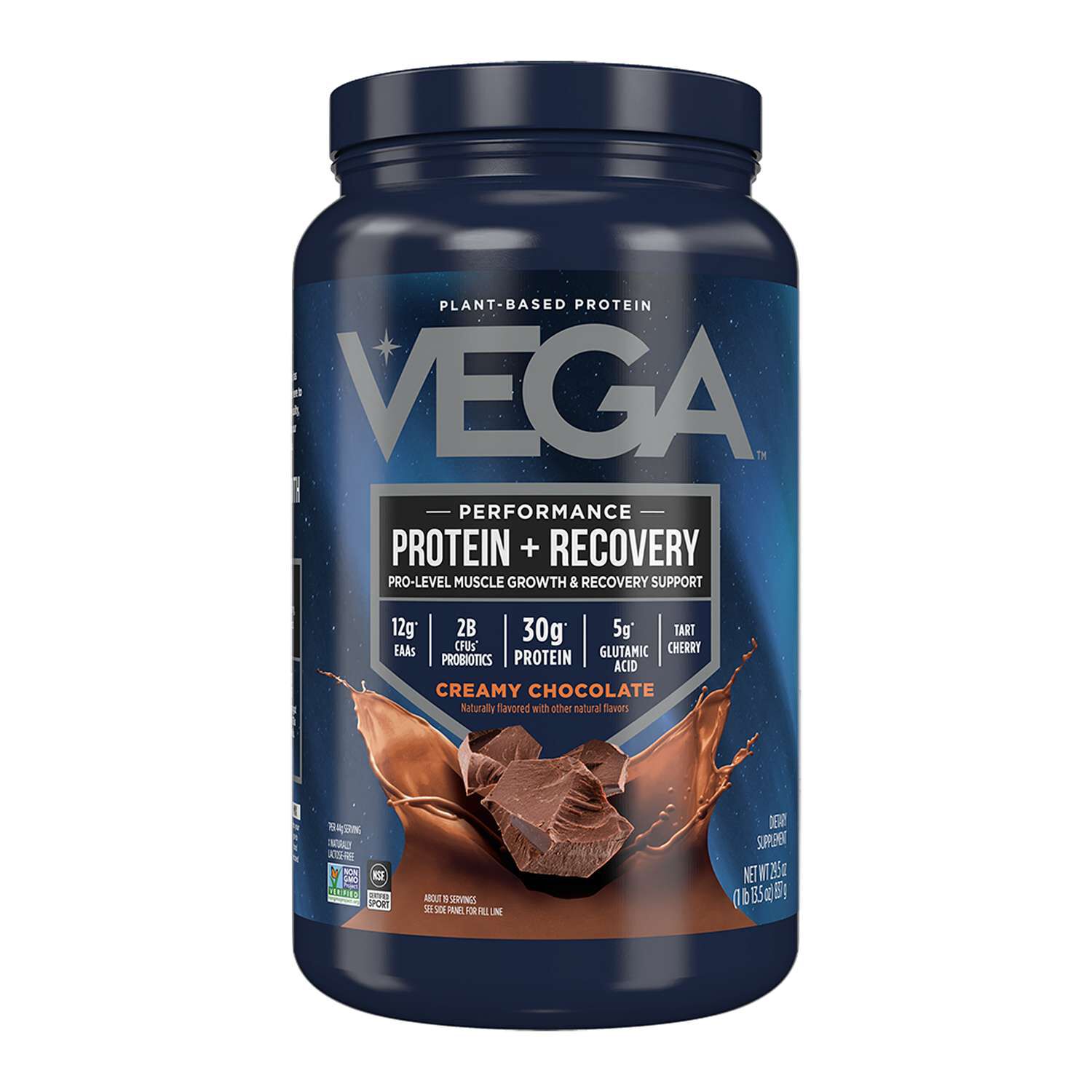

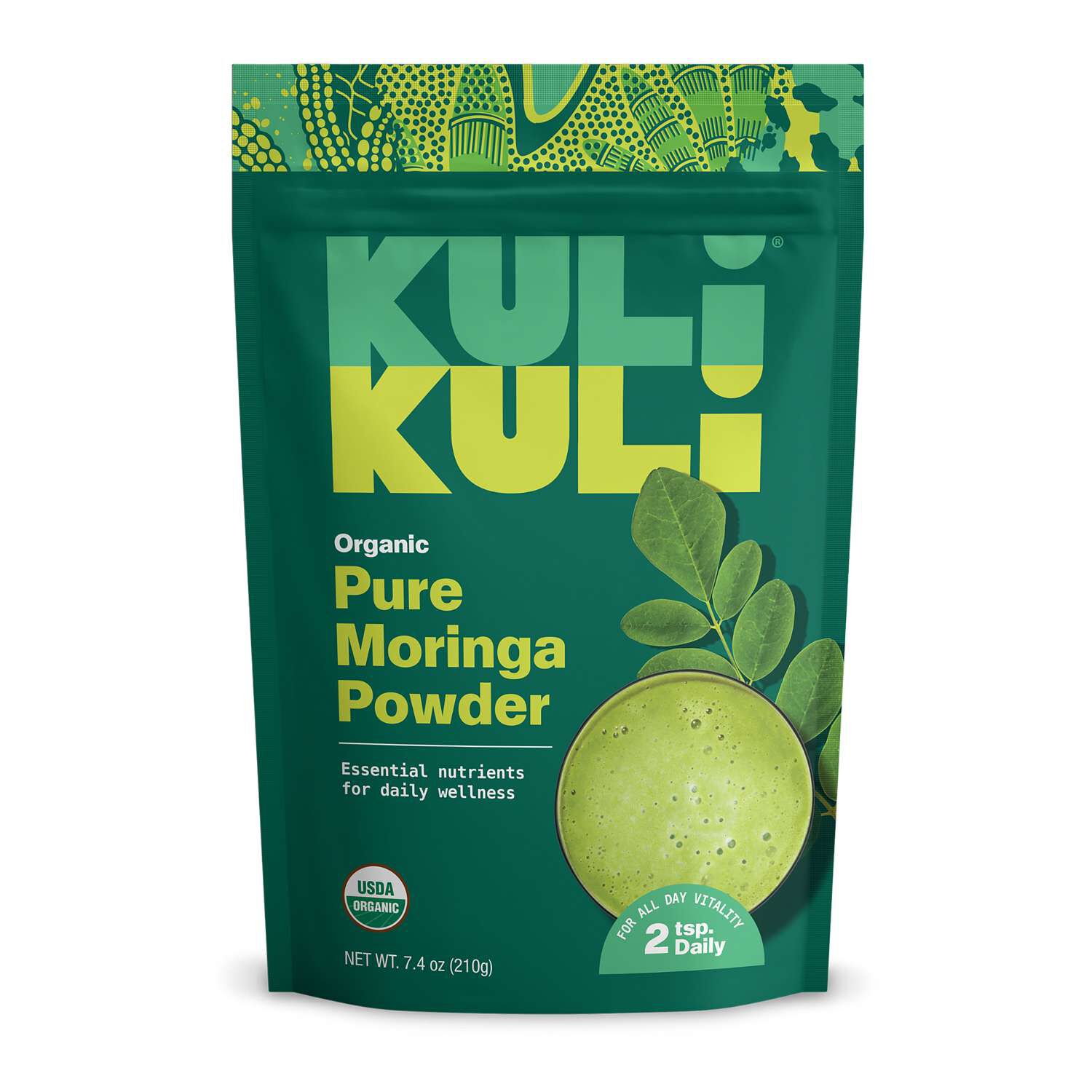
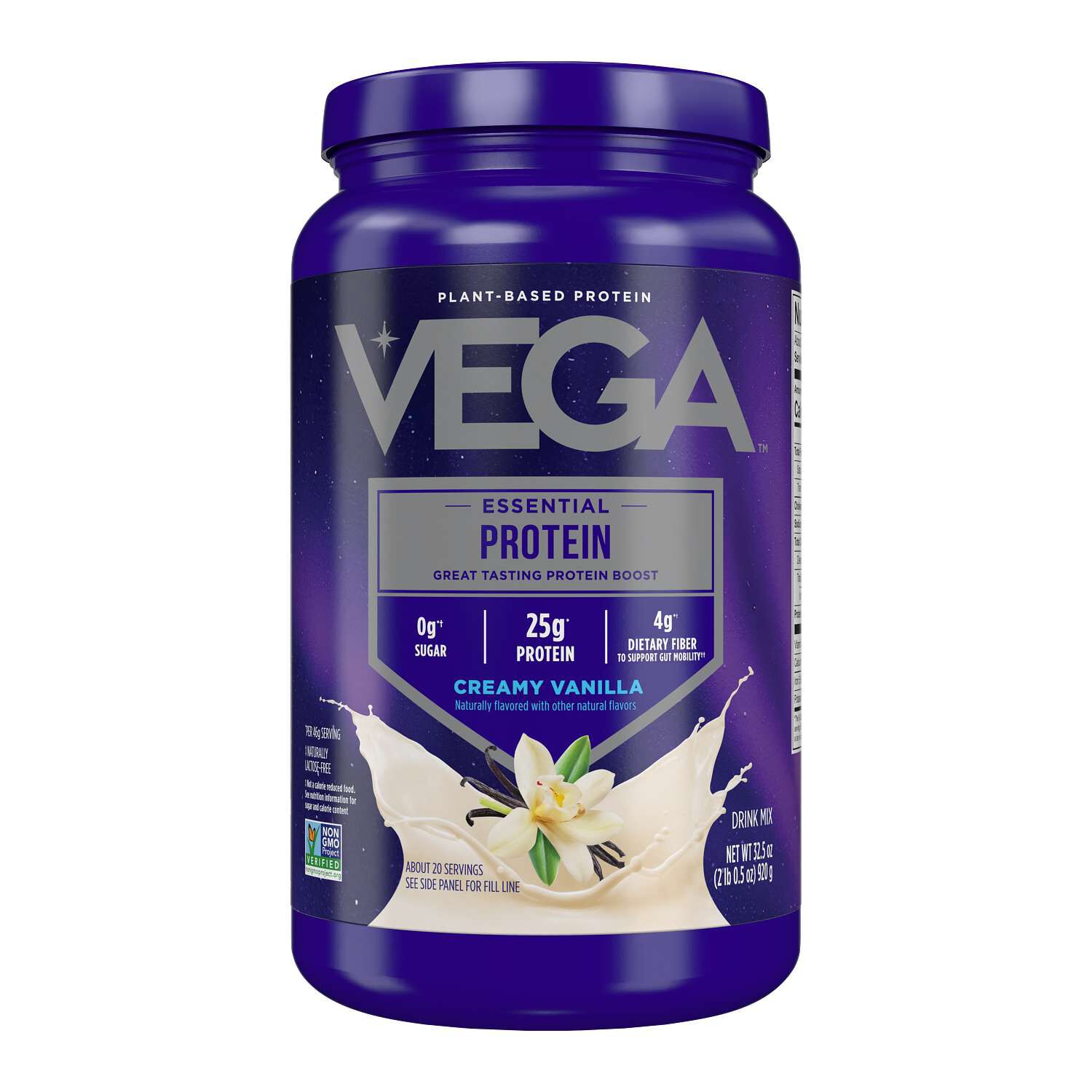


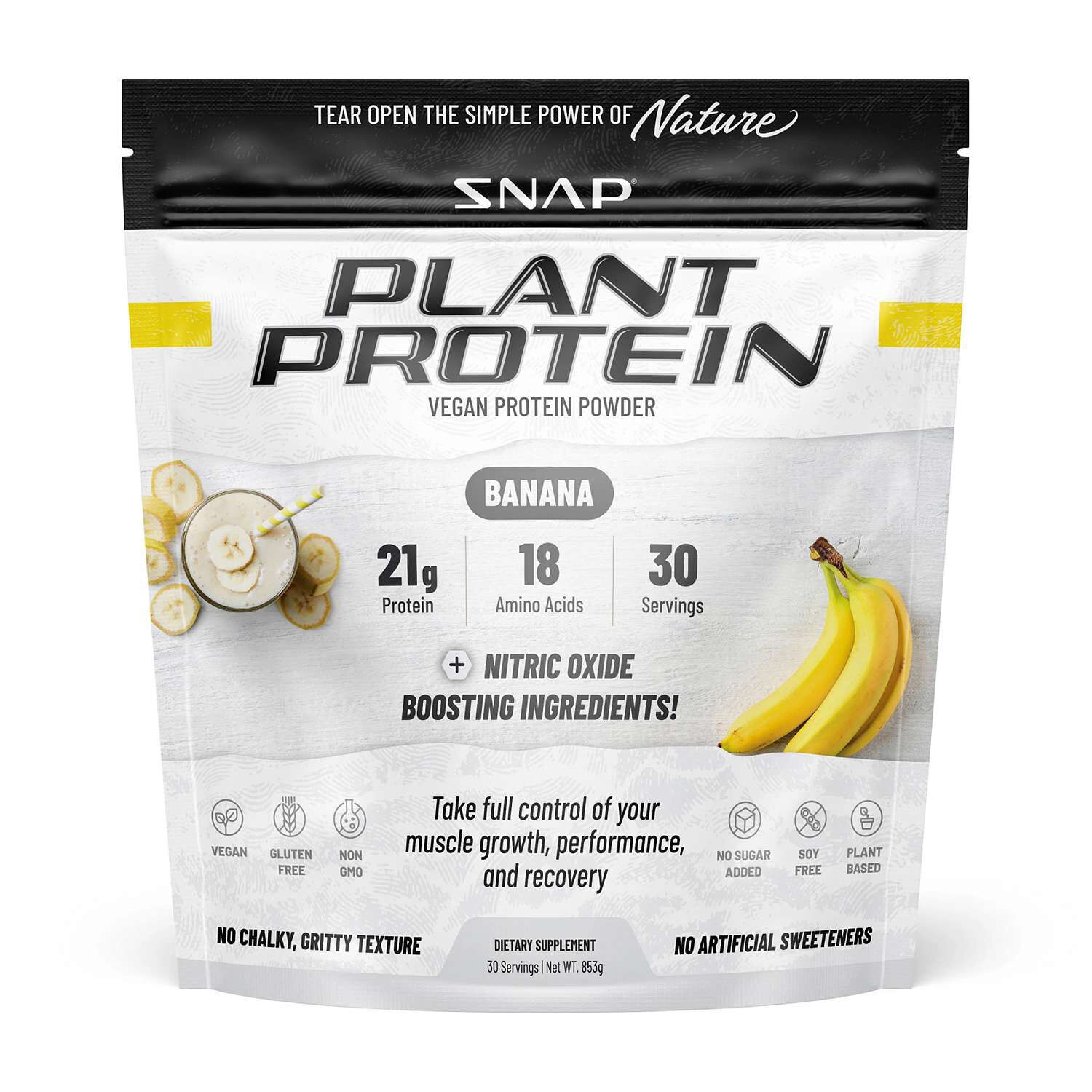
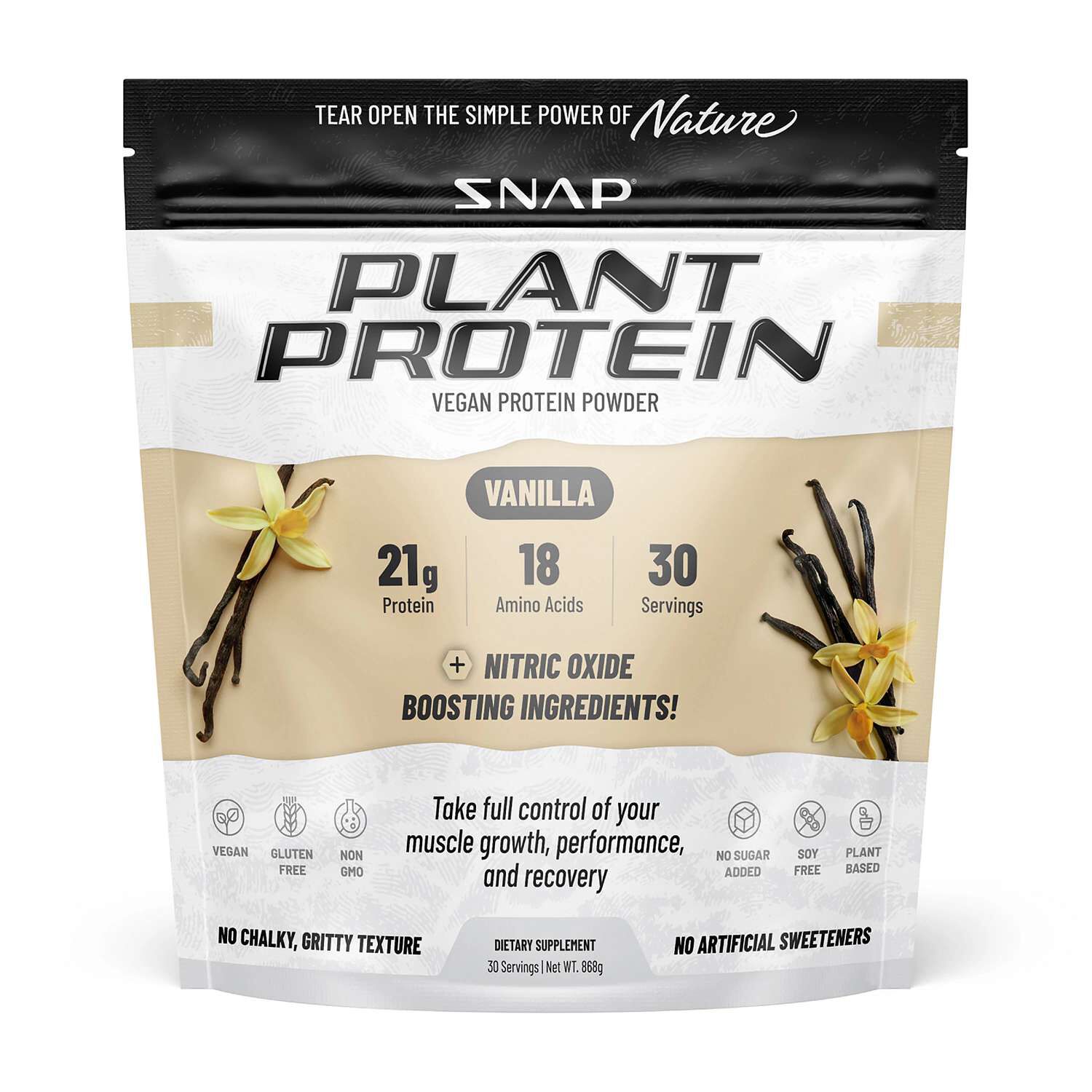


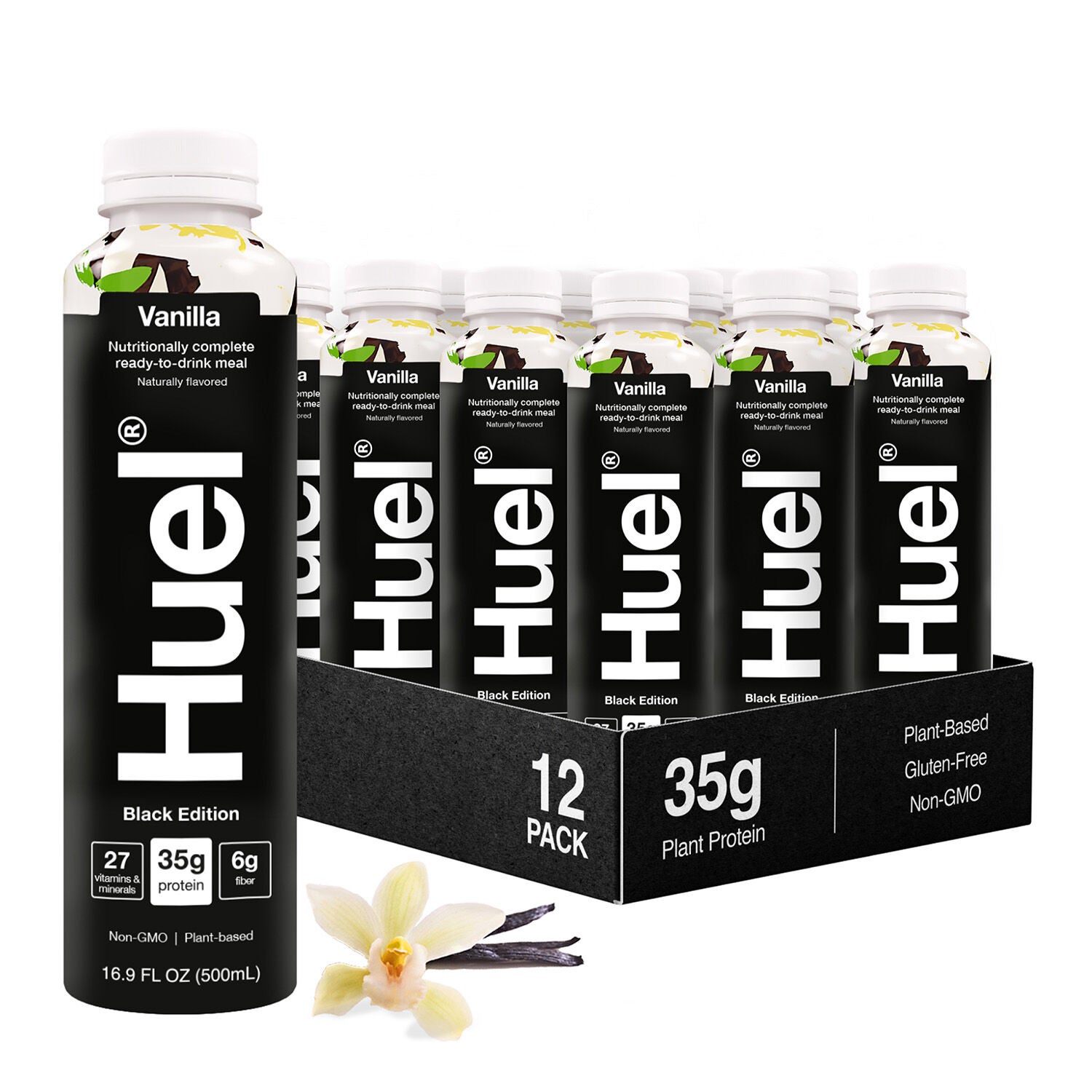
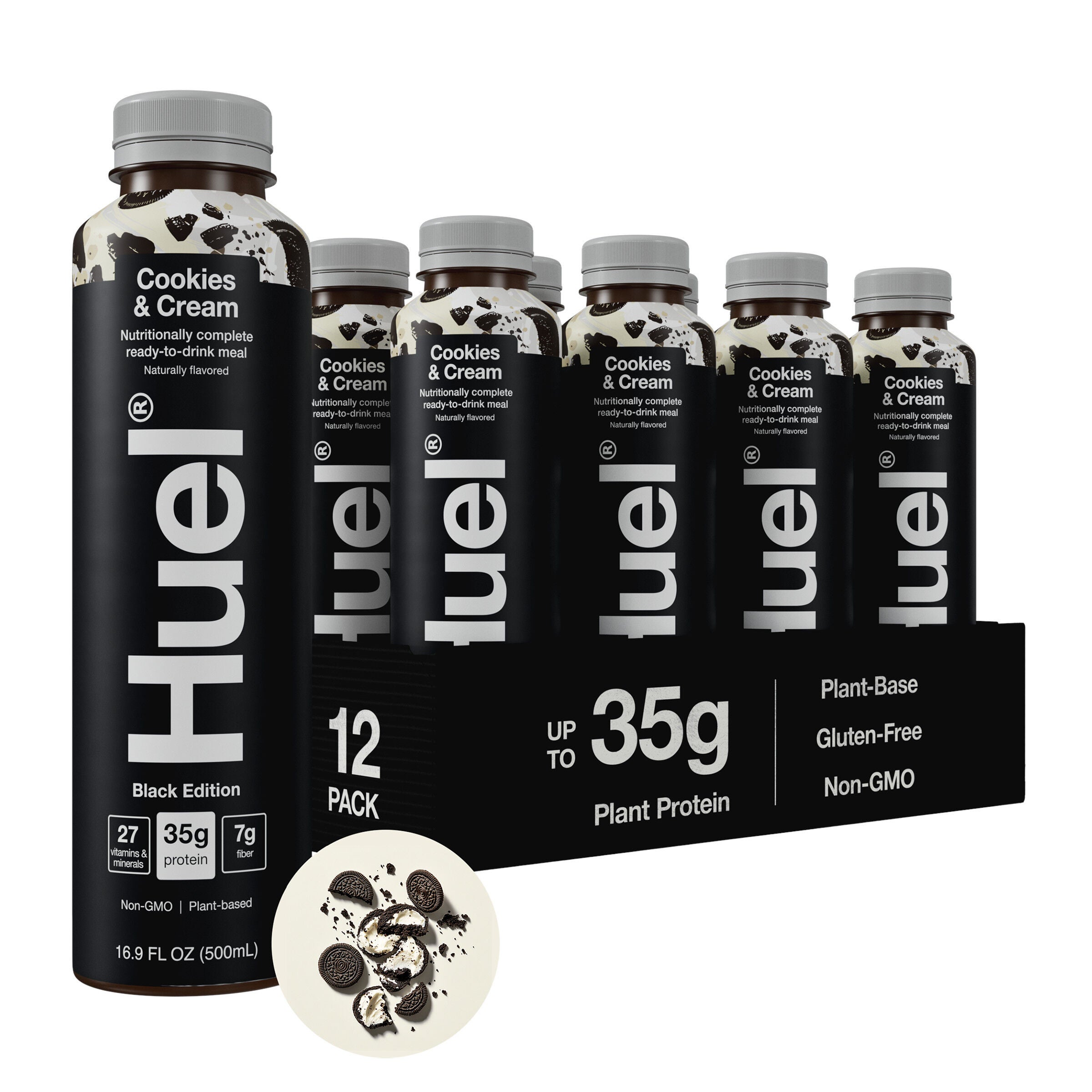


Clean plant-based protein powder brings together plant-derived protein and an ingredient profile that reflects personal preferences around flavor, sourcing, and formulation. The word “clean” does not have one universal definition for protein powders, so the ingredient list matters more than the phrase on the front of the container. For some shoppers, the priority is a short list of recognizable ingredients; for others, it is organic certification, an unsweetened formula, or a recipe made without artificial colors or flavors. Common protein sources include peas, brown rice, pumpkin seeds, and soy, with some formulas featuring a single source and others combining several. Each plant contributes a different amino acid profile, flavor, and texture, so two powders with similar protein amounts can taste quite different in the same smoothie. Pea protein often has an earthy character, rice protein can have a slightly grainy texture, and seed-based ingredients may bring a nutty note. Processing and the rest of the recipe also influence the finished drink. A simple formulation might contain a plant protein, cocoa or vanilla flavoring, and a sweetener, while another might include ingredients for thickness or easier mixing. A longer ingredient list is not automatically a sign of lower quality, just as a shorter one does not establish how a powder will taste or fit a particular eating pattern. Ingredient transparency means being able to identify the protein sources, sweeteners, flavorings, and other components rather than relying on broad packaging language. Shoppers who place particular importance on agricultural sourcing can also explore Organic Plant Based Protein Powder. Organic certification concerns production and handling standards; it does not, by itself, establish protein content, sweetness, or texture. When independent testing is noted, the scope matters, too: testing for ingredient identity, label accuracy, or selected contaminants represents different checks, and one statement should not be interpreted as covering every aspect of a formula.
Flavor and texture are often what determine whether a plant-based protein powder becomes a regular part of the kitchen routine. An unflavored option leaves more room for combinations such as banana and cinnamon, berries and oat beverage, or cocoa and peanut butter. Unflavored does not necessarily mean tasteless, however; the underlying pea, grain, or seed notes may still come through, especially when the powder is mixed only with water. Vanilla offers a familiar starting point for fruit smoothies, while chocolate pairs naturally with ingredients such as cherries, banana, or a spoonful of nut butter. Sweetness deserves its own attention. Cane sugar, stevia, monk fruit, and other sweetening ingredients have distinct tastes, and preferences can be especially noticeable in a simple shaker drink. An unsweetened powder gives the surrounding ingredients a larger role in the finished flavor, whether that means ripe fruit or an unsweetened plant beverage. Texture also depends on preparation. Water generally produces a lighter drink, while oat, soy, or almond beverages bring their own body and flavor. A blender is useful for recipes with ice, fruit, or thick ingredients, whereas a shaker bottle suits straightforward powder-and-liquid combinations. The mixing directions on the label provide a practical starting point for the amount of liquid and the suggested serving. More liquid usually means a thinner consistency; less makes a denser mixture that may suit a smoothie bowl. Some powders settle or thicken as they stand, so a drink made just before leaving home can feel different by the time breakfast begins. For oatmeal, yogurt-style plant foods, pancakes, or baked recipes, the powder’s absorbency matters as much as its flavor. Replacing a large portion of flour with protein powder changes a recipe’s balance rather than creating a direct substitute. Smaller recipe adjustments leave more room to judge texture, especially with blends that contain added fibers or thickening ingredients. During cooler months, cinnamon, cocoa, and pumpkin purée offer familiar flavor pairings without limiting the powder to a cold shake.
The right fit also depends on serving size, intended use, and the rest of a person’s eating routine. Protein grams per serving are useful to compare alongside the serving weight because scoop sizes differ between formulas. Calories, carbohydrates, sugars, fats, fiber, and sodium provide additional context beyond the protein number alone. A powder intended for a small afternoon smoothie may call for different flavor and texture preferences than one stirred into a substantial breakfast with oats, fruit, and nut butter. Plant protein powders can suit adults following vegan or vegetarian eating patterns, people who prefer alternatives to dairy-based powders, and households that enjoy plant-focused cooking. A plant-based description does not establish that every formula meets every dietary preference, so a vegan designation and the full ingredient statement remain useful when avoiding animal-derived ingredients. Allergen information matters separately: soy, tree nuts, and other ingredients may appear in the recipe or in facility statements. Amino acid information, when supplied, offers another way to compare formulations, although a blended powder is not automatically a better match than a single-source option. Powder is one food choice within a varied eating pattern, not a stand-in for everything provided by meals. Practical details can make an equally meaningful difference over time. A container with a secure closure suits a pantry shelf, while a resealable pouch may take up less space in a small kitchen. Storage directions should guide placement, with a dry cupboard away from steam generally more suitable than a spot beside the stove. A clean, dry scoop and a firmly closed package help limit contact with moisture. For a drink carried to work or the gym, a tightly closing bottle and prompt cleaning after use are worthwhile everyday considerations. When choosing a powder for someone else, familiar flavors and known ingredient preferences make a more thoughtful starting point than unfamiliar blends. Across these uses, a satisfying choice comes down to clear labeling, a flavor worth returning to, and a format that fits naturally into ordinary meals and snacks.