Healthiest Plant Based Protein Powder
(0 Results)
Searching for the healthiest plant based protein powder may lead you to a range of nutrient-packed options that could fit seamlessly into your wellness routine. With ingredients sourced from plants like peas, brown rice, and hemp, these protein powders might offer a convenient way to support your daily nutrition goals. Whether you’re looking to complement an active lifestyle or simply add more plant-based choices to your diet, exploring the healthiest plant based protein powder selections could be a smart step toward balanced nourishment.
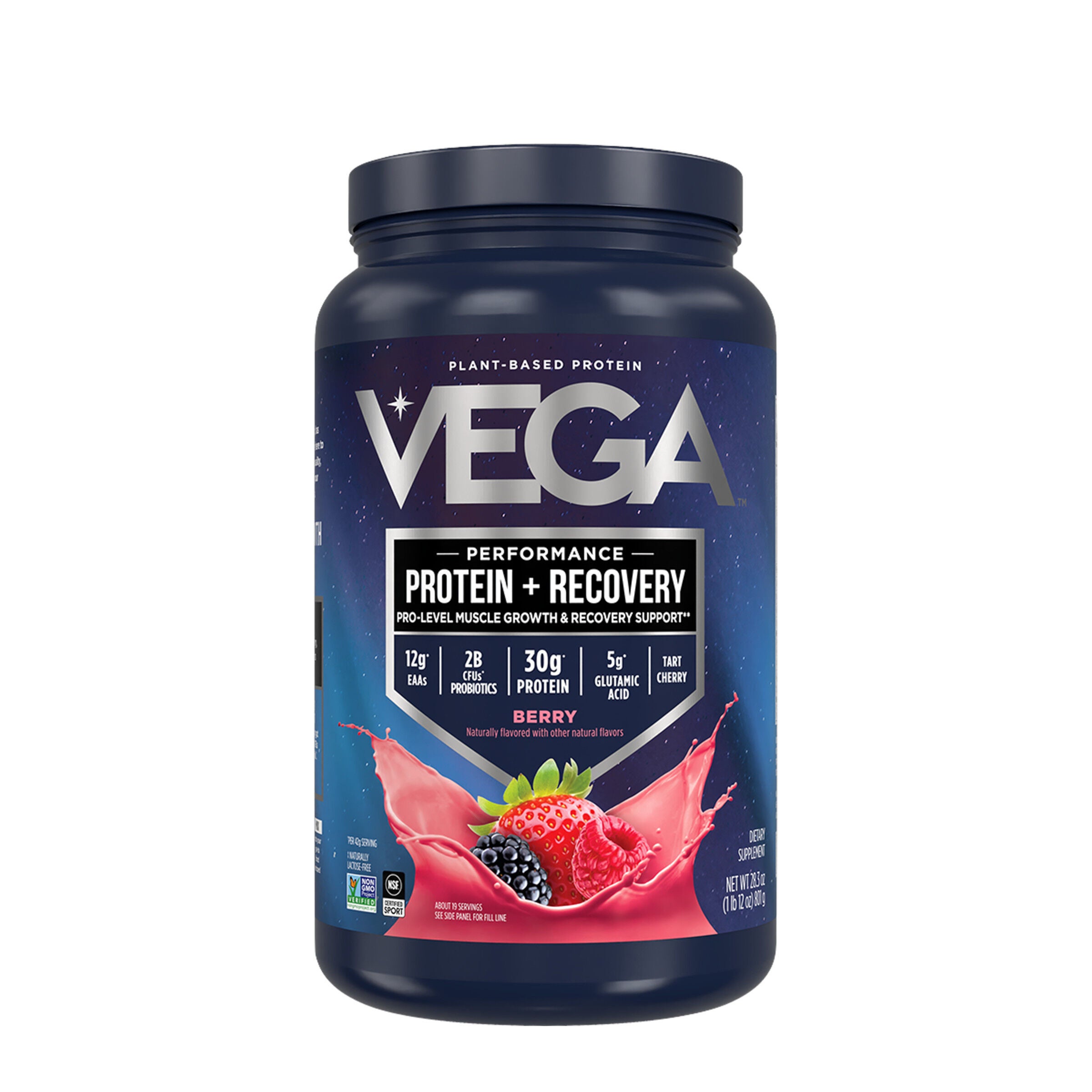
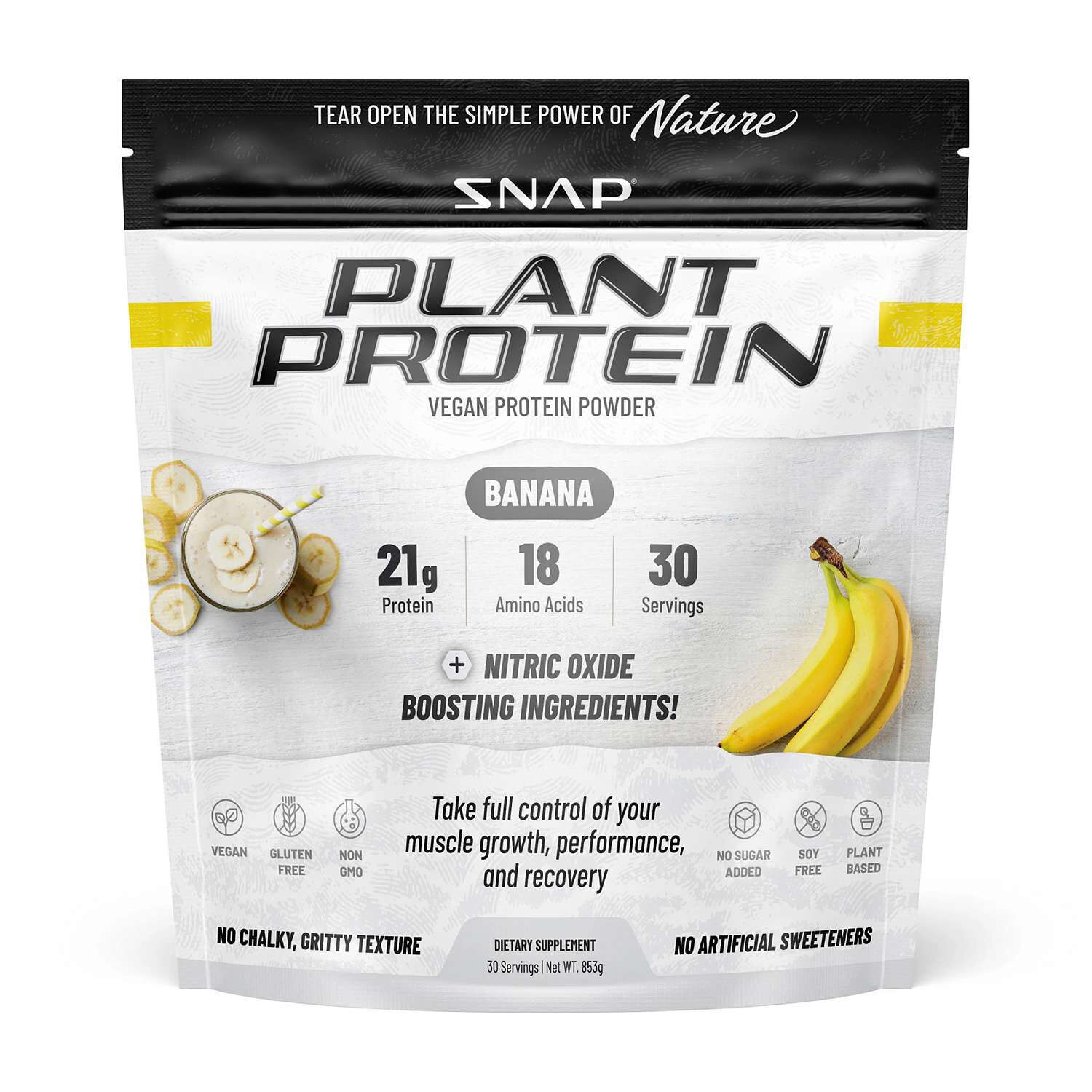

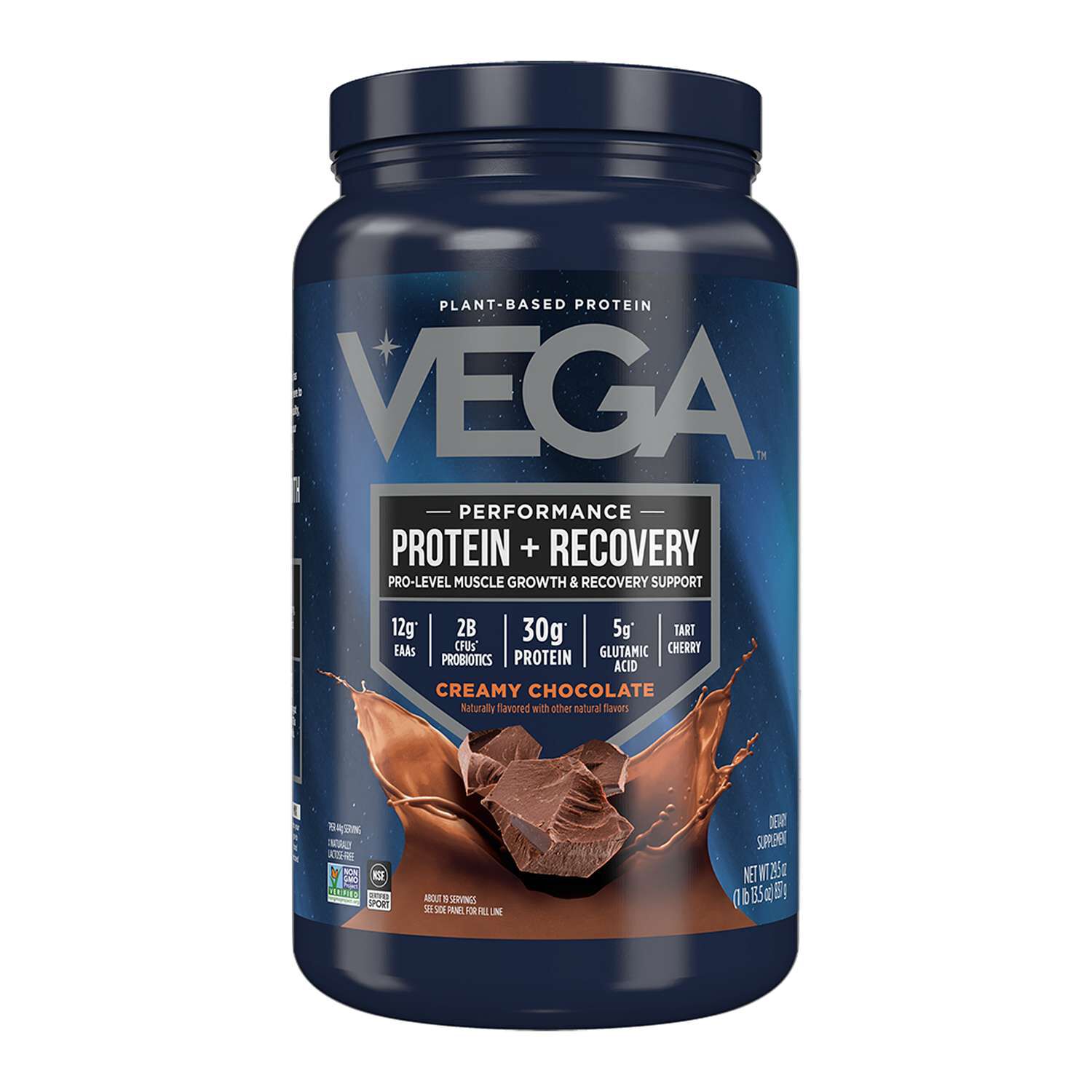

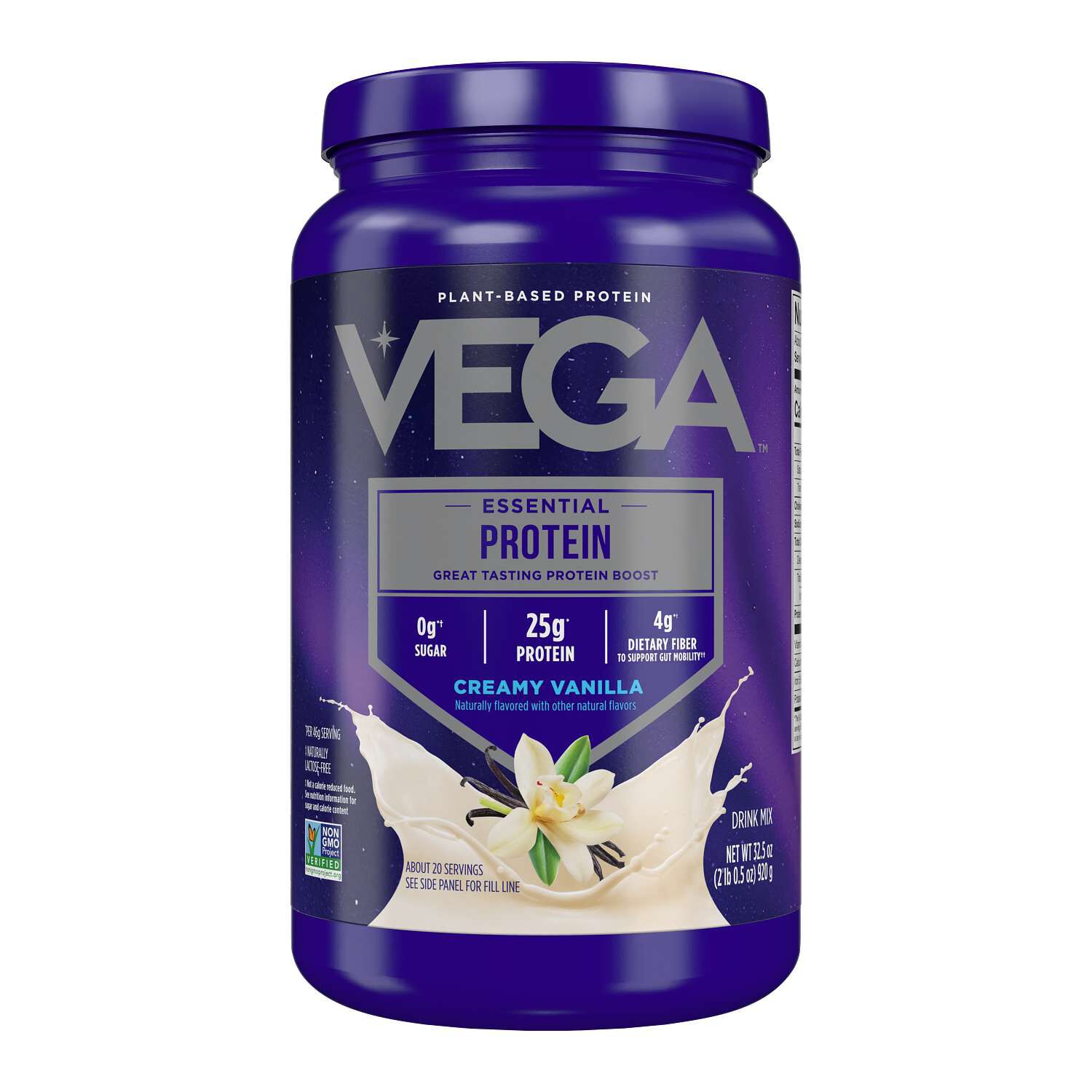


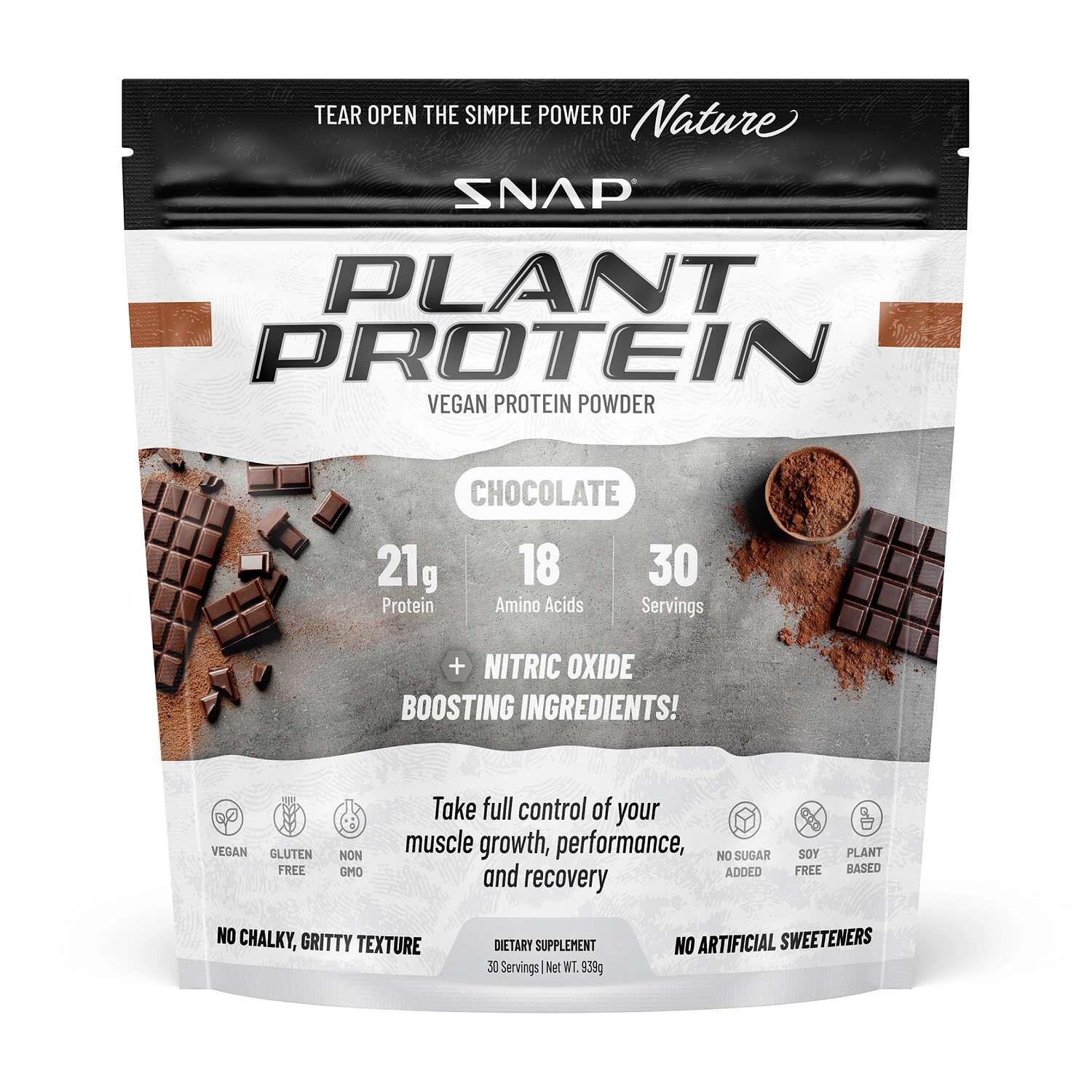
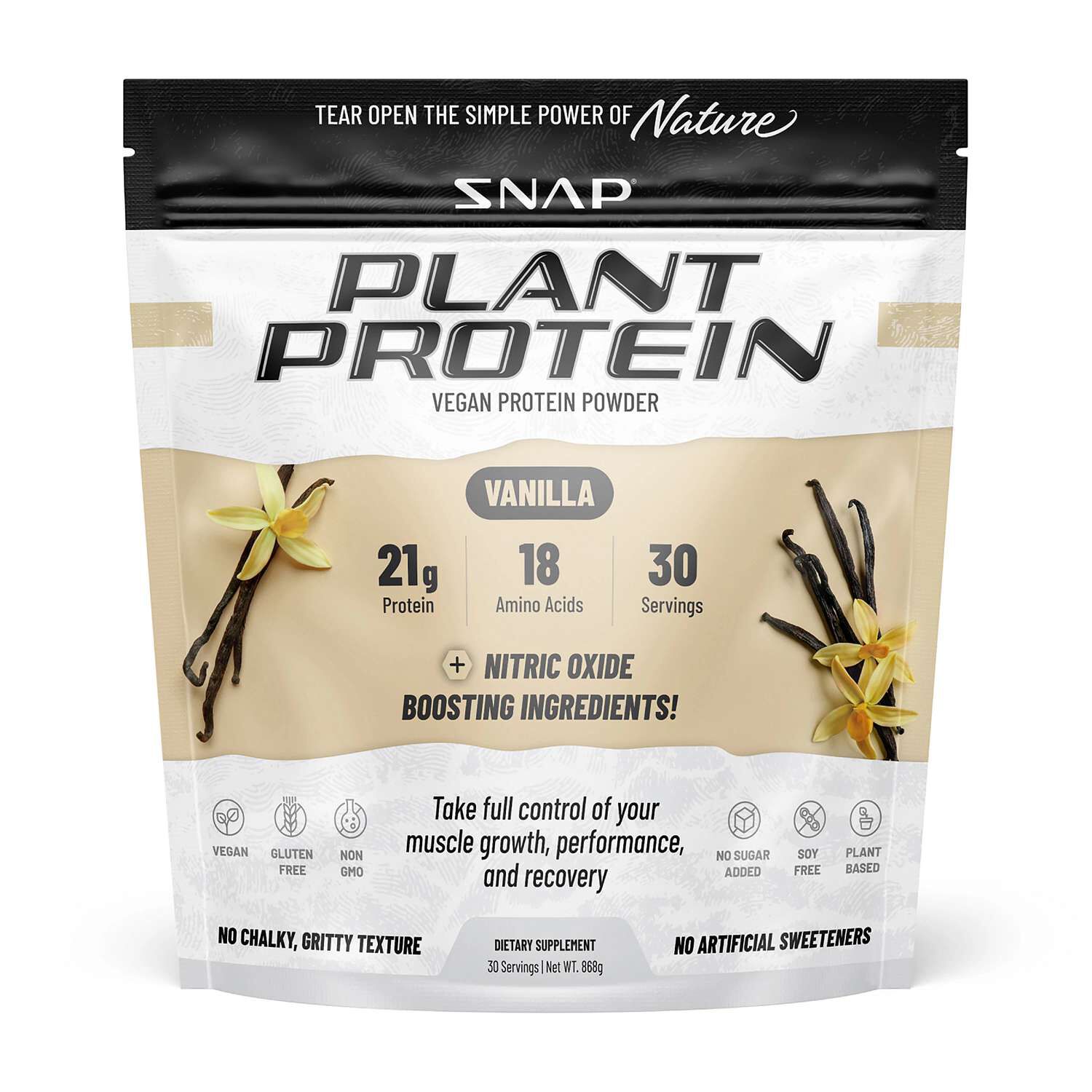





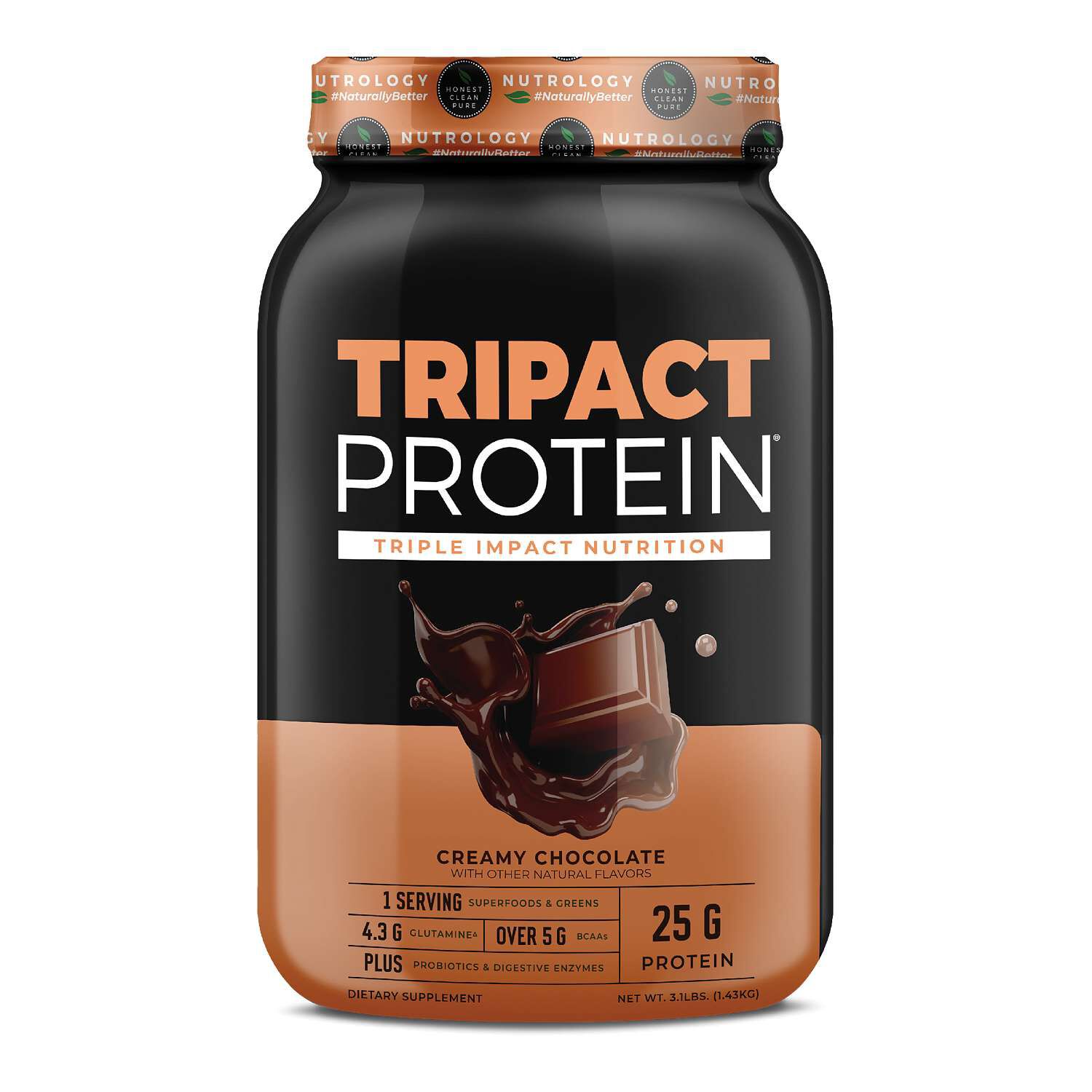
The healthiest plant-based protein powder is not a single formula that suits everyone. A thoughtful choice depends on the protein source, the amount of protein per serving, the other ingredients, and how the powder fits into everyday meals and snacks. Plant-based protein powders are made from sources such as peas, soybeans, brown rice, pumpkin seeds, and chia seeds, with options ranging from single-source formulas to blends. Each source has its own amino acid profile, flavor, and texture. Soy protein contains all nine amino acids that the body must obtain through food, while blends of other plant proteins bring together sources with different proportions of those amino acids. Pea and brown rice are a familiar pairing because their amino acid profiles complement one another. A blend is not automatically a better choice than a single-source powder; the rest of a person’s diet also matters. For shoppers comparing powders, useful distinctions include clearly identified ingredients, meaningful protein content for the intended serving, and accessible information about quality testing. A short ingredient list may appeal to someone who wants a straightforward addition to oatmeal or smoothies, while a flavored blend may suit someone who prefers mixing a shake with water. Neither approach makes a powder universally healthier. Likewise, plant-based does not automatically mean vegan, organic, or suitable for every dietary preference. The full ingredient list and any relevant certifications provide more detail than the front of the package alone. These powders fit a range of shopping needs, from someone exploring more plant-based foods to a longtime vegan looking for another protein option. They may also be a practical choice for an active adult who enjoys a shake after exercise or a busy commuter who prepares breakfast the night before. The most useful comparison starts with the actual serving and intended use, rather than a broad claim on the label.
Ingredient details make the differences between plant-based protein powders easier to understand. Protein grams per serving are worth considering alongside serving weight, calories, added sugars, and sodium, since similarly sized containers can have quite different serving sizes. Scoop size alone is not a reliable comparison. Some powders contain only a protein ingredient, while others include cocoa, vanilla flavoring, sweeteners, oils, gums, or added vitamins and minerals. These additions serve different formulation purposes and are not, by themselves, a measure of overall quality. Gums are commonly used for texture, and sweeteners vary in both taste and amount. Someone who enjoys the natural sweetness of banana in a smoothie may prefer an unsweetened powder, while someone mixing with plain water may favor a flavored option. Unflavored and unsweetened are different descriptions, so both the ingredient list and nutrition panel deserve attention. Dietary suitability also requires a closer look: a plant-based formula can contain soy or ingredients derived from nuts, and manufacturing statements may identify shared equipment. Organic certification addresses specified production and handling practices; it does not establish that a powder contains more protein or tastes better. For shoppers who prioritize that certification, Organic Plant Based Protein Powder offers a related category to consider alongside ingredient and serving information. Independent testing is another useful point of comparison, particularly when the scope of the testing is clear. Plant ingredients can contain trace amounts of substances from soil and their growing environment, which is why testing for heavy metals and other contaminants matters. A third-party testing statement is most informative when it identifies the testing organization, the substances evaluated, and whether results correspond to a particular batch. Some testing programs focus on ingredient identity or label accuracy, while others evaluate additional quality criteria. Those distinctions matter more than treating every certification symbol as interchangeable. Publicly accessible testing information adds context, but no single badge establishes which powder is the healthiest choice for every shopper. Transparent labeling and clearly explained testing are useful qualities to weigh together.
Everyday enjoyment matters, too, because a powder has to fit the way someone actually eats. Plant proteins vary in taste and mouthfeel: some have an earthy or nutty character, while others are formulated with a milder flavor. Chocolate may pair well with oats and nut butter, and vanilla could work with berries, banana, or cinnamon. An unflavored powder may be more adaptable for recipes where sweetness would seem out of place, although unflavored does not mean tasteless. Mixing directions provide a useful starting point for the ratio of powder to liquid. Water, oat beverages, almond beverages, and soy beverages have different flavors and nutritional profiles, so the finished drink will depend on more than the powder alone. A shaker bottle may suit a simple drink between work and an evening workout, while a blender could be more convenient for combining frozen fruit, oats, and thicker ingredients. For a spoonable breakfast, a smaller amount of powder stirred into yogurt or overnight oats may be easier to incorporate than a full serving added all at once. During the cooler months, oatmeal with cinnamon and a plant protein powder may offer a change from a cold shake; package directions can clarify whether the powder is intended for that preparation. Baking calls for a different approach, since protein powder does not behave exactly like flour. Recipes developed for plant protein are a more useful starting point than substituting it cup for cup. A protein powder also is not automatically a meal replacement, and its label may describe a narrower intended use. Storage and handling deserve the same attention as preparation. Follow package directions, close the container securely, and use a clean, dry scoop. A cool, dry cupboard away from steam and direct sunlight is generally a practical location unless the label specifies otherwise. Package format matters for daily routines as well: resealable pouches, tubs, and individual portions suit different kitchen and travel habits. For a gift, familiar flavor preferences and known dietary requirements are more useful than assumptions about someone’s fitness goals. Thoughtful selection brings together ingredient transparency, relevant testing, nutrition, taste, and the practical details that make a powder a welcome part of an ordinary day.