





Plant Based Powders
(0 Results)
Plant based powders could be a convenient addition to your daily routine for those looking to explore plant-powered options. With a variety of blends made from sources like peas, rice, and other plants, these powders may fit into different wellness goals and lifestyles. Whether you’re mixing them into smoothies or adding them to recipes, plant based powders offer versatility for anyone seeking alternatives to traditional supplements. Discover how these options might support your journey toward a more plant-focused approach.

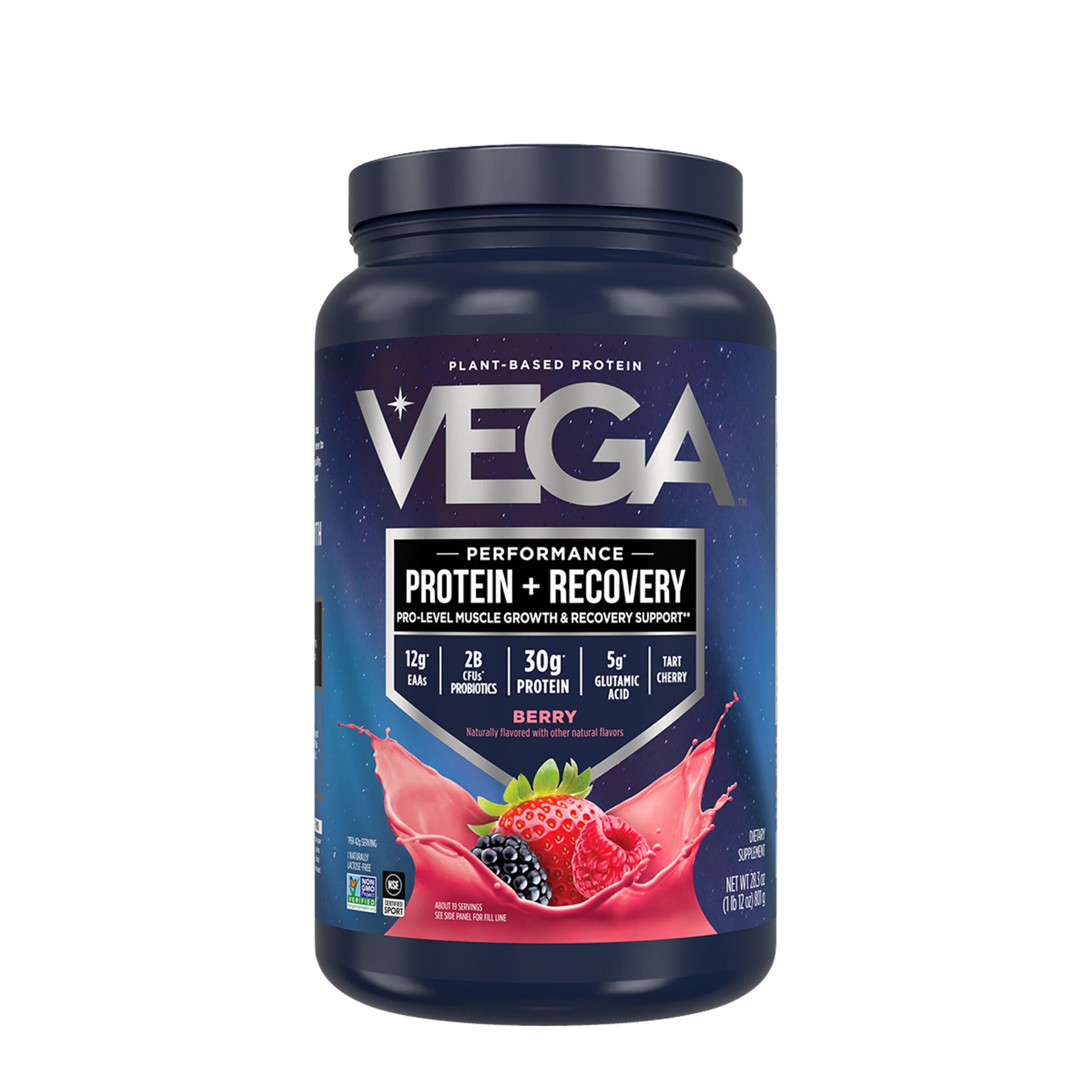
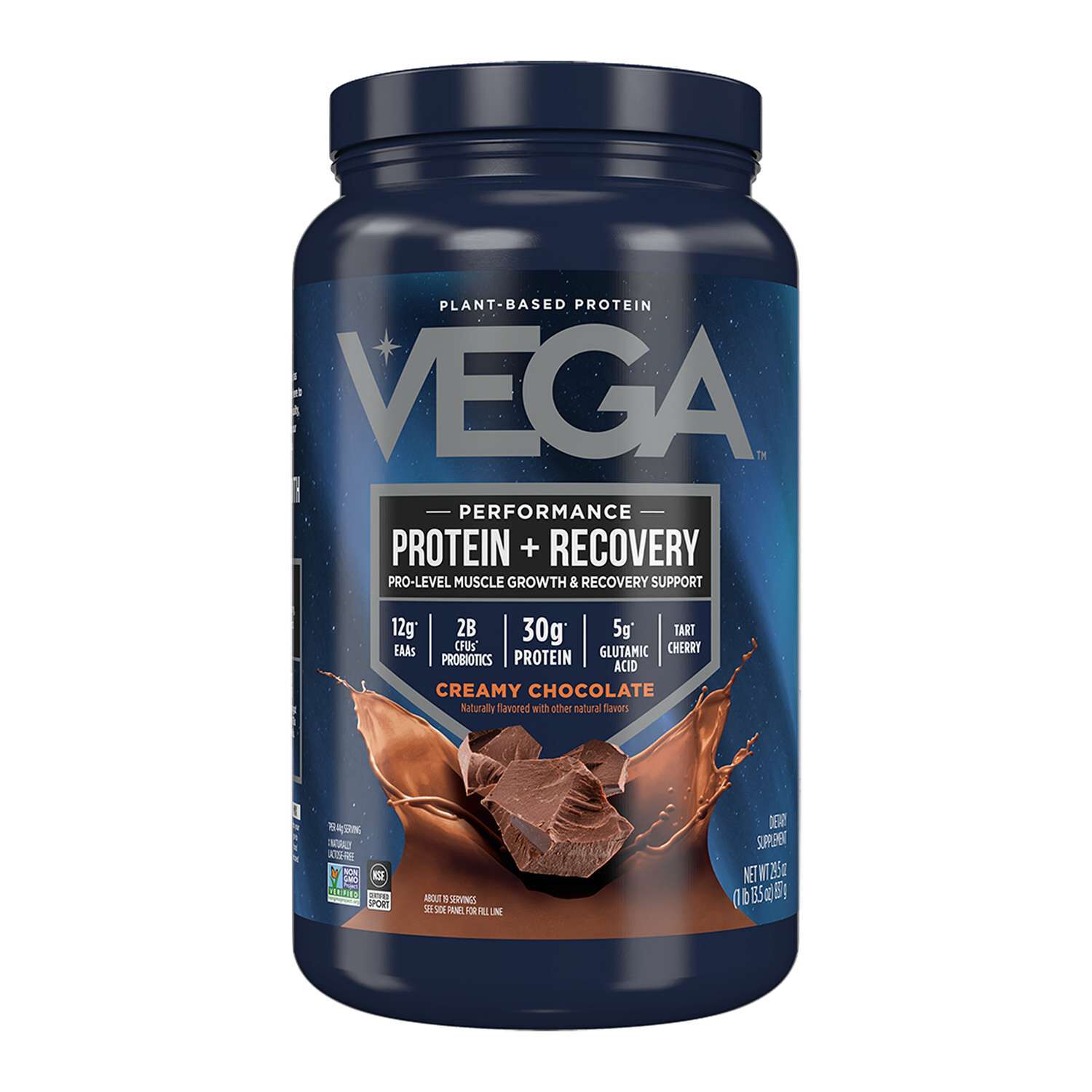

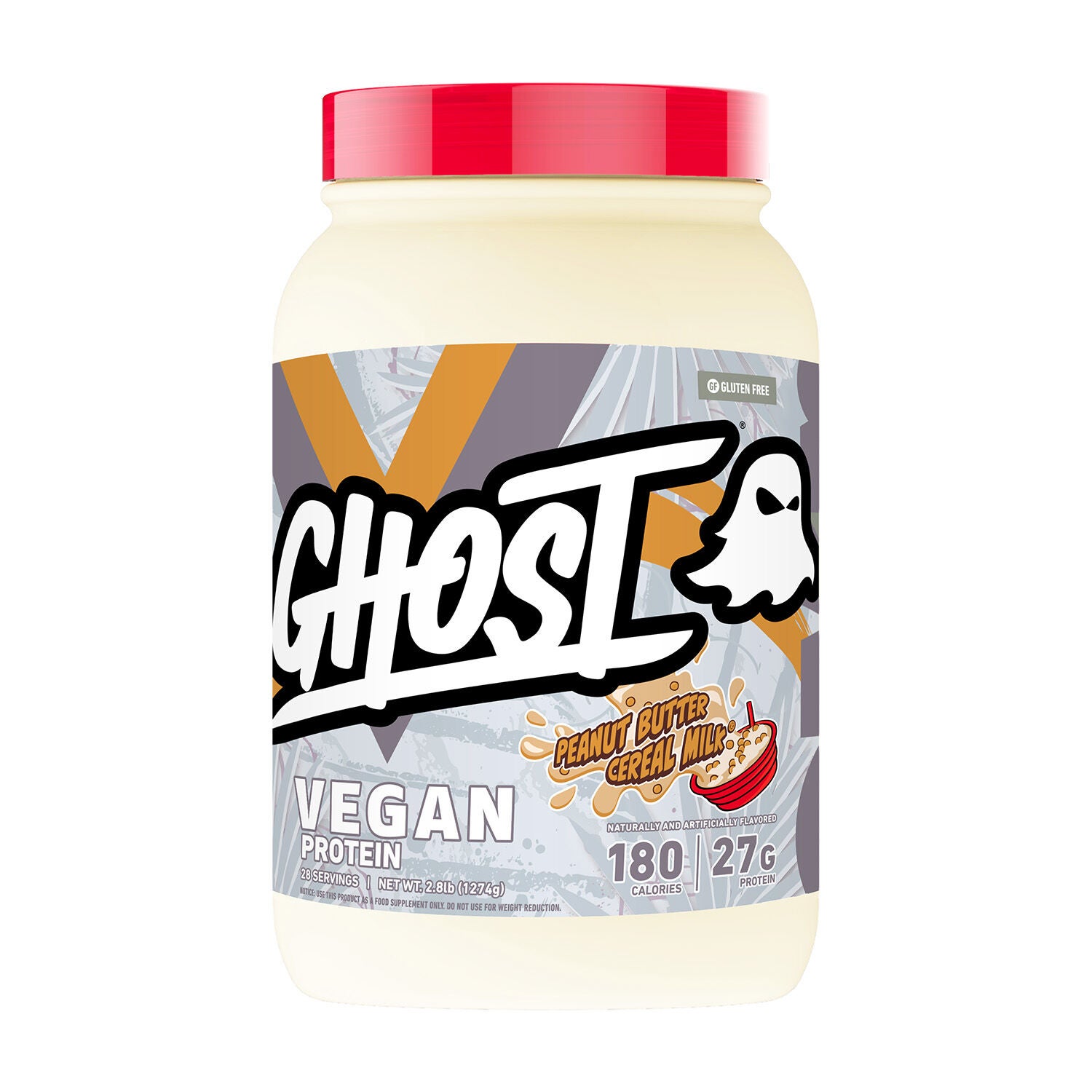
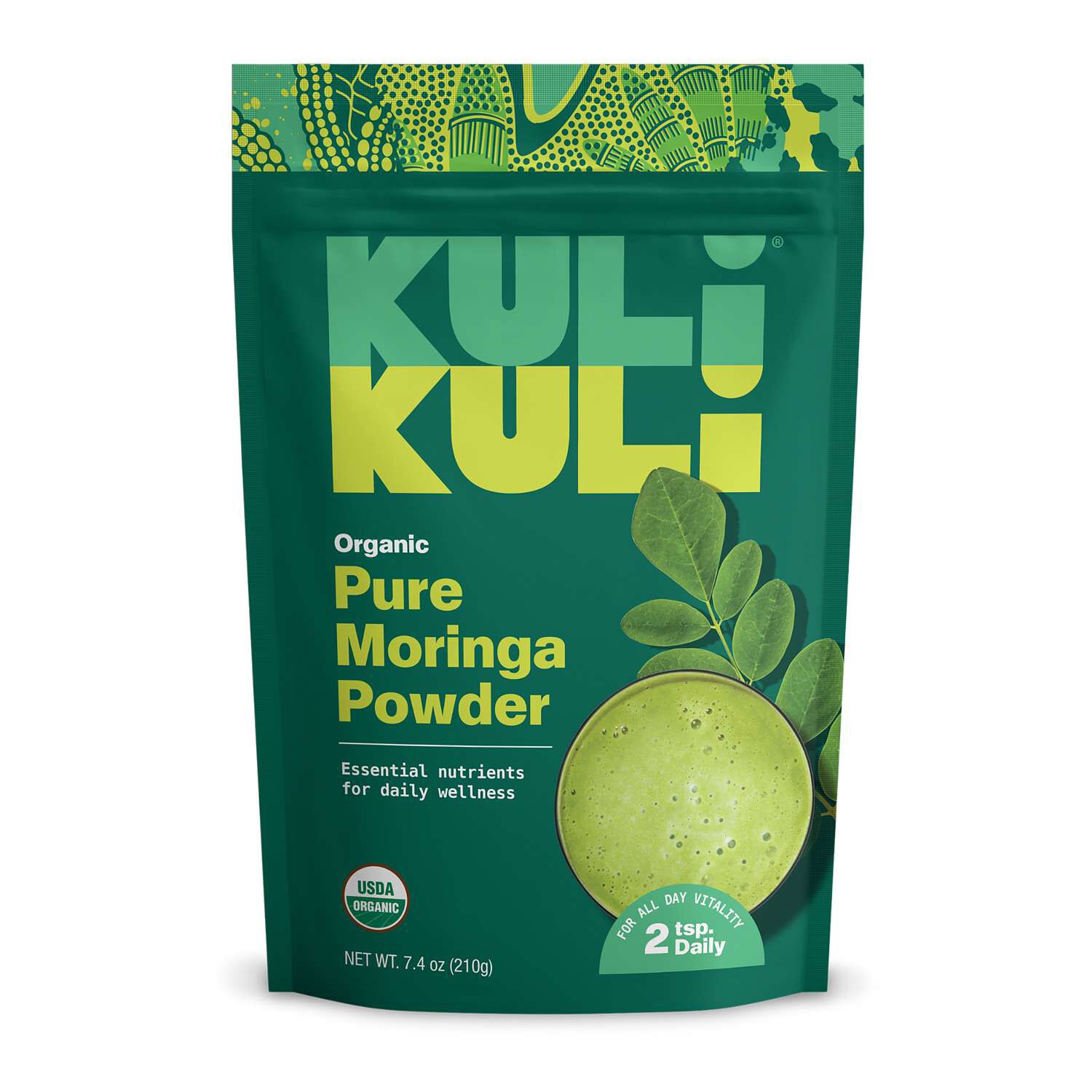
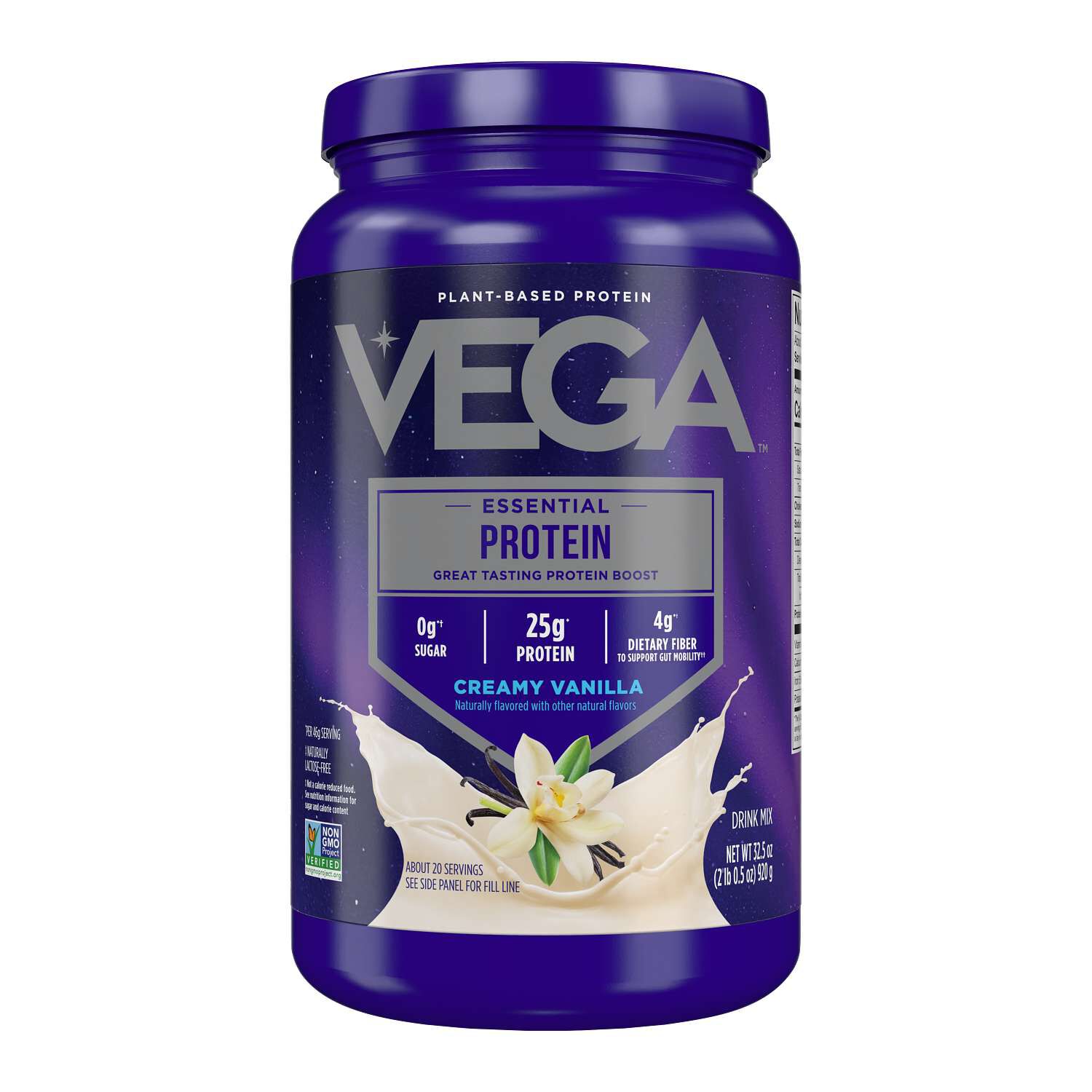

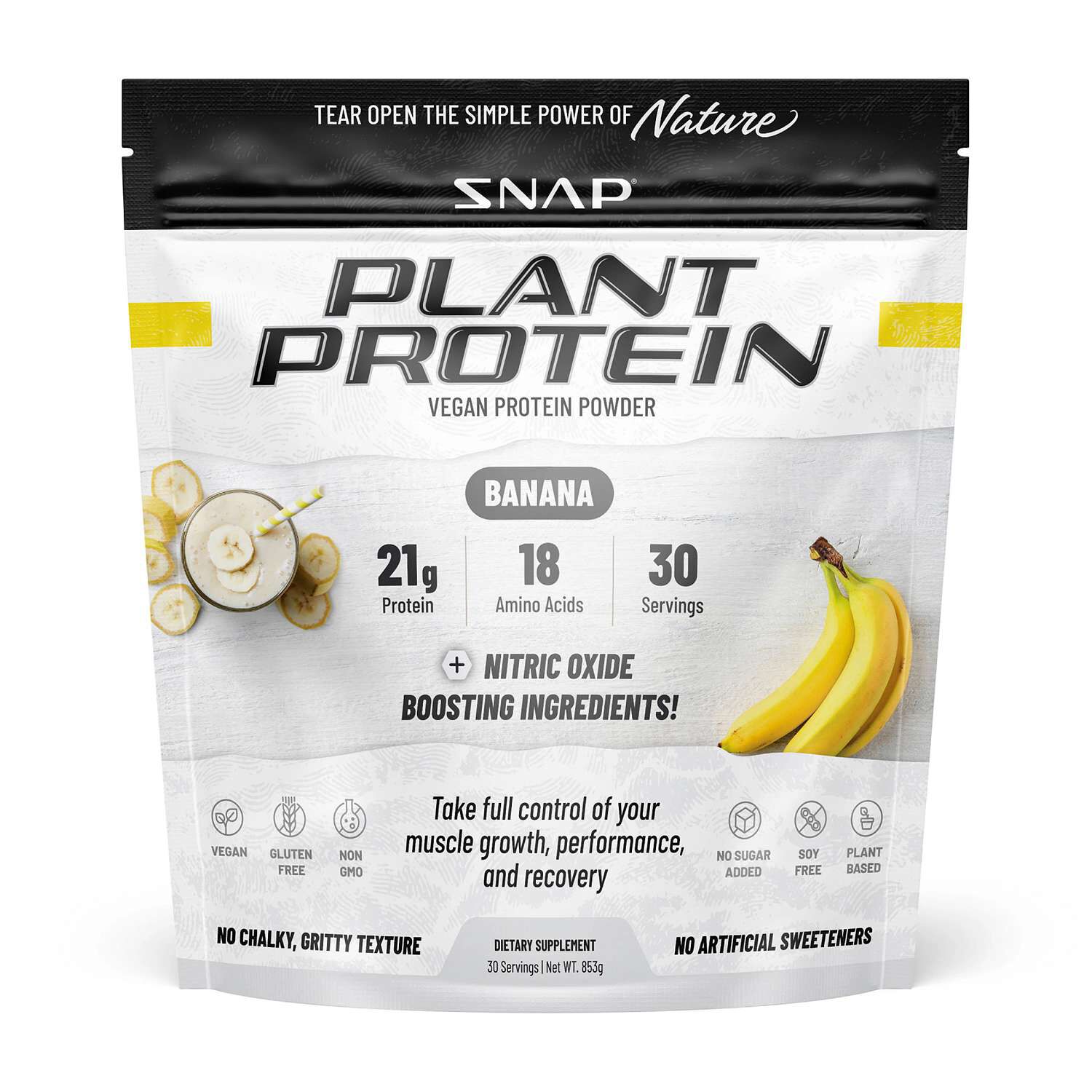
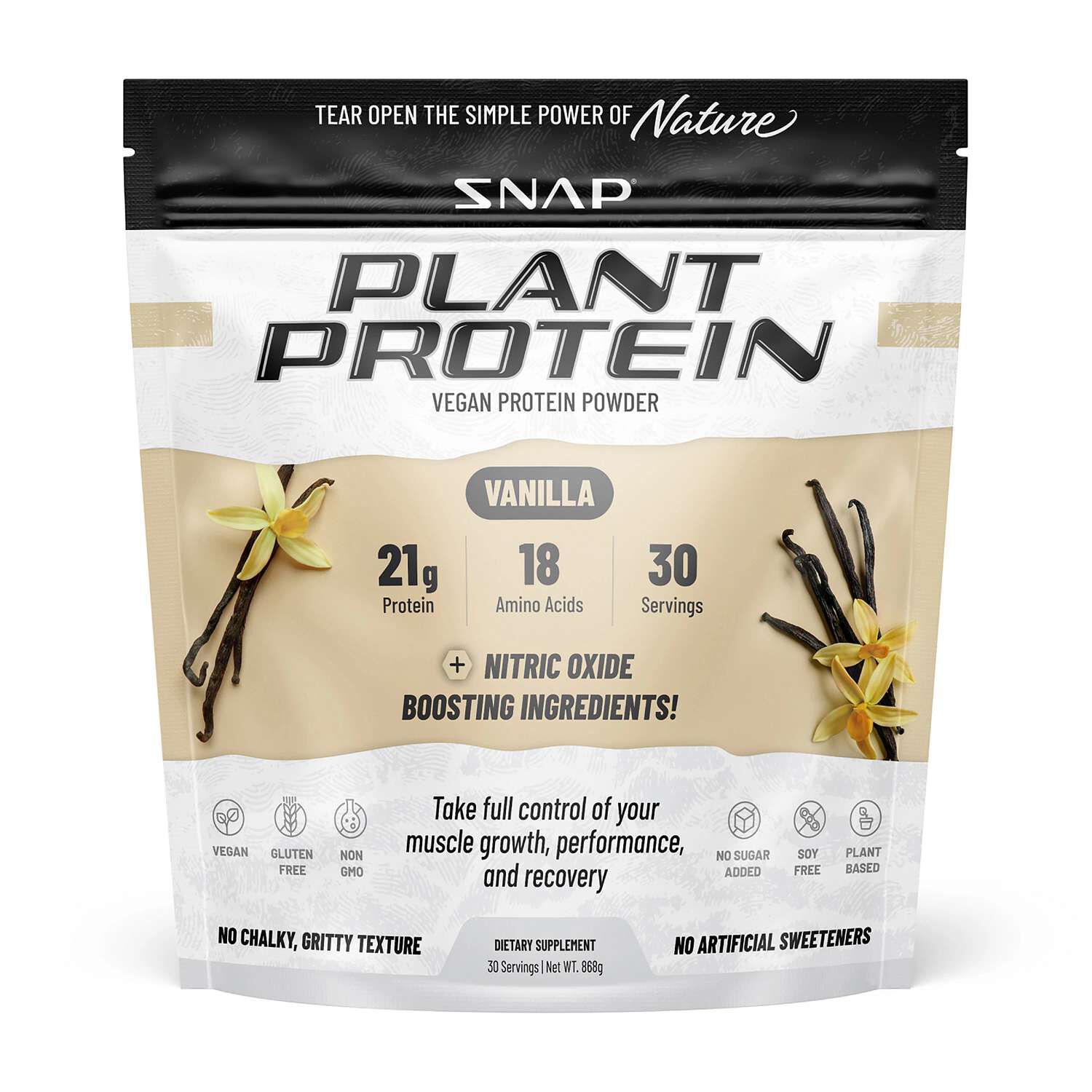
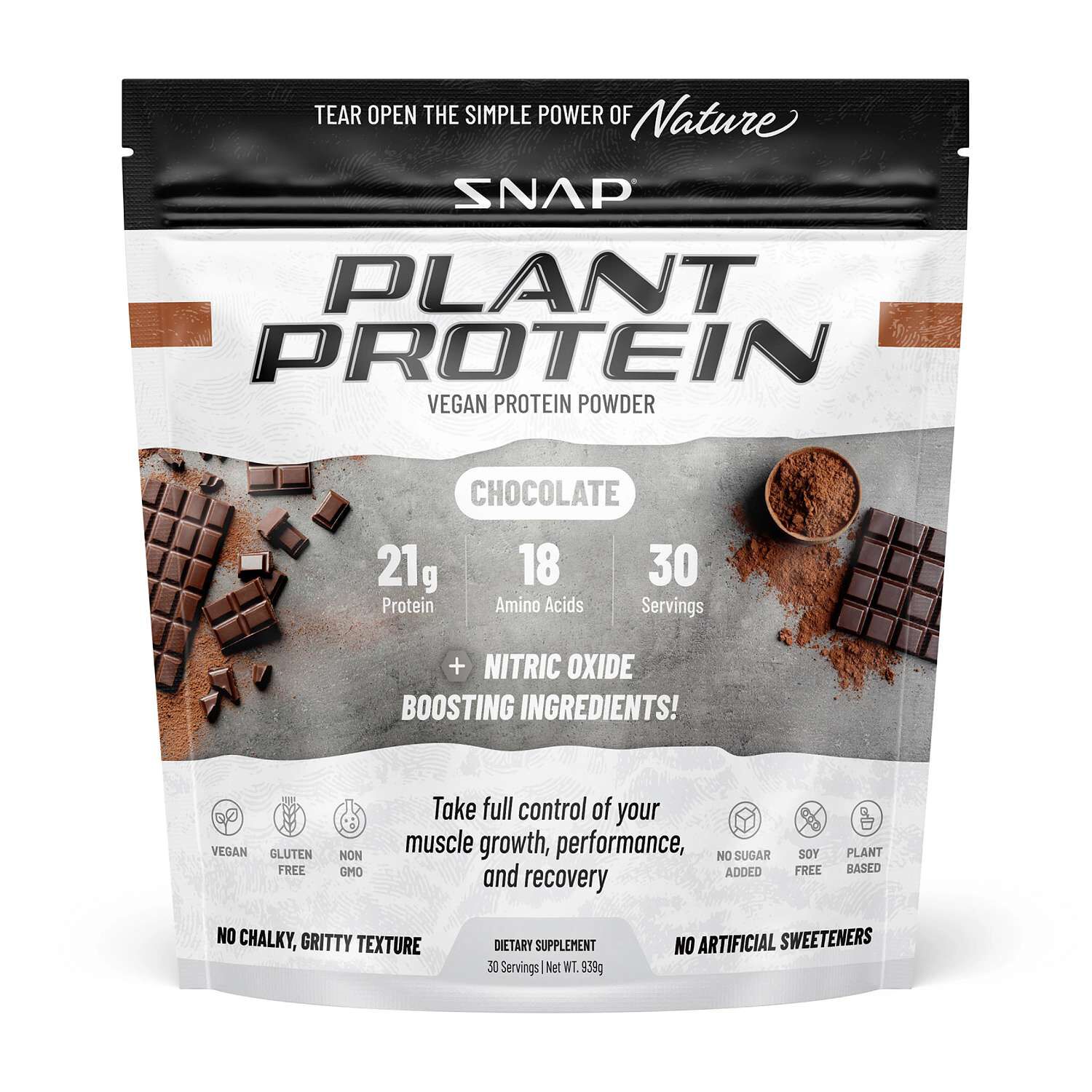


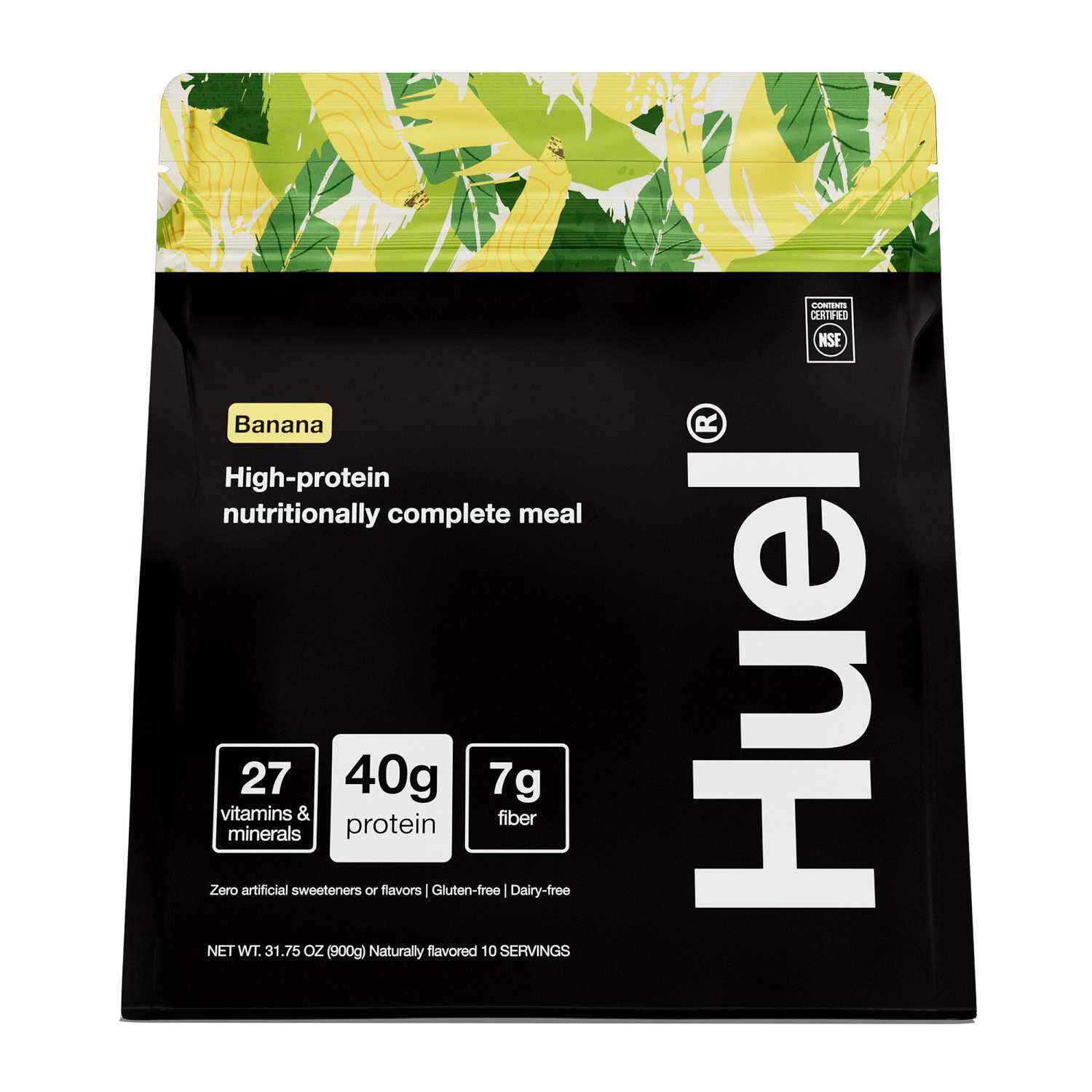
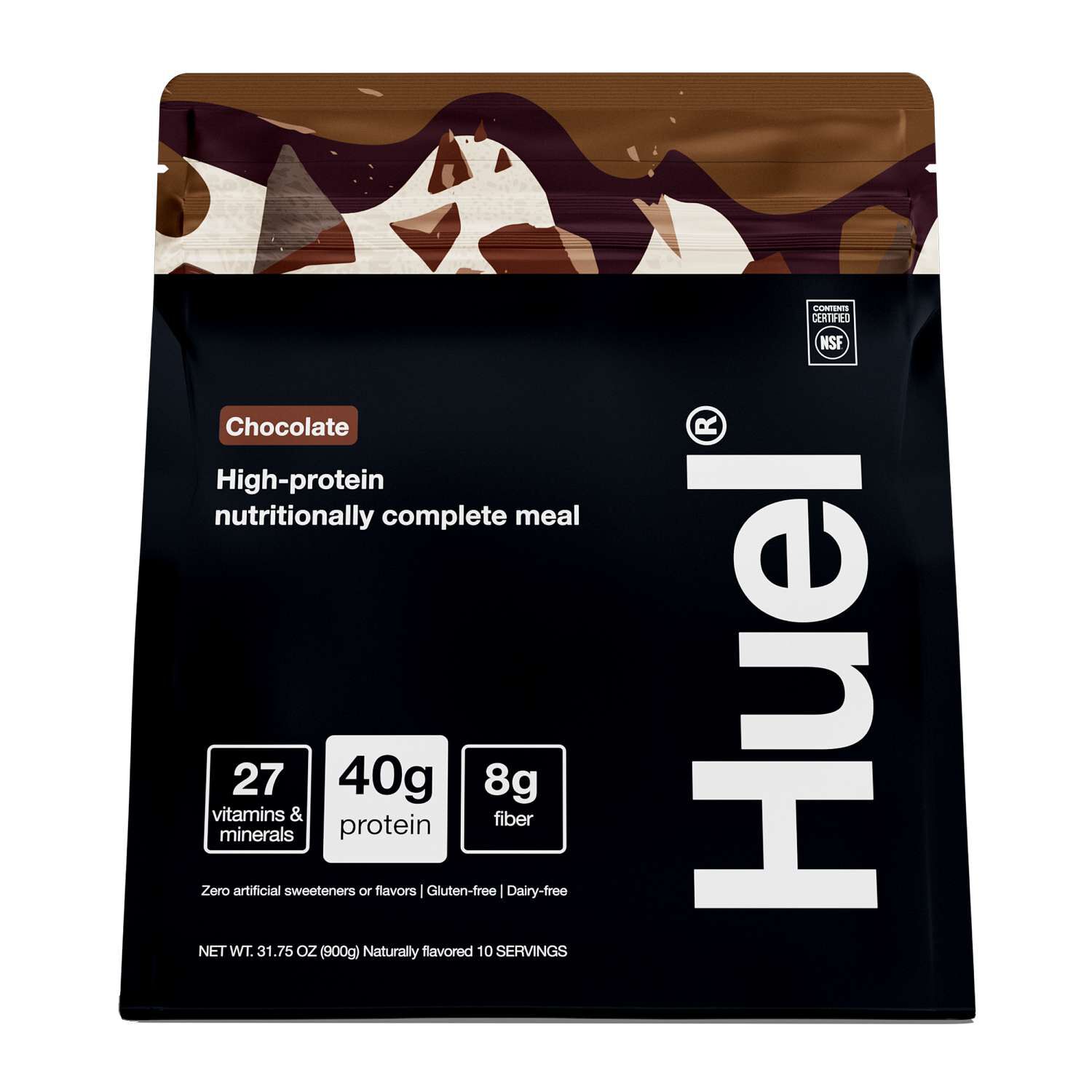


Plant-based powders are powdered food and supplement blends made with ingredients such as legumes, grains, seeds, fruits, and vegetables. The category includes plant protein powders, greens blends, and formulas centered on fiber or other digestive ingredients, so the intended use matters as much as the flavor. Plant protein powders commonly use pea, brown rice, soy, or pumpkin seed protein, either individually or in a blend. Chia and other seeds may also appear alongside these protein sources. Each ingredient has its own amino acid profile, and blends combine sources in proportions that vary by formula. For shoppers comparing vegan protein powders, the Nutrition Facts or Supplement Facts panel provides more useful detail than the size of the container or the wording on the front. Protein per serving, serving size, carbohydrate content, fiber, added sugars, and the ingredient list all help distinguish one type of powder from another. A larger scoop does not necessarily contain more protein, since flavorings and other ingredients also contribute to its weight. Plant-based protein powder may fit into a vegetarian eating pattern, a vegan routine, or a mixed diet that includes more plant ingredients. It may also offer a convenient option for someone who prefers a shake after a workout or wants to add protein to an everyday breakfast. However, a protein powder and a meal replacement are different categories; a scoop of protein powder alone is not the same as a varied meal. Formulas intended as meal replacements typically include a broader combination of nutrients, with details stated on their labels. Likewise, the term plant-based does not by itself establish that every ingredient meets a vegan preference. Added ingredients and the stated dietary designation remain important parts of the comparison. The most relevant choice depends on what the powder contains, how it is intended to be used, and whether its serving format makes sense within an existing routine. A short ingredient list and a more elaborate blend represent different approaches, rather than a simple ranking of quality.
Flavor and texture often determine whether a plant-based powder becomes part of a regular routine. Chocolate and vanilla are familiar options for shakes, while unflavored varieties may be more adaptable in recipes where a sweet taste would feel out of place. Unflavored does not necessarily mean tasteless: pea, rice, soy, and seed ingredients have their own characteristics, and the finished blend may have earthy, nutty, or grain-like notes. Sweetened formulas may use stevia, monk fruit, cane sugar, coconut sugar, or combinations of sweeteners. Those differences matter in a smoothie made with ripe banana just as much as in a shaker bottle containing only water and powder. Texture also varies with the protein source, processing, added ingredients, and amount of liquid. Some blends may produce a thicker shake, while others may feel lighter or retain a slightly textured finish. Package mixing directions provide a starting point for the intended serving, and the choice of liquid changes both the recipe and its nutritional content. Water, oat beverages, soy beverages, and other milk alternatives each bring different flavors and ingredients to the glass. A blender may be useful for recipes with frozen fruit or nut butter, while a shaker bottle may suit a simpler mixture carried to an office or fitness studio. Beyond drinks, plant protein powders may fit into oatmeal, yogurt alternatives, or recipes developed for pancakes and muffins. In baking, adding powder may change moisture and texture, so a recipe written for that ingredient offers a more predictable starting point than an equal-volume swap for flour. Dietary preferences deserve the same attention as taste. Soy, wheat, tree nuts, and other allergens may appear as ingredients or in manufacturing statements. Organic designations, vegan labeling, and third-party certifications describe different attributes; they are not interchangeable. For athletes, a sport-specific certification may be another consideration, with the certifier’s stated testing scope providing context beyond the package design. These details create meaningful distinctions even when two powders share the same flavor name.
Plant-based powders also extend beyond protein, and the differences between these categories are worth keeping in view. Greens blends may contain powdered vegetables, grasses, fruits, or botanical ingredients, while fiber-focused formulas may feature ingredients such as inulin or ground seeds. Other blends include probiotics or digestive enzymes, with the specific ingredients and serving information listed on the package. A green color or a long ingredient list does not establish the amount of any individual ingredient, and these powders are not interchangeable with protein formulas. Shoppers exploring this part of the category can compare Plant Based Digestive Powders for a closer look at blends organized around that intended use. Across all types, the package format is another practical distinction. A resealable pouch may suit a kitchen cabinet with limited space, while a tub offers a different shape for countertop or pantry storage. Individual serving packets may be convenient for a gym bag or travel, though serving sizes still vary between formulas. For bulk containers, the labeled scoop or weight measurement matters more than an ordinary kitchen spoon. Keeping the closure secure, using a clean, dry utensil, and following the stated storage directions are basic parts of caring for a powdered product. Moisture may cause clumping, and a container kept away from direct sunlight is consistent with many package storage instructions. The printed date and any directions for use after opening also deserve attention. When portions are carried in a separate container, retaining the ingredient and serving information may make later reference easier. A household that makes fruit smoothies several mornings a week may value a different flavor and package format than someone preparing an occasional shake after training. Familiar ingredients, a texture that suits the intended recipe, clear labeling, and manageable storage all contribute to how comfortably a plant-based powder may fit into everyday use.
- Q: What are plant-based powders?
A: Plant-based powders are nutritional supplements made from a variety of plant sources such as peas, rice, soy, or seeds. They are commonly used to increase protein intake, add nutrients to smoothies, or support specific dietary preferences like vegan or vegetarian lifestyles. - Q: How can I use plant-based powders in my daily routine?
A: Plant-based powders can be mixed into smoothies, shakes, oatmeal, baked goods, or even sprinkled over yogurt. They offer a convenient way to add more protein and other nutrients to your meals throughout the day. - Q: Are plant-based powders suitable for vegans and vegetarians?
A: Yes, most plant-based powders are formulated without animal-derived ingredients, making them suitable for both vegans and vegetarians. Always check the ingredient list to ensure it aligns with your dietary preferences. - Q: What are some common ingredients found in plant-based powders?
A: Common ingredients include pea protein, brown rice protein, soy protein, chia seeds, flaxseeds, and sometimes added vitamins and minerals. Some blends may also include greens like spinach or spirulina for additional nutrients. - Q: Can I bake or cook with plant-based powders?
A: Absolutely! Plant-based powders can be incorporated into recipes for pancakes, muffins, energy bars, and more. They can add a nutritional benefit to your favorite baked goods without altering the flavor significantly.
Best Sellers
Related Pages


Top Collections
- Zinc Supplements | Top Brands at Great Prices | GNC
- Cortisol Supplements
- NAD+ Supplement Tablets
- Top Rated Collagen | Shop Customer Favorites | GNC
- Best Brand of Magnesium Glycinate
- Peptide Supplements
- Vitamins That Help Support Weight Gain
- Protein Powders For Muscle Growth Support
- Vitamins For Hair Loss
- Peptide Supplements for Muscle Growth