





Creamy Supplements
(0 Results)
Discover the delightful world of creamy supplements, where taste meets nutrition in a harmonious blend. These smooth and indulgent options offer a unique way to incorporate wellness into your daily routine. Whether mixed into your morning smoothie or enjoyed on their own, creamy supplements could provide a satisfying experience for those seeking to elevate their health journey. Embrace the potential benefits and explore how these velvety delights might complement your lifestyle with ease and flavor.
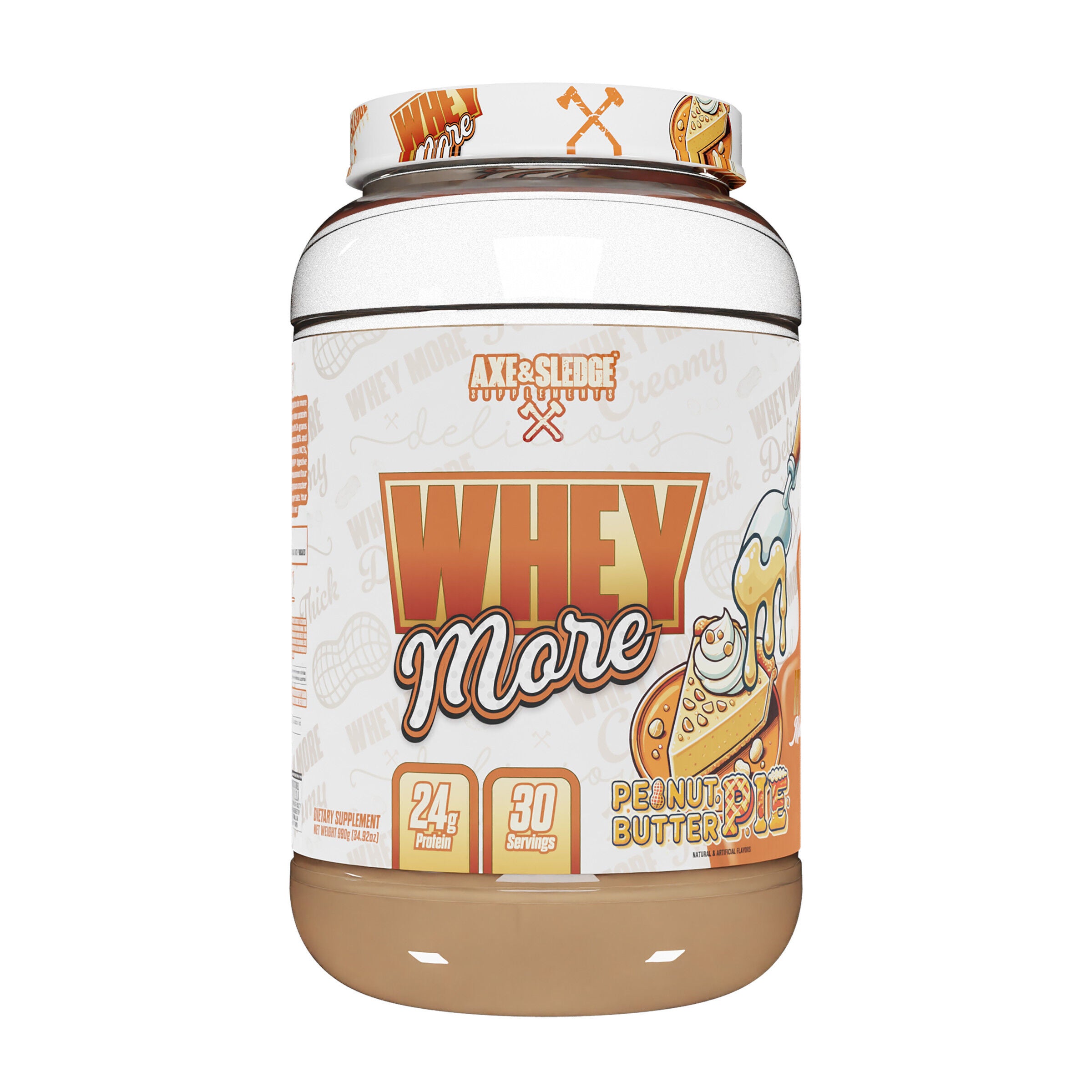
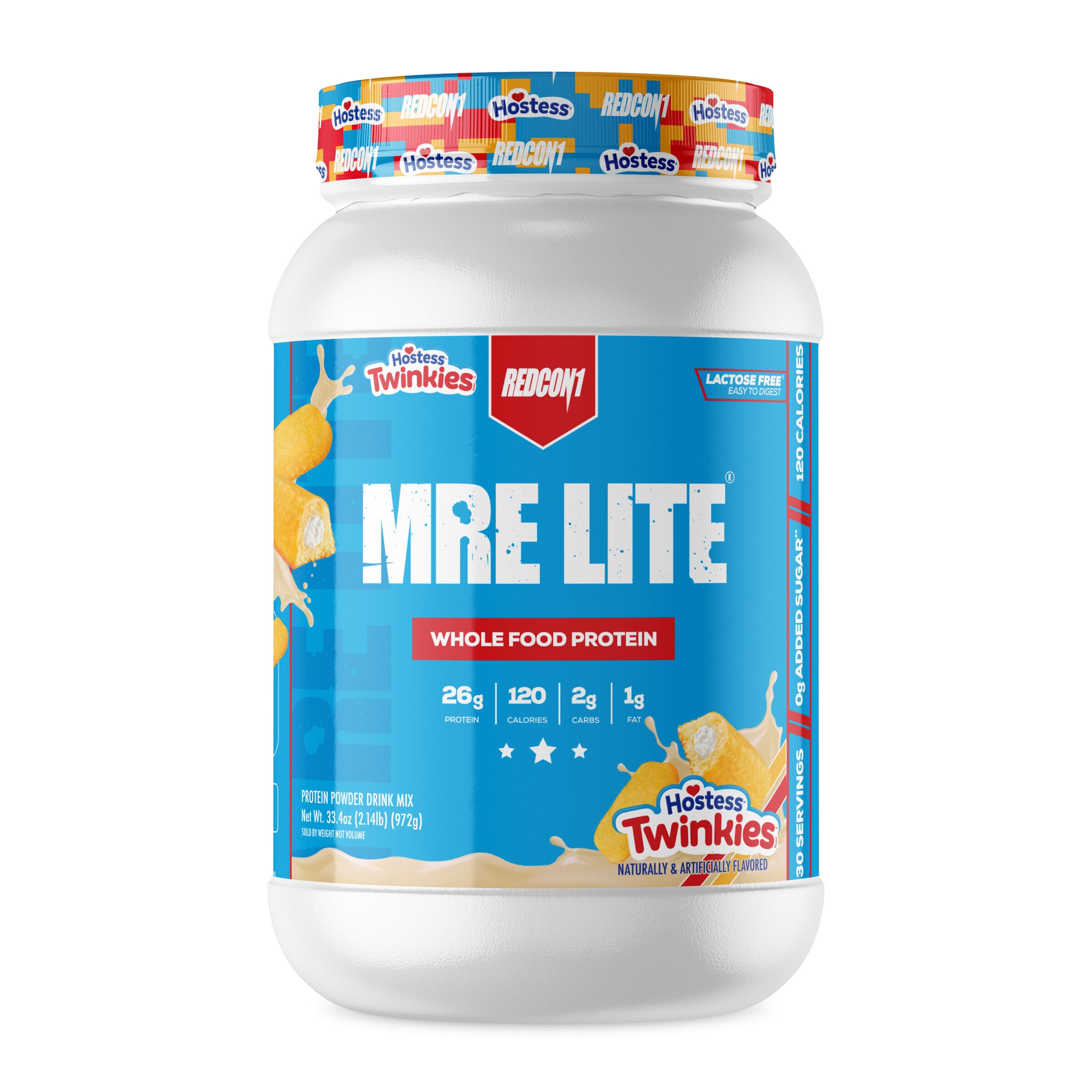
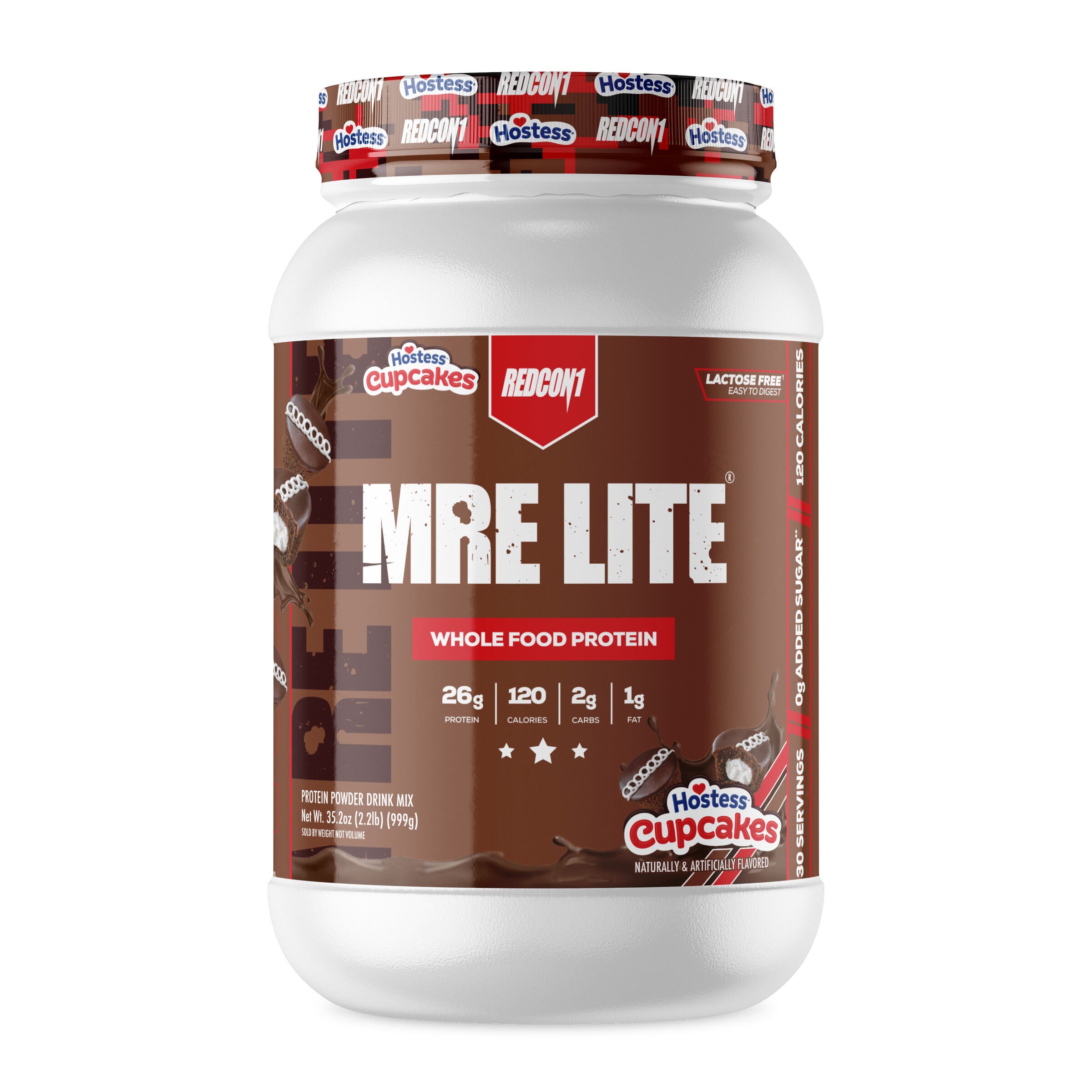
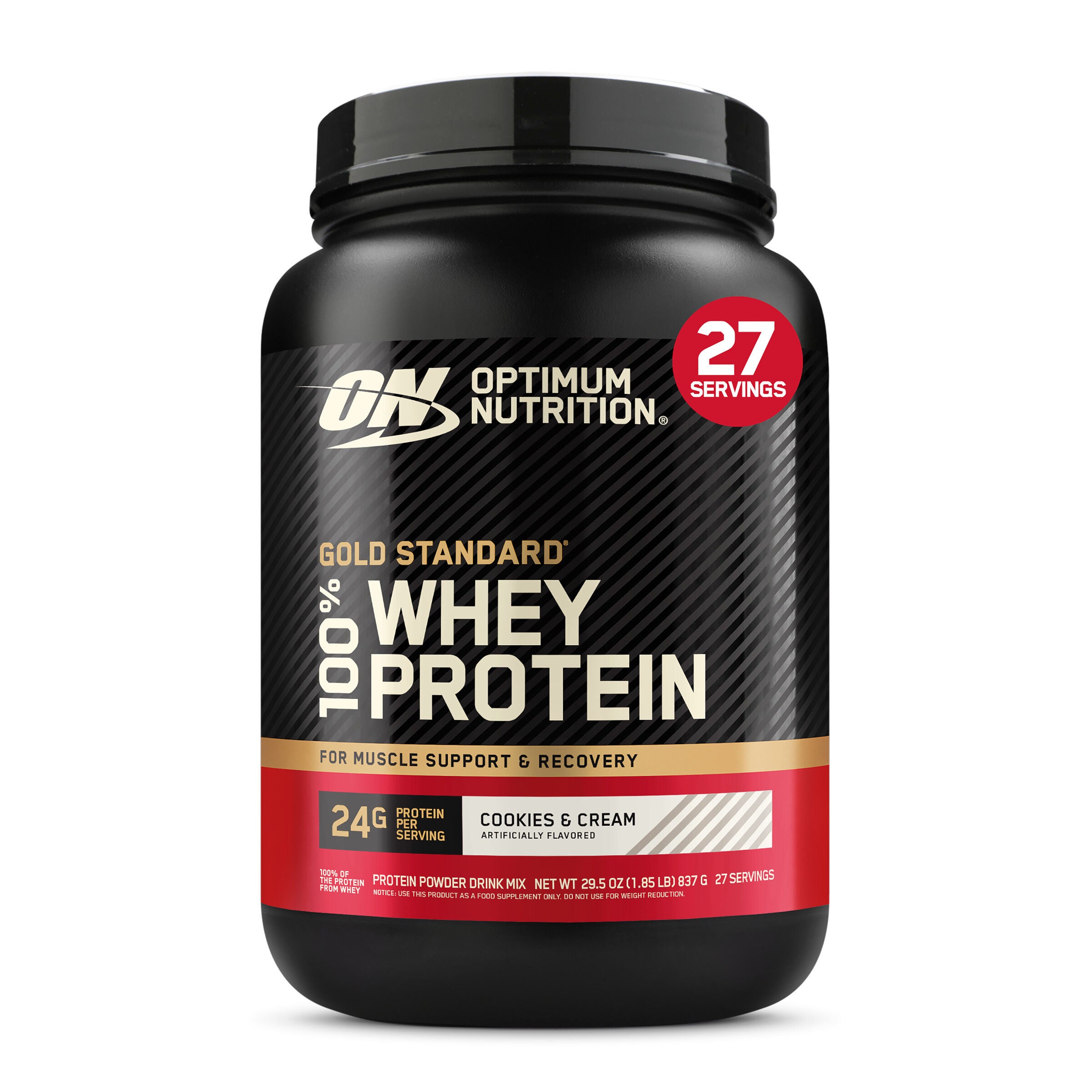


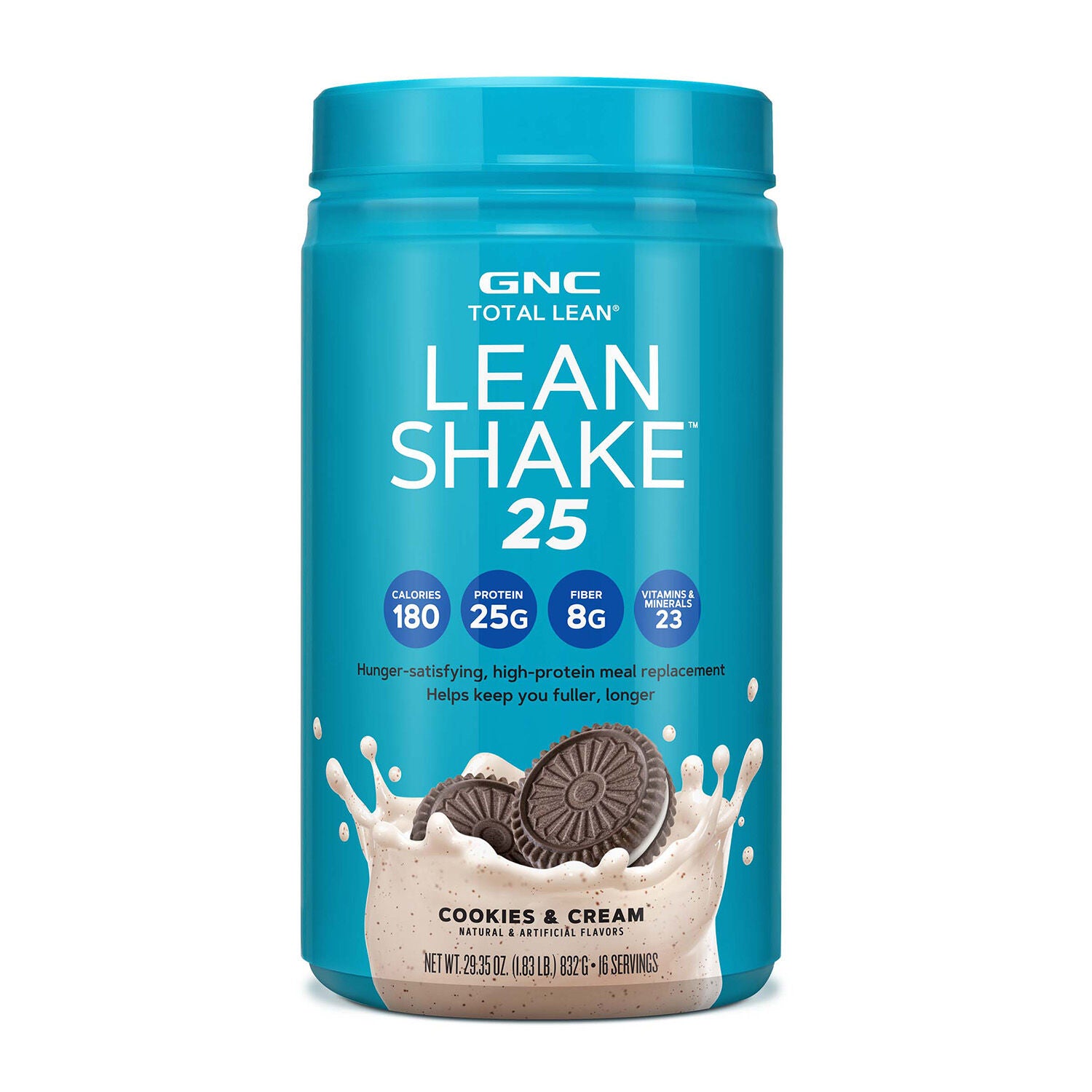
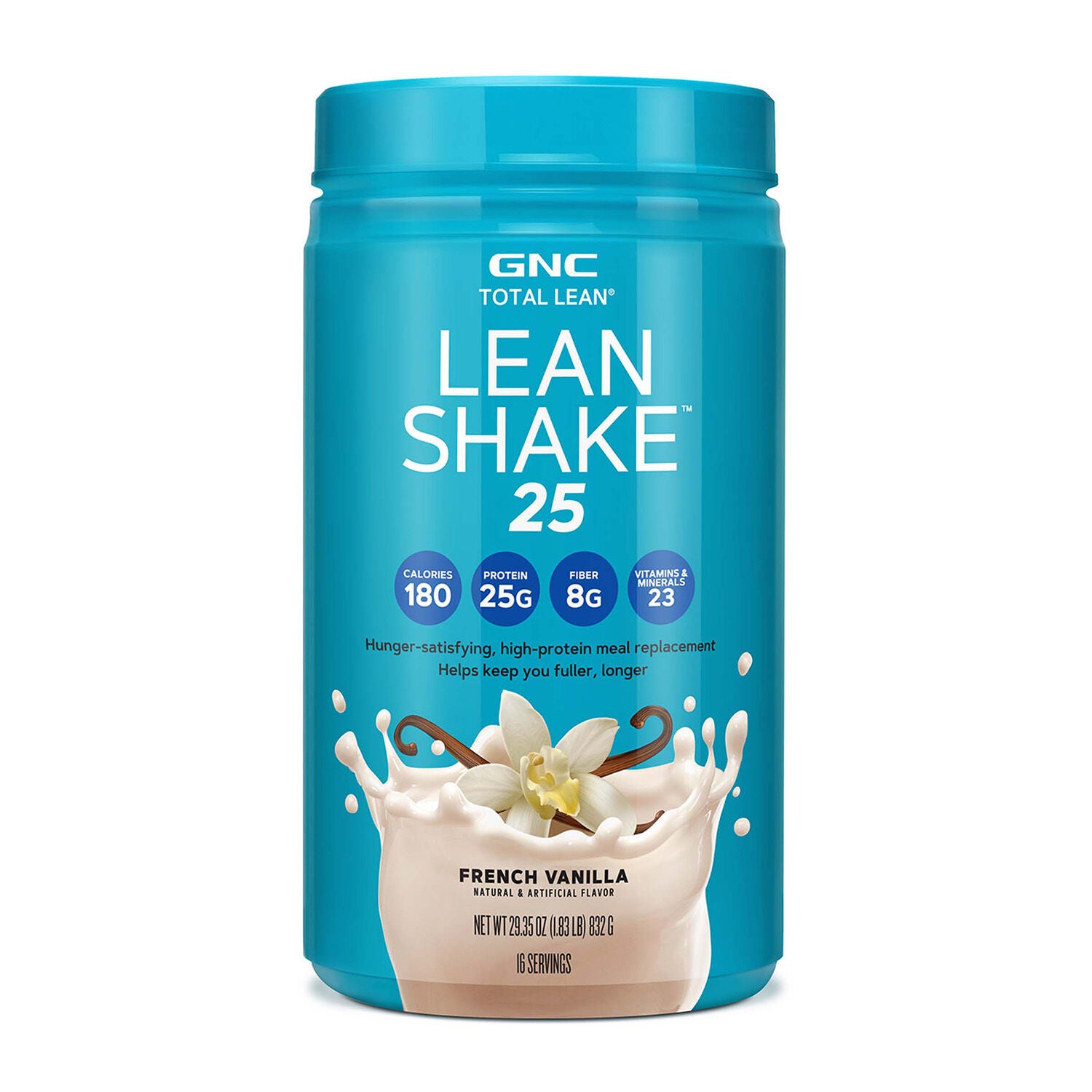
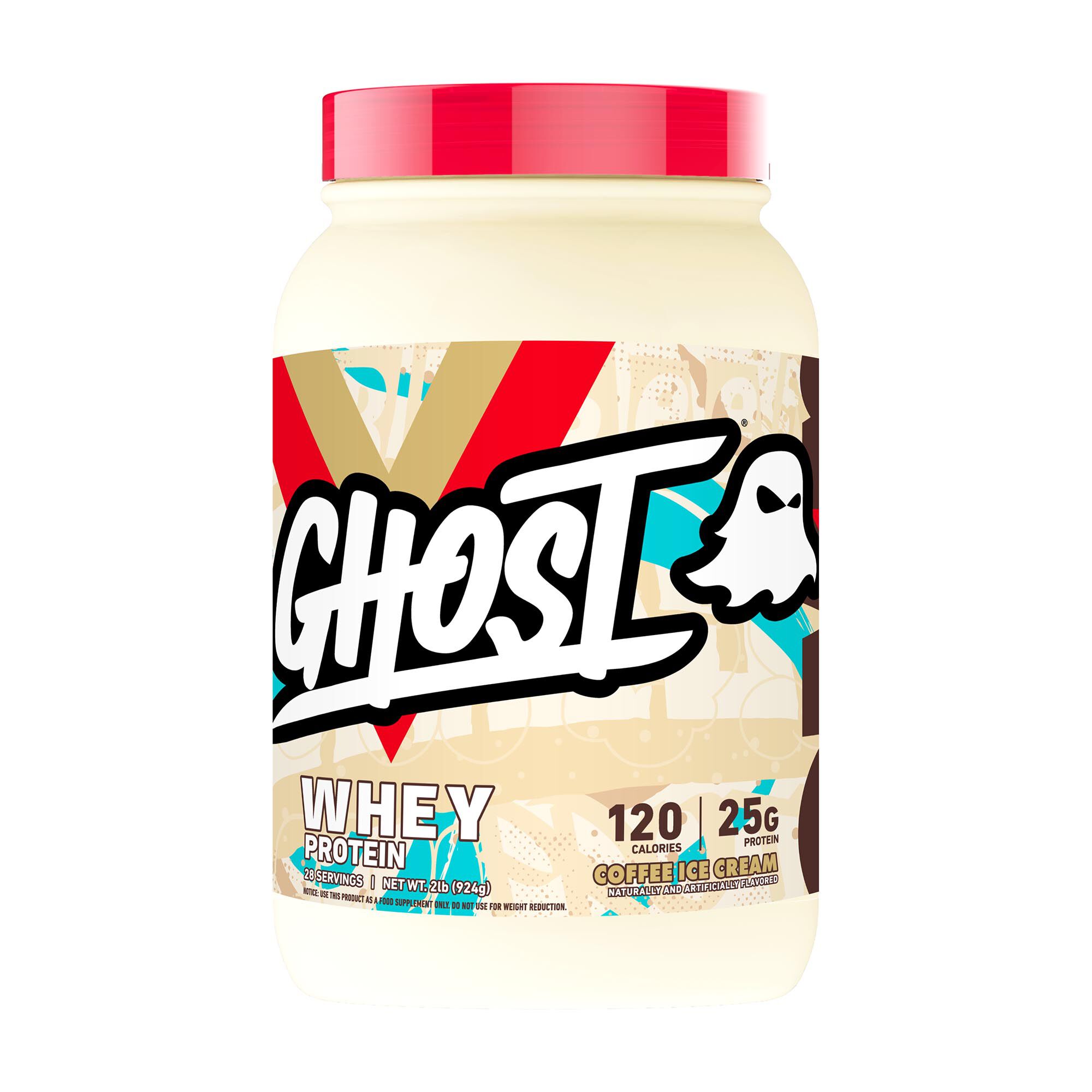


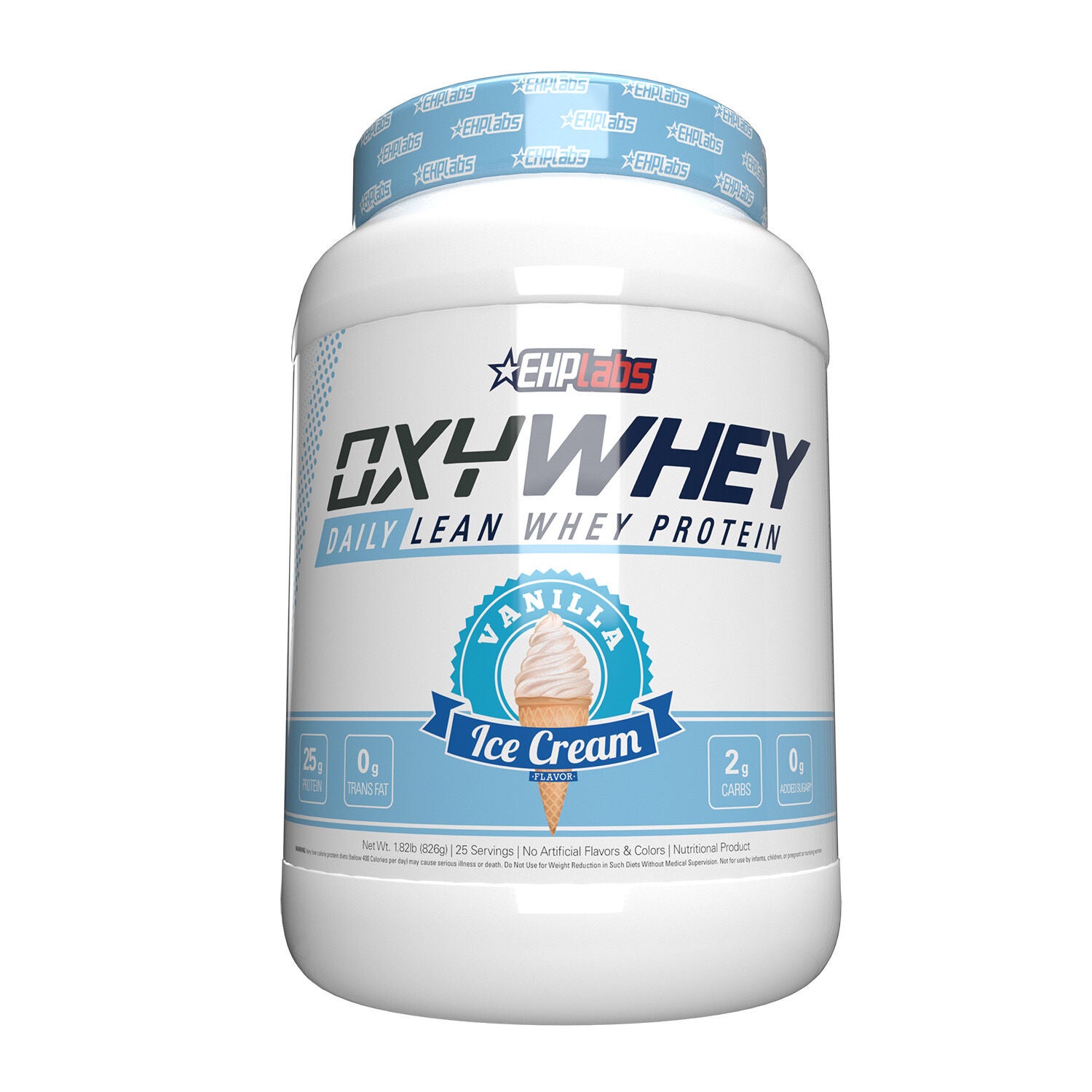
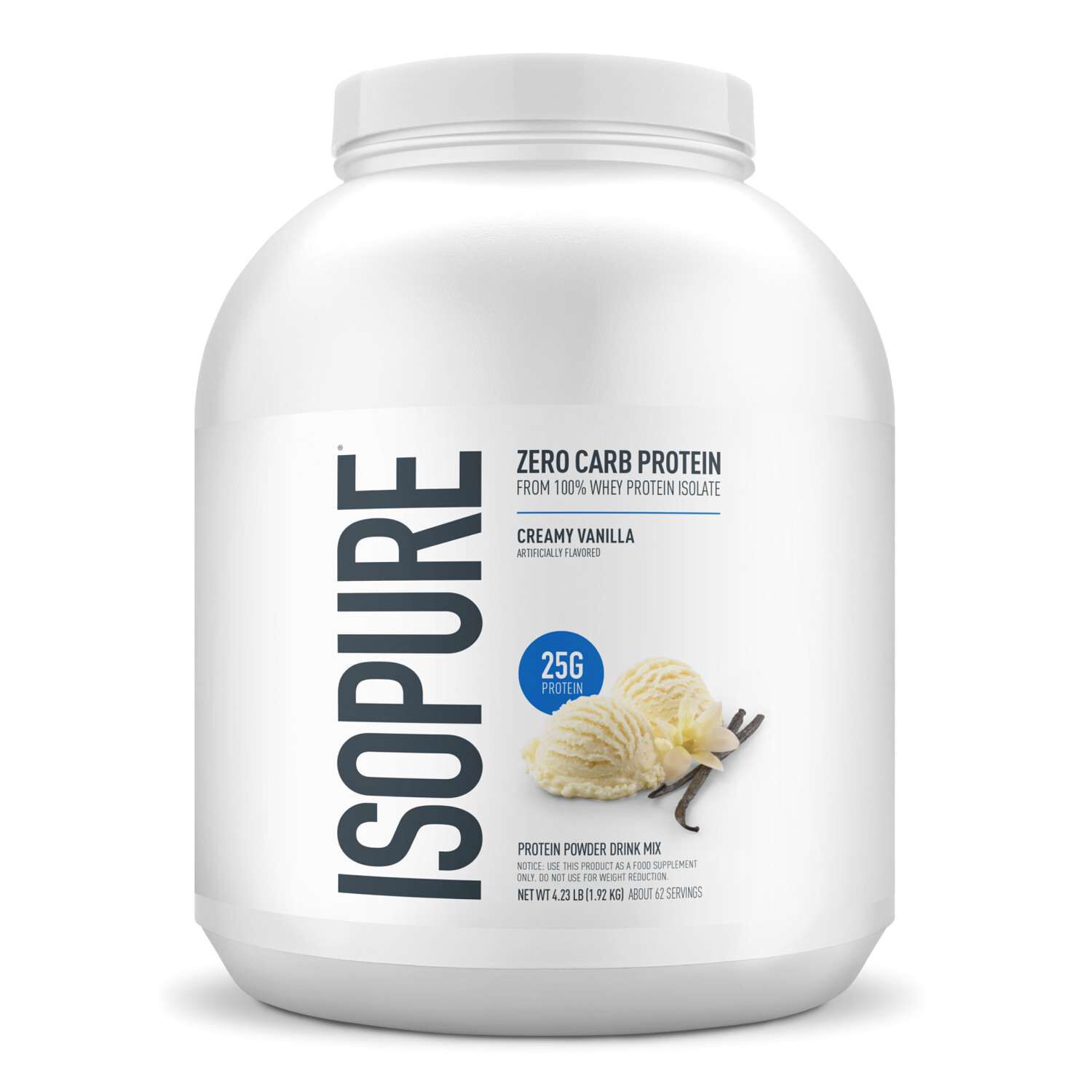
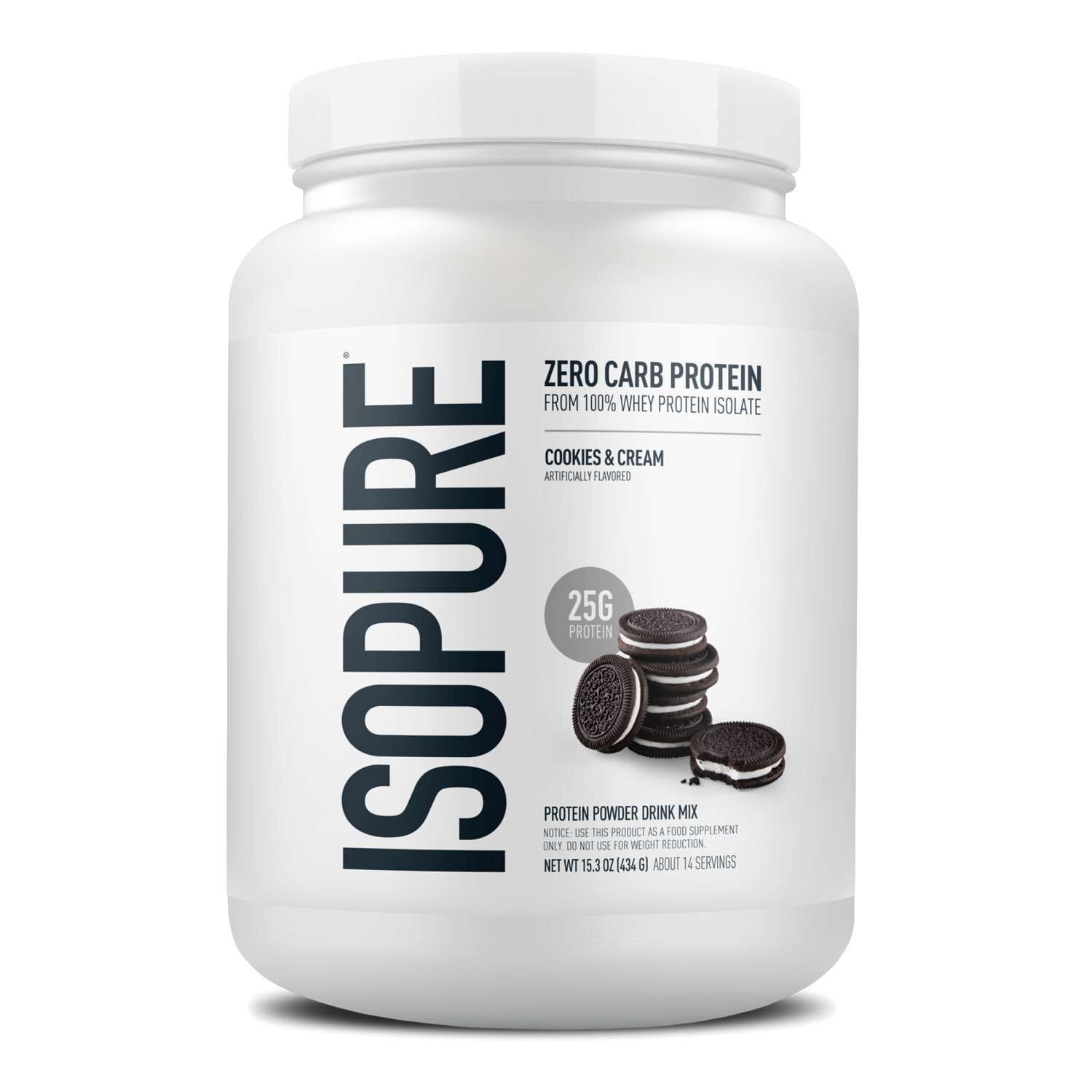

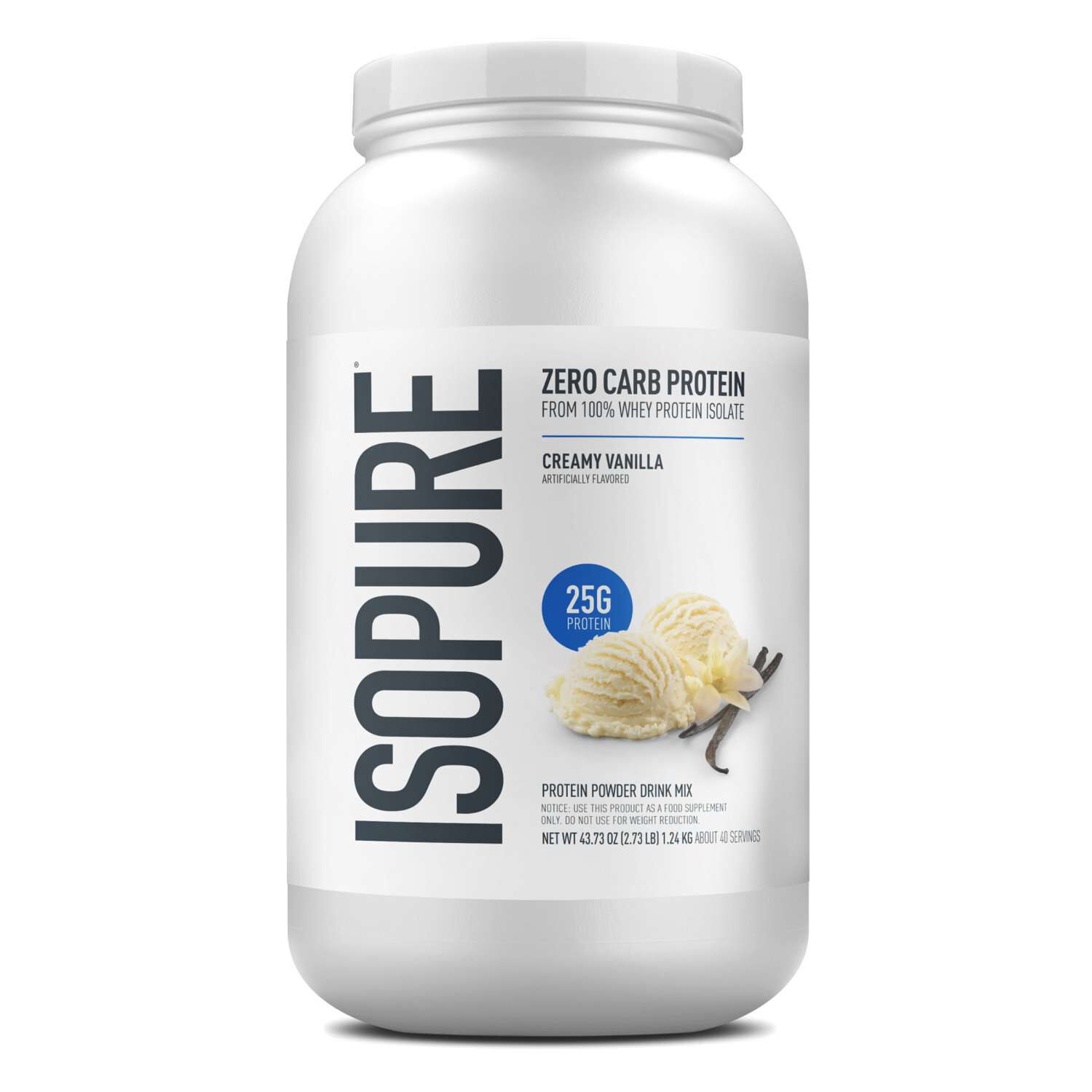
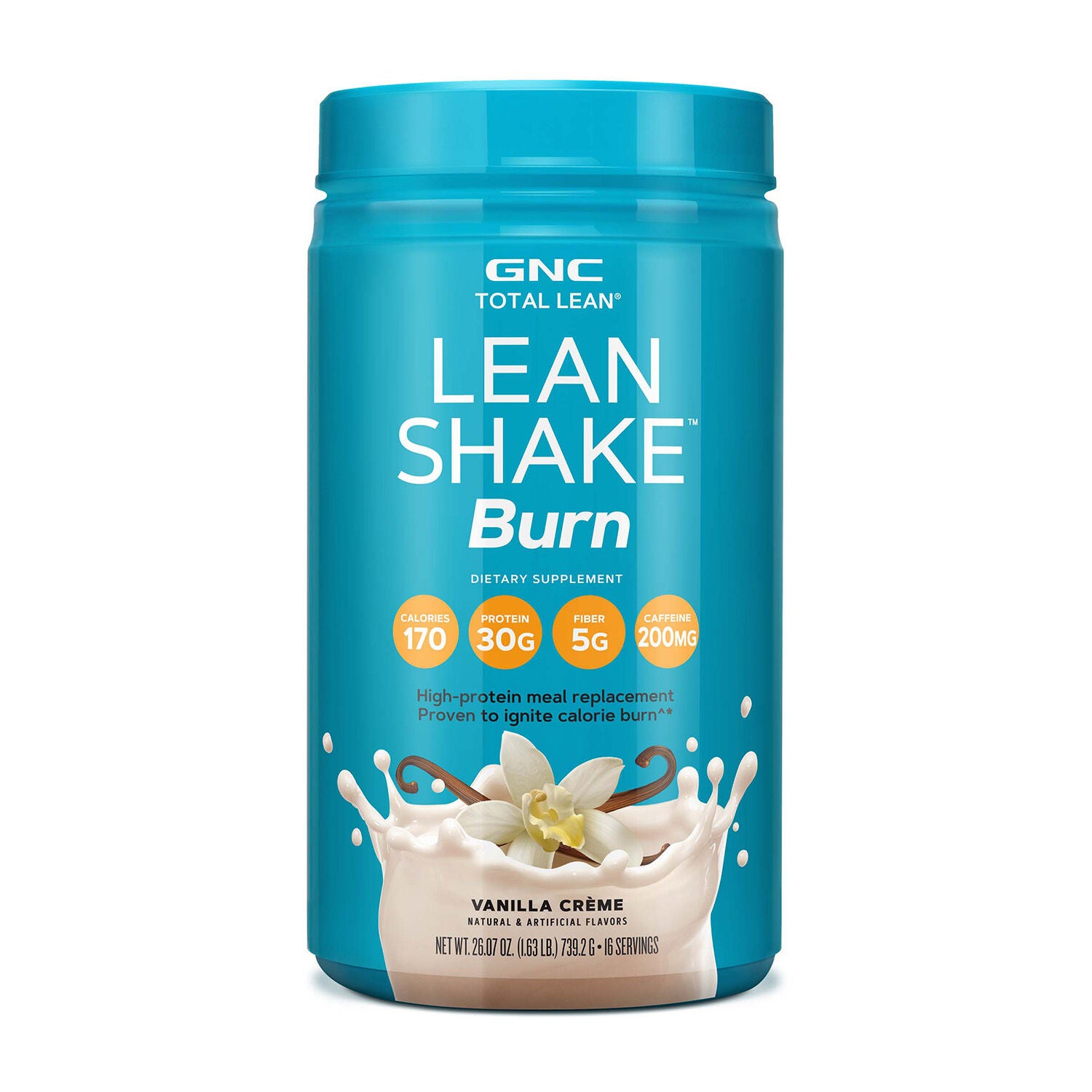
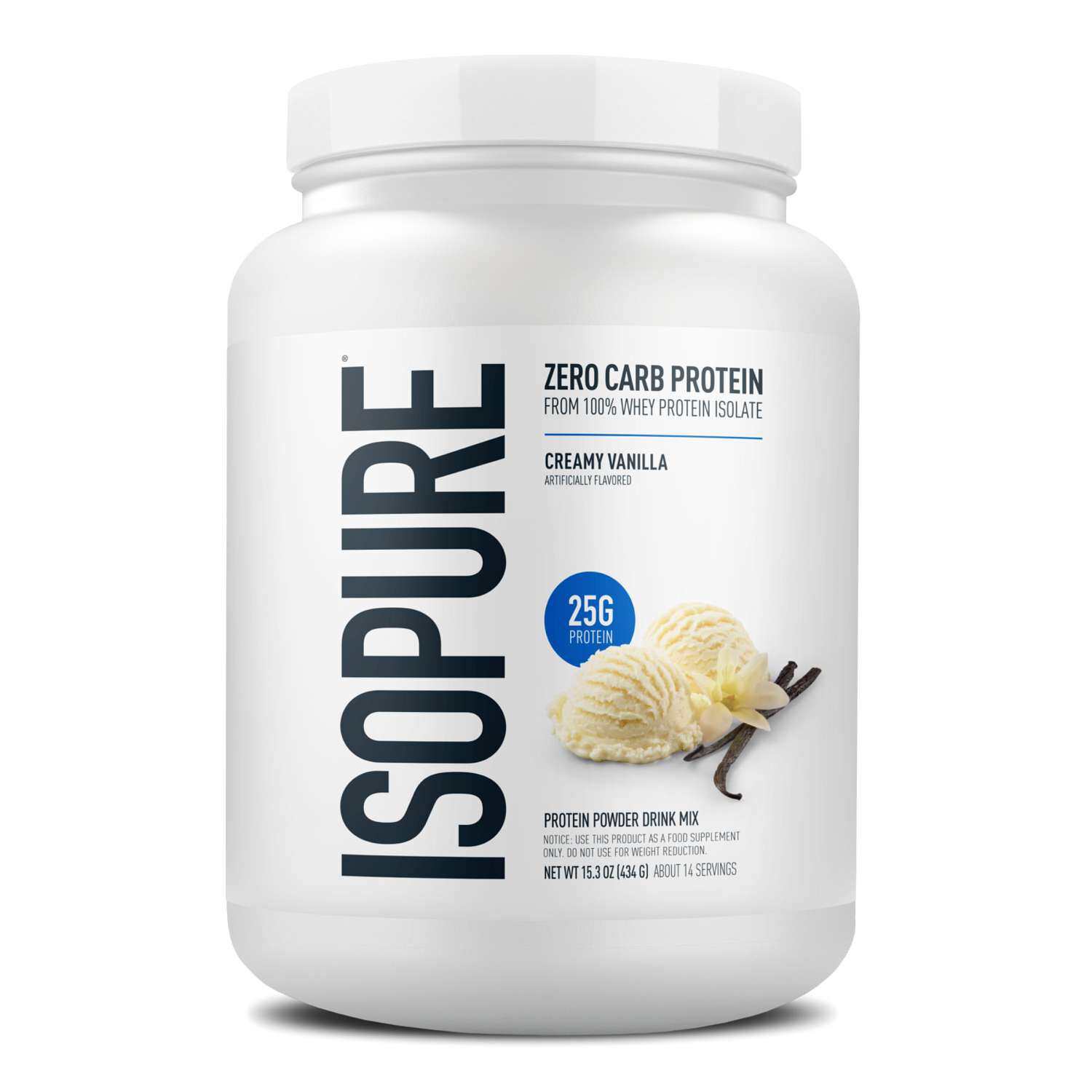
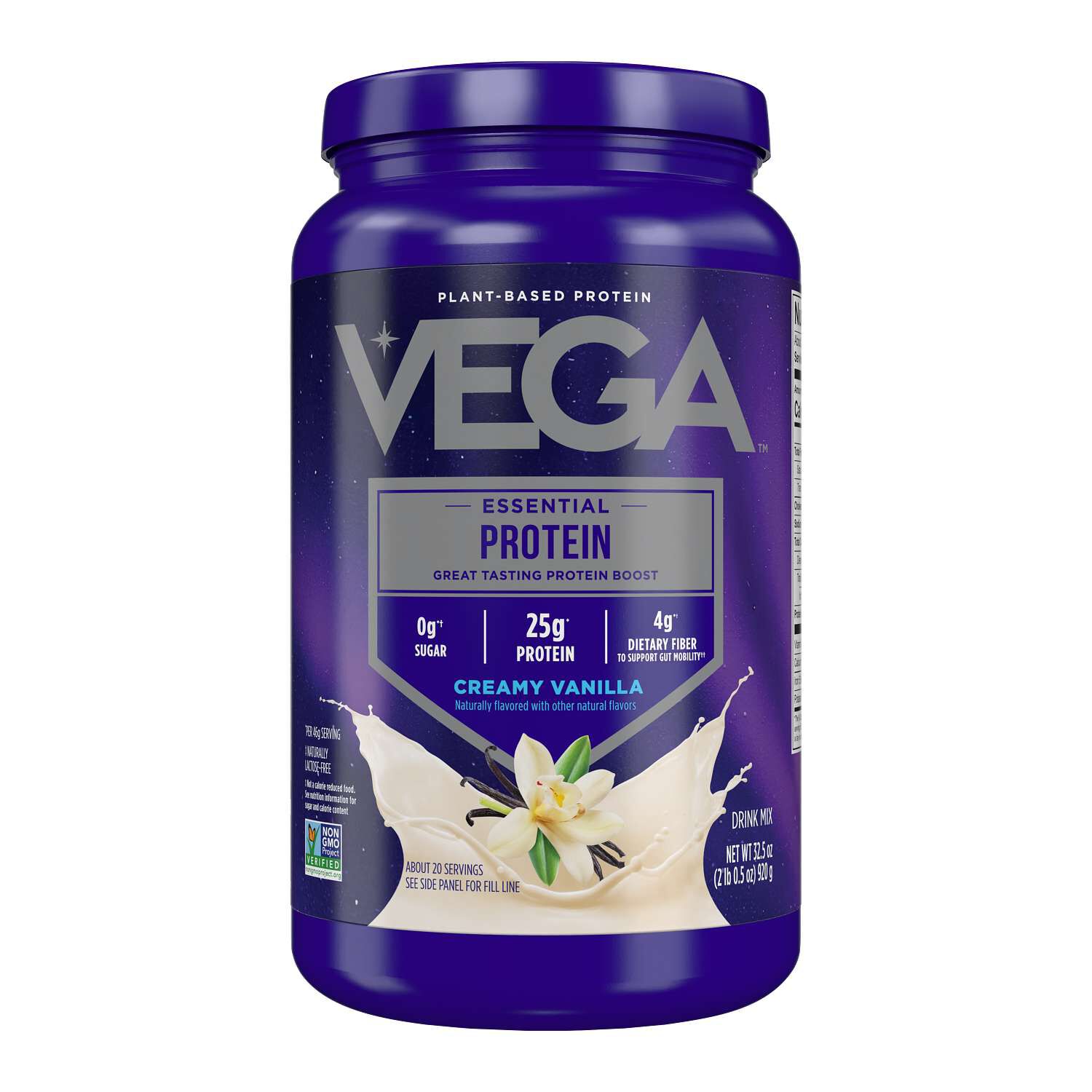


Creamy supplements are nutritional powders, prepared shakes, and similar blends with a smooth, rich consistency rather than a thin, juice-like finish. The category can include protein powders, meal replacement shakes, and carbohydrate-based mixes, although their ingredients and intended uses differ. Creaminess describes texture, not a particular nutrient profile: a thick shake is not necessarily high in protein, and a dessert-inspired flavor does not establish how much sugar a serving contains. For shoppers who enjoy the character of a milkshake or a spoonable breakfast, these formats may offer an appealing way to incorporate supplemental nutrition into an everyday routine. Familiar flavors include vanilla, chocolate, cookies and cream, and peanut butter, with taste ranging from lightly sweet to distinctly dessert-like. Dairy-based formulas may contain whey, casein, or milk protein, while plant-based alternatives may use pea, soy, rice, or combinations of protein sources. Some blends also contain oats, coconut ingredients, or other components that contribute to their character. Depending on the recipe, fats, fibers, and thickening ingredients may influence mouthfeel as much as the protein source itself. Rice-based carbohydrate mixes occupy a different part of the category, with a soft, porridge-like consistency when prepared according to their directions. Their nutritional role differs from that of a protein-focused powder, even when both have a creamy finish. Meal replacement formulas also deserve a separate look because their protein, carbohydrate, fat, vitamin, and mineral content varies by formulation. A flavored protein shake should not automatically be treated as equivalent to a meal replacement. The most useful comparison starts with the format and its intended purpose, followed by the serving information and ingredient list. Shoppers particularly interested in protein-centered choices can explore Creamy Proteins alongside the broader range of creamy supplement formats. The shared appeal is the eating or drinking experience, while the meaningful differences are found in what each serving contains and how it fits a particular routine.
Texture preferences are often specific: one person wants a shake that pours easily from a bottle, while another prefers a thick blend eaten with a spoon. Preparation may make a noticeable difference, so the liquid amount and mixing directions on the package are useful reference points. A powder prepared with water may taste different from the same powder prepared with milk or a plant-based beverage, and those choices also change the nutritional content of the finished serving. Oat, almond, soy, and dairy beverages each bring their own flavor and composition; the beverage label matters just as much as the powder label when comparing the finished drink. For someone blending breakfast before a commute, a mild vanilla flavor may pair well with familiar ingredients such as oats or banana. Someone who prefers a straightforward shake after a workout may value a formula that mixes with a shaker bottle and does not require several additions. A chocolate blend with a pronounced cocoa character offers a different experience from a sweeter, frosting-inspired flavor, even when the two look similar in a glass. Blending with fruit or nut butter may create a richer consistency, but those additions contribute their own nutrients and serving amounts. More ingredients do not necessarily make a shake a better match for its intended use. Mixing method matters, too: a spoon, shaker bottle, and blender produce different results depending on the formula. Some powders may settle or thicken after standing, while others are intended to be consumed shortly after mixing. Prepared shakes offer another format for people who prefer not to measure powder or wash a blender. Spoonable carbohydrate mixes involve a different preparation process and should be made using the package directions. These practical distinctions help separate the flavor someone enjoys from the amount of preparation they want, whether the setting is a kitchen counter, an office break room, or a gym bag.
Choosing among creamy supplements also means looking past flavor names to the details that affect everyday use. Serving size is especially helpful because two scoops from different containers are not necessarily equivalent portions. Comparing protein, carbohydrates, sugars, fat, and calories by the labeled serving gives a clearer picture than comparing the size of the container or the appearance of a prepared shake. Ingredient lists and allergen statements are important for households that avoid milk, soy, peanuts, or other ingredients. A plant-based description does not answer every ingredient question, and a creamy texture alone says nothing about whether a formula contains dairy. Sweeteners are another point of distinction, particularly for shoppers who notice lingering sweetness or prefer a less dessert-like flavor. Someone planning to drink a shake on its own may prioritize a different taste profile from someone stirring a suitable powder into oatmeal or yogurt. Any use beyond the preparation described on the package should account for the formula’s directions, especially when heating is involved. Storage and cleanup are less glamorous considerations, but they matter for a format used regularly. Powder containers generally need secure closure and storage according to their labels, with dry utensils used for measuring. Prepared beverages and opened ready-to-drink shakes have their own handling instructions, including any refrigeration requirements. Package size should suit the pace at which the contents will be used, and the closure should be easy to manage without leaving powder around the rim. For shared kitchens, keeping the original packaging preserves ingredient information and preparation directions for everyone using it. A commuter may appreciate a ready-to-drink format, while someone who enjoys adjusting consistency may prefer a powder. A spoonable mix may suit a seated breakfast better than a drink carried between appointments. Across these situations, the most relevant choice is the one whose ingredients, serving format, flavor, preparation needs, and storage requirements align with the way it will actually be used.
Best Sellers
Related Pages

Top Collections
- Joint Mobility Supplement Packs
- Zinc Supplements | Top Brands at Great Prices | GNC
- Supplements For Yoga Joint Flexibility
- Supplements For Balance
- Capsule Supplements For Energy And Stamina
- Iron Supplements
- Supplements For Anxiety Relief Support
- Vitamins For Hair Loss
- Cortisol Supplements
- Adult Mobility Supplements