Creamy Chocolate Supplements
(0 Results)
Indulge in the rich, delectable taste of creamy chocolate supplements that may satisfy your sweet tooth while supporting your wellness journey. These luxurious options offer a delightful way to incorporate beneficial nutrients into your daily routine. Whether you're looking to complement your diet with additional vitamins, minerals, or protein, creamy chocolate supplements could provide a delicious and convenient solution. Explore a variety of products designed to fit seamlessly into your lifestyle, all while enjoying the irresistible flavor of creamy chocolate.


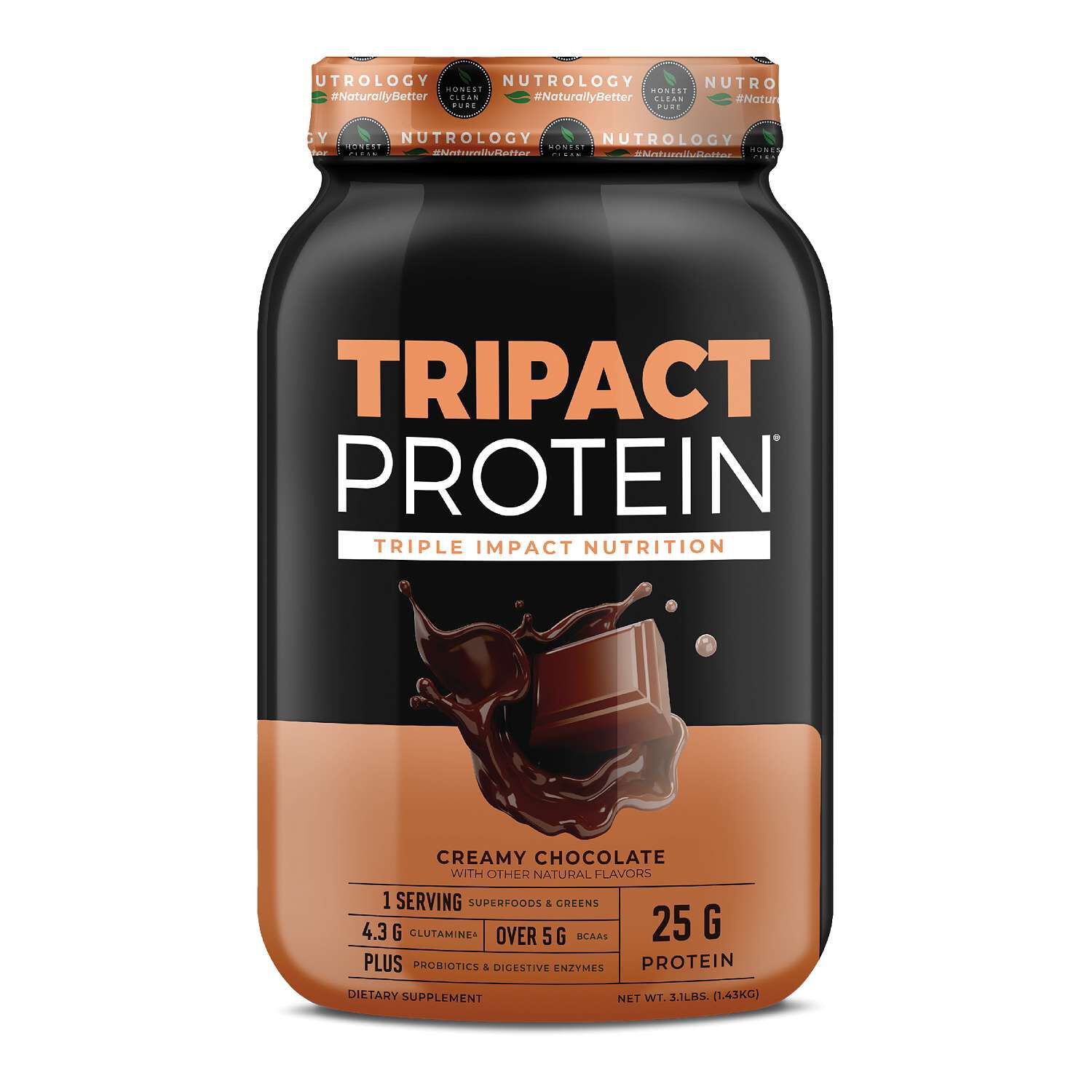
Creamy chocolate supplements bring a familiar cocoa flavor to nutrition products such as protein powders, ready-to-drink shakes, meal replacement formulas, and other flavored drink mixes. The name describes a flavor and texture profile rather than a single type of supplement: two chocolate mixes can have very different ingredients, serving sizes, and intended uses. A protein powder generally centers on protein, while a meal replacement formula typically includes a broader combination of protein, carbohydrates, fats, vitamins, and minerals. Other chocolate drink mixes have their own nutritional focus, so the product description and label matter more than the flavor name alone. Common protein sources include whey and casein, both derived from milk, along with plant-based ingredients such as pea, soy, and brown rice protein. Some formulas use one source; others combine several. Creaminess does not necessarily indicate dairy content, since plant-based recipes can also include ingredients chosen for a smooth consistency. Cocoa, flavorings, sweeteners, and ingredients such as lecithin or gums contribute to the recipe, with proportions differing by formula. The chocolate character can range from a softer milk-chocolate style to a deeper cocoa-forward profile, while sweetness and thickness vary independently. Someone who likes a lighter chocolate drink may prefer a different formula from someone looking for a dense, shake-like texture. For a closer look at the protein-focused category, Creamy Chocolate Proteins centers on that particular combination of flavor and nutrition format. Across the broader category, a useful comparison starts with three details: what the formula contains, how it is meant to be prepared, and where it fits into an everyday eating routine. That distinction is especially relevant when similar-looking tubs or bottles serve different purposes. A creamy chocolate flavor alone does not establish protein content, suitability as a meal replacement, or compatibility with a particular dietary preference.
Ingredient lists and nutrition panels provide the clearest context for comparing creamy chocolate supplements. Protein grams per serving are only one part of the picture; serving size, calories, carbohydrates, sugars, fats, fiber, and any added vitamins or minerals also deserve attention. Comparing the same amount of prepared drink is more informative than comparing scoop counts, because scoop sizes and mixing directions differ. A label may describe nutrition for the powder alone or for a specified preparation, so the liquid used at home matters to that comparison. Milk, water, and plant-based beverages each have a different nutritional composition, and the amount poured into the shaker changes the concentration of the finished drink. For someone choosing around ingredient preferences, identifying the protein source is a practical first step. Whey isolate and whey concentrate are both milk-derived ingredients, and neither should be mistaken for a plant-based option. A plant-based formula can contain soy or ingredients processed alongside other allergens, making the allergen statement an important part of the label review. Sweeteners are another meaningful distinction. Recipes may contain sugar, stevia, monk fruit, sucralose, sugar alcohols, or combinations of sweetening ingredients. Rather than assuming that one chocolate description means a particular sweetness, look at both the ingredient list and the nutrition information. Guar gum, xanthan gum, and similar ingredients are commonly used for consistency; lecithin is commonly included to help ingredients disperse during mixing. Their presence is a formulation detail, not a substitute for evaluating the whole recipe. Some shoppers prioritize a short ingredient list, while others focus on protein source, texture, or a format that fits a packed schedule. An adult packing a shake for after a workout, a commuter keeping a drink alongside breakfast, and someone blending an afternoon snack may approach the same category with different priorities. The most relevant comparison is the one that reflects the intended use without treating every chocolate supplement as interchangeable.
Format and preparation are just as relevant as the ingredient profile when choosing something for regular use. Powder allows flexibility in the amount prepared according to the label and requires a suitable container, a measured liquid, and some mixing time. Ready-to-drink formats skip that measuring step, although their storage directions and instructions after opening still need attention. Individual powder packets may suit a gym bag or desk drawer, while a larger resealable container calls for a designated place at home. Before planning a routine around any format, check the serving directions and whether the preparation calls for shaking, stirring, or blending. A shaker bottle suits a straightforward powder-and-liquid drink; a blender accommodates additions such as banana, oats, yogurt, or nut butter when those ingredients fit personal preferences. Those additions change the nutrition as well as the flavor, so a chocolate smoothie made with several ingredients is different from the powder prepared with water. Chocolate and banana is a familiar pairing, while oats or nut butter may create a thicker texture and a different balance of flavors. Follow the stated mixing ratio first rather than assuming that every formula behaves the same way. If the directions allow adjustments, a little more liquid may produce a thinner drink, while less may produce a denser consistency. Powders intended for beverages are not automatically interchangeable in baking, where protein source and other ingredients may affect the finished texture. Everyday care is straightforward but worth considering: keep dry powder in its original, properly closed container, follow the labeled storage conditions, and use a clean, dry scoop. A shaker with a removable mixing insert and accessible lid parts may be easier to wash thoroughly between uses. Prepared drinks and opened bottles should be handled according to their labels, including any refrigeration instructions. For shared kitchens, keeping the packaging readable also preserves access to ingredient and allergen information. Taken together, these details make the category easier to navigate: the chocolate profile sets a flavor preference, while the formula, serving instructions, and packaging determine how each type fits into daily life.
Best Sellers
-
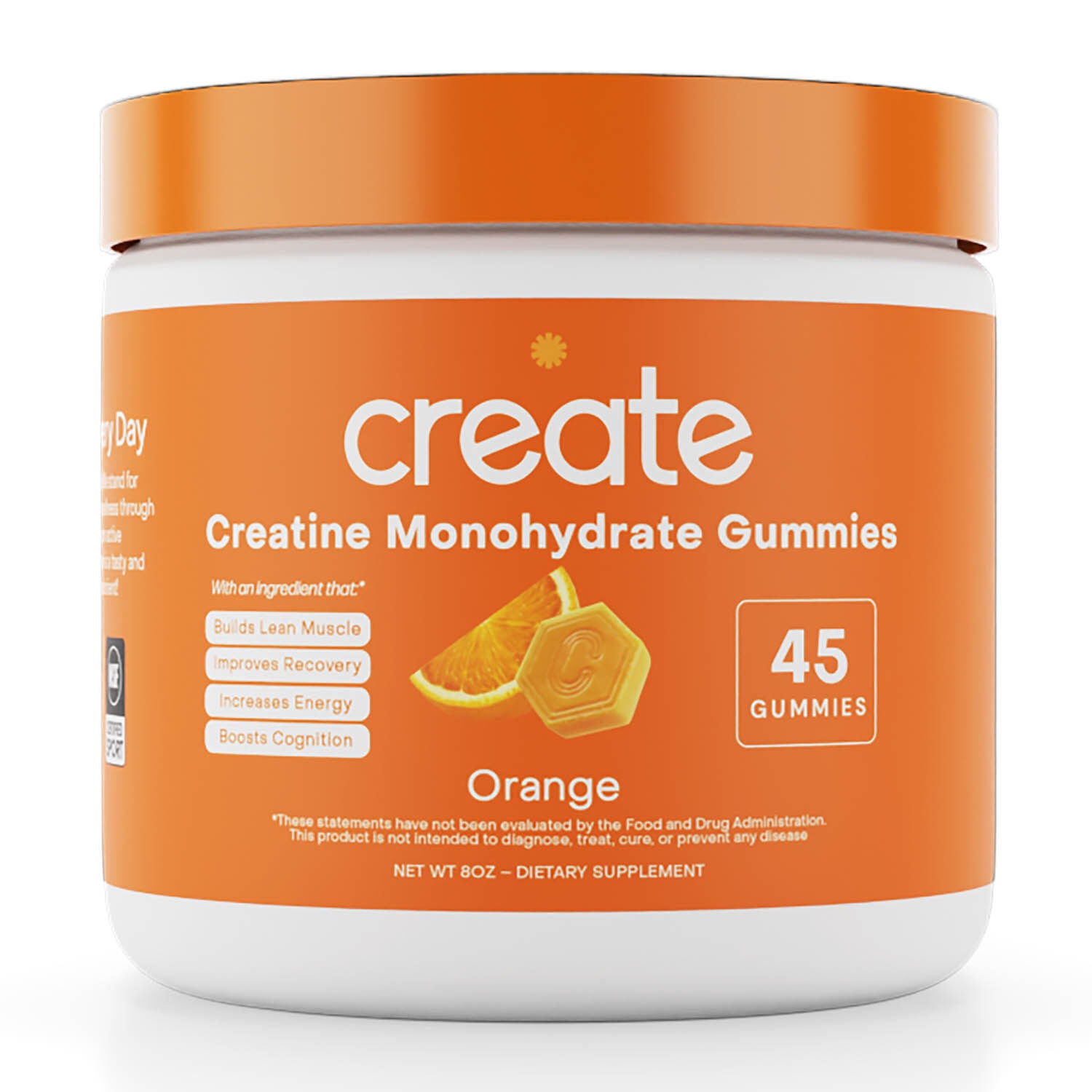 Create Wellness