





Milk Chocolate Supplements
(0 Results)
Milk chocolate supplements may offer a delicious way to support your daily wellness routine. Combining the classic taste of milk chocolate with a variety of nutrients, these options could fit seamlessly into your lifestyle. Whether you're looking for a convenient treat or a flavorful addition to your supplement regimen, milk chocolate supplements might be just what you need to satisfy both your taste buds and your wellness goals. Explore the selection and discover new possibilities for enjoying your daily routine.

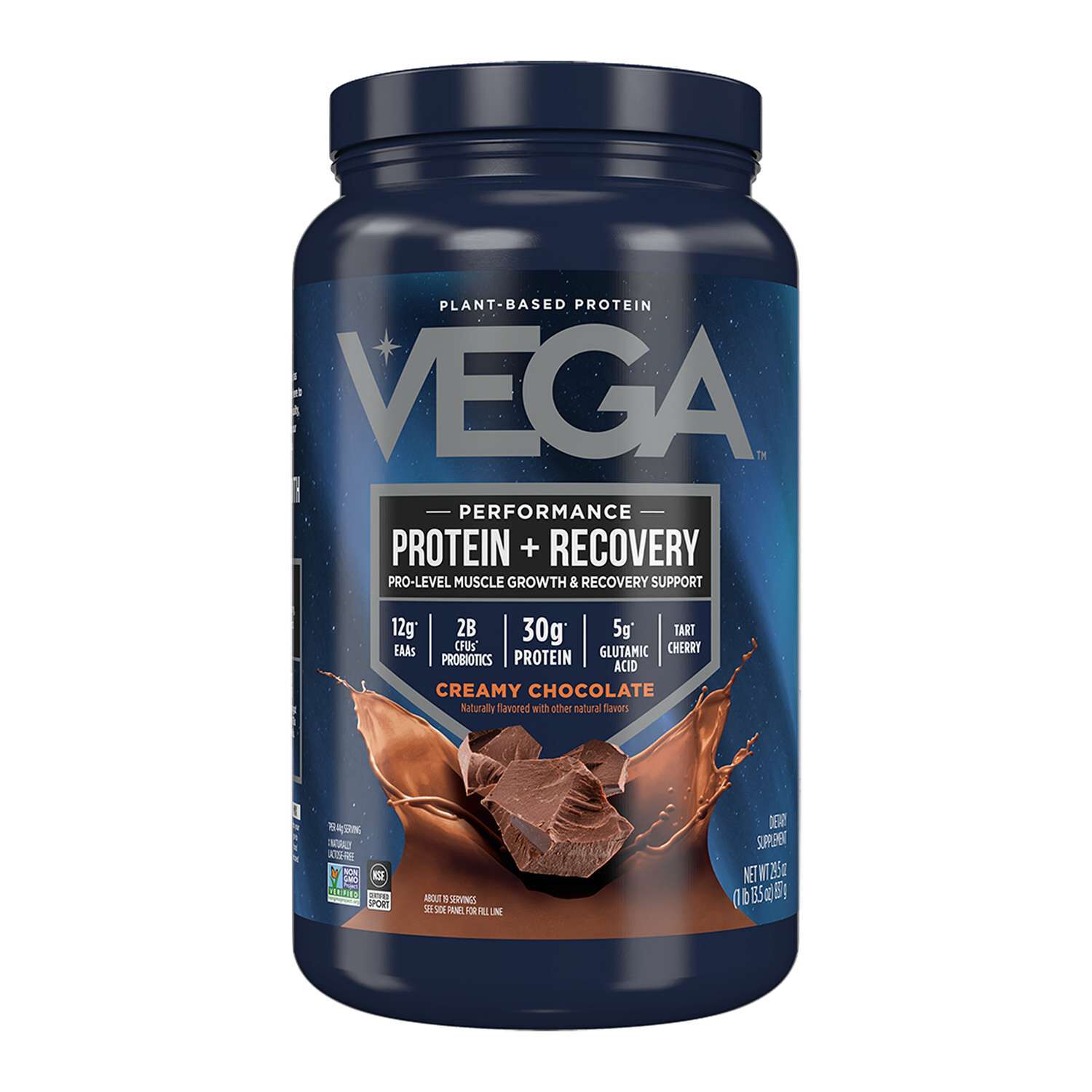
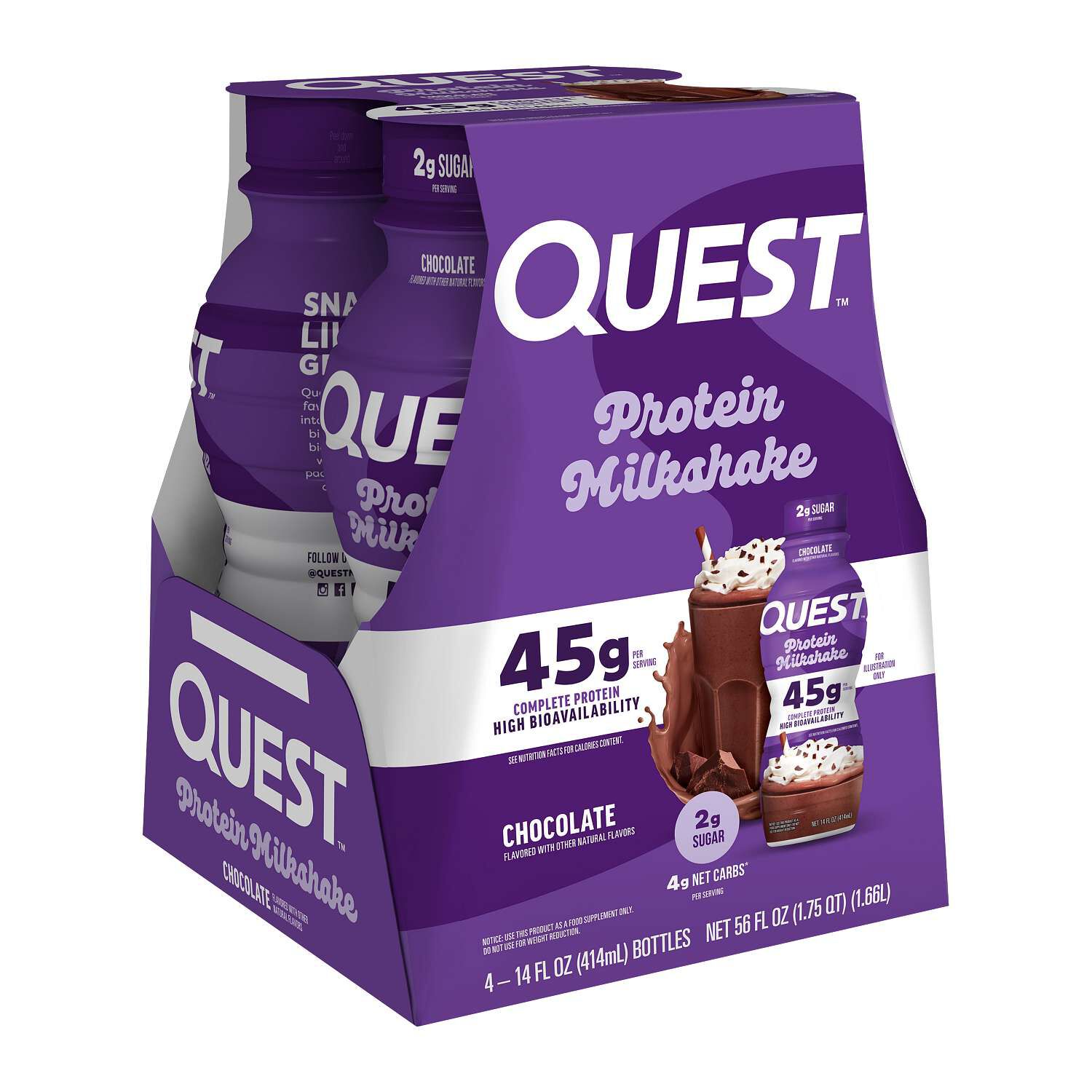
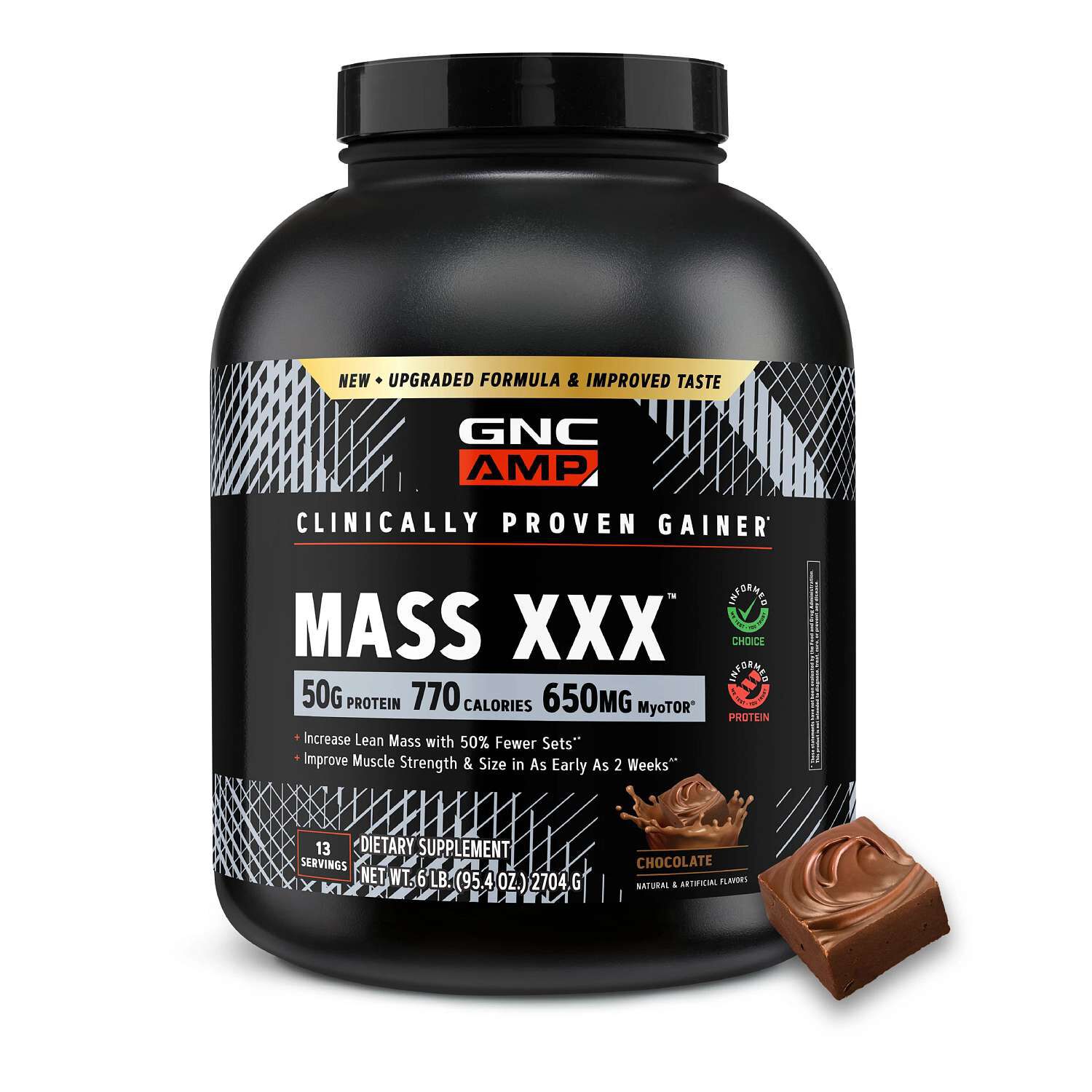

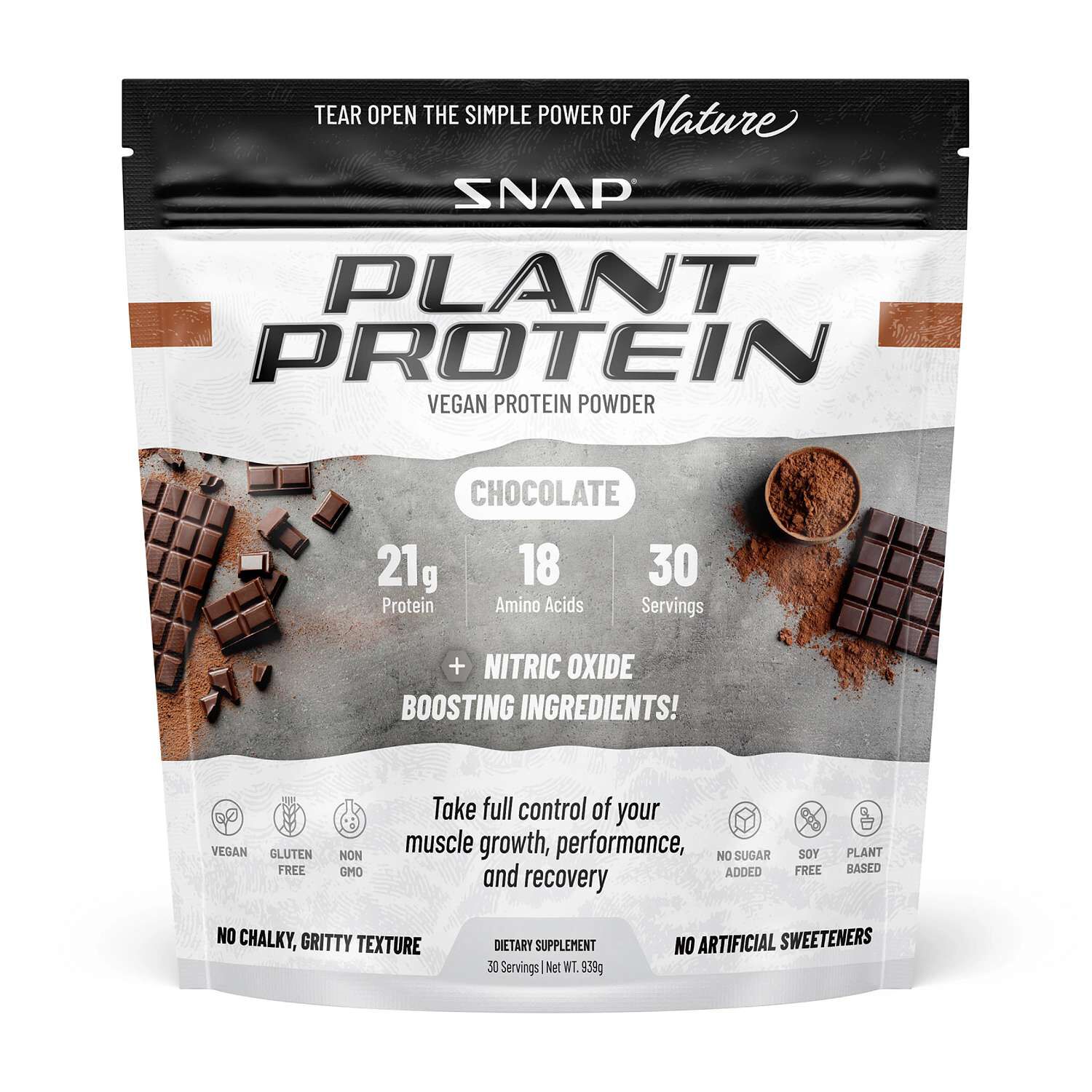


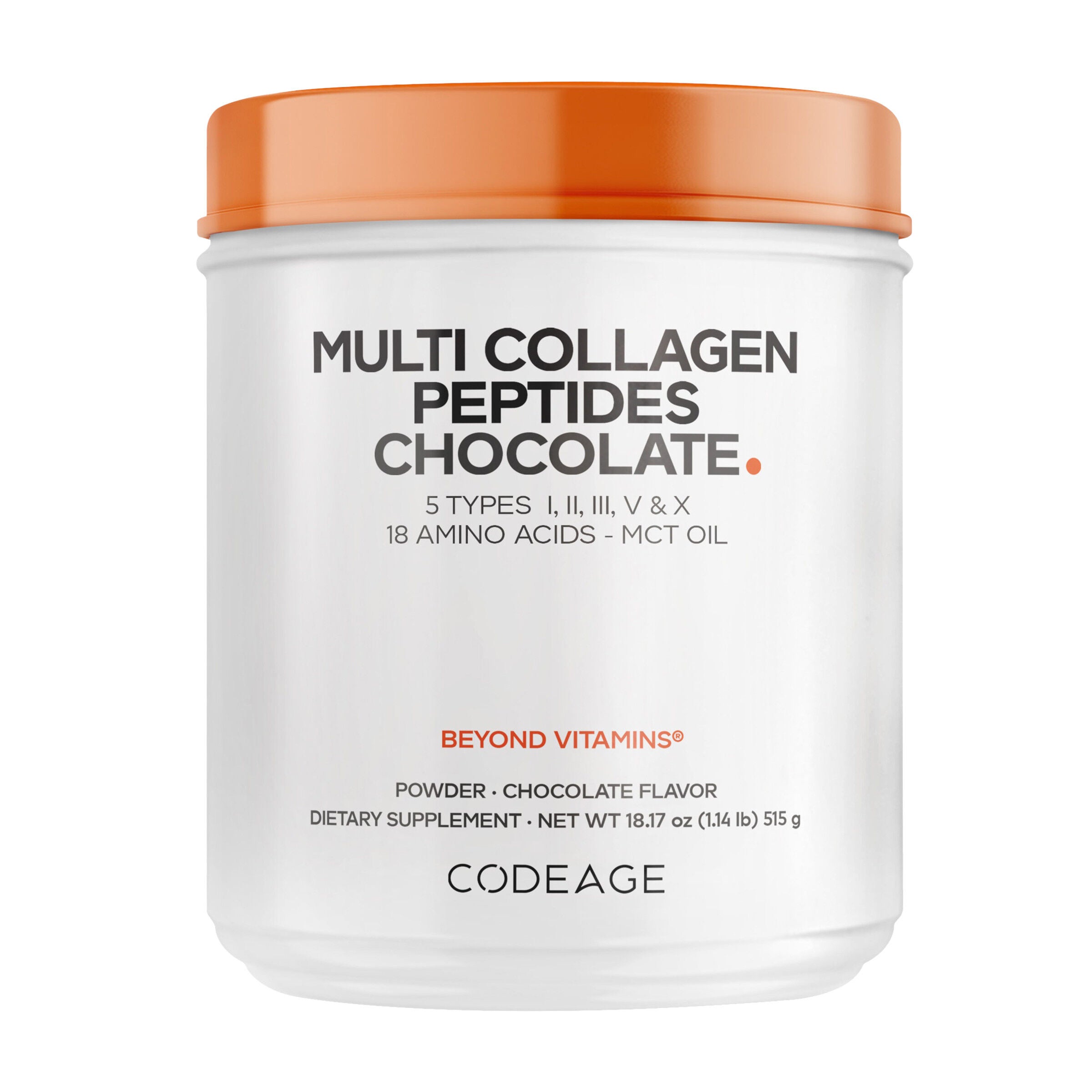


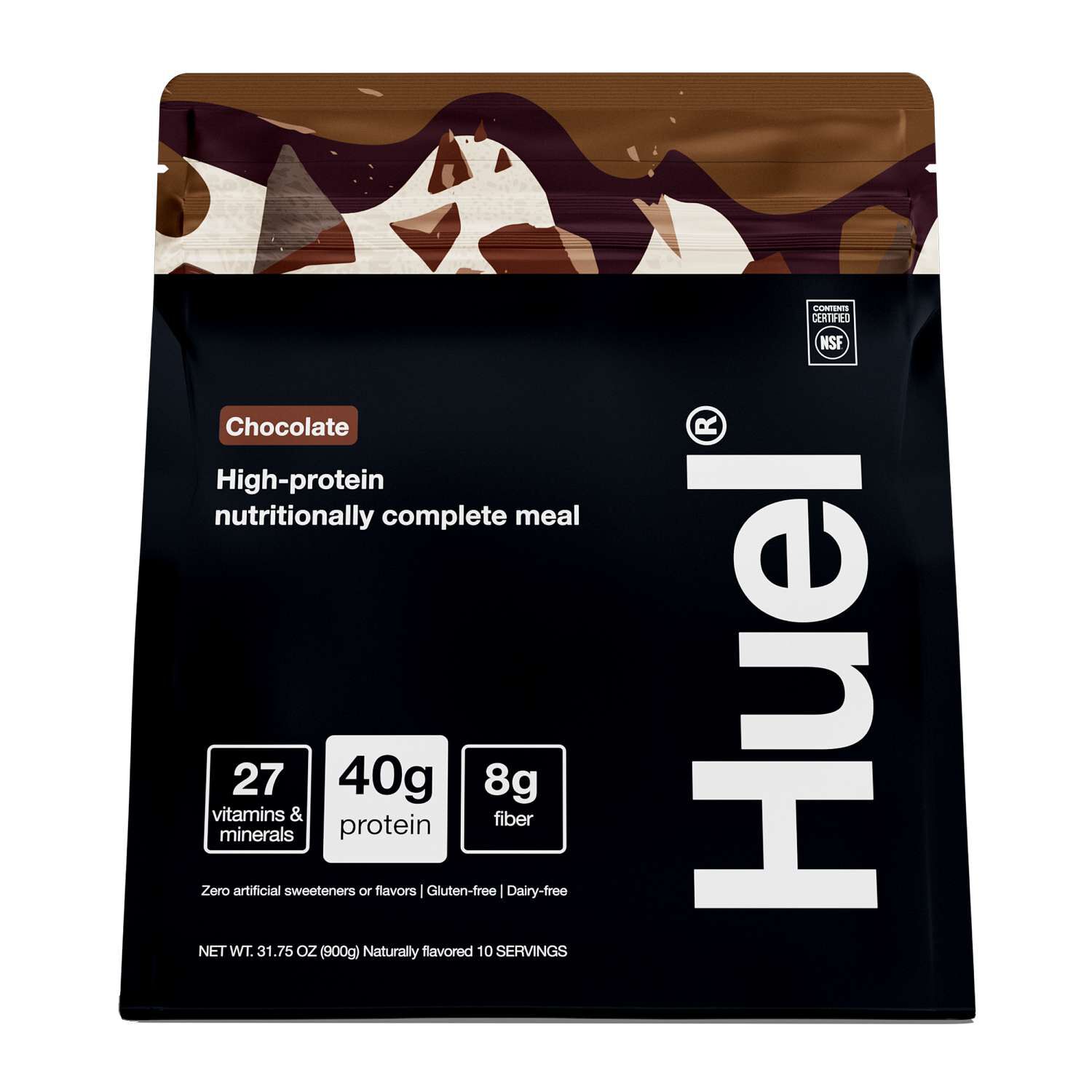


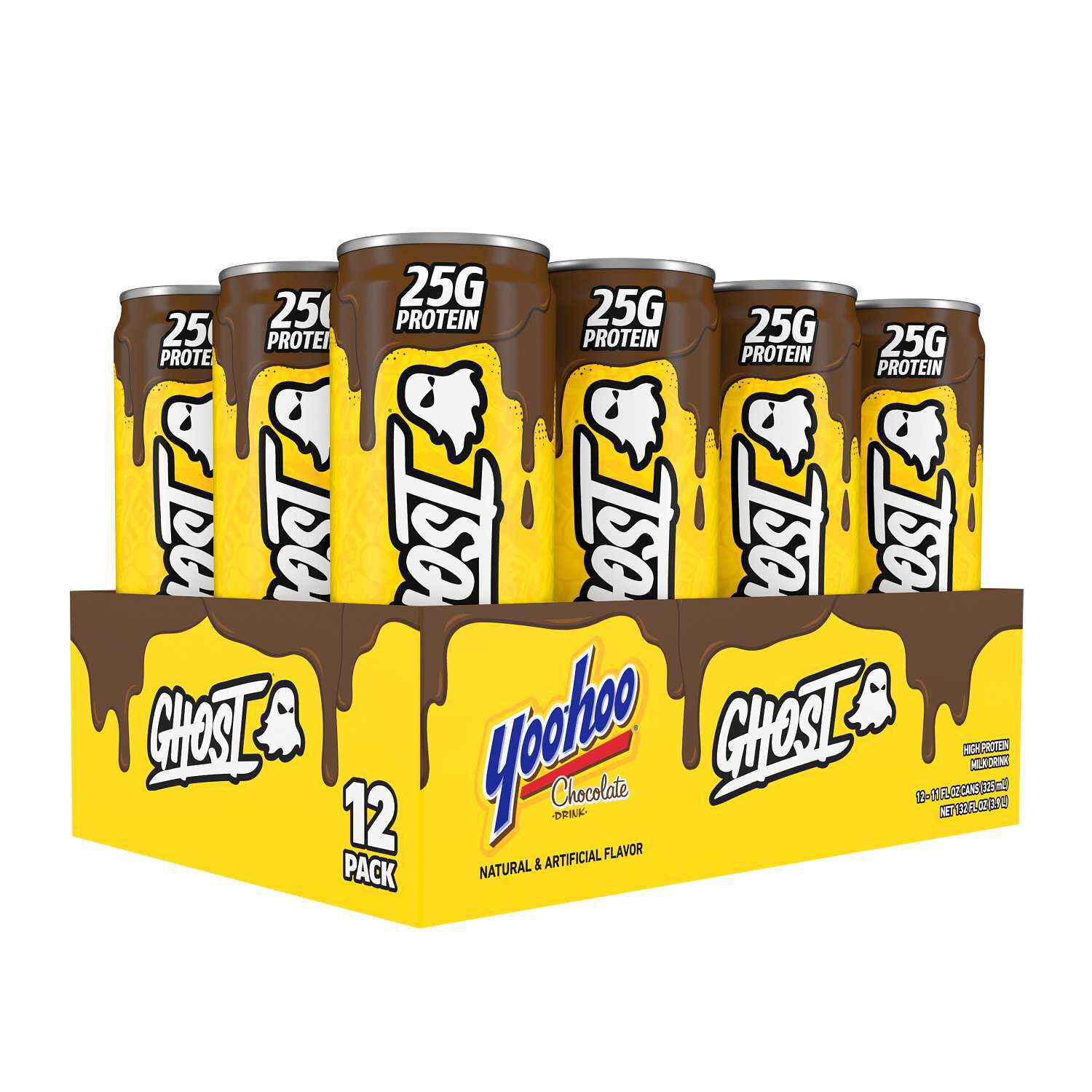
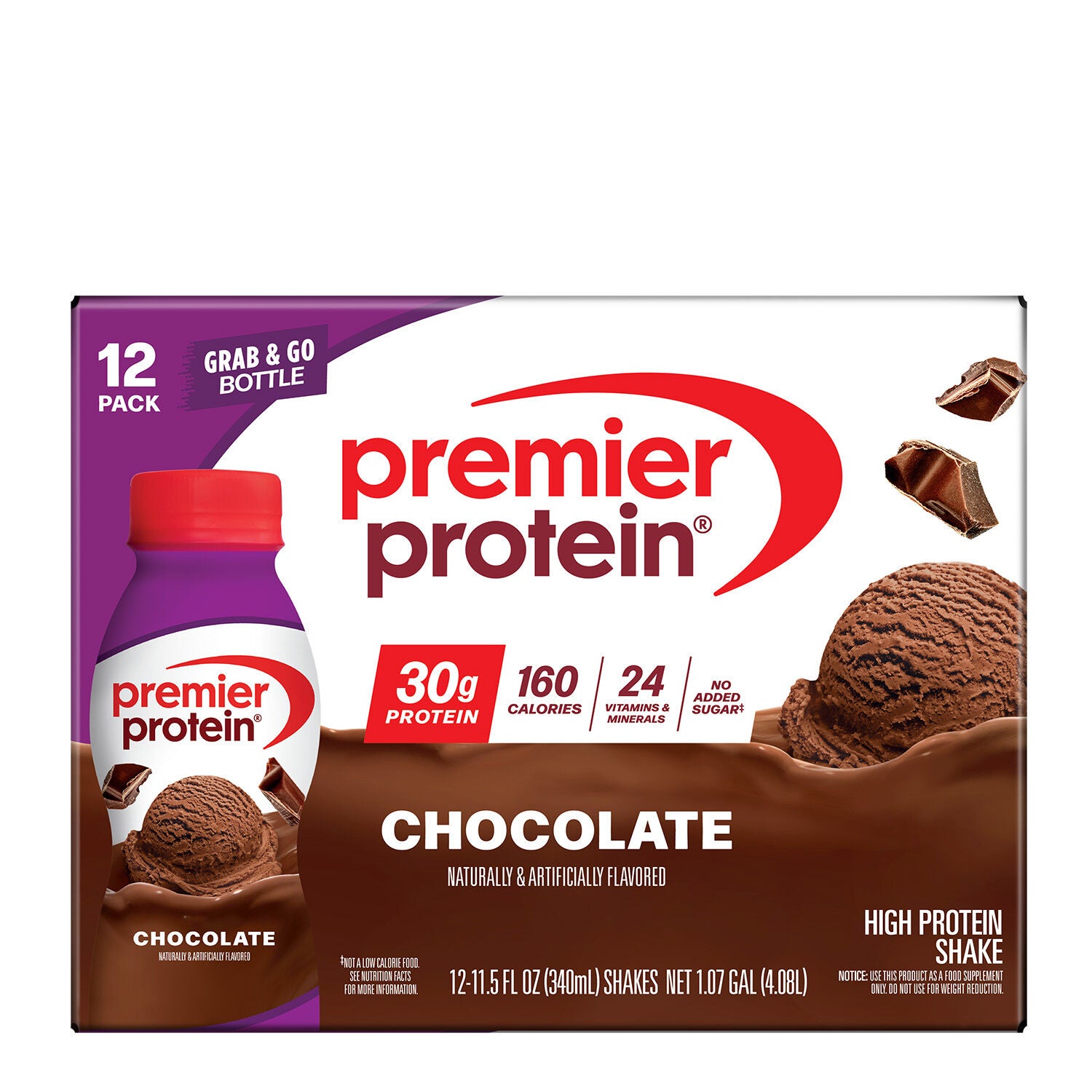
Milk chocolate supplements offer a familiar flavor profile across nutrition powders, ready-to-drink shakes, bars, and other formats designed for different routines. Compared with the deeper cocoa character often associated with dark chocolate, milk chocolate generally suggests a softer chocolate taste with creamy notes and a rounded sweetness. The exact experience depends on the formula: some options lean toward the flavor of chocolate milk, while others have a more pronounced cocoa finish or a denser, dessert-like texture. Flavor names alone do not describe the entire ingredient list, however. A milk chocolate flavor does not necessarily identify the protein source, dairy content, or type of sweetener, so those details deserve a separate look. Whey and casein are milk-derived proteins, while plant-based formulas may use sources such as pea, soy, or rice. Some blends contain more than one protein source, and the choice of ingredients can influence texture as much as flavor. Cocoa, milk ingredients, oils, sweeteners, and flavorings all contribute to the finished taste. For someone who already enjoys chocolate milk or a creamy cocoa drink, this flavor family may offer a familiar starting point when comparing nutrition options. The broader Chocolate Dietary Supplements collection provides context for exploring chocolate flavors beyond the milk chocolate profile, including options with a more cocoa-forward character. Within the milk chocolate category, differences in sweetness, consistency, and serving format are often more useful than flavor names alone. A smooth drink, a thick blended shake, and a chewy bar can share a similar flavor description while fitting very different preferences. Chocolate intensity also varies with preparation, particularly when a powder is mixed with water rather than milk or another beverage. That makes the suggested preparation method an important part of understanding what a formula is intended to taste like. The most useful comparison brings together the ingredient panel, nutrition information, serving directions, and the kind of chocolate experience that sounds appealing.
Daily schedules often shape the choice between milk chocolate supplement formats. Powder offers flexibility in portion preparation and liquid choice, with label directions providing the starting point for mixing. A shaker bottle suits a straightforward drink prepared at a desk or after a workout, while a blender allows for a thicker mixture with ingredients such as banana, oats, or nut butter. Those additions also change the nutrition of the finished serving, so the powder’s panel describes only part of that combination. Water generally leaves more of the formula’s own flavor and texture on display; dairy milk or a plant-based beverage contributes its own taste, consistency, and nutrients. The amount of liquid matters, too. A smaller amount may produce a thicker, more concentrated drink, while additional liquid may create a lighter consistency within the preparation directions. Mixing order can make a practical difference, and directions may call for adding liquid before powder or blending for a specified amount of time. Ready-to-drink formats suit situations where measuring and mixing are less convenient, such as a commute, a packed workday, or time between scheduled activities. Their preparation and storage requirements differ from those of powders, especially after opening. Bars and other chewable formats offer a different eating experience, with texture becoming as important as flavor. A layered coating, a soft center, or a firmer bite may appeal to different preferences, but the format alone does not establish the nutrient profile. Serving size, protein, carbohydrates, fat, and added sugars provide a more meaningful basis for comparison. A shake prepared alongside breakfast has a different role in a routine from a bar carried in a work bag. Neither format automatically serves as a meal replacement; the intended use on the label helps clarify where it belongs. For milk chocolate supplements, convenience is therefore less about choosing one universally suitable format and more about matching preparation, portability, and serving information to a particular part of the day.
Ingredient preferences and package design add another layer to the selection. Milk chocolate formulas may contain dairy ingredients even when milk is not the primary protein source, and chocolate coatings or mixed textures can introduce ingredients not found in a plain powder. Allergen statements and the full ingredient list provide details that a front-label flavor description cannot. Sweetness also deserves attention: formulas may use sugar, other sweeteners, or a combination, with different tastes and finishes. Some shoppers prefer a simple chocolate profile, while others enjoy vanilla notes, a malt-like character, or a richer cocoa impression. Nutrition panels make comparisons clearer when serving sizes differ, since a larger scoop or bar can make headline numbers difficult to compare at a glance. Directions for measuring powder are equally relevant; scoop dimensions are specific to the formula, and the stated serving may involve more than one scoop. For packaging, a resealable container may suit a regular kitchen routine, while individual portions may fit a desk drawer, gym bag, or travel organizer more neatly. Package condition, closure design, and storage directions matter for keeping the contents as intended. Powder containers need secure closures and dry utensils, while drinks and coated bars may have different instructions concerning storage and handling. Date markings and any directions for use after opening also belong in the comparison, particularly when a larger container will be used gradually. Milk chocolate supplements can be a thoughtful addition to a fitness-themed gift basket or a practical gift for someone with an established nutrition routine, provided their preferred format, ingredient requirements, and flavor preferences are already known. Familiarity matters more than novelty for a gift that becomes part of someone’s everyday food choices. Across formats, the appeal of milk chocolate lies in its recognizable taste, but the stronger match comes from the details surrounding that flavor: the protein source, texture, preparation method, serving information, packaging, and intended use. Together, those details distinguish an appealing chocolate flavor from an option that also fits comfortably into a regular routine.
Best Sellers
-
 GNC Pro Performance
-
 GNC Pro Performance
-
 GNC Pro Performance
-
 GNC Pro Performance
Related Pages


Top Collections
- Joint Mobility Supplement Packs
- Zinc Supplements | Top Brands at Great Prices | GNC
- Supplements For Yoga Joint Flexibility
- Supplements For Balance
- Capsule Supplements For Energy And Stamina
- Iron Supplements
- Supplements For Anxiety Relief Support
- Vitamins For Hair Loss
- Cortisol Supplements
- Adult Mobility Supplements