





Chocolate Dietary Supplements
(0 Results)
Indulge in the rich, delectable world of chocolate dietary supplements that combine the pleasure of chocolate with potential health benefits. Perfect for those who want to savor a treat while supporting their wellness journey, these supplements might offer a delightful way to incorporate necessary nutrients into your daily routine. Explore a variety of options that could cater to different dietary needs and preferences, making it easier than ever to enjoy the goodness of chocolate in a beneficial form.
-
-

-

-

-
-
-
-

-
-

-

-

-

-

-

-

-

-

-
 4$59.99
-
-
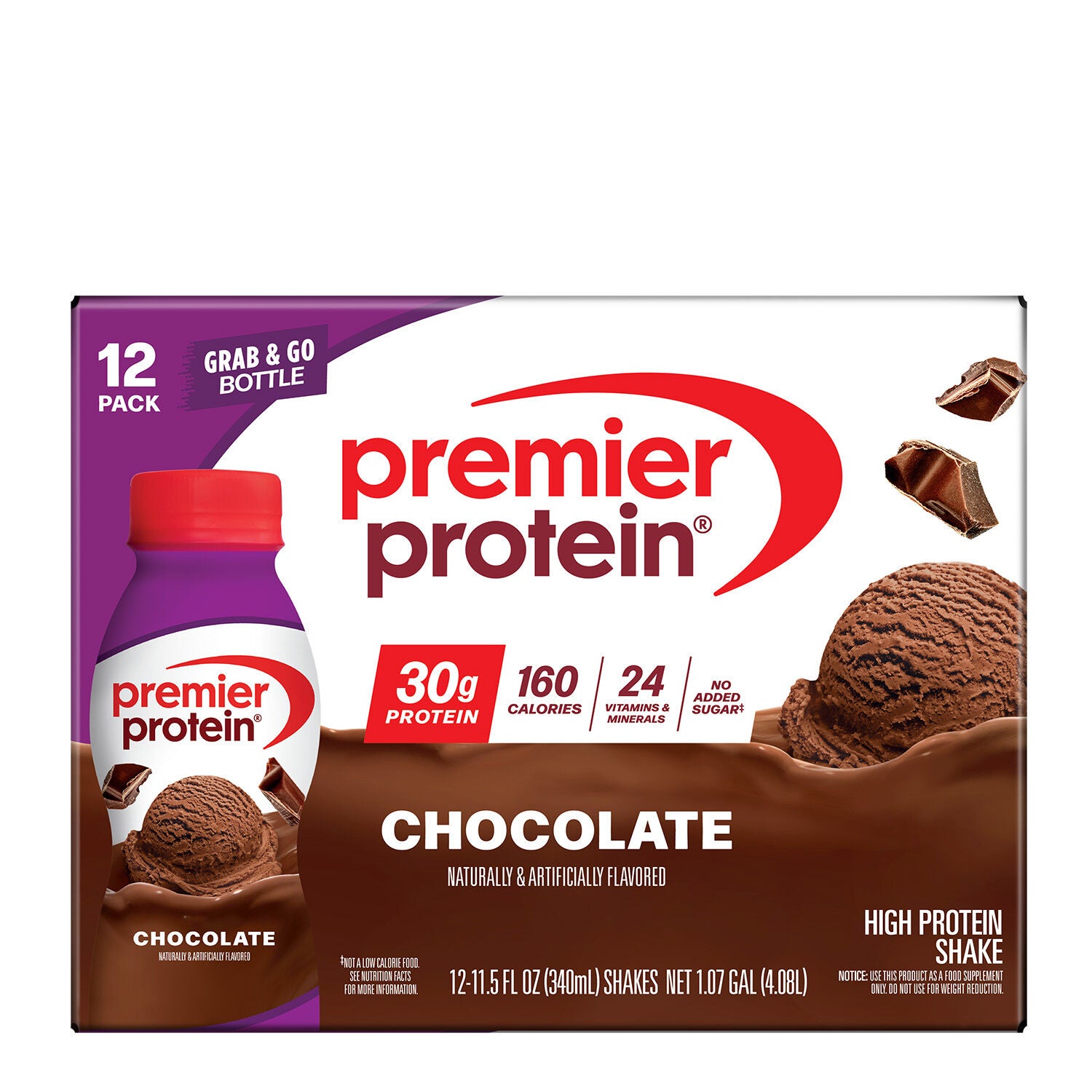


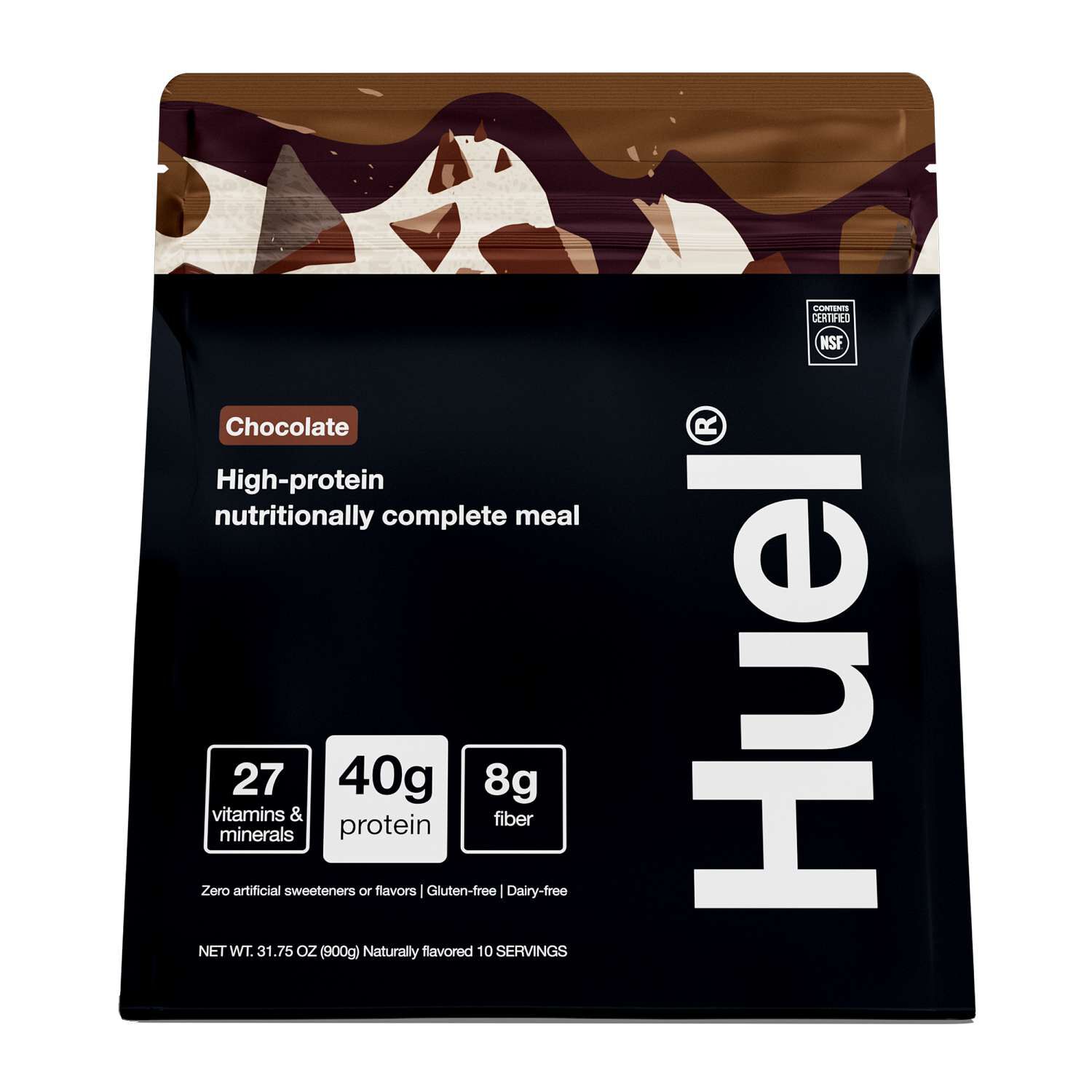
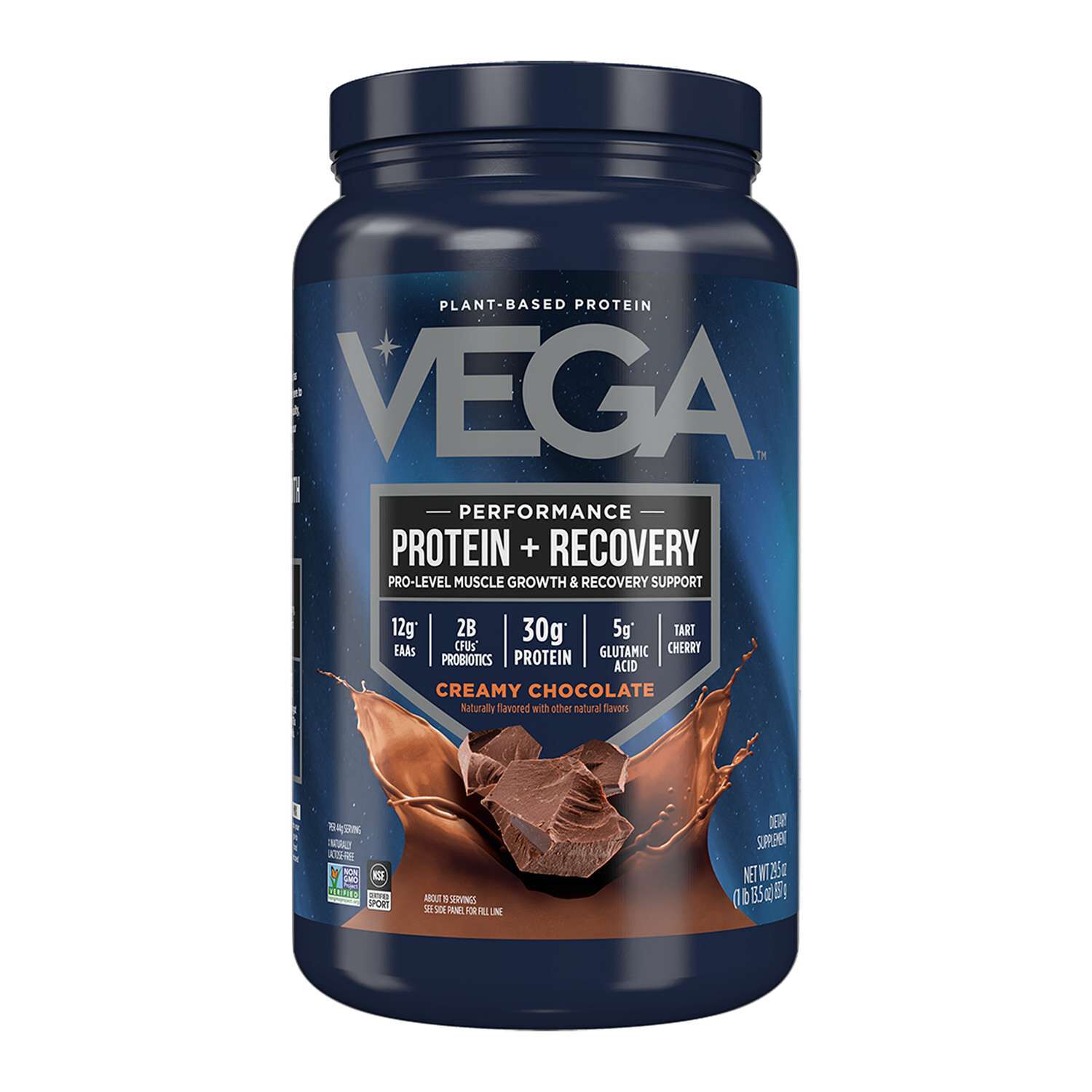
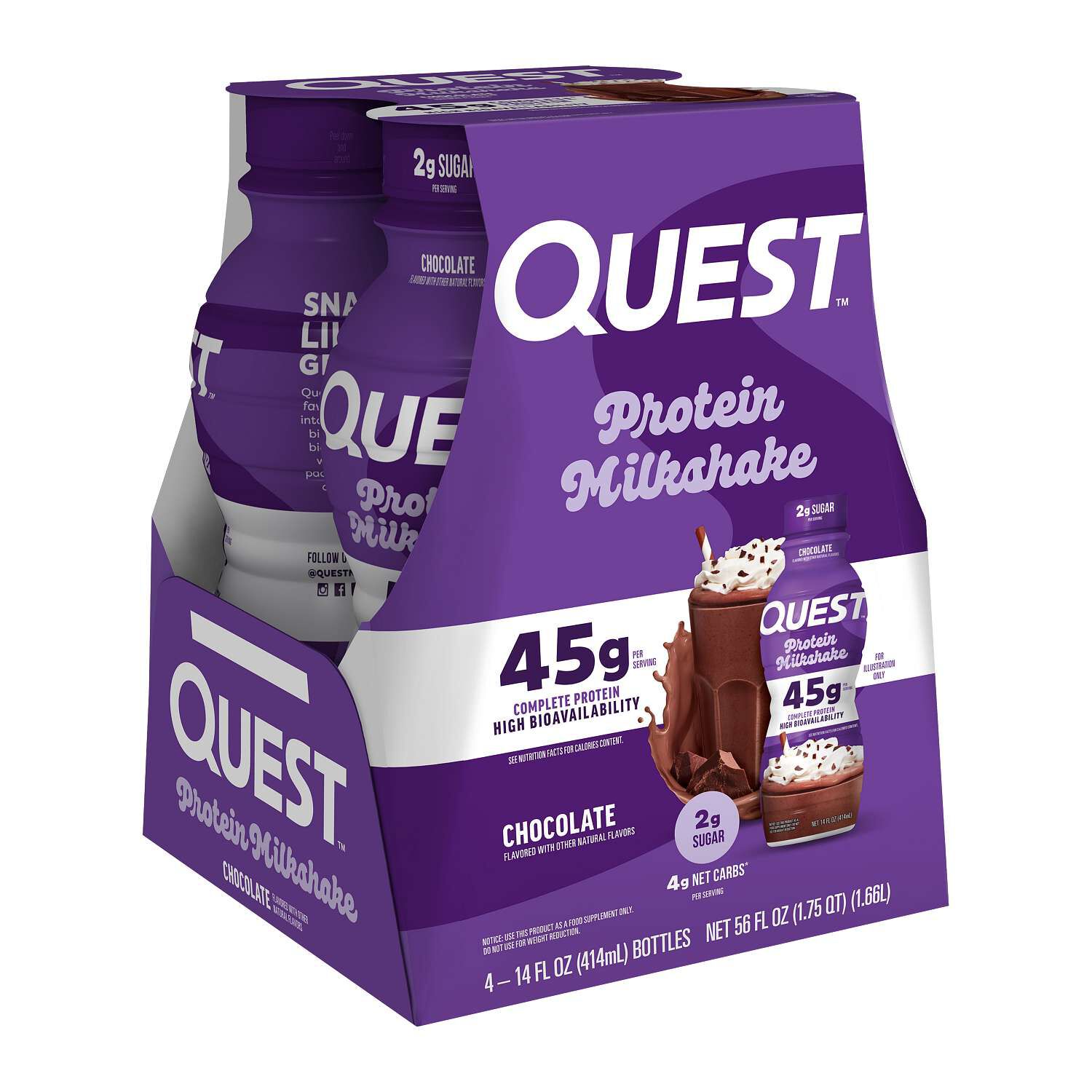
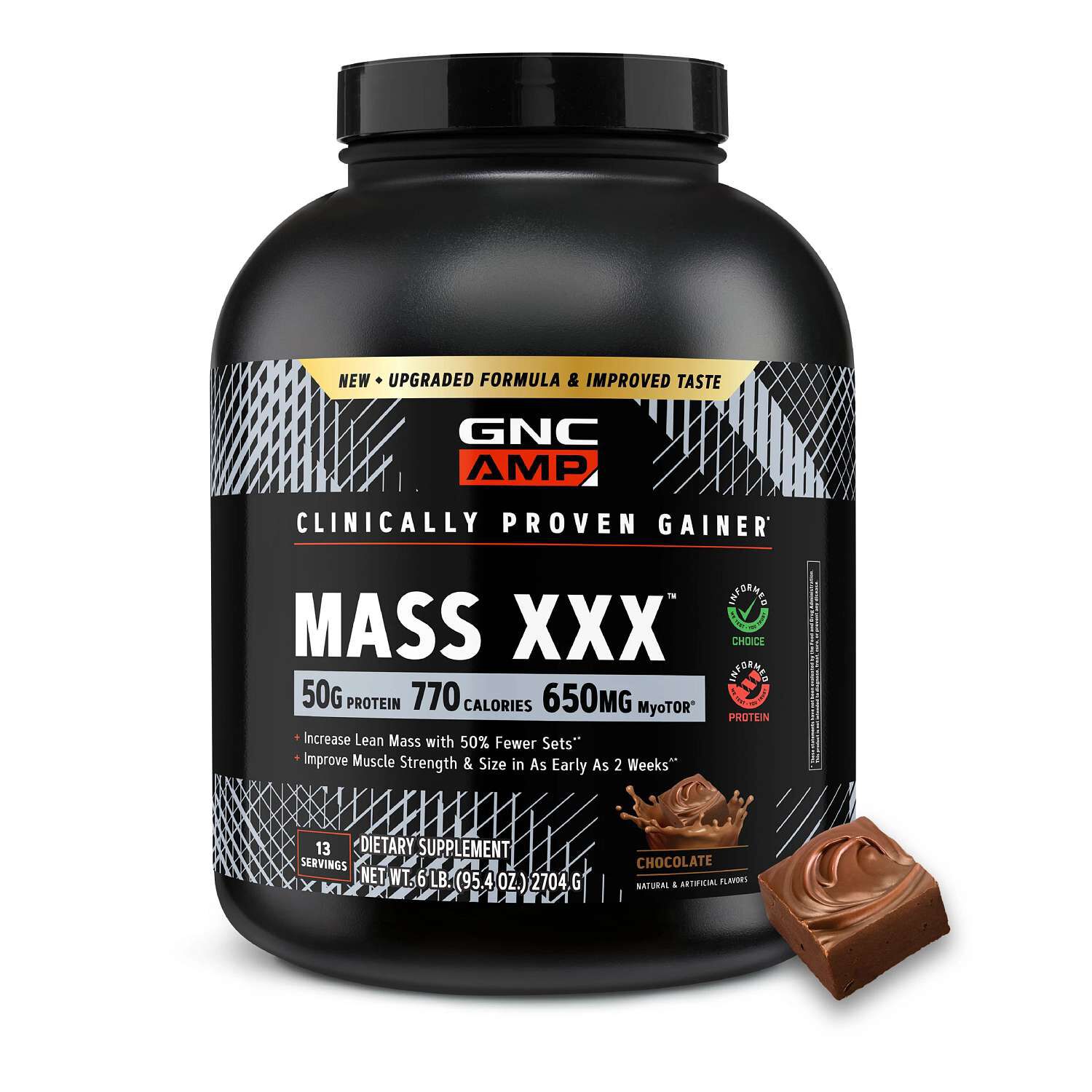
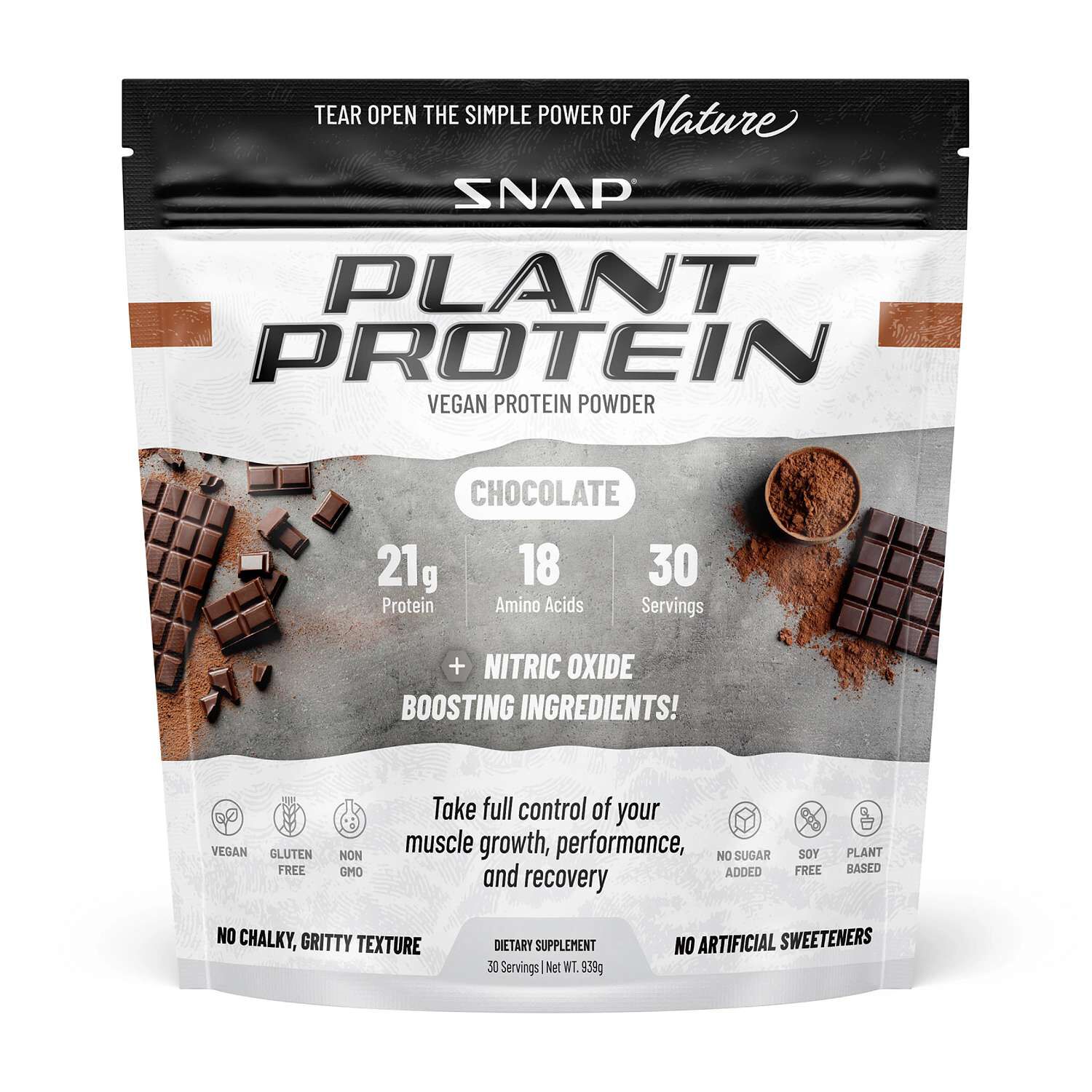
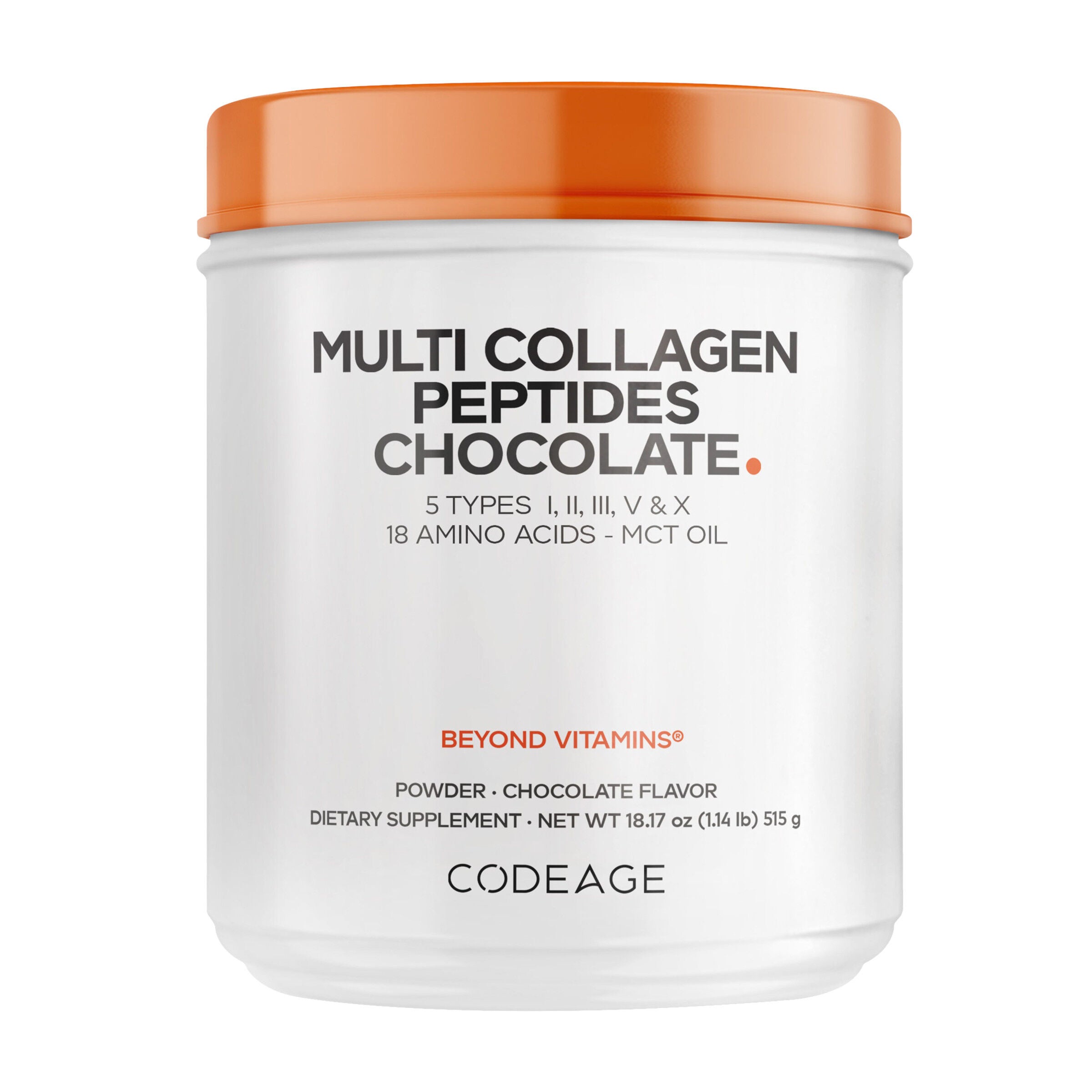
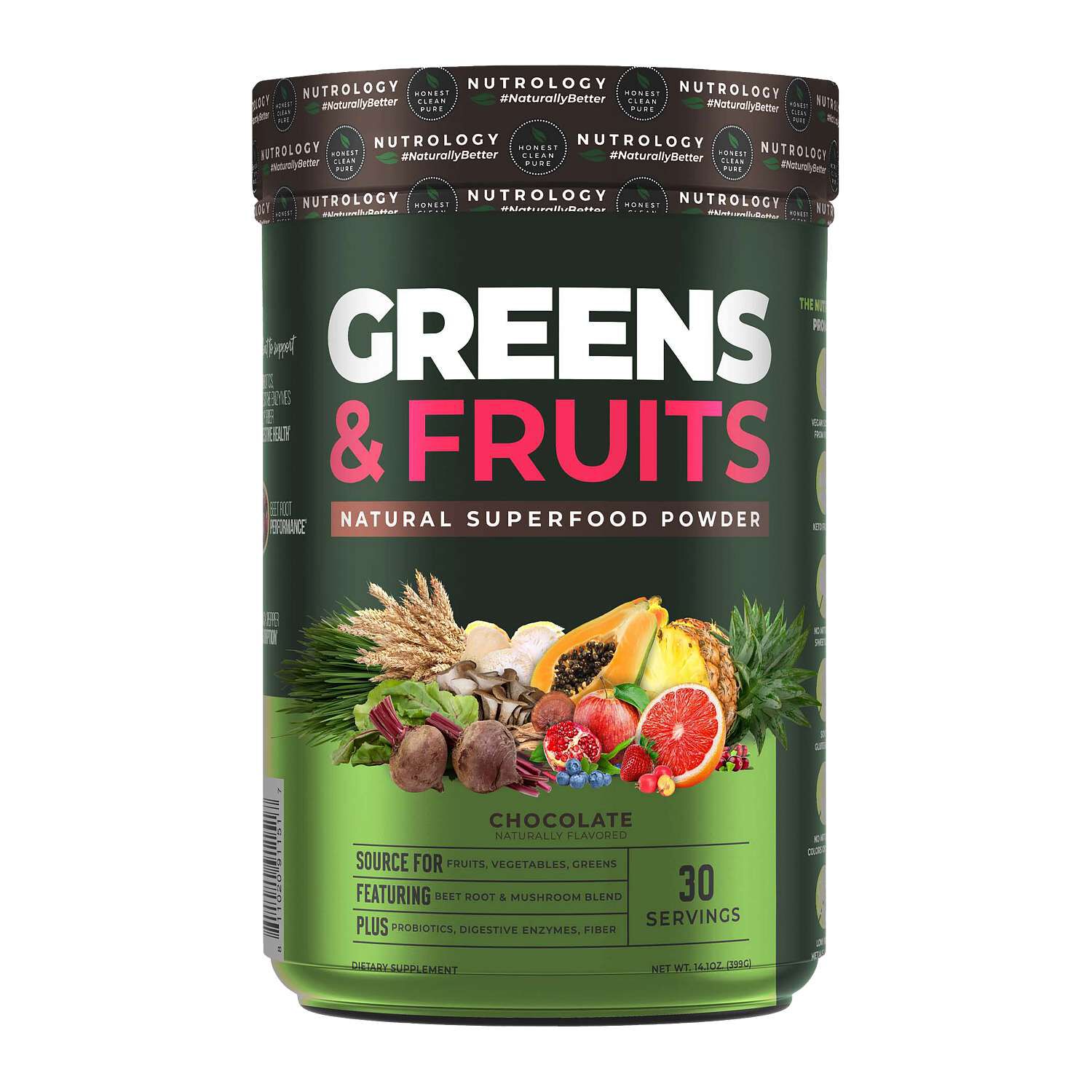
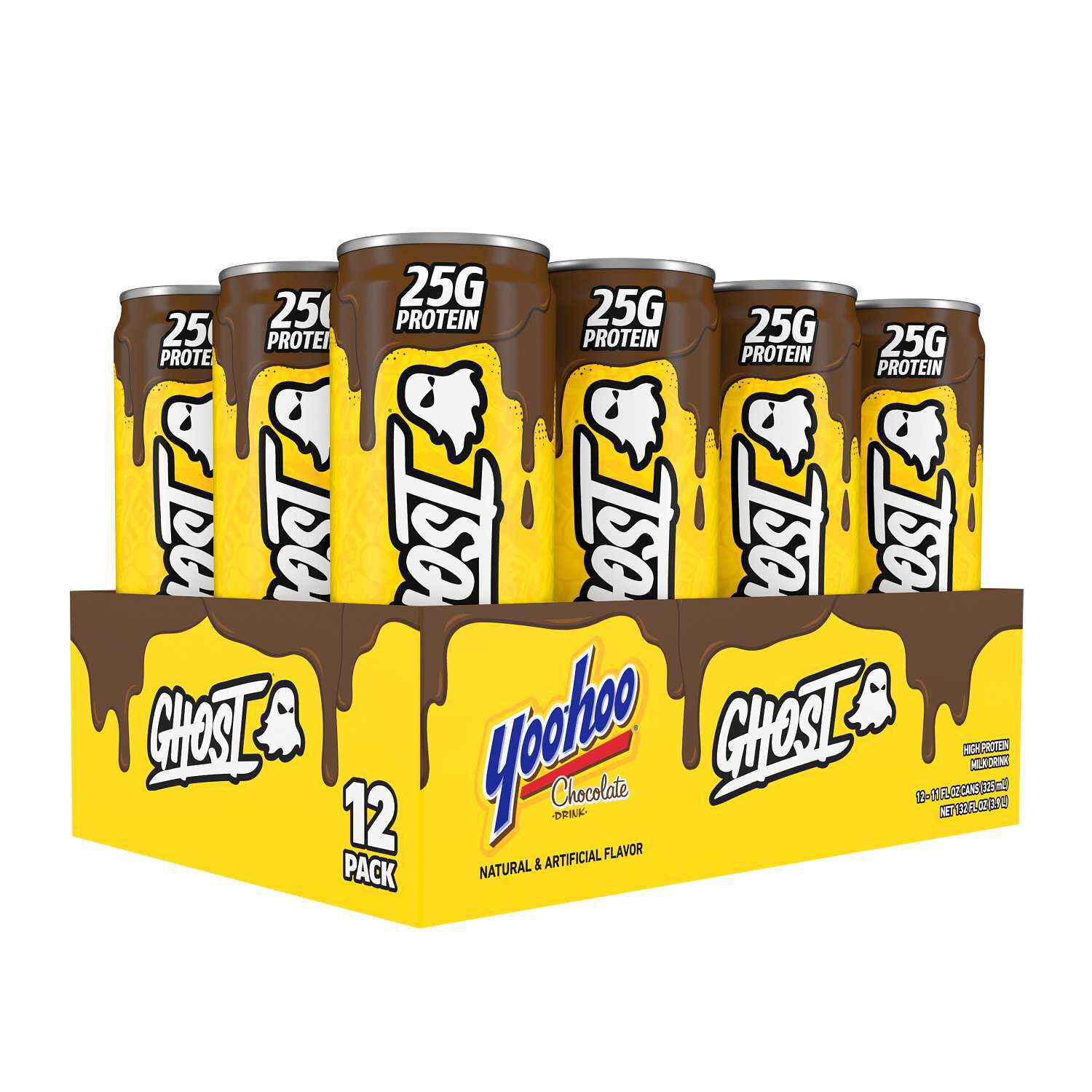
Chocolate dietary supplements are products that pair supplemental ingredients with chocolate flavor or contain compounds derived from cocoa or cacao. The category can include chocolate protein powders, collagen blends, nutrient-containing chews, and cocoa extract capsules. These formats differ in more than taste: some emphasize protein, some contain added vitamins or minerals, and others feature cocoa-derived ingredients. Cocoa and cacao both come from cacao beans, although those terms alone do not establish a product’s nutrient content, processing method, or concentration. Cocoa naturally contains compounds such as flavanols and theobromine, but the amount present in a supplement depends on its ingredients and formulation. A chocolate-flavored powder is therefore not interchangeable with a concentrated cocoa extract. Likewise, a capsule containing cocoa extract may have no chocolate taste at all. For shoppers browsing chocolate dietary supplements, the most useful distinction is between the flavor of a product and the ingredients supplied in each labeled serving. A rich cocoa profile describes the eating or drinking experience; it does not identify the amount of protein, vitamins, minerals, or cocoa compounds inside. Chocolate powders often use whey, casein, pea, soy, or other protein sources, while collagen powders contain collagen peptides and may include cocoa or other flavoring ingredients. Chewable formats may combine a chocolate coating or chocolate base with supplemental nutrients. Their appearance can resemble a confection, but their serving directions remain an important part of their intended use. Cocoa extract products, meanwhile, may list an extract amount and a separately specified flavanol amount. Those are different measurements, so the ingredient description matters as much as the number on the front of the package. Chocolate is a familiar flavor across these formats, but each formula deserves a look at its own label. Adults who enjoy cocoa-based drinks, prefer a flavored powder over an unflavored option, or want a different supplement format may find something suited to their preferences without assuming that every chocolate supplement serves the same purpose.
Ingredient source, serving size, sweetness, and texture provide a practical basis for comparing chocolate supplements. With protein powders, the first distinction is often whether the protein comes from milk or plants. Whey and casein are milk-derived, while plant-based formulas may use a single source or a blend of sources. Collagen is another distinct ingredient category, and its animal source may matter to shoppers with particular eating preferences. Chocolate flavor does not change those underlying differences. Someone choosing a powder for a household that avoids dairy ingredients will want to read both the ingredient list and the allergen statement rather than rely on the flavor name. The same attention applies to soy, nuts, and other ingredients that may appear in a formula or its manufacturing information. Sweetness can come from sugar, alternative sweeteners, or combinations of ingredients, and the type used may influence personal taste preferences. Cocoa intensity, a creamy finish, and a thicker or lighter consistency also vary by formula. Shoppers who prefer a sweeter, creamier flavor profile can explore Milk Chocolate Supplements when comparing chocolate varieties. Beyond flavor, compare the labeled amount of protein or other featured nutrients per serving, along with calories, sugar, and the number of servings in the container. Scoop sizes are not necessarily alike, so one scoop from one powder should not be treated as equivalent to one scoop from another. The suggested preparation matters, too: a serving mixed with water has a different nutritional composition from the same powder mixed with milk or another beverage. A product’s Supplement Facts or Nutrition Facts panel identifies what the formula provides before those additions. Some chocolate nutrition powders are sold as conventional foods rather than dietary supplements, making the label a useful way to distinguish them. A chocolate taste alone does not make a formula a meal replacement; that intended use should be stated on its packaging. Clear ingredient descriptions and readable serving information give shoppers a more meaningful comparison than dessert-inspired flavor names alone.
Everyday use often comes down to where a chocolate supplement will be prepared, how it will be carried, and which format suits the routine. A powder stored beside a shaker bottle in a kitchen cabinet offers a different experience from a capsule taken according to its label or a individually wrapped chew tucked into a work bag. For someone mixing a drink at an office kitchenette, preparation instructions, the required liquid amount, and access to a clean bottle are practical details. At home, a blender allows room for ingredients such as oats, banana, or nut butter, although those additions change the drink’s texture and nutritional content. Cocoa can bring a familiar chocolate note to these combinations, while the finished texture depends on the powder, liquid, proportions, and mixing method. Preparation directions should guide whether a formula is suitable for stirring into yogurt, blending into a smoothie, or using in a recipe; not every supplement is intended for cooking or baking. Packaging also shapes the experience. A resealable pouch needs a secure closure, a tub needs its lid replaced after use, and individual packets have their own labeled serving amounts. Keep powders dry, use a clean scoop, and follow the package’s storage instructions so that moisture from a sink, damp utensil, or recently washed shaker does not enter the container. Chocolate-based chews should remain in their original labeled packaging rather than being transferred to a candy bowl, especially in a shared household. Check the date on the package and retain the directions even when organizing a pantry or travel kit. When considering supplements as a gift, the recipient’s stated ingredient preferences and preferred format matter more than the chocolate theme alone. A person who enjoys mixing cocoa-flavored drinks may prefer a powder, while someone who already uses a particular supplement format may prefer something similar. The strongest match is a chocolate supplement whose ingredients, serving directions, flavor profile, and preparation requirements align with the recipient’s established routine.
Best Sellers
-
 GNC Pro Performance
-
 GNC Pro Performance
-
 GNC Pro Performance
-
 GNC Pro Performance

