High Protein Lifestyle
(0 Results)
High protein lifestyle choices may support a variety of wellness goals, from fueling active days to supporting balanced nutrition. Whether you are focused on fitness routines or simply looking for convenient ways to add more protein to your daily meals, exploring high protein options could be a great step. Discover a range of products designed for those who embrace a high protein lifestyle and enjoy delicious flavors along the way.
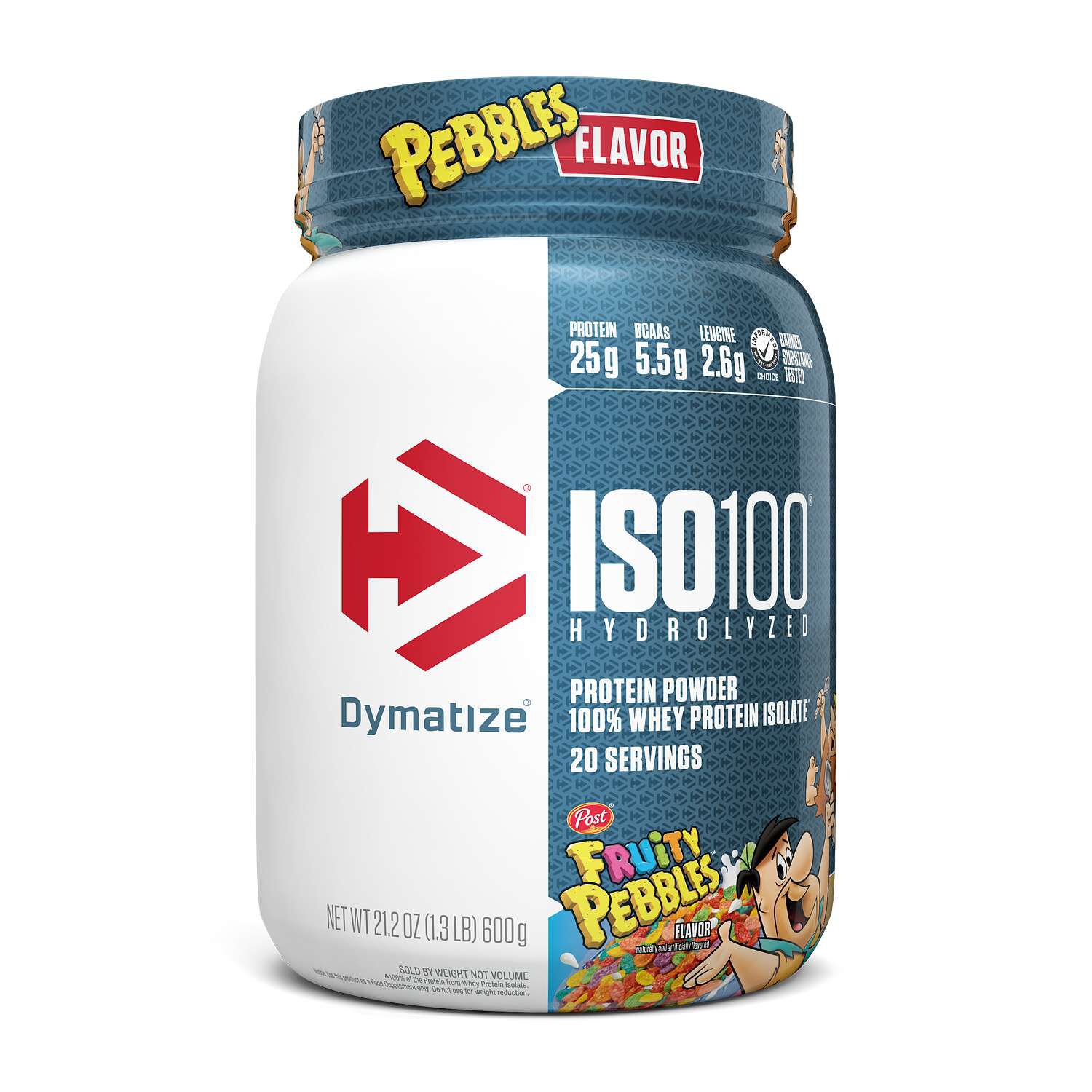


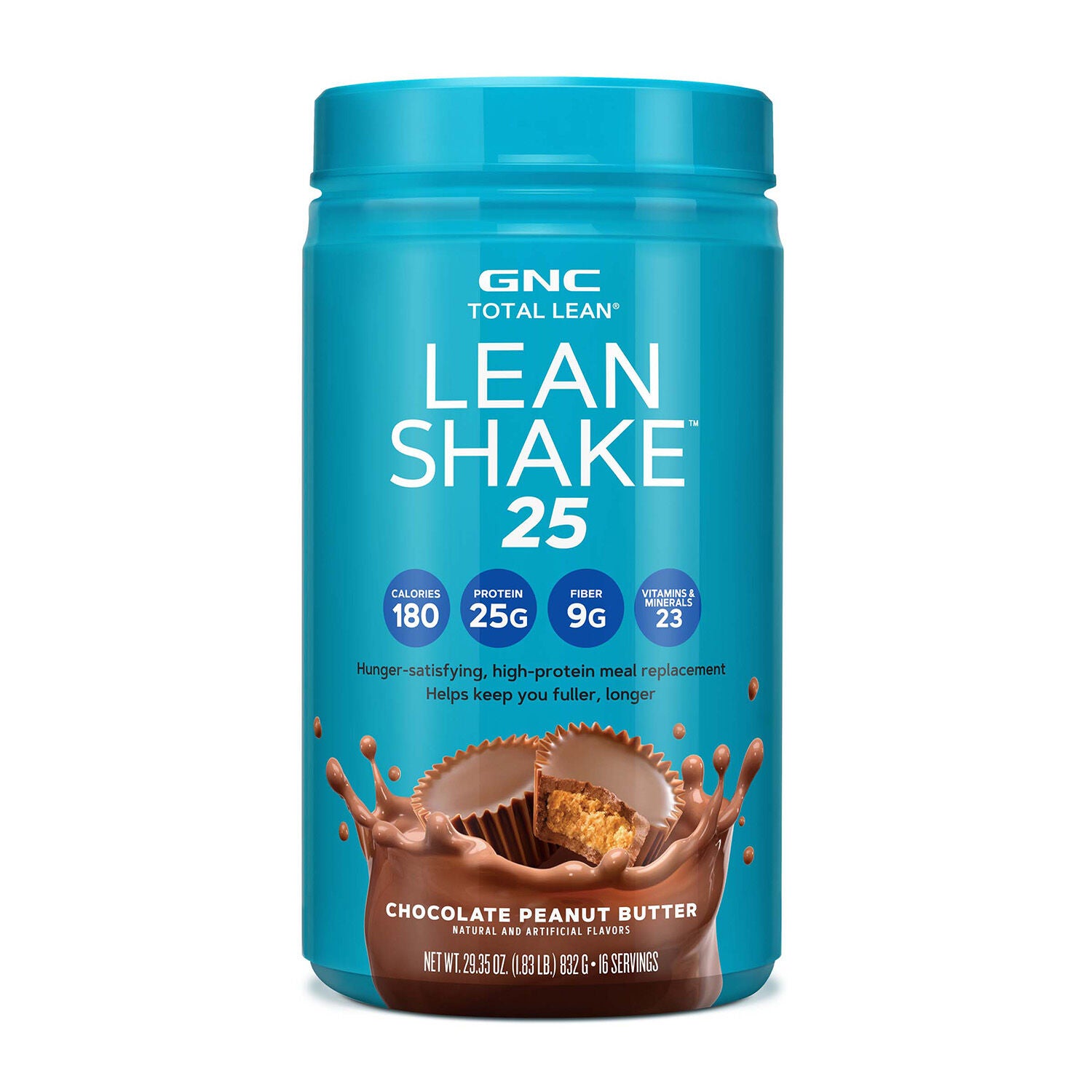



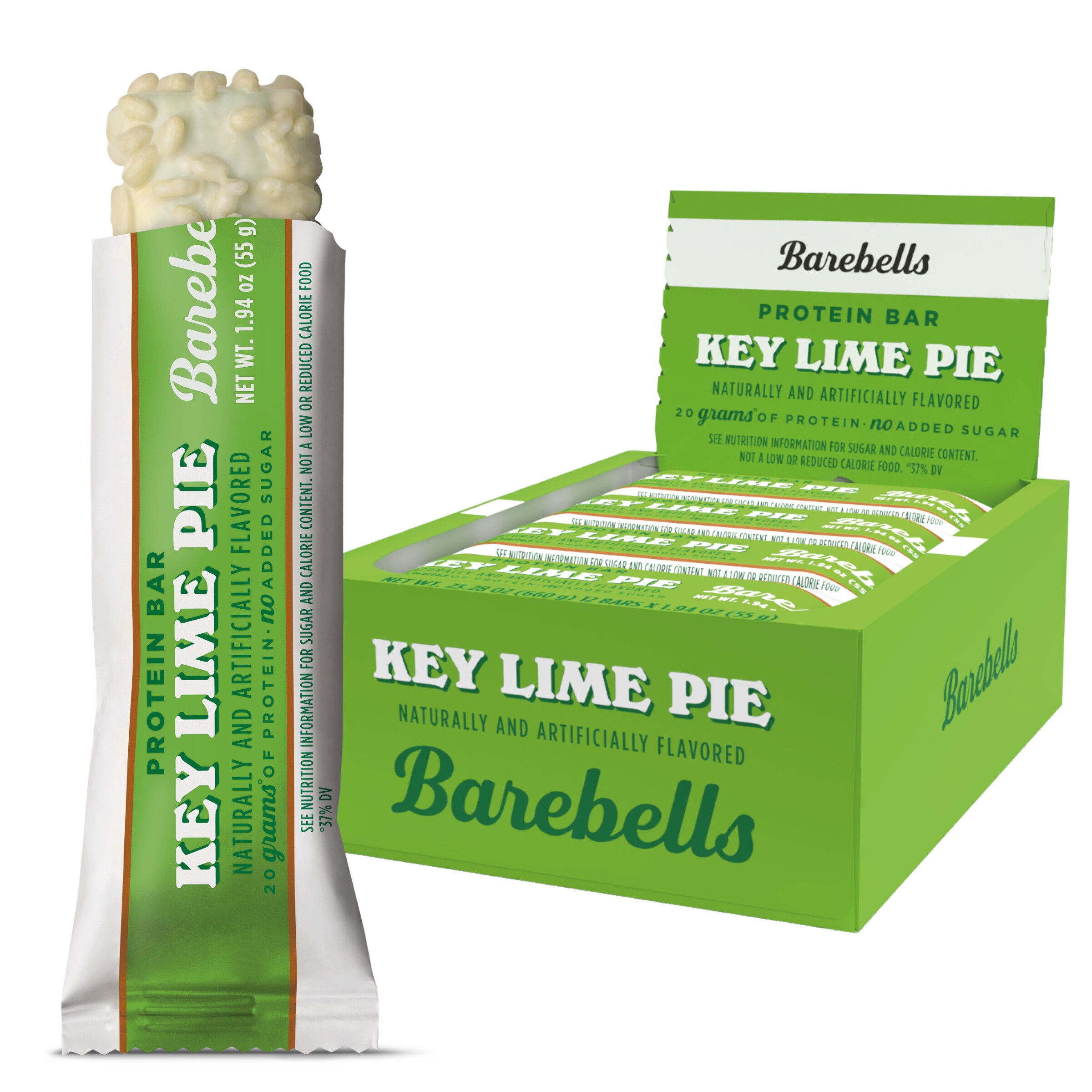

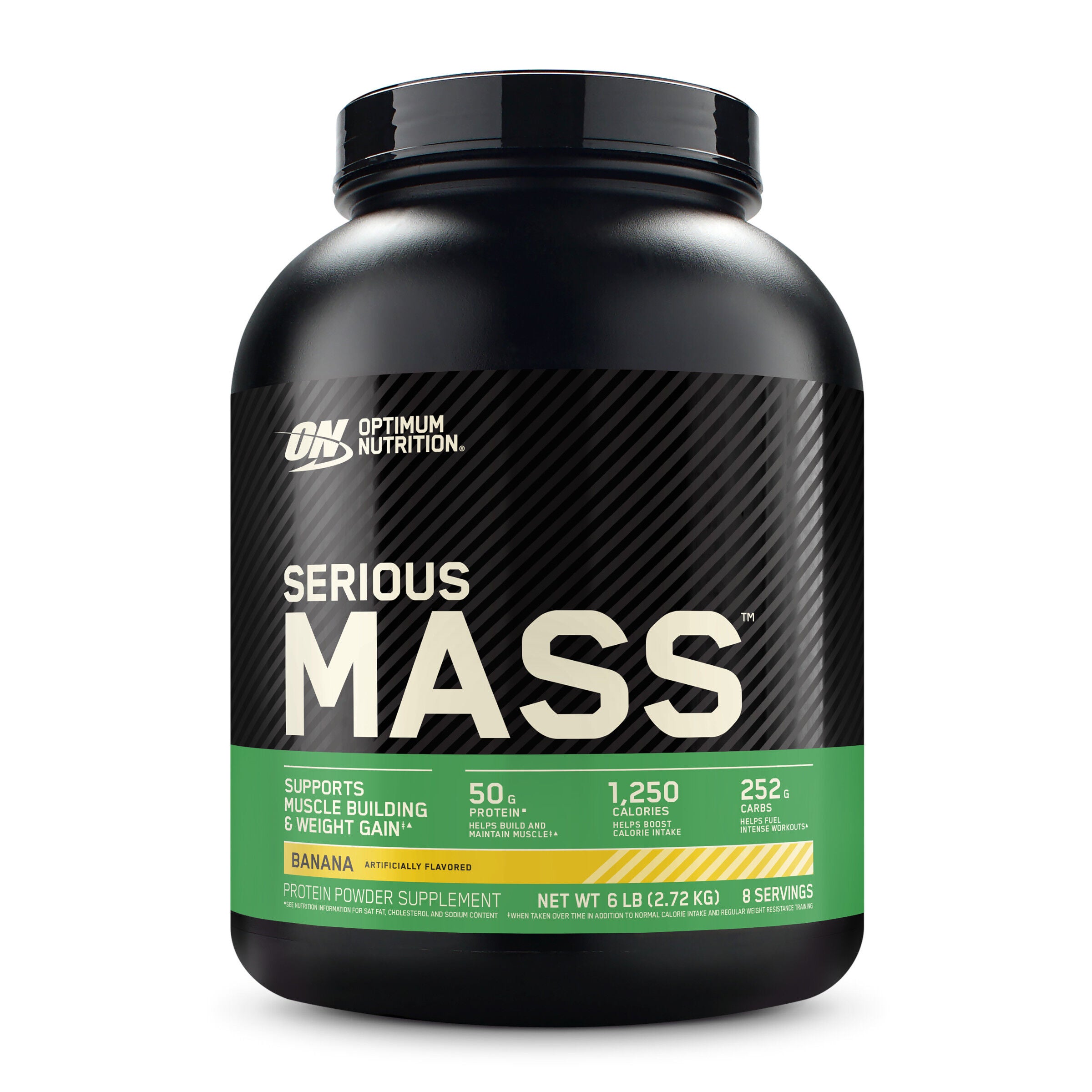
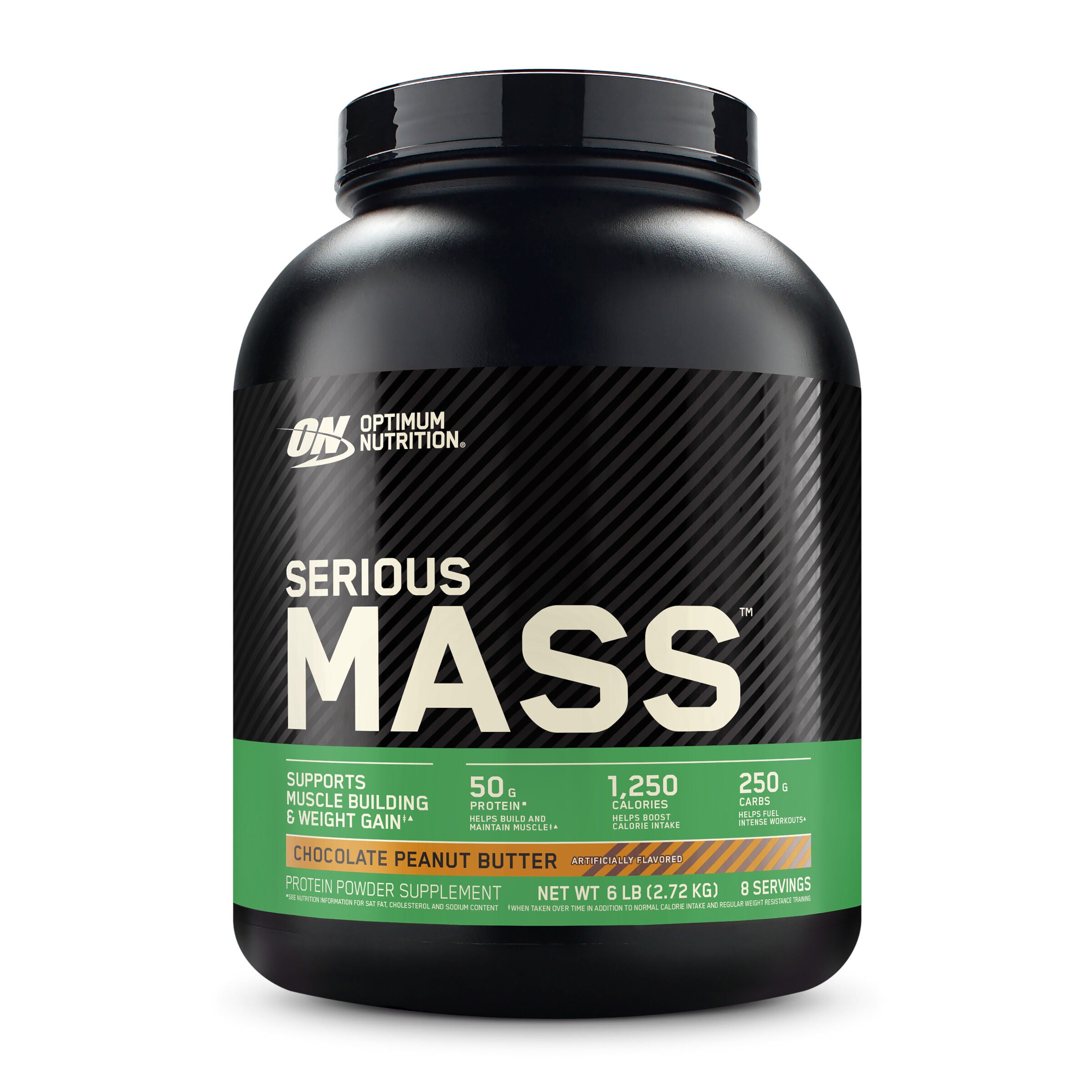
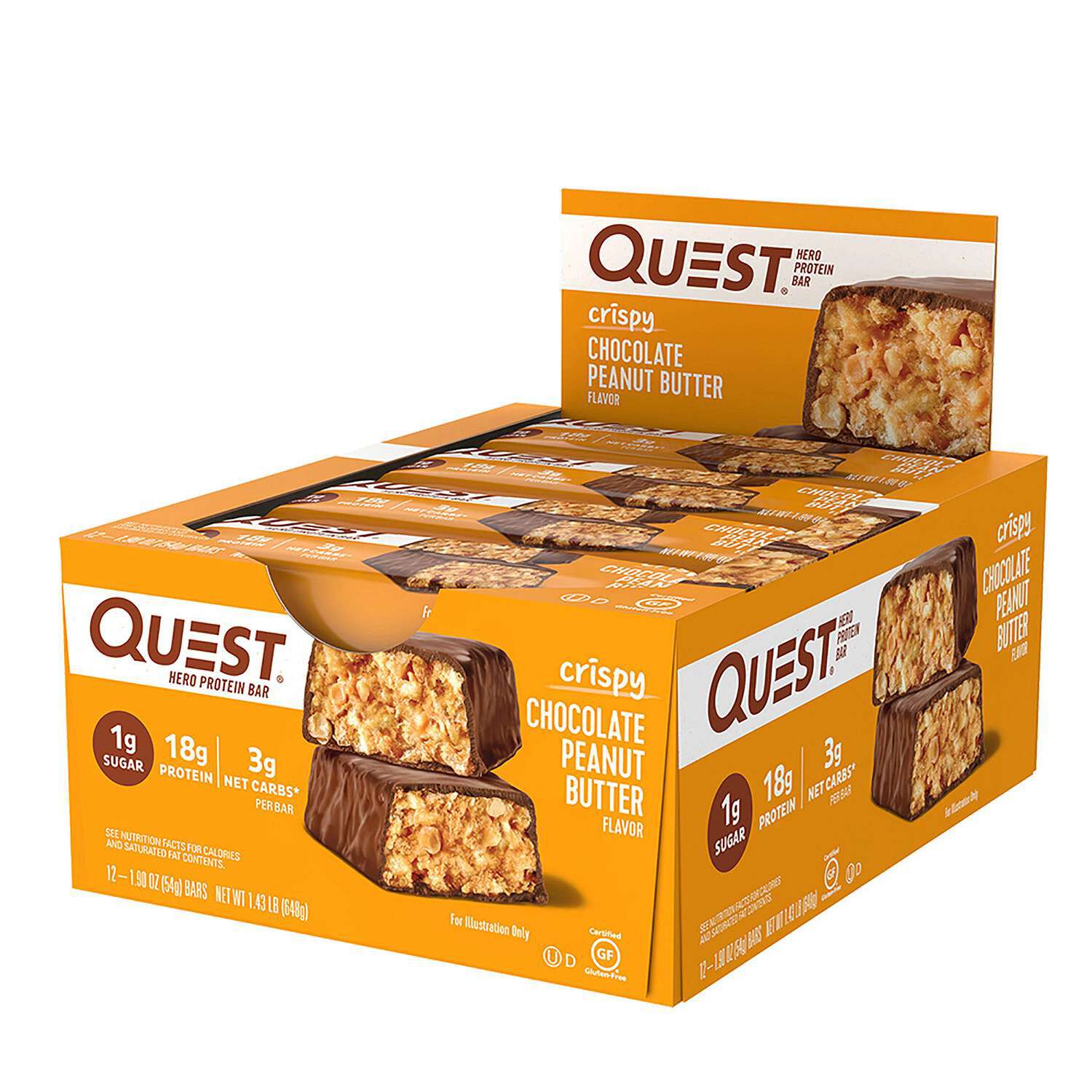
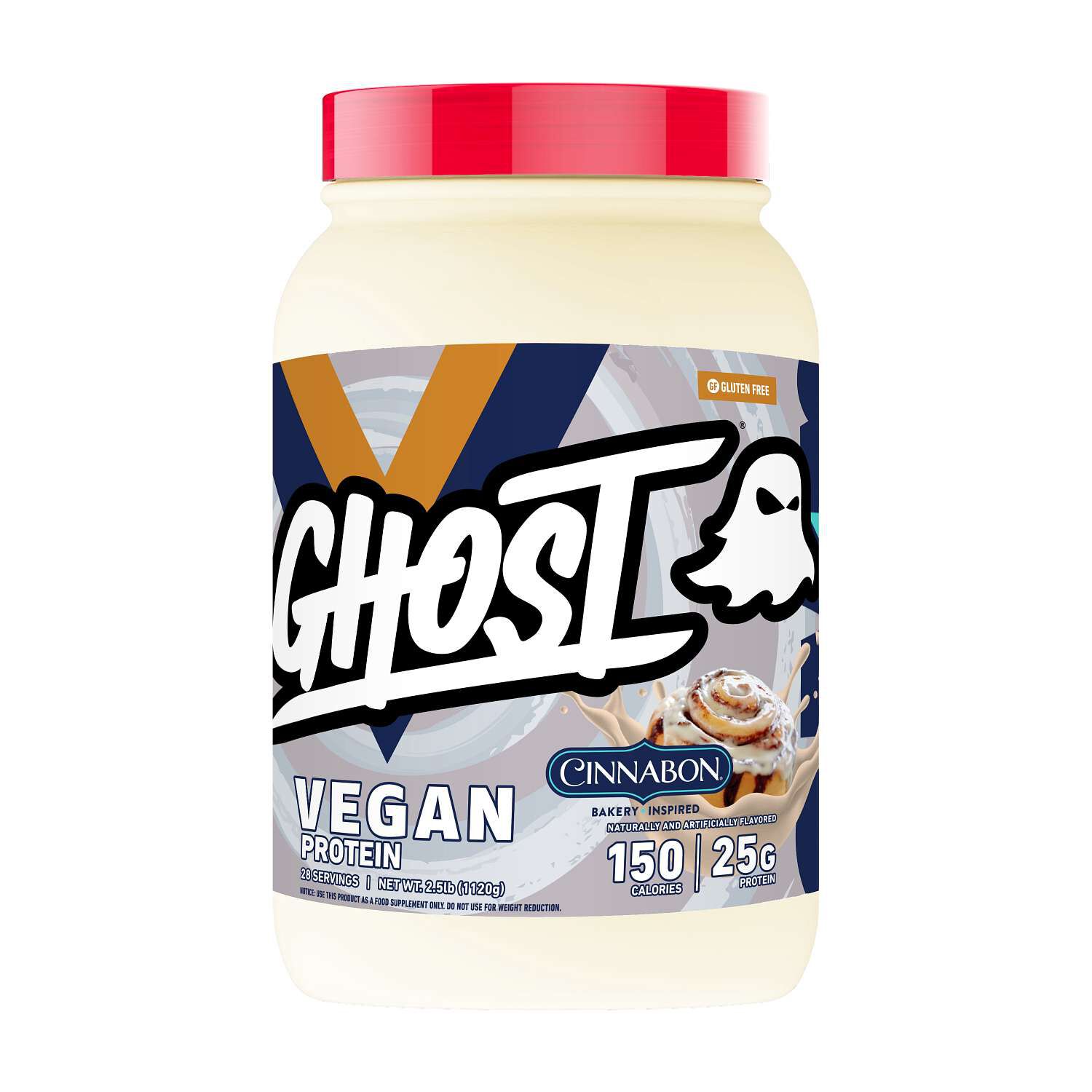
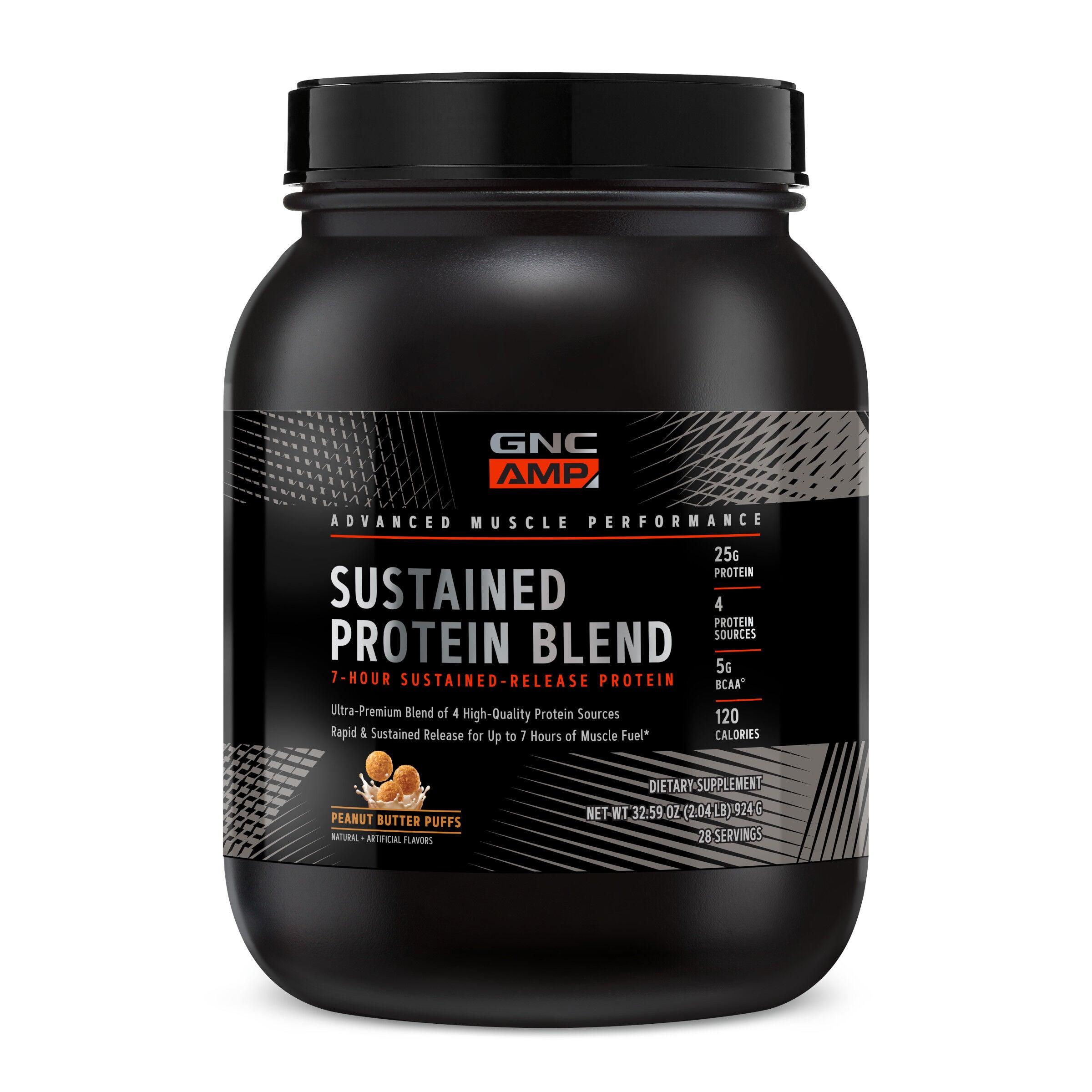

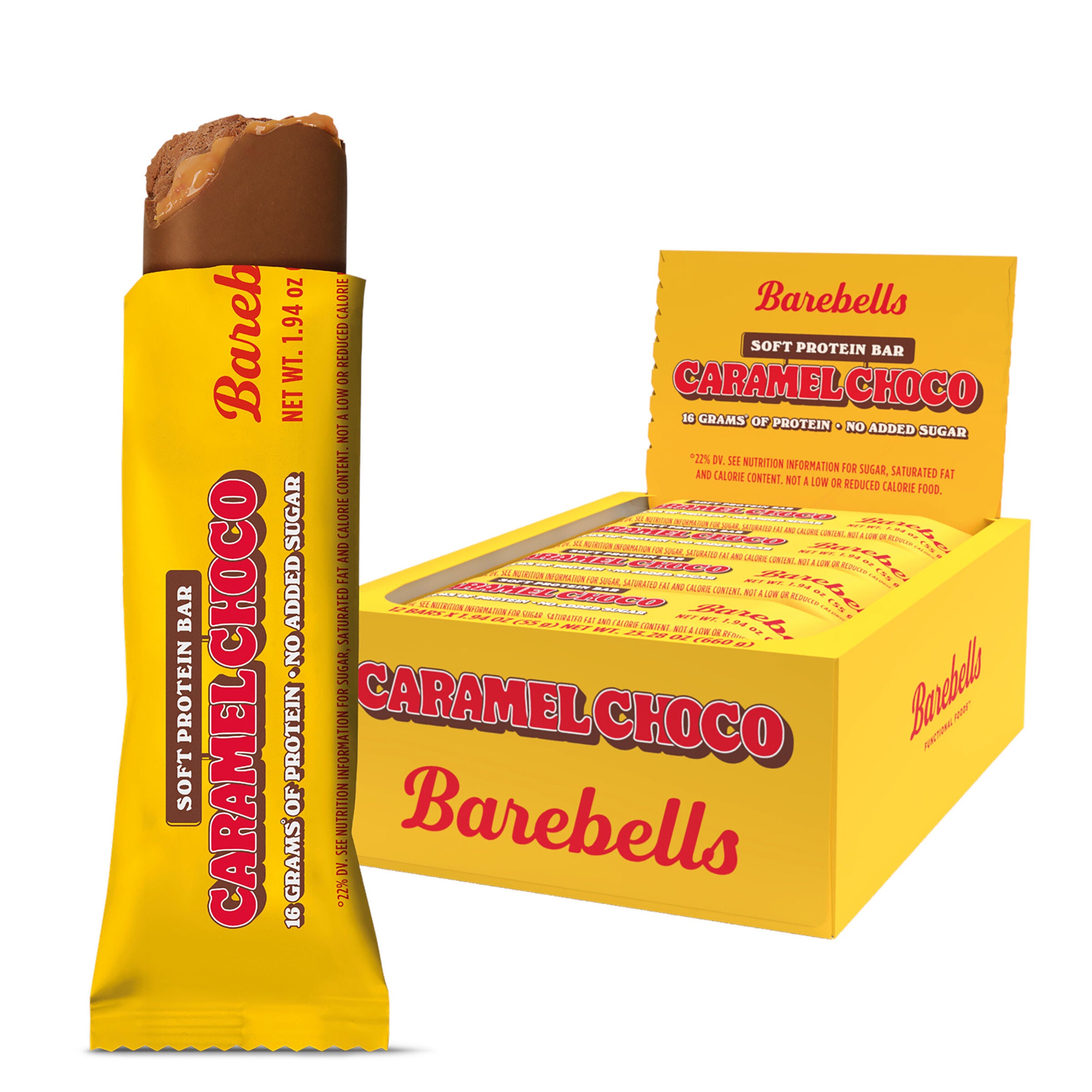
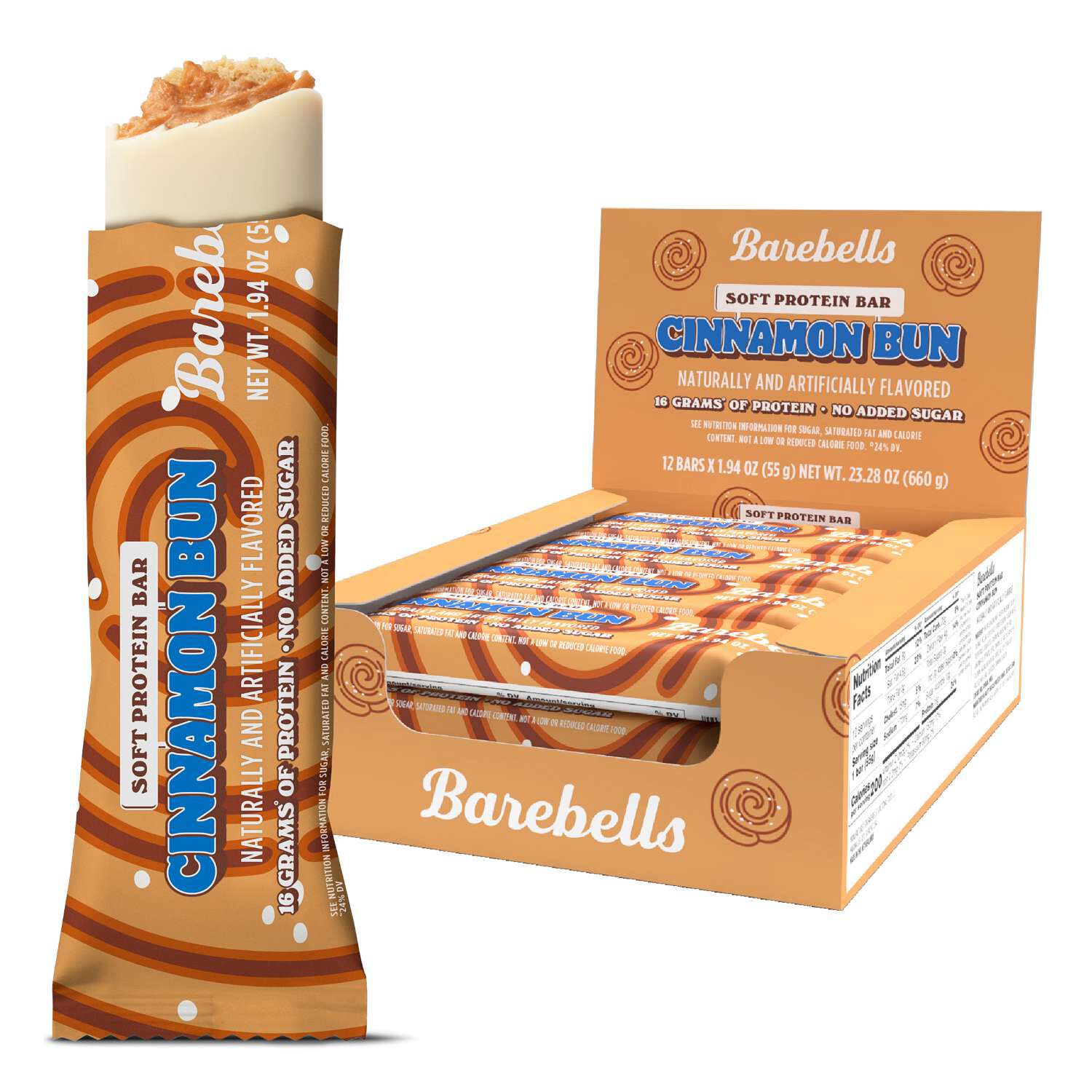


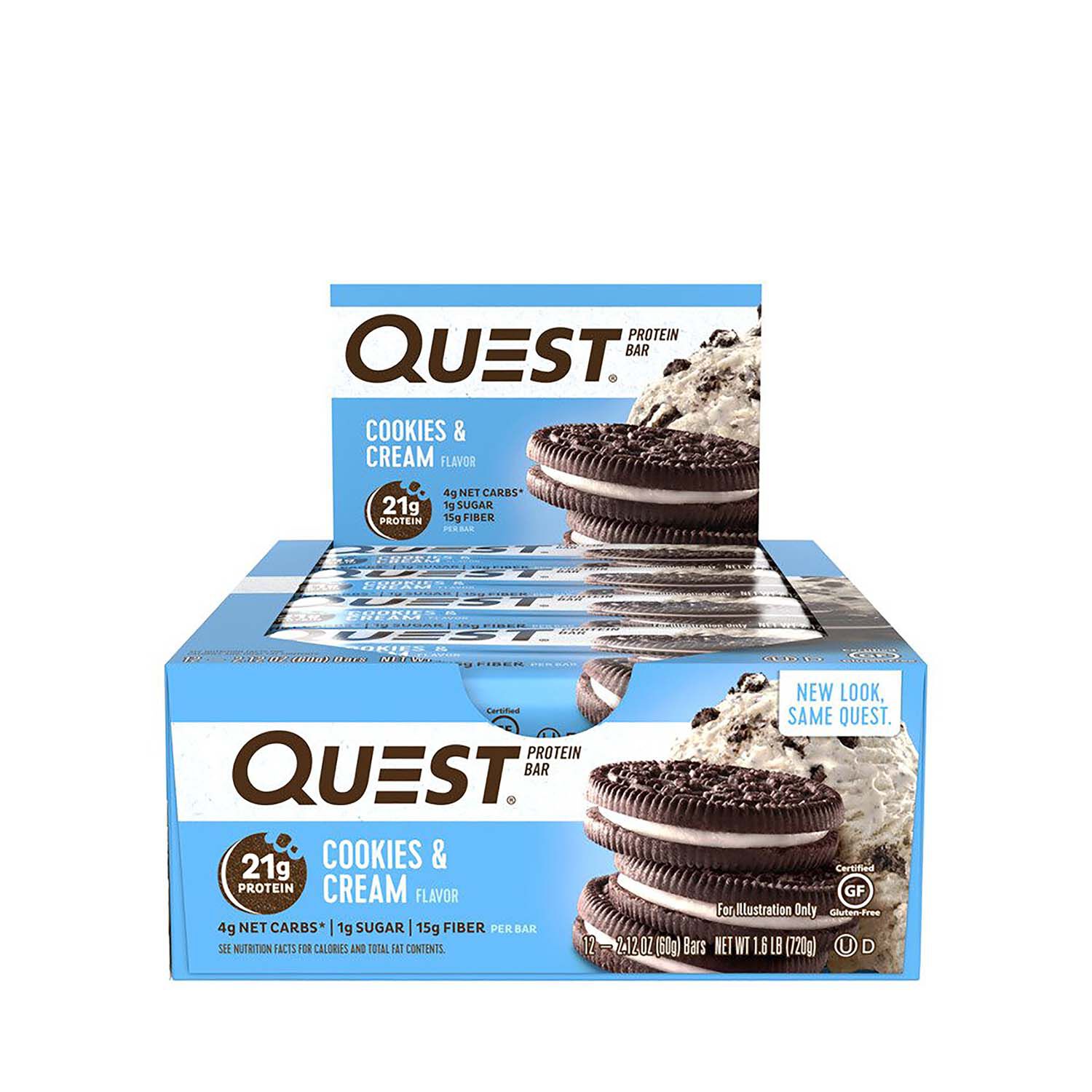
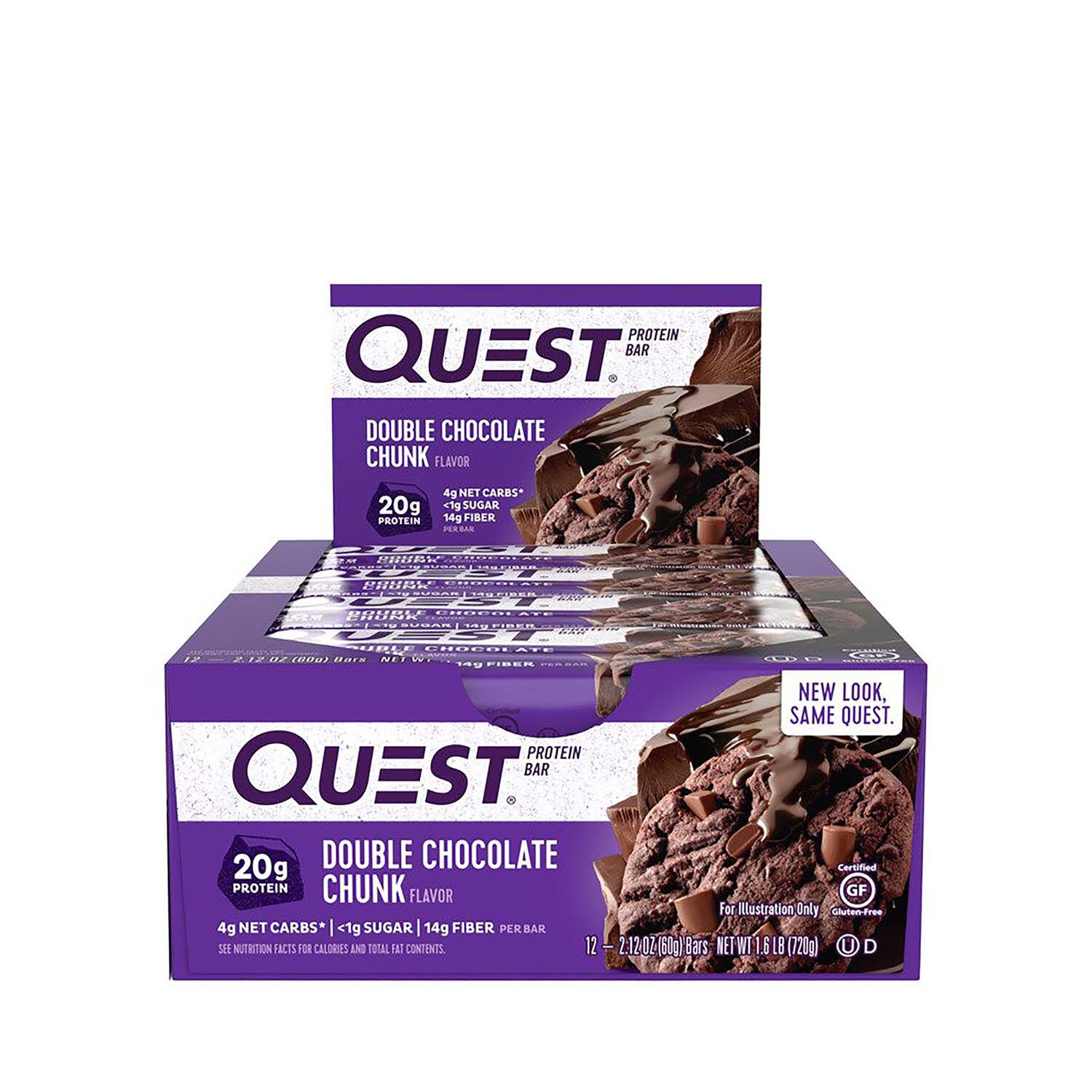
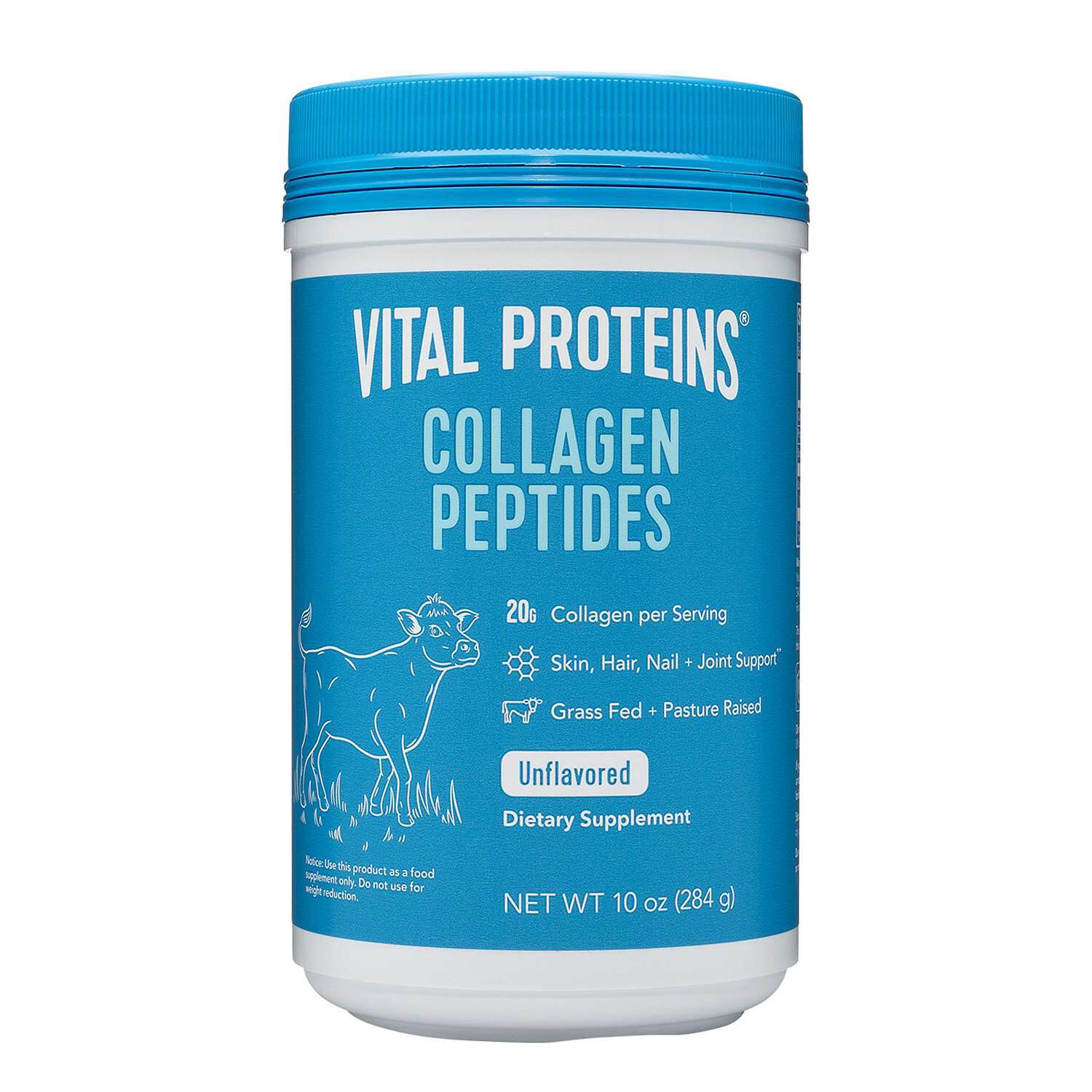
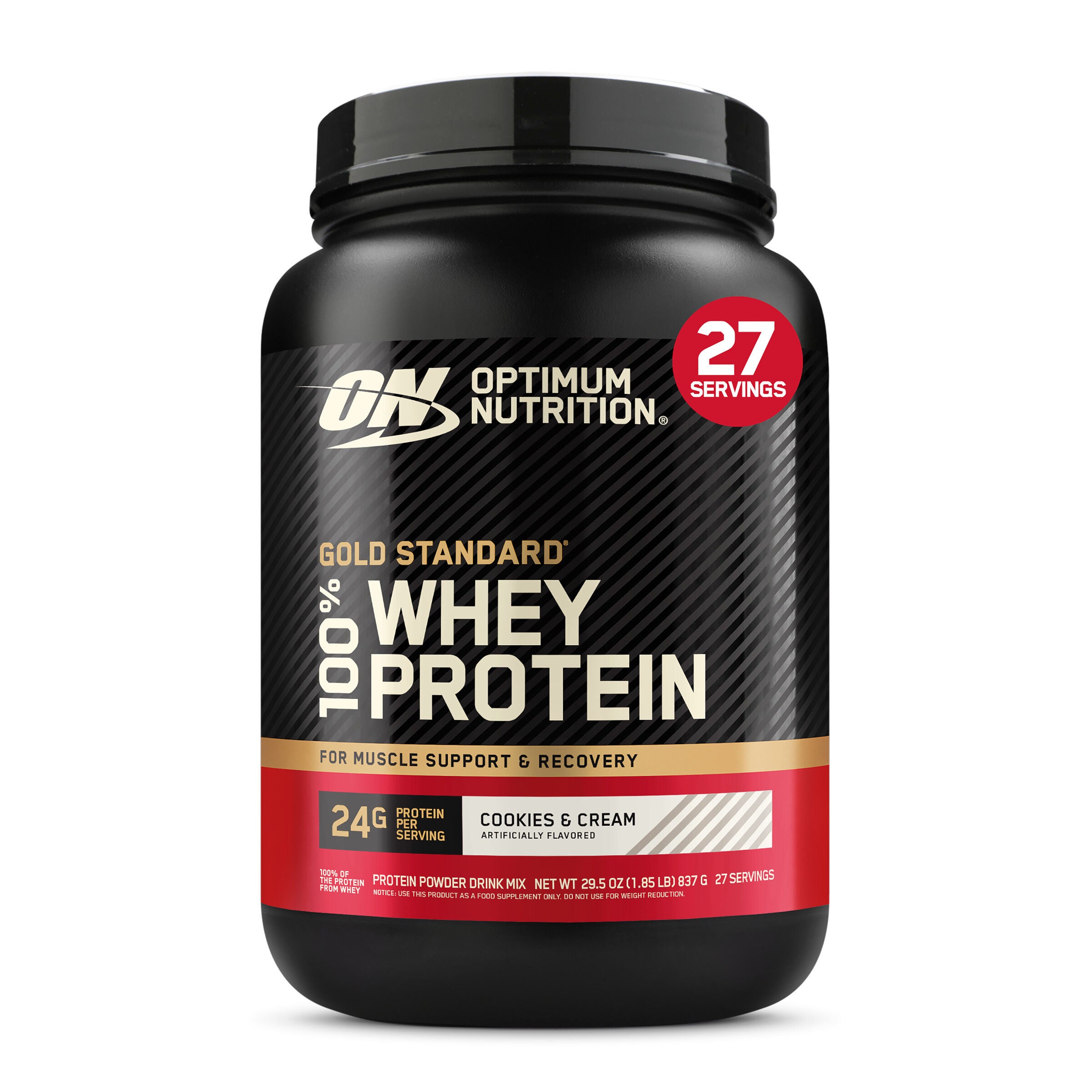
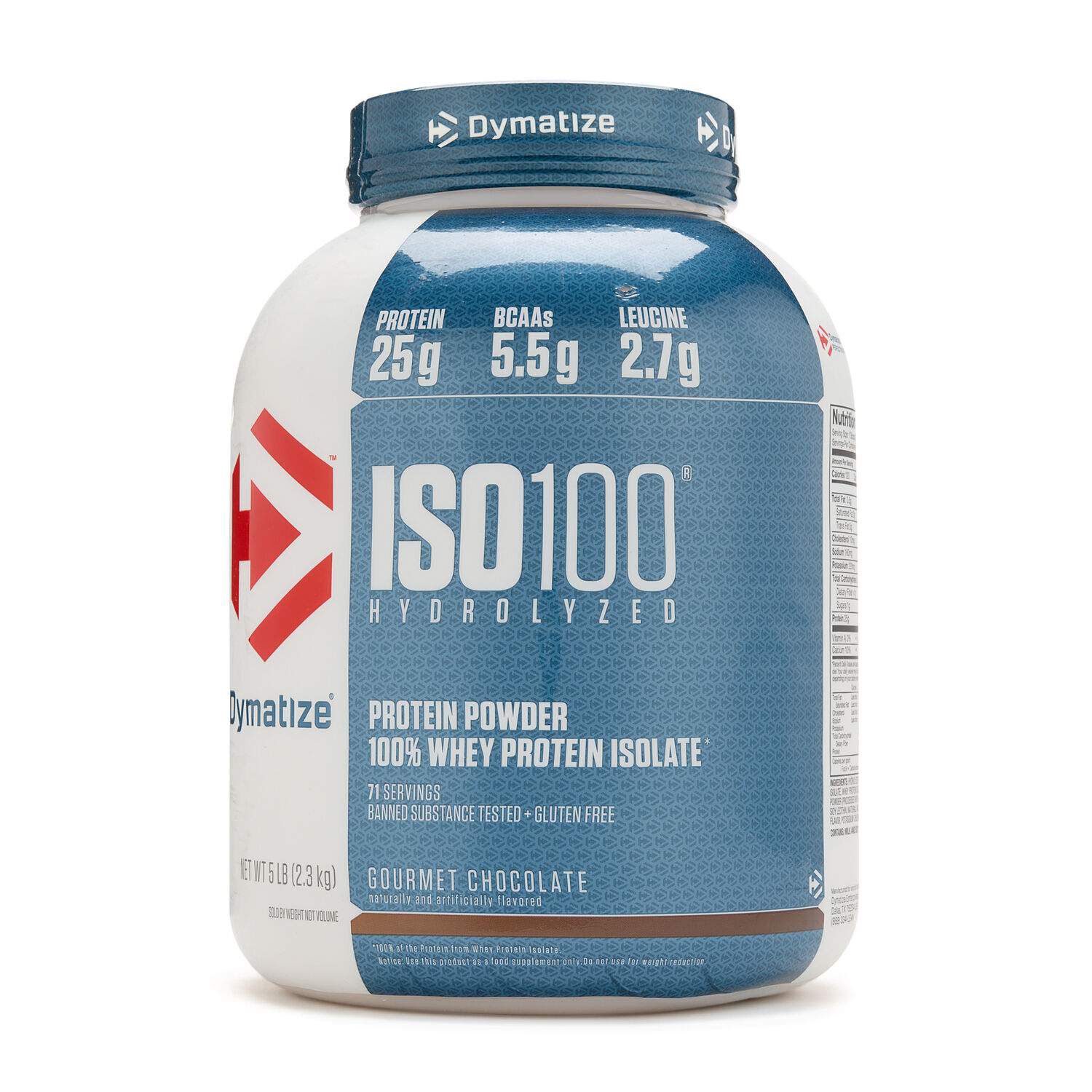
A high-protein lifestyle centers everyday eating around protein-rich foods, with supplemental options that may fit alongside regular meals and snacks. Protein is a macronutrient made of amino acids, and dietary sources include dairy, eggs, poultry, fish, beans, lentils, tofu, nuts, and seeds. A varied approach leaves room for vegetables, fruit, grains, and fats rather than treating protein as the only part of a meal that matters. Within this category, protein powders, ready-to-drink shakes, and protein snacks offer different formats for different routines. Someone heading from an early workout to the office might prefer a packaged drink, while a person who enjoys preparing breakfast at home might favor a powder for mixing into a smoothie or oatmeal. Dairy-derived powders commonly use whey or casein, while plant-based formulas may contain pea, soy, rice, or a blend of sources. Ingredient sources matter for dietary preferences, and the protein content, serving size, and preparation directions distinguish one formula from another. The number of grams shown on a label refers to a particular serving, not necessarily an entire container or the amount someone pours into a glass. Powders also differ in how concentrated the protein is and which additional ingredients are included. Some formulas have a short ingredient list; others include flavorings, sweeteners, fats, or carbohydrates that contribute to their taste and texture. Ready-to-drink formats remove the mixing step, while packaged bars and other protein snacks bring a chewable option to the category. A high-protein eating pattern does not have one universal menu or numerical target that suits every shopper. Personal preferences, usual meals, activity, and intended use shape the comparison. For recreational athletes, busy commuters, students, and people who prefer a planned snack between meals, these formats may make protein-rich choices easier to incorporate without requiring every eating occasion to look the same. The most practical comparison connects the nutrition label with the way the food or drink will actually be enjoyed.
Flavor and texture deserve as much attention as the protein source, especially for something intended to become part of a familiar routine. A chocolate-flavored powder mixed with water creates a different drinking experience from the same powder blended with milk, a plant-based beverage, or a banana. Vanilla-flavored options pair naturally with a wider range of smoothie ingredients, while unflavored formulas are designed without the same dessert-style flavor profile. The finished taste still depends on the formula and whatever accompanies it. Texture varies, too: some drinks are thin and light, others are creamy, and some powders leave a more noticeable texture after mixing. Preparation directions provide context for the suggested amount of liquid and the serving used in the nutrition information. A shaker bottle suits simple mixtures, while a blender accommodates fruit, oats, and other ingredients that need more thorough blending. For a desk-side snack, a ready-to-drink shake might be a more practical match than a powder that requires separate liquid and mixing equipment. For someone who enjoys building a breakfast bowl, a powder might offer more flexibility. Packaged protein snacks also span a range of textures, from chewy centers and crisp pieces to softer, baked-style formats. Their nutrition profiles vary, so a similar package size does not necessarily mean a similar amount of protein, carbohydrate, fat, or fiber. Ingredient and allergen statements are another important part of the comparison, particularly for products containing milk, soy, peanuts, tree nuts, or wheat. A plant-based designation describes the ingredient source; it does not, by itself, describe every nutritional characteristic of the formula. Likewise, a prominent protein statement does not explain the rest of the ingredient list. For shoppers with established dietary preferences, the details on the package provide a clearer picture than flavor names or front-label wording alone. Familiar tastes, a pleasing texture, and a preparation method that fits the setting may make a protein option more appealing for repeated use.
Practical fit continues beyond flavor, especially when a protein product travels between a kitchen, gym bag, workplace, or campus. Packaging format influences how it is carried, opened, portioned, and stored. A larger powder container belongs naturally in a home preparation space, whereas individually packaged servings may suit a bag with limited room. Ready-to-drink containers have no powder to measure, but their labels still distinguish storage requirements before and after opening. Packaged snacks have their own handling directions, and an intact wrapper helps protect the food during everyday transport. With powders, a securely closed lid and a clean, dry scoop are useful considerations for keeping moisture out of the container. Package dates and manufacturer storage instructions remain relevant across the category, including whether refrigeration is required once a drink has been opened. These details matter when choosing between a format kept in a pantry and one intended for a lunch bag or office refrigerator. Portion format also affects how a product fits into an eating occasion: a small snack between meetings serves a different purpose from a drink enjoyed alongside breakfast. Neither format needs to replace the variety found in everyday meals. Eggs with toast, yogurt with fruit, lentils with rice, or tofu with vegetables illustrate how protein-rich eating can include familiar foods and varied textures. Supplemental products may complement that variety when their ingredients and preparation suit the person using them. For shoppers comparing related formats, High Protein Diet Options offers another collection to explore. Protein-focused foods can also be a thoughtful gift for someone whose flavor preferences and dietary restrictions are already known, particularly a person who enjoys trying different snack textures or smoothie combinations. The useful distinction is not simply which package displays the largest protein number. It is how the source, serving, ingredients, taste, packaging, and intended use work together within an actual routine, whether that means breakfast at the kitchen counter, a packed afternoon snack, or a drink after time at the gym.
- Q: What are the benefits of following a high protein lifestyle?
A: A high protein lifestyle can support muscle growth, aid in weight management, promote satiety, and help maintain a healthy metabolism. It is especially beneficial for active individuals, athletes, or those looking to preserve lean muscle mass. - Q: Which foods are commonly included in a high protein diet?
A: Common high-protein foods include lean meats like chicken and turkey, fish, eggs, dairy products such as Greek yogurt and cottage cheese, legumes, tofu, tempeh, nuts, seeds, and protein supplements like powders or bars. - Q: How can I incorporate more protein into my daily meals?
A: You can increase your protein intake by adding eggs to breakfast, choosing Greek yogurt for snacks, including lean meats or plant-based proteins at lunch and dinner, and using protein powders in smoothies or recipes. - Q: Is a high protein lifestyle suitable for vegetarians or vegans?
A: Yes, vegetarians and vegans can follow a high protein lifestyle by focusing on plant-based sources such as beans, lentils, tofu, tempeh, quinoa, nuts, seeds, and plant-based protein supplements. - Q: Can a high protein lifestyle support fitness goals?
A: Absolutely! A high protein lifestyle can help with building and repairing muscles after exercise, supporting recovery, and maintaining stamina during workouts. It's often recommended for those pursuing strength training or endurance activities.