





Pre-Workout Supplements With Peptides
(0 Results)
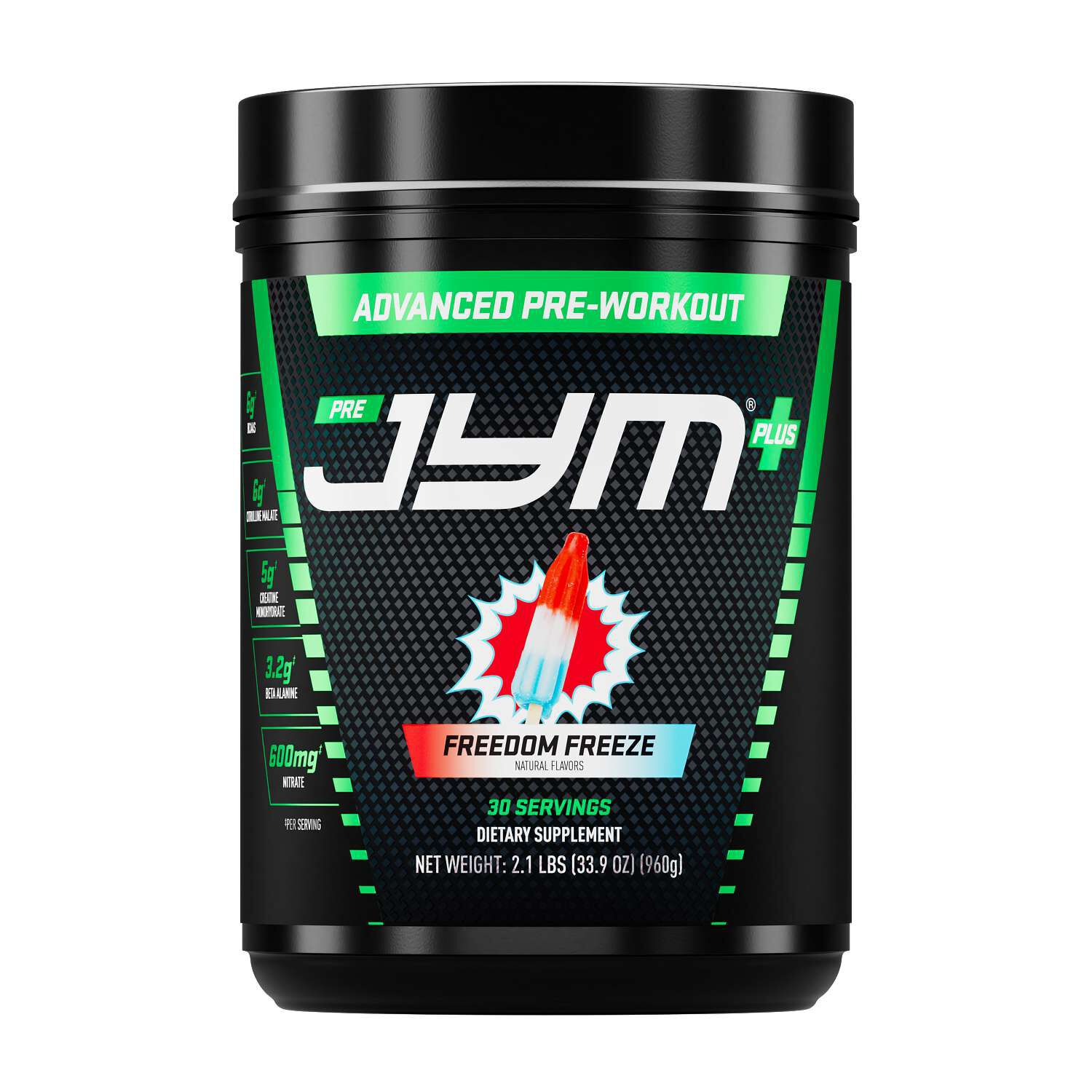
Pre workout supplements with peptides are designed for those looking to support their fitness journey before hitting the gym. These formulas may offer a unique blend of ingredients, including peptides, that could complement your training routine. Whether you’re preparing for an intense workout or simply seeking something to help you make the most of your exercise session, pre workout supplements with peptides might be a great addition to your regimen. Explore options that fit your lifestyle and preferences as you work toward your wellness goals.


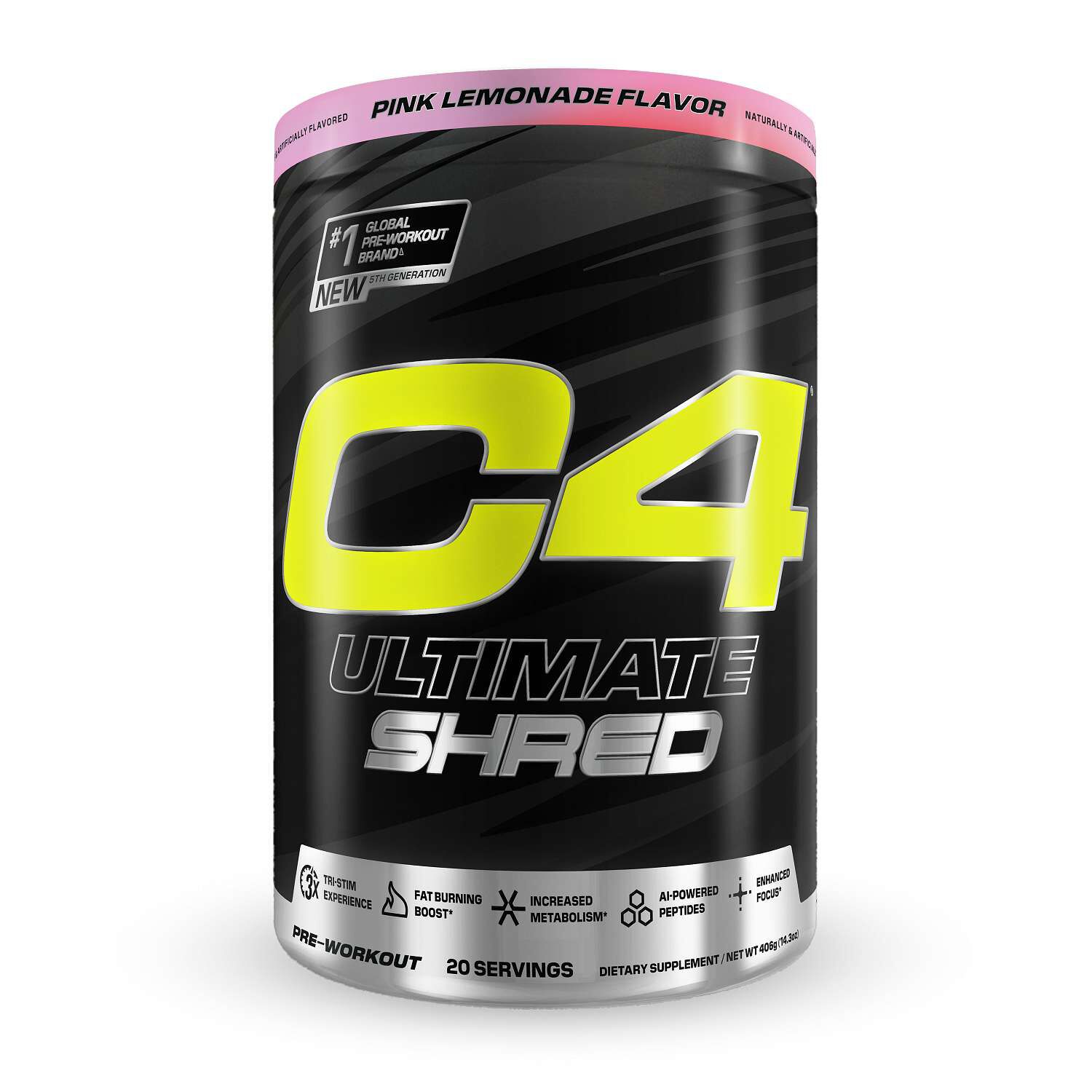

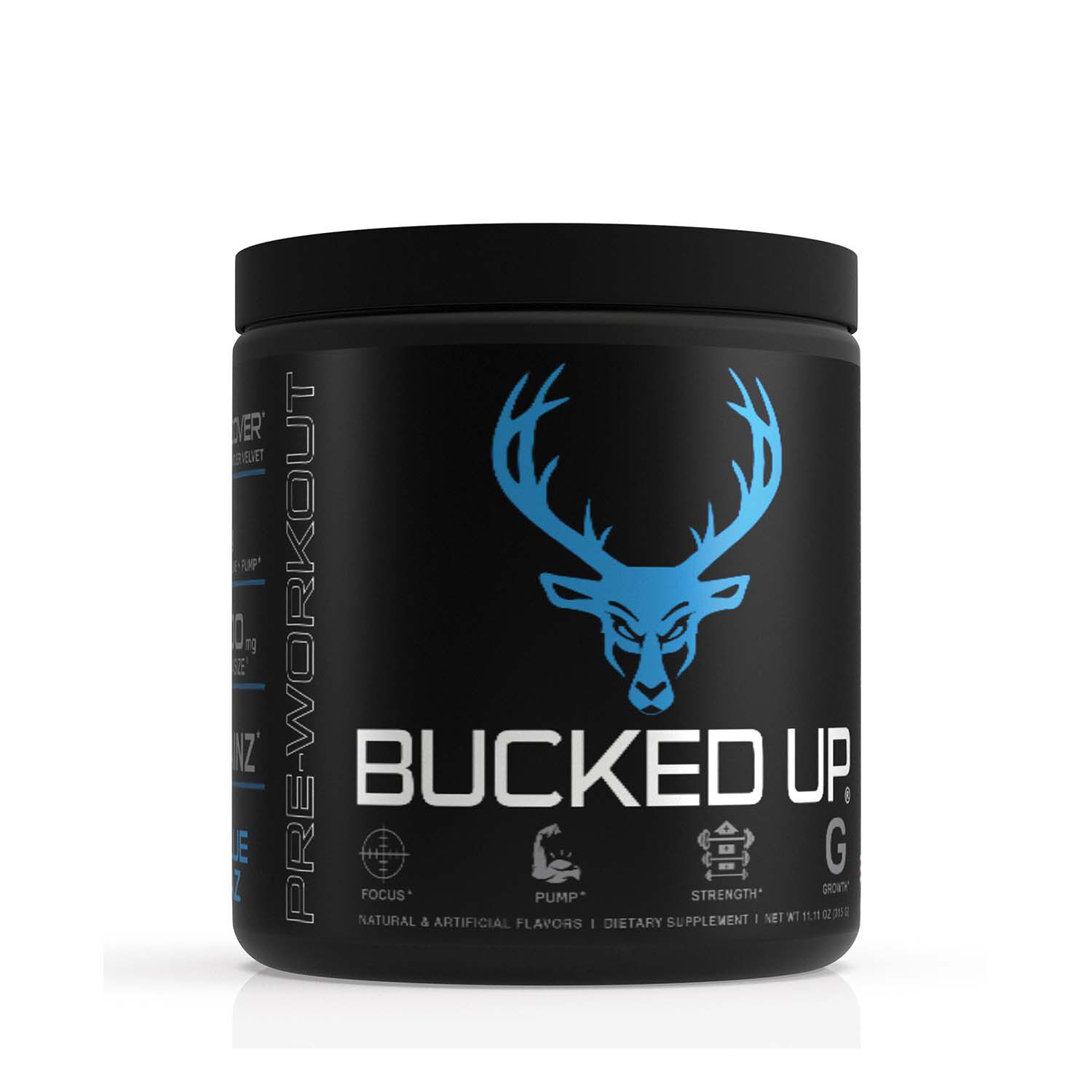


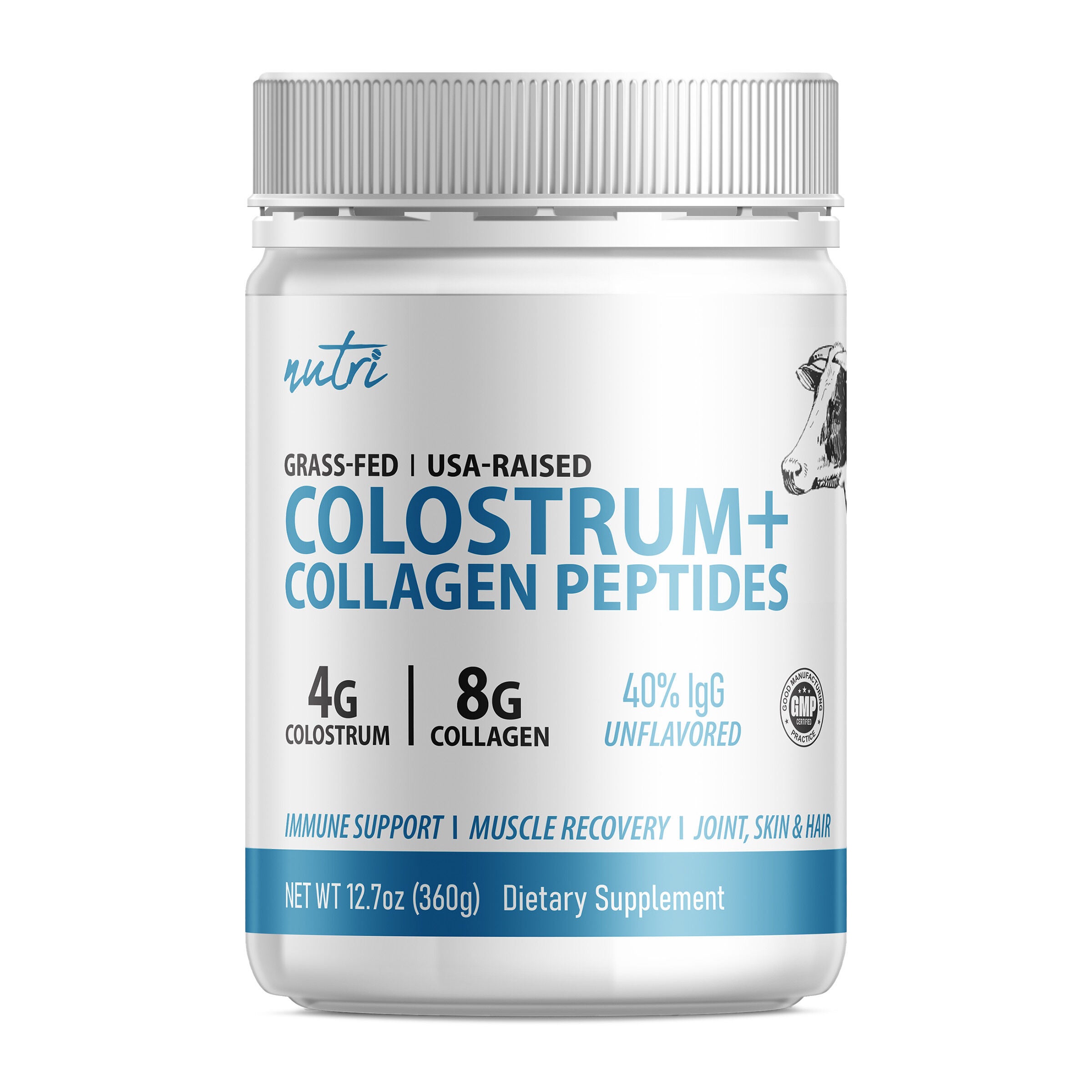
Pre-workout supplements with peptides bring together two product categories: formulas intended for use before exercise and dietary ingredients made from short chains of amino acids. Peptides are smaller than intact proteins, and their source, composition, and amount can differ considerably from one formula to another. Some supplements contain collagen peptides derived from animal sources, while others feature plant-derived peptides, including ingredients made from fava beans. Hydrolyzed proteins have undergone processing that separates larger proteins into smaller fragments, which can include peptides. These terms describe ingredient characteristics, not interchangeable benefits. A collagen-based powder, a plant peptide formula, and a pre-workout containing a small peptide component can have very different nutrition profiles and intended uses. Depending on the ingredient and supporting research, dietary peptides may support muscle maintenance or exercise recovery alongside regular training and adequate nutrition. Their presence alone, however, does not establish that a supplement will improve strength, endurance, or workout performance. The broader formula matters just as much as the peptide listed on the front of the container. Some options emphasize protein-derived ingredients, while others pair peptides with familiar pre-workout components such as caffeine, creatine, or citrulline. Those ingredients serve different purposes and should not be treated as evidence of what the peptides themselves may do. Collagen peptides also have a different amino acid profile from whey, soy, and other dietary proteins, so equal serving weights do not necessarily make them nutritionally equivalent. For someone comparing supplements for resistance training, circuit sessions, or a regular gym routine, the most useful distinction is between what a formula contains and what its individual ingredients may contribute. The words “with peptides” identify an ingredient feature; they do not describe a standardized formula, a particular serving amount, or a uniform workout experience. That distinction leaves room for a range of training preferences without treating every peptide-containing supplement as the same kind of pre-workout.
Ingredient sources and label details provide a clearer picture of how these supplements might fit into a routine. Animal-derived collagen peptides may come from bovine, porcine, or marine sources, making source information relevant to dietary preferences. Plant-derived peptides offer another ingredient category, although a plant peptide component does not necessarily mean every ingredient in the finished formula is plant-based. Allergen statements, dietary designations, and the full ingredient list provide more context than a short description on the front label. The Supplement Facts panel also distinguishes the serving size, protein content when declared, peptide amount when disclosed, and other active ingredients. A blend weight is not necessarily the amount of any one ingredient within that blend. Likewise, a large scoop does not automatically indicate a larger peptide serving, because flavoring ingredients and other components contribute to the powder’s weight. Research is most relevant when it concerns the same ingredient, amount, and intended use being considered; findings about one peptide preparation do not automatically apply to another. Pre-workout timing deserves similar attention. An ingredient studied with consistent daily use is not necessarily associated with an immediate effect during the next training session. For an early gym visit, a shopper might prefer a formula containing caffeine, while someone training after dinner might prefer one without it. Caffeine content varies, and peptide content does not indicate whether a formula contains caffeine. Coffee, energy drinks, and other supplements can also contribute overlapping ingredients, making the full routine relevant when comparing labels. Experienced lifters may already have separate protein or creatine products in that routine, while a newer gymgoer may prefer fewer ingredients to keep track of. Neither preference makes a longer ingredient list inherently better. For competitive athletes, independently verified sport certification can be another consideration, with the particular certification and its testing criteria offering more useful information than broad claims about quality. Clear ingredient amounts, identifiable sources, and directions that match the intended use create a more meaningful basis for comparison than dramatic workout language.
Format, flavor, and everyday handling also influence whether a peptide-containing pre-workout suits the way someone trains. Powdered formulas allow the serving and mixing directions to be presented together, but scoop sizes, suggested liquid amounts, and preparation instructions differ. A lightly flavored drink mixed before leaving home offers a different experience from a concentrated flavor mixed beside a gym locker. Unflavored powders can still have a noticeable taste, and hydrolyzed ingredients may contribute bitterness or a savory note depending on their source and formulation. Sweeteners, acids, and flavoring ingredients shape the finished drink, so descriptions such as fruit-flavored or unflavored tell only part of the story. Texture can vary as well: some powders disperse readily, while others may leave foam or sediment after shaking. Following the labeled preparation directions provides a consistent starting point without assuming every powder behaves like a sports drink mix. A secure lid, dry measuring scoop, and storage conditions consistent with the package directions help keep preparation straightforward. Moisture introduced into a container can affect the powder’s texture, and a scoop left in a damp shaker is poorly suited to measuring the next serving. Package size and portability matter for commuters and people who pack a training bag hours before a session, while clear serving information matters whether the container stays at home or travels. Shoppers comparing peptide content with a different formulation focus can also explore Pre-Workout Pump Supplements; a pump-oriented category and a peptide-containing category describe different attributes, even when some ingredients overlap. Peptides do not automatically make a formula pump-focused, just as a pump-focused description does not establish peptide content. Across these options, the practical fit comes from the ingredient source, disclosed amounts, caffeine preference, flavor, preparation, and labeled use. Those details connect the category to an actual training routine more clearly than treating peptides as a shortcut to a particular result.
Best Sellers


Related Pages


Top Collections
- GLP 1 Support For Adults
- Supplements For Yoga Joint Flexibility
- Supplements For Balance
- Joint Mobility Supplement Packs
- Zinc Supplements | Top Brands at Great Prices | GNC
- Capsule Supplements For Energy And Stamina
- Supplements For Anxiety Relief Support
- Chronic Fatigue Supplements
- Zinc Supplements For Men
- Iron Supplements