Pre-Workout Pump Supplements
(0 Results)
Pre workout pump supplements could be a popular choice for those looking to support their fitness goals and workout routines. Designed to be taken before exercise, these supplements may help you get the most out of your training sessions. Whether you’re hitting the gym or tackling intense cardio, pre workout pump supplements might offer a convenient option to complement your active lifestyle. Explore a wide selection and discover options that could fit your unique needs and preferences.
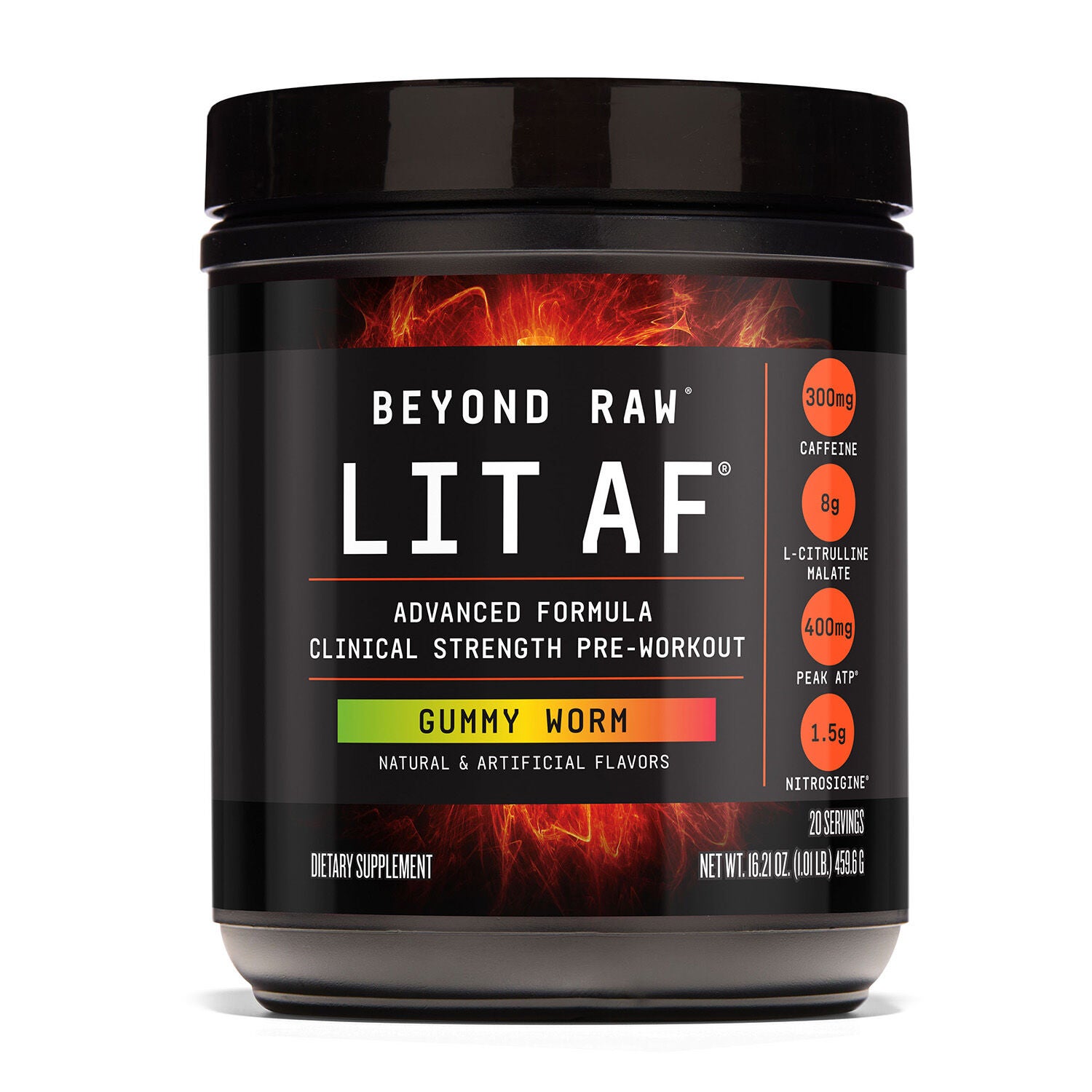
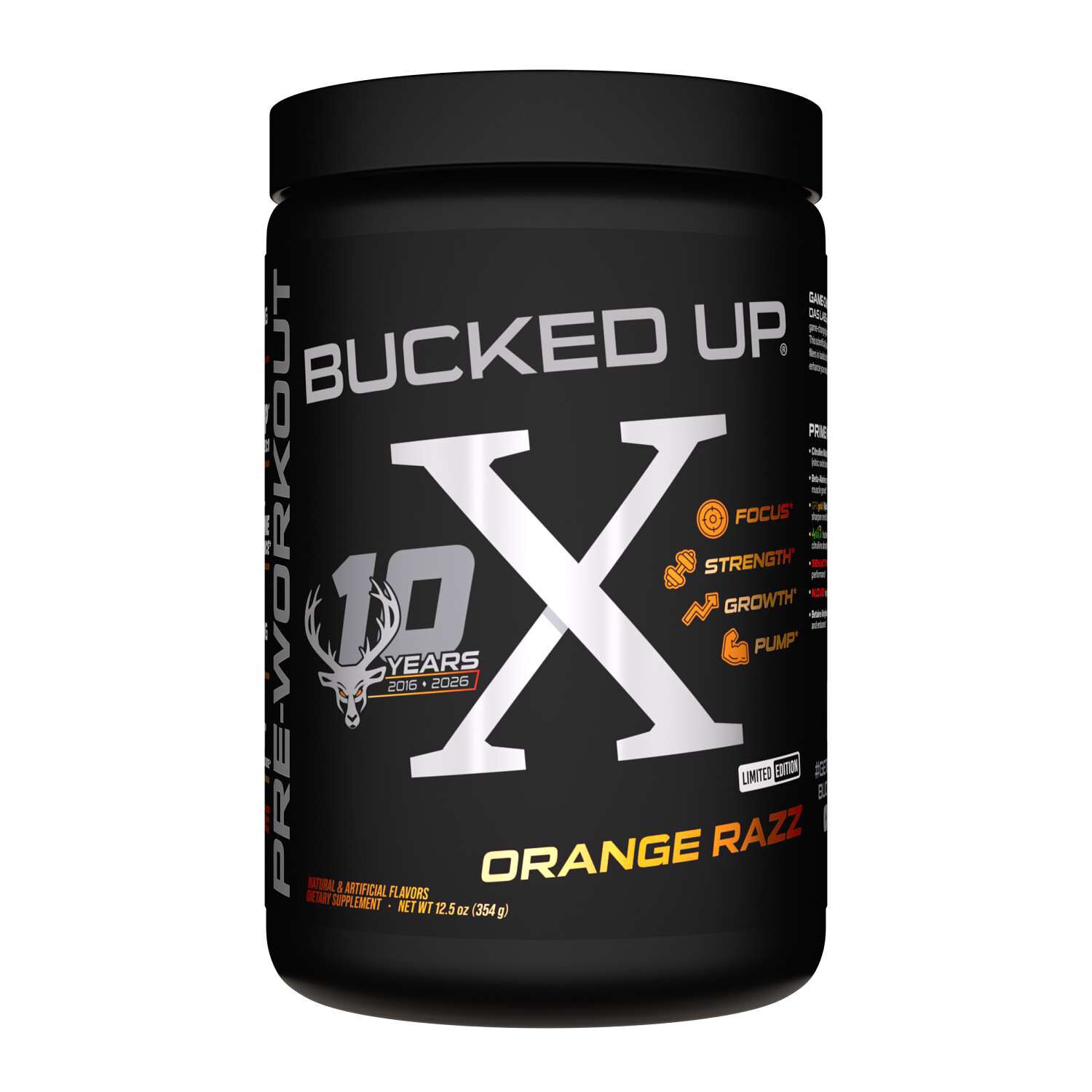
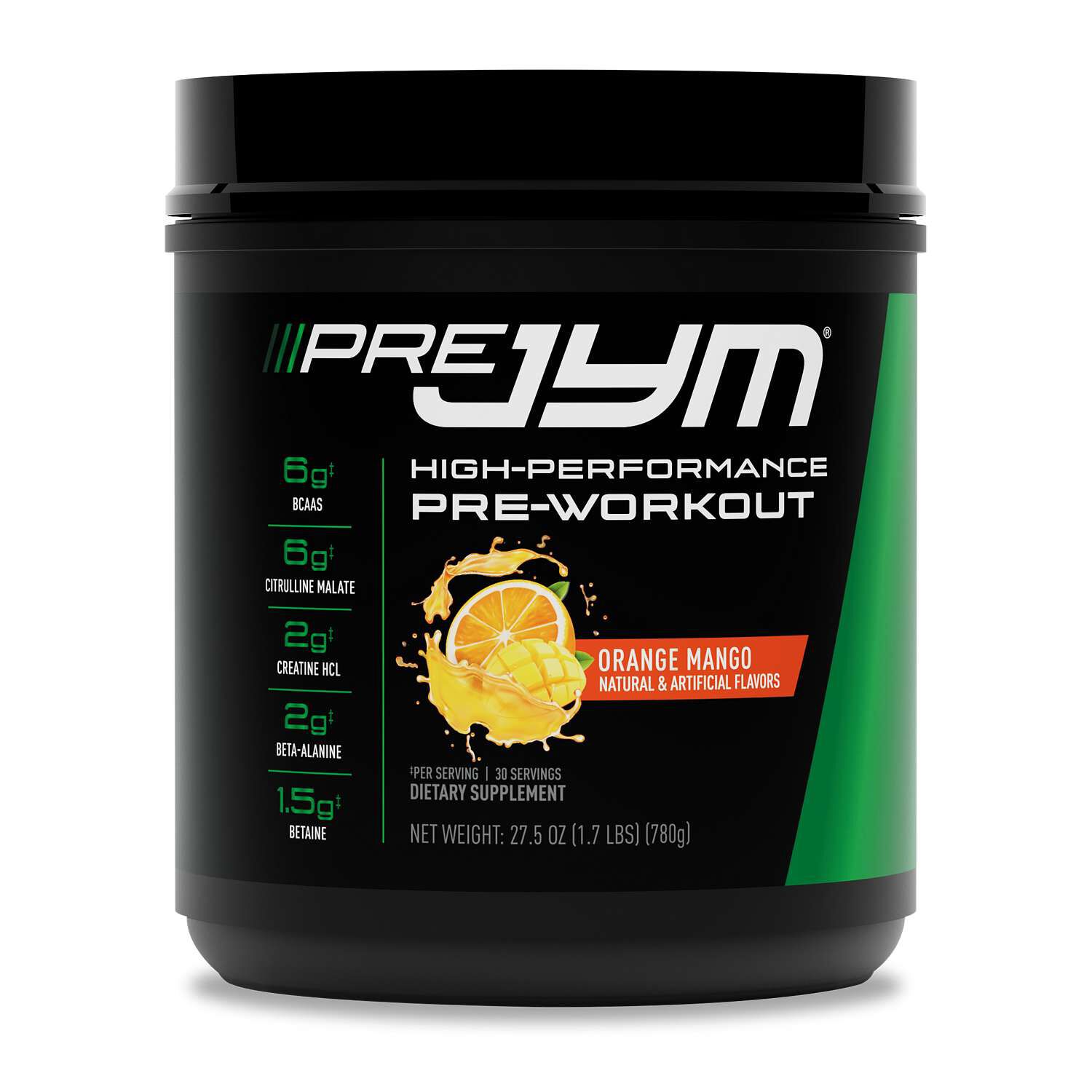

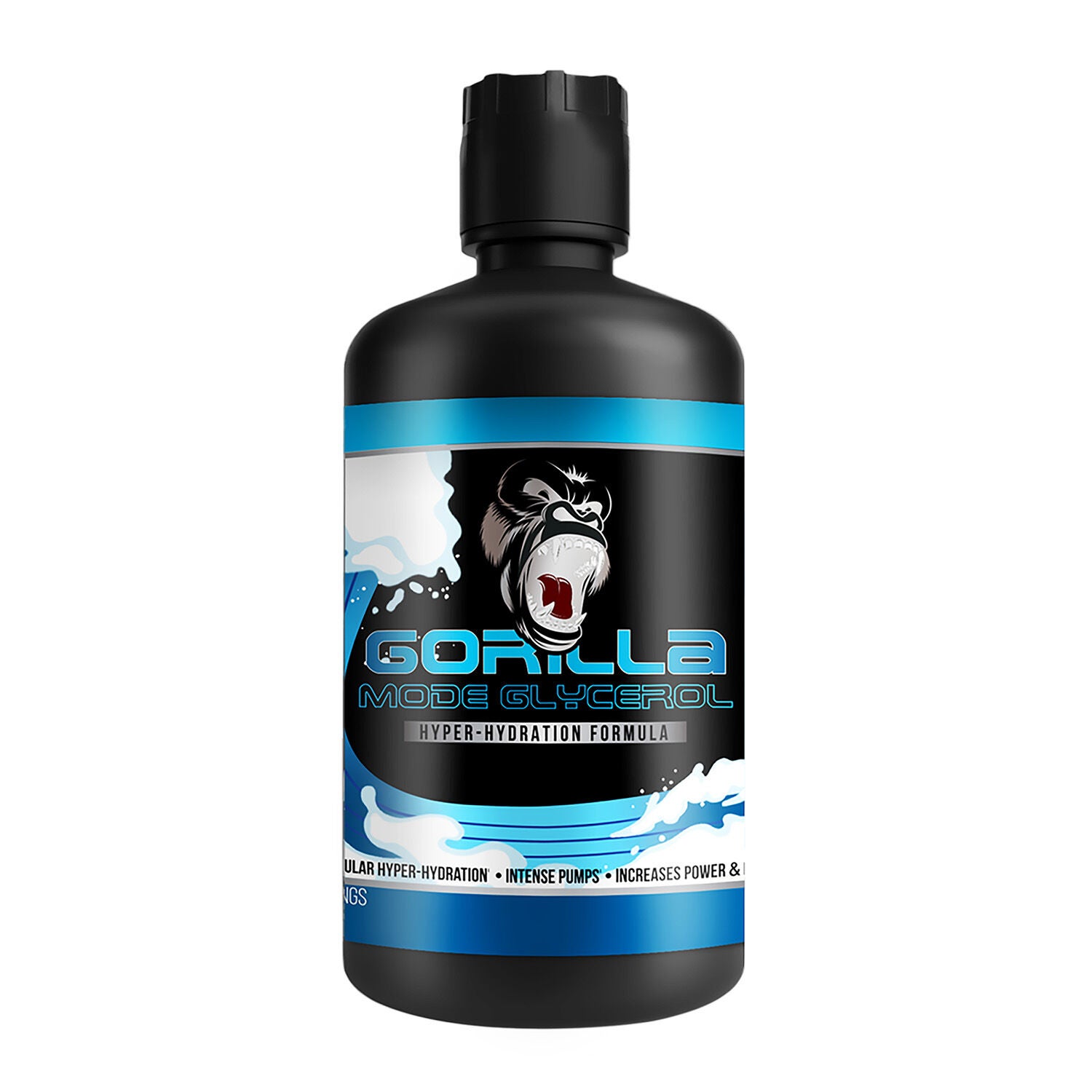
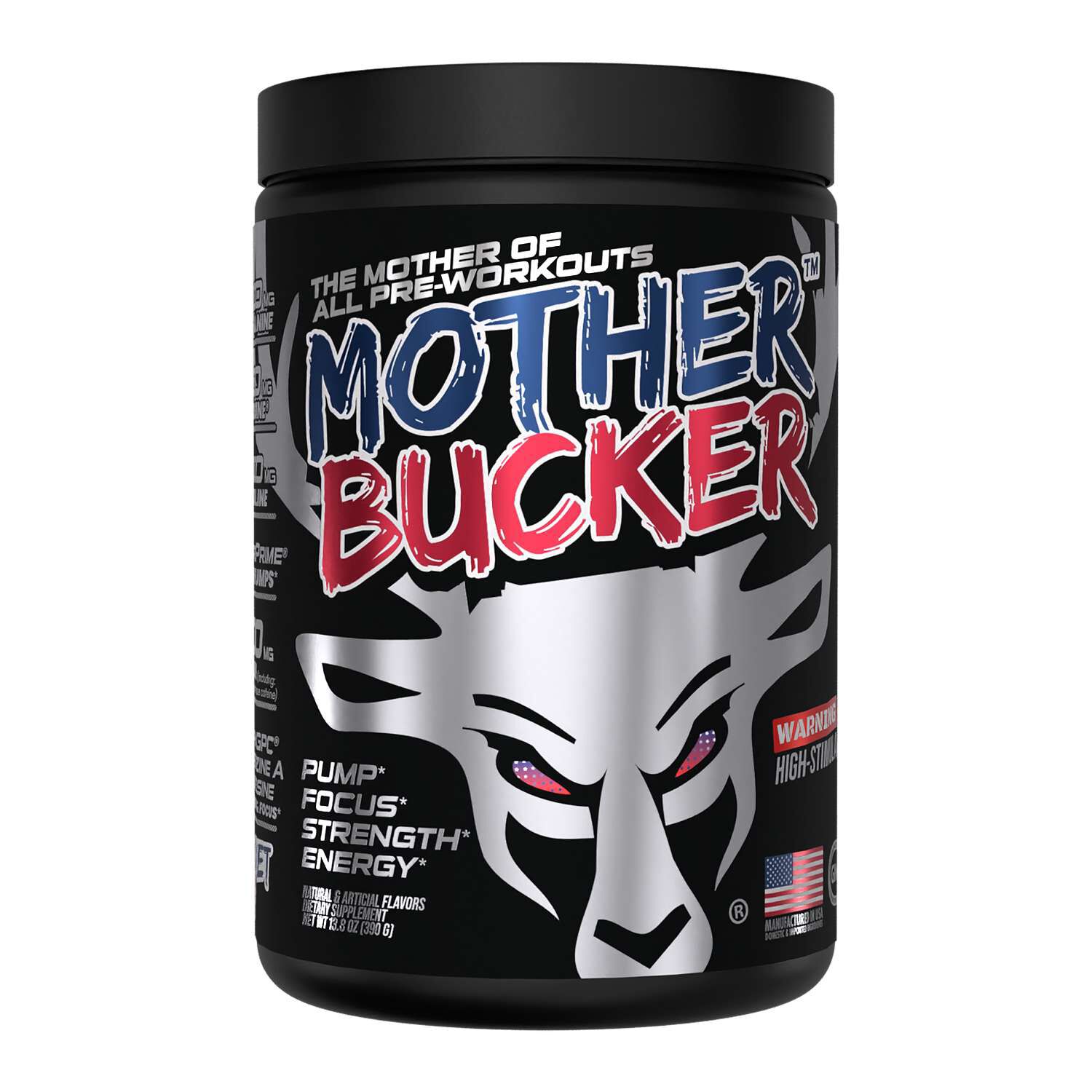
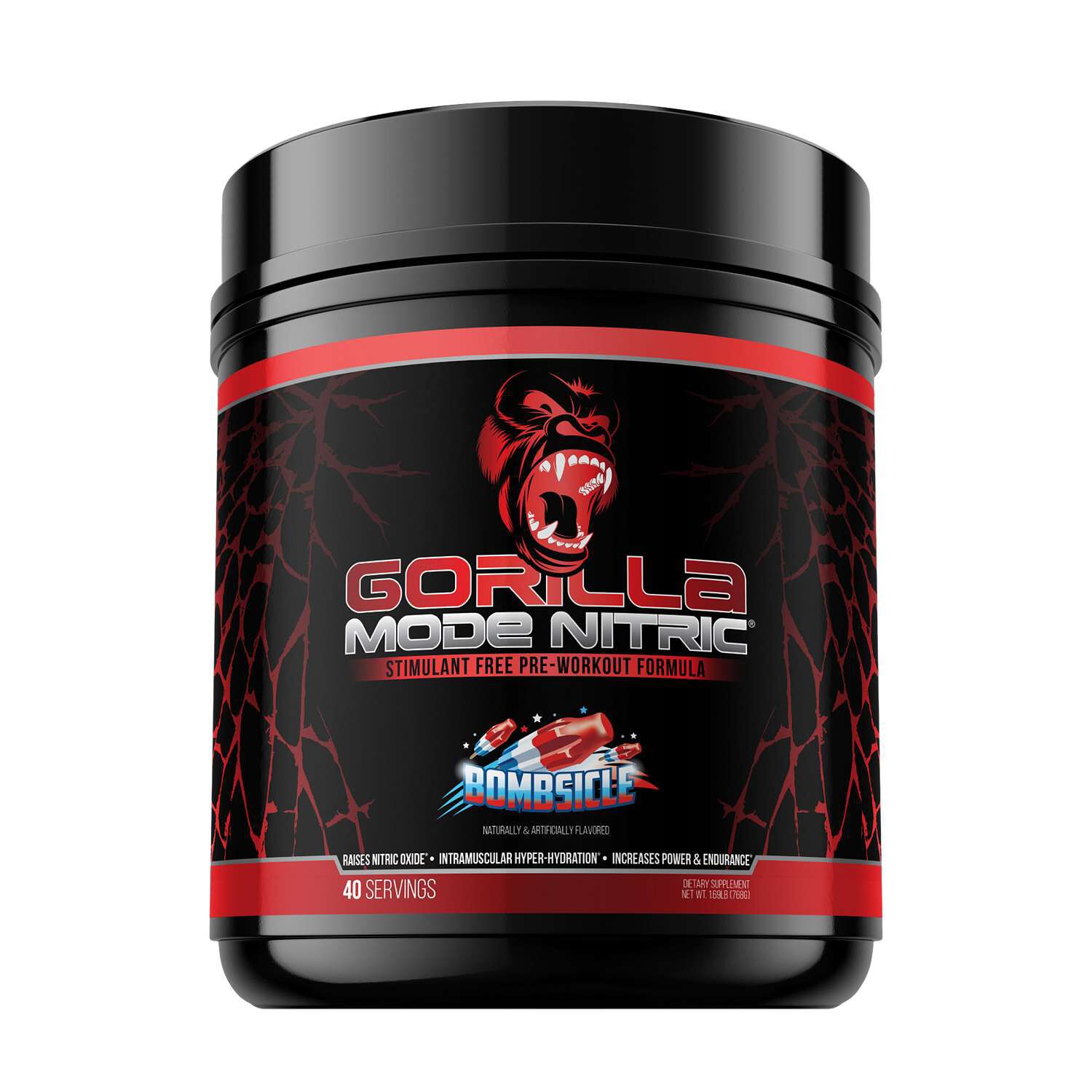

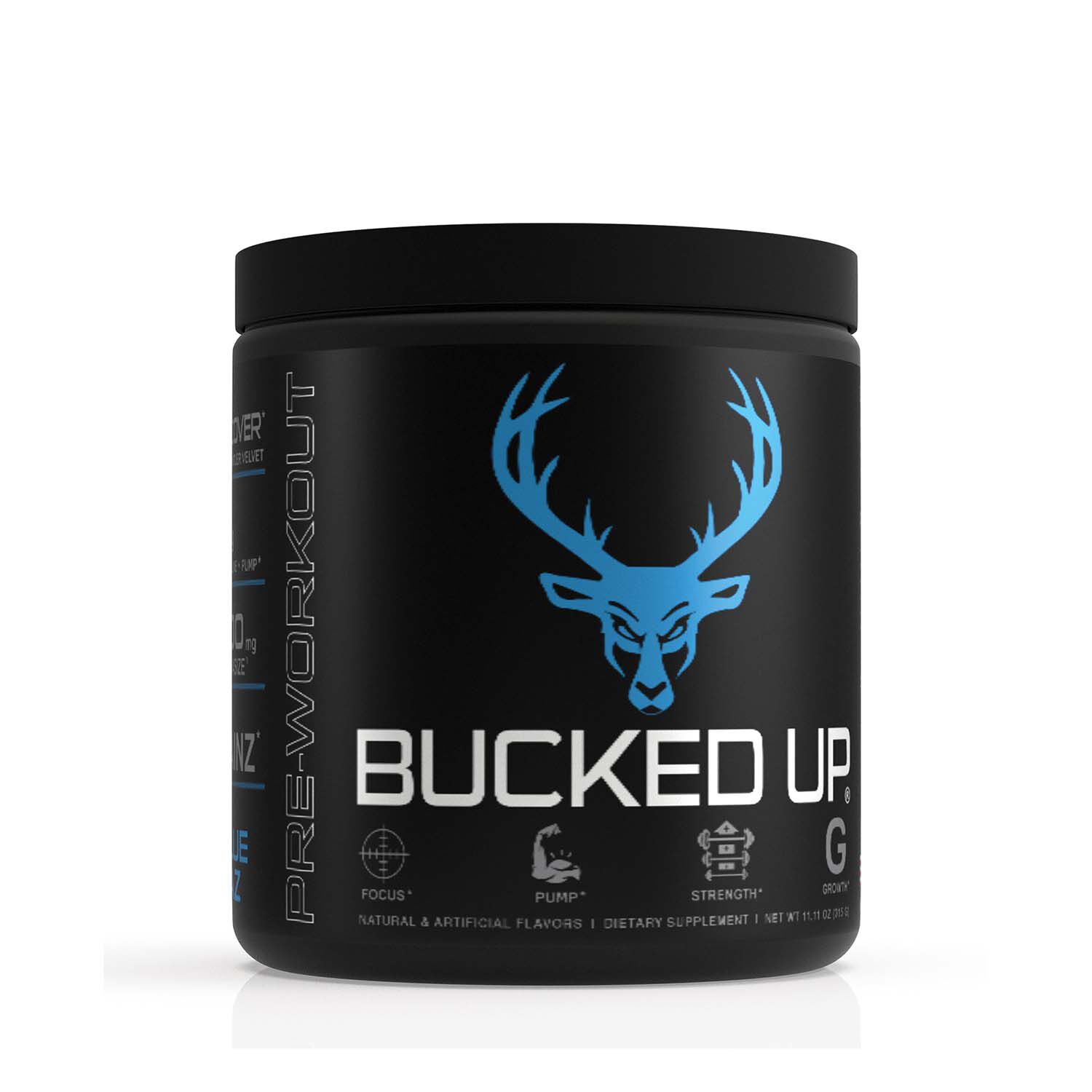


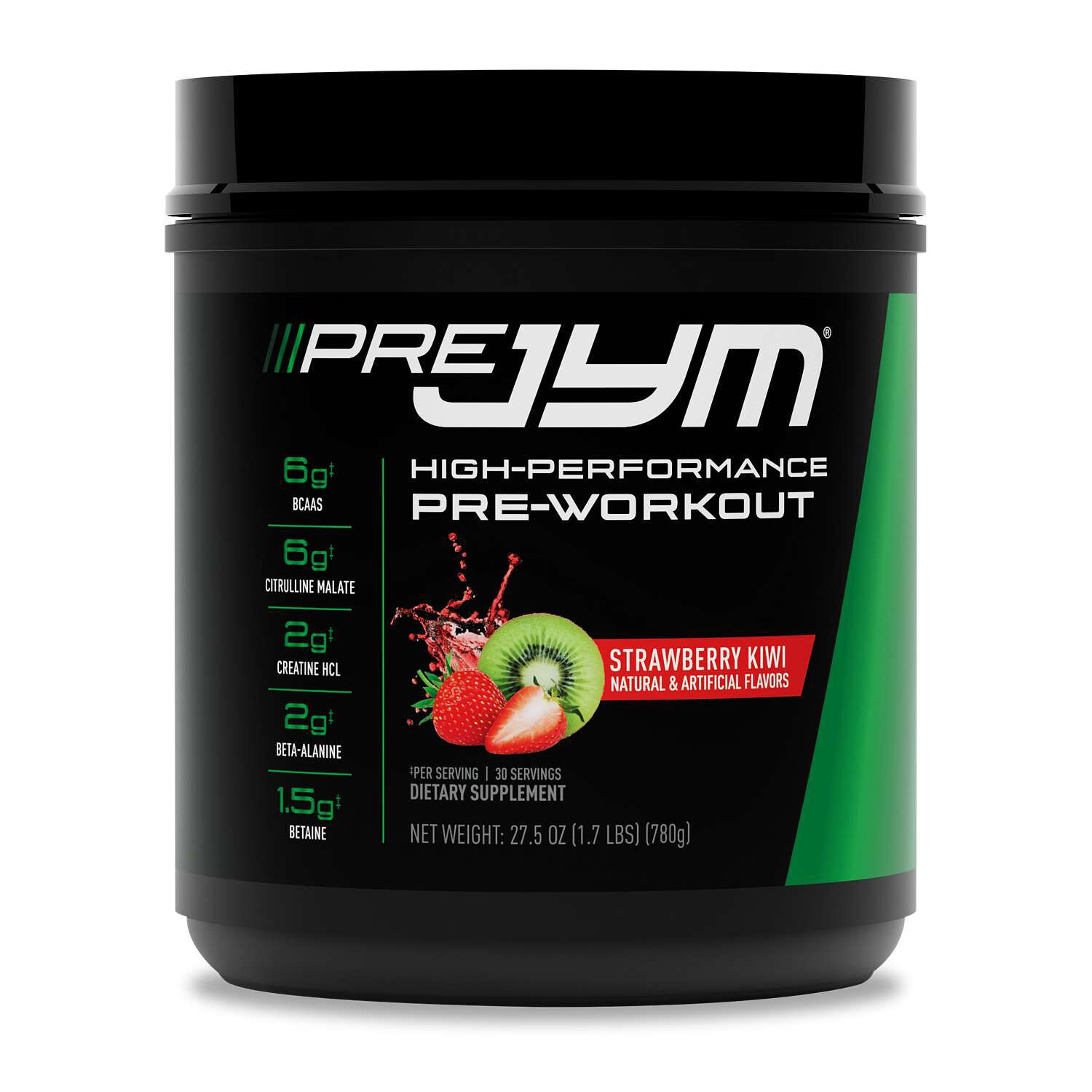
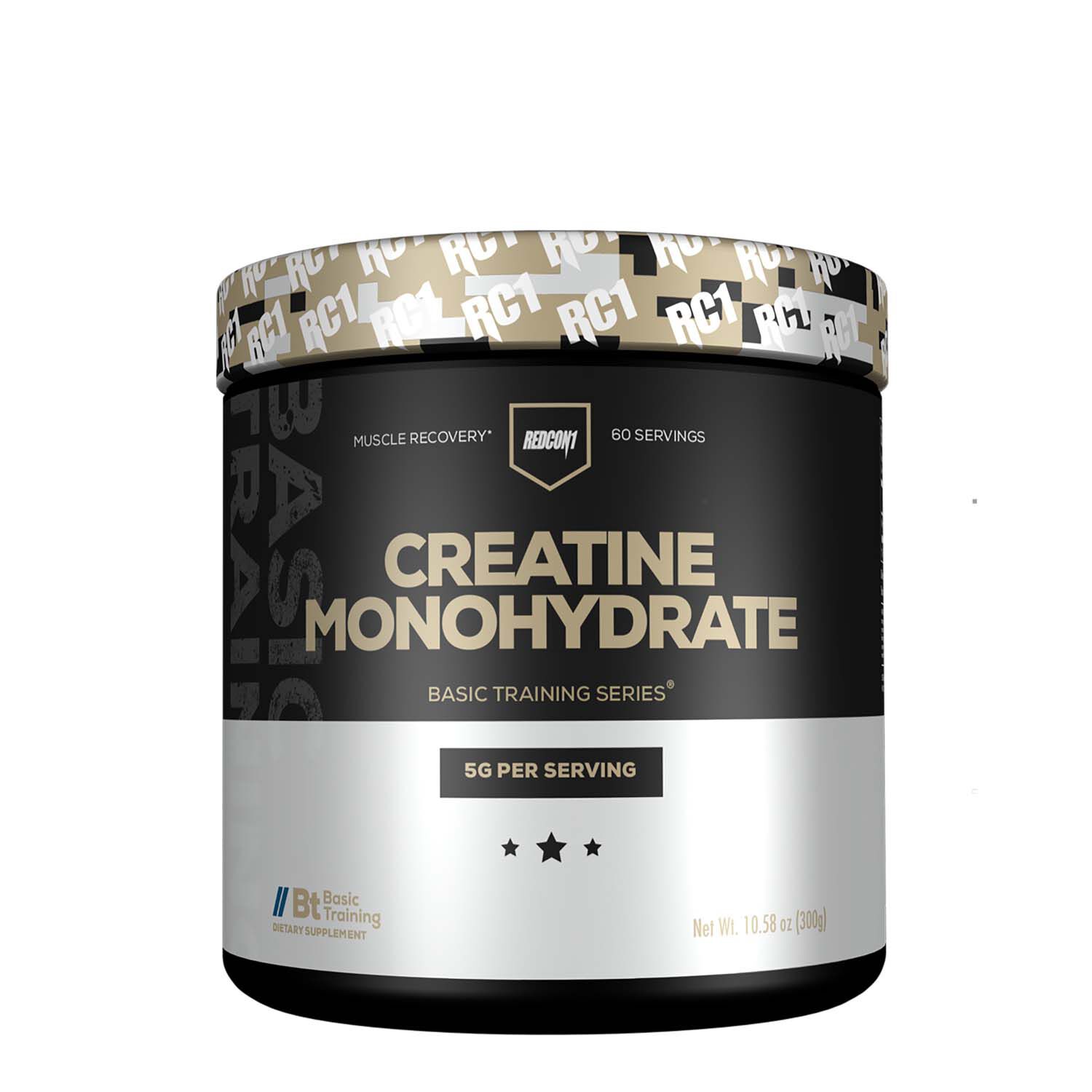
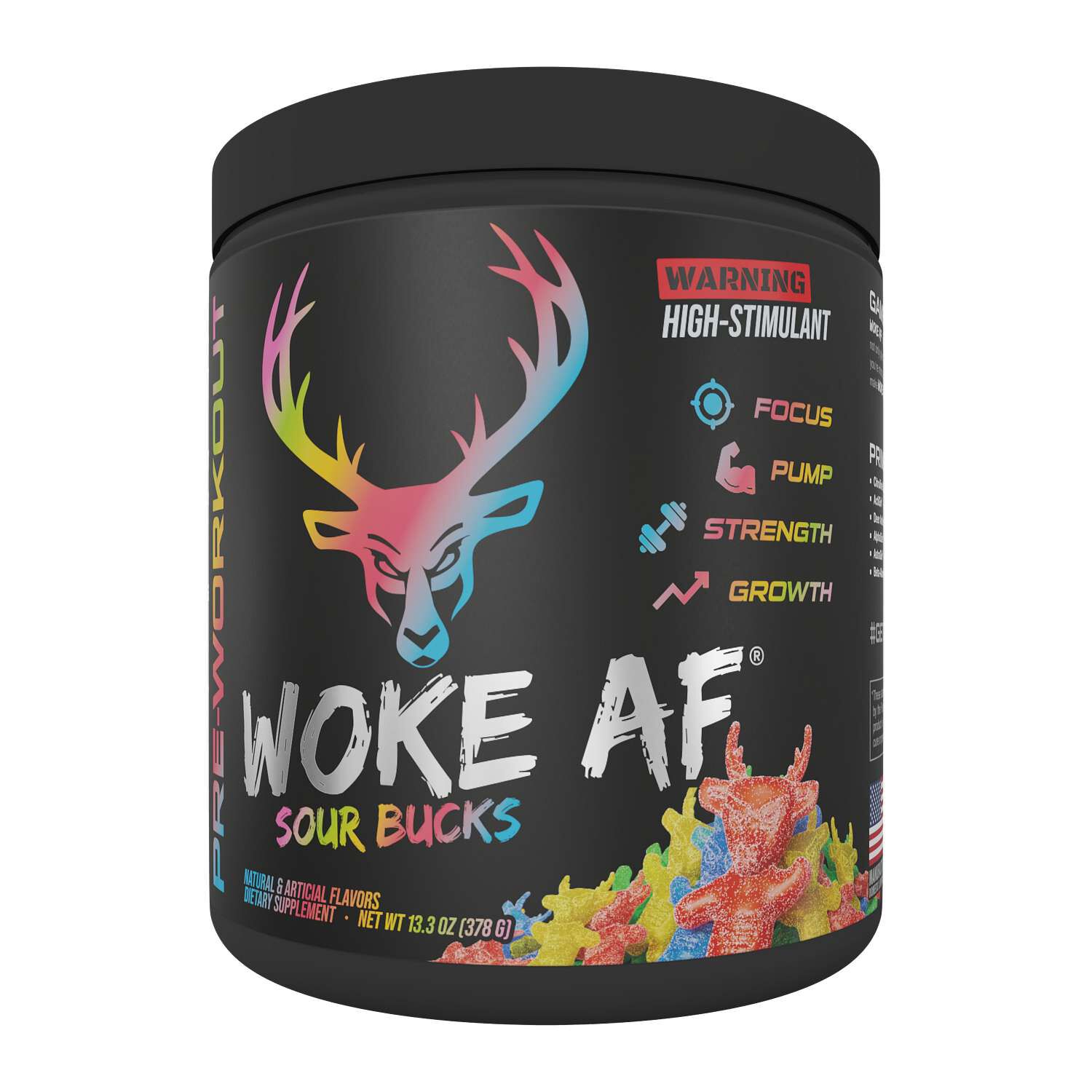
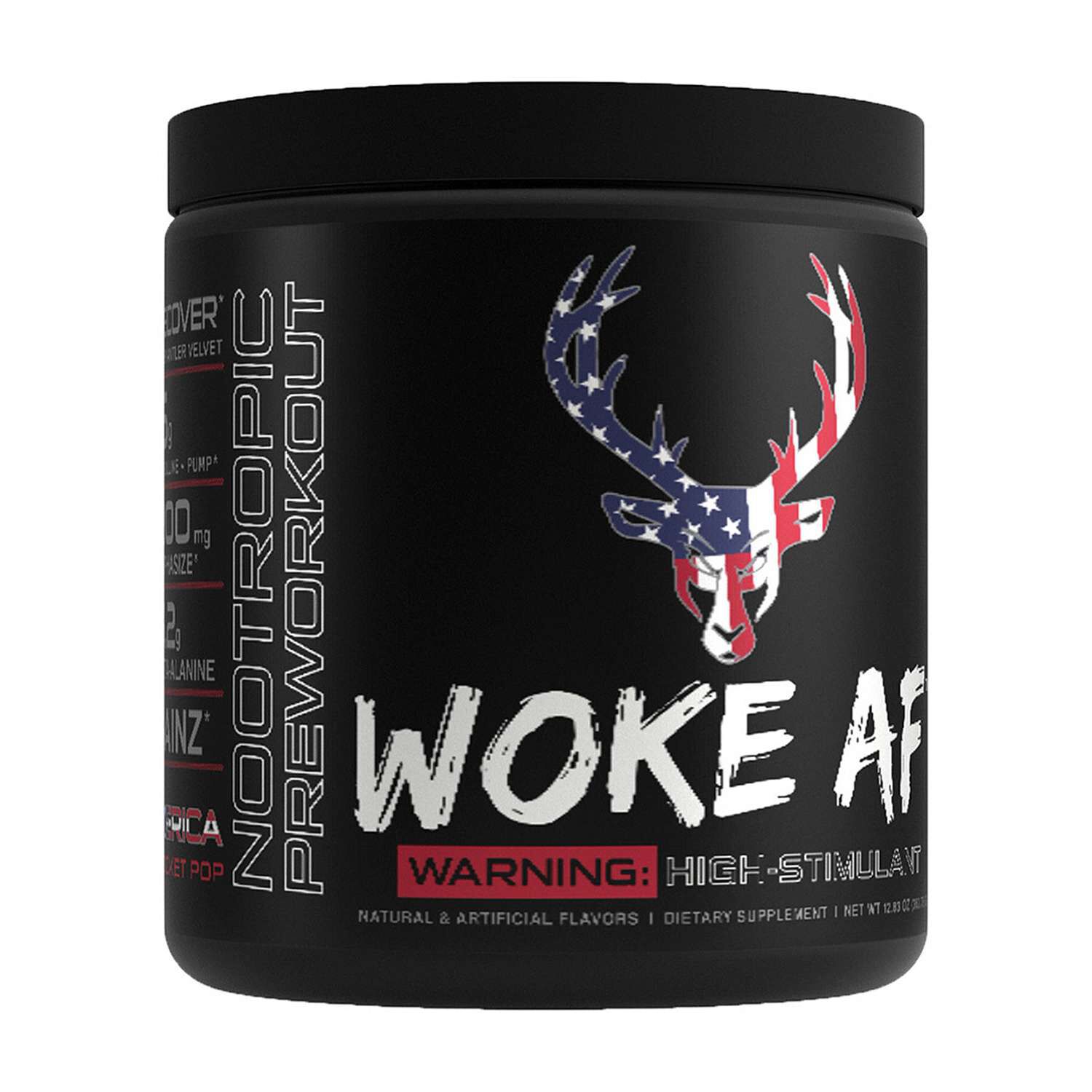
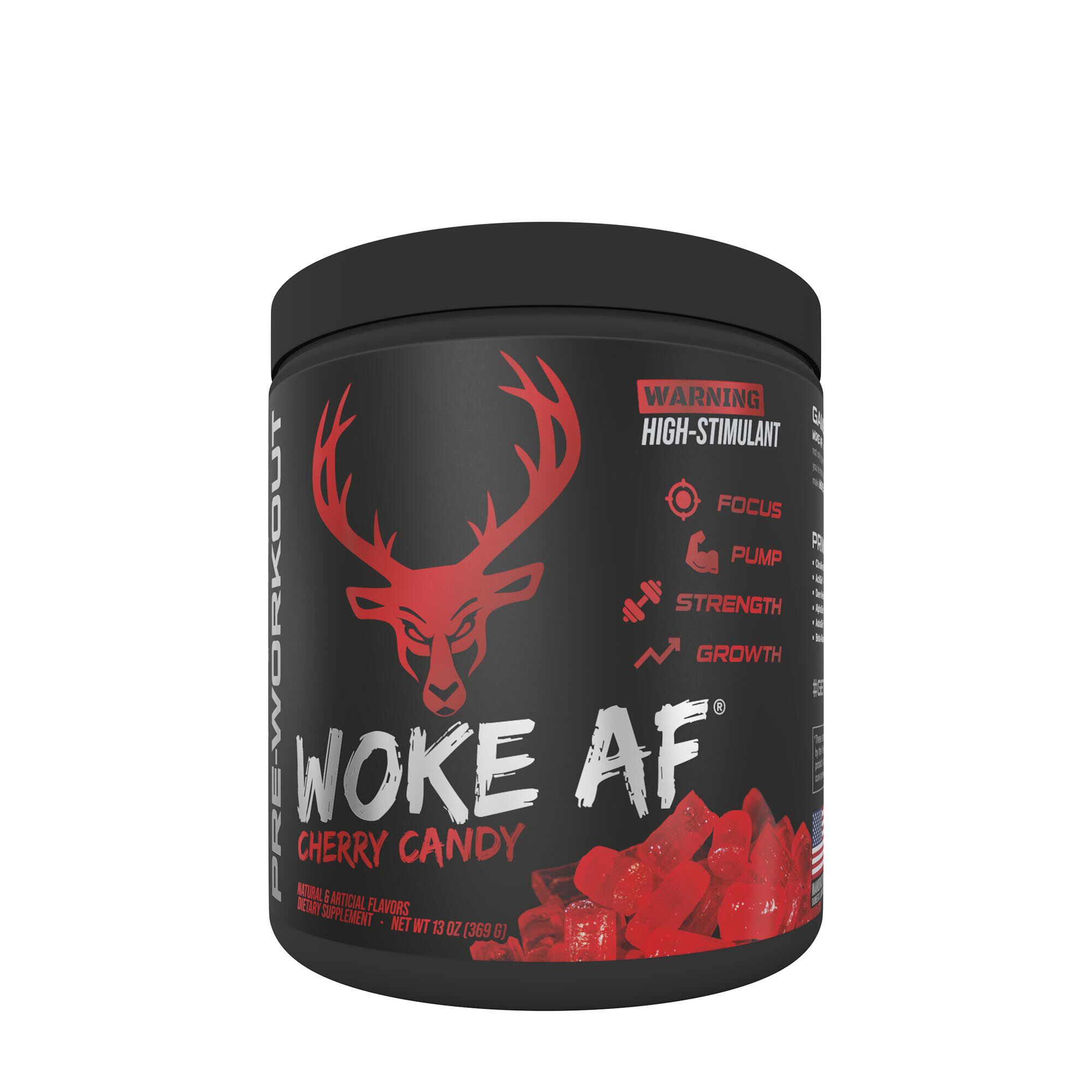

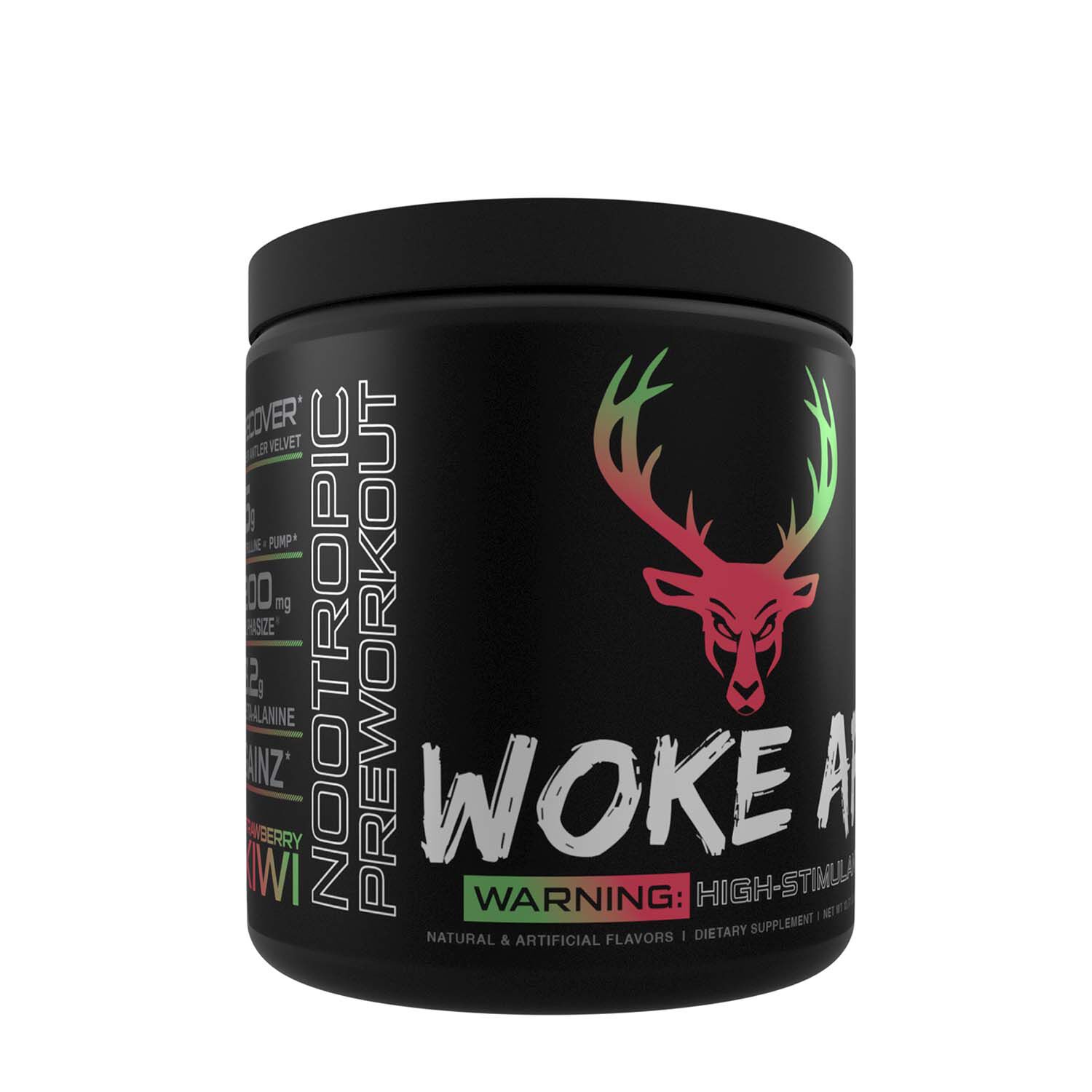
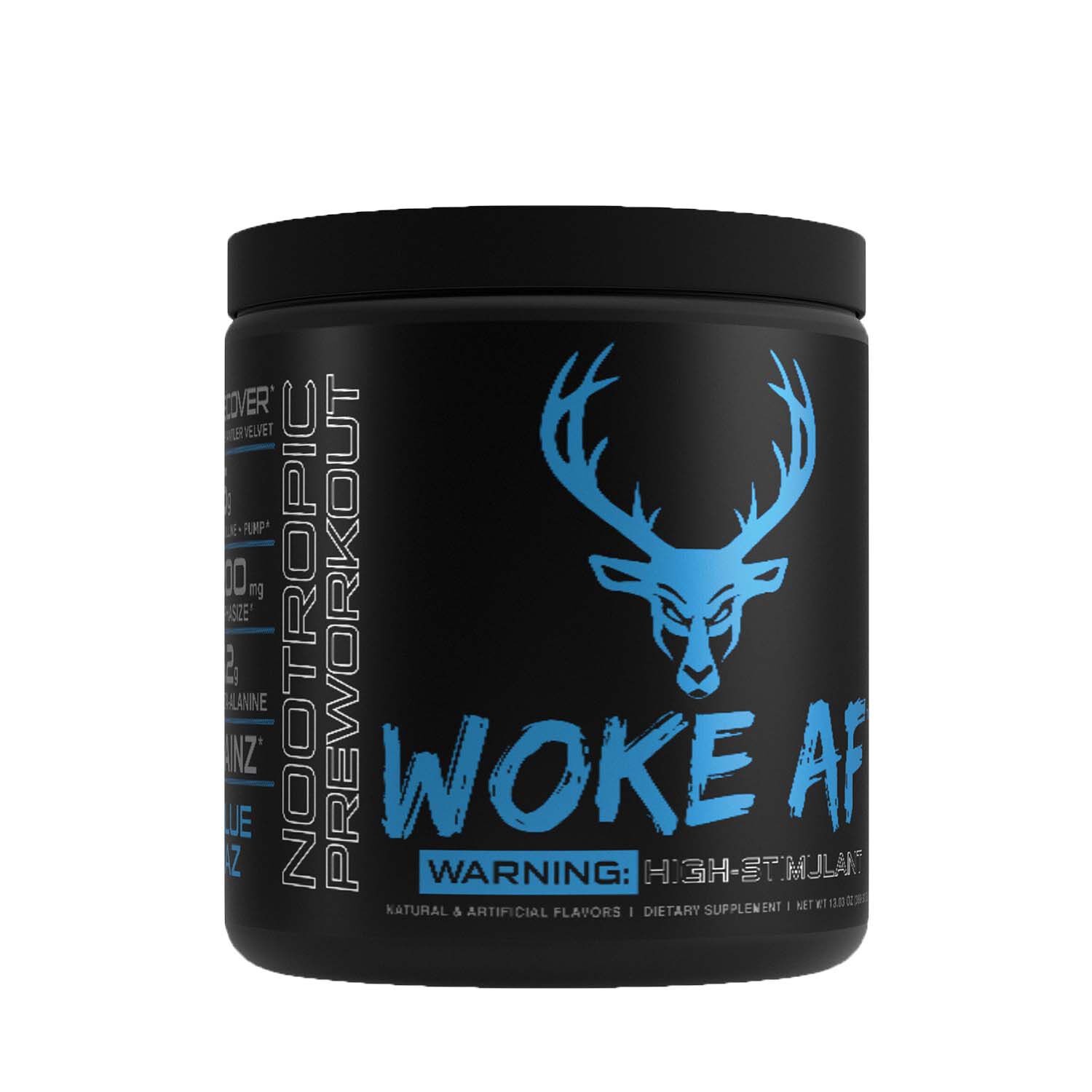
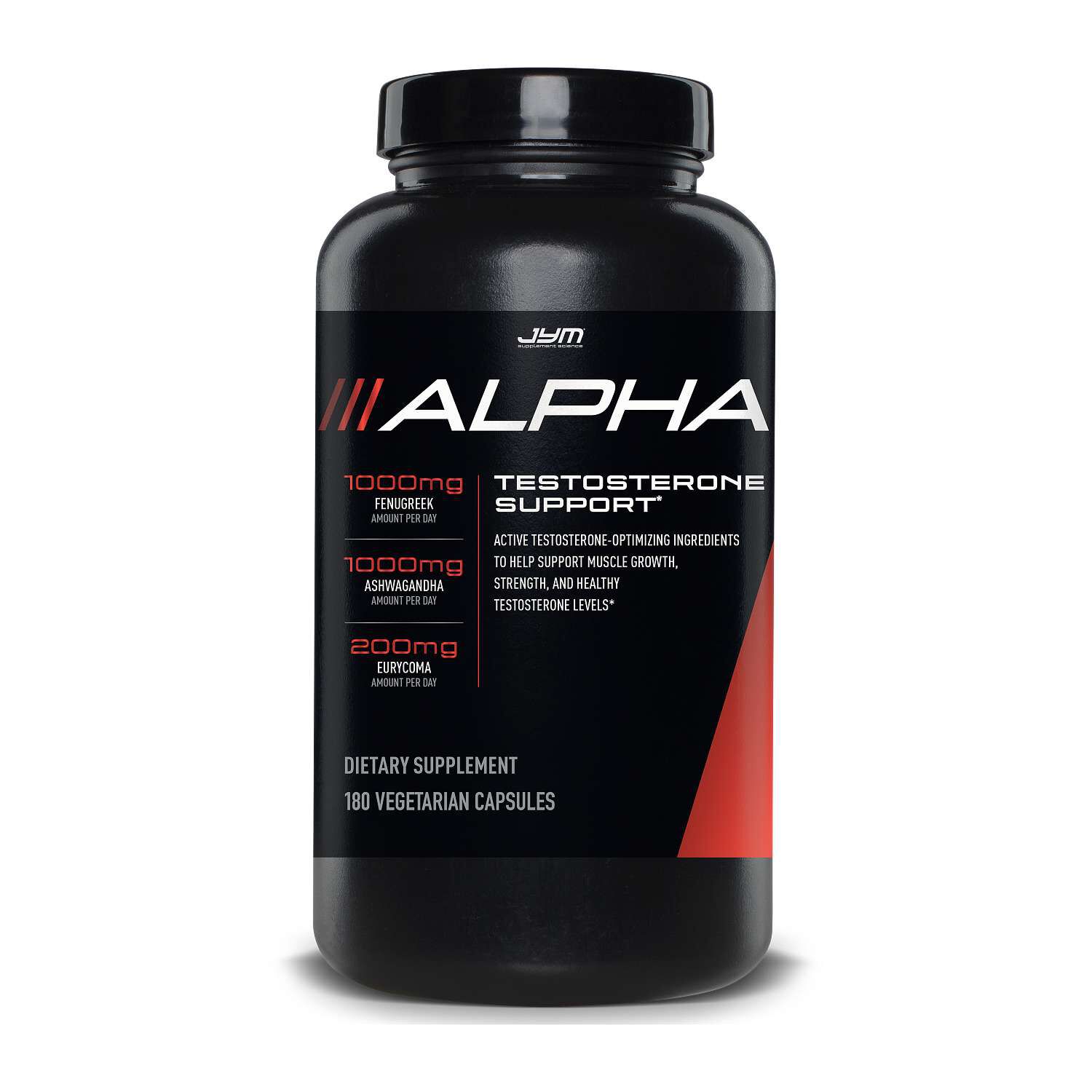
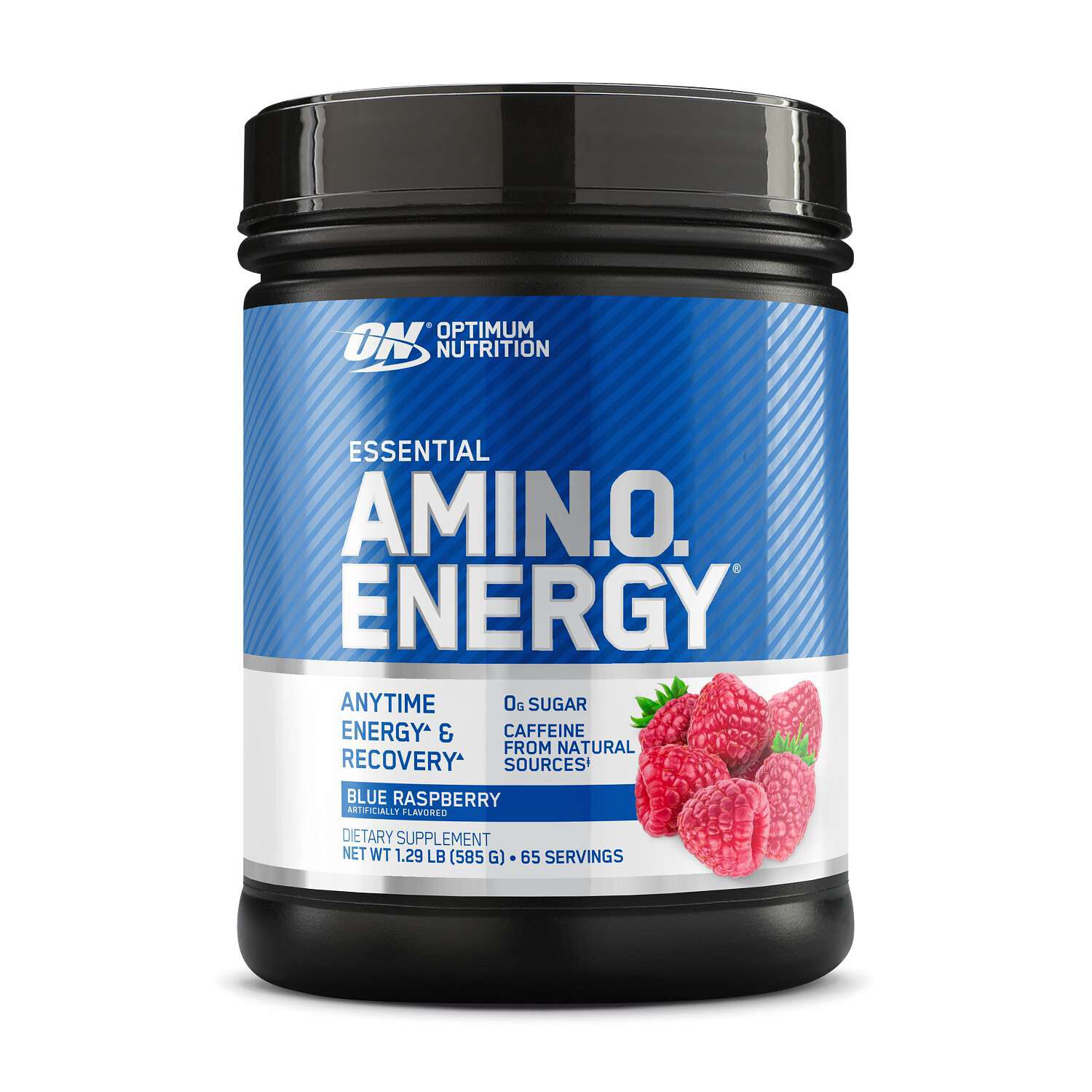
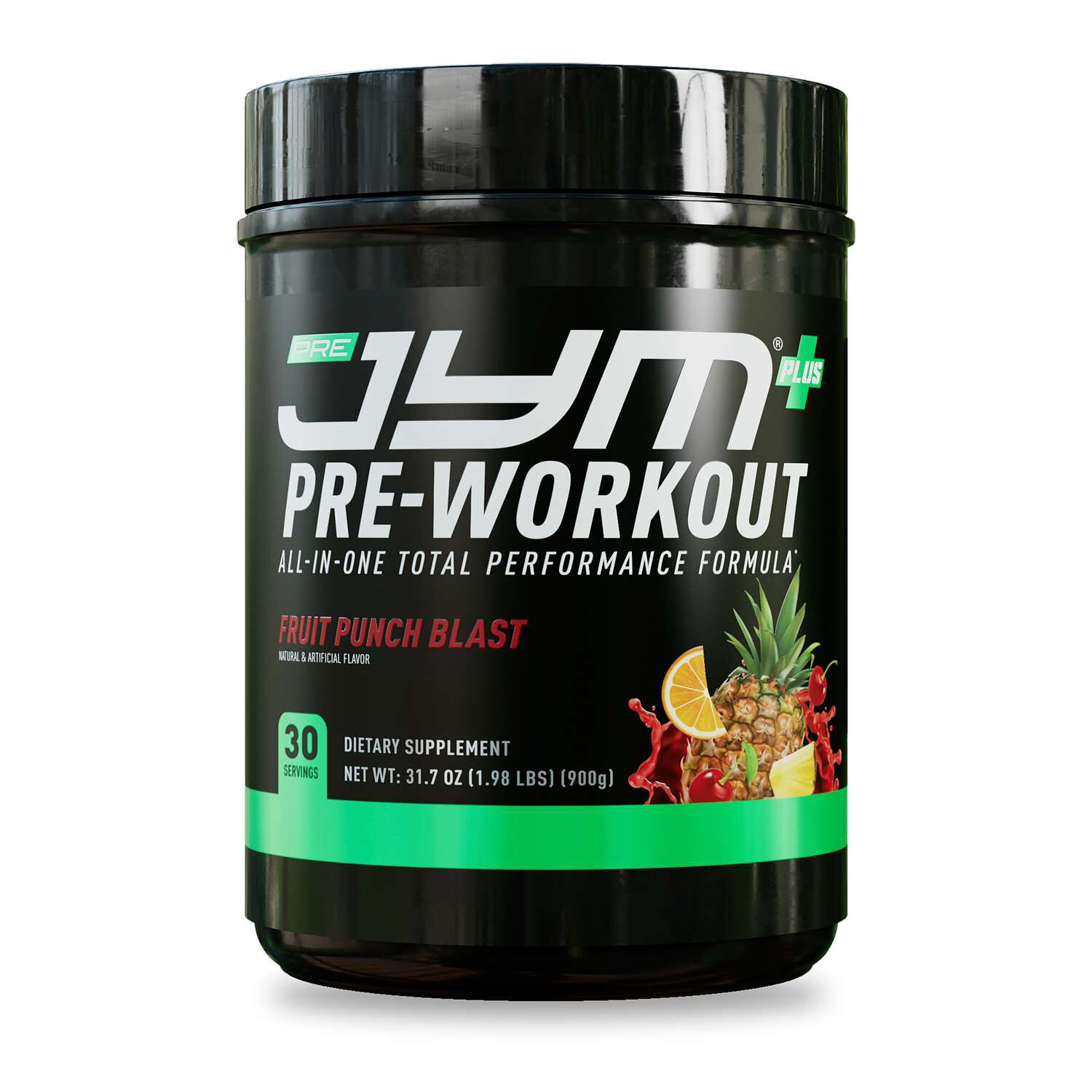
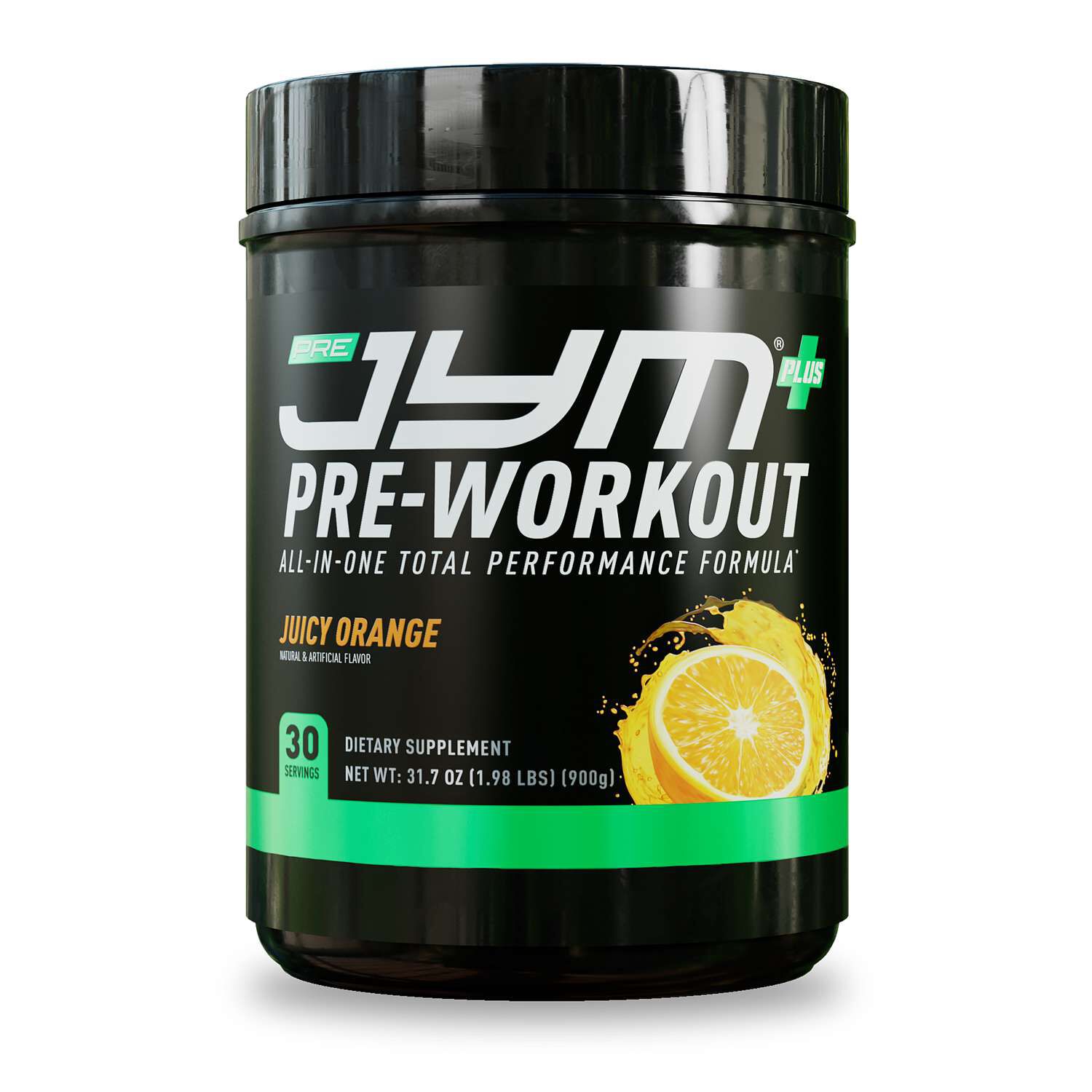
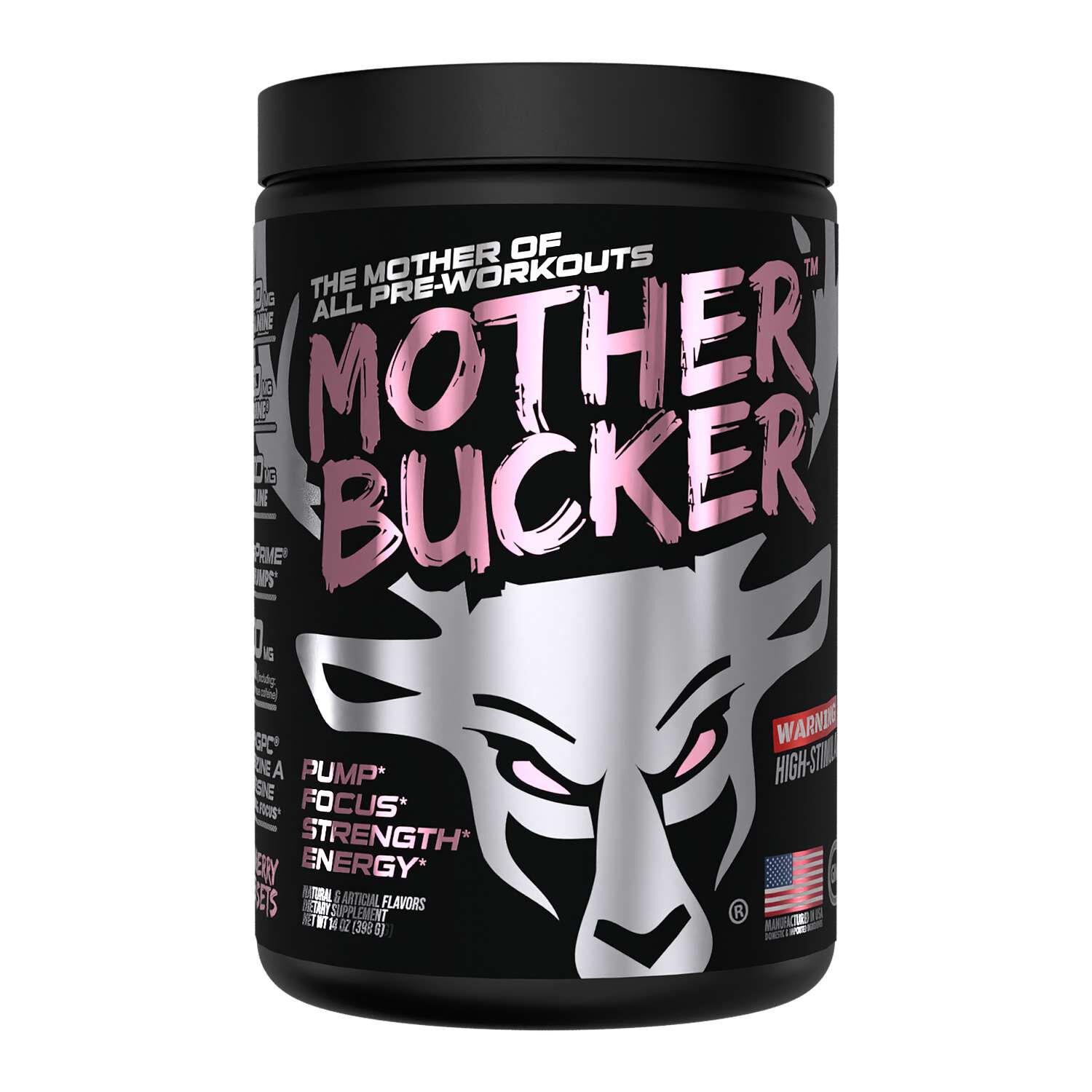
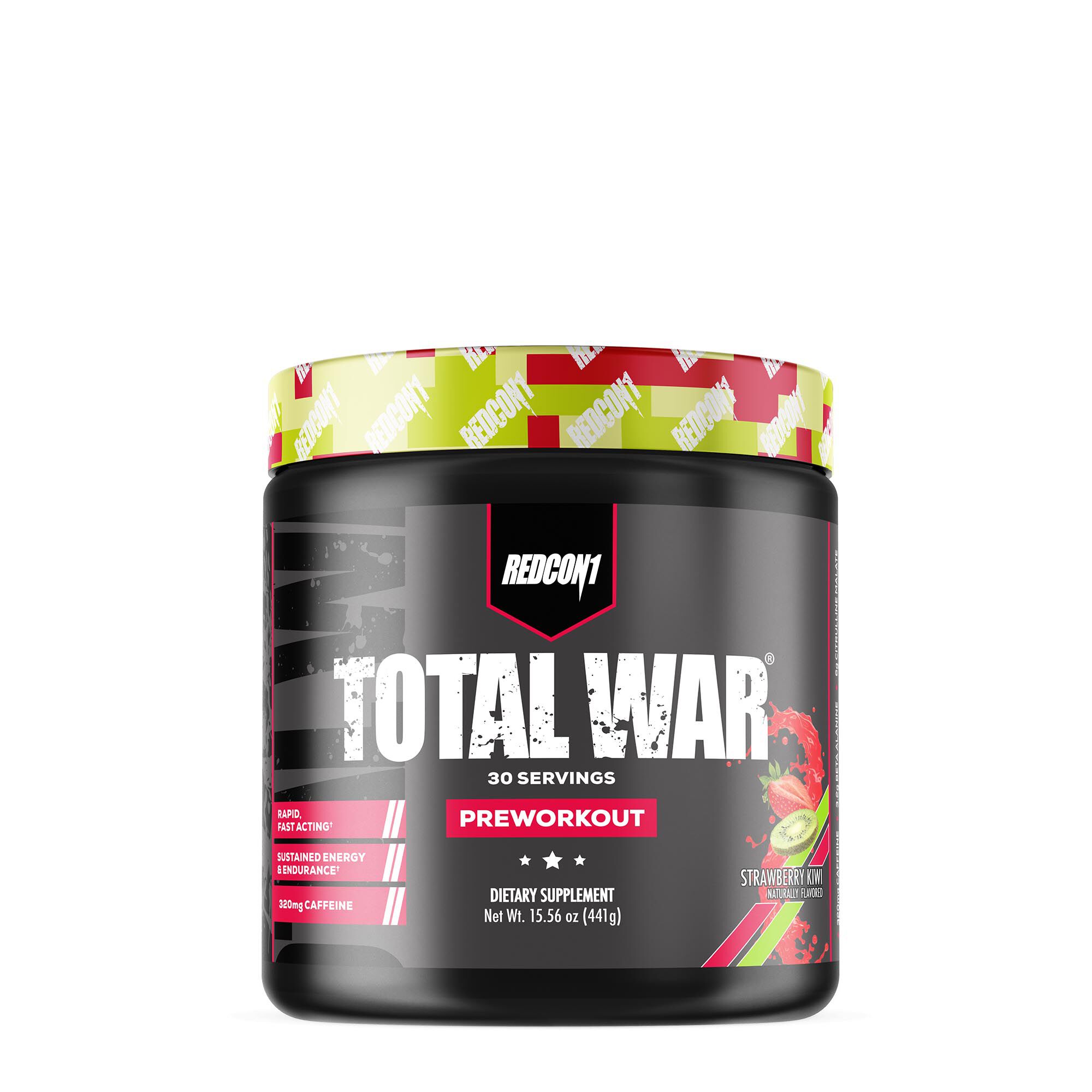
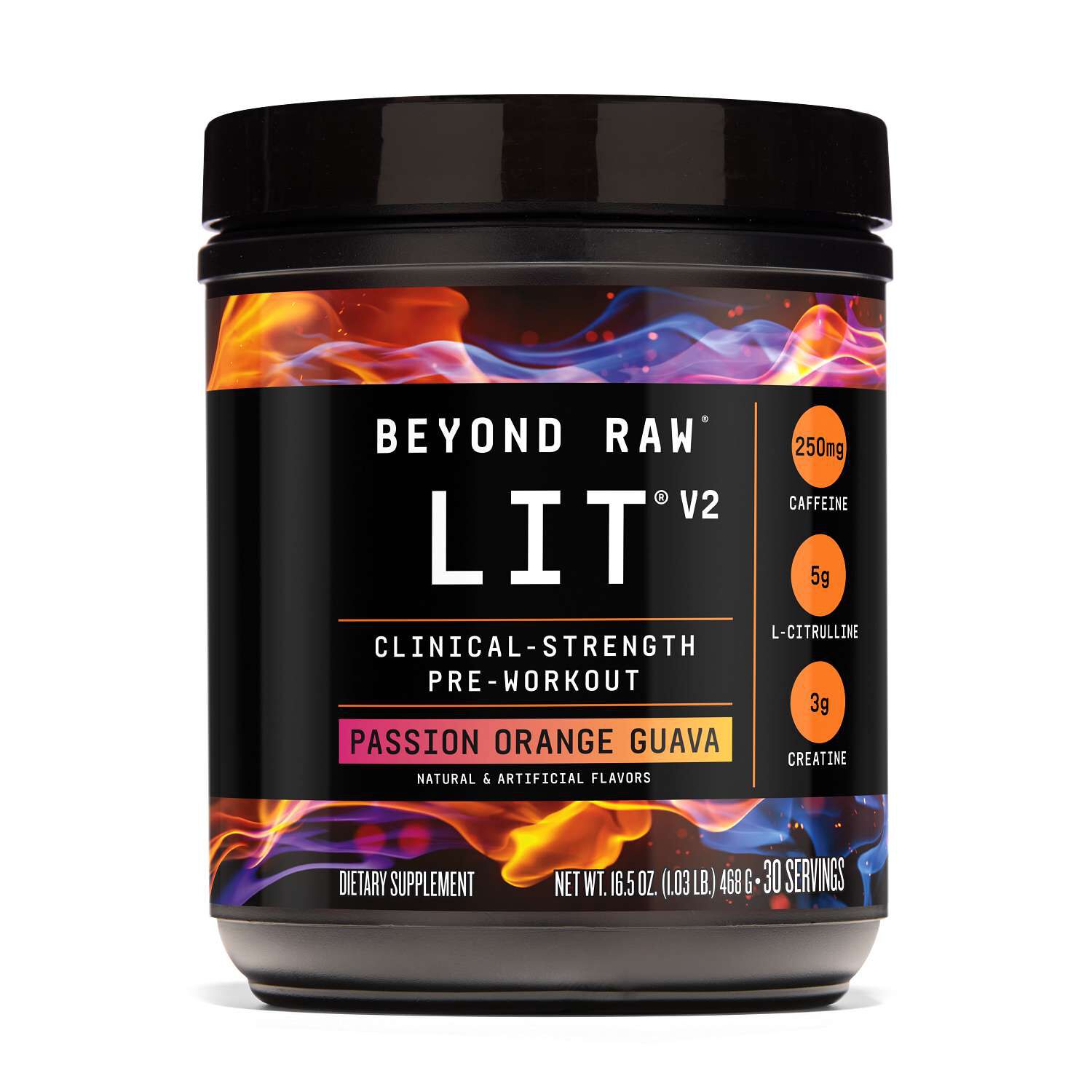
Pre-workout pump supplements are workout formulas designed around the muscle pump associated with resistance exercise: the temporary feeling of fullness that may develop in working muscles during a training session. These supplements may support that sensation, making them a category of interest for adults who enjoy weightlifting, bodybuilding-style workouts, or higher-repetition resistance training. A pump-focused formula is not necessarily the same as a general pre-workout. While many general formulas combine caffeine with several workout-oriented ingredients, pump supplements place more emphasis on ingredients such as L-citrulline, citrulline malate, and L-arginine. Some formulas also contain betaine, glycerol, or electrolytes, although ingredient combinations and serving amounts vary. L-citrulline and citrulline malate are distinct label entries: the latter combines citrulline with malic acid, so an equal listed weight does not necessarily represent an equal amount of citrulline. That distinction matters when comparing formulas with similar-looking front labels. Beta-alanine may appear in a broader pre-workout blend, but its presence alone does not identify a product as pump-focused. The Supplement Facts panel provides a more useful picture of a formula than its flavor name or packaging design. Individually listed ingredient amounts make comparisons more straightforward, while a blend listed under one combined weight offers less detail about each component. Caffeinated and non-stimulant options both belong to this category, and the word “pump” does not indicate whether caffeine is included. For someone whose gym routine centers on cable rows, controlled dumbbell presses, and measured sets of leg extensions, a pump formula may fit the intended training experience. Still, the sensation of a pump is not a measurement of workout quality or lasting muscle development. It may vary with exercise selection, repetition range, rest periods, and individual experience. The most useful distinction is between the supplement’s intended role and the broader structure of the workout: a pump supplement is an optional part of a training routine, not the routine itself.
The practical differences among pre-workout pump supplements often become clear in the details of an ordinary gym day. An early session before work, a lunchtime lift, and an evening workout each come with different preferences around preparation and caffeine. Formulas without caffeine offer a distinct option for shoppers who do not want that ingredient in their pre-workout, while caffeinated formulas combine it with other components in a single serving. A non-stimulant label should not be treated as a description of every ingredient, however; the full panel still matters. Coffee, energy drinks, and other workout supplements also belong in the picture when reviewing a routine for overlapping ingredients. Powders are a familiar format in this category, with flavored and unflavored varieties suited to different tastes. A bright citrus drink, a sweeter fruit flavor, or a more neutral mixture can make the same pre-gym ritual feel quite different. Sweeteners, coloring ingredients, and the suggested amount of water are useful comparison points, especially for someone who prefers a lighter-tasting drink rather than a concentrated flavor. Texture deserves attention, too. Some powders mix into a relatively smooth drink, while others may leave sediment that calls for another shake between sips. The label’s mixing directions establish the intended preparation; scoop size alone does not tell the whole story. Serving sizes can differ substantially among formulas, and the number of scoops in a serving is worth checking rather than assuming. Capsule formats, where offered, have their own trade-offs: they do not require a flavored drink, but the listed serving may involve several capsules. For either format, the labeled directions and intended use matter more than a familiar-looking container. Timing instructions also vary, so a universal pre-workout schedule is not a substitute for the directions on the package. A formula that fits neatly into the time between changing clothes and starting a warmup may be a more practical match than one that makes an already busy routine feel complicated.
Packaging, storage, and portability round out the comparison, particularly for supplements that travel between a kitchen cabinet and a gym bag. A wide-mouth powder container offers room for a scoop, while individually portioned packets simplify carrying a labeled serving when that format is offered. Container dimensions, closure design, and readable labeling are small details that become noticeable with repeated use. A secure lid matters when a tub sits beside shoes, lifting straps, and a shaker in a crowded bag. For powders, a dry scoop and a firmly closed container help limit exposure to moisture; storage should follow the package directions rather than treating a humid locker room or a parked car as a permanent home. Powder texture may change with moisture exposure, and some ingredients naturally attract moisture, so appearance alone is not a reliable basis for judging suitability. Package condition, date information, and manufacturer storage directions provide more relevant context. A clean shaker with enough room for the labeled water amount also makes preparation more manageable, especially when mixing a serving away from home. These practical considerations apply whether training stays indoors during the cooler months or follows a consistent year-round schedule. Adults comparing pump supplements may also be browsing neighboring pre-workout categories for a different ingredient emphasis. Pre-Workout Supplements With Peptides offers a related category to explore, though the presence of peptides does not by itself establish a pump-focused formula or indicate caffeine content. Each formula still deserves its own label review. For a gift recipient who already uses workout supplements, a known preference for format, flavor, and ingredients is more useful than choosing by an eye-catching name. Personal preferences can be quite specific, from an unflavored powder packed alongside a water bottle to a fruit-flavored serving prepared before heading out. Across the category, clear ingredient information, suitable packaging, and an easy-to-follow preparation routine provide meaningful points of comparison. Those details help distinguish pre-workout pump supplements by how they fit an actual training day, rather than by the intensity of the language on the front of the container.