Pre-Workout For Vascularity
(0 Results)
Unlock your potential at the gym with pre workout for vascularity, designed for those who want to support their fitness journey. These formulas may help you feel ready to take on challenging routines and push through tough sets. Explore options that could complement your training goals and fit seamlessly into your active lifestyle. Whether you’re gearing up for an intense session or looking to enhance your workout experience, pre workout for vascularity might be the boost you’ve been searching for.
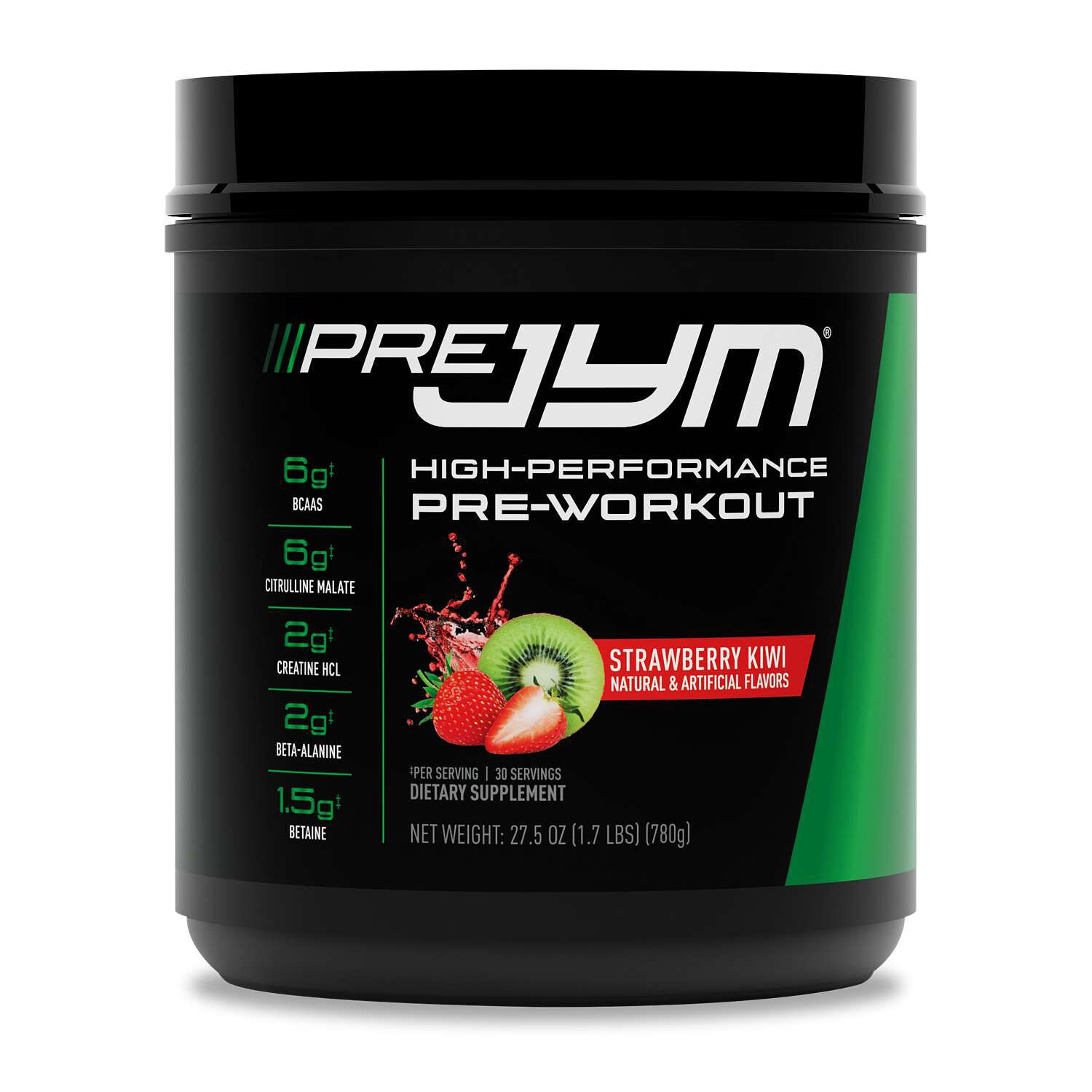


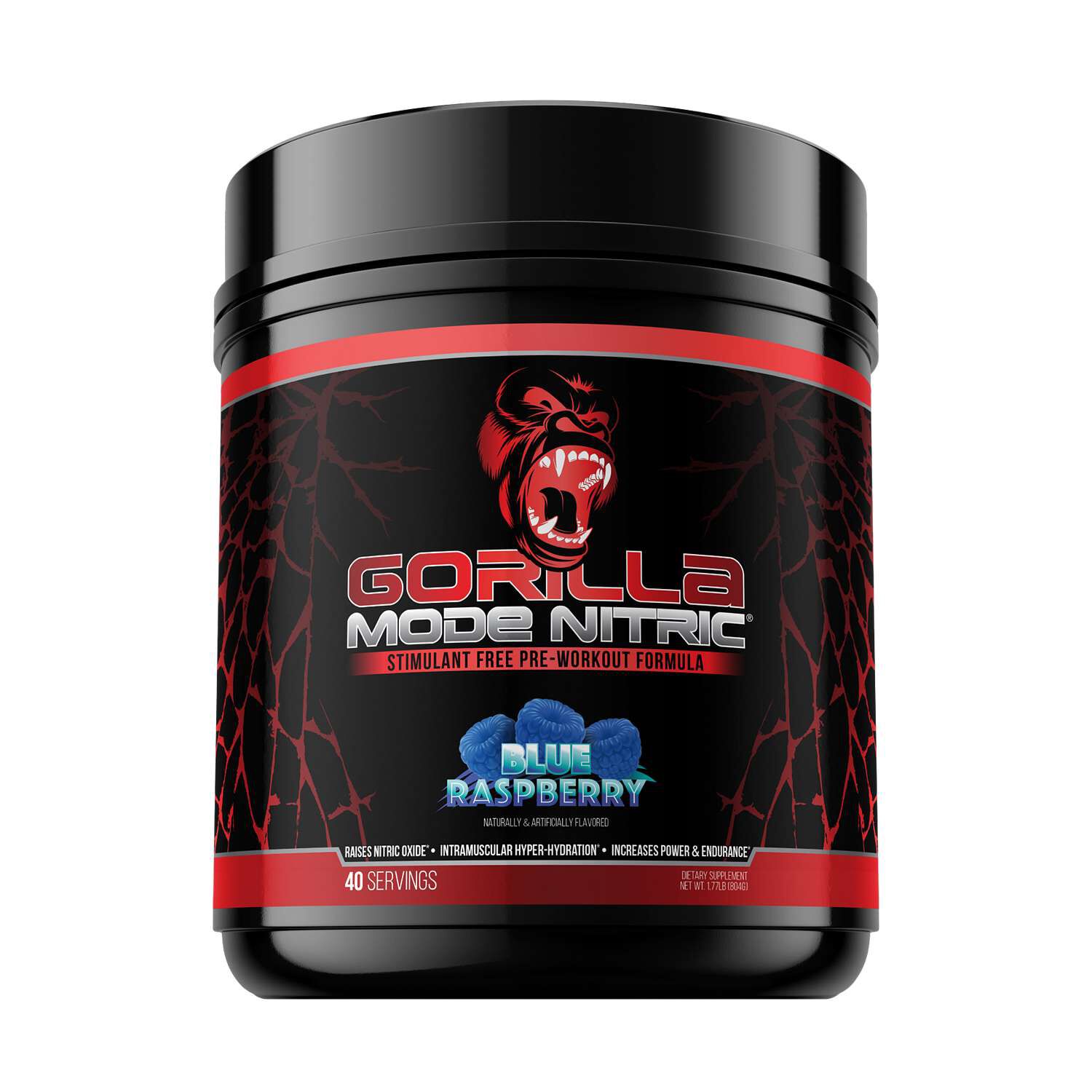
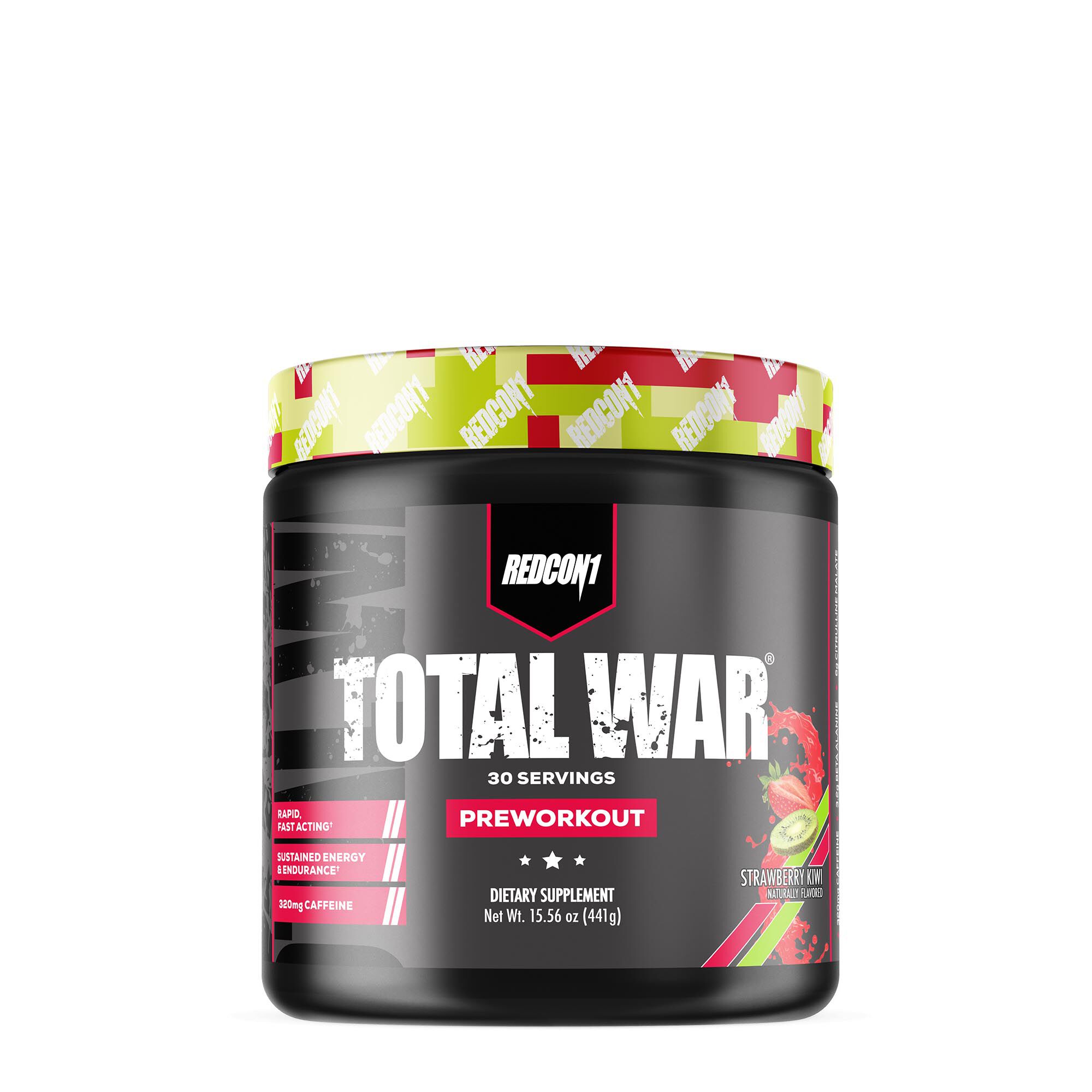
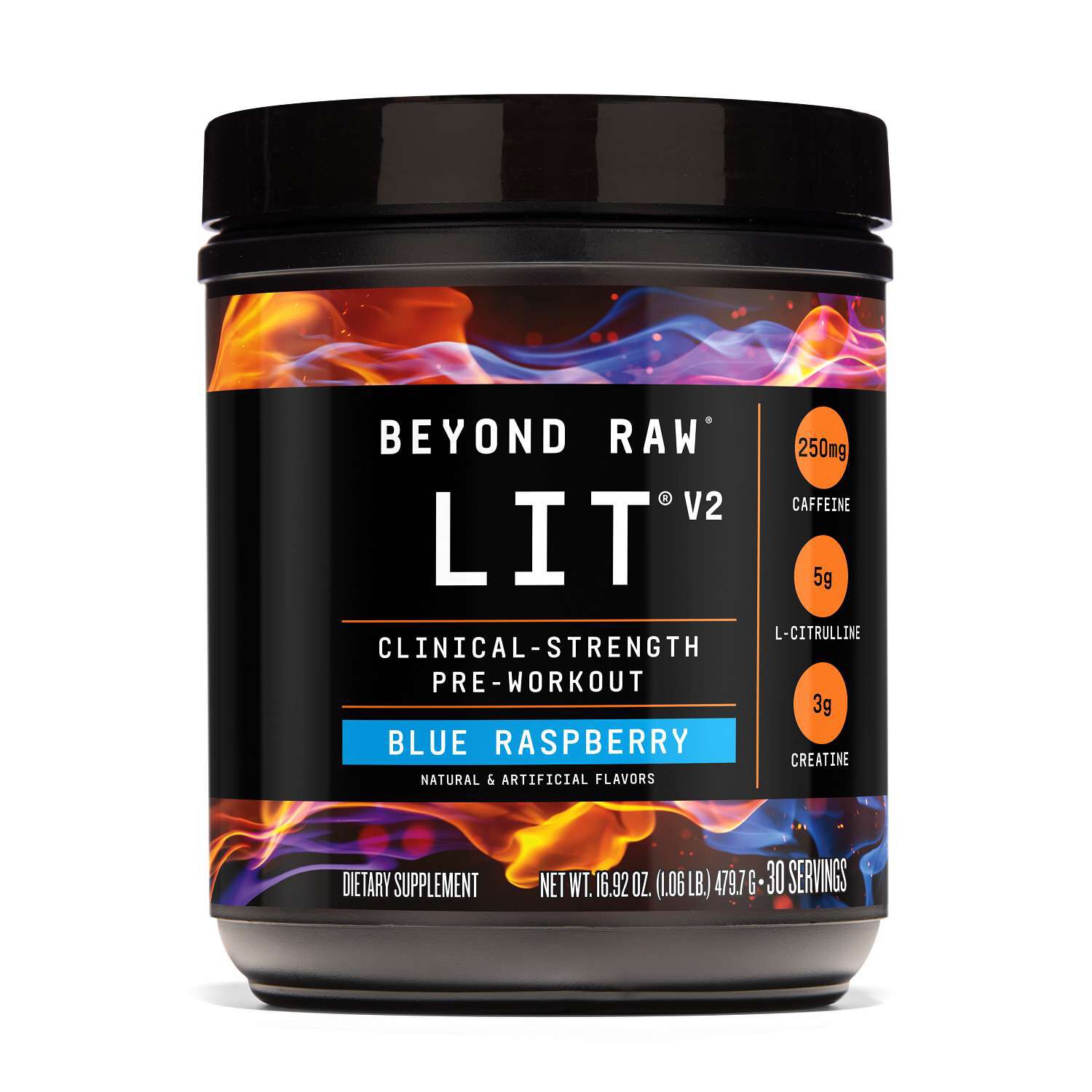
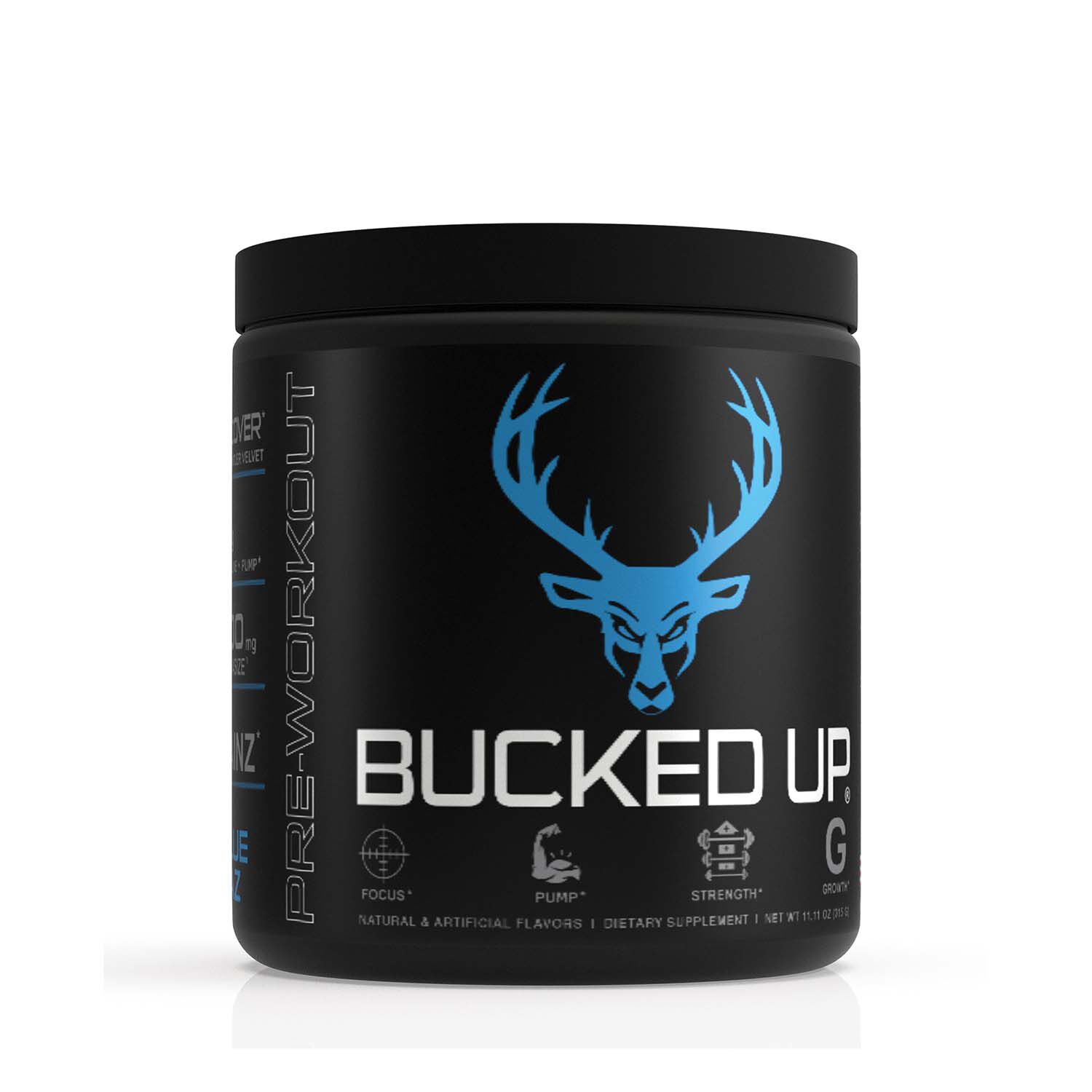
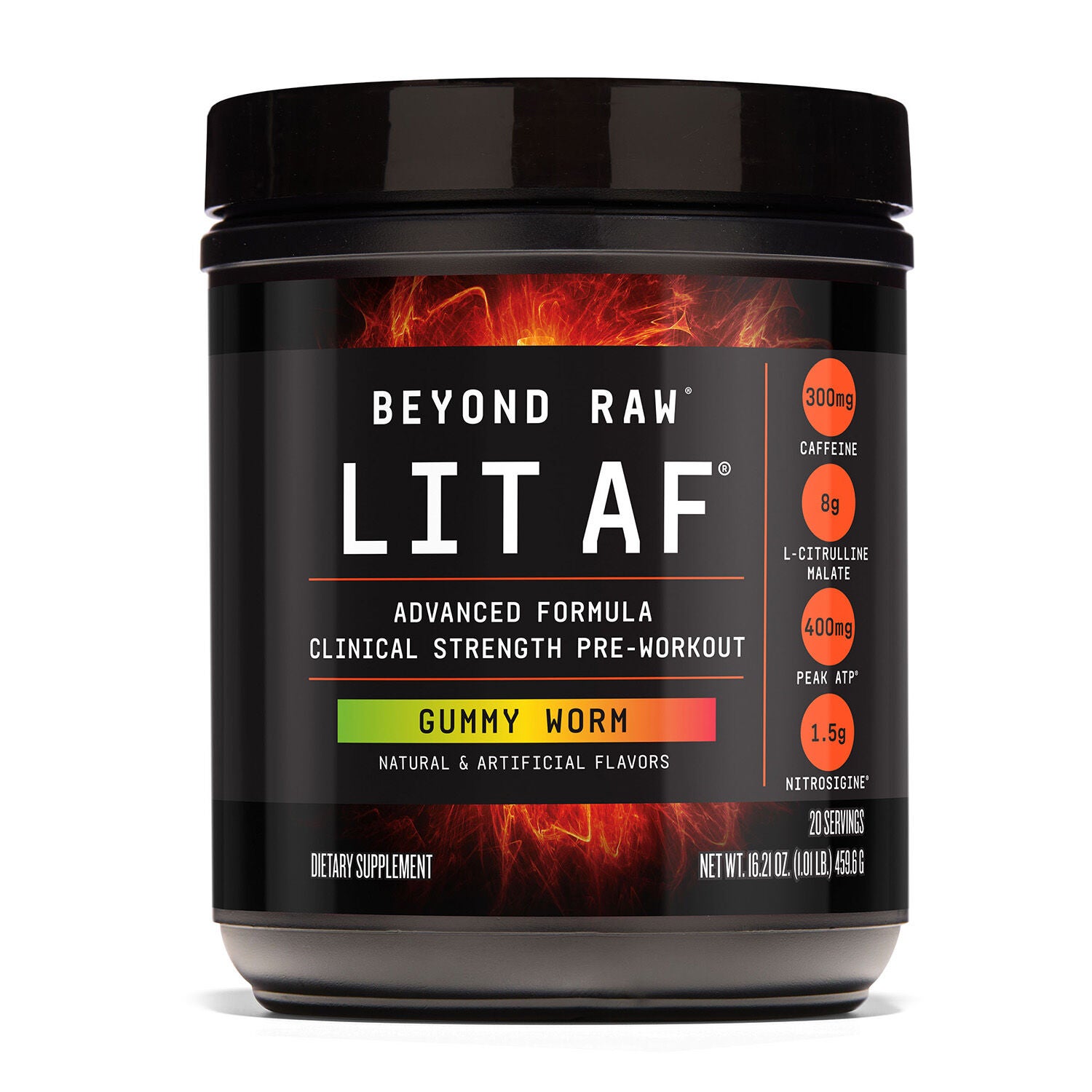


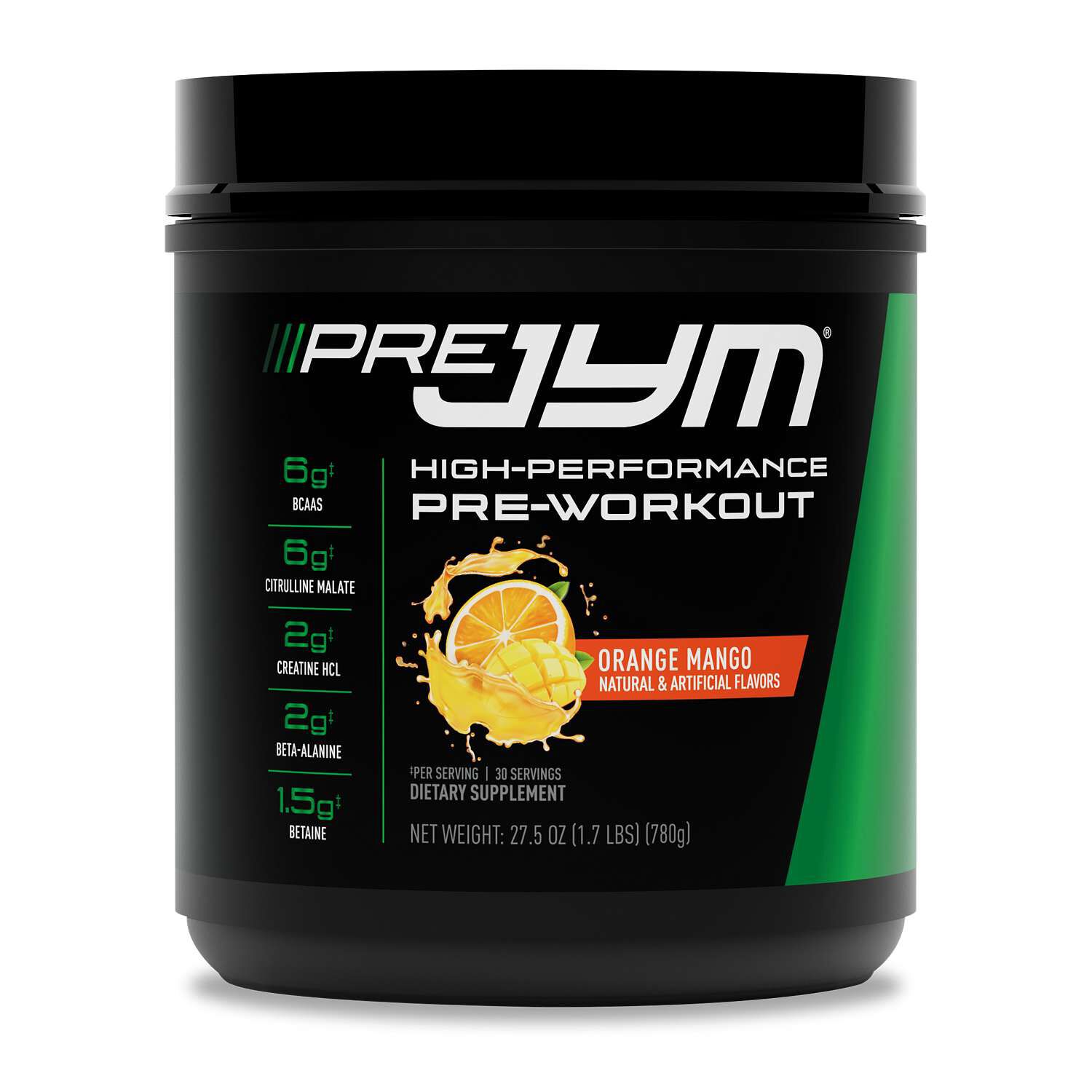
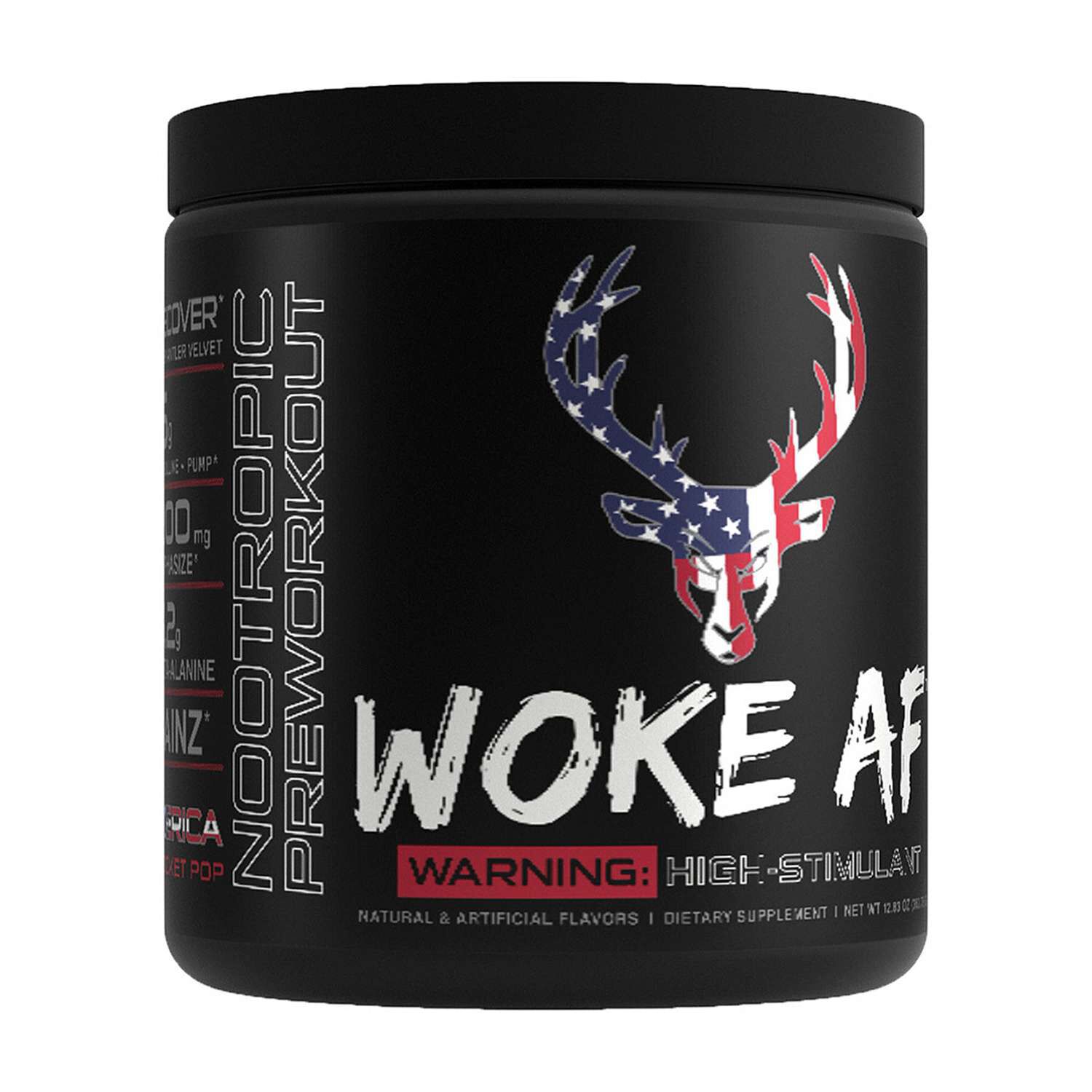

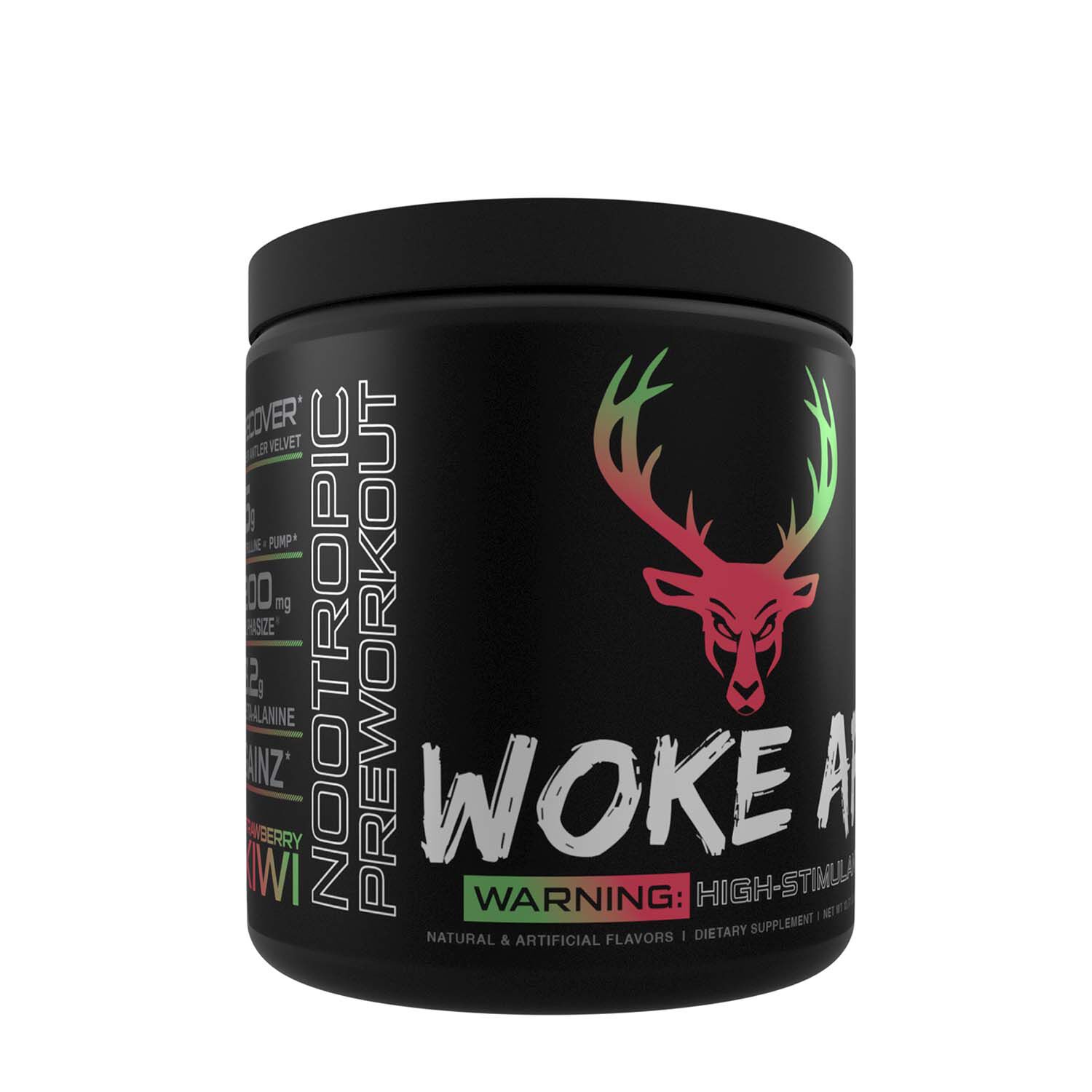
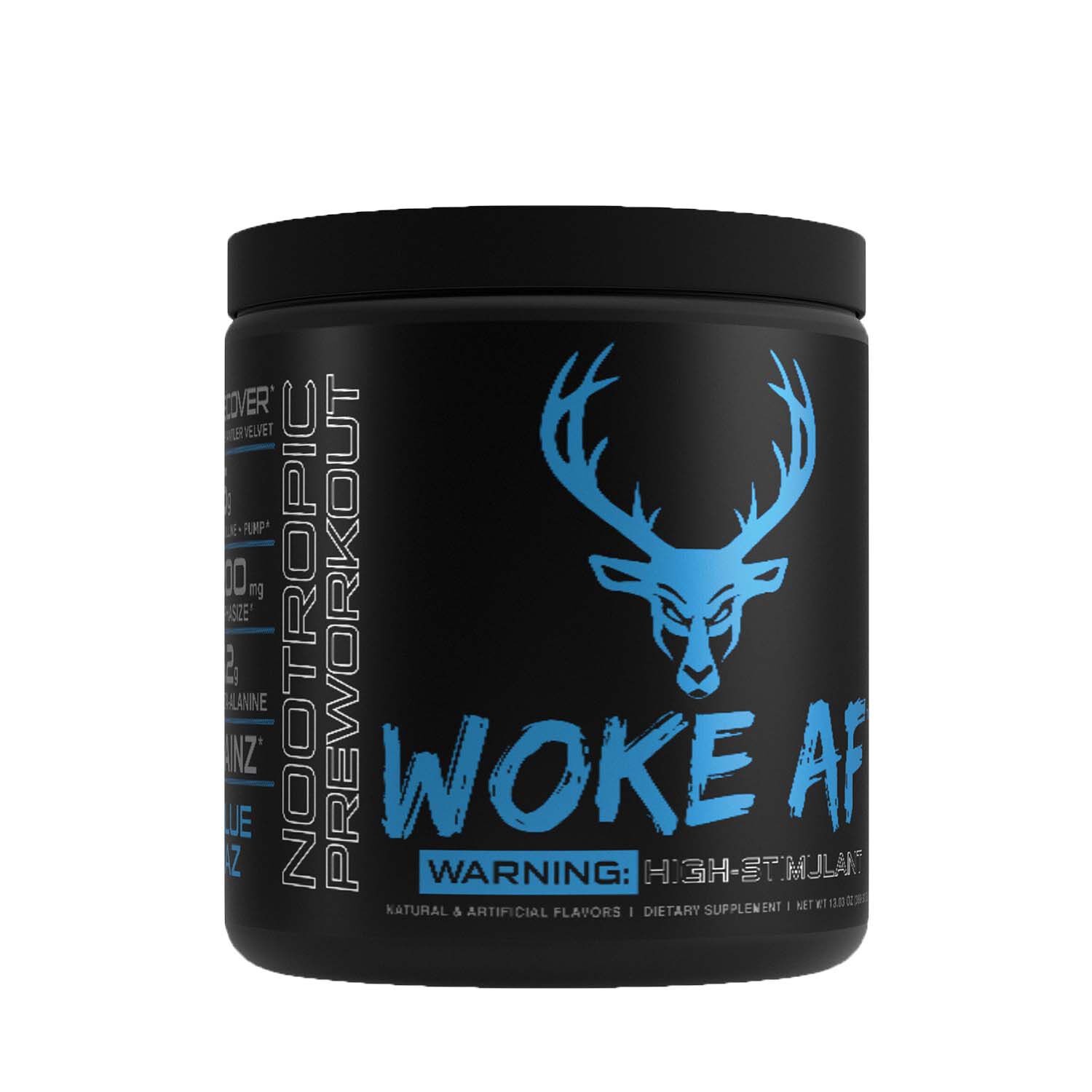

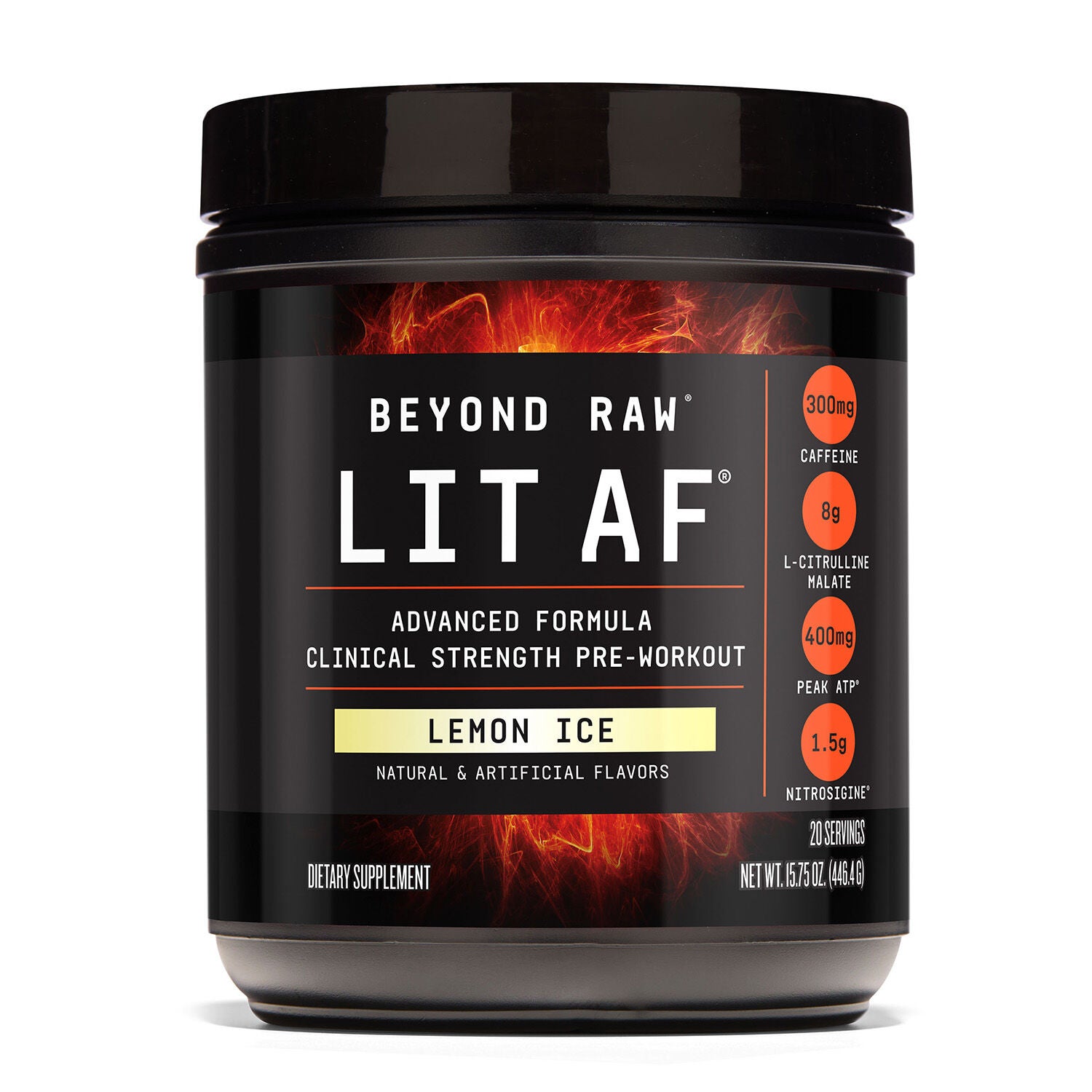

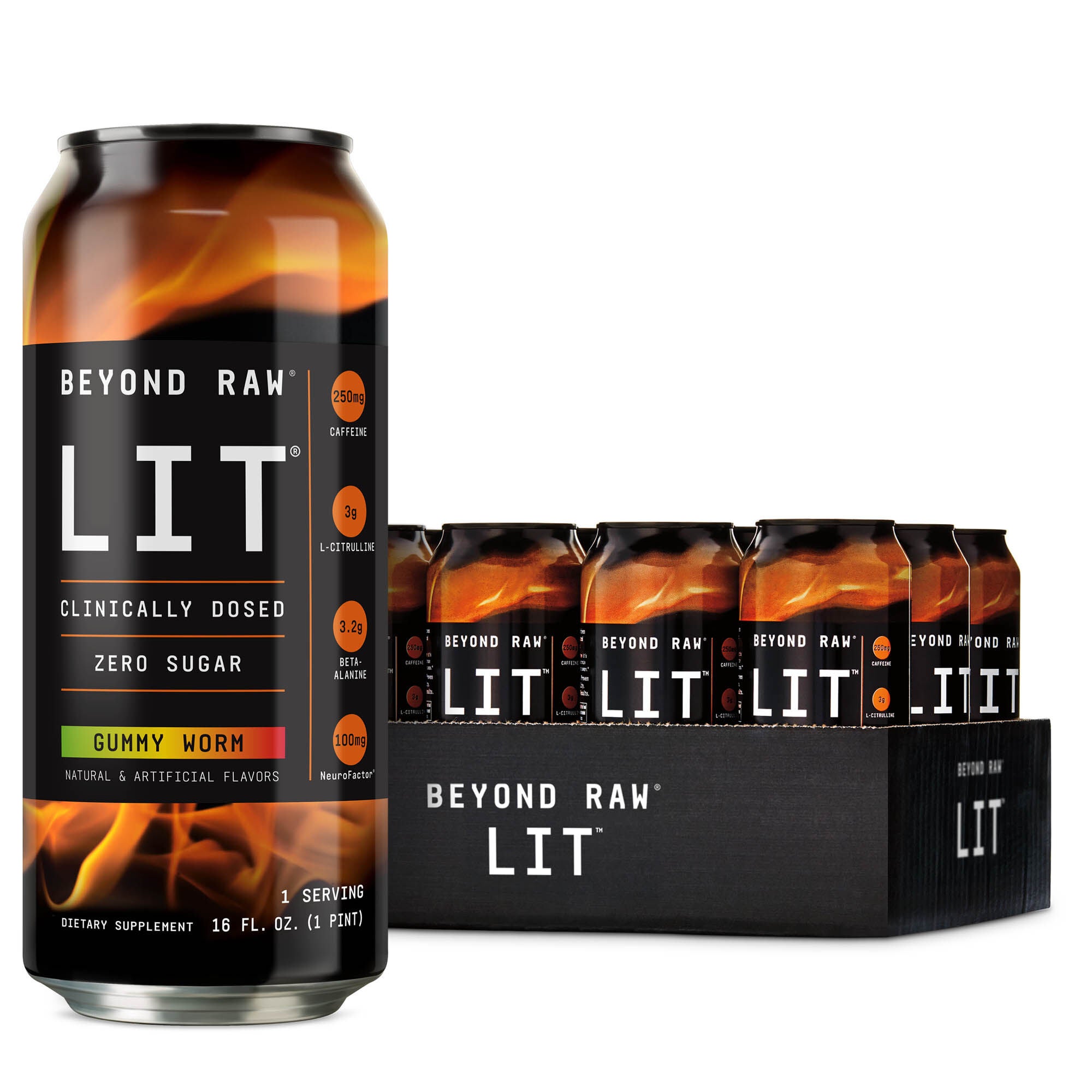
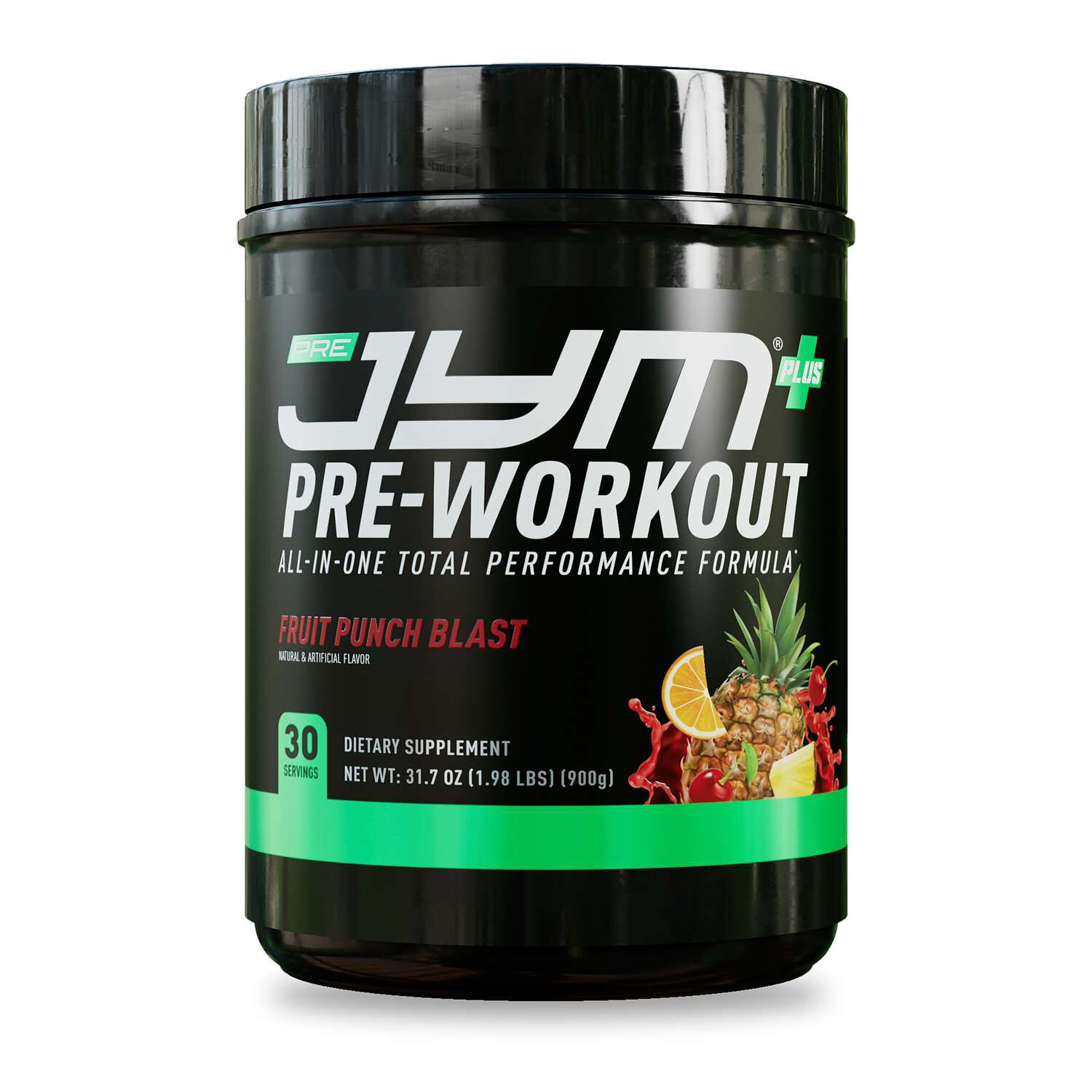

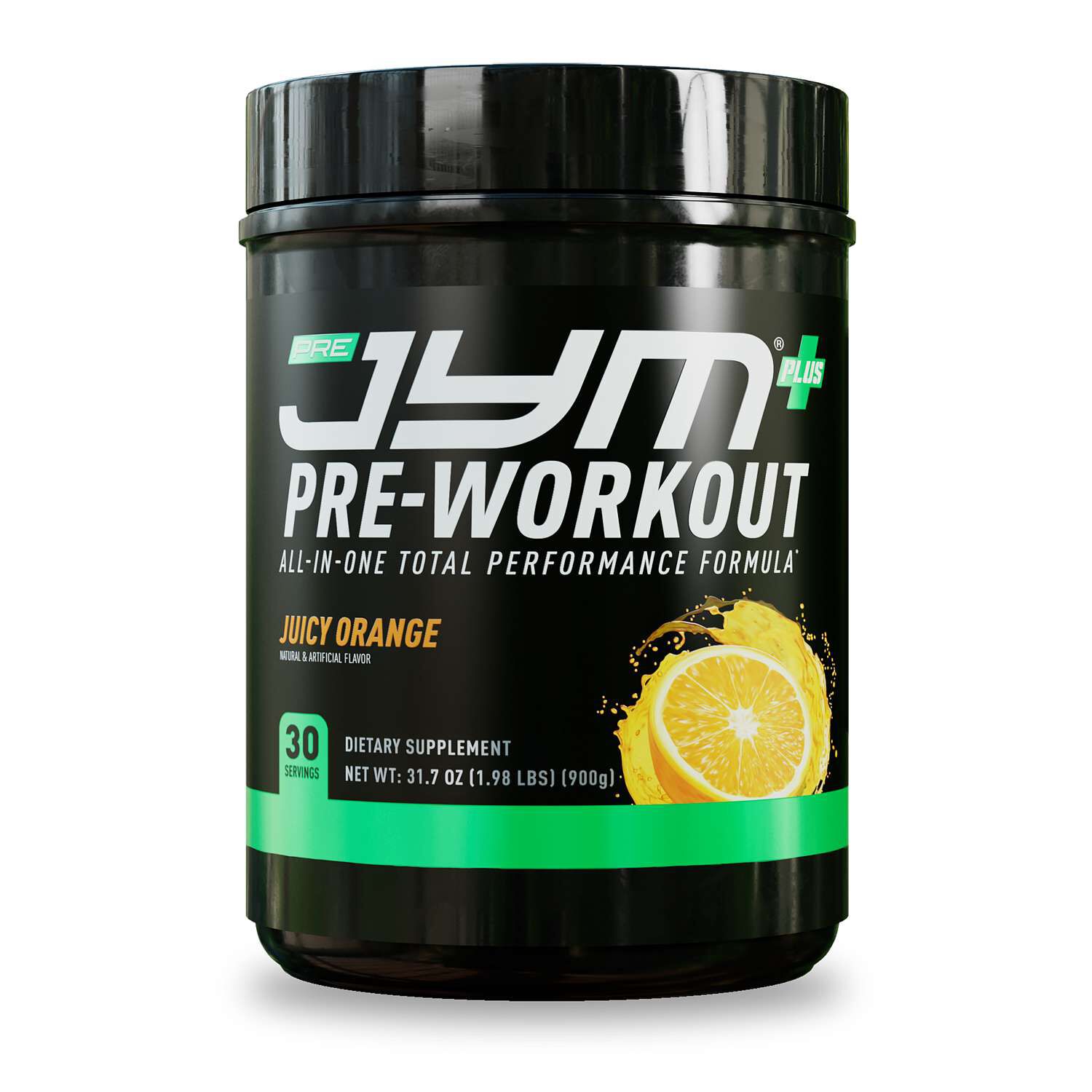
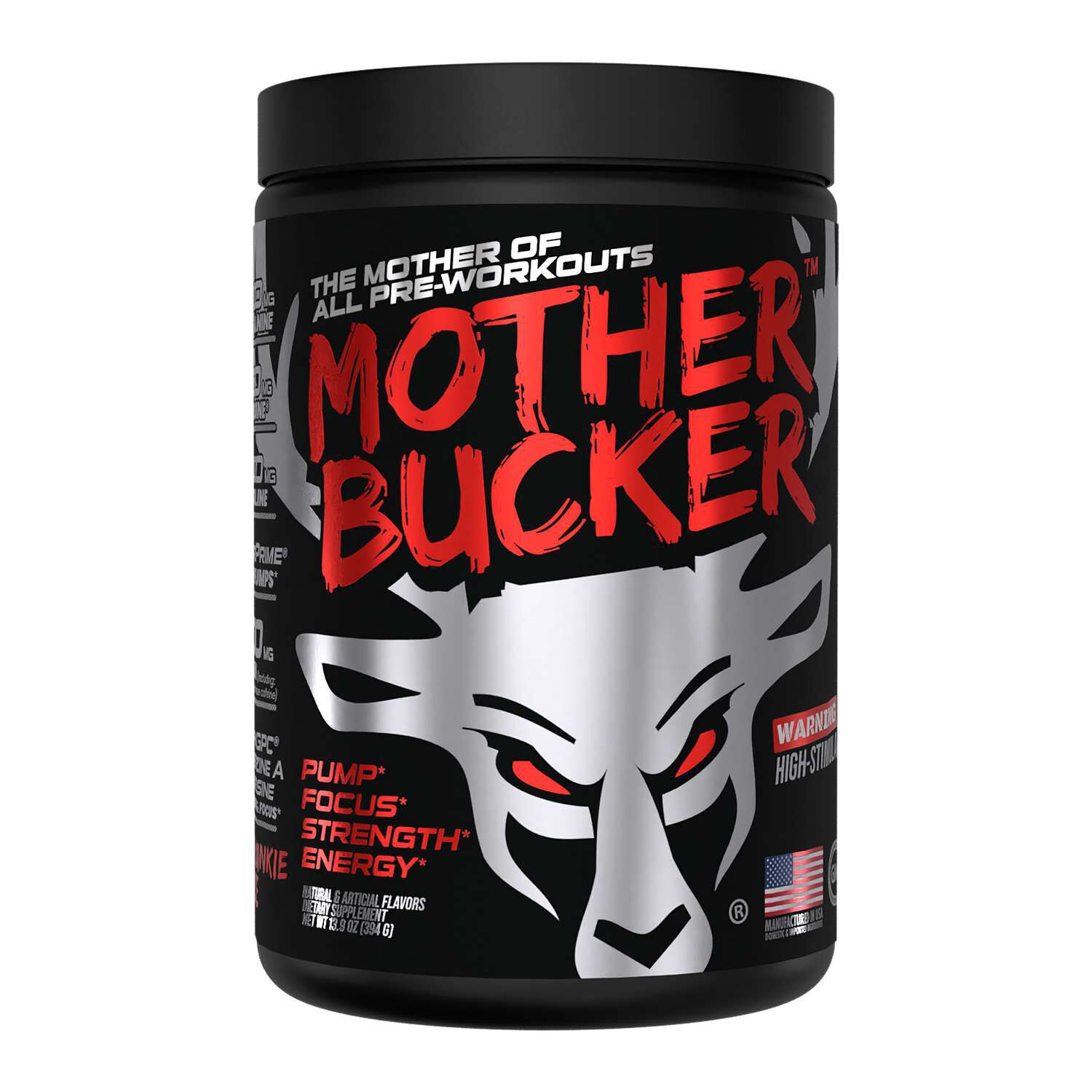
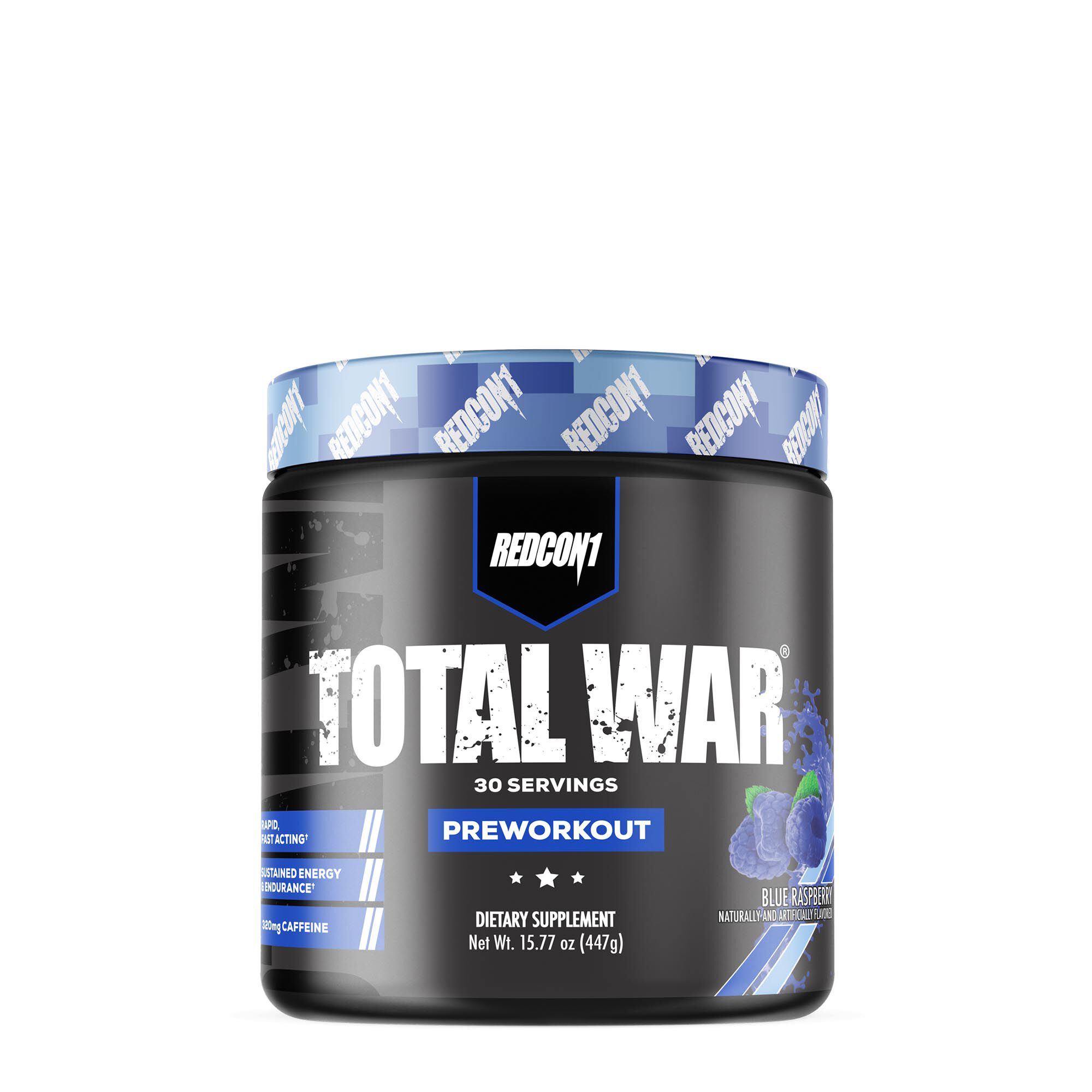
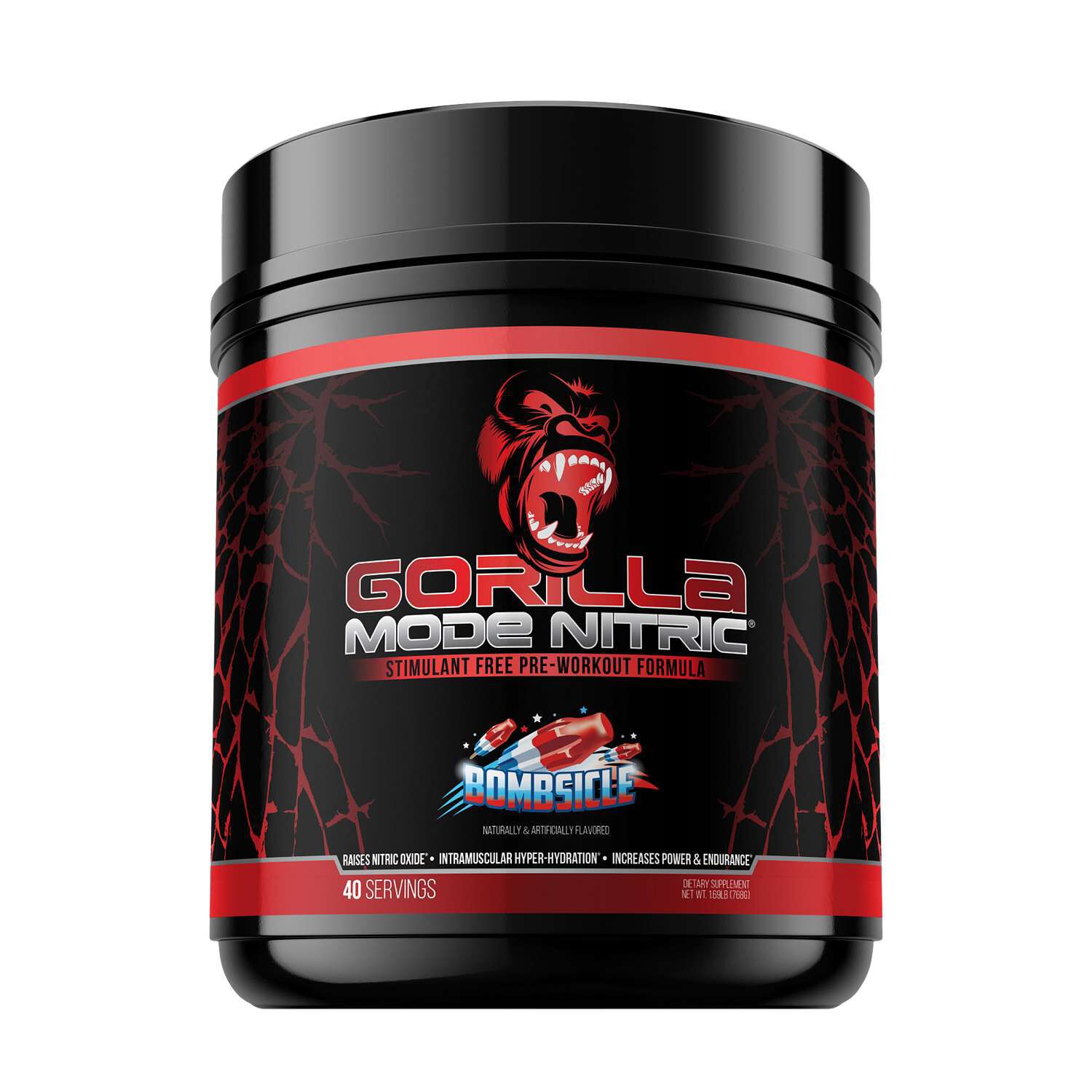
Pre-workout for vascularity is a category of workout supplements centered on the muscle pump and the appearance of more visible veins during exercise. Often described as pump-focused pre-workout, these formulas may support a fuller-looking appearance in working muscles during a lifting session. That visual effect is not the same as lasting muscle growth, and visible veins alone are not a measure of workout quality. Genetics, body composition, exercise selection, and even lighting can influence how vascular someone looks. For shoppers comparing this category, the most useful distinction is between a formula’s intended purpose and the experience it may provide. Some blends emphasize pump-oriented ingredients, while others combine those ingredients with caffeine or additional components associated with broader training goals. L-citrulline, citrulline malate, beetroot-derived ingredients, and glycerol are names shoppers may encounter on labels. They are not interchangeable, and their presence does not establish how noticeable a workout pump might be. L-citrulline and citrulline malate, for example, are different ingredient forms, so an identical gram amount does not necessarily represent the same amount of citrulline. Glycerol appears in some formulas marketed around muscle fullness, while beetroot may be included as a powder or extract. The ingredient form and stated serving amount offer more meaningful comparison points than a dramatic flavor name or an oversized scoop. This category may appeal to adult recreational lifters, bodybuilding enthusiasts, and experienced gymgoers who enjoy the feeling and appearance of a pump during resistance training. Picture a focused upper-body session with rows, presses, and curls: a pump-oriented supplement may complement that training experience, but it does not replace the work itself. The category is best understood as one part of a broader workout routine rather than a shortcut to a particular physique. A practical comparison starts with what the label actually discloses, how the formula is intended to be used, and whether its format suits the way someone trains.
Caffeine content is another important distinction when browsing pre-workout for vascularity. A pump-focused formula does not necessarily contain caffeine, and a caffeinated pre-workout does not necessarily center on pump-oriented ingredients. Some shoppers prefer a formula without added caffeine for an evening gym visit; others look for a caffeinated option as part of an established morning routine. Caffeine may contribute to a feeling of alertness, but that experience is separate from a muscle pump. Coffee, tea, energy beverages, and other supplements also matter when reviewing the caffeine listed on a serving label. Rather than treating every pre-workout as interchangeable, compare the stated caffeine amount, ingredient quantities, directions, and warnings. A clearly presented Supplement Facts panel makes it easier to see what a serving contains. When a blend lists a combined ingredient weight without individual amounts, ingredient-by-ingredient comparisons become less precise. Serving size deserves similar attention: one scoop on one label may represent a different amount of powder than one scoop on another, and a container’s scoop is not a universal measuring standard. Directions may also specify a particular amount of water or a suggested time before exercise. Those details shape the practical experience of preparing a drink, especially for someone mixing it at a kitchen counter before an early commute or at a gym water station after work. Flavor and texture matter, too. A bright citrus drink, a softer fruit profile, or an unflavored option can suit different preferences, while the directed water amount affects how concentrated the drink tastes. Some ingredient combinations may leave sediment or have a slightly grainy texture; the mixing instructions can help set expectations. Powder, capsule, and liquid formats also involve different preparation steps. Powder requires measuring and mixing, capsules avoid a flavored drink, and liquids have their own serving and storage directions. The most convenient format is the one that fits the intended setting without making label directions an afterthought.
The fit of a vascularity-focused pre-workout is less about a single standout ingredient and more about how the entire formula aligns with someone’s training priorities and daily habits. A lifter who enjoys higher-repetition accessory work may approach this category differently from someone whose sessions center on a few heavy lifts with longer rests. Neither approach requires a particular visual result for the session to be worthwhile. Shoppers comparing pump-oriented formulas with options organized around another training goal can also explore Pre-Workout For Strength, keeping ingredient overlap and serving directions in view rather than assuming that two formulas belong together. Familiarity with a supplement’s label is especially valuable when changing formats or choosing a different blend, since similar category names can cover different ingredient combinations. Dietary preferences, ingredient sources, allergen statements, sweeteners, and flavoring details can also narrow the comparison. For example, someone who dislikes a lingering sweet finish may prioritize a different flavor profile than a shopper who wants a bold drink to sip before training. A person carrying a shaker through a long commute may care most about straightforward preparation and a secure container. Storage and package care deserve attention alongside taste and ingredients: keep the lid securely closed, use a dry scoop, and follow the stated storage directions. A damp locker room, a humid kitchen shelf, or a car exposed to changing temperatures may not match those directions. Package condition and the printed date are useful checks, particularly when a container travels frequently in a gym bag. During cooler months, an indoor training routine may shift between early mornings and after-work sessions, making preparation time and caffeine preferences worth revisiting. If considering a supplement as a gift, an adult recipient’s known ingredient preferences and existing routine matter more than an ambitious claim on the front of a package. Across these everyday situations, careful label comparison keeps the focus on the actual formula, its intended use, and the workout experience it may support. A noticeable pump may be an enjoyable part of training, but consistency, realistic expectations, and a format that suits the routine remain more useful reference points than appearance alone.