

Pre-Workout For Strength
(0 Results)
Pre workout for strength could be a key part of maximizing your training sessions and supporting your fitness goals. Whether you’re looking to power through intense lifts or push past plateaus, a well-chosen pre workout may help you feel ready to take on new challenges in the gym. Explore options designed for those who want to support their strength-building routines and elevate their performance to the next level.

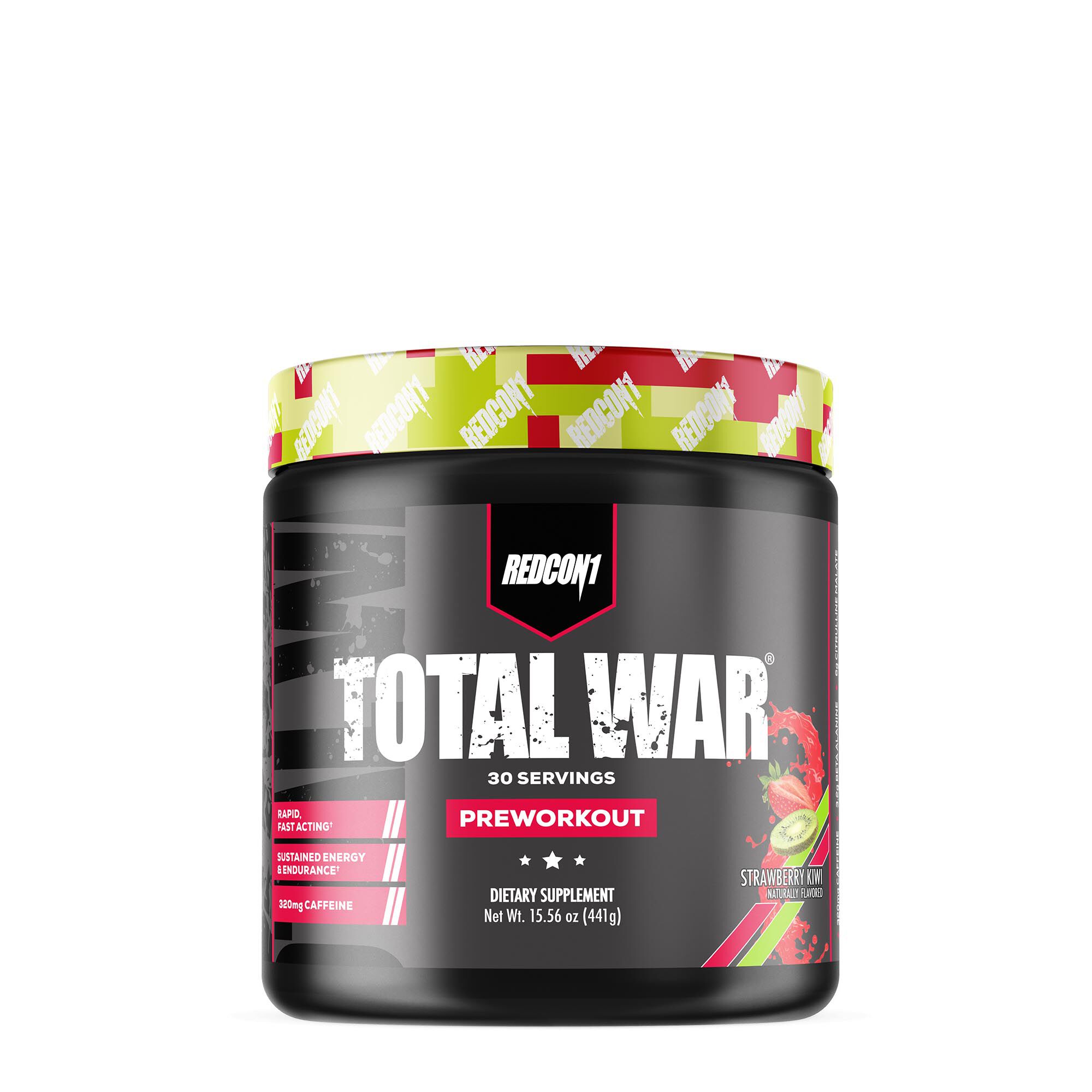


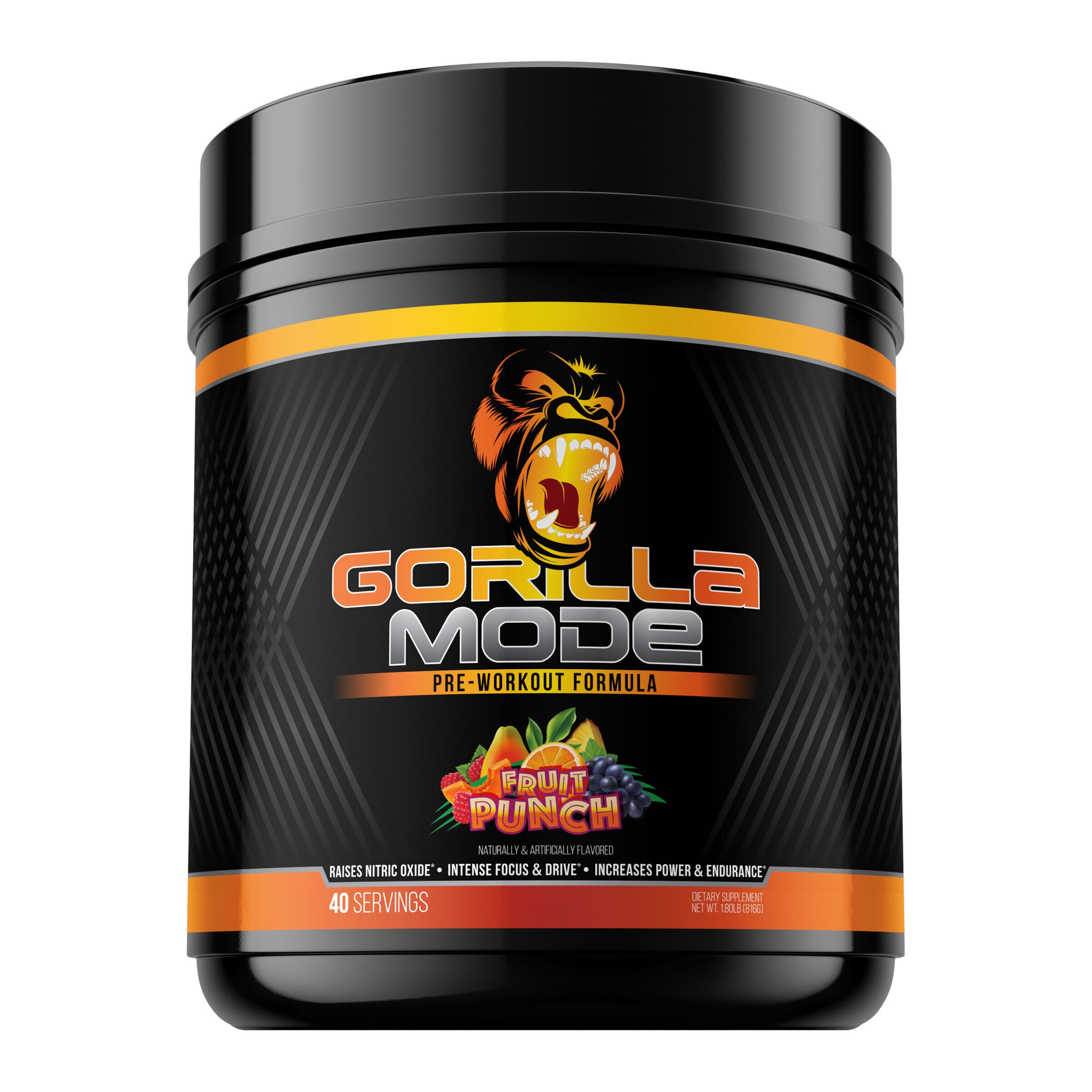
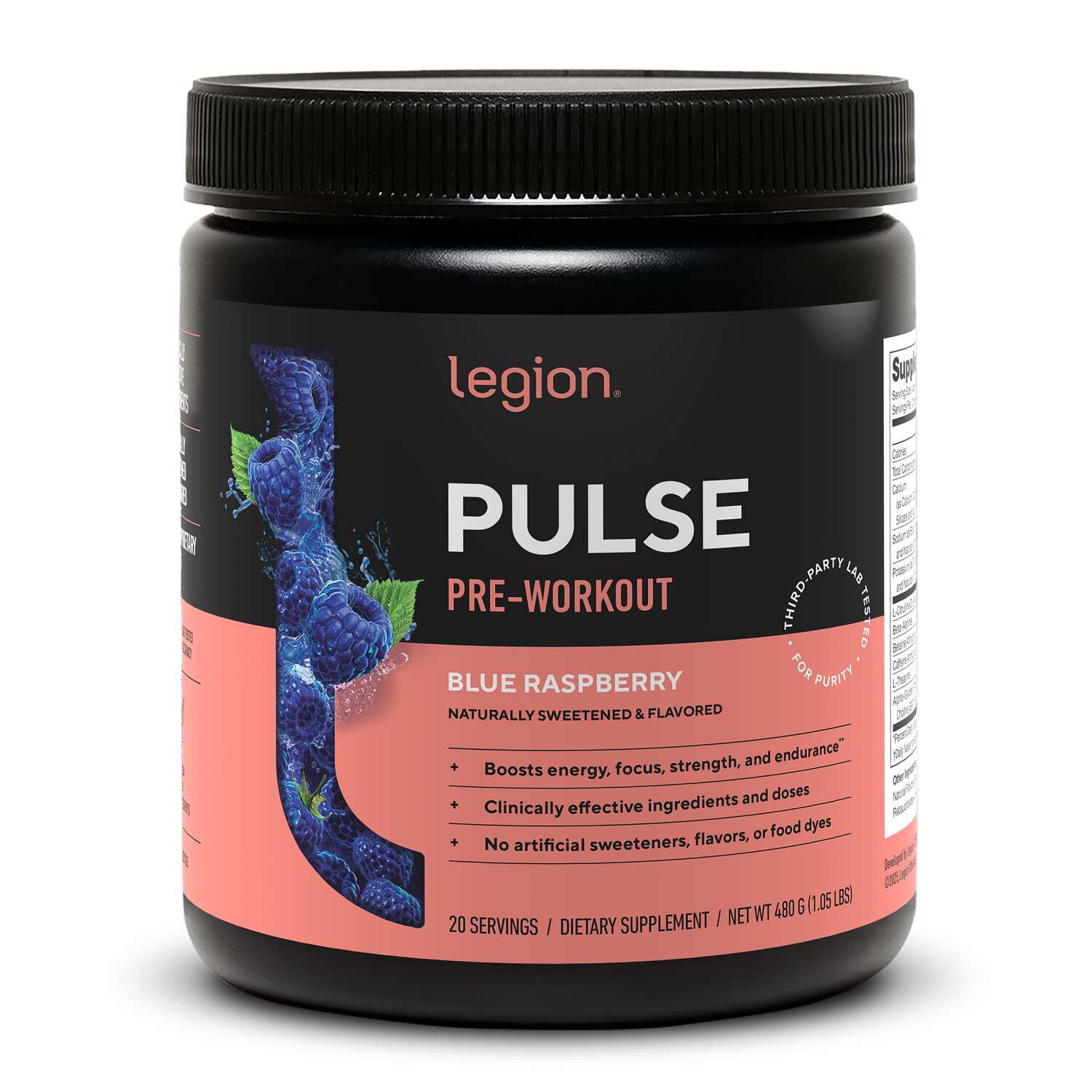
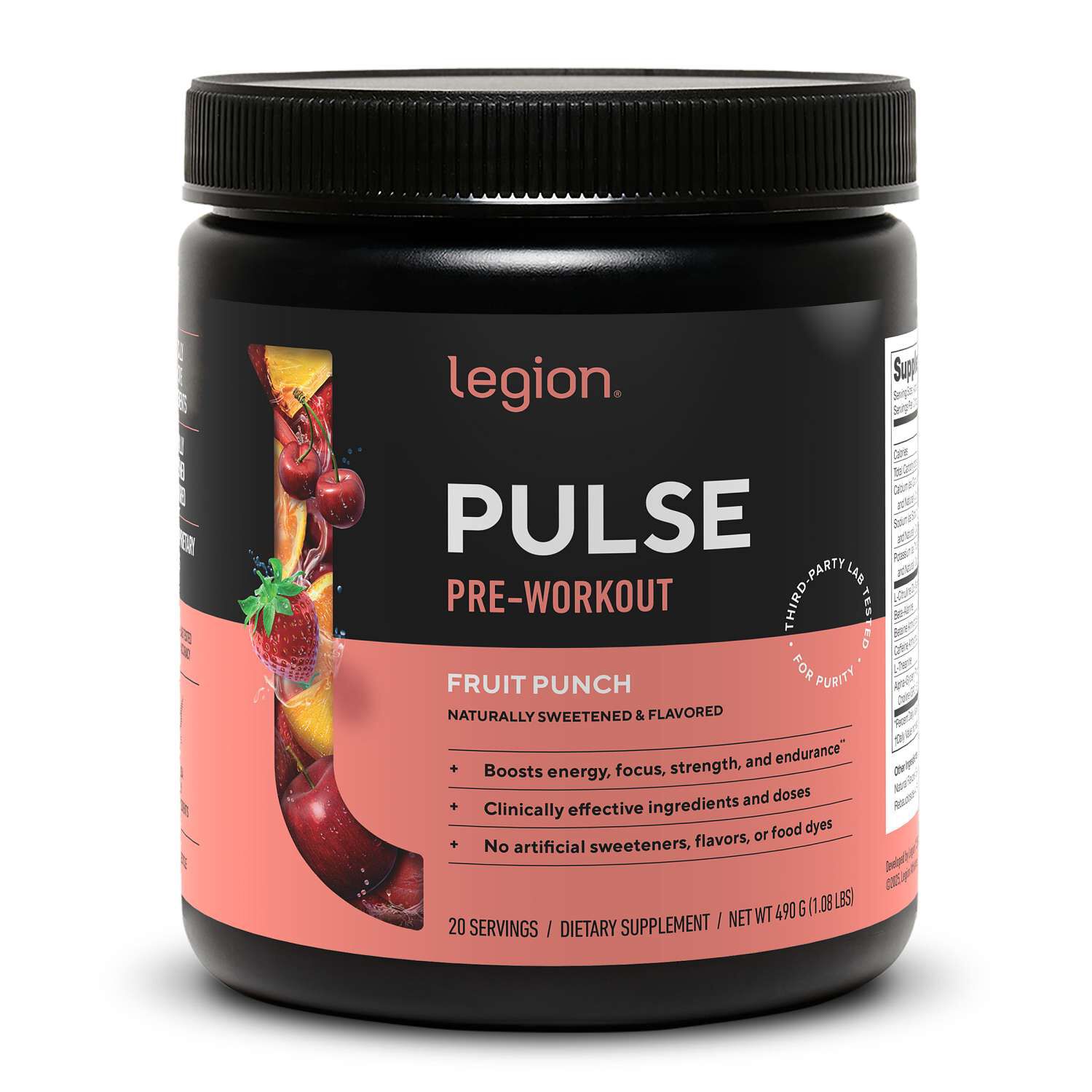
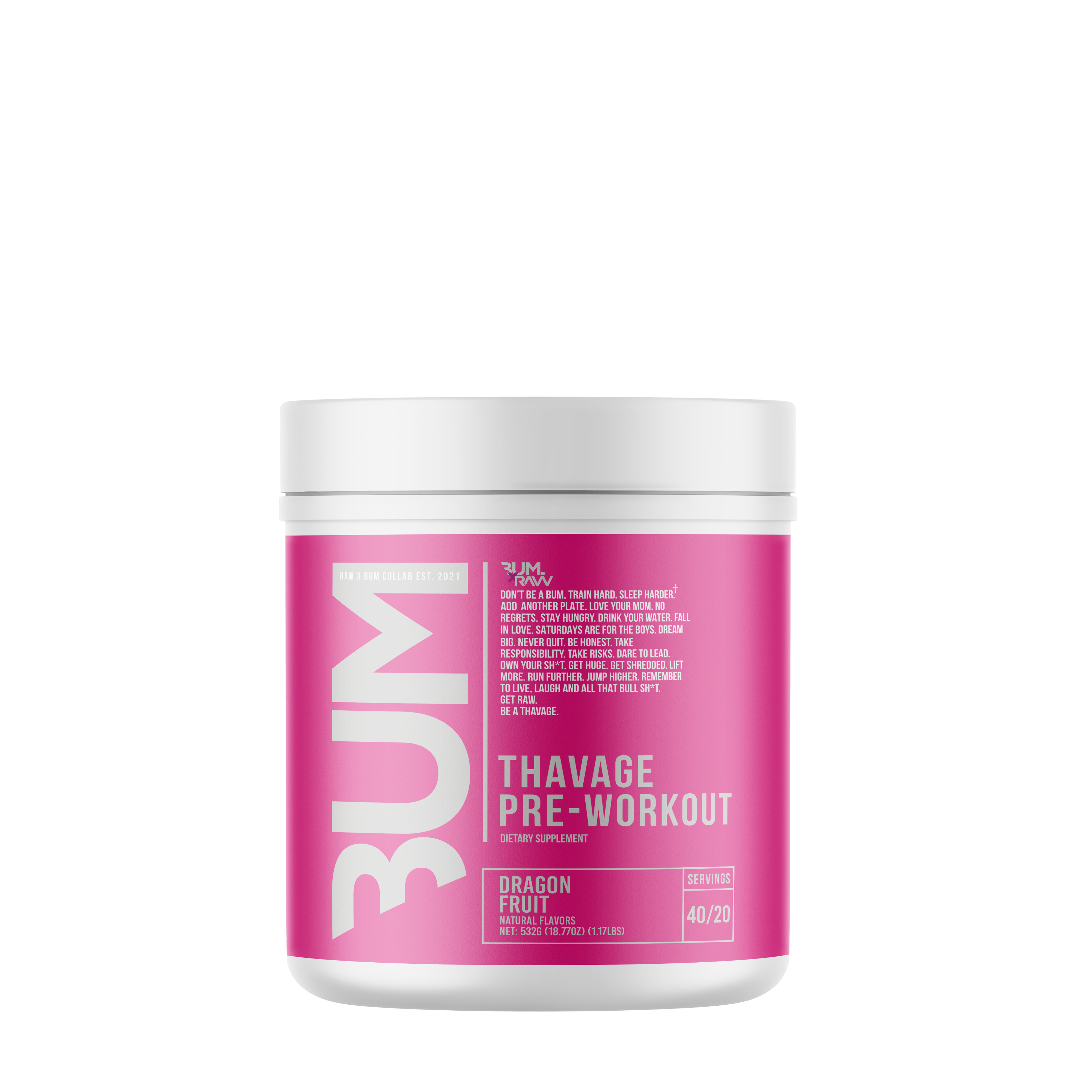


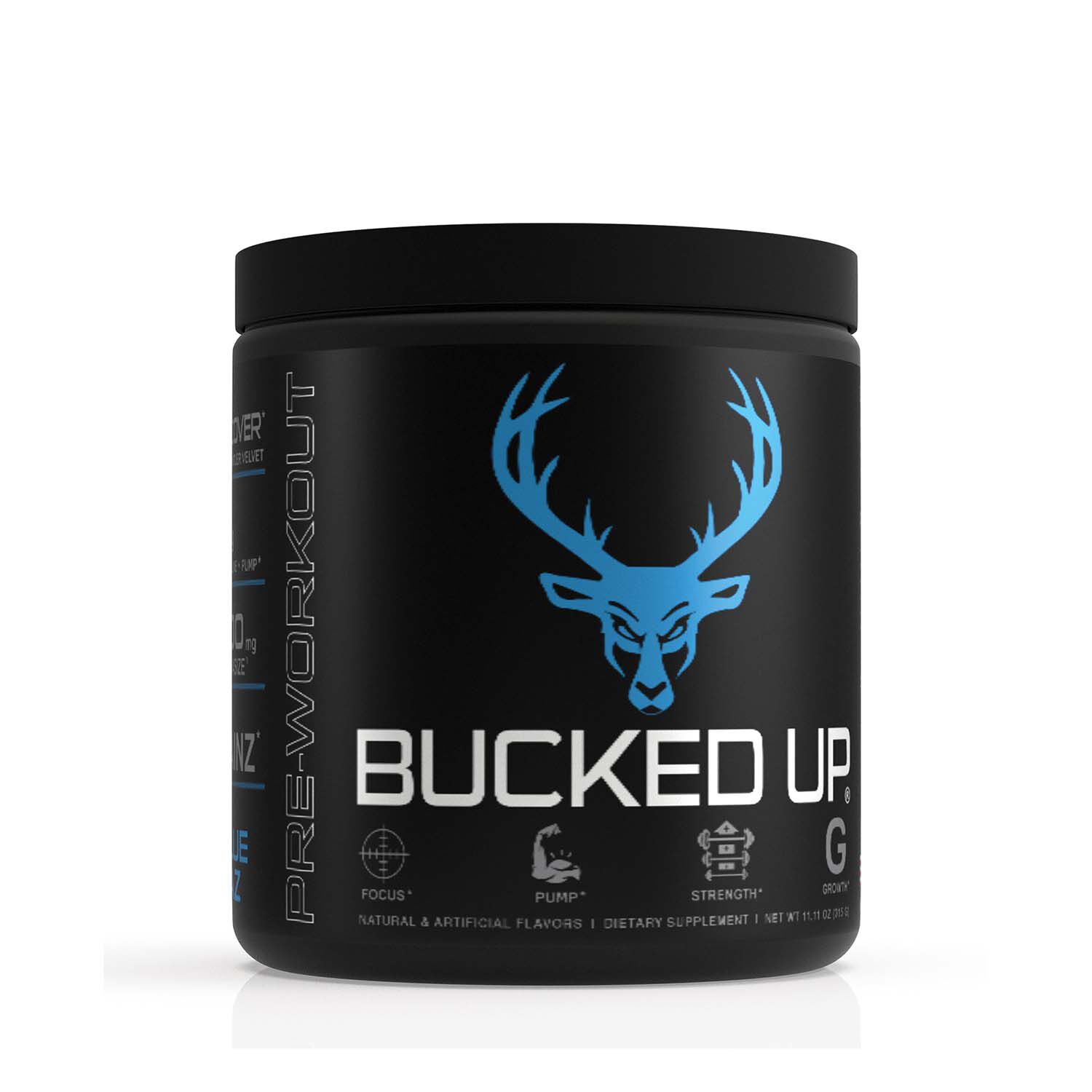


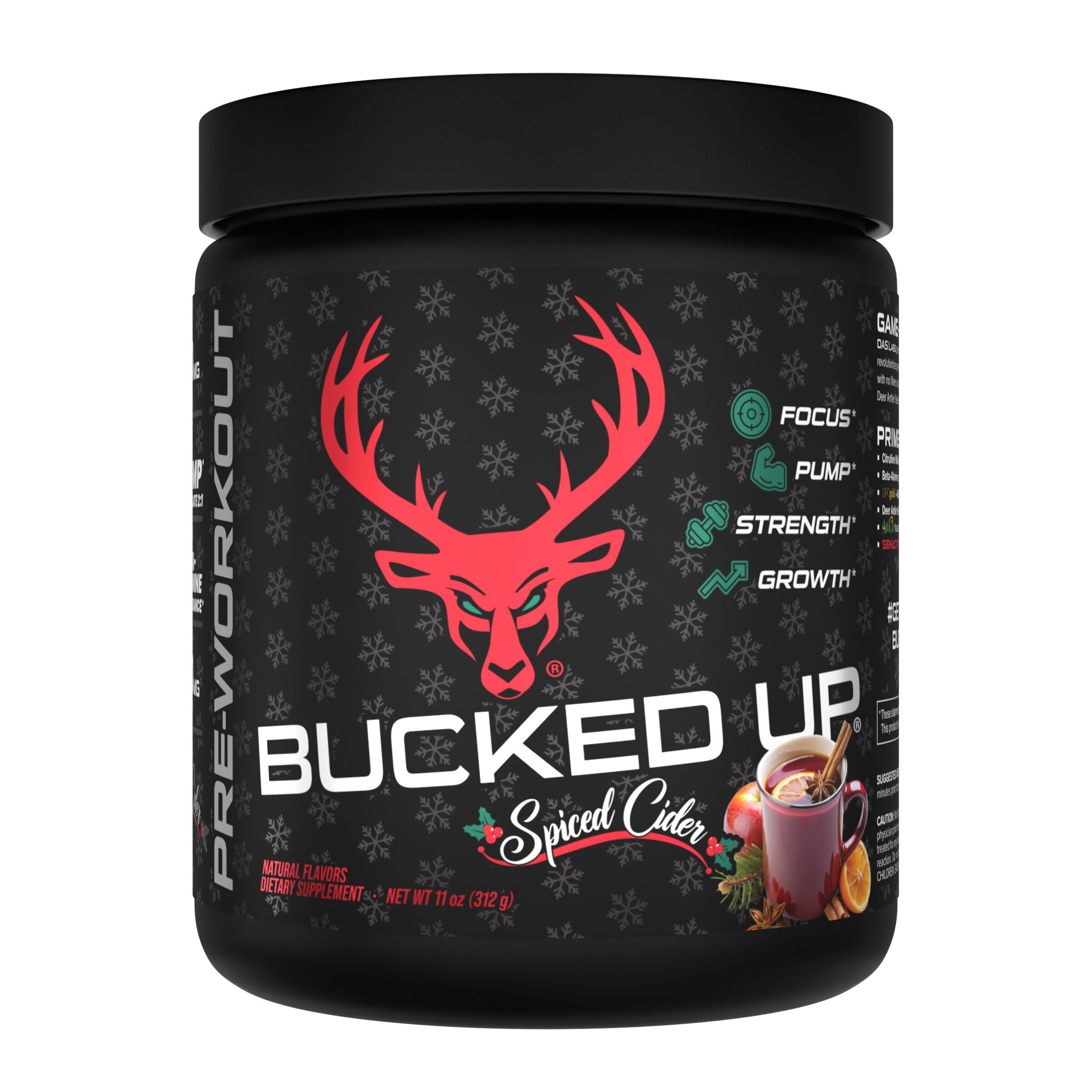
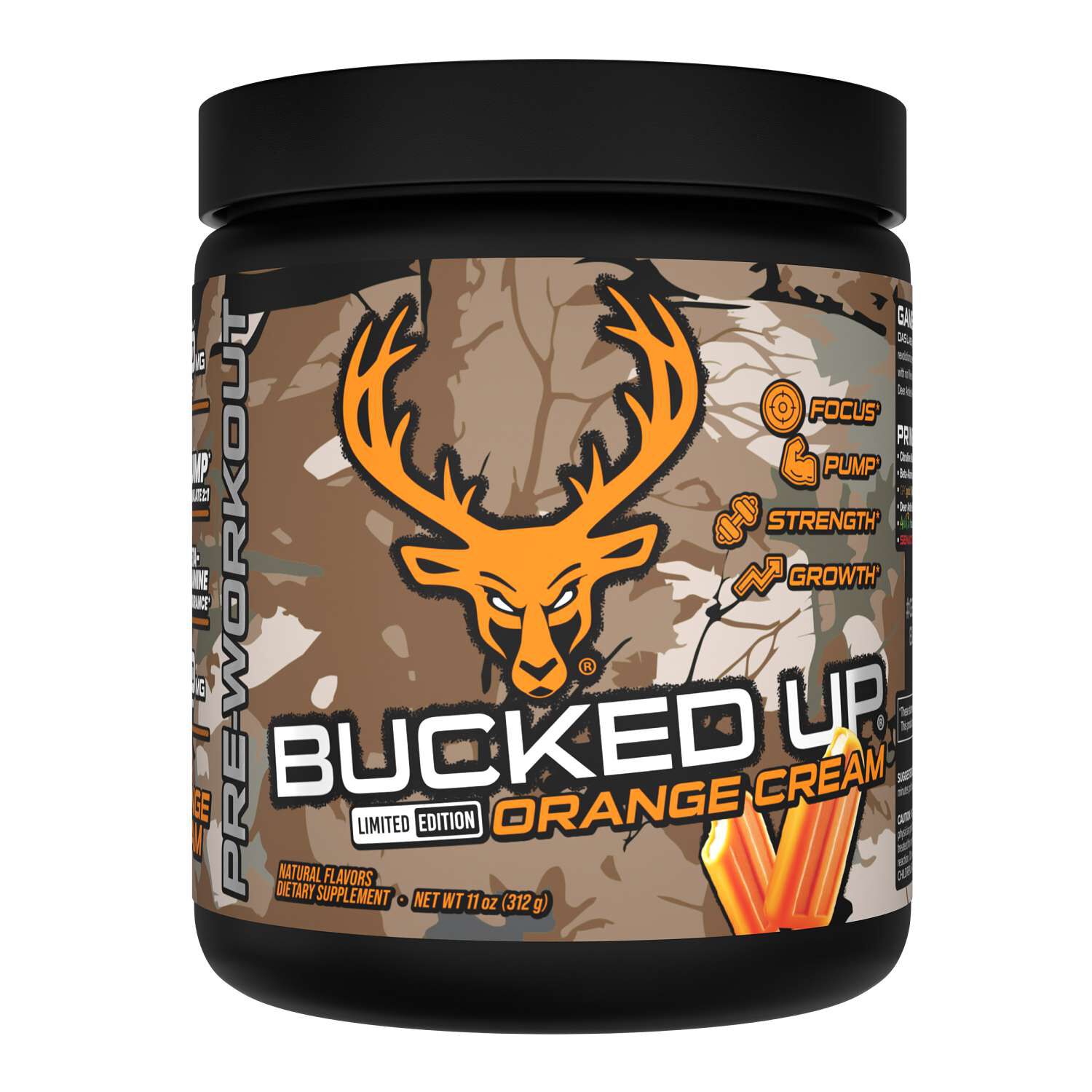
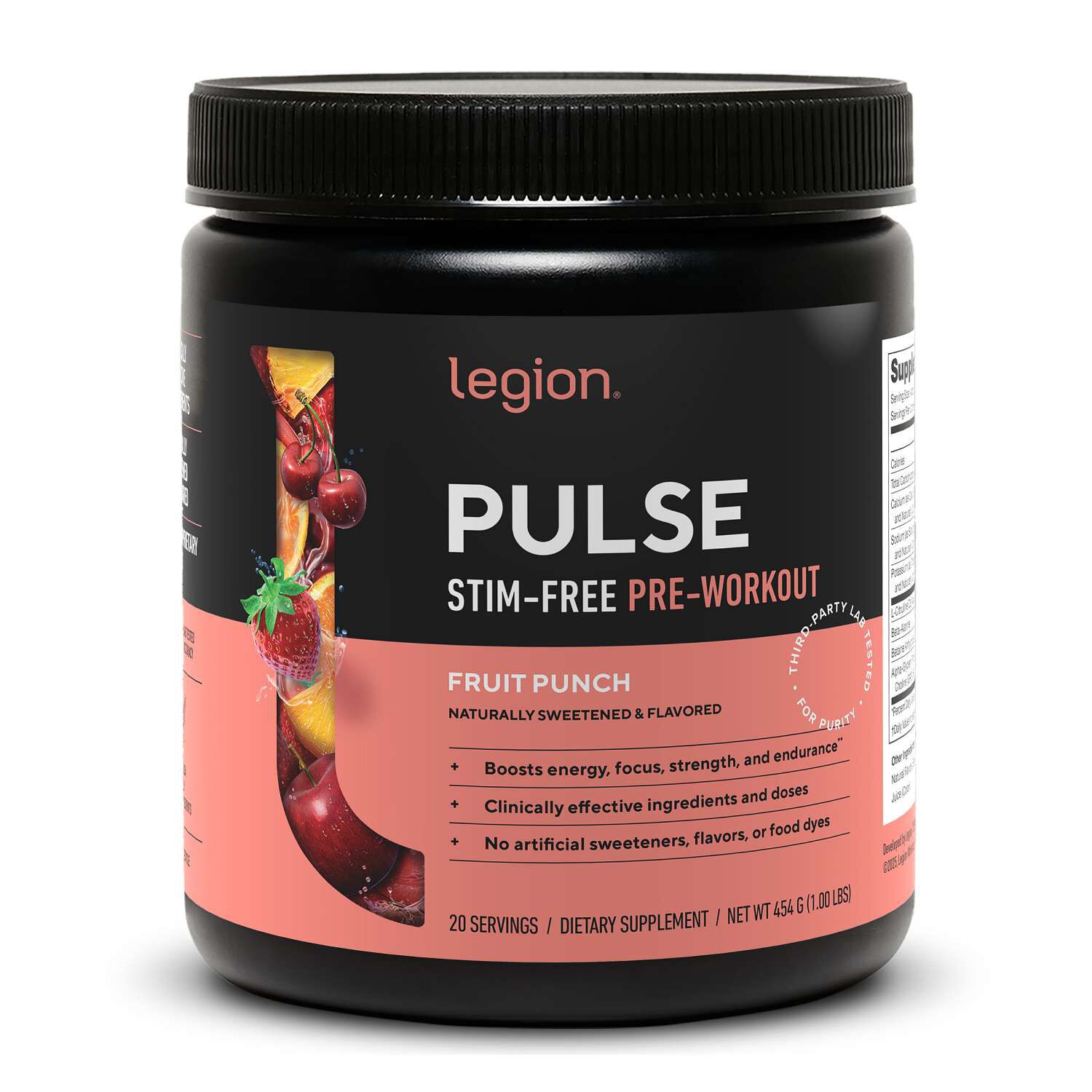
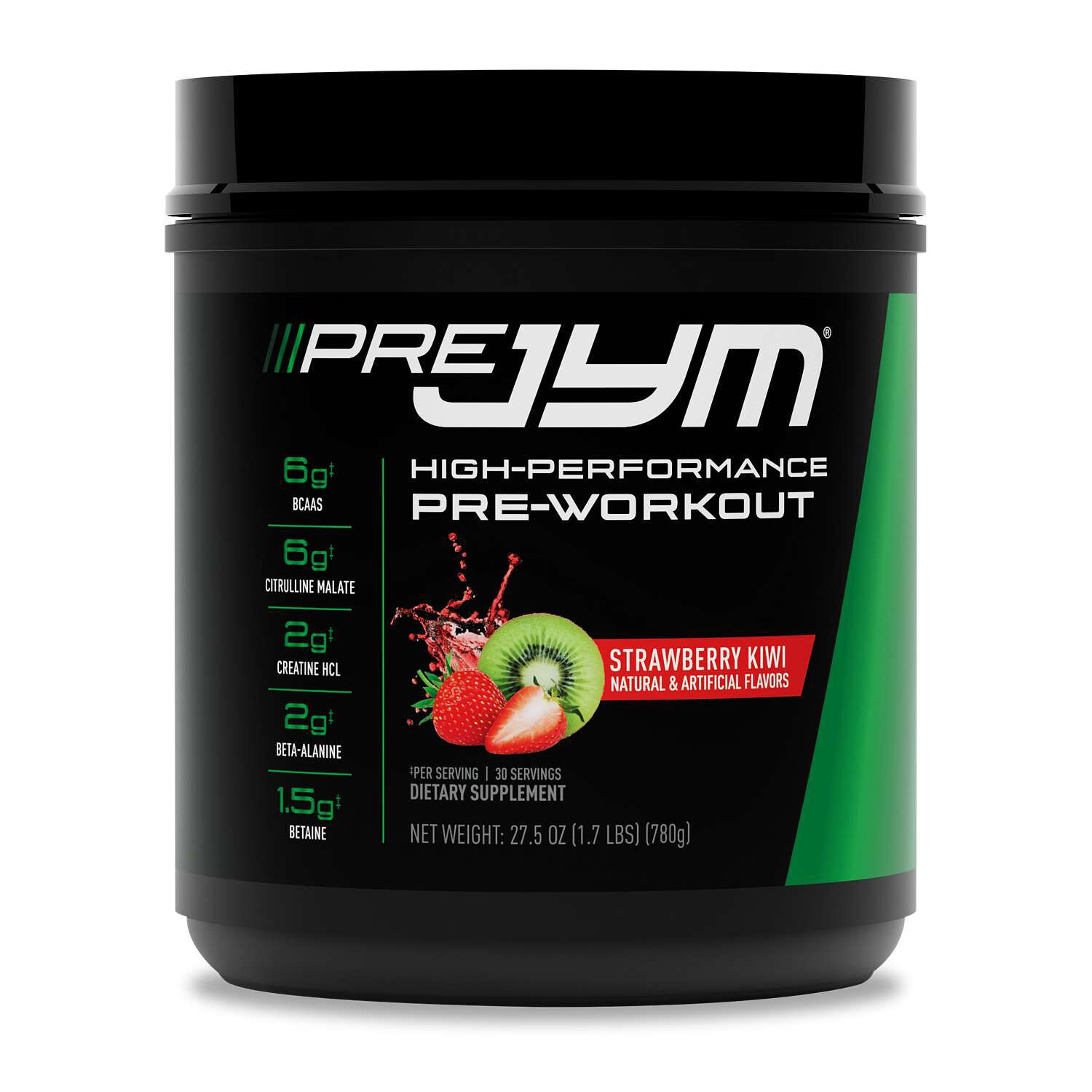
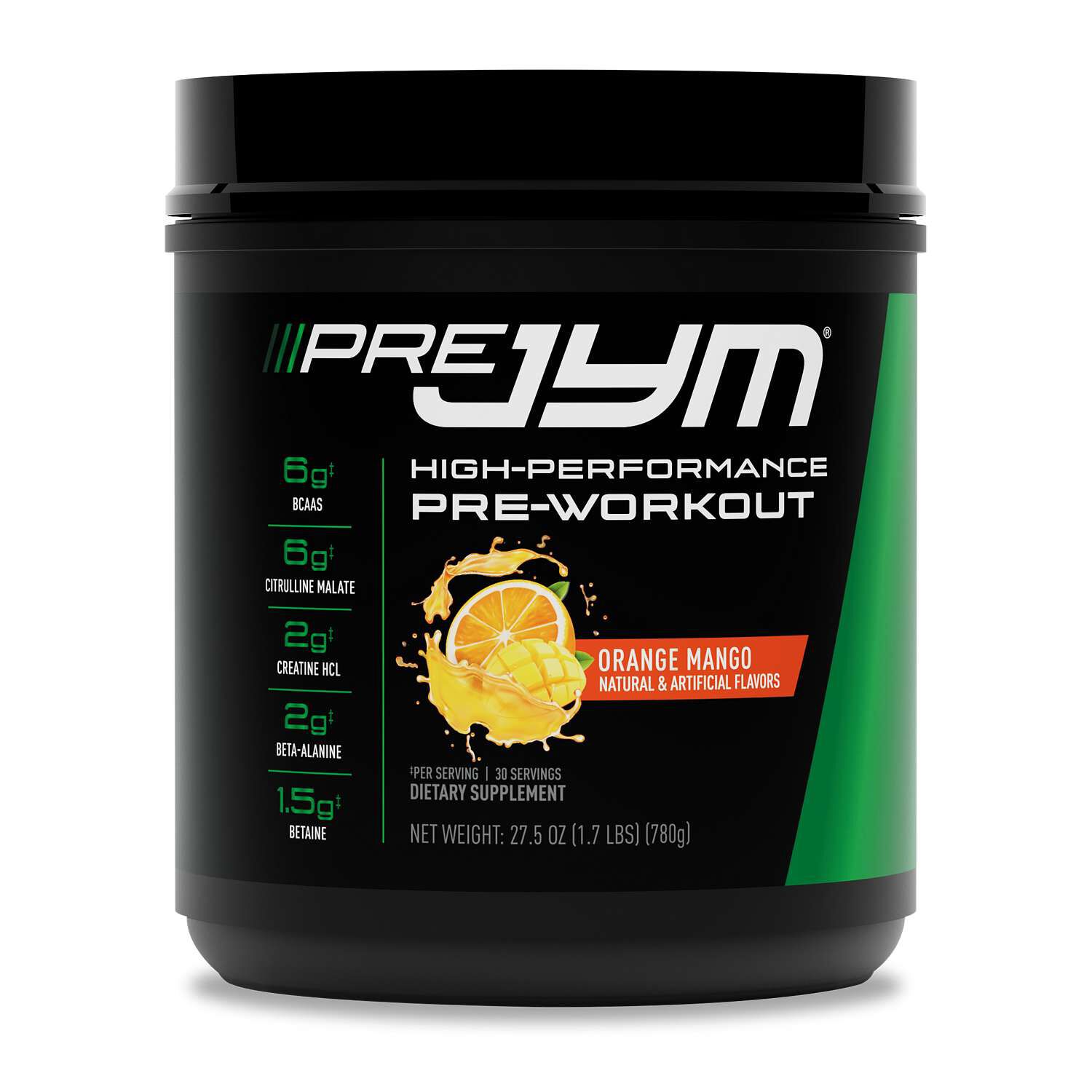


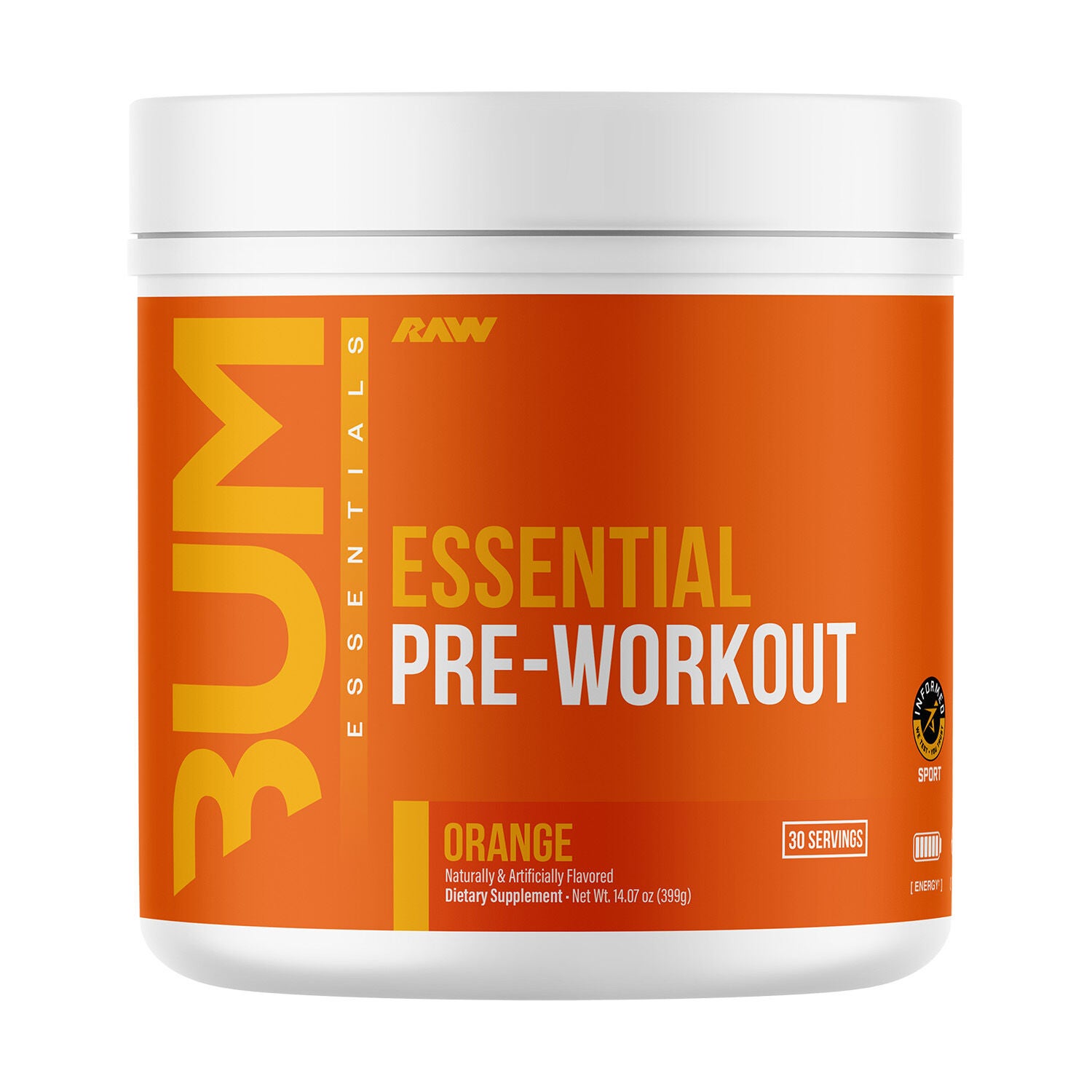


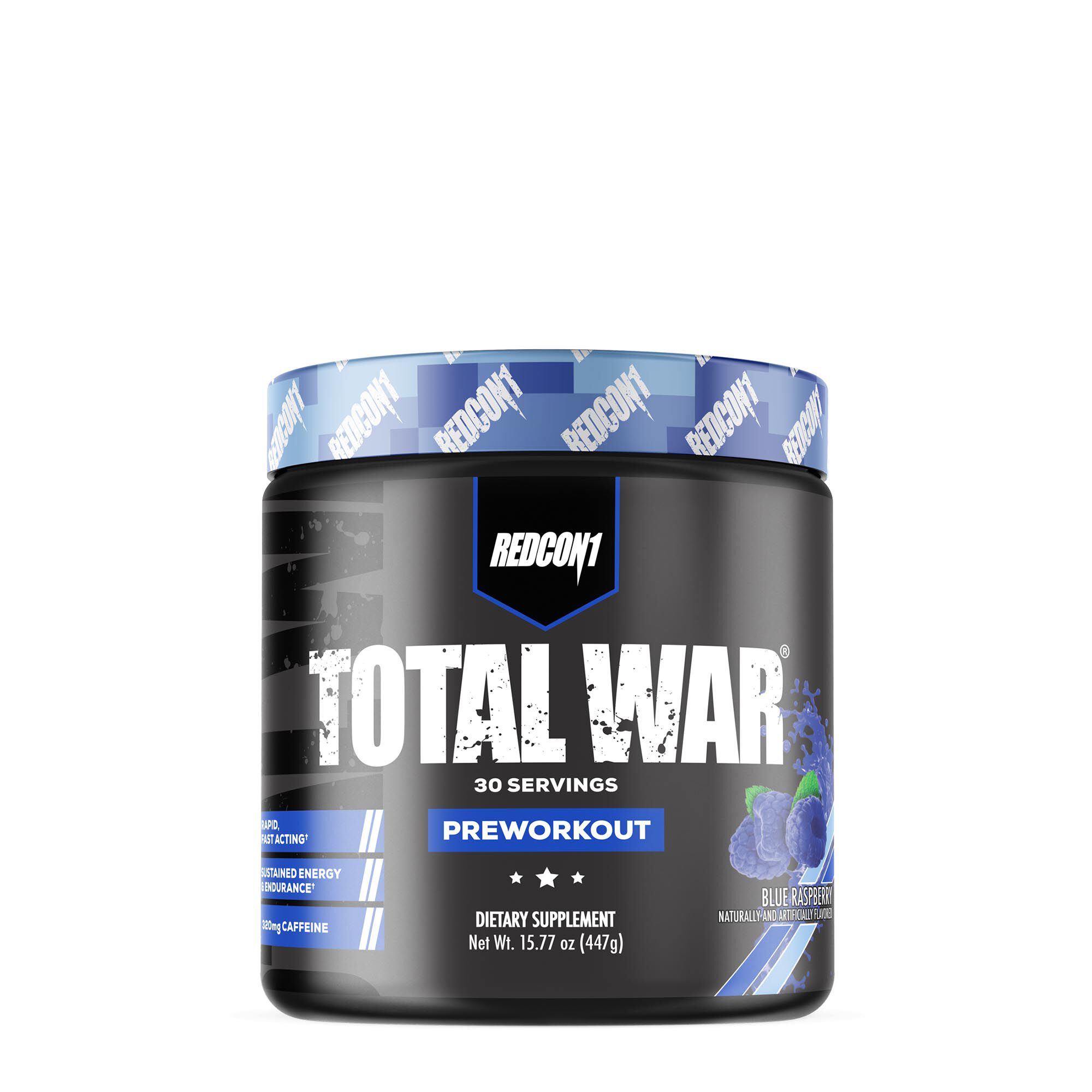
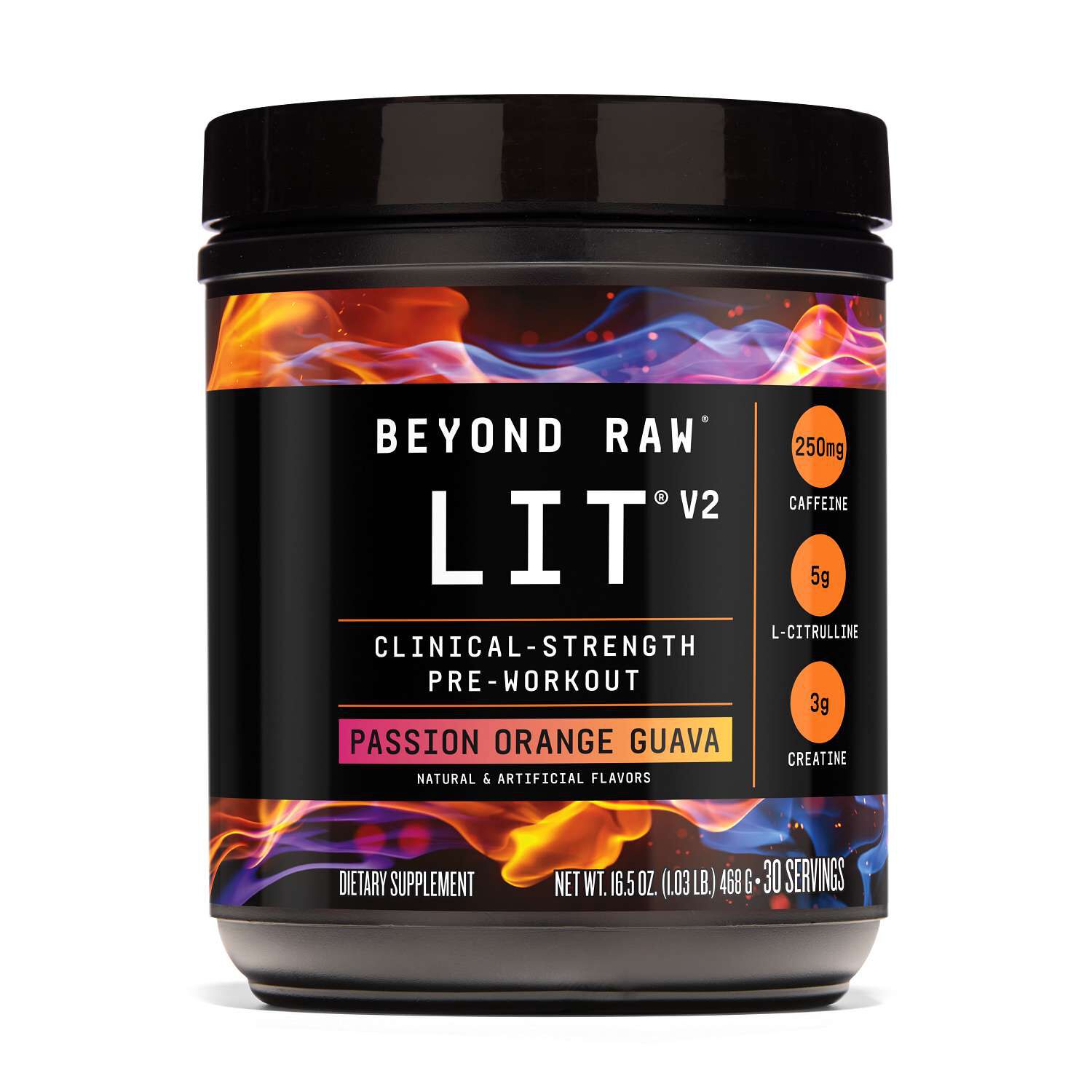
Pre-workout for strength is a category of dietary supplements intended for use before resistance training, with formulas that may support energy, focus, or muscular performance during demanding sessions. For someone approaching a squat rack, setting up a bench press, or working through a structured dumbbell routine, the appeal is a supplement that fits the purpose of the workout rather than simply a strong flavor or a large serving. Strength training often involves controlled repetitions, challenging resistance, and deliberate rest between sets. A pre-workout may complement that setting, but it is not a substitute for consistent training, adequate meals, hydration, or rest. Products in this category can differ considerably in their ingredients and intended use. Some feature caffeine, while others are made without caffeine for shoppers who prefer that approach. Some combine several ingredients in a flavored powder; others take a more focused approach with fewer components. Caffeine may support alertness and concentration, while creatine may support performance during repeated, high-intensity efforts when used consistently. Beta-alanine may support muscular endurance during certain demanding efforts, although that is a different consideration from performance on a single heavy repetition. The presence of an ingredient alone does not describe the whole formula: its amount per serving, the other ingredients alongside it, and the directions for use all provide useful context. Likewise, a product associated with an intense workout experience is not necessarily the closest match for every strength routine. A lifter practicing a few main barbell movements may have different preferences from someone pairing resistance exercises with short conditioning intervals. Experienced lifters, recreational gym members, and adults building a regular resistance-training habit may all browse strength pre-workouts, but their priorities need not look alike. The most useful comparisons start with the actual training schedule, the desired ingredient profile, and the practical details of preparing and using the supplement.
When comparing pre-workout supplements for strength, the Supplement Facts panel offers a more meaningful starting point than the name of a flavor or the styling of a container. Serving size, ingredient amounts, and the number of servings help distinguish formulas that otherwise look similar. A scoop is a measuring tool, not a universal serving across products, and directions can differ from one formula to another. Clearly listed ingredient amounts also make it easier to compare products with an existing supplement routine. For example, someone already using a separate creatine powder may prefer to know whether a pre-workout includes creatine as well. Someone whose morning routine includes coffee may place particular importance on the listed caffeine amount. A formula without caffeine may suit a shopper who does not want another caffeinated product, including someone whose lifting session takes place later in the day. More caffeine is not automatically a closer match for strength-focused training, and a larger scoop does not necessarily mean a more suitable formula. Other ingredients deserve attention, too, including sweeteners, colors, flavoring ingredients, and any declared allergens. Dietary preferences can narrow the choice further, especially for shoppers looking for products made without particular animal-derived ingredients. Where third-party testing or sport-related certification is listed, the specific certification matters more than a broad statement about quality. Competitive athletes may want to compare those details with the requirements of their sport or organization. For a broader view of supplements positioned around athletic training, Preworkout For Athletes offers a related category to explore alongside strength-focused options. Across either category, straightforward labeling makes comparison more practical. Rather than treating every ingredient as equally relevant, a shopper can distinguish between a formula centered on caffeinated energy, one built around ingredients associated with repeated muscular effort, and one combining several approaches. Those distinctions may matter more than dramatic wording on the front of a package.
Format, flavor, packaging, and storage are everyday considerations that can shape how comfortably a pre-workout fits into a lifting routine. Powdered pre-workouts involve measuring and mixing according to the package directions, making the suggested liquid amount and preparation method worth checking before choosing a container. A bright citrus flavor, a sweeter fruit blend, and a more understated flavor profile can feel quite different in the same shaker bottle; sweetness and tartness are matters of preference rather than signs of strength-training suitability. Texture matters as well. Mixing characteristics vary with the formula, and the preparation directions provide the relevant starting point for each powder. Single-serving packets offer a different format from a multi-serving tub, particularly for someone packing a gym bag before a commute or keeping workout supplies organized away from home. Packaging that closes securely is a practical consideration when a container will be handled frequently, while individual packets still need protection from punctures and moisture. For supplements, care is less about the durability of the contents and more about preserving the product under its stated storage conditions. Keeping the closure secure, using a dry measuring scoop, and checking the printed storage instructions and date are useful parts of product care. The accompanying shaker or mixing cup has its own cleaning directions, which are separate from the supplement’s preparation instructions. Intended use also matters when choosing a pre-workout as a gift for an adult who enjoys lifting. An established flavor preference, a familiar format, and known ingredient preferences are more useful than guessing based on how demanding the recipient’s workouts appear. A strength-focused pre-workout is a personal choice, not a measure of training experience or commitment. The same is true when shopping for a new routine: a carefully planned session of presses, rows, and squats does not require the most elaborate ingredient list. A formula with clear labeling, suitable preparation requirements, and an ingredient profile aligned with personal preferences may be a practical companion to the work already taking place in the gym.