

Preworkout For Athletes
(0 Results)
Preworkout for athletes can be an important part of a training routine, offering options that are designed to support energy and focus during intense workouts. Whether preparing for a big game or looking to push through challenging training sessions, athletes may benefit from exploring different preworkout formulas. Find a variety of options that could align with your performance goals and help you get the most out of every workout.

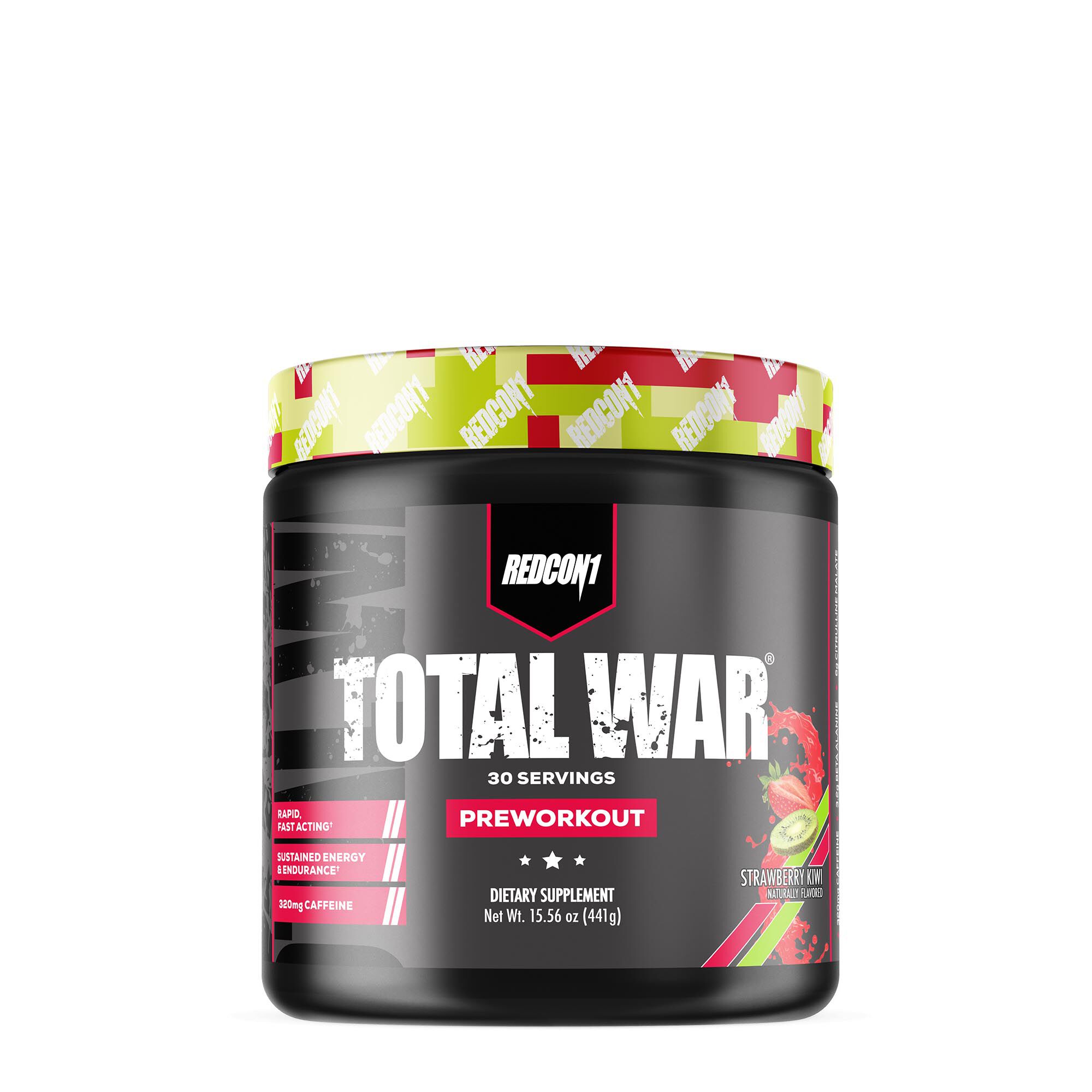

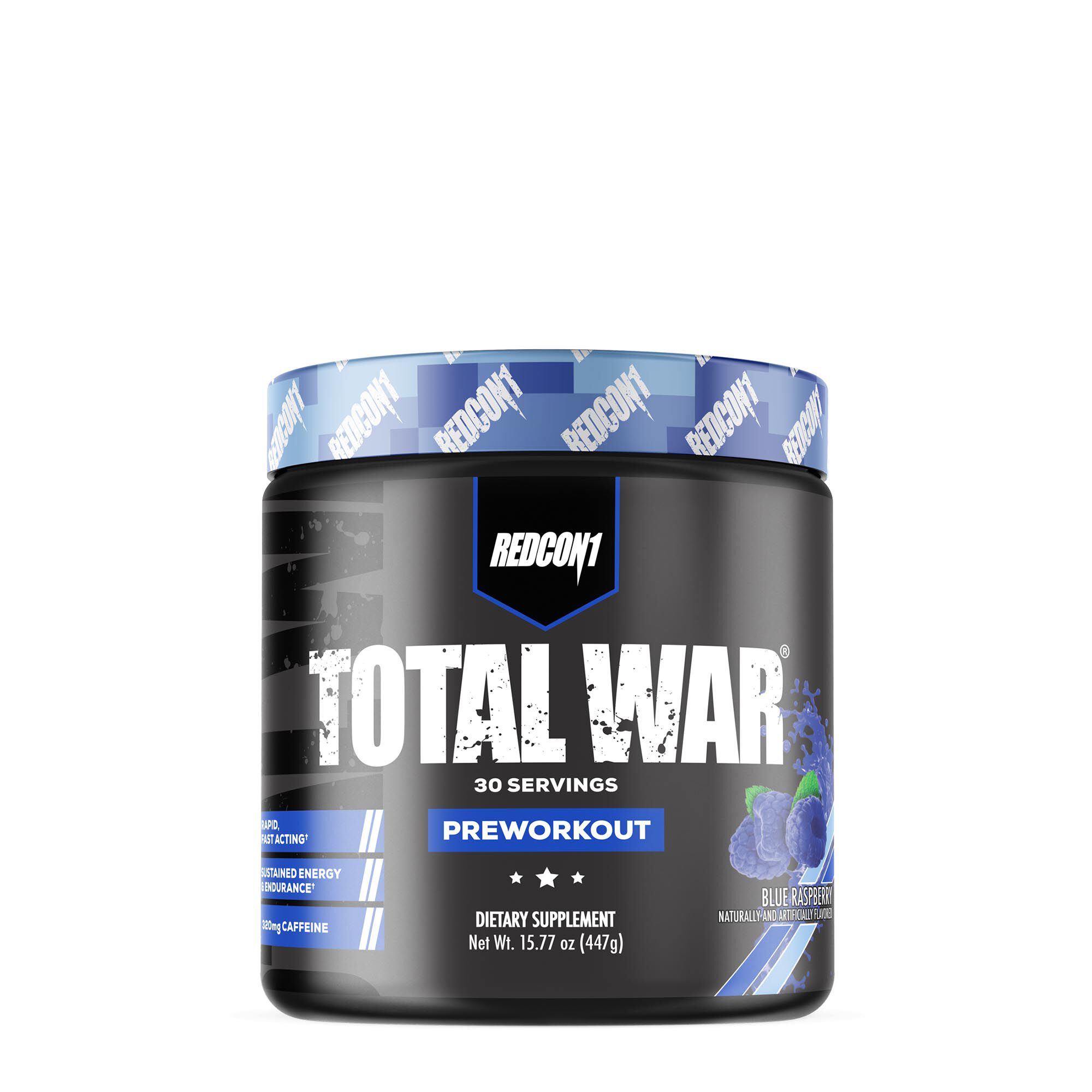
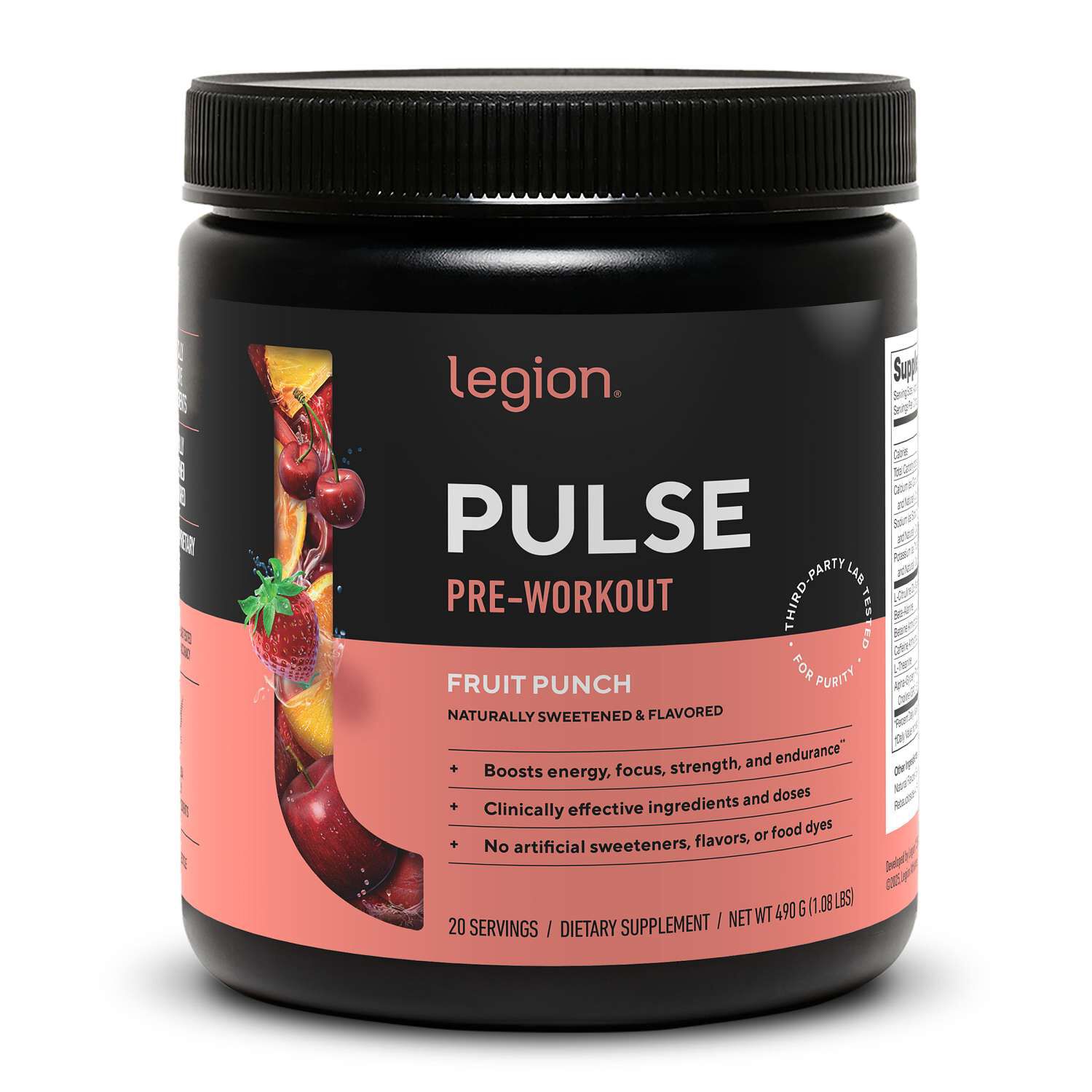
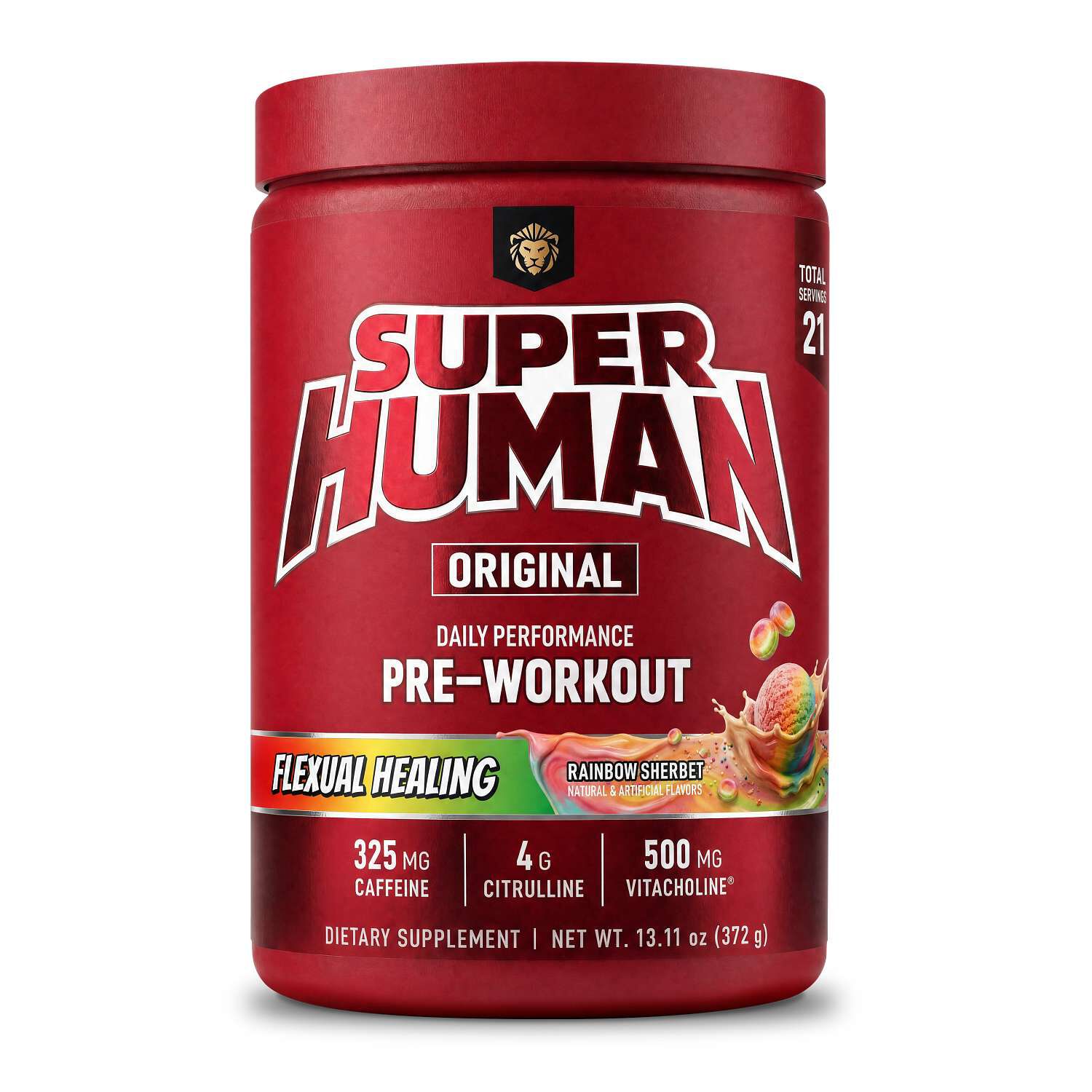
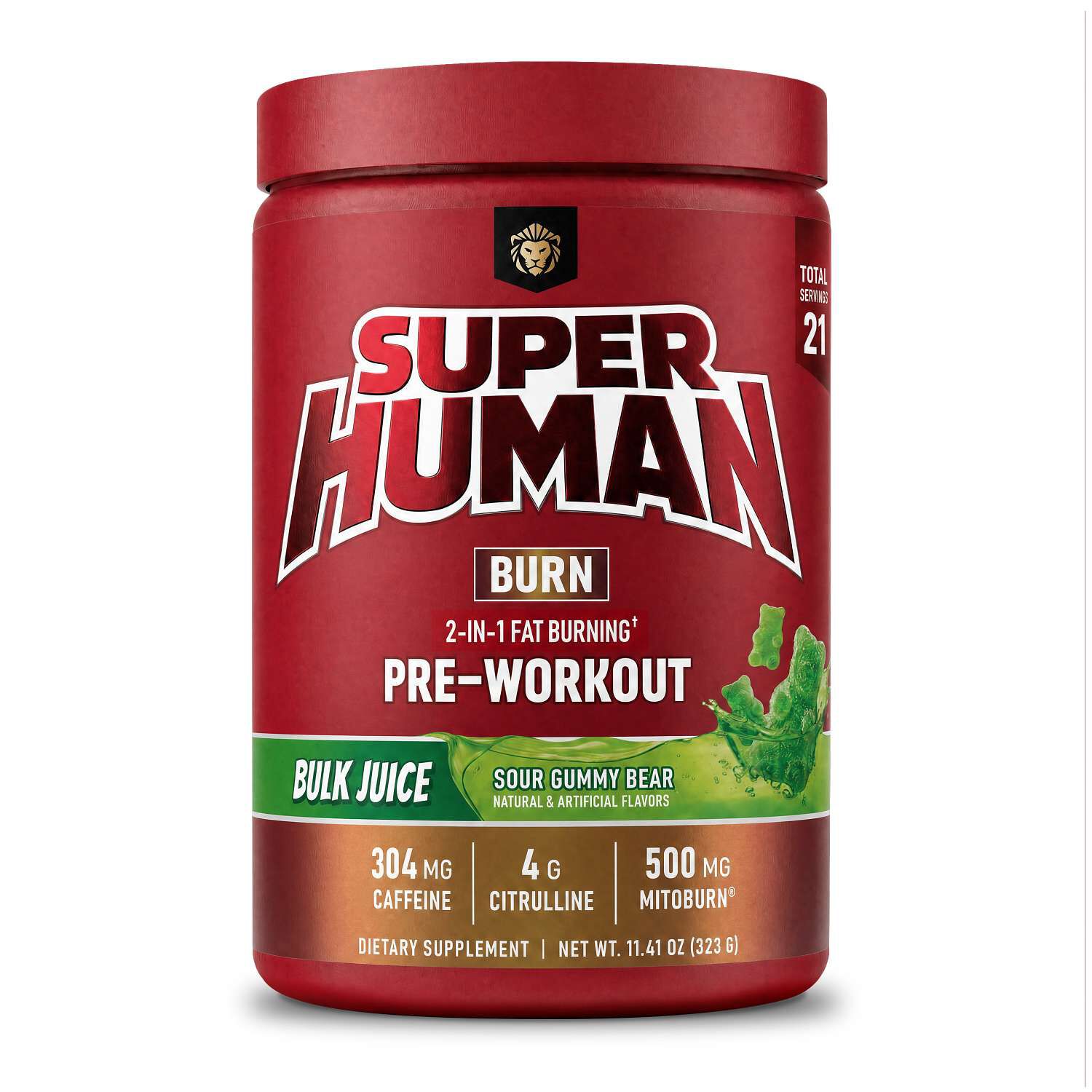
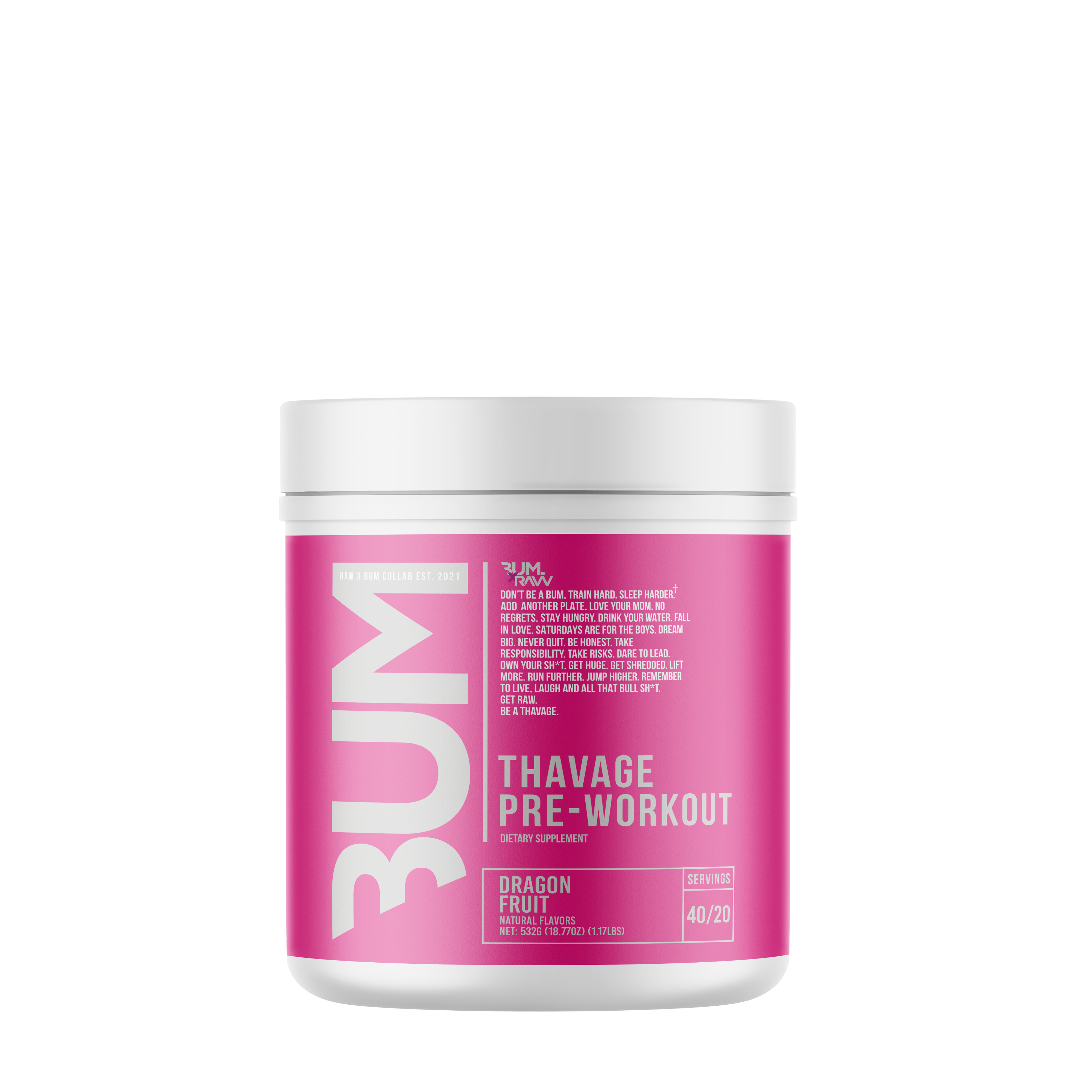

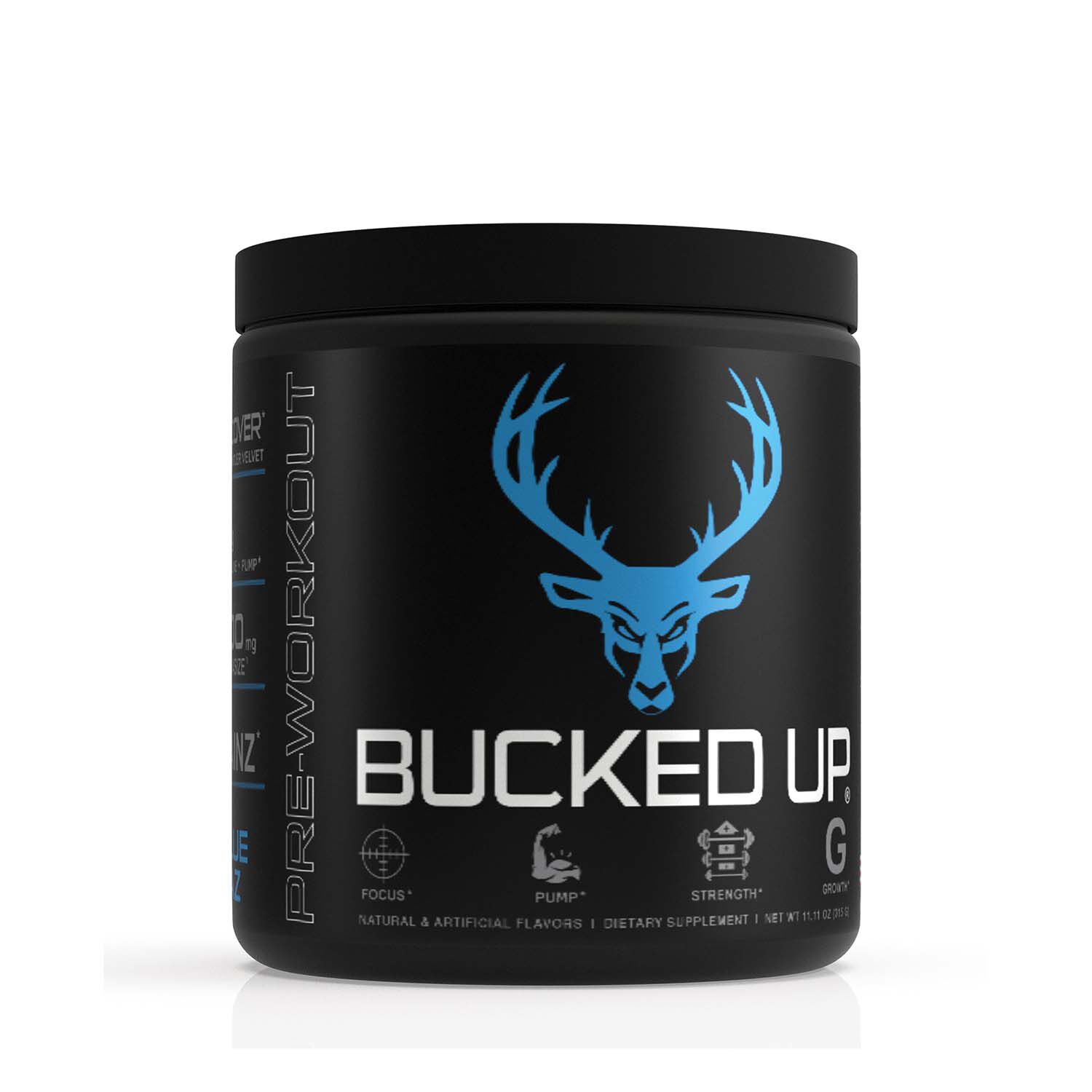


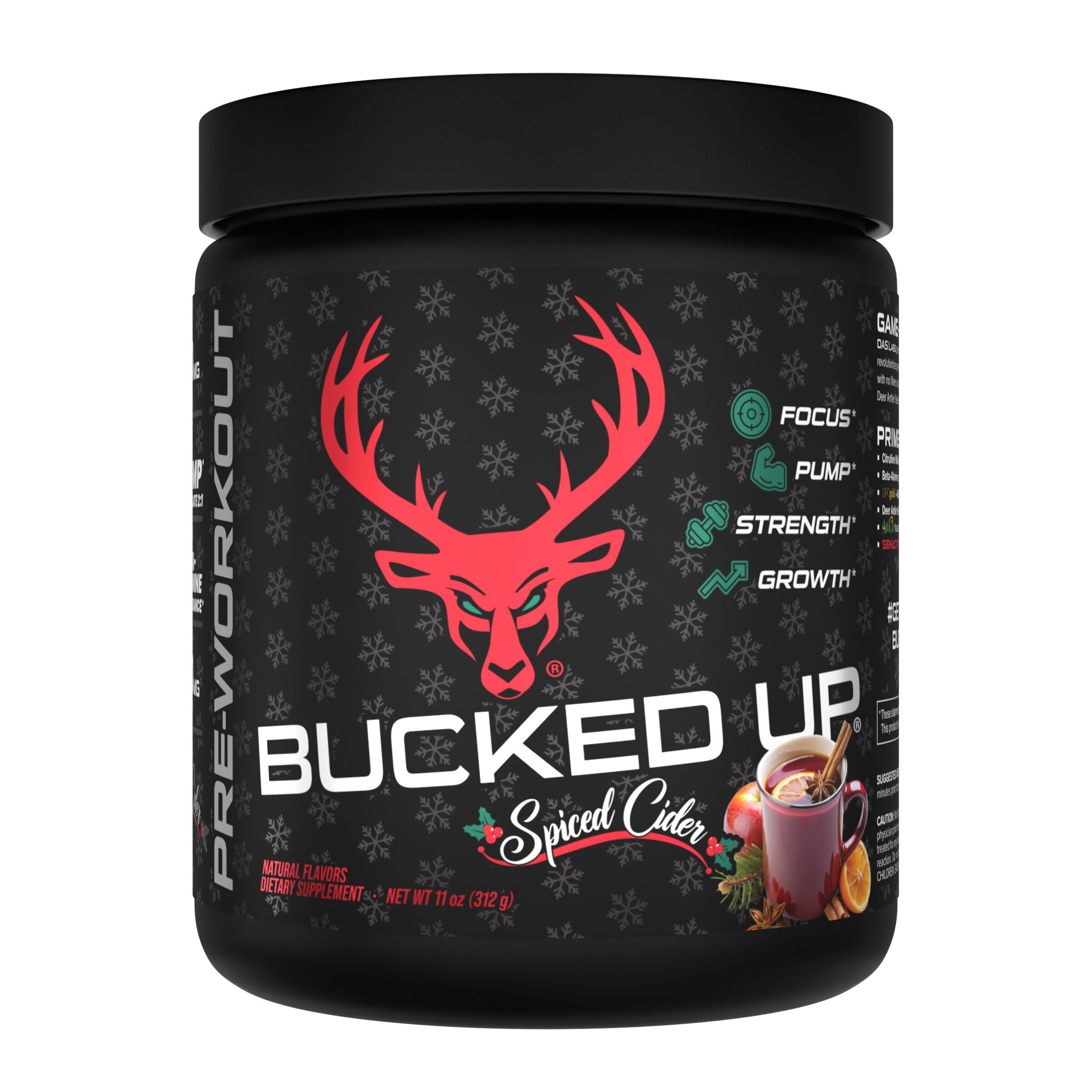
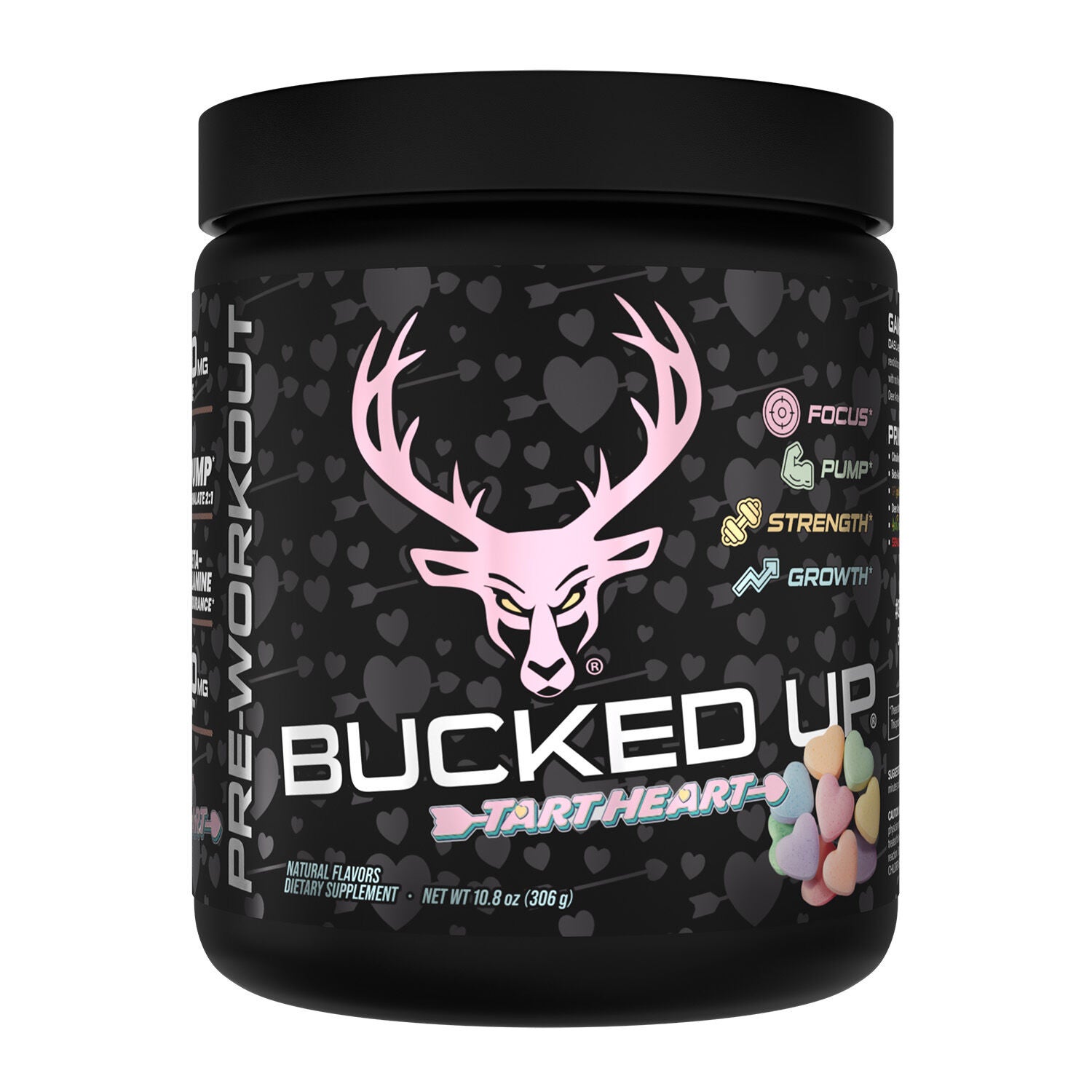

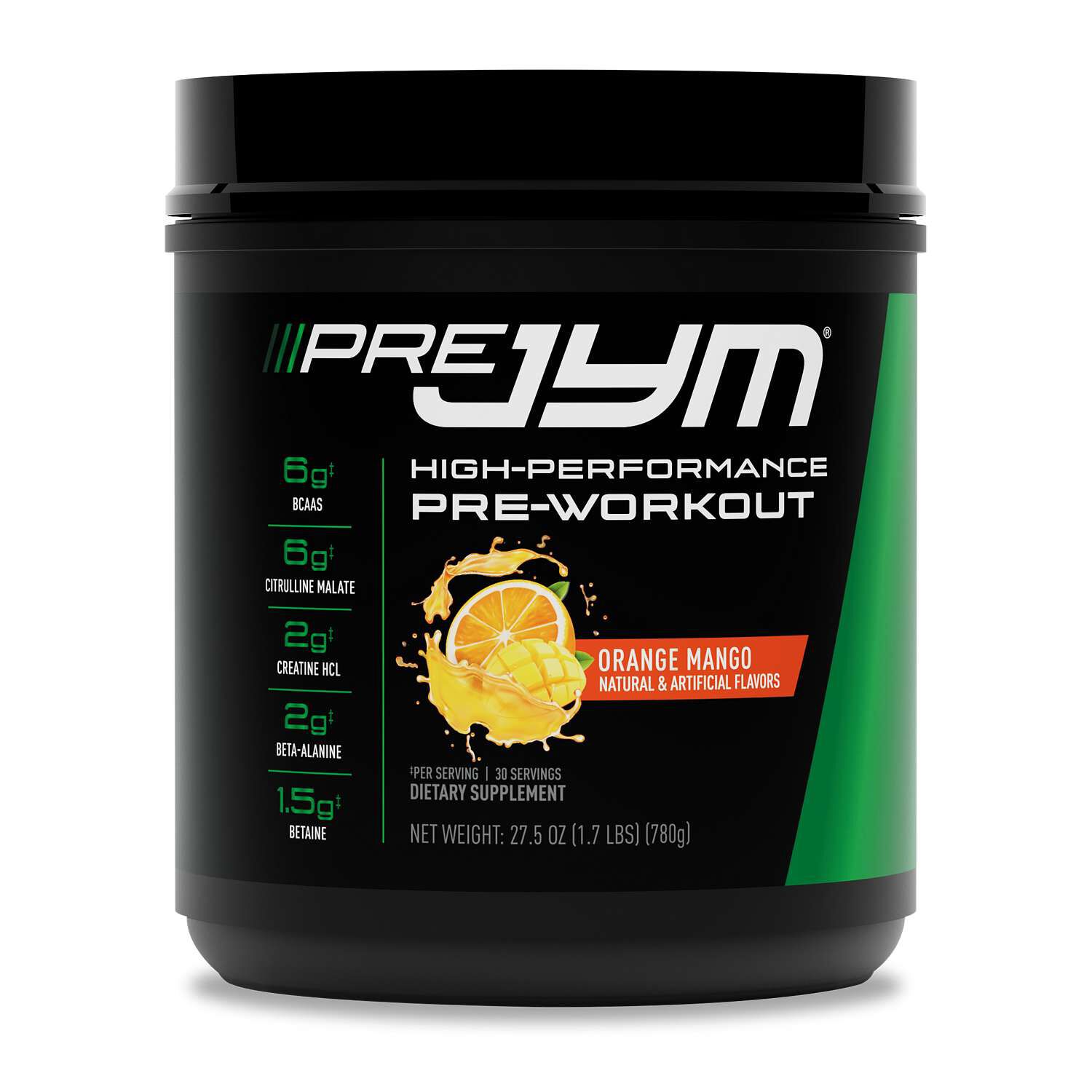
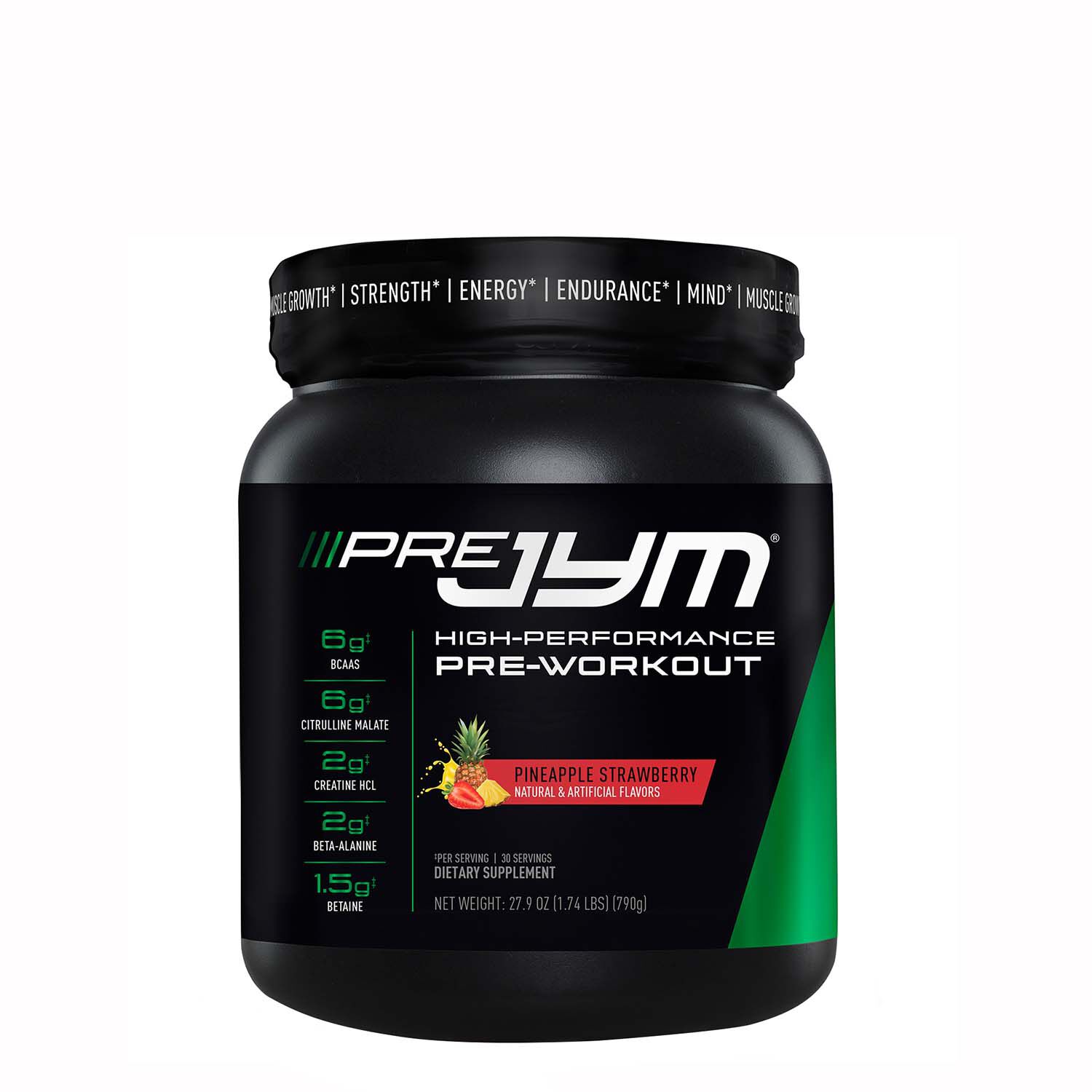

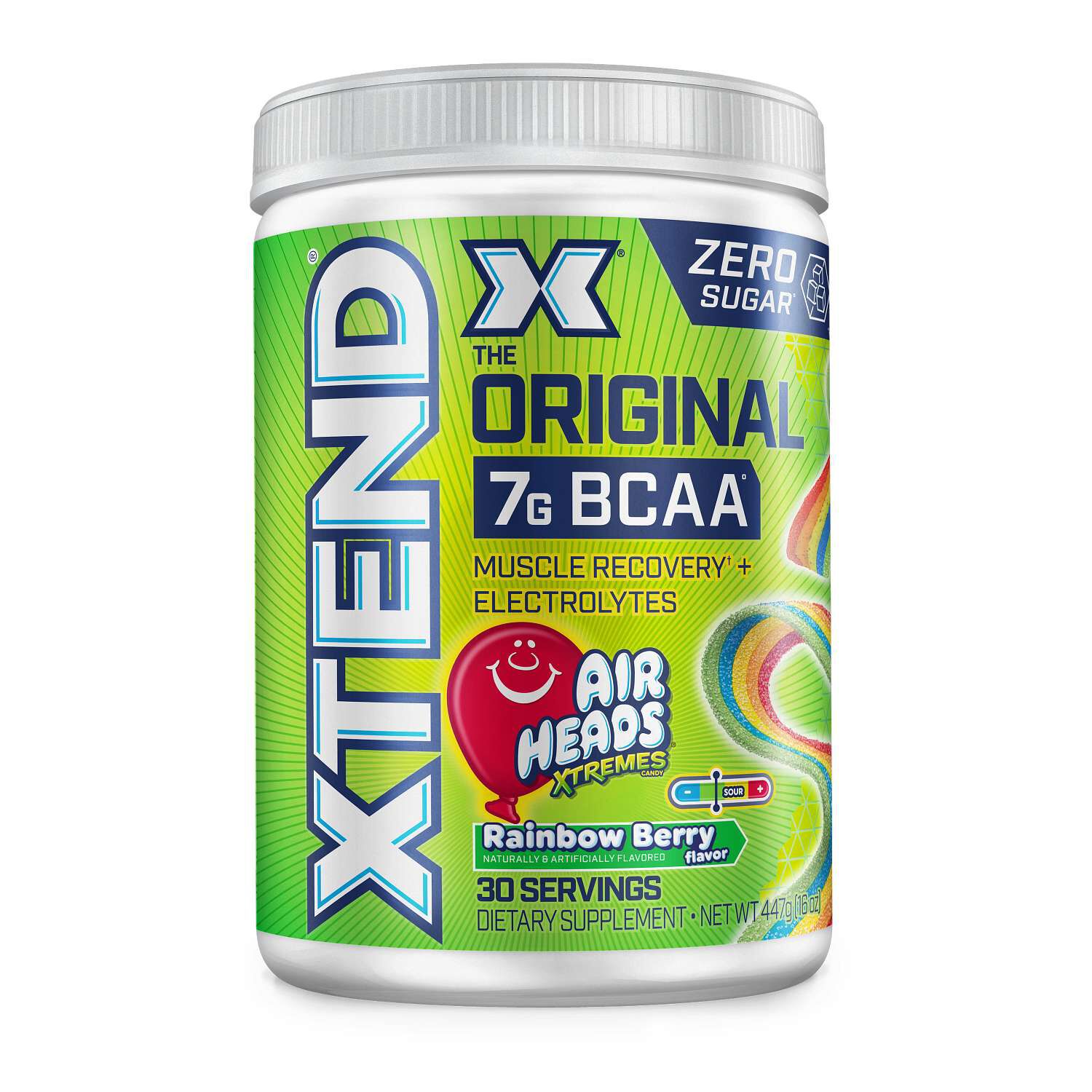


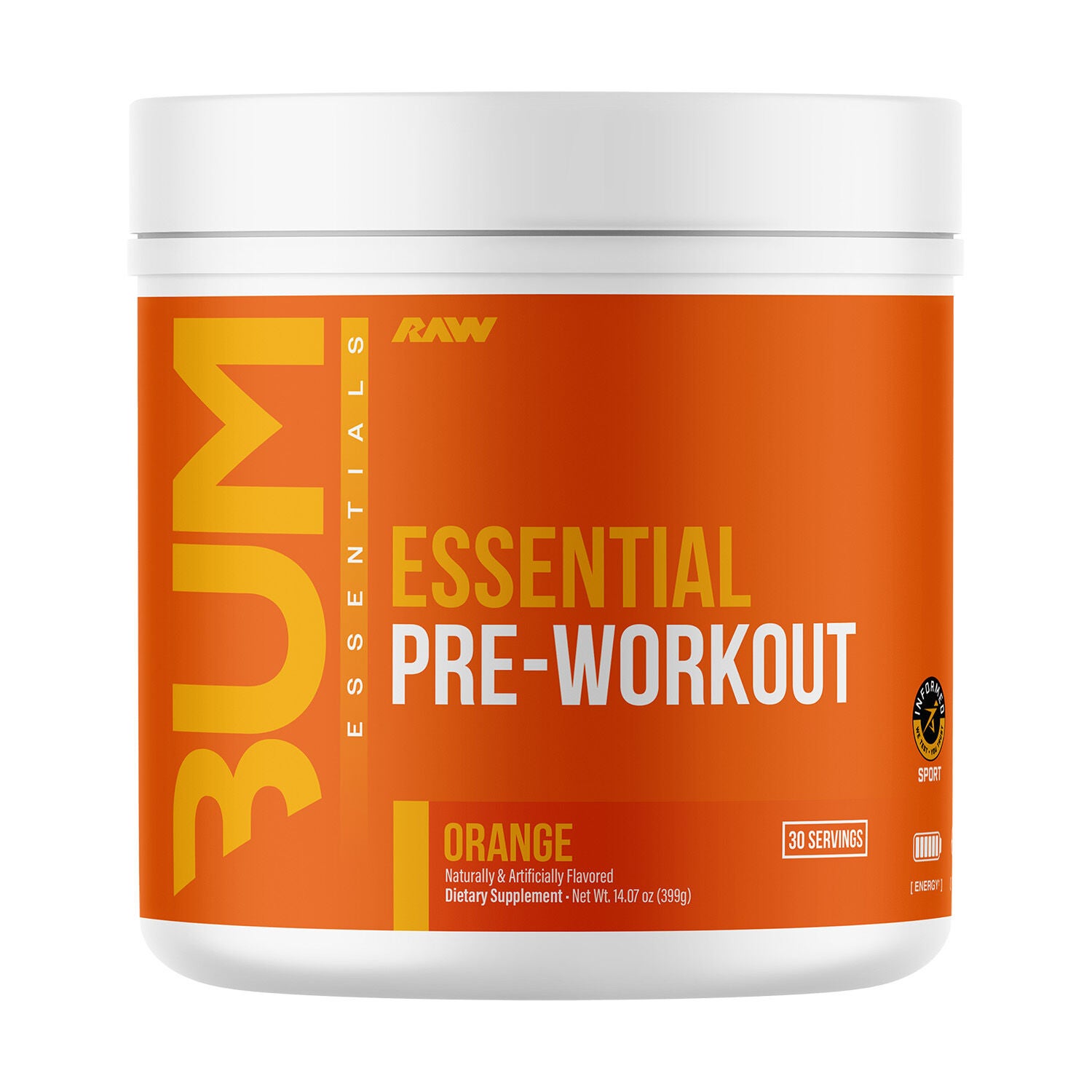


Preworkout for athletes brings together sports nutrition formulas intended for use before training, with options suited to different schedules, preferences, and types of exercise. These supplements commonly contain caffeine, amino acids, creatine, or combinations of those ingredients, though the contents and serving sizes vary considerably. Some formulas may support alertness and workout focus, while others may support performance during demanding exercise. The most useful distinctions are often on the label rather than in the flavor name: the amount of caffeine per serving, the individually listed ingredient quantities, the preparation instructions, and the intended use. A sprinter heading into short, explosive intervals has a different training context from a distance runner preparing for a long session or a field-sport athlete moving between lifting, footwork, and practice. Those differences give ingredient selection more meaning than a broad description of intensity. Caffeine may support alertness and endurance performance, while creatine may support strength and power during repeated, high-intensity efforts when used consistently. Beta-alanine may support muscular endurance during certain sustained, high-intensity activities with regular use; its role is not simply tied to taking it immediately before a single workout. L-citrulline is another amino acid commonly included in preworkout formulas, and its presence is worth distinguishing from the amount actually provided in each serving. Not every formula contains every ingredient, and a longer ingredient list does not automatically make a supplement a better match for an athlete. Clear labeling makes comparisons more meaningful, particularly when two similar-looking powders use different serving sizes or list substantially different quantities. For athletes who already use other sports nutrition supplements, checking for overlapping ingredients also gives a clearer picture of how a preworkout fits into an existing routine. Food, hydration, sleep, and a well-planned training schedule remain the foundation of that routine; a preworkout supplement is an optional addition, not a substitute for those habits.
Format matters when a training day starts in a dim kitchen, continues with a commute, and ends beside a gym locker or a practice field. Powdered preworkout requires measuring and mixing according to the label, making the scoop, stated serving size, and recommended water volume practical details rather than fine print. A shaker with a secure lid and enough room for mixing may make preparation more convenient, especially when the workout bag also holds shoes, a towel, and a change of clothes. Ready-to-drink formats remove the measuring step, although the container size and number of servings still deserve a close look. Individually packaged powders offer another approach for athletes who prefer to bring a measured packet rather than a larger container. Flavor and texture matter, too: a sharp citrus profile, a sweeter fruit flavor, or a lightly flavored drink can feel quite different during the stretch between getting dressed and starting a warm-up. Mixing directions provide a useful reference for understanding how a powder is meant to taste and dissolve. Ingredient lists also distinguish sweeteners, colors, and other components that may influence personal preferences. For someone who trains after work or attends evening practice, a formula without caffeine may be a more suitable option than one centered on stimulants. Morning athletes may prefer a caffeinated formula, but serving amounts vary, and coffee, energy drinks, and other caffeinated beverages belong in that comparison. Training time alone does not determine the right choice; individual tolerance and label directions matter as well. Storage is another everyday consideration. Follow the package instructions, keep powder containers securely closed, and use a clean, dry scoop rather than leaving an open tub beside a damp towel. Ready-to-drink containers may have separate instructions for storage after opening. Durable packaging, readable labels, and a format that travels comfortably can all influence how naturally a supplement fits into an athlete’s day.
Competitive athletes have another important consideration: how a supplement aligns with their sport’s rules. Independent certification programs designed for sport can provide additional information about testing for prohibited substances and checks on label accuracy. Certification is not the same as a broad quality statement on a package, and no testing program removes every risk. A recognized certification mark, a verifiable listing for the particular supplement, and an understanding of the relevant team or governing-body requirements offer a more informed basis for comparison. Transparent ingredient quantities are useful here, too. When a blend lists only a combined amount, it can be difficult to determine how much of each component a serving contains. Clearly stated amounts make it easier to compare formulas and discuss a supplement with a qualified sports dietitian or a team’s sports nutrition staff. This is especially relevant for adult college competitors, organized-league players, and athletes entering sanctioned events. Recreational athletes may value the same transparency even when formal competition rules are not part of their routine. Intended use should remain specific: preparation for a strength session, a conditioning workout, or an extended practice is more informative than choosing solely by bold packaging. For a closer look at one field-sport setting, Preworkout Drinks For Football Players offers a related category centered on drink formats for football training routines. Football players often move between weight-room sessions, repeated running drills, and position-specific practice, making portability and straightforward serving information particularly relevant. Across sports, preferences can change with the setting: a powder mixed at home may suit a planned morning lift, while a sealed drink may fit more comfortably into the transition from work to an indoor training facility during the cooler months. As a gift, preworkout calls for more familiarity with the recipient’s preferences than general training accessories do. Flavor, caffeine preferences, dietary requirements, and competition rules are personal details worth knowing. Whether chosen for personal use or for an adult athlete whose routine is familiar, the strongest match comes from understandable ingredients, appropriate intended use, and practical fit with the training day.