

Preworkout Drinks For Football Players
(0 Results)
Preworkout drinks for football players are designed to support your training routine and help you prepare for every session on the field. Whether you’re powering through intense drills or gearing up for game day, these beverages may offer a convenient way to fuel your body before activity. Explore a variety of flavors and formulas that could fit into your fitness regimen, so you can focus on giving your best during every play.

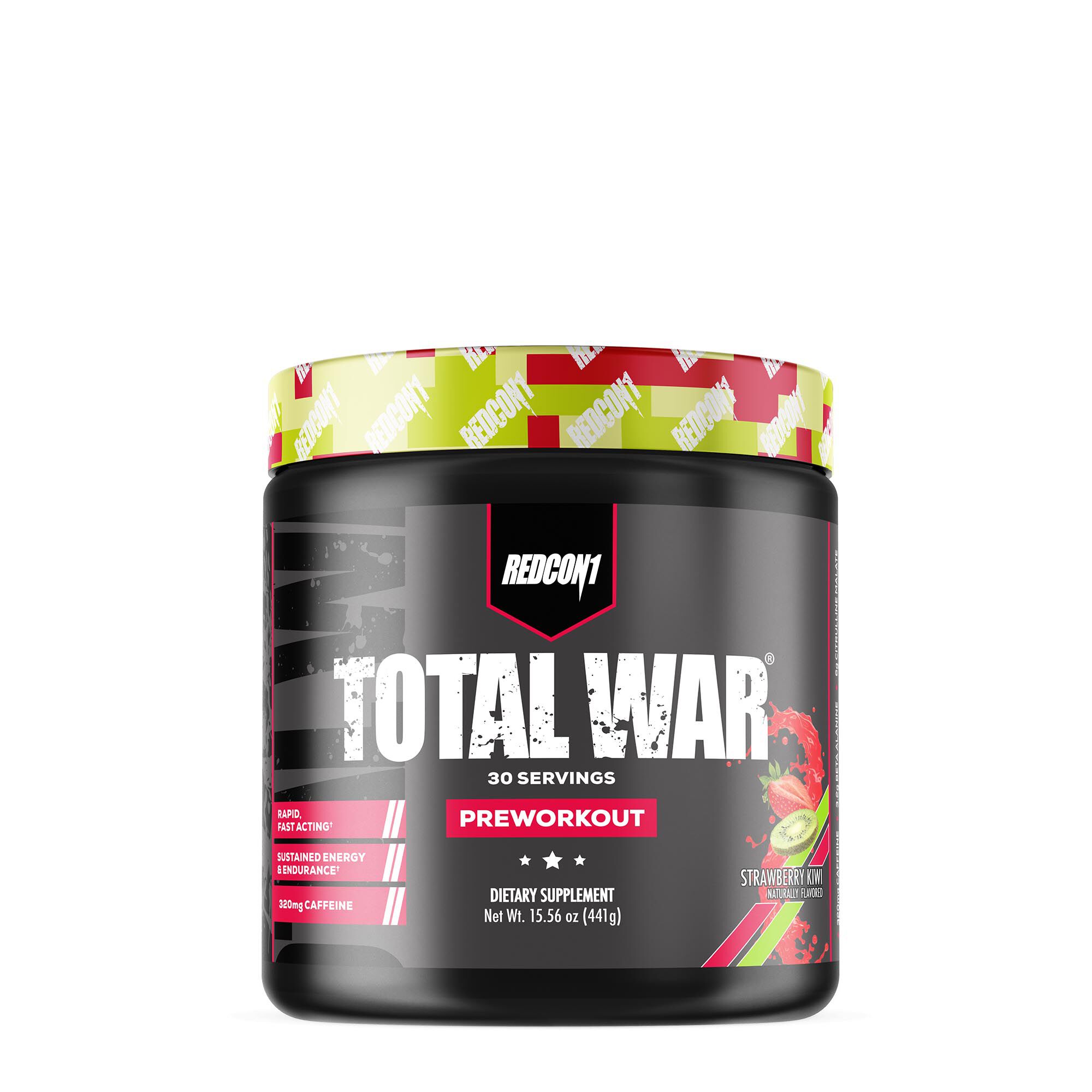

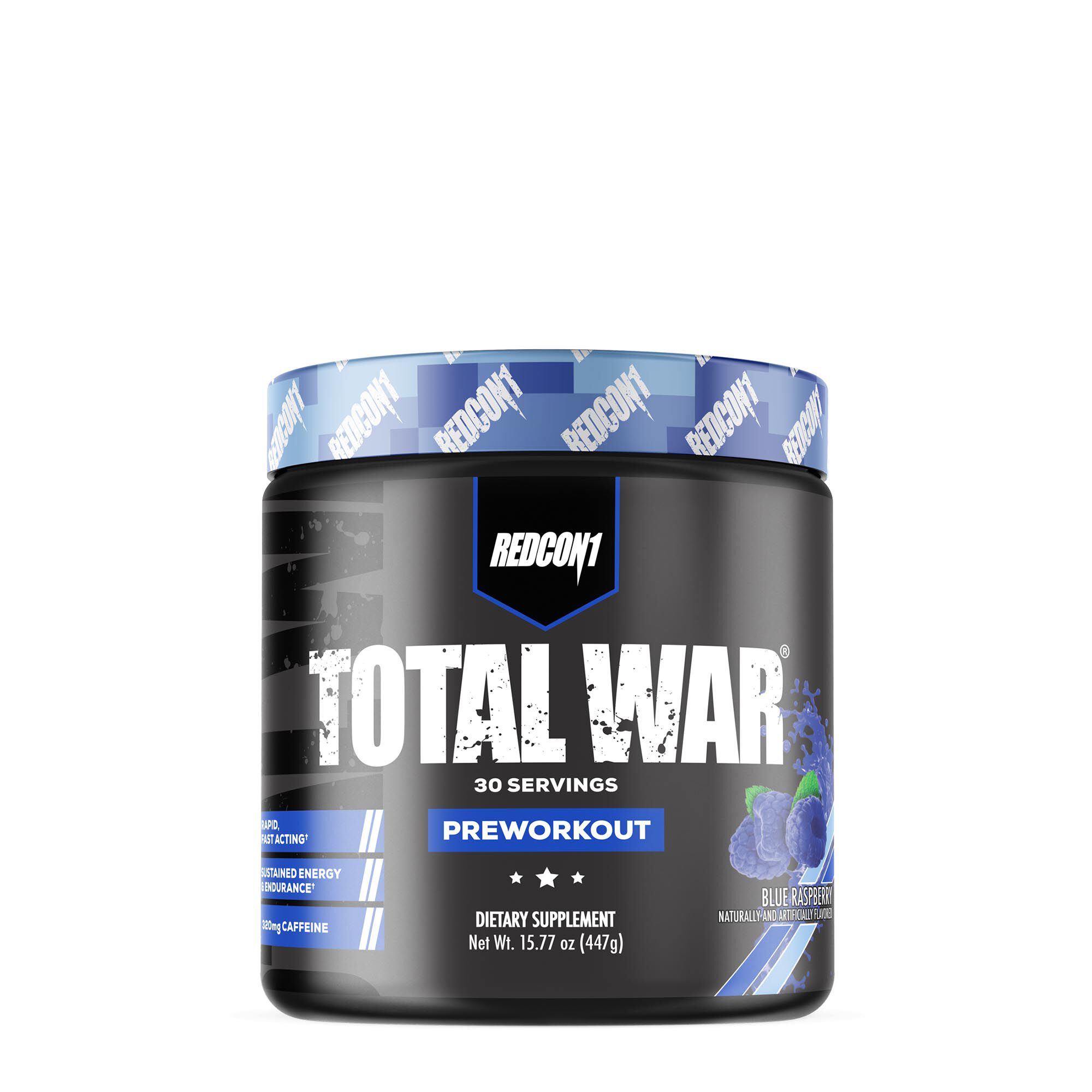


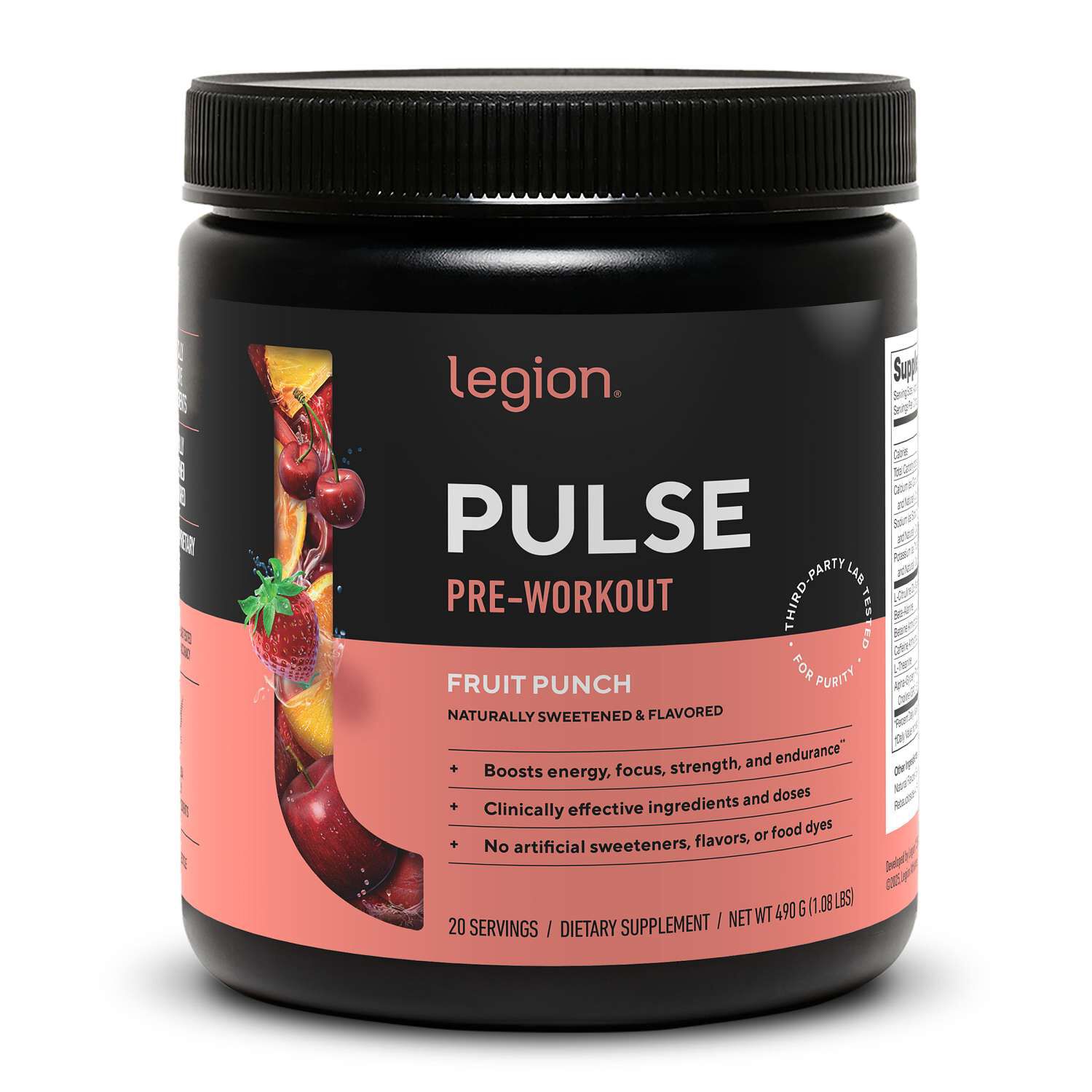
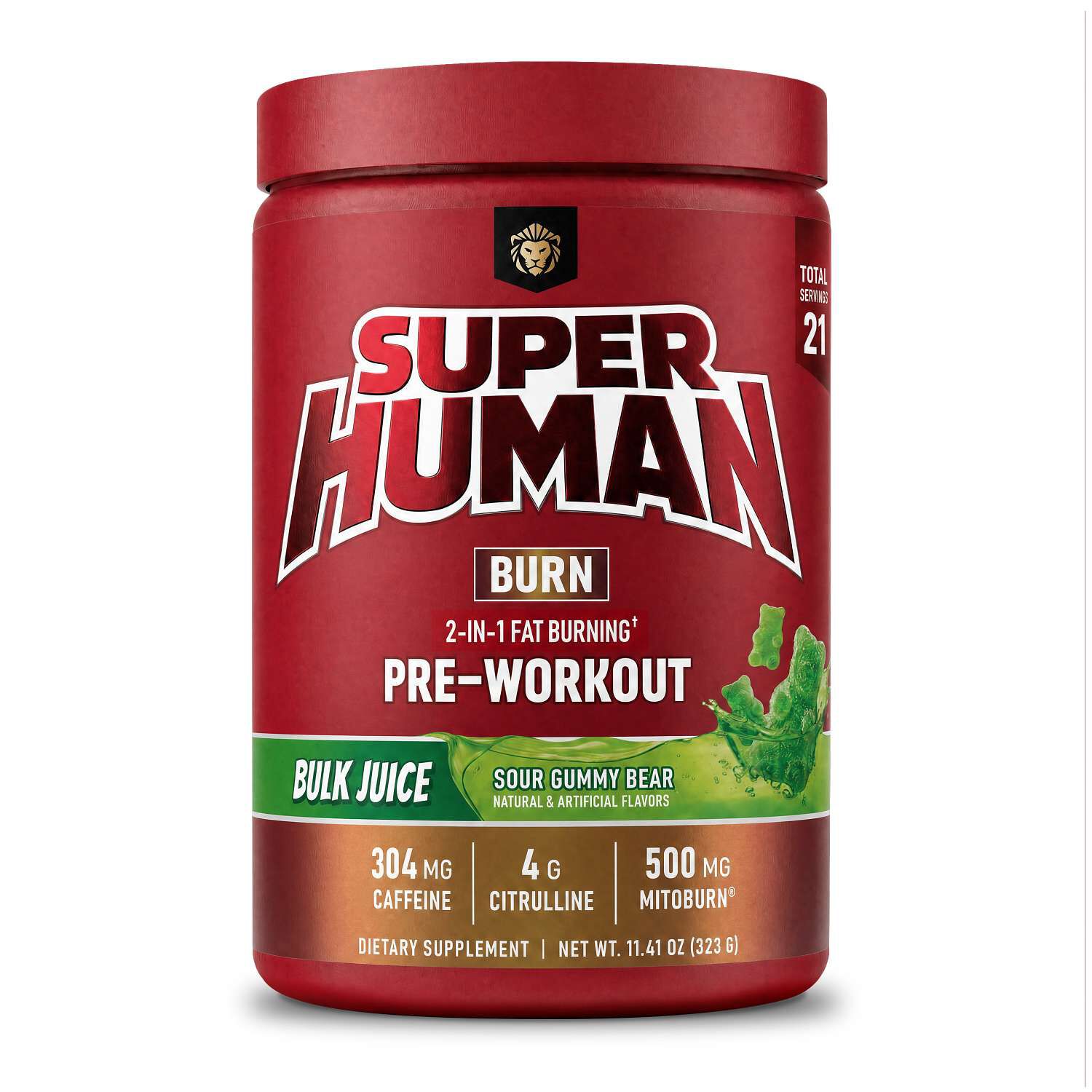

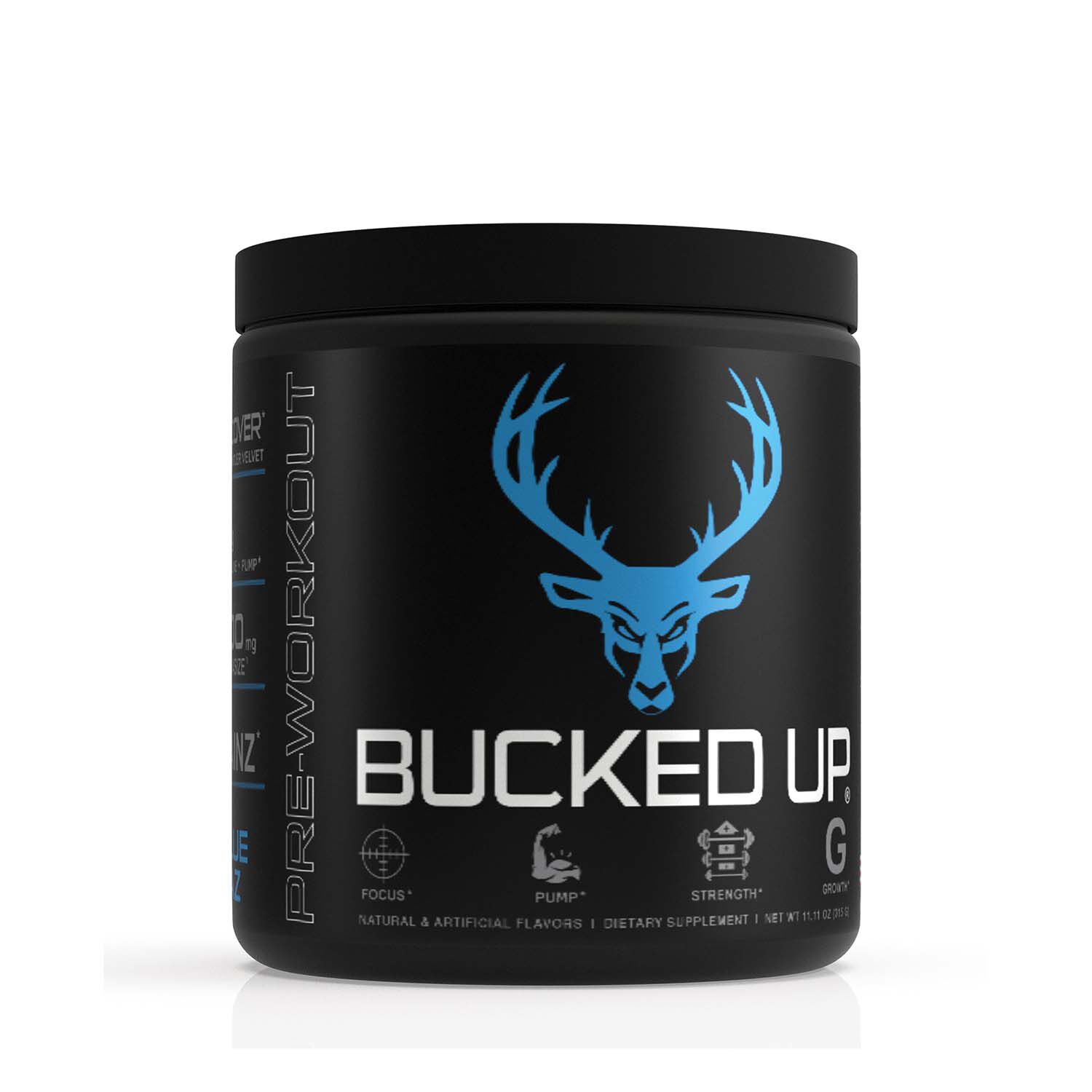


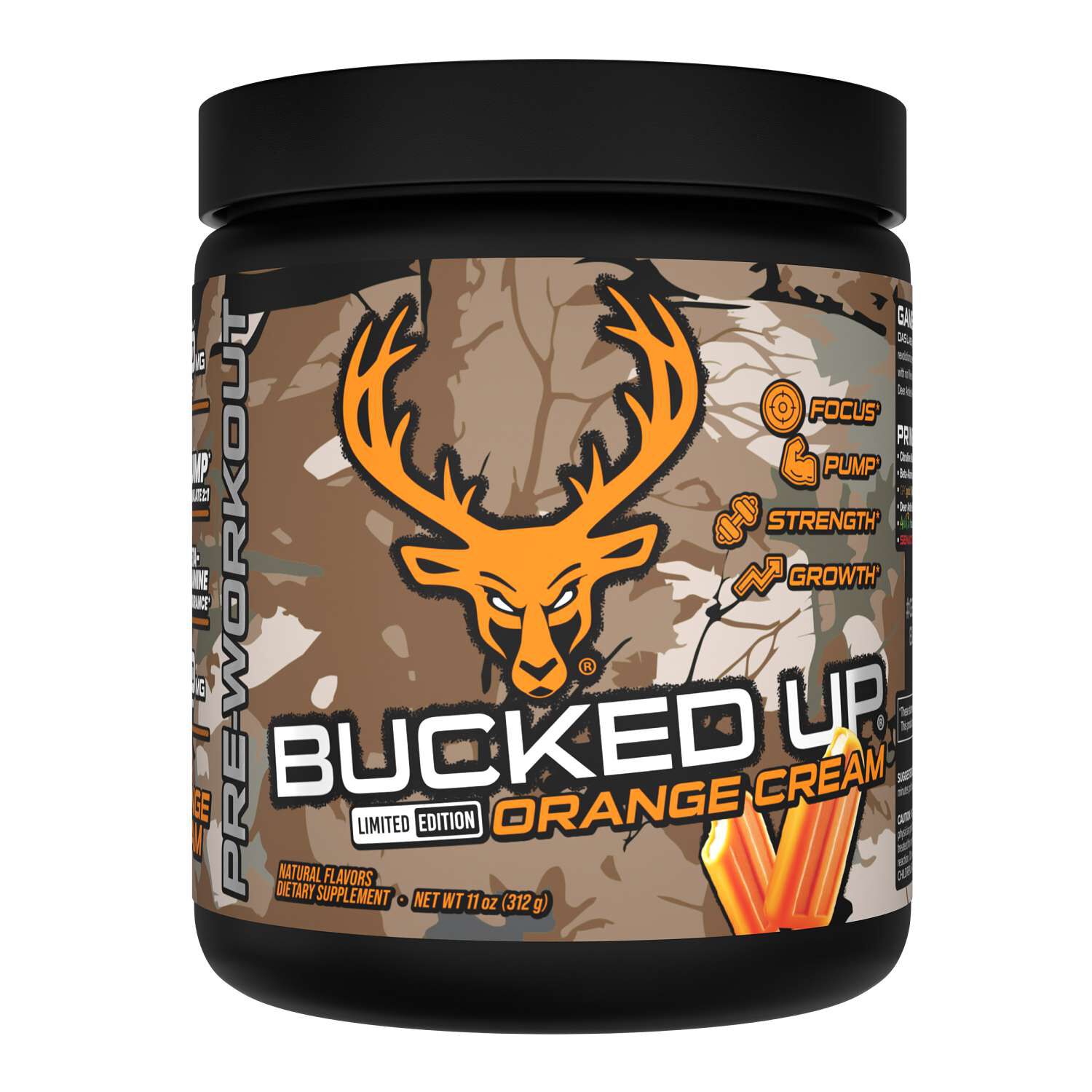
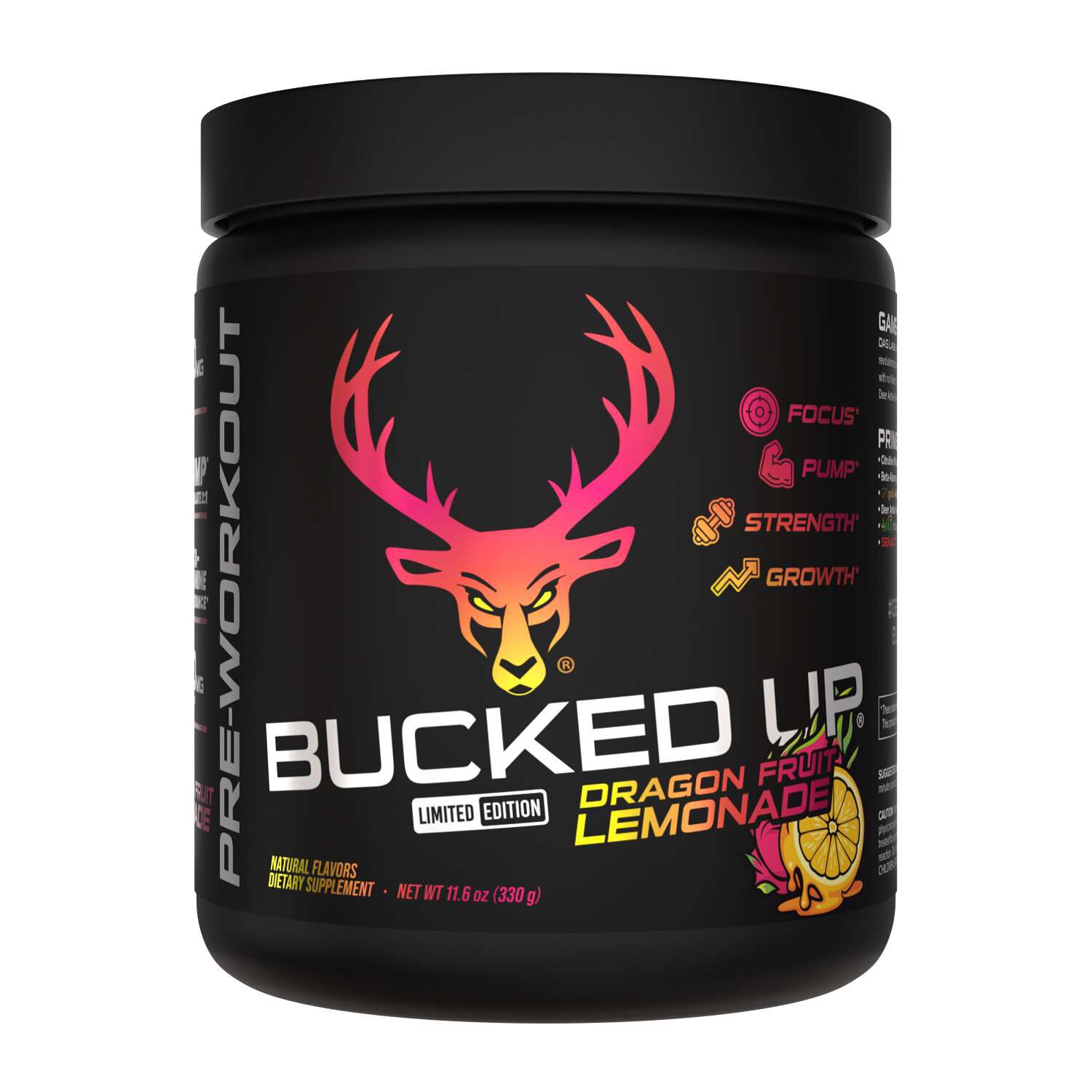

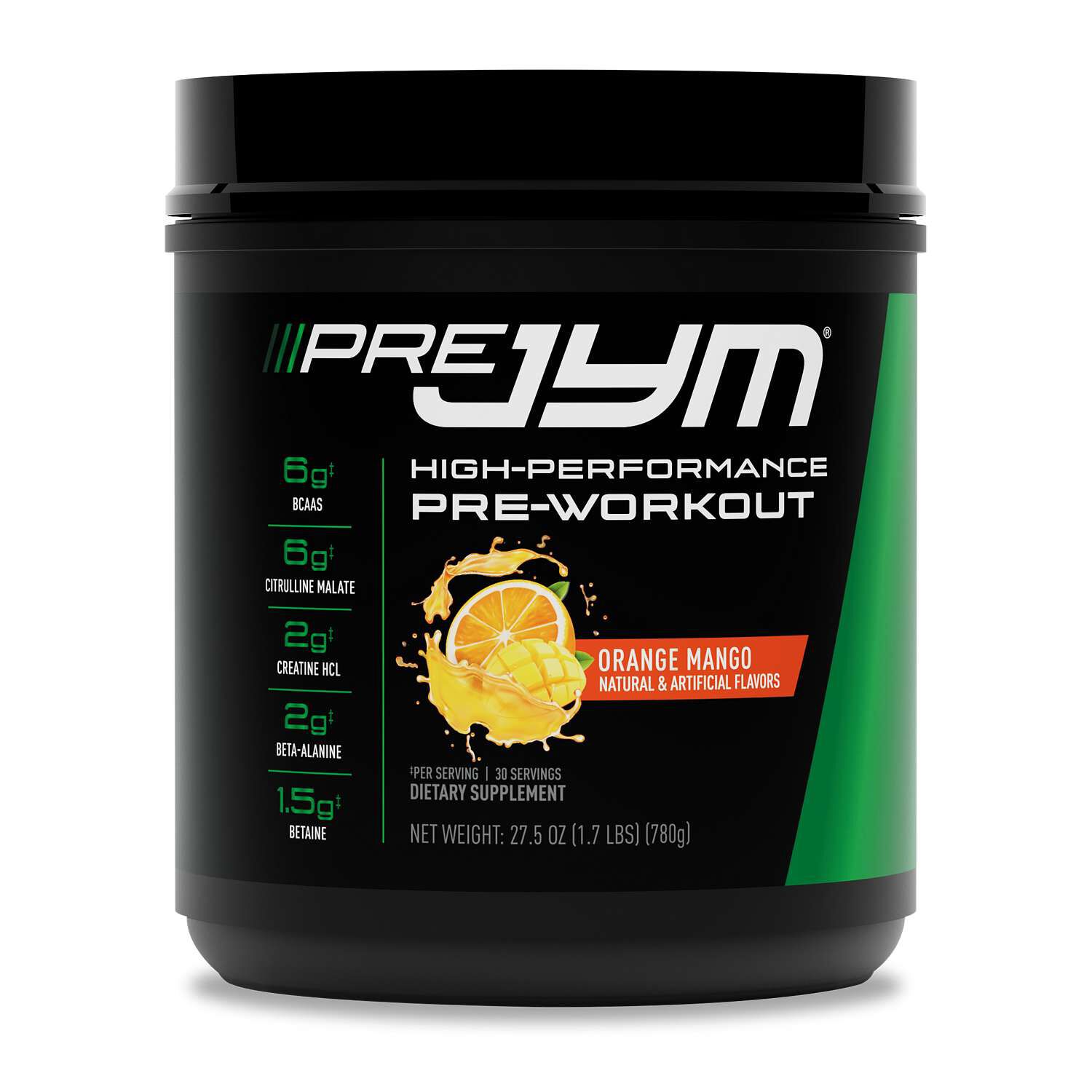
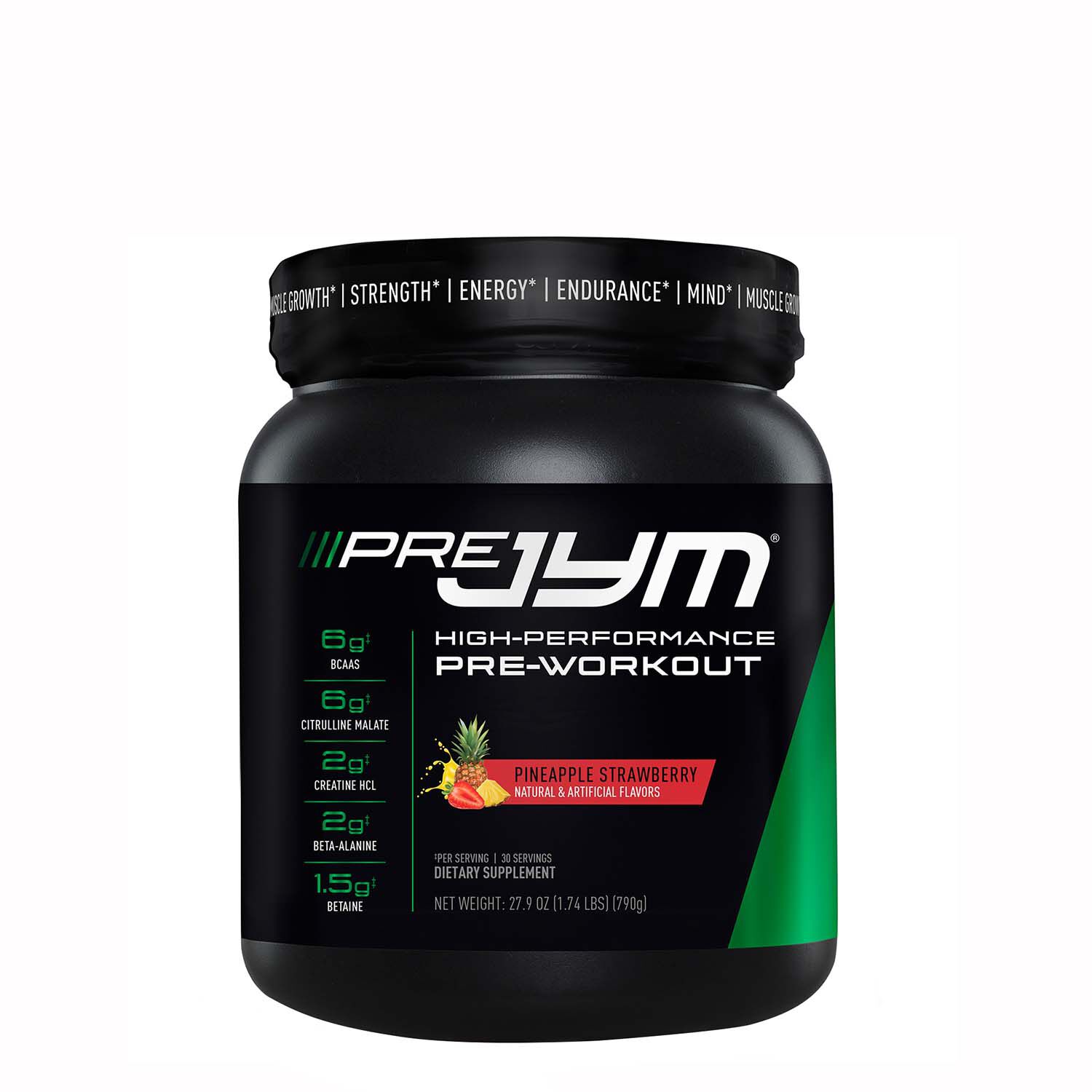

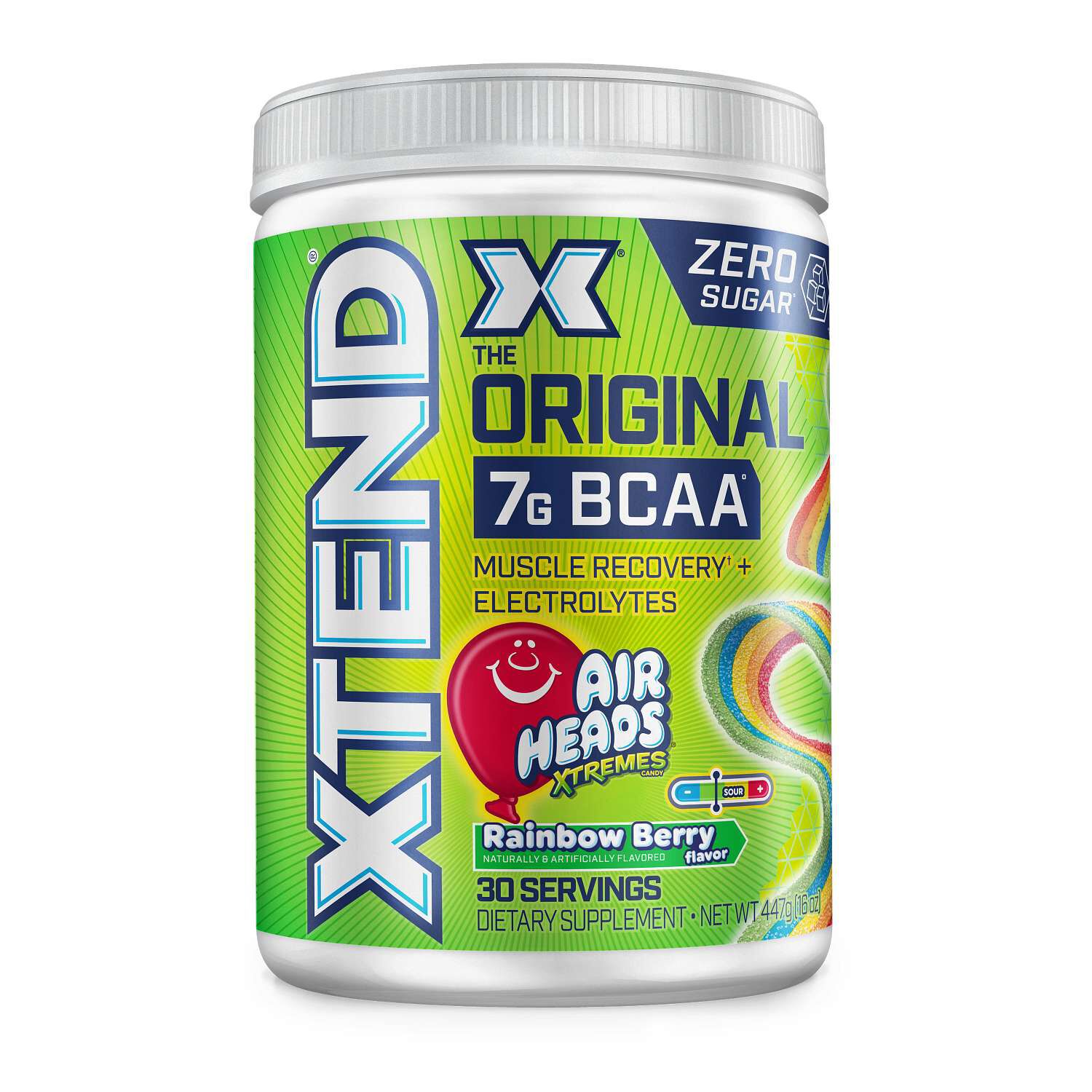


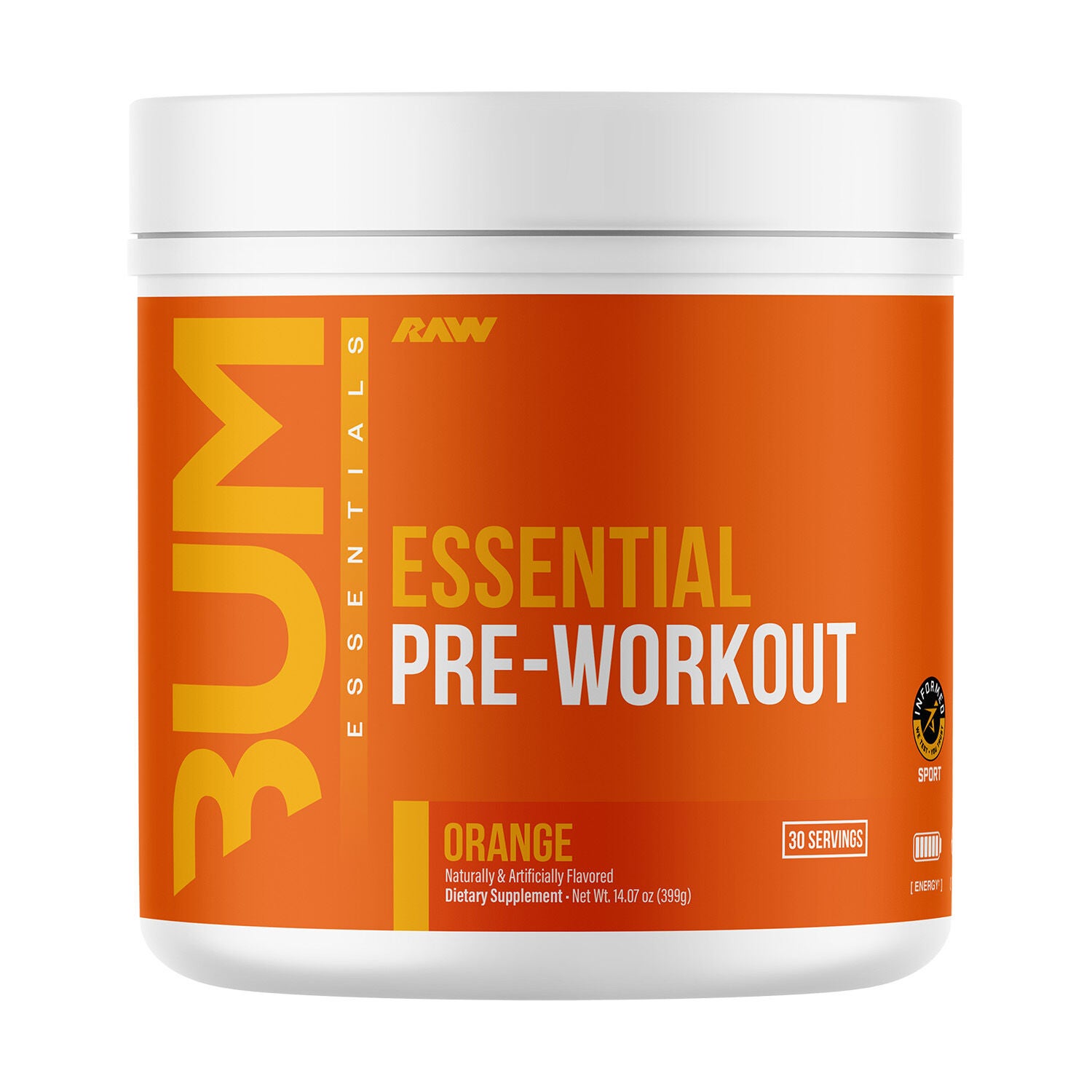


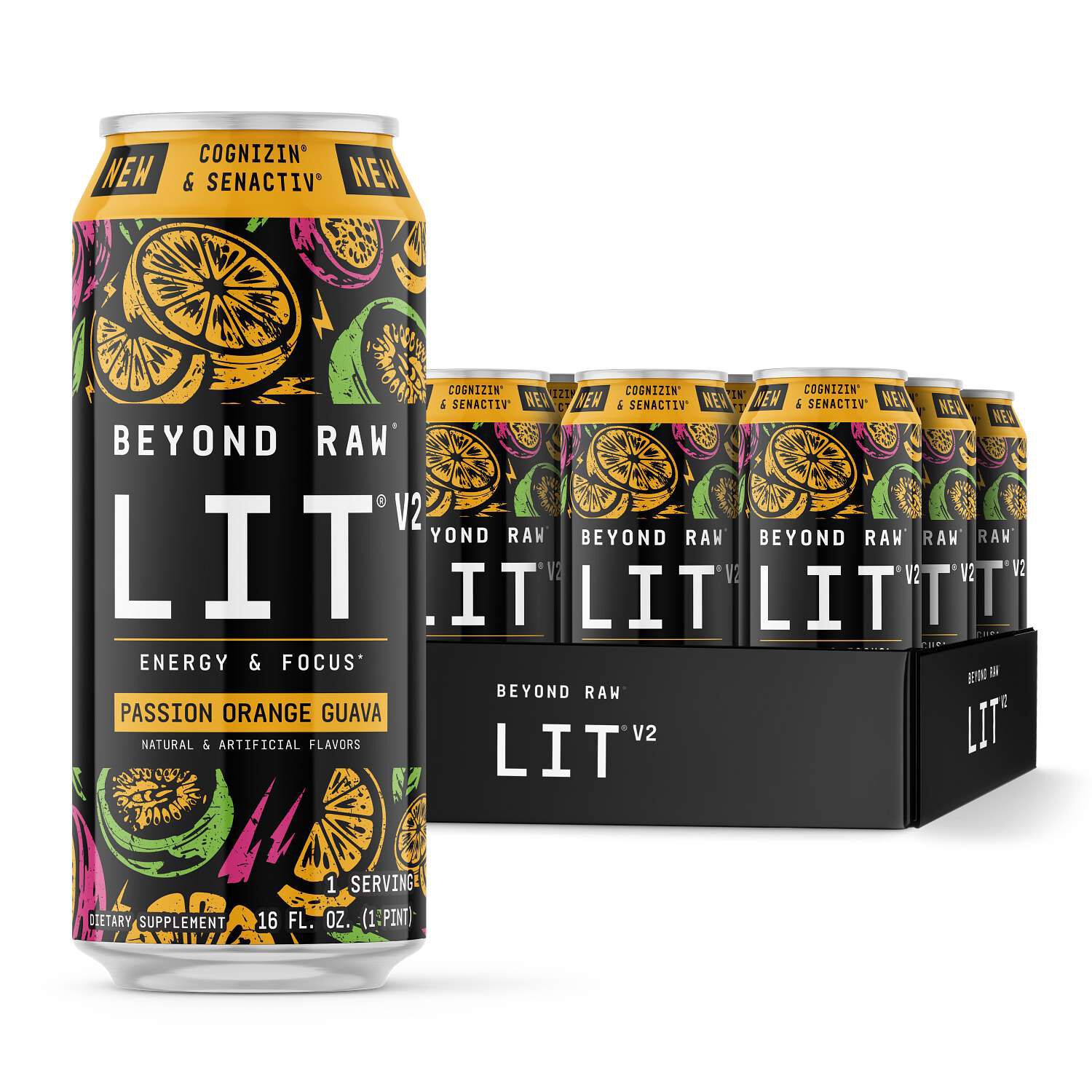
Preworkout drinks for football players bring together sports nutrition formats intended for the stretch before training, whether the schedule calls for weight-room work, position drills, or an evening practice under the lights. Football combines short, demanding efforts with pauses between plays, so the category includes more than one approach to a pre-training beverage. Some formulas feature caffeine, which may support alertness and focus, while others contain no added caffeine and center on amino acids, electrolytes, carbohydrates, or combinations of these ingredients. Ready-to-drink bottles and cans sit alongside powders mixed with water, giving adult athletes different ways to organize a familiar training routine. The distinction between a preworkout drink and a conventional sports drink matters: a preworkout formula often emphasizes ingredients selected for exercise preparation, while a sports drink commonly centers on fluid, carbohydrates, and electrolytes. There can be overlap, but the front label alone does not tell the whole story. Serving size, caffeine content, carbohydrate content, and the amounts of individual ingredients provide a clearer picture of what a formula contains. For a player moving from a morning lift to classroom time, the priorities may look different from those of an adult recreational athlete arriving at the field after work. A straightforward ingredient panel, a familiar flavor, and a format that fits the day can matter as much as an elaborate ingredient blend. These beverages belong within the broader context of regular meals, water, rest, and organized training rather than standing in for those routines. Through the cooler months, the setting may shift from outdoor conditioning to indoor strength sessions, but the basic shopping considerations remain consistent. Intended use, preparation requirements, and the details on the label distinguish one type of preworkout beverage from another more meaningfully than dramatic names or oversized serving claims.
Ingredient variety is a defining feature of preworkout drinks for football training. Caffeine may support concentration during a workout, but its amount varies considerably across formulas, and a serving of powder is not necessarily equivalent to a full bottle or can. Coffee, energy beverages, and other parts of an athlete’s routine also contribute caffeine, making clearly stated amounts especially useful for comparison. Options without added caffeine offer a different ingredient profile for adult shoppers who prefer to leave that ingredient out of their pre-training beverage. Amino acids such as L-citrulline and beta-alanine appear in some formulas, although their presence alone does not establish how a finished drink will perform. Ingredient amounts, directions, and the broader formulation all matter when comparing labels. Sodium and potassium are common electrolytes; drinks containing them may support hydration during exercise, alongside appropriate fluid intake. Carbohydrate-containing beverages may provide fuel for demanding activity, whereas drinks with little or no carbohydrate serve a different nutritional purpose. Those differences are particularly relevant when comparing a short lifting session with a longer block that includes warmups, field drills, and conditioning. Flavor and texture also deserve attention. A tart citrus powder mixed with water offers a different drinking experience from a sweet, carbonated canned beverage, and the presence of bubbles is a practical distinction for shoppers with strong preferences. Labels also identify sweeteners, coloring ingredients, and allergens, offering details that are not always apparent from flavor names. For athletes participating in organized competition, independent sport certification and team eligibility requirements are additional considerations; certification applies to the particular product and program, not automatically to every formula in the same category. Neither bold packaging nor a long ingredient list establishes suitability for a particular player. Transparent labeling gives adult athletes, coaches involved in purchasing, and other shoppers a more grounded basis for comparing beverages intended for use before exercise.
Packaging and preparation shape how a preworkout drink fits into football life. A sealed, ready-to-drink container may suit the trip from home to the training facility, especially when there is no convenient place to measure powder. A powdered format involves a different setup: the labeled serving, the specified amount of water, and a suitable mixing bottle. Individually portioned packets may be convenient for a gear bag, while a larger tub calls for storage space and careful attention to the included measuring directions. Container size, closure style, and refrigeration instructions matter when a beverage will travel beside cleats, a change of clothes, and a playbook. Resealable packaging differs from an open can, and a dry powder requires care around wet towels and damp equipment. Storage directions on the package provide the relevant details for each format, including whether refrigeration is needed after opening. Reusable bottles have their own care requirements, particularly around lids, seals, and mixing inserts, where residue can collect. Label-directed preparation also keeps comparisons meaningful: adding extra powder changes the amount of every ingredient in the drink, not just the intensity of the flavor. Timing is another product-specific detail rather than a universal countdown before kickoff; directions differ, and a familiar practice routine is a different setting from a tightly scheduled game-day arrival. The intended audience matters as well. Adult sports nutrition products are not interchangeable with everyday beverages for youth teams, even when the flavors and packaging look similar. For adult players who move between the field and the court, Preworkout Drinks For Basketball Players offers a related category to explore, with many of the same considerations around serving information, beverage format, and training schedules. Across football positions and training settings, the most useful distinctions remain concrete: what is in each serving, how the drink is prepared, how it travels, and whether its stated use matches the athlete’s routine. Those details give this category its practical relevance, from a quiet morning in the weight room to the bustle of a locker room before field work.