





Preworkout Drinks For College Athletes
(0 Results)
Preworkout drinks for college athletes could be a convenient option for those looking to support their fitness routines and training sessions. With a variety of flavors and blends available, these beverages may fit seamlessly into busy student schedules. Whether preparing for early morning practices or late-night workouts, preworkout drinks for college athletes might offer an easy addition to your athletic regimen. Explore options that could align with your performance goals and active lifestyle.

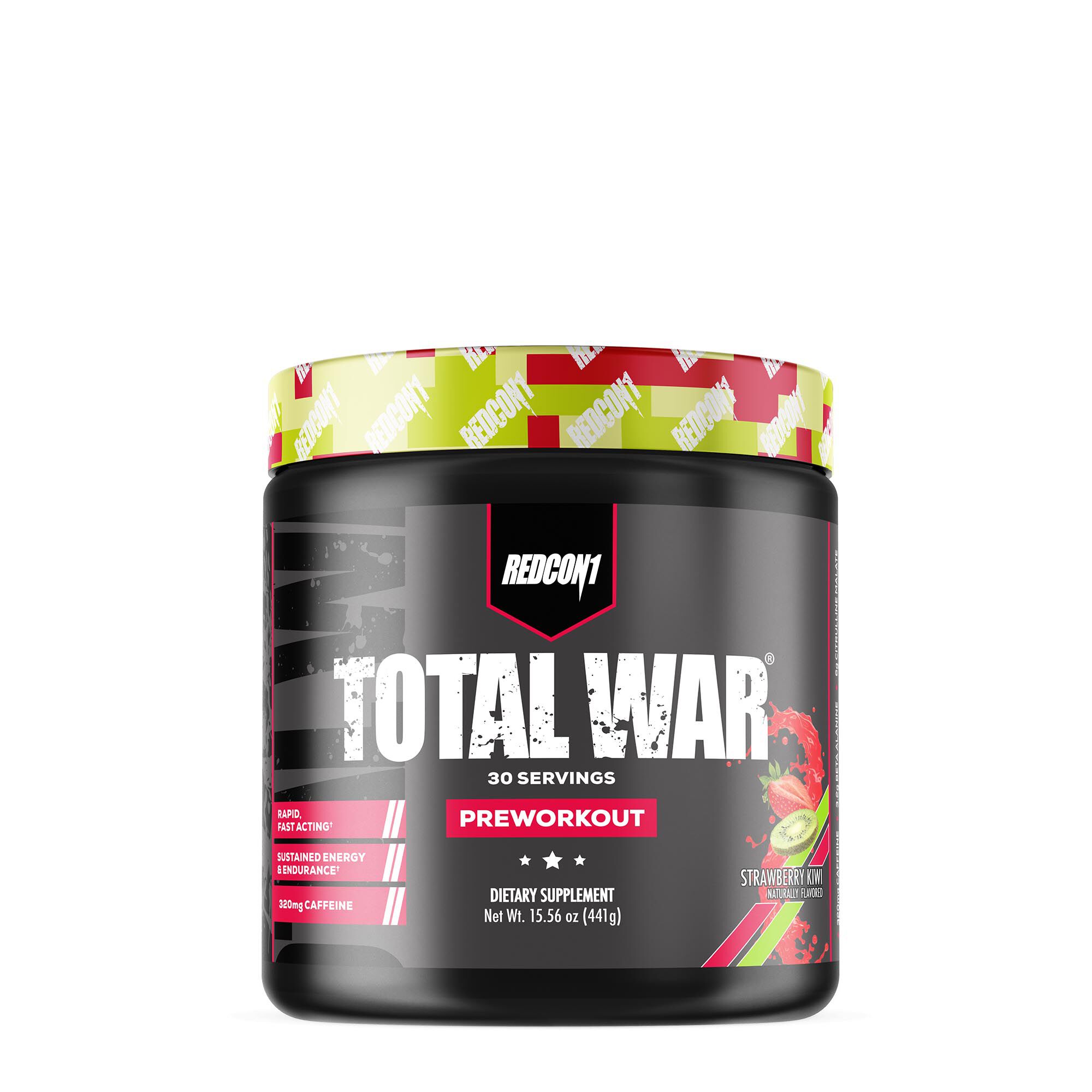

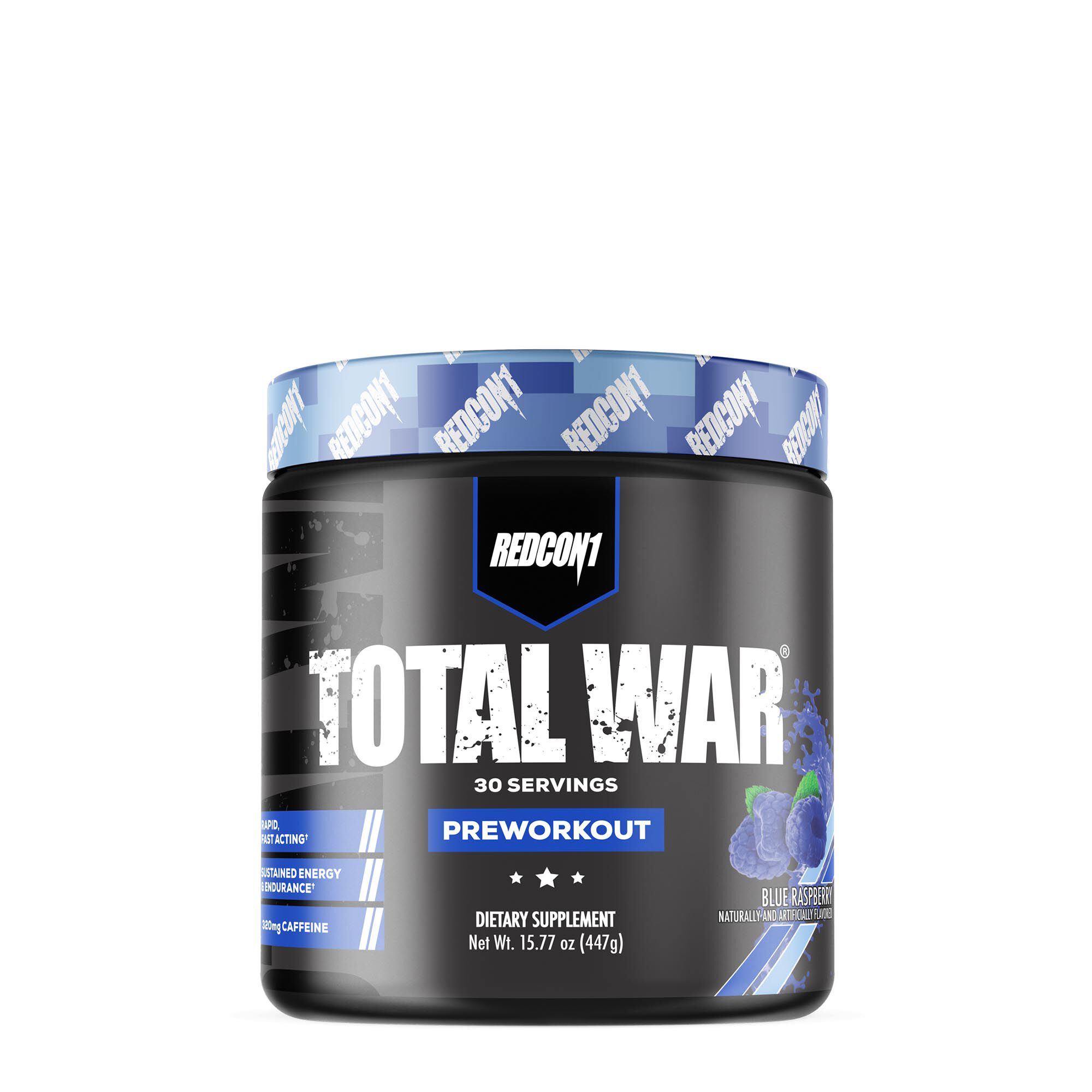

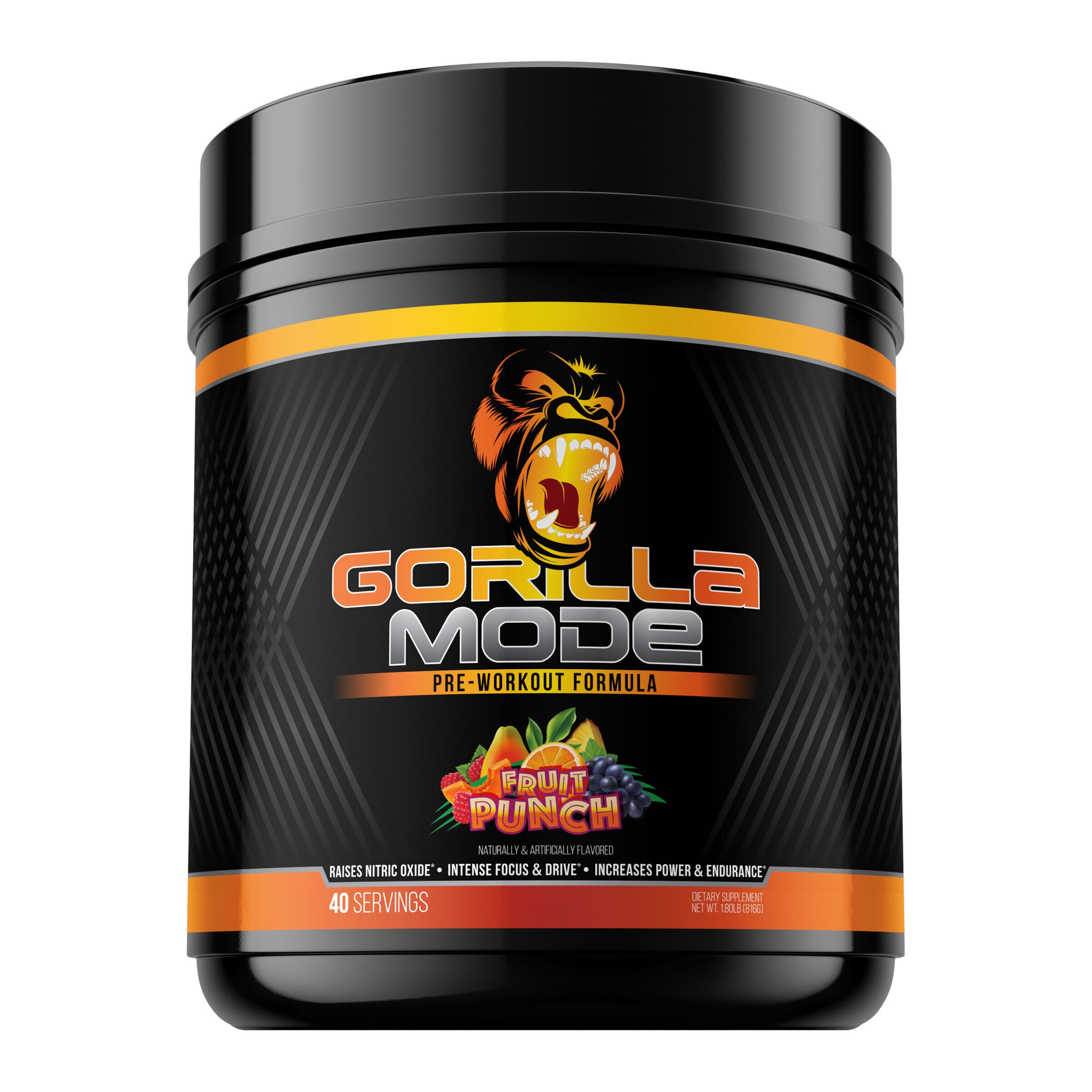


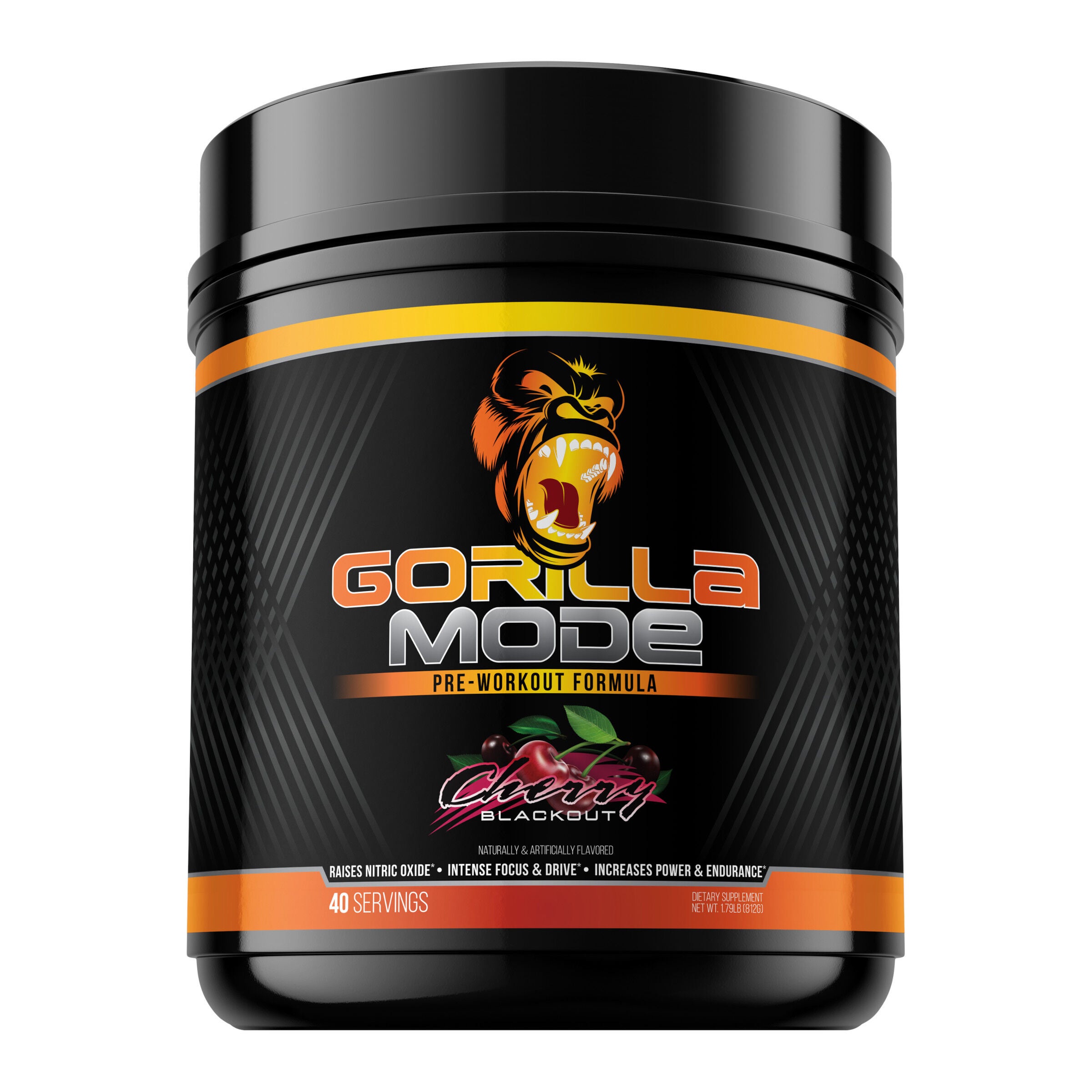
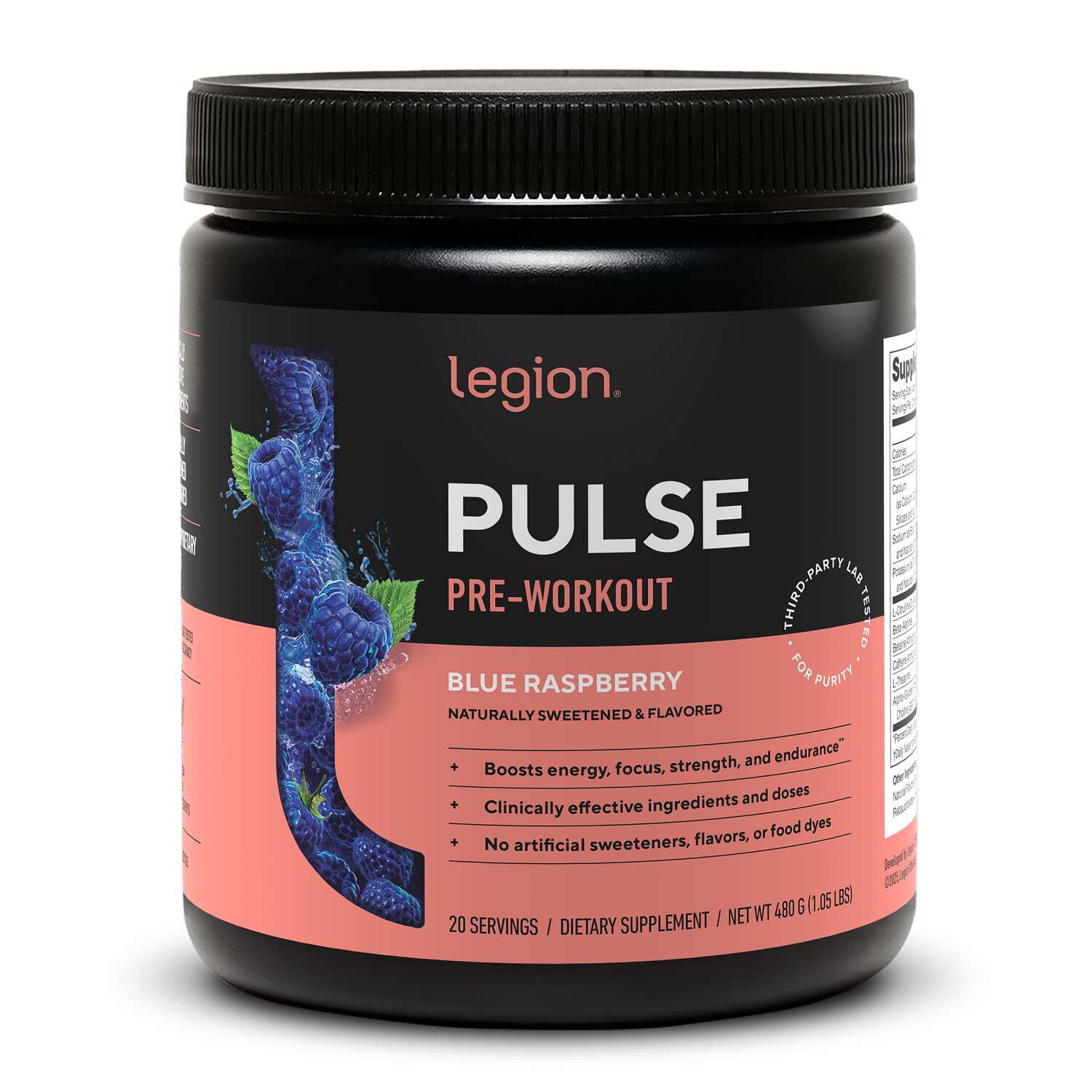
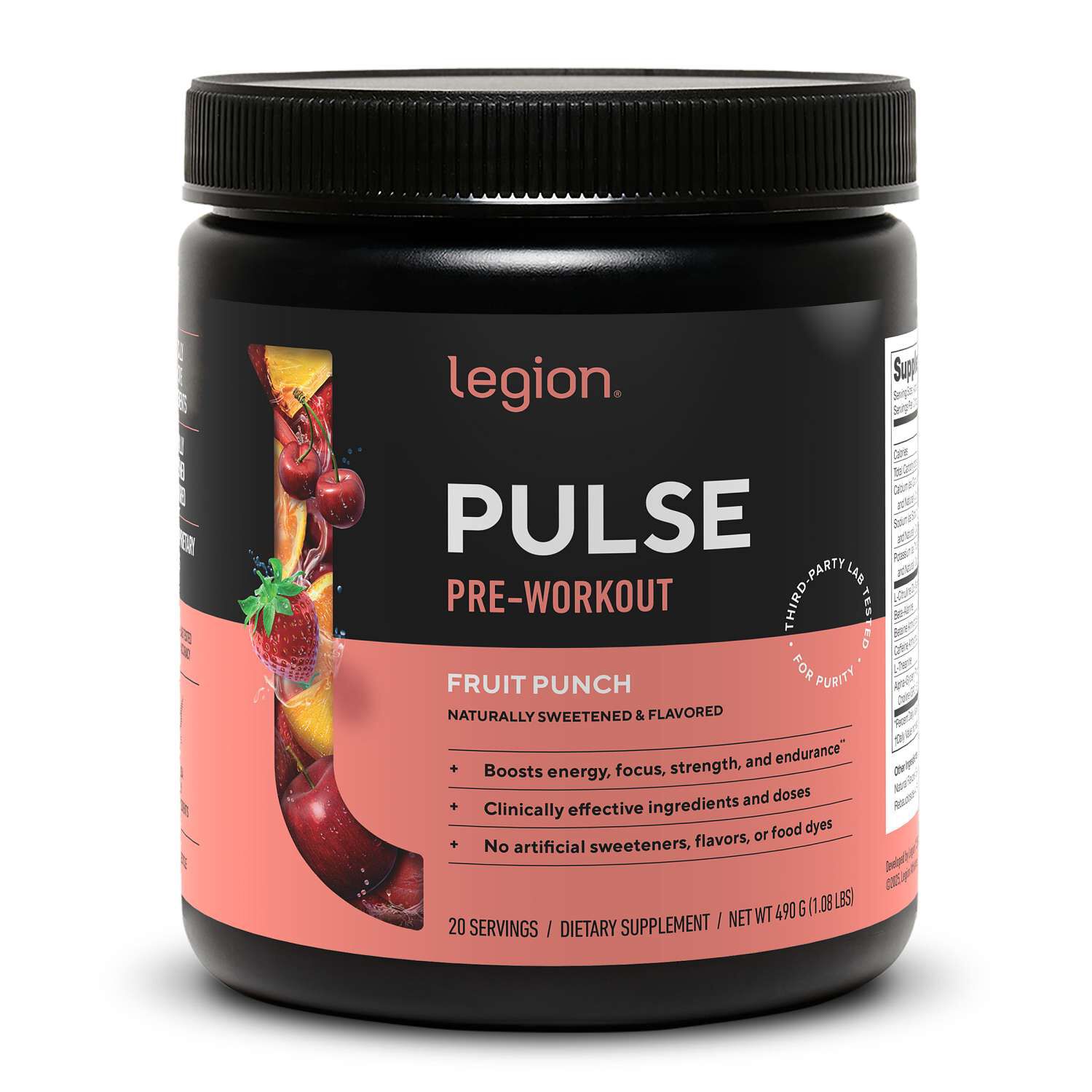


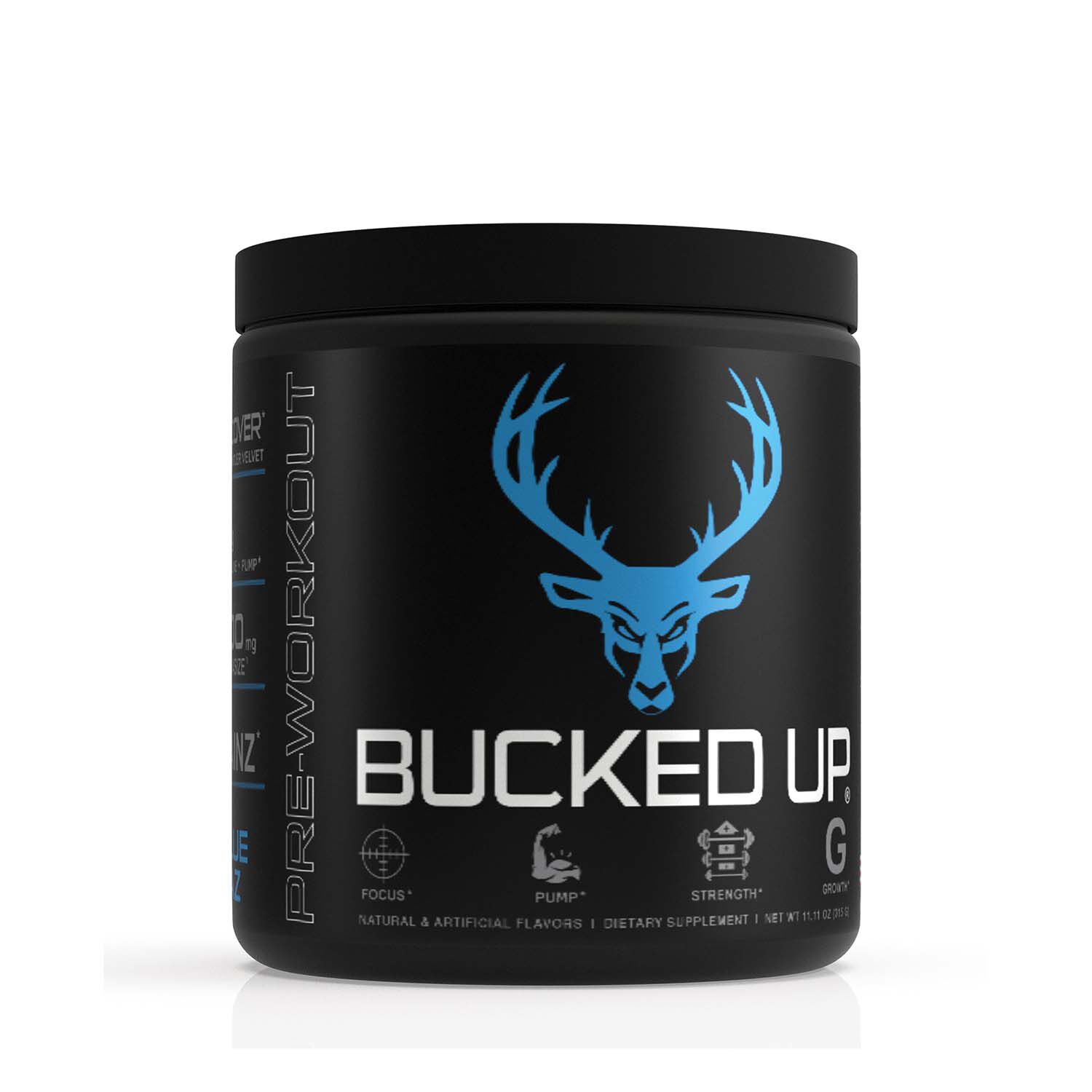


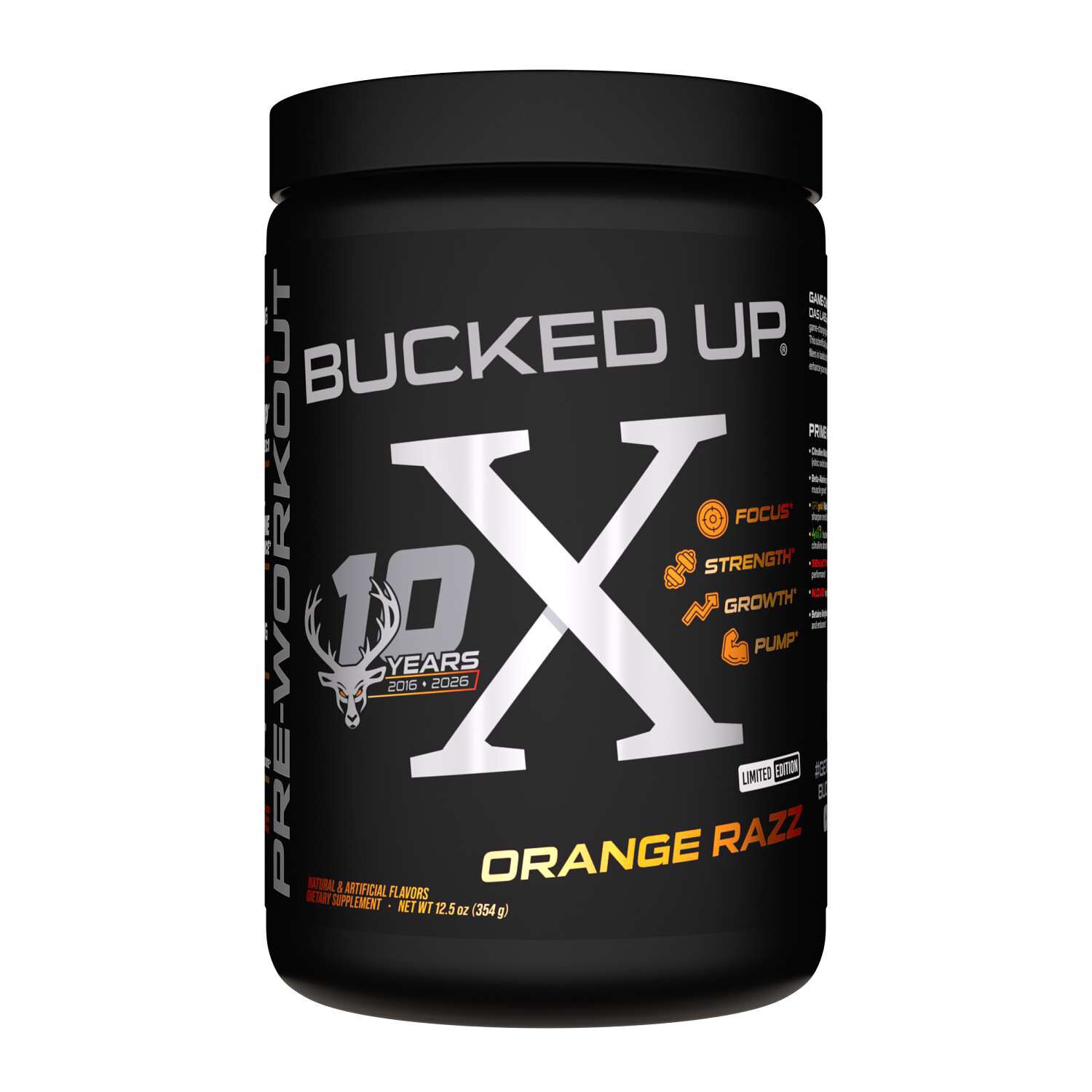
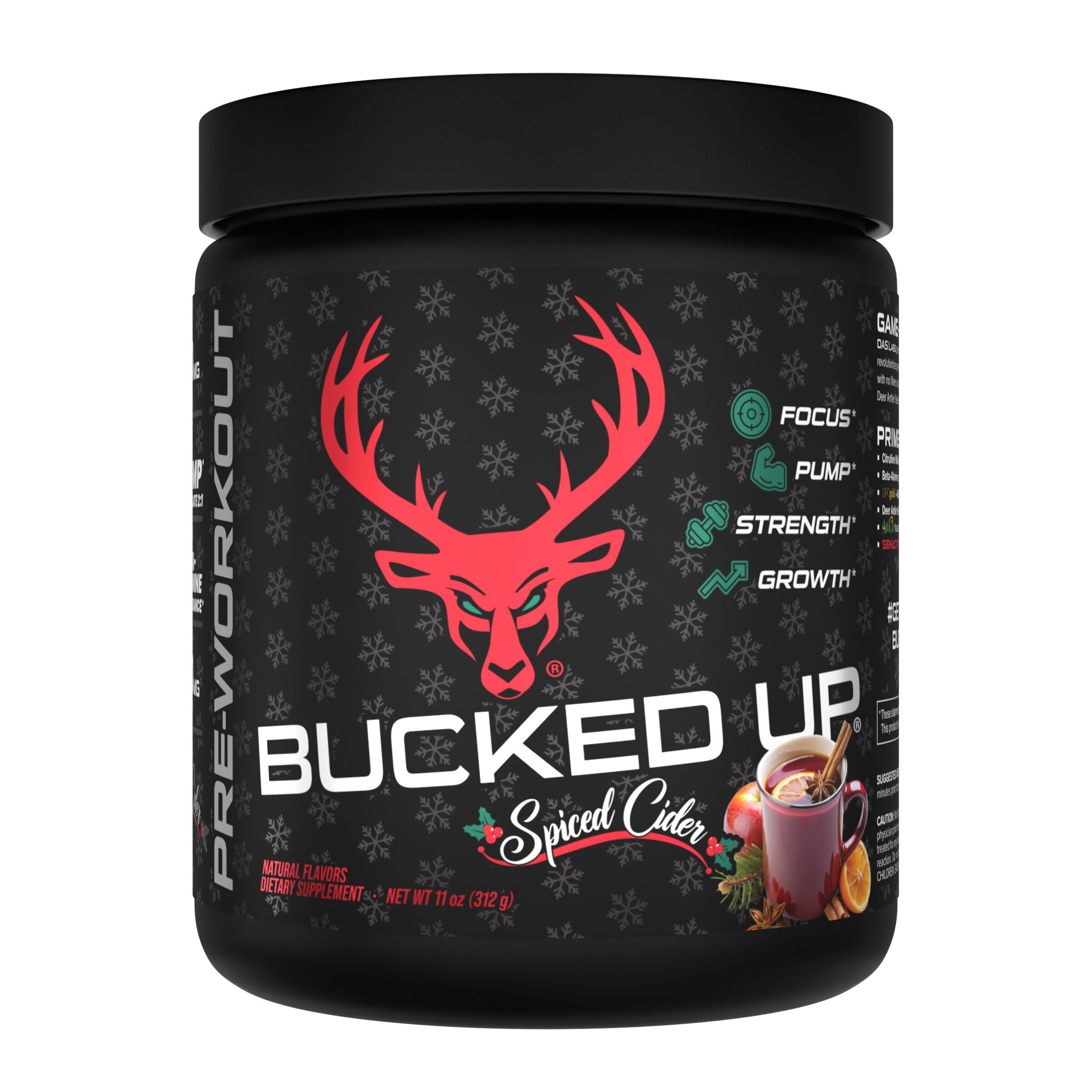
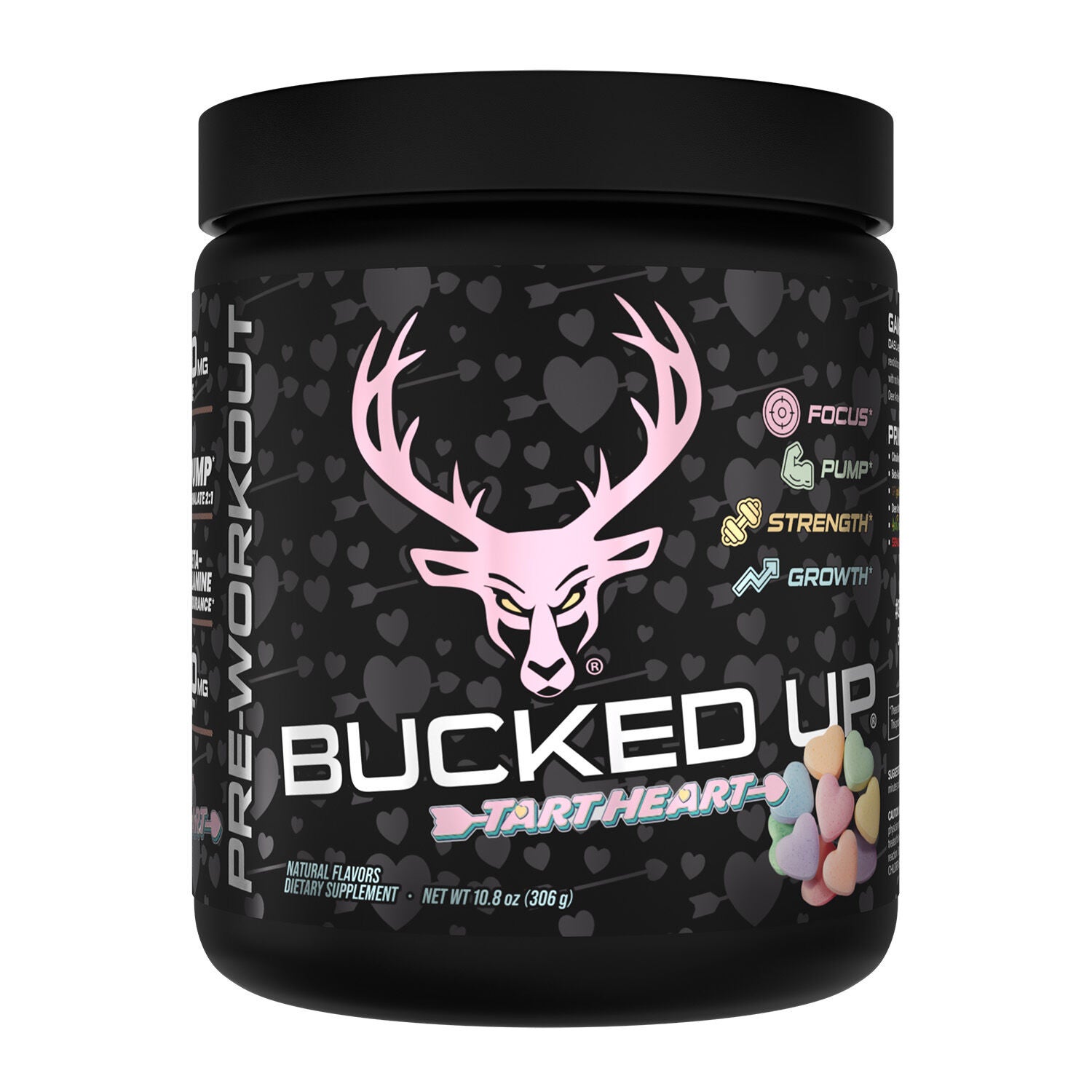
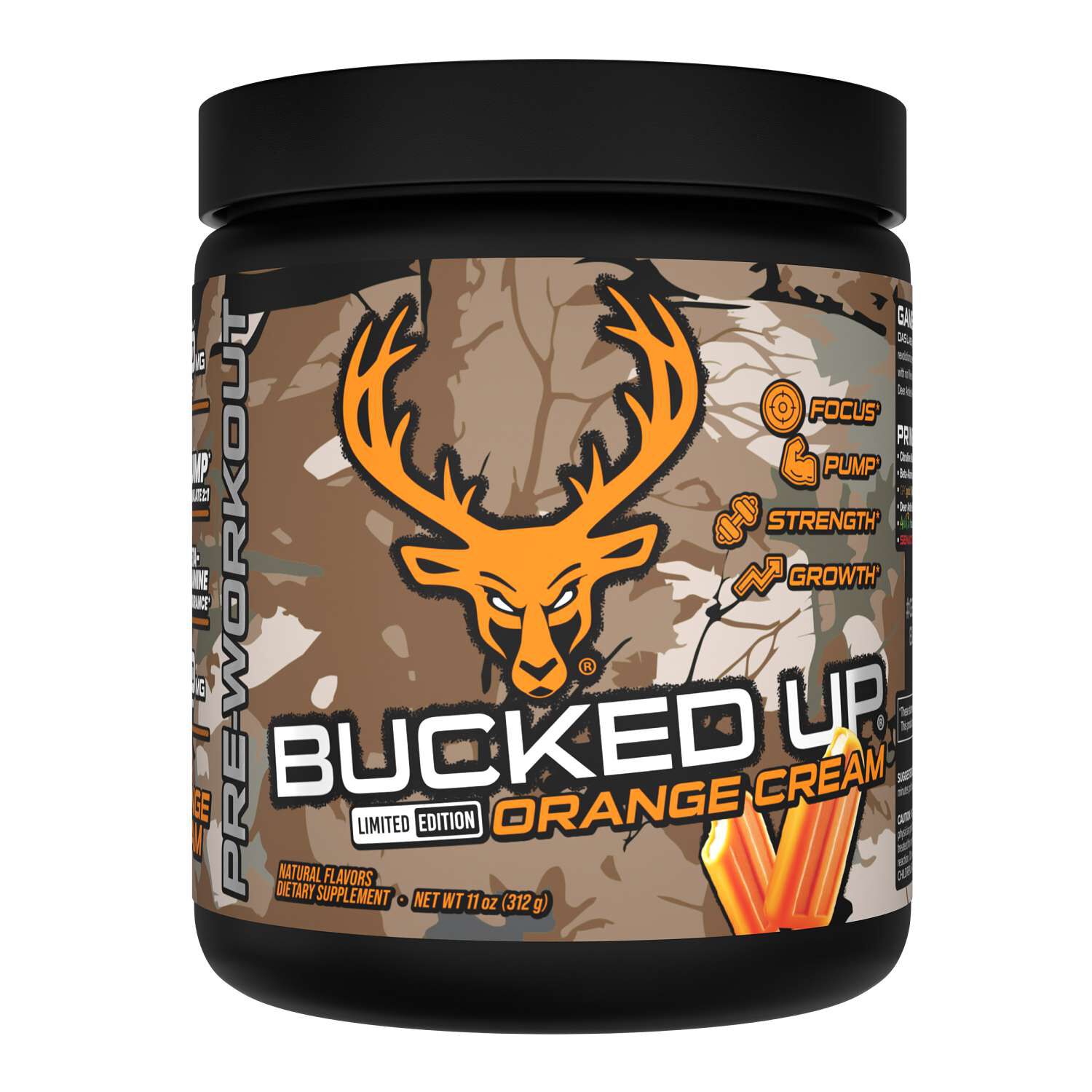
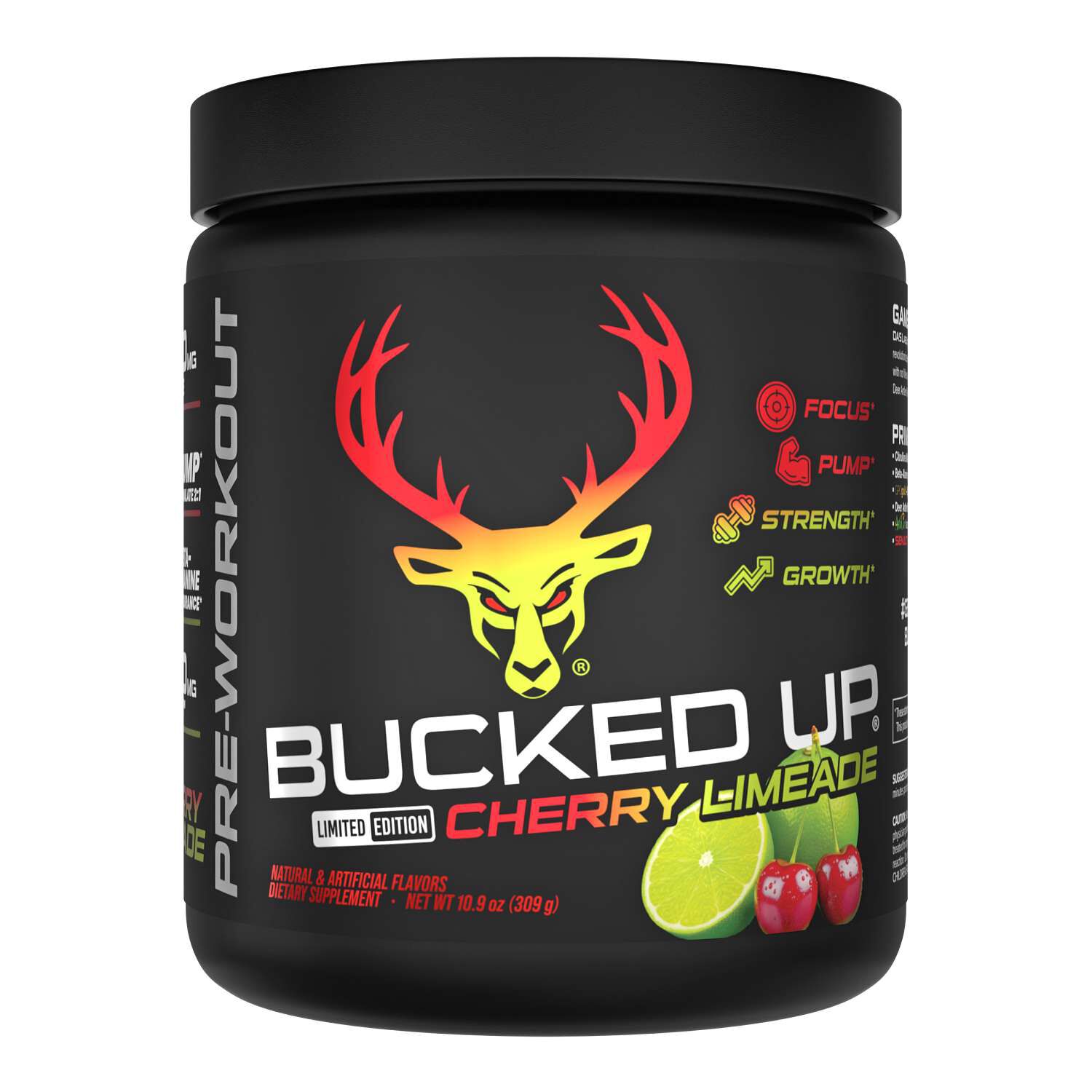
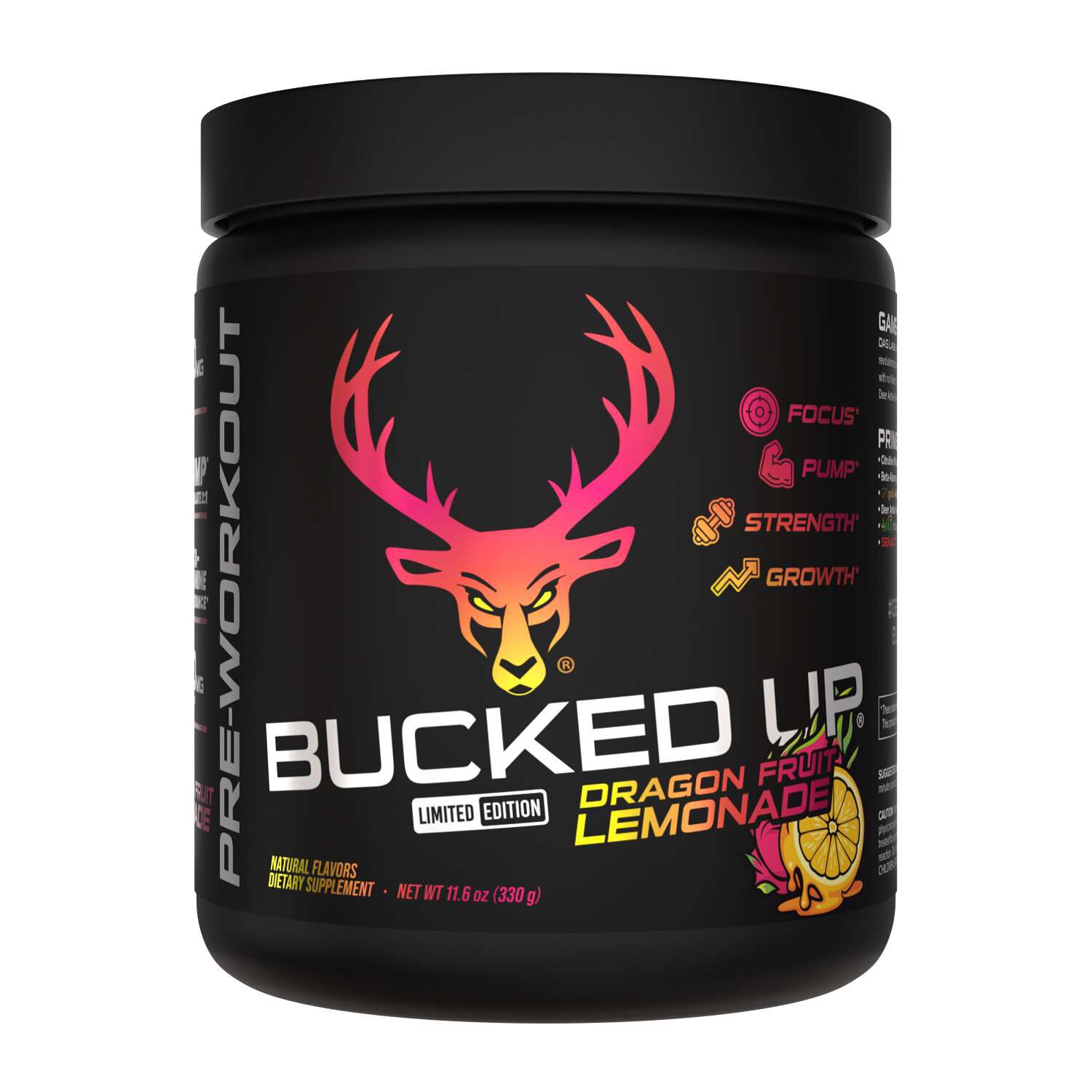

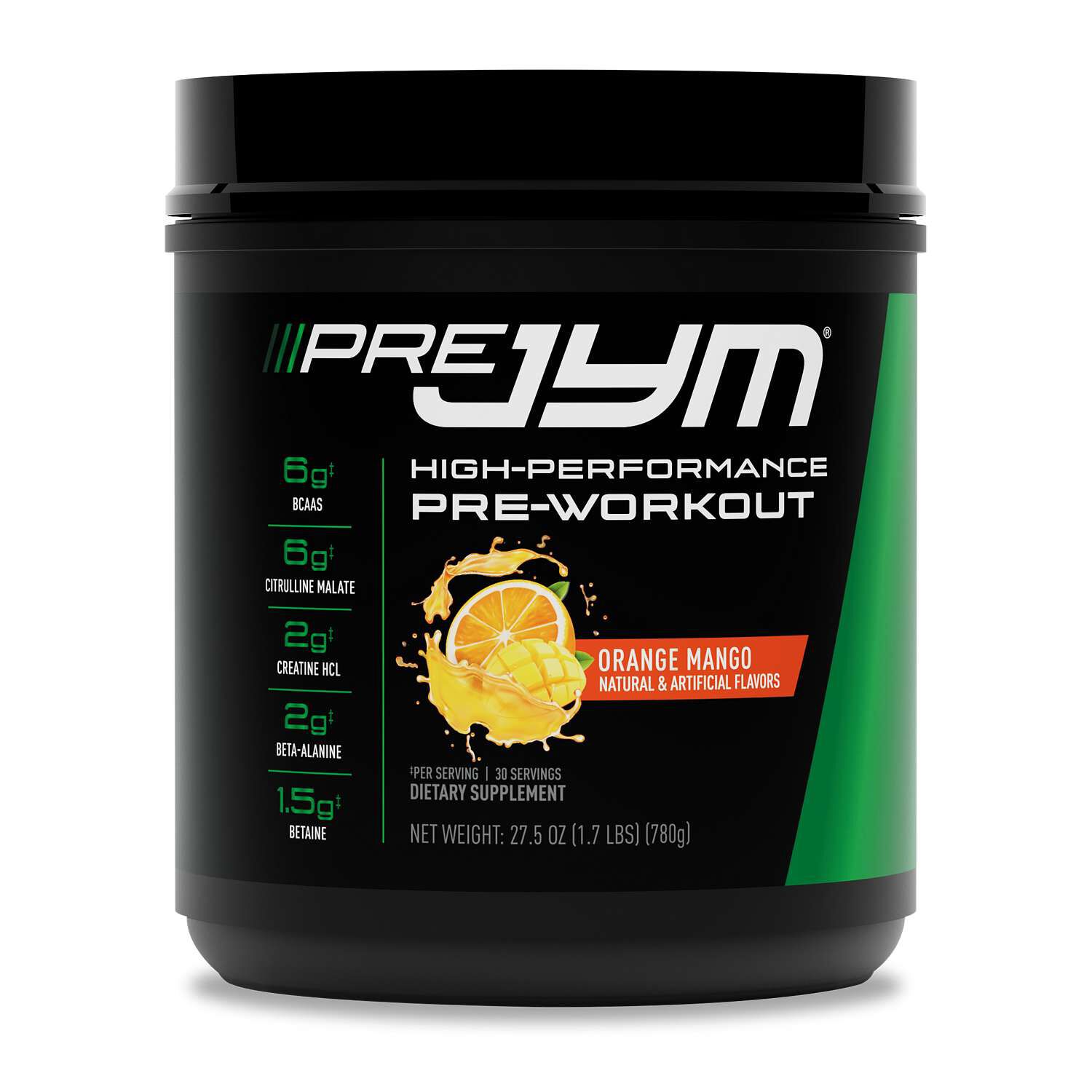
Preworkout drinks for college athletes belong to a routine that often starts well before the first whistle: a walk across campus with a gym bag, an early weight-room session, or practice squeezed between a lab and an evening study group. This category includes ready-to-drink beverages and powders mixed with water, with differences in caffeine content, serving size, ingredients, flavor, and preparation. Some formulas contain caffeine, which may support alertness before exercise, while others are made without caffeine for athletes who prefer that approach. Other common ingredients include amino acids, creatine, and electrolytes, though their presence alone does not establish whether a formula suits a particular athlete or training schedule. A preworkout drink is not a substitute for meals, water, or sleep, and a longer ingredient list does not necessarily make a product a better match. For collegiate competitors, the most important distinction is often less about flavor or packaging and more about how the supplement fits team requirements. The NCAA does not approve dietary supplements, including preworkout drinks. Independent certifications such as NSF Certified for Sport and Informed Sport are relevant screening tools because their programs include testing for substances prohibited in sport. That testing may reduce uncertainty, but it does not establish NCAA approval or remove every risk associated with supplement use. Certification applies to the product covered by the program, not automatically to every formula sold under the same name. Athletes can verify certification through the certifying organization’s directory and check applicable lot or batch information rather than relying only on a logo pictured online. Review with the school’s sports dietitian, athletic trainer, or athletics compliance staff is an important part of evaluating any supplement before use. Those conversations are especially relevant when a teammate recommends a drink, a familiar formula changes, or a new season brings a different training schedule. A product’s popularity in the locker room is not evidence that it meets an athlete’s program requirements.
The practical differences among preworkout drinks become clear during an ordinary campus day. A sealed, ready-to-drink bottle requires no measuring or mixing, which can suit the trip from a residence hall to an athletics facility. A powder takes more preparation but lets the athlete use the amount of water specified on the label in a suitable shaker or bottle. Serving size deserves close attention in either format: a container, scoop, and labeled serving are not always interchangeable measures. Caffeine content is another meaningful comparison point, particularly when coffee, tea, or other caffeinated beverages are already part of the day. A clearly stated amount per serving makes that comparison more straightforward than a blend that does not disclose individual ingredient quantities. Caffeine may support alertness, but it may also interfere with sleep, making the timing of an afternoon lift or evening practice relevant to the choice. Formulas without caffeine offer another category to consider, although that feature alone does not establish suitability for collegiate competition. Carbohydrate content, sweeteners, ingredient sources, and allergen statements also help distinguish beverages that otherwise look similar. Taste and texture matter in everyday use, too. A tart citrus drink, a sweeter fruit flavor, a carbonated beverage, and a still drink offer different experiences, especially when mixed or served at different temperatures. With powders, the labeled water amount provides a useful reference for flavor strength and consistency; concentrated mixing is not a reason to exceed the stated serving. Packaging and care are part of the comparison as well. A bottle that closes securely is practical around textbooks and a laptop, while a shaker needs enough space for the liquid and room to mix. Containers should be stored according to their labels, and powders are best handled with clean, dry utensils and a securely closed lid. Ready-to-drink beverages may have refrigeration directions after opening. Washing and drying reusable bottles after each use helps keep them ready for the next session. In shared campus housing, keeping supplements in their original, labeled containers also preserves access to ingredient lists, serving directions, expiration dates, and batch details.
Intended use varies across college athletics, so the same preworkout format will not suit every schedule. A swimmer heading to an early pool session, a volleyball player arriving for afternoon practice, and a track athlete preparing for a strength session each face different timing and packing considerations. During the cooler months, an indoor training block may mean carrying a drink from class to the weight room, while an outdoor practice may involve a longer stretch between leaving the residence hall and reaching the field. The useful comparison is not simply which label sounds most athletic, but which formula and format have been reviewed for the athlete’s circumstances. Preworkout drinks are distinct from everyday water, sports beverages used during extended activity, and shakes intended for after exercise, even when some ingredients overlap. Their role is tied to preparation before a workout, with any potential effects depending on the ingredients, serving, and individual. Football athletes comparing formats for lifting sessions and field practice can also explore Preworkout Drinks For Football Players, while keeping the same certification and team-review considerations in view. Travel adds another layer: an unopened bottle takes up a different amount of bag space than a powder container, and powders require access to water and a clean mixing bottle. Original packaging is useful on road trips because it keeps product information close at hand. For athletes managing crowded schedules, straightforward labeling can make ongoing review easier, especially when checking whether a new purchase matches a previously reviewed formula. Ingredient lists, caffeine amounts, serving directions, and certification status deserve another look whenever packaging or formulation changes. Selecting a preworkout drink for collegiate sport is ultimately a matter of matching practical preferences with transparent product information and the requirements of the athletics program. Flavor and convenience belong in that decision, but neither replaces careful verification or a conversation with the professionals supporting the team.