





Preworkout Drinks For Basketball Players
(0 Results)
Preworkout drinks for basketball players could be a game-changer when it comes to preparing for intense practices and competitive matchups. Whether you’re looking to support your energy levels, hydration, or focus before hitting the court, the right preworkout drink may help set the stage for peak performance. Explore a variety of options designed to complement your training routine and help you get ready for every tip-off.
-

-
-
-

-

-
-

-

-

-
-
-
-
-
-

-
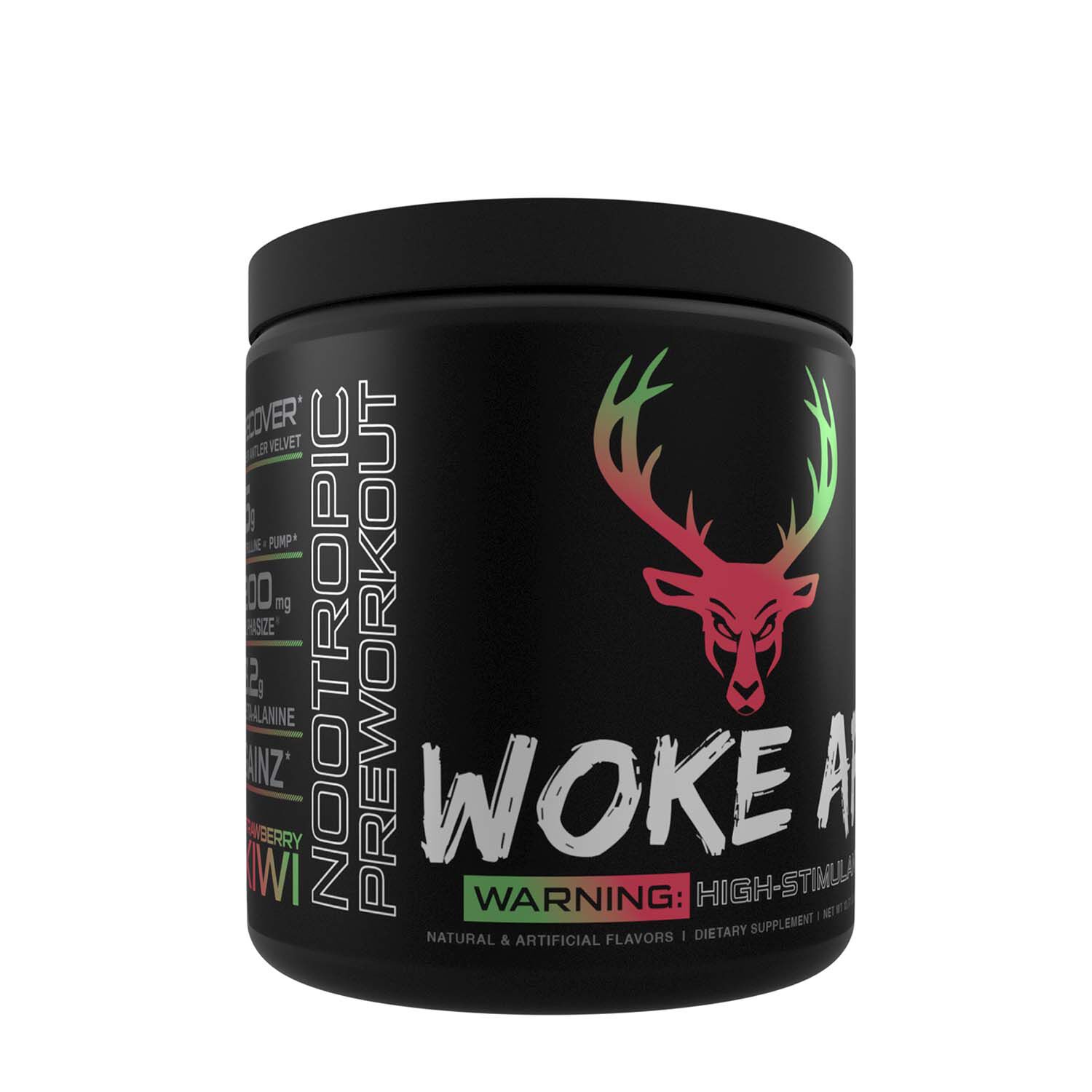
-
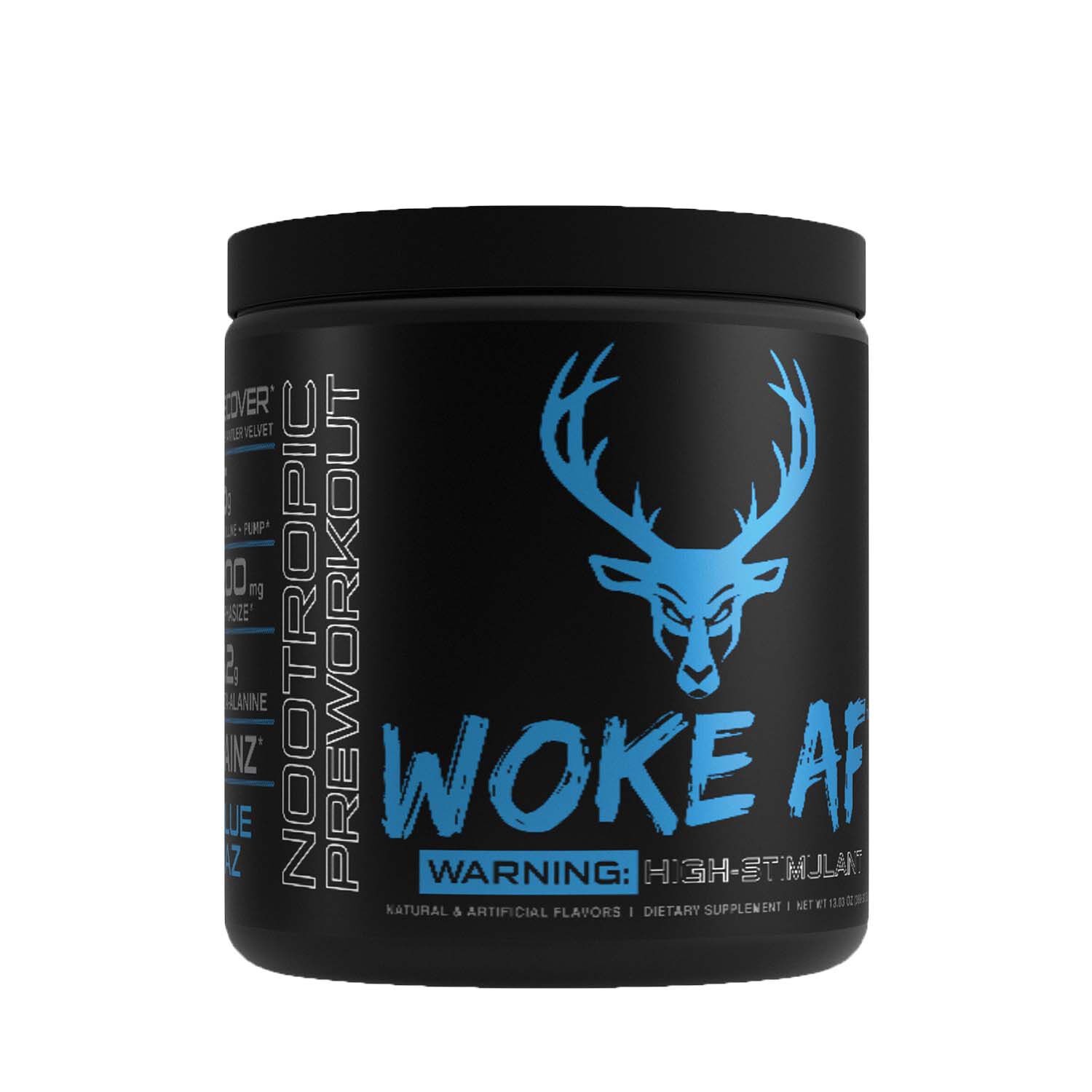
-
 459$24.99
 -

-
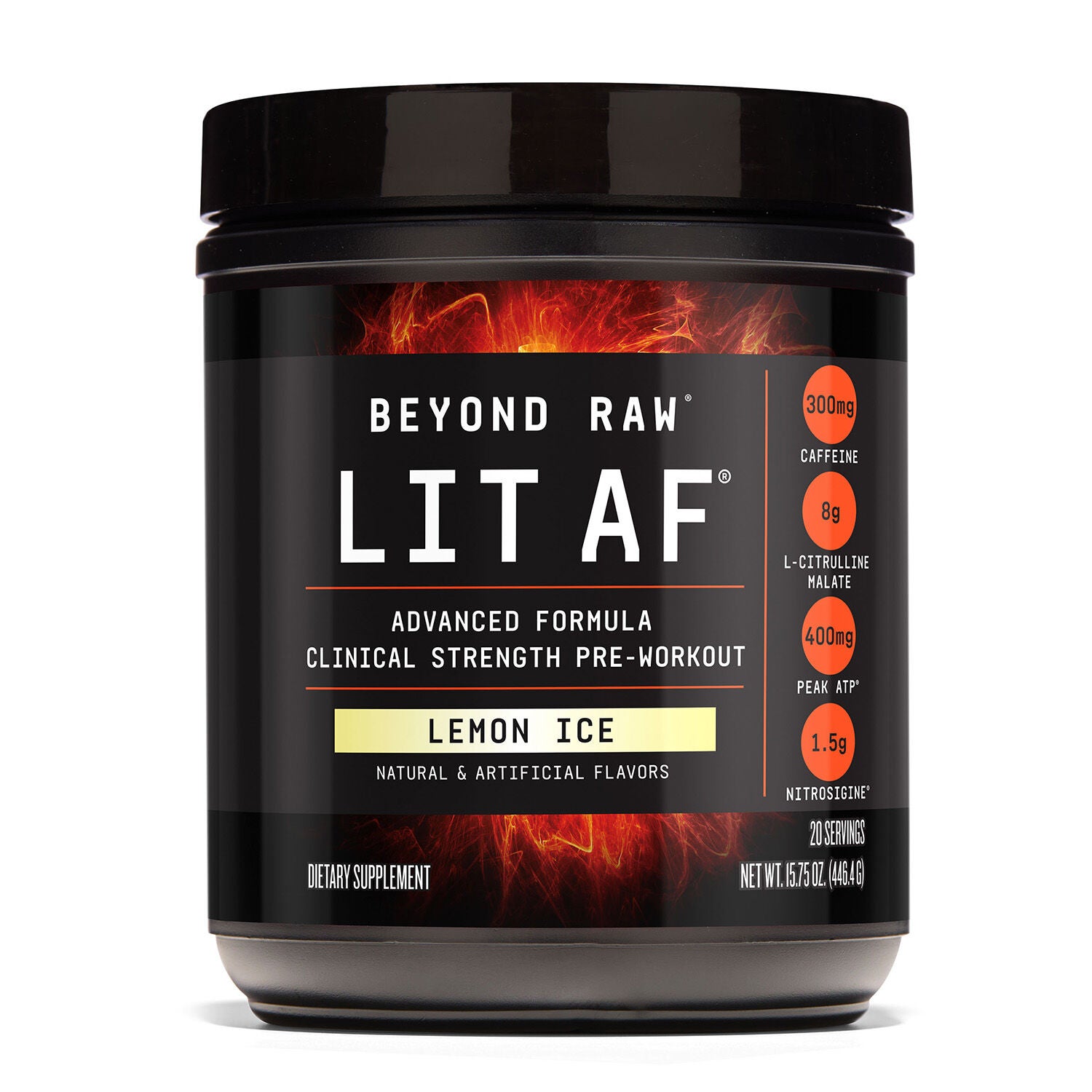
-

-
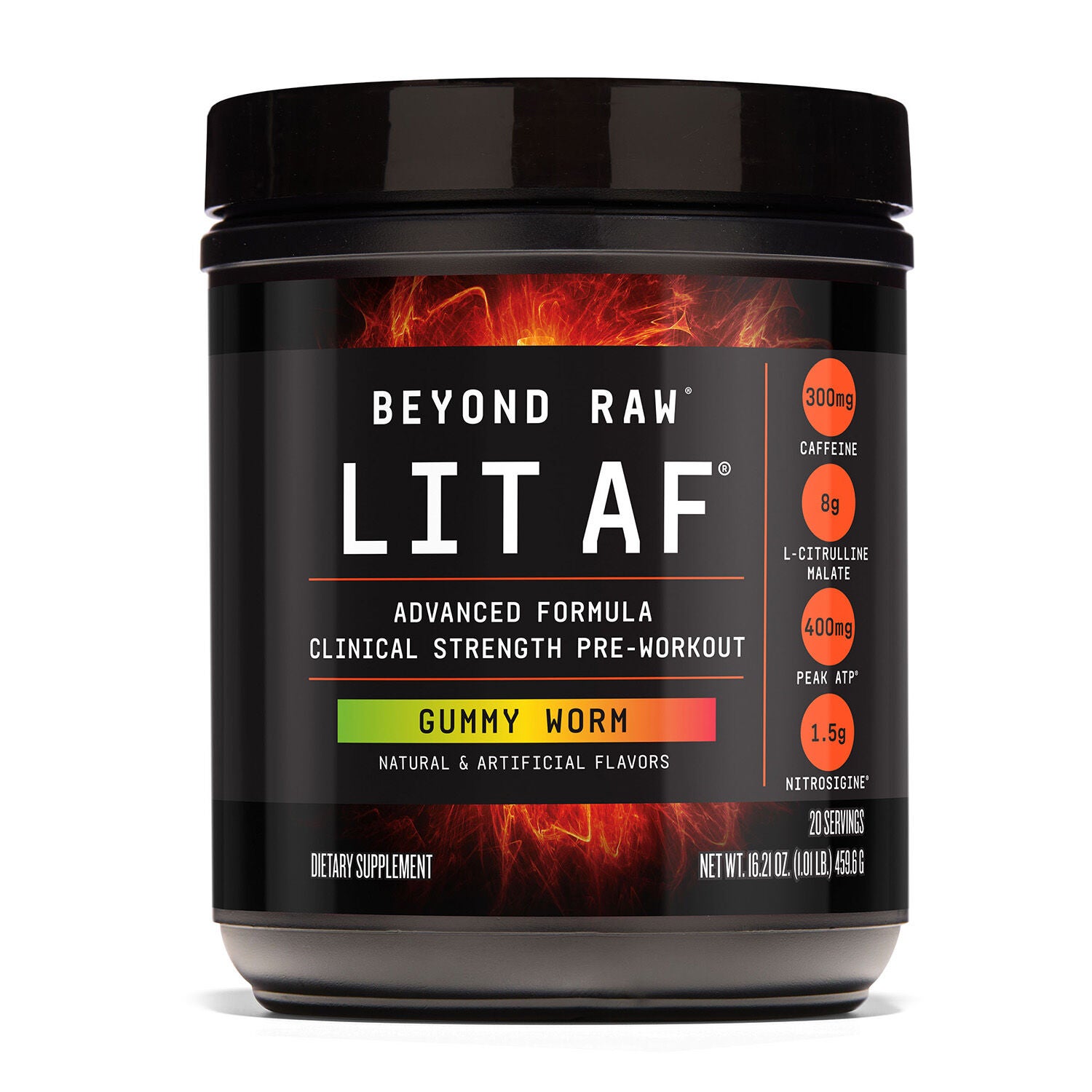
-
-

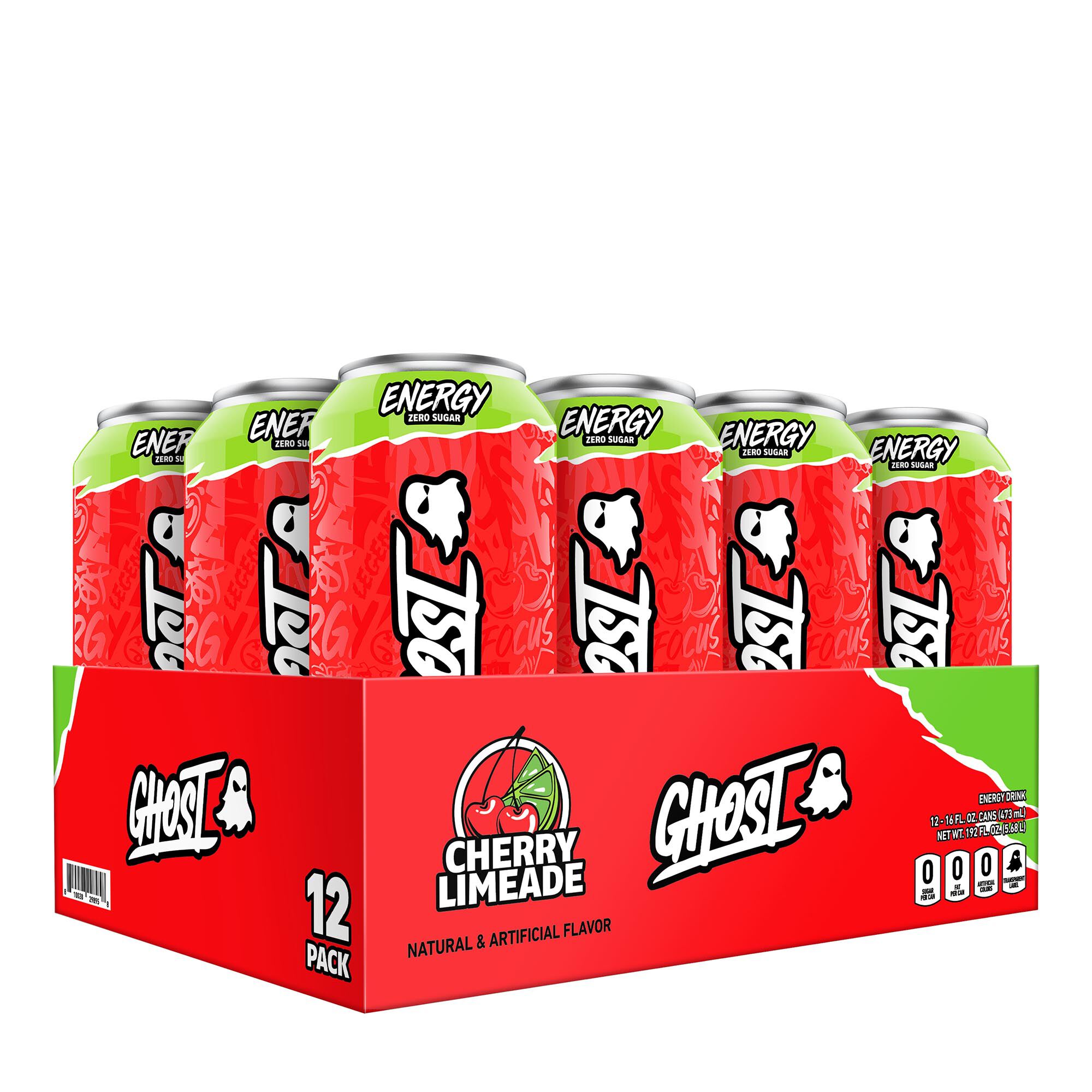
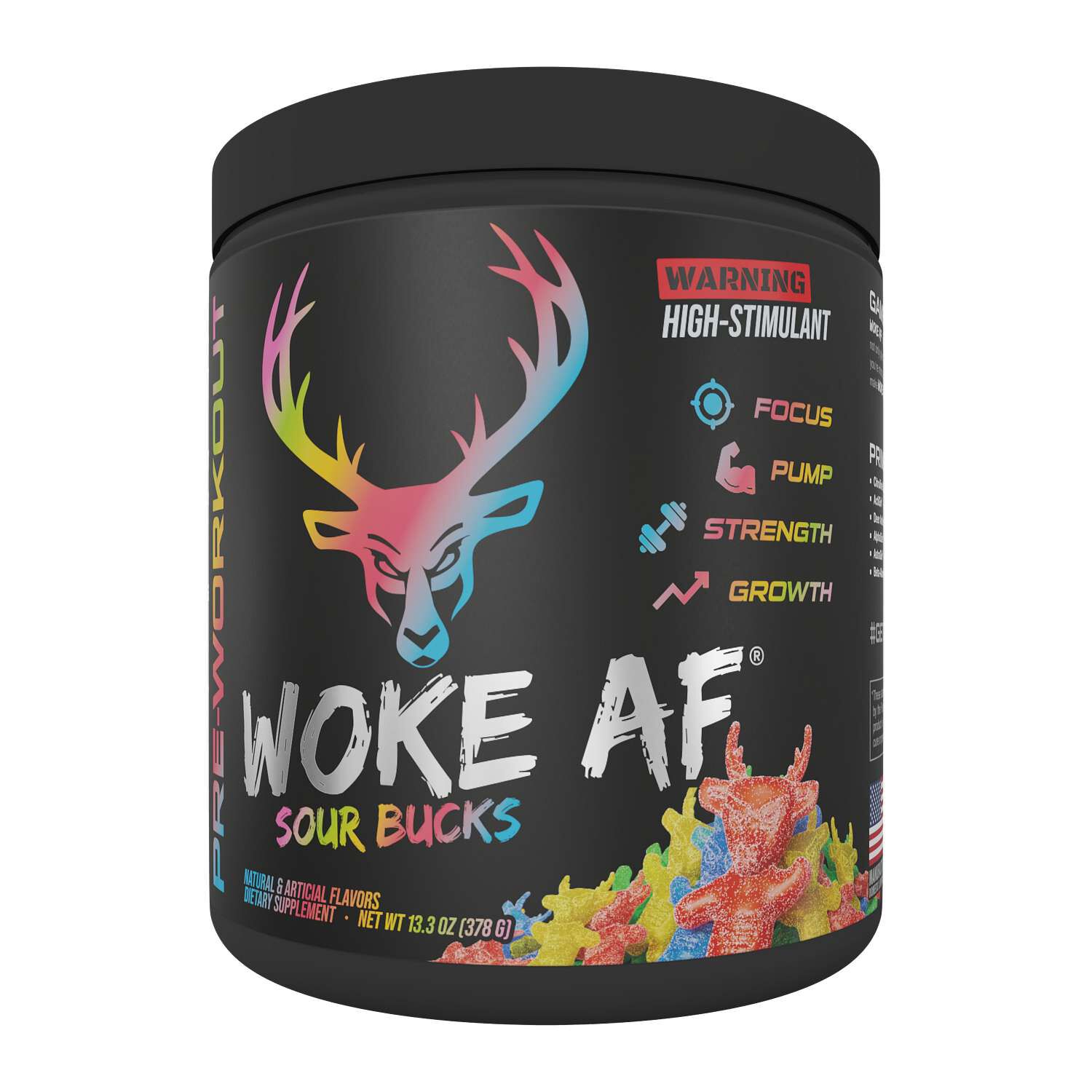
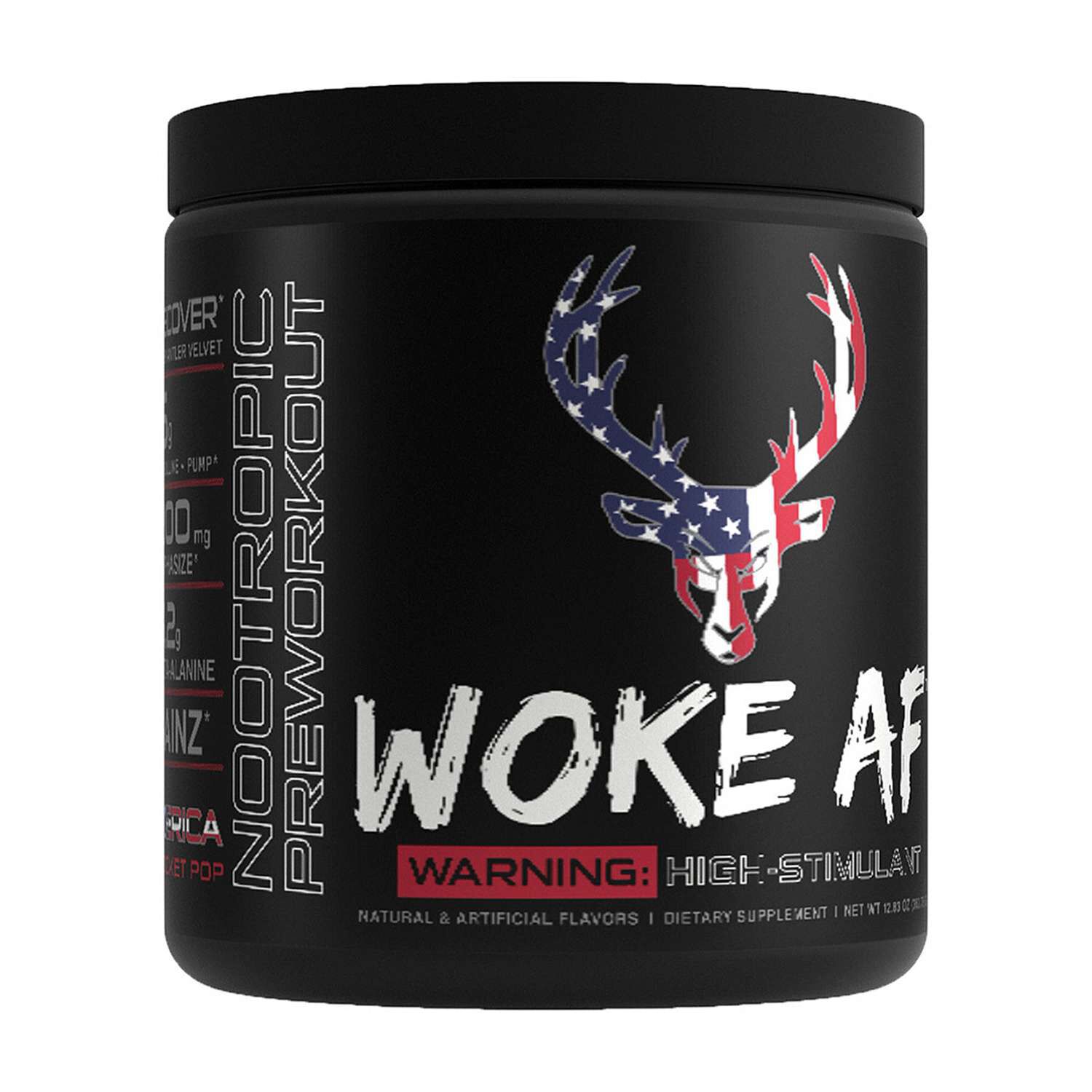
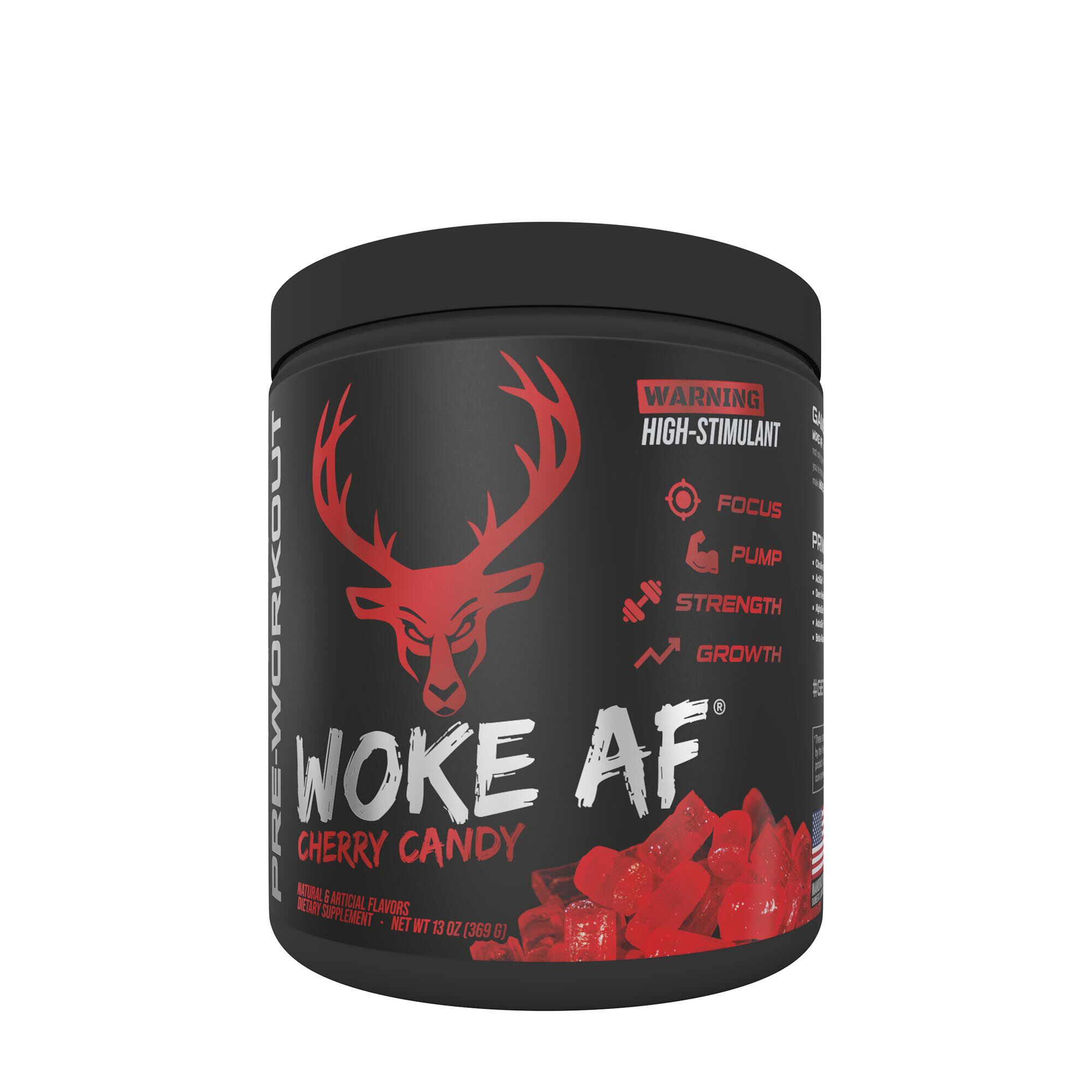
Preworkout drinks for basketball players include ready-to-drink beverages and powders mixed with water, with formulas that vary in caffeine content, carbohydrates, electrolytes, flavor, and serving size. For adult players, the most useful distinctions are often practical: what is in each serving, how much liquid it makes, and whether the format suits the time between work, travel, and stepping onto the court. Basketball involves repeated changes of pace, from a controlled half-court possession to a sprint back on defense, so a drink chosen for a lifting session may not suit every practice or game-day routine. An electrolyte-focused formula may support hydration, while a carbohydrate-containing beverage may provide energy for physical activity. A caffeinated option may support alertness, but caffeine content alone does not establish how well a drink fits a player’s preferences or schedule. These categories can overlap, making the ingredient list and nutrition information more informative than the product name alone. Someone heading to an evening recreational league might prefer an option without caffeine, while an adult with a morning strength session might compare caffeinated formulas alongside other formats. Neither scenario calls for treating a beverage as a substitute for meals, water, rest, or preparation. The category is best understood as a selection of optional additions to an established routine, rather than a requirement for playing basketball. Intended use matters as well: a drink for a brief shooting session, a demanding practice, and a separate weight-room workout can involve different priorities. A familiar flavor, clearly stated serving directions, and a container that fits comfortably beside a gym bag may matter more in everyday use than elaborate packaging. Those details make comparisons more relevant to the actual rhythm of a player’s day, whether that means changing shoes in a locker room or arriving directly from a desk job for an hour of pickup basketball.
Ingredient transparency is a useful starting point when comparing preworkout beverages for basketball. Caffeine amounts should be easy to locate, along with the number of servings in the container; a large bottle and a single serving are not always the same thing. Coffee, tea, and other caffeinated beverages elsewhere in a daily routine are also relevant to that comparison. More caffeine does not necessarily make a formula a better match for court time, and options without caffeine offer another way to shop the category. Electrolyte formulas commonly feature sodium, potassium, or magnesium, although their amounts and combinations differ. Such drinks may support hydration during physical activity, but the word “electrolyte” does not describe one uniform recipe. Carbohydrate content is another meaningful distinction. Some drinks contain carbohydrates, while others contain little or none, so two beverages with similar flavors may have very different nutrition profiles. Carbohydrates may provide fuel for exercise; their presence is worth considering alongside the food already included in a player’s routine. Amino acids, creatine, and other ingredients may also appear in preworkout formulas, but a longer ingredient list is not proof of better shooting, quicker footwork, or a more productive practice. Clear quantities and understandable directions offer a more grounded basis for comparison than broad performance language. Flavor and texture deserve attention, too. A lightly flavored drink can feel quite different from a richly sweetened one, and carbonation creates a different drinking experience from a still beverage. Powders also differ in their labeled water amounts, which influence the intended taste and serving volume. Following those mixing directions keeps comparisons consistent rather than turning every bottle into a different preparation. For organized adult competition, team or league supplement requirements belong in the selection process. Documented third-party sport certification may be another relevant consideration, with the scope of that certification checked directly rather than inferred from athletic imagery on a label. A clearly labeled formula makes it easier to understand what the beverage contains without relying on assumptions about its name or appearance.
Format, storage, and portability bring the comparison back to life away from the label. Ready-to-drink preworkout beverages require no measuring or mixing, which can suit a short transition from the office to the gym. Their fixed container size also makes it straightforward to see how much space they occupy in a bag, although storage directions and any refrigeration requirements still matter. Powdered options involve a little more preparation: access to water, the specified measuring method, and a suitable bottle or shaker. Individually portioned packets offer a different packing arrangement from a larger tub, particularly when a player carries shoes, a change of clothes, and work belongings together. For mixed drinks, a sturdy, reusable container with a secure lid and an opening wide enough for thorough washing is a practical companion. Container materials, cleaning instructions, and closure design are worth checking, especially when the bottle travels beside clothing or electronics. Powder packaging should be closed and stored according to its label, and prepared beverages should be handled according to the manufacturer’s directions. These care details matter across repeated practices, not just on the first outing. During the cooler months, indoor leagues and gym sessions can keep basketball routines busy even when outdoor courts see less use, making a familiar preparation and packing routine particularly convenient. Adults balancing campus schedules with training may also find a related perspective in Preworkout Drinks For College Athletes, where the setting connects naturally with travel between classes, facilities, and practice. As a gift for an adult basketball enthusiast, a preworkout drink is a more personal choice than a generic gym accessory because flavor, ingredients, and caffeine preferences vary. Knowing the recipient’s established preferences is more useful than choosing solely by package design. Whether the occasion is a regular pickup run, a scheduled team practice, or basketball-focused conditioning, the strongest comparisons stay specific: ingredients per serving, intended use, preparation needs, taste, and how the drink fits into the player’s existing routine.