





Energy Drinks For College Athletes
(0 Results)
Energy drinks for college athletes could be a convenient option for those looking to stay refreshed and motivated during intense training sessions or long study hours. With a variety of flavors and formulas available, these beverages may fit into a busy campus lifestyle. Explore options that might support your active routine and help you feel ready to tackle the demands of both academics and athletics.

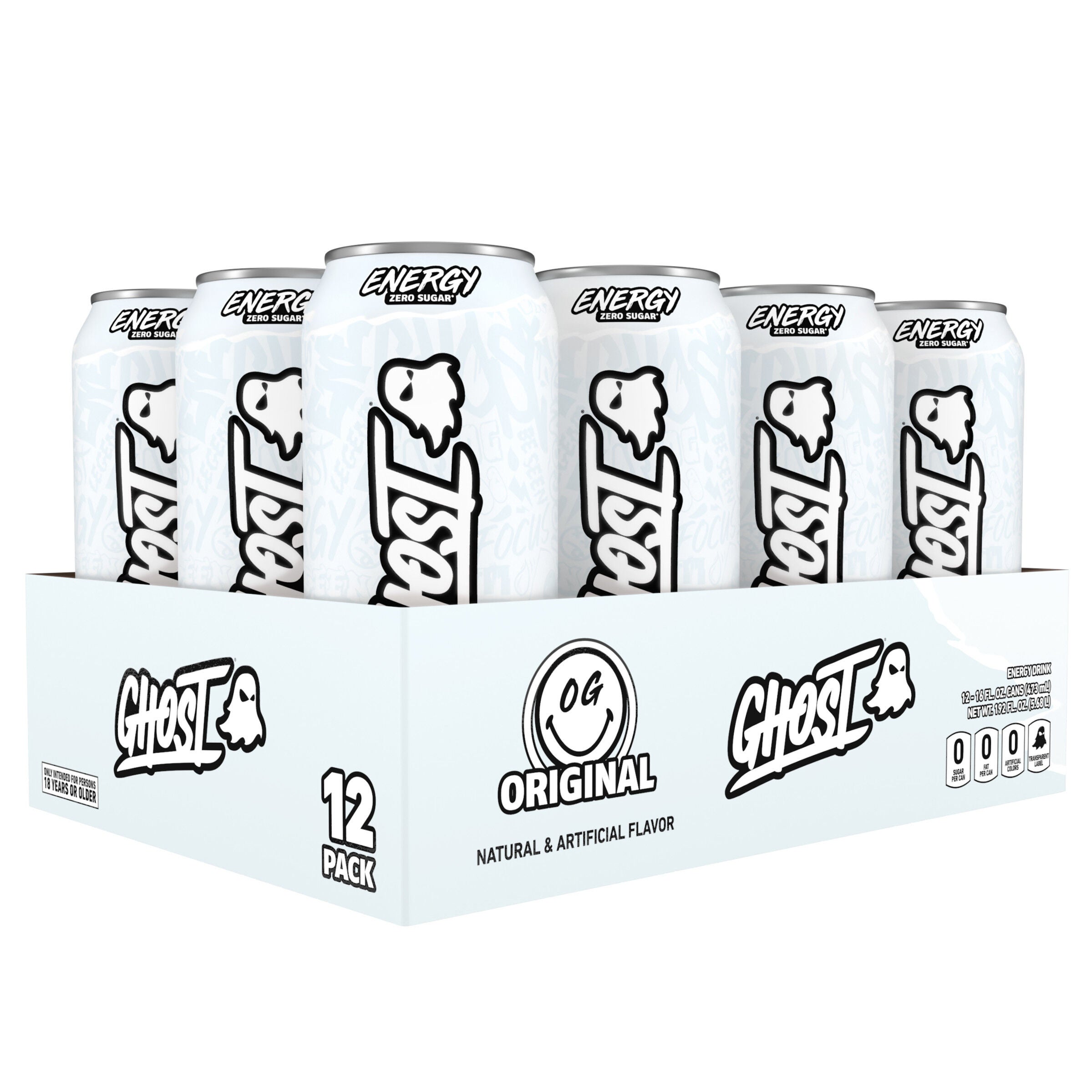
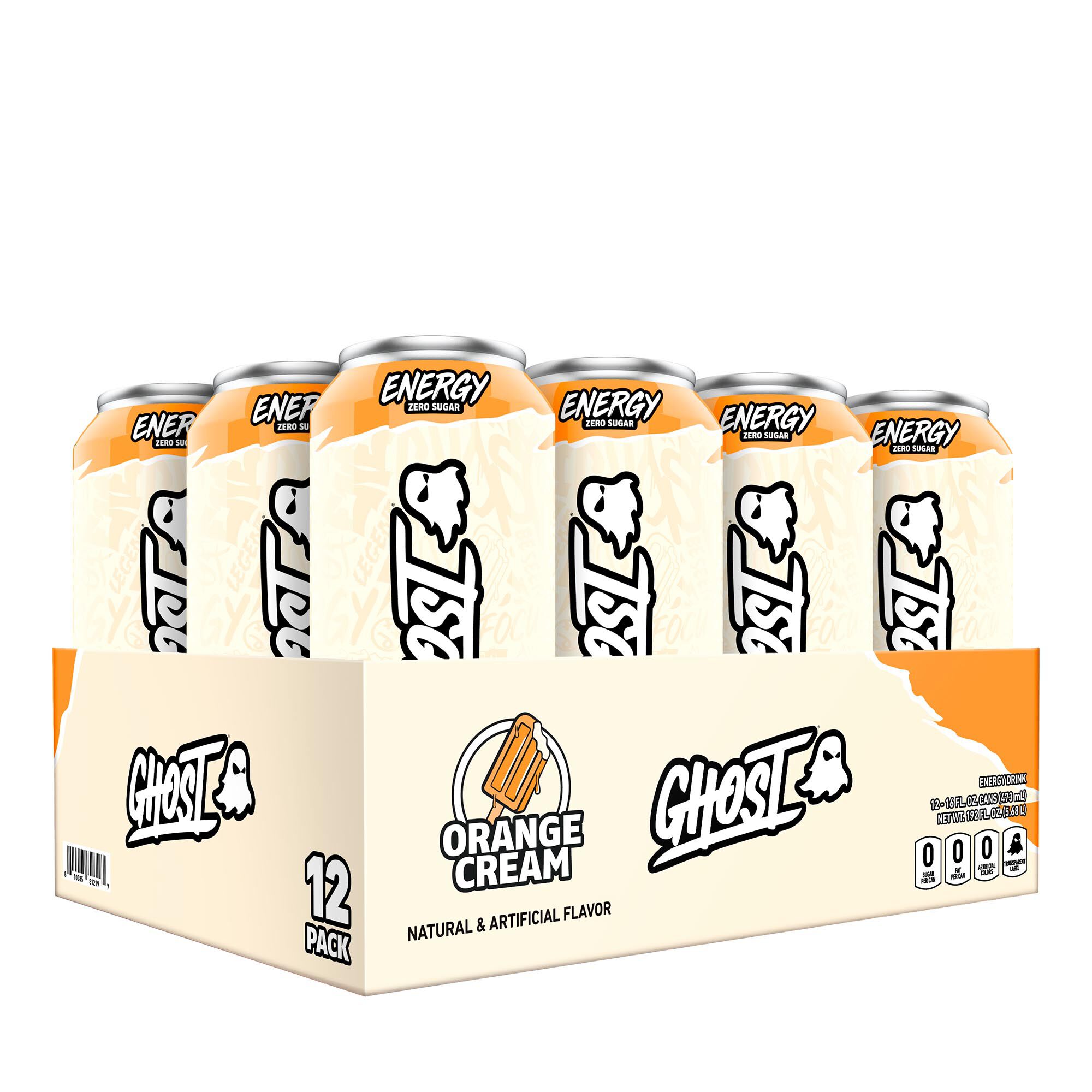


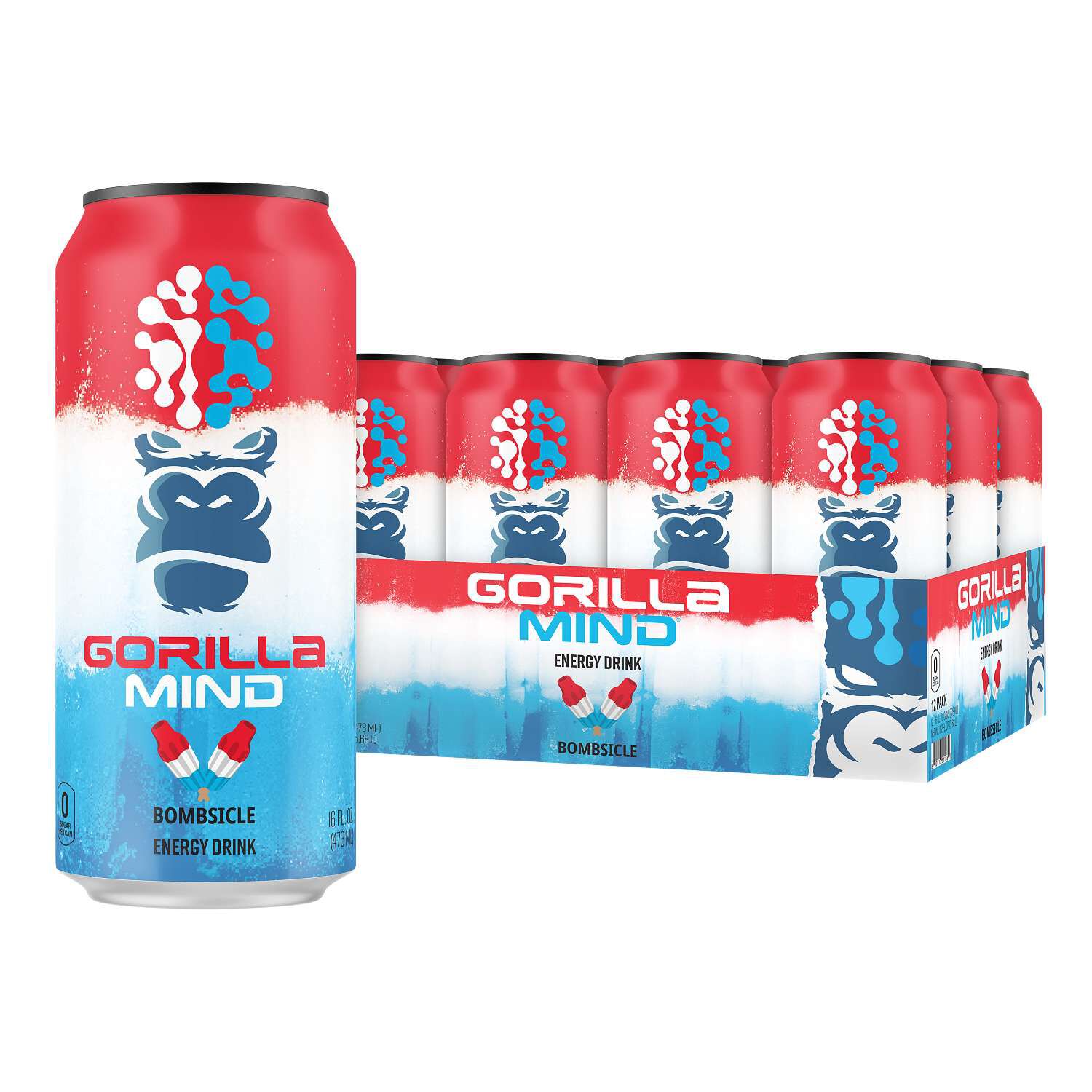
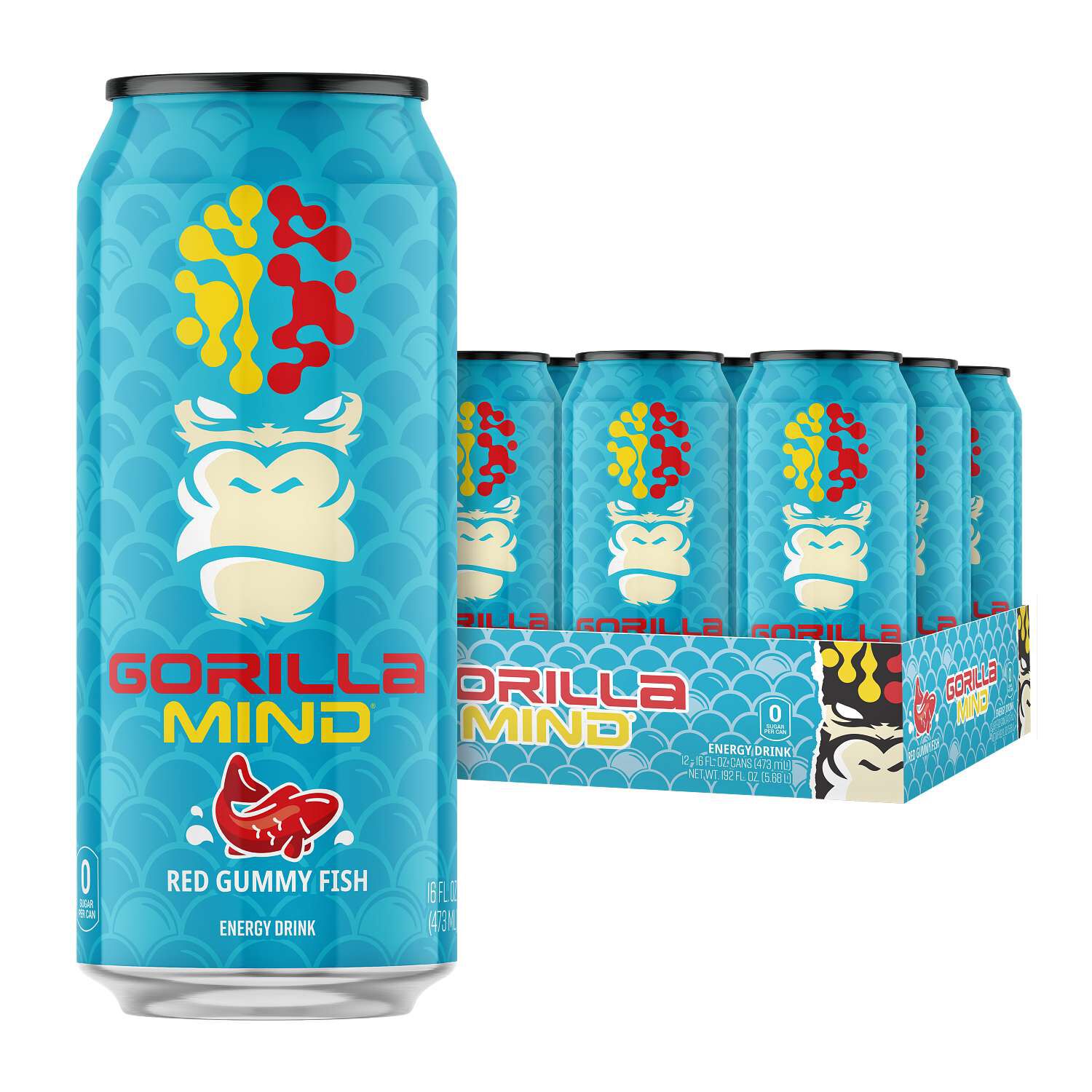

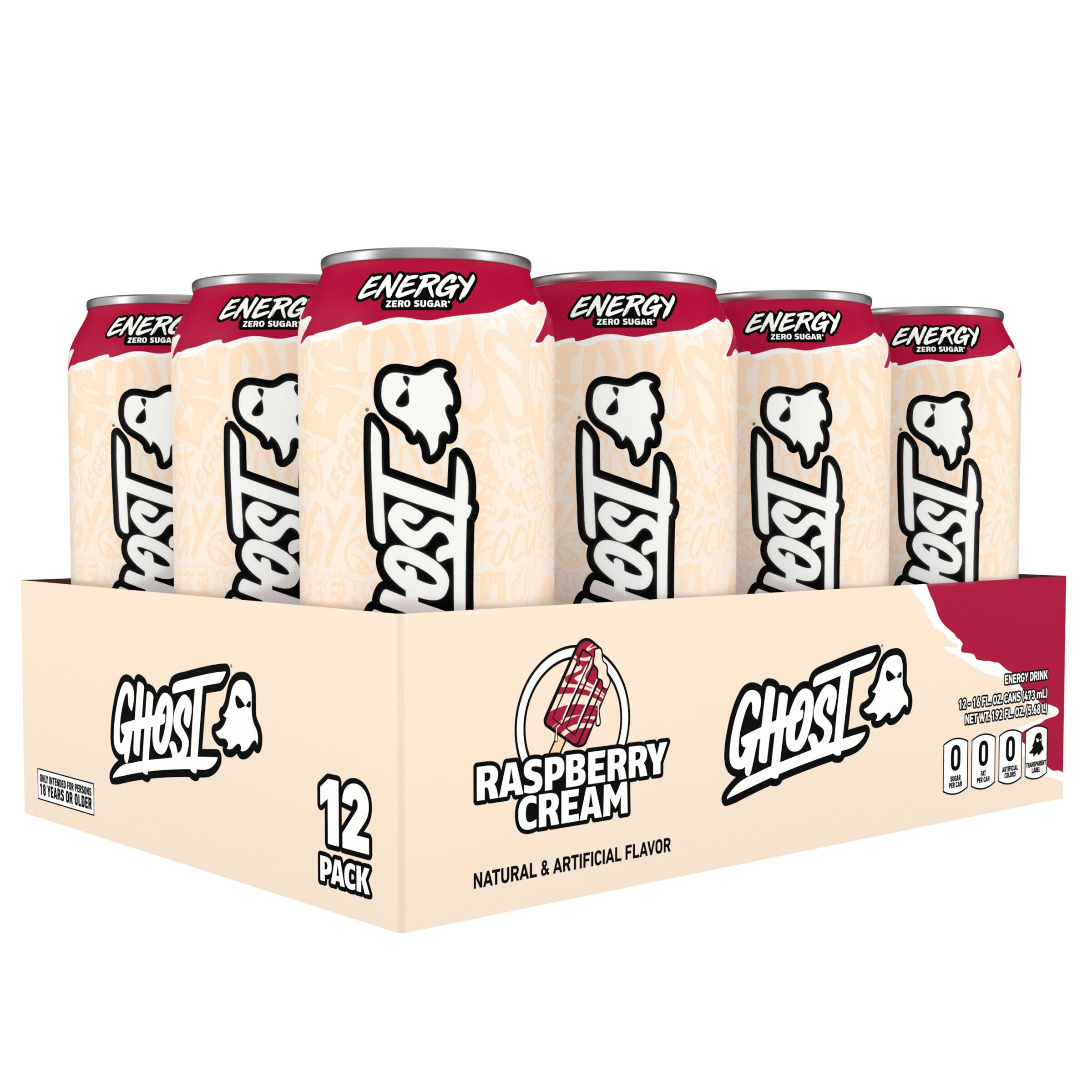

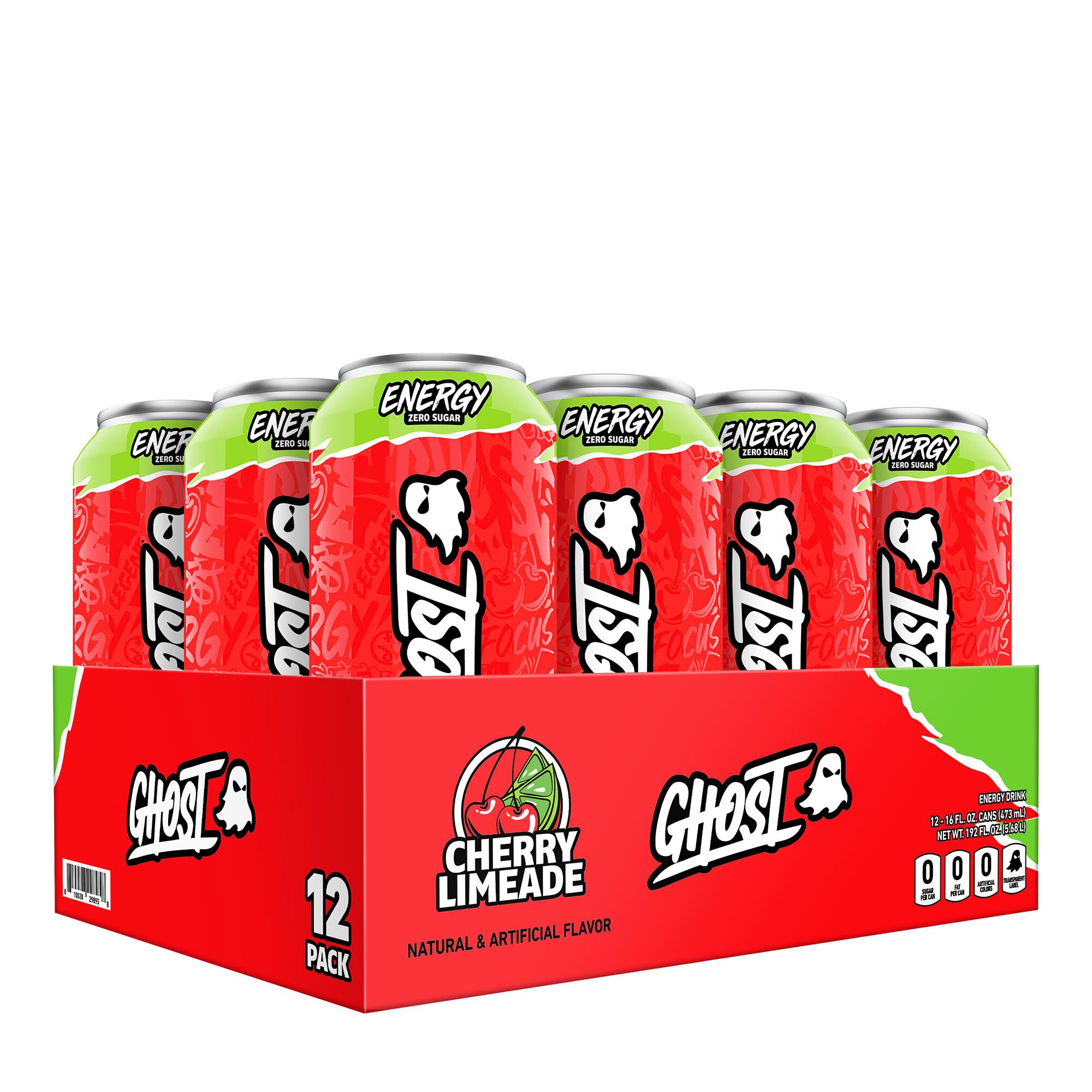


Energy drinks for college athletes are ready-to-drink beverages that typically contain caffeine, with formulas, flavors, and serving sizes that vary from one option to another. For adult student-athletes balancing lectures, practices, team meetings, and travel, those differences matter more than an athletic-looking label. Caffeine may support alertness, but a beverage’s suitability involves more than the number printed on the front of the container. The serving size, caffeine per serving, servings per container, sugar content, and ingredient list all provide useful context. A smaller can does not necessarily contain less caffeine than a larger one, and drinks with similar packaging may have very different formulas. Some contain sugar, while others use alternative sweeteners; some include B vitamins, amino acids, electrolytes, or botanical ingredients. These additions describe what is in the drink, not evidence that it is appropriate for every athlete or every setting. Energy drinks also differ from sports drinks, which often emphasize carbohydrates and electrolytes, and from protein beverages, which emphasize protein content. The categories are worth distinguishing when browsing beverages for a campus routine. Flavor and texture are practical considerations, too. Carbonated options have a fizzy texture, while noncarbonated varieties offer a still alternative. Citrus, berry, tropical fruit, and other flavor profiles range from tart to sweet, and the sweetener blend may influence the finish. Someone who prefers a lighter-tasting beverage between classes might choose differently from someone who enjoys a pronounced fruit flavor with lunch. Nutrition Facts or Supplement Facts panels, where applicable, offer a clearer comparison than flavor names alone. The most useful starting point is the exact container: its serving information, labeled ingredients, and intended audience. That approach keeps the focus on the beverage itself rather than treating every drink marketed toward an active lifestyle as the same kind of product.
A college athlete’s schedule gives this category a particular context. A morning lecture followed by an afternoon practice is different from a long bus ride, a study session, or a day spent moving between campus buildings. An energy drink may fit some adult students’ preferences in those settings, but it is not a replacement for meals, water, or sleep. A can tucked beside a sandwich and a notebook is one part of a routine, not the routine itself. Caffeine from coffee, tea, pre-workout formulas, and other beverages also belongs in the comparison, since an energy drink may not be the only caffeinated product someone uses. Looking at each label makes the amount in a single container easier to understand without assuming that familiar flavors or similar can sizes mean similar caffeine content. For collegiate competitors, ingredient review also involves the rules of the relevant athletic organization, school, and team. Those policies may differ, and athletic imagery on a label does not establish eligibility for competition. Team sports dietitians and athletics compliance staff are appropriate contacts for questions about program requirements and ingredient policies. Where third-party sport certification is listed, the certification program’s directory and the exact formula name provide more useful detail than a general statement about testing. Certification applies within the scope of the particular program; it should not be treated as universal approval across every governing body. Personal taste remains relevant alongside those checks. A highly carbonated drink may not appeal to someone who prefers still beverages, and a very sweet flavor may not suit someone accustomed to unsweetened coffee or tea. Drinks with similar caffeine amounts may still differ in serving volume, sweetness, and ingredient combinations. Comparing those details helps separate everyday preferences from marketing language and gives adult student-athletes a more grounded way to browse this category.
Packaging and intended use round out the comparison. Aluminum cans are common, while some ready-to-drink beverages use bottles with resealable closures. A single-serving can is straightforward to carry, but an opened can has different practical limitations from a bottle that closes again. Container dimensions matter when a drink needs to fit in a backpack side pocket, a lunch bag, or a vehicle cup holder during team travel. Clear labeling is useful when several beverages share space in an apartment refrigerator or a team travel bag, especially when the containers have similar colors. Packaging condition deserves attention as well: an intact seal, a readable date, and legible storage directions are more useful than a bold graphic. Storage and after-opening instructions vary, so the container’s directions remain the reference for handling the beverage. Campus and facility rules may also influence whether cans or bottles are appropriate in a particular space, and local recycling instructions determine how empty packaging should be sorted. For shared apartments or team households, individual flavor and caffeine preferences matter; one person’s usual choice may not suit another person’s routine. A beverage assortment intended as a gift for an adult student-athlete is most thoughtful when the recipient’s established preferences and team requirements are already known. For a wider view of the category, the Energy Drinks For Athletes collection provides another place to explore beverages intended for active adults. Within a college-focused selection, the meaningful distinctions remain concrete: caffeine per container, serving size, sugar and sweetener choices, ingredient transparency, flavor, carbonation, and packaging format. A compact can with a tart flavor offers a different experience from a larger resealable bottle with a sweeter profile, even before the formulas are compared. Careful browsing brings those differences into focus, making it easier to identify a beverage that aligns with an adult student-athlete’s preferences, campus routine, and applicable participation rules.
What ingredients are commonly found in energy drinks for college athletes?
Energy drinks for college athletes often contain ingredients like caffeine, B vitamins, taurine, electrolytes, and amino acids that may help support alertness and hydration during intense physical activity.
How might energy drinks fit into athletic routines for college students?
Energy drinks may help support mental focus and endurance by providing quick sources of energy and hydration support during training or competition.
When is the best time for a college athlete to consume an energy drink?
Many college athletes choose to have energy drinks before workouts or competitions, where they may support concentration and stamina. It's also common to use them during long study sessions or early morning practices.
Are there options without added sugar available for energy drinks aimed at athletes?
Yes, many brands offer options without added sugar that may provide similar energy-supporting features, making them suitable for athletes who are mindful of their sugar intake.
Can energy drinks be combined with other supplements commonly used by college athletes?
Energy drinks may be used alongside other supplements such as protein powders or electrolyte tablets. However, it's important to check ingredient labels to avoid excessive intake of certain compounds like caffeine.
Best Sellers
-
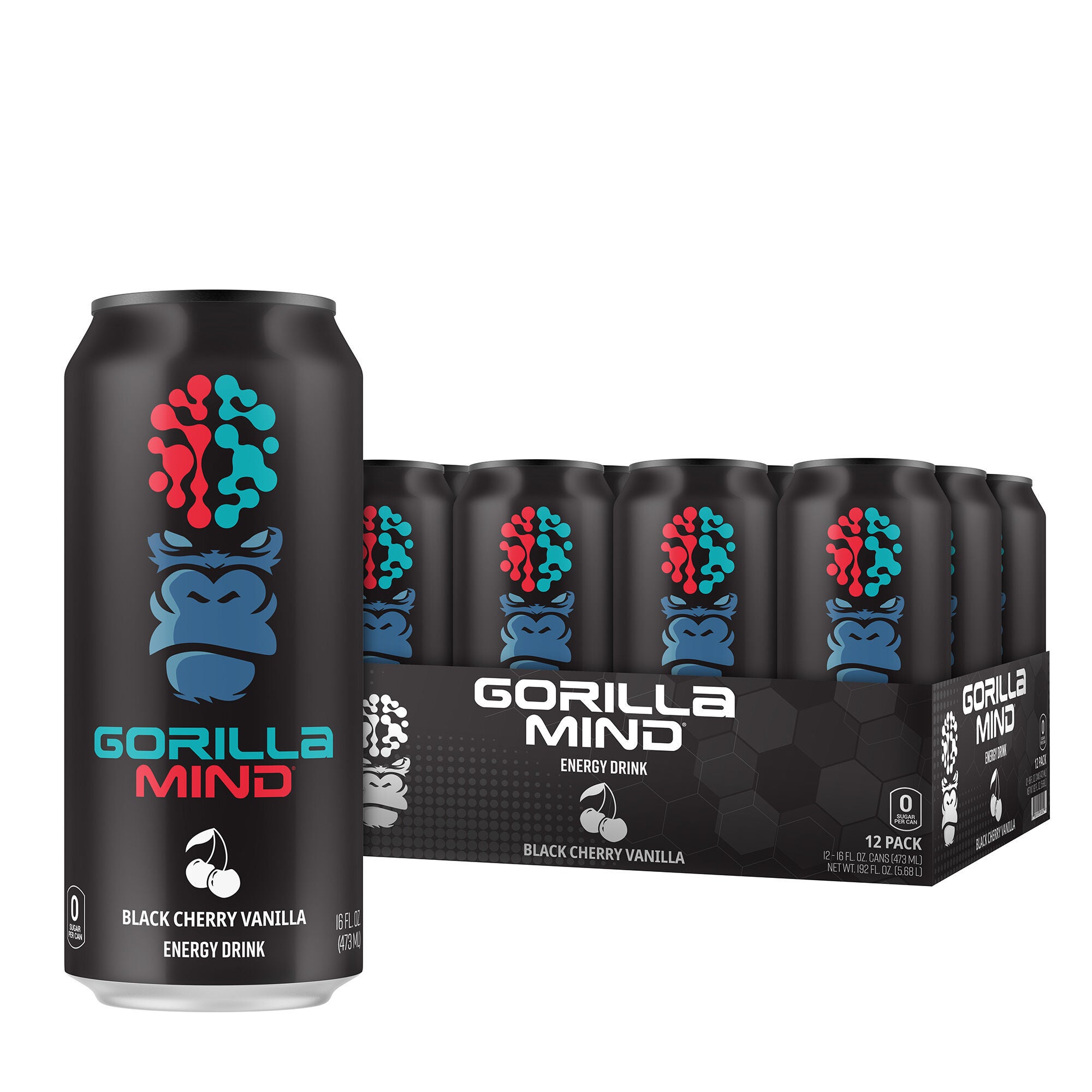
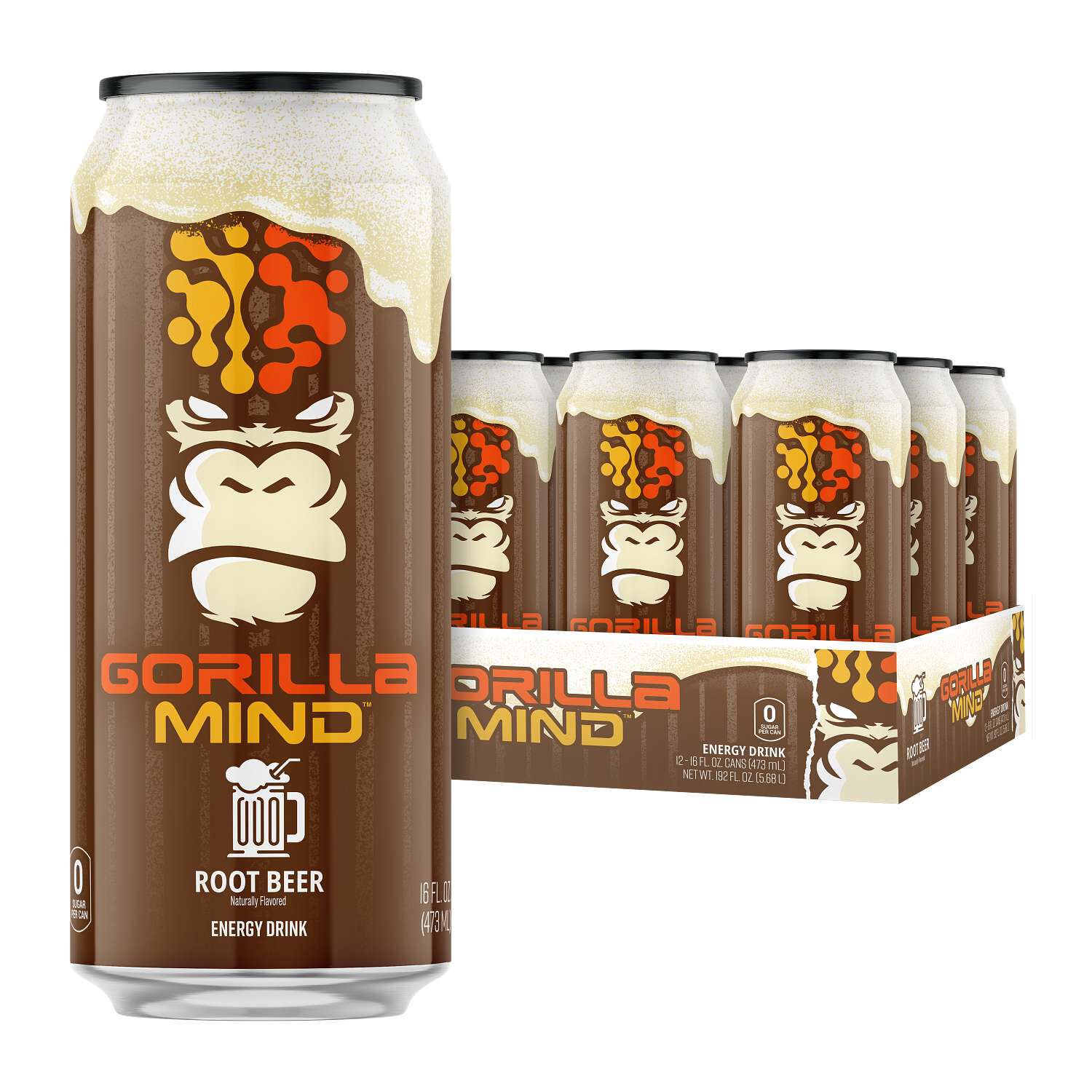 Gorilla Mind
-
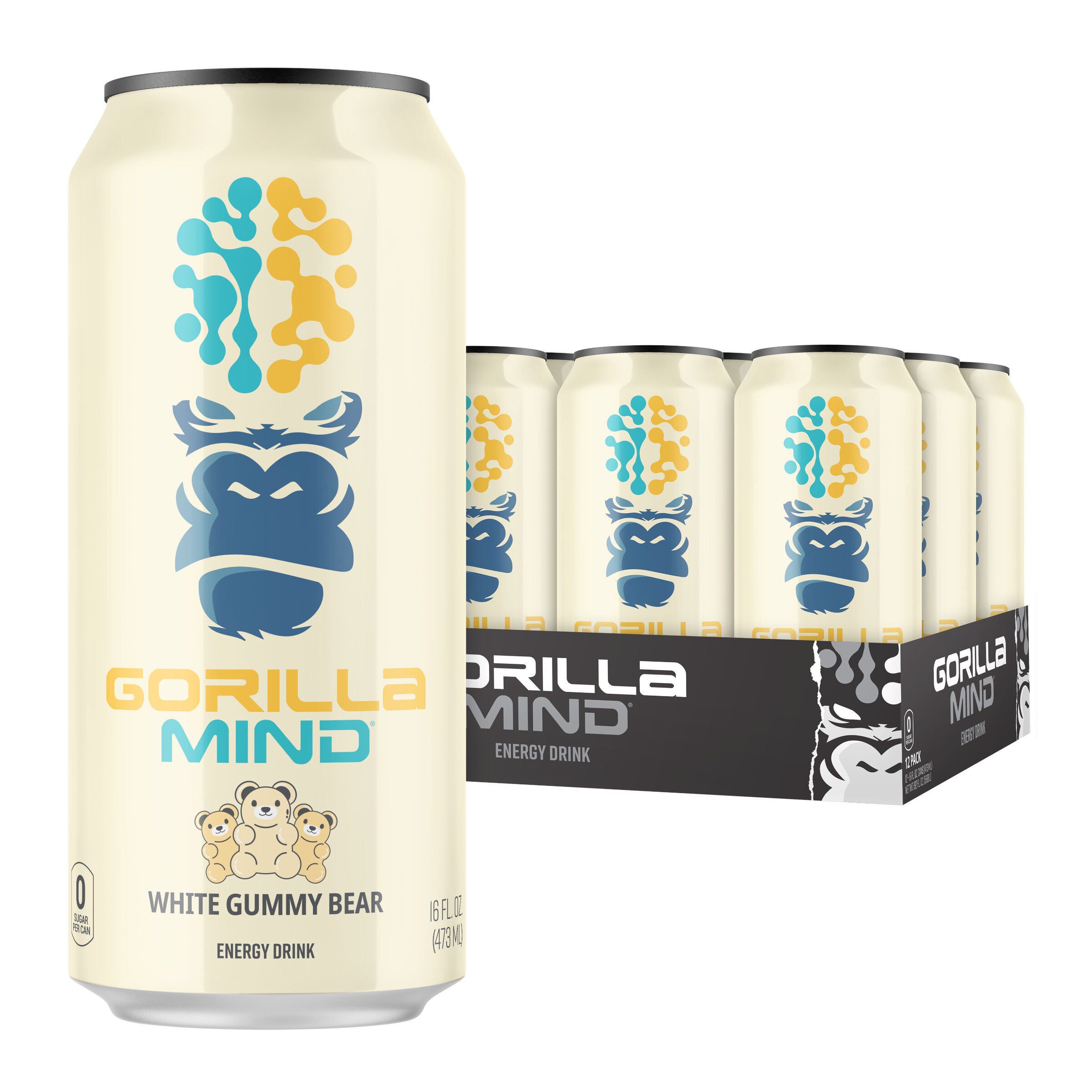 Gorilla Mind
-
 Gorilla Mind
Related Pages

Top Collections
- Joint Mobility Supplement Packs
- Zinc Supplements | Top Brands at Great Prices | GNC
- Supplements For Yoga Joint Flexibility
- Supplements For Balance
- Capsule Supplements For Energy And Stamina
- Iron Supplements
- Supplements For Anxiety Relief Support
- Vitamins For Hair Loss
- Cortisol Supplements
- Adult Mobility Supplements