





College Energy Drinks
(0 Results)
College energy drinks are a popular choice for students looking to stay alert and focused through busy days and late-night study sessions. With a variety of flavors and convenient packaging, these beverages may offer a quick pick-me-up when you need it most. Explore options that fit your lifestyle and discover how college energy drinks could help you power through your academic routine.

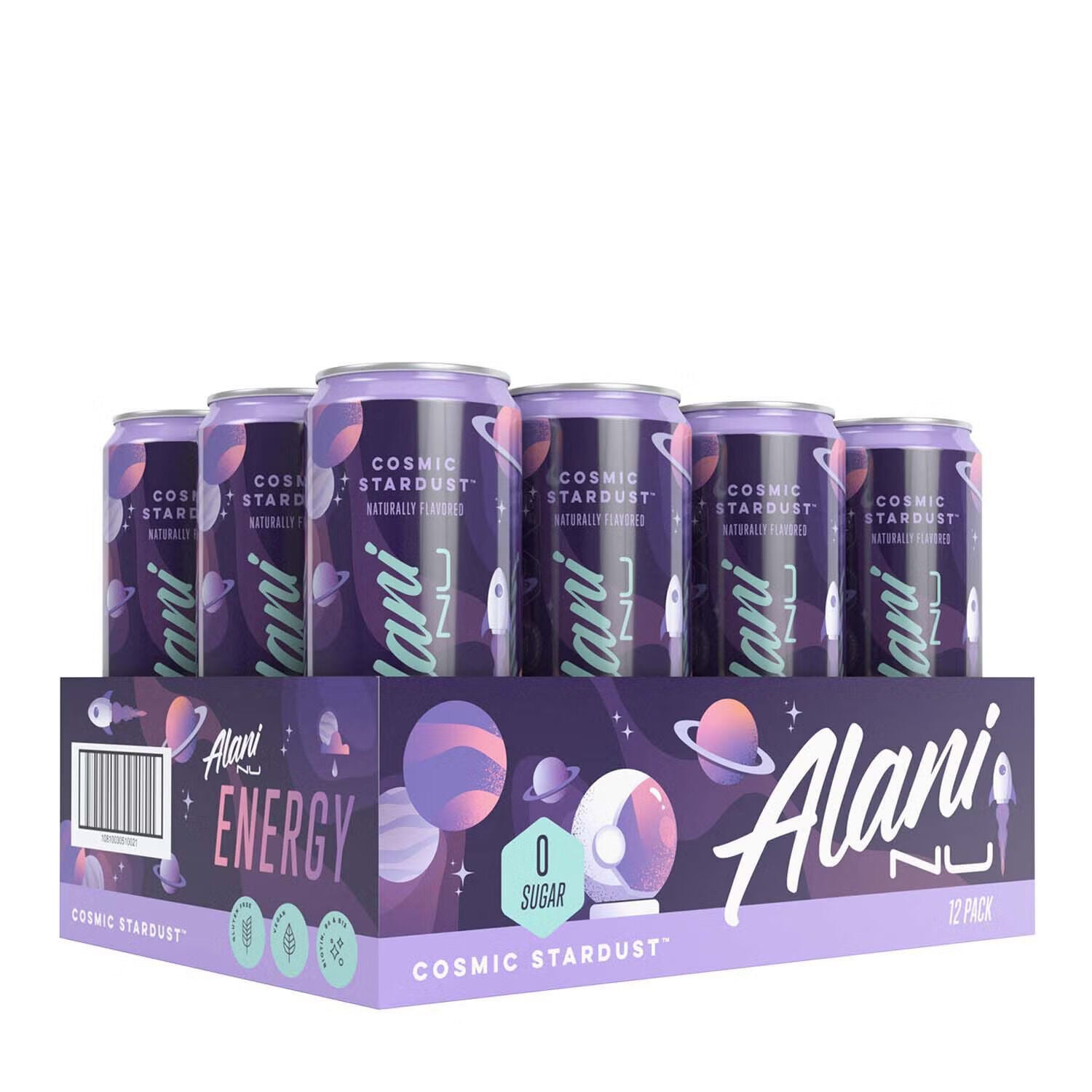
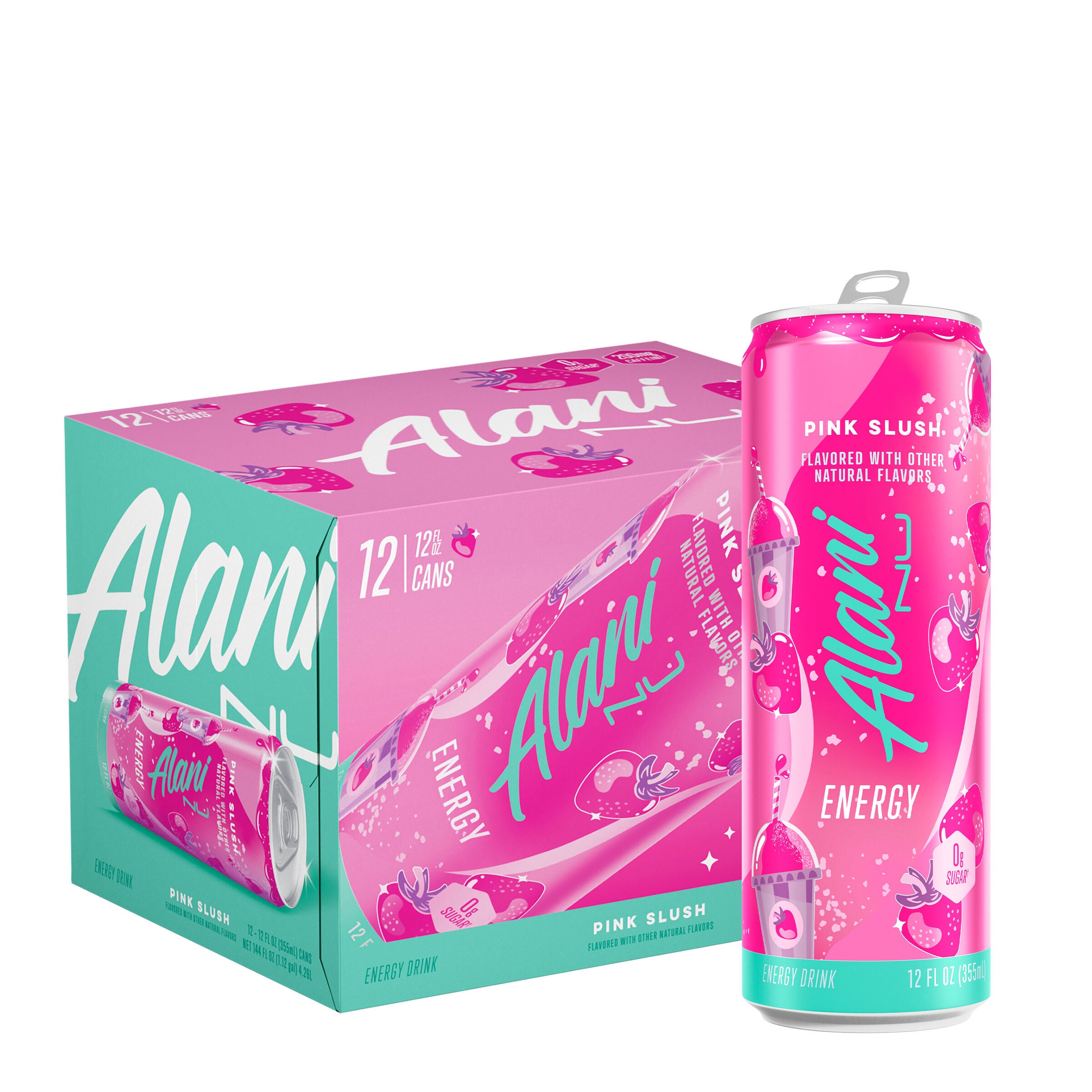


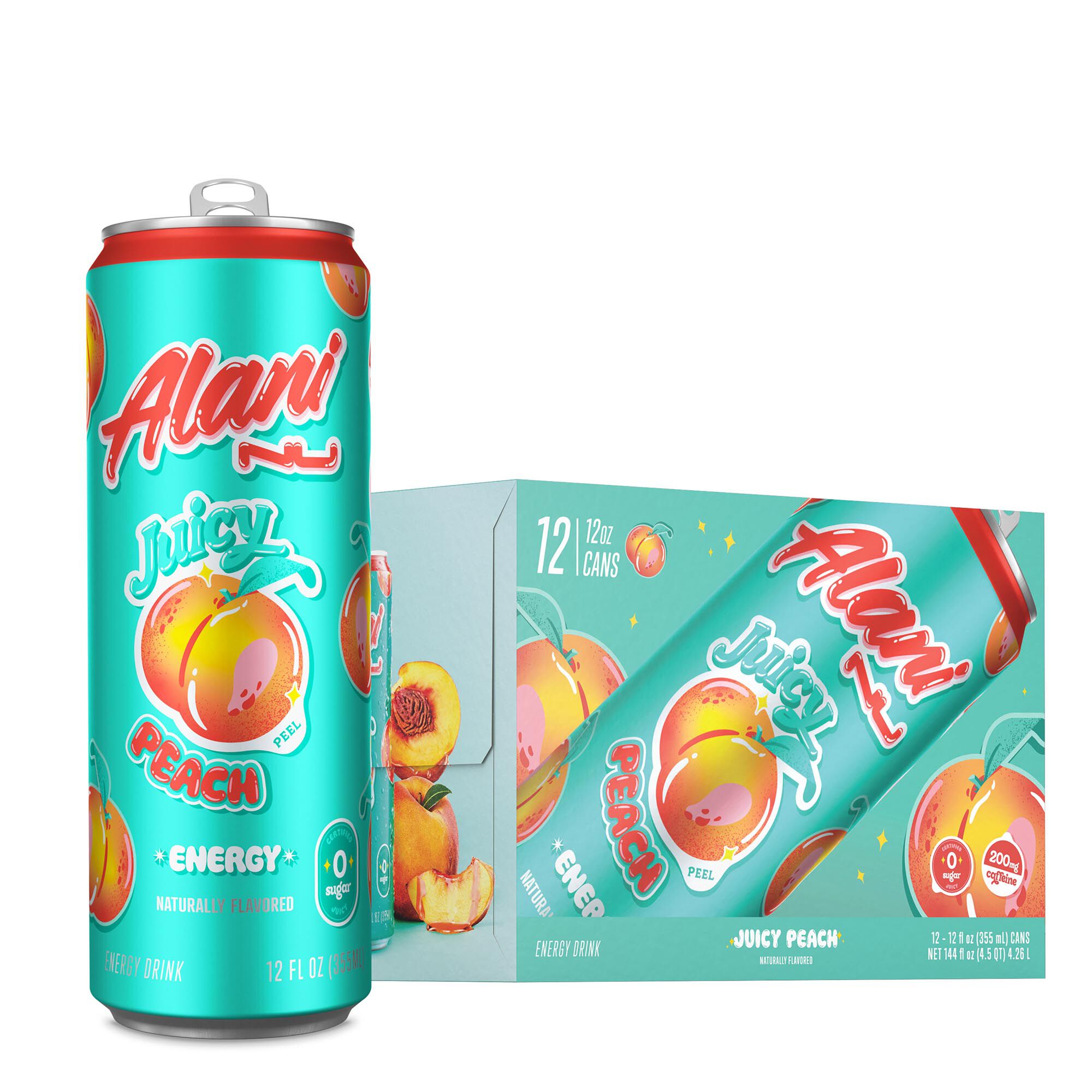


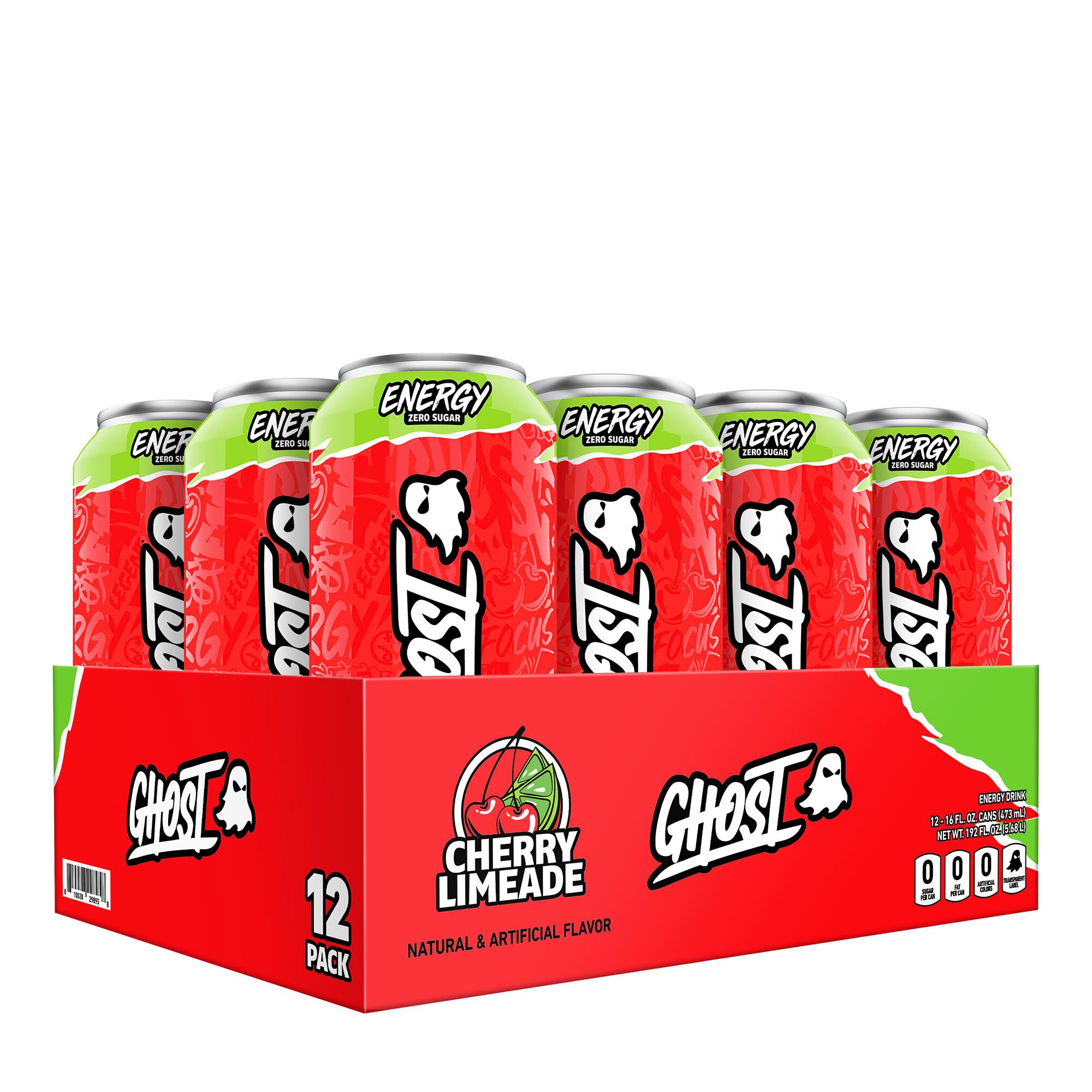

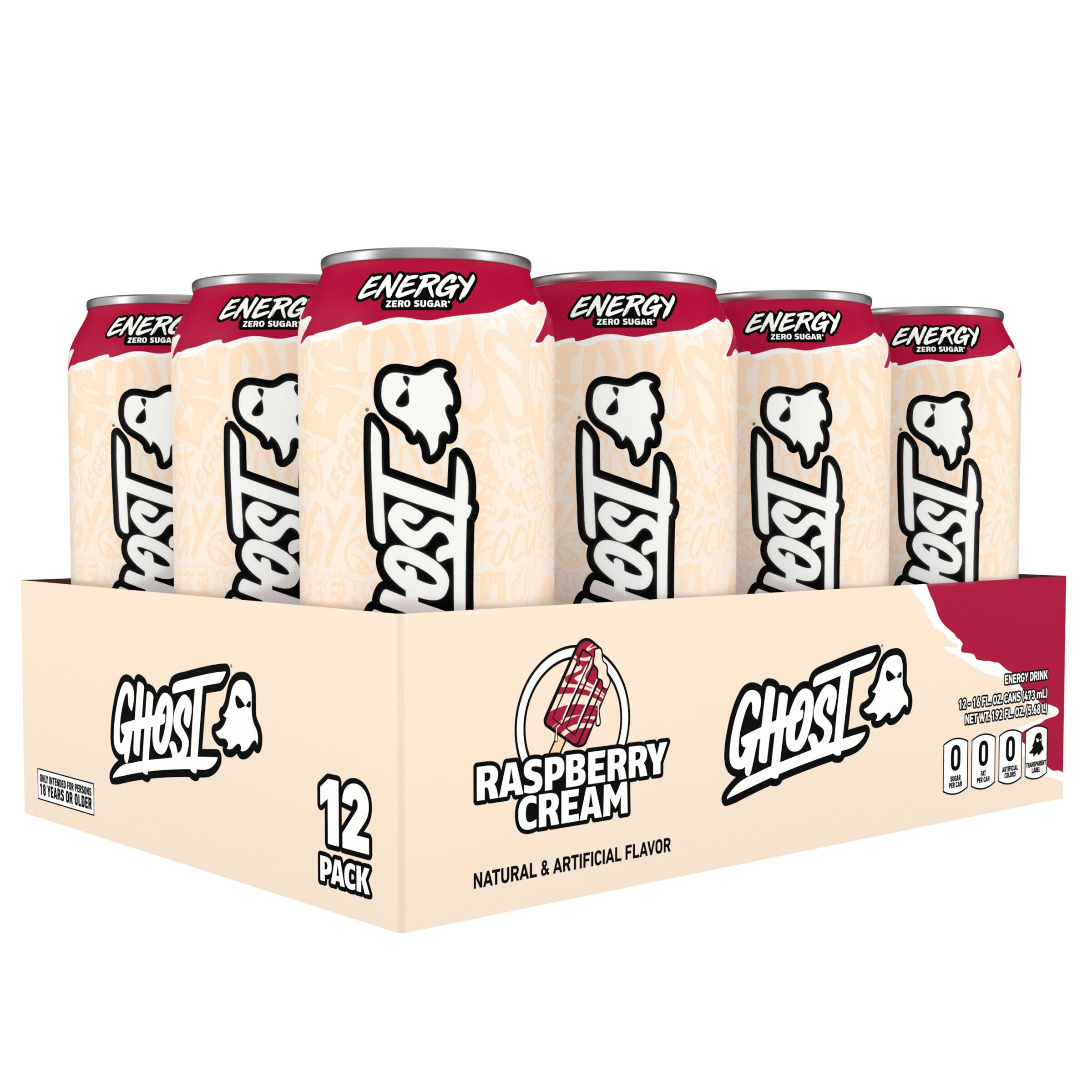

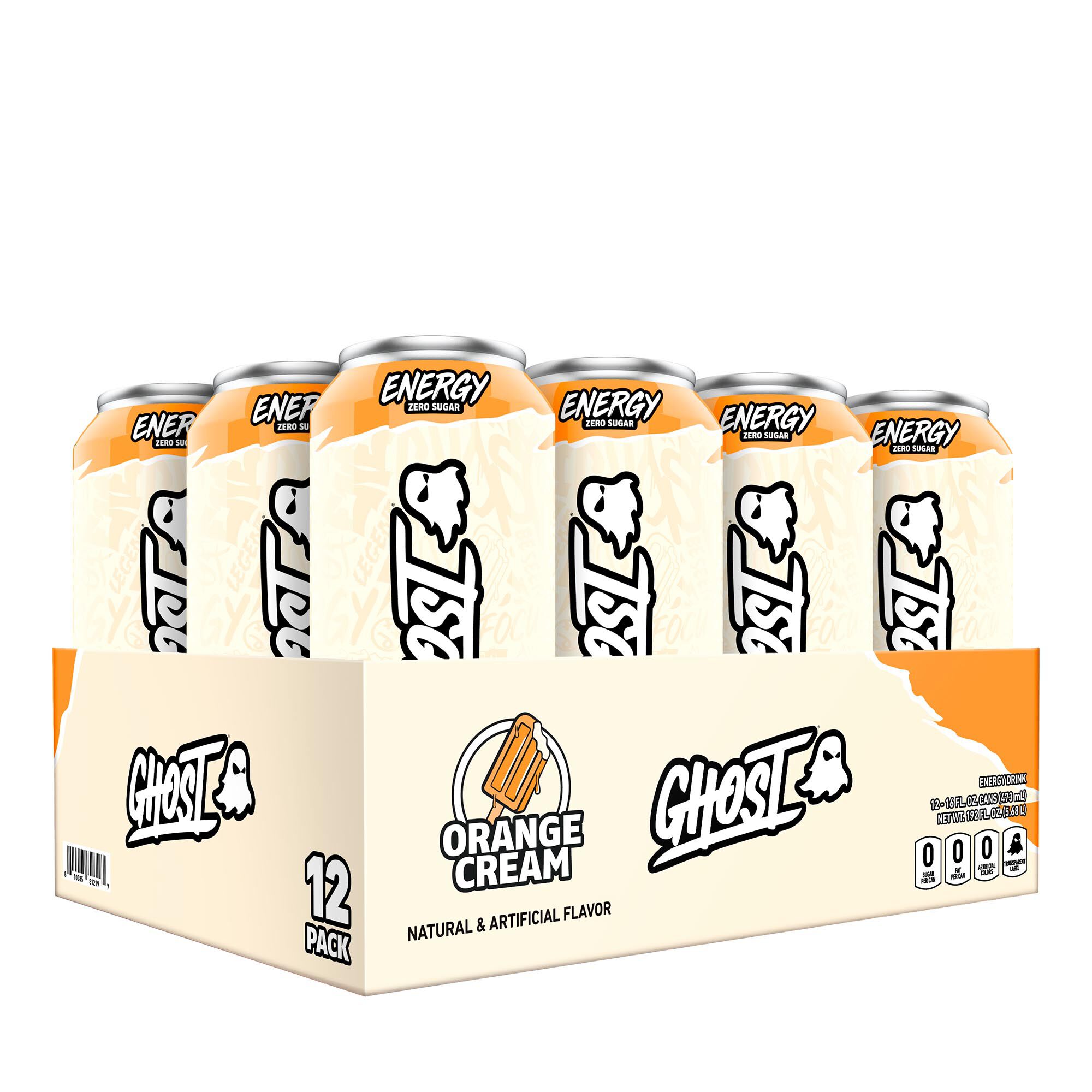

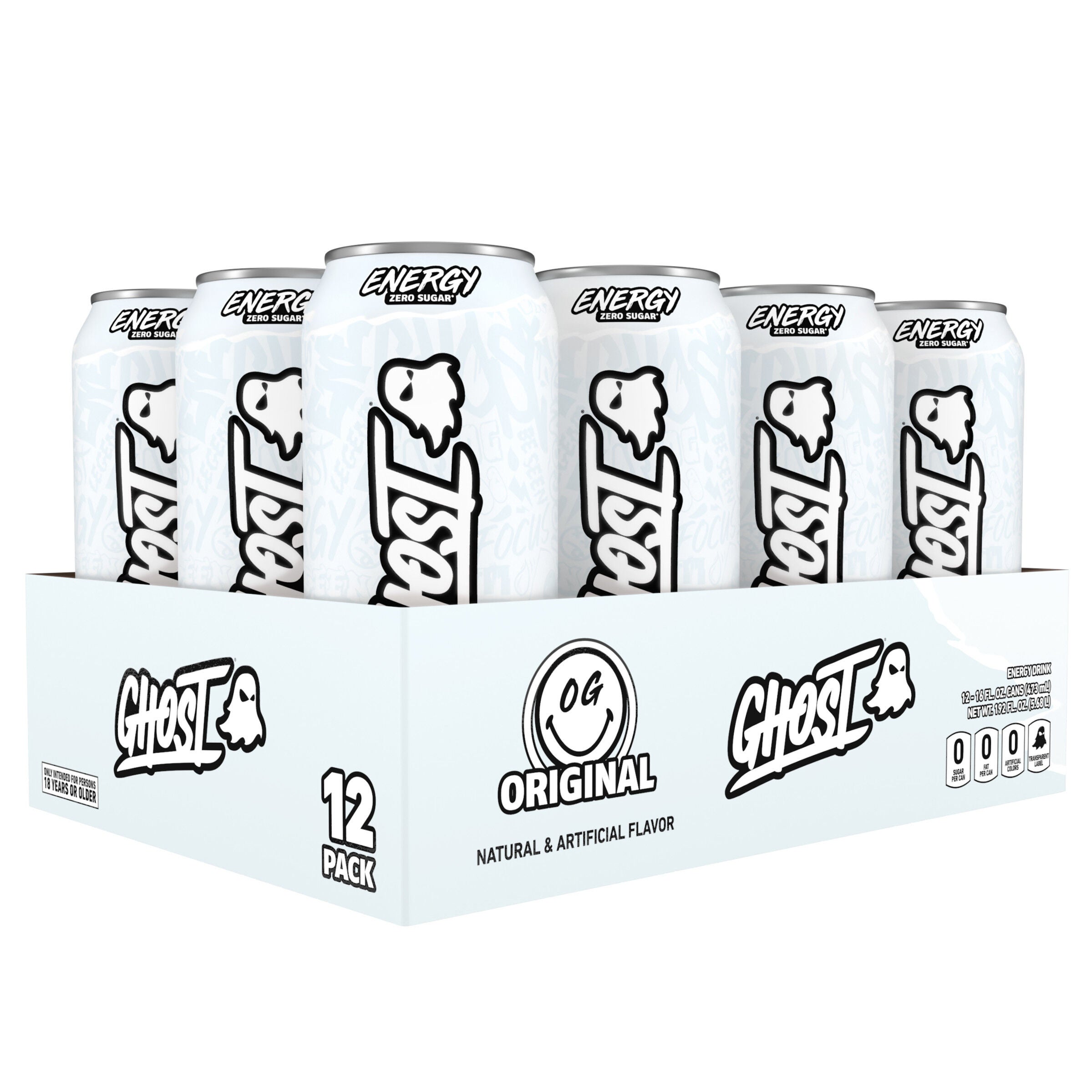


College energy drinks are caffeinated beverages that adult students may choose for their flavor, convenient packaging, and place in a busy campus routine. The category includes drinks with different caffeine amounts, serving sizes, sweeteners, and ingredient combinations, so the term “energy drink” does not describe one uniform formula. A can tucked beside a notebook before a lecture, a drink shared over a group project, and a beverage carried between a commuter parking lot and campus library each reflect a different occasion. For some shoppers, the main consideration is a familiar flavor; for others, it is a clearly stated caffeine amount or a container that fits a small bag. Caffeine content is an important distinction because container size alone does not indicate how much caffeine a drink contains. A compact can may contain more caffeine than a larger beverage, and a label may present amounts by serving rather than by container. The serving count and caffeine declaration provide useful context together, particularly when comparing drinks with similar packaging. Ingredient lists may include caffeine alongside ingredients such as tea extracts or guarana, while other formulas use a shorter ingredient list. Coffee, tea, and other caffeinated beverages also matter when considering how an energy drink fits into an ordinary day. College schedules often include early classes, afternoon labs, evening reading, and social plans, but an energy drink remains an optional beverage rather than a replacement for sleep, meals, or water. Its role in a student’s routine is personal, not a requirement of academic life. The most meaningful comparisons come from the actual label: caffeine amount, serving size, sugar content, ingredients, and directions for use. Those details say more about a drink than bold graphics or a name associated with studying. They also make it easier to distinguish between beverages that look similar on a shelf but differ in ways that matter to individual preferences.
Flavor and texture are just as relevant when a drink is meant to accompany a long reading assignment or lunch between classes. College energy drinks span citrus, berry, tropical fruit, and other flavor profiles, with differences in sweetness, tartness, aroma, and finish. Some have carbonation, while others have a still texture. A sharper citrus flavor might appeal to someone who enjoys a tangy beverage, while a softer fruit blend could suit a shopper who prefers a milder taste. Carbonation is another practical distinction: a highly fizzy drink may suit a short break, whereas a still beverage might be preferable for someone who plans to sip gradually. Flavor names are a starting point, but they do not describe every aspect of the drinking experience. Two beverages with similar fruit descriptions may have noticeably different sweetness or acidity. Sweetener choices vary as well. Some formulas contain sugar, others use alternative sweeteners, and some combine different sources of sweetness. The Nutrition Facts panel and ingredient list clarify those differences without relying on the front of the package alone. Calories and carbohydrate amounts also vary by formula and serving size. Added vitamins, amino acids, or electrolytes may appear in certain drinks, but their presence does not make all energy beverages interchangeable or establish that one is a suitable choice for every student. Ingredient preferences, dietary requirements, and clearly labeled allergen information remain separate considerations. A familiar ingredient name is not a substitute for reading the surrounding information. For someone ordering a drink alongside a campus meal or packing one for a commute, enjoyment and label clarity belong in the same decision. A beverage that tastes appealing on the first sip might feel too sweet over a longer stretch, while a smaller serving could better match the occasion. Variety in this category is as much about everyday taste preferences and portion choices as it is about caffeine.
Packaging adds another layer to how college energy drinks fit into student life. Aluminum cans are common, while some beverages come in bottles with closures that allow them to be resealed. A slim container may fit neatly beside a laptop sleeve, but an opened can requires an upright place away from electronics and paper notes. A resealable bottle could be more convenient for a commuter moving between a bus stop, lecture hall, and student lounge. Container dimensions, closure style, and the number of servings inside are practical details that are easy to overlook when attention goes straight to flavor. For drinks carried in a backpack, an intact seal and a container without visible damage are relevant packaging considerations. Storage and handling directions belong to the individual beverage, and any instructions for use after opening remain important even when the drink looks familiar. Reusable drinkware has its own care requirements, including cleaning the lid, seal, and drinking opening according to the manufacturer’s directions. Campus settings also shape where a beverage belongs: libraries, computer labs, studios, and classrooms may have different rules about open containers. A drink enjoyed during a designated break may fit those spaces better than one placed beside shared equipment. For adult students whose routines also include recreation or training, Sports Energy Drinks provides a related category to explore, with the same attention to caffeine, serving size, ingredients, and intended use. An energy drink and a beverage selected primarily for hydration are not automatically the same thing, even when their packaging looks alike. Campus recycling rules matter after the drink is finished, too, since collection practices differ among residence halls, dining areas, and academic buildings. Across these settings, the most useful distinctions remain straightforward: a flavor the shopper enjoys, transparent labeling, a manageable portion, and packaging suited to the occasion. Those details give college energy drinks their everyday context without making the beverage the centerpiece of studying, exercise, or campus life.
What are college energy drinks?
College energy drinks are beverages that may offer an on-the-go pick-me-up, often containing ingredients like caffeine, B vitamins, and amino acids. They are popular among students looking for options for study sessions or busy days.
When is the best time to consume an energy drink as a college student?
Many students choose to consume energy drinks before studying, attending classes, or engaging in physical activities. Some students prefer to enjoy them earlier in the day, since caffeine may affect rest routines.
What common ingredients are found in college energy drinks?
Typical ingredients include caffeine, taurine, B vitamins, ginseng, and sometimes electrolytes or amino acids. These components may contribute to an energizing formula.
Can college energy drinks be used as a pre-workout beverage?
Yes, many students use energy drinks as a pre-workout option due to their energizing ingredients. However, it's important to check the label for specific ingredient profiles that align with your fitness goals.
Are there sugarless options available for college energy drinks?
Yes, many brands offer sugarless or low-calorie versions of their energy drinks. These options are popular among students who want to limit their sugar intake while looking for an energizing option.
Best Sellers
-
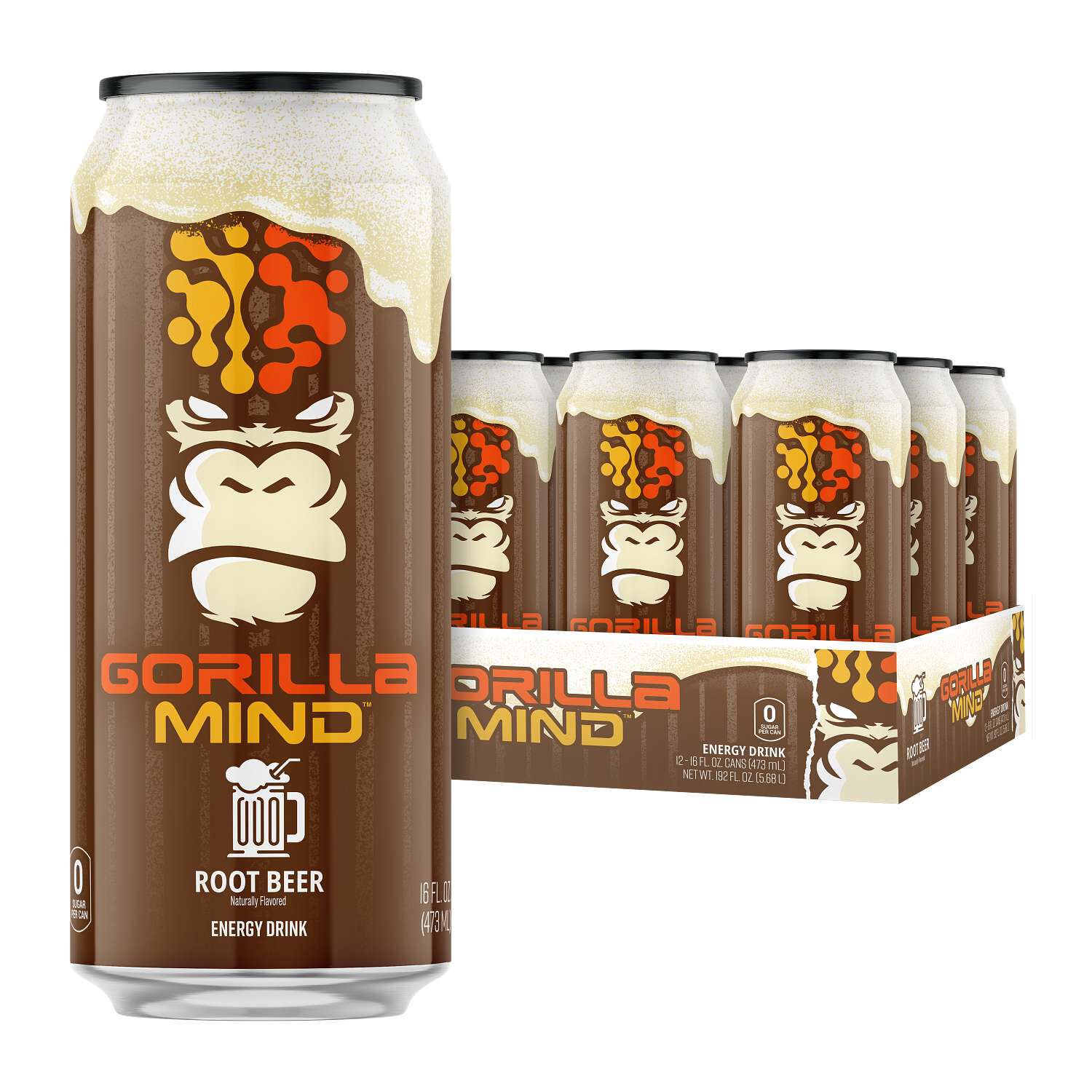 Gorilla Mind
-
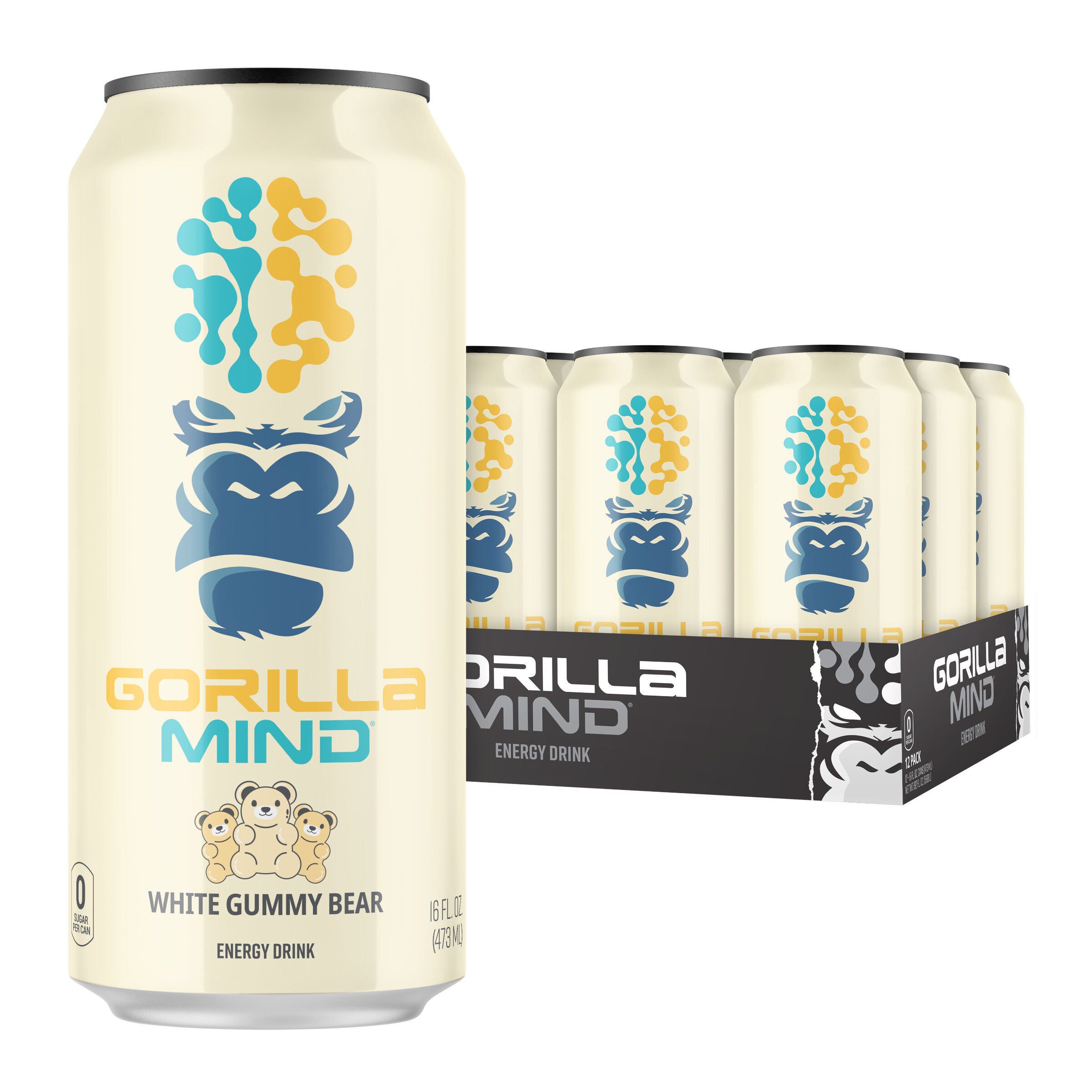 Gorilla Mind
-
 Gorilla Mind
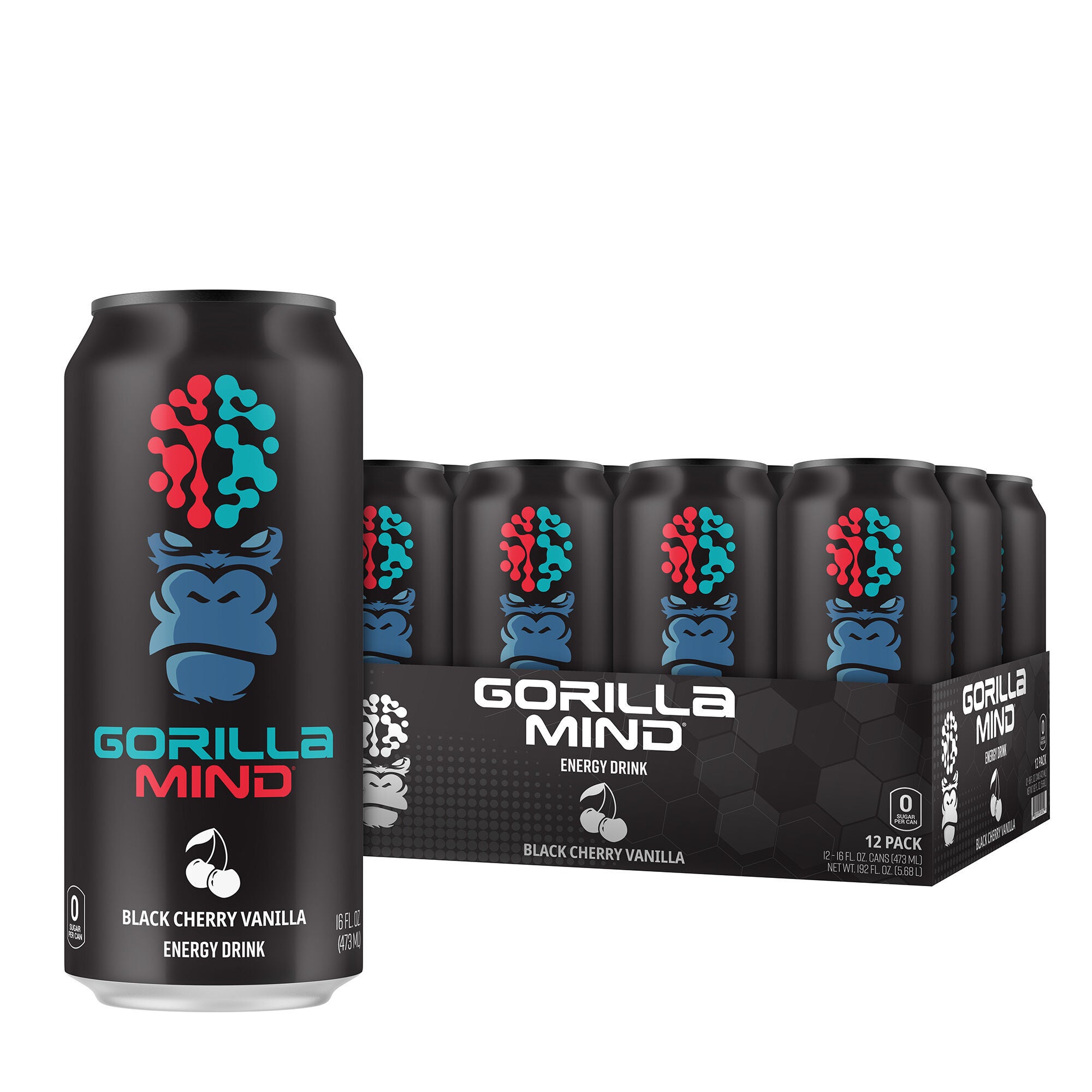
Related Pages

Top Collections
- Joint Mobility Supplement Packs
- Zinc Supplements | Top Brands at Great Prices | GNC
- Supplements For Yoga Joint Flexibility
- Supplements For Balance
- Capsule Supplements For Energy And Stamina
- Iron Supplements
- Supplements For Anxiety Relief Support
- Vitamins For Hair Loss
- Cortisol Supplements
- Adult Mobility Supplements