Pre-Workout For Cyclists
(0 Results)
Pre-workout for cyclists offers a range of options designed to support your training routine and help you prepare for every ride. Whether gearing up for a long-distance journey or an intense interval session, these supplements may provide the boost you’re looking for before hitting the road. Explore pre-workout for cyclists to discover formulas that could complement your active lifestyle and help you make the most of each pedal stroke.

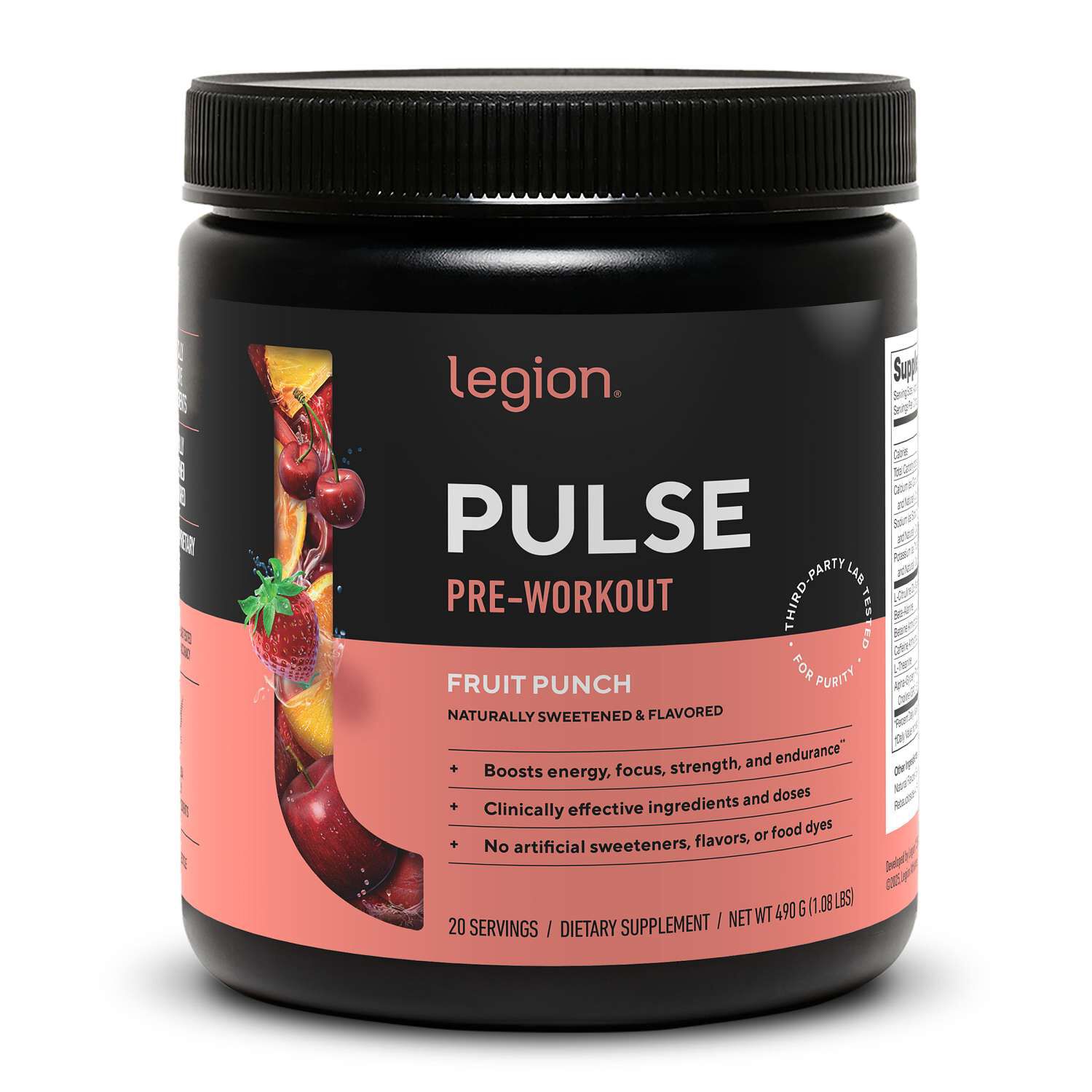
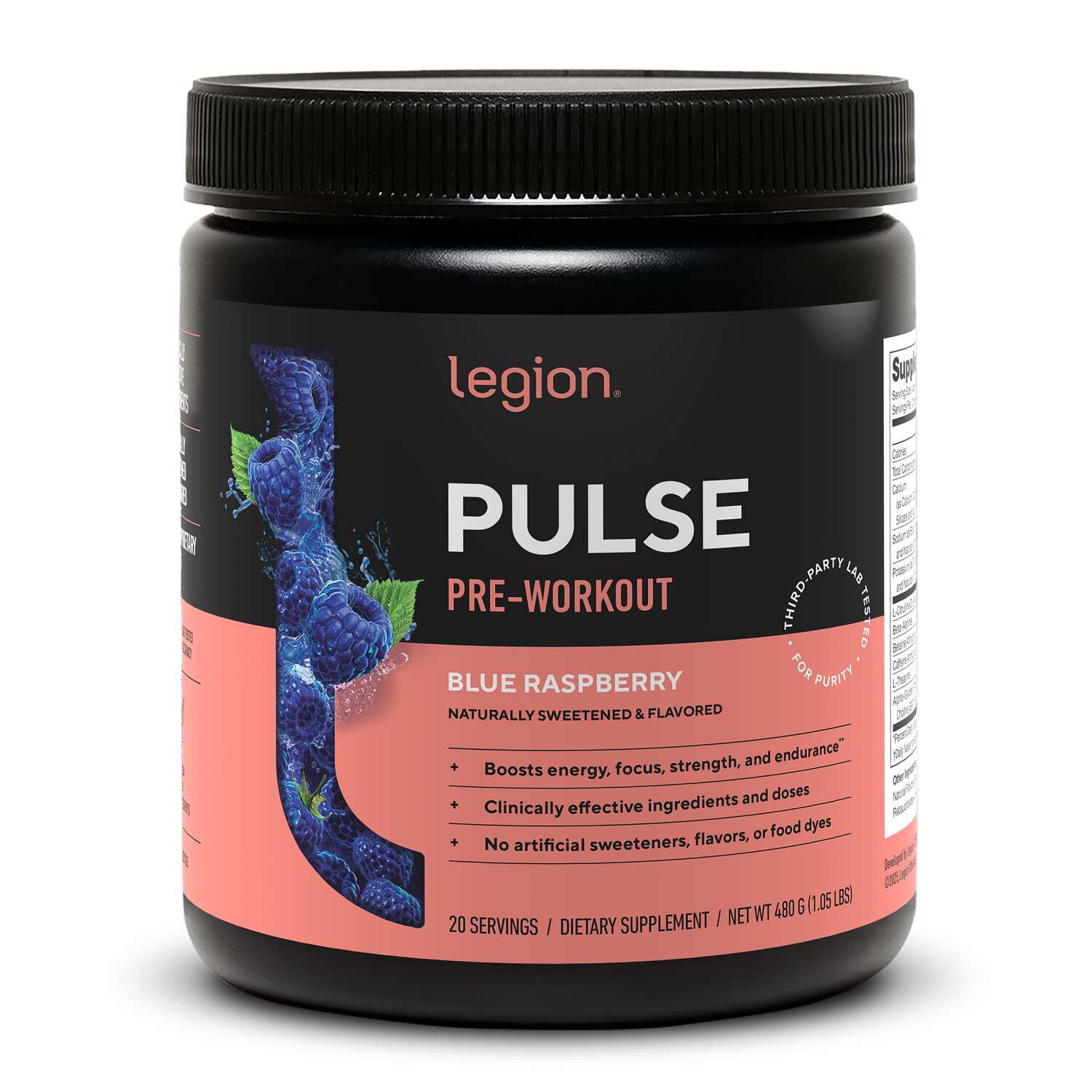

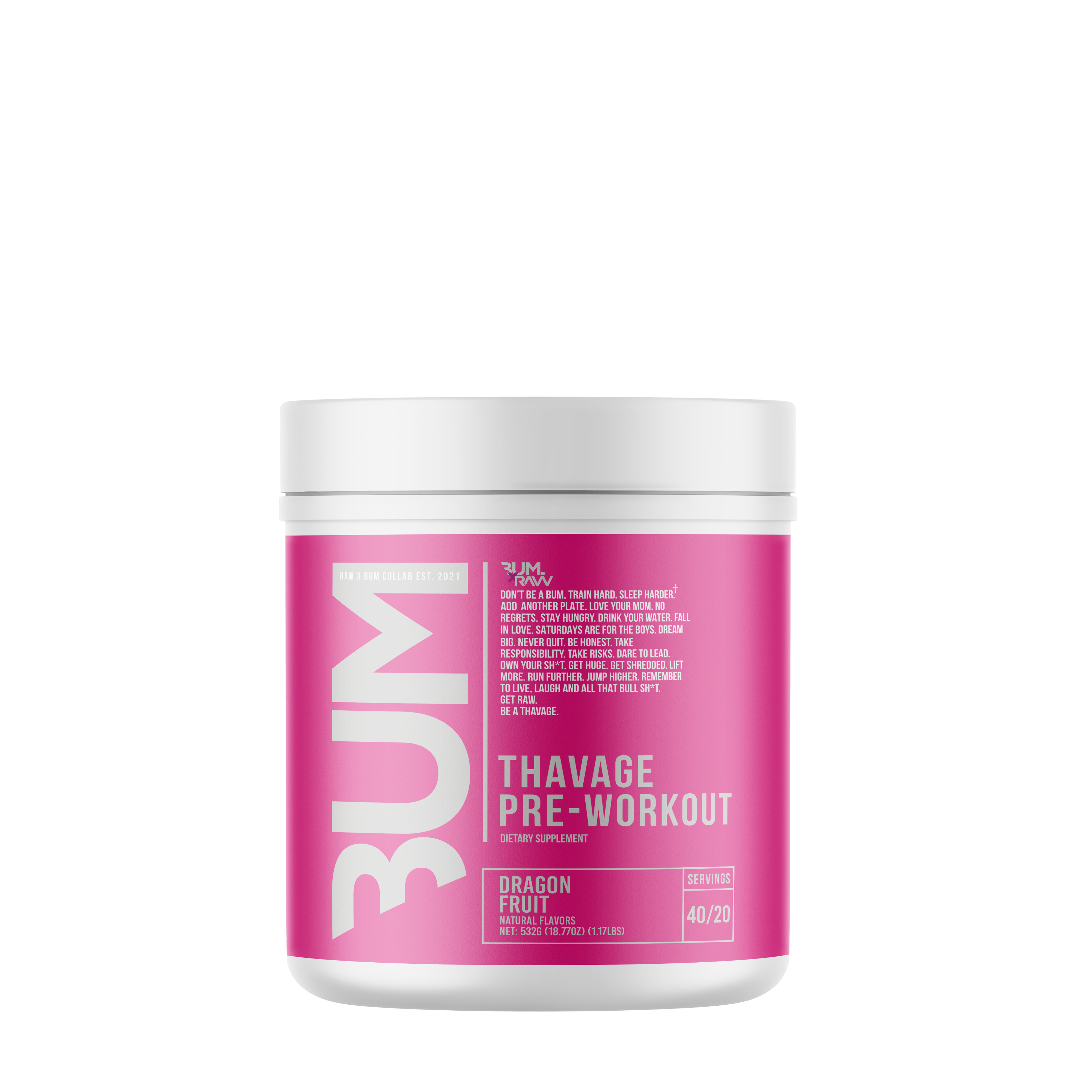


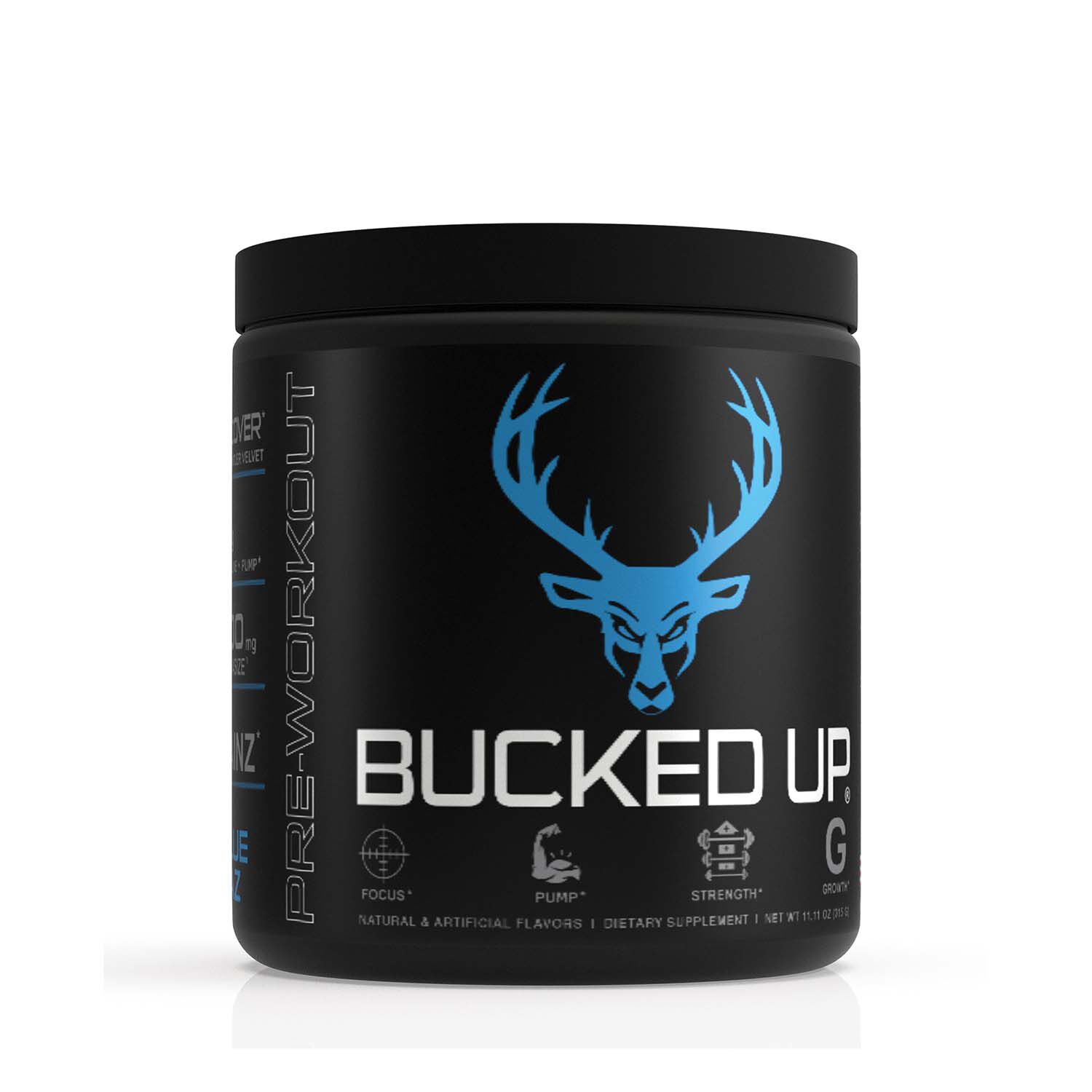


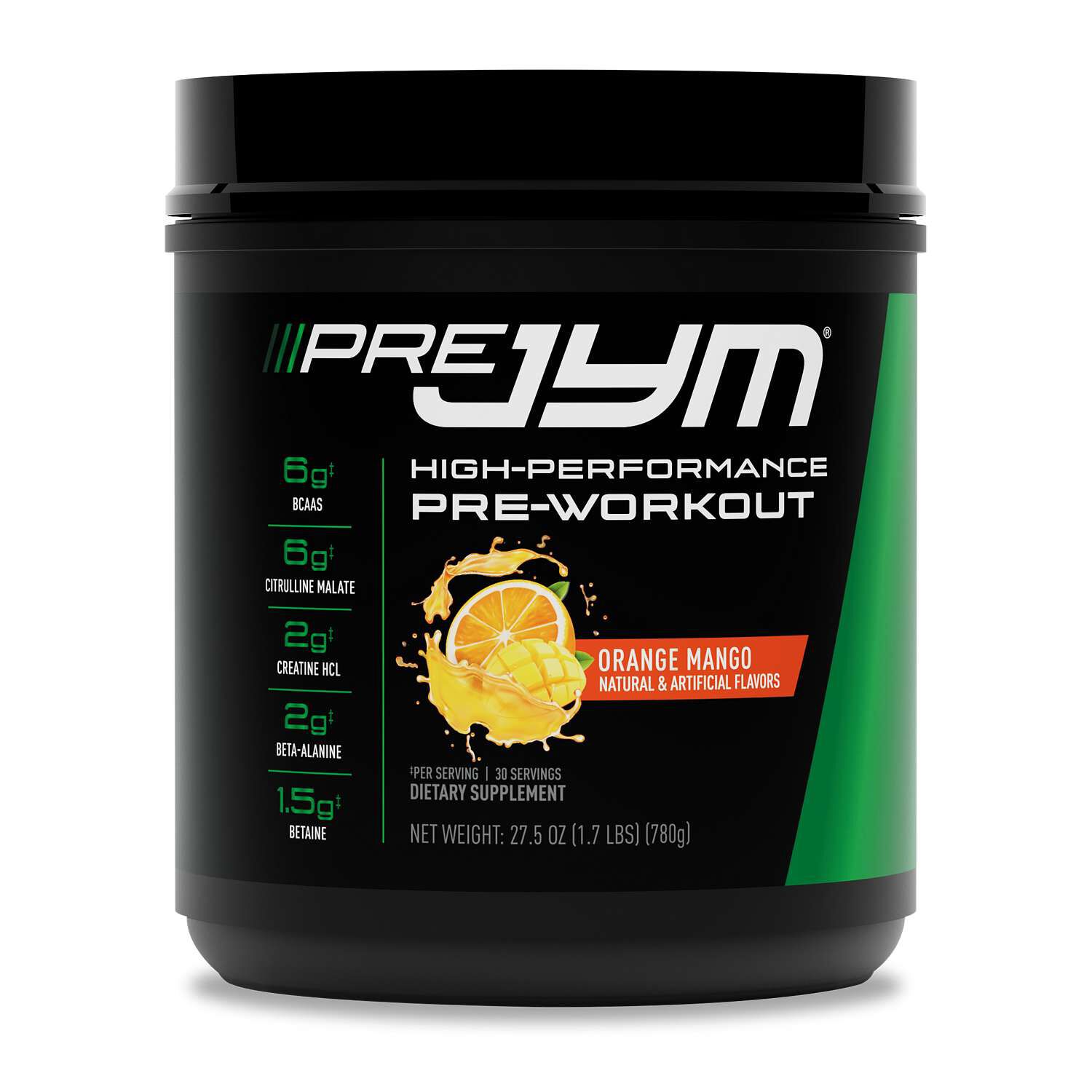


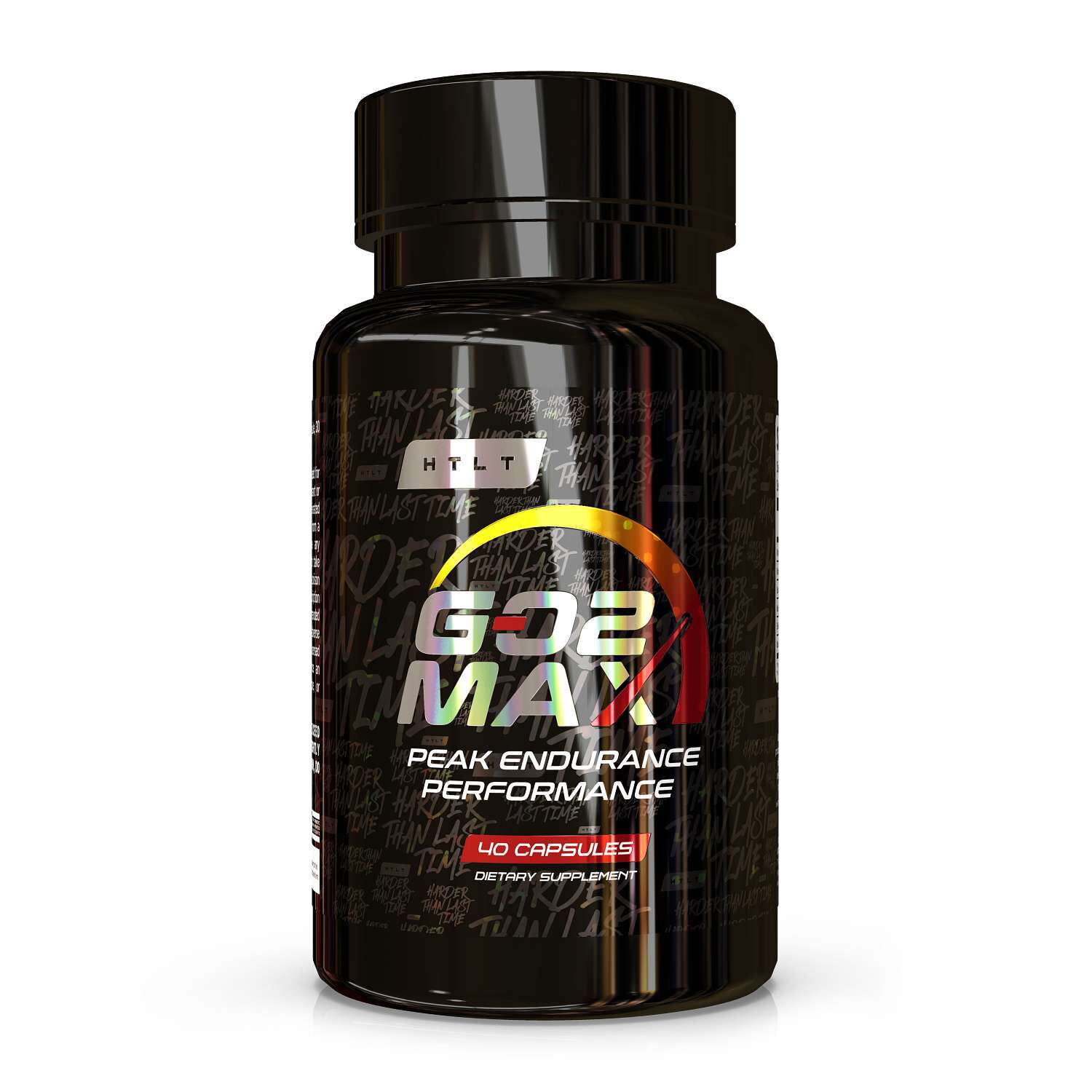
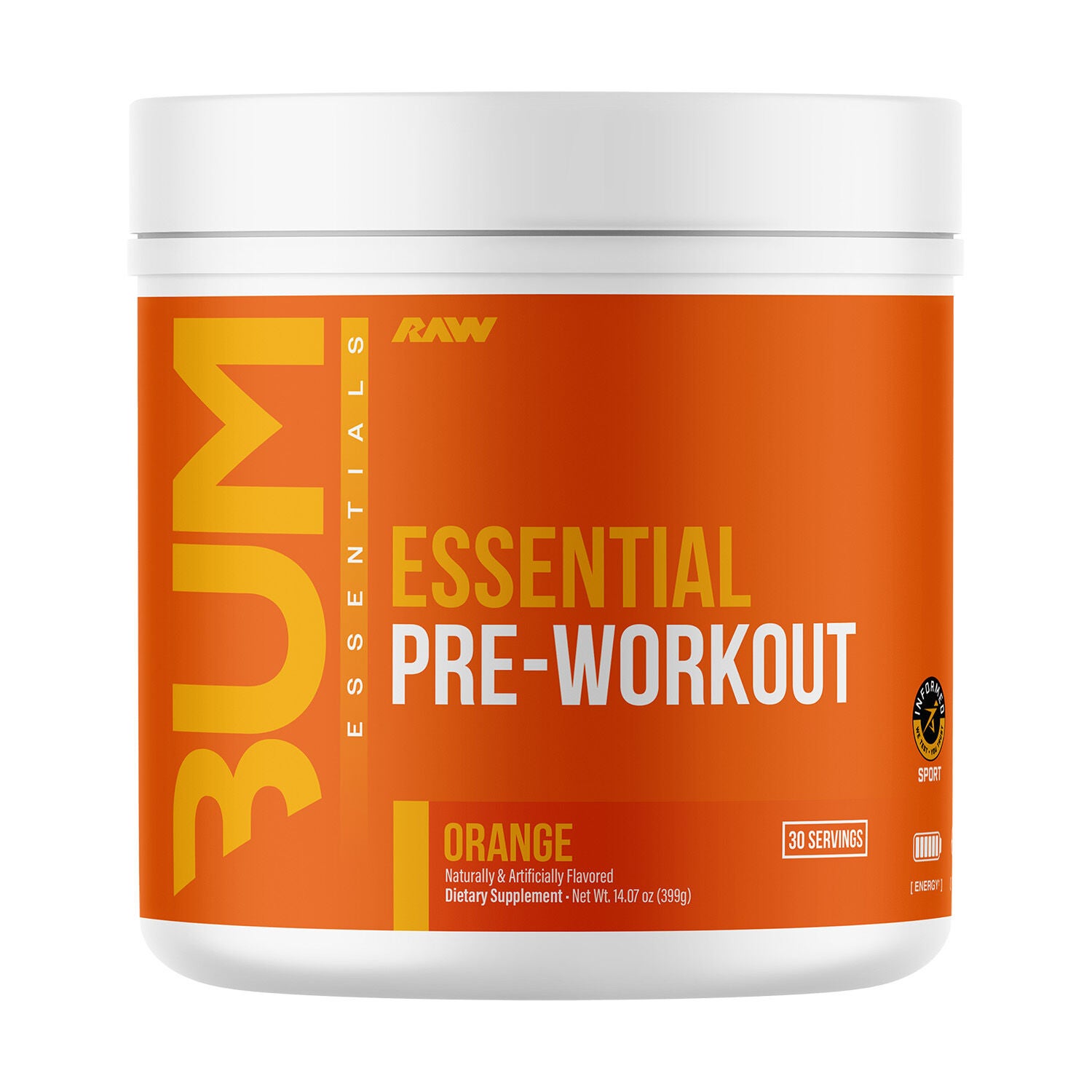
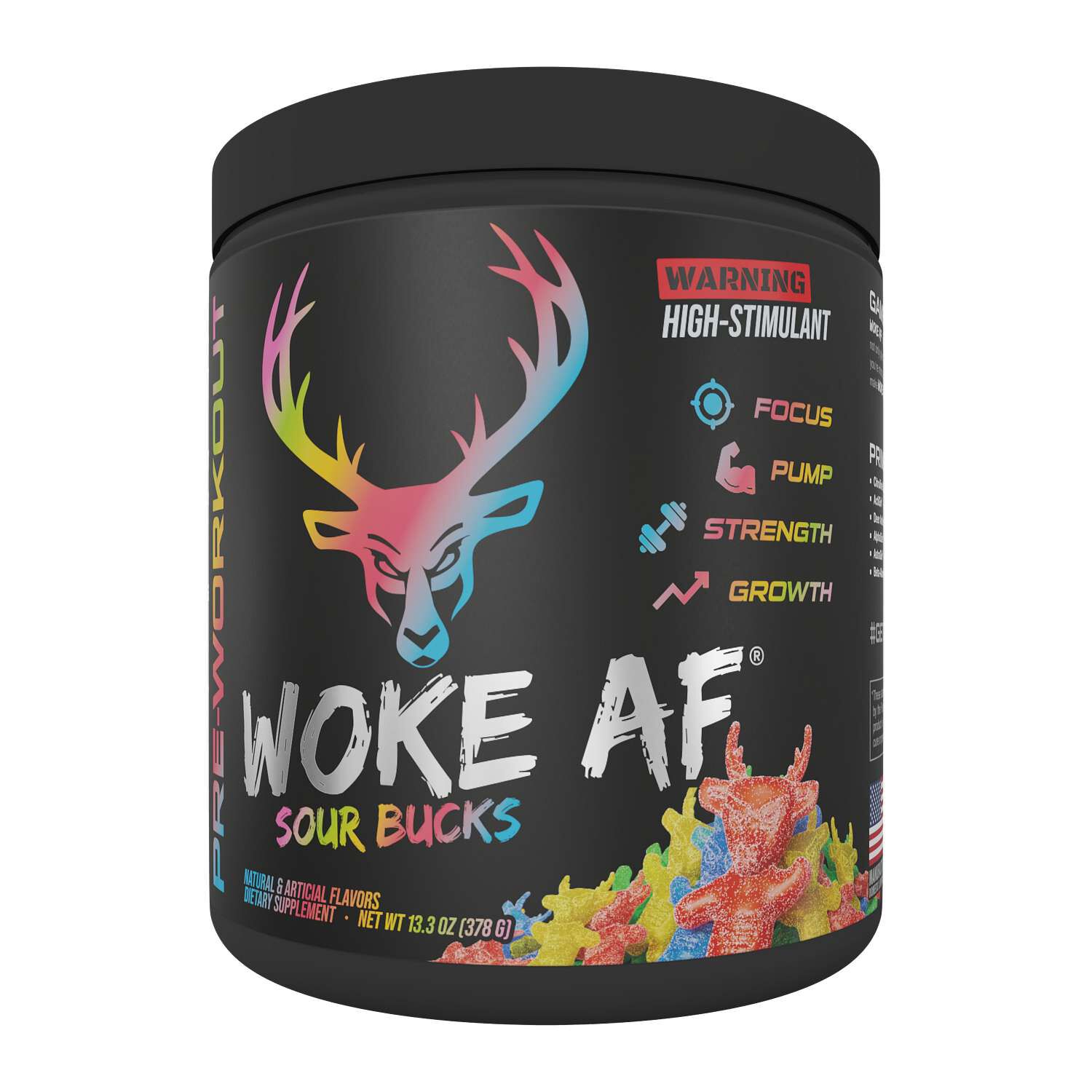
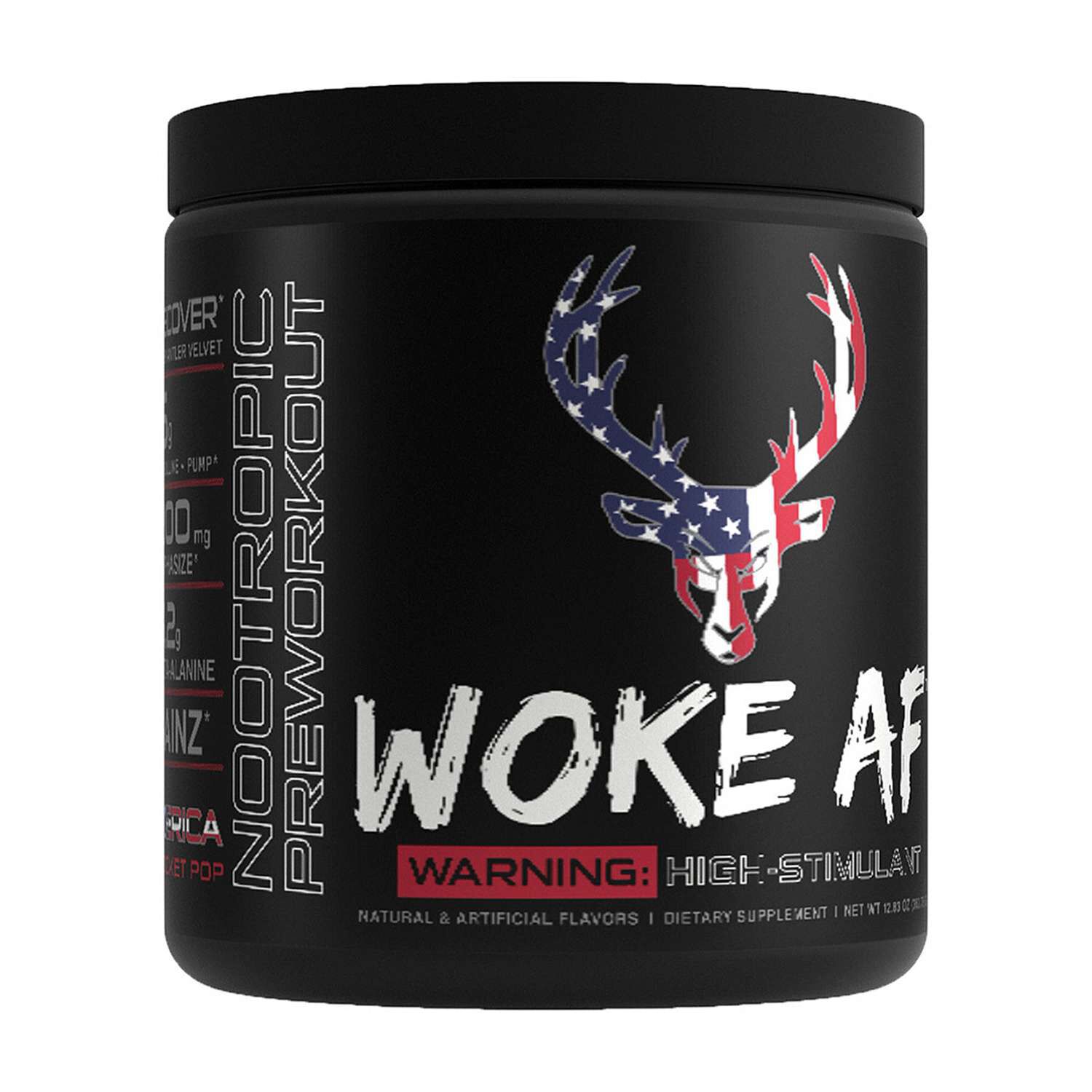

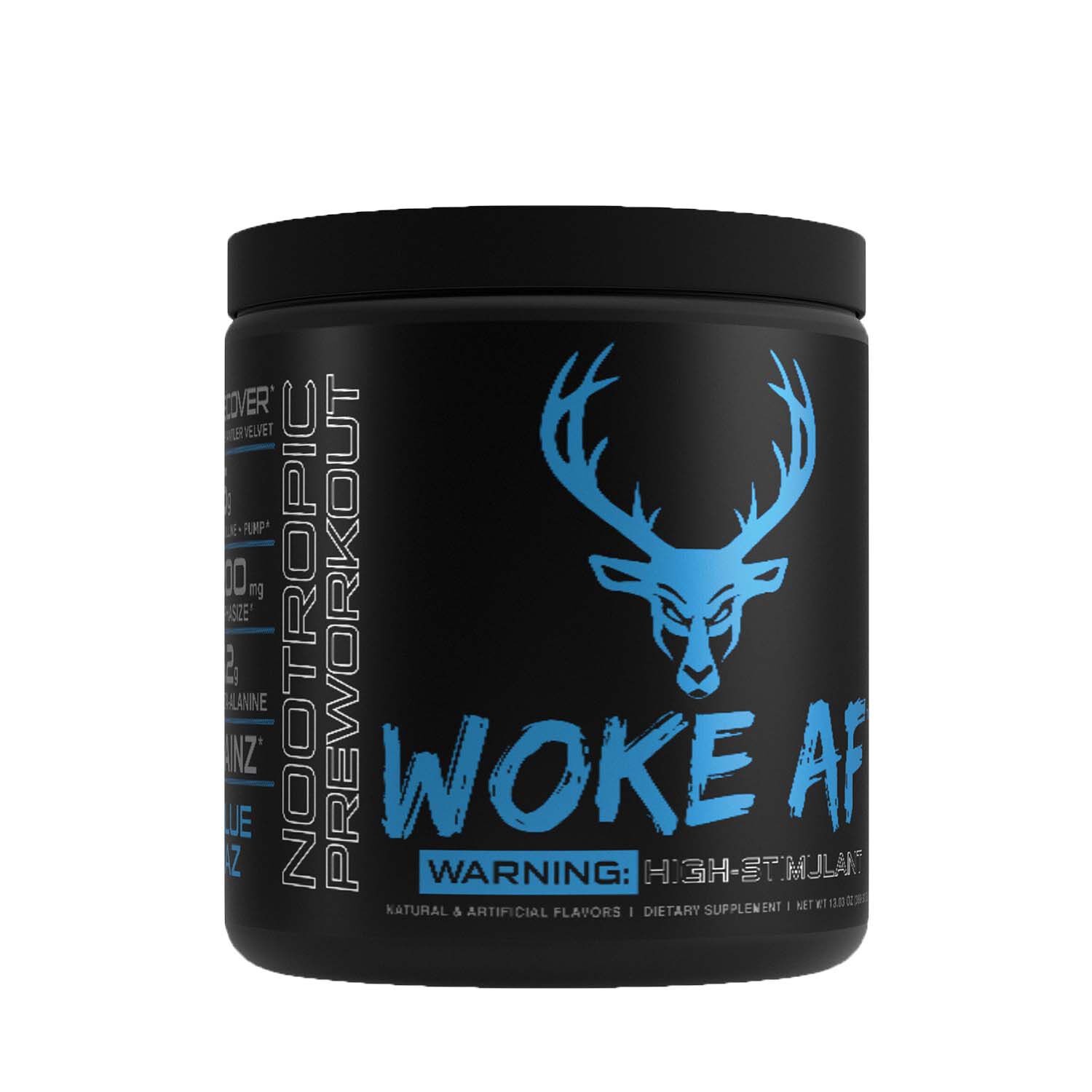
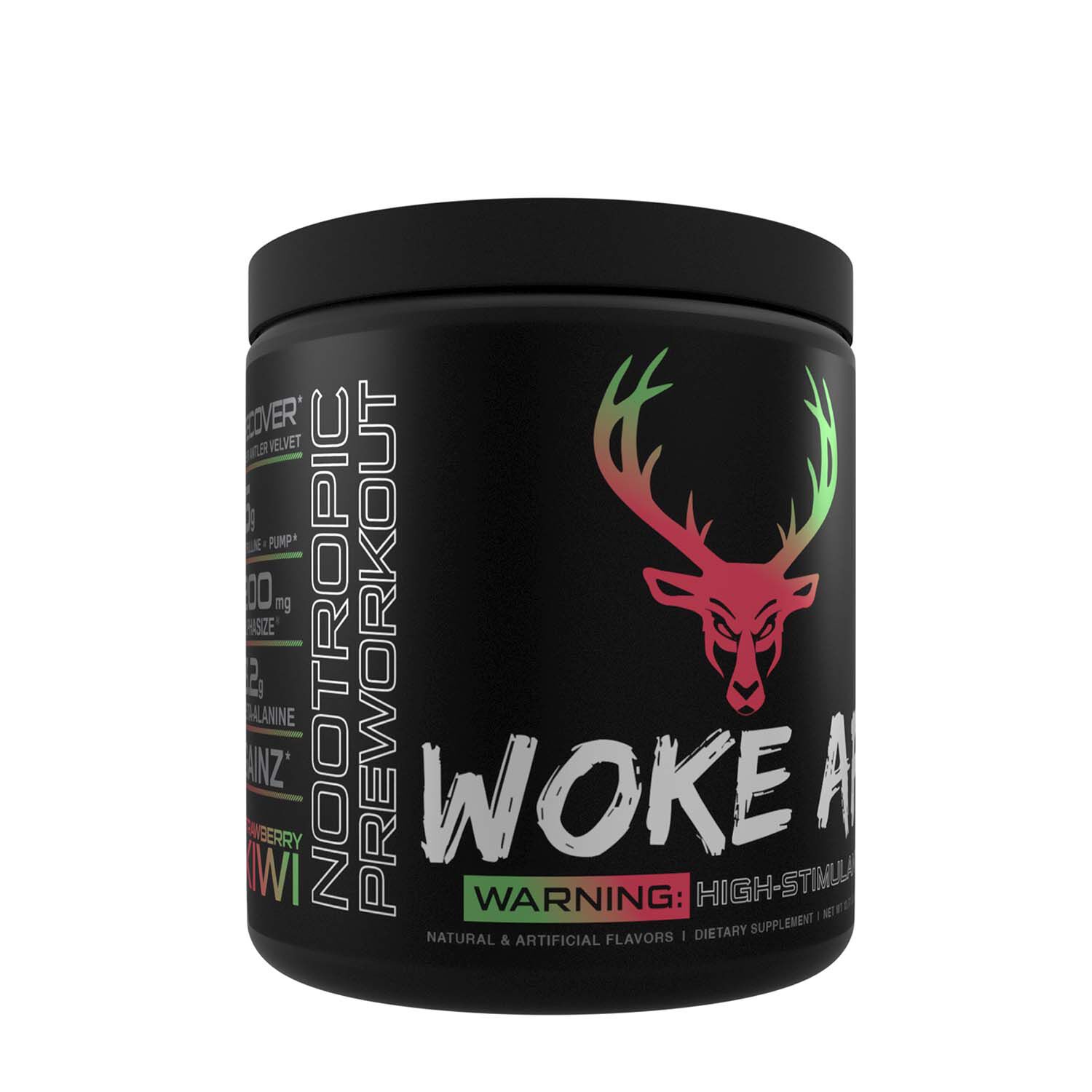

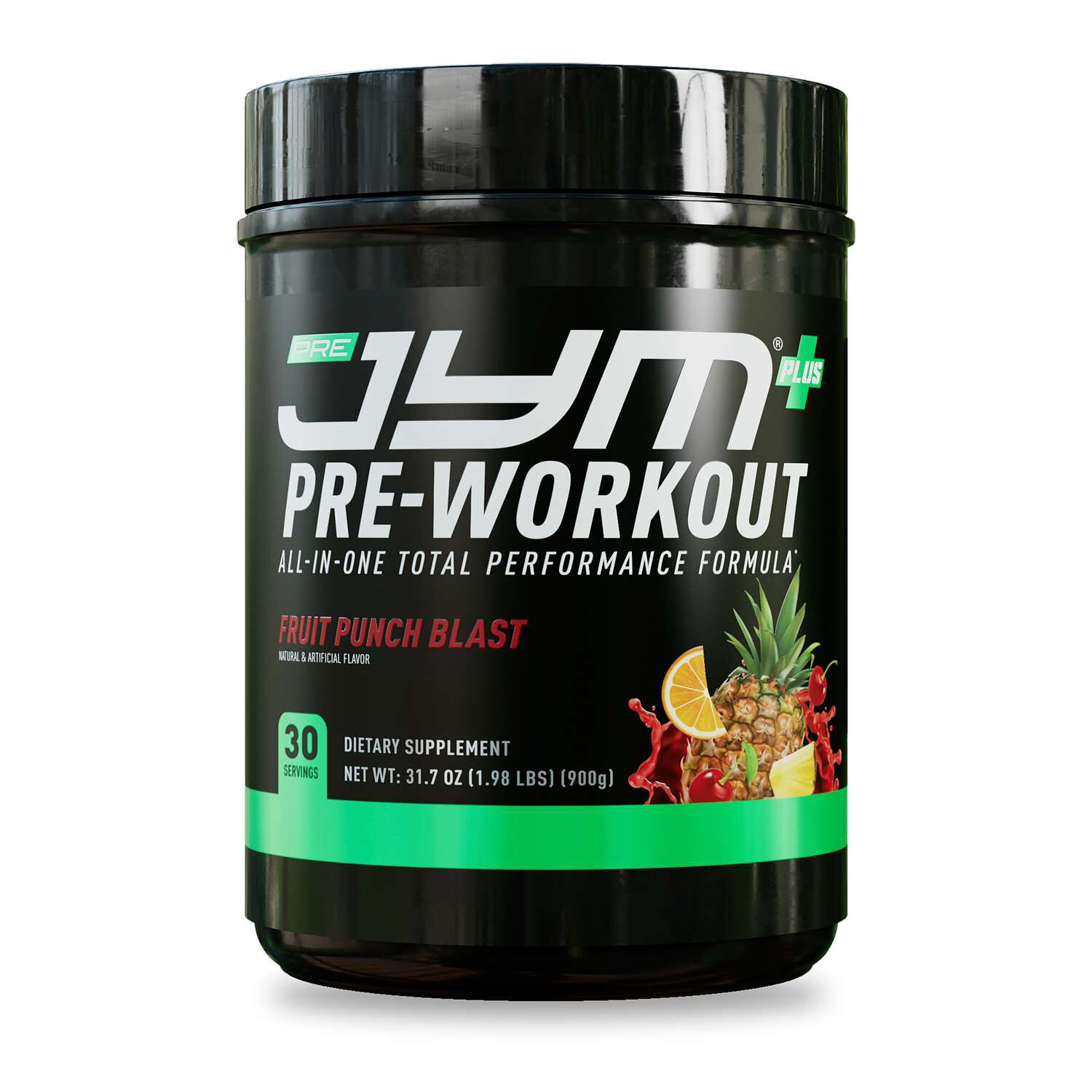
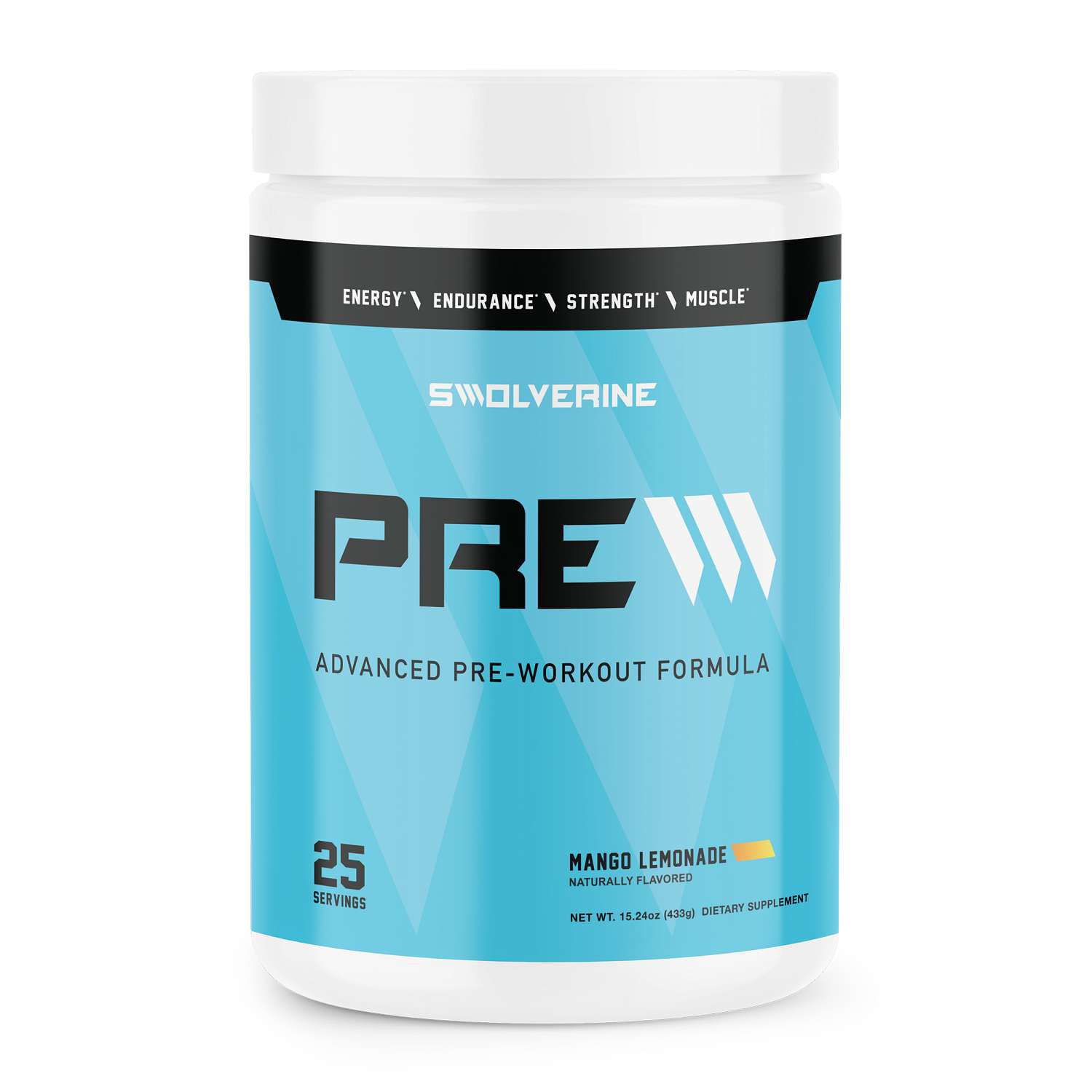
Pre-workout for cyclists includes supplements intended for use before riding, with formulas that vary in caffeine content, ingredient combinations, flavor, and serving format. The category spans different riding routines, from a brisk indoor interval session before work to a demanding outdoor workout with repeated climbs. A supplement that fits one of those sessions may not suit a long, conversational ride through rolling terrain. Short, concentrated efforts and extended endurance outings place different demands on a cyclist’s preparation, so ride duration and intensity are useful context when comparing formulas. Caffeine-containing pre-workouts may support alertness and exercise performance, but more caffeine does not necessarily mean a better ride. The amount per serving, caffeine from coffee or other beverages, and personal preferences all matter when considering a formula. Options without caffeine offer a different ingredient profile for riders who prefer to leave stimulants out of their routine, including those who train later in the day. Other ingredients seen in this category include amino acids such as L-citrulline and beta-alanine, alongside electrolytes, carbohydrates, or additional nutrients. These ingredients are not interchangeable, and their presence alone does not establish how a finished formula might perform. A clearly stated ingredient list and disclosed serving amounts make comparisons more straightforward than a dramatic name or an elaborate flavor description. For cyclists, the central distinction is between a supplement taken before exercise and the food, fluids, and nutrition involved in the ride itself. A pre-workout is not a substitute for meals, water, or on-bike fuel. For a longer outing, the conversation naturally extends beyond what goes into a shaker before leaving home to what goes into bottles and jersey pockets for the hours ahead. That distinction makes this category most relevant as one part of a riding routine, rather than the centerpiece of every cycling session.
The practical fit of a cycling pre-workout often comes down to details that are easy to overlook until a bottle is mixed and the shoes are clipped in. Powders allow a serving to be prepared with the amount of water specified on the label, while individually packaged servings may suit travel, event weekends, or a gym bag kept beside an indoor trainer. Ready-to-drink formats involve less mixing, although their container size and storage requirements deserve consideration. Texture and flavor can matter as much as format: a lightly flavored drink may appeal before an early departure, while a sweeter option may suit someone accustomed to flavored sports beverages. Sweeteners, colors, and other ingredients are worth comparing against individual dietary preferences, with allergen statements providing another important point of distinction. Serving size also warrants attention because a scoop is a measuring tool, not a universal unit across formulas. One container’s suggested serving can differ from another’s, and the amount of caffeine or other ingredients should be read in relation to that serving. Some formulas list caffeine directly, while others also include caffeine-containing ingredients such as coffee or tea extracts. Looking at the full label gives a clearer picture than comparing front-panel descriptions alone. For cyclists who participate in organized competition, third-party certification for sport can be another relevant purchasing consideration; the particular certification and what it evaluates matter more than broad quality language. Storage and everyday handling also influence how well a format fits a routine. Container directions establish the appropriate storage conditions, and tightly closed packaging, dry measuring utensils, and attention to the printed date are useful considerations for powders. A large tub left beside a damp garage workbench is a different practical proposition from a smaller container stored indoors. Packaging that reseals securely, readable serving information, and a format that works with the rider’s existing bottles can make a selection feel more at home among the helmet, shoes, and other gear arranged before a ride.
Different cycling settings bring these comparisons into focus without calling for a single formula for everyone. An adult rider heading into a short trainer workout may value a clearly disclosed caffeine amount and a drink that is simple to prepare before warming up. Someone planning a lengthy gravel loop may be more interested in how a pre-ride supplement fits alongside breakfast, bottles, and familiar ride snacks. For that longer outing, carbohydrate intake and hydration remain separate planning considerations; an amino acid formula does not become endurance fuel simply because it is mixed into a cycling bottle. Likewise, a pre-workout that contains electrolytes is not automatically equivalent to a dedicated hydration product, since ingredient amounts and intended uses differ. During the cooler months, the setting may shift from open roads to an indoor trainer, where a towel over the handlebars and a bottle within reach become part of the routine. That change of venue does not make a higher-caffeine formula the default choice. Session timing, existing beverage habits, flavor preferences, and the label’s directions still provide useful context. Cyclists who also swim and run may find related formats and ingredient combinations within Pre-Workout Supplements For Triathletes, particularly when comparing products for different training schedules. Across these activities, straightforward labeling helps distinguish what a supplement contains from what its marketing suggests. Familiarity matters, too: an event morning already brings start times, equipment checks, and travel logistics, leaving little appeal in an unfamiliar flavor or preparation method. As a gift for an adult cycling enthusiast, this category is most personal when the recipient’s preferred format, caffeine preference, and dietary requirements are already known. A supplement is less interchangeable than a pair of cycling socks. Whether the routine centers on indoor intervals, road riding, or mixed-surface miles, a thoughtful comparison keeps the focus on intended use, transparent ingredient information, and practical compatibility with the rest of the rider’s nutrition and equipment.