





Pre-Workout Supplements For Triathletes
(0 Results)
Pre workout supplements for triathletes could play a key role in supporting your training routine and race day performance. Whether you’re gearing up for a swim, bike, or run, the right blend of nutrients may help you prepare both mentally and physically. Explore options designed to fit the unique demands of triathlon training, so you can approach each session with confidence and energy. Find pre workout supplements for triathletes that align with your goals and lifestyle, and take your endurance journey to the next level.
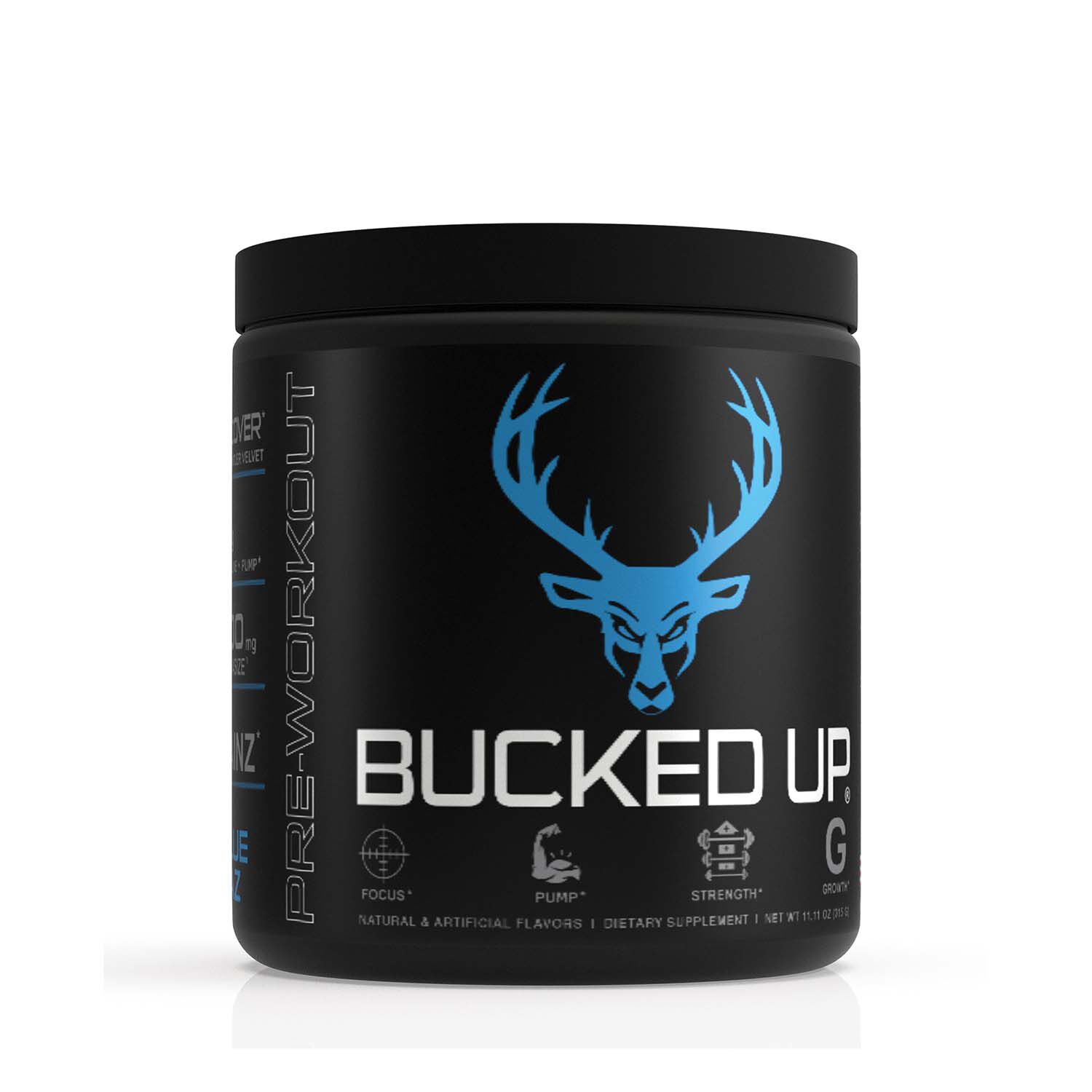

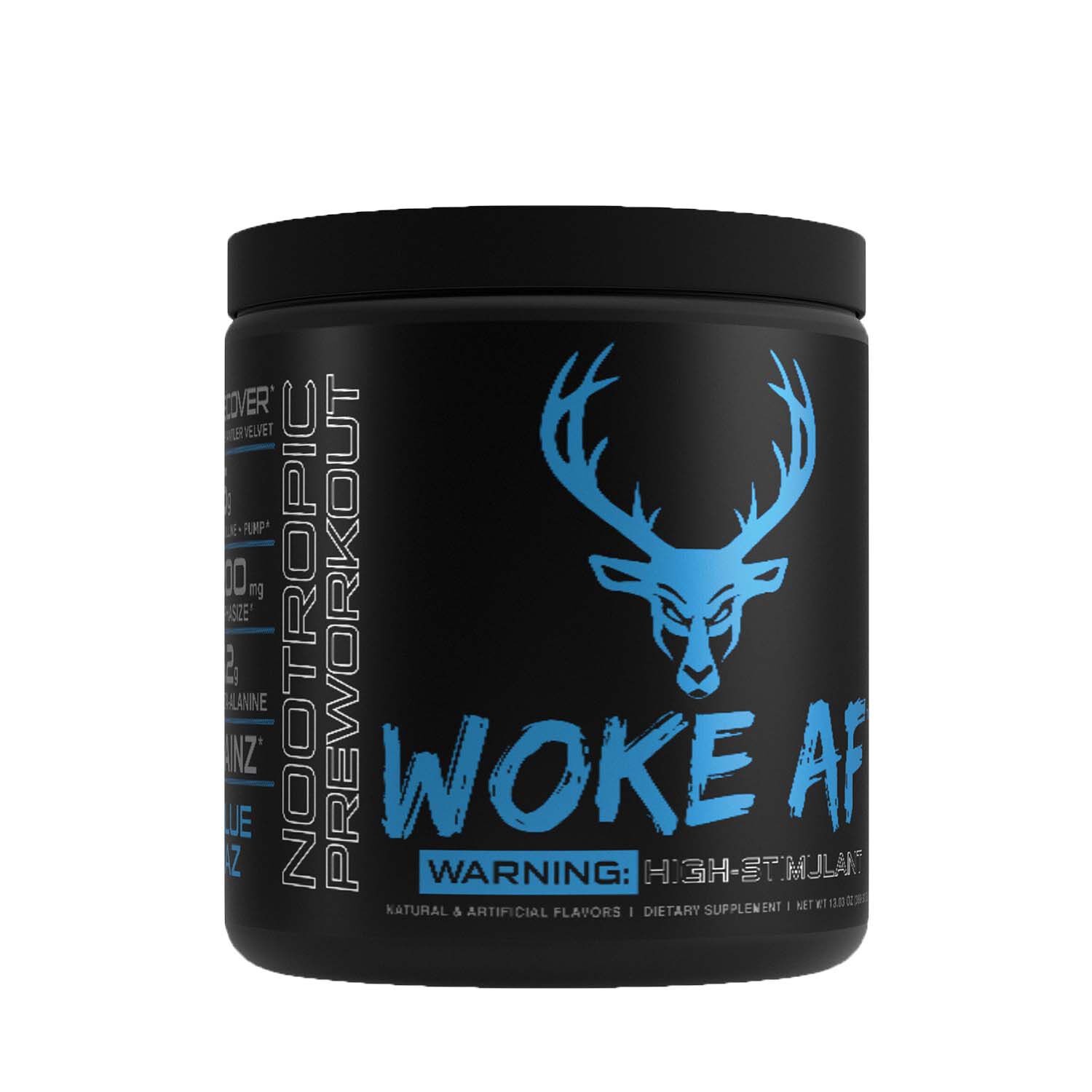
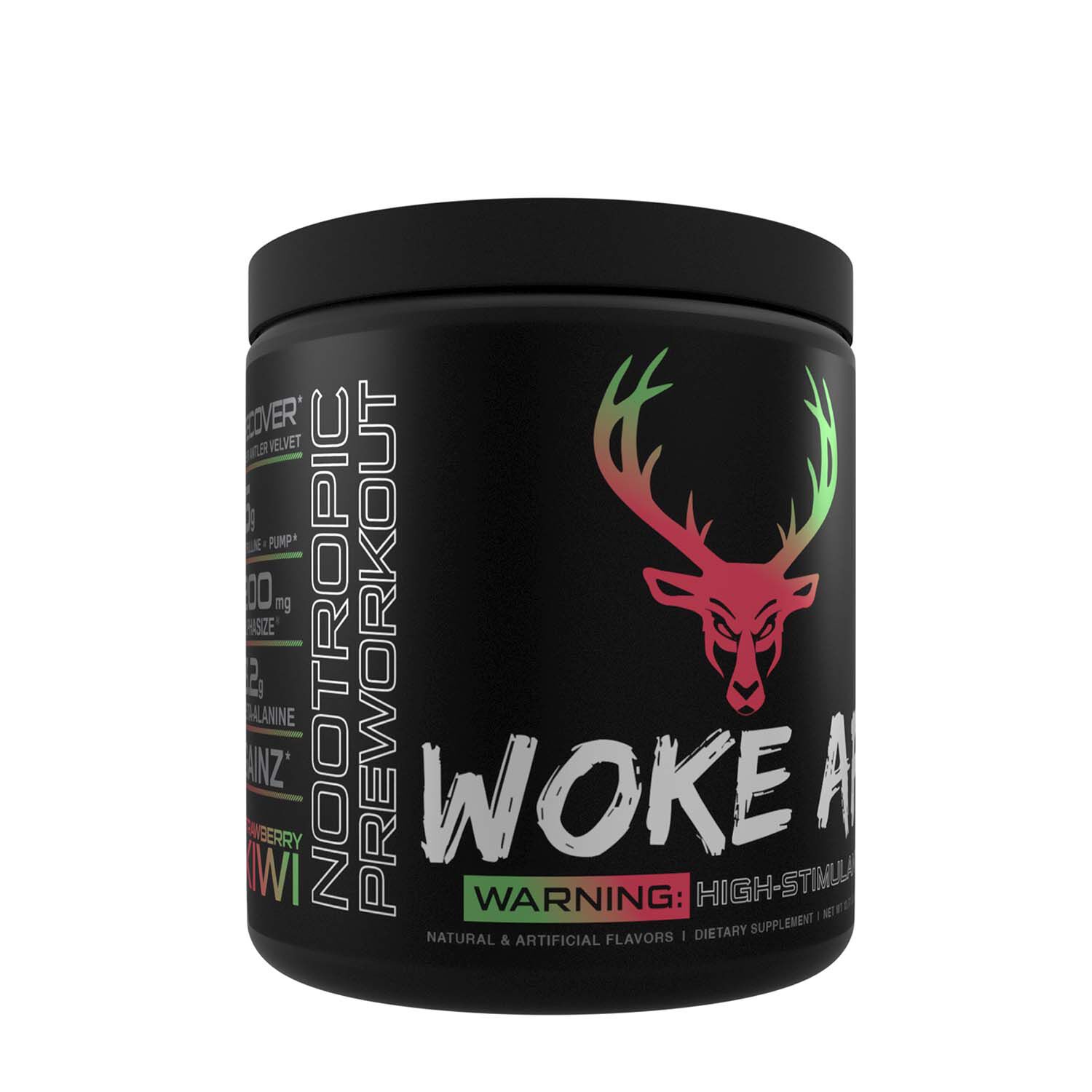
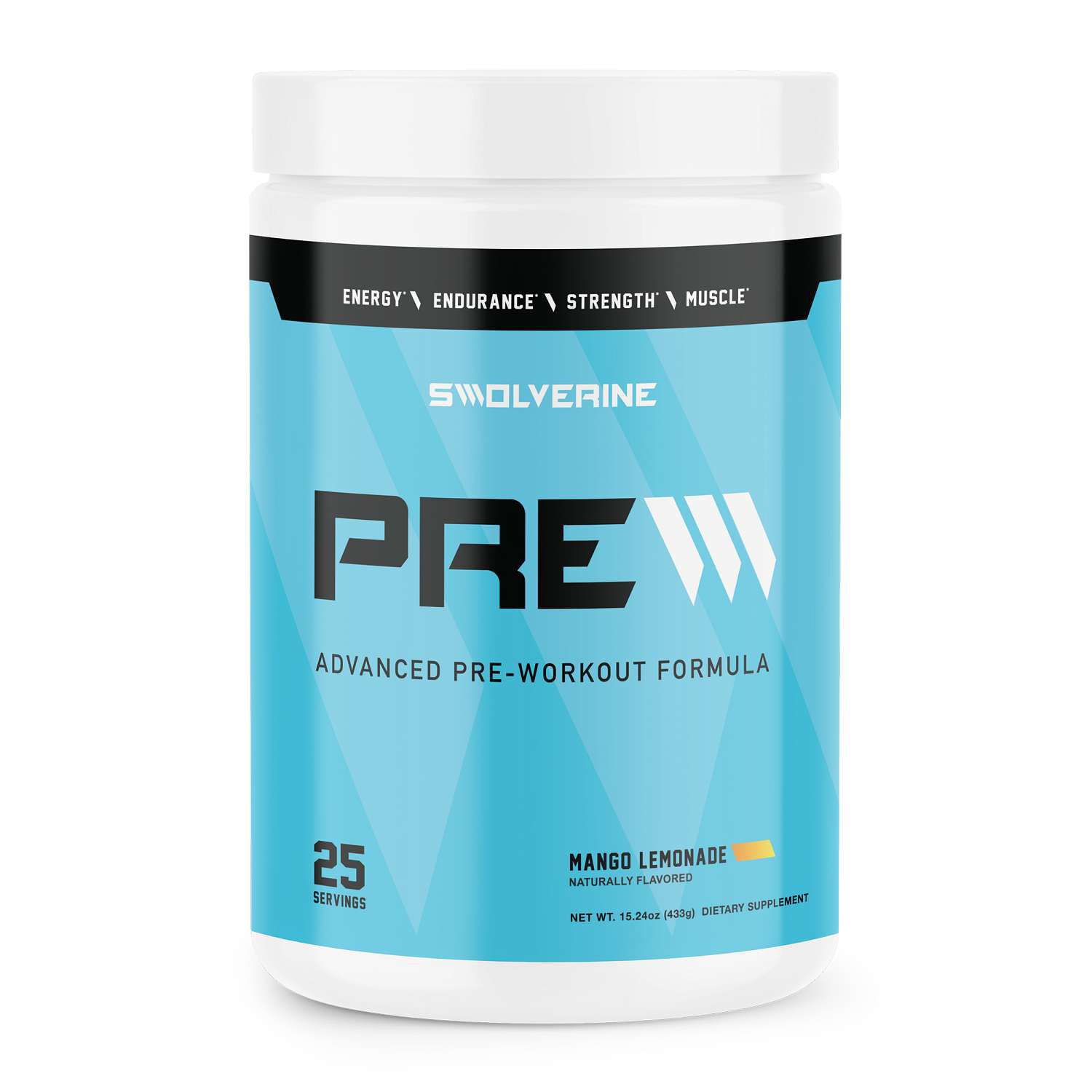
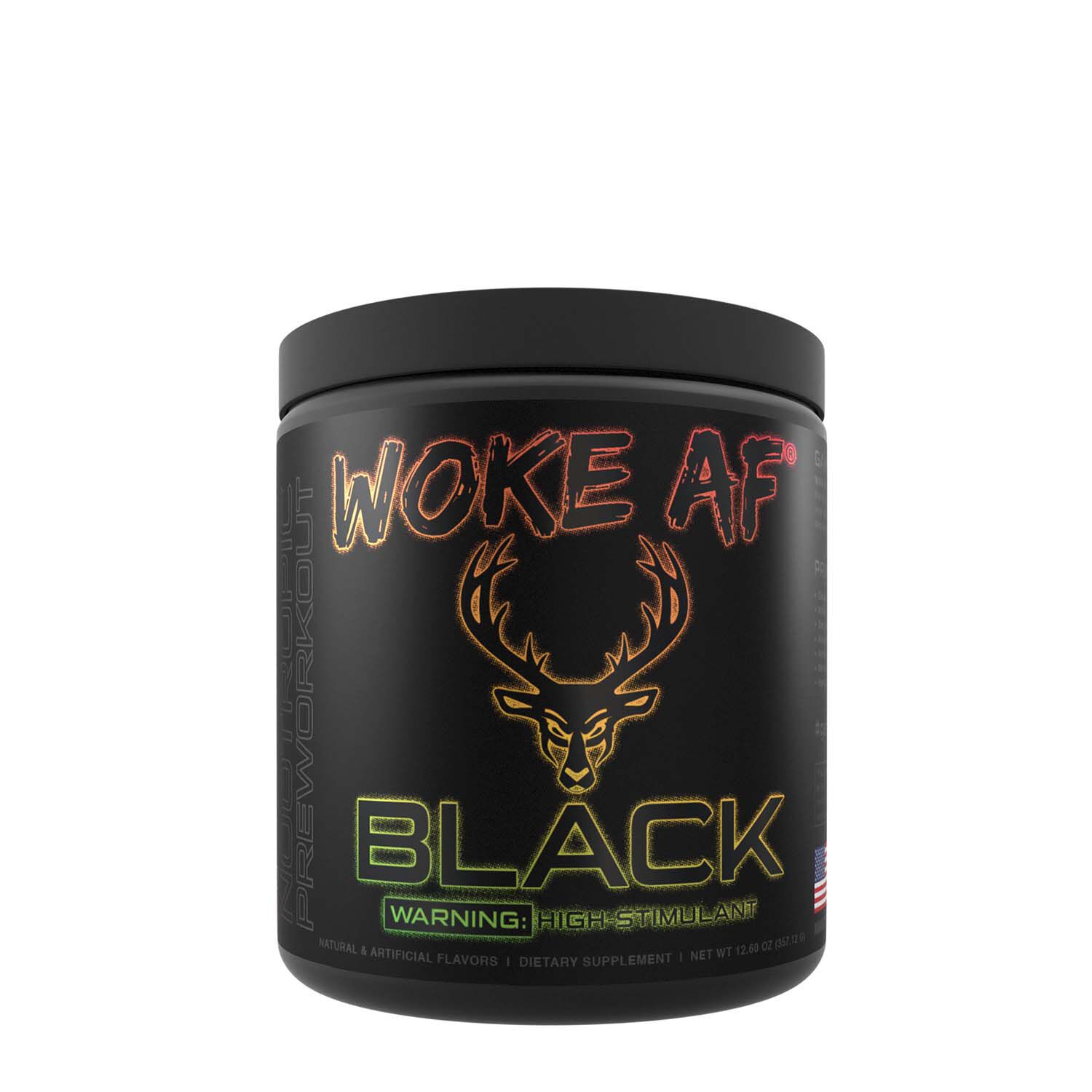
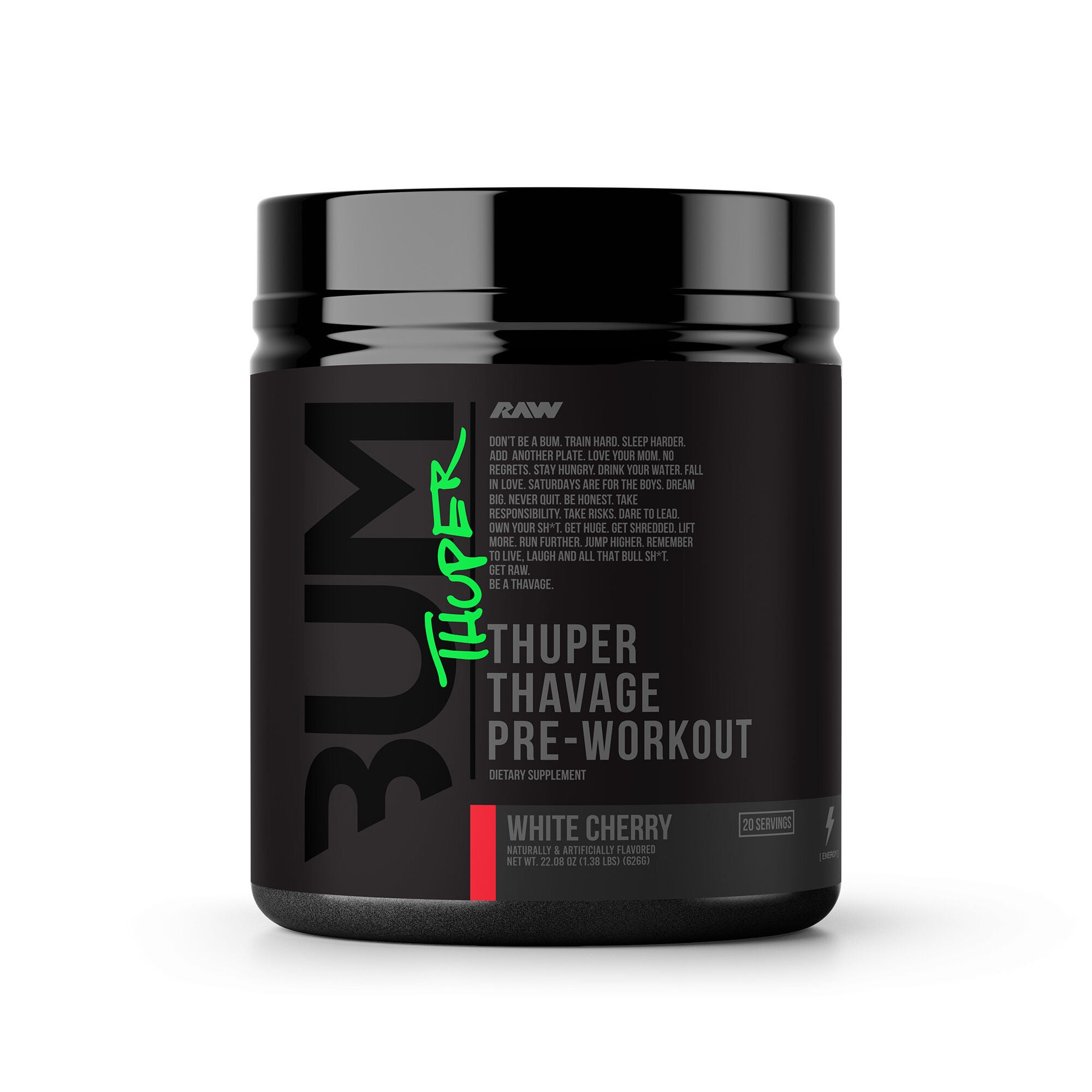
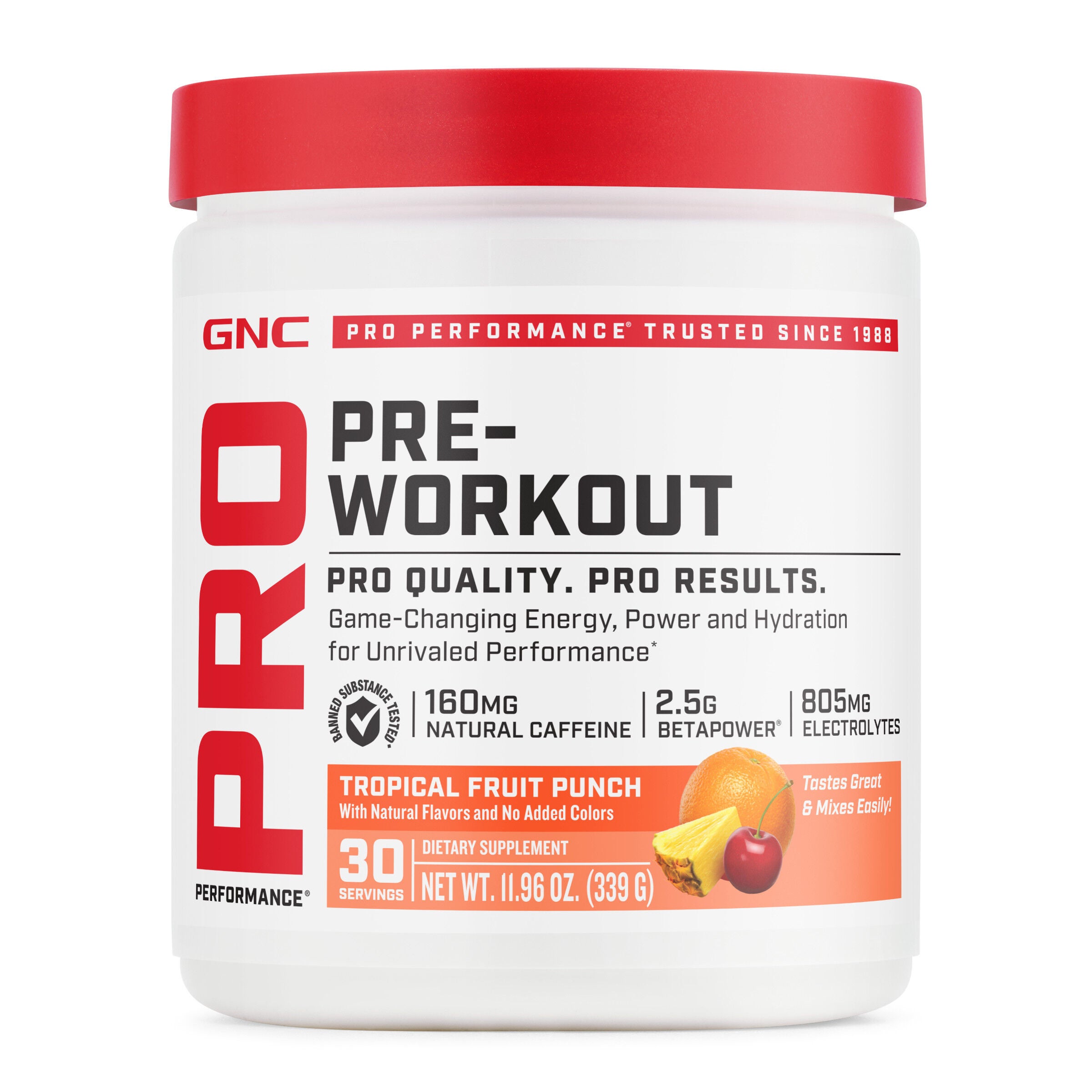

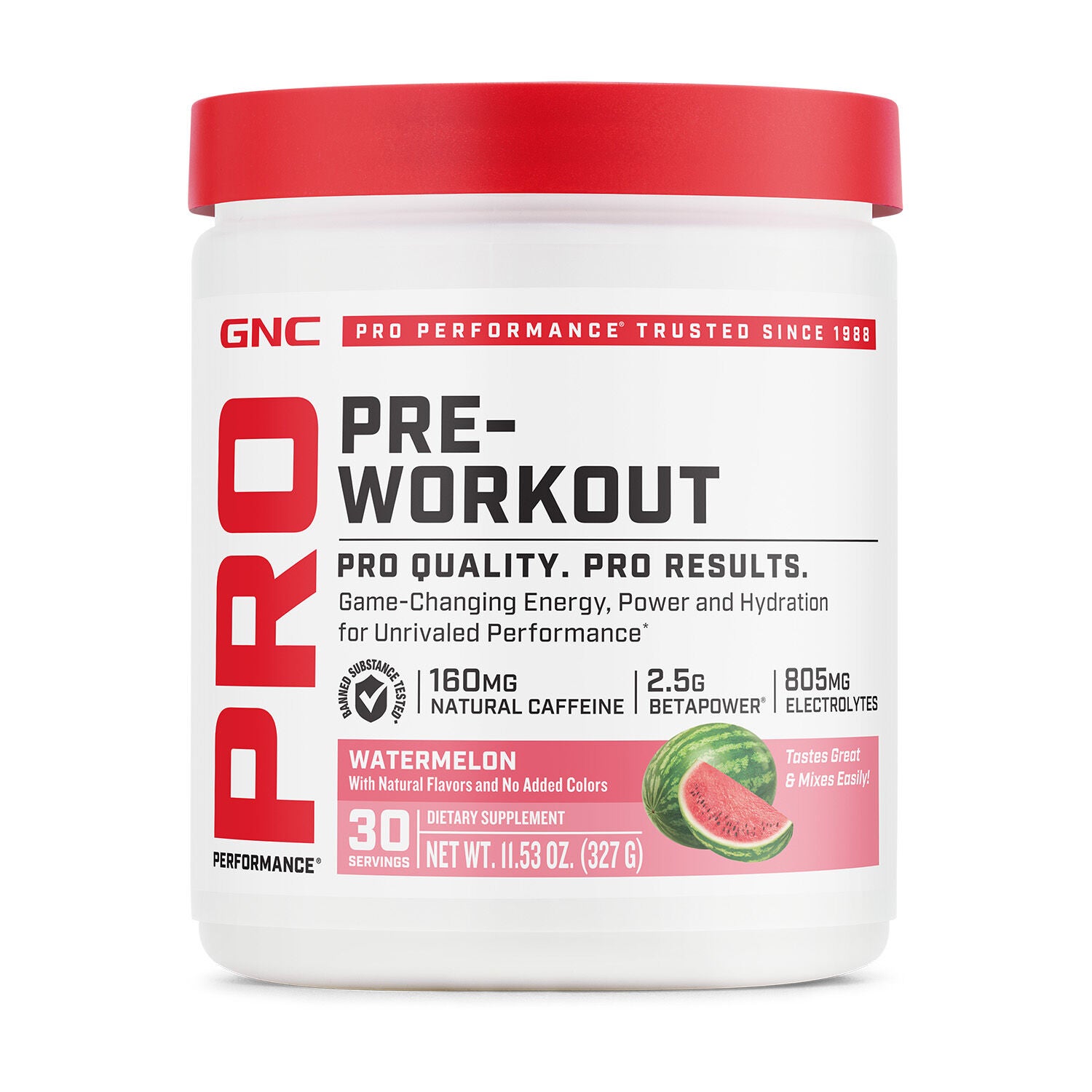

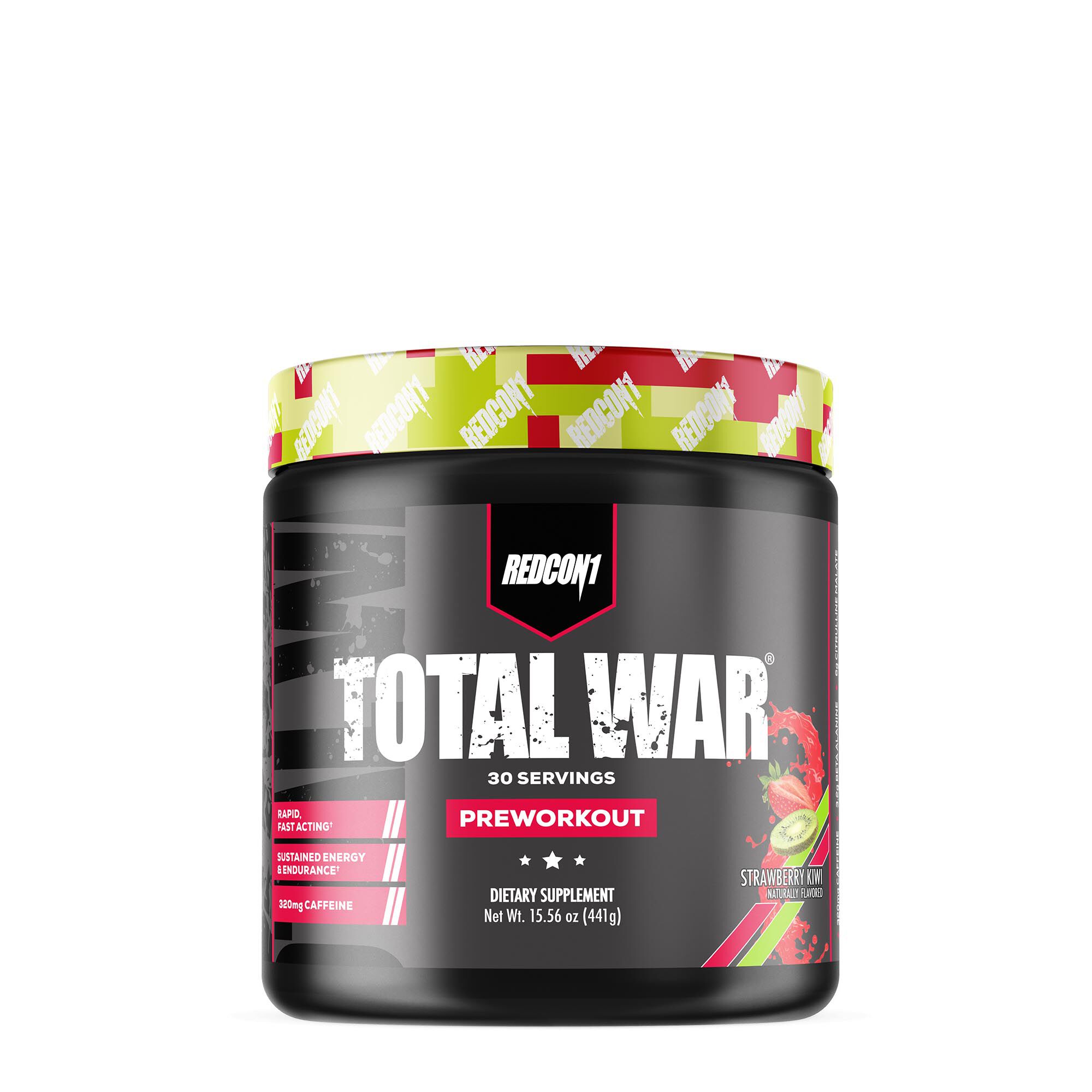


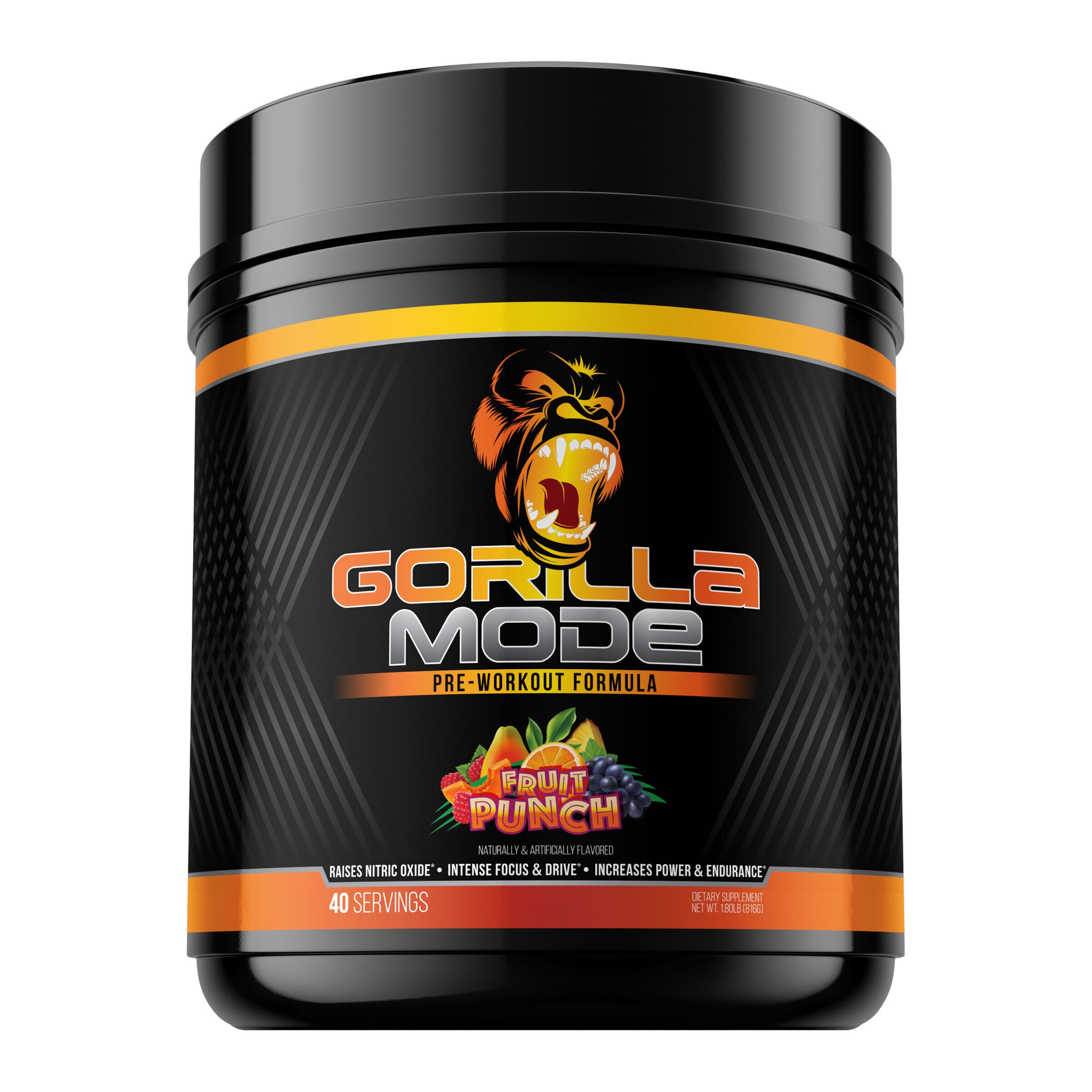
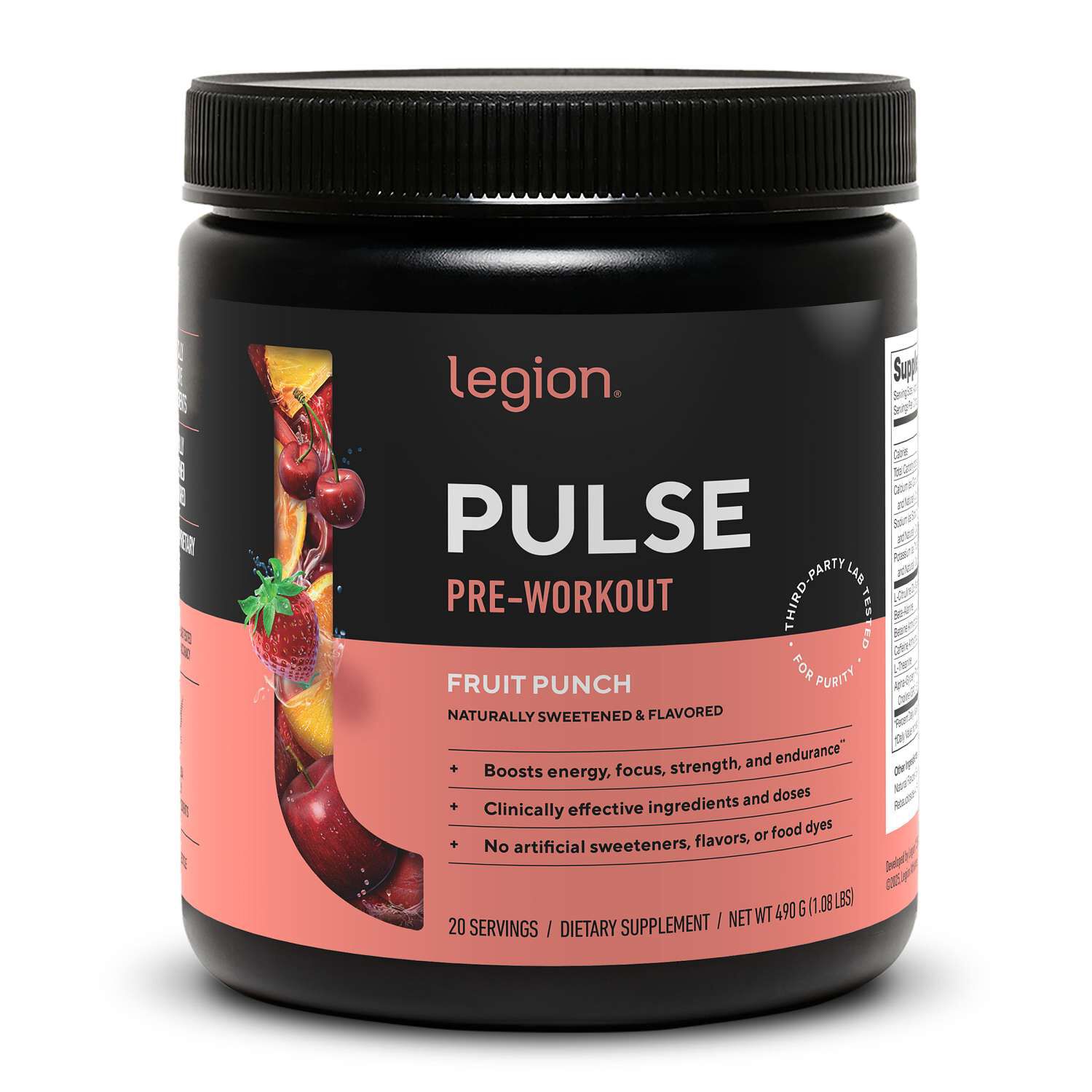
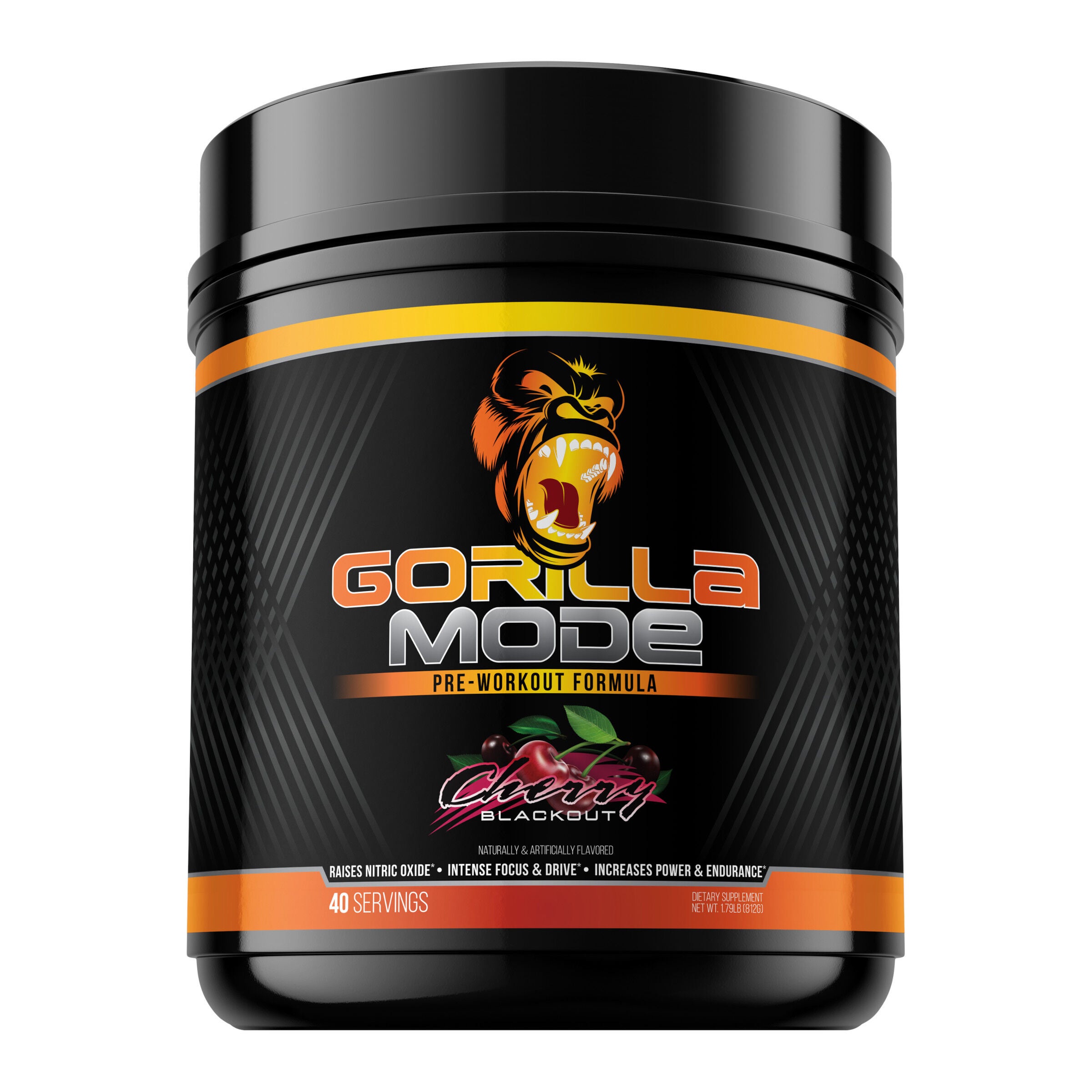
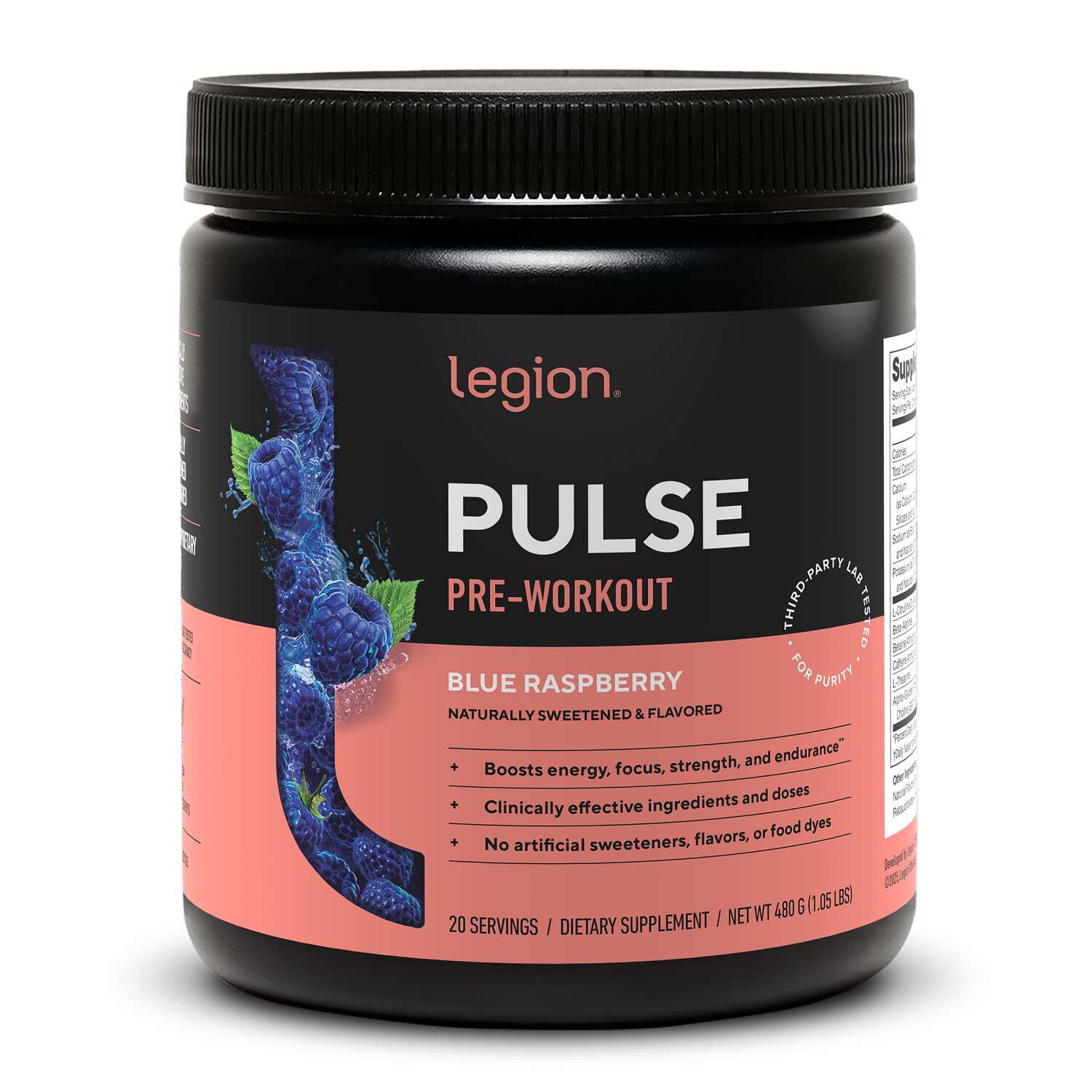
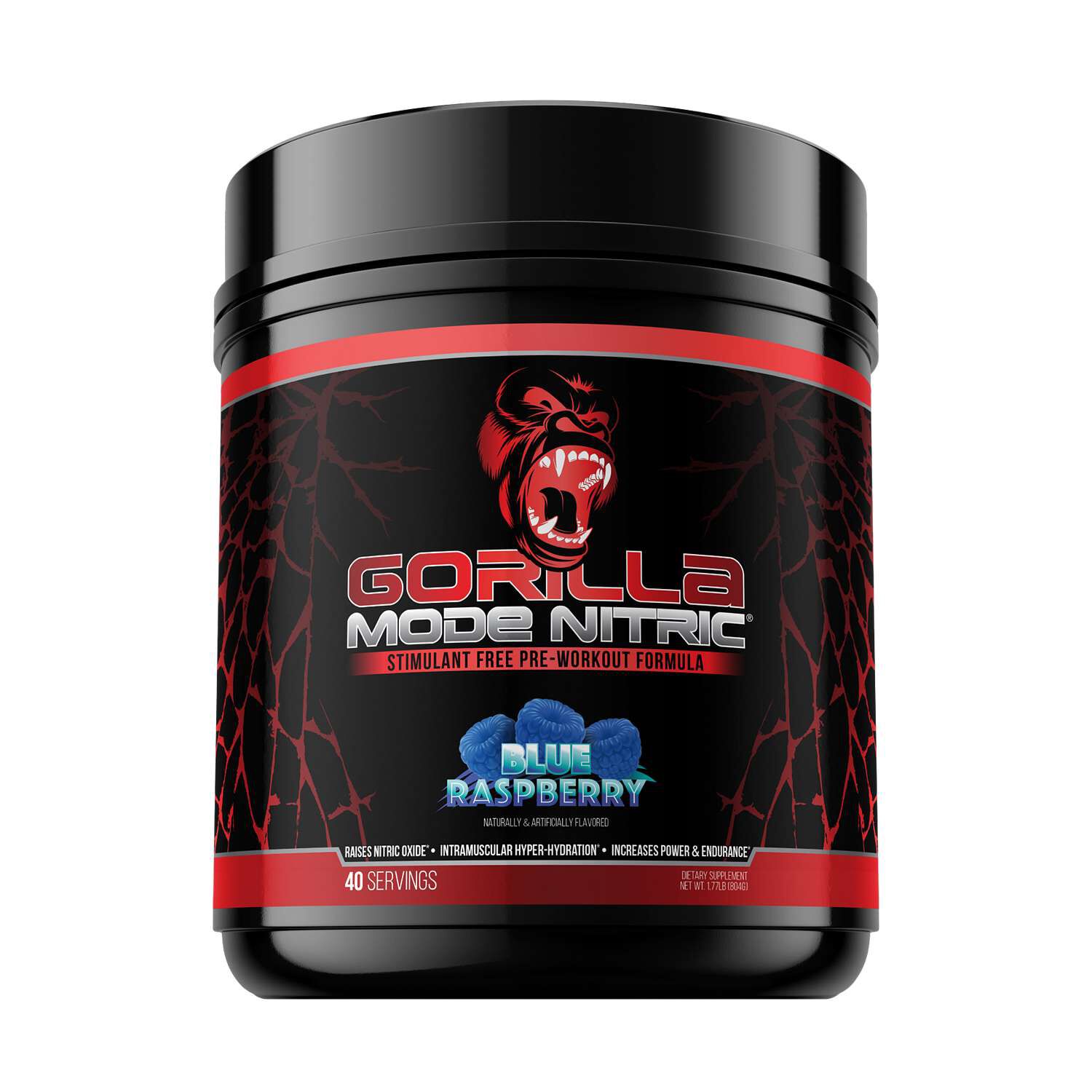


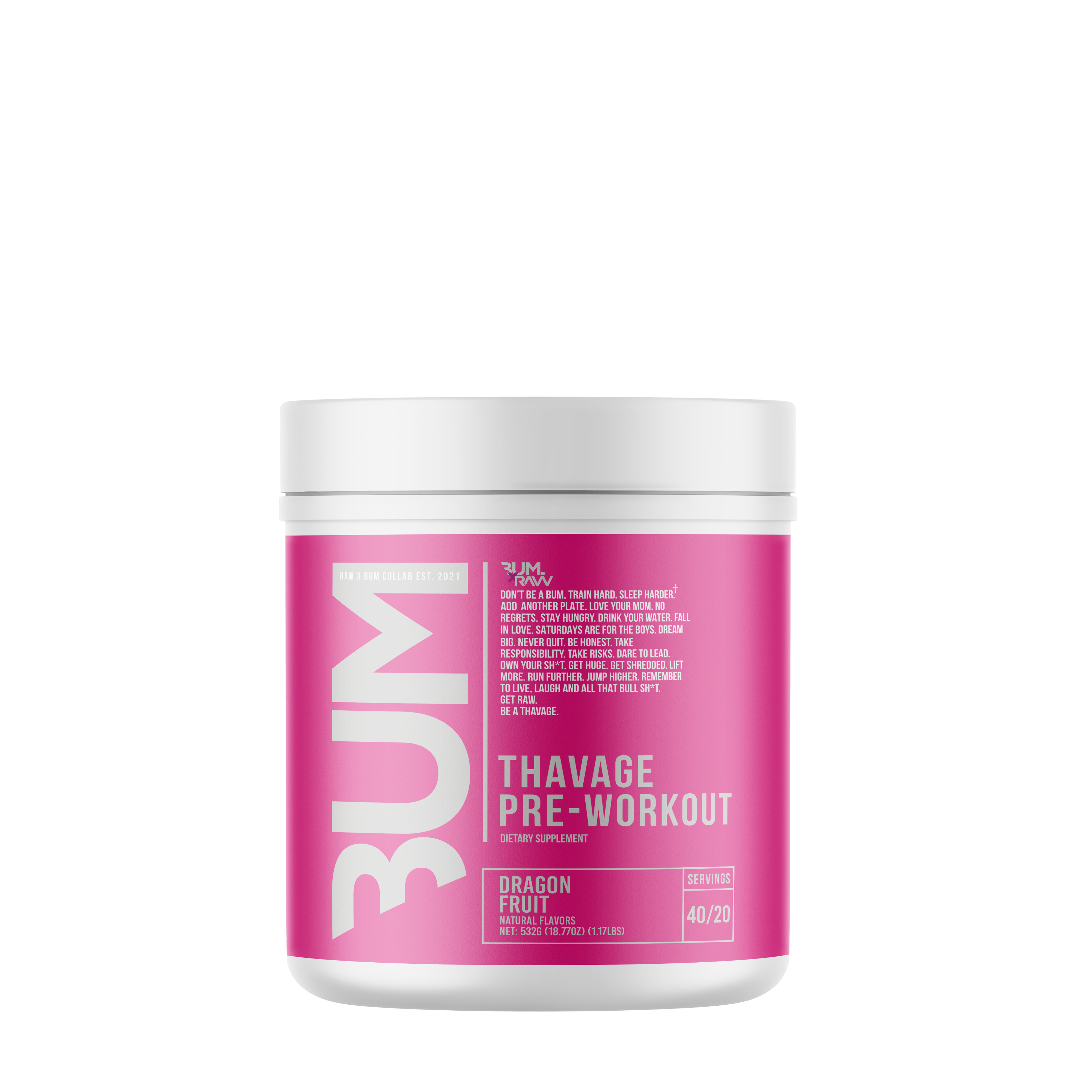

Pre-workout supplements for triathletes sit at the intersection of three different training demands: the controlled rhythm of a pool session, the sustained effort of a bike ride, and the repeated footfalls of a run. That combination makes intended use especially important. A formula selected for a short strength session may have a different ingredient profile from one considered for a long ride followed by a transition run. Within this category, powders, capsules, and ready-to-drink formats offer different ways to organize a pre-training routine, while ingredient choices range from caffeine and amino acids to carbohydrates and electrolytes. Caffeine may support alertness and focus before an early swim or a demanding interval session, but its presence and amount are meaningful comparison points rather than automatic signs of a suitable formula. Options without caffeine may appeal to athletes who train later in the day or prefer to keep that ingredient separate from their sports nutrition. Carbohydrates may support energy needs during exercise, making carbohydrate content particularly relevant when comparing a light pre-workout drink with a formula intended to accompany endurance training. Electrolytes such as sodium and potassium appear in some blends and may support hydration alongside fluid intake. Not every pre-workout contains these ingredients, and a flavored powder should not be assumed to serve the same purpose as an endurance drink mix. For a triathlete moving between short weekday workouts and longer weekend sessions, those distinctions matter more than a dramatic flavor name or a crowded front label. The most useful comparisons center on what a serving contains, how the format fits the session, and whether its intended use matches the athlete’s routine. A bottle mixed before sunrise, a capsule packed beside swim goggles, and a drink carried to an indoor trainer all represent different practical preferences within the same broad category.
Ingredient transparency gives pre-workout supplements for swimming, cycling, and running much of their context. A clearly presented Supplement Facts panel makes it easier to compare serving sizes, caffeine amounts, and the quantities of individual ingredients. Blend names alone offer less information about what is inside a serving. Beta-alanine appears in some pre-workout formulas and may support repeated high-intensity efforts with consistent use; its role differs from that of caffeine, which may support alertness around a workout. Citrulline and beetroot-derived ingredients also appear in sports nutrition blends, though their presence alone does not establish suitability for a particular race distance or training session. A long ingredient list is not necessarily more relevant than a simpler one. For endurance athletes, the relationship between a pre-workout and the rest of the session’s nutrition is another useful distinction. A powder with little carbohydrate is different from a carbohydrate-containing drink, even when both are mixed into a water bottle. Likewise, a formula containing electrolytes can differ considerably from another in the amounts listed per serving. Coffee, gels, chews, and other sports drinks may also contain caffeine or overlapping ingredients, so the pre-workout label belongs in the context of the broader routine rather than in isolation. Flavor and texture deserve similar attention. A bright citrus drink before a brief pool workout offers a different sensory experience from a very sweet mixture before a long run. Mixing directions, suggested water volume, and serving size help explain how a powder is intended to taste and dissolve. Familiarity matters, too: ordinary training days offer a more predictable setting for evaluating flavor, mixability, and personal preference than the bustle of a race morning. For athletes whose schedules include substantial time in the saddle, Pre-Workout For Cyclists provides a related category to consider alongside the broader demands of training across all three disciplines.
Practical fit often becomes clearest in the small details of a triathlete’s day. Before an early pool reservation, a straightforward preparation routine may matter more than an elaborate combination of powders. Before a bike-to-run session, bottle capacity, mixing volume, and the distinction between pre-workout nutrition and nutrition carried during exercise become more relevant. During the cooler months, the same athlete might alternate between outdoor miles, indoor cycling, and strength work, with different preferences for each setting. A resealable powder container suits a home preparation area, while individually portioned formats can be convenient to organize in a training bag when those formats match the athlete’s preferences. Capsules offer a different format for shoppers who do not want another flavored drink, although they do not replace the fluid used with a beverage. Ready-to-drink packaging removes the mixing step, but container size and portability still influence how comfortably it fits into a commute or gym visit. For powders, packaging that closes securely and clear storage directions are useful details, particularly around damp pool gear or a busy kitchen counter. Storage according to the label, a dry scoop, and a clean mixing bottle help keep preparation orderly; expiration dates and package condition are also relevant when assessing a supplement already in the cupboard. Dietary preferences add another layer of comparison, including the ingredient sources, sweeteners, allergen information, and any clearly stated certifications. Athletes participating in organized competition may also value independent sport-focused testing when it is documented, rather than assuming that every supplement has undergone the same review. As a gift, pre-workout is a more personal choice than a towel or water bottle because flavor, format, and caffeine preferences can be quite specific. An athlete’s established preferences are therefore especially relevant to gift selection. Across sprint-distance preparation, longer endurance training, and everyday swim-bike-run routines, this category offers a range of formats and ingredient combinations. The meaningful differences are the ones that connect the label to a real training day: a manageable preparation process, a familiar taste, transparent ingredient amounts, and an intended use that fits the session ahead.
Best Sellers


Related Pages

Top Collections
- Daily Collagen Supplements | Top Brands & Deals | GNC
- Natural Collagen Supplements | Top Brands & Deals | GNC
- Top Rated Collagen | Shop Customer Favorites | GNC
- Cortisol Supplements
- Vitamins For Hair Loss
- Spirulina Tablets
- NAD+ Supplement Tablets
- Peptide Supplements
- Best Brand of Magnesium Glycinate
- Vitamins That Help Support Weight Gain