

Pre Workout Supplements With Research Support
(0 Results)
Pre workout supplements with research support are designed for those seeking an extra boost before hitting the gym or starting a workout routine. Featuring ingredients that have been studied for their potential benefits, these supplements may help you prepare both mentally and physically for exercise. Explore a range of options that prioritize science-backed formulations to support your fitness journey.
-
-

-
-
-

-

-

-

-
-
-

-
-

-
-
-

-

-
 MRI Performance$39.99
 -
-
 MRI Performance$39.99
 -
-
-
-
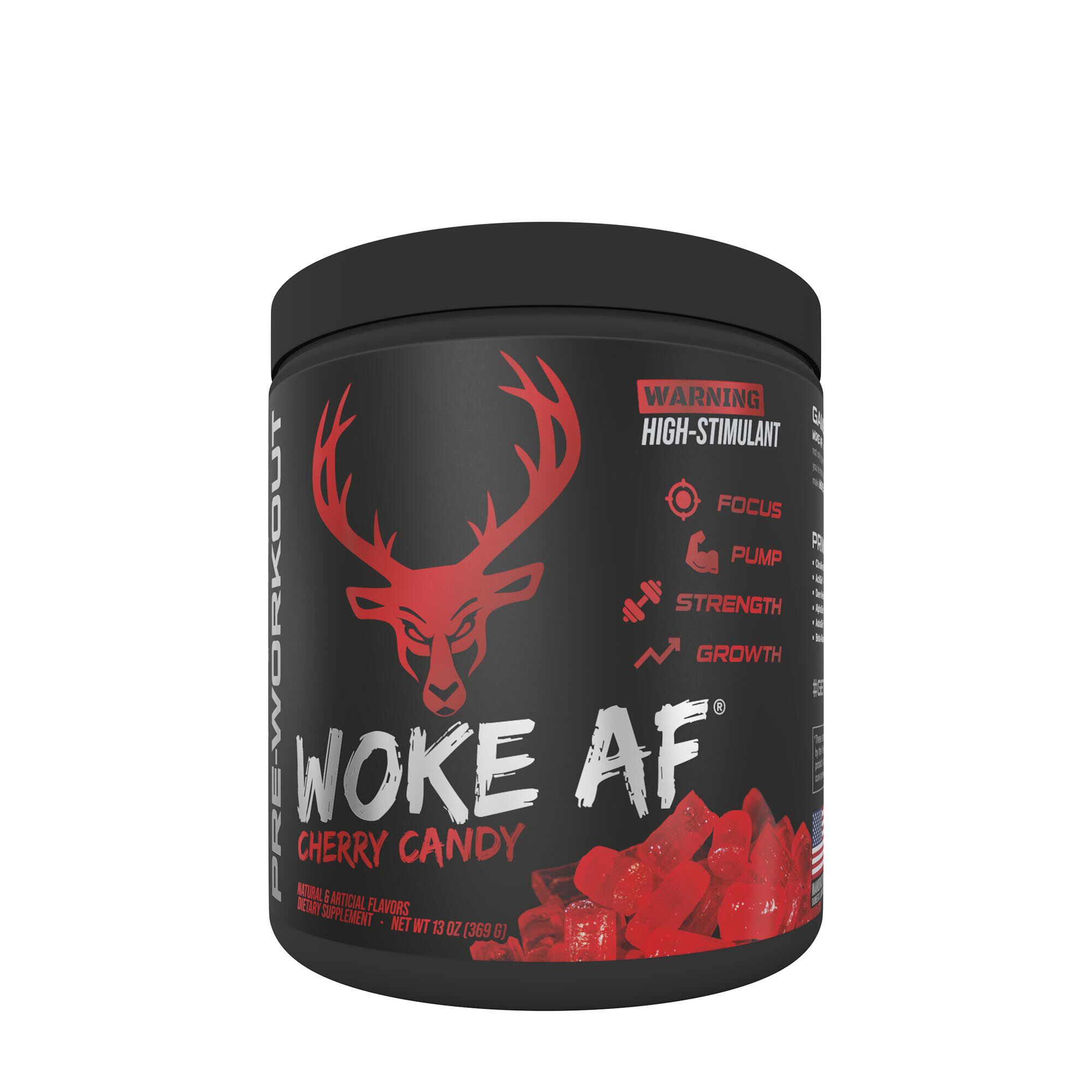
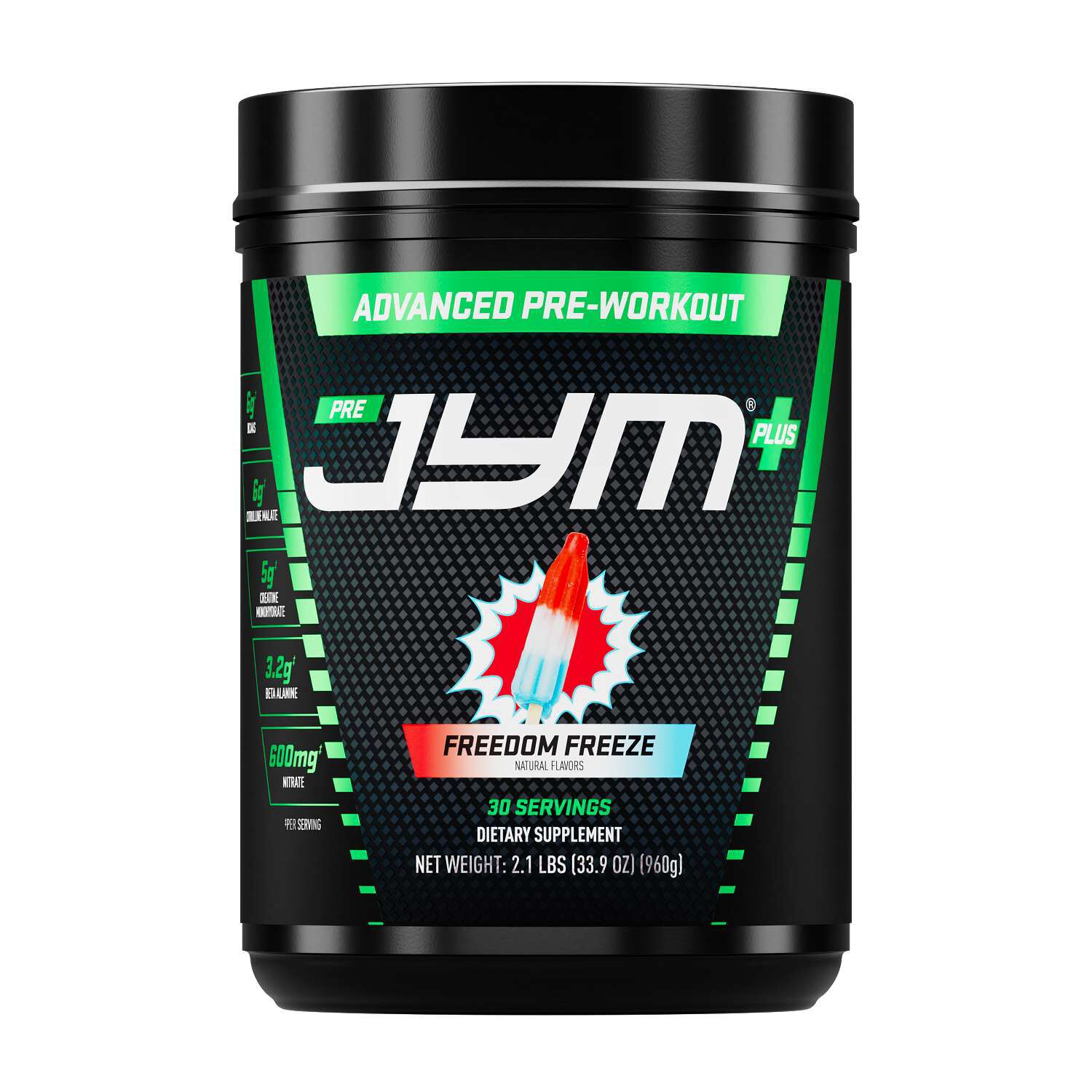
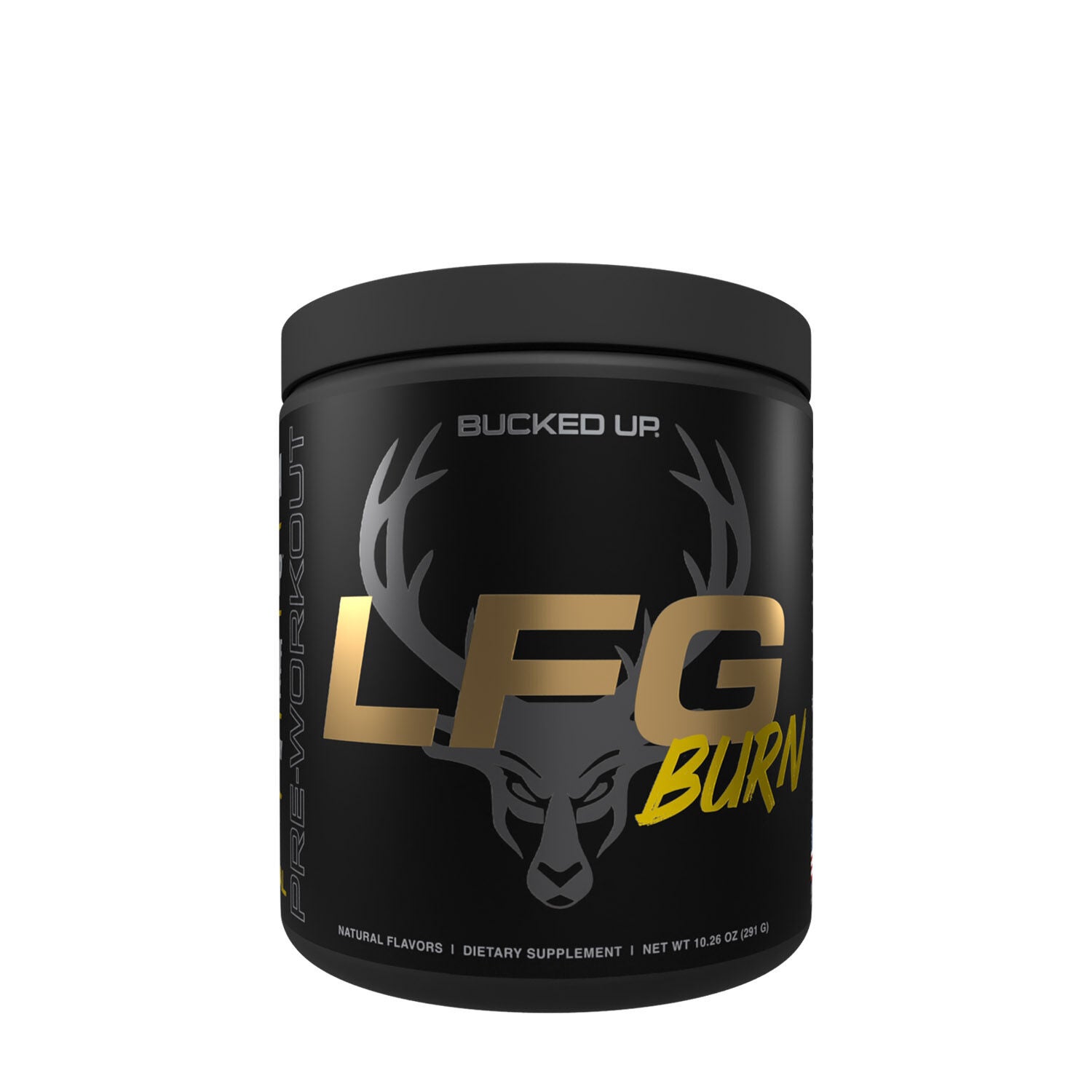
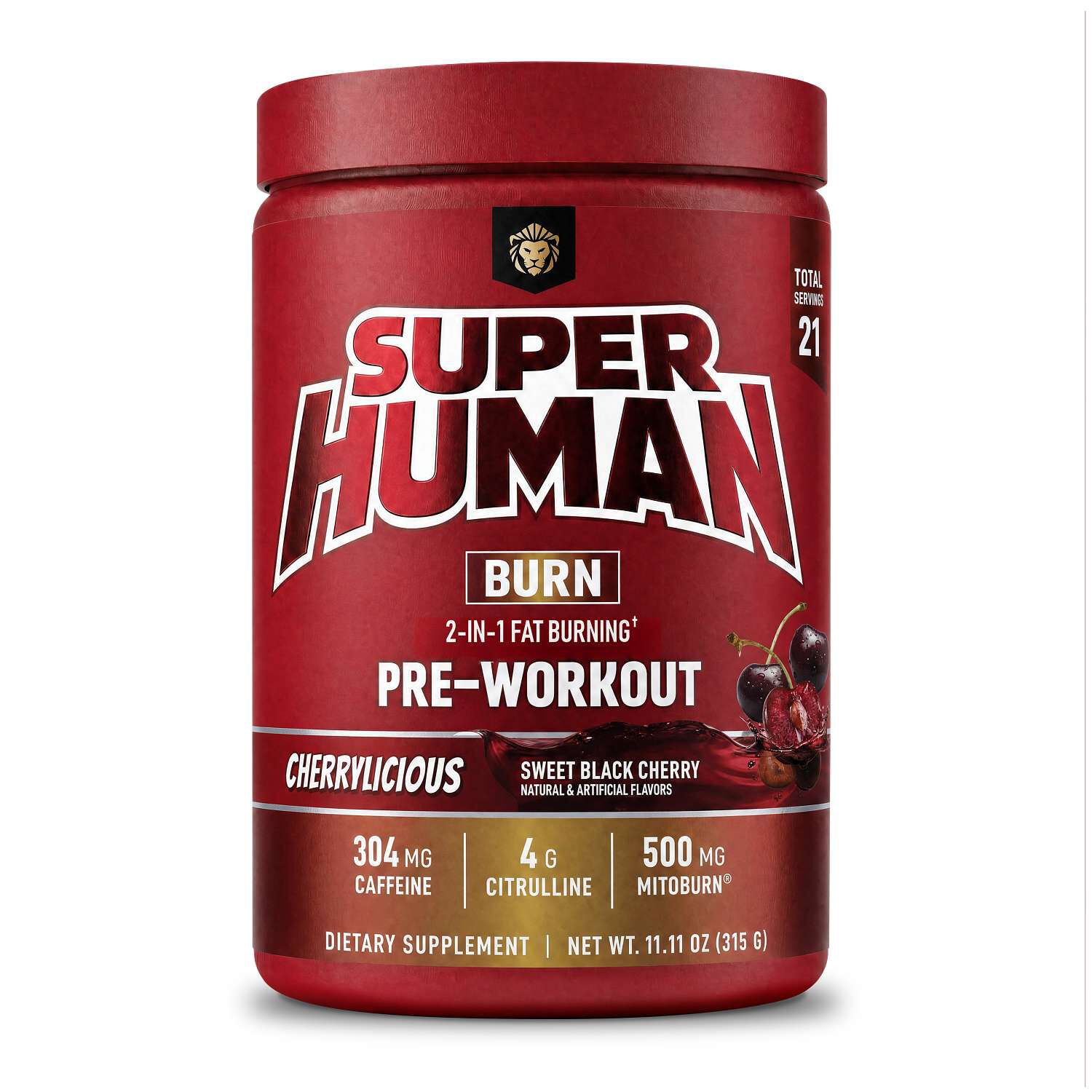
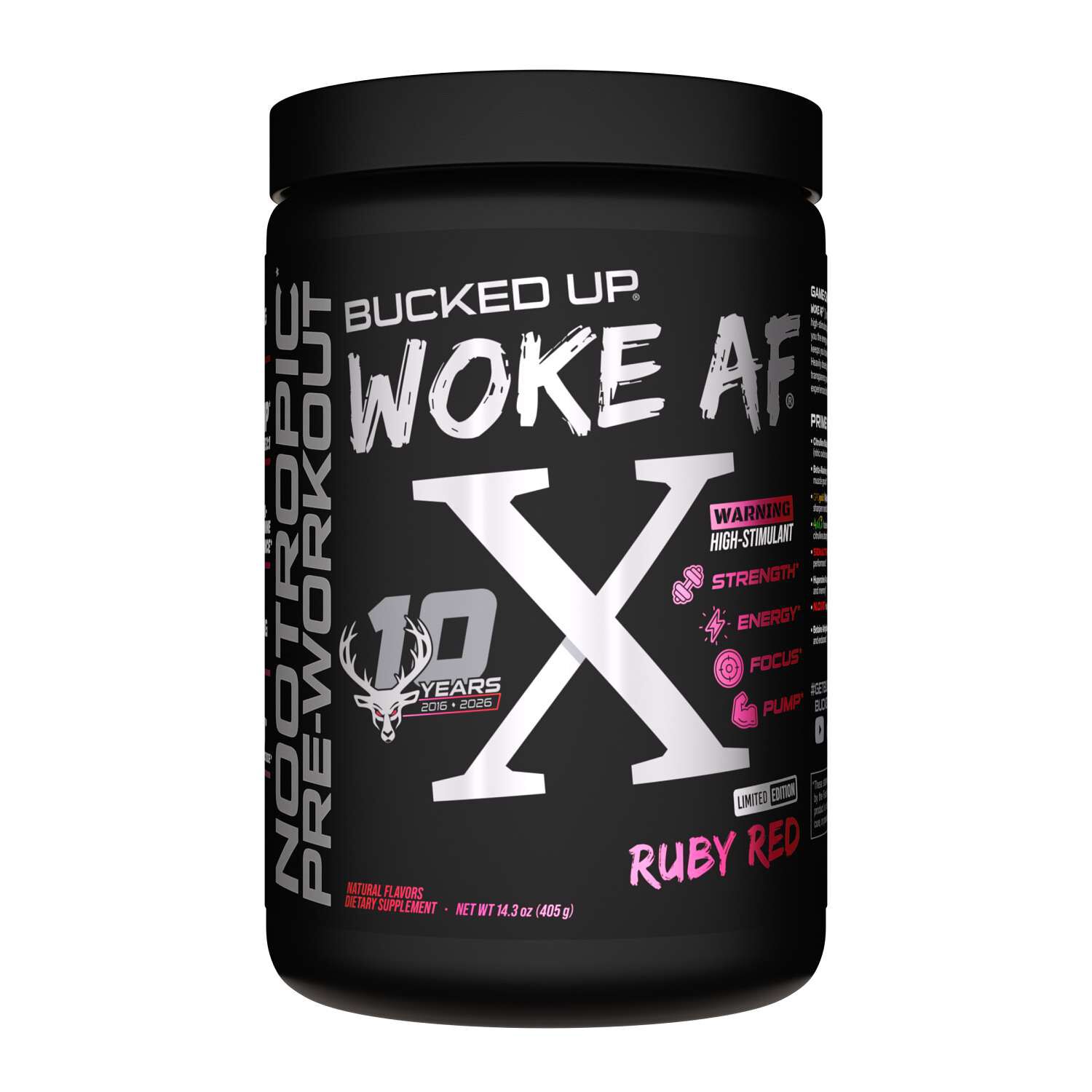
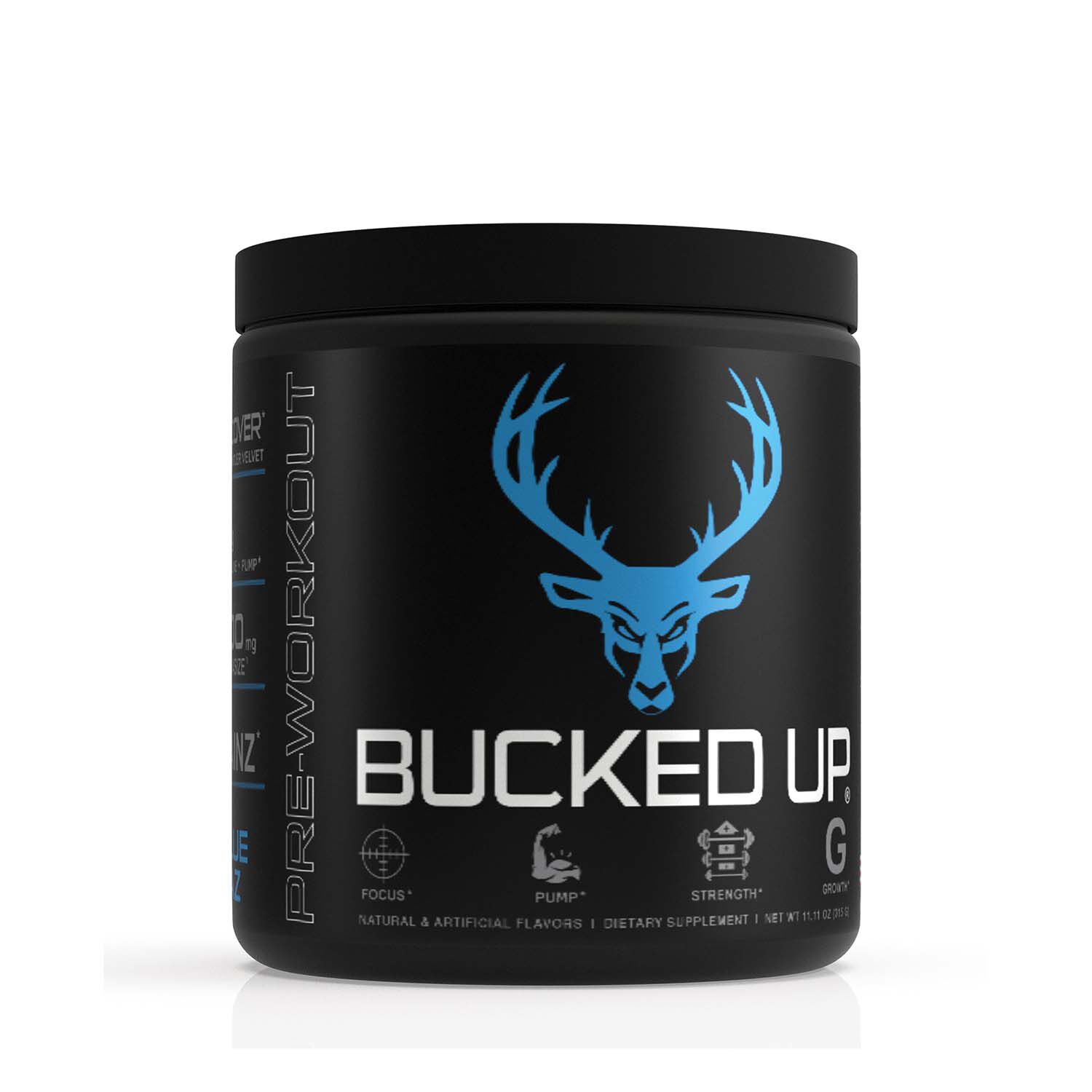
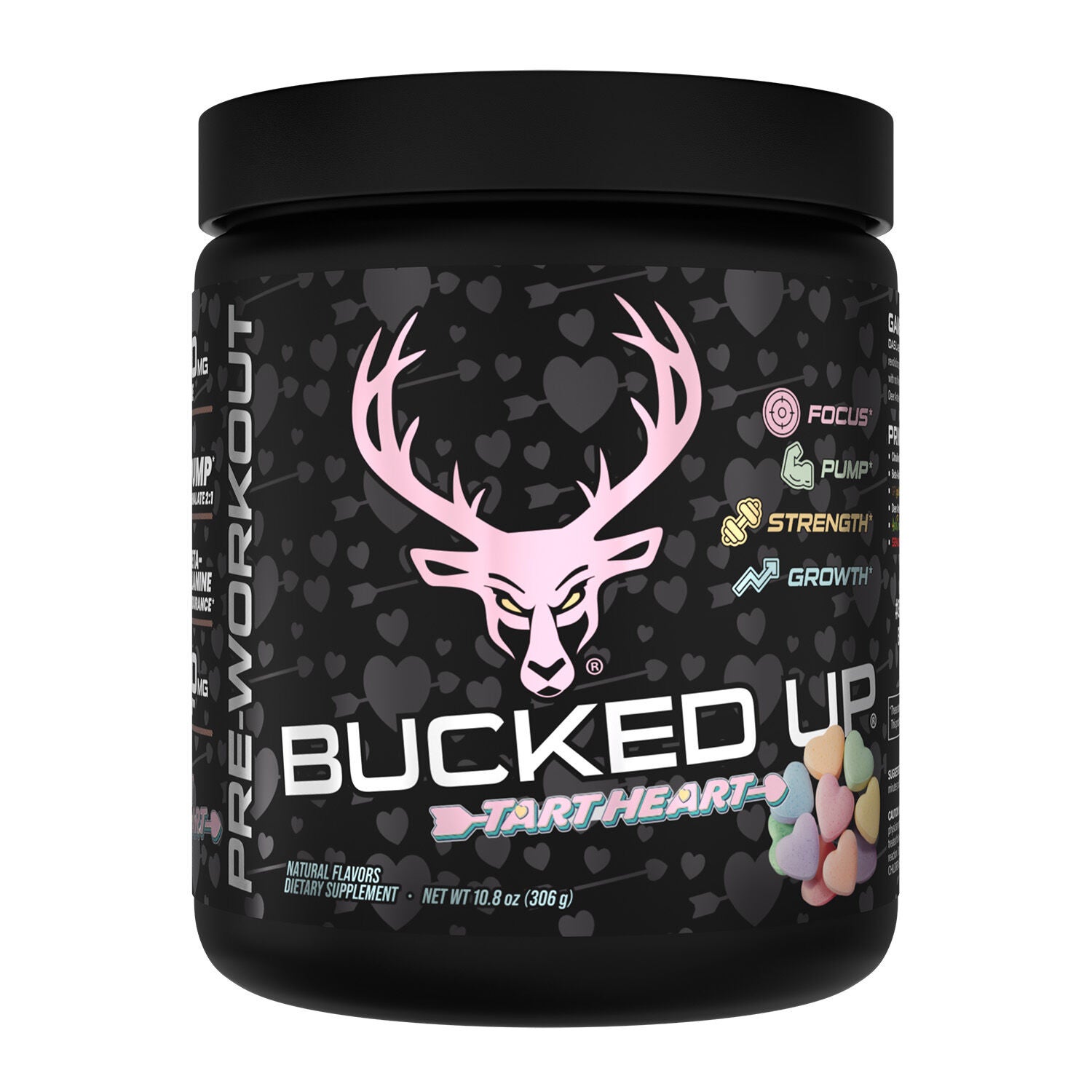
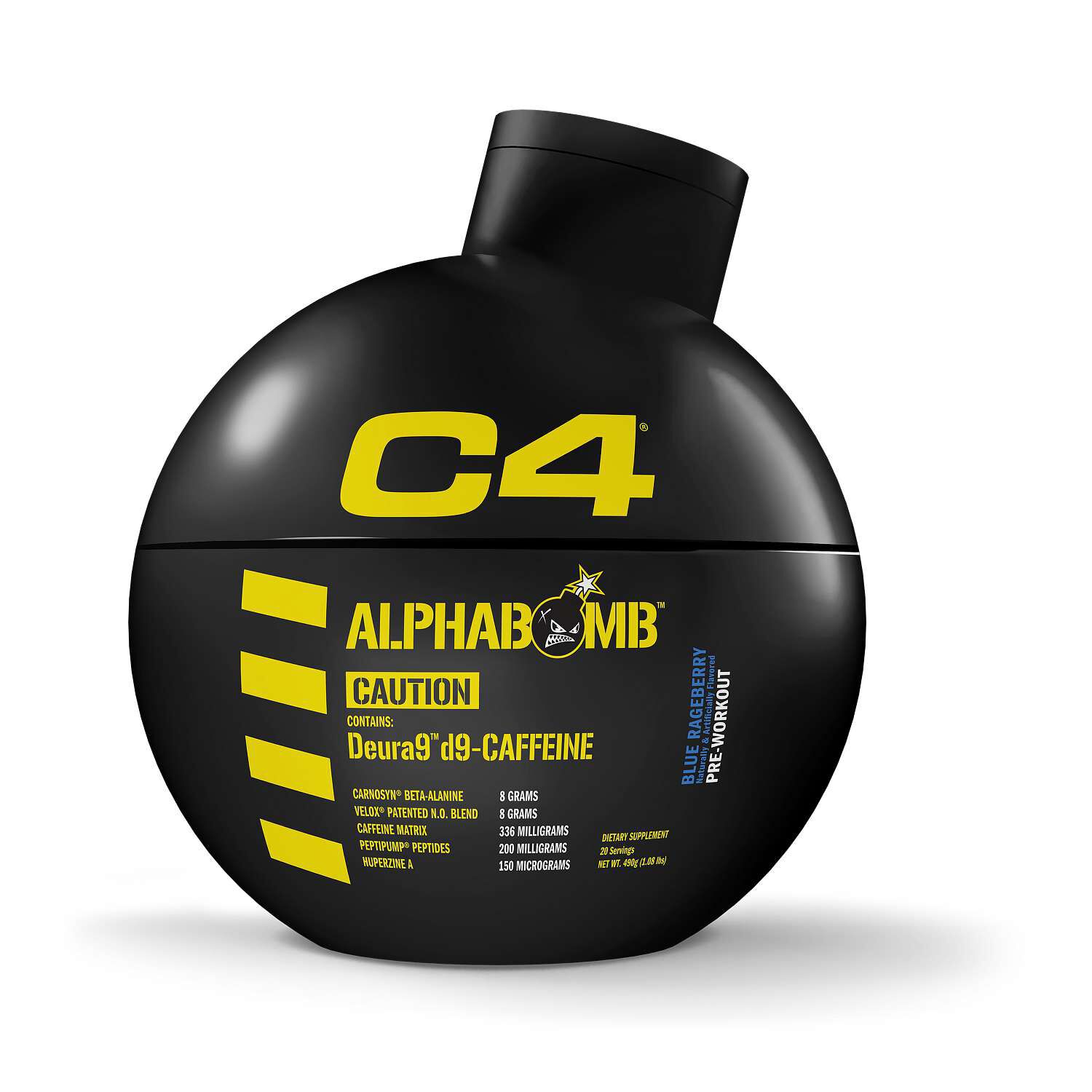
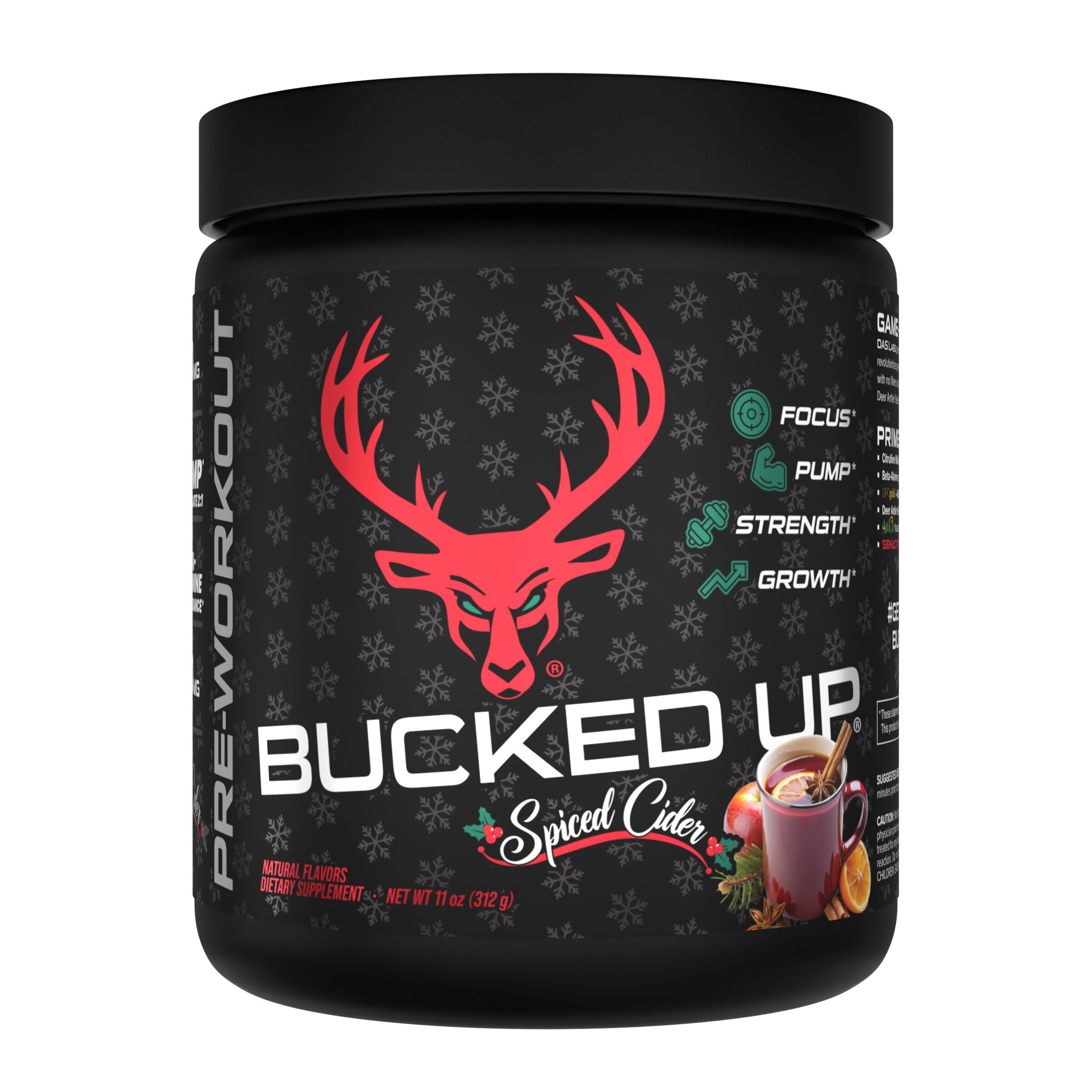
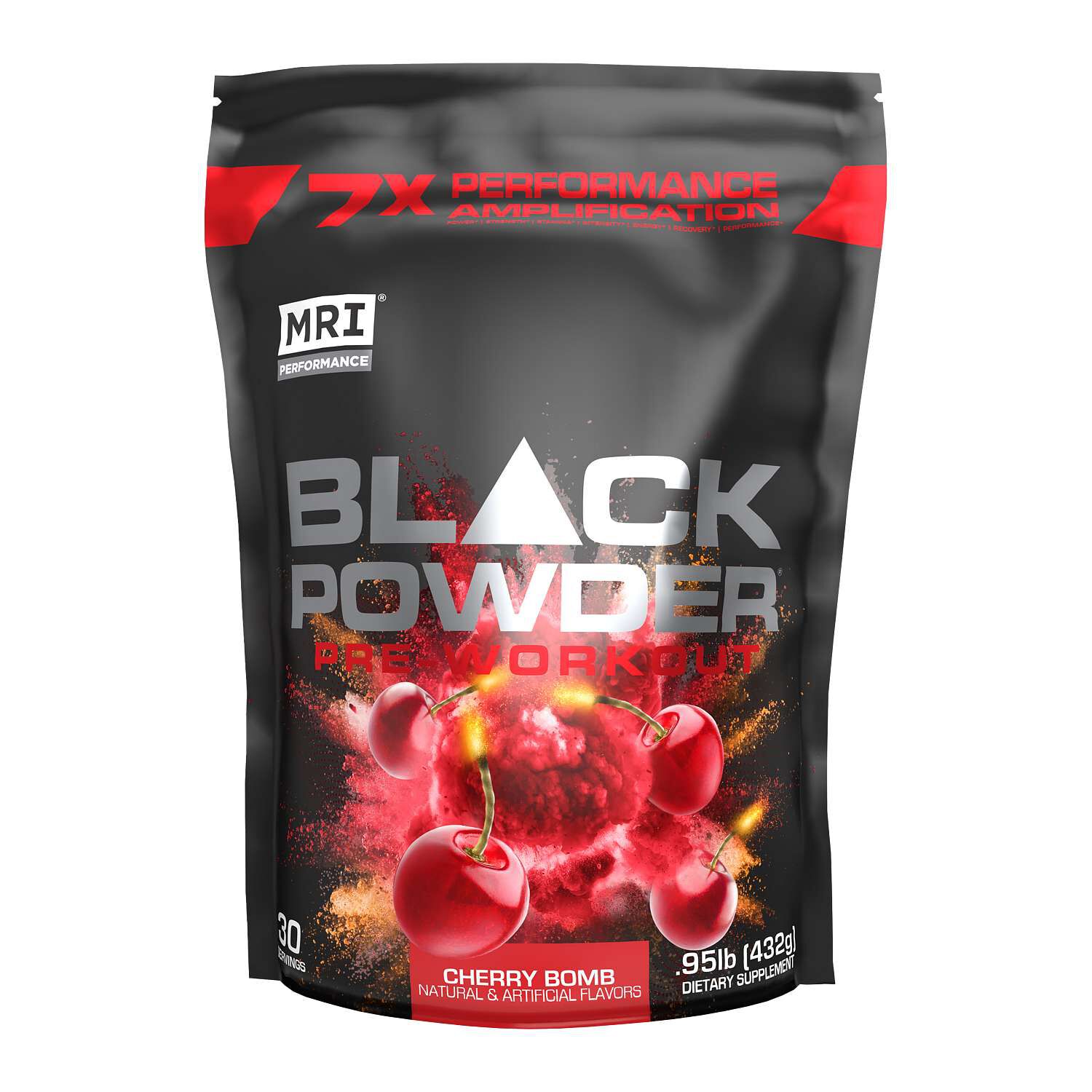
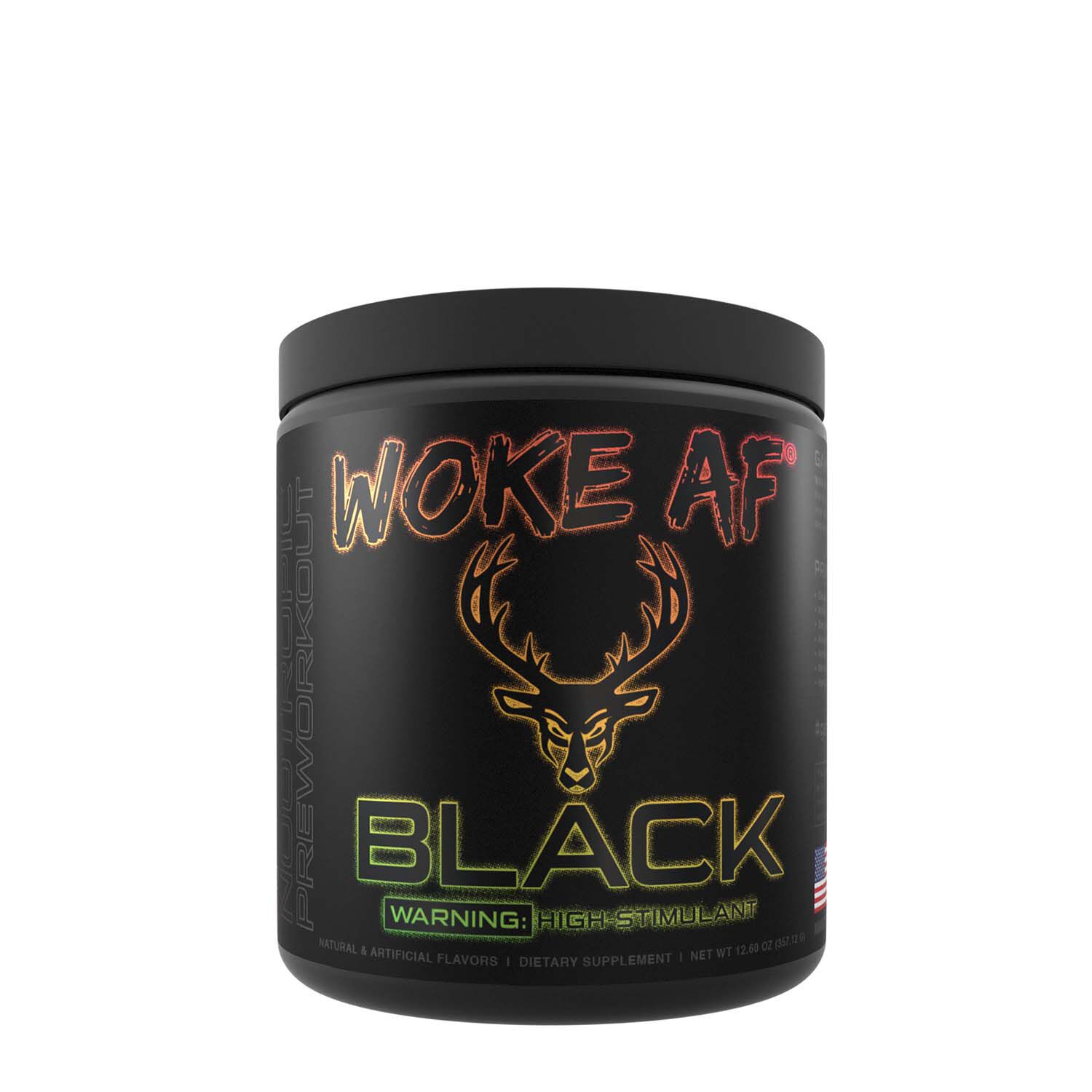
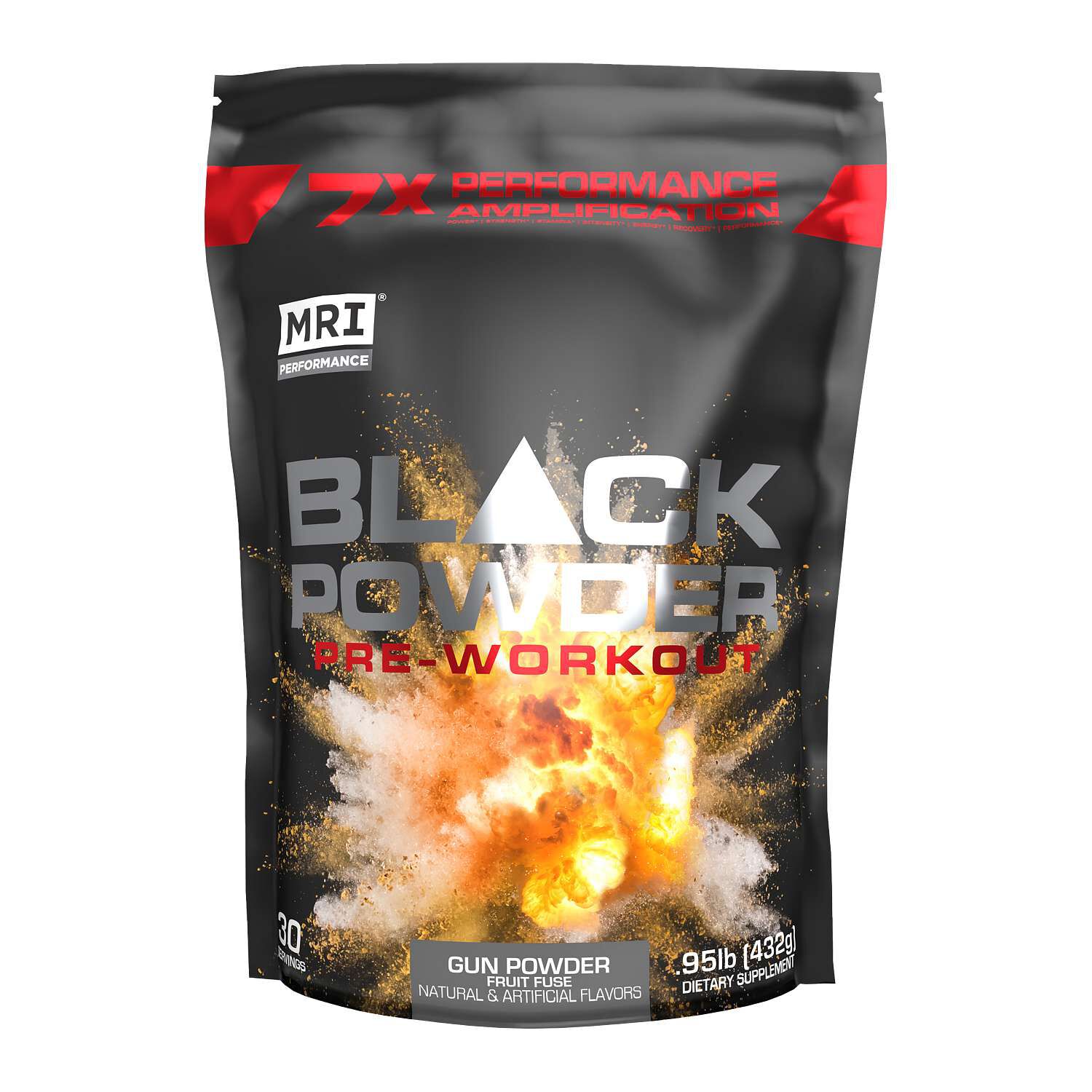
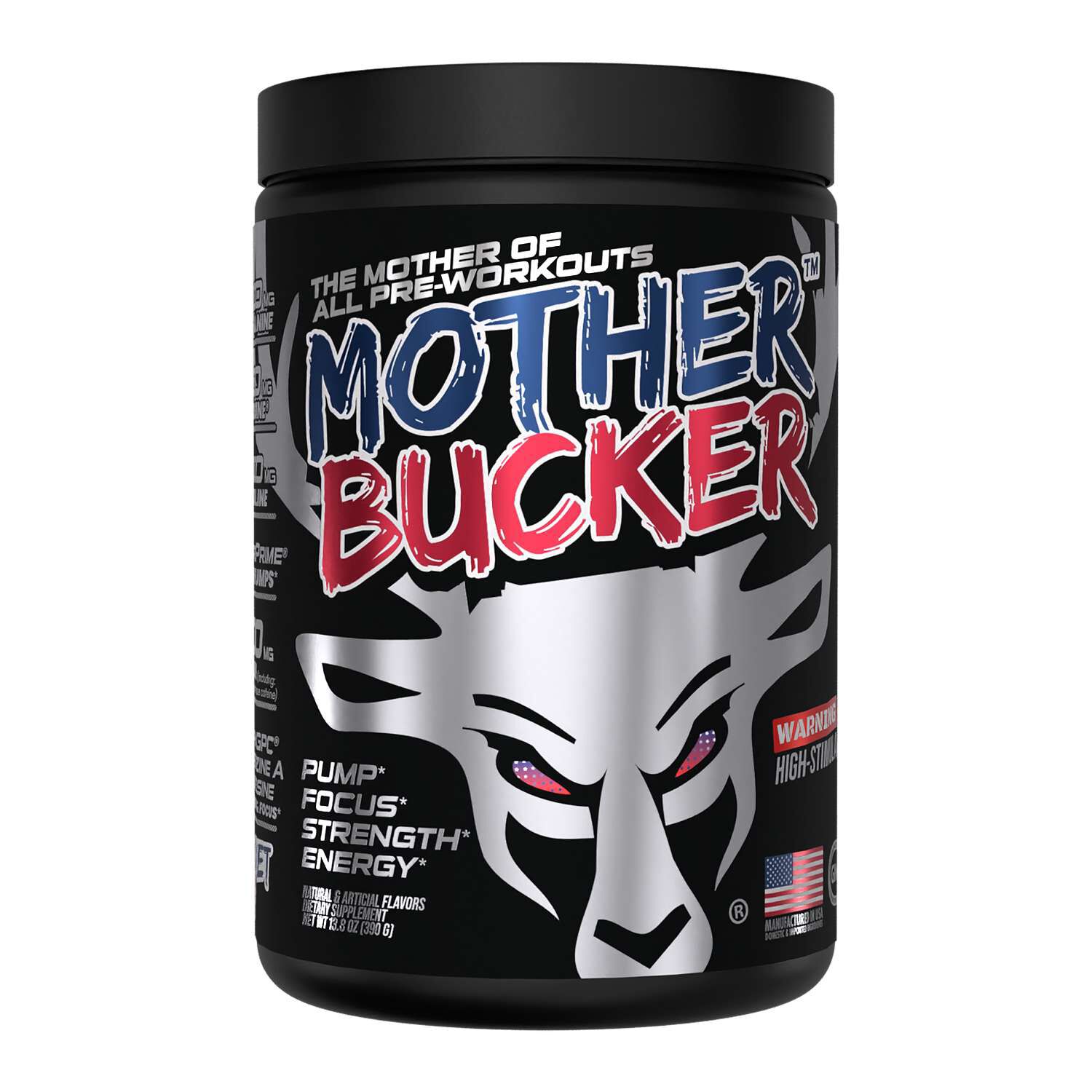
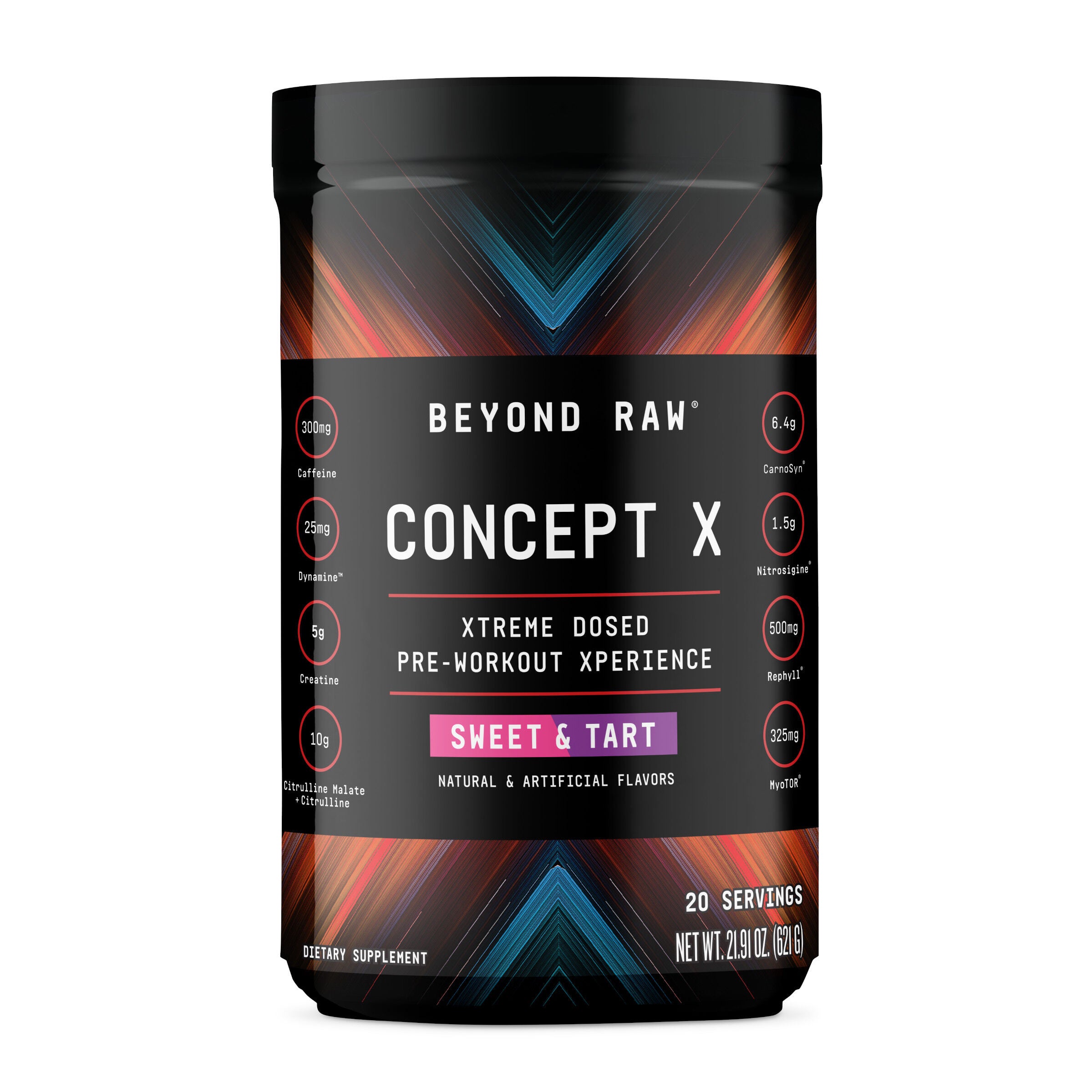
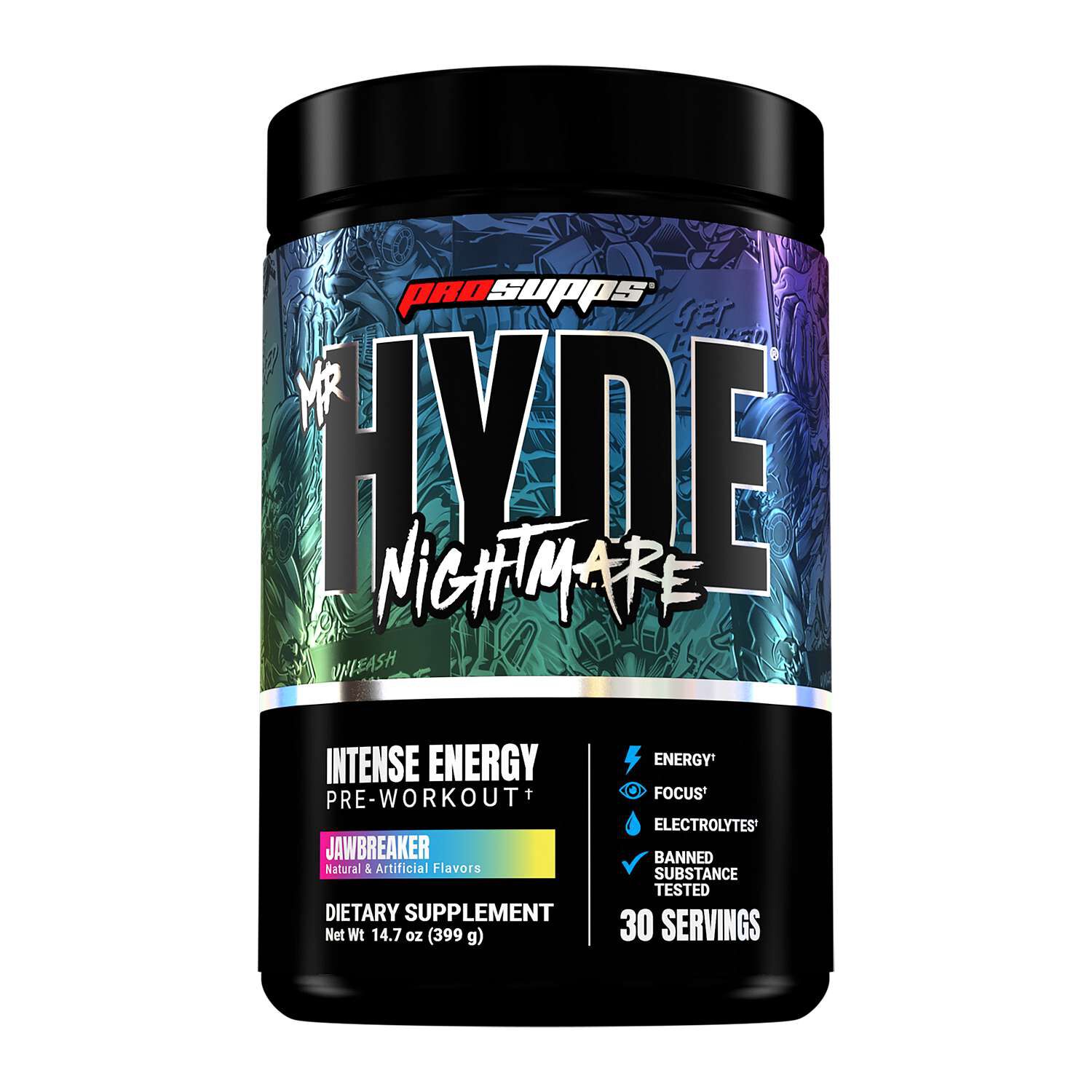
Pre-workout supplements with research support may appeal to people who want a more deliberate routine before resistance training, interval work, indoor cycling, running or recreational sports. Rather than selecting a formula based only on a dramatic name or colorful packaging, shoppers may wish to review the Supplement Facts panel and look for clearly listed ingredients, stated amounts and a short, understandable formula. Research has examined several ingredients commonly found in these products, including caffeine, creatine monohydrate, beta-alanine and citrulline malate. Caffeine may support alertness, focus and the ability to maintain effort during a workout, although individual tolerance can vary widely. Research on exercise use has often considered amounts in the range of 3 to 6 milligrams per kilogram of body weight, yet that range may be more than some people prefer, particularly those who rarely consume caffeine or who train later in the day. A lower-caffeine or caffeine-free option may suit an early-morning session, an evening class or anyone who prefers to keep their routine gentler. Coffee, tea or a small snack such as a banana may also fit into a pre-workout routine, making it useful to compare convenience, serving size and overall cost before choosing a supplement. Creatine monohydrate is among the most widely studied sports nutrition ingredients, and regular daily use may support muscle energy availability, strength development and lean mass when paired with consistent resistance training and adequate nutrition. Since timing may matter less than regular intake for creatine, a product containing it does not necessarily need to be taken immediately before exercise. Beta-alanine has been studied for demanding efforts that last roughly one to four minutes, such as repeated intervals or high-intensity circuits. Some people may notice a temporary tingling sensation after taking it, and that experience may vary according to serving size and personal sensitivity. Citrulline malate has also received research attention for its possible role in exercise blood flow, endurance and the feeling of muscular fullness during training. Ingredient research does not make every formula interchangeable, however. A transparent label may make it easier to compare products, avoid duplicate servings and choose a formula that matches the type of activity, preferred flavor and tolerance for stimulants. Shoppers looking for a related category may also browse Pre-Workout Supplements With Peptides as they compare different formulation styles.
The best way to use a pre-workout supplement may depend on the person, the session and the rest of the day. A person heading into a brisk outdoor workout during the warmer season might prefer a lighter serving with familiar ingredients, while someone training indoors during cooler months may choose a formula designed for a longer strength session. Many people take a pre-workout about 15 to 30 minutes before exercise, though the timing shown on the product label may be a better starting point than a fixed rule. Trying a new formula before a quiet training session may be more practical than using it for the first time before a race, long hike or demanding group class. Those who are sensitive to caffeine may wish to check the amount per serving, account for coffee, tea, soda and other caffeinated items consumed that day, and avoid taking it close to bedtime. Anyone who is pregnant, nursing, under medical care or taking prescription products may wish to speak with a qualified health professional before using a supplement. Dietary supplements are not reviewed by the FDA for safety and label accuracy before reaching store shelves in the same manner as medicines, so shoppers may value products with clear labeling and independent quality testing when available. A third-party seal may indicate that a separate organization has reviewed selected manufacturing or testing standards, although it does not determine whether a product fits every individual. Pre-workout supplements can also make thoughtful gifts for a training partner, college athlete, new gym member or friend preparing for a fall fitness routine, especially when the recipient’s caffeine preferences and flavor choices are known. A single-serve format may work well for someone who travels to a gym after work, while a larger container may suit a dedicated home-training space. It may help to pair any formula with water and a balanced meal pattern that supports the day’s activity; a supplement may complement a routine, but it does not replace regular meals, hydration, sleep or a well-planned training schedule. For a relatable starting point, imagine arriving at the gym after a long day, setting a bottle beside the bench and taking a moment to read the label before beginning a warm-up. That small pause may help keep serving size, timing and personal tolerance in view. Choosing a pre-workout with research support can be less about chasing the strongest sensation and more about finding a clearly labeled option that may fit comfortably into real training days, from bright outdoor sessions to quiet workouts during the cooler months.