





Recovery Peptides
(0 Results)
Unlock your body's full potential with Recovery Peptides, a powerful addition to any wellness routine. These peptides may support muscle repair and growth, helping you bounce back faster after intense workouts. Designed for athletes and fitness enthusiasts alike, Recovery Peptides could play a crucial role in enhancing overall recovery and performance. Explore how these innovative supplements might assist in reducing downtime and promoting optimal health.

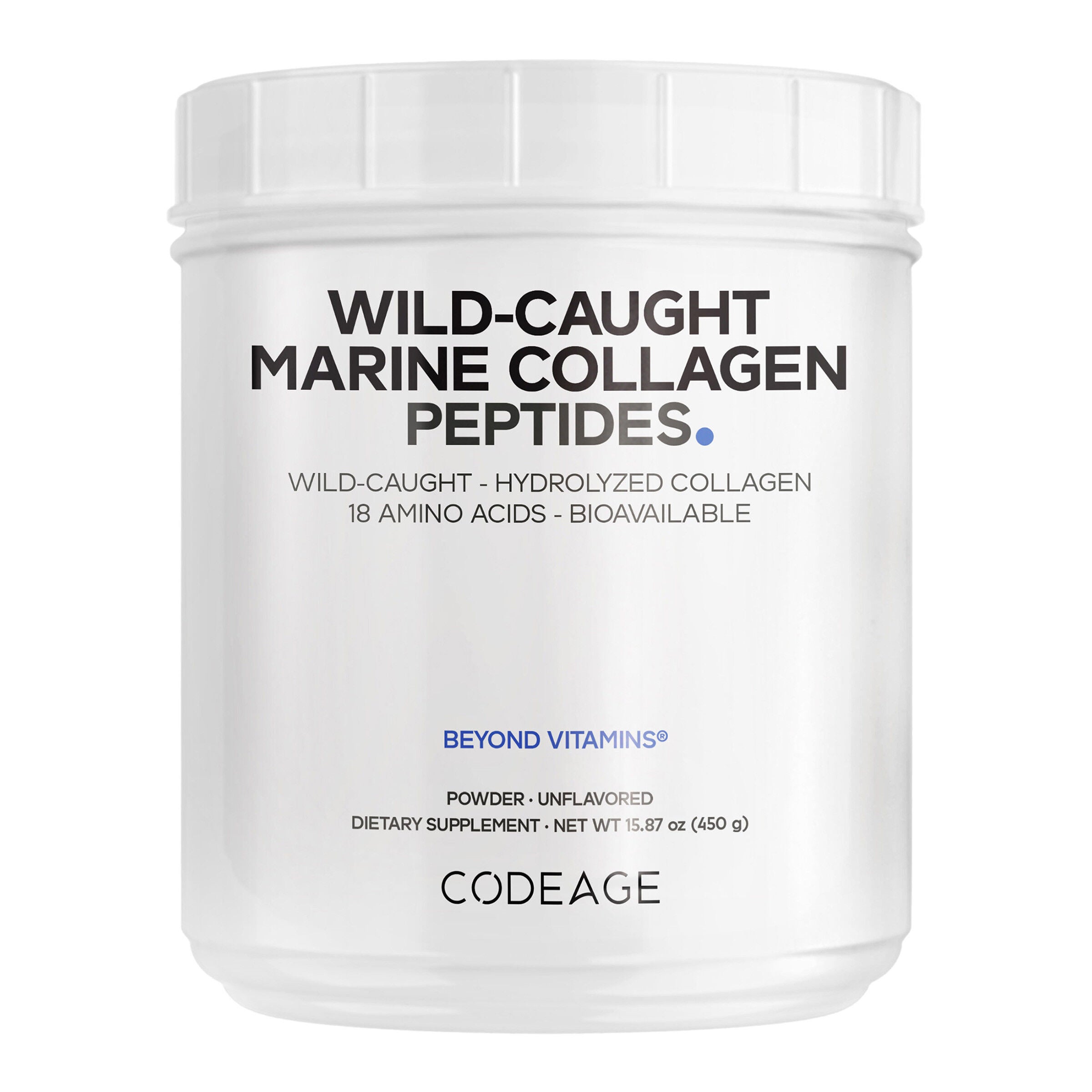
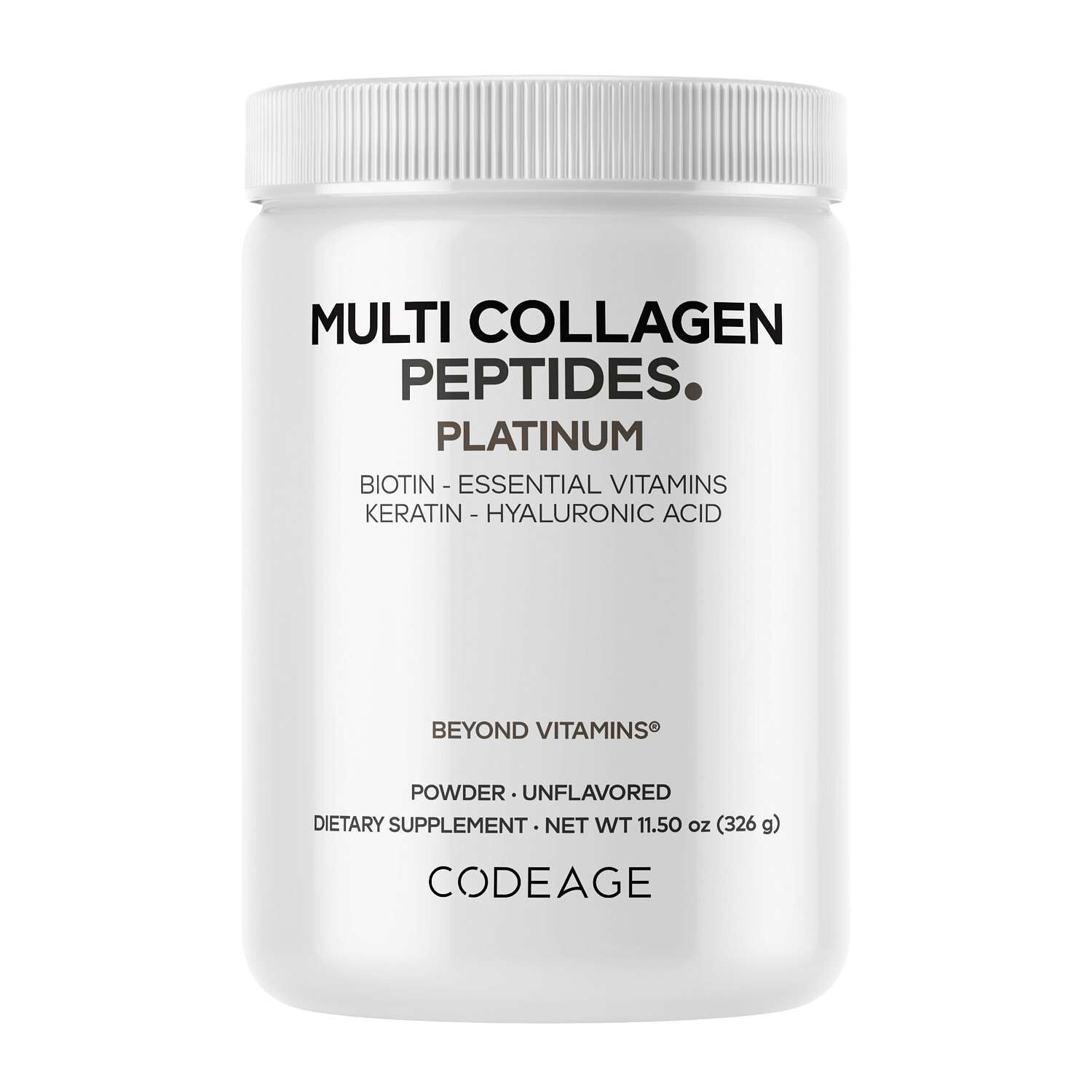

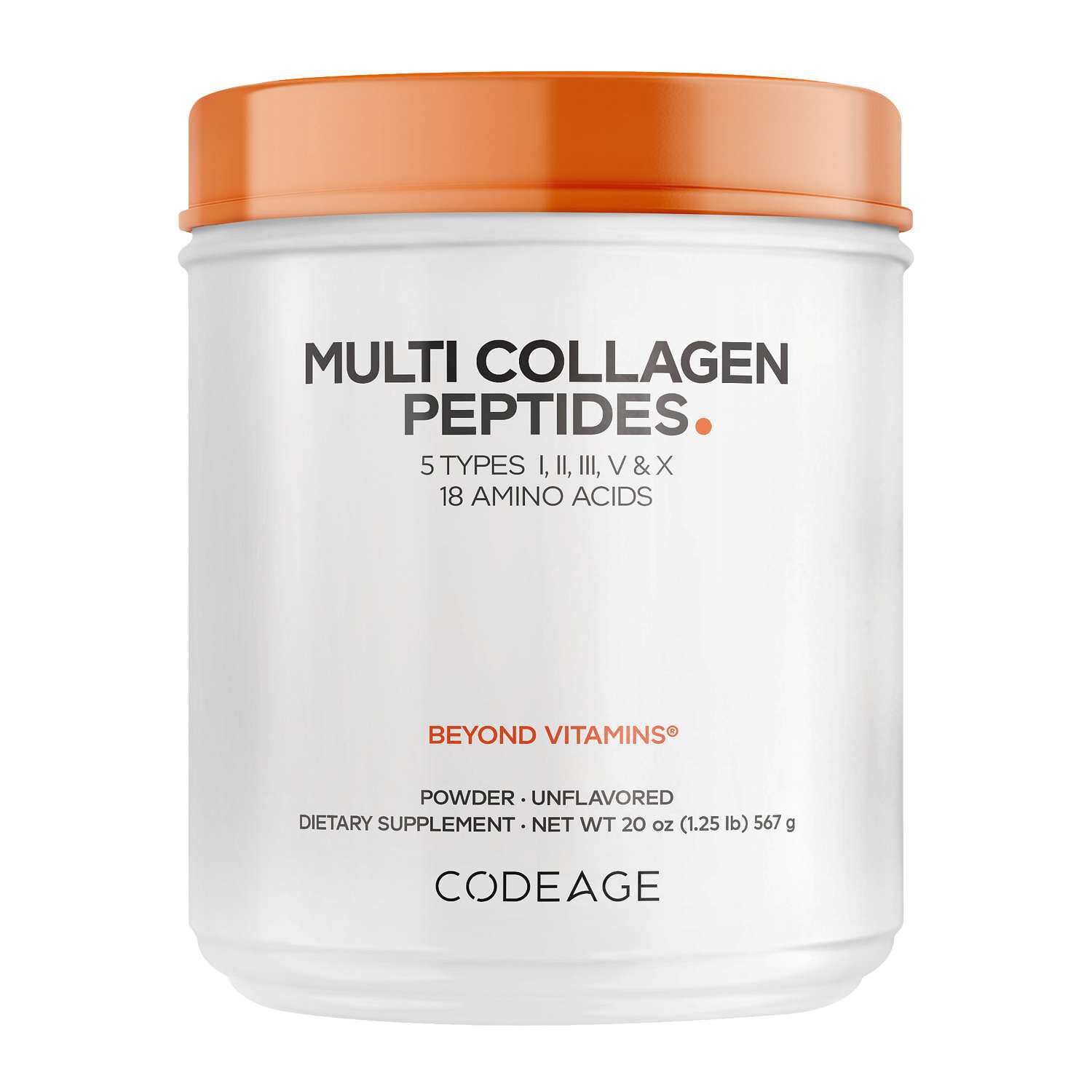
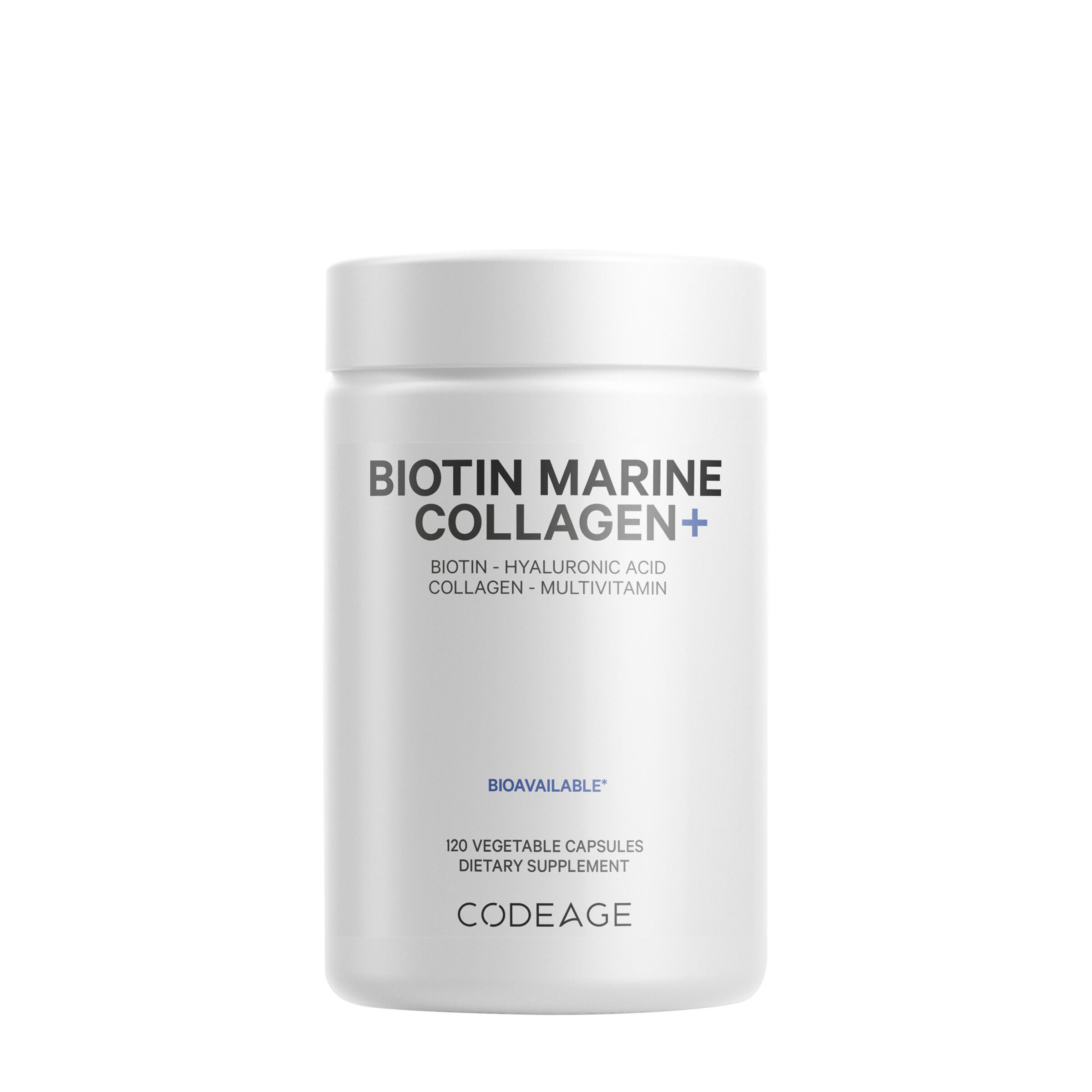


Recovery peptides is a broad shopping term rather than the name of one standardized ingredient. In sports nutrition, it often refers to dietary supplements containing short chains of amino acids for use within an exercise recovery routine. These short chains are called peptides, and amino acids are the building blocks of proteins. Common examples in nutritional supplements include collagen peptides and hydrolyzed proteins, although these ingredients are not interchangeable. Collagen is a particular type of protein, while hydrolyzed describes processing that separates longer protein chains into smaller fragments. The source ingredient, amino acid composition, serving size, and other ingredients give each formula its identity beyond the word peptides on the label. That distinction matters to someone comparing a scoop of collagen powder with a hydrolyzed protein formula after a gym session: similar terminology does not mean identical nutrition. A serving’s listed protein content offers more useful context than the size of the scoop or the prominence of a front-label phrase. Some formulas center on a single peptide ingredient; others combine peptide-containing proteins with flavorings or additional nutrients. Those differences deserve attention when considering how a supplement fits alongside regular meals, snacks, and other sports nutrition products. For an adult who lifts weights before work, enjoys recreational cycling, or follows a steady running schedule, a peptide supplement may offer a convenient addition to an established nutrition routine. That convenience is separate from any expectation about workout results. The category name alone does not establish what a formula might do, and a detailed ingredient panel is more informative than a broad recovery message. Familiar foods, adequate rest, and a manageable training schedule remain part of the wider context around post-exercise nutrition. Recovery peptides belong in that context as nutritional products with specific ingredients and serving information, not as a single uniform approach to every activity or fitness goal. Even two powders with similar names can differ substantially in protein quantity, flavor, ingredient source, and preparation requirements.
The everyday fit of recovery peptide supplements often comes down to format, flavor, and the setting in which they will be used. Powders offer serving flexibility within the label directions and may suit shoppers who already keep a shaker bottle beside their gym bag. Capsules have a different appeal for someone who prefers a measured serving without preparing a drink, although the amount per serving deserves particular attention when comparing formats. Neither the number of capsules nor the apparent volume of powder tells the whole nutritional story. For powders, the label’s serving weight, protein grams, and mixing directions provide a clearer basis for comparison. An unflavored option may work within a familiar beverage routine, but unflavored does not necessarily mean there will be no noticeable taste or texture. A flavored formula brings its own sweetness and aroma, which can matter when paired with an already flavored shake. Texture preferences are equally personal: one shopper may enjoy a creamy drink after lifting, while another wants something lighter alongside breakfast. Mixing directions also vary, including the suggested amount of liquid and whether a shaker, spoon, or blender is appropriate. Ingredient origin is another meaningful distinction. Peptides can come from different protein sources, including bovine, marine, or milk-derived ingredients, so a source statement can be important for dietary preferences and allergen awareness. A product described simply as peptides should not be assumed to suit a plant-based eating pattern. Sweeteners, flavor ingredients, and other additions also shape the finished formula and its suitability for an individual routine. Clear source information, readable serving details, and accessible preparation directions make the category easier to understand without relying on the product name alone. For shoppers comparing options across Peptide Supplements, these practical distinctions connect broad category language with the details that matter at the kitchen counter. A formula’s place in daily life often depends as much on those details as on its headline ingredient.
Intended use and packaging add another layer to the comparison, especially when a supplement travels between home, the office, and a workout space. A large container may suit a dedicated shelf at home, while individually portioned packaging may be more convenient for a carefully packed gym bag. Package size is not the same as serving count, and the number of servings is useful context for understanding how a container fits an established schedule. A clear label also makes it easier to distinguish the suggested serving from the scoop or other measuring tool supplied inside. Care is generally about preserving the condition described by the manufacturer: storage instructions, closure design, and the date printed on the package all deserve attention. Powder left around a lid or a damp scoop returned to a container can make everyday handling less tidy, so clean, dry measuring tools and a securely closed package are practical considerations. A durable outer container may be useful for frequent transport, but the original label should remain accessible for ingredient, serving, and storage information. These details are especially relevant to someone who prepares breakfast in a hurry, keeps nutrition supplies in a shared kitchen, or carries several products in the same bag. Compatibility with an existing routine matters, too. Someone already using a protein powder may value a close comparison of ingredients and protein content before adding another peptide-containing formula. Someone shopping for an active friend or family member may find that format preferences, ingredient sources, and familiar flavors are more personal than expected; a supplement is generally a more thoughtful gift when the recipient’s preferences are already known. Recovery peptide supplements are best understood through those concrete characteristics: what the peptides come from, what each serving contains, how the formula is prepared, and where it fits into ordinary meals and training habits. That product-level detail gives the category meaning beyond a workout label and keeps the focus on a practical, informed shopping experience.
Best Sellers
-
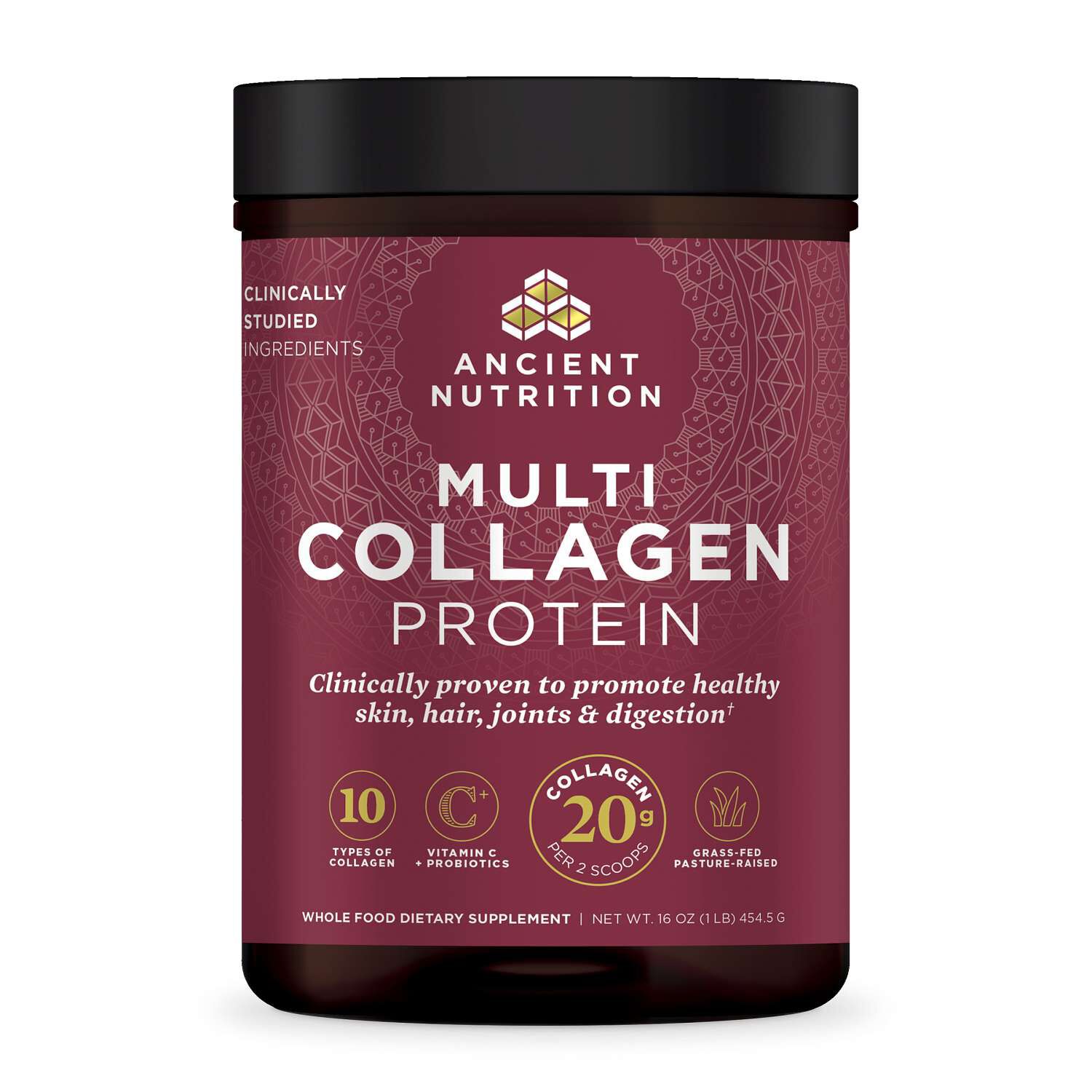 Ancient Nutrition
-
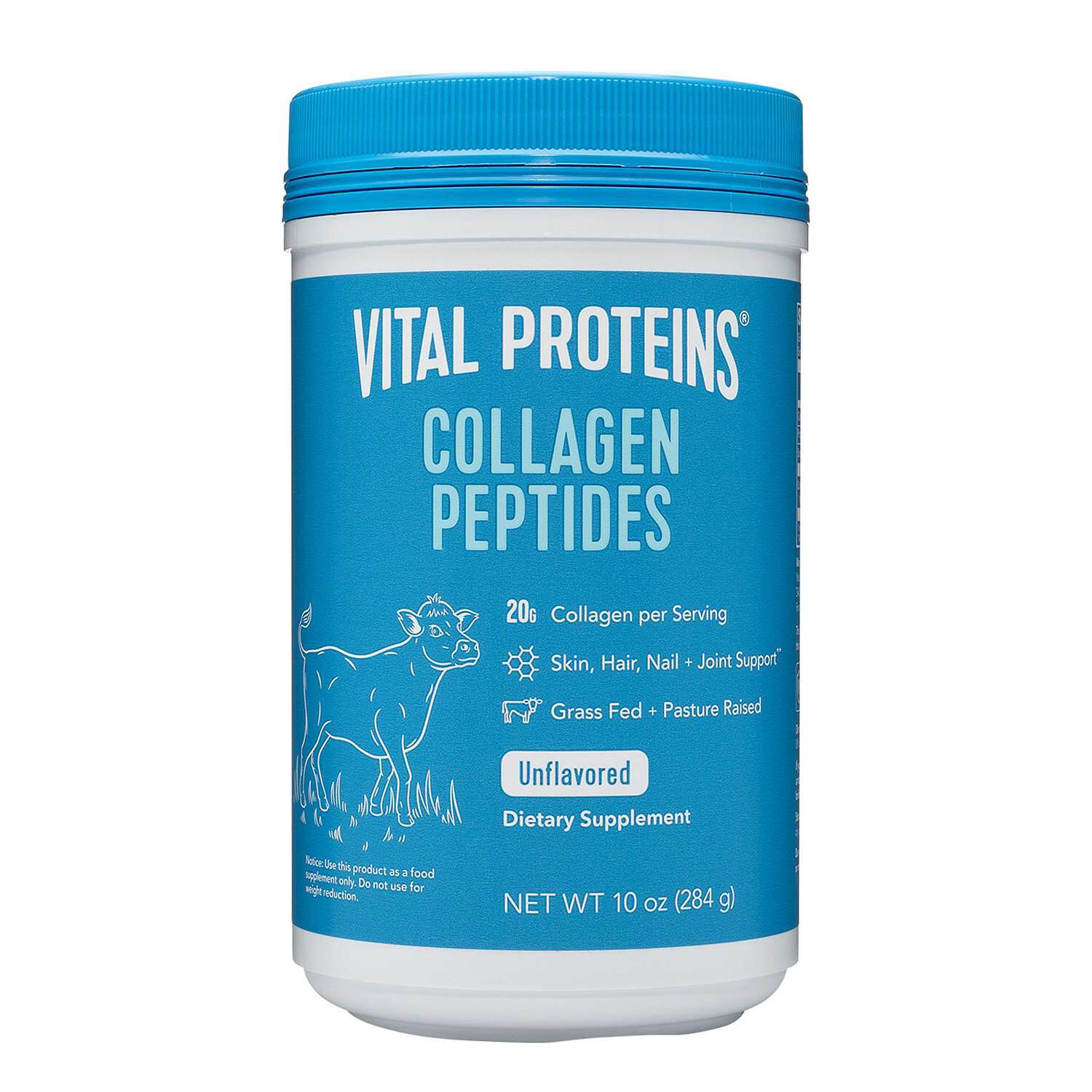 Vital Proteins
Related Pages

Top Collections
- Daily Collagen Supplements | Top Brands & Deals | GNC
- Natural Collagen Supplements | Top Brands & Deals | GNC
- Top Rated Collagen | Shop Customer Favorites | GNC
- Cortisol Supplements
- Vitamins For Hair Loss
- Spirulina Tablets
- NAD+ Supplement Tablets
- Peptide Supplements
- Best Brand of Magnesium Glycinate
- Vitamins That Help Support Weight Gain