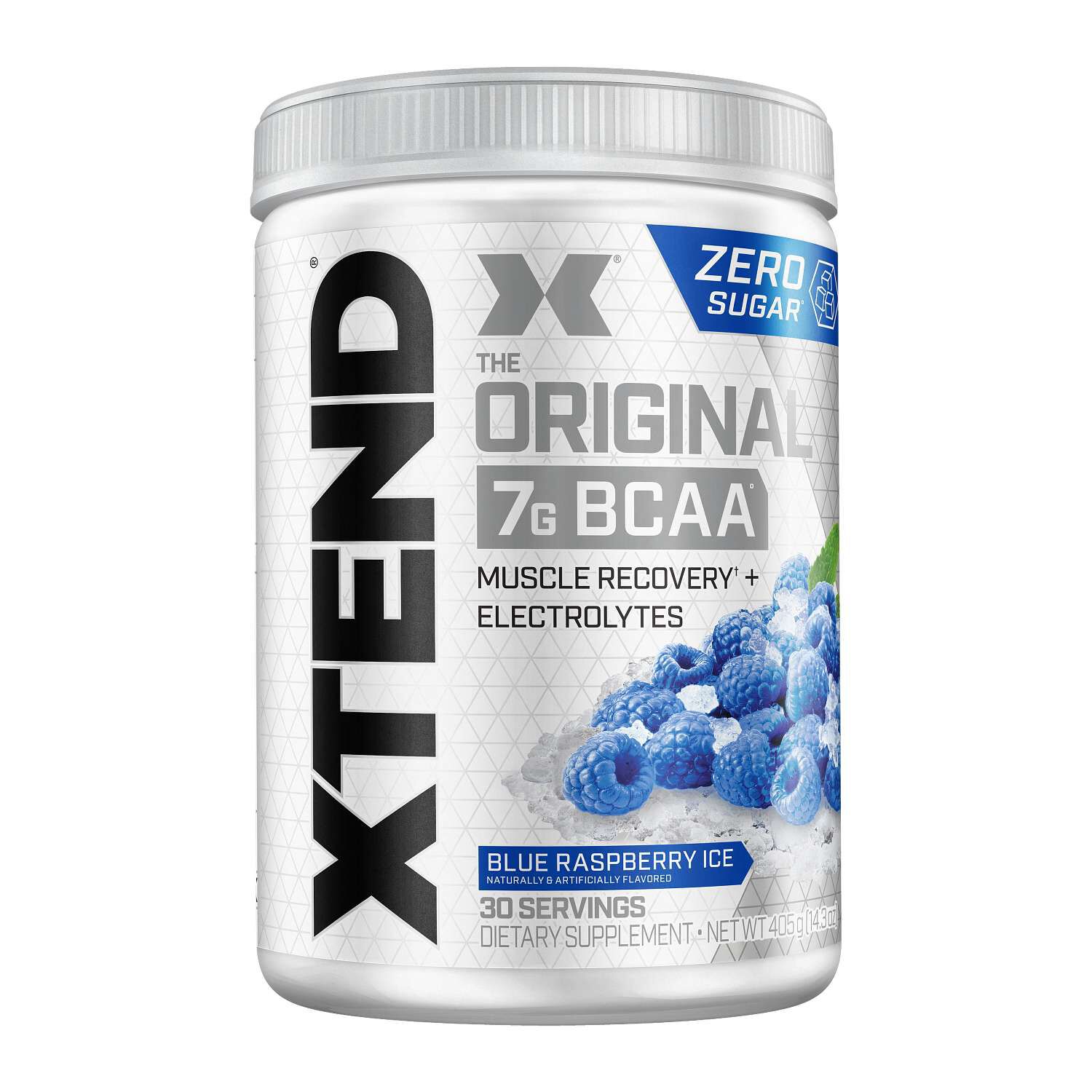
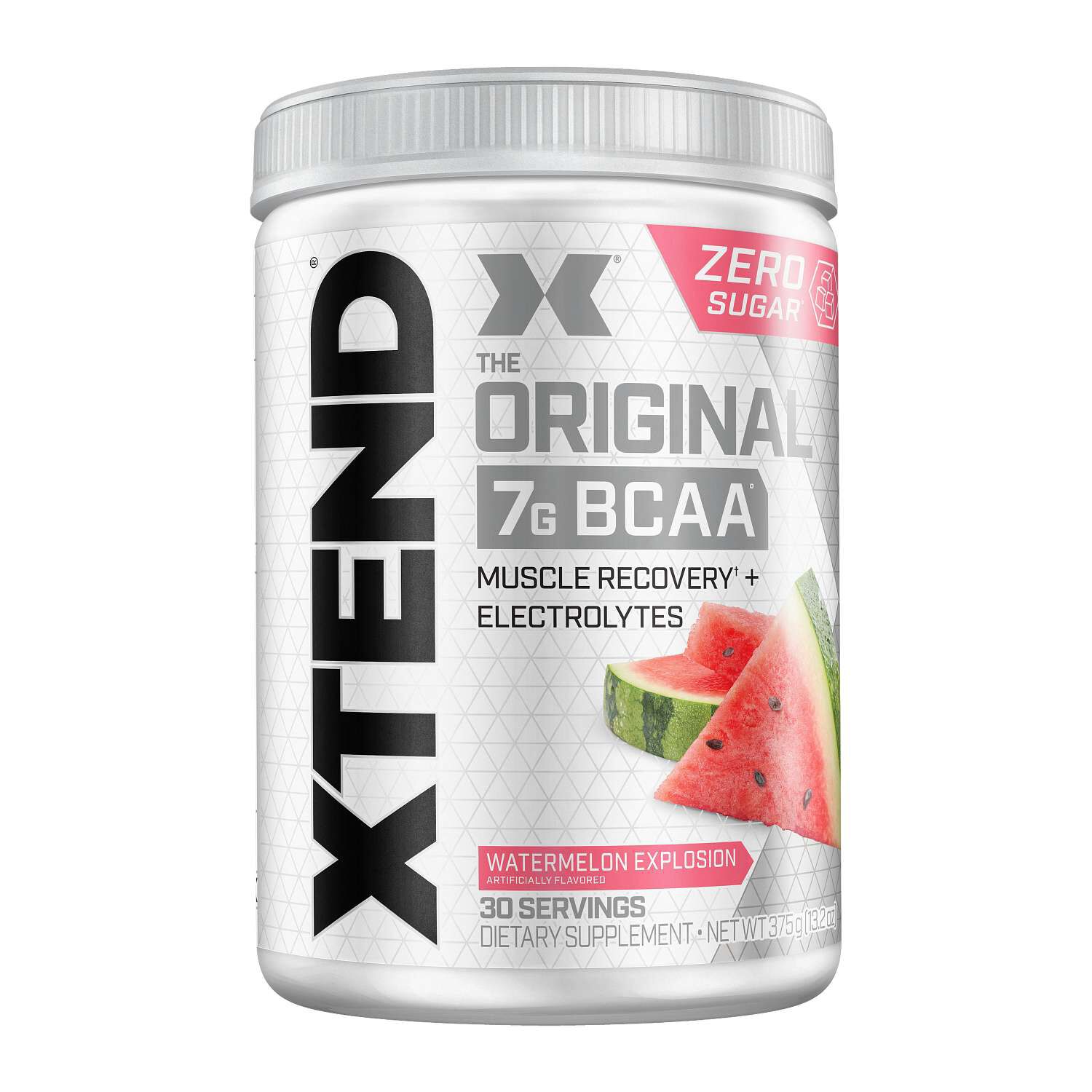
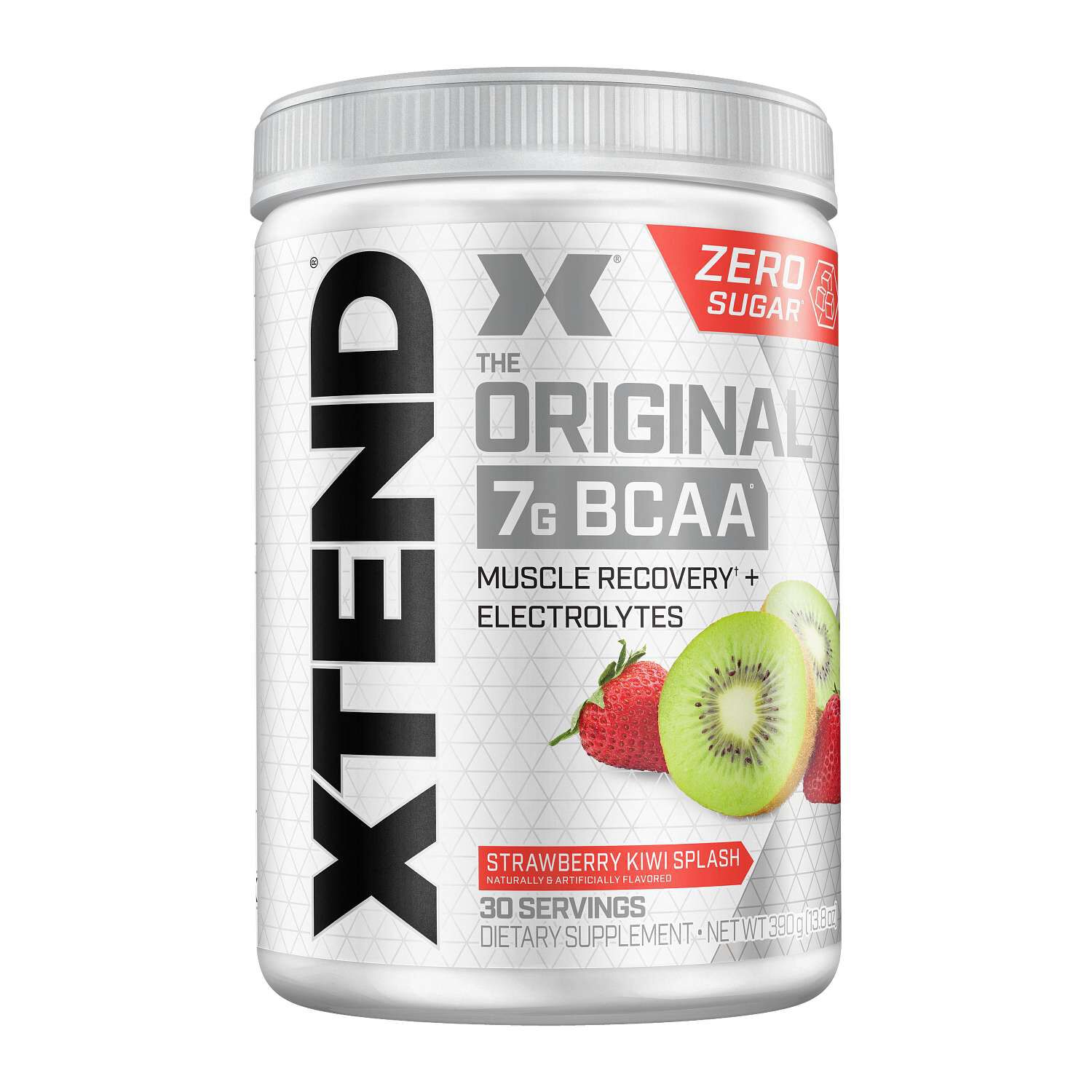
Recovery Products For Athletes
(0 Results)
Recovery products for athletes are designed to support your post-workout routine and help you maintain your training momentum. Whether you’re looking to refuel after a tough session or seeking options to complement your active lifestyle, there are a variety of choices available. Explore recovery products for athletes that may fit into your wellness regimen and help you feel ready for whatever comes next in your fitness journey.
-
-

-
-

-
-
-
-
-
-

-

-

-

-

-

-

-

-
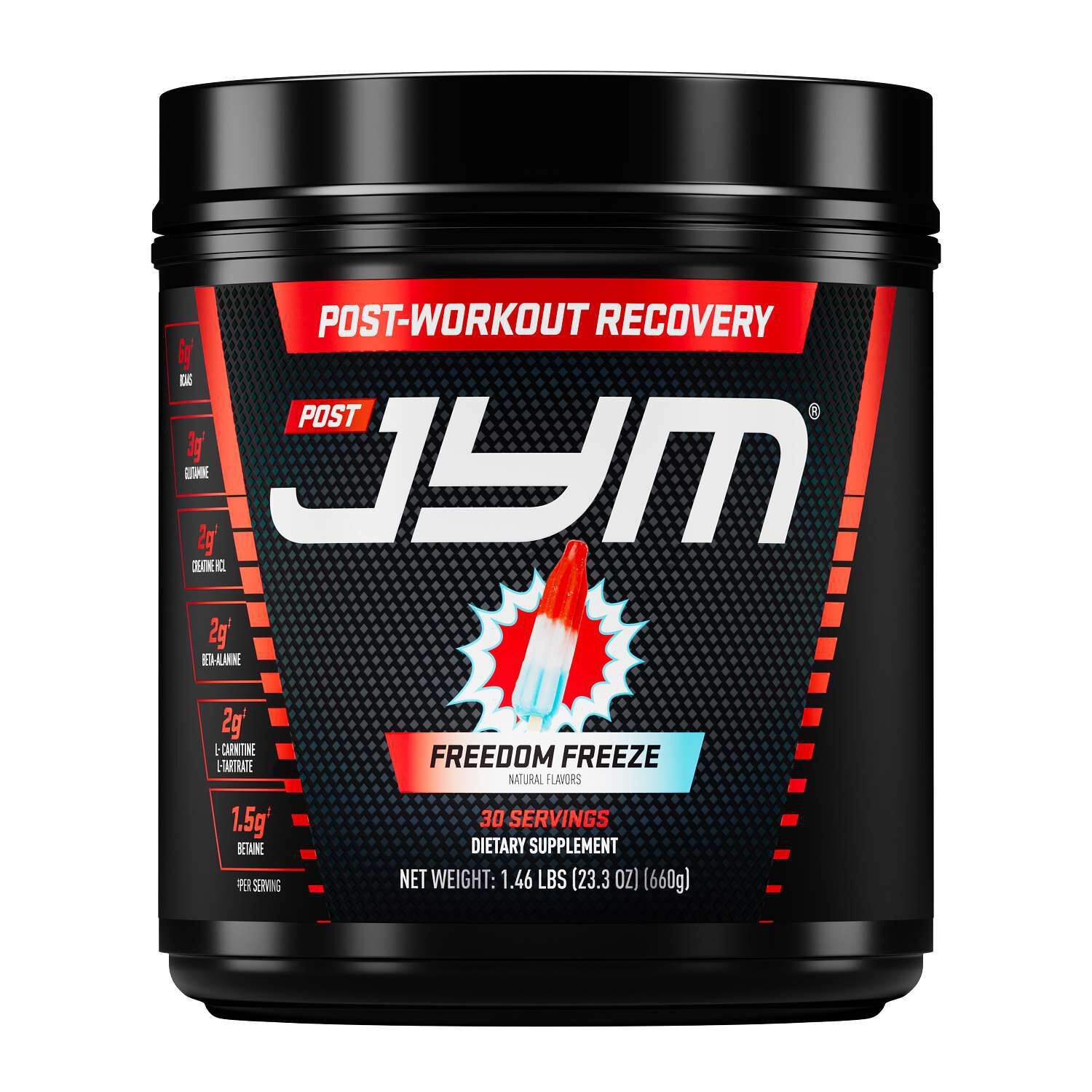
 $49.99
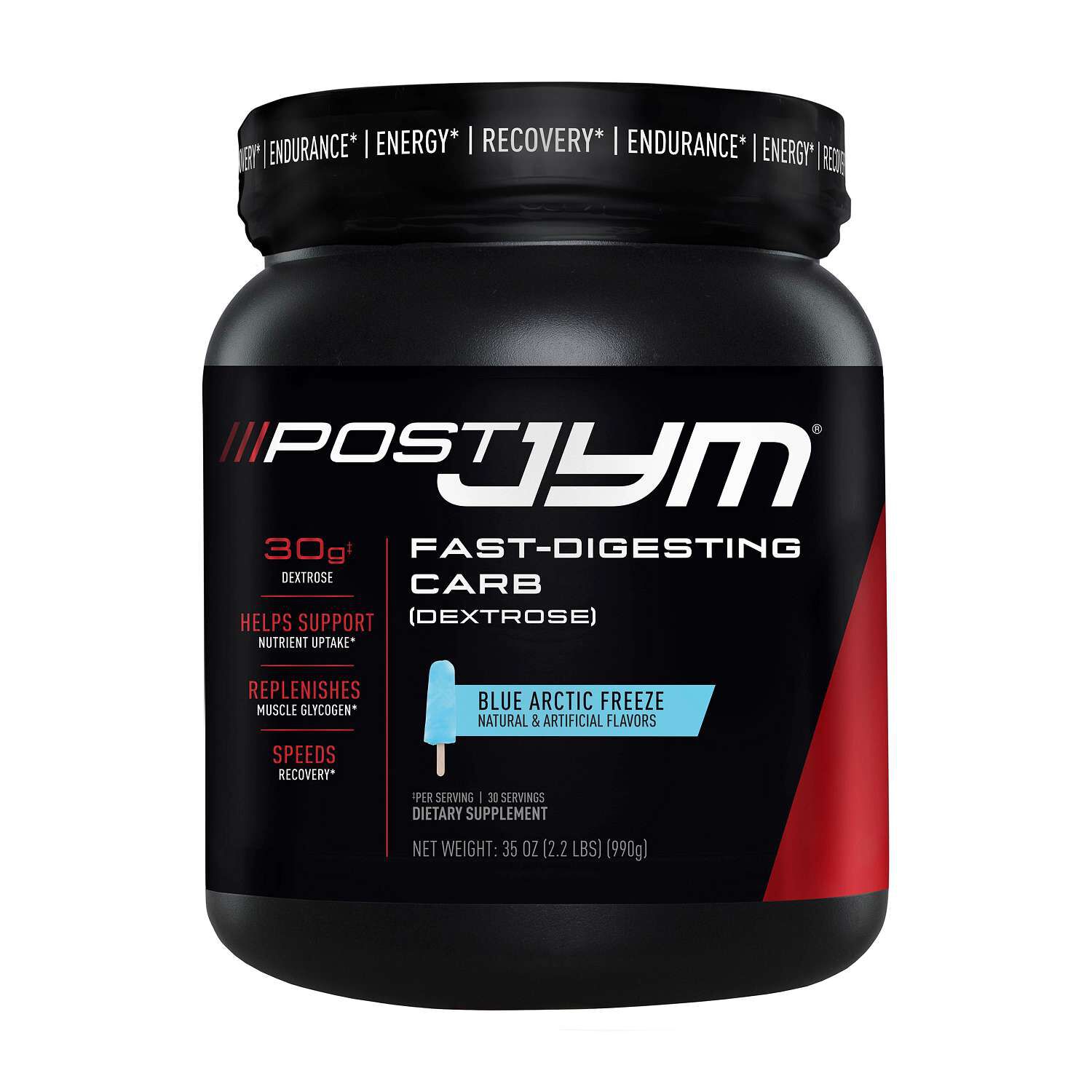

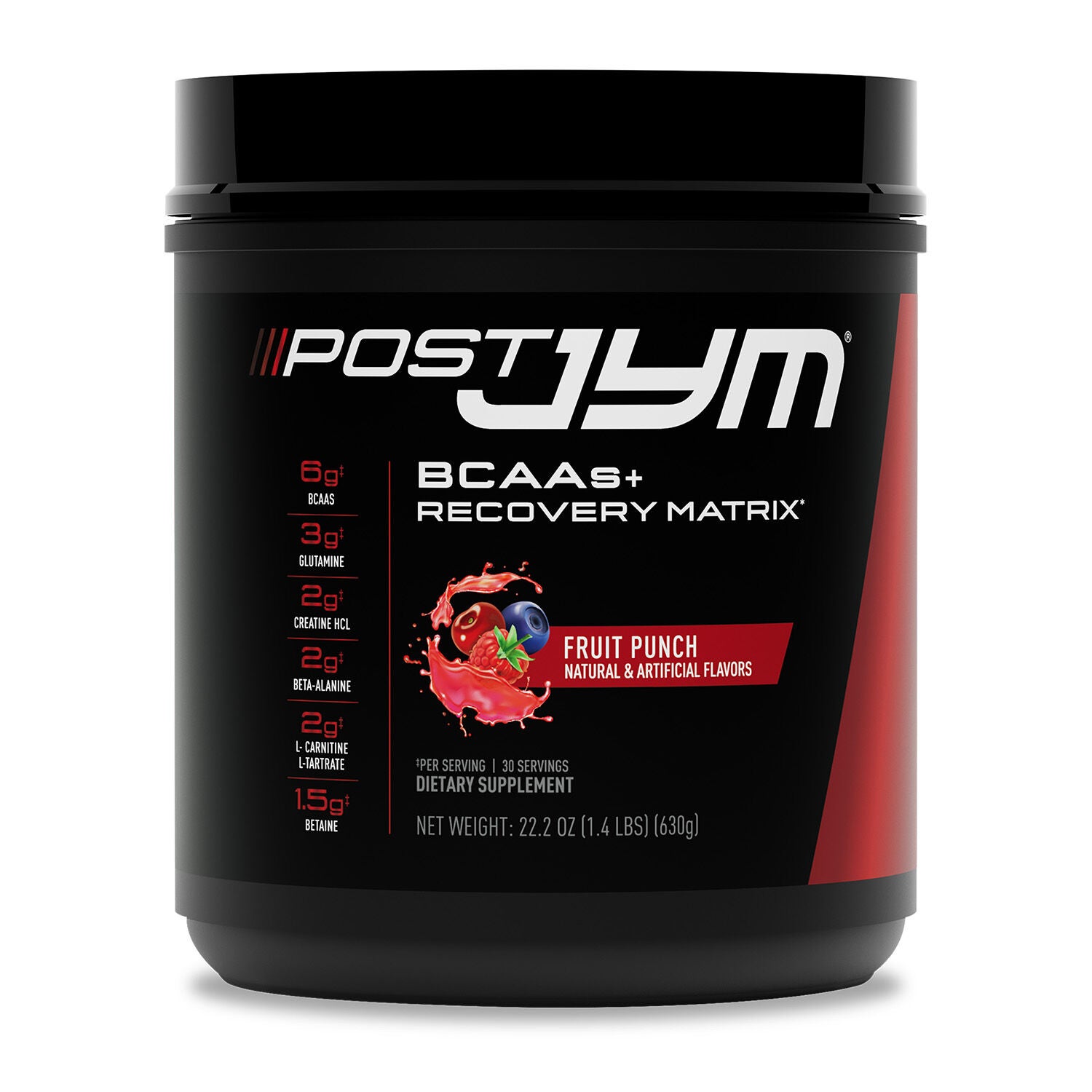
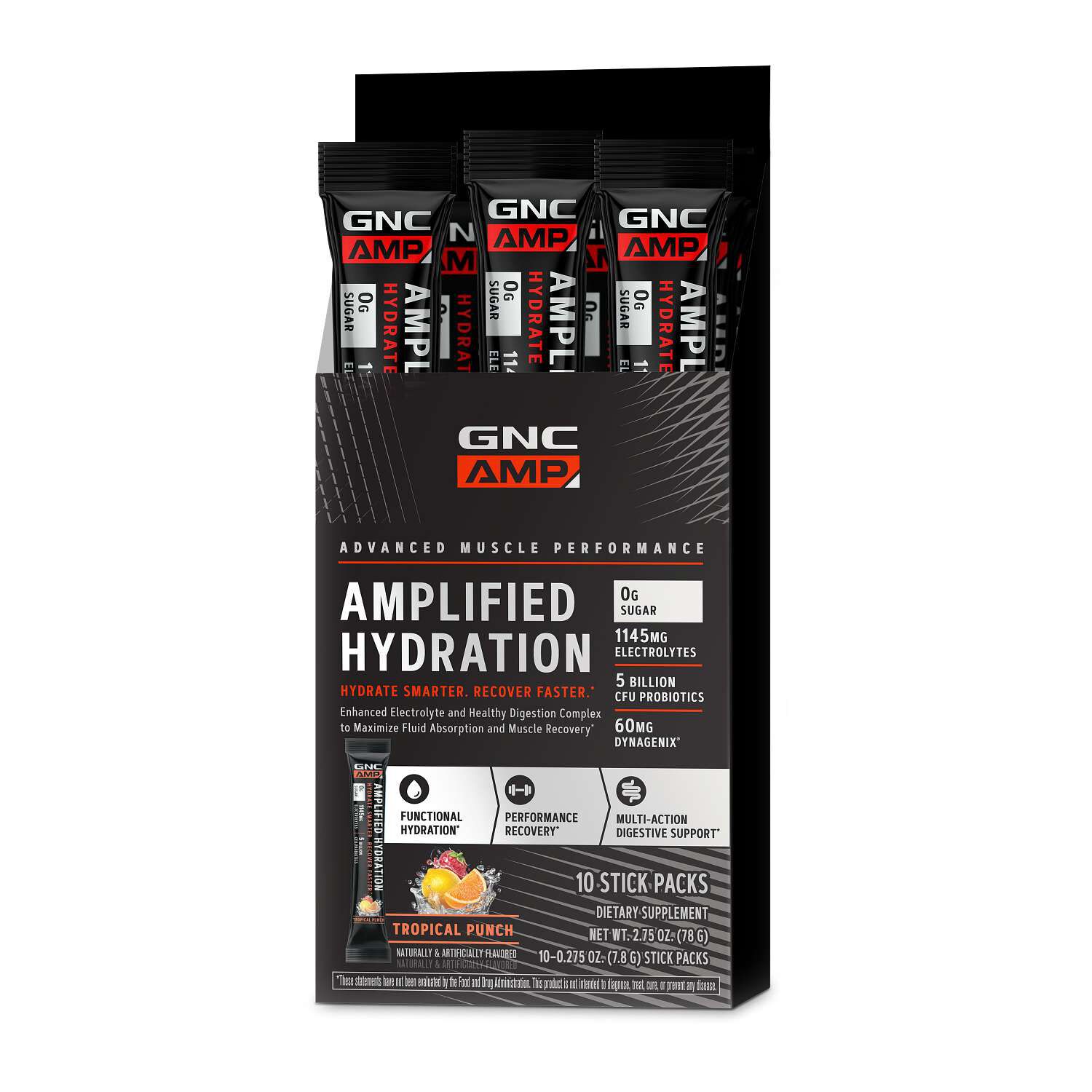
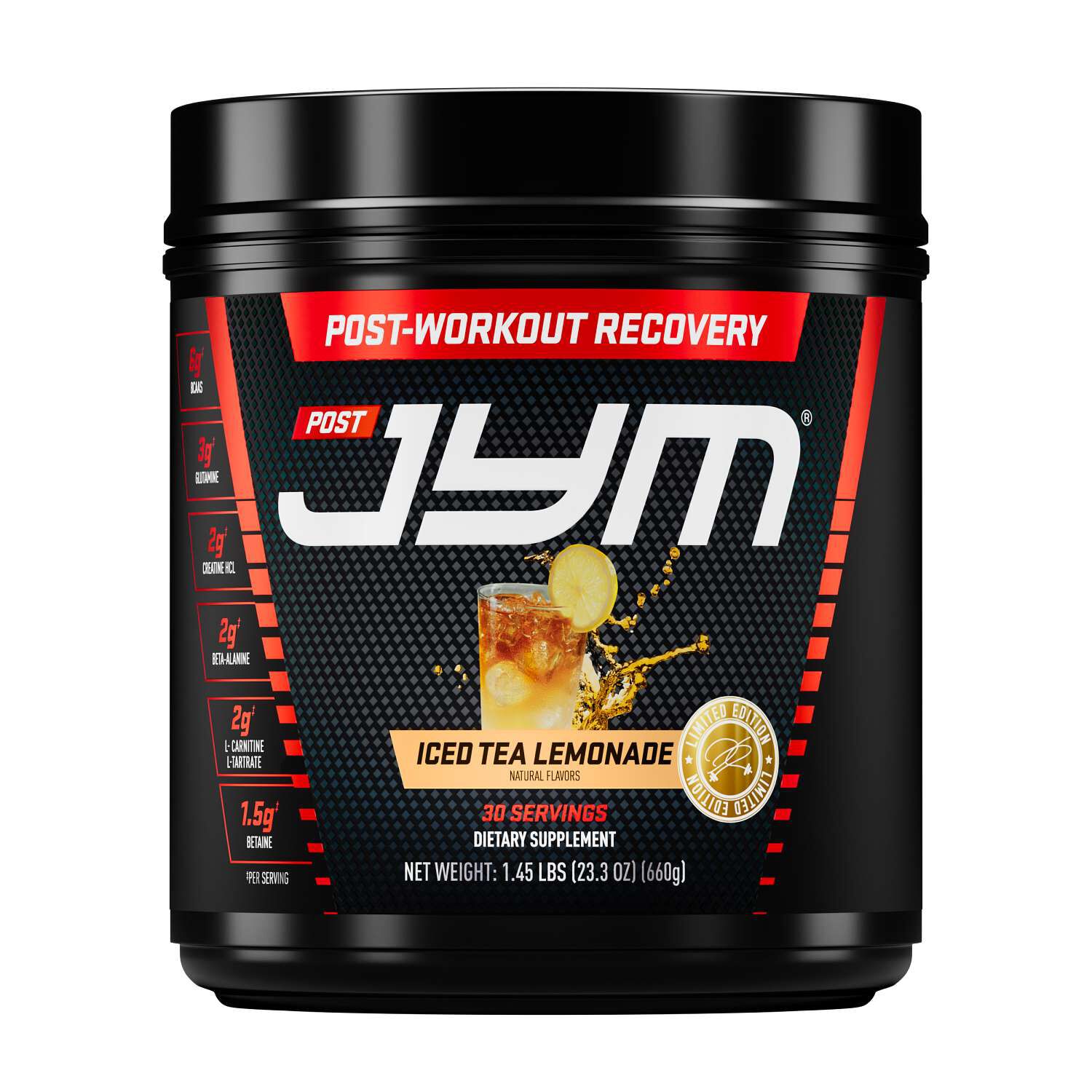
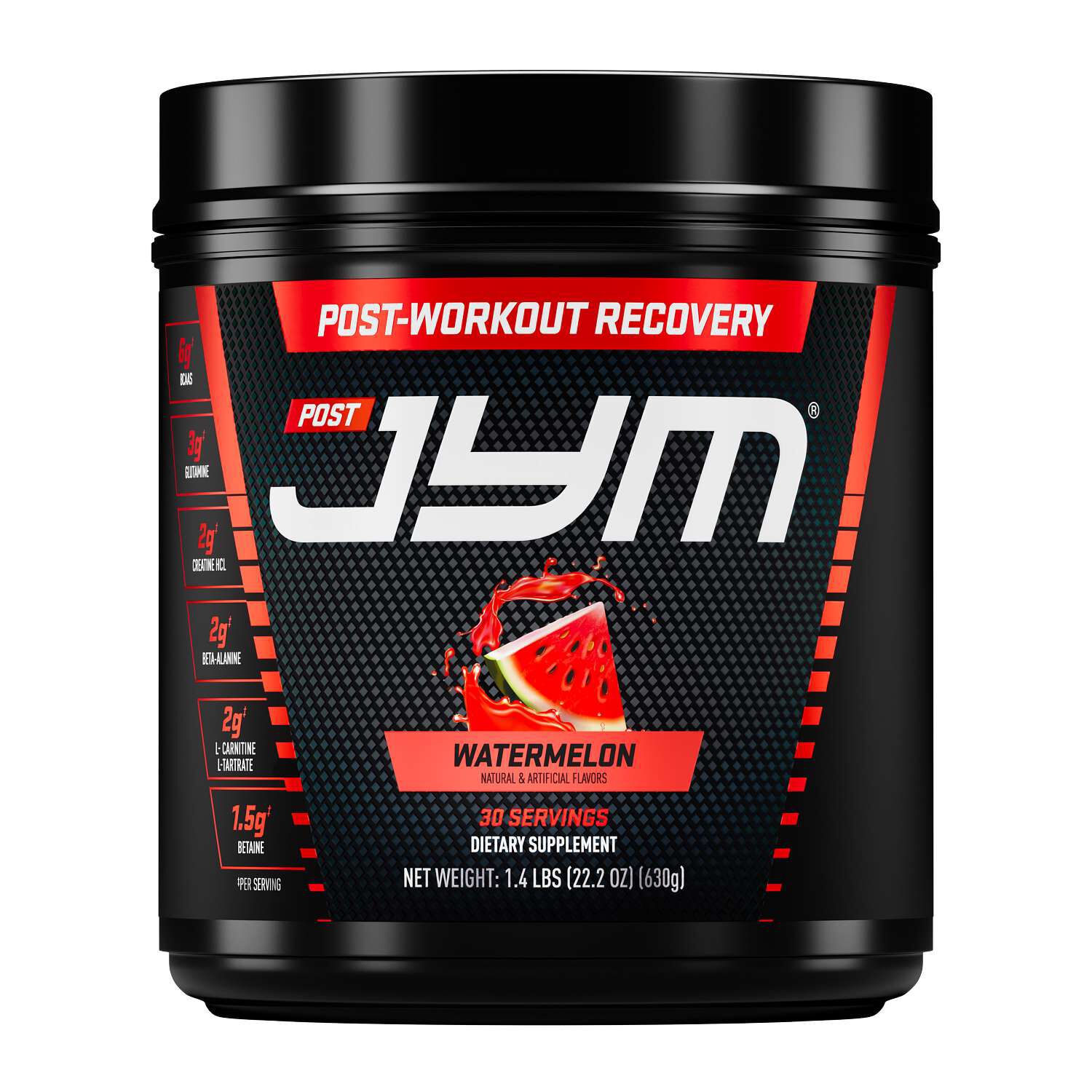
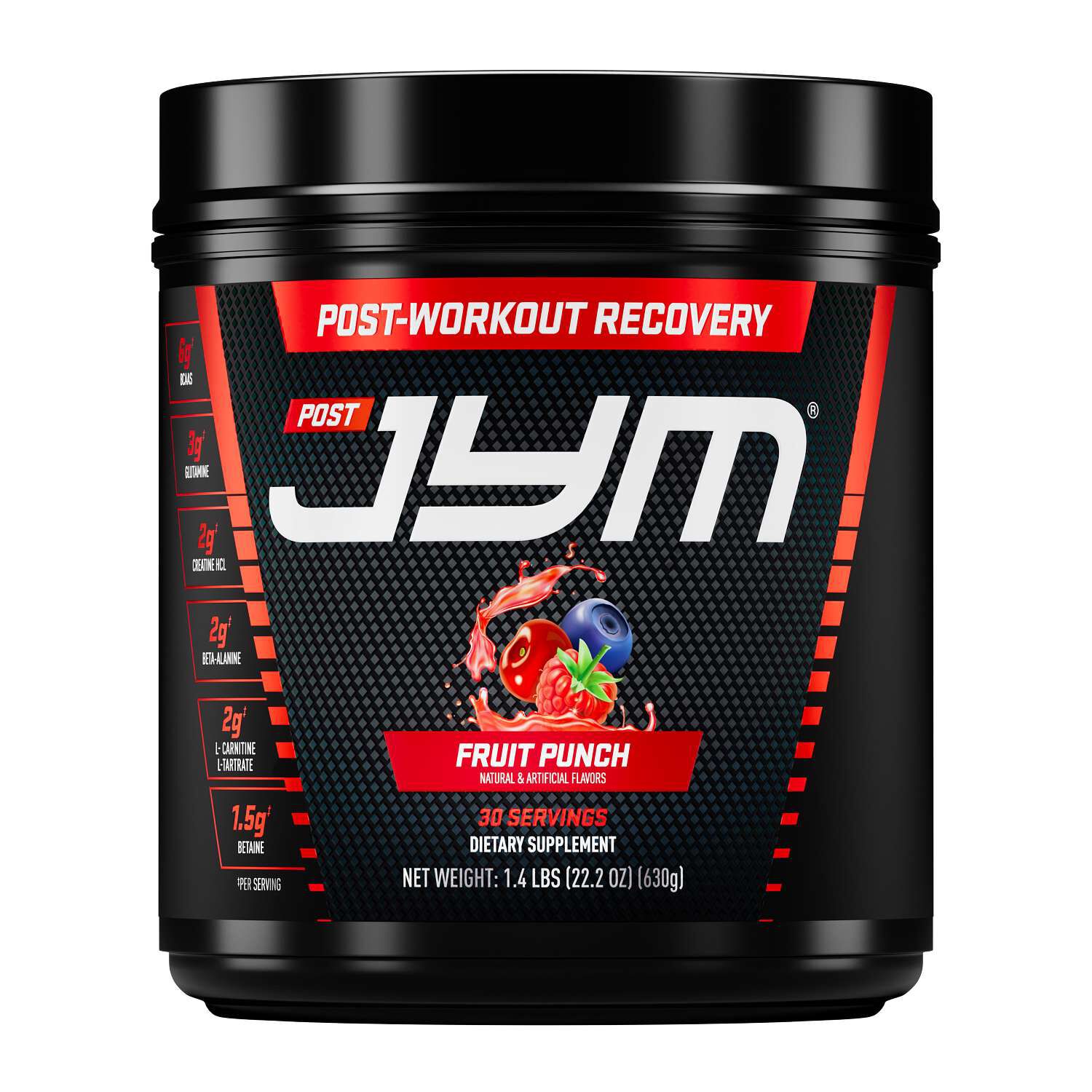
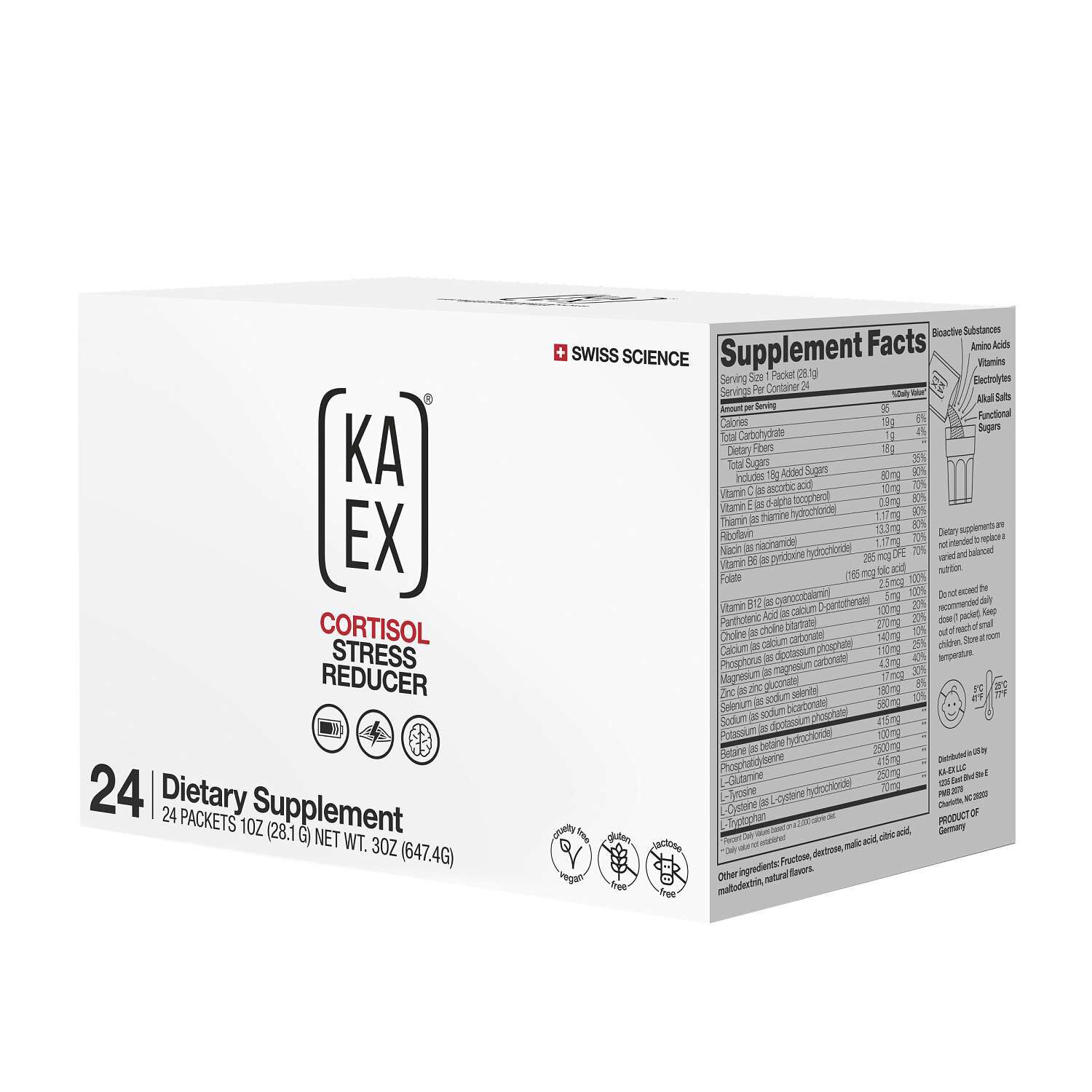
Recovery products for athletes include sports nutrition, hydration mixes, massage tools, and wearable accessories intended for the time between training sessions. The category covers different parts of an active routine, from a shake after lifting to a quiet stretching session following a long run. These products may complement everyday habits such as balanced meals, adequate sleep, and time away from demanding exercise, rather than replace them. For athletes comparing nutrition options, protein source, serving size, flavor, texture, and preparation requirements are useful distinctions. Milk-derived powders, including whey and casein, sit alongside plant-based options made with sources such as pea or rice protein. Each formula has its own ingredient profile, and the label provides details about protein content, carbohydrates, fats, sweeteners, and allergens. Recovery Protein Powders may offer a convenient way to add protein to an eating routine when a sit-down meal does not fit neatly after practice. A powder intended for mixing with water presents a different preparation experience from one blended with milk, fruit, or other foods. Flavor matters in that everyday context: a straightforward chocolate or vanilla profile may suit a familiar shake, while a milder option may work with several recipes. Texture and mixing method deserve equal attention, especially for someone shaking a bottle beside a gym locker rather than using a countertop blender. Hydration products introduce another set of considerations, including electrolyte ingredients, carbohydrate content, flavor intensity, and the amount of water specified for each serving. Powdered mixes, tablets, and ready-to-drink formats have different preparation and carrying requirements. A distance runner with a packed training bag and a recreational lifter heading home after an evening session may prefer different formats for practical reasons. Across sports nutrition categories, clear serving directions, readable ingredient lists, and packaging suited to the intended routine give athletes concrete details to compare without relying on broad claims about performance.
Physical recovery accessories bring materials, dimensions, firmness, and adjustability into the comparison. Foam rollers range from smooth cylinders to textured designs, with differences in length, diameter, and surface density. A longer roller has a different footprint from a compact model, an important distinction in a shared apartment, small workout room, or crowded equipment bag. Firmness also changes the feel of contact, so a dense surface and a softer foam construction are not interchangeable experiences. Massage balls offer a smaller contact area and come in different sizes, textures, and materials. Manual massage tools and powered massage devices add further variation through handle shapes, attachments, operating settings, and power requirements. These accessories may complement a post-workout relaxation routine, but their format alone does not establish their suitability for every athlete or every intended use. Manufacturer directions describe the intended application, operating limits, and care requirements for each design. For wearable recovery accessories, fit is a separate consideration from fabric feel. Sleeves, socks, and similar garments use sizing systems that may depend on body measurements rather than familiar everyday clothing sizes. Length, seam placement, stretch, and the shape of cuffs all contribute to how a garment sits during wear. A close-fitting sleeve intended for time after exercise has different practical requirements from a loose layer worn on the trip home. Fabric blends also vary: some emphasize a smooth hand feel, while others use thicker knit structures or reinforced sections. Construction details such as finished seams, consistent stitching, and sturdy attachment points are relevant when comparing accessories intended for repeated use. For tools, surface texture, housing materials, and the connection between parts are similarly useful details. Athletes who share a workout area may also value a surface with straightforward cleaning instructions. None of these characteristics stands alone; the most relevant comparison brings together intended use, physical dimensions, personal preferences, and the amount of space available for carrying or storing the accessory.
The practical side of recovery products becomes especially clear when a training routine meets the rest of the day. A swimmer leaving early practice for class has a different schedule from a strength athlete training after work or a recreational cyclist returning from a weekend ride. Portability, preparation time, and cleanup are often as relevant as the product category itself. Single-serving nutrition formats have different packing requirements from larger containers, while a reusable mixing bottle introduces questions about lid design, opening width, and access for washing. For powders and drink mixes, storage directions and secure closures matter when the container moves between a kitchen cabinet and a training bag. Scoops, lids, and bottle components also need a consistent place in that routine. Accessories bring their own care considerations: washable fabrics have stated laundering instructions, foam surfaces have cleaning requirements, and powered tools have charging and storage directions. Following those instructions may help preserve the condition of materials through repeated use. Keeping nutrition containers separate from damp workout clothing is another practical consideration when organizing a bag. Durability is best considered through the intended setting rather than appearance alone; an accessory carried to practices several times a week faces different handling from one kept beside a mat at home. Recovery products may also make thoughtful gifts for runners, team-sport participants, weightlifters, dancers, and others with established training habits. Familiarity with the recipient’s routine is useful here. Nutrition preferences, ingredient restrictions, garment measurements, and comfort with different tool textures all affect how personal the choice becomes. Someone who enjoys a post-training shake may appreciate a familiar preparation format, while an athlete with limited storage may prefer a compact accessory over a larger piece of equipment. The strongest connection across these categories is everyday usability: understandable directions, suitable materials, manageable care, and a format that fits the athlete’s actual schedule. Recovery products may have a place in that schedule when their intended purpose aligns with existing habits and individual preferences.
- Q: What are recovery products for athletes?
A: Recovery products for athletes may include supplements, protein powders, amino acids, and hydration formulas designed to support the body's natural recovery process after exercise or intense physical activity. - Q: When is the best time to use recovery products?
A: Many athletes choose to use recovery products shortly after workouts or training sessions, as this is a time when the body may benefit from additional nutrients and hydration. - Q: What ingredients are commonly found in athlete recovery products?
A: Common ingredients in recovery products might include protein, branched-chain amino acids (BCAAs), electrolytes, vitamins, and minerals that can help replenish what the body uses during exercise. - Q: Can recovery products be used with other supplements?
A: Recovery products are often used alongside other supplements such as pre-workout formulas or daily multivitamins. Reviewing product labels and consulting with a healthcare professional if you have questions about combining supplements may be helpful. - Q: Are there plant-based options available for athlete recovery?
A: Yes, there are plant-based recovery products that may feature ingredients like pea protein, brown rice protein, or plant-derived amino acids for those who prefer vegetarian or vegan options.