Peptide Capsules
(0 Results)
Discover a powerful way to support your health and wellness with peptide capsules. Packed with essential nutrients and designed to promote various aspects of well-being, these capsules are a convenient and effective addition to your daily routine. Whether you're looking to boost your immune system, enhance muscle recovery, or simply maintain overall vitality, peptide capsules offer a versatile solution to help you achieve your health goals. Explore our selection of high-quality options and take a step towards a healthier you today.
-

-
-
-

-

-
 You Matter Wellness$34.99

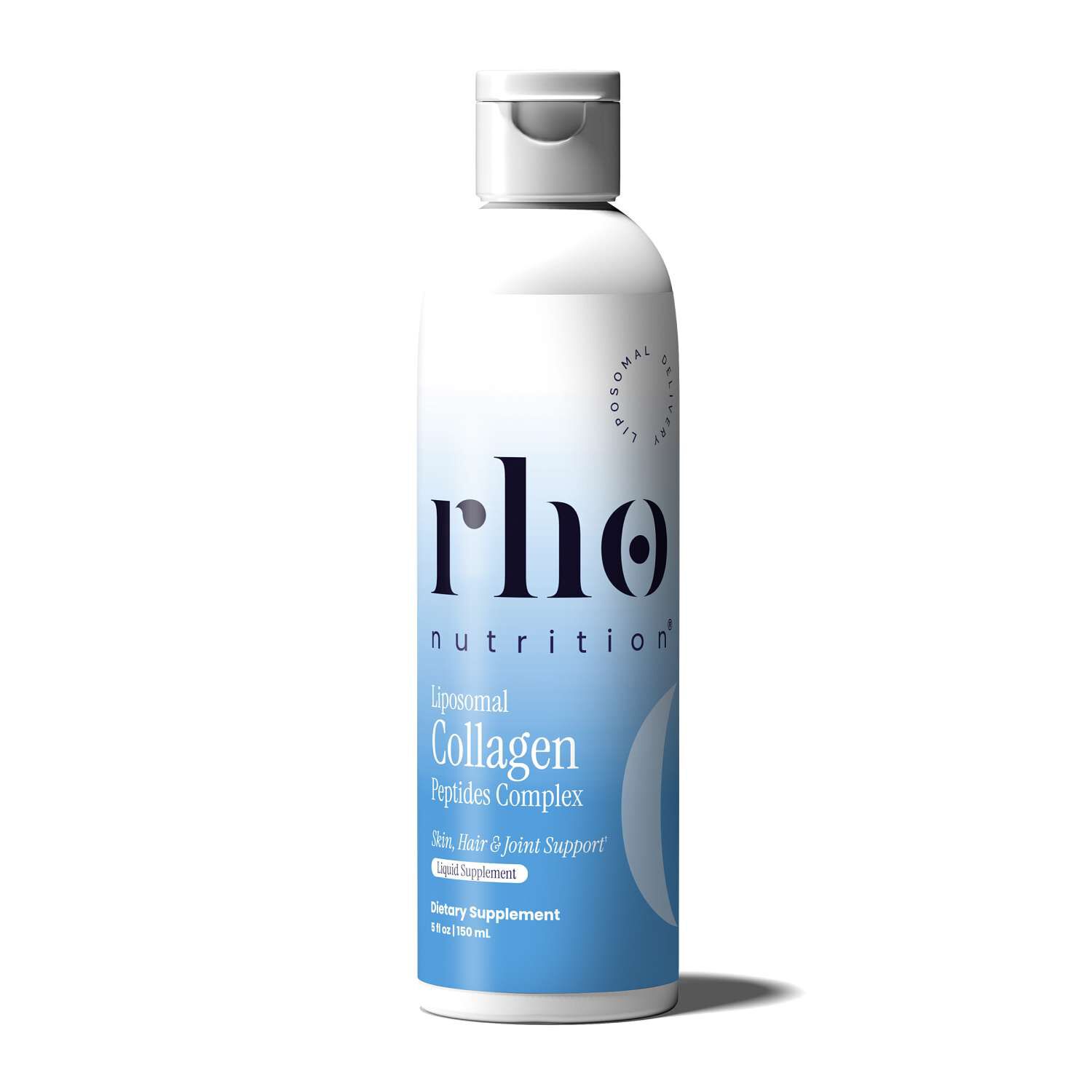
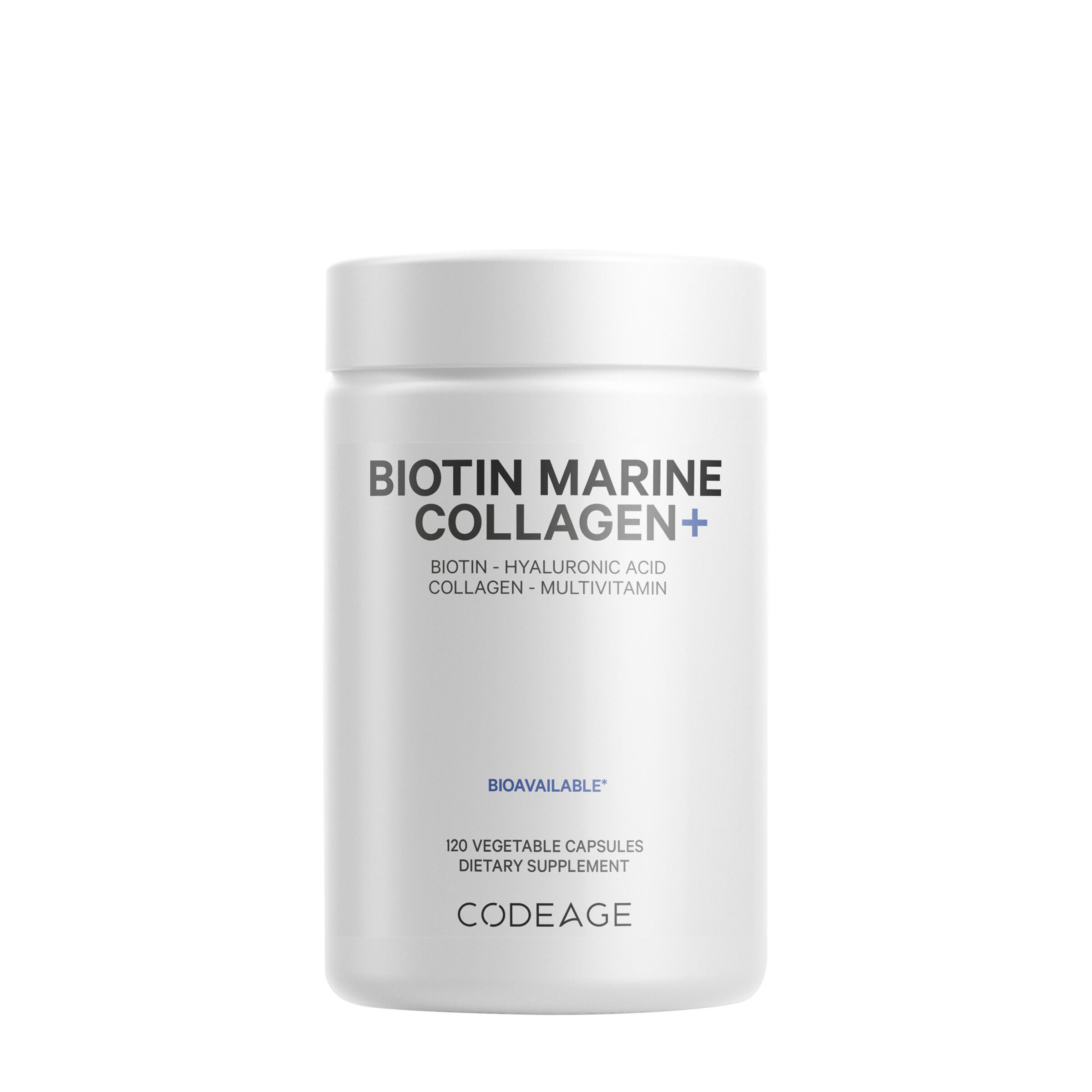
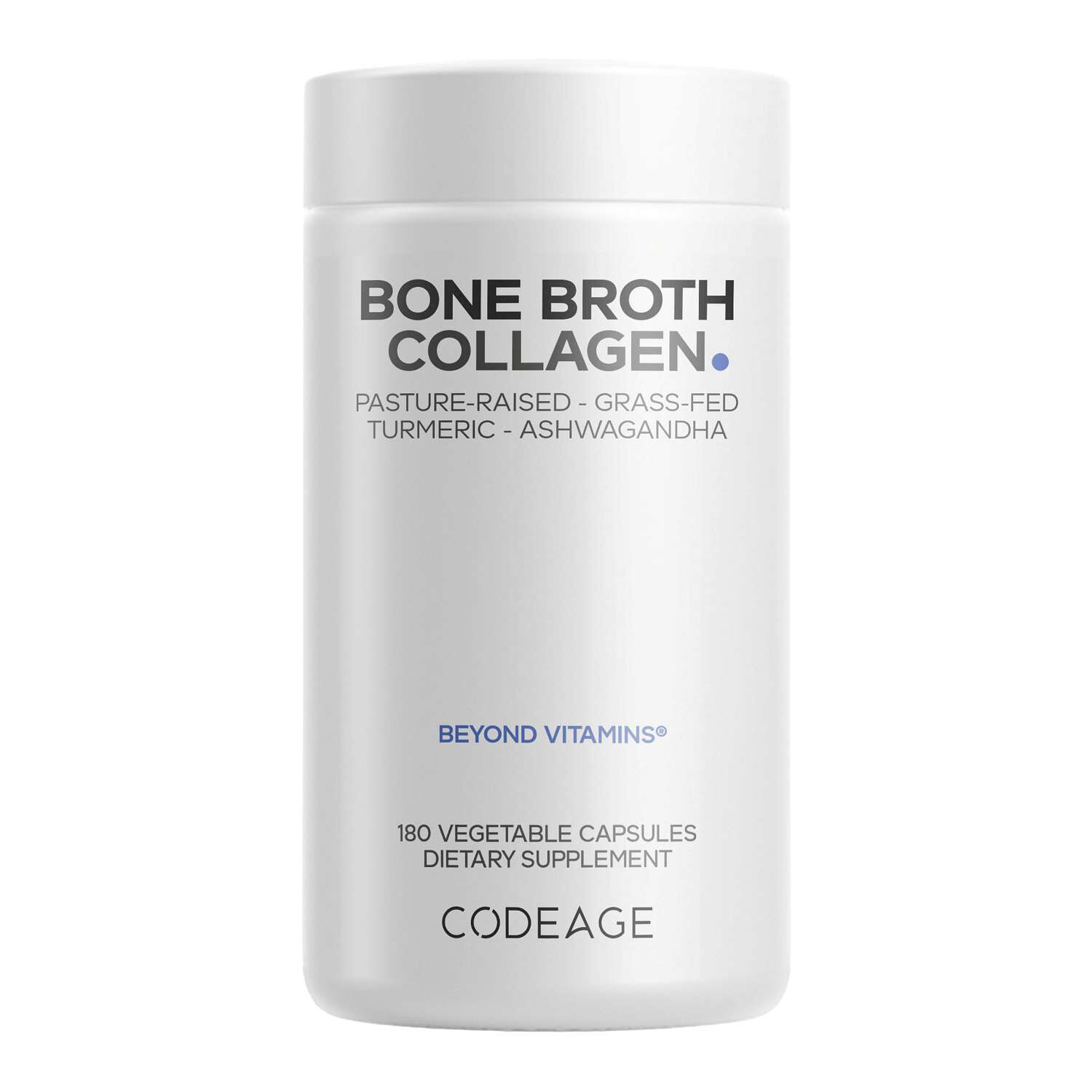
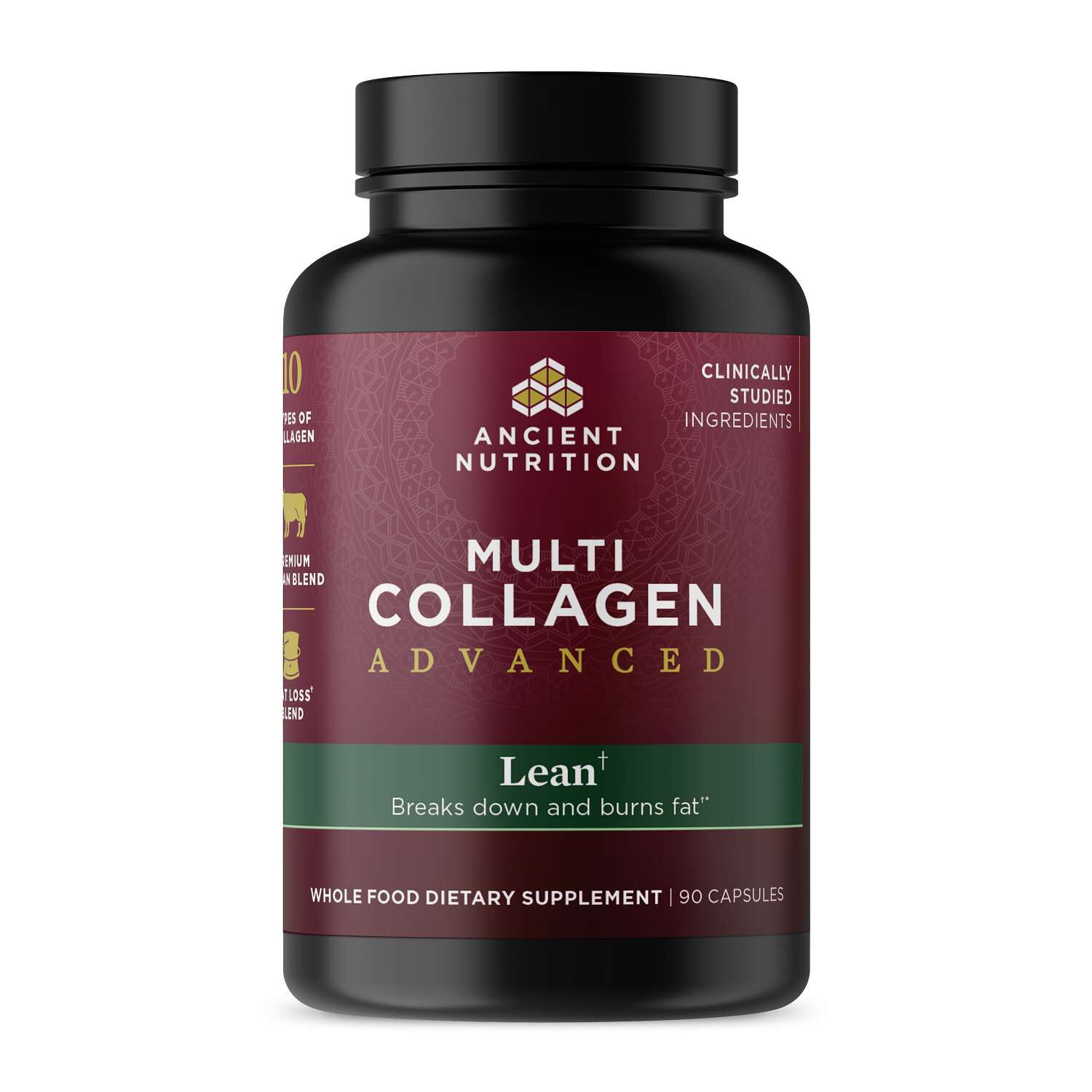
Peptide capsules are dietary supplements that contain short chains of amino acids, the building blocks of proteins, in a capsule format. The term “peptide” describes an ingredient’s structure rather than a single source, a standard serving size, or an expected result. Within this category, formulas may contain collagen peptides, other protein hydrolysates, or blends that pair peptide ingredients with additional nutrients. Collagen is a structural protein found in animal tissues, and collagen ingredients can come from bovine, marine, poultry, or other animal sources. Plant-derived protein hydrolysates come from plant proteins and are distinct from animal collagen, even when both appear within a broader peptide category. Hydrolysis is a processing step that divides larger proteins into smaller fragments; it does not make every peptide formula interchangeable. Some collagen labels identify one source, while others describe a blend of sources or list collagen types using Roman numerals, such as I, II, or III. Those details describe the ingredient composition, not a ranking of formulas. Adults browsing peptide capsules may be considering a routine centered on skin, hair, and nail nutrition, an active lifestyle, or a supplement format that does not require a flavored drink. For someone who already has a preferred breakfast, capsules may fit more naturally than adding another powder to a smoothie. For someone who dislikes the texture of mixed supplements, they might offer a different experience, although capsule dimensions and serving counts still matter. The distinction between a peptide supplement and a protein powder is also worth keeping in view: their ingredient amounts, intended uses, and serving formats can differ substantially. A capsule formula should not be assumed to provide the same quantity of protein as a scoop-based product. Digestion also changes dietary proteins and peptides into smaller components, so an ingredient name alone does not establish a particular outcome. Meaningful differences between formulas include the actual source, the amount supplied per serving, and the intended role in an everyday routine.
Ingredient source matters for dietary preferences as much as the capsule format itself, particularly when a formula contains ingredients from more than one animal or plant source. As part of the broader Capsule Supplements category, peptide formulas also vary in their capsule shells and supporting ingredients. Gelatin shells are animal-derived, while other shells may use hypromellose, a cellulose-based material. A plant-based capsule shell does not necessarily mean that the ingredients inside it are plant-derived; a collagen filling and its surrounding shell have separate ingredient identities. Marine collagen also describes an animal source, not a vegetarian alternative to bovine collagen. Labels may identify fish, egg, or other food allergens, along with details about the source materials. Beyond the peptide ingredient, the ingredient list may include substances used during manufacturing, such as flow agents or materials that help form the capsule. The Supplement Facts panel distinguishes dietary ingredients and their listed amounts from the other ingredients used in the finished format. Serving information deserves equally close attention because an amount shown on the panel may apply to several capsules rather than one. A bottle’s capsule count and its number of servings describe different things, especially when the labeled serving contains multiple capsules. Milligrams and grams are also different units: 1 gram equals 1,000 milligrams, making consistent units useful when comparing ingredient quantities. The weight of a blend is not necessarily the amount of each individual component within it. Added vitamins, minerals, or botanical ingredients create a different composition from a formula centered on peptide ingredients alone. A longer ingredient list is not, by itself, evidence of a better fit. For a shopper comparing two labels side by side, the more useful distinctions are often straightforward: the named peptide source, the amount per serving, the capsule material, and any additional dietary ingredients. Transparent labeling may make those differences easier to understand without relying on an appealing front-label description alone.
Everyday practicality is another part of choosing peptide capsules, especially for adults who prefer a consistent supplement format over measuring and mixing. A capsule routine may suit someone who carries a water bottle to work or prefers not to add another flavor to meals and drinks. However, capsule size, shape, and the number in a serving can make one format feel quite different from another. A smaller-looking bottle does not necessarily mean a smaller serving, and a higher capsule count does not necessarily represent more servings. The suggested serving, frequency, and any directions involving food or water belong to the individual formula rather than the peptide category as a whole. Likewise, capsules should not be assumed to be interchangeable with powders simply because their ingredient names sound similar. Whether a capsule is intended to remain intact or may be opened depends on its labeling, not its appearance. Storage and packaging also deserve attention because capsule shells and powdered fillings can be sensitive to moisture. A dry cabinet away from a sink, a securely closed lid, and the original labeled container are practical considerations for maintaining the product as directed. Printed storage instructions and expiration information provide more relevant detail than the look of the bottle alone. For someone who travels between home and an office, packaging dimensions and readable directions may matter just as much as the capsule format. Keeping the ingredient information with the supplement also preserves access to its serving details and source disclosures. These practical considerations sit alongside the reasons someone is exploring the category in the first place, whether that means an interest in collagen ingredients, a preference for capsules over drink mixes, or a closer look at protein-derived supplements. The most useful comparison brings those details together: what the formula contains, how much a labeled serving supplies, and whether its format suits the intended routine.
Best Sellers
-
 Ancient Nutrition
-
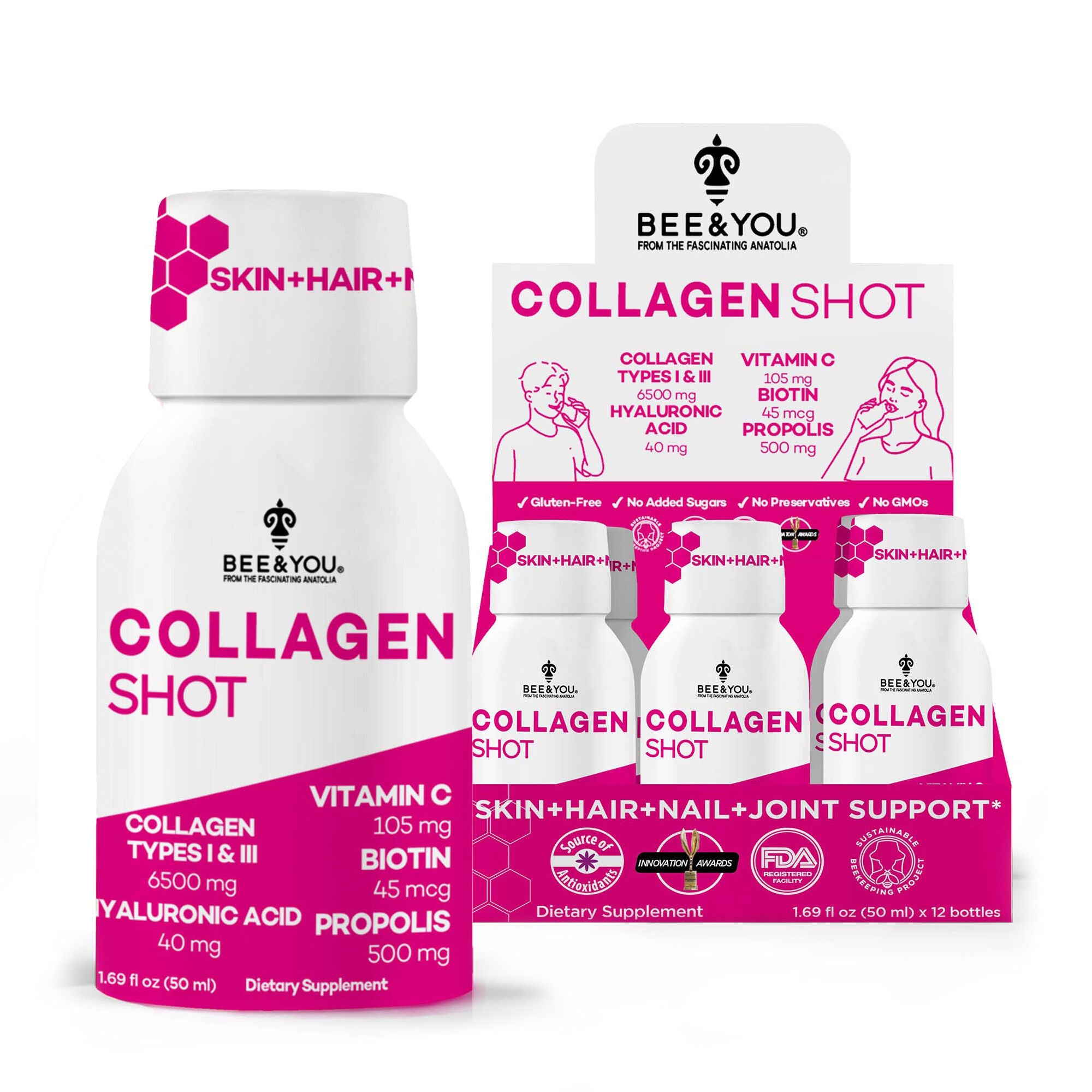 Bee And You