





Protein For Young Adults
(0 Results)
Protein for young adults is a popular choice for those looking to support their active lifestyles and wellness goals. With a wide variety of options available, finding the right protein source may help fit different preferences and routines. Whether you’re looking for convenient shakes, powders, or bars, there are plenty of ways to incorporate protein into your daily regimen. Explore the selection of protein for young adults and discover options that could complement your nutrition journey.
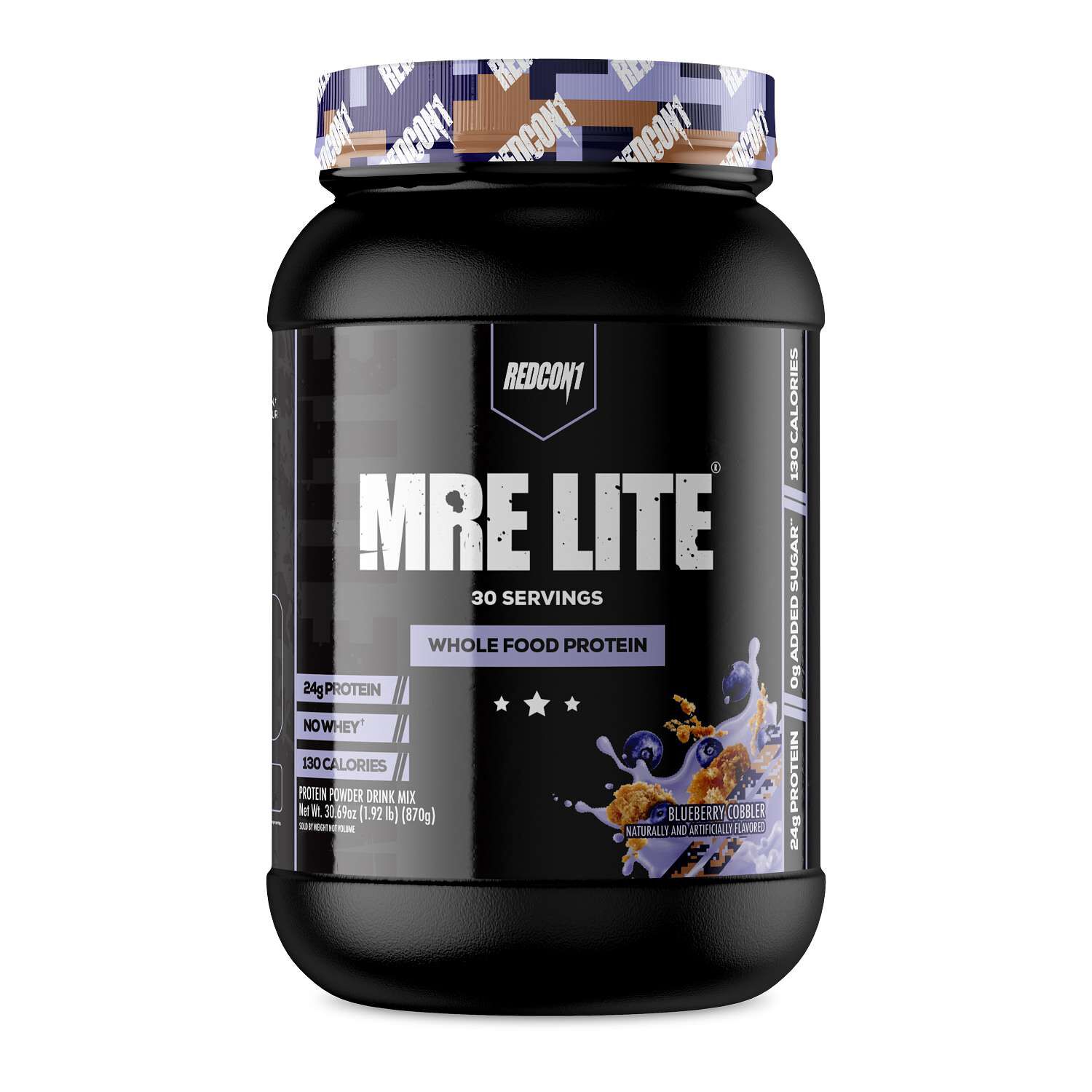
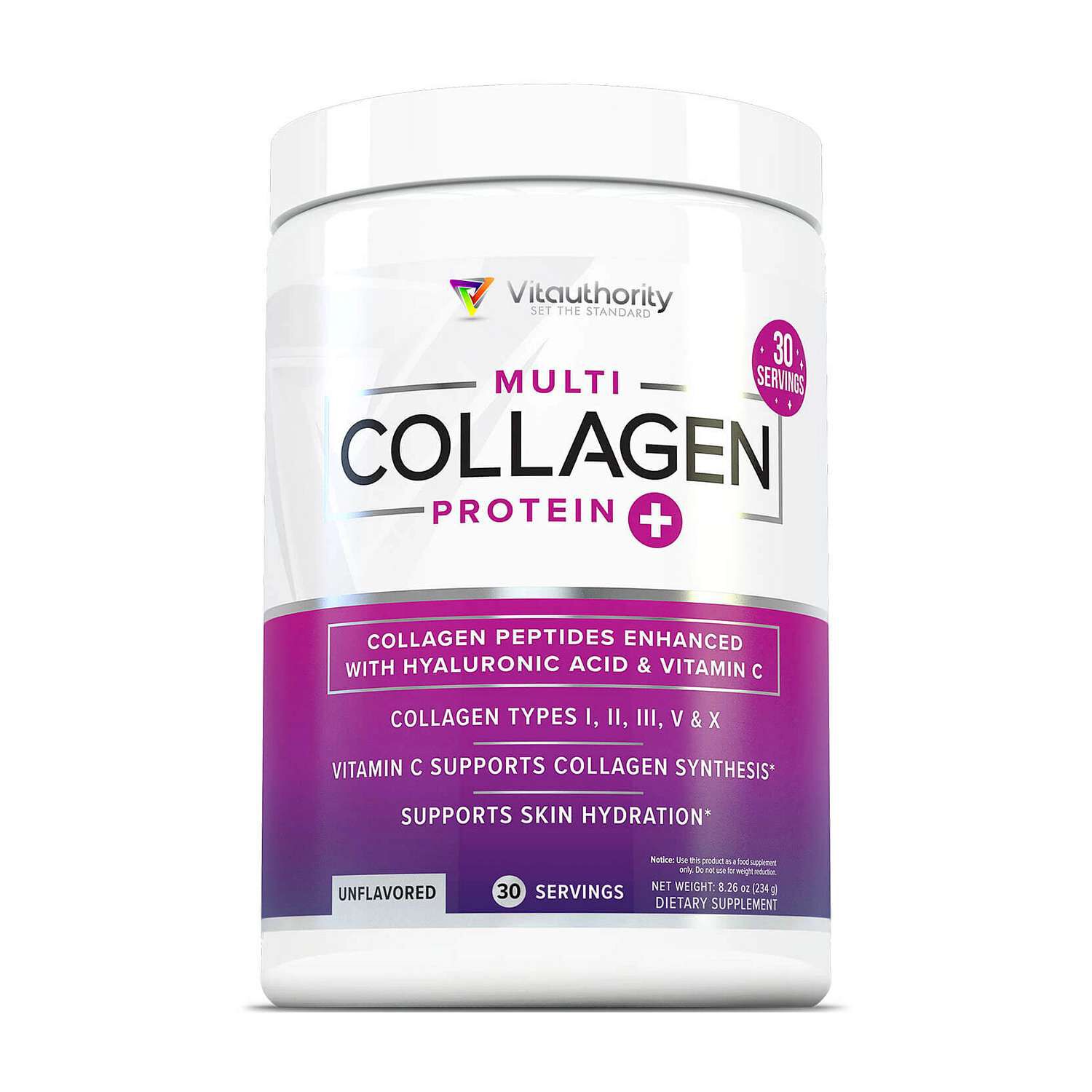
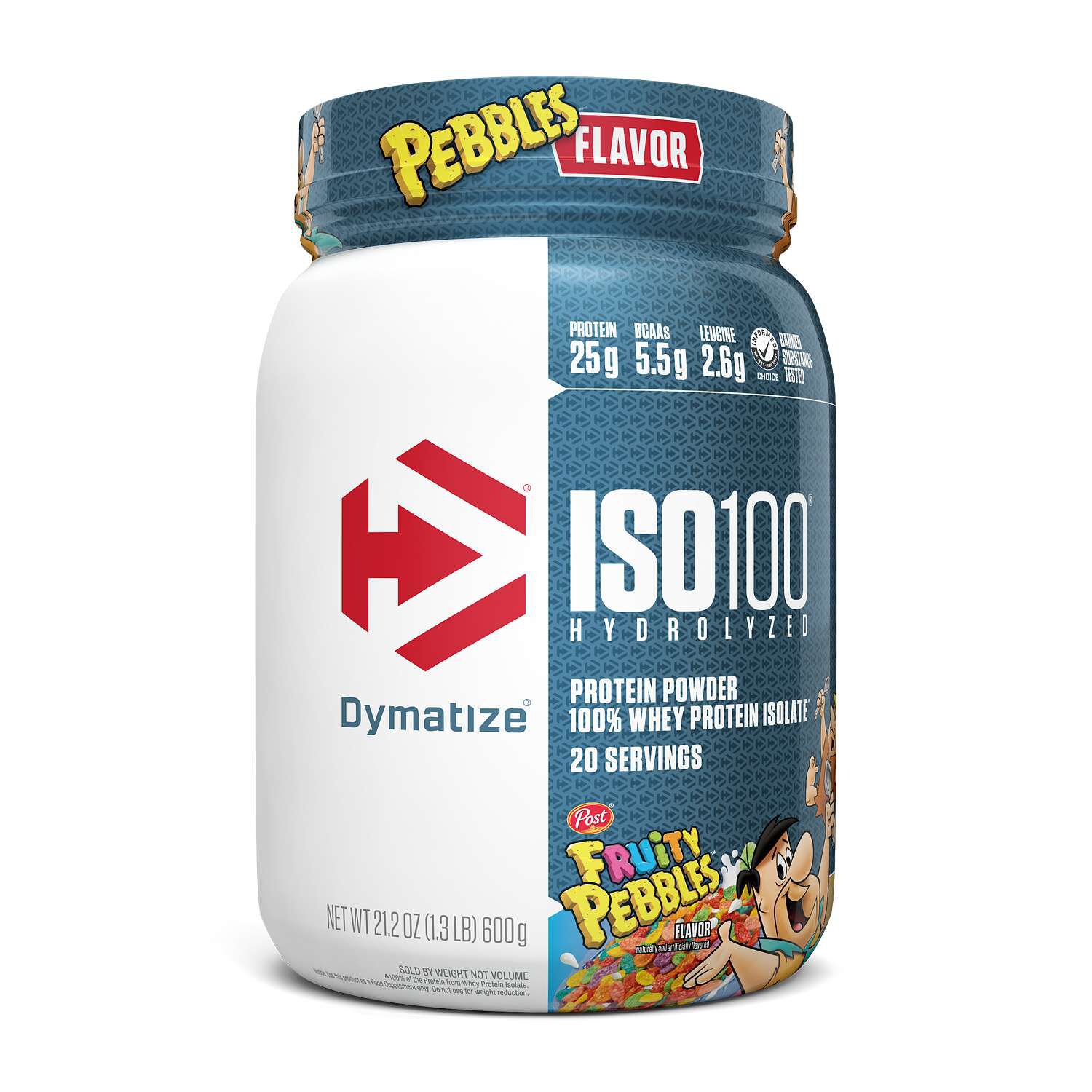


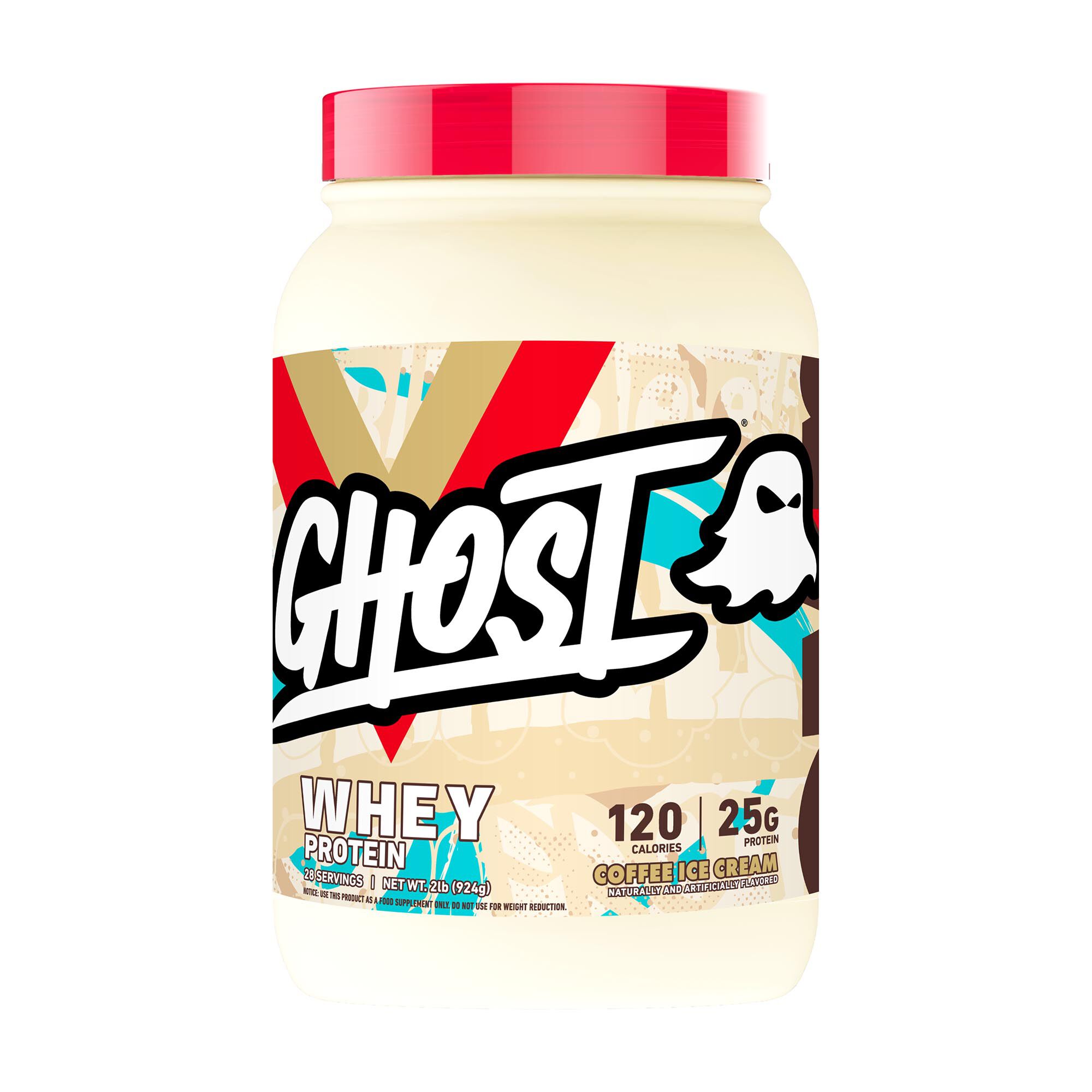

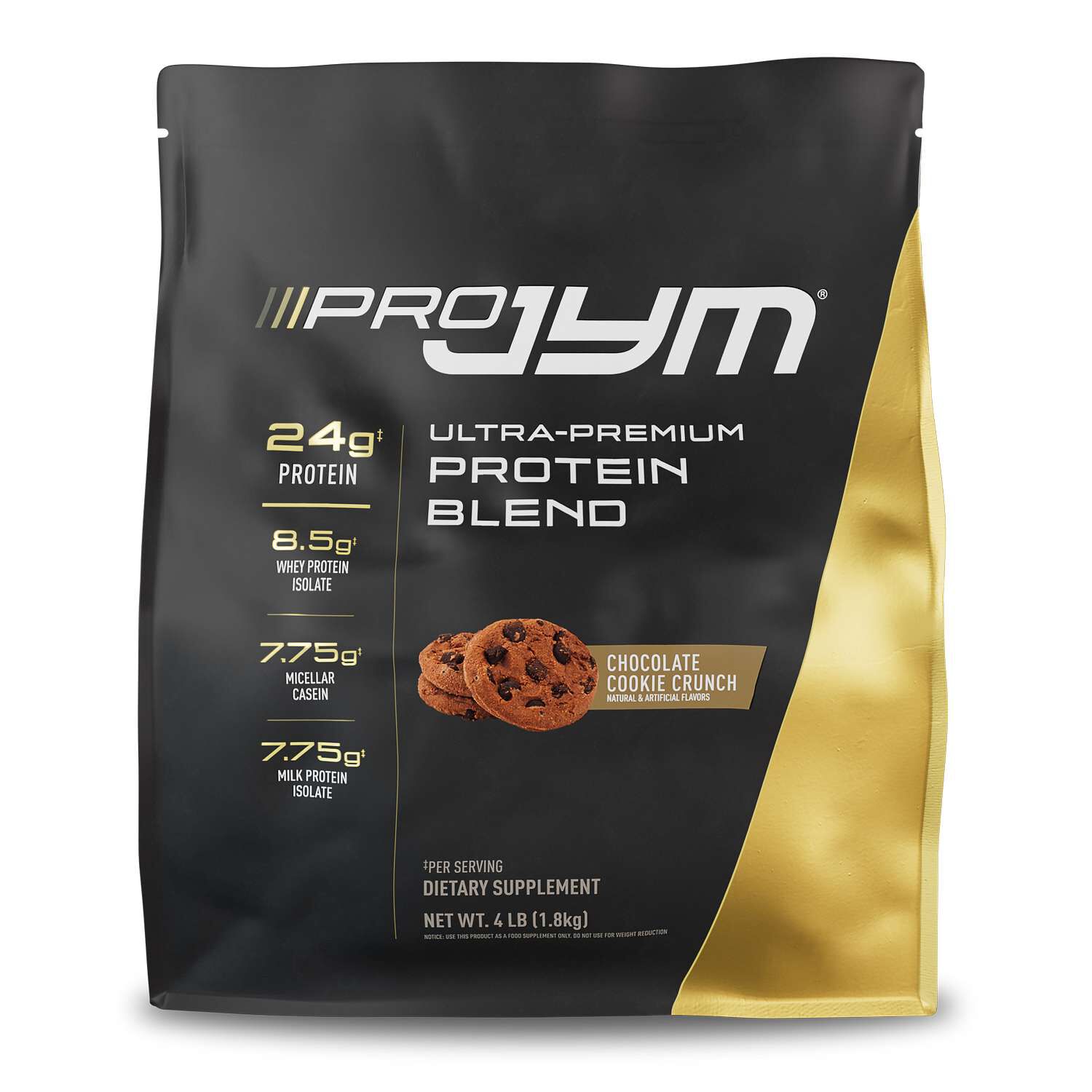
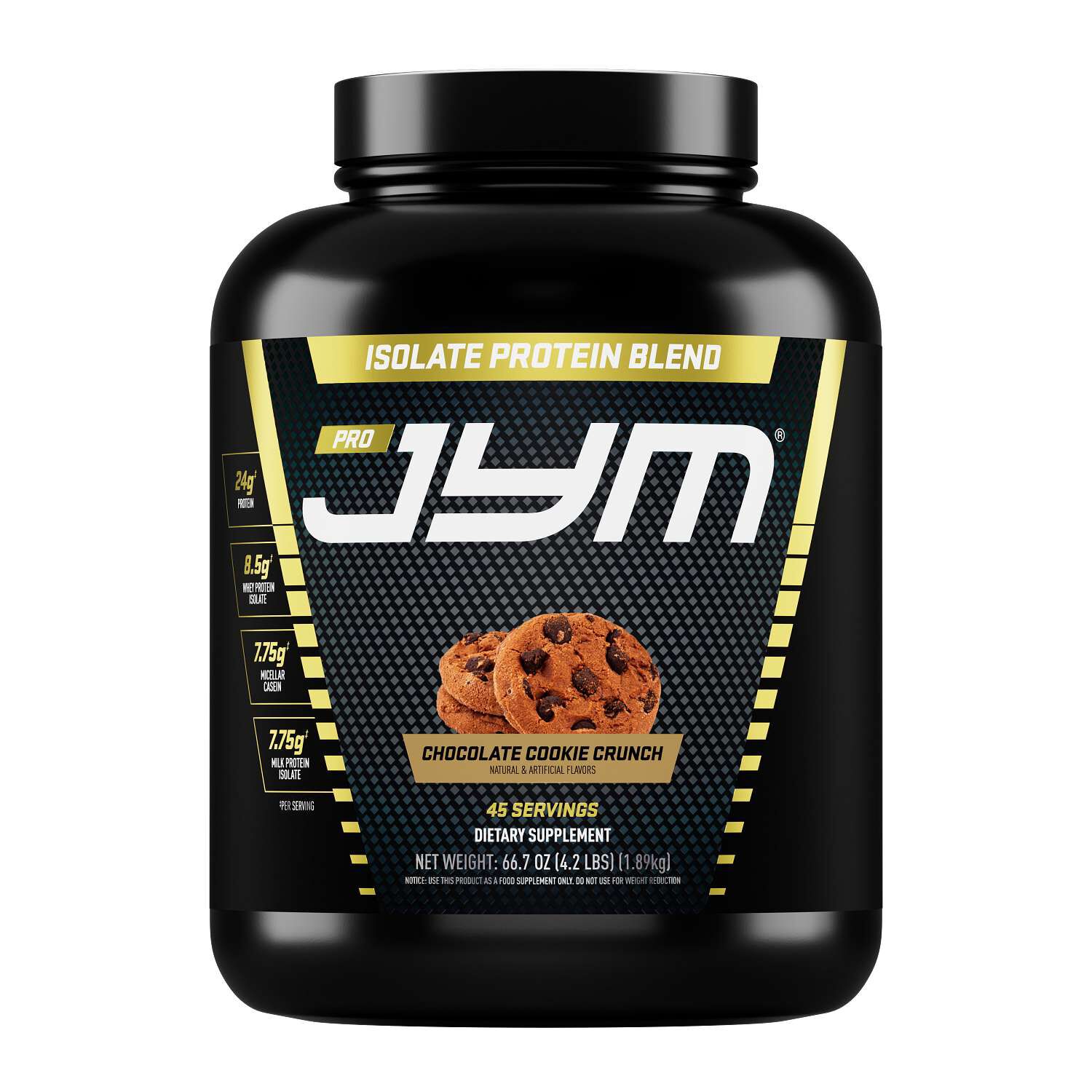


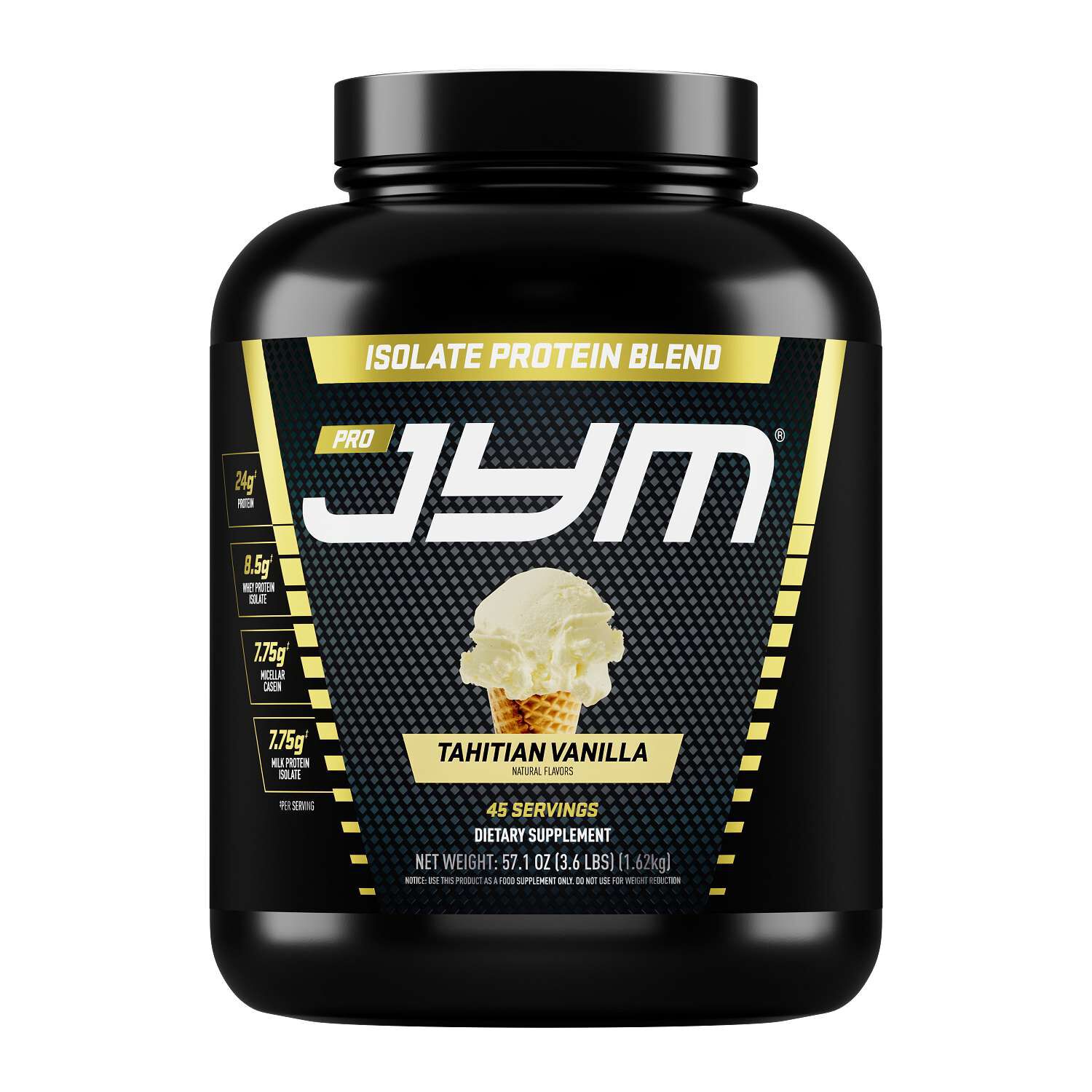
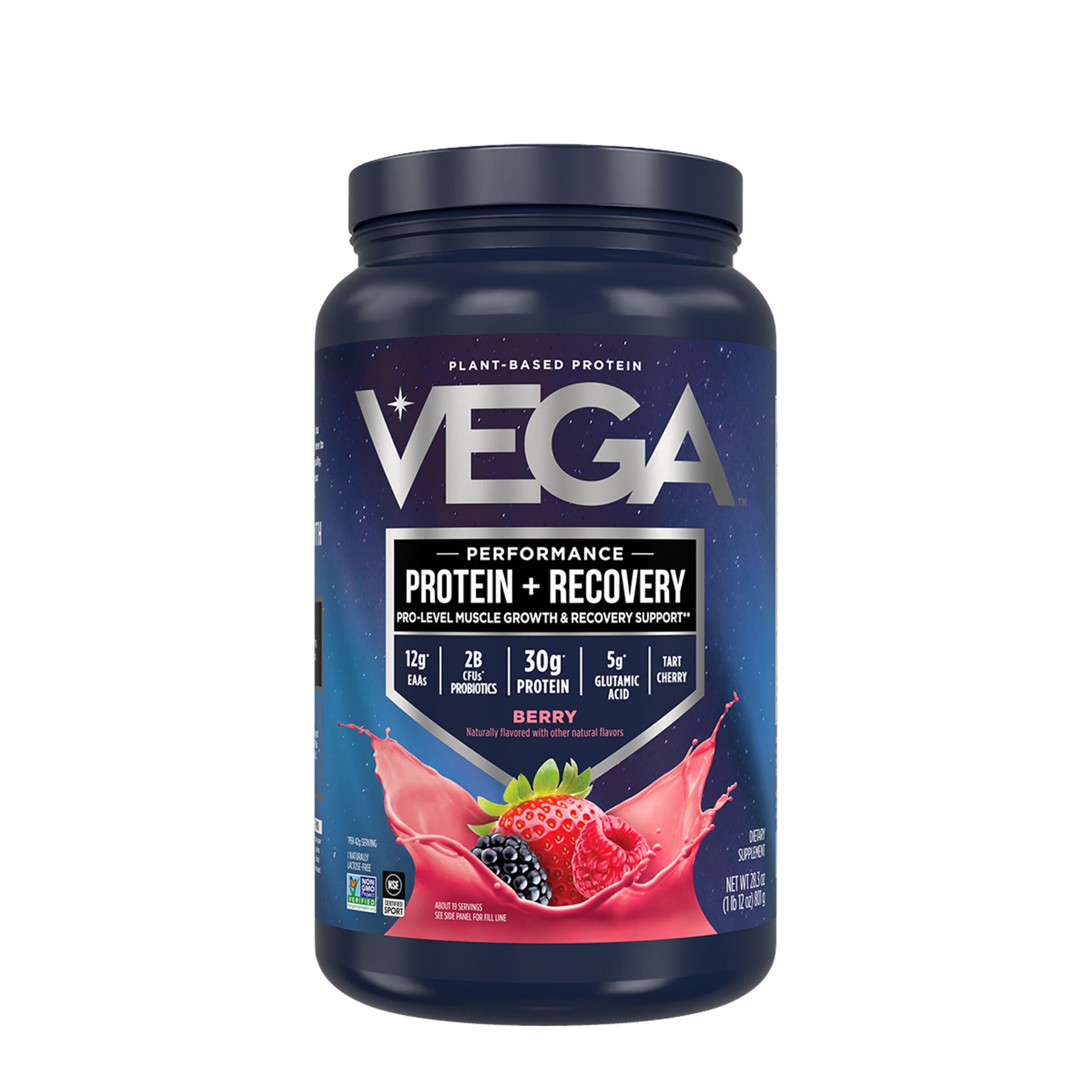


Protein for young adults includes powders, ready-to-drink shakes, bars, and other convenient formats that fit alongside everyday meals. For adults balancing college classes, a first full-time job, recreational sports, or an irregular commute, the appeal often comes down to having a practical option when sitting down to eat takes more planning. Protein is found in foods such as eggs, yogurt, beans, lentils, fish, poultry, and tofu, so a supplement is only one part of the broader picture. General adult nutrition references commonly cite approximately 0.8 gram of protein per kilogram of body weight per day, or about 0.36 gram per pound, as a baseline. Discussions of nutrition for active adults often include amounts around 1.2 to 1.6 grams per kilogram, depending on activity and individual circumstances. These figures describe protein from food and drinks across the day, not an amount to obtain from supplements alone. A product’s labeled serving provides a separate piece of information: how much protein is in that particular portion. Scoops, bottles, and bars are not interchangeable measures, and a larger package does not necessarily contain more protein per serving. Alongside the protein amount, calories, carbohydrates, fat, fiber, and ingredient lists give shoppers a clearer picture of what each format contains. A shake mixed with water has a different nutritional profile from the same powder blended with milk, yogurt, or nut butter. That distinction matters when comparing a simple drink with something intended to accompany breakfast. The most relevant choice is therefore not always the one with the largest protein number on the front. Format, flavor, preparation, and the foods already present in an everyday routine all have a place in the comparison. A familiar vanilla powder stirred into oatmeal, for instance, is a different experience from a bottled chocolate shake tucked into a lunch bag, even when their labeled protein amounts are similar.
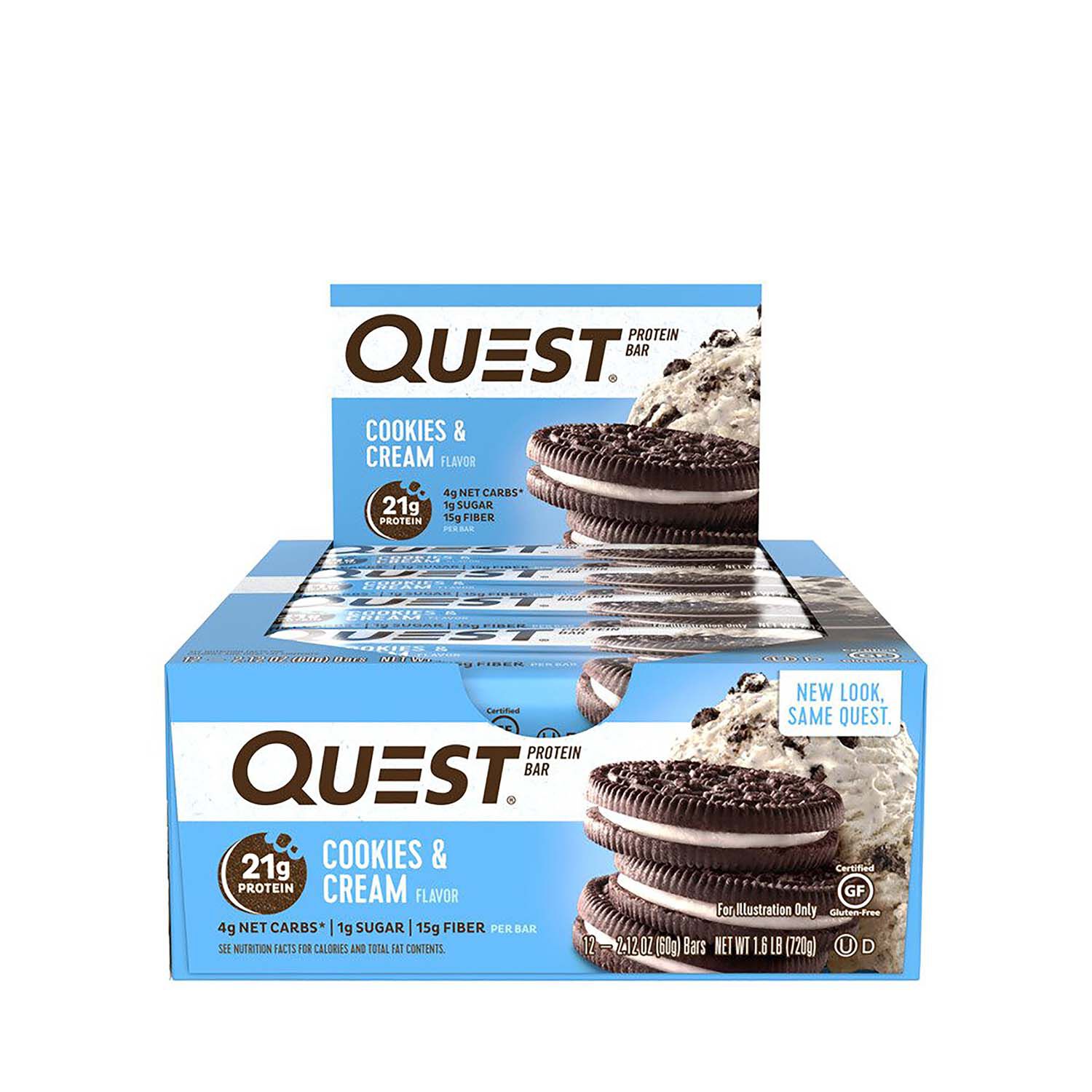
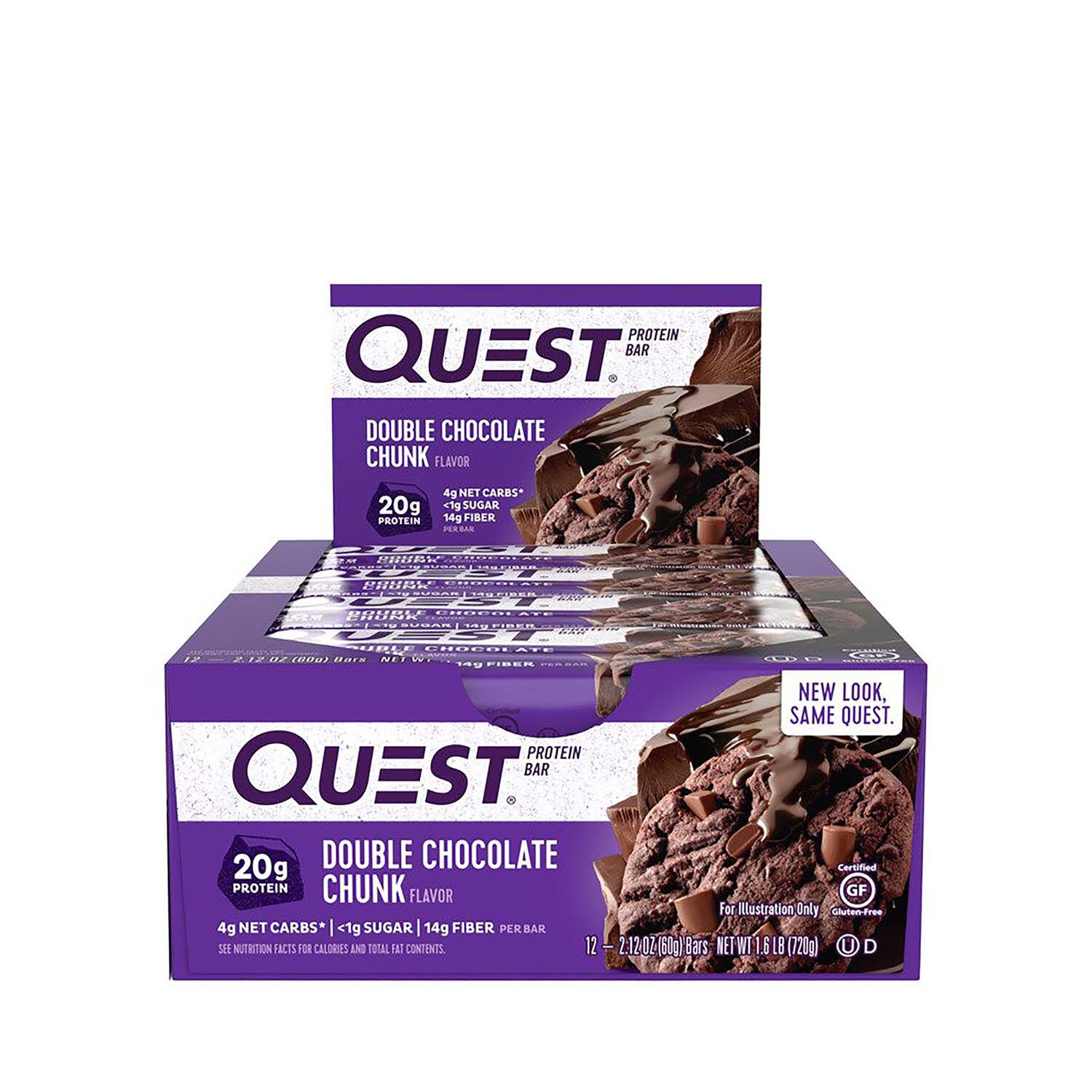
Protein source is another useful way to distinguish options for young adults. Whey and casein come from milk, while plant-based powders may use ingredients such as peas, soy, rice, or a blend of sources. Egg-based options also belong to the broader category. Each source brings its own ingredient considerations, and the rest of the formula matters just as much as the protein named on the front label. A plant-based protein source does not, by itself, describe every ingredient in the finished product, while a milk-derived powder may contain additional ingredients that influence flavor and texture. Ingredient and allergen statements are particularly relevant for shoppers with dietary restrictions or established food preferences. Texture can be just as important to everyday use: some powders mix into a light drink, while others produce a thicker shake, especially when blended with milk or yogurt. Unflavored options leave more room for the taste of fruit, oats, or other ingredients, whereas chocolate, vanilla, and dessert-inspired flavors bring a more noticeable taste of their own. Sweeteners, cocoa, flavorings, and thickeners also vary across formulas. Someone who enjoys a rich smoothie at home may prefer a different consistency from someone drinking a shake between lectures. Preparation requirements help separate these choices further. Powder calls for liquid and a suitable container, with some formulas better suited to a blender than a quick stir. A ready-to-drink shake involves less preparation, although its storage instructions still matter. Bars offer a chewable format with textures ranging from soft and dense to crisp or layered. They also differ in ingredients and serving size, so their position within a routine is not identical to that of a drink. Comparing these details makes the category more concrete than treating every protein product as the same experience in different packaging.
Daily logistics often determine which protein format fits comfortably into a young adult’s routine. A resealable container of powder suits a kitchen shelf where measuring and mixing are straightforward, while individual packets take up less space in a work bag or an overnight bag. Bottled shakes have their own size and weight considerations, particularly for someone carrying books, a laptop, and lunch on public transportation. Packaging deserves attention beyond portability: secure closures, readable serving information, and clear storage directions all contribute to everyday handling. Powder needs protection from moisture, and a dry scoop helps keep water out of the container. Prepared drinks and opened bottles have different storage requirements from unopened packages, so the label remains the reference for refrigeration and handling. For shared apartments and campus kitchens, a designated storage spot and a clearly marked container can make the routine simpler. The same practical thinking applies to intended use. A student with access to a blender may enjoy experimenting with fruit and different liquids, while someone leaving early for work may prefer a format that requires no mixing. A recreational runner, a regular gym visitor, and a young adult who simply enjoys protein-containing snacks may each approach the category with different priorities. Shoppers comparing options around exercise routines can also explore Protein Needs for Active Adults. Familiar tastes and manageable preparation often matter more in daily life than an elaborate recipe that rarely gets made. Before choosing a large container, it is worth considering how often that flavor will sound appealing, where the product will be stored, and whether the serving format fits the space and equipment at hand. Protein products are one option within a varied eating pattern, not a replacement for the range of foods that make meals satisfying. For young adults, a thoughtful comparison brings the focus back to ordinary details: what is in the package, how it is prepared, and where it belongs in the day.
- Q: What are some common sources of protein for young adults?
A: Young adults may find protein in foods like lean meats, poultry, fish, eggs, dairy products, beans, lentils, nuts, and seeds. Protein supplements such as powders and bars might also be convenient options. - Q: How can young adults incorporate more protein into their daily meals?
A: Adding protein-rich foods to each meal—such as eggs at breakfast, chicken or tofu in salads, or Greek yogurt as a snack—could help increase daily protein intake. Protein shakes or bars may also offer a quick option for busy schedules. - Q: Are there plant-based protein options suitable for young adults?
A: Yes, plant-based proteins like pea, soy, rice, and blends of various plant proteins might be suitable for those who prefer vegetarian or vegan options. - Q: When might young adults consider using protein supplements?
A: Protein supplements could be considered by young adults who have active lifestyles, busy schedules, or dietary preferences that make it challenging to meet their protein needs through food alone. - Q: Can protein be included in snacks for young adults?
A: Absolutely! Snacks such as Greek yogurt cups, nut butter with fruit, roasted chickpeas, or protein bars may provide convenient ways to enjoy protein between meals.
Best Sellers


Related Pages

Top Collections
- Zinc Supplements | Top Brands at Great Prices | GNC
- Cortisol Supplements
- Joint Mobility Supplement Packs
- NAD+ Supplement Tablets
- Best Brand of Magnesium Glycinate
- Top Rated Collagen | Shop Customer Favorites | GNC
- Iron Supplements
- Peptide Supplements
- Protein Powders For Muscle Growth Support
- Vitamins That Help Support Weight Gain