





Protein For Students
(0 Results)
Protein for students can be a convenient option for those with busy schedules and active lifestyles. Whether you’re heading to class, studying late, or participating in sports, having a variety of protein choices on hand may support your daily routine. Explore different formats and flavors that could fit seamlessly into your day, making it easier to stay prepared and focused. Discover how protein for students might help you meet your goals both in and out of the classroom.
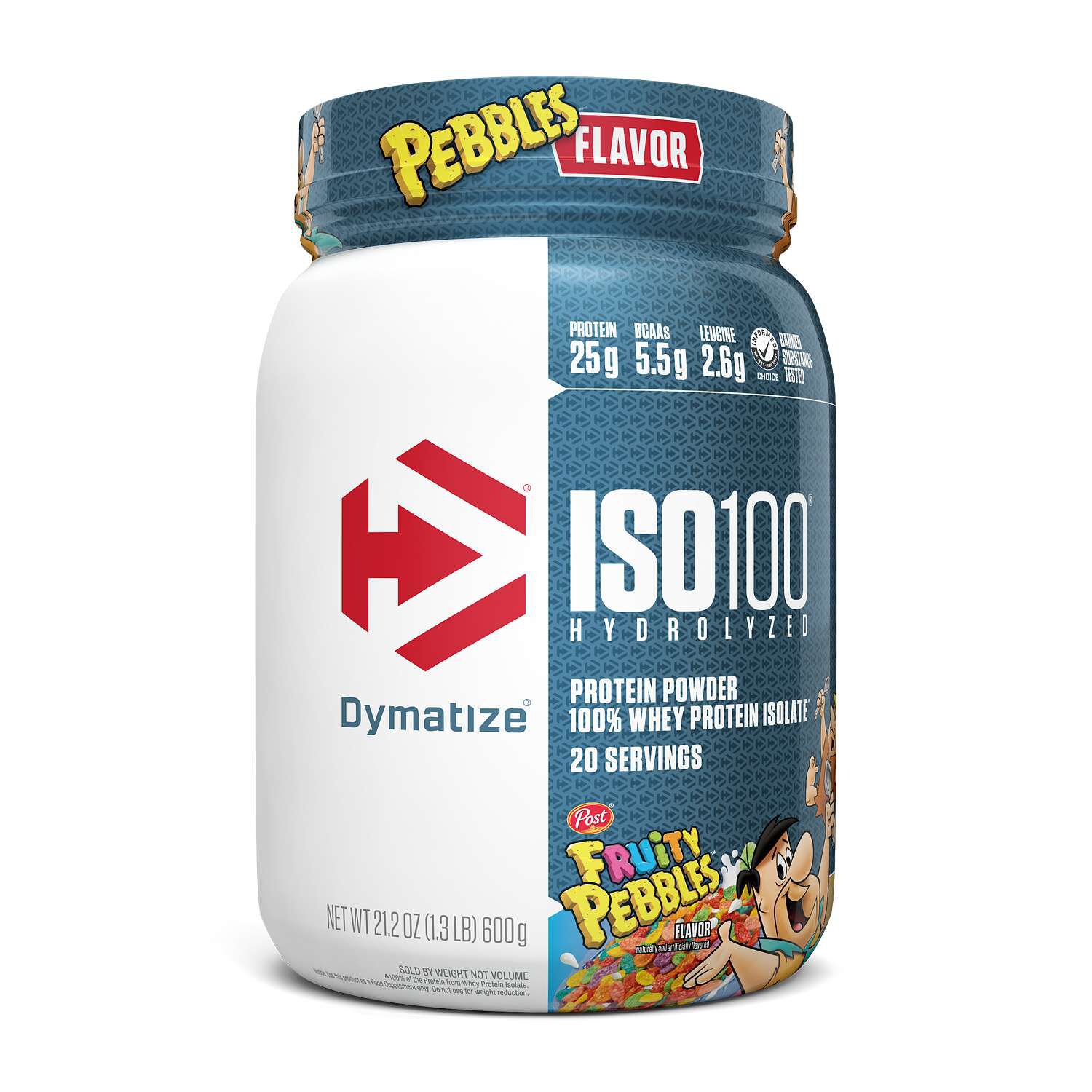
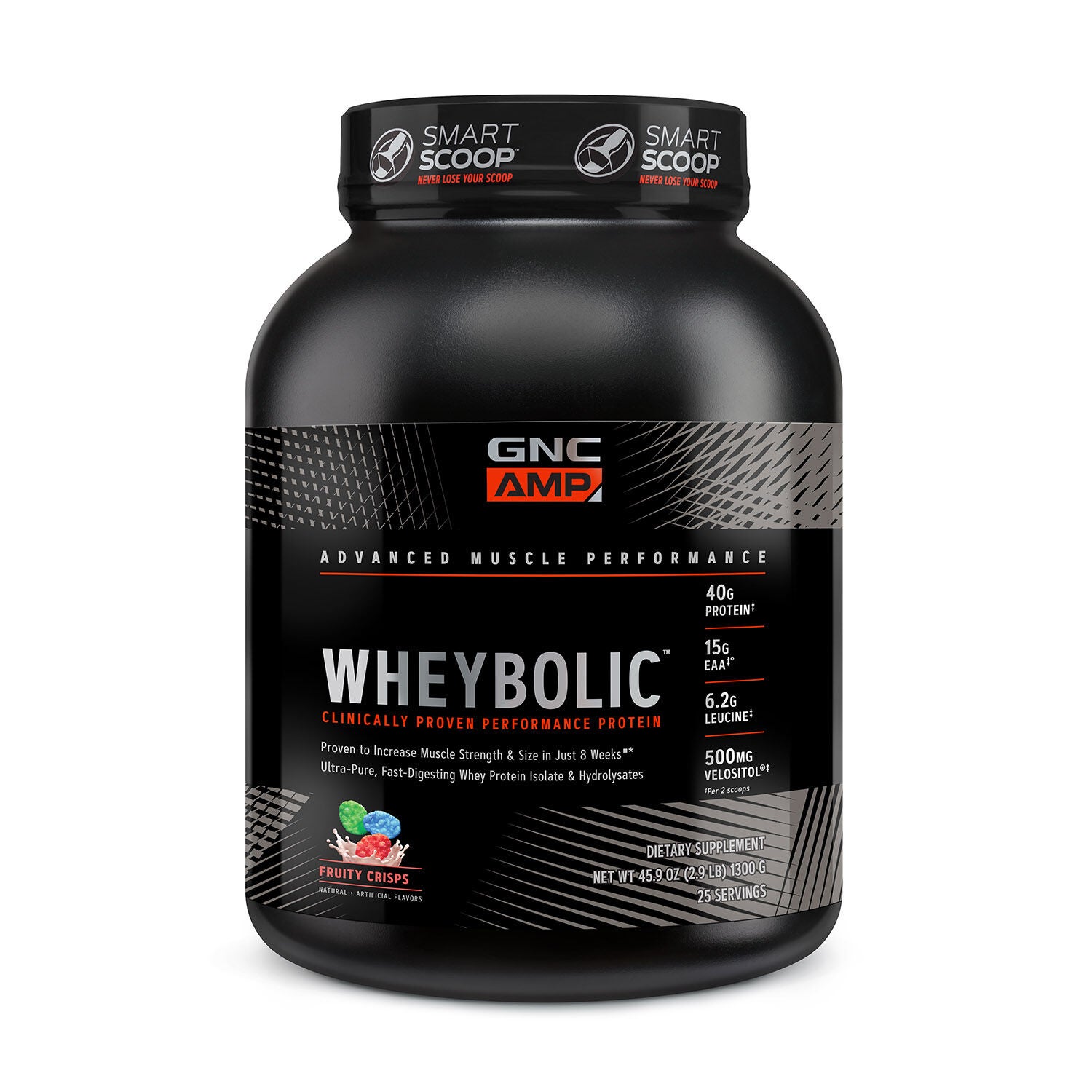


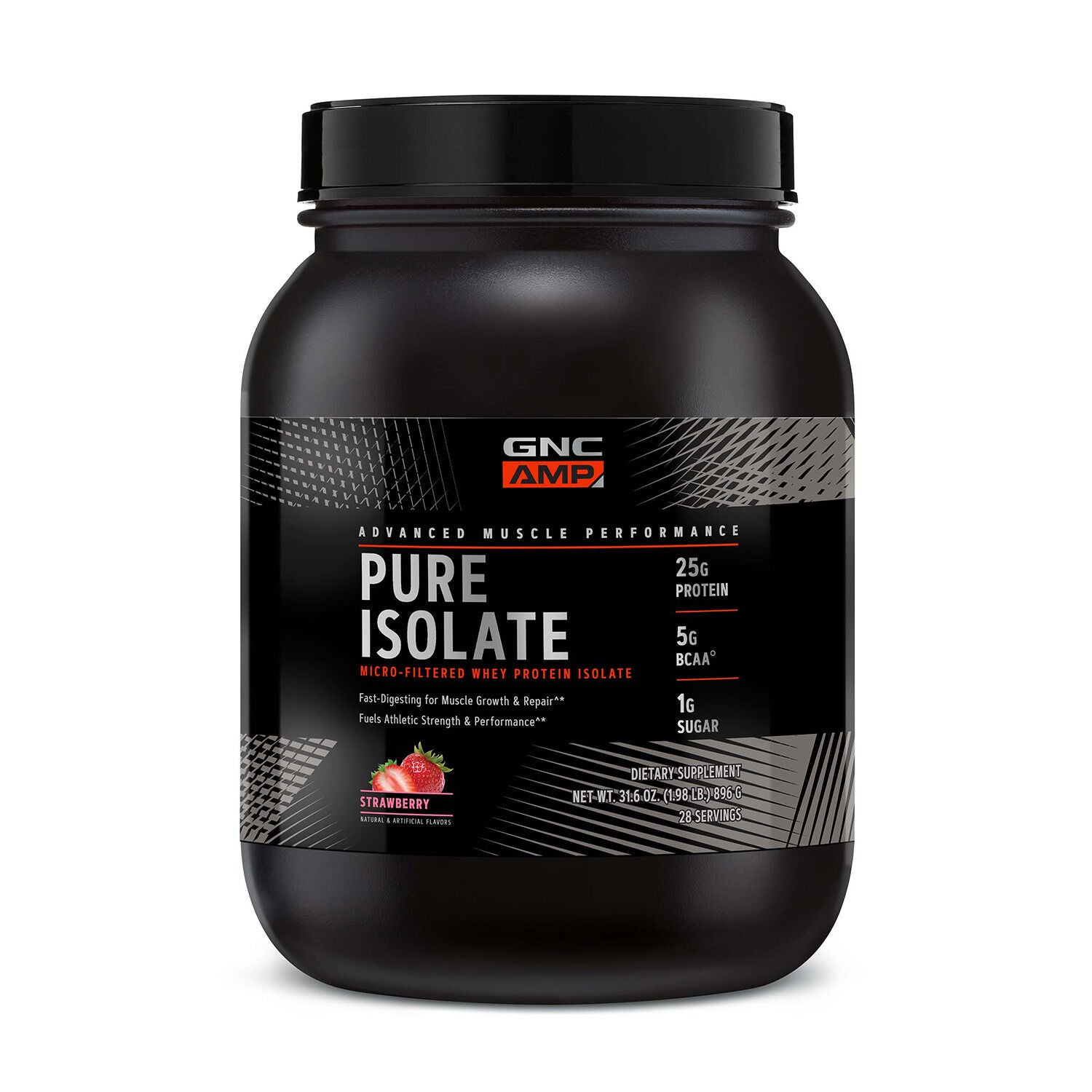

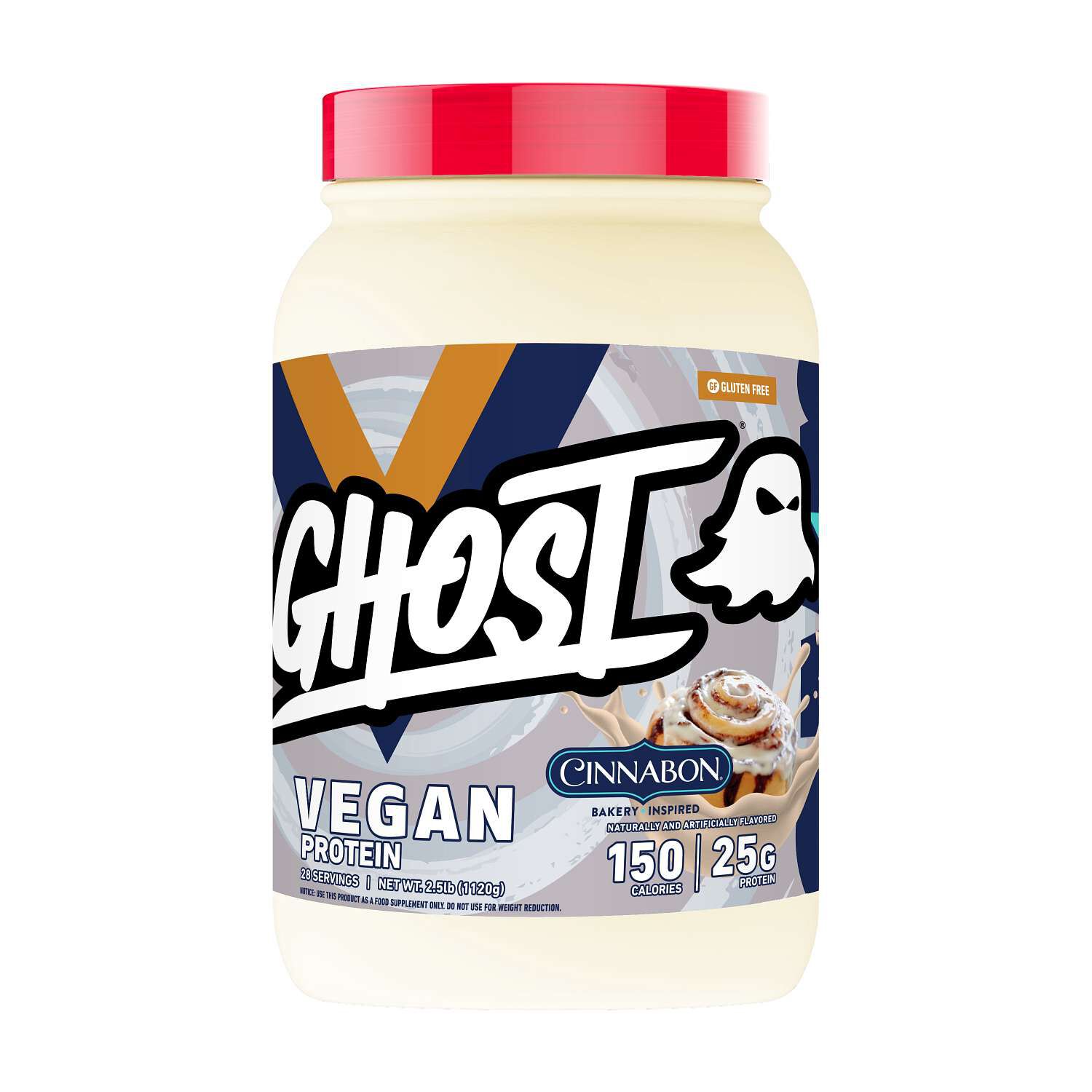
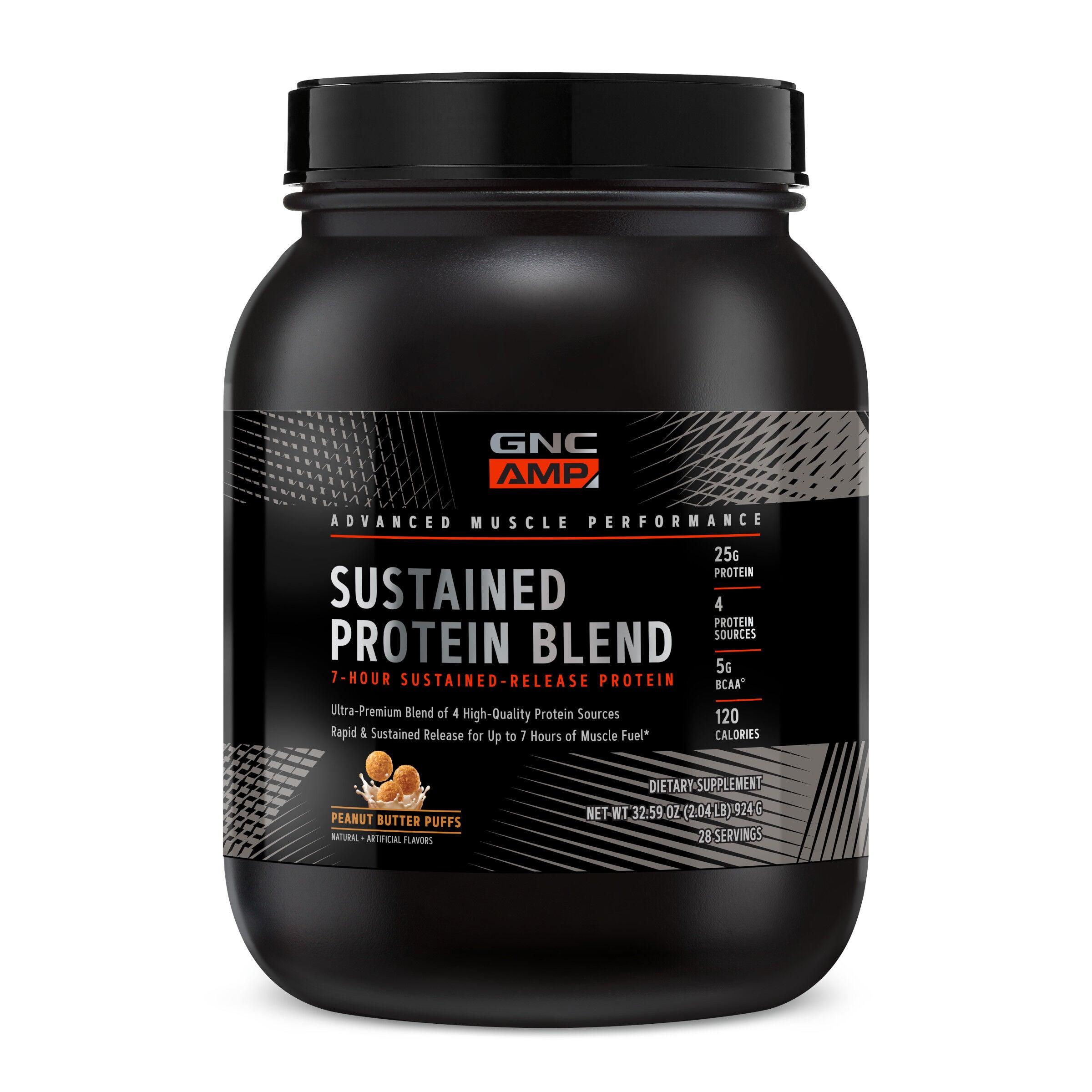

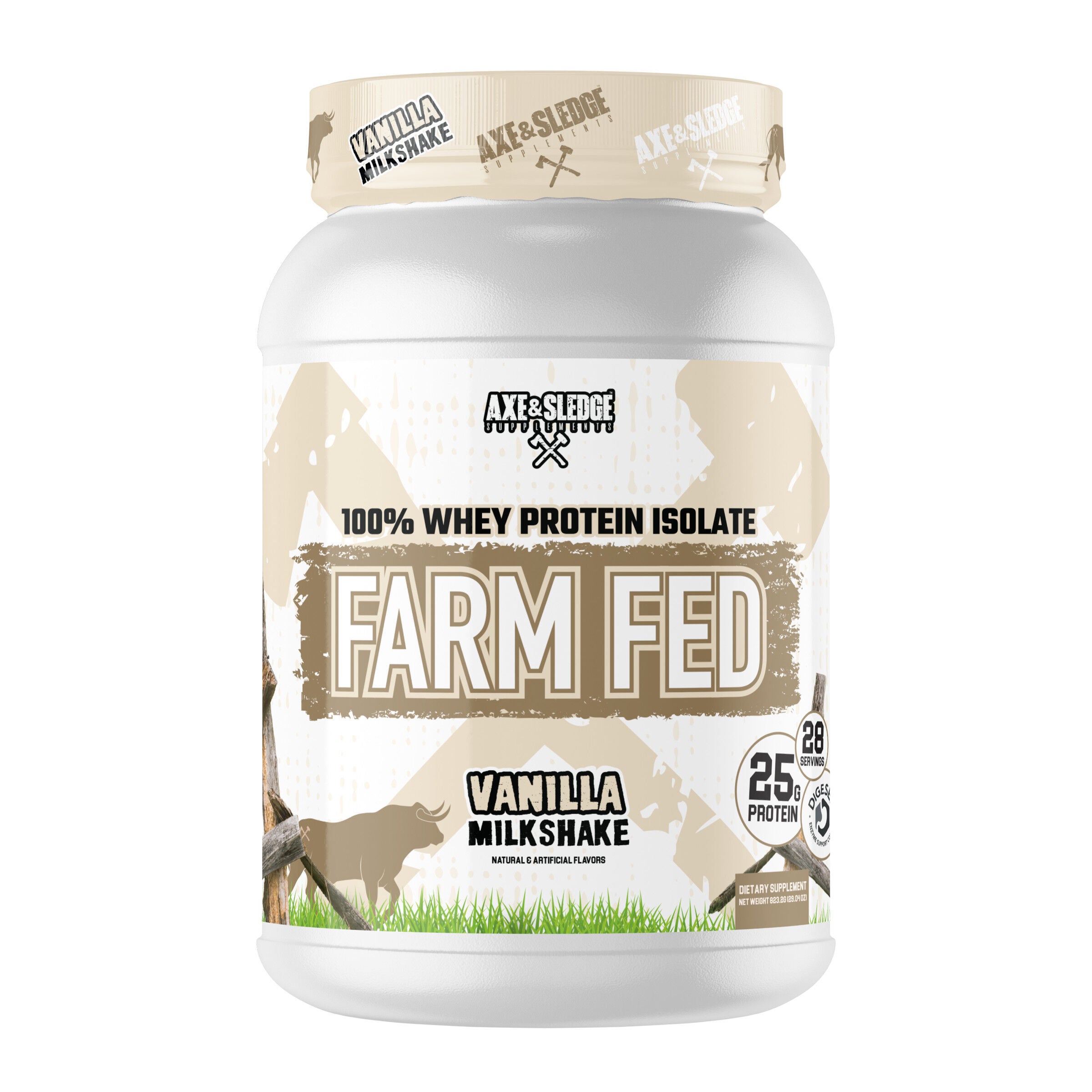


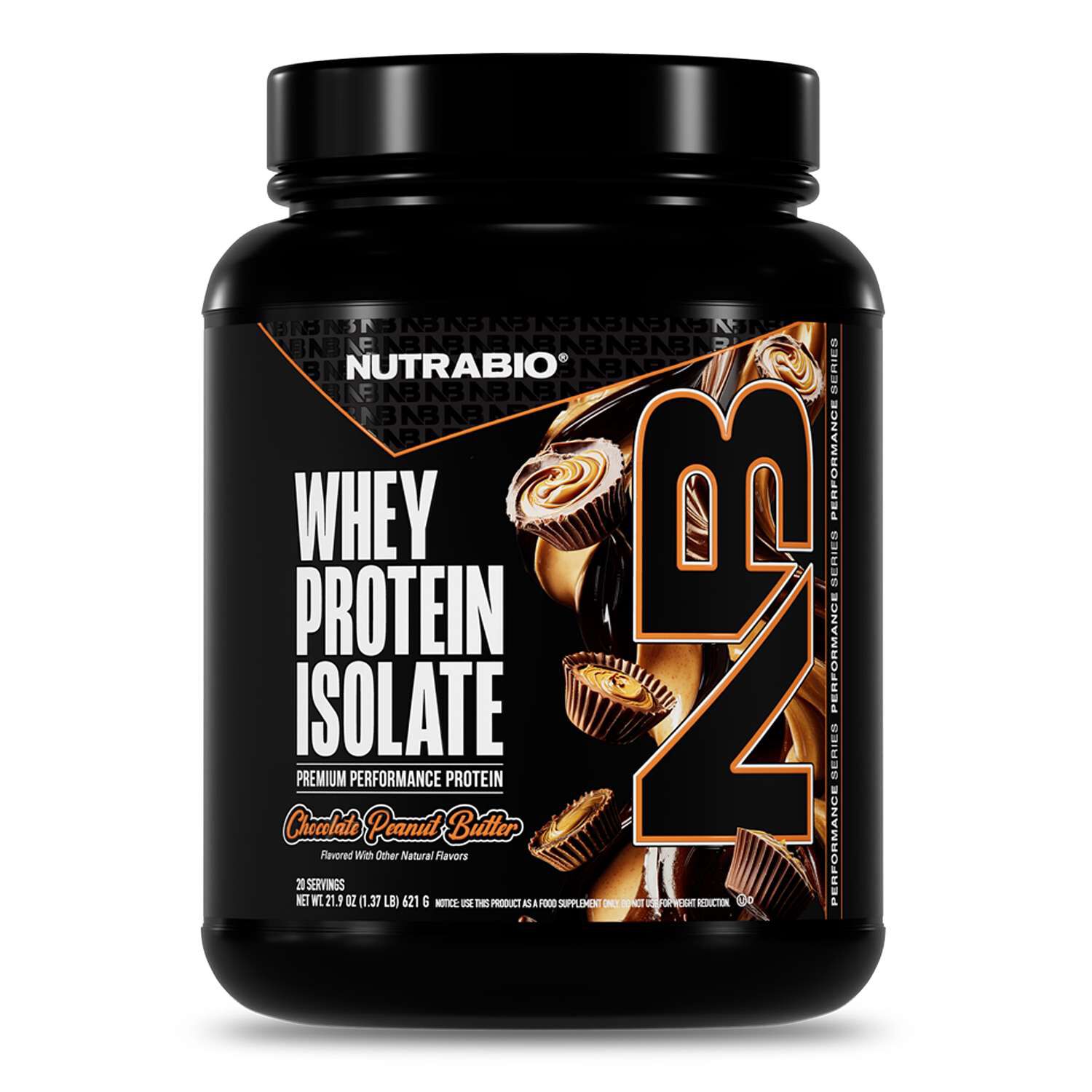


Protein for students includes powders, ready-to-drink shakes, and packaged snacks selected around campus routines, food preferences, and access to a kitchen. These formats are optional additions to everyday eating, not a requirement for student life. Protein is also found in familiar foods such as eggs, yogurt, milk, tofu, beans, lentils, fish, and poultry. A dining hall breakfast, a packed lunch, and a meal prepared with roommates all offer different opportunities to include protein without relying on supplements. Packaged options may suit the gaps between those meals, especially when the day involves an early lecture, a long commute, or an evening in the library. The most relevant format depends on where it will be opened, how it will be prepared, and what else is on the menu. Powder typically requires a measured serving, a suitable liquid, and a container for mixing, while a ready-to-drink shake comes already mixed. A wrapped snack has a different texture and eating experience from either beverage format. For a student with a shared refrigerator but no cooking equipment, storage instructions and preparation requirements deserve as much attention as flavor. Someone living in an apartment with a kitchen may prefer a powder intended for mixing into a drink or another food according to its directions. Students who commute may place more importance on a sealed package that fits upright inside a lunch bag. The distinction is practical: a format that works at a kitchen counter may be less suitable for a crowded lecture hall or a bus ride. Protein for college students is best understood within that broader food routine, with consideration for meals, snacks, personal preferences, and the facilities used each day. A serving carried to campus also brings practical questions about utensils, cleanup, and disposal. A shake opened beside a laptop calls for a different setup than a snack eaten during the walk between buildings, and those small details often shape which format feels useful.
Protein source is another meaningful difference within student protein products. Whey and casein come from milk, while plant-based powders may use ingredients such as peas, soy, rice, or a blend of sources. The source alone does not describe the entire formula; ingredient lists also identify flavorings, sweeteners, oils, and other components. Milk-derived ingredients may appear in products that are not immediately recognizable as dairy foods, so the ingredient list and allergen statement matter more than the flavor name on the front. Students choosing foods around personal dietary preferences, religious practices, or ingredient restrictions have different details to consider. Certification marks, when present, provide information beyond a broad description such as plant-based. The labeled grams of protein per serving are useful context, but serving size matters alongside that number. One package may contain more than one serving, and the amount of powder specified for a serving may differ between formulas. Calories, carbohydrates, fats, sugars, and sodium also appear in the nutritional information and describe the food beyond its protein content. Those details allow a more thoughtful comparison than focusing on a single number. Preparation changes the finished drink, too: powder mixed with water has a different nutritional profile from the same powder mixed with milk or a plant-based beverage. Taste and texture are equally practical considerations for something intended for repeated use. A smooth shake, a thicker blend, and a chewy snack offer distinct experiences, and flavor preferences often depend on the preparation method. Chocolate mixed into oatmeal will not taste exactly like chocolate mixed with water. Directions also vary in the suggested amount of liquid and mixing method. A shaker cup, spoon, or blender is not interchangeable in every setting, especially in a residence hall with shared sinks and limited counter space. For students comparing options, the relevant combination is the protein source, the full ingredient list, the labeled serving, and the preparation that fits the place where it will actually be used.
Packaging and care deserve attention because student living spaces rarely have unlimited room for food storage or kitchen equipment. A large container of powder needs shelf space, a securely closed lid, and a clean, dry measuring utensil. A smaller package occupies a different amount of space but still has its own storage and handling directions. Powder belongs in its original labeled container or another suitable food-storage container that preserves the relevant directions and ingredient information. Ready-to-drink beverages have product-specific storage requirements; some require refrigeration before opening, and directions after opening may differ. The package label is the reference for storage, preparation, and how long an opened beverage should be kept. Prepared shakes also have handling instructions that depend on their ingredients, so a drink mixed before class should not automatically be treated like an unopened packaged beverage. Containers used for mixing need regular washing, including the lid, threads, seals, and any removable mixing pieces. For equipment carried around campus, closure design, resistance to leaks, and ease of cleaning are useful considerations, along with whether the container is intended for the dishwasher. A wide opening may suit someone washing a cup by hand, while a shape that fits a backpack pocket may matter more to a commuter. Shared kitchens introduce another practical concern: clearly labeled personal containers and utensils help distinguish one student’s food from another’s. Protein products may also be part of a care package for an adult student, provided the recipient’s food preferences, ingredient restrictions, and storage situation are already known. A familiar flavor and a format they already use are more personal choices than an unfamiliar assortment chosen only for its protein numbers. Related selections in protein for young adults offer another way to browse around similar routines beyond campus. Whether the setting is a residence hall, a shared apartment, or a commute from home, the strongest match is a product whose ingredients, preparation, packaging, and intended use align with everyday meals and the realities of student life.
- Q: What types of protein supplements might be suitable for students with busy schedules?
A: Students with busy schedules may find ready-to-drink protein shakes, protein bars, or single-serve protein powder packets convenient options to help fit their routines. - Q: How can students incorporate protein into their daily meals?
A: Students could add protein powder to smoothies, oatmeal, or yogurt, or choose snacks like protein bars and shakes to help include more protein in their diets. - Q: Are there plant-based protein options available for students who follow vegetarian or vegan diets?
A: Yes, there are plant-based protein powders and snacks made from sources like pea, rice, and soy that may be suitable for students following vegetarian or vegan lifestyles. - Q: Can protein supplements be used as a meal replacement for students on the go?
A: Some students might use certain protein shakes or bars as a convenient meal option when they are short on time; however, it's important to consider overall nutrition needs. - Q: What are some ways students can mix up the flavors of their protein supplements?
A: Students could blend protein powders with fruits, nut butters, or spices like cinnamon to create different flavor combinations and keep things interesting.
Best Sellers


Related Pages

Top Collections
- Zinc Supplements | Top Brands at Great Prices | GNC
- Cortisol Supplements
- Joint Mobility Supplement Packs
- NAD+ Supplement Tablets
- Best Brand of Magnesium Glycinate
- Top Rated Collagen | Shop Customer Favorites | GNC
- Iron Supplements
- Peptide Supplements
- Protein Powders For Muscle Growth Support
- Vitamins That Help Support Weight Gain