





Protein For Training
(0 Results)
Protein for training is a popular choice among those looking to support their fitness routines and active lifestyles. Whether you’re aiming to complement your workouts or seeking options to fit your daily regimen, there are a variety of protein products available to suit different preferences. Explore protein for training to find options that may align with your personal goals and may fit your routine.
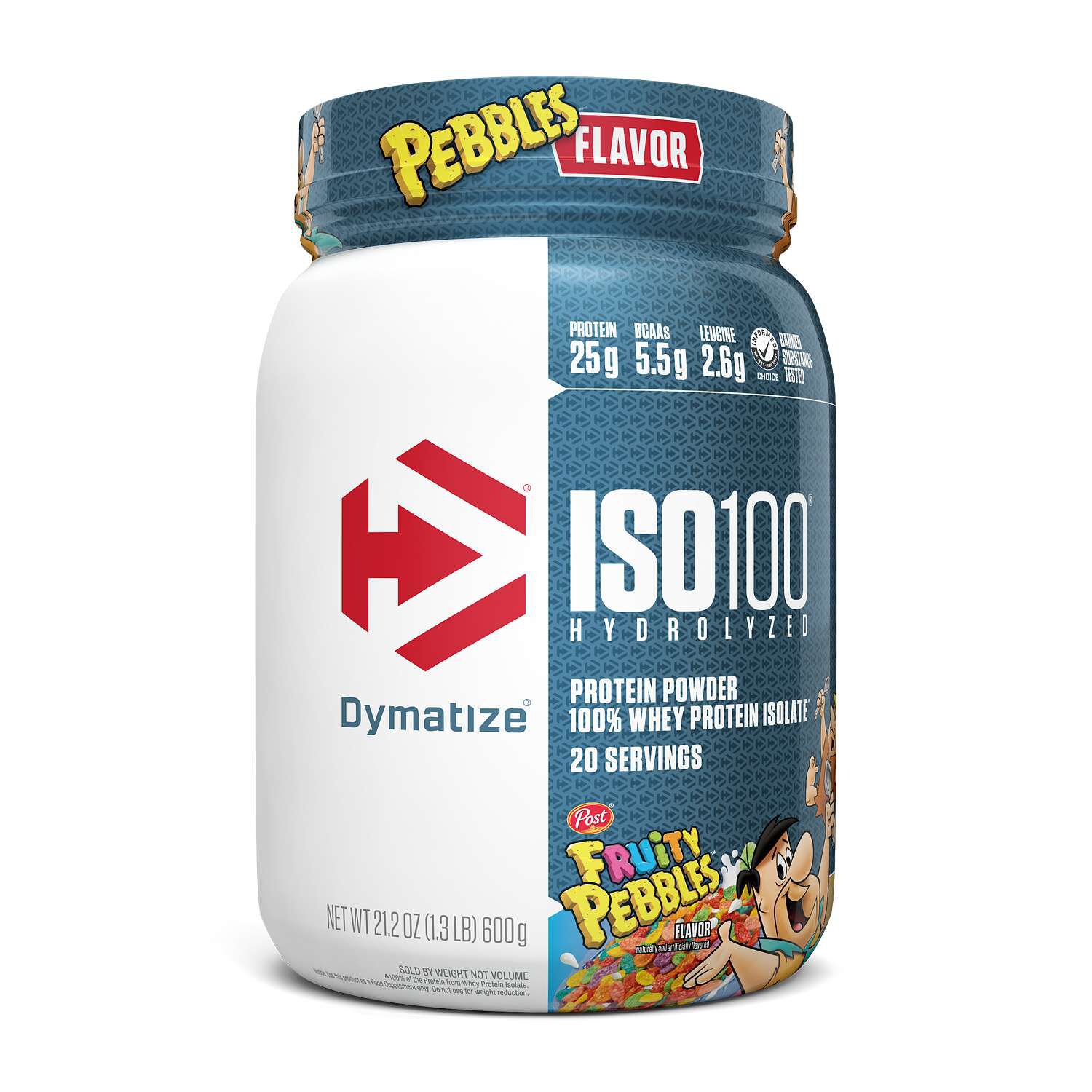


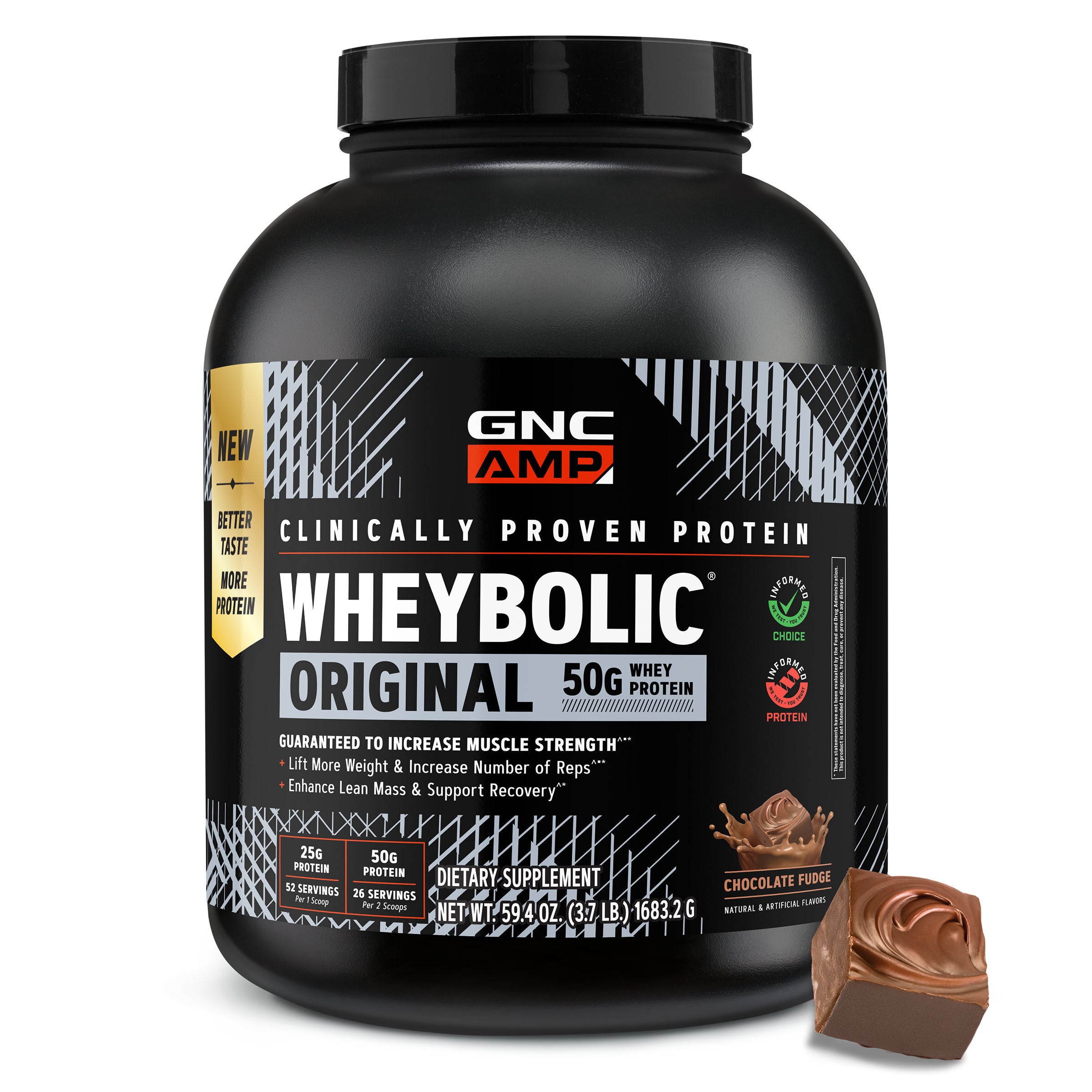
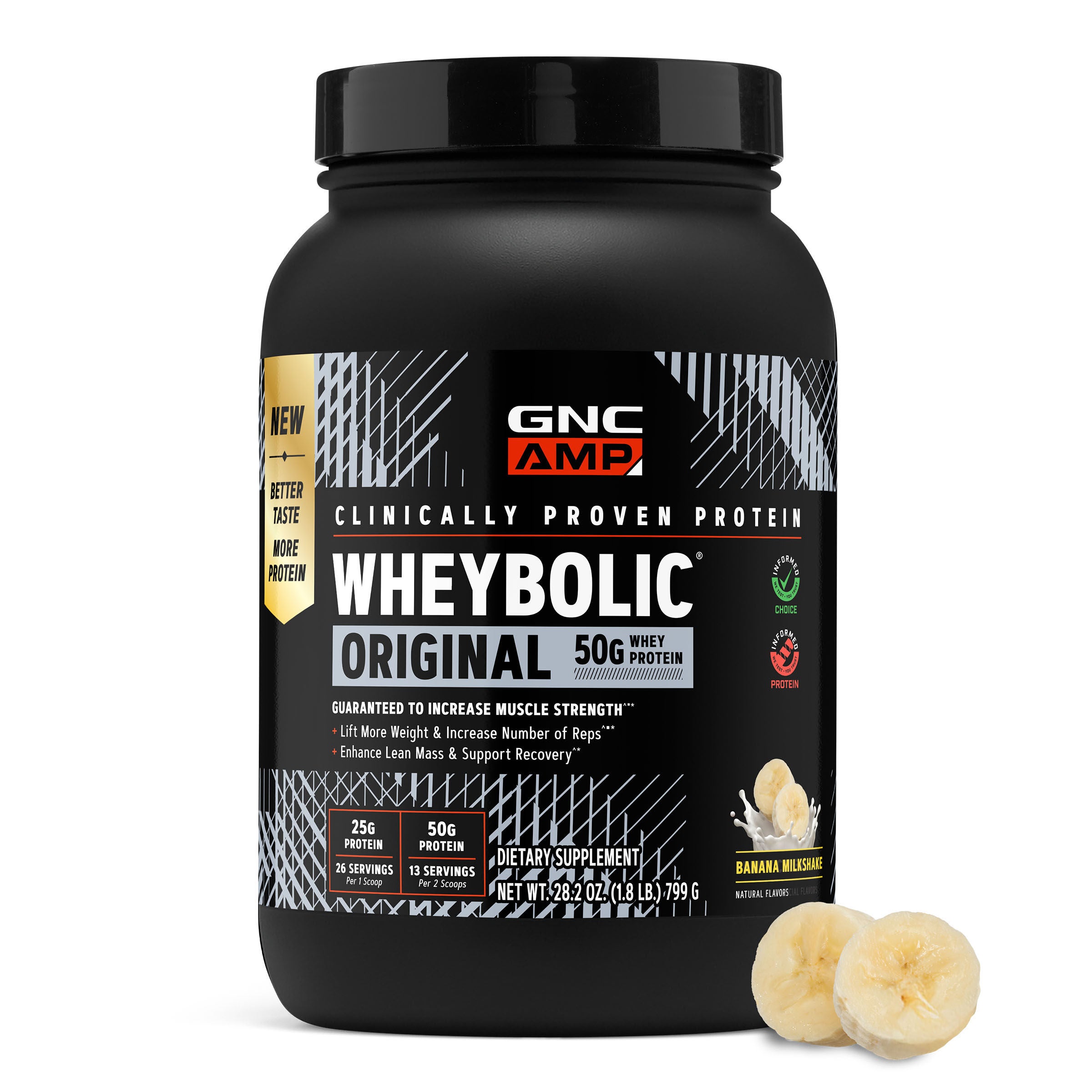


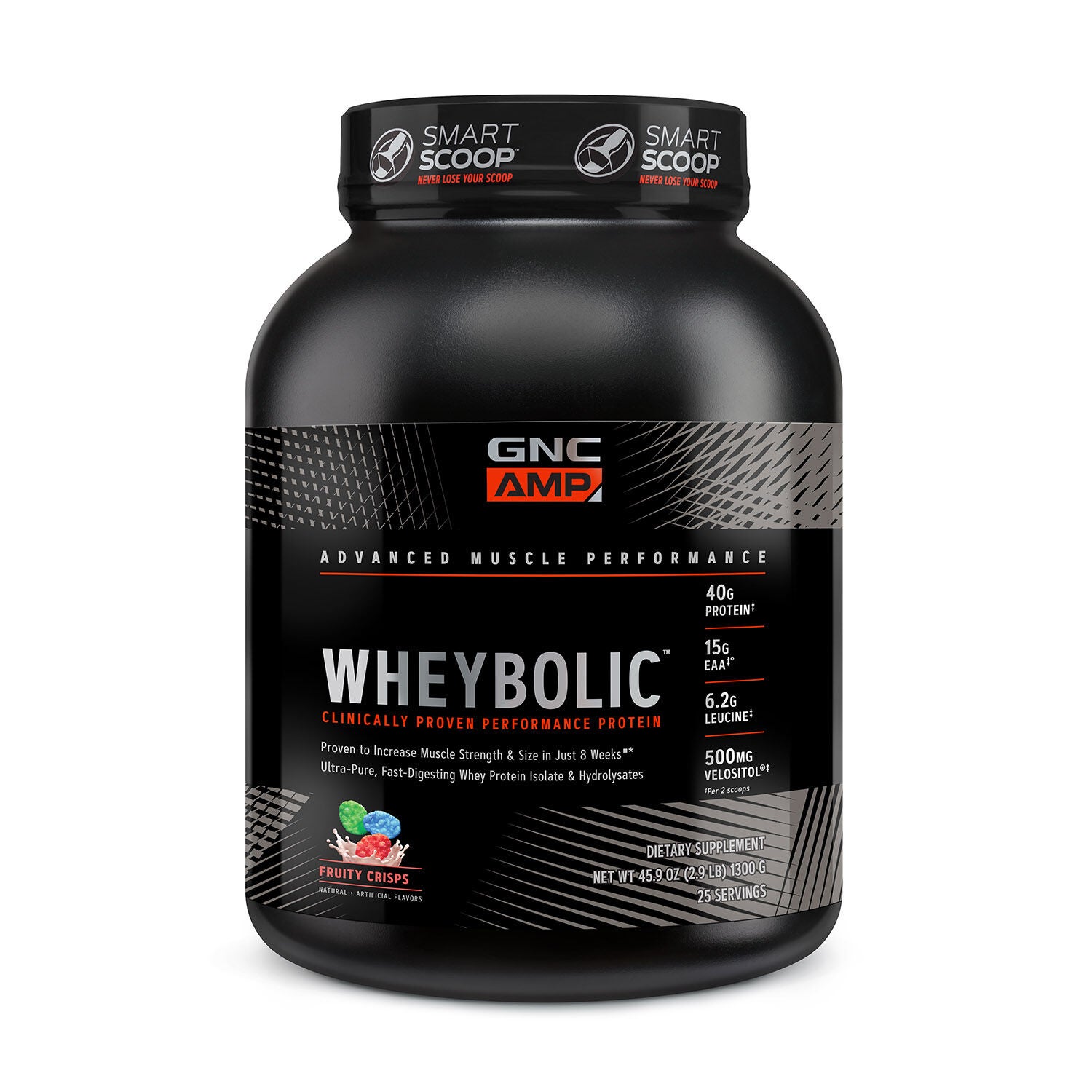
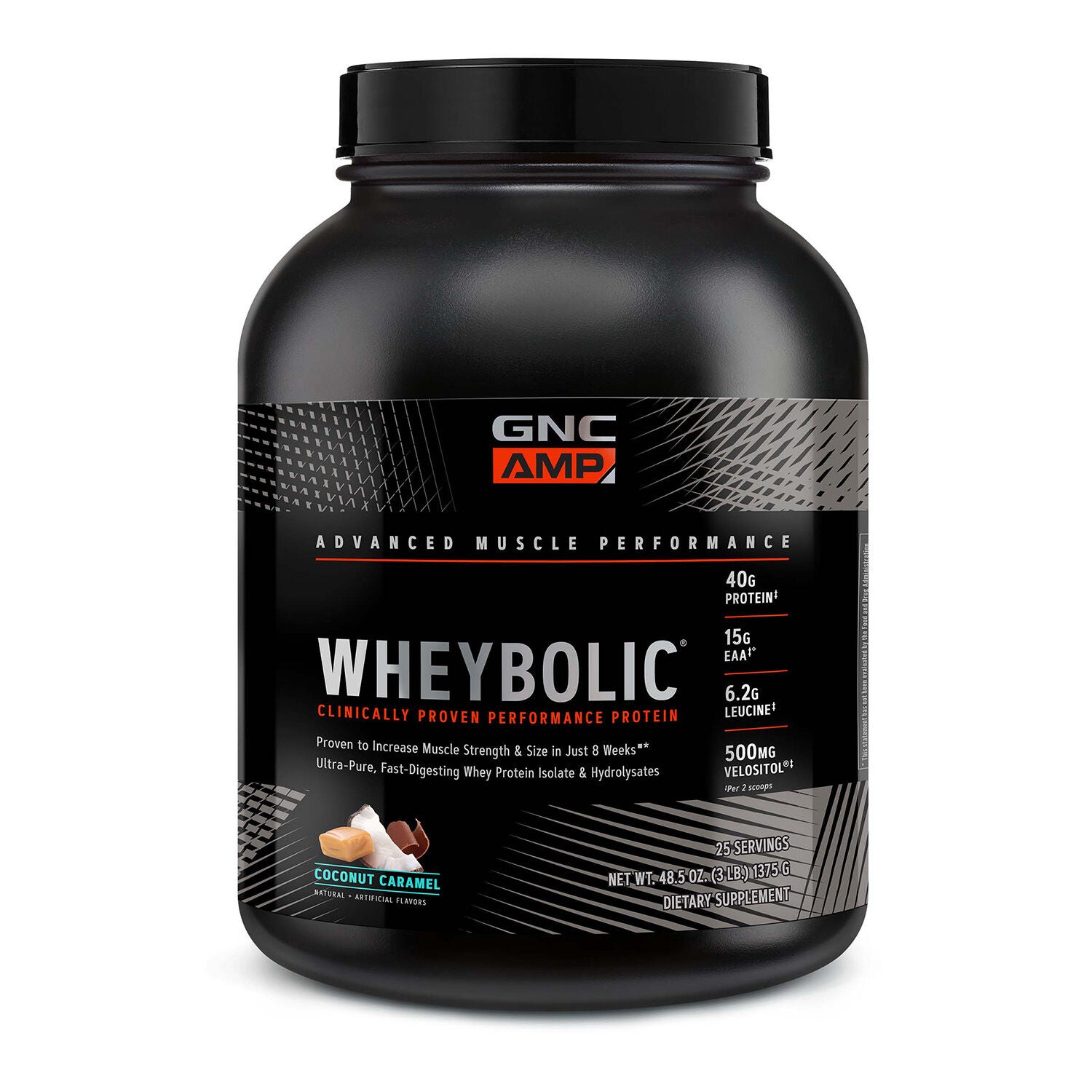
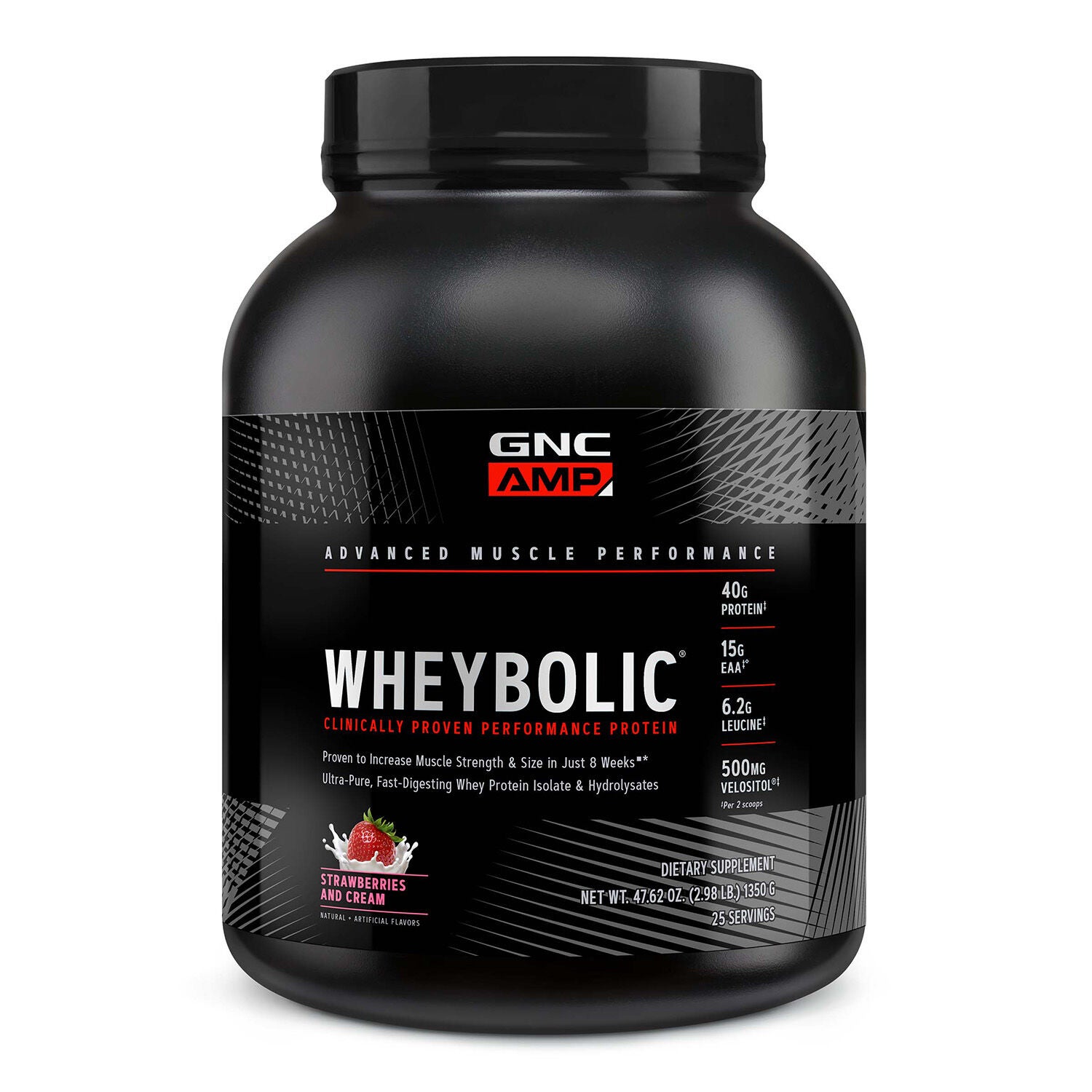

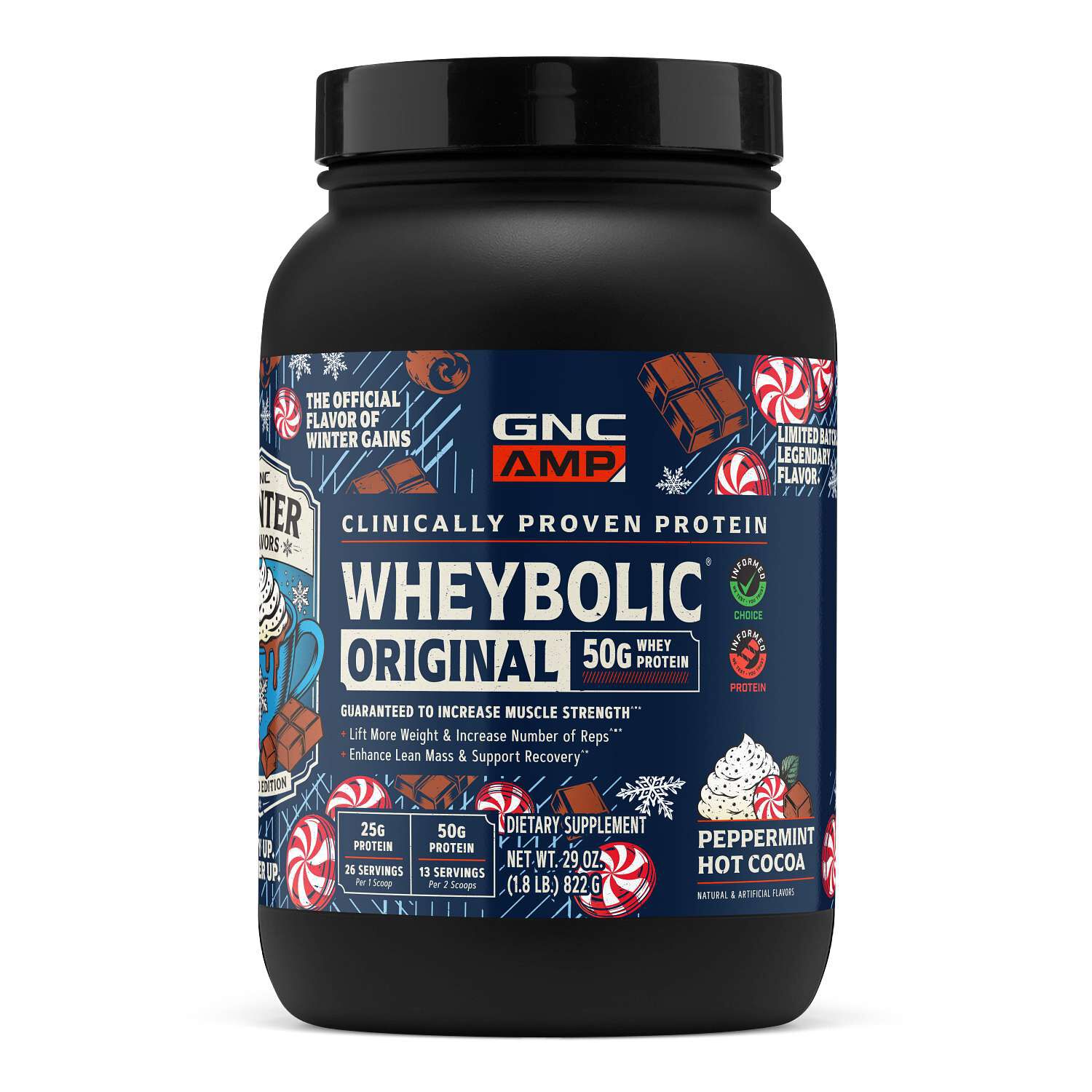


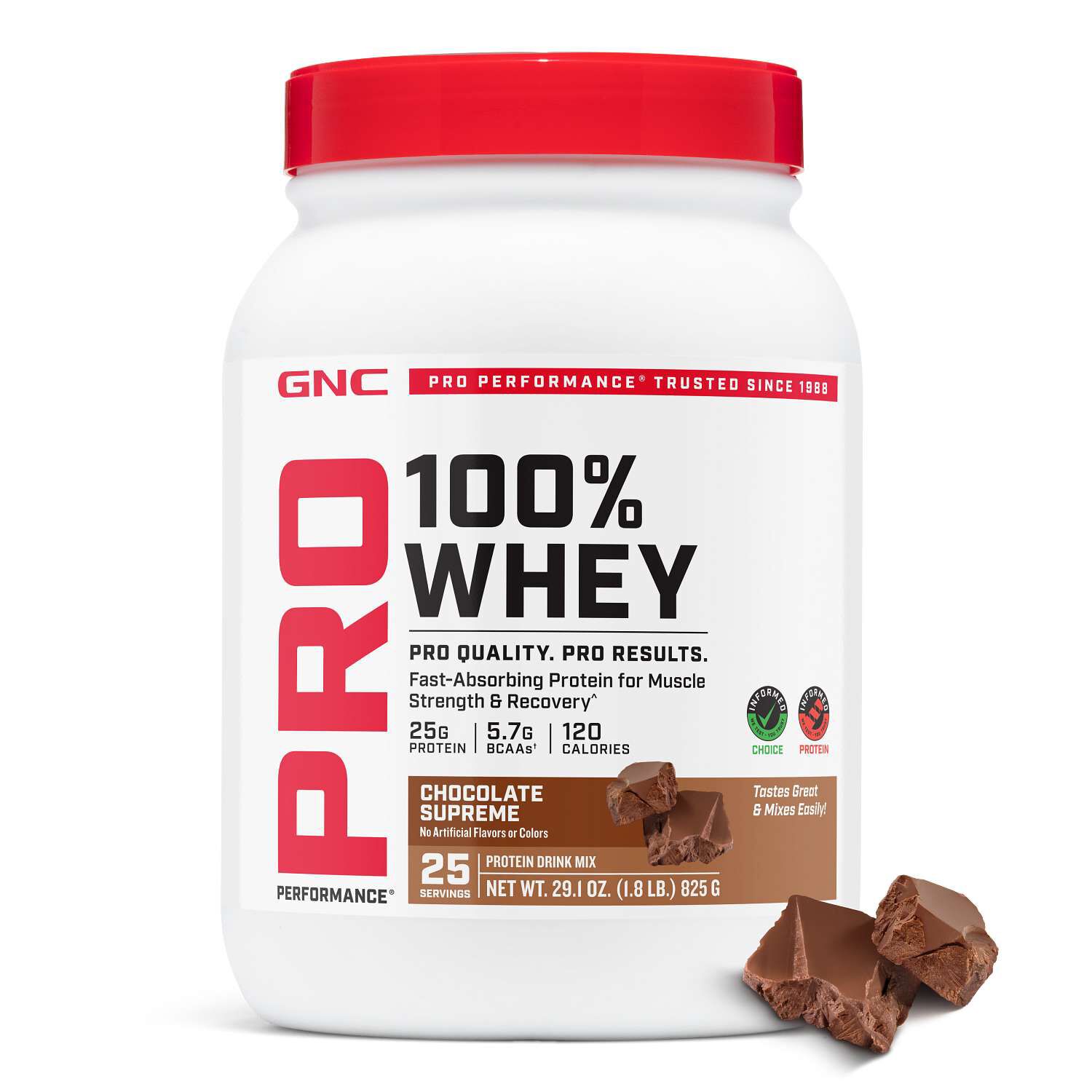
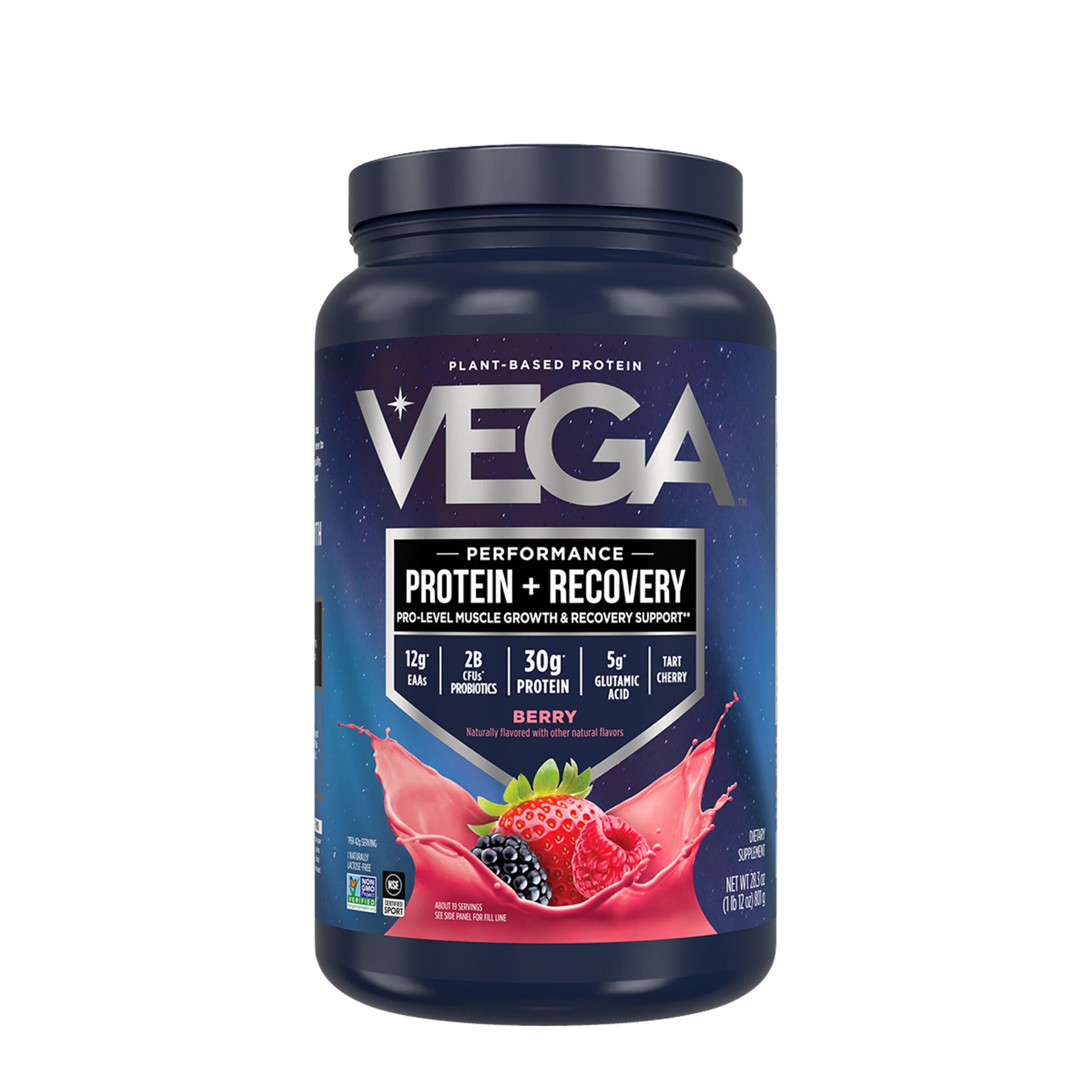
Protein for training includes powders, ready-to-drink shakes, and protein snacks intended to fit alongside meals and an active routine. These formats share a nutritional focus, but they differ in protein source, serving size, texture, ingredients, and preparation. Dietary protein supplies amino acids and may support muscle maintenance and recovery after exercise as part of a varied eating pattern. A powder mixed at home, a shake packed for the commute, and a bar tucked into a gym bag each suit a different part of the day. Someone heading from an early lifting session to work may prefer a drink that requires little preparation, while someone eating breakfast at home may favor a powder to stir into oatmeal or blend with fruit. The most useful comparison starts with the amount of protein per labeled serving, considered alongside the protein already present in meals. Body size, training frequency, exercise type, and food preferences all provide context for that comparison; the serving printed on a package is not a personalized daily protein target. A runner preparing for longer sessions, a recreational lifter, and someone combining strength work with group fitness may have different priorities, even when browsing the same category. Protein grams alone do not describe the whole formula, either. Calories, carbohydrates, fats, sugars, and serving volume help distinguish a light shake from a more substantial snack. A protein drink is not automatically a meal replacement, and a larger scoop does not necessarily make a powder a better match for a particular routine. For shoppers whose workouts center on lifting, Protein Powder For Bodybuilding offers a related category to explore. Across training styles, protein supplements may help fill gaps in food intake, but they belong within the broader picture of meals, workout demands, rest, and personal preferences. That context matters more than choosing a format simply because it looks familiar in the gym.
Protein sources give this category much of its variety. Whey and casein come from milk, while other formulas use egg, soy, pea, rice, or combinations of plant proteins. Whey concentrate and whey isolate differ in processing and composition, so the nutrition panel is more informative than the source name alone when comparing protein, carbohydrate, and fat content. Casein powders often have a thicker consistency, while plant-based powders vary noticeably in flavor and mouthfeel depending on the ingredients and how finely they are processed. Blends combine sources with different amino acid profiles; the ingredient list identifies what is actually in the container. For shoppers who prefer plant-based eating or avoid certain ingredients, source information and allergen statements are important distinctions. Milk, soy, and egg declarations deserve attention wherever they appear, including in formulas whose front labels emphasize another ingredient. Flavor is another practical consideration because the same powder may taste quite different in water, milk, or a plant-based beverage. Vanilla may suit a fruit smoothie, chocolate may pair with oats or nut butter, and an unflavored option may fit recipes where a pronounced sweet taste is less welcome. Sweeteners, cocoa, flavorings, thickeners, and other ingredients influence the finished drink, so two powders with similar protein amounts can have very different textures. A short ingredient list is not automatically the best fit for everyone; some shoppers prefer a straightforward formula, while others value the consistency of a flavored blend. Serving weight also matters. One scoop is not a universal measurement across powders, and a serving may call for more than one scoop. Comparing the listed grams of protein per serving alongside the serving weight creates a clearer picture than comparing container size or scoop count alone. For anyone logging food intake, the distinction between dry powder and a prepared shake matters as well, since milk, fruit, yogurt, or nut butter contribute their own nutrients.
Everyday use often comes down to the details that fit between workouts and the rest of the schedule. Powders involve measuring, mixing, and cleaning a shaker or blender, while packaged drinks require less preparation. Bars and other protein snacks offer a different eating experience, particularly for someone who would rather chew a snack than carry a drink. A powder that suits a blender at home may be less appealing for a quick hand-shaken drink at work; preparation directions and texture preferences belong in that decision. The liquid amount listed on a label provides a reference for mixing, with the finished consistency depending on the formula and preparation method. Changing the liquid or adding ingredients also changes the nutrition of the finished serving. A shake prepared with water is not nutritionally identical to the same powder blended with milk and a banana. Storage and handling are equally practical considerations. Powders belong in the conditions specified on their packaging, with the lid secured and a clean, dry scoop kept away from moisture. Prepared shakes, opened drinks, and recipes containing perishable ingredients have different handling needs, so package directions remain important after mixing or opening. Date markings, seal condition, and instructions for storage after opening matter more here than the durability considerations associated with workout equipment. Package format also shapes intended use: a tub suits a regular preparation spot, while individual portions may fit a packed schedule or a gym bag. None of these formats has to dictate exactly when someone eats. A protein snack after an evening session, a shake alongside breakfast, or powder incorporated into an afternoon meal can each be part of a planned eating pattern. The right fit is a protein source and format that aligns with dietary preferences, the labeled serving information, and the way food is actually prepared and eaten. Protein for training is most relevant when those everyday details make sense together, rather than when a single number or a particular format takes priority over everything else.
- Q: What types of protein supplements are commonly used for training?
A: Some popular options include whey, casein, soy, pea, and plant-based protein blends. Each type may offer unique benefits depending on your dietary preferences and training goals. - Q: When might someone consider taking protein in relation to their workouts?
A: Many people choose to consume protein before or after training sessions. The timing may depend on personal routines and preferences. - Q: How can protein supplements fit into a balanced training nutrition plan?
A: Protein supplements can be incorporated alongside whole foods as part of a varied diet that supports your activity and nutritional needs. - Q: Are there different flavors and forms of protein supplements available for those who train regularly?
A: Yes, protein supplements come in a variety of flavors and forms, such as powders, ready-to-drink shakes, bars, and more, making it easy to find an option that suits your taste and lifestyle. - Q: Can both beginners and experienced athletes use protein supplements as part of their training routine?
A: Protein supplements may be suitable for individuals at various stages of fitness who are looking to support their training regimen with additional dietary protein.
Best Sellers

Related Pages


Top Collections
- Supplements For Yoga Joint Flexibility
- GLP 1 Support For Adults
- Joint Mobility Supplement Packs
- Chronic Fatigue Supplements
- Adult Mobility Supplements
- Supplements For Balance
- Supplements For Anxiety Relief Support
- Capsule Supplements For Energy And Stamina
- Zinc Supplements | Top Brands at Great Prices | GNC
- Anti Aging Supplements For Women