





Protein For Endurance Athletes
(0 Results)
Protein for endurance athletes plays an important role in supporting active lifestyles and training routines. Whether you’re a runner, cyclist, swimmer, or triathlete, finding the right protein options could help you stay fueled and ready for every challenge. Explore a wide selection of protein for endurance athletes designed to fit different preferences and goals, so you can keep pushing your limits and optimizing your performance journey.

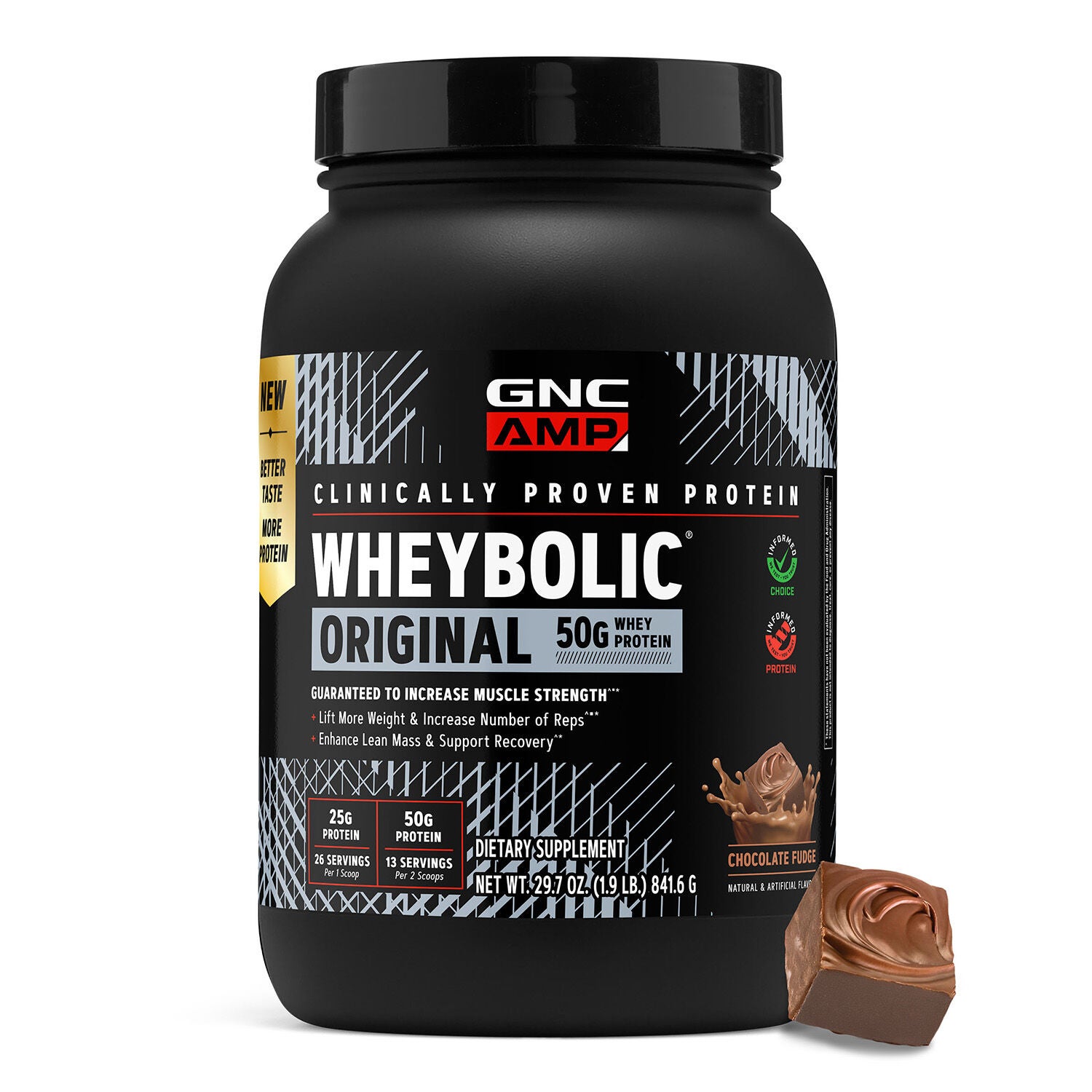
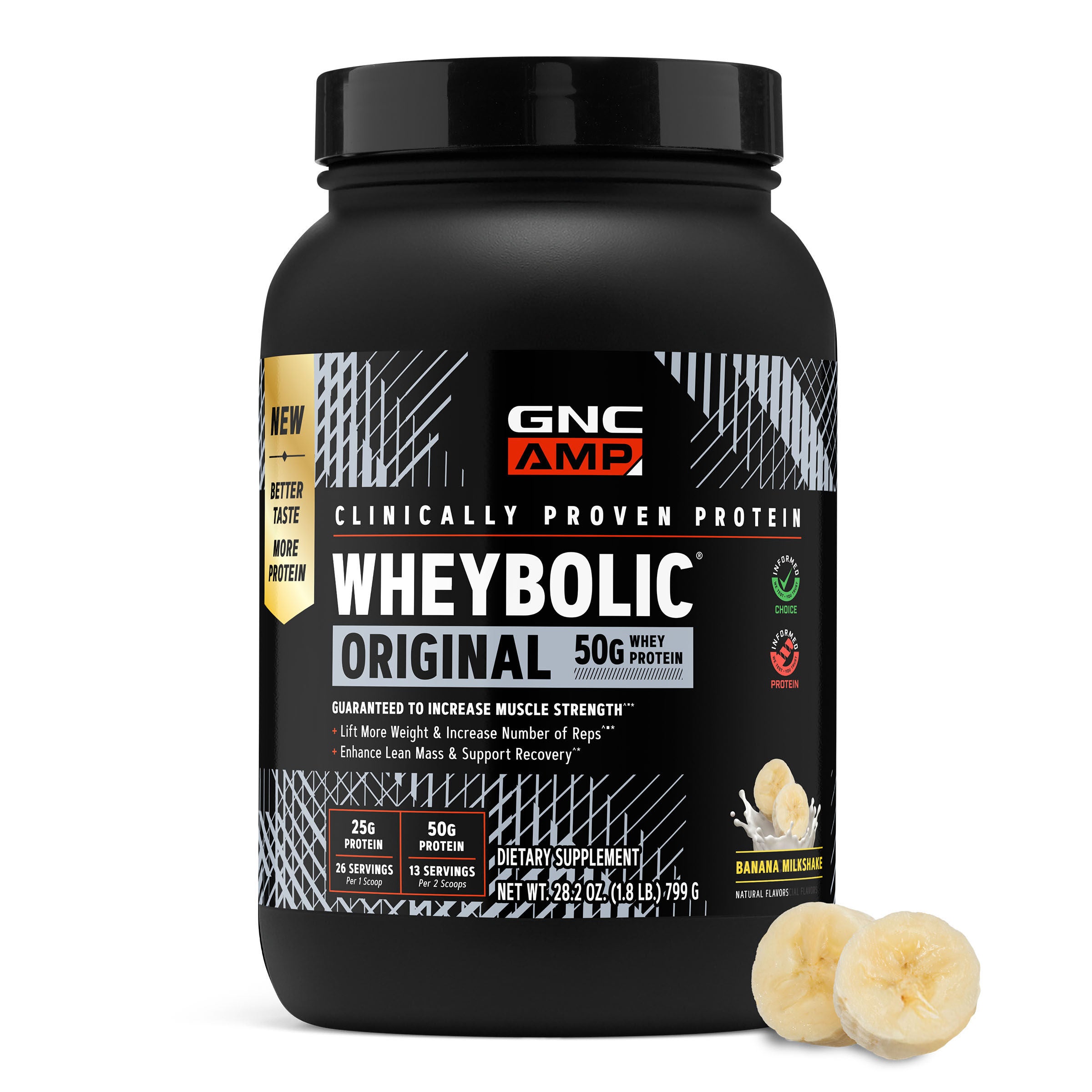

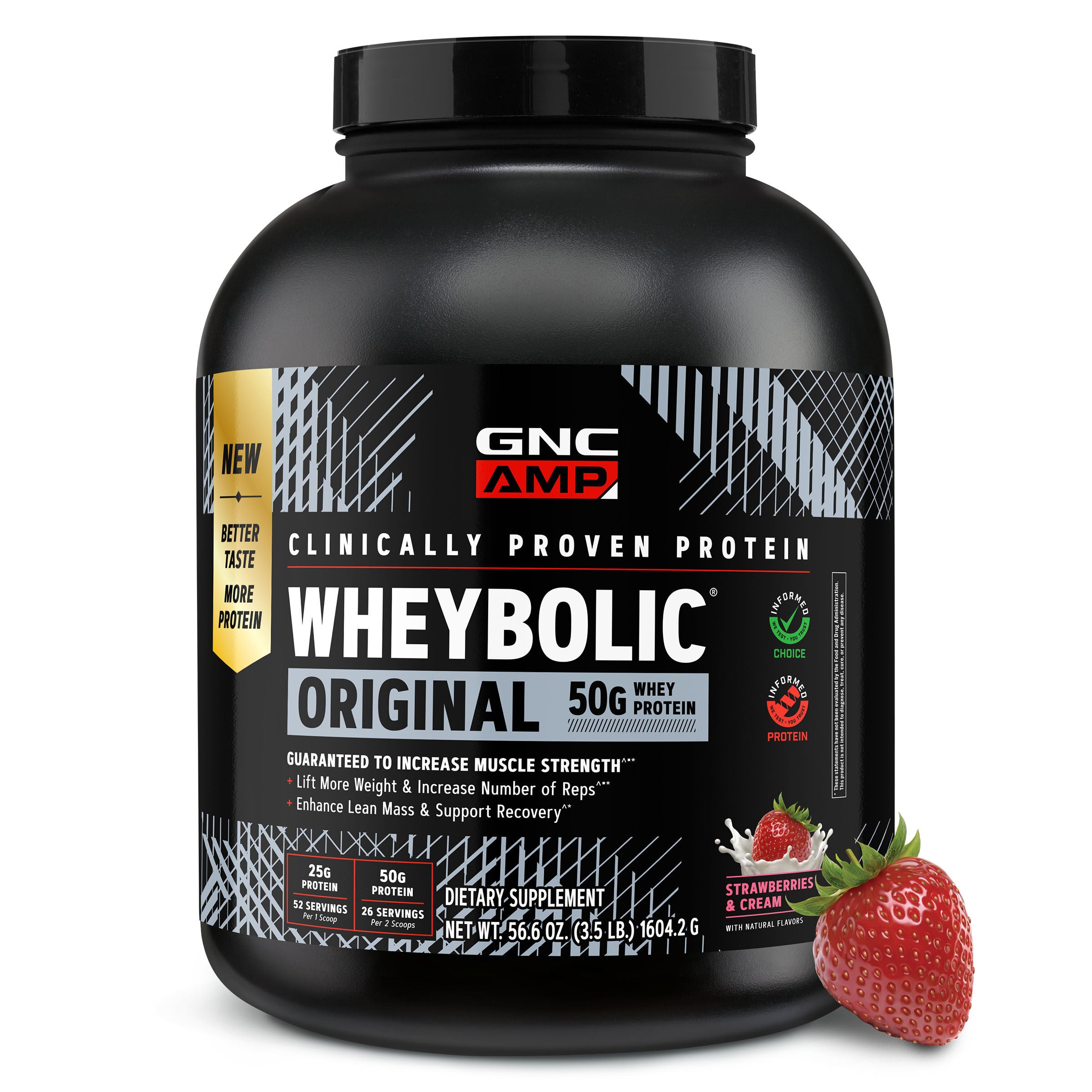
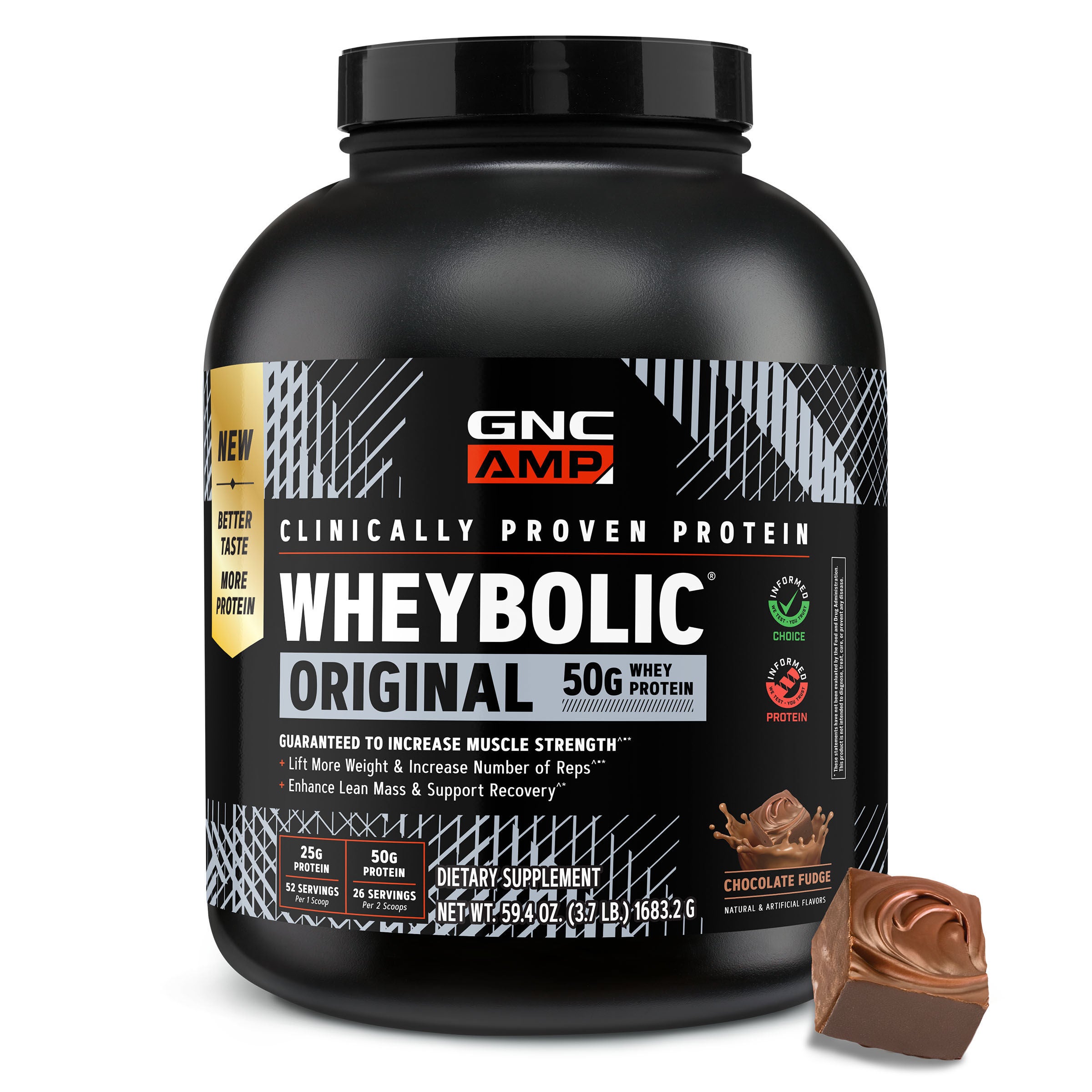


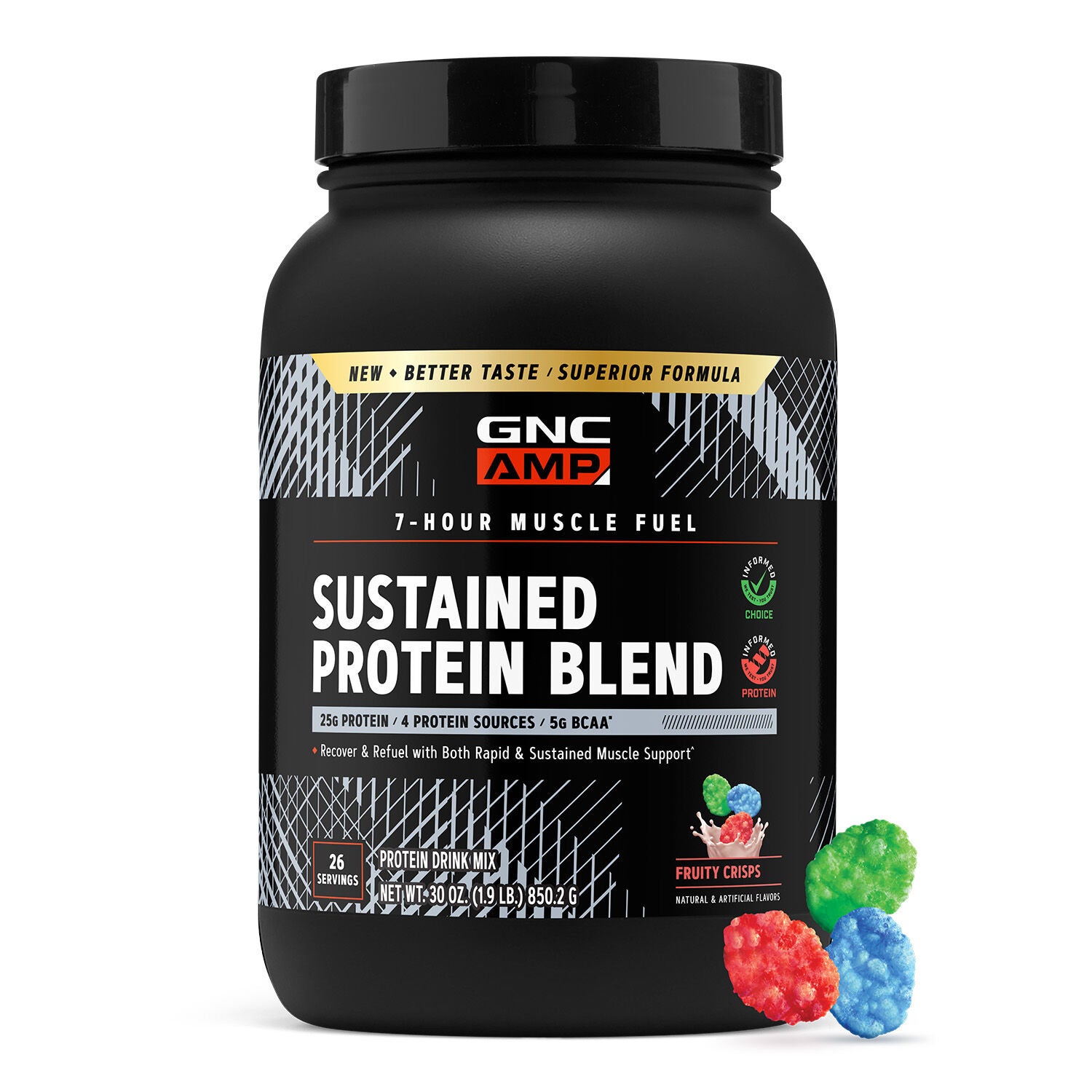
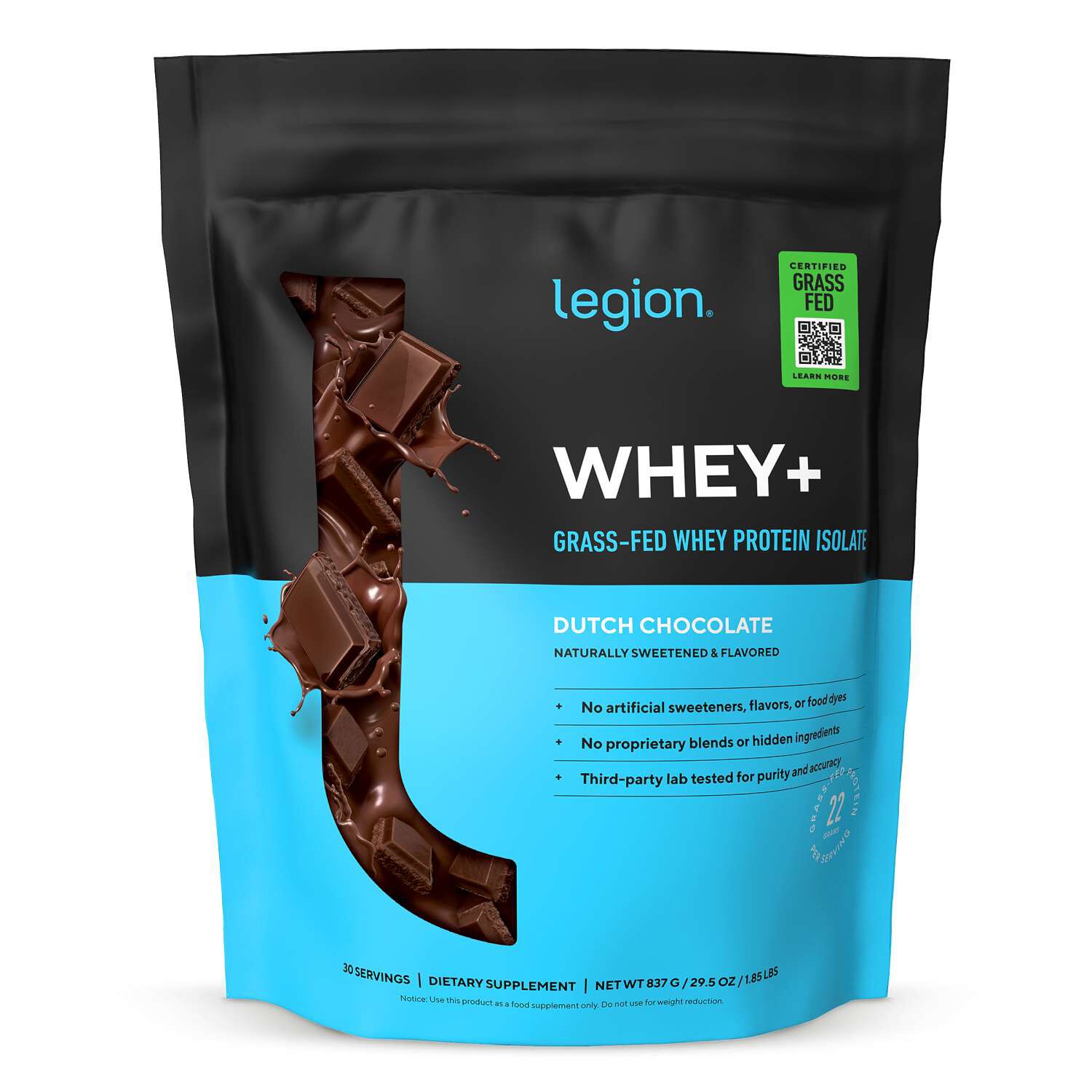
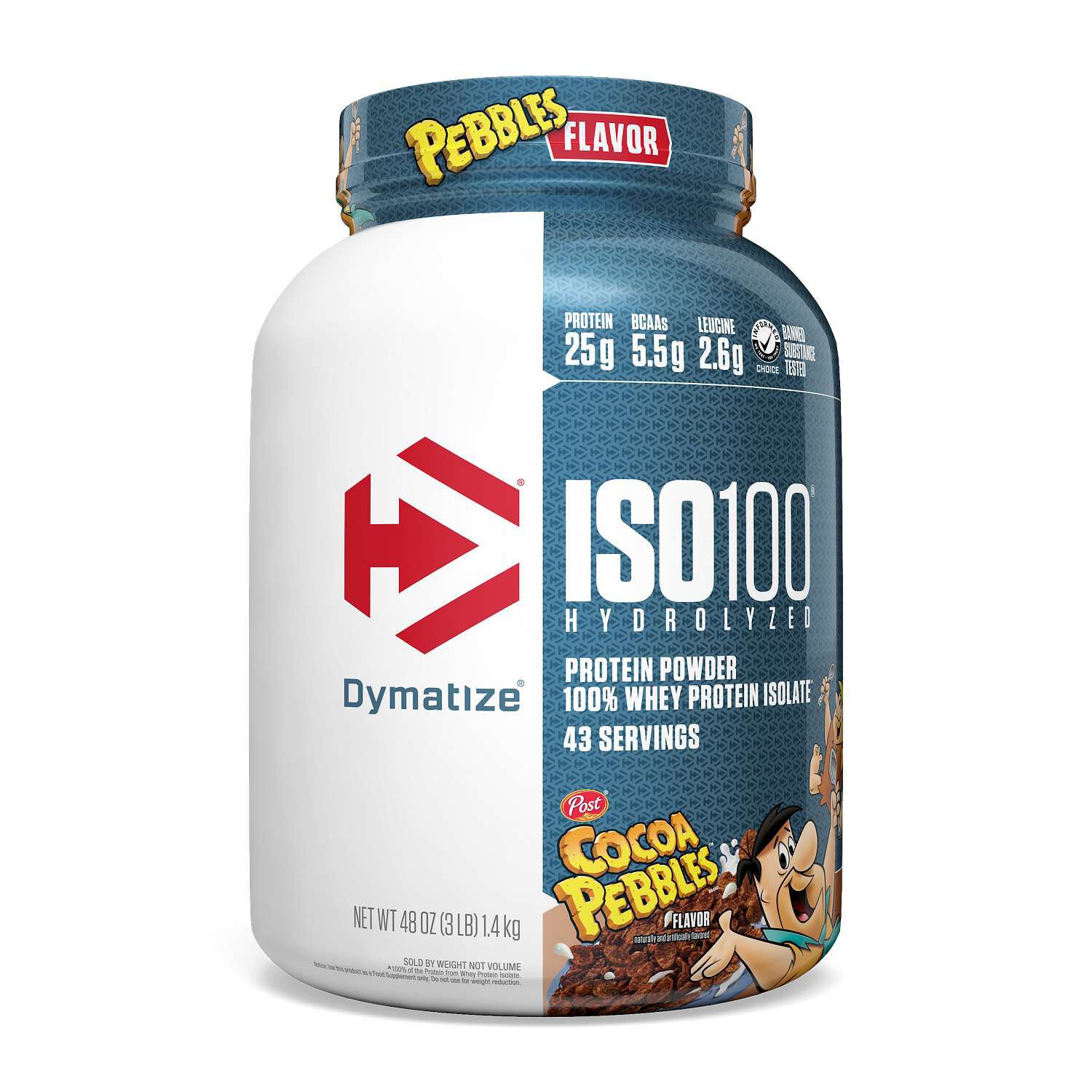


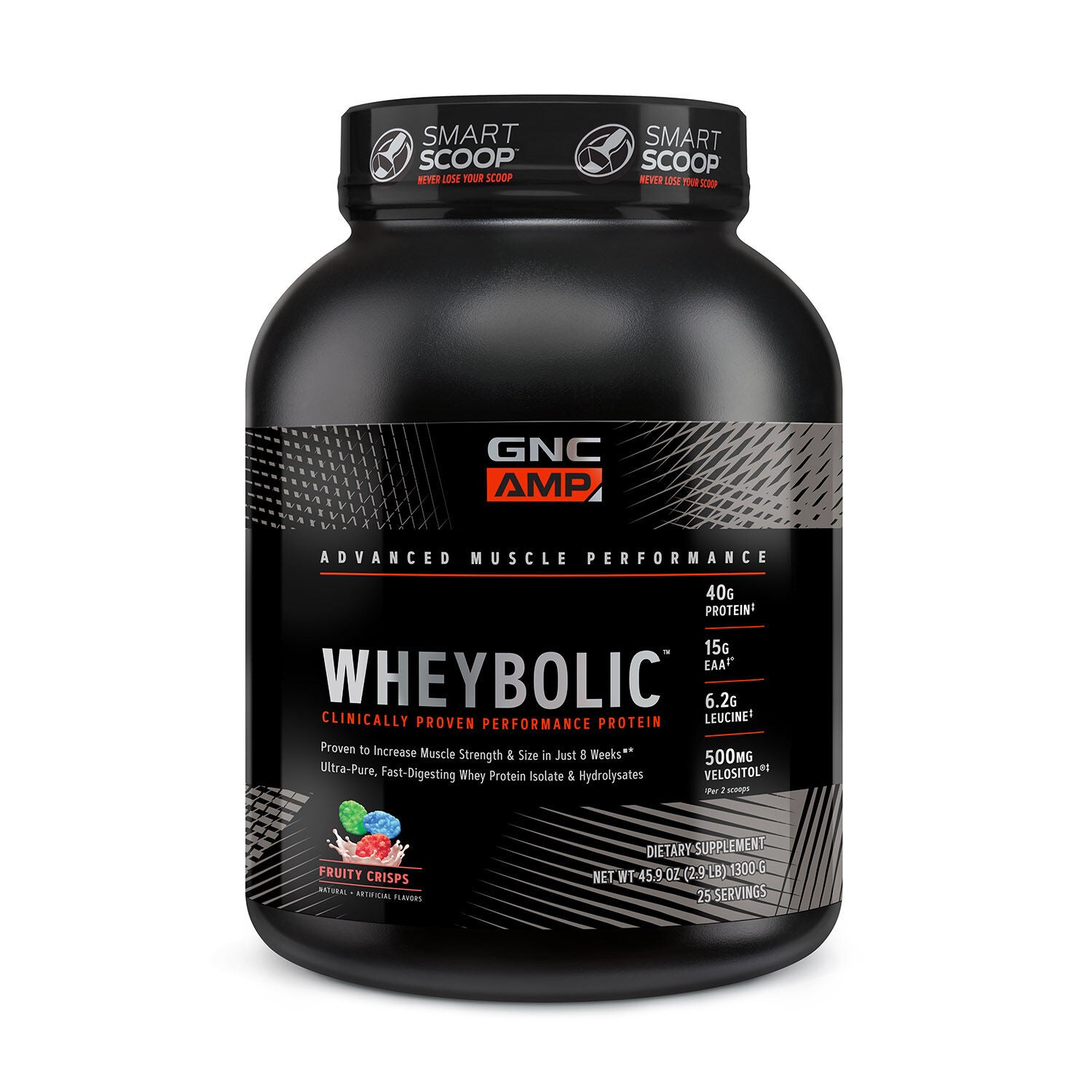


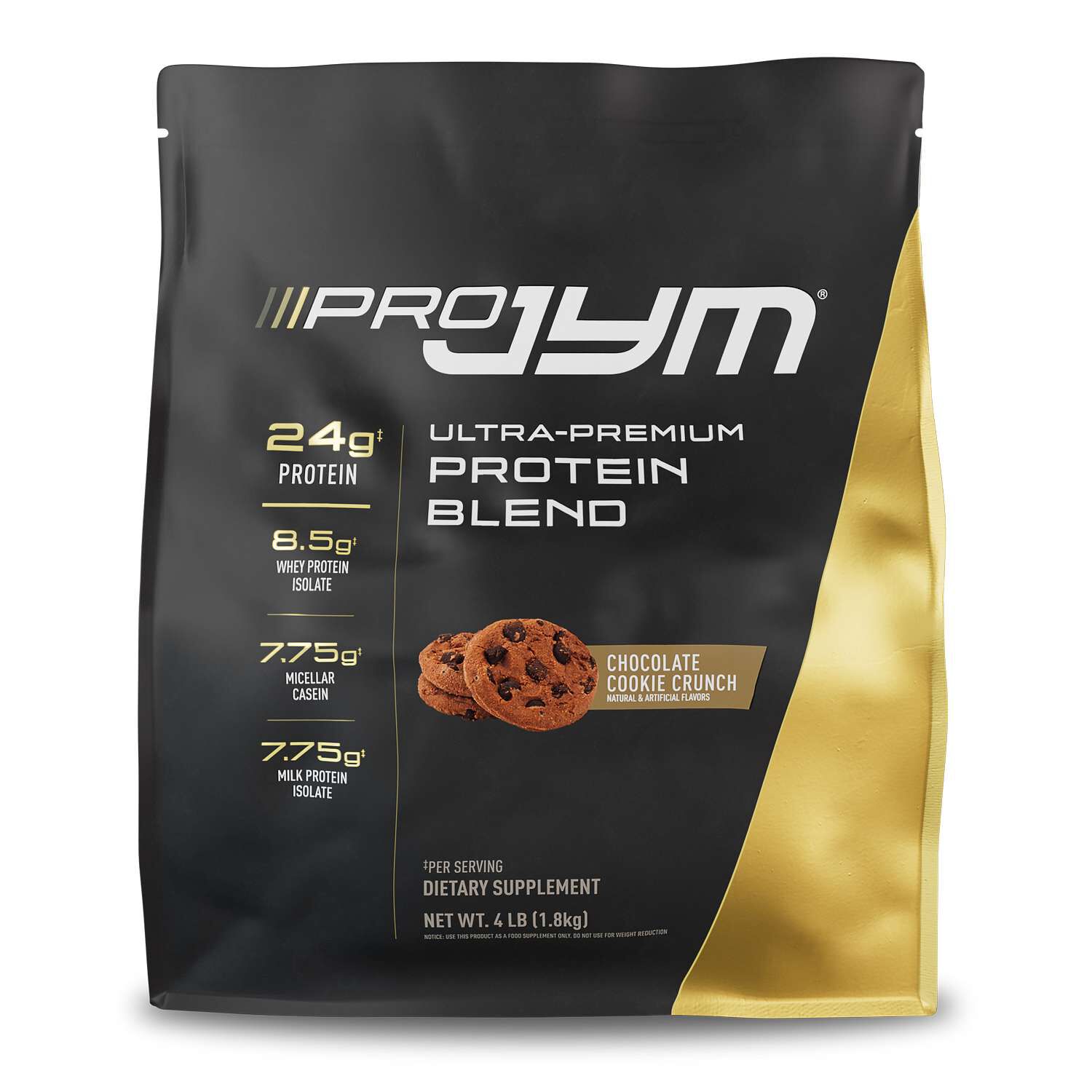


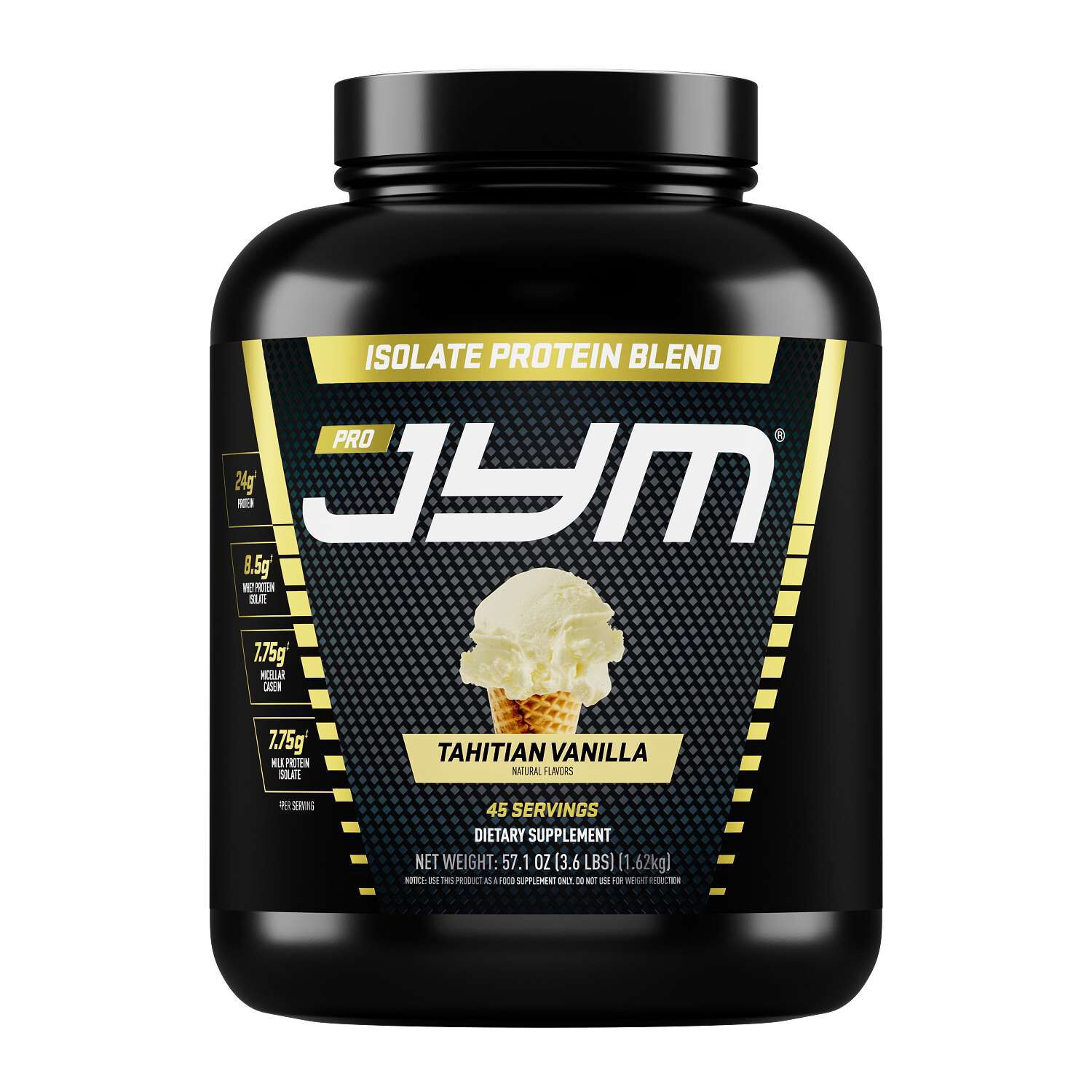
Protein for endurance athletes can fit naturally into routines built around running, cycling, swimming, rowing, hiking and other activities that keep you moving for extended periods. Long sessions often make meal timing less convenient, especially when training begins before sunrise, ends during a commute or takes place far from home. Protein powders, ready-to-mix beverages, bars and other convenient formats may offer a practical way to include protein when a sit-down meal is not nearby. Many athletes pair a protein serving with carbohydrates after a demanding workout, since that combination may fit well within a broader refueling routine. Protein may also help support the maintenance of muscle during regular training, while carbohydrates may provide an accessible source of energy for future activity. Needs can vary with body size, training duration, workout frequency, food preferences and overall eating patterns, so product selection often starts with the serving size and the role it will play in the day. A commonly referenced sports-nutrition target is about 1.8 grams of protein per kilogram of body weight per day, or roughly 0.82 grams per pound, with some athletes choosing a range near 2.0 grams per kilogram during demanding training blocks. These figures serve as general context rather than personal direction. Anyone managing a health condition, following a restricted eating pattern or making major changes to nutrition may wish to speak with a qualified professional for individualized guidance.
When choosing protein for endurance athletes, consider how the product fits into real life. A powder can be useful at home, in a gym bag or beside a shaker bottle in the car, while a bar or ready-to-drink option may be easier to carry on a long ride, trail outing or travel day. Look at the amount of protein per serving, the serving size, the flavor profile and the ingredient list. Some people prefer dairy-based proteins, while others look for egg, soy, pea, rice or blended plant proteins. A blend may suit someone who enjoys a smoother texture or a broader variety of food sources, while a simpler formula may appeal to shoppers who prefer a shorter ingredient list. Texture matters more than many first-time buyers expect: a powder that mixes smoothly in cold water may be welcome after a warm run, while a richer shake may work better as part of breakfast. Consider carbohydrate content as well, particularly if the product will be used after longer sessions or alongside fruit, oats, toast or another carbohydrate source. For a general post-workout routine, sports nutrition guidance often references about 15 to 30 grams of protein, though personal preferences and daily intake can differ. Spreading protein across several meals and snacks may make it easier to reach a day’s preferred intake than relying on one large serving. A breakfast shake, yogurt bowl, sandwich at lunch and a protein-centered dinner can create a steady rhythm without making every meal feel like a training task.
Protein products can also make thoughtful gifts for runners, cyclists, triathletes, swimmers and outdoor enthusiasts who spend cooler months building mileage or preparing for a future event. A compact assortment of flavors may be useful for someone who enjoys variety, while single-serve packets may suit an athlete who travels to races, training camps or weekend adventures. For a friend who prefers cooking, a neutral or lightly flavored powder may work in oatmeal, smoothies or pancake batter; someone with a busy schedule may appreciate a portable format that can be tucked into a work bag. Shoppers may want to check dietary preferences, allergen information and preferred flavors before choosing a gift, since these details can shape whether a product becomes part of a regular routine. Endurance athletes who want options designed with women’s training needs and preferences in mind may also explore Protein for Women Athletes. During the cooler months, protein can be paired with warm breakfasts, hearty grain bowls or a smoothie after an indoor session, while a chilled shake may remain appealing after a workout in a heated gym. The best choice is often the one that feels easy to use consistently, suits the athlete’s eating style and travels well from the kitchen to the trailhead. With thoughtful selection, protein for endurance athletes may serve as a convenient part of meals and snacks that accompany steady training, busy schedules and long days outdoors.
Best Sellers


Related Pages

Top Collections
- Daily Collagen Supplements | Top Brands & Deals | GNC
- Natural Collagen Supplements | Top Brands & Deals | GNC
- Top Rated Collagen | Shop Customer Favorites | GNC
- Cortisol Supplements
- Vitamins For Hair Loss
- Spirulina Tablets
- NAD+ Supplement Tablets
- Peptide Supplements
- Best Brand of Magnesium Glycinate
- Vitamins That Help Support Weight Gain