





Protein For Women Athletes
(0 Results)
Protein for women athletes may help support an active lifestyle and fitness goals. Whether training for endurance, strength, or overall wellness, exploring different protein options may help complement your routine. Discover a variety of protein for women athletes designed to fit diverse preferences and routines, so you can find the right match for your unique needs.

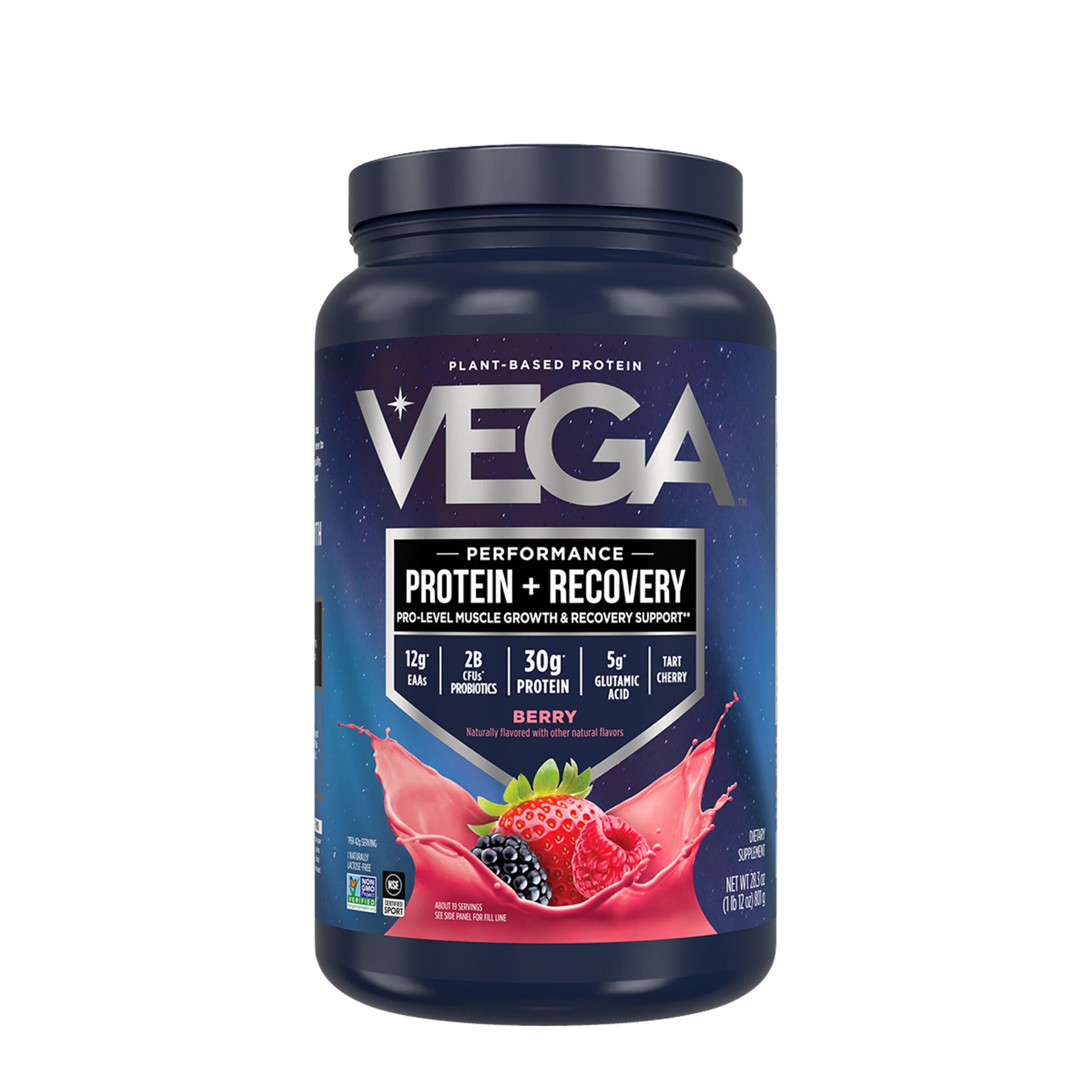
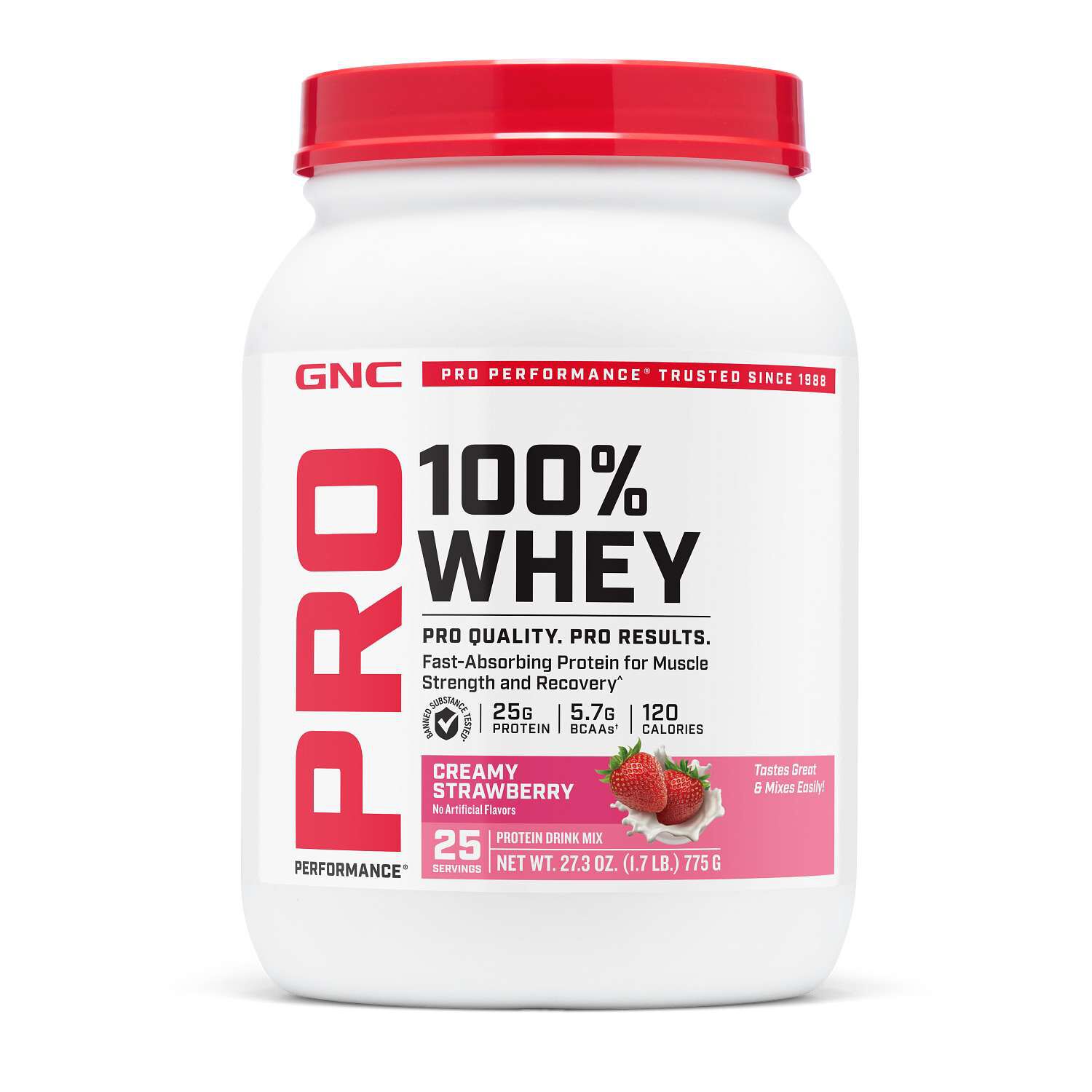
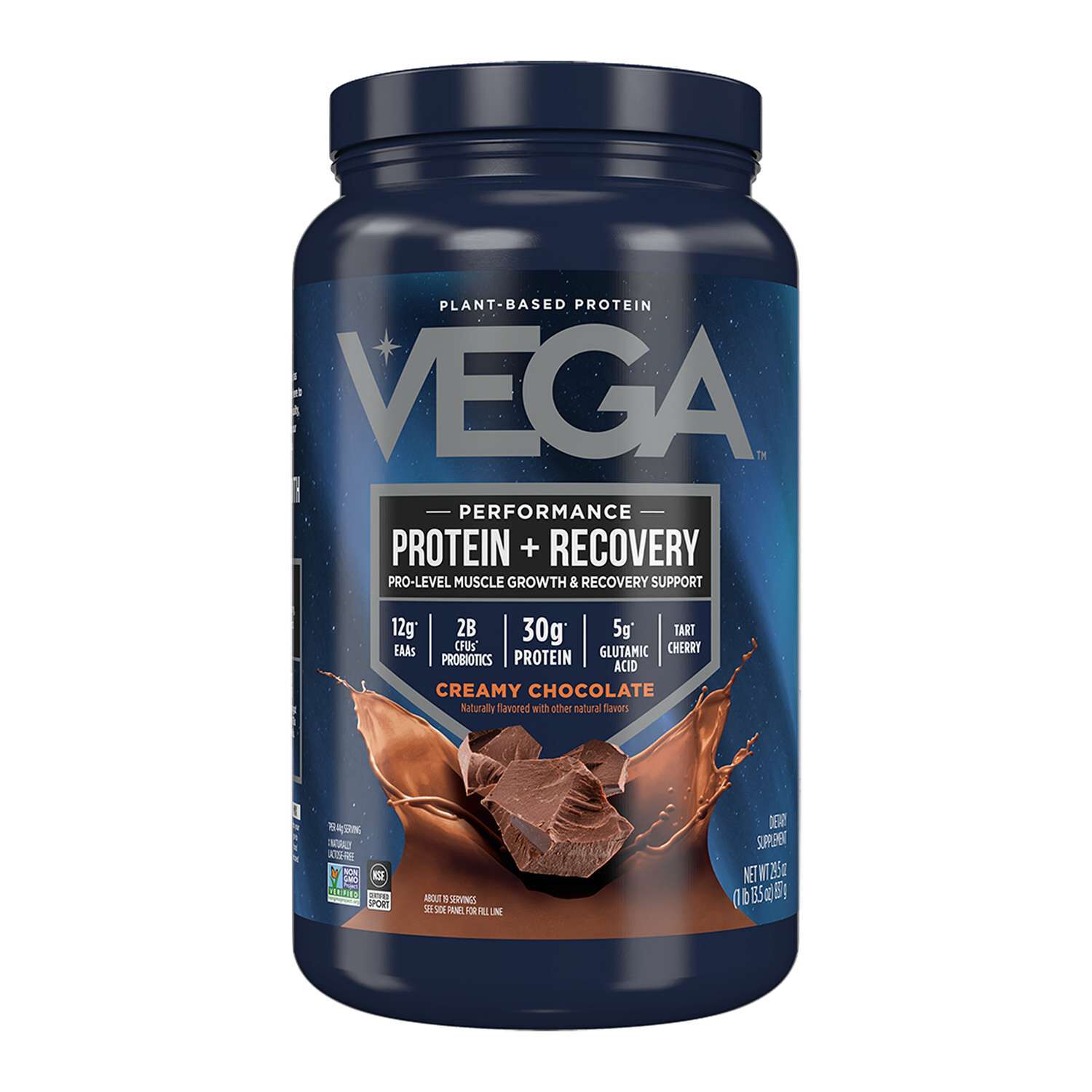


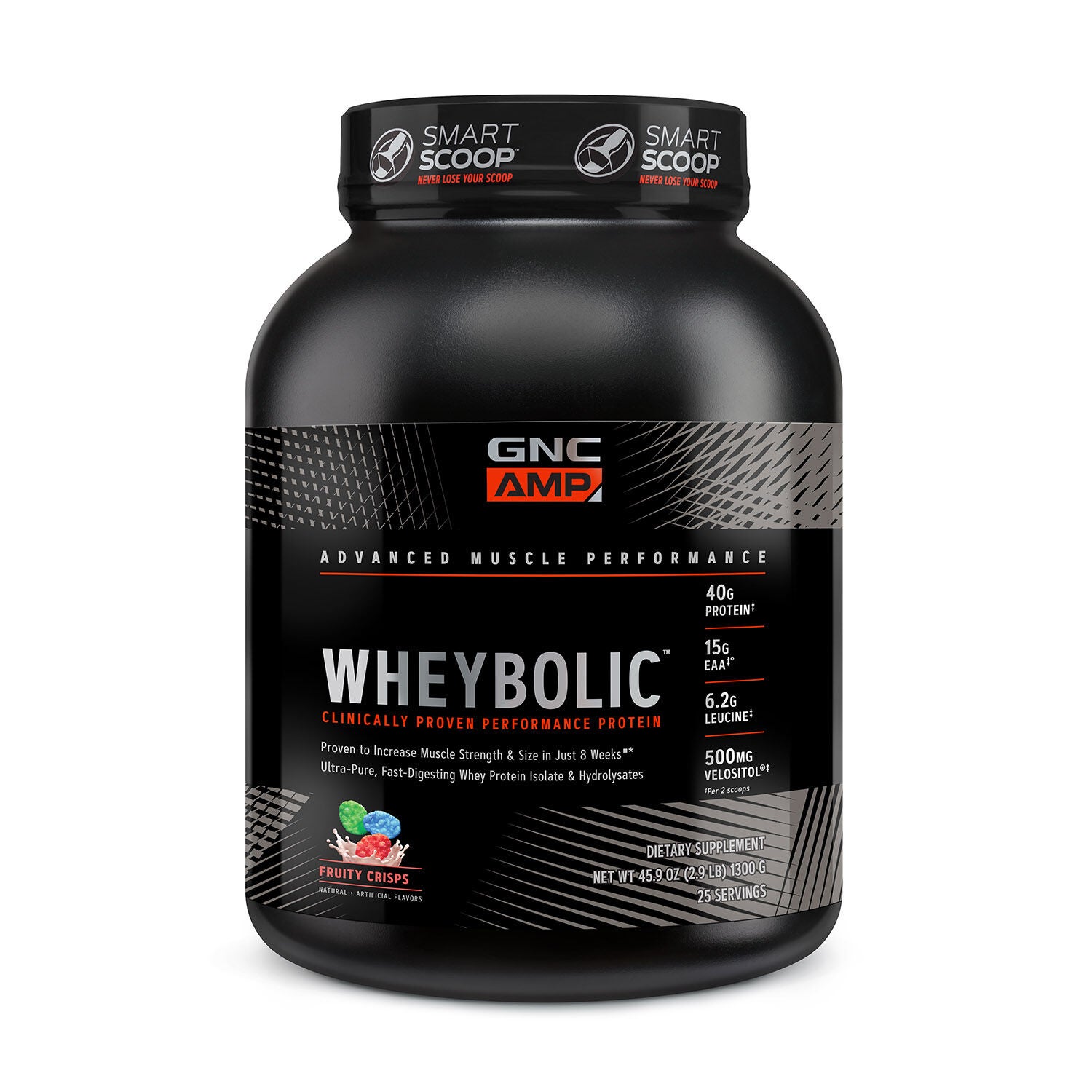

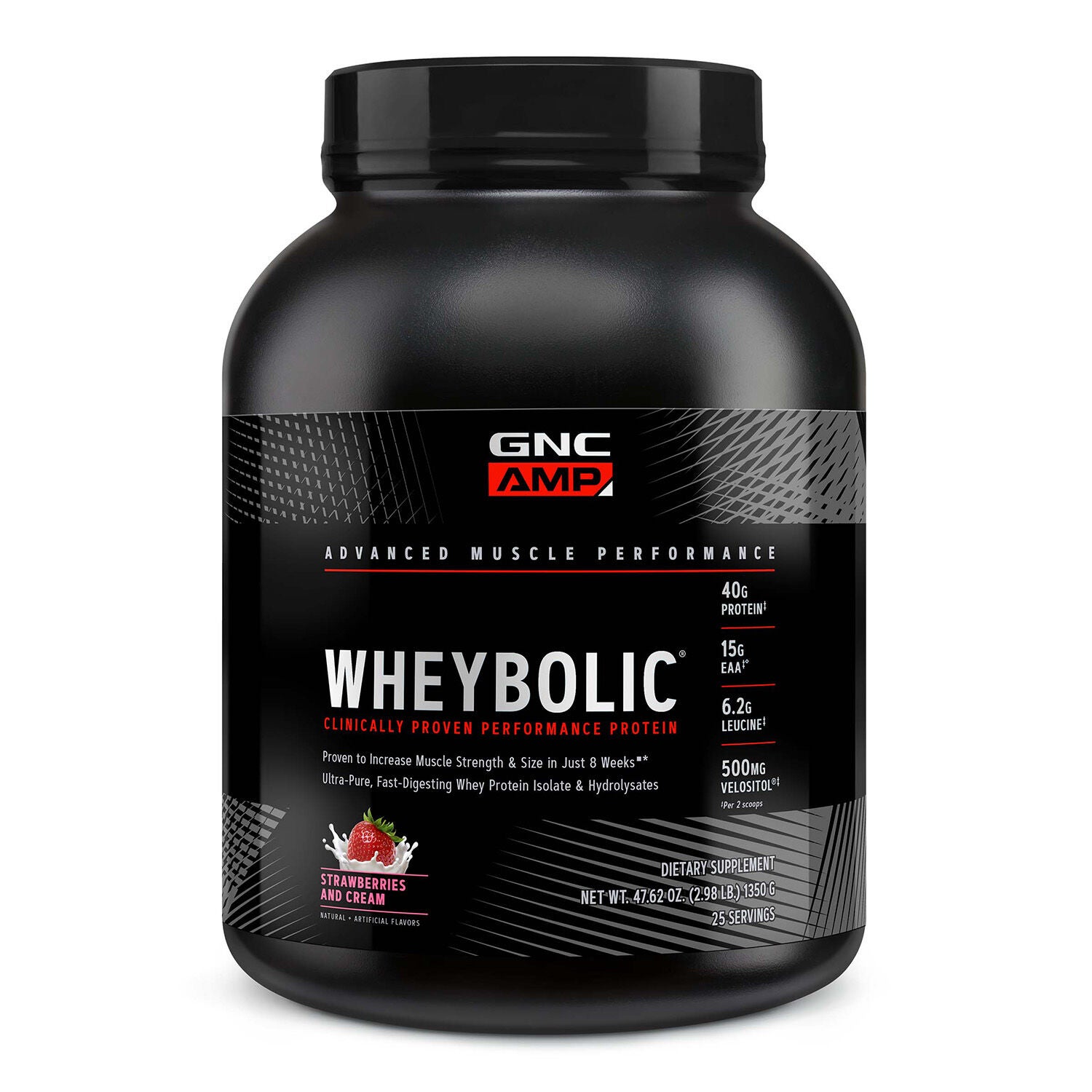


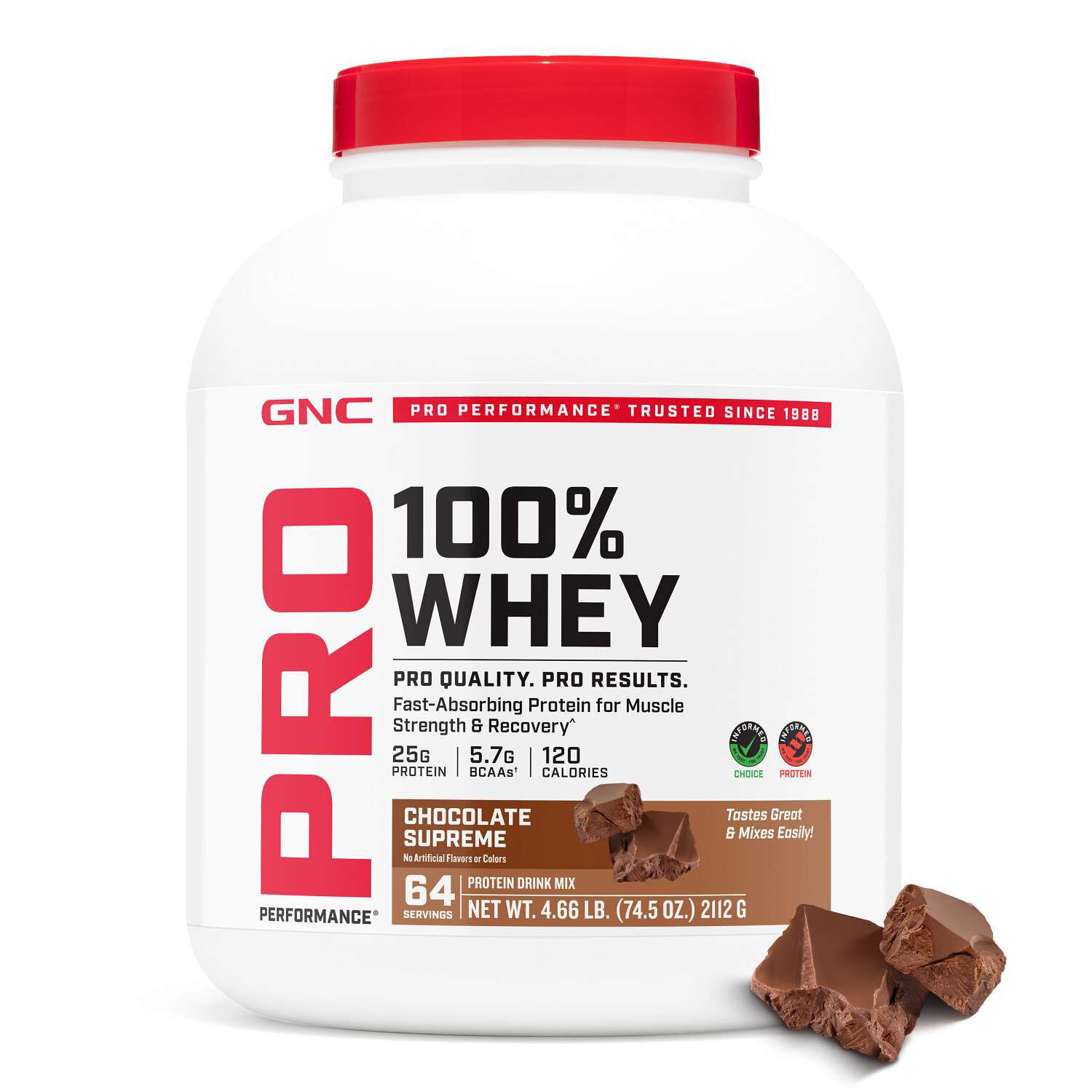
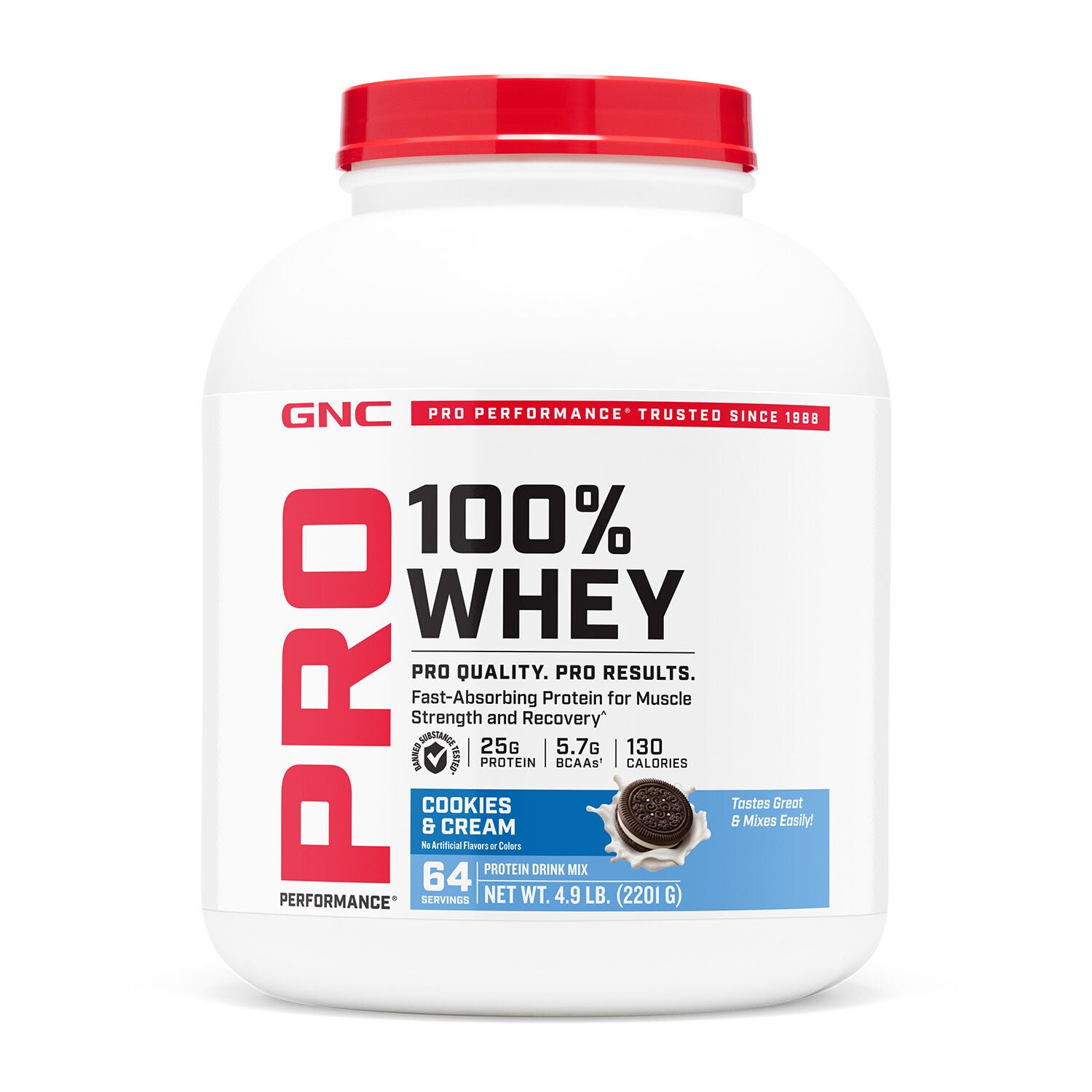
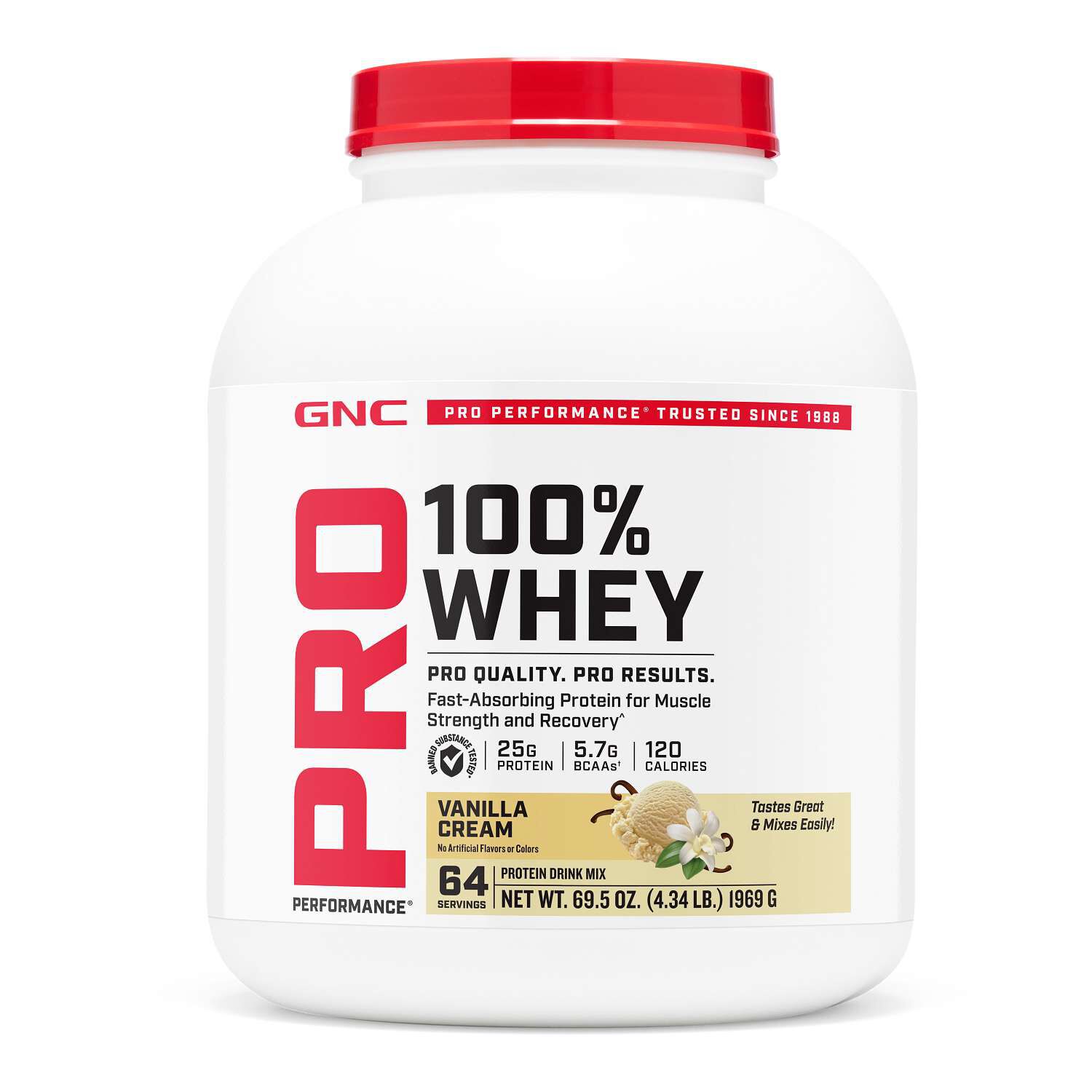
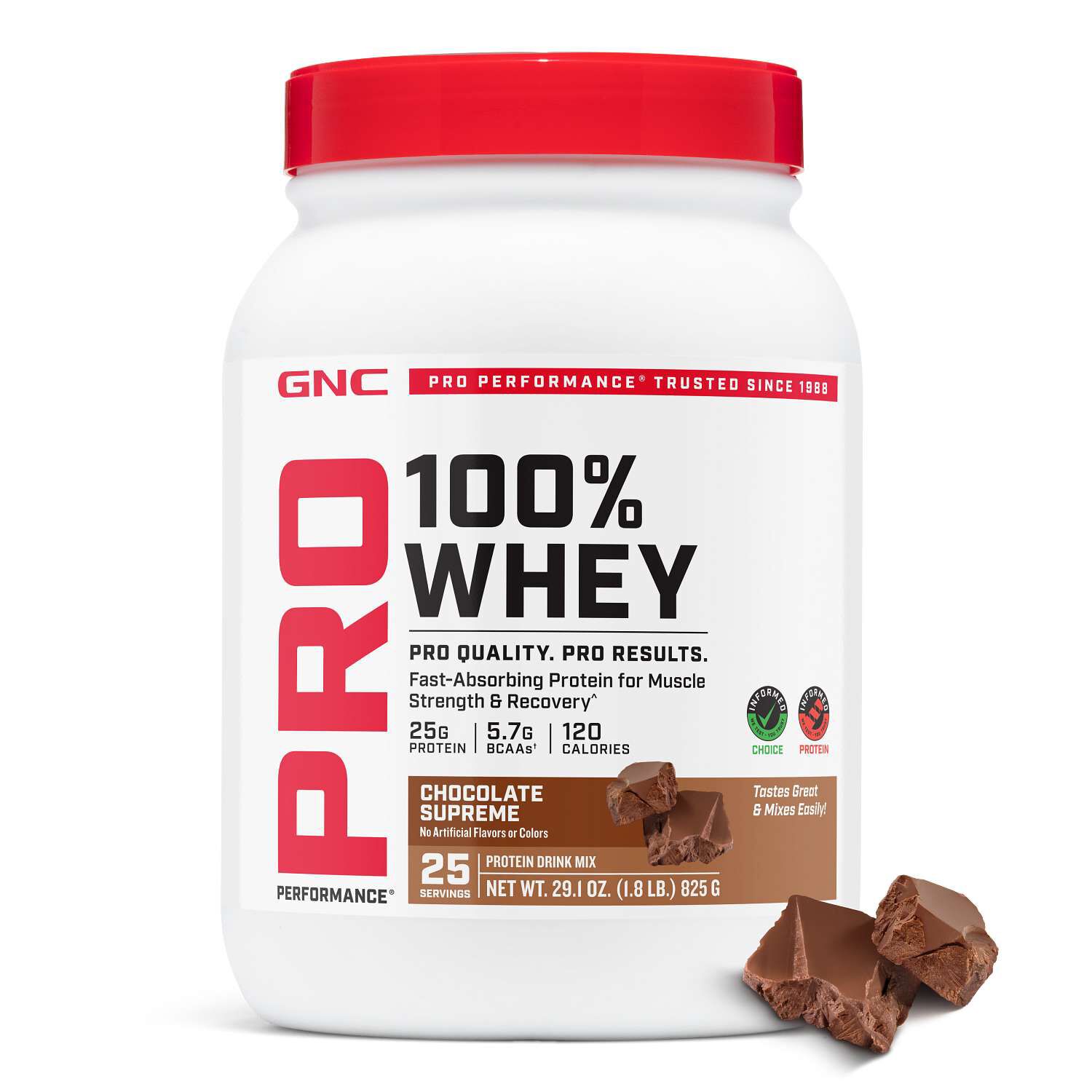

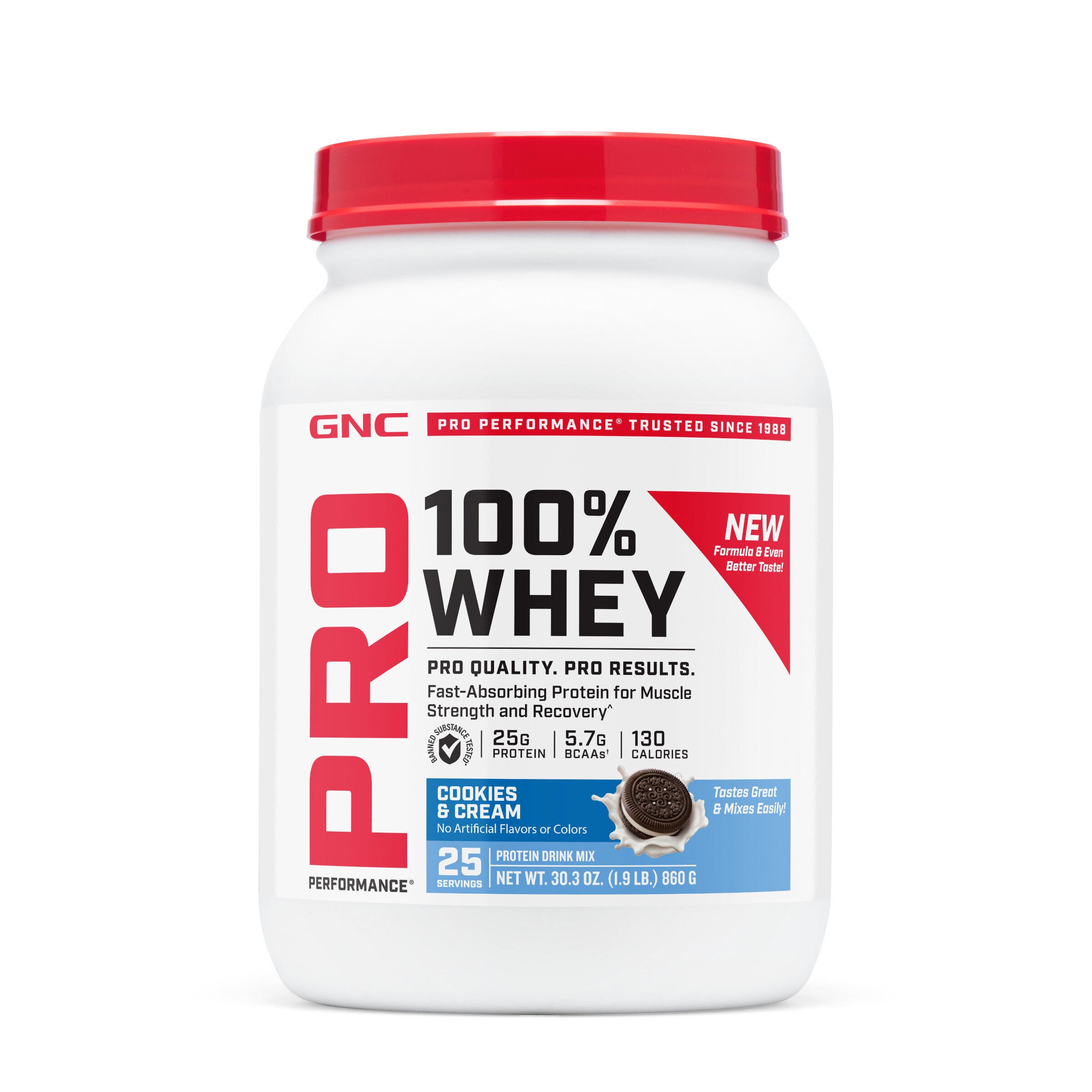
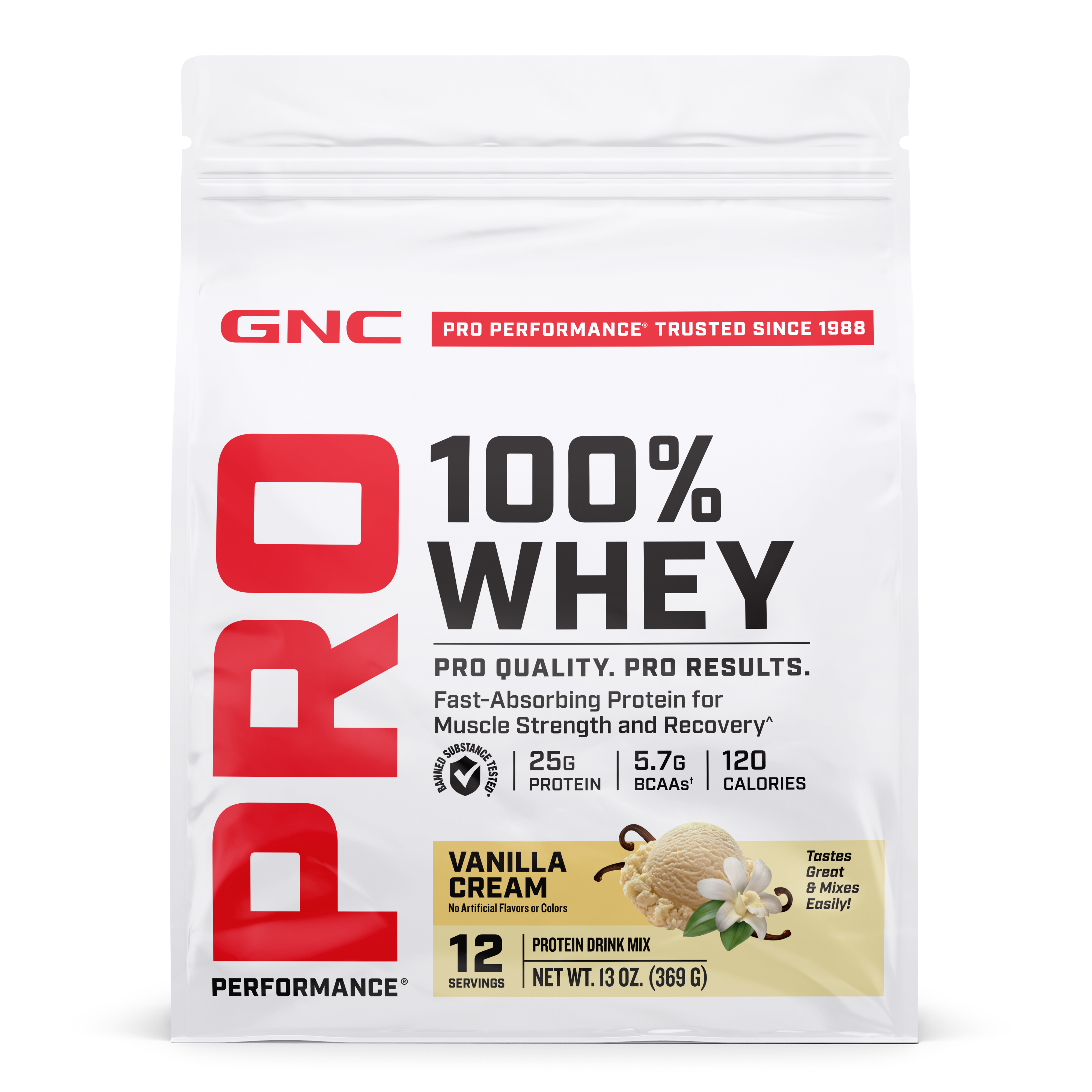
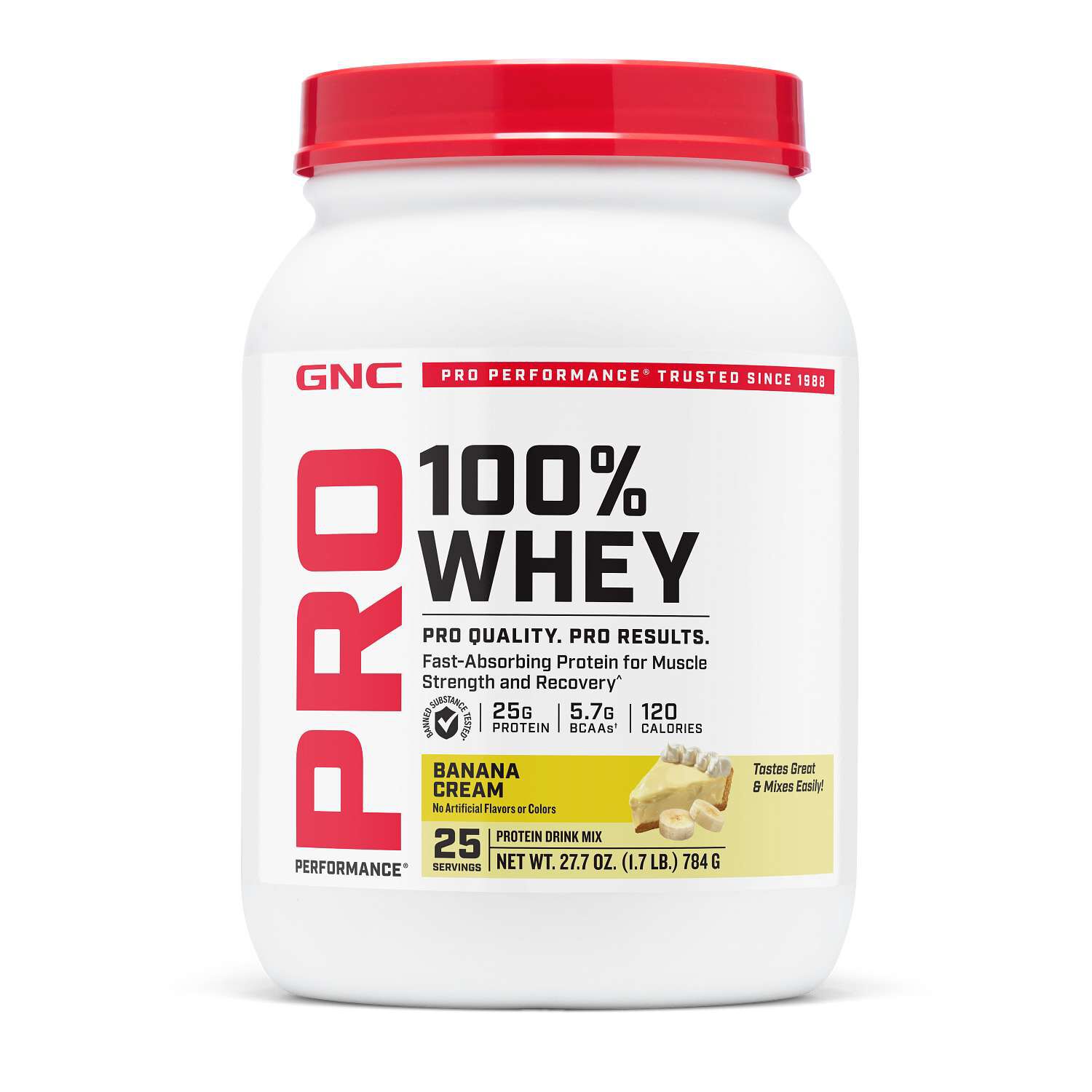
Protein for women athletes spans powders, ready-to-drink shakes, and other convenient formats for a wide range of training routines, from early strength sessions to evening practices and long-distance events. These products provide dietary protein in portions that can fit alongside meals and snacks, with choices shaped by ingredients, taste, preparation, and intended use. Protein supplies amino acids, and supplemental protein may support muscle recovery and training adaptations as part of a varied eating pattern. Sports nutrition discussions commonly reference approximately 1.4 to 2.2 grams of protein per kilogram of body weight per day for active adults, equivalent to about 0.6 to 1.0 gram per pound. That broad range describes daily intake from food and supplements combined, rather than an amount to obtain from a shake alone. Training demands, body size, and overall eating patterns are relevant context; being a woman athlete does not make every training day or every protein preference identical. A recreational runner fitting a few outings around work may approach convenience differently from a volleyball player balancing practices, travel, and tournament schedules. Likewise, a strength athlete with time for a full breakfast may have different preferences from someone heading directly from a morning workout to a commute. Across these situations, the most useful product details are often straightforward: the protein source, grams of protein per serving, serving size, ingredient list, and preparation directions. A scoop measures a portion of powder, not pure protein, so the serving weight and protein amount are separate numbers on the label. Carbohydrate, fat, and added sugar content also vary across formats. Some powders center on protein with relatively few additional ingredients, while others include a broader mix of nutrients. Those differences describe distinct product styles rather than a single best choice for all women athletes. A product’s fit depends on how its composition and format relate to the rest of an athlete’s routine.
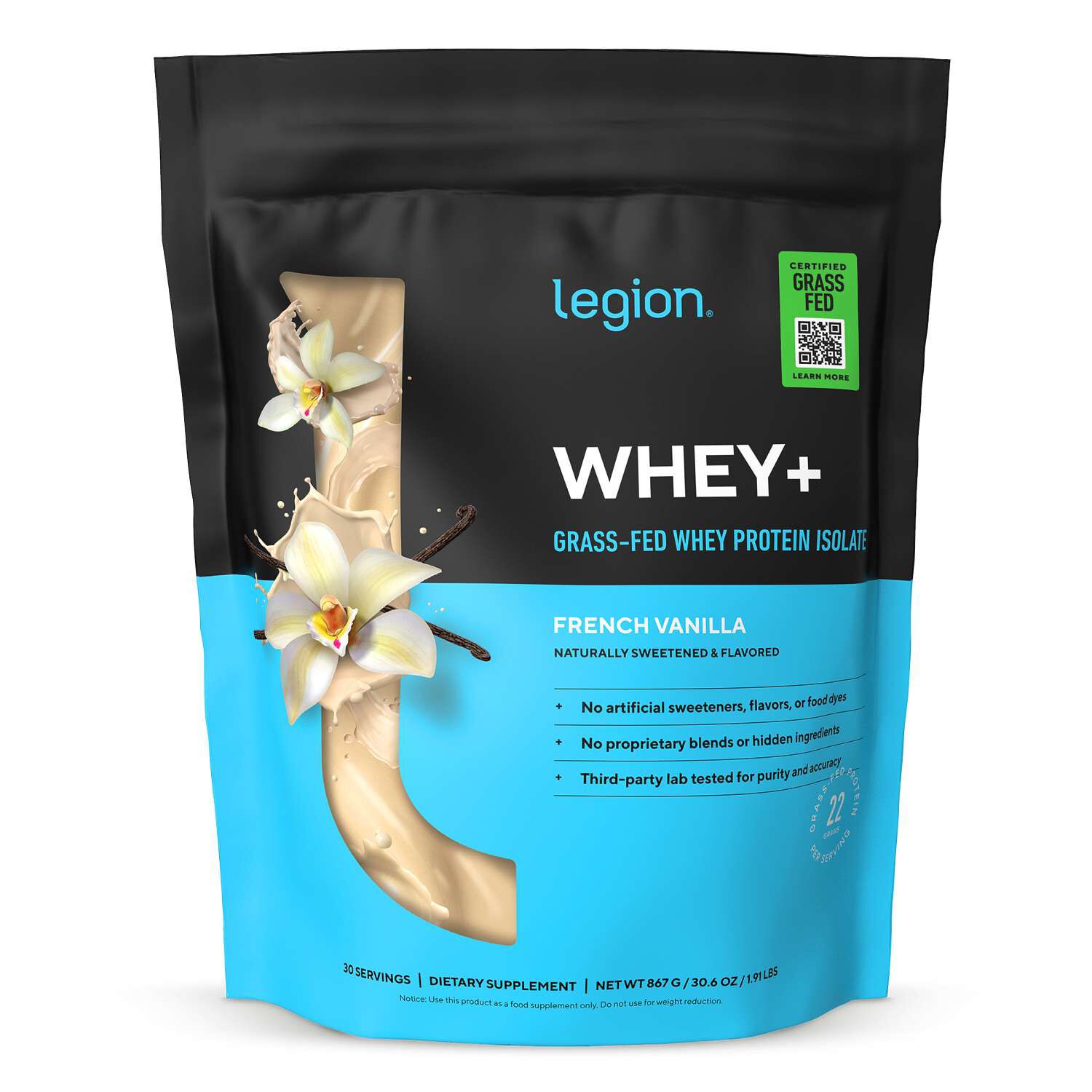
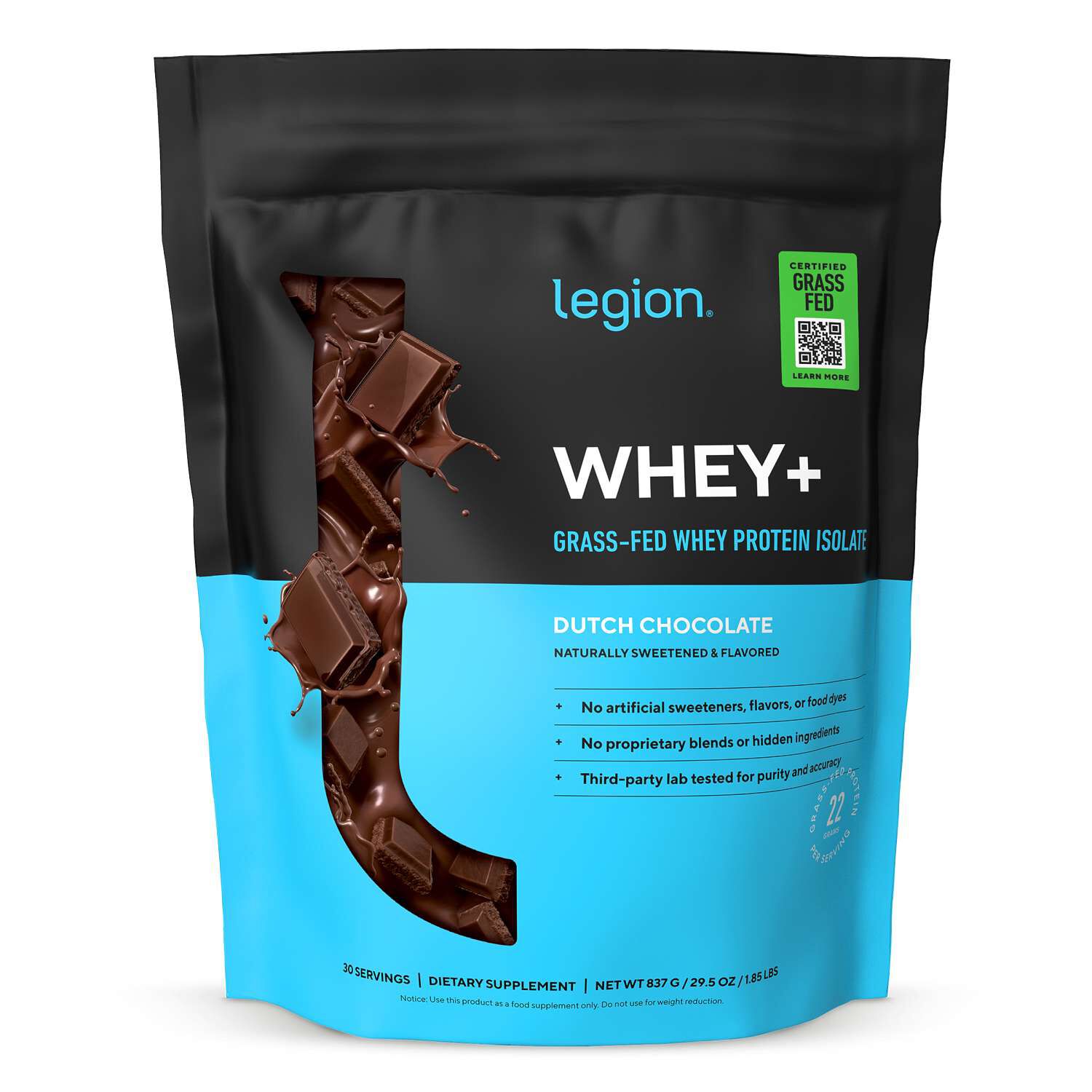
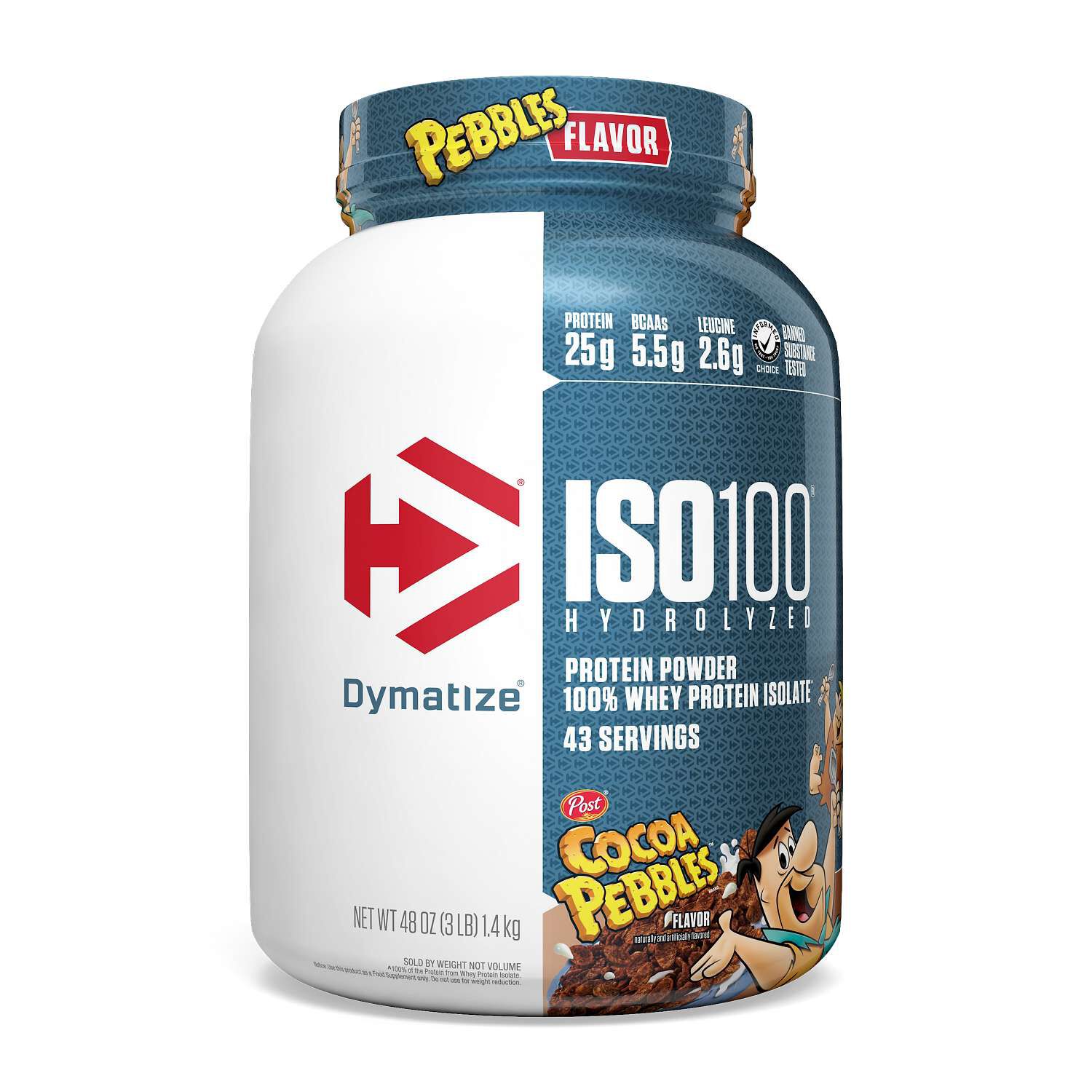
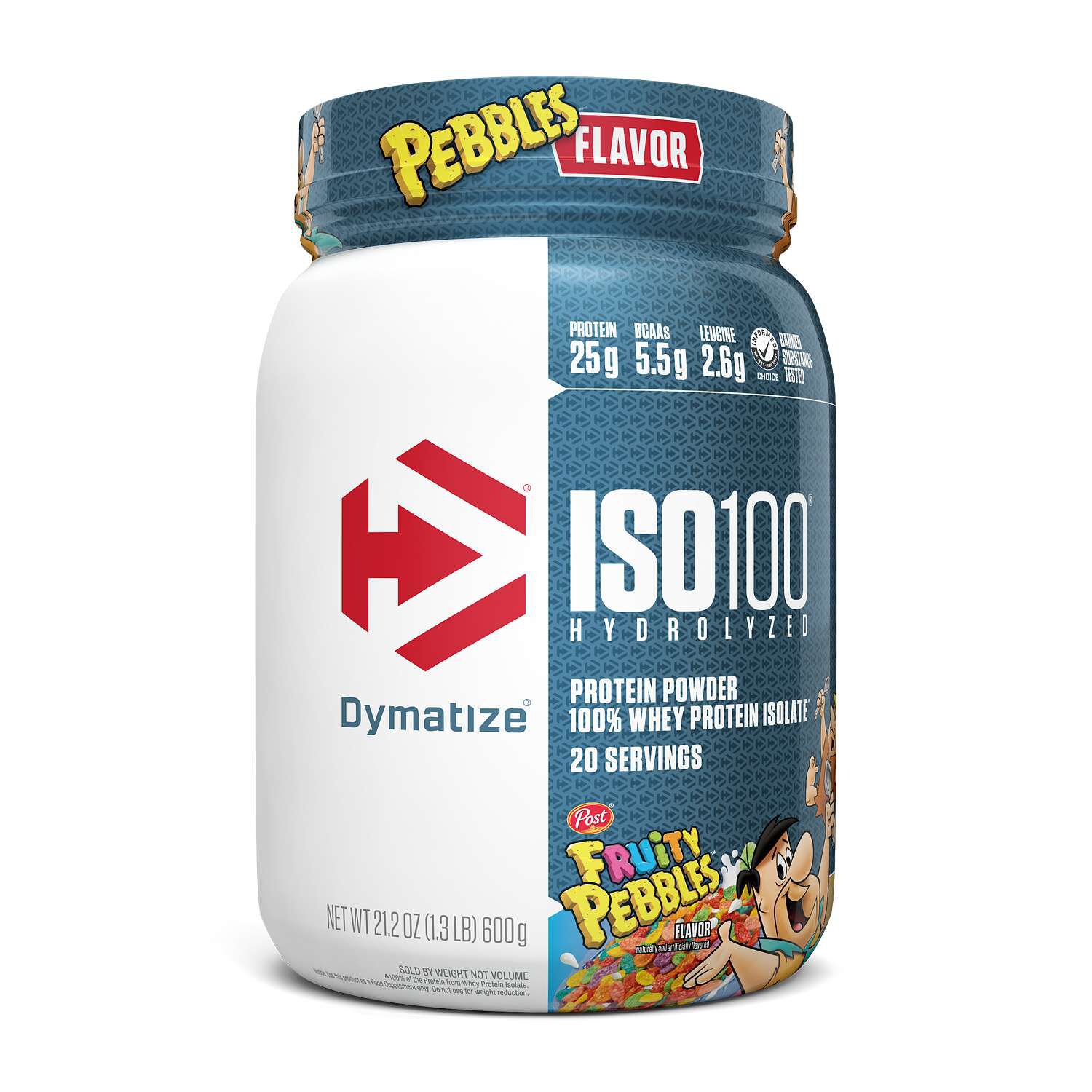
Protein sources give this category much of its variety. Whey concentrate and whey isolate come from milk, while casein is another milk-derived option. Whey isolate generally has a higher proportion of protein by weight and less lactose than whey concentrate, although the exact composition depends on the product. Less lactose does not mean a product is made without milk; ingredient lists and allergen statements remain important distinctions. Plant-based protein powders may use pea, soy, rice, or combinations of several sources. Different sources have different amino acid profiles, and blends bring multiple sources into one formula. The word “plant-based” alone does not describe every ingredient, manufacturing practice, or allergen consideration, so the full label offers more context than the front of the package. Texture and flavor are equally relevant when a powder is part of an everyday routine. Some formulations mix into a lighter drink, while others have a thicker consistency, especially when combined with milk or a plant beverage. Cocoa, vanilla, fruit flavors, and unflavored options each have different uses: a chocolate shake has a different character from an unflavored powder stirred into oatmeal or blended with berries. Sweeteners, gums, and other ingredients also contribute to taste and mouthfeel. An ingredient list with fewer entries is not automatically a better match than a longer one; the details matter more than the count. For athletes who compete under an organization’s rules, third-party certification is another product attribute worth distinguishing. Certification programs differ in what they evaluate, including ingredient verification or screening for substances restricted in sport. A certification mark represents the scope of that particular program, not every aspect of product quality or suitability. Clear labeling, recognizable serving information, and preparation instructions provide practical context across dairy-based and plant-based choices. For many shoppers, those details are more informative than gender-focused packaging alone, particularly when comparing products with similar flavors but different protein sources or serving sizes.
Format brings these considerations into everyday settings. A powder offers flexibility in liquid choice and consistency, while a ready-to-drink shake comes in a prepared portion without a mixing step. Single-serving packets take up little room in a gym bag, and a larger container has a different place in a kitchen where a blender or shaker is already part of the routine. A runner leaving for an early practice, a swimmer moving from the pool to class, and a basketball player traveling with a team may each value a different combination of portability, preparation, and serving size. Women whose routines include distance running, cycling, swimming, or similar activities can also explore Protein For Endurance Athletes for a related selection centered on that training context. Protein is one part of the broader food picture, alongside carbohydrate, dietary fat, and fluids, rather than a substitute for everything an athlete eats. For powders, preparation directions describe the intended amount of liquid and mixing method; changing the liquid can change both flavor and the nutrition of the finished drink. A shake mixed with water differs from one blended with milk, yogurt, oats, or fruit. Storage instructions matter, too. A tightly closed container, a dry scoop, and attention to the package’s storage directions are practical considerations for powders, while prepared drinks have their own refrigeration and use instructions. Packaging size also affects how easily a container fits into a cupboard, locker, or travel bag. When protein is being considered as a gift for an athlete, familiar flavors, known ingredient preferences, and the recipient’s usual format are more useful starting points than assumptions about what women prefer. Across the category, a thoughtful comparison comes back to the same concrete features: protein source, serving information, flavor, texture, portability, and intended use. Together, those details give women athletes meaningful ways to distinguish products for everyday training, organized competition, or a busy schedule that leaves little time between activities.
- Q: What types of protein supplements are popular among women athletes?
A: Many women athletes may choose from options like whey, plant-based, casein, and egg white protein powders to support their nutrition goals. - Q: How can women athletes incorporate protein into their daily routines?
A: Protein powders might be blended into smoothies, mixed with water or milk, or added to recipes such as oatmeal or baked goods for a convenient way to increase protein intake. - Q: Are there protein supplements formulated specifically for women?
A: Some protein supplements are designed with women in mind and may include added nutrients like calcium, iron, or folic acid to help meet specific nutritional needs. - Q: What flavors of protein powder are commonly available for women athletes?
A: Popular flavors include chocolate, vanilla, strawberry, cookies and cream, and unflavored varieties that can be easily mixed with other ingredients. - Q: Can plant-based protein be a good option for women athletes?
A: Plant-based proteins such as pea, soy, and brown rice may appeal to those following vegetarian or vegan lifestyles or looking for alternatives to dairy-based products.
Best Sellers


Related Pages

Top Collections
- Joint Mobility Supplement Packs
- Zinc Supplements | Top Brands at Great Prices | GNC
- Supplements For Yoga Joint Flexibility
- Supplements For Balance
- Capsule Supplements For Energy And Stamina
- Adult Mobility Supplements
- Vitamins For Hair Loss
- Top Rated Collagen | Shop Customer Favorites | GNC
- Blood Pressure Support Supplements
- Gut Lining Protection Supplements