Non Training Day Proteins
(0 Results)
Non training day proteins may offer a convenient way to support your nutrition goals even on rest days. Whether you’re looking to maintain your routine or simply want a protein option that fits your lifestyle, non training day proteins can be an easy addition to your daily regimen. Explore a variety of options designed for those days when you’re not hitting the gym but still want to prioritize your wellness journey.
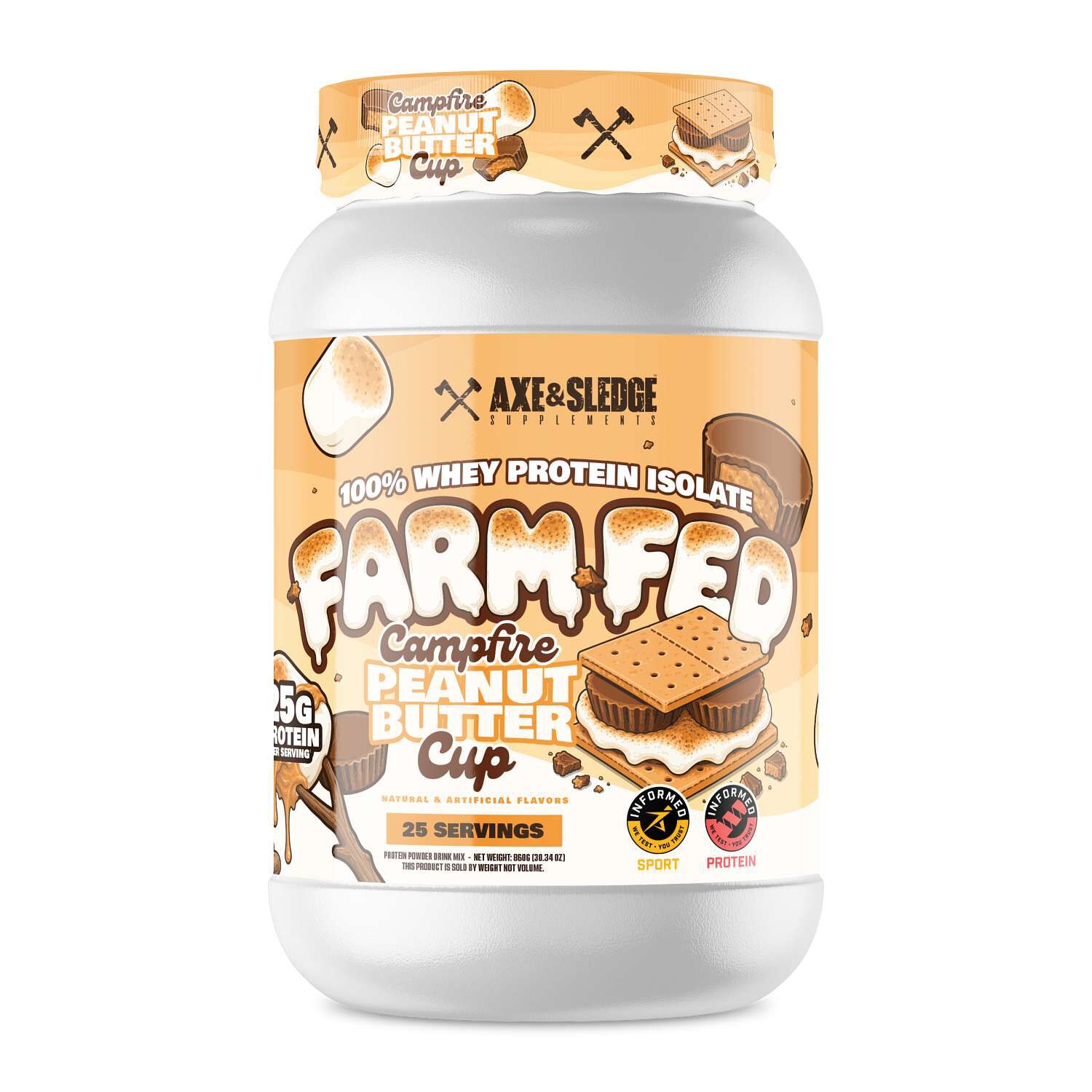
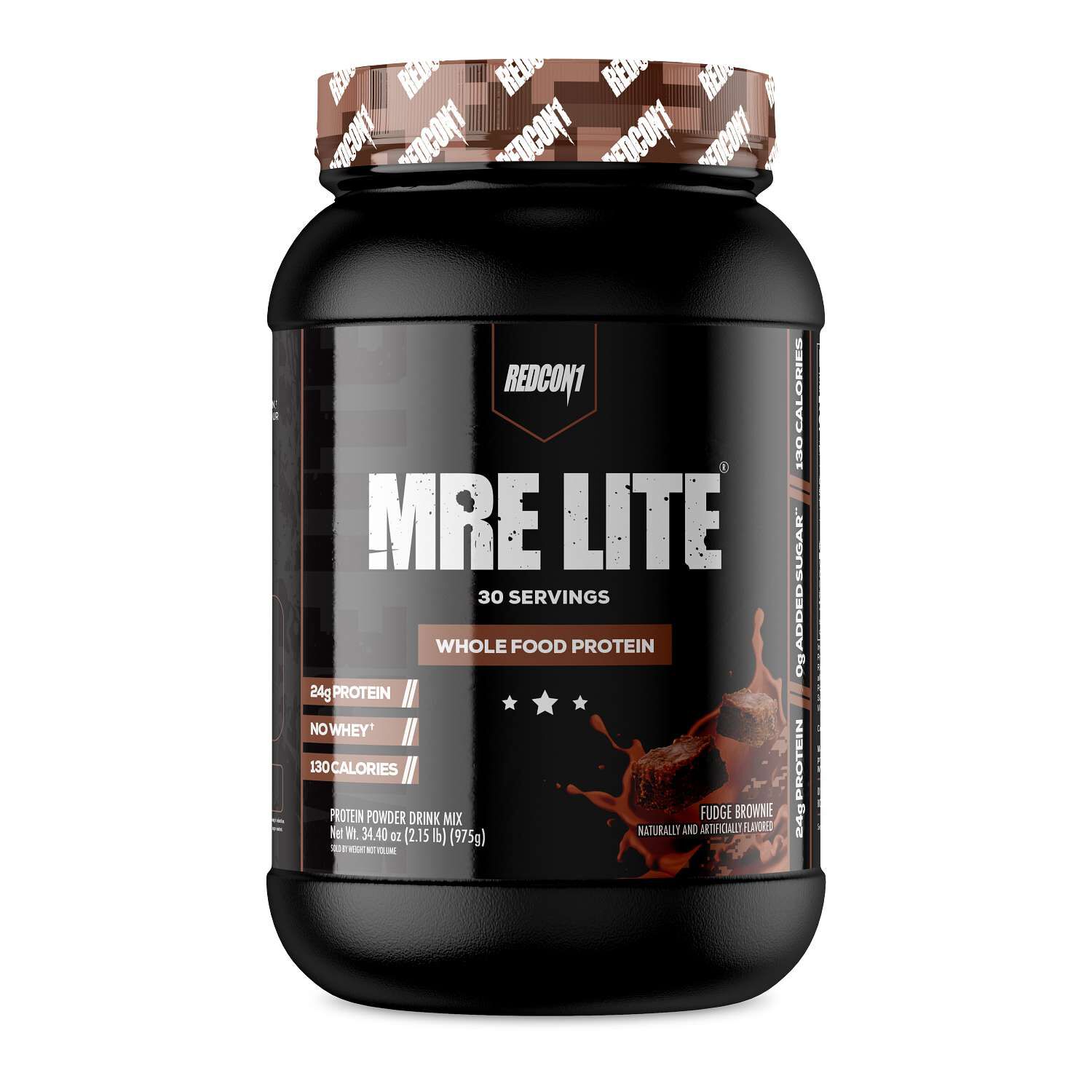


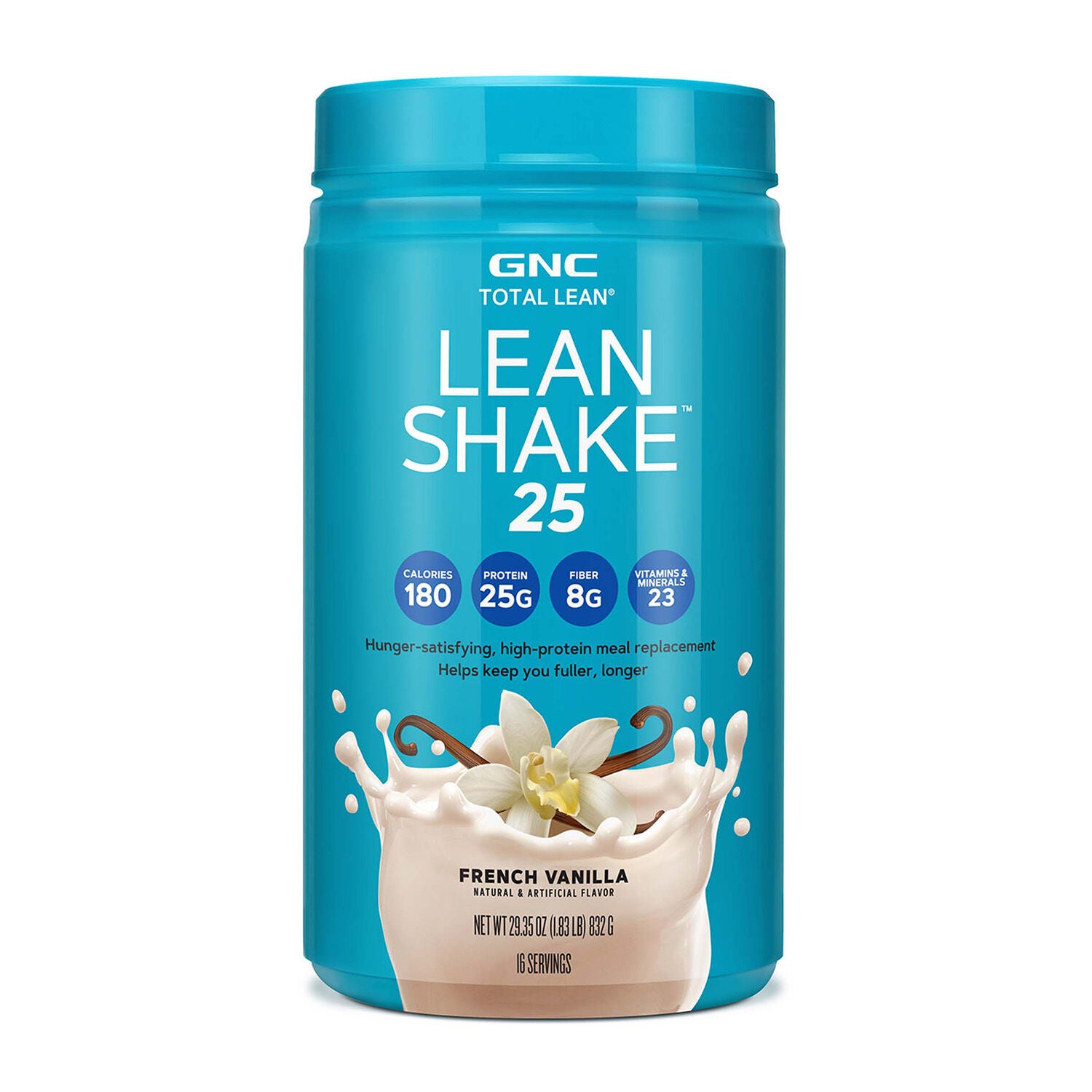
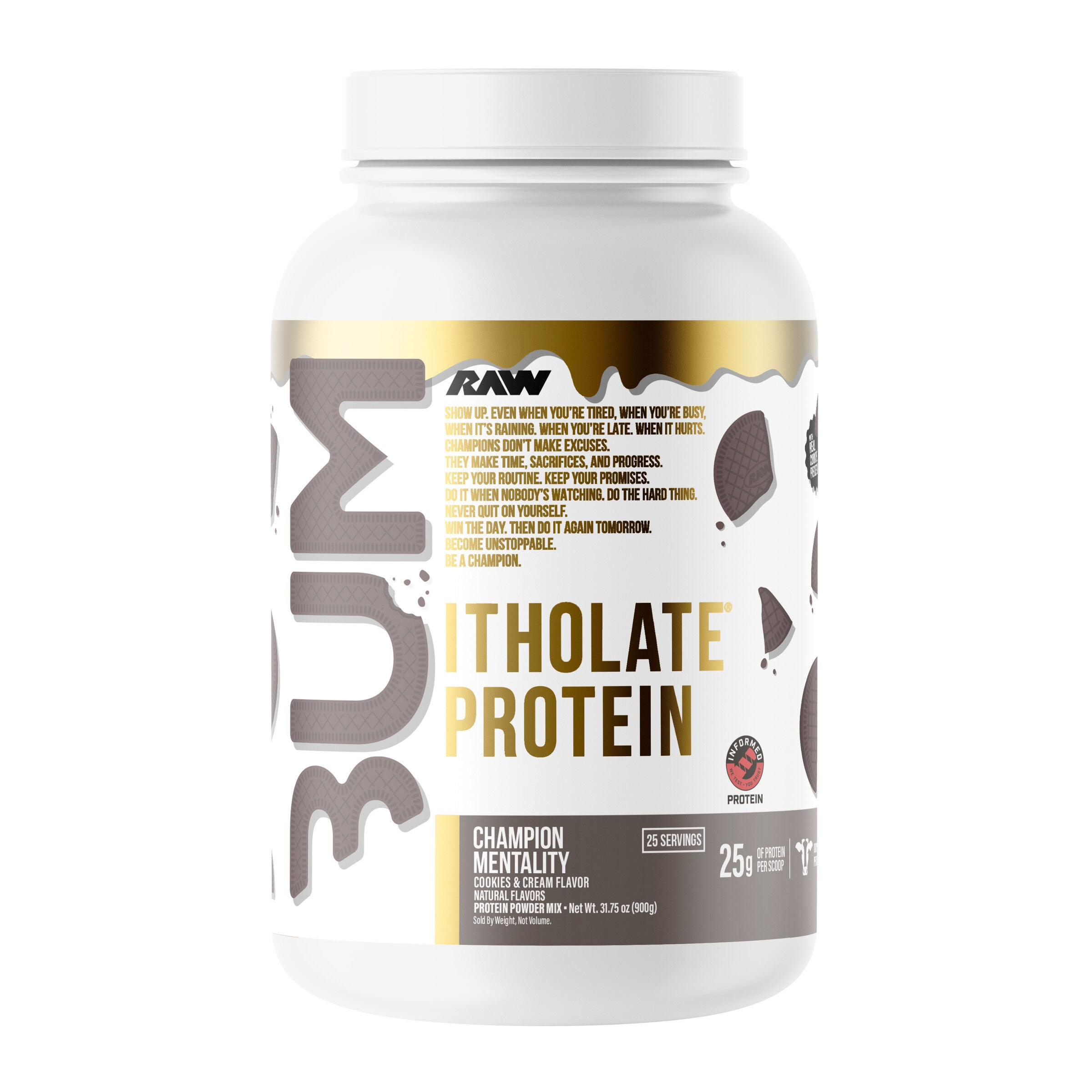


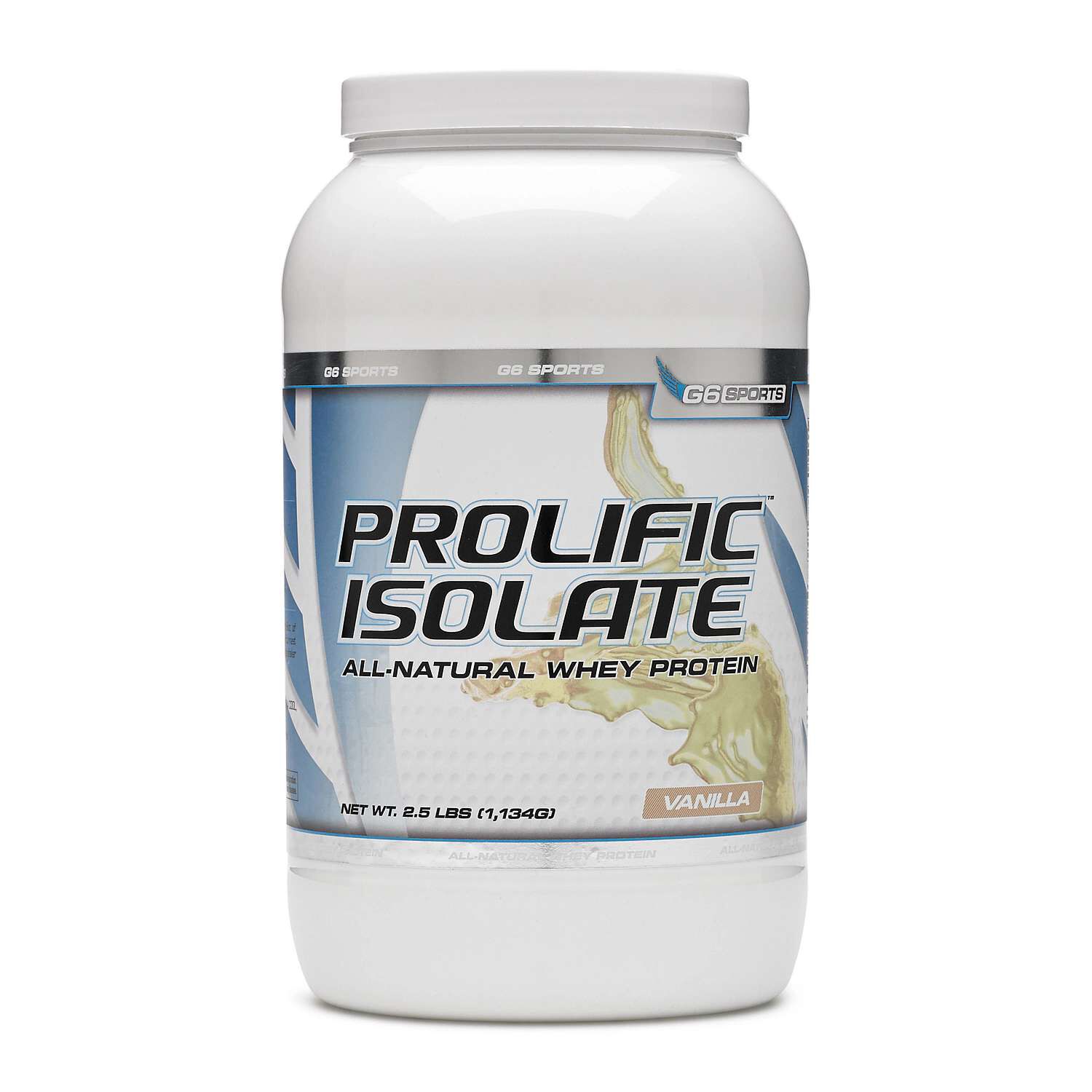


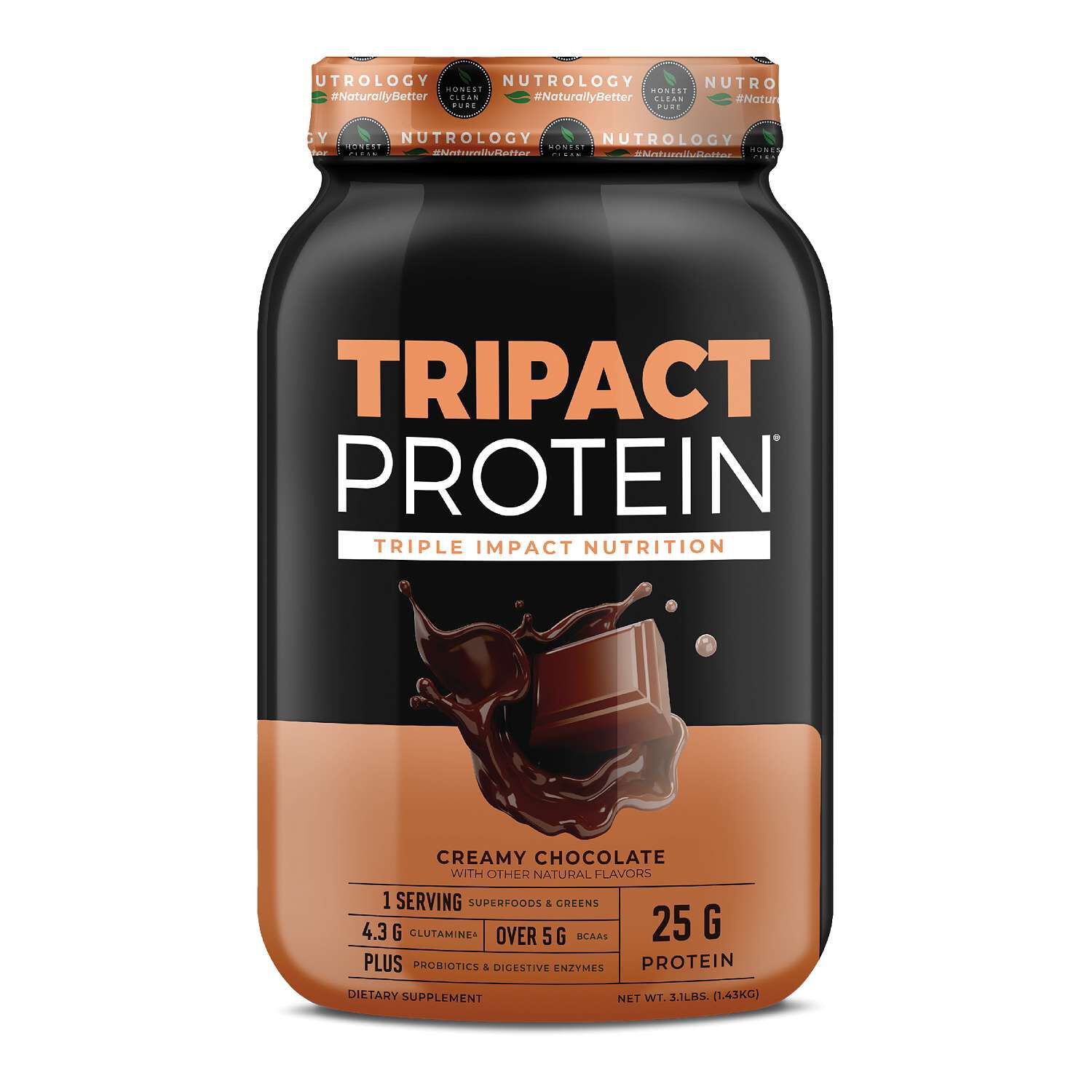
Protein remains part of daily nutrition on rest days, even when there is no lifting session, run, or fitness class on the calendar. Non-training day proteins are protein powders, shakes, and similar nutrition formats intended to fit into everyday eating outside a scheduled workout. Their purpose is not limited to a post-workout window: protein may support muscle maintenance and recovery after exercise as part of a varied eating pattern. A day away from training does not necessarily call for a different protein powder, and a familiar option may fit both workout days and days off. The practical difference is often the occasion. Instead of a shake after the gym, protein might accompany breakfast before work, become part of an afternoon snack, or fit alongside a meal that contains relatively little protein. Eggs, yogurt, beans, fish, meat, and other foods also contribute protein, so powders and drinks belong in the context of everything eaten throughout the day. There is no single serving pattern that suits every person or every schedule. Food preferences, activity, appetite, and the protein already present in meals all matter when comparing options. Someone who regularly eats protein-rich meals may approach these products differently from someone whose breakfast is usually toast and coffee. Likewise, a person taking one day off between strength sessions may have a different routine from someone enjoying several days away from structured exercise. Keeping the focus on everyday nutrition, rather than treating a shake as something reserved for a gym bag, gives this category its relevance. For recreational lifters, runners, active adults, and people who simply prefer a convenient protein option, the most useful comparison starts with how the product fits an ordinary day. That includes the amount of preparation involved, the foods it will accompany, and whether its taste and texture are appealing enough for repeated use.
The main distinctions among non-training day proteins are their protein sources, formats, ingredients, and preparation requirements. Whey and casein come from milk, while plant-based options may use soy, peas, rice, or a blend of sources. Egg-based powders provide another category to compare. These differences matter for dietary preferences and ingredient selection, not just for the wording on the front of a container. A plant-based label does not describe every ingredient, and a milk-derived powder does not have the same composition across every formula. The ingredient list, allergen statement, and nutrition label provide more detail about what is inside. Protein grams per serving are useful to compare alongside serving size, calories, carbohydrate, fat, and added sugars, rather than viewing one number in isolation. Scoops can differ in size, so a scoop from one container is not automatically equivalent to a scoop from another. Flavorings, sweeteners, and other ingredients also deserve attention, especially for shoppers who have strong taste preferences or want a shorter ingredient list. Powder formats require measuring and mixing, while ready-to-drink shakes arrive portioned in their own containers. Either format may suit a rest-day routine, depending on whether preparation or portability matters more. Texture is another meaningful distinction. Some formulas are designed for a lighter drink, while others have a creamier consistency or include ingredients that create a thicker mixture. Vanilla, chocolate, and fruit-inspired flavors have different uses beyond a shaker bottle; a flavor that tastes appealing on its own may not be the preferred choice for oatmeal or yogurt. Unflavored options are another consideration when the surrounding food already has a distinct taste. Matching the format to its intended use makes the comparison more practical than choosing solely by the largest number printed on the package.
An ordinary non-training day offers several ways to work a protein format into an established eating routine without organizing the day around it. Breakfast might be a bowl of oatmeal with a compatible powder stirred in according to its preparation directions, while an afternoon snack might pair a shake with fruit or another familiar food. A ready-to-drink format may suit a commute or a packed lunch; a tub of powder may be more practical when a shaker, measuring scoop, and kitchen sink are close at hand. For occasions centered on the space between meals, Between Meal Proteins offers a related category to explore. Preparation details matter because they shape the experience of using the product. Water, milk, and plant-based beverages create different mixtures, and the liquid contributes its own ingredients and nutrition. Following the suggested mixing directions provides a starting point for consistency; any permitted adjustments can reflect a preference for a thinner drink or a spoonable mixture. A shaker bottle is convenient for straightforward mixing, while a blender accommodates additions such as fruit or oats. Those additions change the serving’s nutrition, so they are part of the comparison rather than merely a flavor choice. Storage and routine care deserve the same attention as preparation. Package directions explain how to store unopened containers, whether an opened drink requires refrigeration, and how soon it should be used. Powder containers need a securely closed lid, and keeping the scoop clean and dry helps keep moisture out of the contents. Shakers and blender parts should be washed according to their care instructions rather than left with residue after use. Package size matters, too: a larger container calls for suitable storage space and a realistic plan for use within the labeled date. Ultimately, a non-training day protein belongs alongside familiar meals and snacks, with its source, flavor, preparation, and storage requirements matched to the person using it.
- Q: What are non training day proteins?
A: Non training day proteins refer to protein supplements that people may choose to consume on days when they are not working out or exercising. - Q: Why might someone use protein supplements on non training days?
A: Some individuals may use protein supplements on non training days to help support their daily protein intake as part of their overall nutrition routine. - Q: How do non training day proteins differ from those used on workout days?
A: The type of protein supplement used on non training days is often the same as those used on workout days; the main difference is how and when they are incorporated into a person's routine. - Q: Can non training day proteins be added to foods or beverages?
A: Yes, many people choose to mix protein powders into smoothies, oatmeal, or other recipes even on days they are not exercising. - Q: Are there different types of protein supplements suitable for non training days?
A: There are various types of protein supplements, such as whey, plant-based, and casein, that some individuals may choose based on their dietary preferences and routines.