Everyday Proteins
(0 Results)
Everyday proteins offer a convenient way to support your daily nutrition routine. Whether you’re looking for options to enjoy post-workout, as a quick snack, or as part of your morning smoothie, there are a variety of choices designed to fit different lifestyles and preferences. Explore the range of everyday proteins to find something that may help you stay on track with your wellness goals.

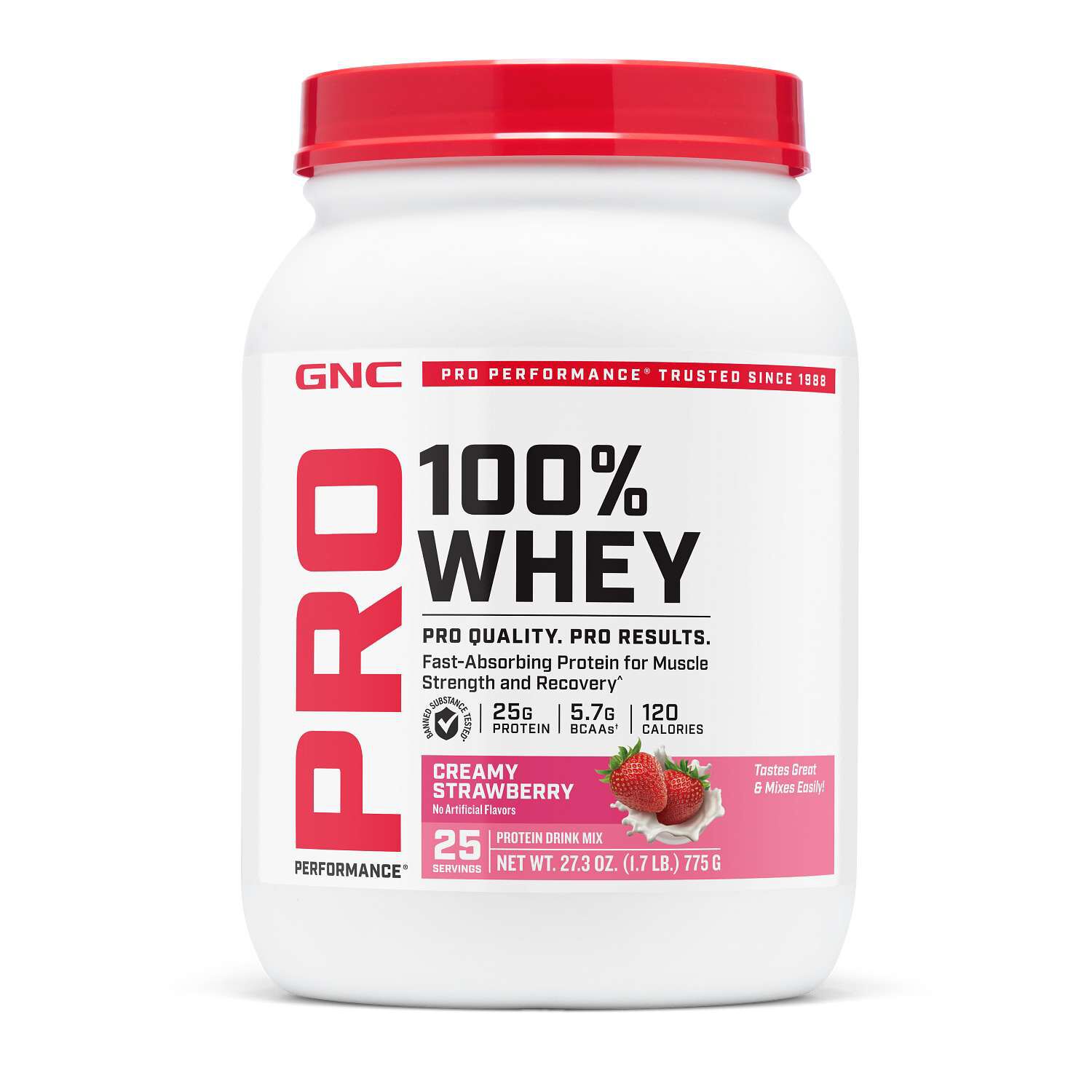
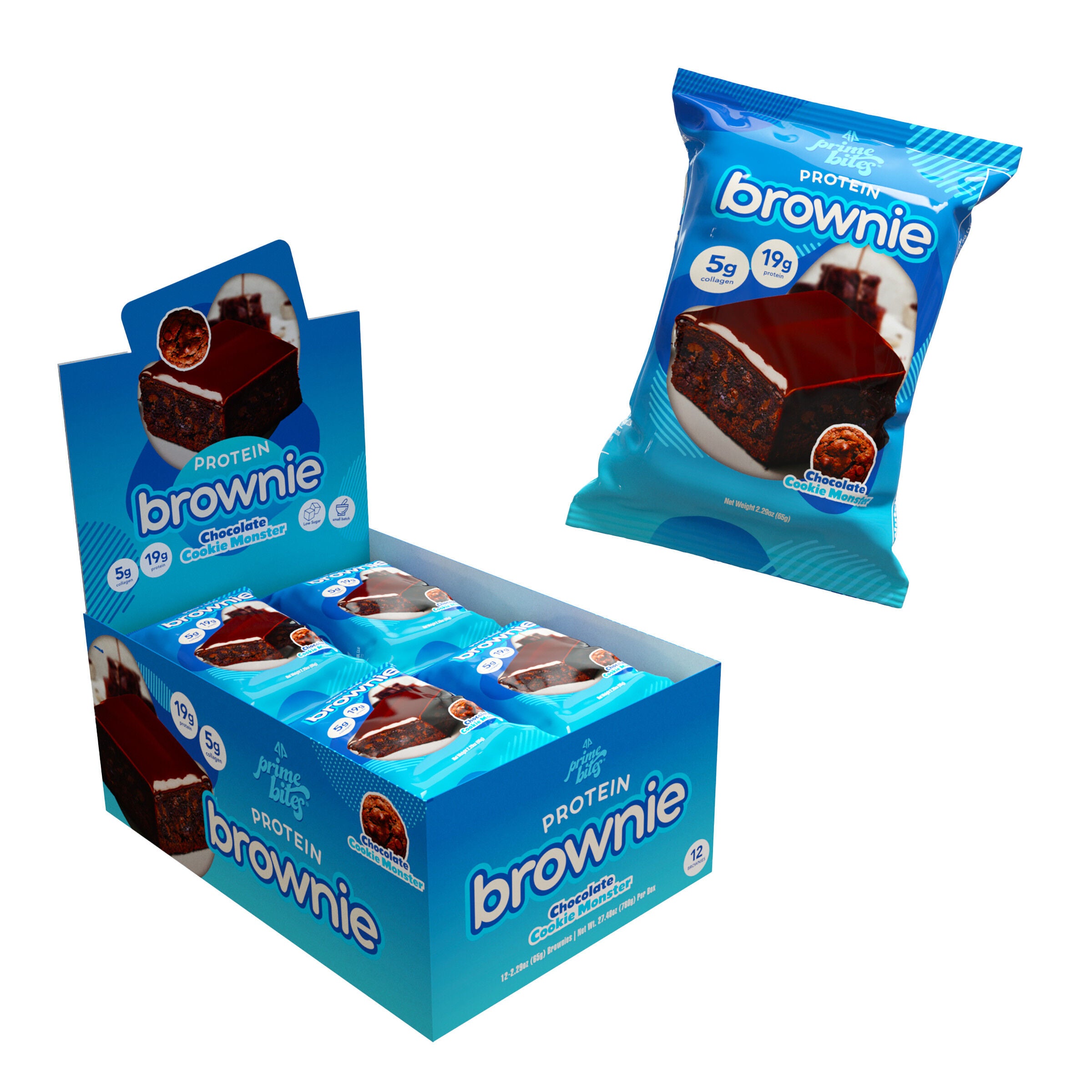


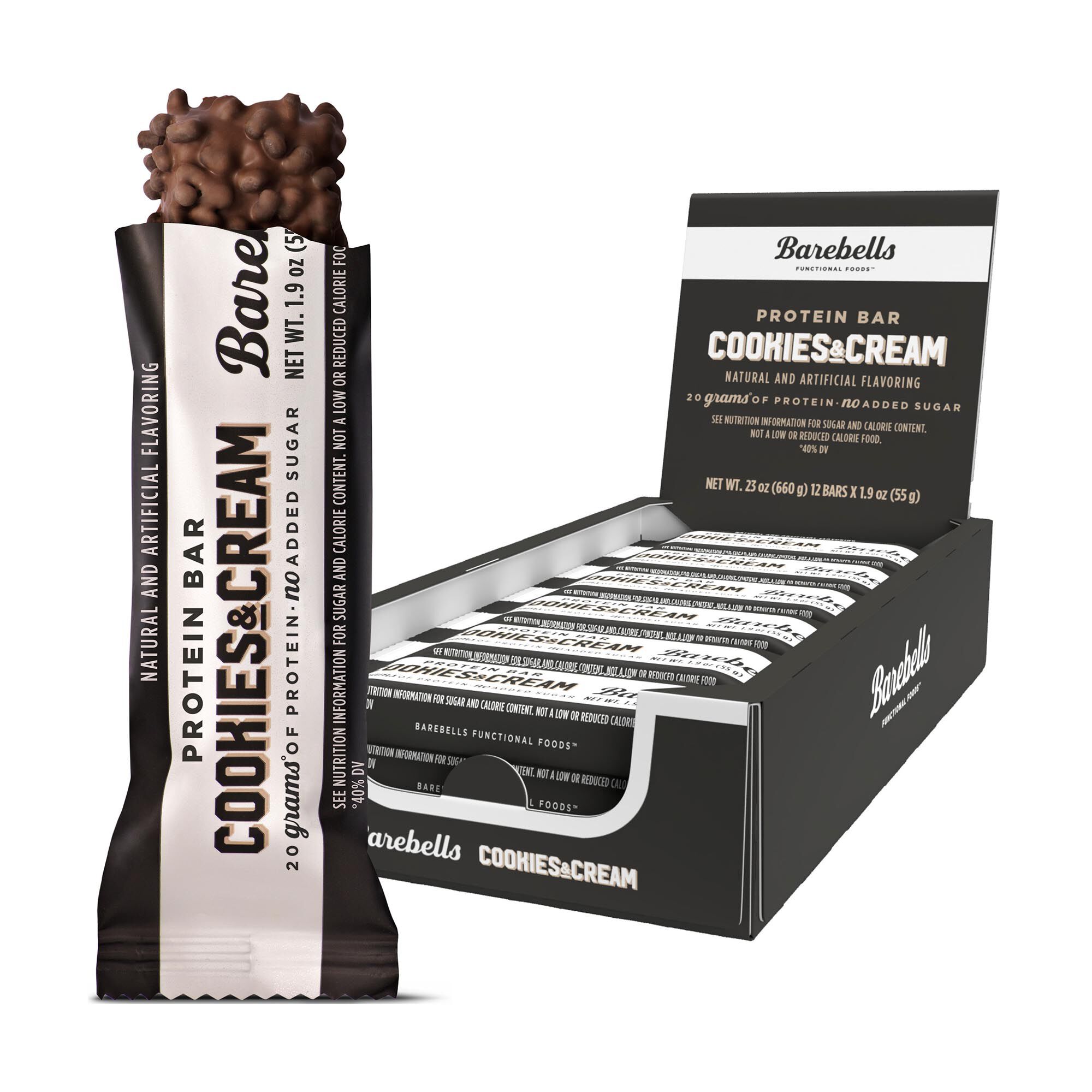
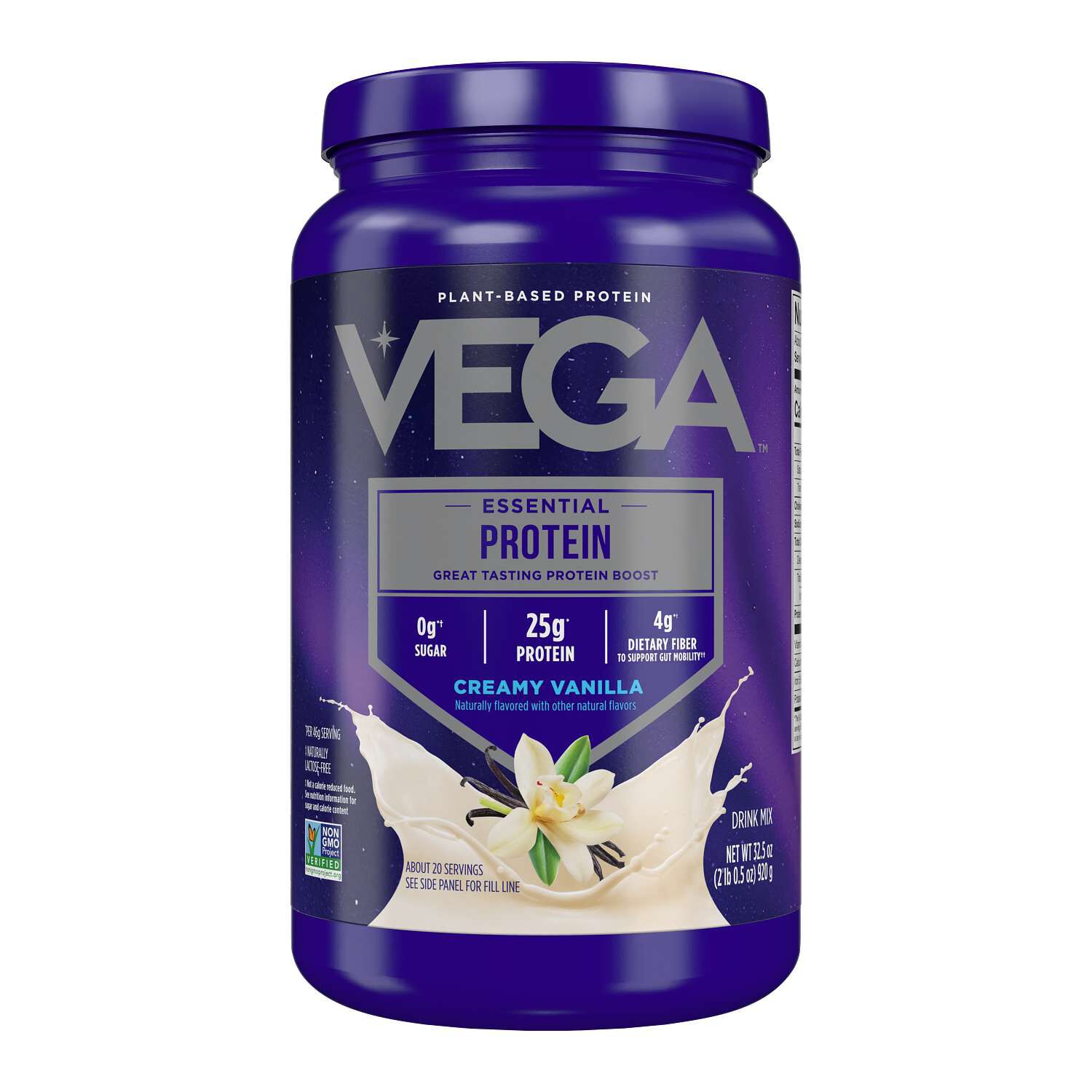

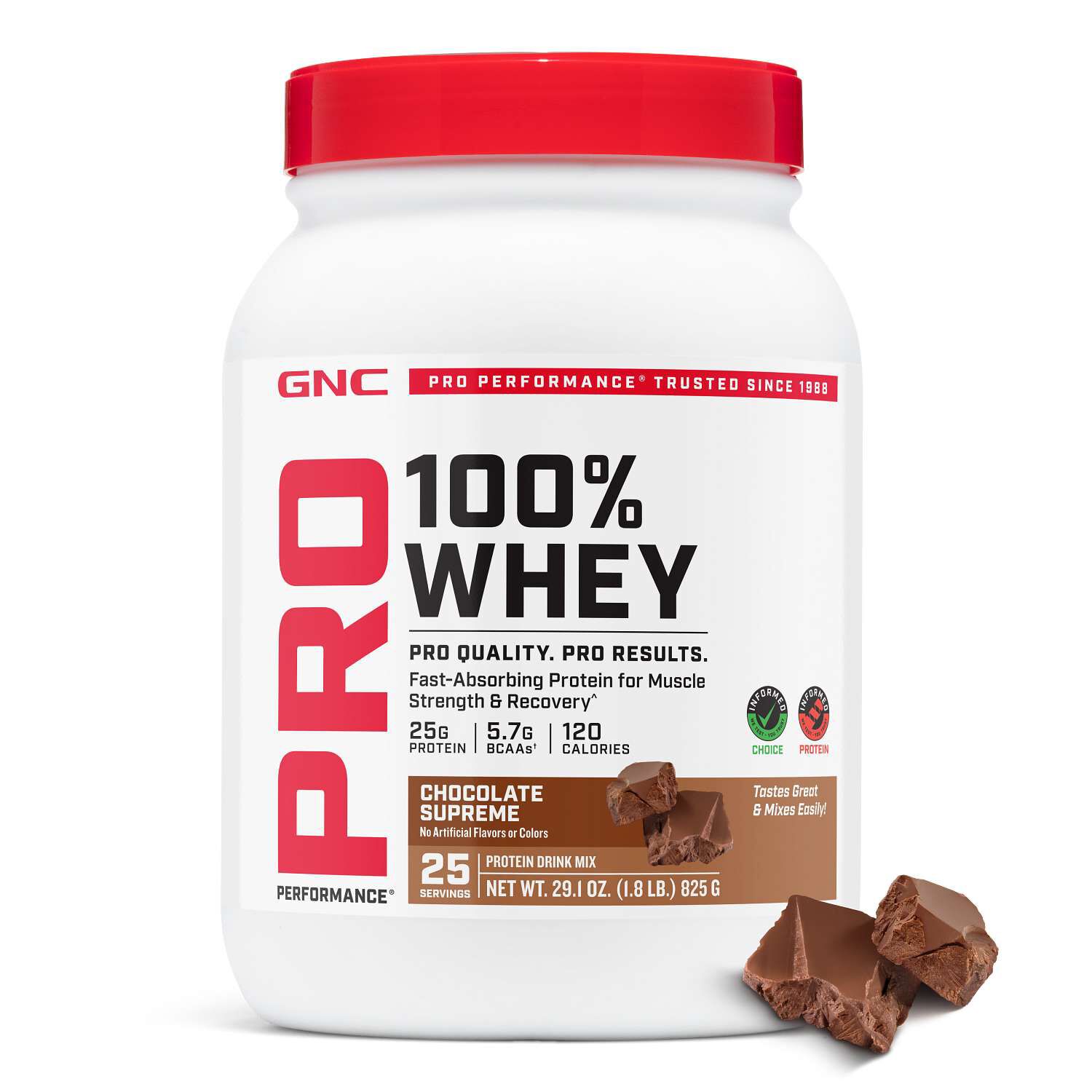
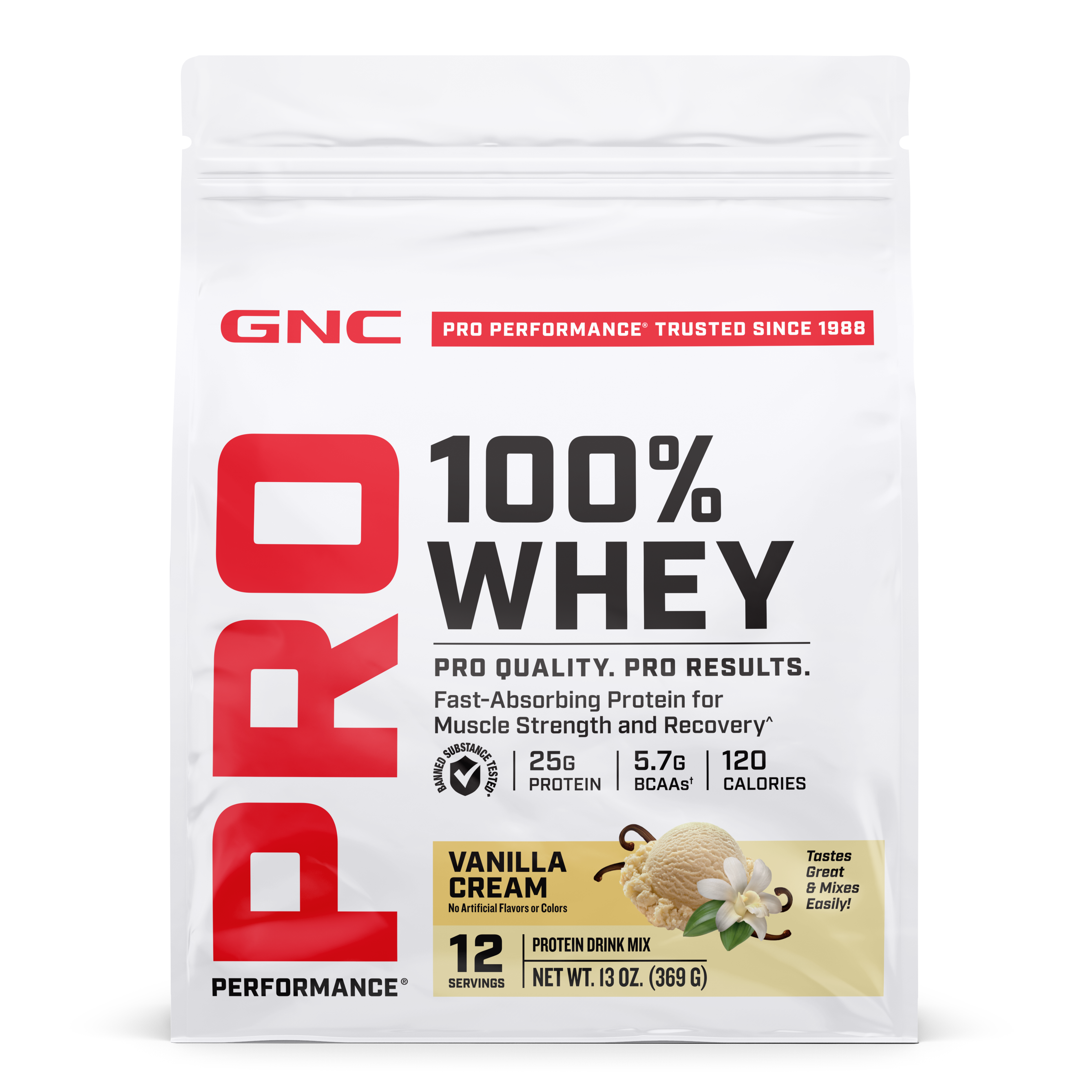

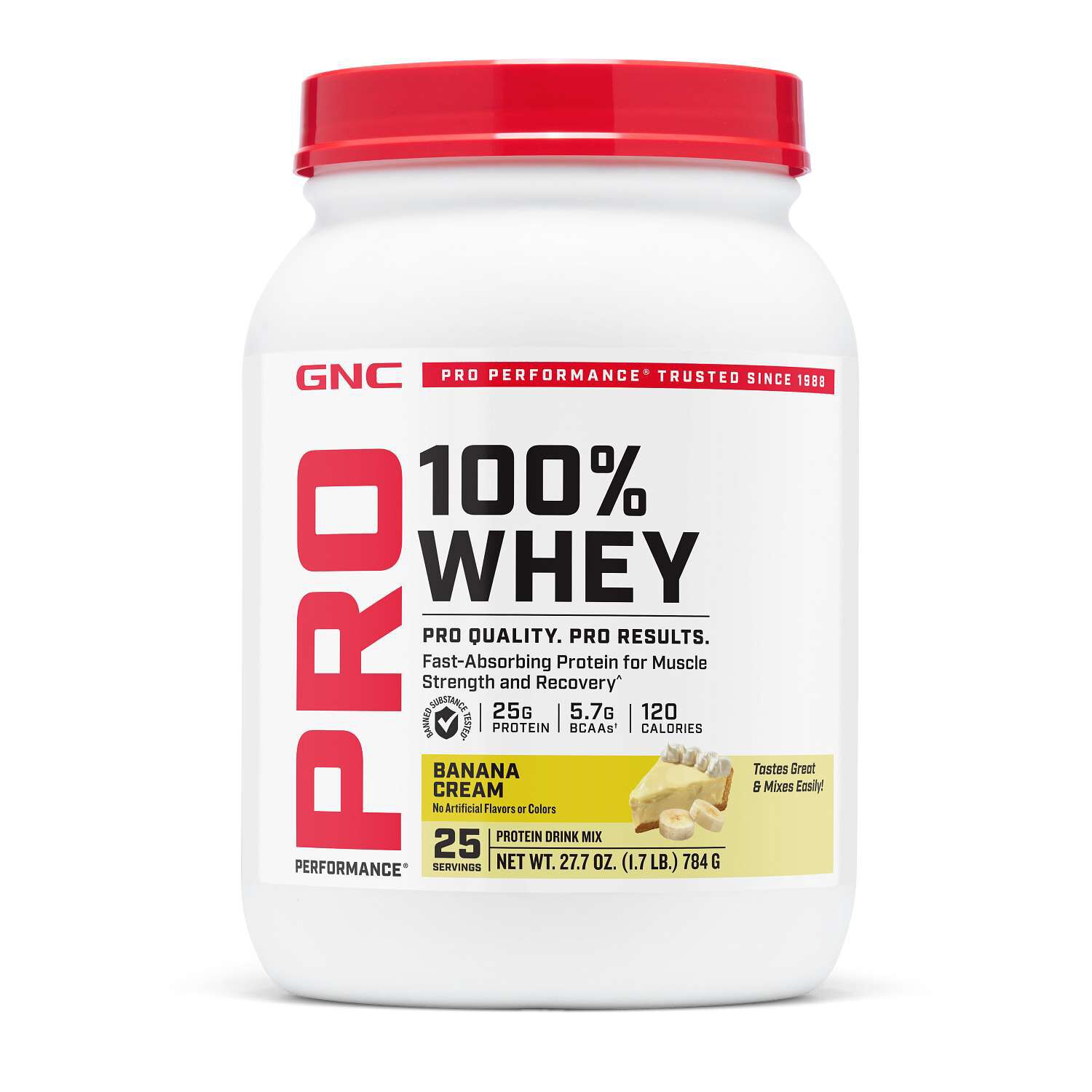


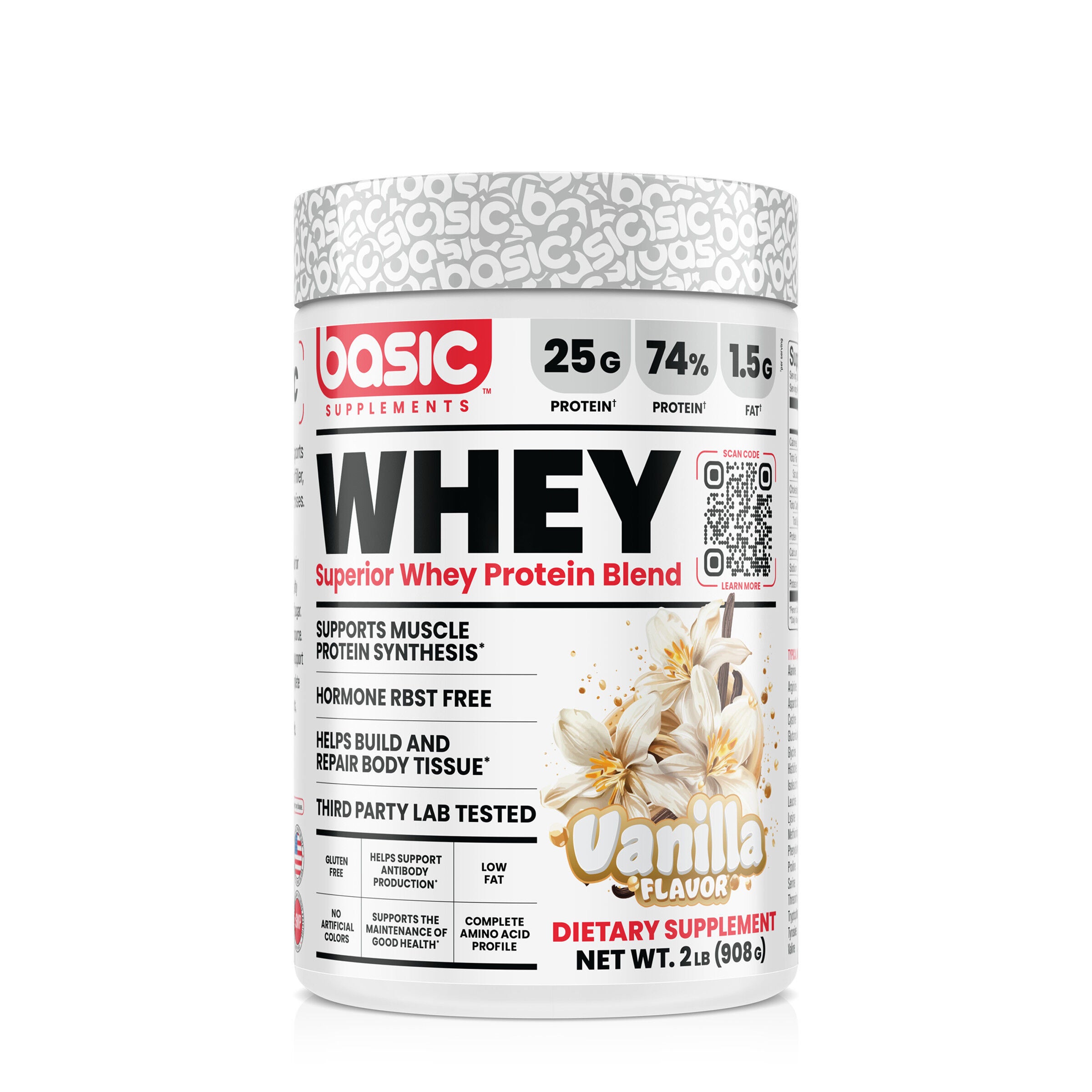
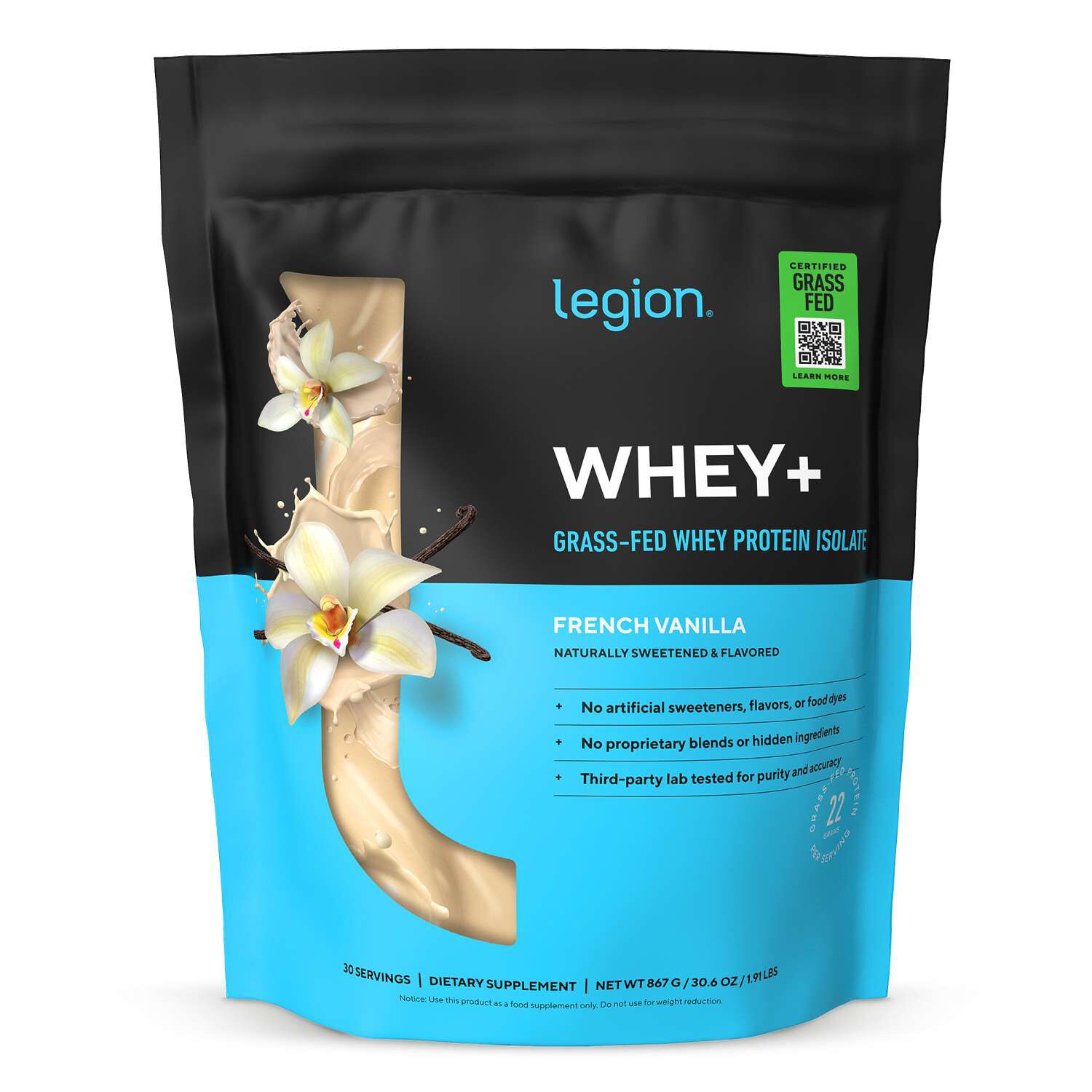
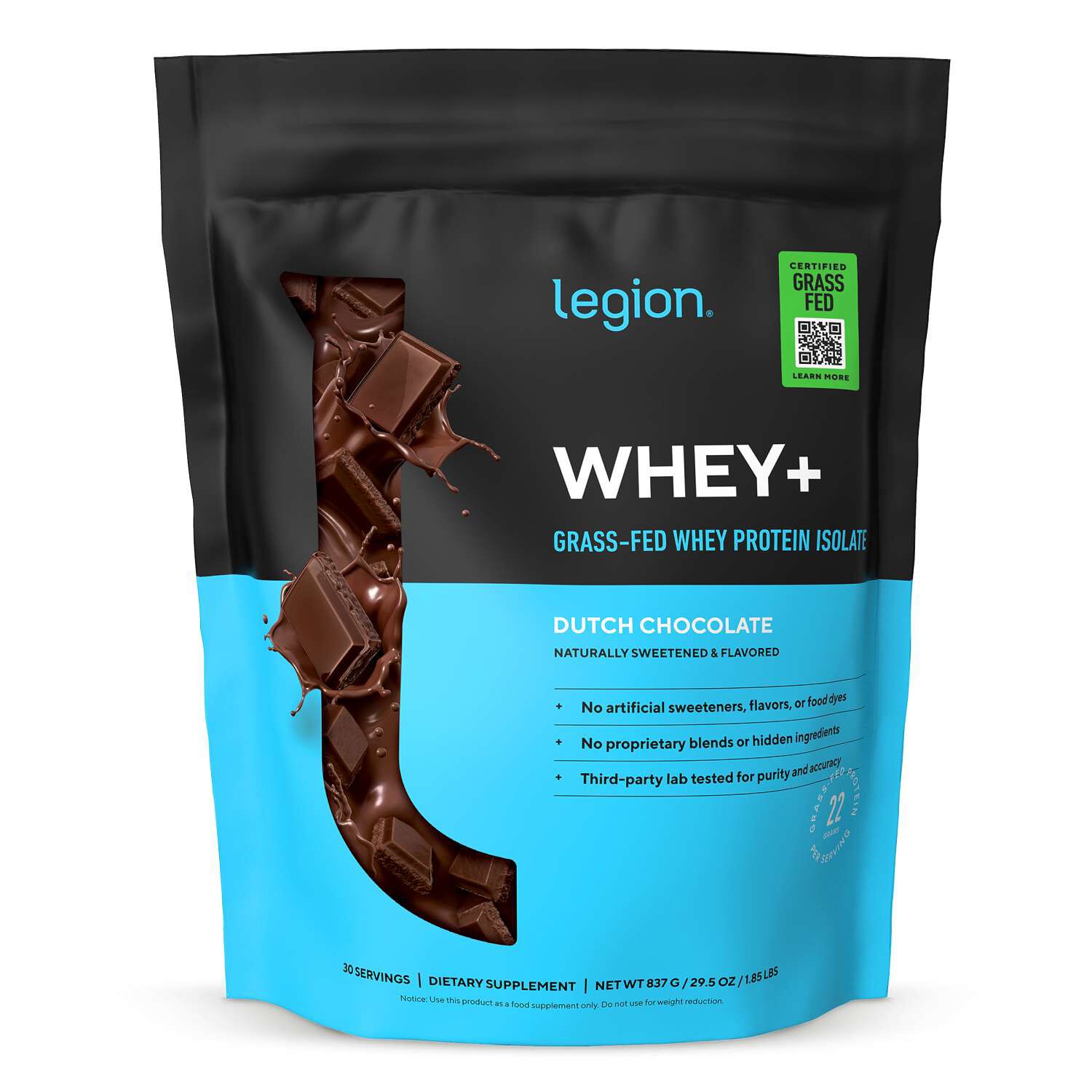
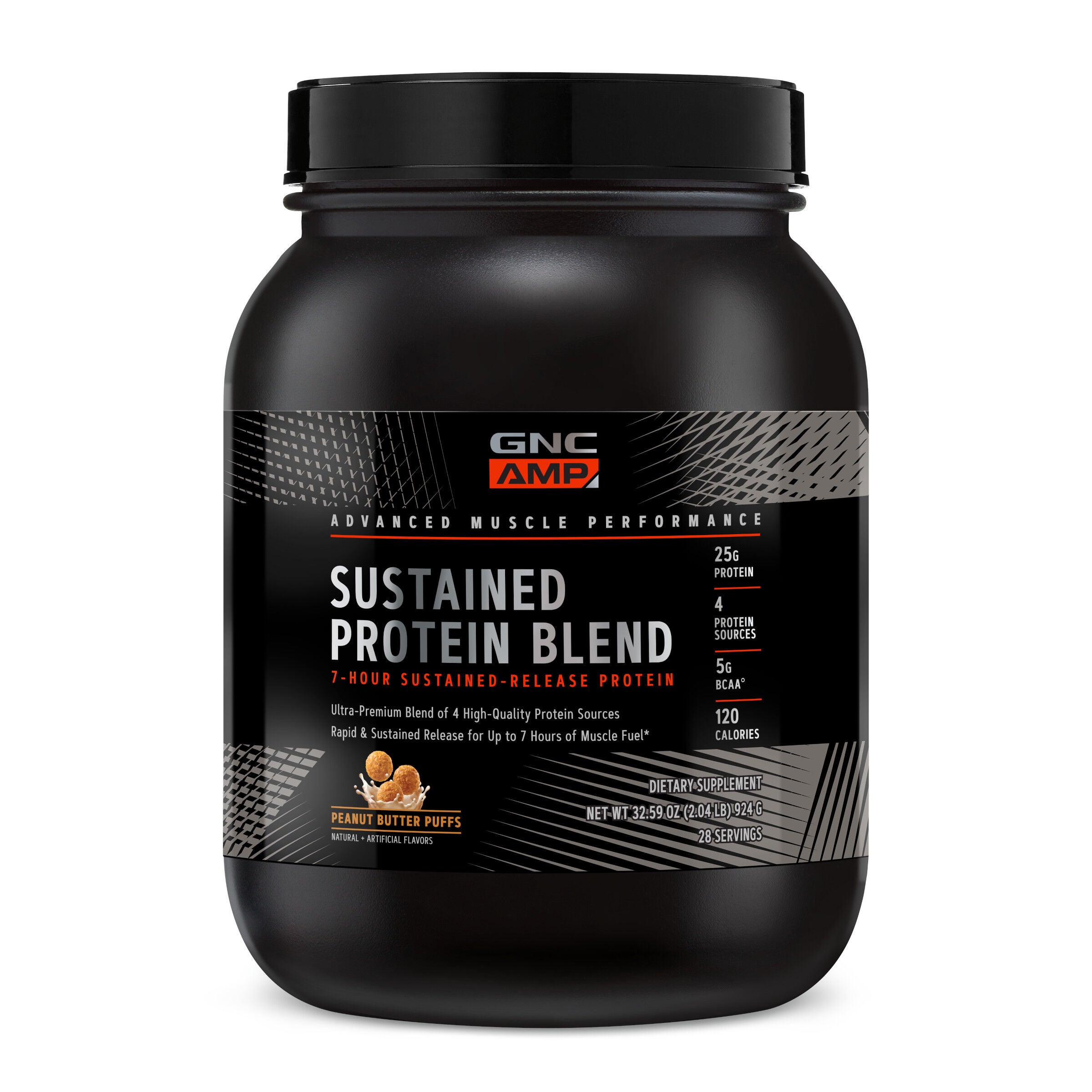
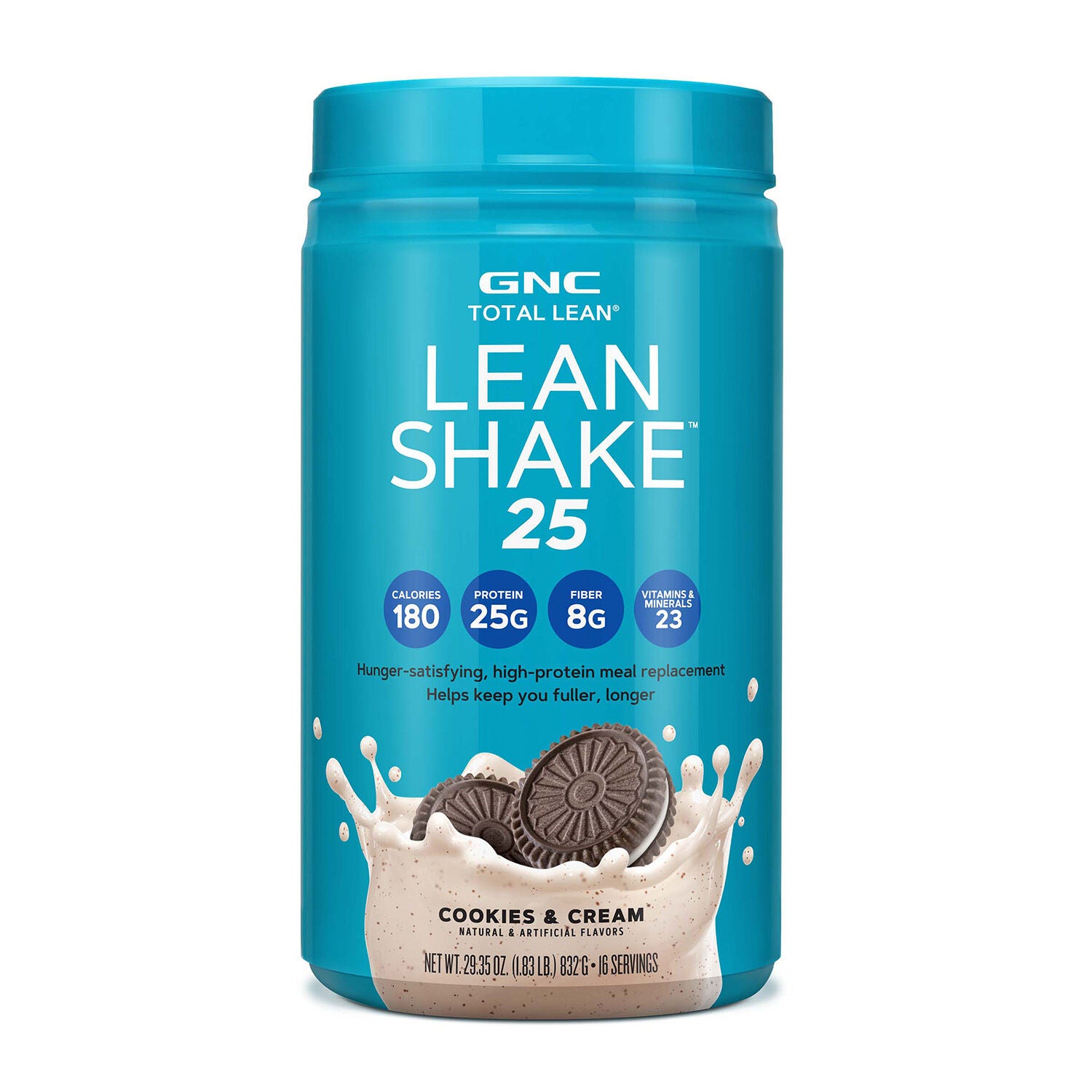
Everyday proteins are protein powders, ready-to-drink shakes, and protein bars intended for regular eating routines, not just time spent at the gym. Protein is a macronutrient made up of amino acids and is found in foods such as eggs, milk, yogurt, fish, poultry, beans, and lentils. For context, a large egg contains about 6 grams of protein, a half-cup of cooked lentils contains about 9 grams, and a 3-ounce portion of cooked chicken breast contains about 26 grams. Greek yogurt often provides around 15 to 20 grams per serving, depending on the serving size and preparation. Packaged protein options may offer another convenient way to include this nutrient alongside familiar foods, particularly when a morning starts early or lunch happens between appointments. A powder stirred into a breakfast smoothie, a shake packed with a sandwich, or a bar tucked beside a piece of fruit each fits a different setting. These formats are not interchangeable in every respect: powders require preparation, bottled shakes come already mixed, and bars offer a solid snack with their own texture and ingredients. The amount of protein in each serving is only one part of the comparison. Serving size, calories, carbohydrates, fat, fiber, and added sugars also appear on the Nutrition Facts panel and help describe what is inside the package. Two powders with similar protein amounts may use different serving sizes, while two bars may differ considerably in their coatings, fillings, and sweetness. Everyday use is less about one particular format and more about how a product fits the foods, flavors, and schedules someone already enjoys. A person who sits down for breakfast may prefer a powder that blends into yogurt, while someone heading out with a lunch bag may favor a sealed shake. Neither format has to be reserved for a workout occasion, and neither needs to crowd out the variety that comes from ordinary meals. The most useful comparison considers the whole serving rather than the protein number alone.
Protein source is another meaningful distinction within everyday protein products. Whey and casein come from milk, while plant-based protein powders commonly use peas, soy, rice, or combinations of those ingredients. Whey concentrate and whey isolate differ in how they are processed and in their proportions of protein and other milk components; the package provides the relevant details for a particular formula. A blend may contain more than one protein source, and a plant-based label does not necessarily describe every other ingredient in the finished product. Ingredient lists and allergen statements matter for shoppers who avoid milk, soy, or other ingredients. Products made without dairy ingredients offer a different starting point from milk-derived powders, but the full label remains important when food restrictions are part of the decision. Collagen peptides are another animal-derived option with a different amino acid profile from whey or soy protein, so equal protein amounts do not mean identical composition. Beyond the source, flavor and texture often shape whether a product feels at home in a daily routine. Vanilla-style powders may suit fruit smoothies or oatmeal, while chocolate flavors may pair with banana, nut butter, or milk. Unflavored powders have their own taste and texture rather than being entirely undetectable. Some formulas mix into a thinner drink, and others produce a richer consistency, depending on the ingredients, liquid, and preparation. Water, milk, and plant-based beverages create different results and contribute different nutrients of their own. A shaker bottle suits a simple powder-and-liquid mixture; a blender accommodates ice, fruit, and thicker additions. Bars range from chewy to crisp, with differences in coatings, nut pieces, and fillings, while ready-to-drink shakes offer a prepared texture without measuring powder. Sweeteners, cocoa, fruit flavors, and other ingredients influence the finished taste. For someone planning to use protein regularly, those sensory details deserve attention alongside the nutrition panel. A flavor that suits a quick drink may not be the same one that works best in an afternoon snack or a bowl of breakfast oats.
Everyday protein routines also extend to days without a scheduled workout. The selection of Non Training Day Proteins offers a related place to explore protein options for those occasions. A workday spent at a desk, a day of errands, or a quiet afternoon at home can involve different meal arrangements, and portable formats may accommodate those changes without elaborate preparation. An individually wrapped bar fits into a lunch bag, while a ready-to-drink shake may suit a workplace refrigerator where there is no blender or measuring scoop. Powder offers more flexibility in preparation, although it calls for a clean mixing container and whatever liquid the directions specify. The package format matters, too: a resealable tub suits repeated use in one location, while individual packets may be convenient for taking a measured portion elsewhere. Storage and handling are part of keeping these foods in good condition. Powder containers belong in a dry storage area with the lid securely closed, following the package directions; a dry scoop helps keep moisture out of the container. Ready-to-drink products have different storage requirements before and after opening, and the label indicates whether refrigeration is needed. Bars also have package-specific storage directions, and an intact wrapper matters when they travel in a bag. Date markings, seal condition, and preparation directions are useful details across all three formats. Protein powders used in recipes may change thickness or texture, so a smoothie, oatmeal bowl, and baked recipe will not necessarily behave the same way with the same addition. For shared households, separate preferences may matter as much as format: one person may favor a mild drink with breakfast, while another prefers a chewy snack between meals. Everyday protein products bring together these practical choices—source, serving composition, flavor, preparation, and portability—within a category designed for ordinary routines. Their place in the day may be straightforward: alongside breakfast, packed with lunch, or enjoyed as part of a snack, with the rest of the meal providing its own variety of ingredients and flavors.
- Q: What are everyday proteins and how are they different from other protein supplements?
A: Everyday proteins are protein supplements designed for daily use to help support general wellness, muscle maintenance, and overall nutrition. Unlike specialized proteins for intense athletic training or weight gain, everyday proteins typically offer balanced formulas suitable for a wide range of lifestyles and activity needs. - Q: Who can benefit from using everyday protein supplements?
A: Everyday protein supplements can benefit adults of all ages who may not get enough protein from their regular diet. They are especially helpful for busy individuals, older adults, vegetarians, or anyone looking to conveniently increase their daily protein intake. - Q: How can I incorporate everyday proteins into my routine?
A: Everyday proteins can be easily mixed into water, milk, smoothies, or recipes like oatmeal and pancakes. They are versatile and can be enjoyed at breakfast, as a snack, or post-workout to help meet your daily protein needs. - Q: Are there different types of everyday protein sources available?
A: Yes, everyday proteins come in various forms such as whey, plant-based (like pea or soy), casein, and blends. This variety allows you to choose a source that aligns with your dietary preferences and nutritional goals. - Q: Can everyday proteins support an active lifestyle?
A: Absolutely! Everyday proteins provide amino acids that help support muscle recovery and maintenance, making them a great addition to the diet of anyone with an active lifestyle or regular exercise routine.