Everyday Nutrition
(0 Results)
Everyday nutrition plays a key role in supporting your overall well-being and helping you stay at your best. With a variety of options to choose from, finding the right supplements and vitamins for your daily routine could make it easier to maintain your healthy lifestyle. Explore a wide selection designed to fit into your everyday nutrition needs, whether you’re looking for convenient multivitamins or other nutritional support. Discover how simple it might be to prioritize wellness each day with choices tailored for you.
-

-
-
-
-
-
-
-

-
-
-
-

-

-

-
 Universal Nutrition237$36.99
-
 Universal Nutrition237$36.99
-

-
-

-

Everyday nutrition is a broad category of products designed to complement the meals, snacks, and habits that make up an ordinary day. That might mean a multivitamin alongside breakfast, a protein powder blended into a familiar smoothie, or a powdered nutrition mix measured into a shaker before leaving home. The setting is often simple: a kitchen counter, a lunch bag, or a cabinet with room for the products that fit a regular routine. Meals remain the starting point, with vegetables, fruit, grains, beans, dairy foods, and other protein sources bringing variety to the table. Dietary supplements may complement that pattern, but they are not replacements for varied meals. Within everyday nutrition, differences in ingredients, serving size, texture, and preparation matter as much as the category name. Multivitamins combine a range of vitamins and minerals, while individual nutrient supplements have a narrower focus. Capsules, tablets, gummies, liquids, and powders each have their own handling and serving considerations. A capsule or tablet may suit someone who prefers a measured format without mixing; a powder may appeal to someone who already makes smoothies or keeps a shaker nearby. Gummies have a chewable texture, with ingredients and serving directions that deserve the same attention as any other supplement format. The Supplement Facts panel identifies the nutrients and amounts in a labeled serving, while the ingredient list provides a closer look at sweeteners, flavorings, and other components. Serving sizes are not interchangeable across formats, even when products share a category or a familiar nutrient name. Some formulas are organized around adult life stages, and others around particular dietary preferences. Those distinctions give useful context without making one formula the right match for every person. Everyday nutrition shopping is ultimately personal: the relevant choice depends on the food someone already enjoys, the format they prefer, and the amount of preparation that fits comfortably into their day. For a person who eats breakfast at a desk, that routine may look different from one built around leisurely meals at home.
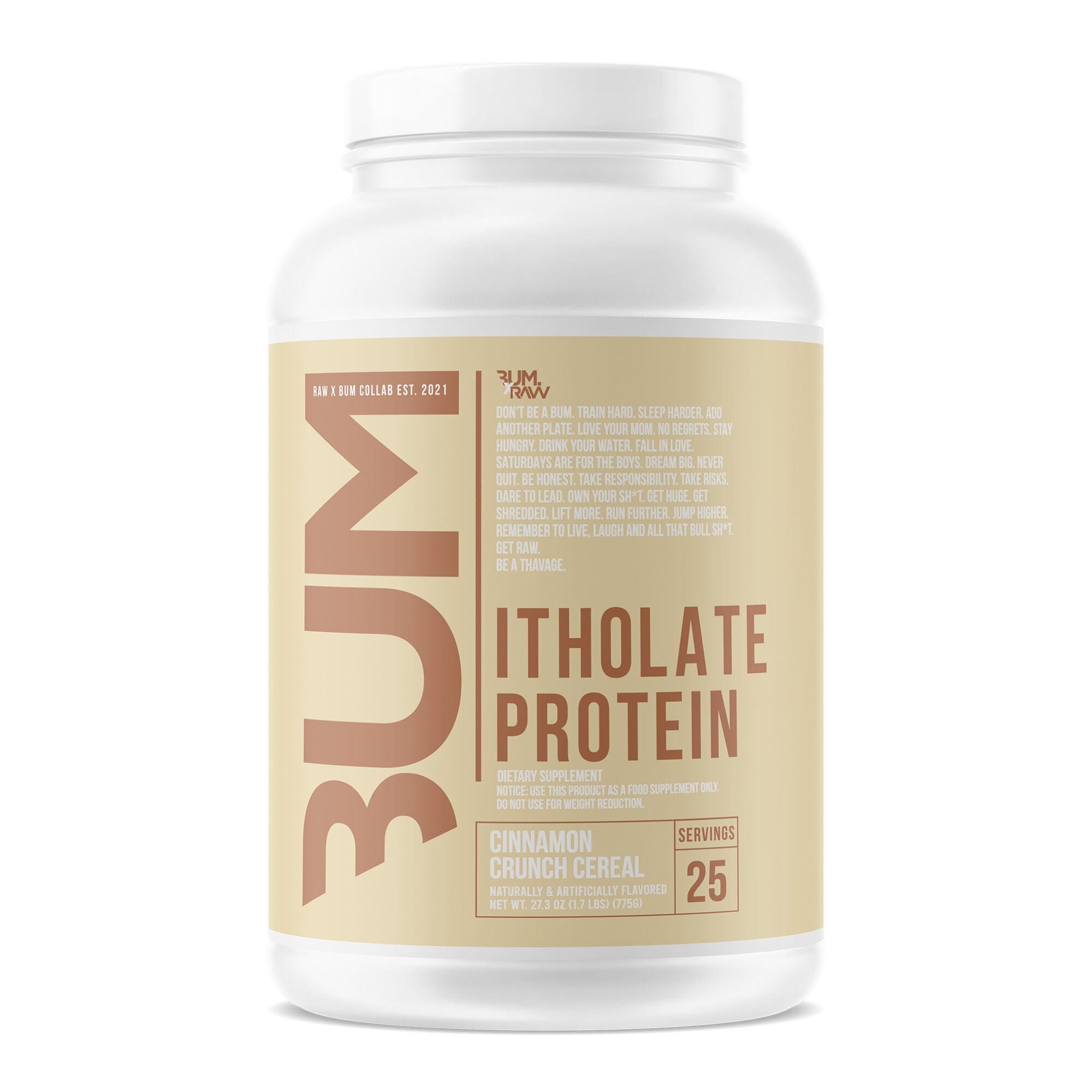
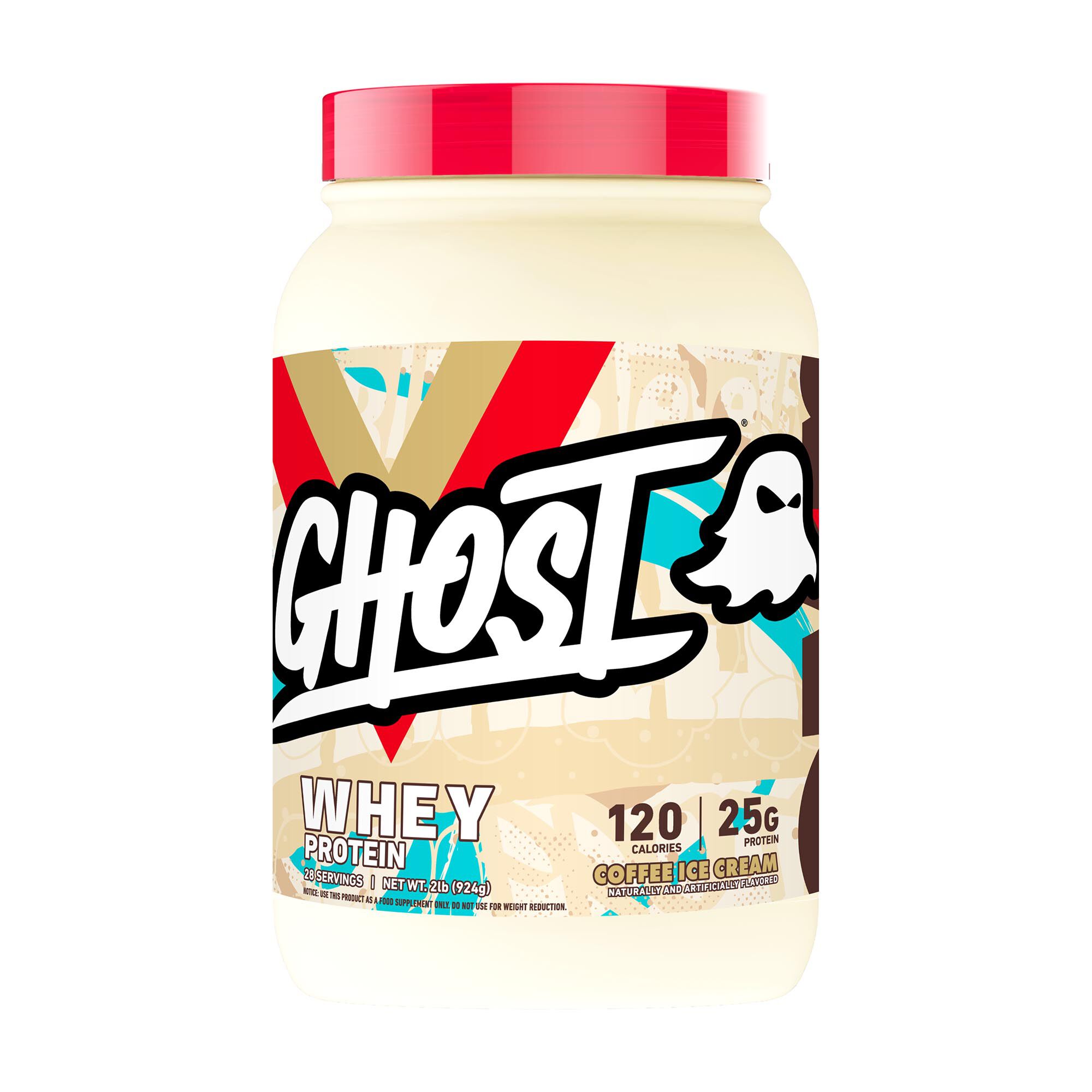
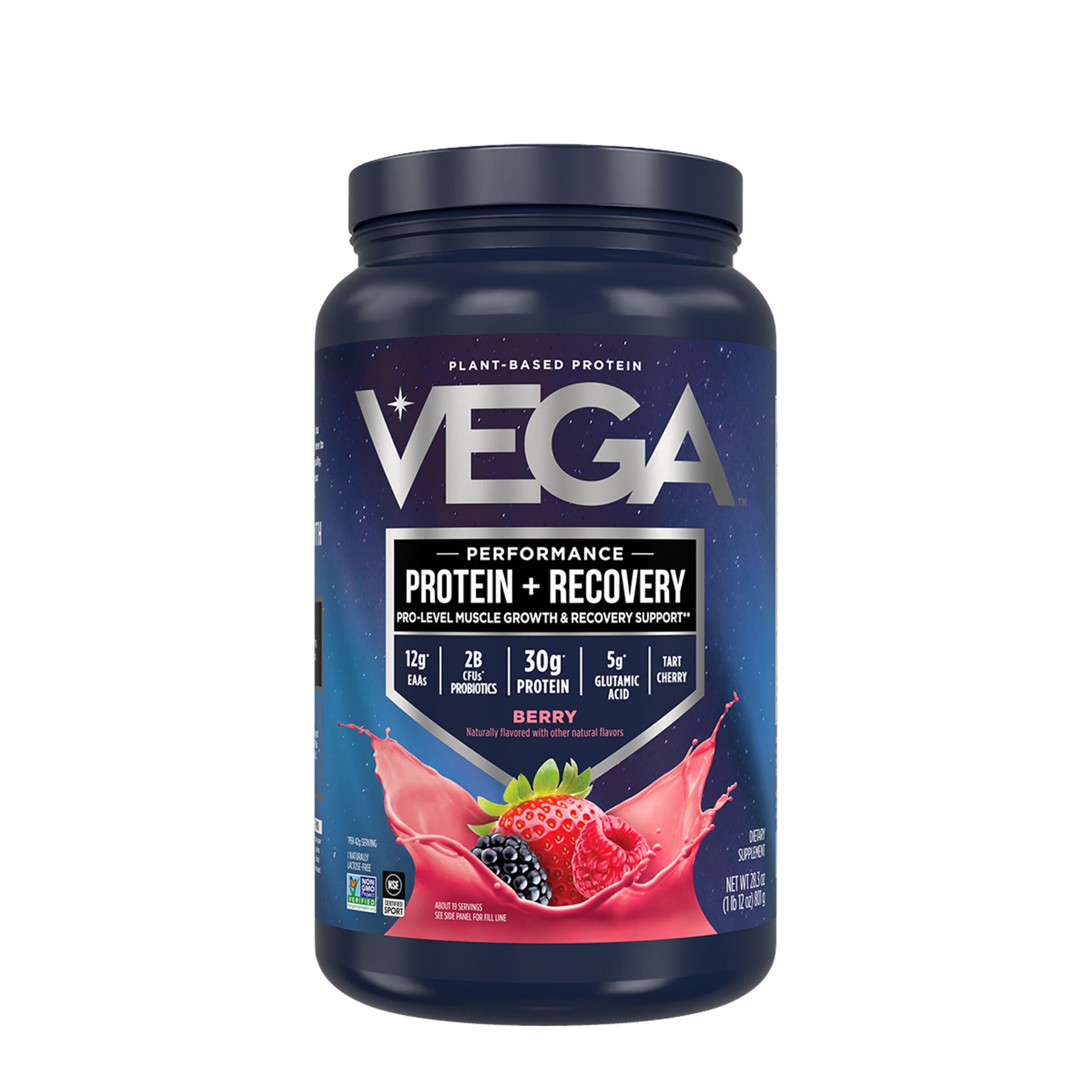
Protein products are another familiar part of everyday nutrition, with options that differ in source, flavor, consistency, and intended preparation. Milk-derived proteins, including whey and casein, sit alongside plant-based sources such as pea, soy, and rice. Some powders use one protein source, while others combine several. These ingredient differences matter to people comparing dietary preferences, allergen information, or the taste and texture they enjoy in a drink. The Everyday Proteins collection offers a focused place to explore this part of a daily nutrition routine. A protein powder may help add protein to a smoothie or snack without changing the entire meal, but the finished drink also depends on what goes into the blender. A scoop mixed with water is a different preparation from the same powder blended with milk, yogurt, oats, and fruit. Those additions change the overall ingredients, texture, and nutrient amounts of the serving. A lightly flavored powder may suit a berry smoothie, while a richer flavor may appeal to someone who enjoys a more dessert-like drink. An unflavored option may be a better fit when the taste of the other ingredients is the priority. Mixing directions are worth comparing because the suggested amount of liquid affects consistency, and not every powder behaves the same way in a spoon-stirred glass, a shaker, or a blender. A shaker may be practical for someone heading from home to work, while a blender may suit a routine that includes frozen fruit or thicker ingredients. Ready-to-drink formats have different storage and handling requirements, particularly after opening. Across these formats, the labeled serving, protein amount, ingredient list, and allergen statement provide more useful detail than flavor alone. A familiar breakfast, an afternoon snack, or a planned meal away from home can each provide a different setting for protein products, with personal preference shaping how they fit.
The practical side of everyday nutrition continues after a product becomes part of the household routine. Packaging, storage space, and serving tools all influence how comfortably a format fits into daily life. Bottles, tubs, and resealable pouches require different amounts of cabinet room, and a wide opening handles differently from a narrow bottle neck. For someone working with a small kitchen, the dimensions of a container can be a meaningful consideration; for someone carrying a serving to work, secure closures and suitable containers deserve attention. Original packaging keeps ingredient information, serving directions, and date markings close at hand. Storage directions vary, so the label remains the reference for where a product belongs and whether refrigeration is needed. Dry scoops, clean utensils, and firmly closed containers are sensible handling considerations for powders. Shakers and other mixing tools also need regular washing according to their care directions, including lids, seals, and areas where residue can collect. Date markings and package condition matter alongside the nutrition details, especially for products used gradually rather than every day. A large container is not automatically the most practical format for someone with an occasional routine, just as a small format may not suit someone preparing a serving regularly. In a shared household, individual preferences can differ: one adult may favor an unflavored powder, another a flavored drink, and another a tablet format. Keeping labels attached and serving tools with their containers may make those routines easier to distinguish. The same attention to detail applies to food preferences, since ingredients that suit one person may not suit another. Everyday nutrition does not need to look elaborate to be thoughtfully chosen. A small number of well-understood products may fit a routine more comfortably than a crowded cabinet of unfamiliar formats. Clear labeling, manageable preparation, preferred flavors, and appropriate storage are concrete details that connect the category to daily use. Whether the setting is a quick breakfast at home or a carefully packed lunch, the focus remains on products that make sense alongside the meals and habits already in place.
- Q: What types of products support everyday nutrition?
A: Everyday nutrition products often include multivitamins, minerals, protein supplements, omega-3s, probiotics, and greens powders. These can help fill nutritional gaps and promote overall wellness. - Q: How can I choose the right everyday nutrition supplements for my lifestyle?
A: Consider your dietary habits, activity level, and any specific health goals. Consulting with a healthcare professional or a nutritionist can also help you identify which nutrients you may need to supplement. - Q: Are everyday nutrition supplements suitable for all age groups?
A: Many everyday nutrition supplements are formulated for different age groups, such as children, adults, and seniors. It's important to select products that match your age and nutritional needs. - Q: Can I take multiple everyday nutrition supplements together?
A: Yes, many people combine different supplements like multivitamins with protein or omega-3s. However, it's best to review ingredient labels and consult with a healthcare provider to avoid excessive intake of certain nutrients. - Q: How do I incorporate everyday nutrition products into my daily routine?
A: Everyday nutrition products can be taken with meals or as directed on the packaging. Setting a consistent time each day—such as during breakfast—can help make supplementation a regular habit.