Post Workout Proteins
(0 Results)
Fuel your muscles and kickstart recovery with our wide selection of post-workout proteins. Whether you're looking to build lean muscle, aid in muscle repair, or replenish energy stores after a tough workout, we have a variety of high-quality protein options to meet your needs. From fast-absorption whey protein powders to plant-based blends, our post-workout proteins are designed to help you maximize your gains and support your fitness goals. Discover your perfect protein match and take your post-workout routine to new heights.
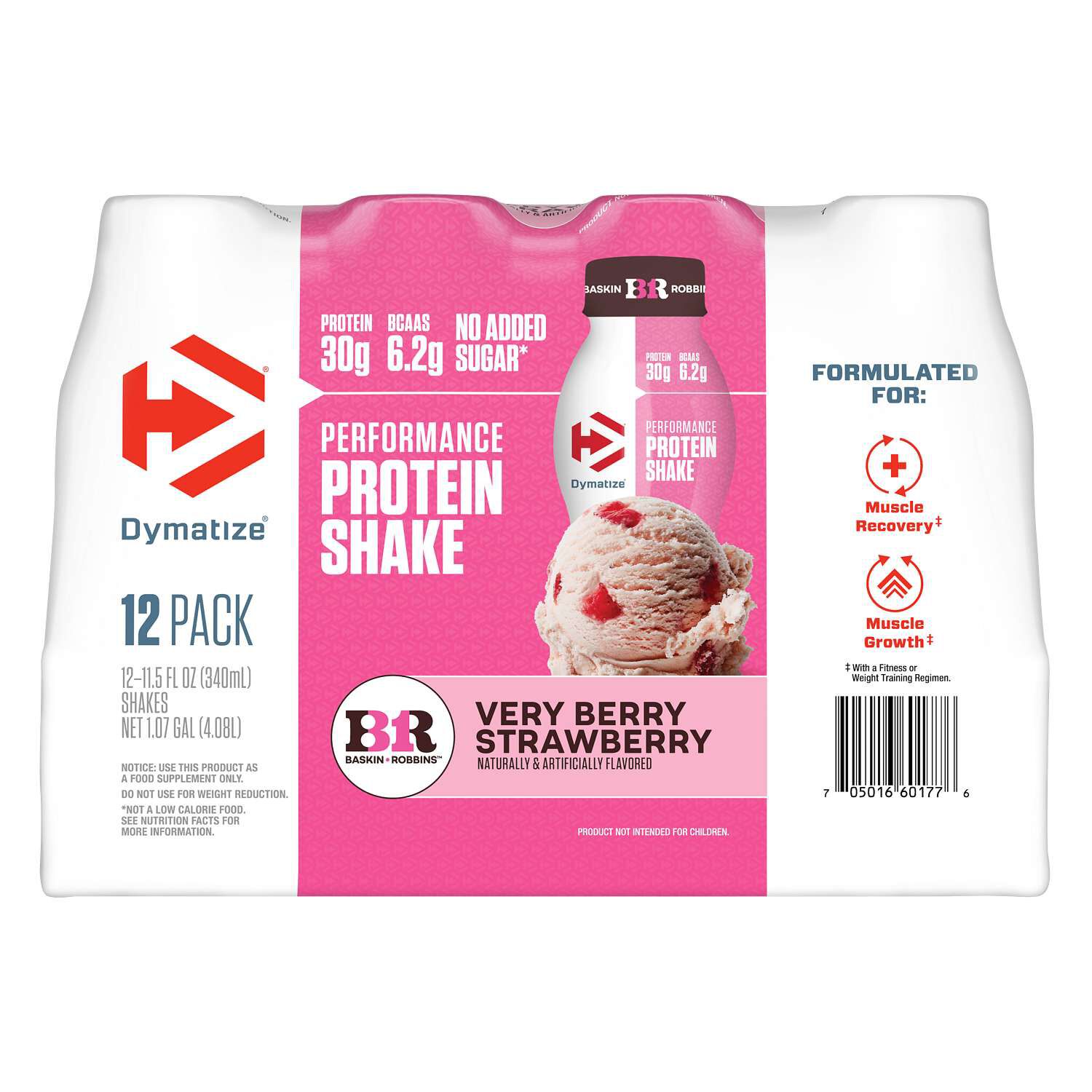
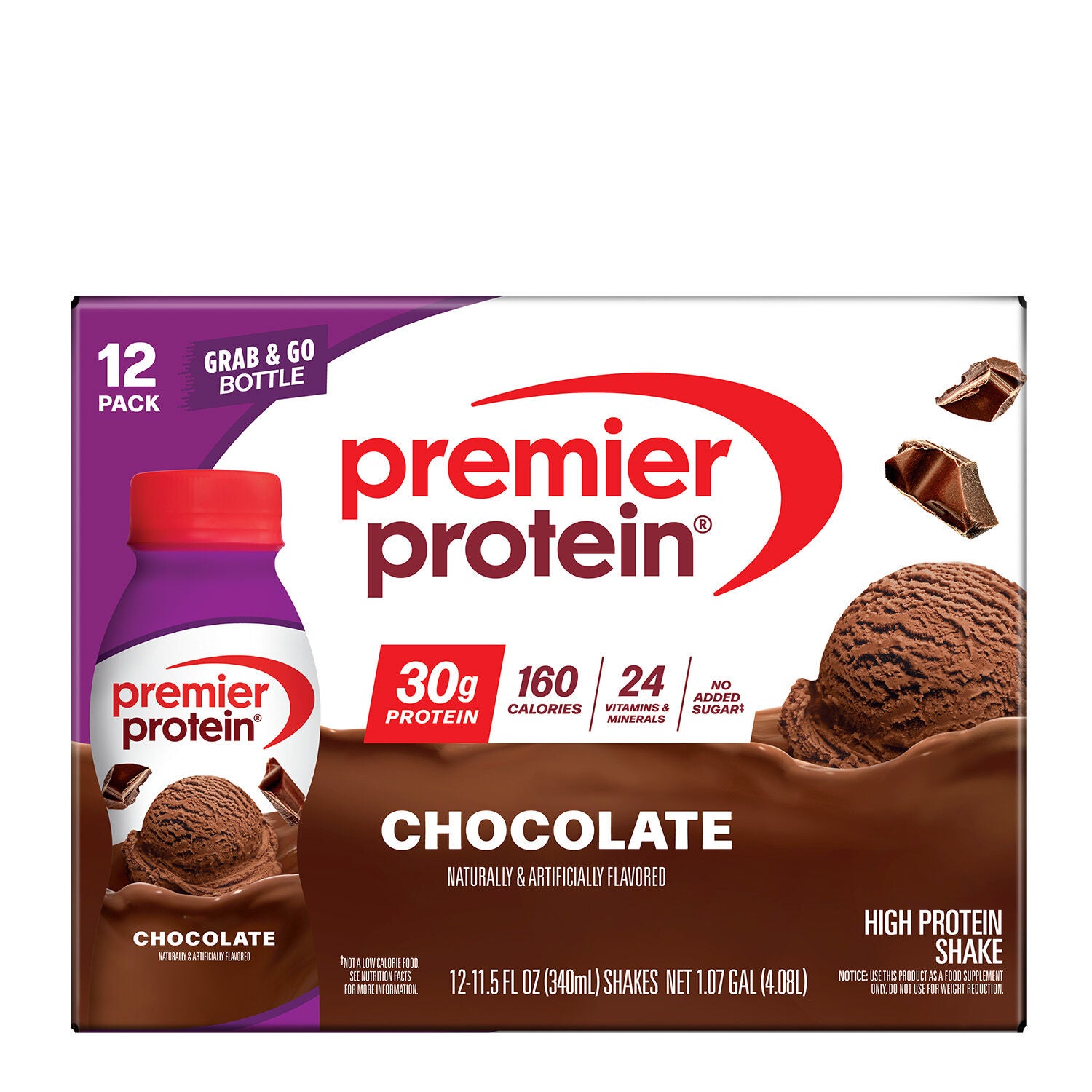
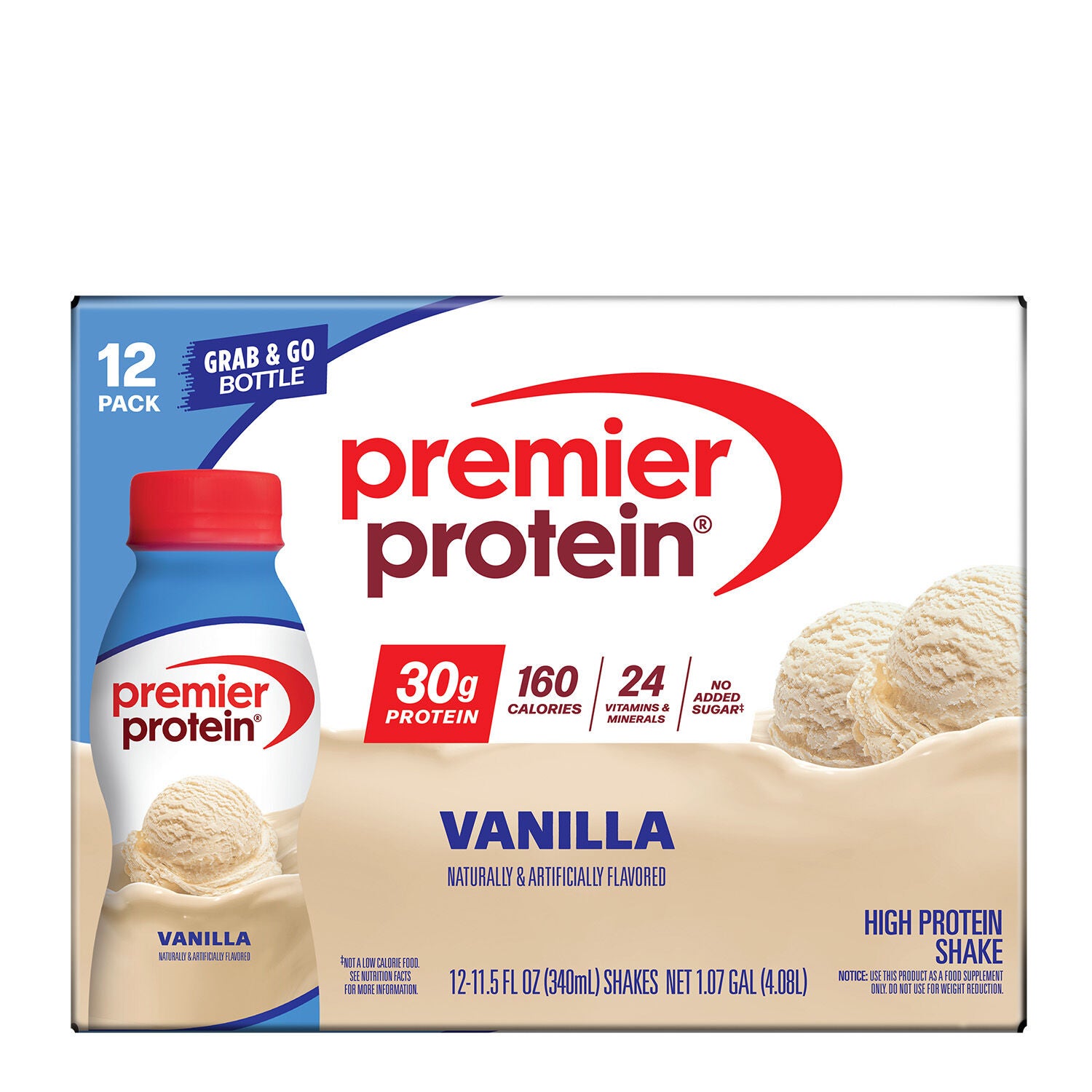

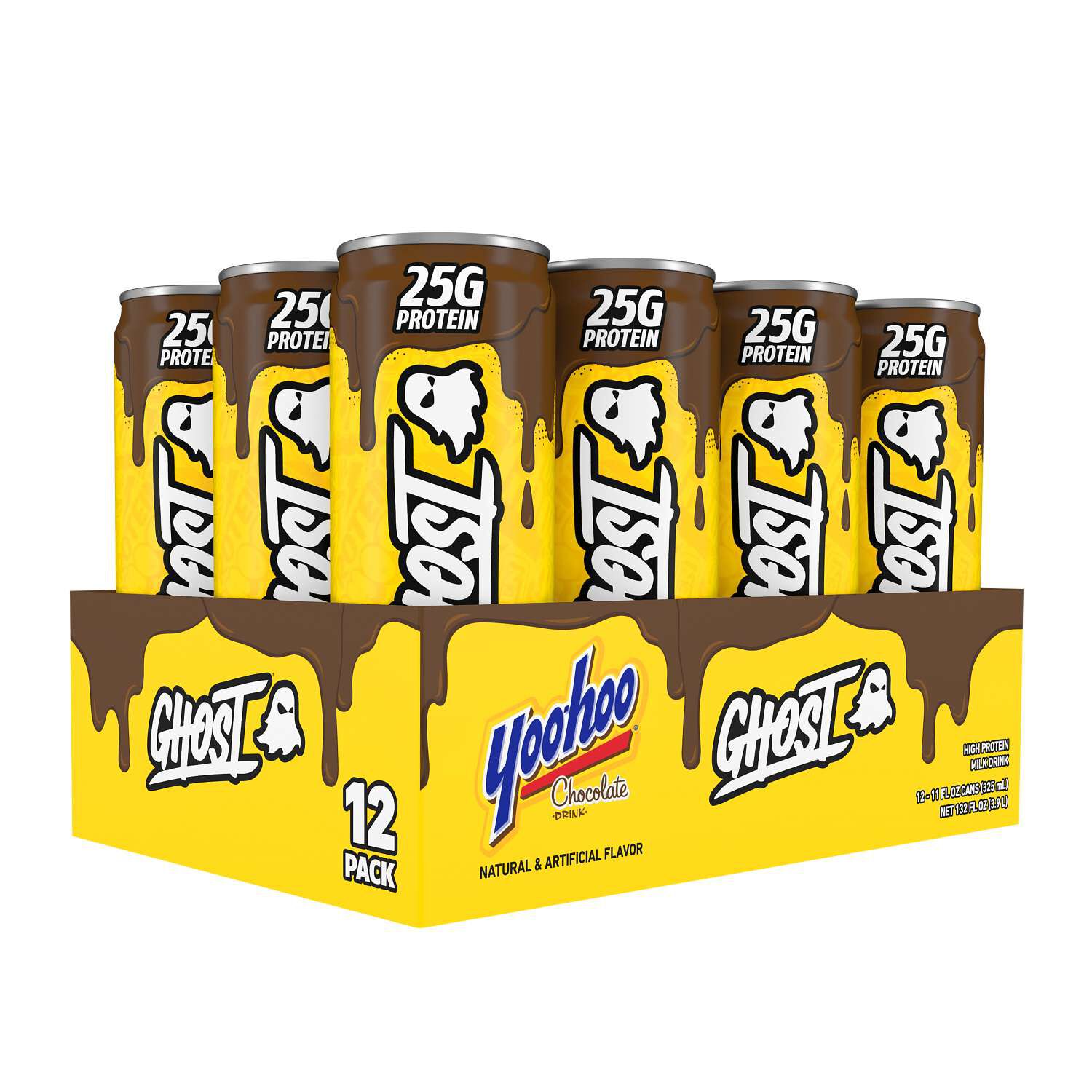
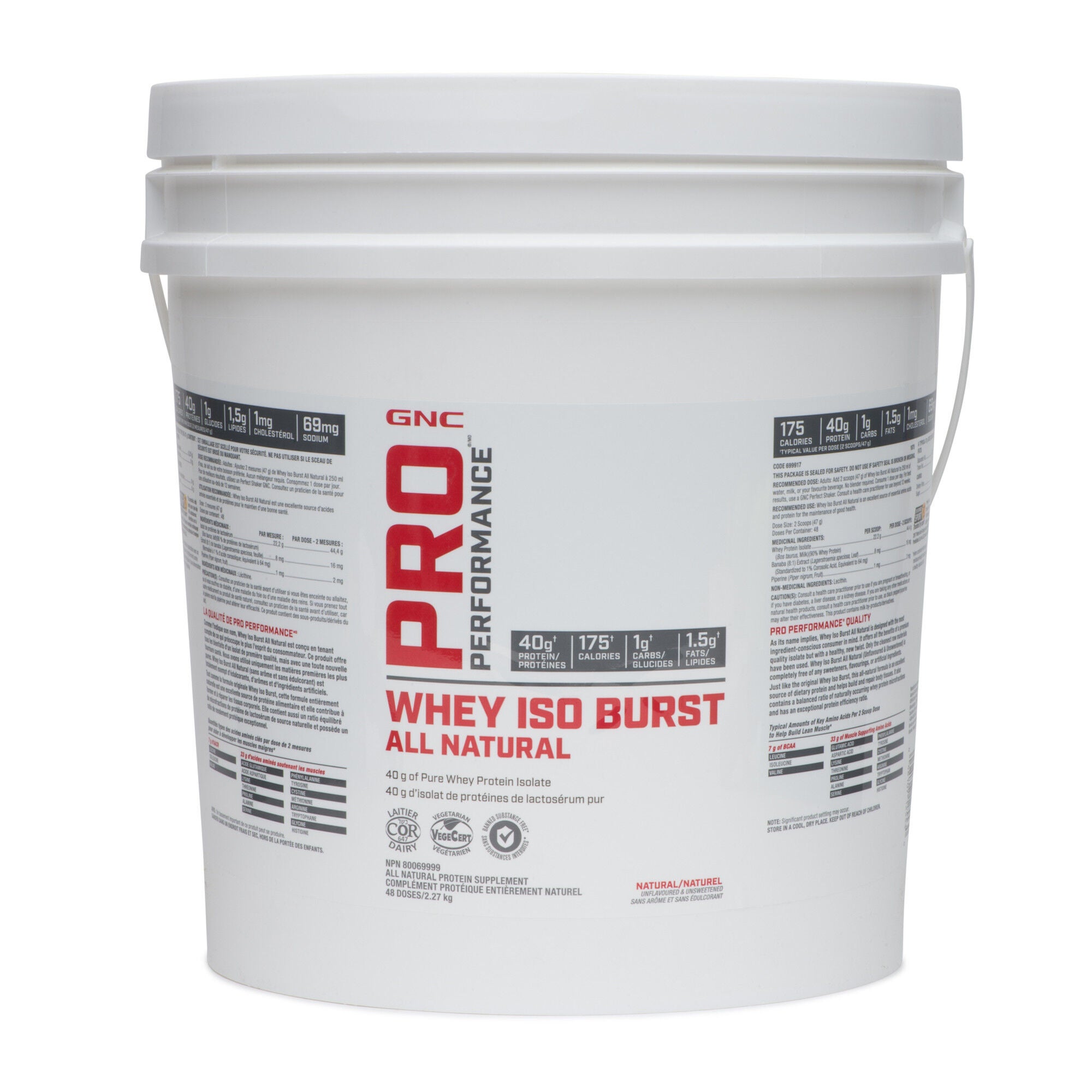


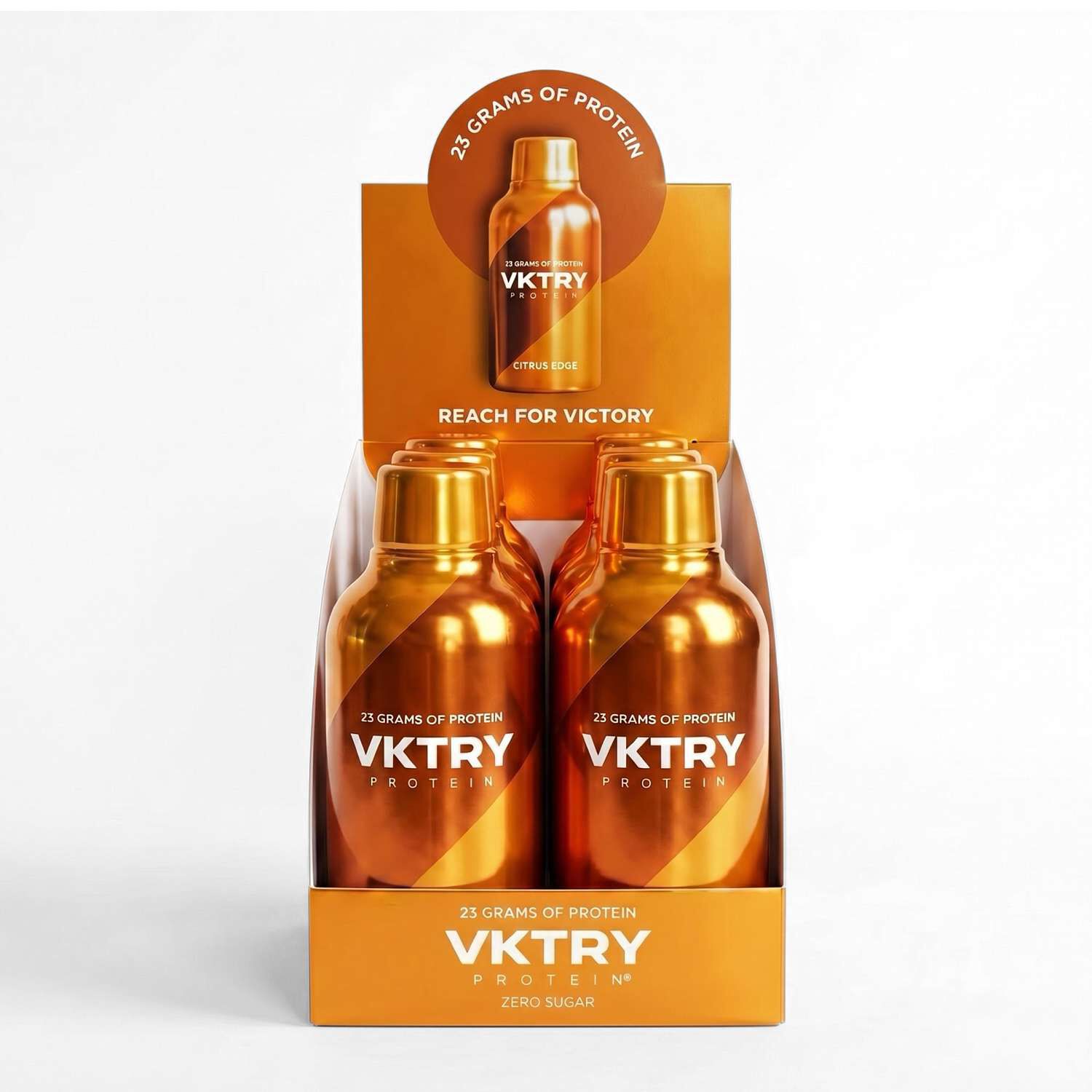

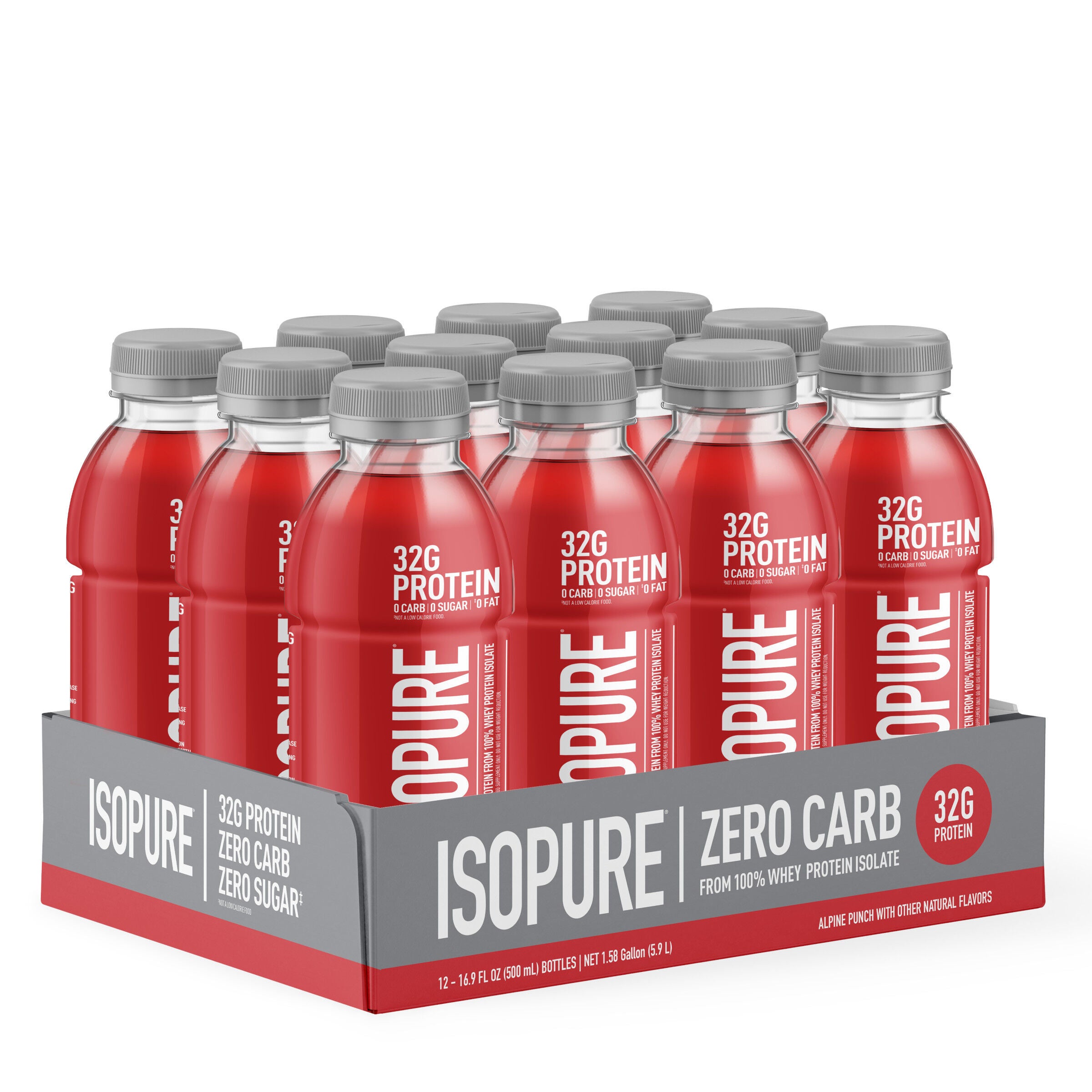

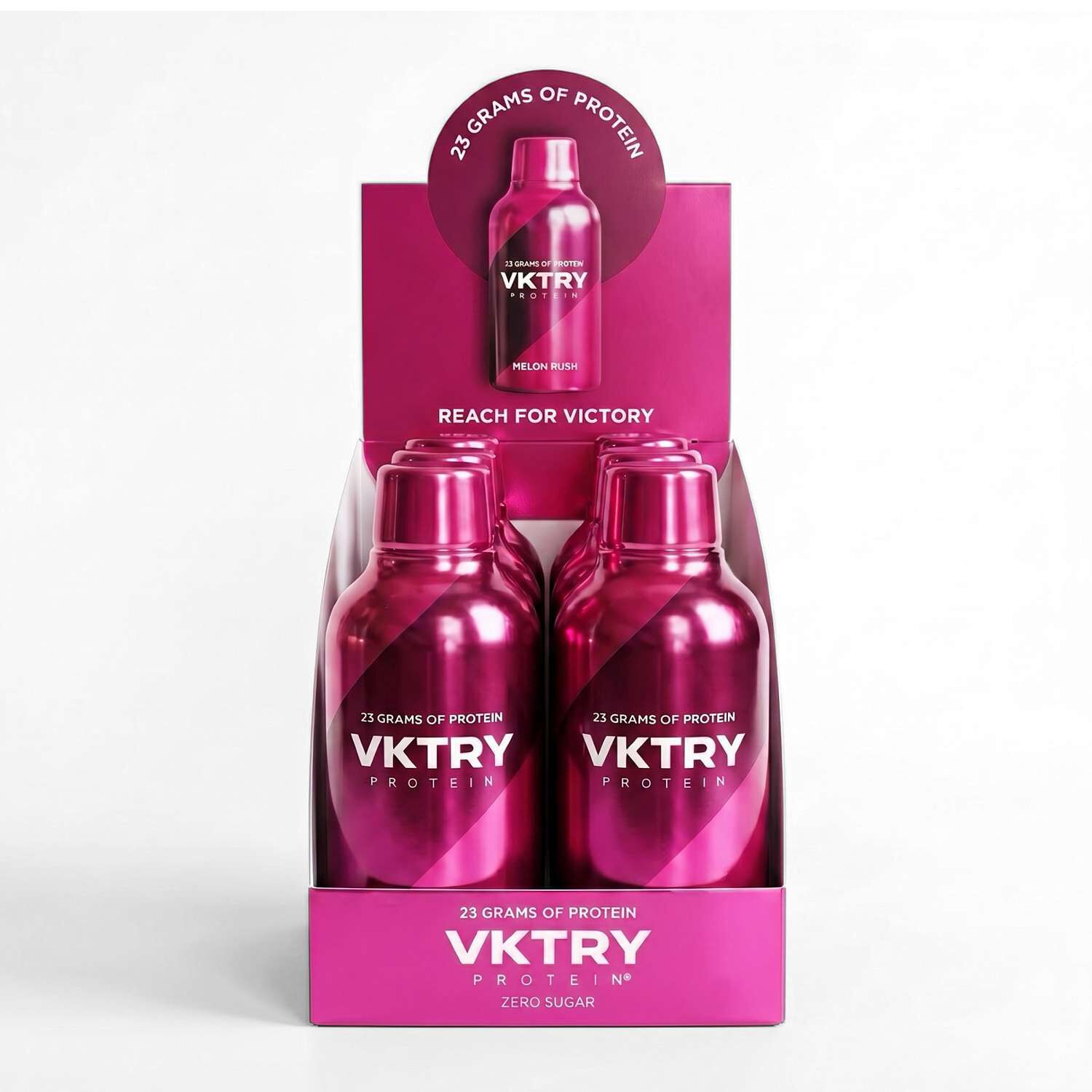


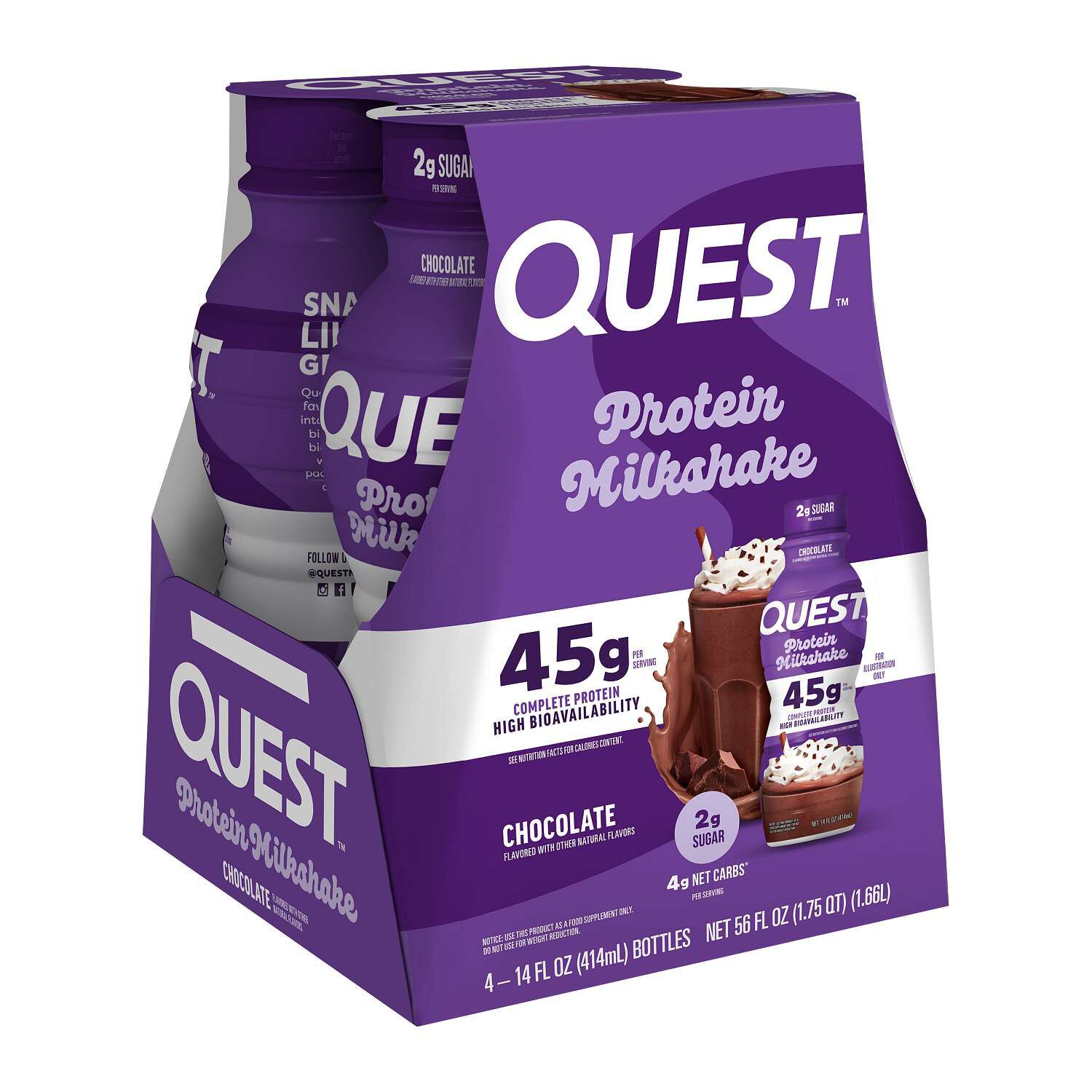
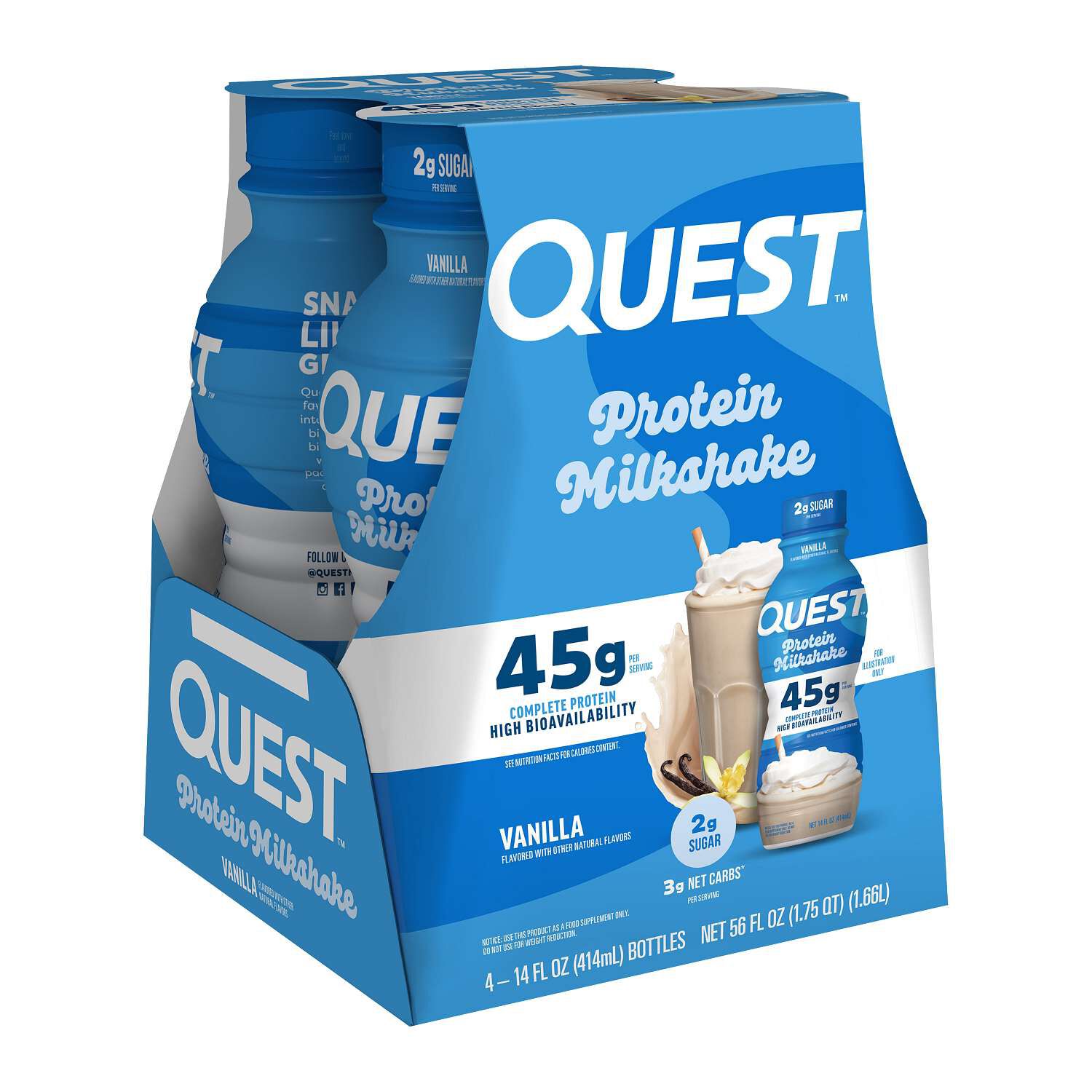
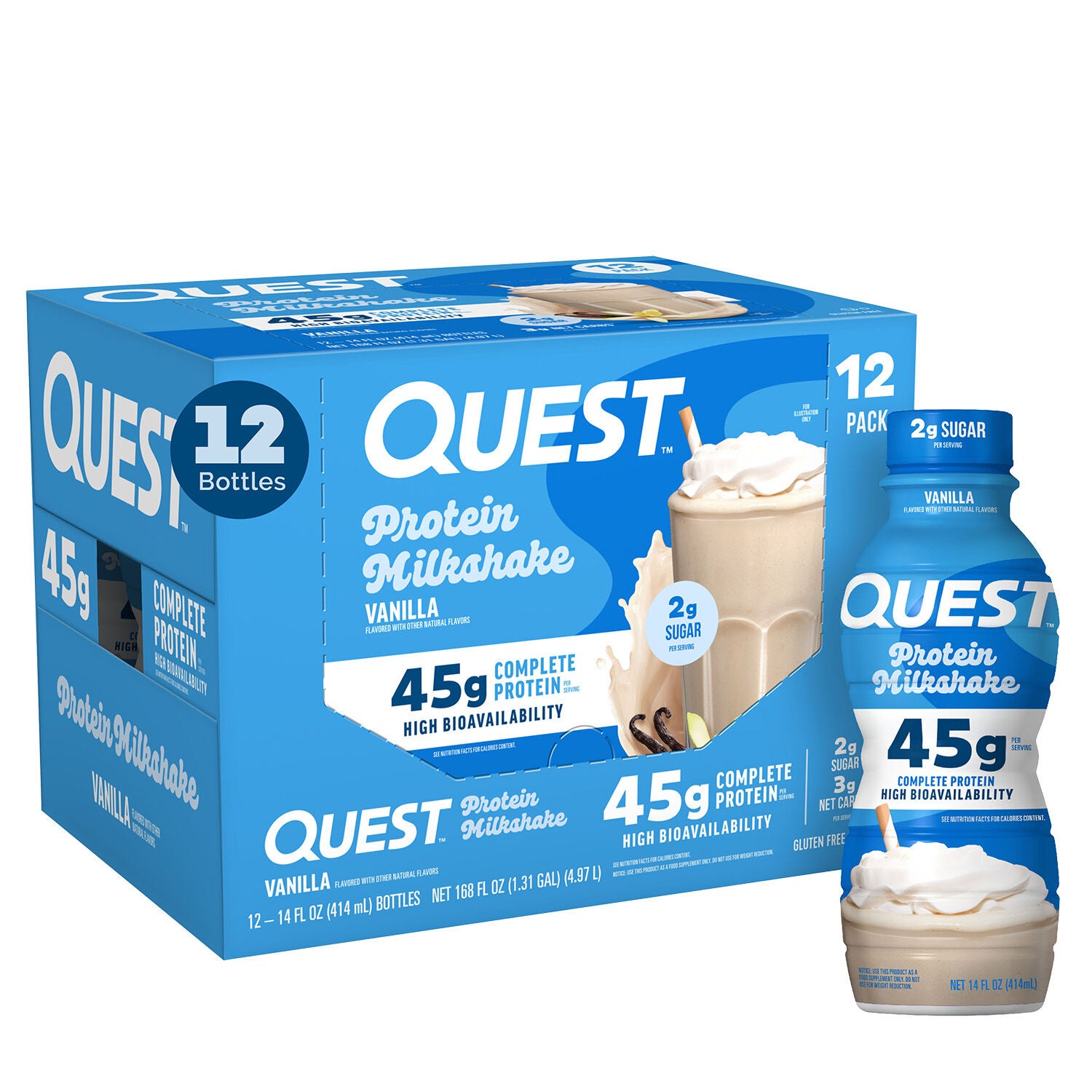

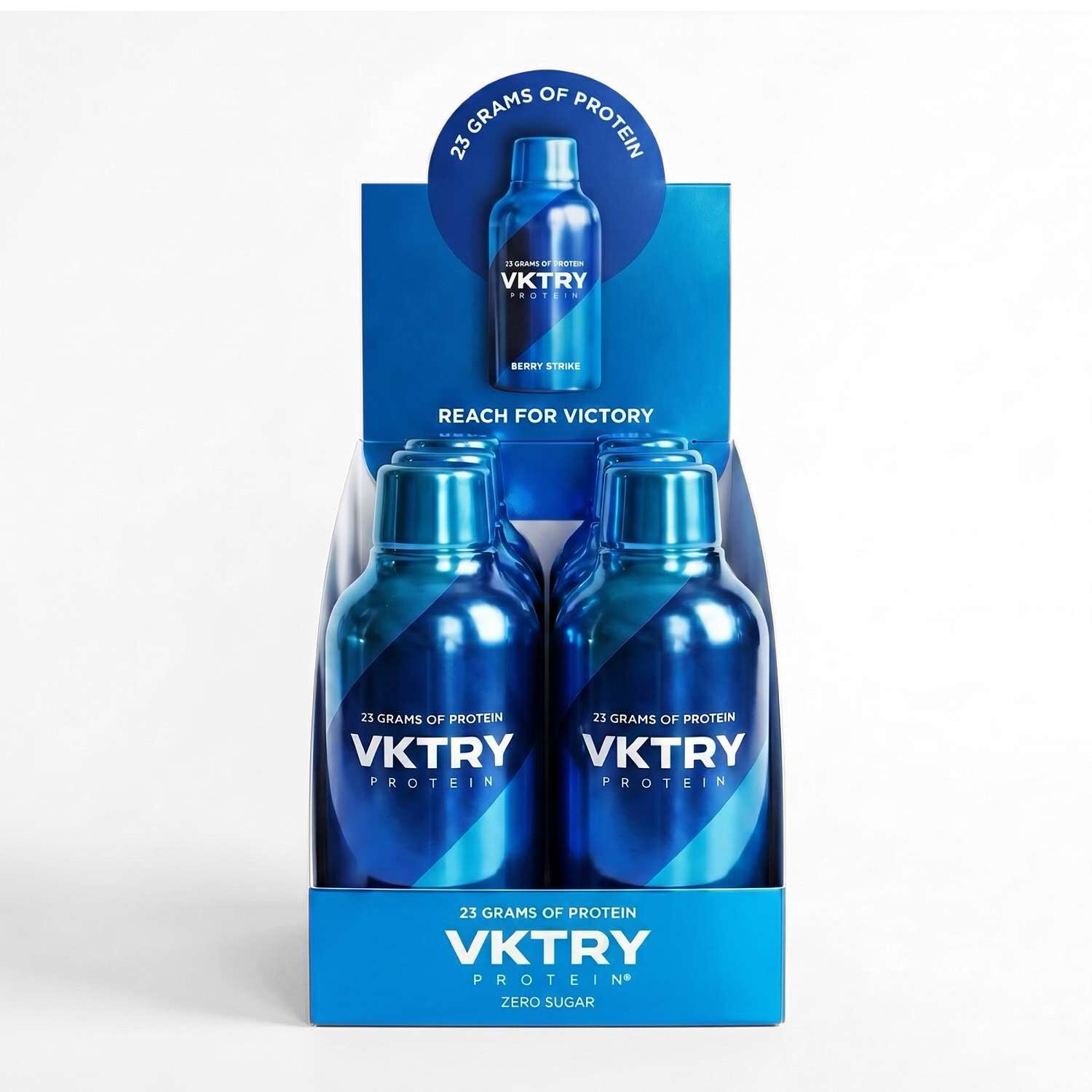


Post workout proteins bring a familiar nutrition option to the stretch of the day between finishing a training session and settling into the next meal. They include powders for mixing, ready-to-drink shakes, and other protein-focused formats that suit different schedules and preferences. Protein supplies amino acids, and protein after exercise may support muscle maintenance and recovery as part of a varied eating pattern. These products can fit into routines built around weight training, running, cycling, recreational sports, or a mix of activities. The most useful distinction is often practical: a powder belongs naturally beside a shaker and a kitchen counter, while a packaged shake suits the transition from a gym locker room to a commute. Protein source is another meaningful difference. Whey and casein come from milk, while plant protein powders may use peas, rice, soy, or combinations of ingredients. Whey concentrate, whey isolate, and blended formulas differ in composition, so the nutrition panel offers a clearer comparison than the front label alone. Whey isolate generally contains a higher proportion of protein and less carbohydrate and fat than whey concentrate, although finished formulas vary. Plant-based blends combine sources with different amino acid profiles and offer an alternative for shoppers who prefer ingredients that do not come from animals. Protein amounts also differ by serving. A serving containing roughly 20 to 40 grams is a common point of comparison in sports nutrition, rather than a requirement for every person or every workout. Body size, training demands, ordinary meals, and personal preferences all shape how a post workout protein fits into the day. A scoop, a bottle, and a serving are not necessarily equivalent measures, making the stated serving size worth a close look. For shoppers comparing several formats, the grams of protein per prepared serving provide a useful starting point alongside calories, carbohydrate, fat, and the ingredient list. The distinction matters when one powder lists a single scoop per serving and another calls for two.
Taste, texture, and preparation often determine whether a post workout protein feels like a natural part of a routine or something that sits untouched in a cupboard. A light, fruit-flavored drink offers a different experience from a thick chocolate shake, even when their protein amounts are similar. Milk-derived powders range from creamy blends to clear-style formulas, while plant-based options vary in smoothness and body depending on their ingredients and processing. Water keeps preparation simple and lets the formula’s own flavor stand out; milk or a plant-based beverage changes the texture and adds its own nutrients. The mixing directions matter because the amount of liquid influences sweetness, thickness, and how easily a powder disperses. A shaker bottle is convenient after an evening lifting session, while a blender makes sense at home when the drink includes oats, fruit, or yogurt. Those additions also change the nutrition of the finished shake, which is worth remembering when comparing it with the powder’s label. Vanilla lends itself to berries and cinnamon, chocolate pairs naturally with banana, and an unflavored powder leaves more room for the other ingredients to shape the result. Sweeteners, added sugars, milk ingredients, soy, and other labeled ingredients are additional points of comparison for shoppers with particular food preferences or dietary restrictions. Ingredient statements and allergen information offer details that flavor names alone cannot provide. Some formulas focus mainly on protein, while others include carbohydrate or additional ingredients intended for use around exercise. A runner finishing a long route may prefer a different nutritional profile from someone leaving a shorter strength session before dinner. Packaging matters, too: a resealable container suits a regular spot in the kitchen, individual portions simplify packing, and ready-to-drink formats remove the need to measure powder or find a mixing bottle. The choice is less about a single best format and more about the preparation, taste, and portability that match everyday life.
A post workout protein also belongs in the context of meals, not apart from them. Eggs, yogurt, fish, poultry, beans, and tofu are familiar food sources of protein; a shake offers another way to include protein when that format suits the occasion. An early workout followed by breakfast creates a different setting from a late session squeezed between work and the trip home. In the first case, a powder mixed into a breakfast smoothie may be convenient. In the second, a ready-to-drink shake may fit the stretch before a regular meal. Post workout nutrition does not have to revolve around finishing a drink the moment exercise ends; protein consumed in the hours after training may contribute to recovery, with the broader eating pattern providing important context. Carbohydrate-containing foods can sit alongside protein in that routine, whether that means fruit with a shake or rice and beans at dinner. Fluids, rest, and a training schedule with room for recovery are also part of the larger picture. The related Post Workout Muscle Recovery collection offers another way to browse products intended for the period after exercise. For protein powders and shakes, everyday handling deserves the same attention as flavor and format. Storage directions vary, particularly between dry powders and drinks that need refrigeration after opening. A tightly closed powder container, a dry scoop, and storage according to the label help keep preparation orderly. Checking the container’s condition and date before packing it makes sense, especially when a gym bag spends time in a car. Reusable shakers need cleaning after use, including the lid, mixing insert, and seals where residue can collect. During cooler months, when a workout may lead straight into errands or an evening indoors, these small practical details remain relevant. A suitable post workout protein is one whose source, serving size, flavor, and preparation fit the routine around it, whether that routine centers on a home blender, a packed gym bag, or a meal waiting after training.