

Post Workout Muscle Recovery
(0 Results)
Achieving peak performance doesn't end when your workout does; it's just as crucial to focus on what comes next. Post-workout muscle recovery products could be an essential part of your fitness regimen, offering support for optimal recovery. These specially formulated supplements might help reduce muscle soreness, replenish lost nutrients, and promote faster repair. Whether you're a seasoned athlete or just starting your fitness journey, exploring options for post-workout recovery could make all difference in how you feel and perform. Discover how these supplements might assist in getting you back to your best self, ready to tackle your next challenge with renewed energy and vigor.
-
-
-

-

-

-

-

-
 $151.99
 -

-
 Maji Sports$104.99
 -
 Maji Sports$276.99
 -
-

-
-

-

-

-

-
-
-

-

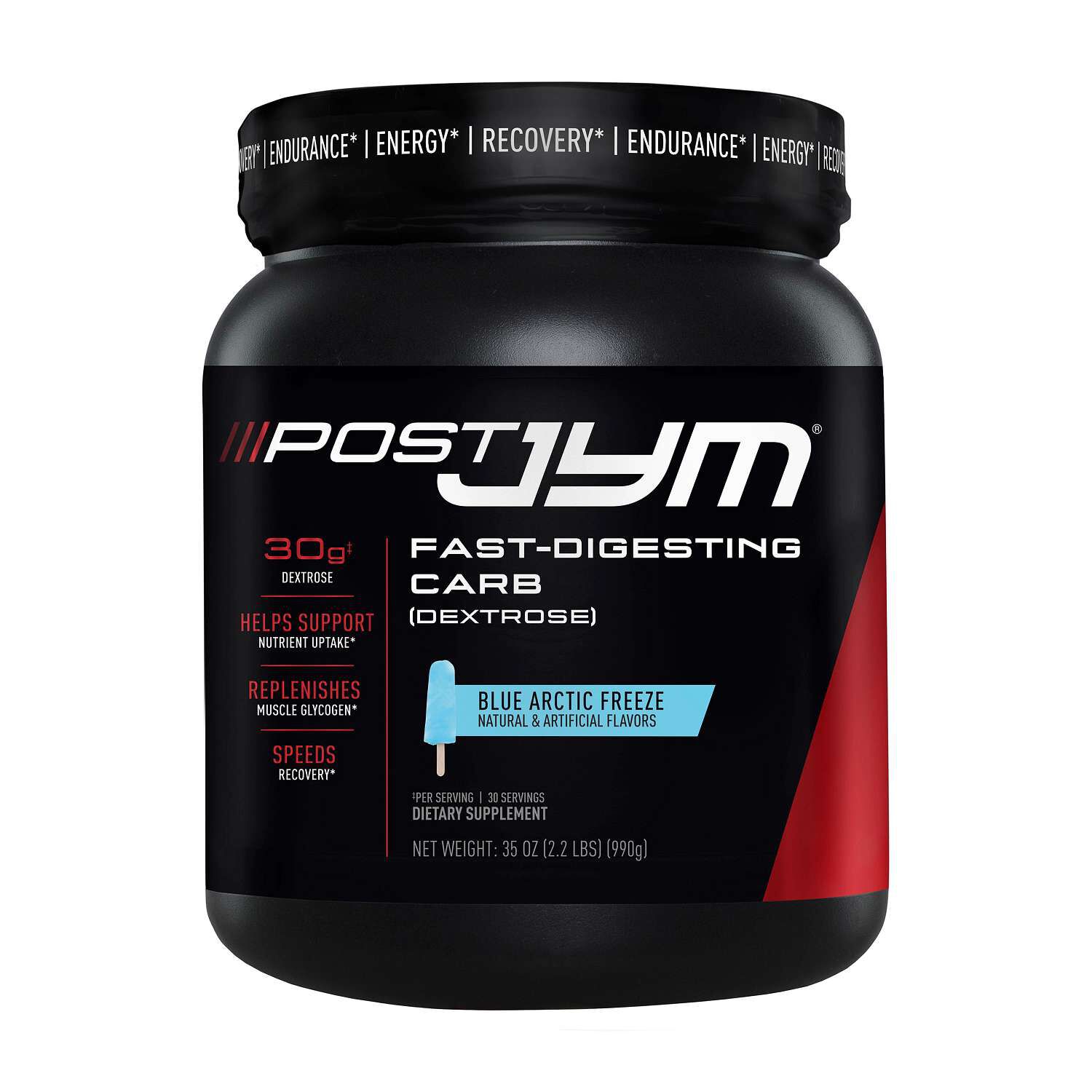

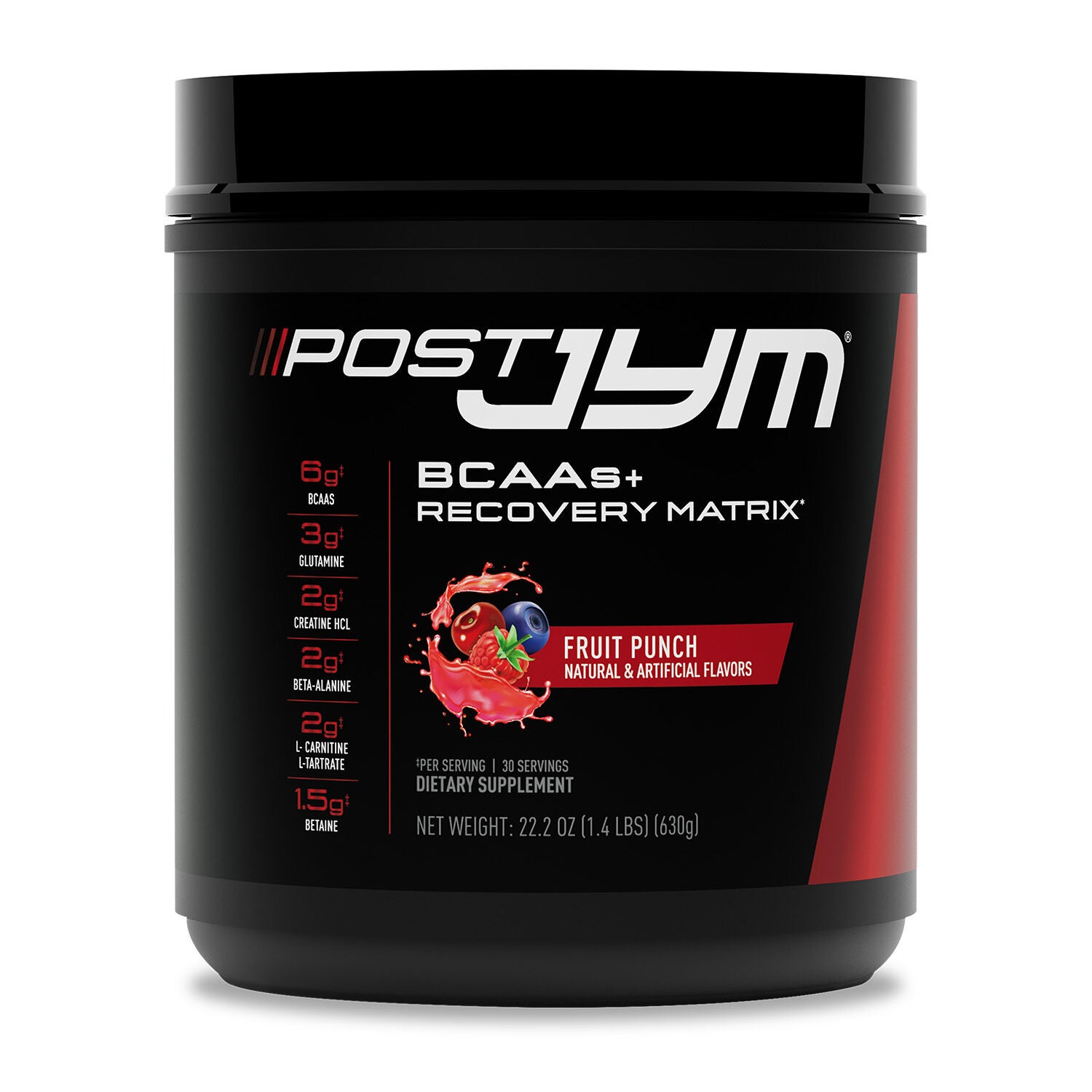
Post workout muscle recovery products include protein powders, ready-to-drink shakes, amino acid formulas, and electrolyte drink mixes designed for use around exercise. These formats bring different ingredients and serving styles to a routine that also includes regular meals, hydration, and rest. Protein may support muscle maintenance and recovery after resistance training, while carbohydrate-containing options may help replenish energy stores used during exercise. Electrolyte beverages may support hydration after sweaty sessions, depending on their composition and how they fit into everyday fluid intake. The right category to consider depends on the activity, the rest of the day’s meals, and personal preferences—not simply how demanding a workout felt. Someone leaving an early strength session for a morning commute might prefer a portable shake, while a person heading home after an evening walk might enjoy a powder blended into a familiar snack. A longer cycling session, a short lifting workout, and a recreational basketball game can create very different shopping priorities. For a closer look at protein-focused formats, Post Workout Proteins brings that category into focus. Comparing protein sources, serving sizes, and preparation methods can make the differences between options easier to understand. Some formulas emphasize protein alone; others combine it with carbohydrates, electrolytes, or additional ingredients. Neither a longer ingredient list nor a larger scoop automatically makes a formula a better match. The useful distinction is what each serving contains and whether that composition suits the intended use. Post workout nutrition also sits within a broader eating pattern rather than operating as a stand-alone solution. A recovery shake might accompany breakfast, fit between lunch and dinner, or serve as a convenient option when a meal is not close at hand. Thinking about those ordinary moments gives the category practical context, especially for shoppers balancing exercise with work, school, travel, and family schedules. It also keeps attention on products that are pleasant to use and straightforward to prepare, rather than on an elaborate routine that feels difficult to maintain.
Protein source is one of the clearest differences among post workout muscle recovery formulas. Dairy-derived choices commonly use whey or casein, while plant-based formulas may feature pea, soy, rice, or a blend of sources. Whey isolate and whey concentrate differ in processing and composition, so comparing their nutrition panels is more useful than assuming every dairy-based powder has the same characteristics. Plant blends also vary in protein content, texture, and flavor. A single-source formula can appeal to someone who wants a short ingredient list, while a blended formula offers a different ingredient profile to evaluate. Amino acids are components of protein, and amino acid products belong to a distinct category from powders that supply protein by the gram. Their serving amounts should not be treated as interchangeable. When comparing labels, consider protein per serving alongside carbohydrate content, added sugars, fat, sodium, and any other listed nutrients. Serving size matters here: two similarly sized scoops can contain different amounts of powder and different nutrient quantities. Ingredients such as milk, soy, and other common allergens also deserve attention when choosing for personal preferences or household needs. Taste and texture are equally practical considerations. A lightly flavored powder mixed with water creates a different drinking experience from a rich shake blended with milk or a plant-based beverage. Some powders mix into a thin drink, while others produce a thicker consistency, especially when combined with yogurt, oats, or frozen fruit. Chocolate, vanilla, and fruit-inspired flavors offer different starting points for familiar combinations. An unflavored option may suit someone who prefers to add ingredients without introducing another strong taste. Mixing directions provide useful context for the suggested amount of liquid and intended preparation method. A shaker bottle is convenient for a gym bag, whereas a blender suits thicker combinations made at home. These everyday details matter because even a carefully chosen nutrient profile can feel like a poor fit when the texture, portion size, or preparation process does not suit the person using it.
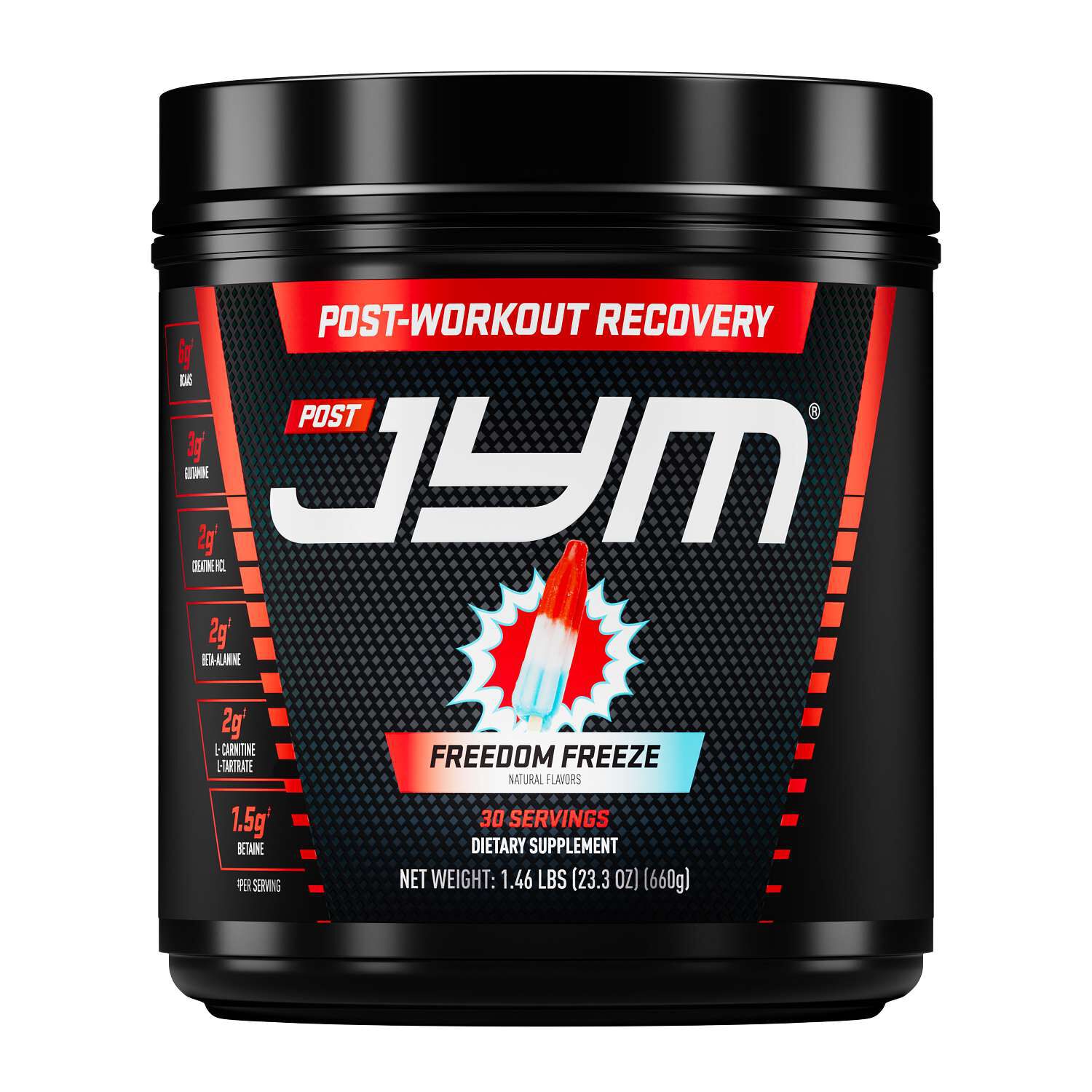
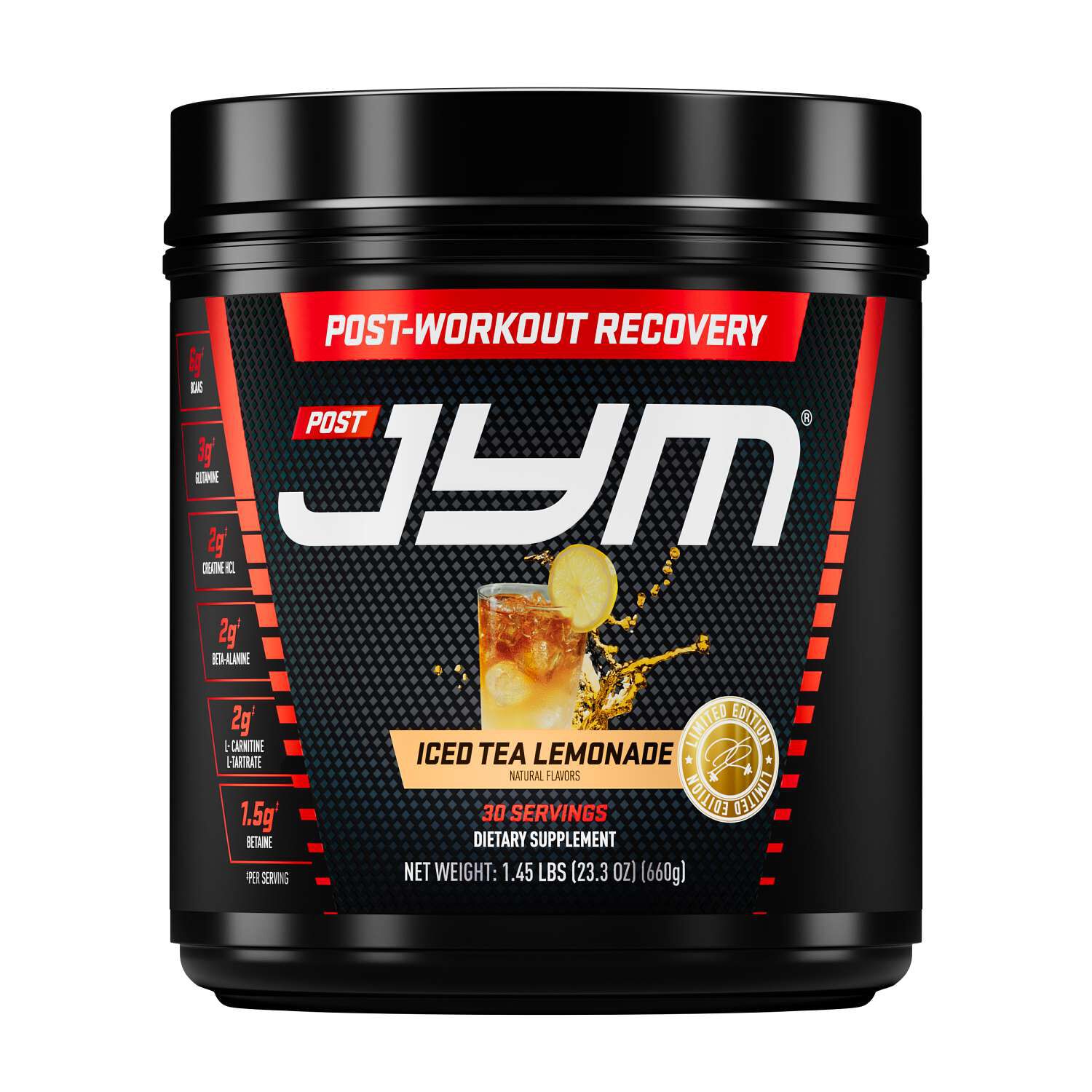
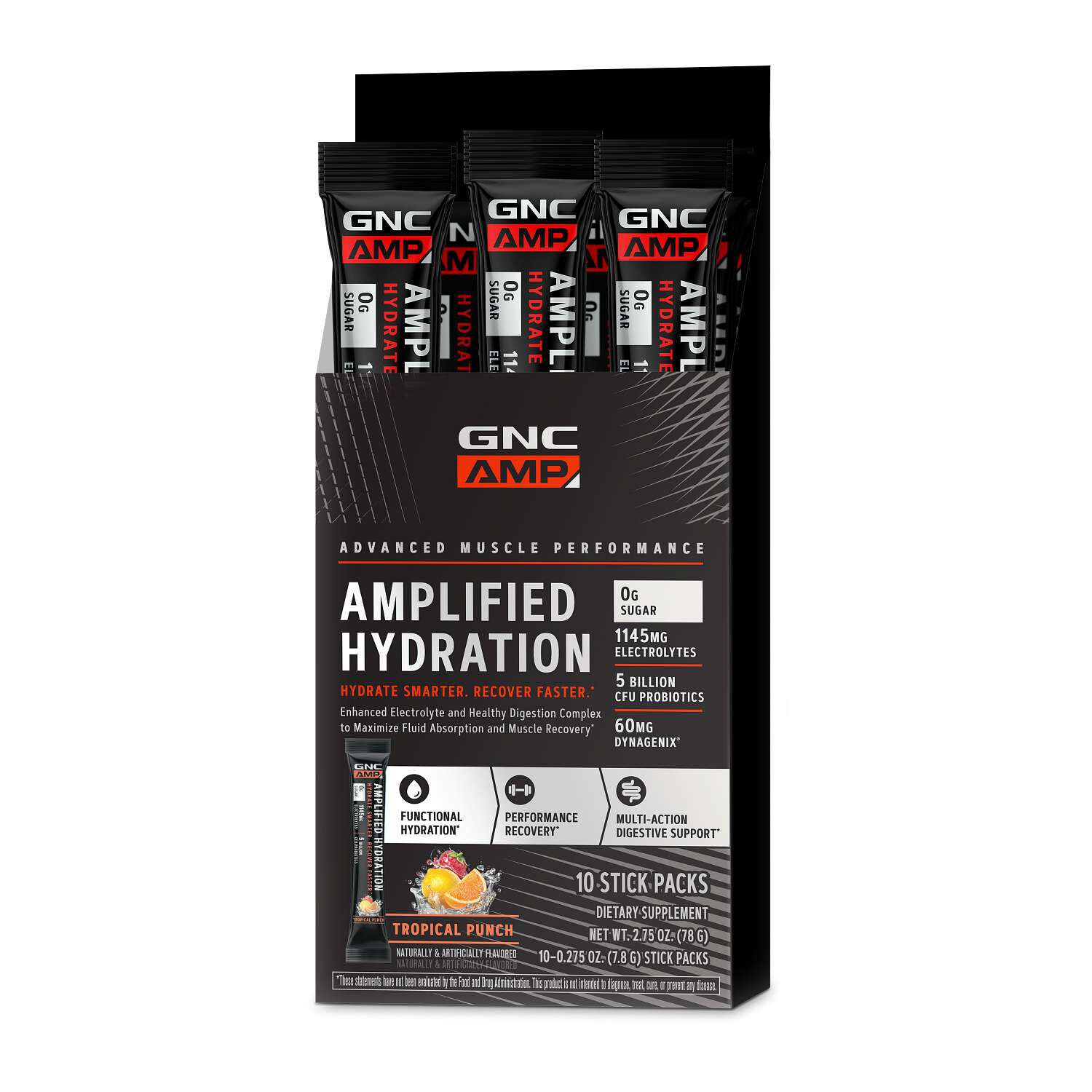
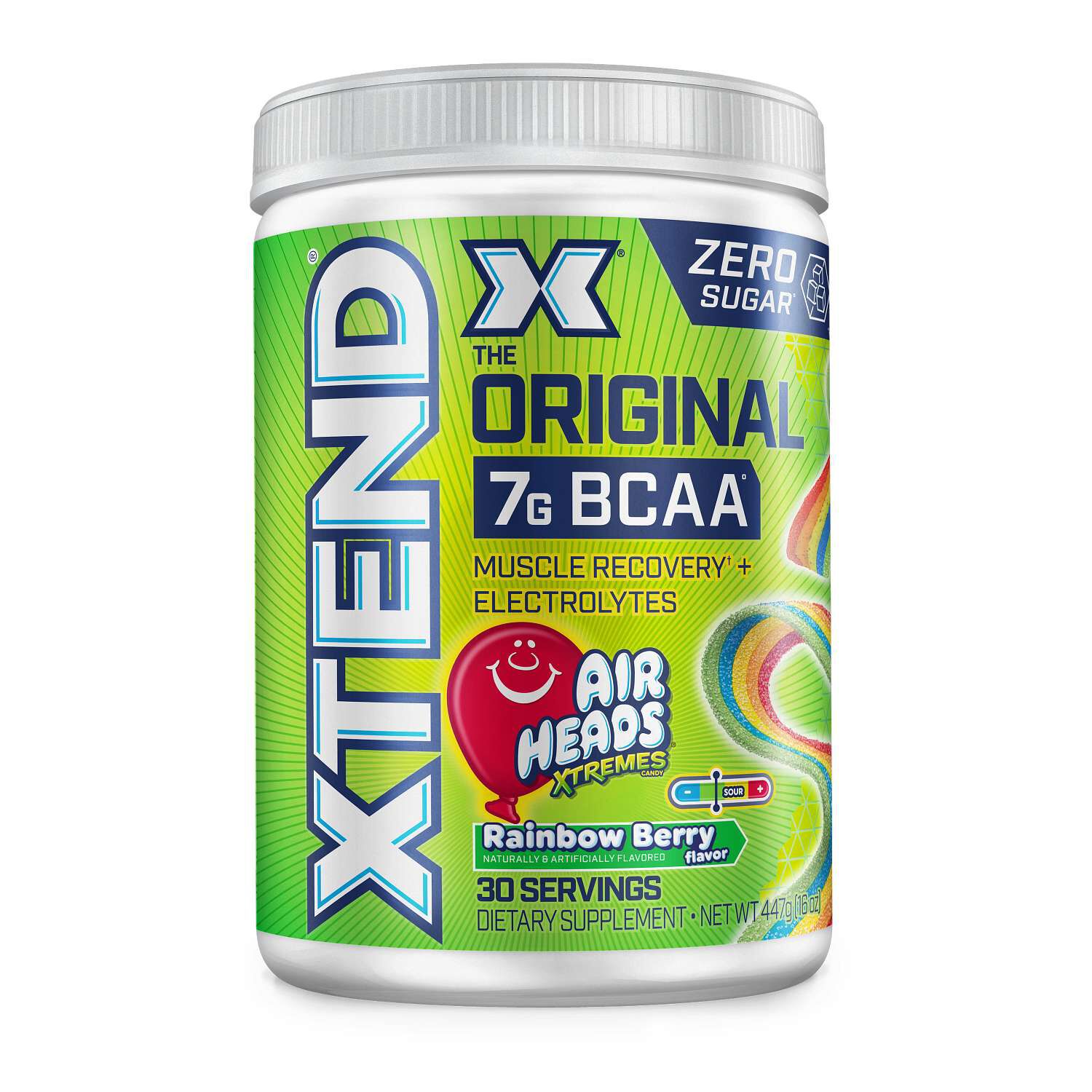
Beyond protein, post workout recovery supplements can include carbohydrate powders, electrolyte mixes, and combination formulas with several ingredient categories in one serving. Carbohydrate content is a meaningful point of comparison for shoppers who spend longer periods running, swimming, cycling, or playing sports. Electrolyte formulas vary in their amounts of sodium, potassium, and other minerals, and some also contain carbohydrates or flavoring ingredients. A combination powder offers one preparation step, while separate formulas allow shoppers to compare each category independently. Reading the full ingredient list is especially relevant when several supplements are already part of a routine, since similar ingredients can appear in more than one container. Products intended for after exercise should also be evaluated separately from pre-workout formulas; the names, ingredients, and directions can differ considerably. For an evening gym visit, caffeine content is another label detail worth noticing. Packaging and storage deserve the same practical attention as flavor and composition. A resealable container works well in a home kitchen, individual packets fit into a work tote, and ready-to-drink formats remove the need to measure and mix a serving. Package directions specify storage conditions, refrigeration needs after opening, and the intended serving method. Keeping powder containers closed and using a clean, dry scoop may help limit exposure to moisture during everyday handling. Printed date information and any instructions for prepared drinks are also useful to check before packing something for a long day away from home. For recreational athletes, regular gym visitors, and people returning to a familiar exercise schedule, convenience often means matching the format to an established habit. That might look like a shaker beside a packed lunch, a drink tucked into an insulated bag, or a powder kept near breakfast ingredients. During cooler weather, when an outdoor session may lead straight into a busy indoor schedule, those small logistical details remain relevant. A thoughtful selection centers on clear labeling, suitable ingredients, enjoyable flavor, and realistic preparation—features that make post workout nutrition easier to fit into everyday life.