

Protein Powder For Bodybuilding
(0 Results)
Fuel your bodybuilding journey with our premium selection of protein supplements designed to support muscle growth, recovery, and overall performance. Whether you're a seasoned athlete or just starting out on your fitness quest, protein is essential for building and maintaining lean muscle mass. From whey protein to plant-based options, our range of high-quality products has you covered to help you reach your bodybuilding goals. Browse through our collection and find your perfect protein match to take your workouts to new heights.


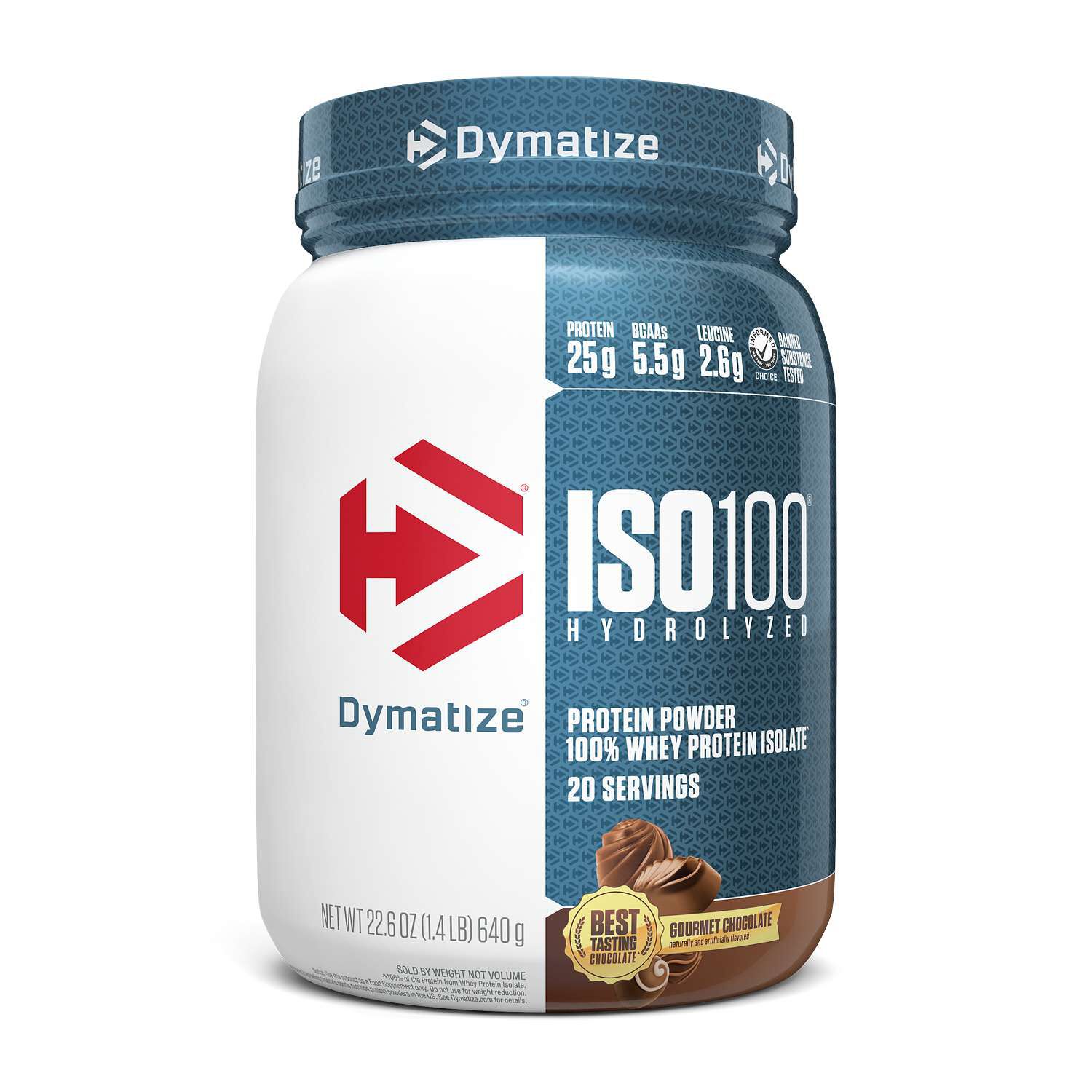


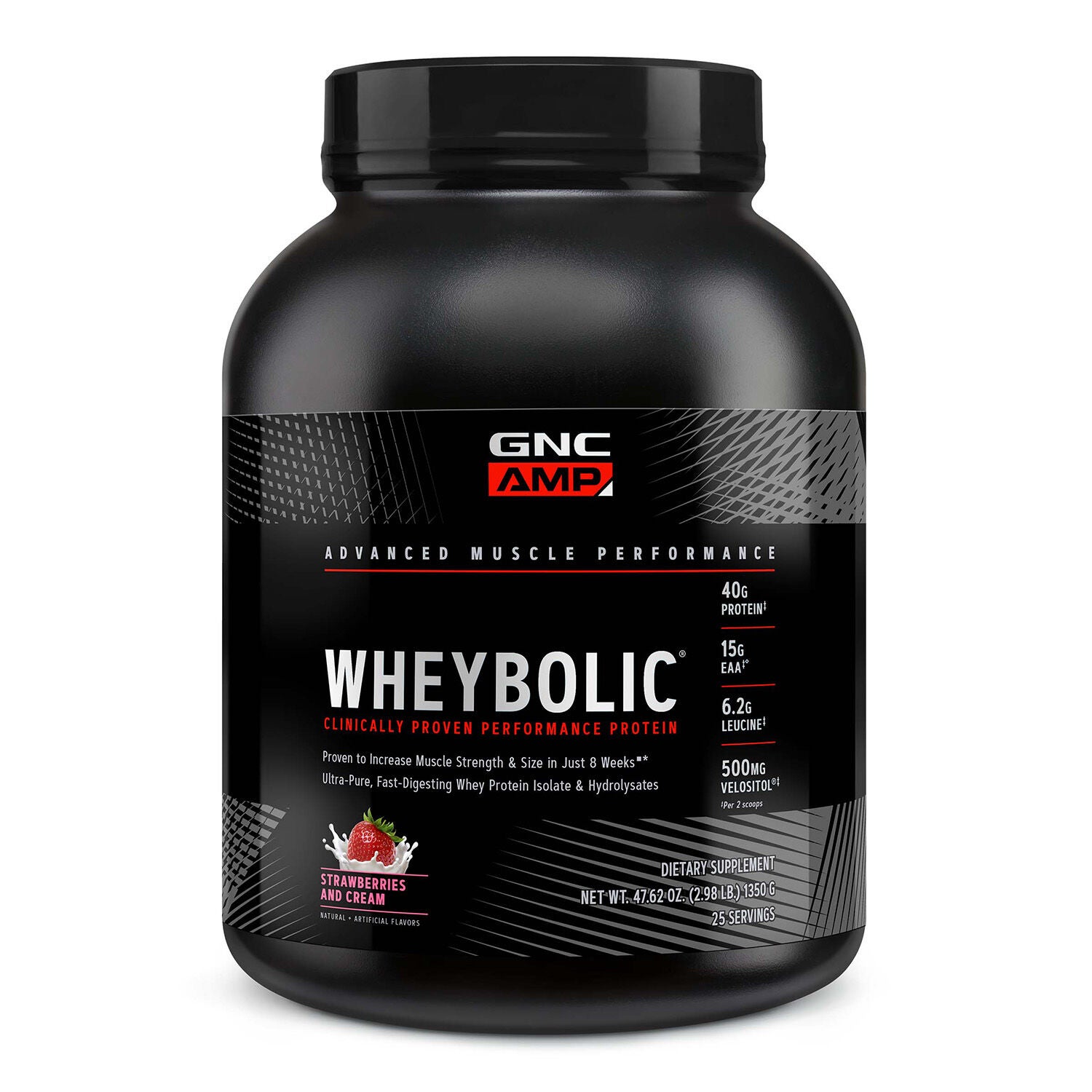


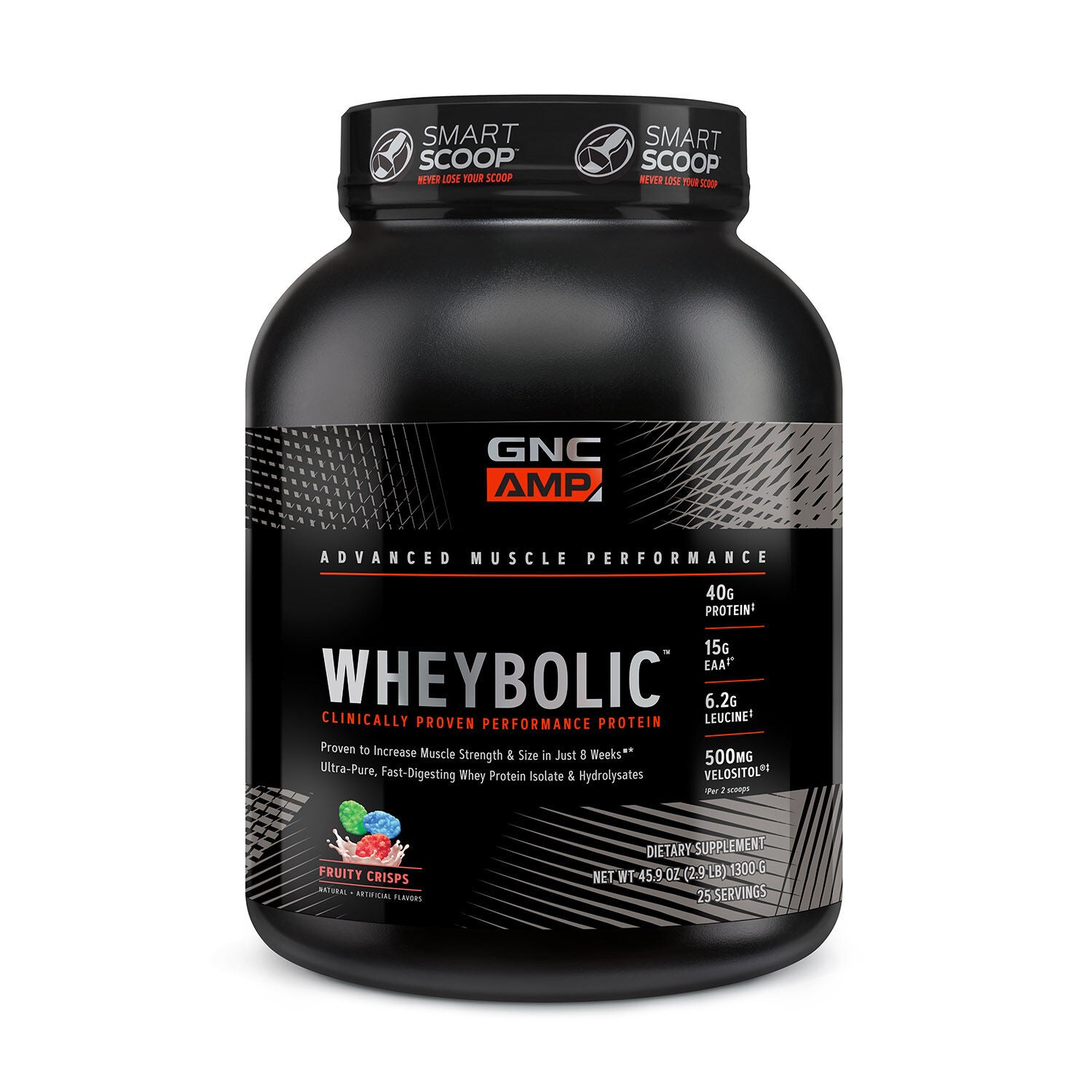
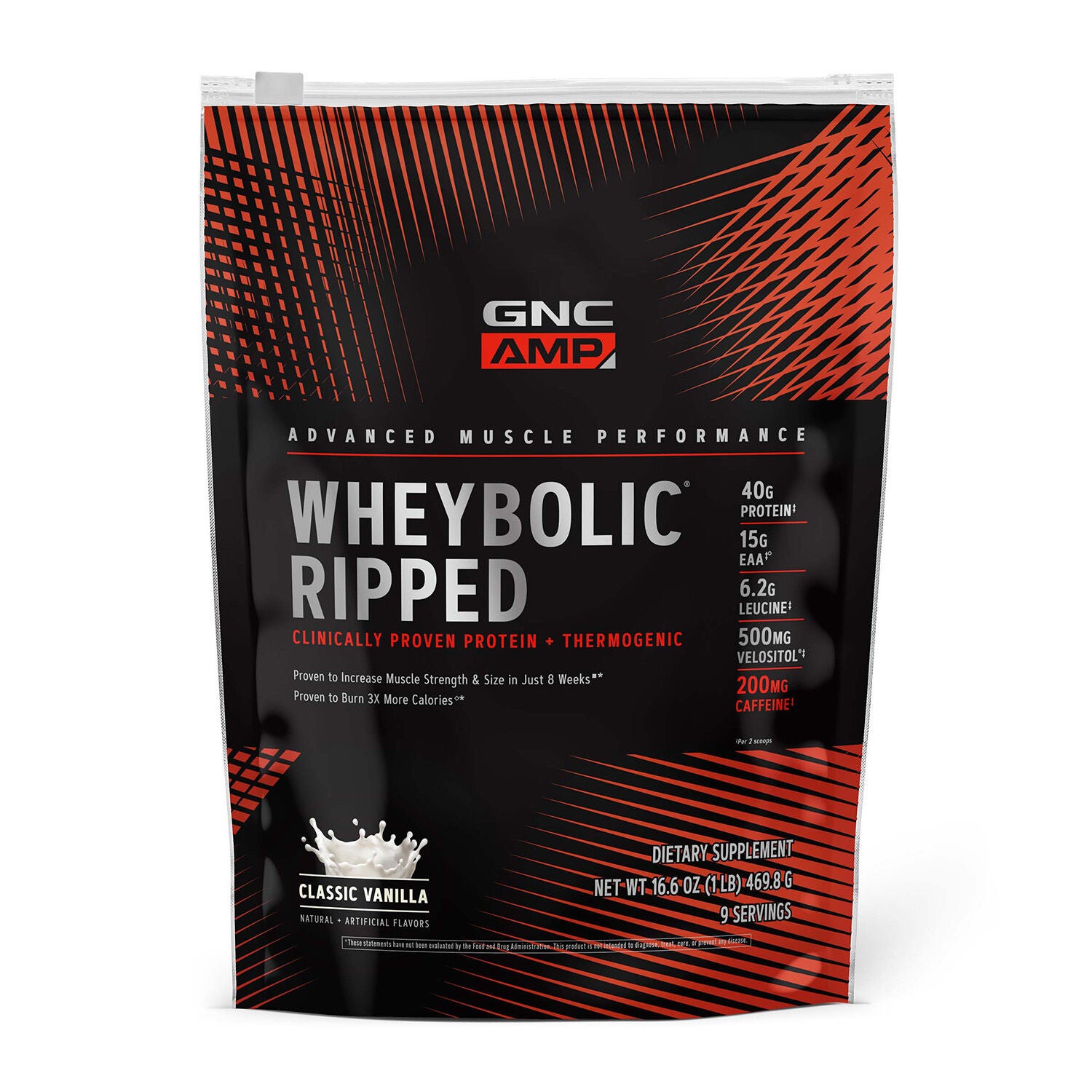
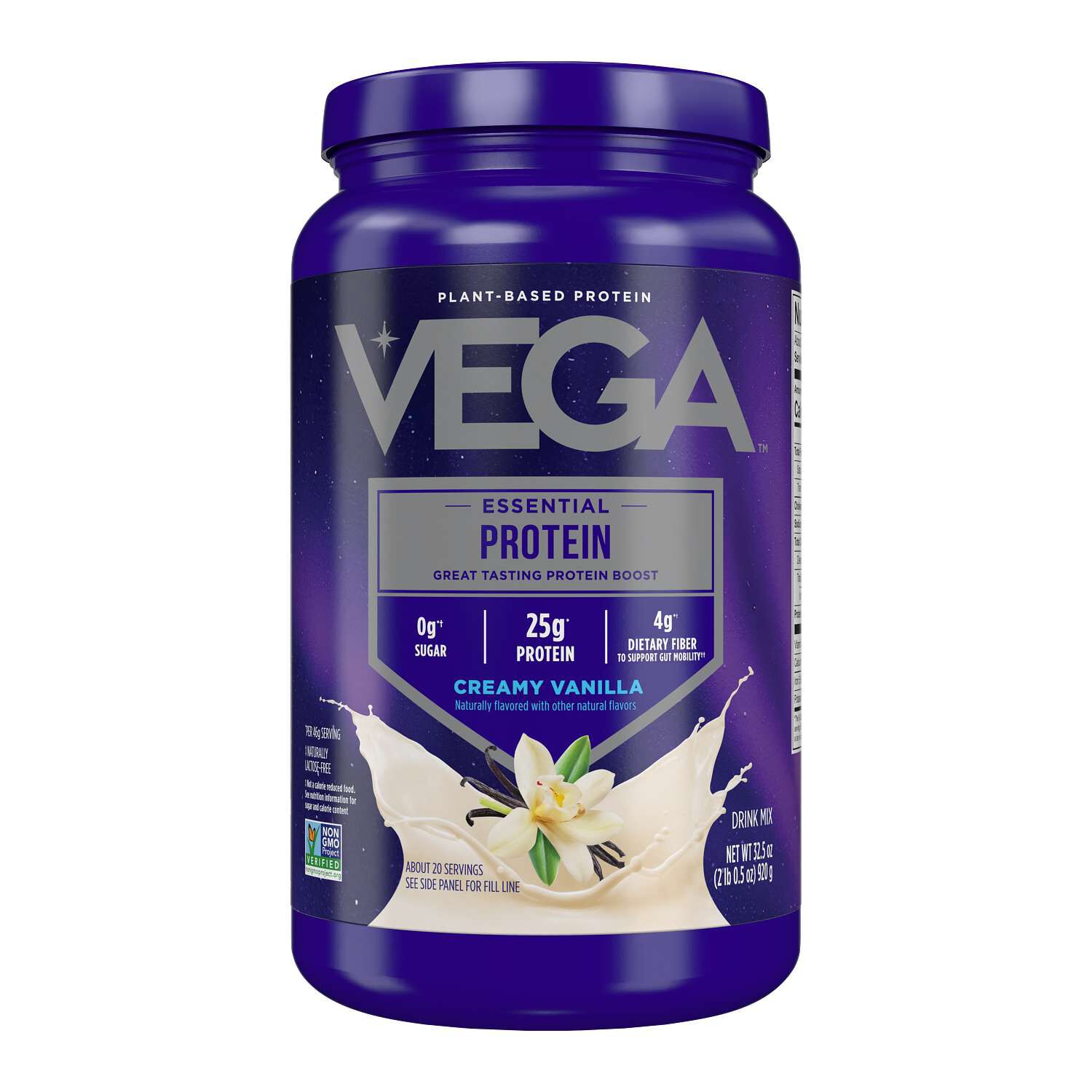

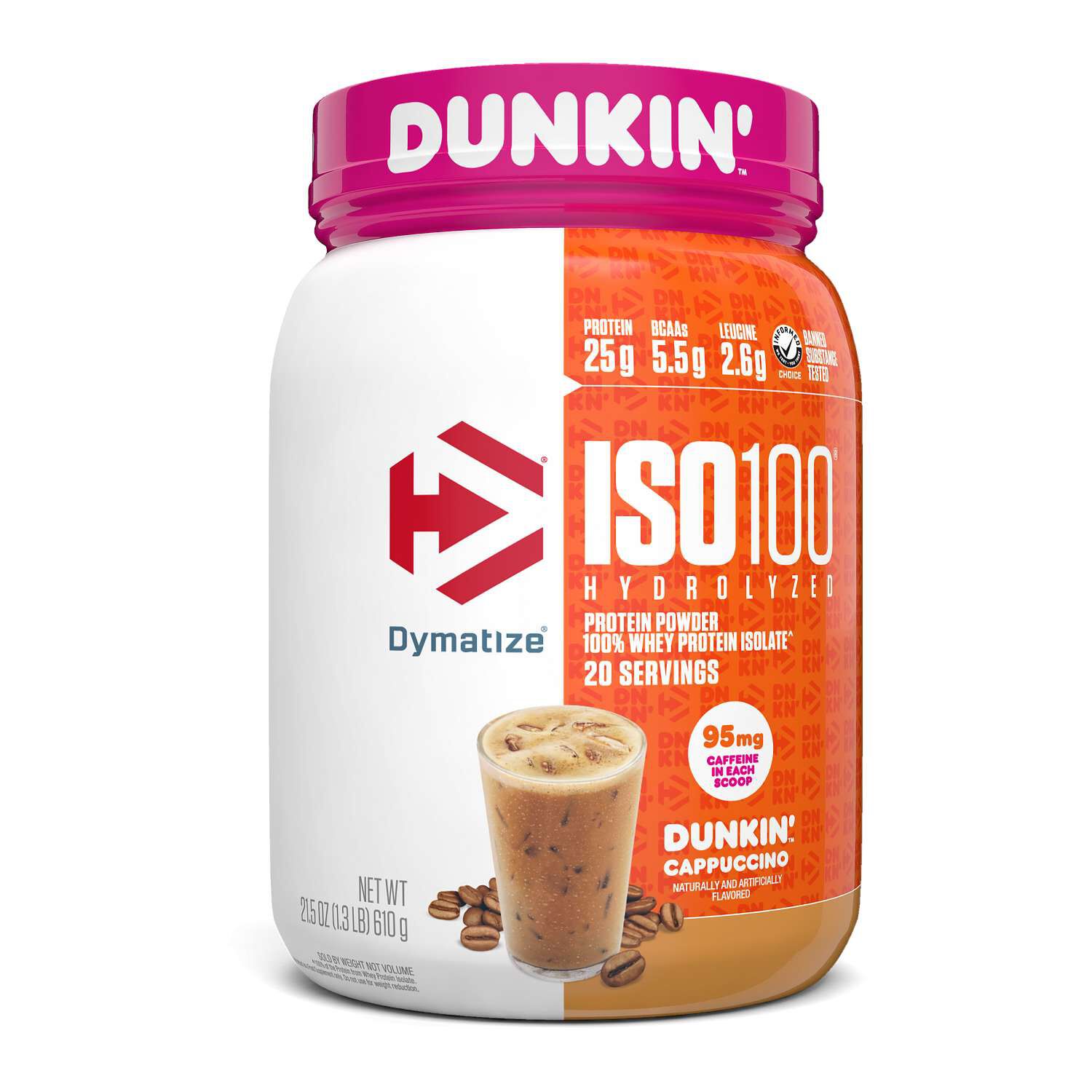
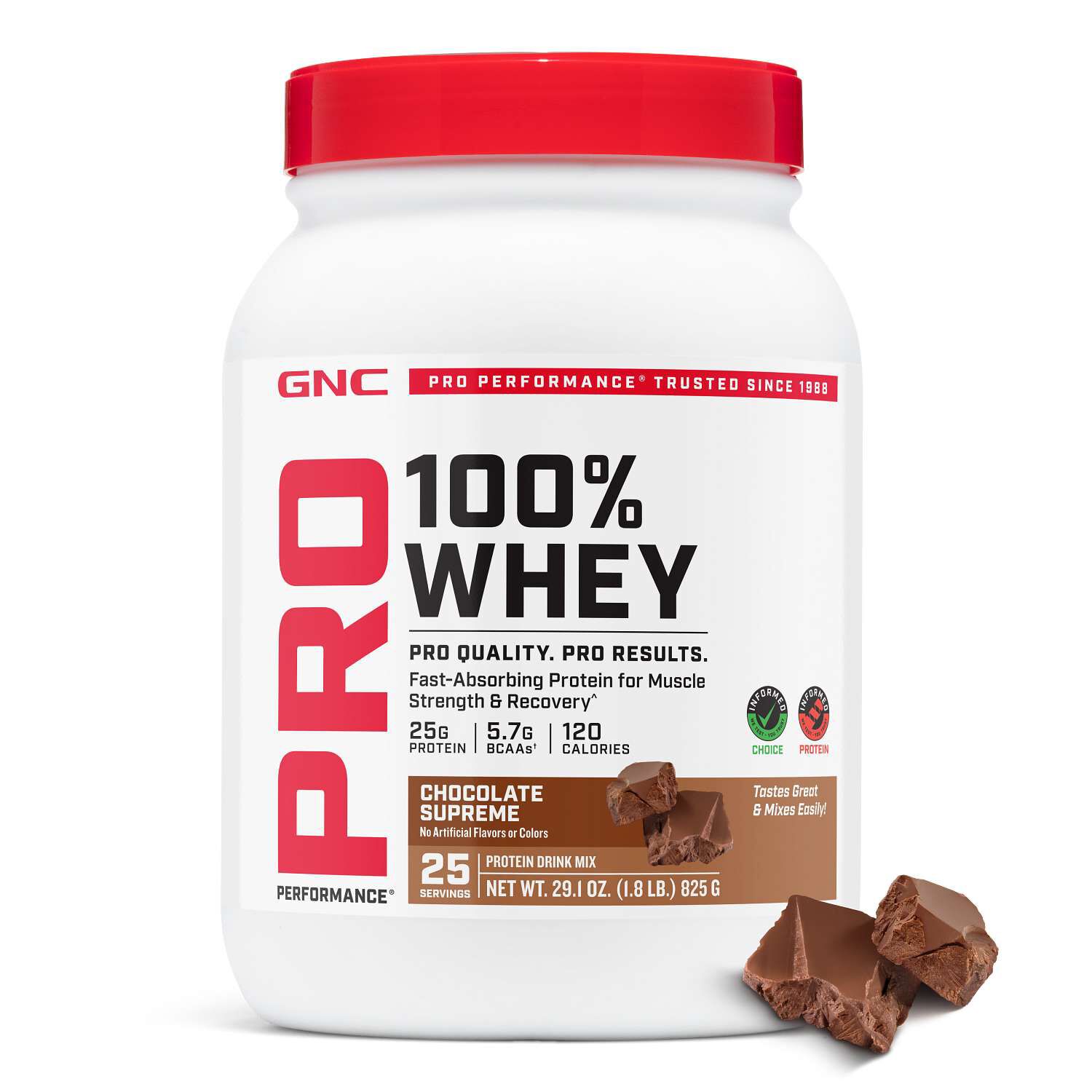
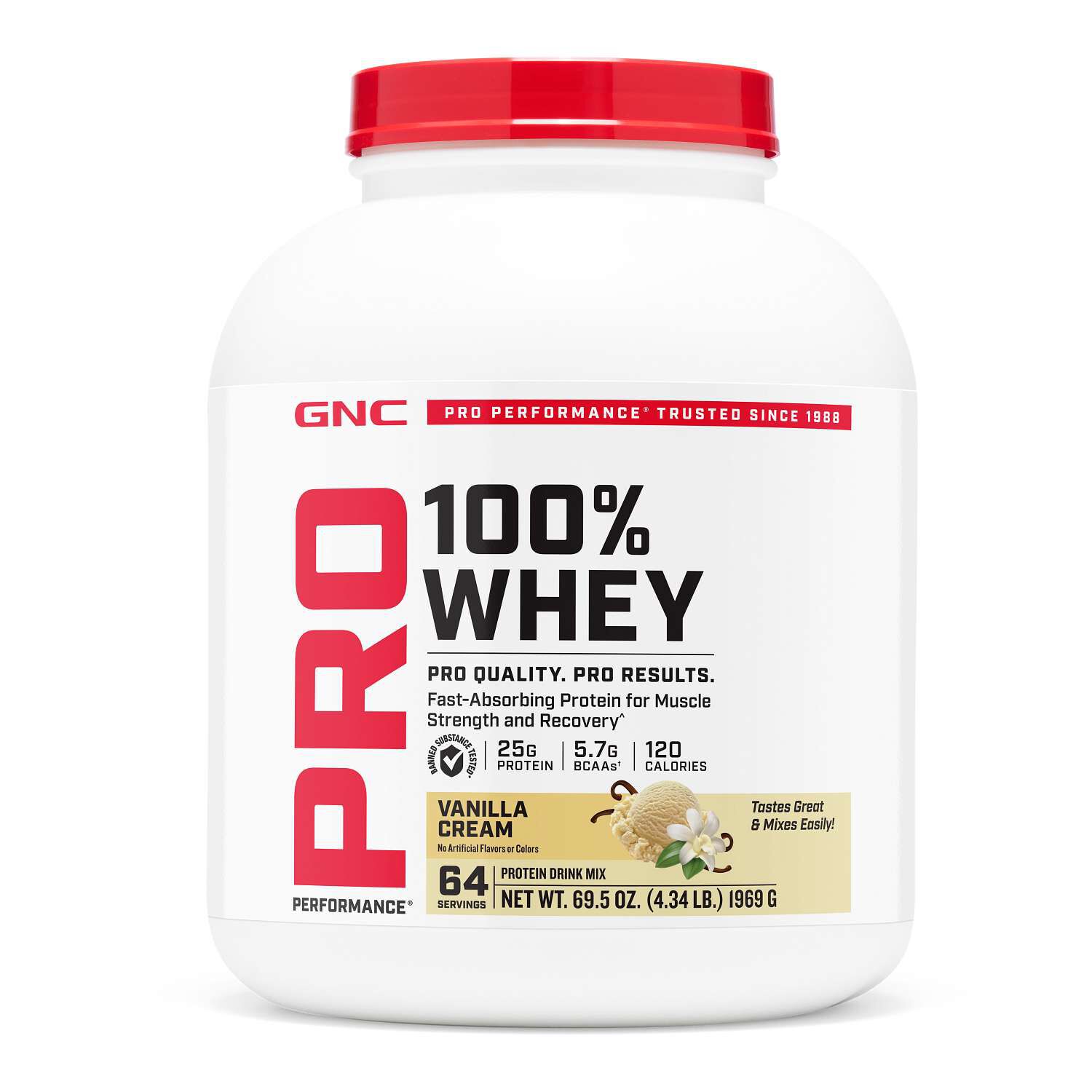
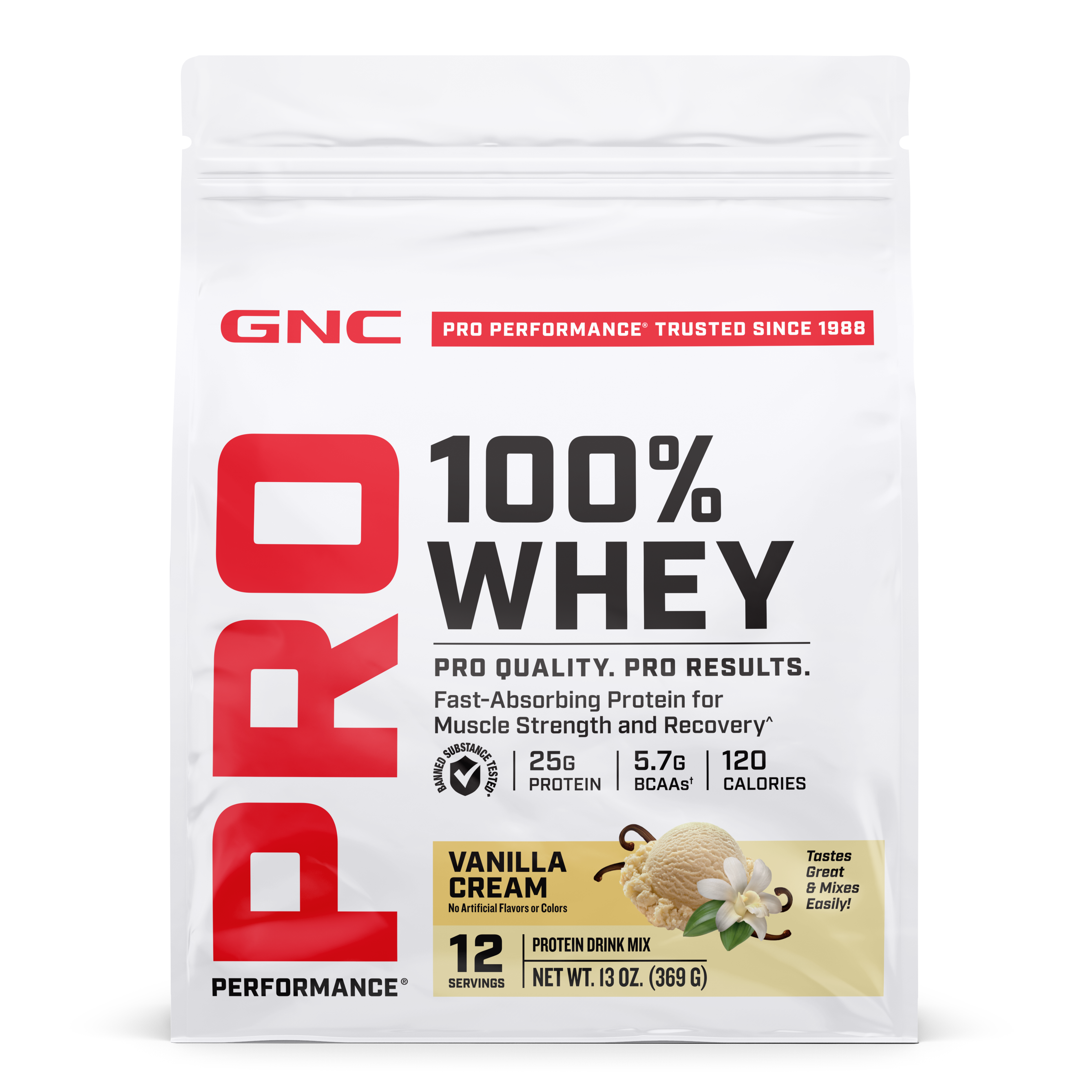

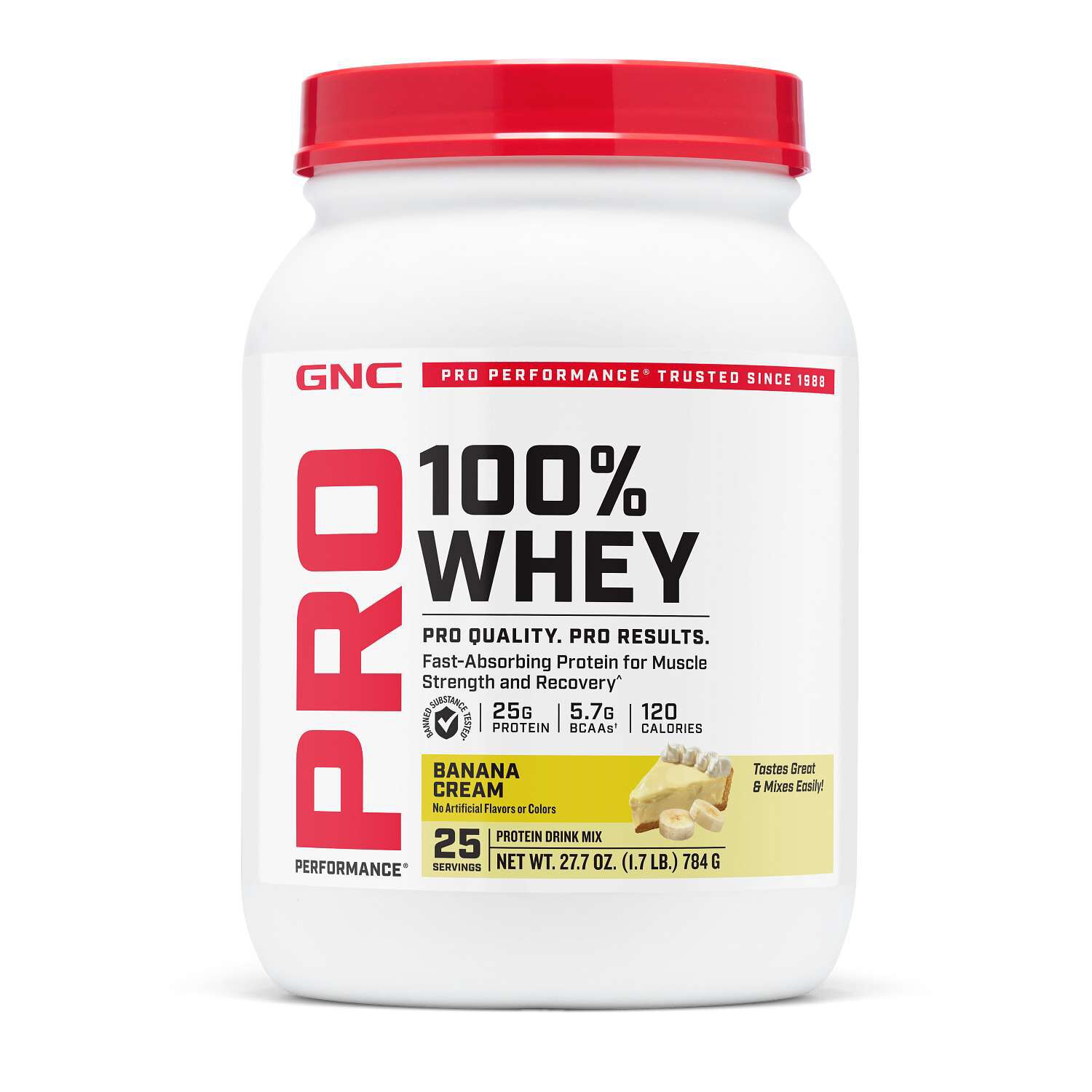

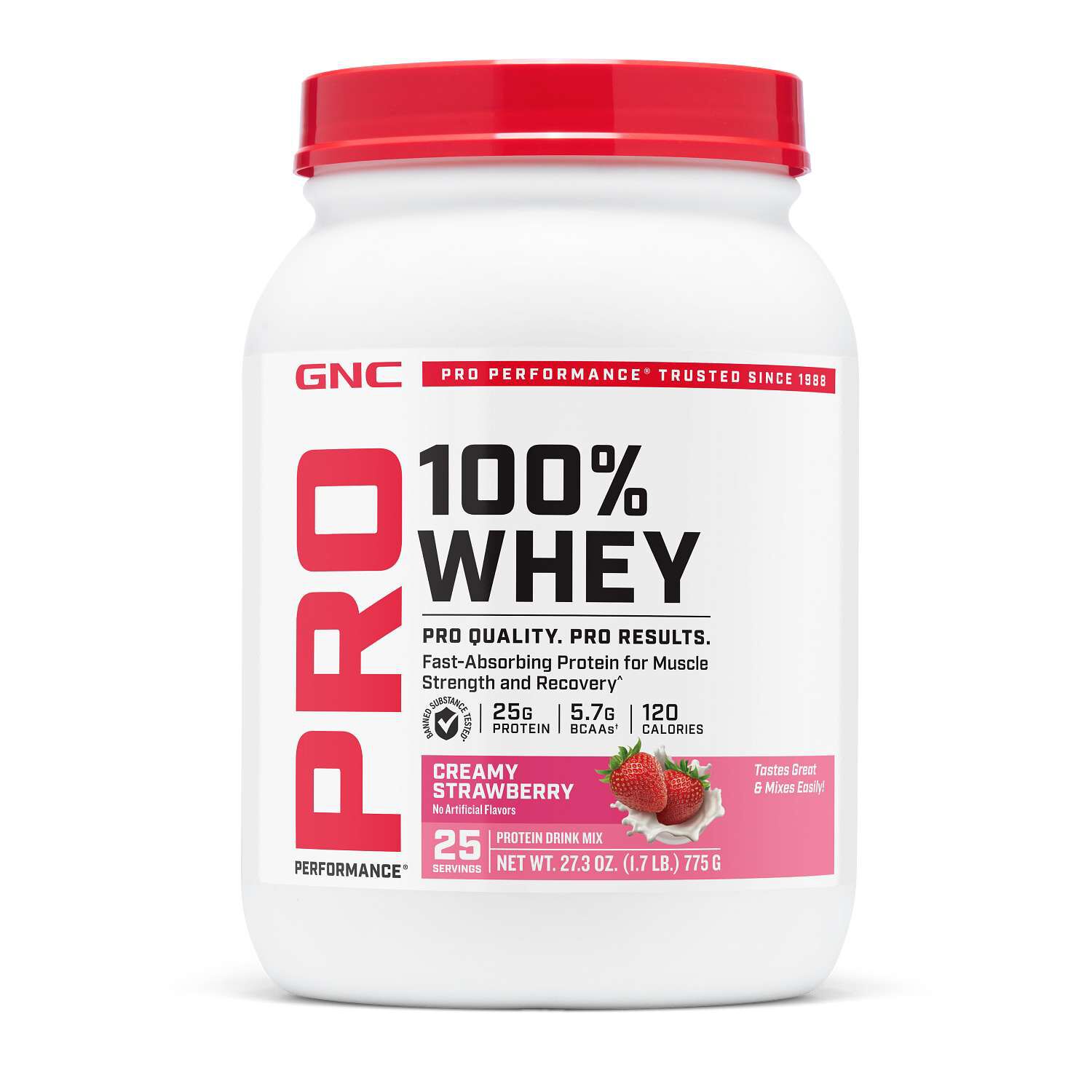
Protein powder for bodybuilding can fit into a wide range of training routines, from a first strength program to years of structured lifting. Shoppers often turn to these products when they want a convenient way to add protein to meals and snacks without cooking another dish. A shake can be mixed in a bottle after a session, poured into a blender before a commute, or kept in a gym bag for the stretch between training and dinner. Protein powders may support muscle-building and recovery routines when paired with consistent resistance training, nourishing meals, hydration, and adequate rest. They are not a substitute for a varied eating pattern, and personal nutrition needs can differ based on body size, activity, food preferences, and training schedule. When comparing options, start with the nutrition panel and serving information rather than relying only on the front of the package. Many bodybuilding shoppers look for around 20 to 30 grams of protein per serving, while others choose a smaller or larger portion to suit the rest of their day. Calories, carbohydrate, fat, sweeteners, flavor, texture, and serving size can all shape the best fit for a particular routine. A powder that blends smoothly with water may suit someone who drinks a shake at the gym, while a richer formula could work better in a morning smoothie with oats, fruit, or nut butter. For a lifter who enjoys a bowl of yogurt or a warm evening snack, a slower-digesting option may be a comfortable part of a nighttime routine. The most useful choice is often the one that tastes good, fits a regular schedule, and makes it easier to stay consistent with planned meals.
Whey concentrate, whey isolate, casein, and plant-based powders each bring different characteristics to the shelf. Whey concentrate generally retains small amounts of fat and lactose and can offer a familiar, creamy texture at a practical price. Whey isolate undergoes additional filtration and commonly provides a higher proportion of protein with less fat and lactose per serving, which may appeal to shoppers who prefer a lighter shake or are watching the rest of their nutrition plan. Casein has a thicker texture and digests more slowly than whey, making it a popular choice for evening use or for recipes such as pudding-style bowls. Plant-based formulas may use ingredients such as peas and rice, with blends created to provide a rounded amino acid profile for people who avoid dairy or simply prefer plant ingredients. Reading the ingredient list can help shoppers compare flavors, gums, sweeteners, and other additions, especially when a short and familiar ingredient list matters to them. Texture also deserves attention: some powders are airy and light, some are dense and creamy, and some work best in a blender rather than a shaker cup. A simple test can be as practical as mixing a serving with the liquid you use most often, then noting how it tastes alongside breakfast or after lifting. Water keeps the drink lighter, while milk or a dairy-free beverage may make it richer. Frozen fruit can add a cool, thick texture; oats may make a shake more substantial; and nut butter can bring a roasted flavor that pairs well with chocolate or vanilla. These combinations may make protein powder easier to enjoy across changing seasons, whether a cold shake sounds appealing after an outdoor workout in warmer weather or a blended bowl feels more inviting during cooler months.
Protein powder can also be useful for people with busy schedules who are trying to organize meals around early-morning lifting, long workdays, or evening training. A college athlete may keep single servings in a backpack, a parent may blend a shake between errands, and a seasoned bodybuilder may use different flavors to keep a familiar routine from becoming repetitive. These products can make thoughtful gifts for a training partner, a friend preparing for a new gym routine, or a family member who enjoys experimenting with smoothie recipes. If you are choosing for someone else, consider their preferred flavors, whether they use dairy, how they usually mix shakes, and whether they favor a compact tub or individually portioned servings. For people focused on adding size, a powder with more calories per serving may fit alongside larger meals, while those seeking a simpler protein addition may prefer a leaner formula with fewer extras. Protein powder is often used after training, but it can also appear at breakfast, between meals, or in recipes such as pancakes, baked oats, overnight oats, and homemade snack bars. Exact timing does not need to define the entire routine; the broader pattern of meals and snacks across the day matters to many shoppers. Anyone managing food allergies, dietary restrictions, or a specific nutrition plan may want to review the label carefully and speak with a qualified professional for individualized guidance. As training goals shift from warmer-weather outdoor sessions to indoor lifting during the cooler months, a dependable protein option can remain a practical part of meal planning. For shoppers preparing for a higher-calorie training phase, explore Protein Powder for Winter Bulking alongside the broader selection of bodybuilding protein powders.