

Fitness Supplements For Young Adults
(0 Results)
Fitness supplements for young adults could be a valuable addition to a balanced fitness journey, offering support as you work toward your performance and wellness goals. With options designed to complement an active lifestyle, these supplements may help fill potential nutritional gaps and support your daily routine. Whether you’re hitting the gym, staying active outdoors, or seeking ways to maintain energy and recovery, exploring fitness supplements for young adults might help you make the most of every workout.
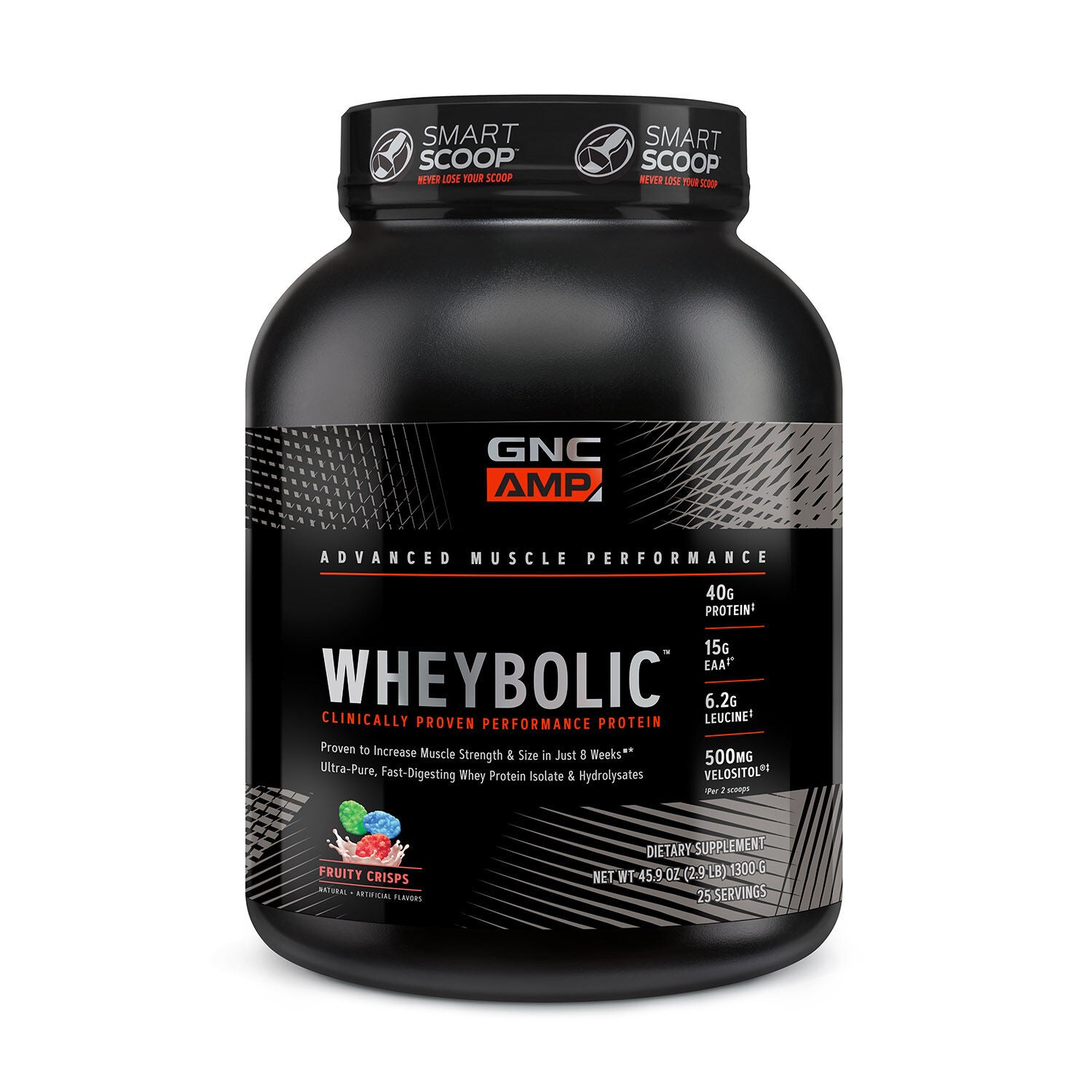


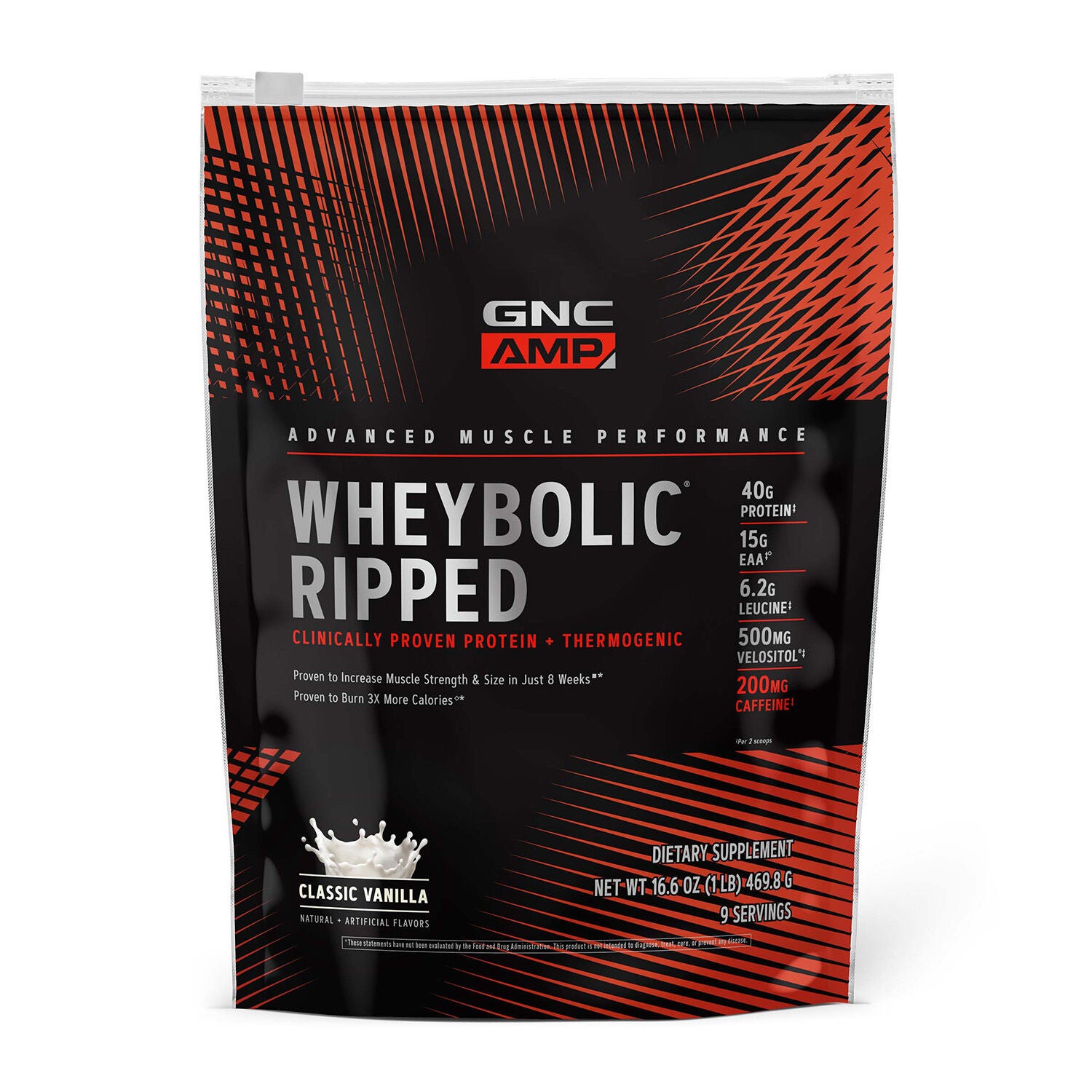
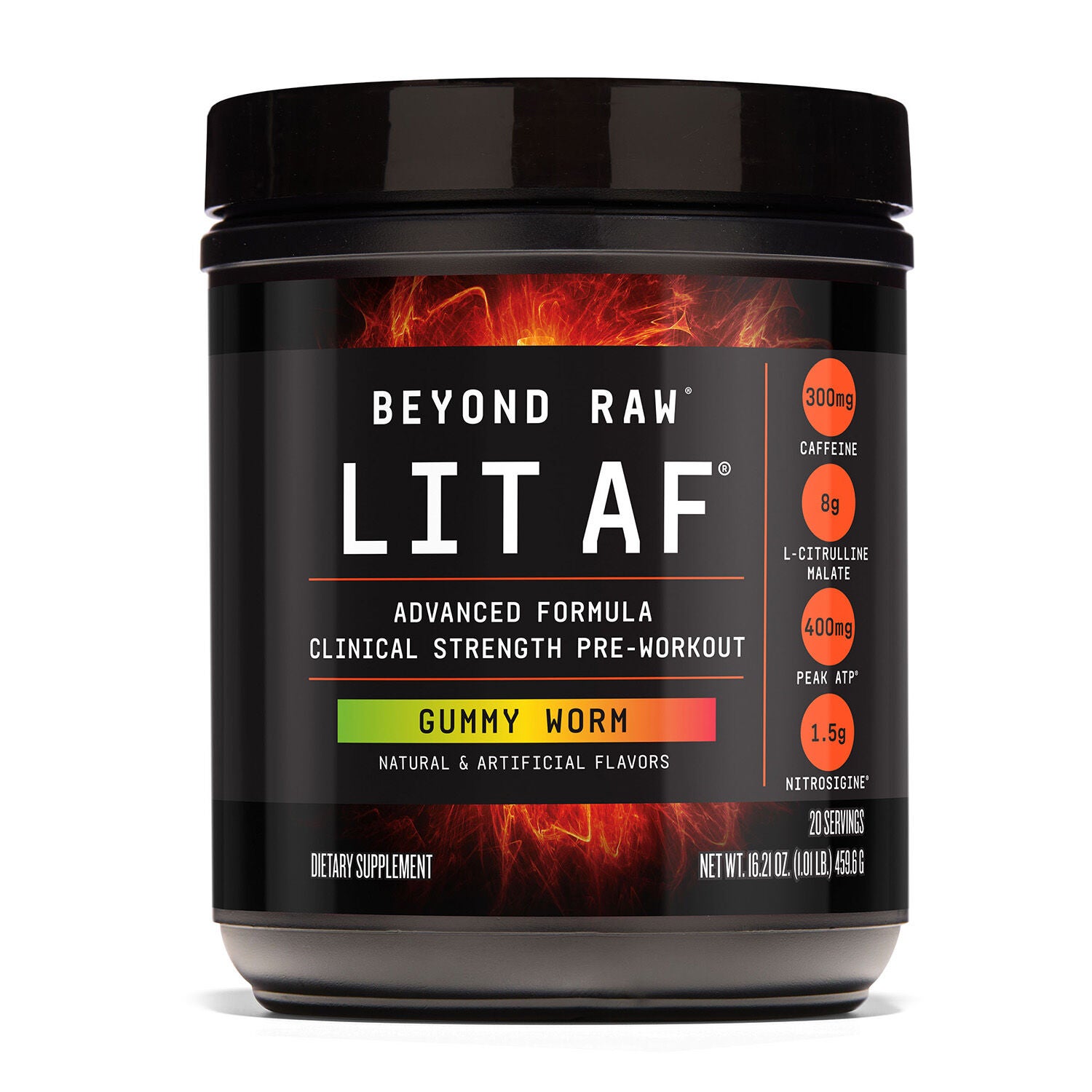
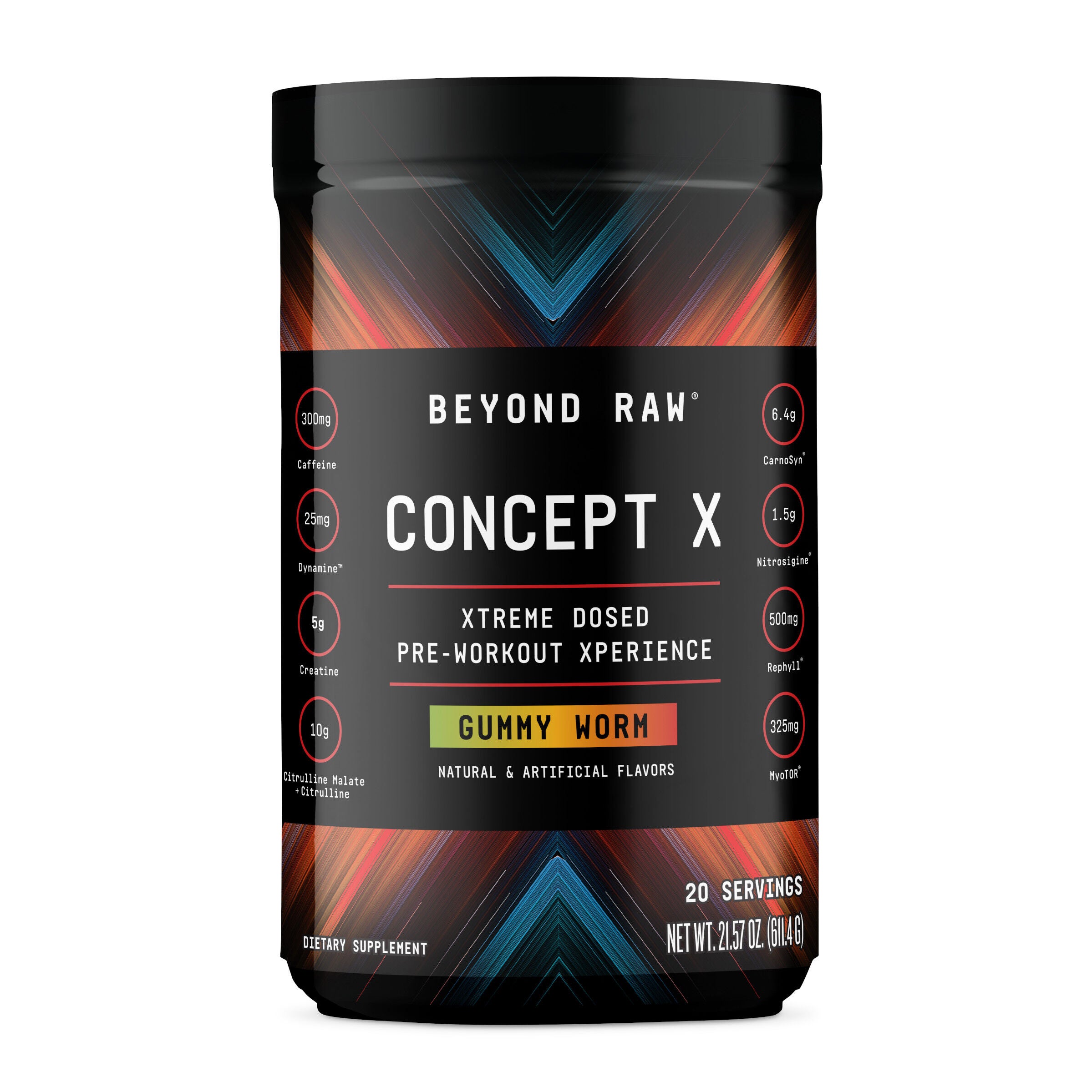
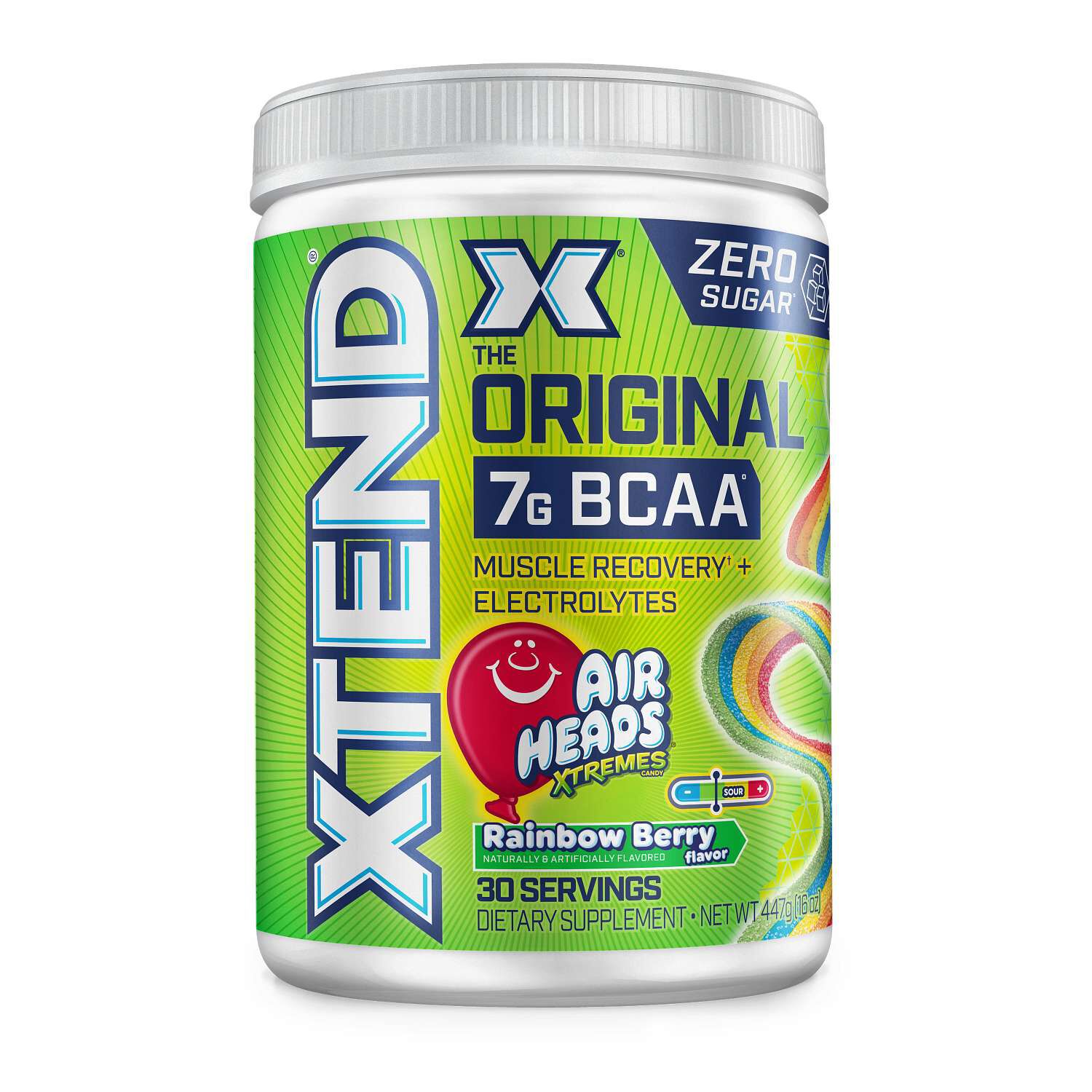
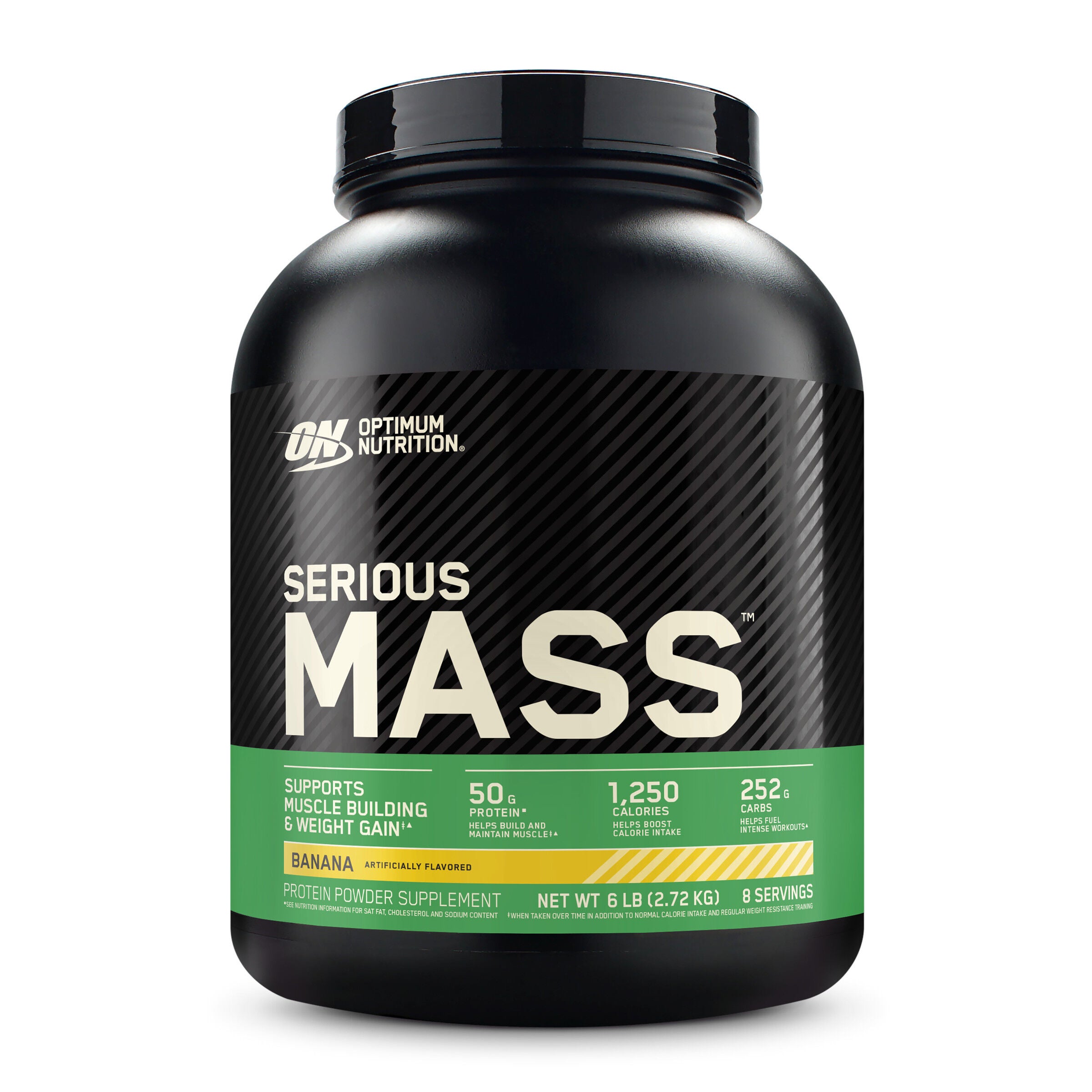


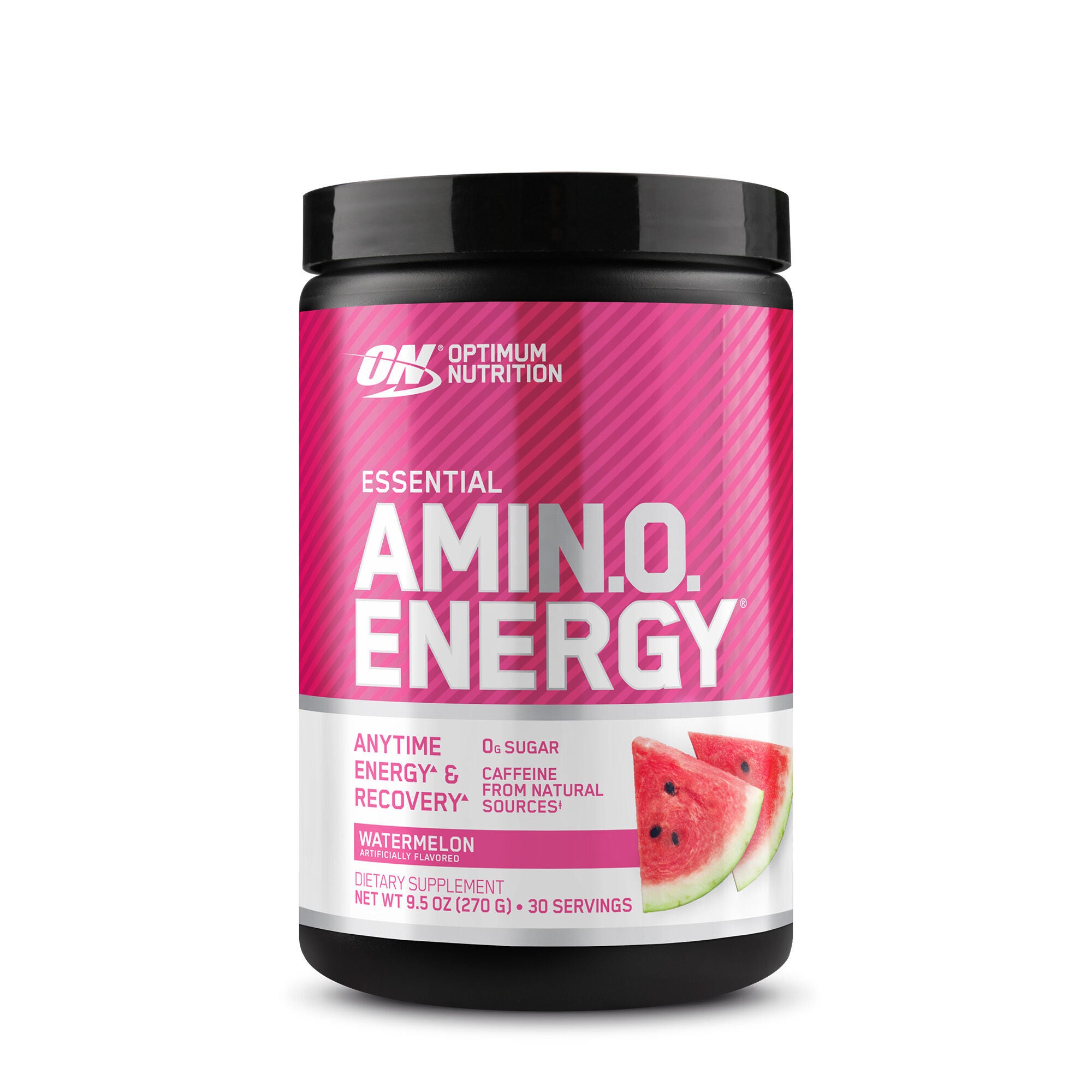


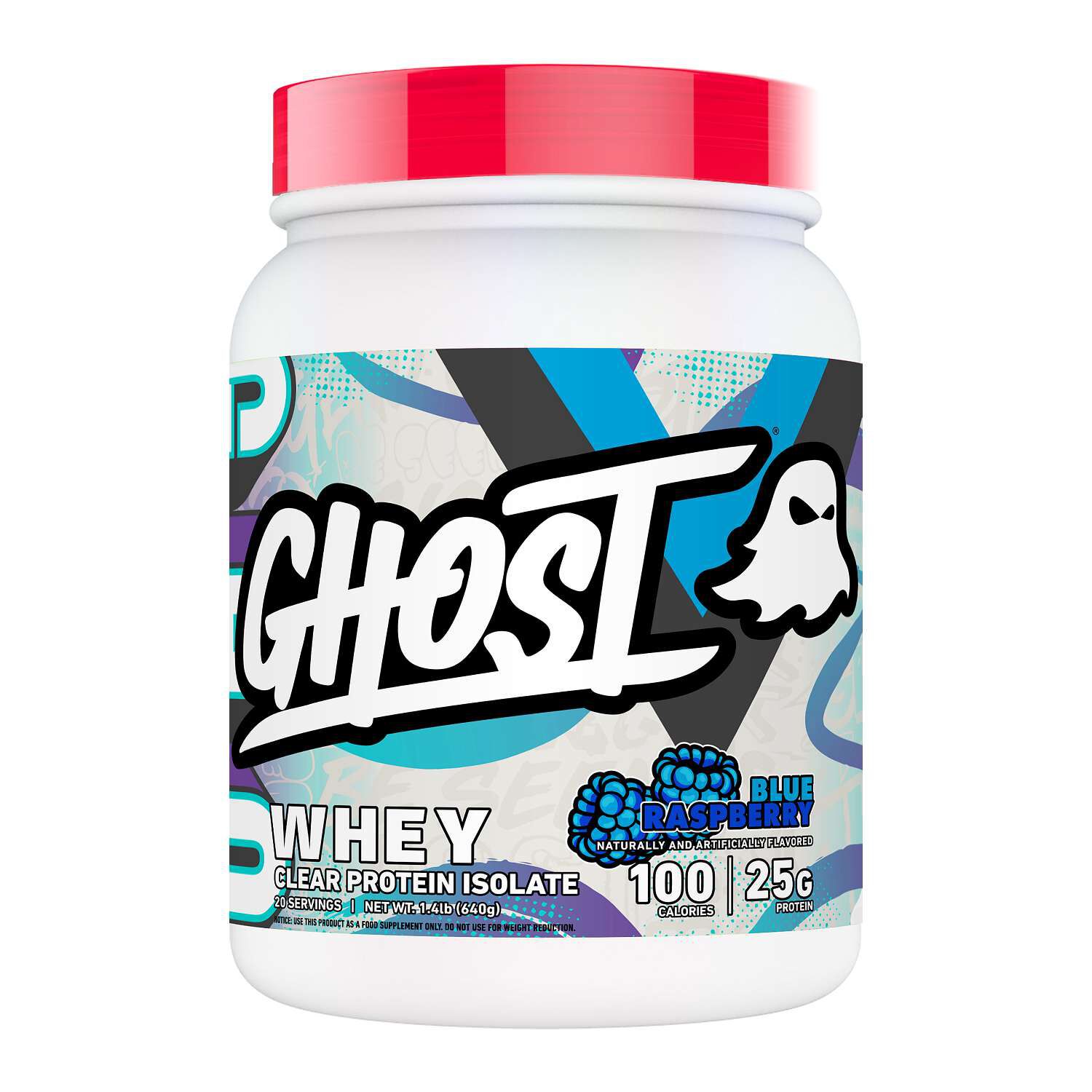
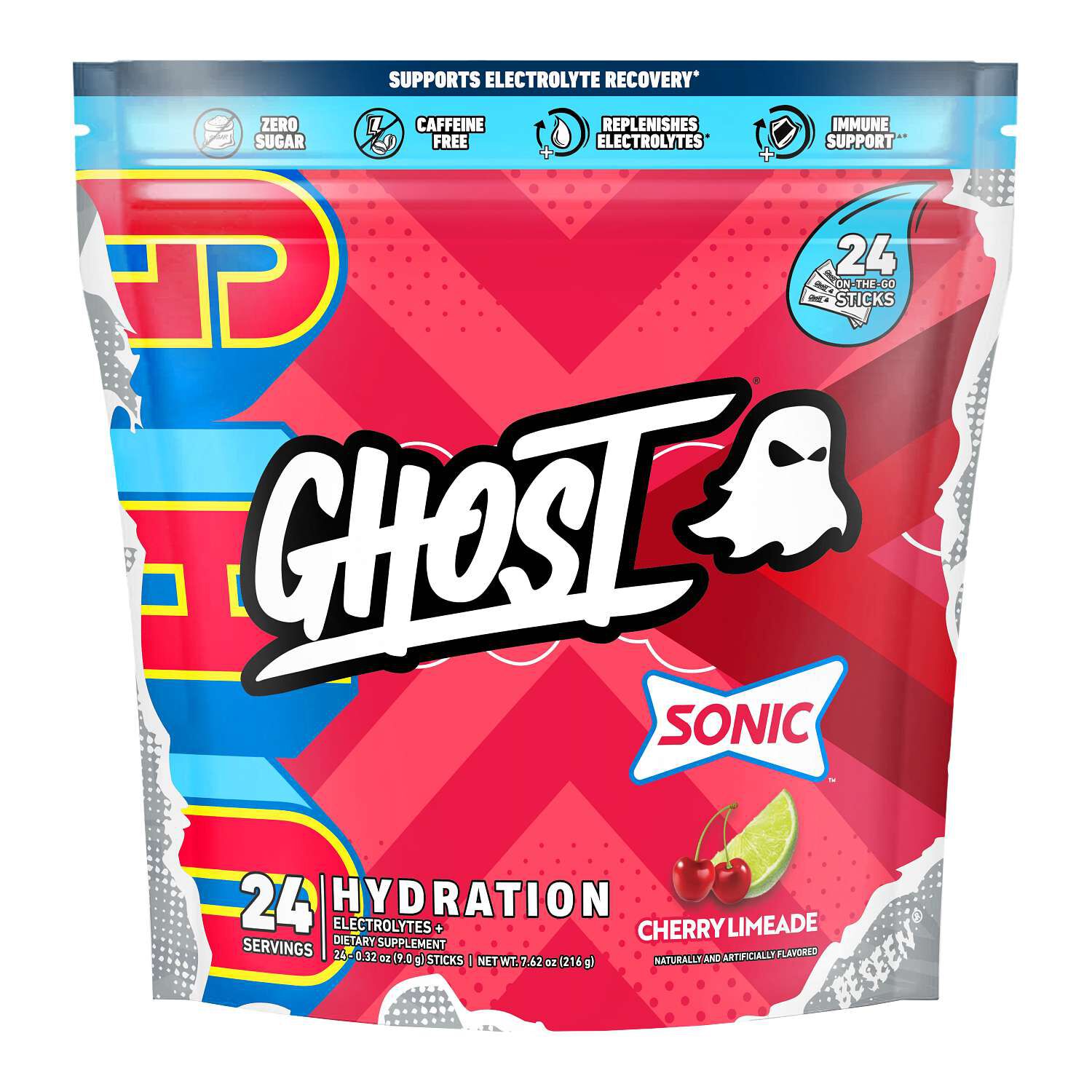
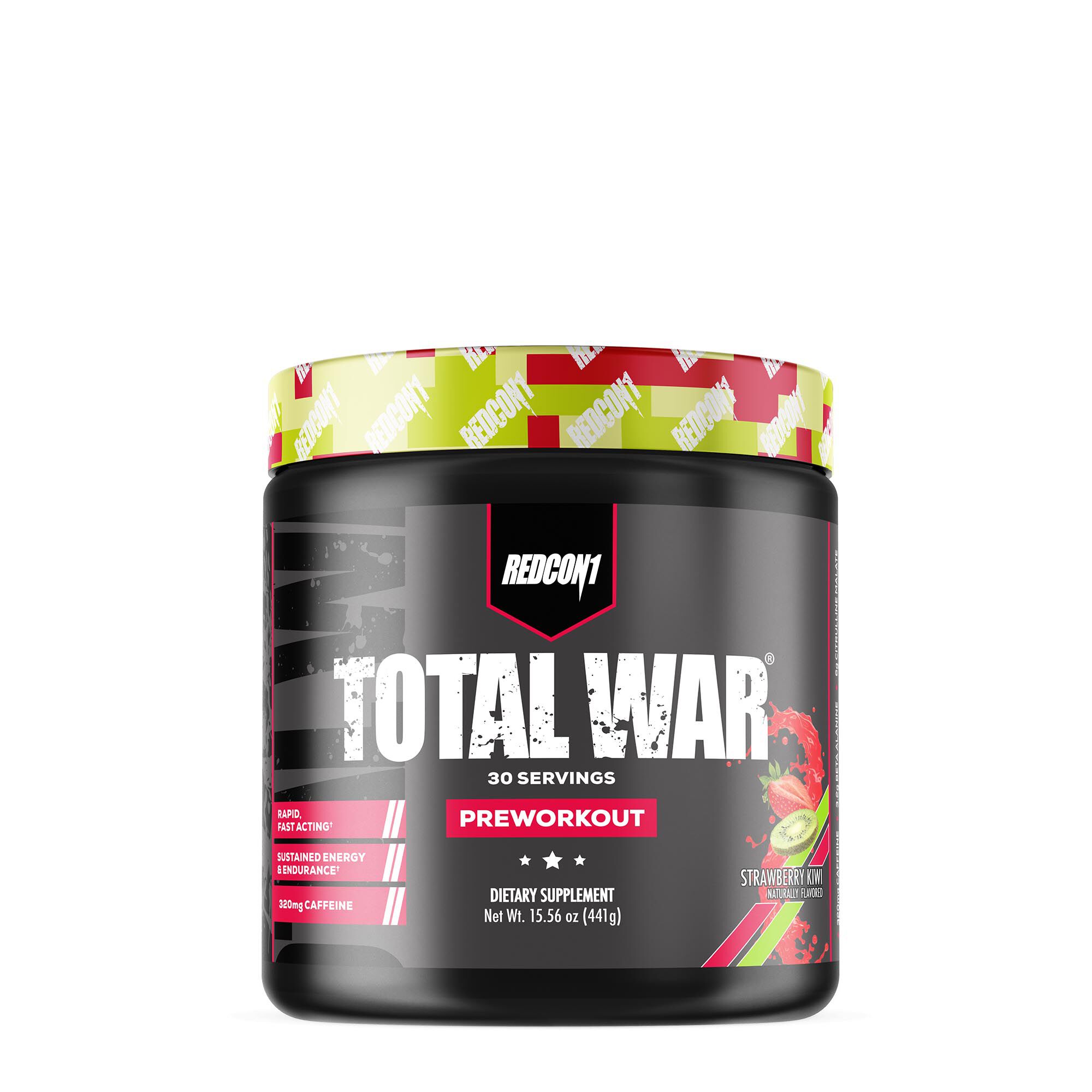
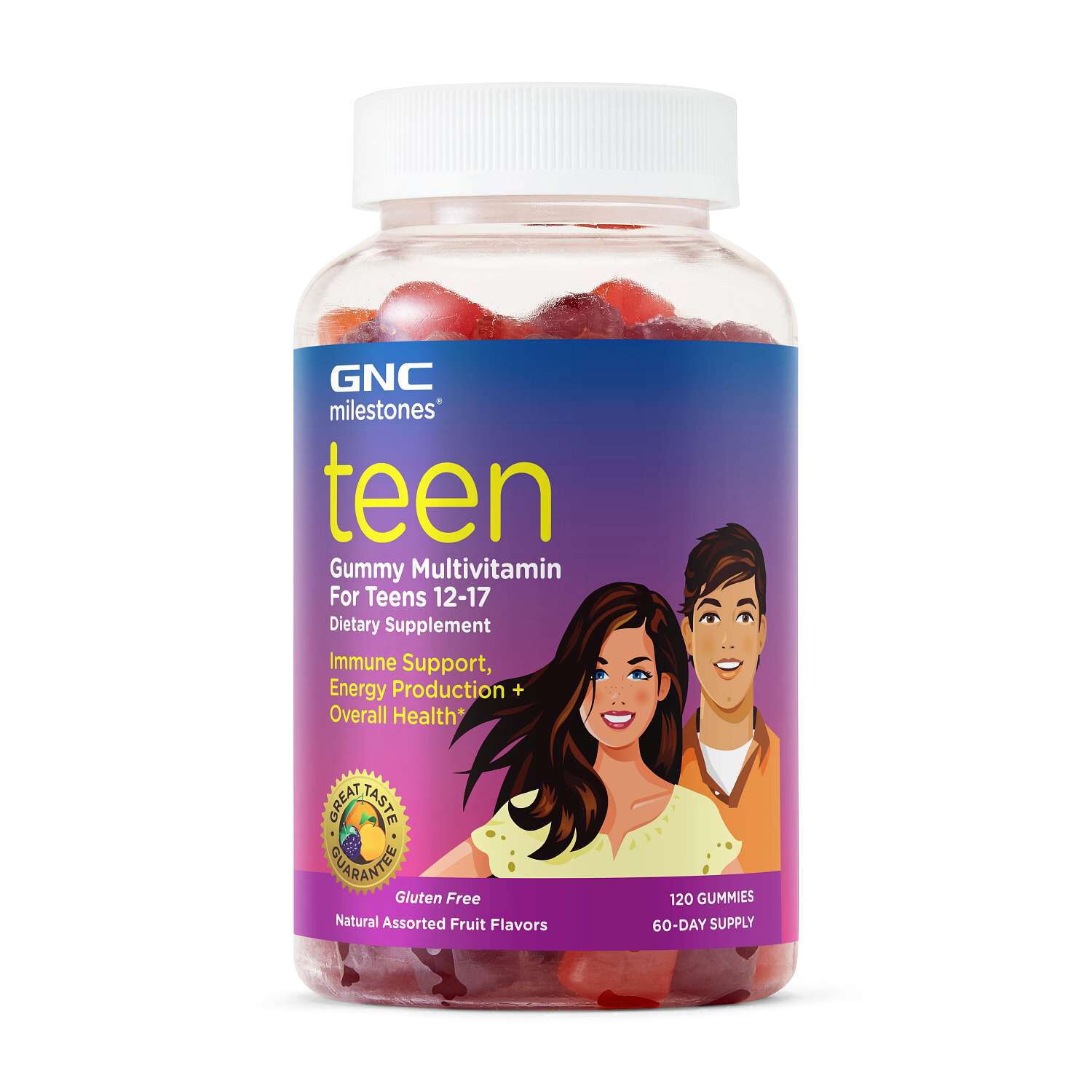
Fitness supplements for young adults may offer a convenient way to complement regular meals, movement, rest and a consistent training routine. The right choice often depends on the kind of activity involved, personal food preferences and how easily daily nutrition fits into a busy schedule. Protein powders may help fill a gap when a meal is several hours away or when preparing a protein-rich snack is not practical after a workout. Whey, casein and plant-based options may suit different dietary preferences, while ready-to-mix powders can travel easily in a gym bag, apartment kitchen or campus backpack. A serving may work well blended with fruit, oats or yogurt, though whole foods can remain a valuable foundation for everyday meals. Creatine monohydrate may be considered by adults who take part in resistance training, sprinting or other short, demanding activities, with many shoppers looking for a simple formula and clear serving directions. Consistent use according to the product label may fit some routines better than trying to coordinate a serving with a particular part of a workout. Pre-workout formulas and caffeine products may appeal to adults who prefer a focused ritual before training, yet caffeine amounts can vary widely, so checking the label and considering intake from coffee, tea, energy drinks and other sources may be helpful. Beta-alanine may be included in formulas designed for repeated, intense efforts, although individual preferences and tolerance may differ. Young adults beginning a new routine may prefer to start with one product at a time, read the Supplement Facts panel carefully and keep notes on how a product fits into their day. Anyone with a health condition, food sensitivity, prescribed treatment or questions about supplement use may wish to speak with a qualified healthcare professional before adding a new formula. Age guidance matters as well; shoppers looking for options intended for younger users can browse Youth Supplements.
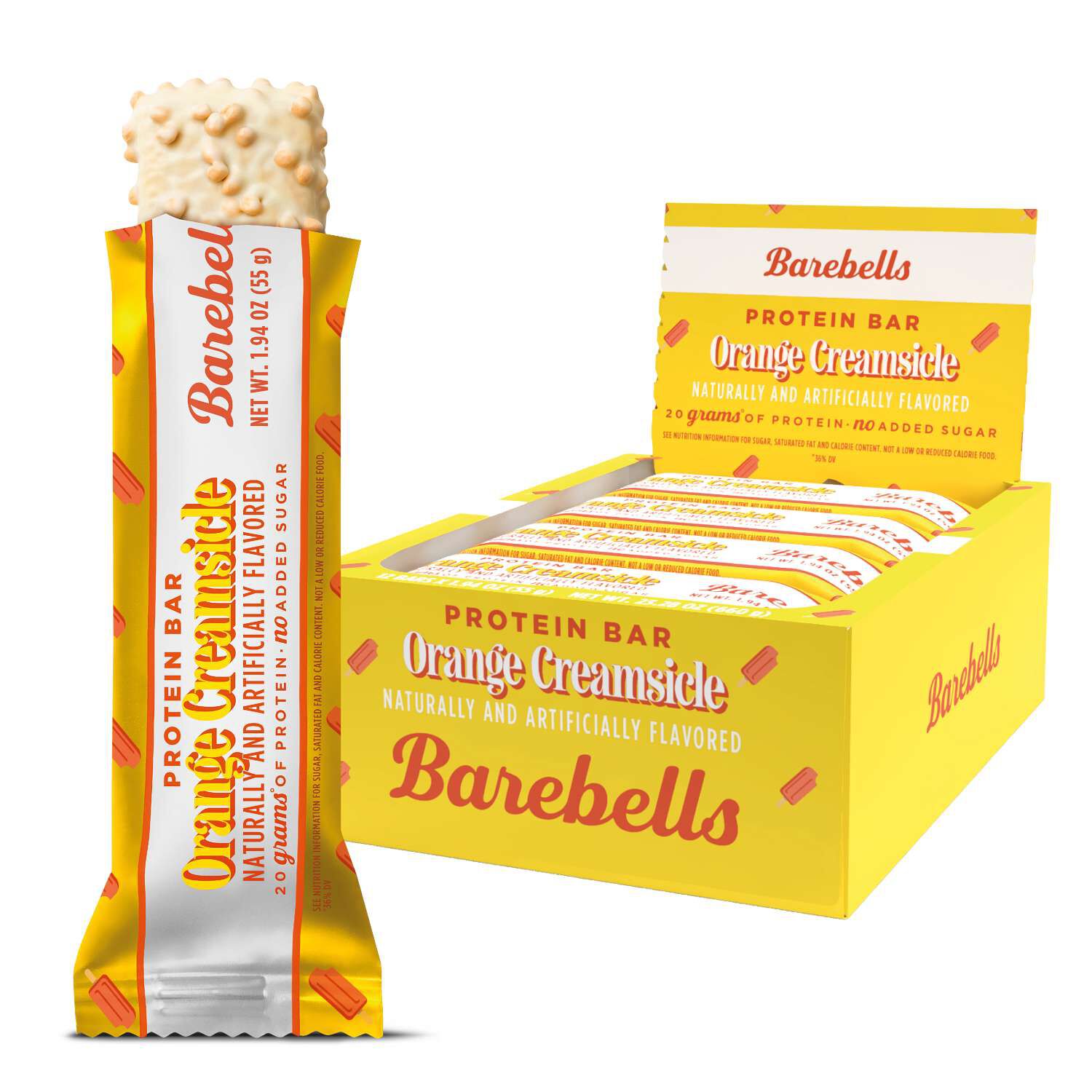
Shopping for fitness supplements may feel more manageable when the label receives as much attention as the front of the container. Look for a clearly stated serving size, an ingredient list that names each component and amounts that are easy to understand. Products with proprietary blends may make comparison more difficult because the amount of each ingredient may not be shown, so transparent labeling could be a more convenient starting point. Third-party testing marks may provide another detail to consider, especially for shoppers who want additional information about manufacturing standards and product contents; these seals should be viewed alongside the full label rather than as a substitute for reading it. Protein shoppers may compare grams per serving, flavor, sweetener preferences and how well a powder mixes in water or milk. Those choosing creatine may look for a straightforward creatine monohydrate formula without a long list of added ingredients. For caffeine-containing products, serving size and timing deserve particular attention, since an afternoon scoop may affect an evening routine for some people. A shaker cup, measuring scoop, storage container or assortment of convenient snacks may make a thoughtful gift for a young adult building a gym routine, moving into a first apartment or preparing for cooler months when indoor workouts become more appealing. Supplements may be used before training, after a session or between meals, but they work best as part of a broader routine that includes nourishing food, hydration, rest and activity suited to the individual. Someone heading to an early class may pack a shake for later, while a recreational lifter may keep a tub at home for days when cooking is less convenient. Runners, team-sport participants, cyclists and strength-training newcomers may all approach these products differently, so goals, schedule and taste preferences can guide the selection. Starting with a modest, clearly labeled option may make it easier to understand how a routine fits, while following package directions may help keep serving habits consistent. During the cooler months, a warm breakfast with a protein-rich side, a smoothie after an indoor session or a portable snack before heading out may offer simple ways to keep nutrition connected to an active lifestyle.