

Protein Needs For Active Adults
(0 Results)
Protein needs for active adults can vary based on lifestyle, activity level, and personal wellness goals. Whether you’re looking to support your fitness journey, maintain muscle, or simply add convenient nutrition to your daily routine, finding the right protein options may help you stay energized and satisfied. Explore a wide range of choices designed to fit into busy schedules and support an active lifestyle. Discover how protein might play a role in helping you feel your best every day.
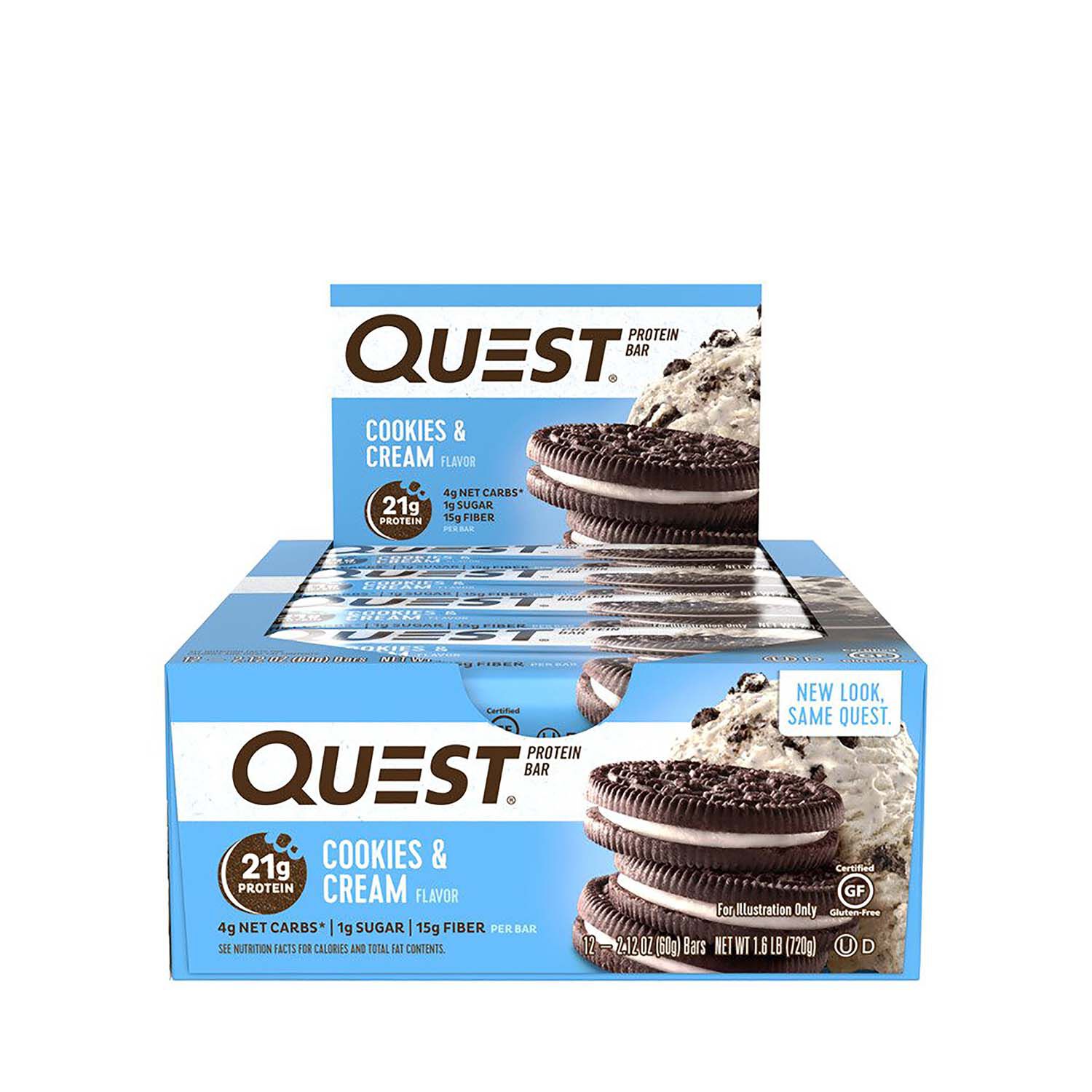
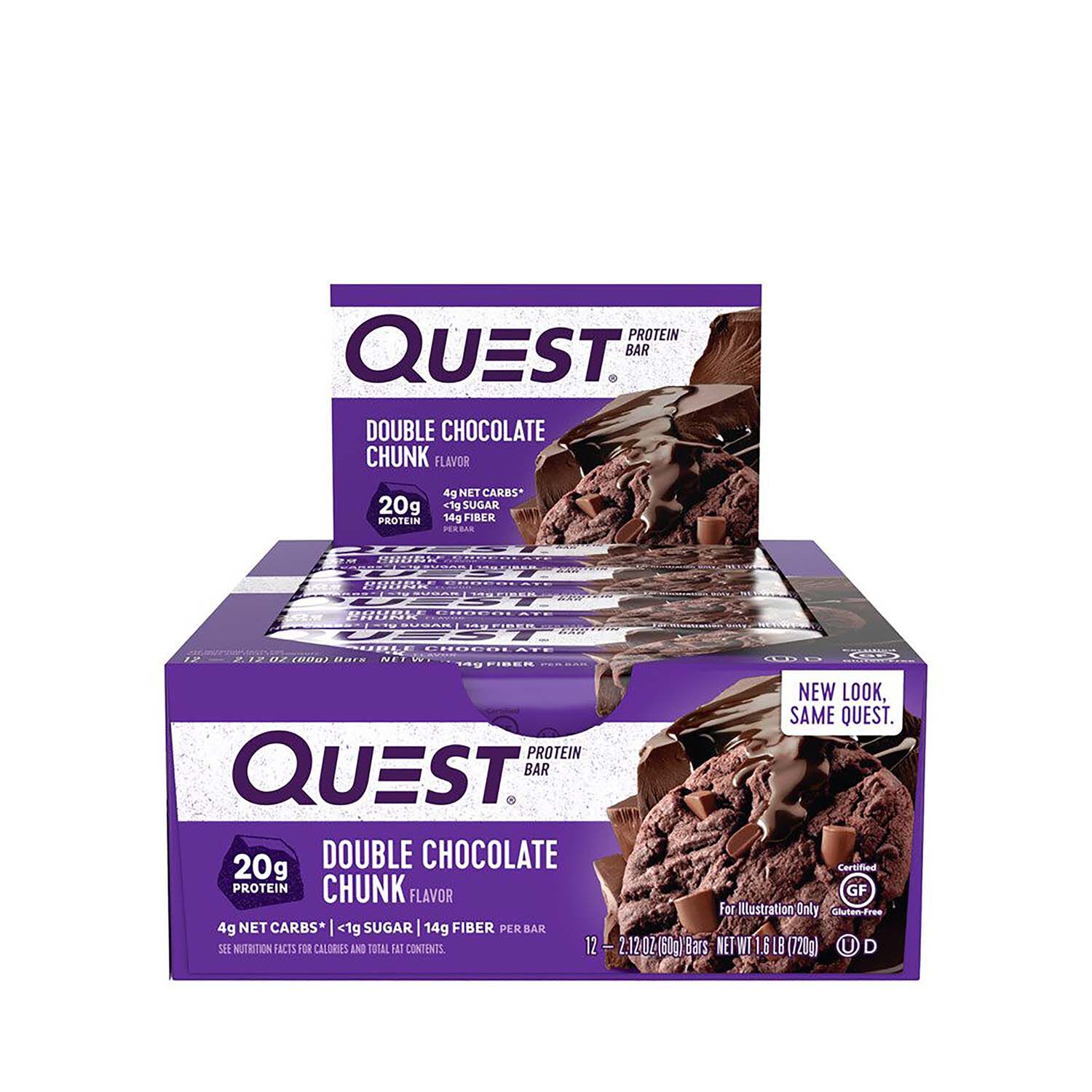


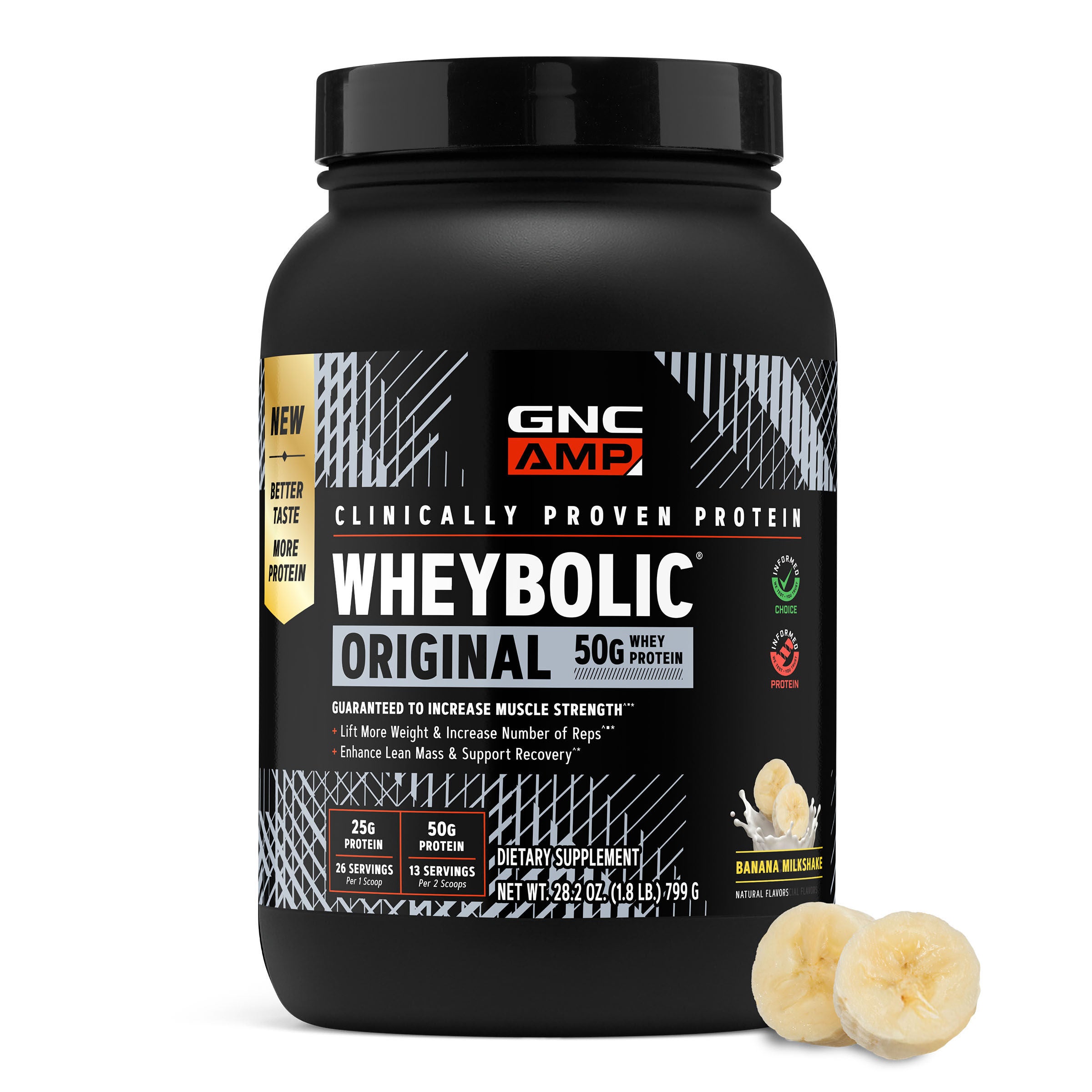


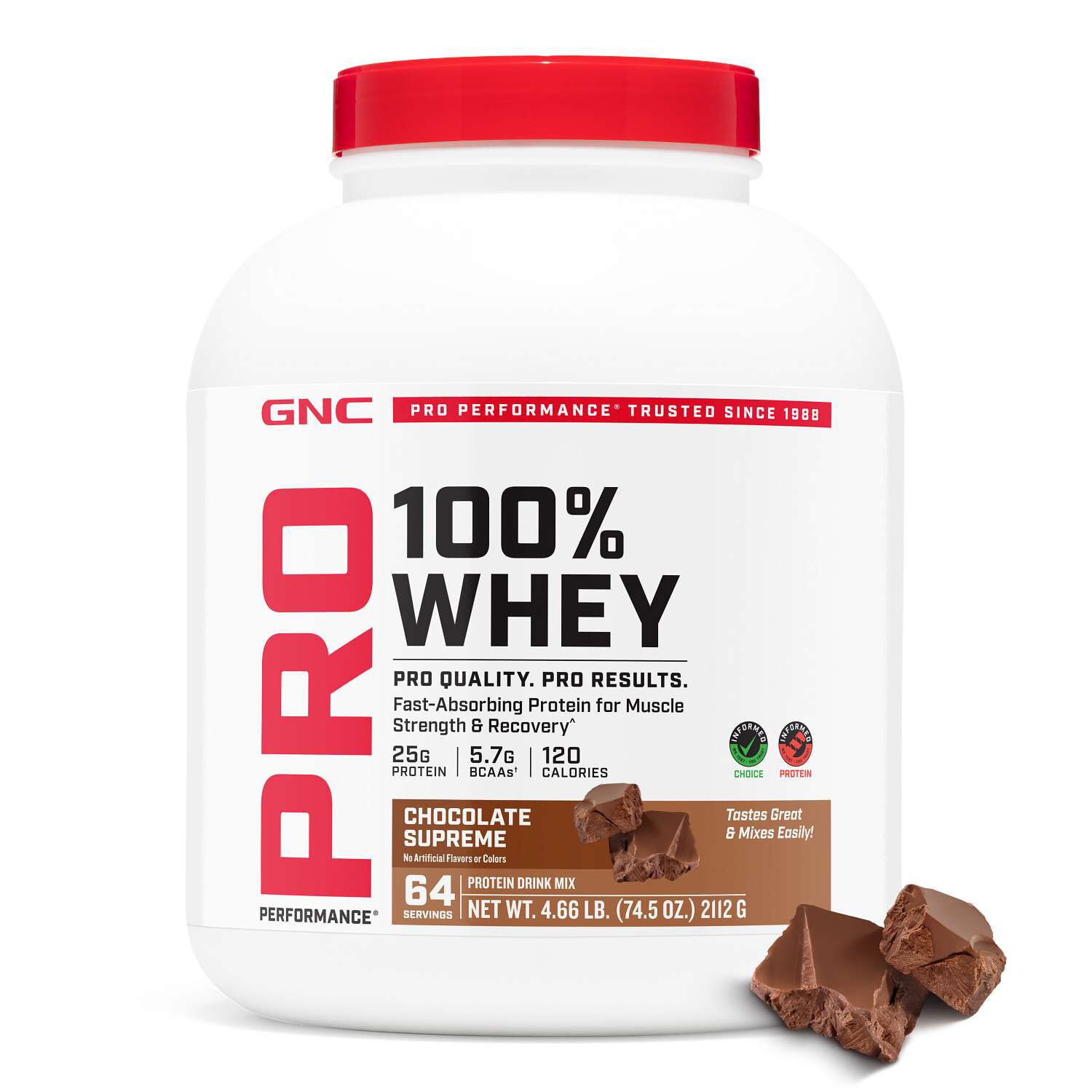
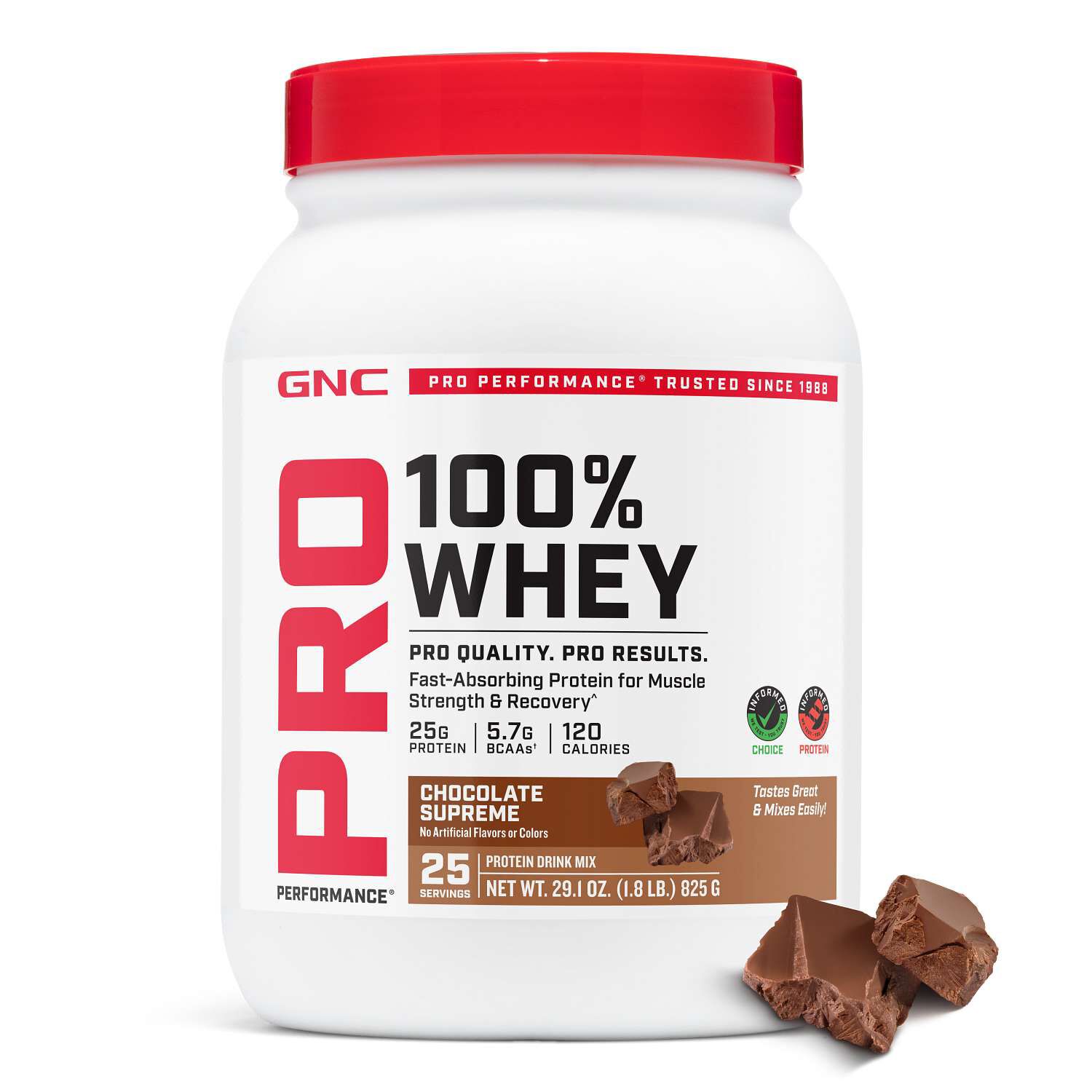
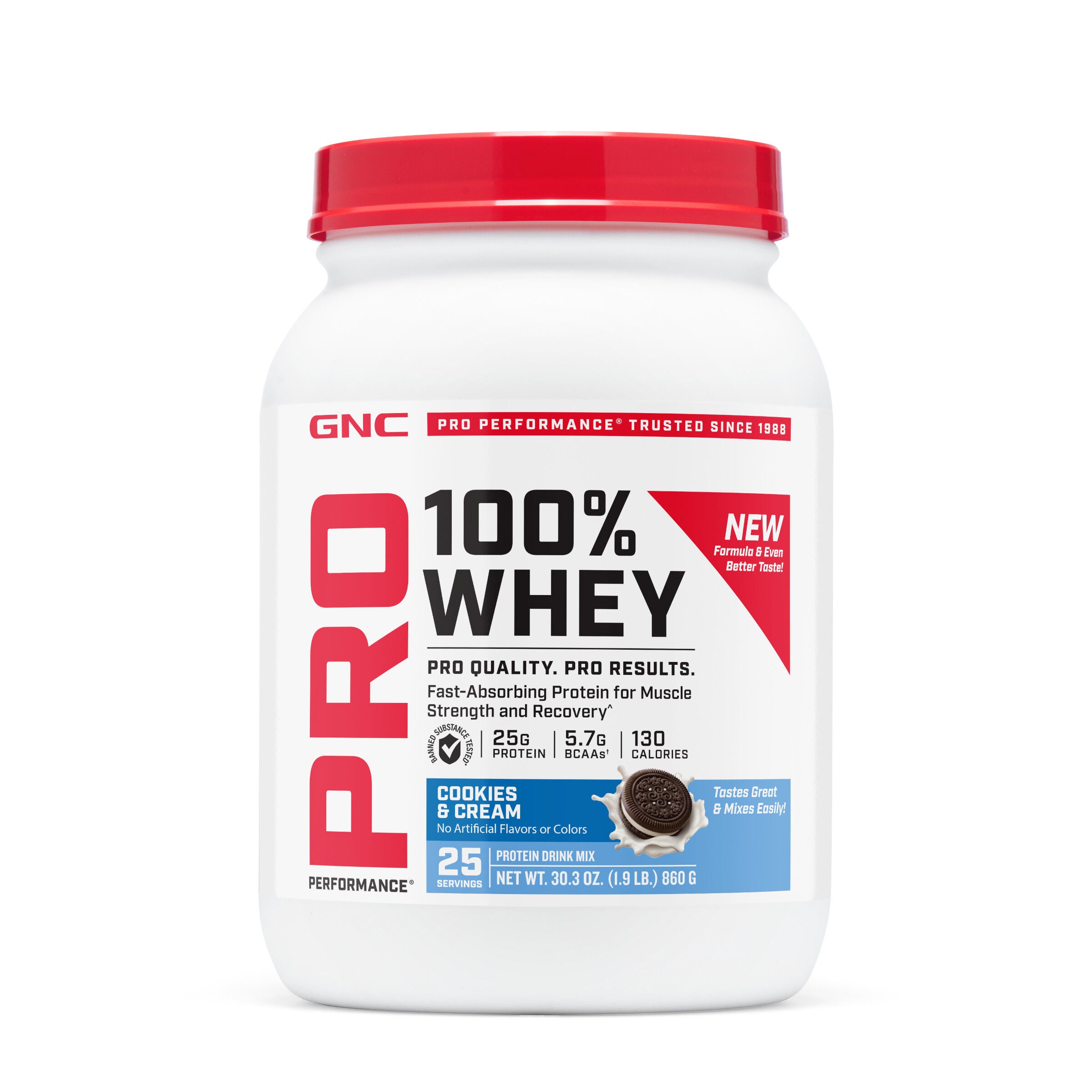
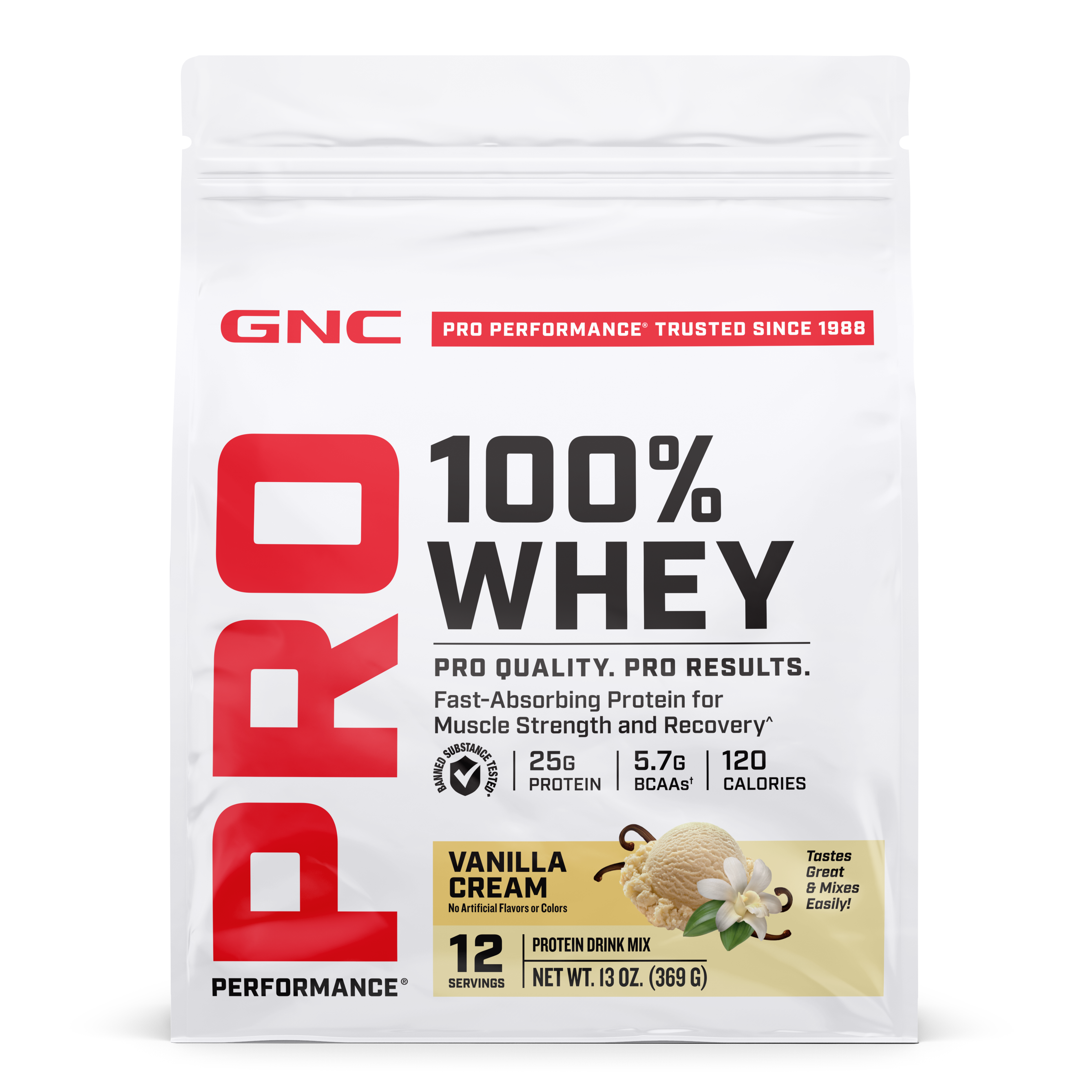


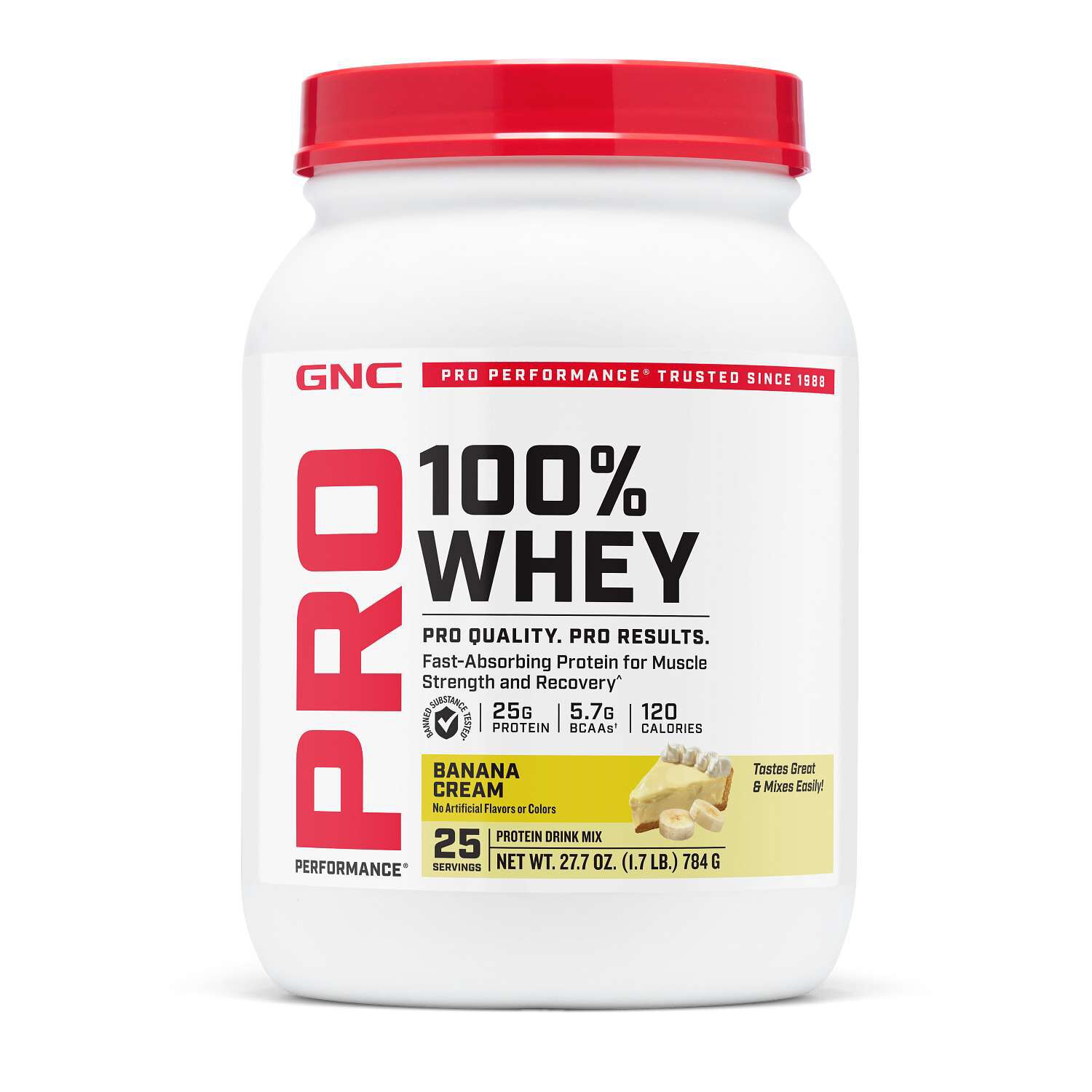

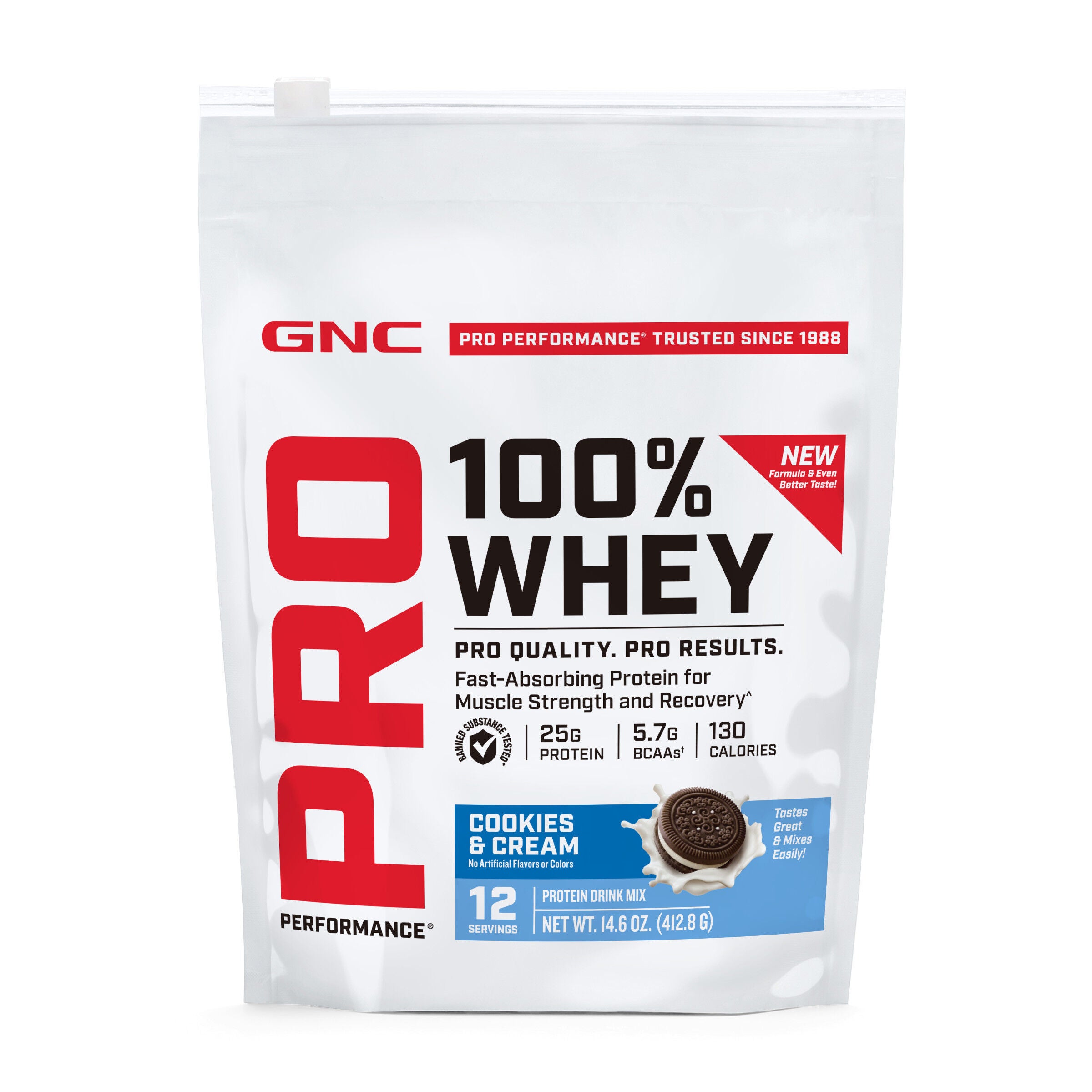

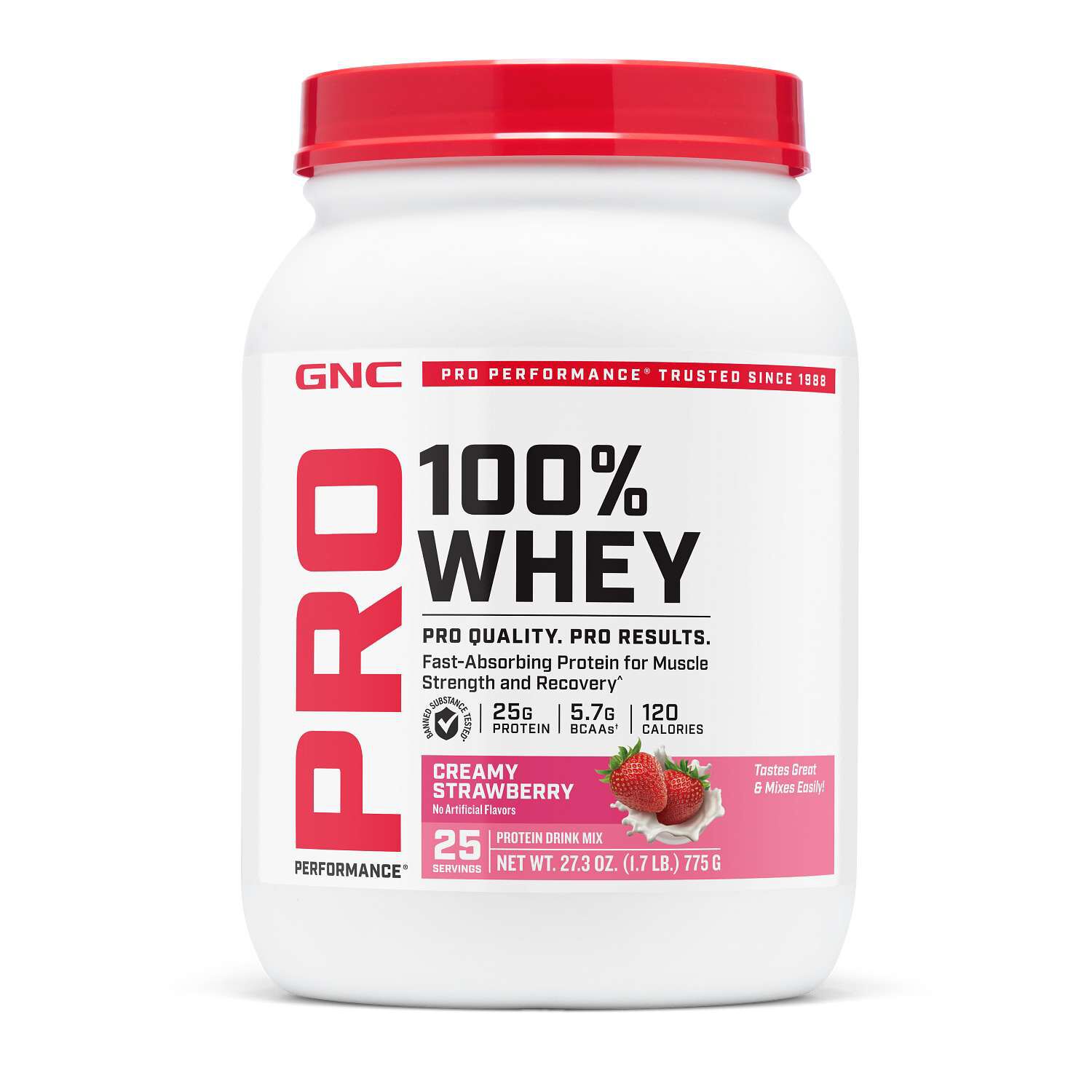

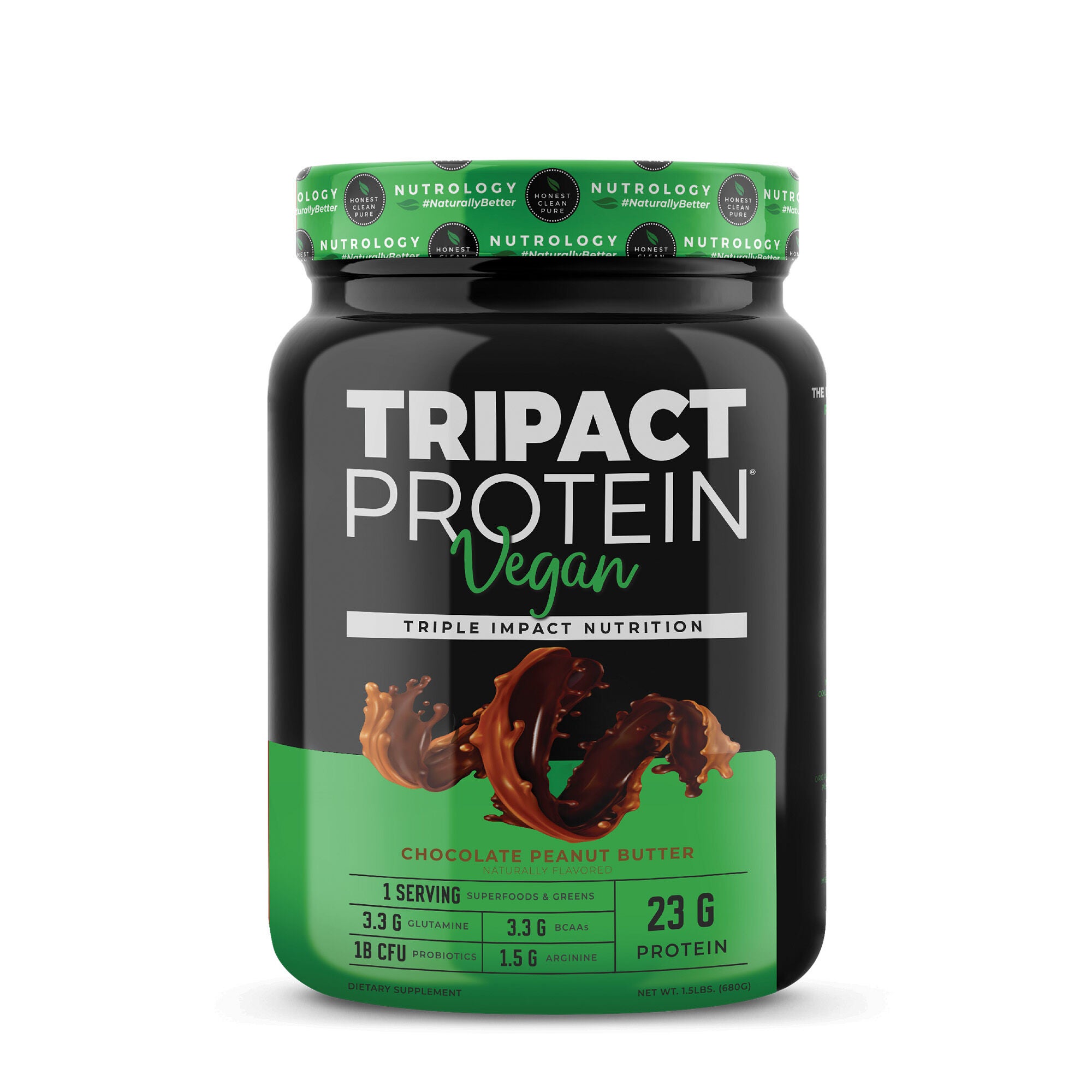
For active adults, protein is a key consideration for supporting the demands of a dynamic lifestyle. Whether training for a half-marathon, hiking new trails as the weather warms, or mixing up routines in the gym as the days grow cooler, many people find that their protein needs may shift with their activity level. Those who jog, bike, or enjoy regular fitness classes might look for ways to include more protein in their daily meals and snacks, aiming for an amount that aligns with their goals and routines. It’s common for moderately active individuals to seek out roughly 1.2 to 1.4 grams of protein per kilogram of body weight, while those participating in more intense endurance or strength activities may consider higher intakes, up to 2.0 grams per kilogram. This approach can help support muscle recovery and maintenance, particularly when protein is spaced throughout the day—such as including 25 to 35 grams at each meal, or reaching for a protein-rich option within a couple of hours after a challenging workout.
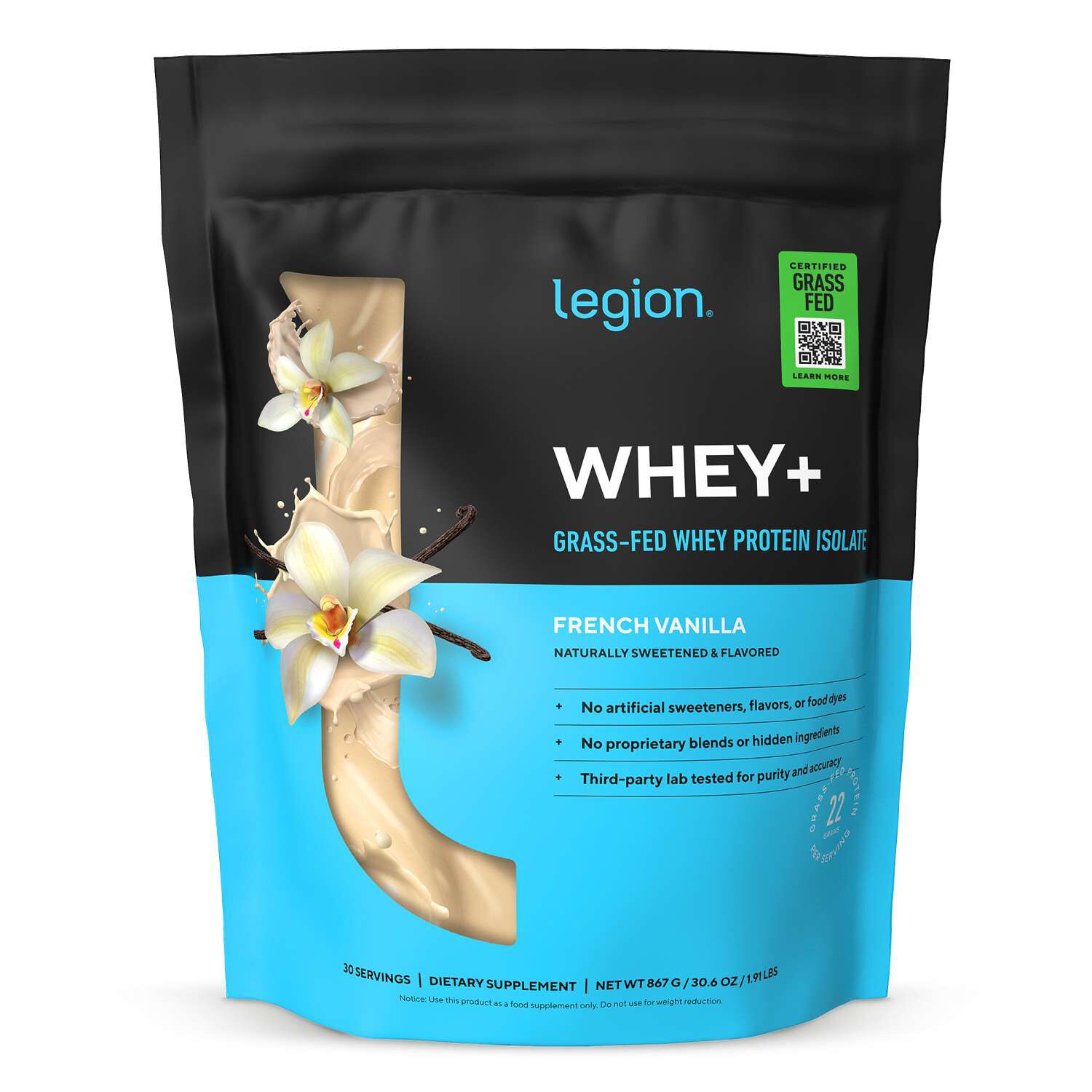
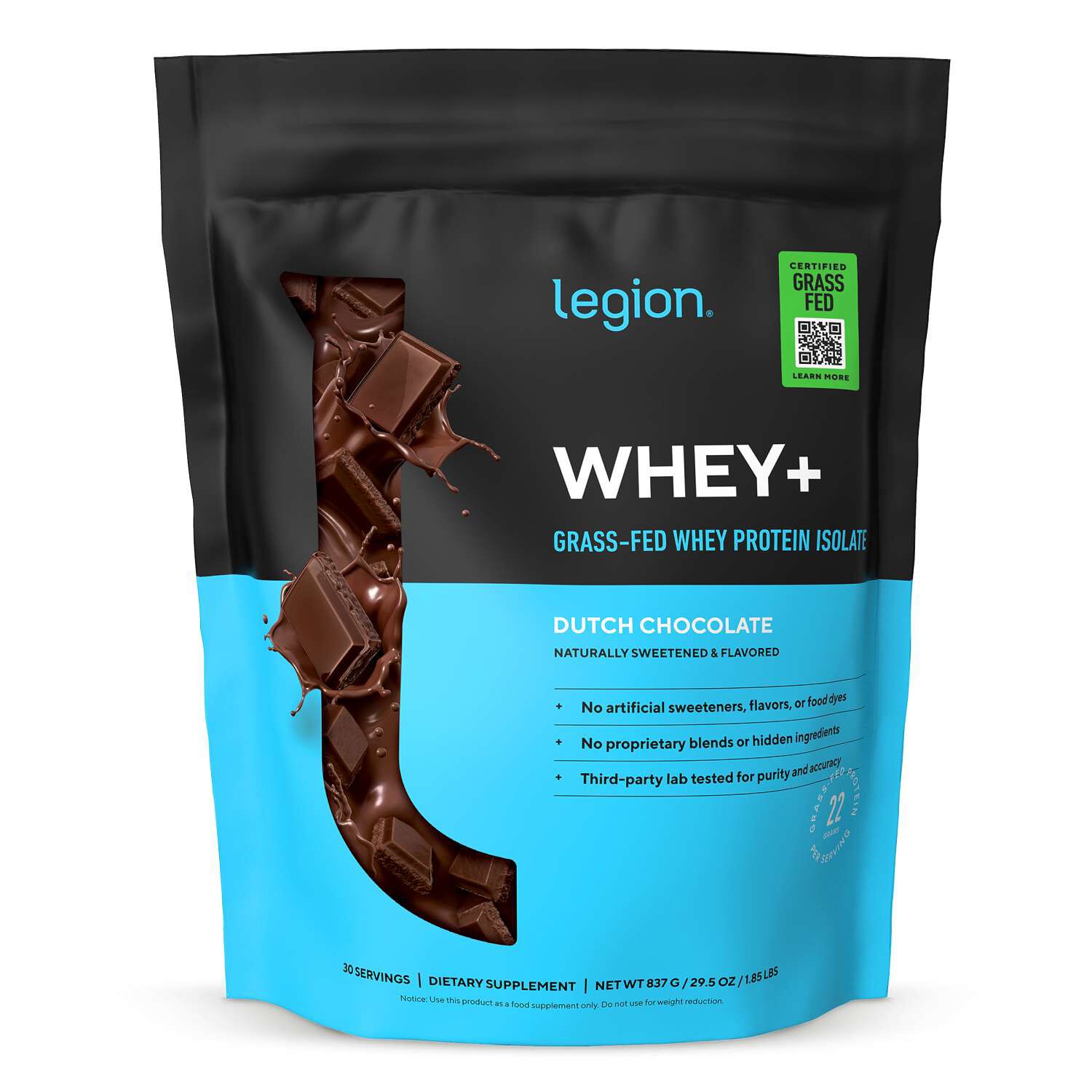
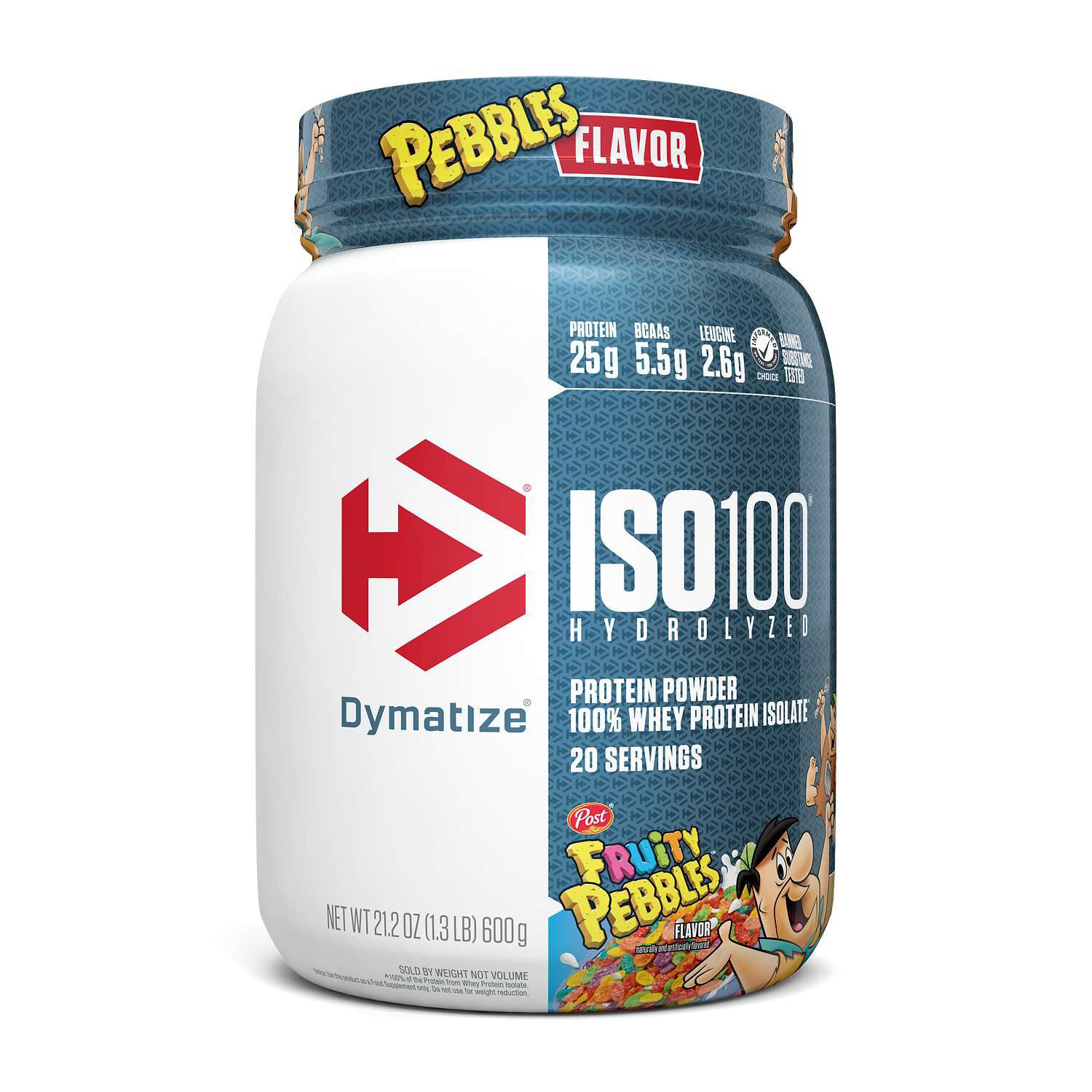
Choosing the right protein products can depend on personal preferences, dietary needs, and lifestyle factors. Some adults prefer ready-to-mix powders for their convenience and versatility, while others may gravitate toward bars or shakes that fit easily into a busy schedule. Plant-based options appeal to those following vegetarian or vegan diets, and there are also blends that include additional nutrients to complement an active routine. For anyone shopping for a gift, protein products can be a thoughtful choice for friends or family members who are passionate about fitness, training for an event, or simply enjoy staying active outdoors. They’re especially popular around times when people are getting back into routines after summer travels or gearing up for fall activities. When browsing, it may help to consider flavor preferences, ingredient lists, and whether the product will be used as a meal addition, snack, or post-workout option. Many adults appreciate products that are easy to take on the go—perfect for stashing in a gym bag or keeping at the office for a quick, satisfying snack.
If you’re exploring ways to support your fitness journey or searching for a gift for the active women in your life, you may want to check out resources designed specifically for women’s unique needs. For more information and options tailored to women athletes, visit Protein for Women Athletes. As with any dietary change, it’s worthwhile to consider your personal goals and consult with a nutrition professional if you have questions about your individual needs. With a thoughtful approach, finding the right protein support can help make the most of every season’s adventures, from summer hikes to autumn runs, and everything in between.
- Q: What are some common sources of protein for active adults?
A: Active adults often get protein from foods like lean meats, poultry, fish, eggs, dairy products, beans, lentils, nuts, and seeds. Protein powders and ready-to-drink shakes may also be convenient options. - Q: How might protein support an active lifestyle?
A: Protein may play a role in supporting muscle recovery after exercise and could help maintain muscle mass when combined with regular physical activity. - Q: When is a good time for active adults to consume protein?
A: Some active adults choose to include protein in meals or snacks throughout the day, and many enjoy a source of protein after workouts as part of their routine. - Q: Are there plant-based protein options available for active adults?
A: Yes, plant-based proteins such as pea, soy, rice, and other legumes are available in various forms and may be suitable for those following vegetarian or vegan lifestyles. - Q: Can protein needs vary based on activity level?
A: Protein needs may differ depending on factors like the type, intensity, and frequency of physical activity. Some individuals find it helpful to consult with a nutrition professional to discuss their unique needs.