





Bone Health Supplements For Back To School
(0 Results)
Bone health supplements for back to school could be a smart addition to your routine as the busy season begins. Whether you’re heading to class, hitting the gym, or managing a packed schedule, supporting bone health may help you stay active and energized. Explore options designed to fit seamlessly into your daily habits so you can focus on making the most of the academic year.


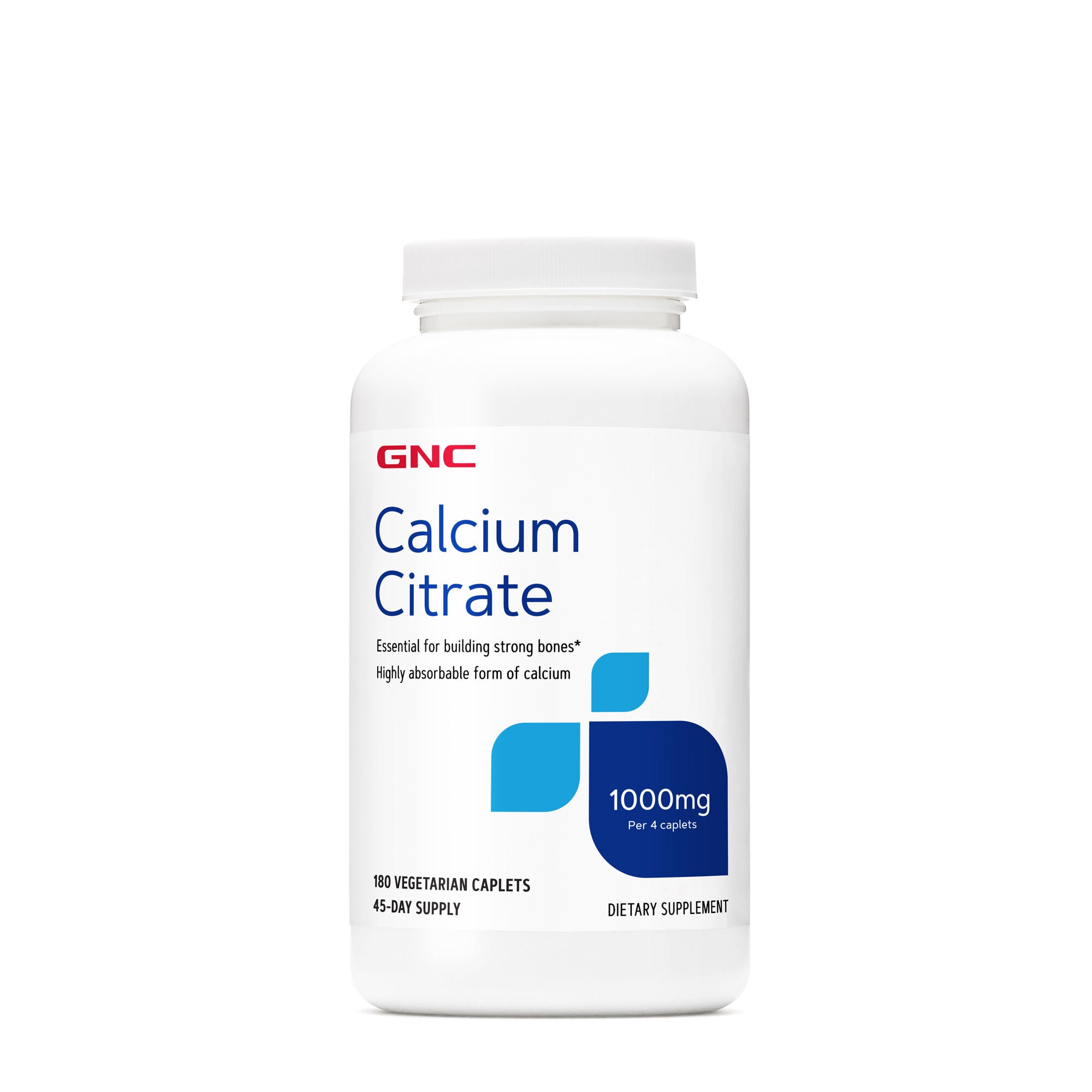


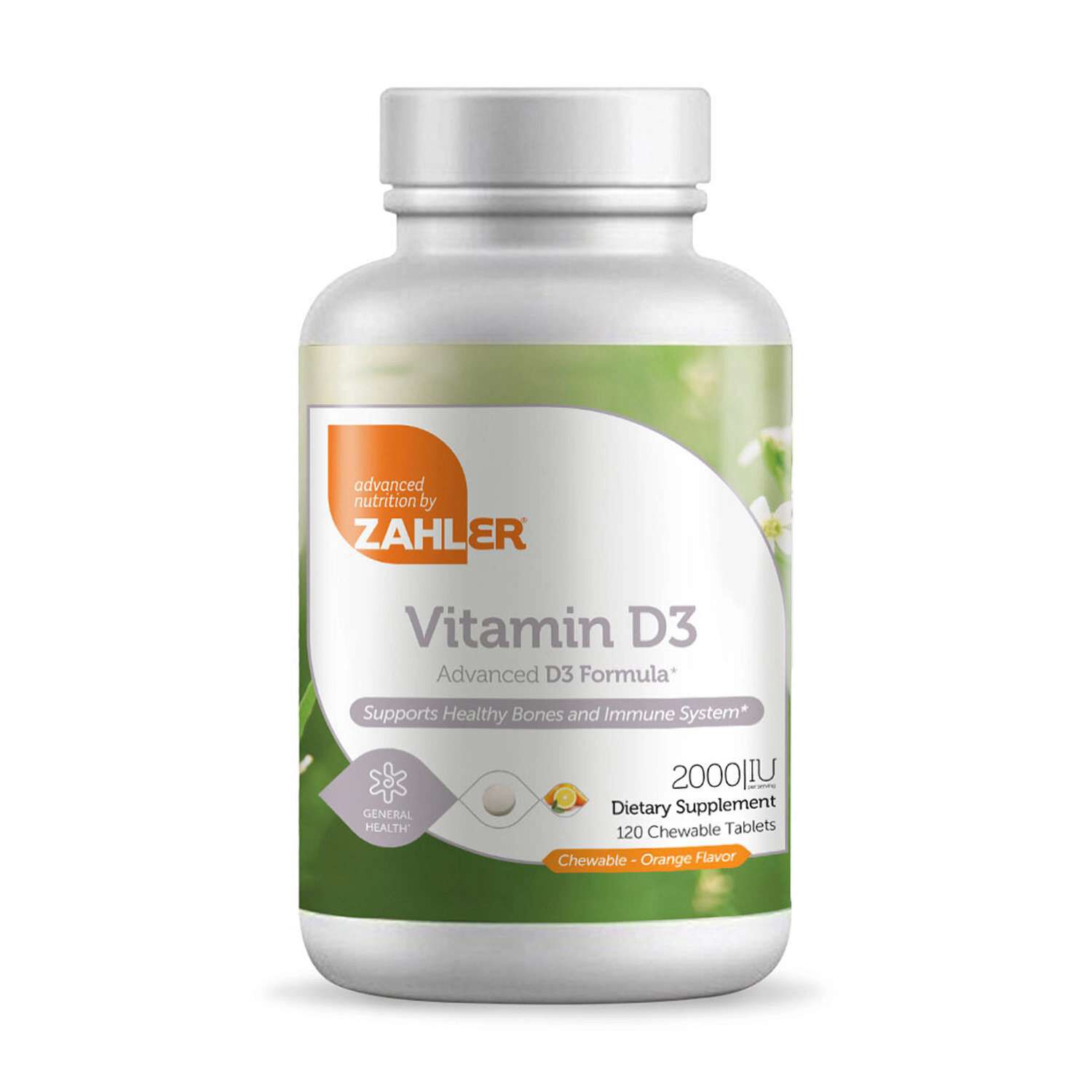

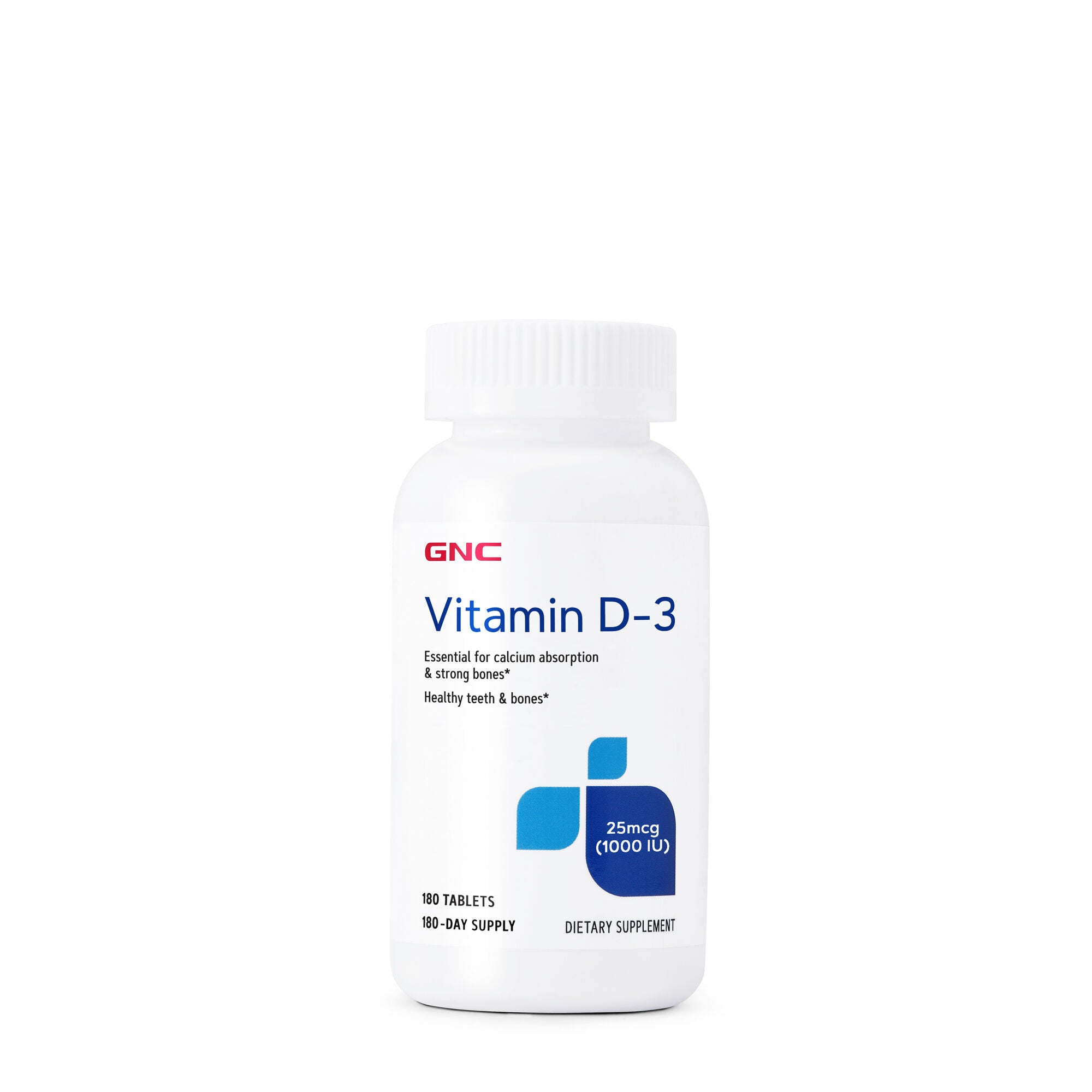


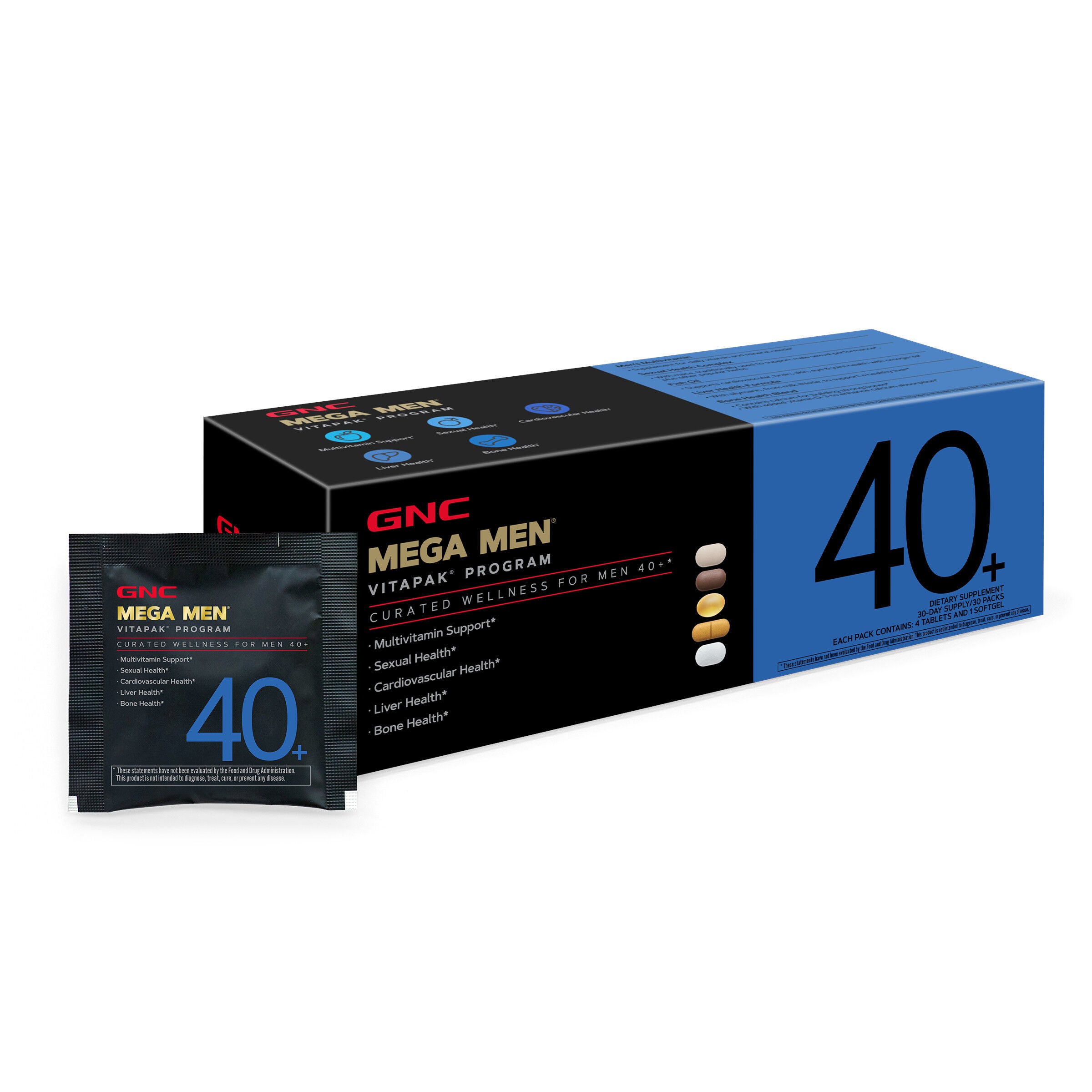


Back-to-school routines often bring a fresh focus to balanced meals, active play, sports practices, and the many small habits that help children and teens care for their growing bodies. Bone health supplements may fit into that routine when a family is looking for convenient sources of nutrients such as calcium, vitamin D3, magnesium, or vitamin K2. Bones are living tissue that changes throughout childhood and adolescence, and everyday nutrition may contribute to the body’s normal process of building and maintaining them. Calcium is commonly included in bone-focused formulas because it may help provide a mineral used throughout the skeletal system, while vitamin D3 may help the body absorb calcium. Magnesium may play a role in normal muscle function and bone structure, and vitamin K2 may be included in some formulas as part of a broader nutrient combination. These supplements are not a substitute for varied meals, outdoor activity, or guidance from a qualified healthcare professional, but they could offer a practical option for families managing busy school-day schedules. A lunchbox with yogurt, cheese, fortified soy milk, leafy greens, or other calcium-containing foods can pair naturally with a thoughtful supplement routine, while outdoor play, walking, dancing, and age-appropriate sports may add movement to the day. As the weather warms or shifts into cooler months, families may find that a simple routine is easier to maintain when it fits comfortably beside breakfast, an after-school snack, or a familiar evening activity.
When choosing bone health supplements for back to school, format and serving details may matter as much as the nutrient list. Chewables and gummies could be convenient for children who prefer a softer texture or a fruit-inspired flavor, while liquid drops may suit younger children when a caregiver wants a format that can be measured according to the label. Older children and teens may prefer small tablets or capsules that fit easily into a backpack or bathroom cabinet, provided they can use that format comfortably and according to package directions. Read the Supplement Facts panel carefully, compare serving sizes, and check whether a formula is intended for a child, teen, or adult. Nutrient amounts can differ widely between age groups, and taking several products with overlapping ingredients may not be appropriate. Families may also want to review sweeteners, flavors, dietary preferences, allergens, and storage instructions, especially when a product will travel between home, school, and sports activities. For younger children, a caregiver may wish to keep supplements in a secure location and handle each serving. Before introducing a new supplement to a child or teen, consult a pediatrician, pharmacist, or other qualified healthcare professional, particularly when the child follows a restricted eating pattern, has a health condition, or uses prescription products. A professional may help determine whether a supplement is suitable and how it may fit alongside meals and other sources of calcium or vitamin D.
Bone health supplements can also be a considerate back-to-school gift for a college student, teen athlete, or family member building a more consistent self-care routine away from home. A small container of chewables could tuck into a dorm drawer, while a clearly labeled bottle may make it easier for an older student to remember a morning or evening routine. The most useful choice may be one that matches the recipient’s age, preferred format, dietary needs, and daily schedule rather than one with the longest ingredient list. Students heading into a new school year may appreciate a simple nutrition-focused addition beside practical items such as a water bottle, lunch container, or snack supplies. Parents and caregivers may also use this product category as a starting point for reviewing the whole routine: regular meals, calcium-containing foods, time outdoors, comfortable movement, and adequate rest. Students involved in running, soccer, dance, marching band, or other active programs may have different schedules from classmates, so convenience can make a routine easier to follow. For families comparing options during the back-to-school season and into the cooler months, Supplements For Back To School Joint Health may offer another way to browse products connected with an active school routine. A measured, age-appropriate approach may help families choose with care while keeping nutrition, movement, and professional guidance at the center of the conversation.


