

Magnesium Supplements For Back To School Wellness
(0 Results)
Magnesium supplements for back to school wellness could be a simple addition to your daily routine as the new academic year begins. Whether you're heading to class, supporting your kids, or managing a busy schedule, magnesium may help you feel ready to take on new challenges. Explore options that fit your lifestyle and discover how magnesium supplements for back to school wellness might support your goals this season.

 _Front.jpg?sw=305&sh=305&sm=fit "Magnesium: Bioactive Magensium Citrate - 120 Capsules (120 Servings) | GNC")
 _Front.jpg?sw=305&sh=305&sm=fit "Magnesium: Bioactive Magensium Citrate - 60 Capsules (60 Servings) | GNC")


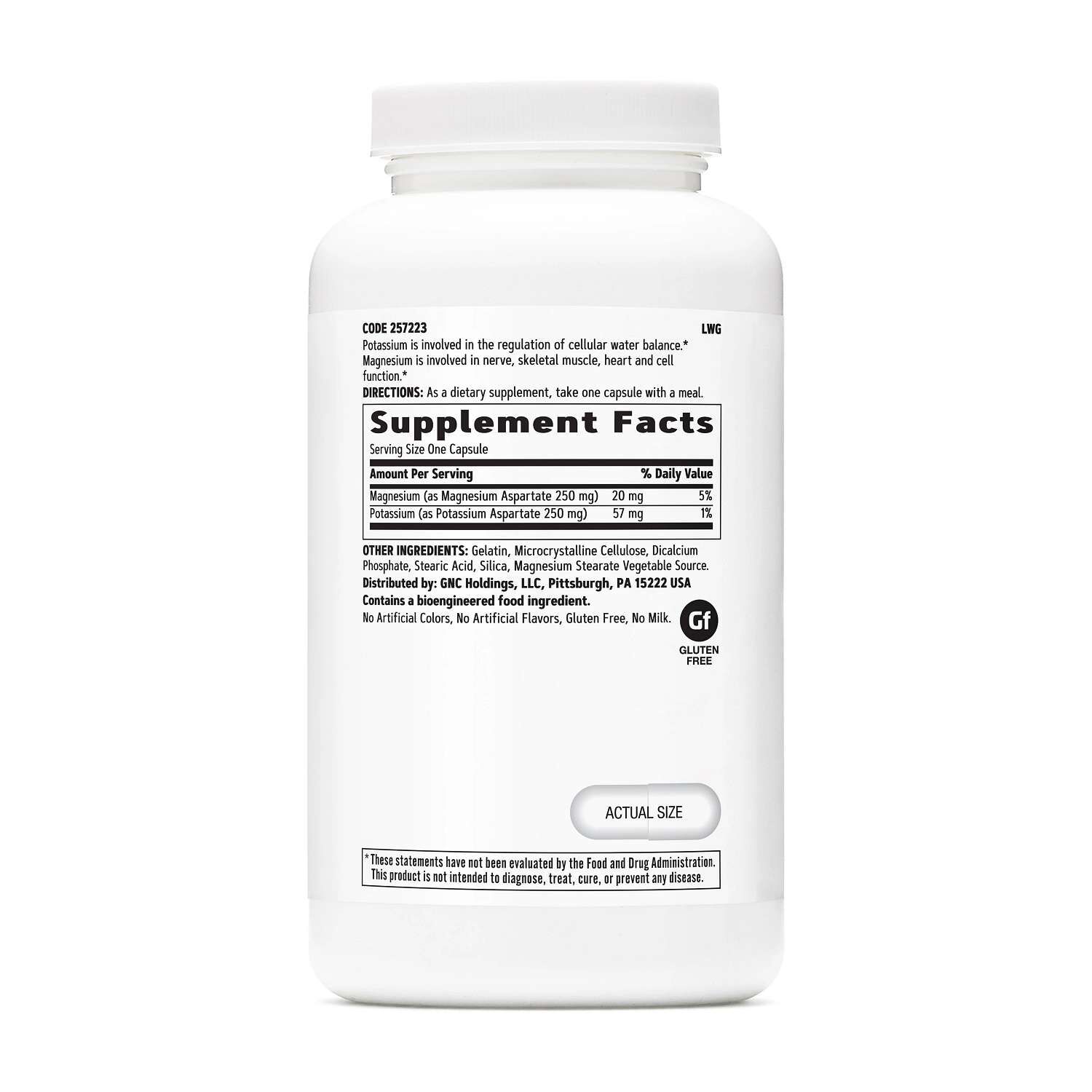



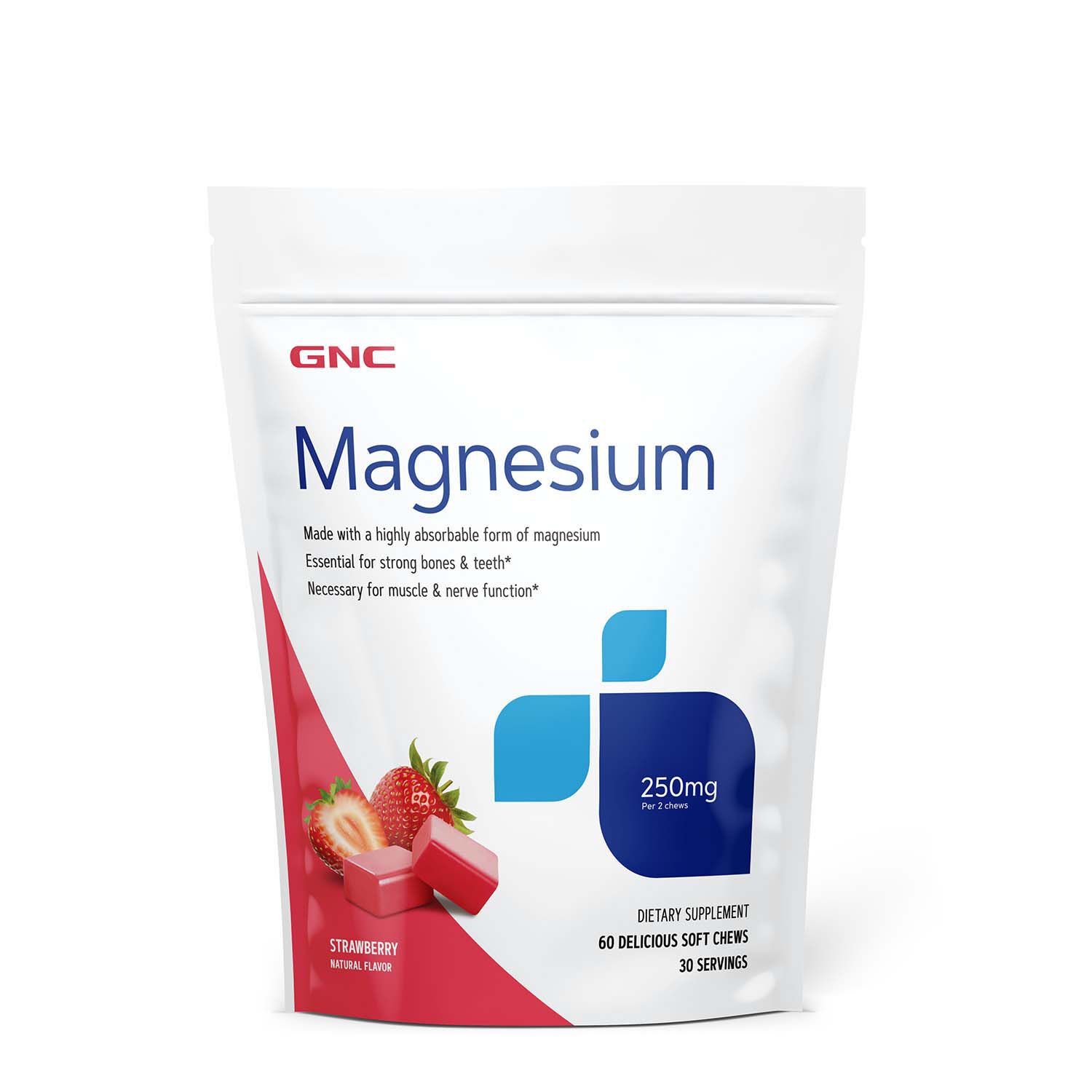




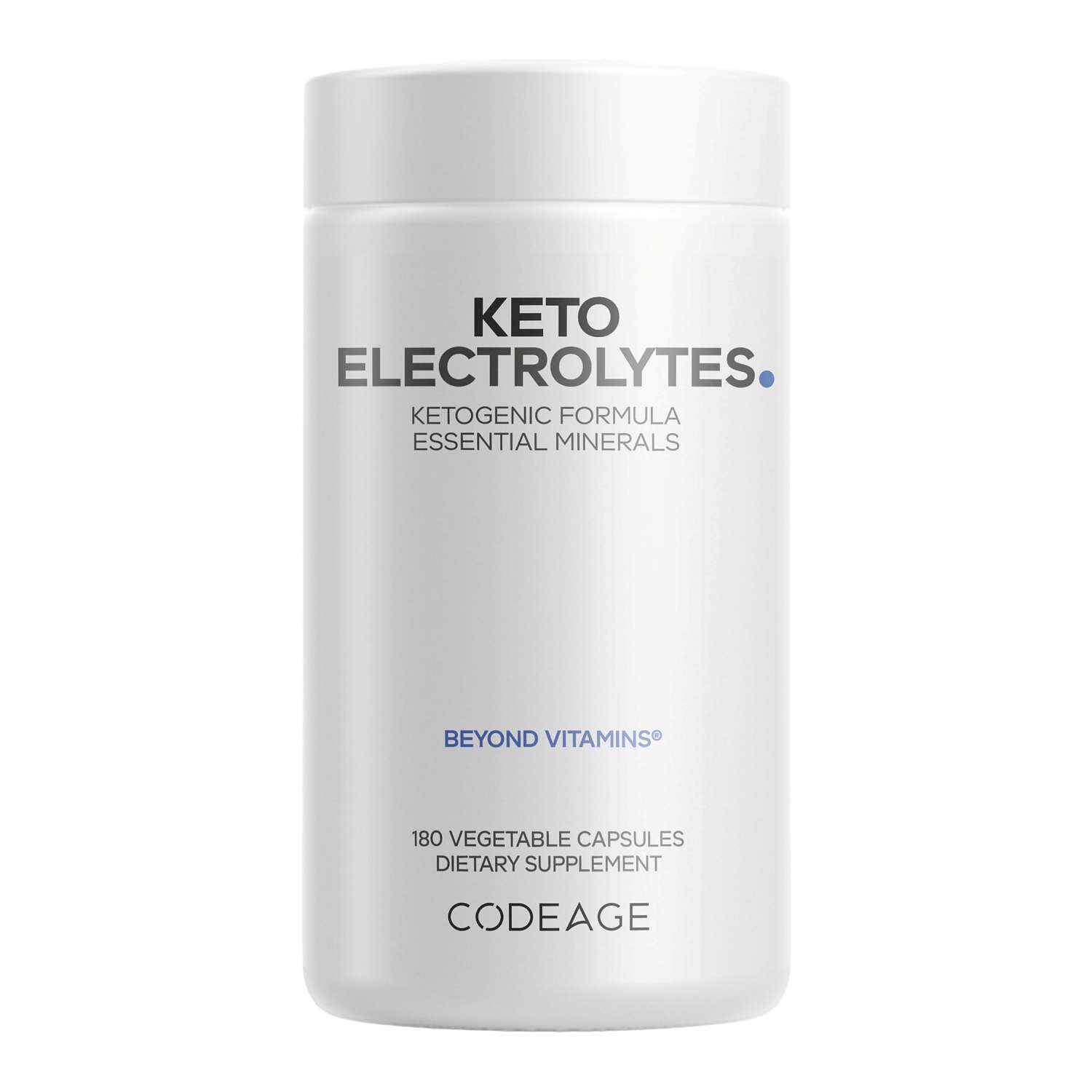
Back-to-school routines often bring earlier mornings, packed calendars, after-school activities, and meals that happen between one commitment and the next. Magnesium supplements may fit into a daily wellness routine for students, parents, and other household members who want nutritional support during the transition from relaxed summer schedules to more structured days. Magnesium is a mineral found naturally in foods such as spinach and other dark leafy greens, pumpkin seeds, almonds, avocados, beans, whole grains, and dark chocolate. A supplement could complement a varied eating pattern when meals are rushed, preferences are selective, or a busy schedule makes thoughtful planning more difficult. It is not a replacement for nourishing food, regular hydration, movement, or a consistent bedtime routine. Instead, many shoppers choose magnesium as one small part of a broader approach to feeling prepared for school, work, sports, and cooler-season routines. Picture a typical weekday: a backpack rests by the door, a lunch container is ready in the refrigerator, and the evening winds down after homework and household tasks. Taking a supplement according to its label may help make wellness habits feel more organized and predictable. Families should review serving information carefully, especially when shopping for children or teens, and a qualified healthcare professional could help determine whether a magnesium supplement is appropriate for a particular person.
Different forms of magnesium may appeal to different preferences and routines. Magnesium glycinate or bisglycinate is often selected for an evening routine because it may support relaxation and restful sleep when paired with calming habits such as dimmer lighting, reading, and stepping away from screens. Magnesium citrate is another commonly chosen form and may support digestive regularity for some people, making it a consideration for shoppers who are comparing formulas for everyday use. Magnesium L-threonate is often included in conversations about daytime routines and may support memory or classroom focus, although individual experiences can vary. These descriptions are general product context rather than personal health guidance, and shoppers should read the Supplement Facts panel for the form and amount provided per serving. Age, diet, other supplements, and personal circumstances can all matter when choosing a product, so parents and caregivers may wish to speak with a qualified healthcare professional before giving magnesium to a child or teen. It also helps to review the directions for use, serving size, storage instructions, and any cautions printed on the package. Some people prefer capsules or tablets that fit neatly beside a water bottle, while others may choose powders that mix into a favorite beverage. For younger shoppers and anyone who dislikes swallowing pills, Magnesium Gummies for Back to School may offer a more approachable format, provided the label is followed and the product is stored where children cannot access it without supervision.
Magnesium supplements can also make a thoughtful addition to a back-to-school care package for a college student, older teen, teacher, coach, or family member building a steadier routine during the late-summer transition and the cooler months that follow. Pairing a magnesium product with a reusable water bottle, a sleep mask, nutritious snacks, or a simple planner can create a practical wellness bundle without making the gift feel overly formal. For students living away from home, a compact container may fit into a desk drawer beside notebooks and chargers, while a family-size shopping plan may make it easier to keep routines consistent across busy school nights. Shoppers comparing products may consider the form of magnesium, serving format, flavor, dietary preferences, added ingredients, and the number of servings in the container. Gummies may be convenient, but they can include sweeteners or other ingredients that some shoppers prefer to limit; powders may offer flexibility but require a mixing routine; capsules may suit adults who prefer a simple, no-fuss option. Checking the full label is particularly useful for anyone already taking a multivitamin or other supplement, since overlapping ingredients may be present. A balanced school-season routine could include meals built around leafy greens, nuts, seeds, whole grains, and other magnesium-containing foods; a regular bedtime; time outdoors; and realistic breaks between study sessions. Magnesium may support that routine for some individuals, but it should be viewed as one choice among many rather than a substitute for professional care or everyday habits. With thoughtful product selection and attention to label directions, magnesium supplements may serve as a convenient addition to back-to-school wellness plans for households preparing for early alarms, busy classrooms, evening homework, and the changing rhythm of the season.
Best Sellers
-
 Rho Nutrition
 -
 Qualia Life Sciences