Magnesium Glycinate Supplements For Back To School
(0 Results)
Magnesium glycinate supplements for back to school could be a thoughtful addition to your daily routine as the academic year begins. Balancing classes, extracurricular activities, and new schedules may create extra demands on both mind and body. With a variety of magnesium glycinate options available, it’s easy to find a supplement that fits your preferences and lifestyle. Explore choices designed to support your wellness goals as you step into a successful school season.
-

-

-

-

-

-

-

-

-

-

-

-
 $29.99
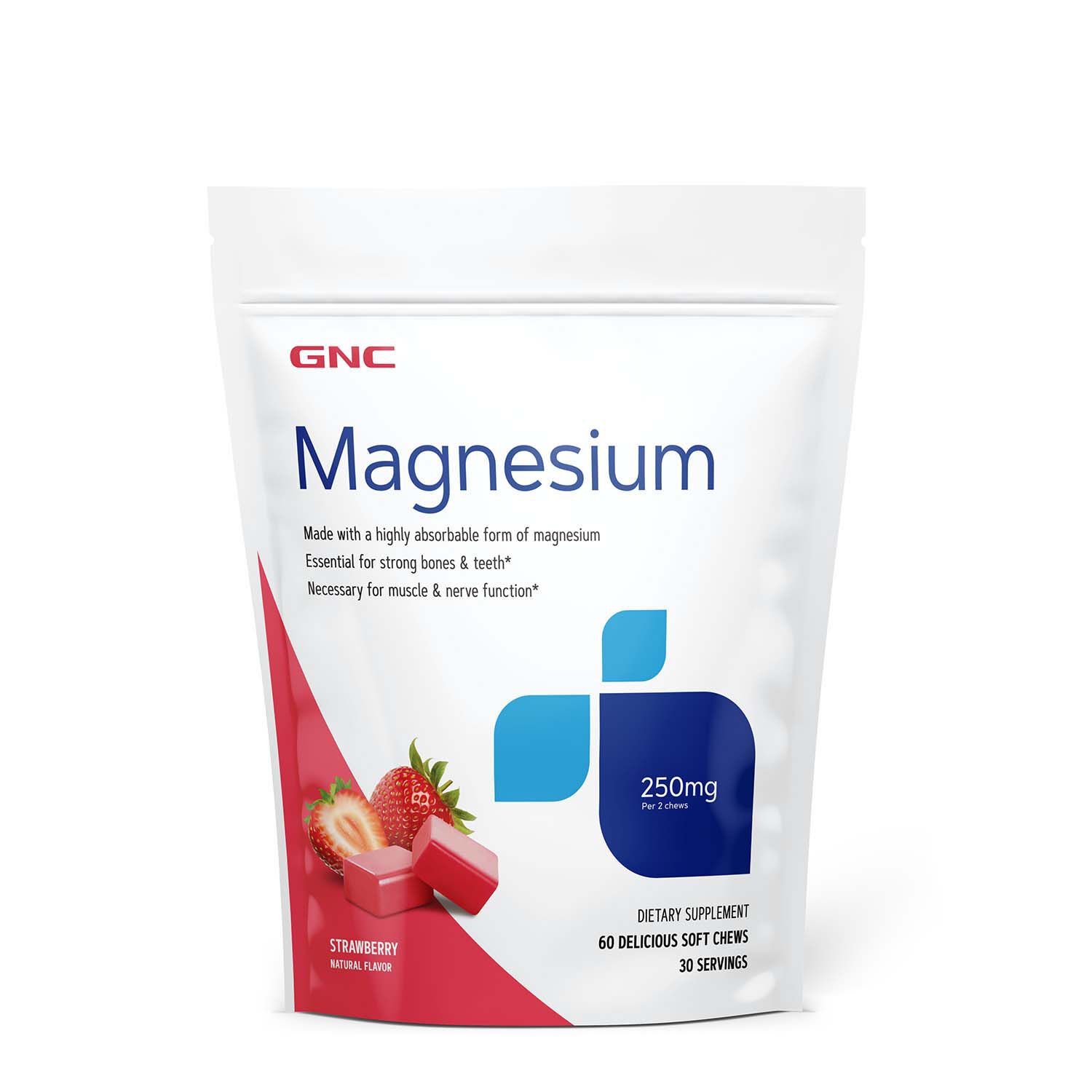



Back-to-school routines bring new class schedules, earlier alarms, packed lunches, and evenings divided between assignments and downtime. Magnesium glycinate supplements belong to the broader category of mineral supplements that adult shoppers may consider when organizing a personal wellness routine around those demands. Magnesium glycinate is magnesium bound to glycine, an amino acid, and labels may also use the name magnesium bisglycinate. That form name describes the ingredient, while the Supplement Facts panel explains how much magnesium a serving provides. The listed magnesium amount is different from the weight of the magnesium glycinate compound, an important distinction when comparing labels with different numbers on the front of the bottle. Some formulas contain magnesium glycinate alone as their magnesium source; others combine it with additional forms of magnesium or other ingredients. The ingredient list offers a clearer picture than the form name by itself. For a college student arranging a dorm room, an educator preparing for a new semester, or a parent reorganizing a household schedule, these details may help distinguish formulas that otherwise look similar. Magnesium also occurs naturally in foods such as beans, nuts, seeds, and leafy greens, so supplements sit within a larger conversation about everyday nutrition rather than replacing varied meals. Shoppers interested in evening routines may encounter magnesium glycinate while looking for ways to make their personal wellness habits more consistent. That interest does not establish a particular result, and the ingredient name alone does not describe how any individual will experience a formula. A useful comparison considers the magnesium source, serving size, other ingredients, intended age group, and format together. Back-to-school describes the occasion for shopping, not an indication that every formula is intended for students of every age. Adult students and adults supporting a school household may have different preferences, and the individual product label remains the relevant source for intended use.
The physical format can make a meaningful difference in how a magnesium glycinate supplement fits into a school-day routine. Capsules, tablets, powders, and chewable formats each have distinct characteristics, from serving size and texture to the need for water or a mixing container. Capsules may have gelatin or plant-derived shells, while tablets can include ingredients that help hold their shape. Powders may be flavored or unflavored, and their labels describe the serving measurement and preparation method. A powder that requires measuring and stirring has a different routine footprint from a capsule kept in its labeled bottle. For someone sharing a small kitchen or moving between home and campus, those practical differences may matter as much as the ingredient name. Chewable formats bring flavor and texture into the comparison, along with details such as sugars, sweeteners, colors, and the number of pieces in a labeled serving. Shoppers comparing that format can explore Magnesium Gummies for Back to School alongside this category, with attention to the magnesium form listed on each label. A gummy format does not by itself establish that the magnesium source is glycinate. Likewise, a smaller capsule or a fruit-flavored chew does not establish age suitability. Dietary preferences may also influence the choice, particularly when capsule materials, animal-derived ingredients, flavorings, or allergen statements are relevant. Serving sizes deserve a close look because one serving is not always one capsule, one tablet, or one chew. Comparing the labeled magnesium amount per serving keeps the comparison consistent across formats without treating bottle size or the weight of a blend as equivalent measurements. Additional vitamins, minerals, and botanical ingredients can make two formulas quite different despite similar names. A straightforward ingredient profile may appeal to someone who prefers fewer components, while another shopper may be comparing a broader blend. Neither presentation alone establishes suitability or a particular outcome; the details on the individual label distinguish what each formula contains and how it is intended to be used.
Once a format has been selected, packaging and storage become part of its everyday practicality. A school routine often means crowded counters, shared shelves, bags packed in a hurry, and limited space beside a desk. A clearly labeled container with a secure closure may fit that setting better than loose capsules or an unlabeled jar. Original packaging keeps the Supplement Facts panel, ingredient information, manufacturer directions, and expiration date connected to the contents. Storage requirements vary, and the label describes the conditions intended for that formula. Moisture, direct sunlight, and prolonged exposure to heat can affect supplement quality, making a steamy bathroom shelf or a bottle left in a parked car a poor match for many products. Containers also belong out of children’s reach, including in households where an adult’s wellness products share space with school supplies. For powders, the condition of the lid and the use of a dry measuring utensil matter to the contents; for capsules and chewables, keeping the closure secure helps limit exposure to moisture. These are practical considerations for preserving the product as labeled, not reasons to assume that a particular format lasts longer than another. A dorm resident may value a compact bottle that fits on a designated shelf, while an adult at home may prefer packaging that is easy to distinguish from other household supplements. The familiar rhythm of packing a lunch, setting out clothes, and clearing a desk can provide context for organizing personal belongings without dictating when a supplement should be taken. There is no universal back-to-school serving schedule that applies across formulas, formats, or age groups. Product directions and intended use remain specific to the label, and personal suitability involves more than convenience. Magnesium glycinate supplements may fit into an adult wellness routine during the transition into a school schedule, but they are not a substitute for meals, rest, or time away from a screen. Comparing ingredient identity, serving information, format, and storage requirements offers a grounded way to understand this category while keeping expectations focused on what the packaging actually describes.
Best Sellers
-
 Rho Nutrition
 -
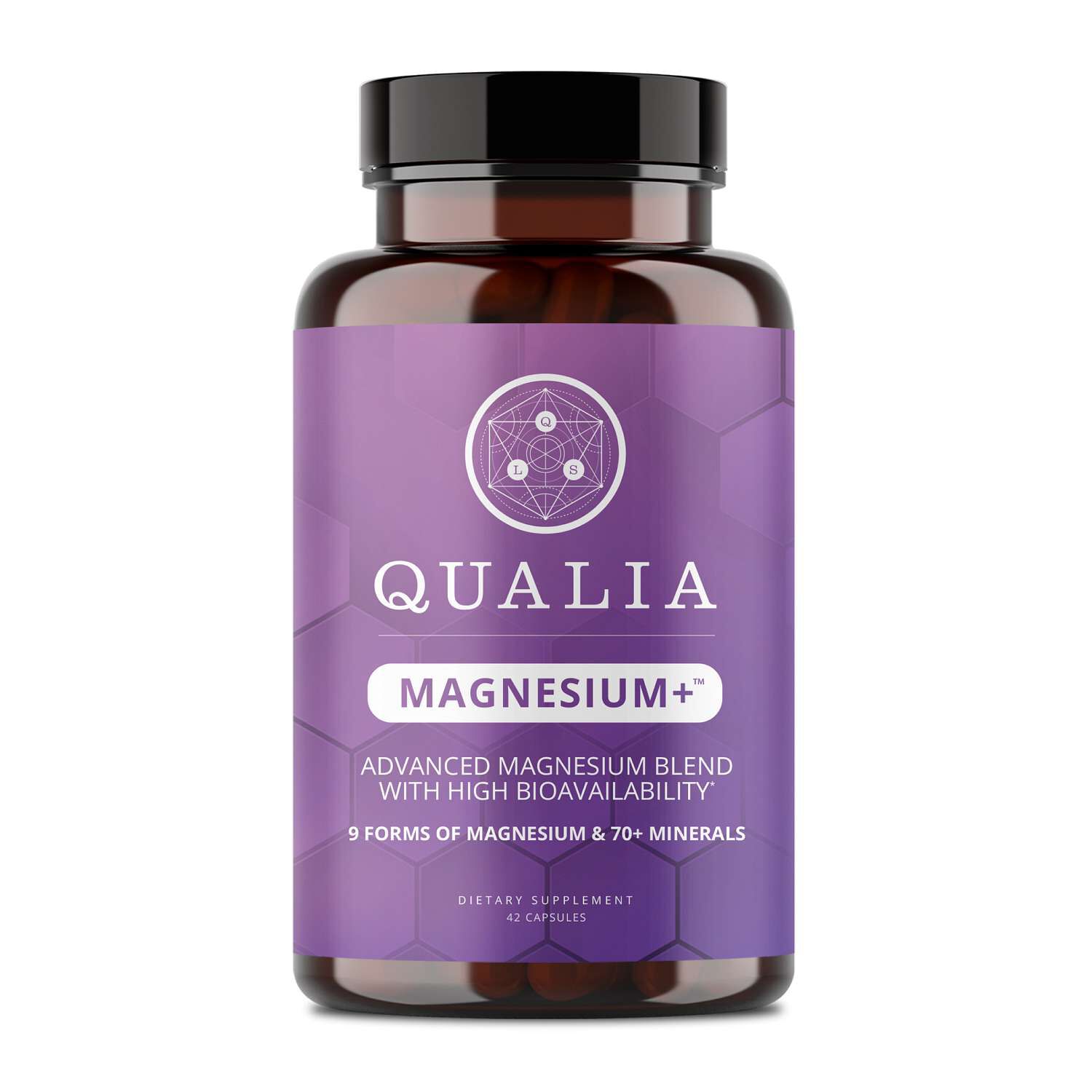 Qualia Life Sciences