





Bone Health Supplements For Seniors
(0 Results)
As we age, maintaining strong and healthy bones becomes increasingly important to support an active lifestyle. Bone health supplements for seniors may provide essential nutrients that could help in promoting bone density and strength. These supplements often contain key ingredients like calcium, magnesium, and vitamins D and K, which might play a crucial role in supporting bone health. Whether you're looking to support your daily nutritional intake or seeking additional ways to care for your bones, exploring options tailored for seniors could be a beneficial step towards maintaining vitality and mobility.
-
-

-

-

-

-
-

-

-

-
 Portions Master$29.99
 -
 $39.99
 -
 $20.99
 -


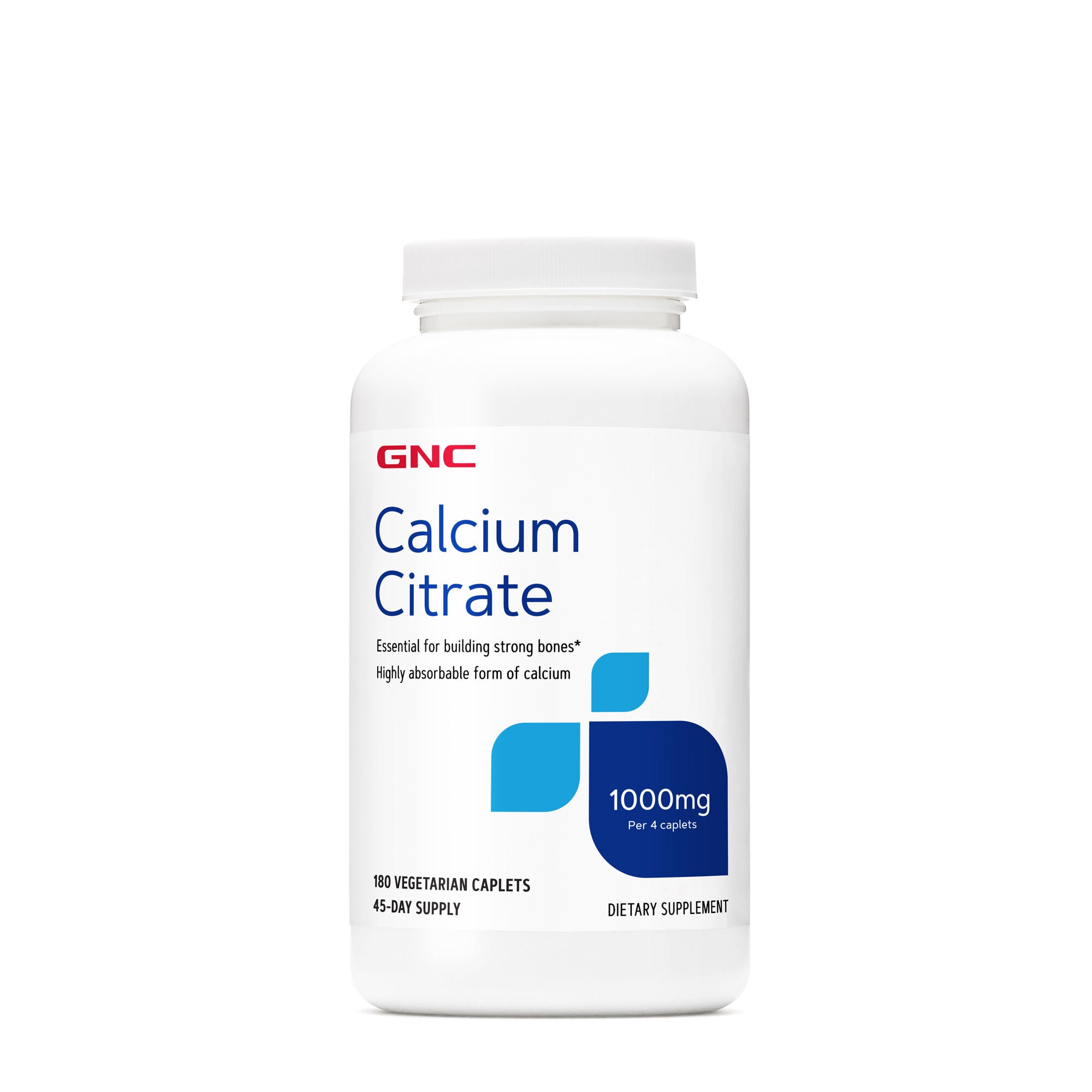
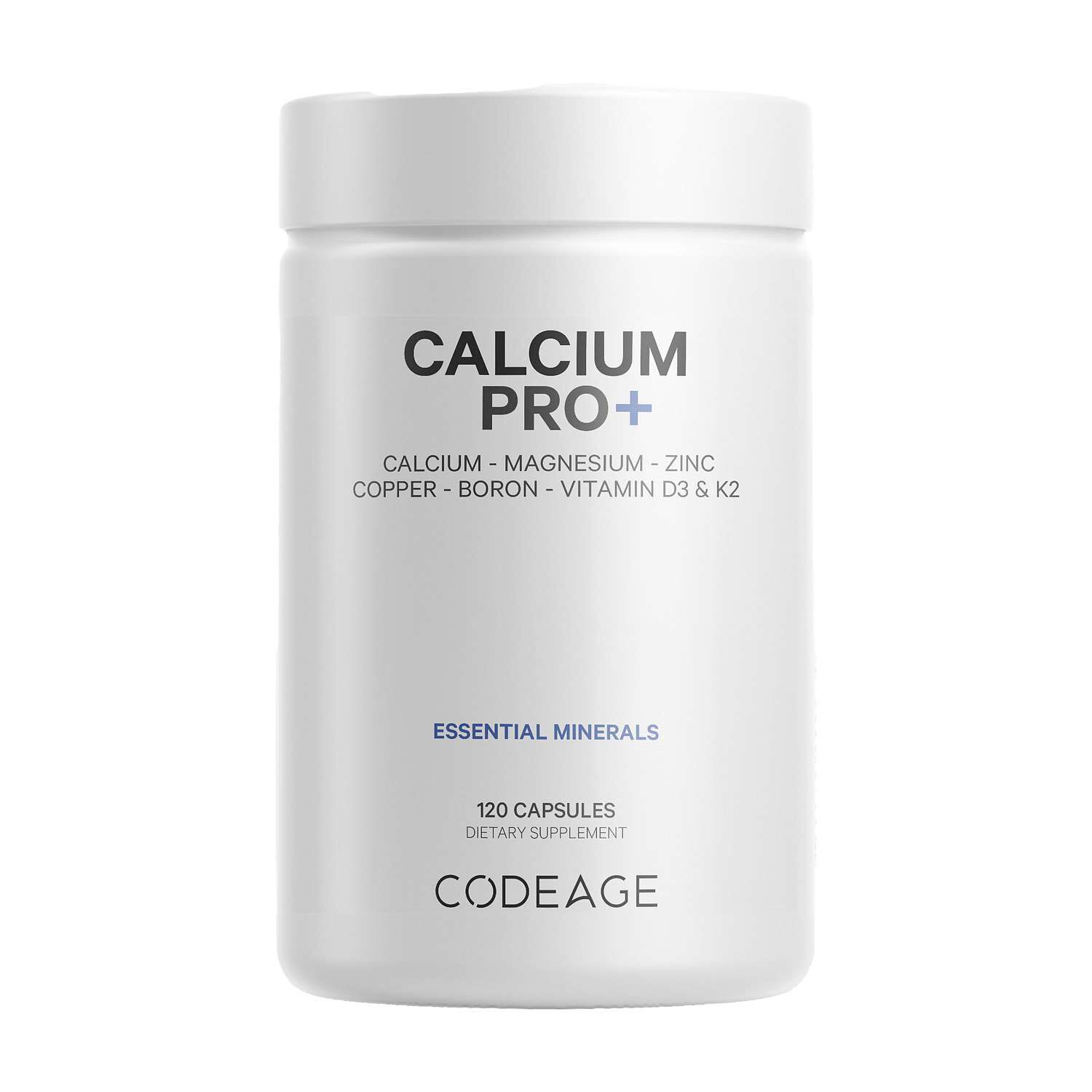
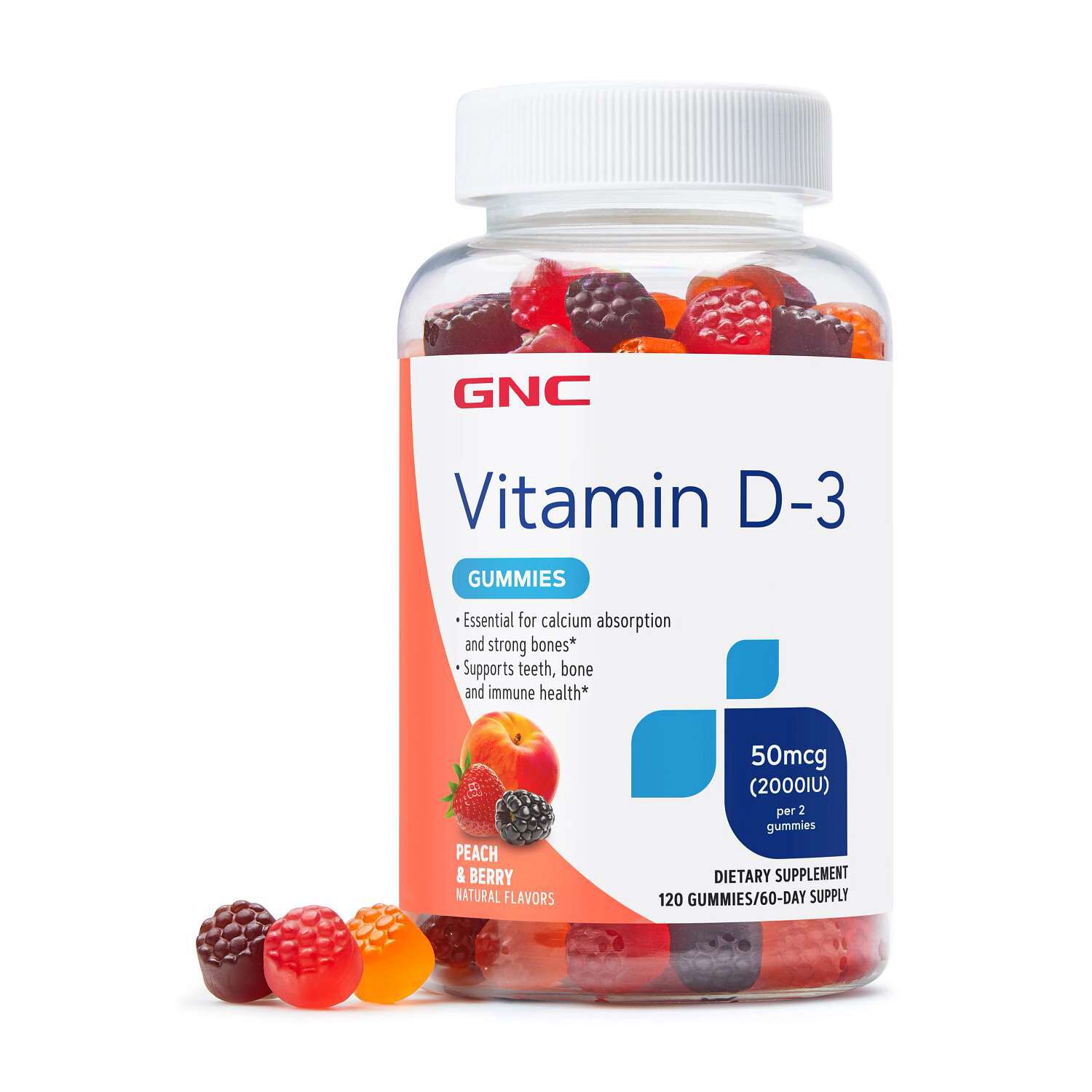
Bone health supplements for seniors may offer a convenient way to complement meals and everyday wellness routines, particularly when food choices, appetite, or lifestyle patterns make it difficult to obtain certain nutrients consistently. Calcium and vitamin D are among the nutrients most often associated with maintaining normal bone structure. Calcium provides a mineral component found in bones, while vitamin D may help the body absorb and use calcium. Older adults may also look for formulas containing magnesium, vitamin K, or collagen peptides, depending on their personal preferences and guidance from a healthcare professional. Magnesium may support the structural framework of bones and may assist with the body’s use of vitamin D, while vitamin K may contribute to normal bone maintenance. Collagen supplies amino acids that form part of the body’s connective tissues and may support the protein framework associated with bones, skin, and joints. These ingredients appear in a variety of formats, including tablets, capsules, chewables, powders, and easy-to-mix drink blends, making it possible to choose an option that fits a familiar routine. Some people prefer a once-daily serving that can sit beside a morning coffee, while others may choose a powder stirred into a smoothie or a chewable taken with an afternoon snack. When comparing products, review the Supplement Facts panel, serving size, ingredient forms, added nutrients, and directions for use. Calcium carbonate is commonly intended to be taken with food, while calcium citrate may be taken with or without food, though product directions can differ. Vitamin D amounts may also vary substantially among formulas. Widely cited reference ranges for older adults often include about 1,200 milligrams of calcium per day for adults over 50 and approximately 600 to 800 international units of vitamin D depending on age, but individual needs may differ based on diet, age, health history, and advice from a qualified healthcare professional. A supplement label should be viewed alongside the rest of the diet rather than as a replacement for nourishing meals. Dairy foods, fortified beverages, leafy greens, beans, nuts, seeds, and fish may contribute valuable nutrients, and a supplement may help fill a dietary gap when a professional has identified one.
Choosing bone health supplements for seniors often comes down to practicality as much as ingredients. A well-designed routine should be easy to remember, comfortable to take, and suited to the person’s existing habits. Older adults who prefer fewer pills may appreciate a formula that combines several nutrients in one serving, while someone who already uses a daily multivitamin may prefer a targeted product that avoids unnecessary duplication. Serving size deserves close attention, since two tablets or scoops may provide a different amount than one capsule. It may also be helpful to consider whether the product contains sweeteners, flavoring, dairy ingredients, soy, gluten, or other components that a shopper may wish to avoid. People who have difficulty swallowing may prefer a smaller capsule, liquid, powder, or chewable format. Packaging can matter as well: large, clearly printed labels may be easier to read, and a simple container may fit neatly beside a breakfast bowl or in a cabinet used for daily personal care items. Supplements can make thoughtful gifts for a parent, grandparent, neighbor, or friend who enjoys maintaining a steady wellness routine, especially during the cooler months when schedules may shift and time outdoors may be less consistent. A gift basket with nourishing pantry staples, a reusable shaker cup, and a bone health supplement may feel personal without assuming a particular health goal. For women exploring additional nutrition options, the Bone Health Support Supplements For Women Over 40 collection may provide another place to browse. Anyone taking prescription medicines, managing a diagnosed bone condition, living with kidney concerns, or using several supplements should review the ingredient list with a healthcare professional before adding a new formula. Calcium and vitamin D may not be appropriate in the same amount for every person, and taking more than the body needs could create unwanted concerns. A pharmacist or physician may also help check for overlapping ingredients across a multivitamin, fortified food, and separate bone health supplement.
The best choice may be the one that fits naturally into real life. Picture a familiar morning routine: breakfast is prepared, medications and supplements are reviewed according to professional guidance, and a clearly labeled product is kept in a convenient place that does not interfere with household organization. Another person may prefer an evening ritual, mixing a neutral powder into yogurt or a warm beverage after dinner. Consistency can be easier when the serving is connected with an established habit, although product directions should always guide timing and use. Shoppers may also compare vegetarian, vegan, allergen-aware, and gelatin-free options, along with formulas that contain calcium citrate, calcium carbonate, vitamin D3, magnesium, vitamin K, or collagen. No single combination suits every older adult, and a product’s ingredient list should be considered in the context of meals, activity, sun exposure, prescriptions, and personal health history. Professional guidance is particularly important for anyone with a history of osteoporosis, a prior fracture, a scheduled medical procedure, or a prescription plan related to bone health. A healthcare professional may recommend food-first strategies, suggest whether supplementation is appropriate, and help determine which nutrients and serving amounts fit the individual. During the transition from warmer days to cooler weather, a dependable routine may make it easier to keep wellness habits visible and manageable at home. With careful label reading, attention to serving instructions, and advice tailored to the person using it, bone health supplements for seniors may serve as a practical addition to a broader approach that includes balanced meals, regular movement suited to the individual, and ongoing conversations with a qualified healthcare professional.
Best Sellers
Related Pages


Top Collections
- Daily Collagen Supplements | Top Brands & Deals | GNC
- Natural Collagen Supplements | Top Brands & Deals | GNC
- Top Rated Collagen | Shop Customer Favorites | GNC
- Cortisol Supplements
- Vitamins For Hair Loss
- Spirulina Tablets
- NAD+ Supplement Tablets
- Peptide Supplements
- Best Brand of Magnesium Glycinate
- Vitamins That Help Support Weight Gain