





Bone Health Support Supplements For Women Over 40
(0 Results)
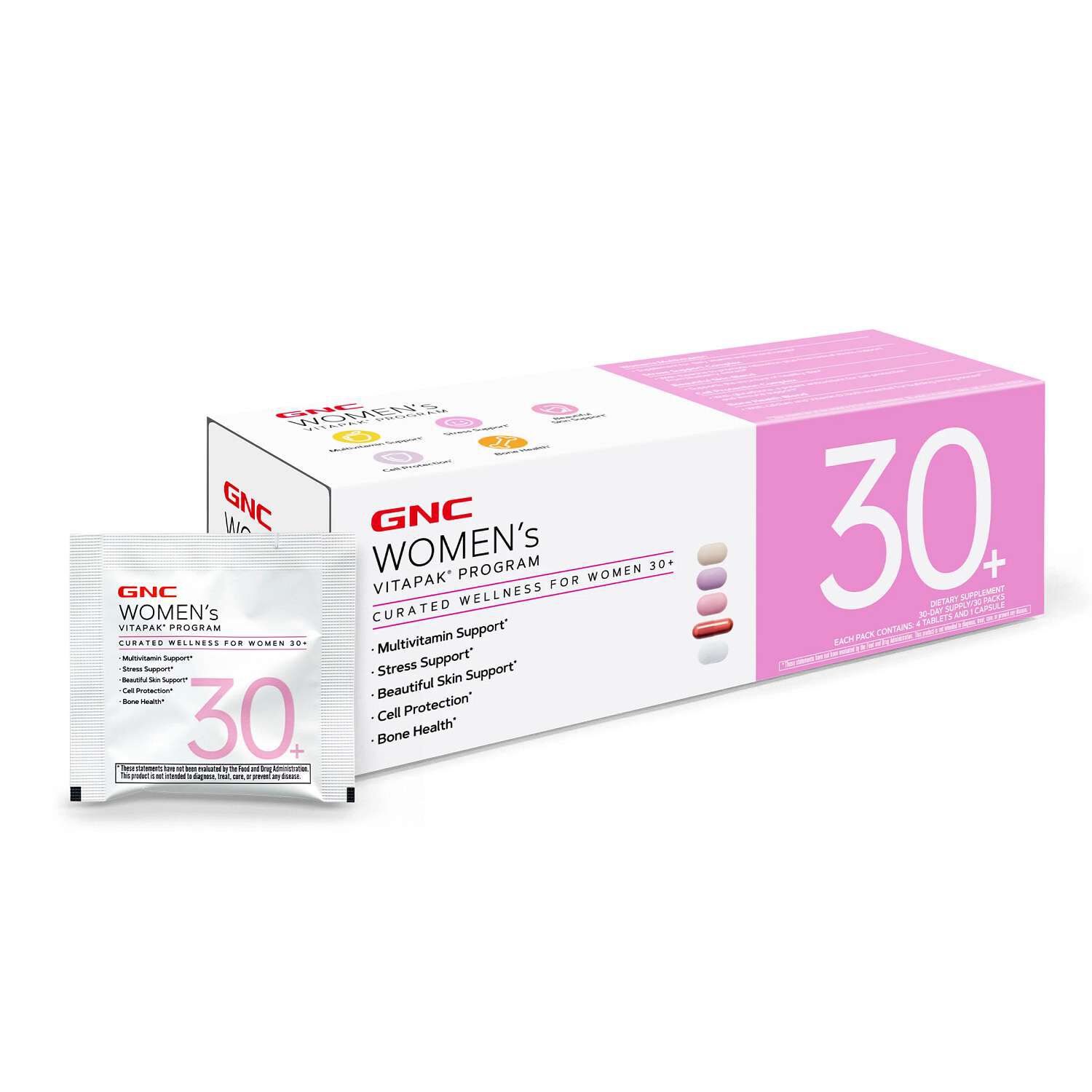
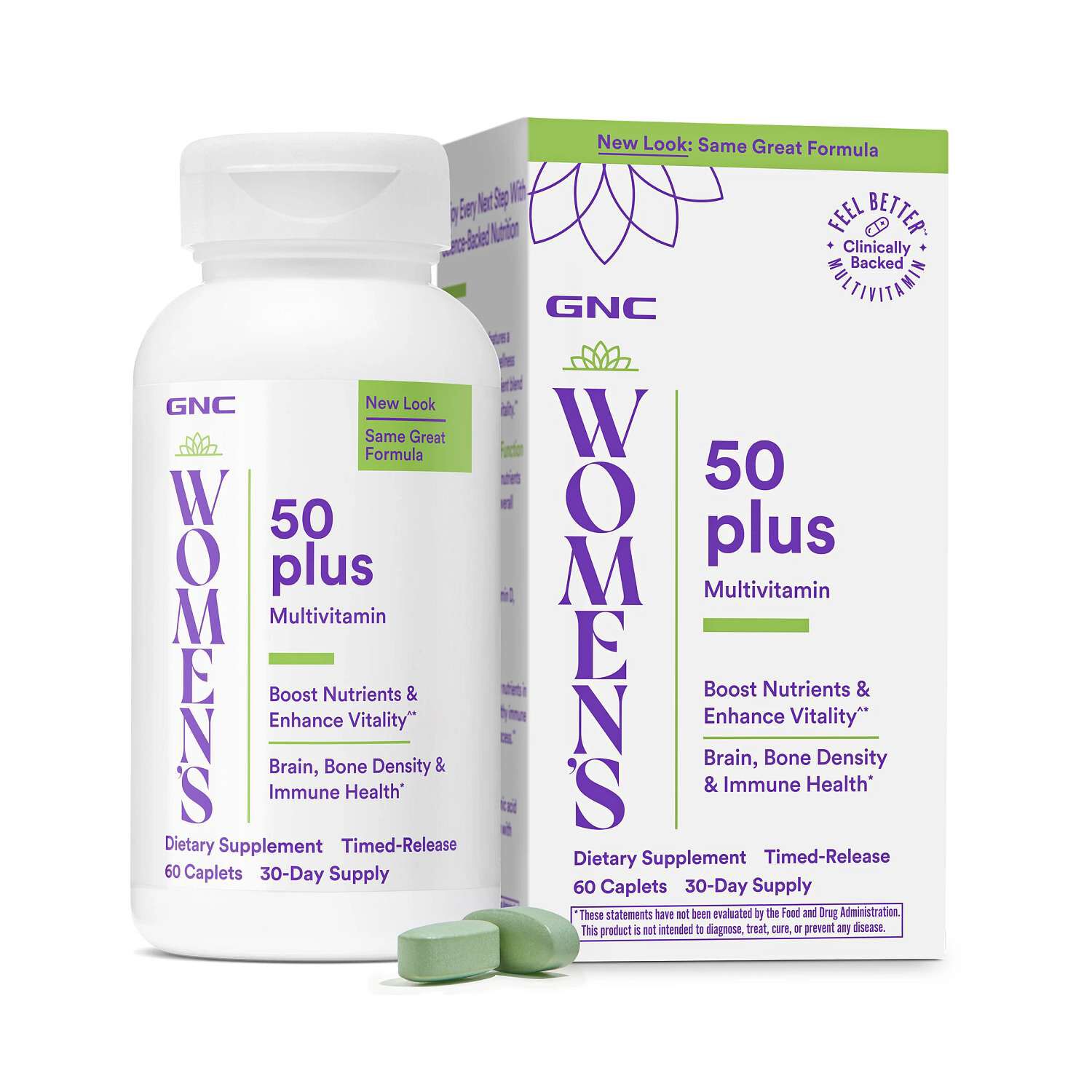
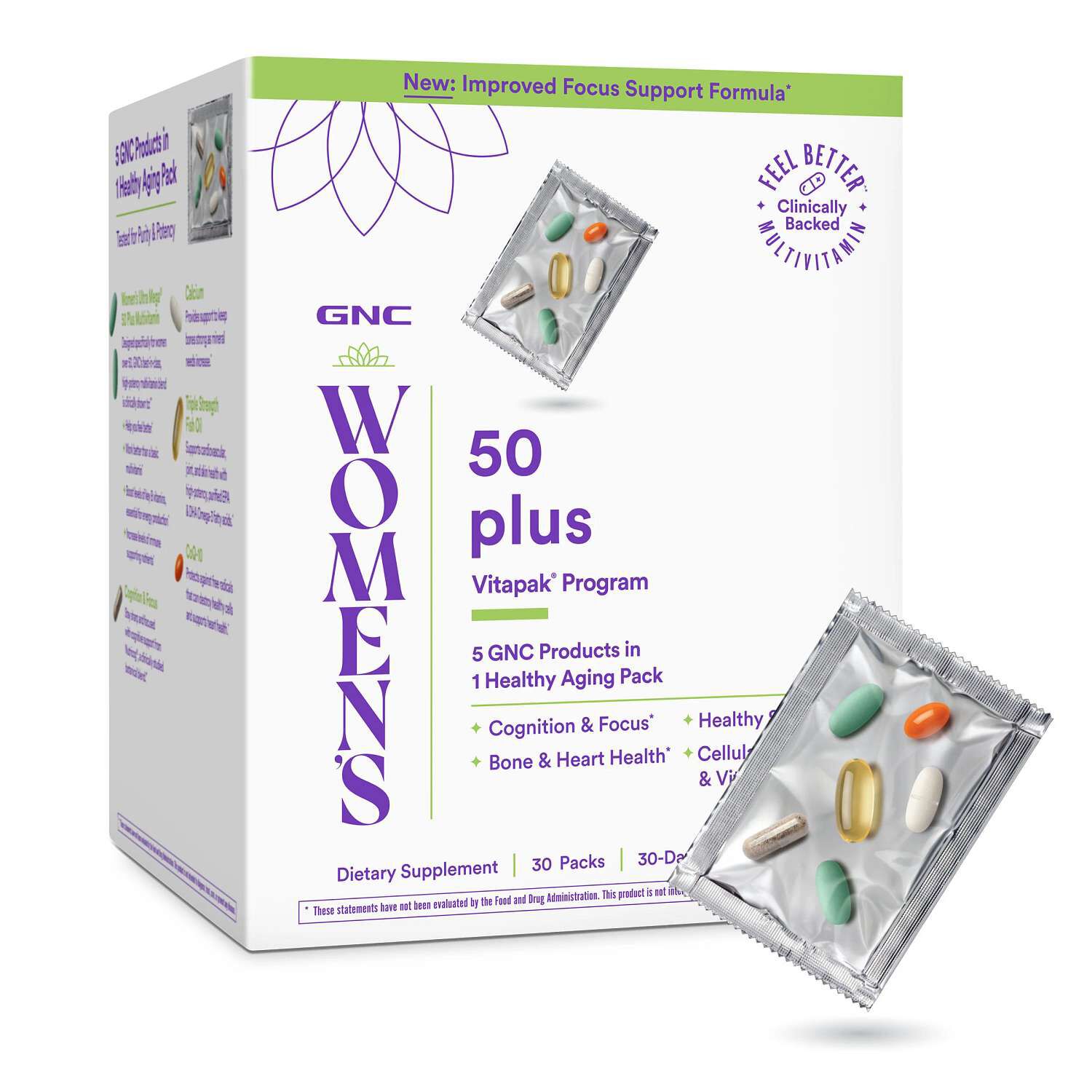
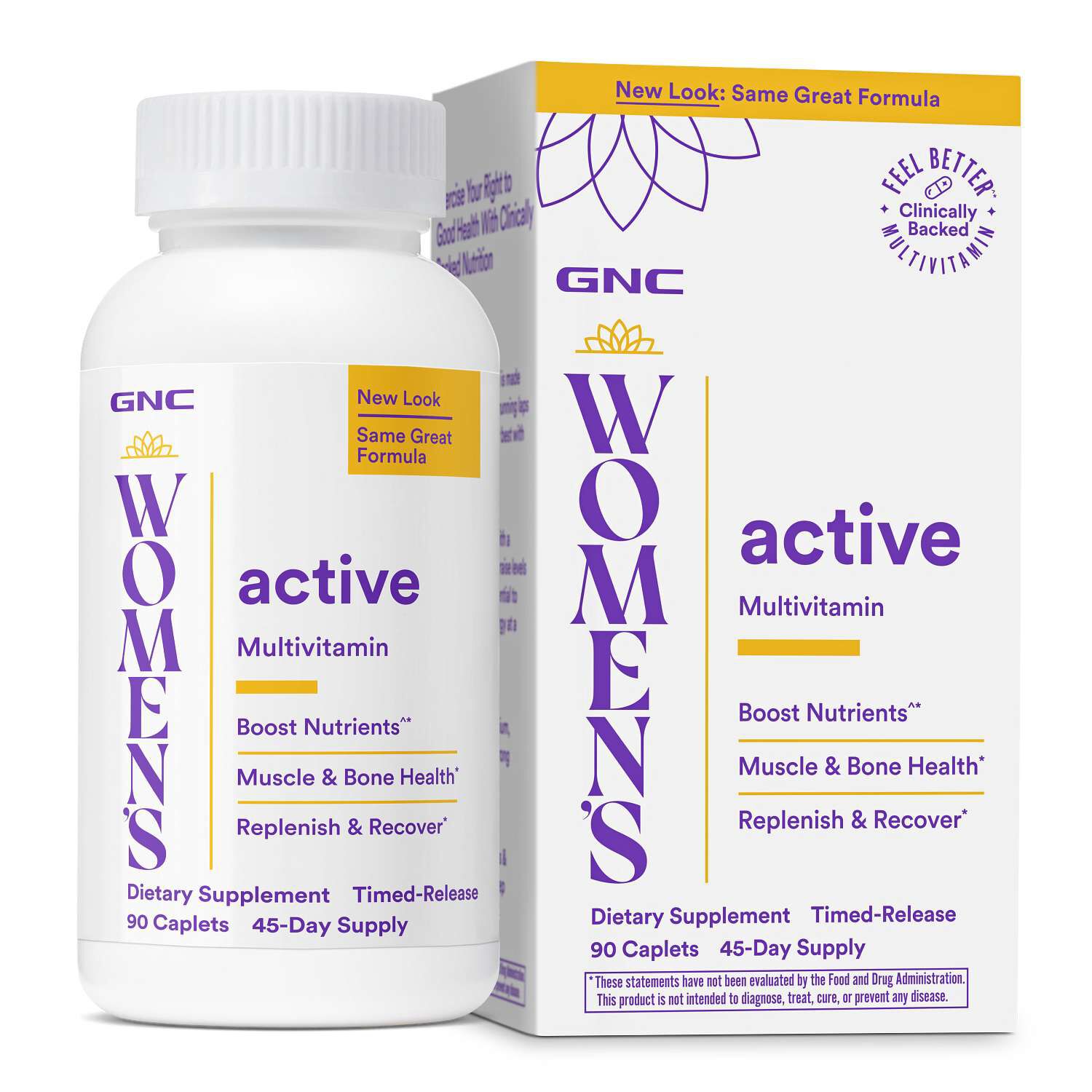
Bone health supplements for women over 40 could offer targeted support as nutritional needs evolve with age. With a focus on key nutrients that may play a role in maintaining bone strength, these supplements are designed to fit into a balanced wellness routine. Explore options that might help you prioritize your bone health and support your active lifestyle through every decade.
-

-
-

-
-

-

-
-
-
-

-
 $20.99
 -

-

-
-

-
 $17.99
 -

-
-

-
 Portions Master$29.99
 -
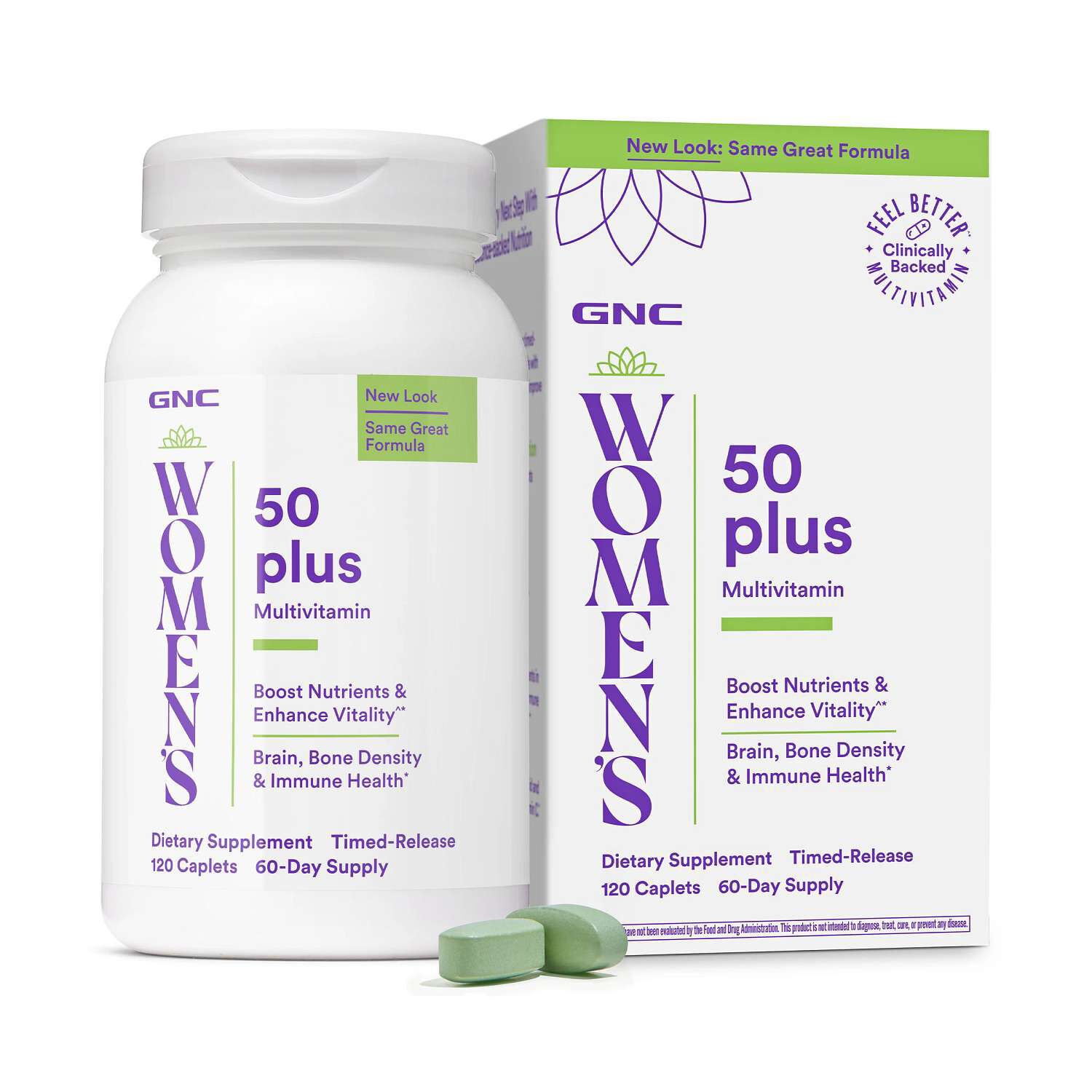


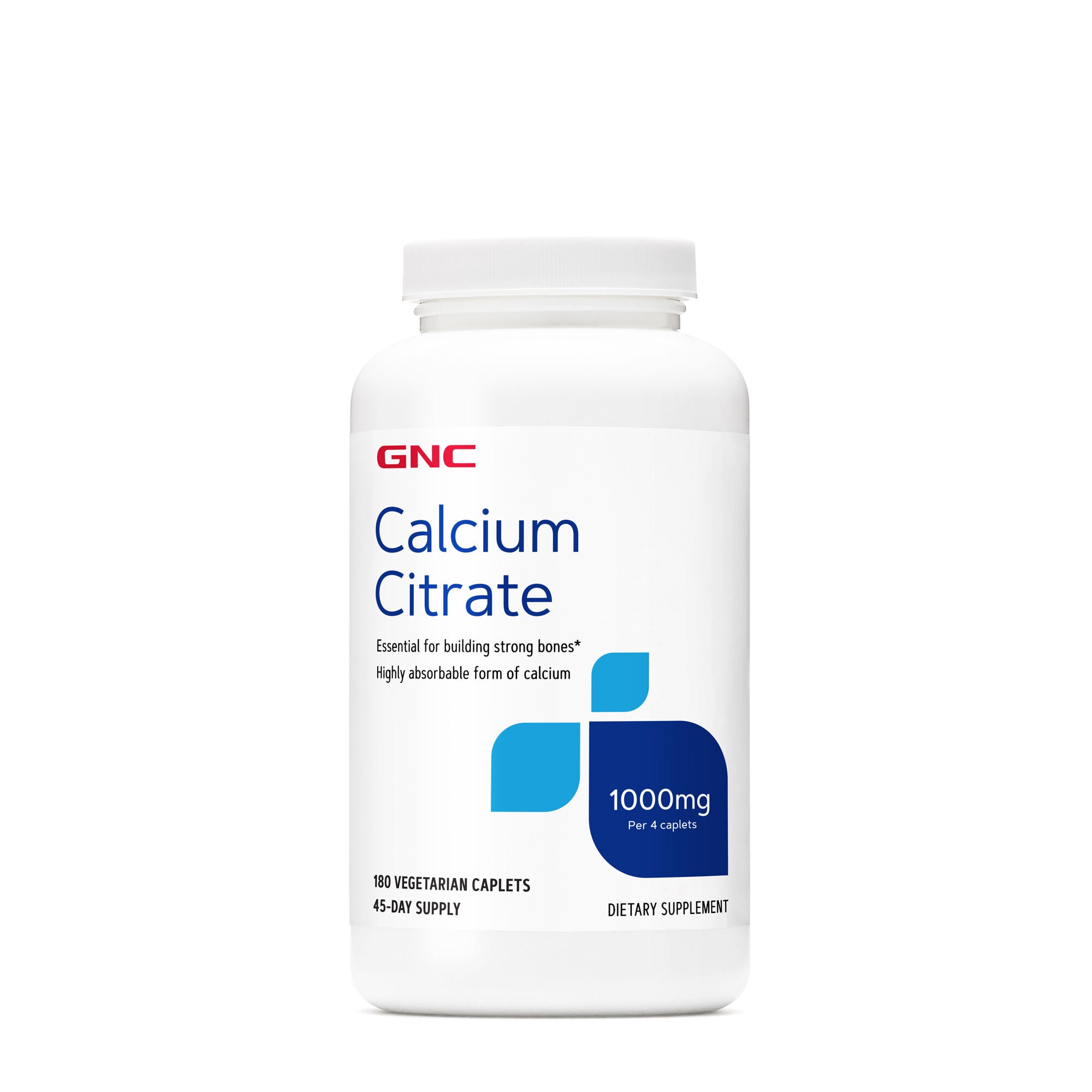
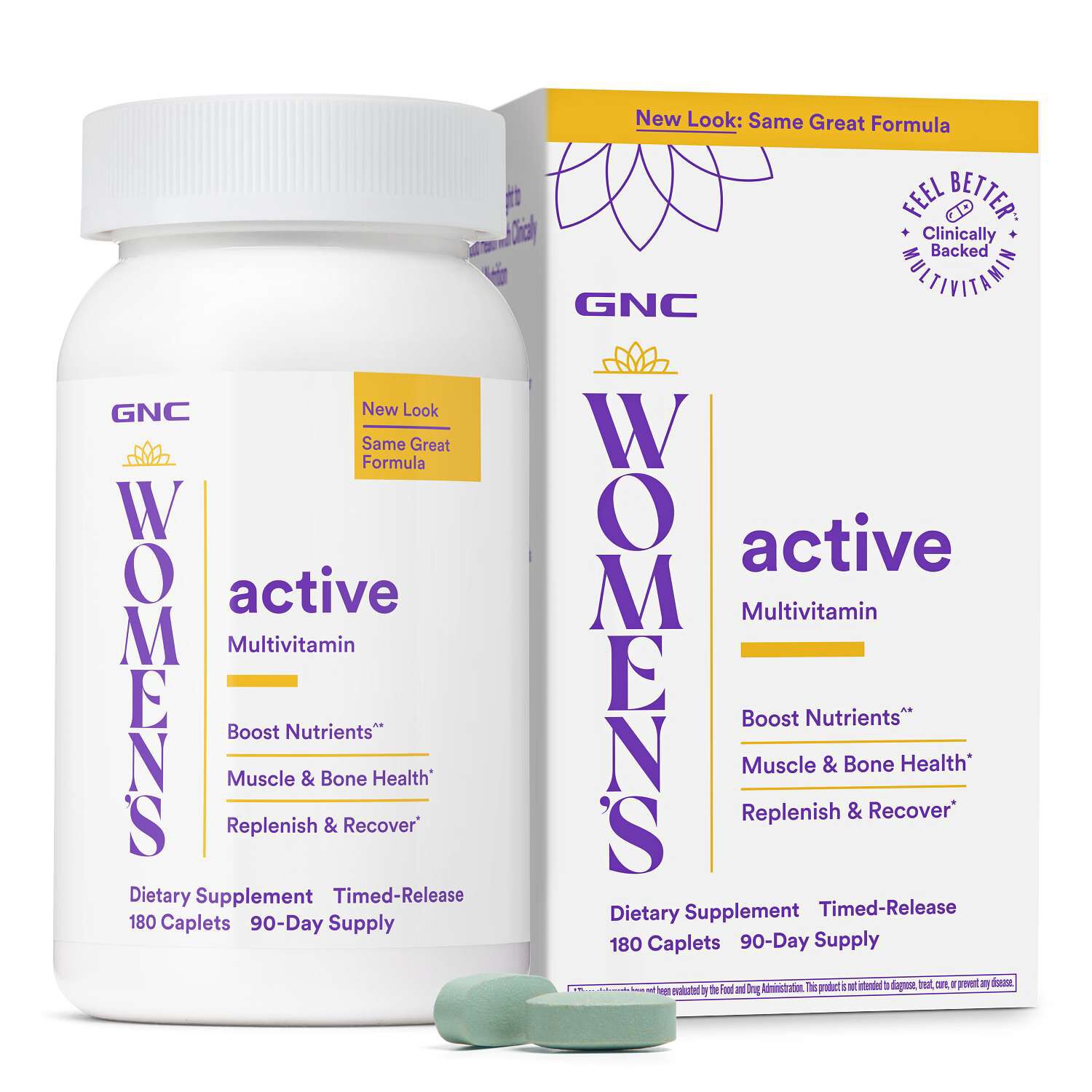
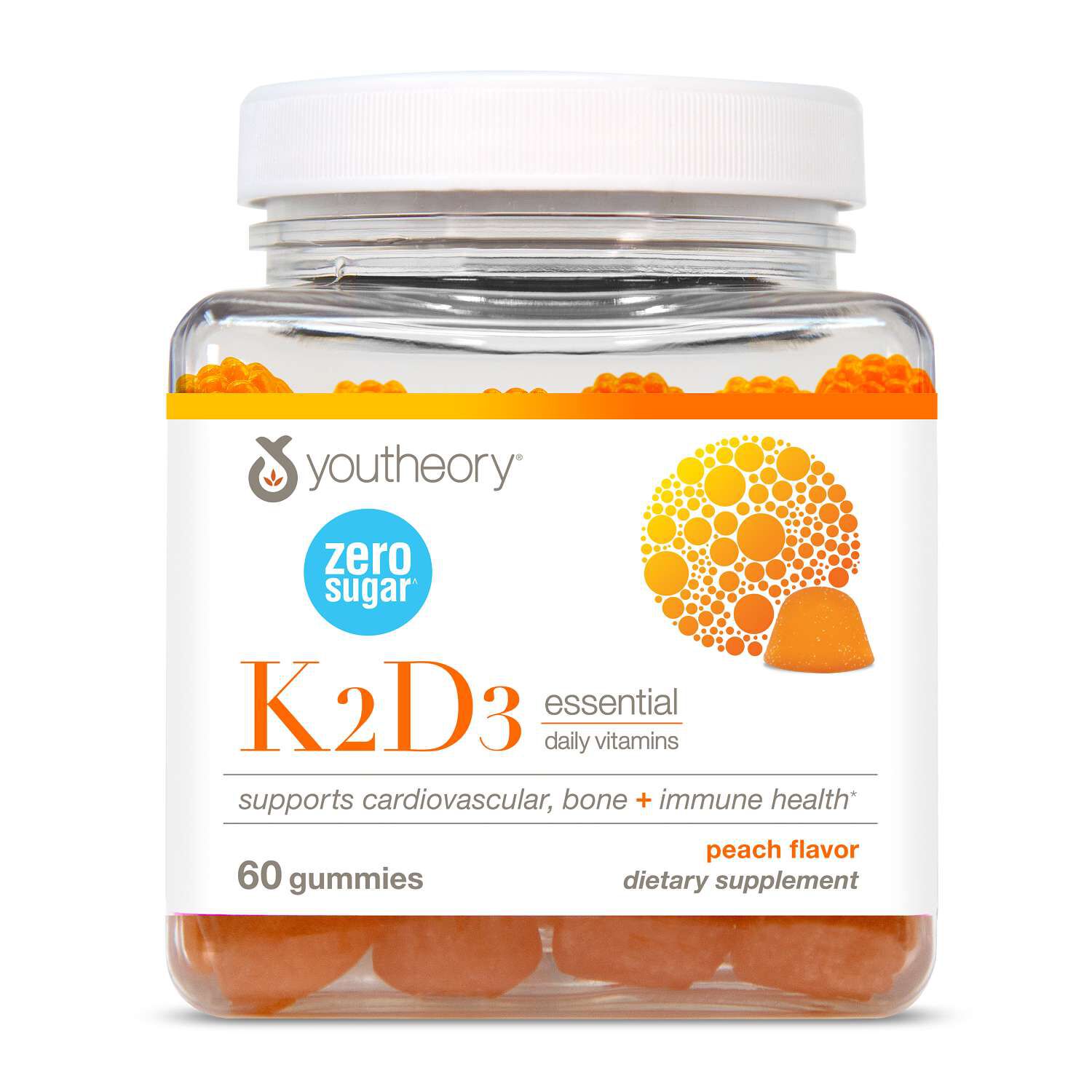
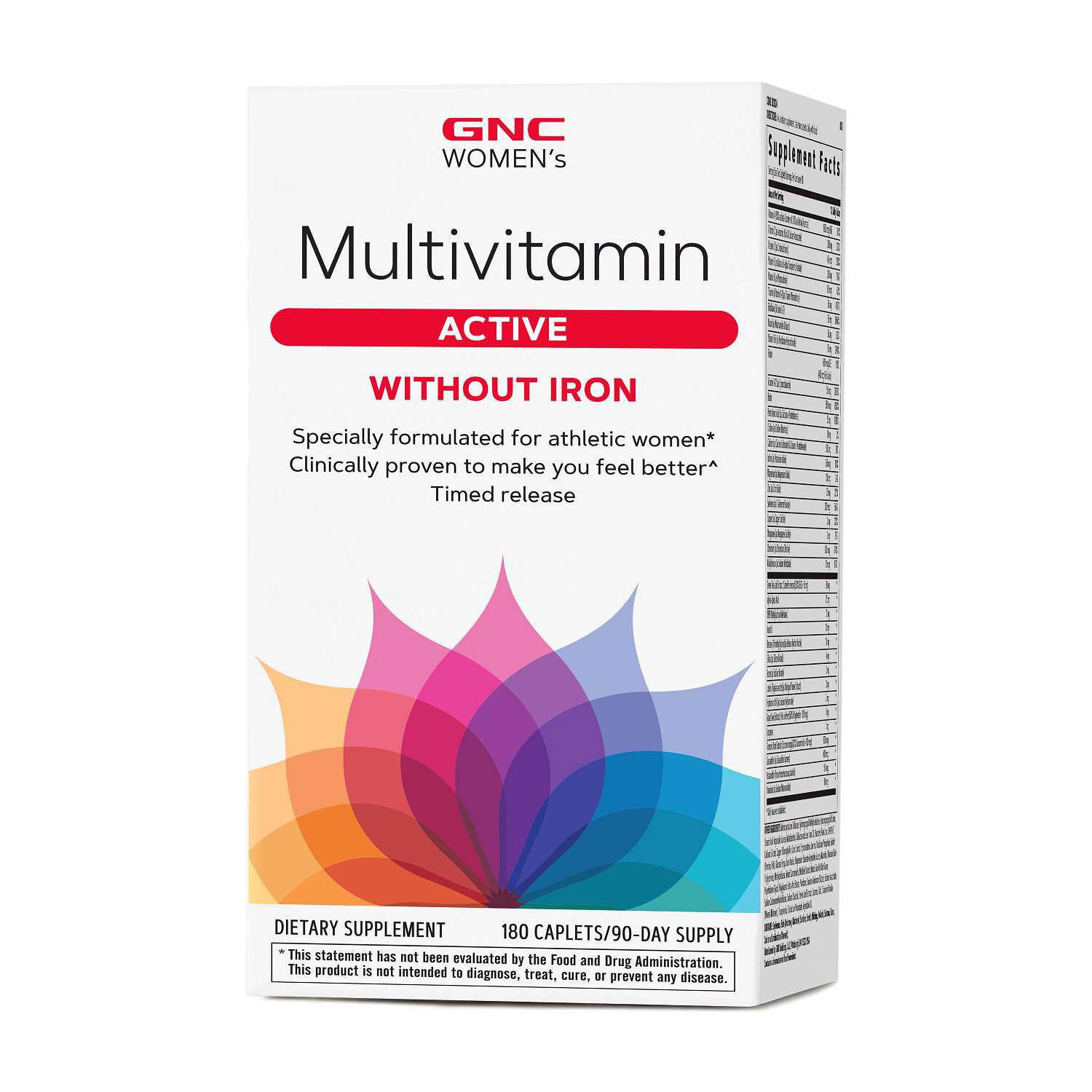
Bone health support supplements for women over 40 bring together several familiar nutrients in formats suited to different preferences and daily routines. Calcium, vitamin D, magnesium, and vitamin K are common ingredients in this category, appearing both in single-nutrient formulas and in combinations. For shoppers considering these supplements, the meaningful differences are often in the details: the nutrients included, the amount per serving, the ingredient forms, and the number of tablets, capsules, or chewables that make up a serving. A calcium supplement and a calcium blend with vitamin D are not interchangeable descriptions, and two bottles with similar names can have quite different Supplement Facts panels. Calcium may appear as calcium carbonate or calcium citrate, while vitamin D may be listed as D2 or D3. Vitamin K formulas may identify K1 or K2, with further ingredient details on the label. Those distinctions describe what is inside the package; they do not establish that one formula is the right match for every woman over 40. This category includes options for women who prefer a narrowly focused formula as well as those who want several nutrients together in one product. The appeal might be a capsule that fits an existing morning routine, a chewable for someone who dislikes tablets, or a powder with clearly stated preparation directions. Food preferences also shape the shopping context. A woman who regularly enjoys yogurt, fortified beverages, and leafy greens has a different eating pattern from someone whose meals rarely include those foods. Supplements may complement everyday nutrition, but age alone does not identify an individual nutrient need. A useful comparison stays grounded in the label rather than relying on front-of-bottle language or assuming that more ingredients make a formula more suitable. The strongest fit for a routine is about readable information, a manageable serving format, and a clear understanding of the product’s intended use.
Format deserves as much attention as the nutrient list when comparing women’s bone health supplements. Tablets offer a familiar option, although their dimensions and the number required per serving can differ. Capsules have their own shell ingredients, which matter to shoppers with vegetarian preferences or other ingredient considerations. Chewables and gummies introduce flavor, texture, sweeteners, and sometimes added sugars into the comparison. A fruit-flavored gummy is a different everyday experience from an unflavored powder, and neither format tells the whole story about nutrient content. Powders also vary in serving size and preparation: some call for mixing with a beverage, while others have more specific directions. The package instructions are the reference for how a formula is intended to be used. Serving information helps put these choices into perspective. A bottle containing 90 tablets does not necessarily contain 90 servings, and a nutrient amount shown on the front label may refer to several pieces rather than one. The Supplement Facts panel identifies the serving size and amounts, while the other ingredients list describes components such as coatings, capsule materials, flavors, and binders. Allergen statements and dietary designations offer another layer of detail for shoppers comparing formulas. Clear labeling matters more than assumptions based on a format’s appearance; a capsule is not automatically vegetarian, and a gummy is not automatically lower in sugar than another chewable. Packaging can also influence how comfortably a supplement fits into everyday life. A clearly printed label, legible date marking, and closure that can be used as directed are practical considerations for something handled regularly. Any independent testing seal is worth understanding in context, including what was tested and which organization performed the evaluation. Such information can add to a product comparison without establishing personal suitability. For women who already use other supplements, ingredient overlap is another relevant detail to bring into a conversation with a qualified healthcare professional, rather than treating each bottle as a separate nutritional decision.
The best daily routine on paper may not resemble a busy weekday, which is why practical details belong in a comparison of bone health support supplements for women over 40. A several-piece serving can feel different during a quiet breakfast than during a morning spent packing lunches and heading out the door. A powder requires a suitable beverage and the preparation described on its label; a chewable brings its own taste and texture preferences. These are not minor details when choosing a product intended for repeated use. Storage matters, too. Label directions describe the conditions intended for the formula, and a steamy bathroom, sunny windowsill, or car exposed to changing temperatures may not match those conditions. Keeping the original packaging preserves access to the ingredient list, serving directions, lot information, and date marking. For travel, the container’s size and closure are worth considering alongside the serving format, particularly when a routine moves between home, work, and overnight stays. During the cooler months, that same practicality applies to weekends away and longer visits with family. Bone health supplements are personal purchases, and preferences can be quite specific; as a gift, a formula someone has expressly requested is more considerate than an unsolicited choice based on age. Women shopping across generations may also find related context in Bone Health Supplements For Seniors, while recognizing that an age-focused category is a starting point for browsing rather than a personalized recommendation. Products labeled for women over 40 can differ substantially from one another, just as individual eating patterns and preferences differ. A qualified healthcare professional can address questions about personal suitability that a product listing cannot answer. Within the shopping experience, the most useful information remains concrete: which nutrients are present, how much appears in a labeled serving, what other ingredients are included, and how the format fits the intended routine. Together, those details make it easier to distinguish a simple calcium formula from a broader nutrient blend without confusing a longer ingredient list with a better personal match.
Best Sellers


Related Pages

Top Collections
- Daily Collagen Supplements | Top Brands & Deals | GNC
- Natural Collagen Supplements | Top Brands & Deals | GNC
- Top Rated Collagen | Shop Customer Favorites | GNC
- Cortisol Supplements
- Vitamins For Hair Loss
- Spirulina Tablets
- NAD+ Supplement Tablets
- Peptide Supplements
- Best Brand of Magnesium Glycinate
- Vitamins That Help Support Weight Gain