Natural Supplements For Women Over 40
(0 Results)
Natural supplements for women over 40 offer a thoughtful way to support overall wellness as needs may change with age. Exploring options that feature vitamins, minerals, and herbal blends could help you find a routine that fits your lifestyle. Whether you are looking to maintain your daily vitality or simply want to discover new possibilities, natural supplements for women over 40 may provide a variety of choices to complement your wellness journey.
-
-

-

-
-
 2,435$59.99
 -
-
 2,435$59.99
 -
-
-
-
-

-

-
-

-
-
-

-

-
-
-
-
-

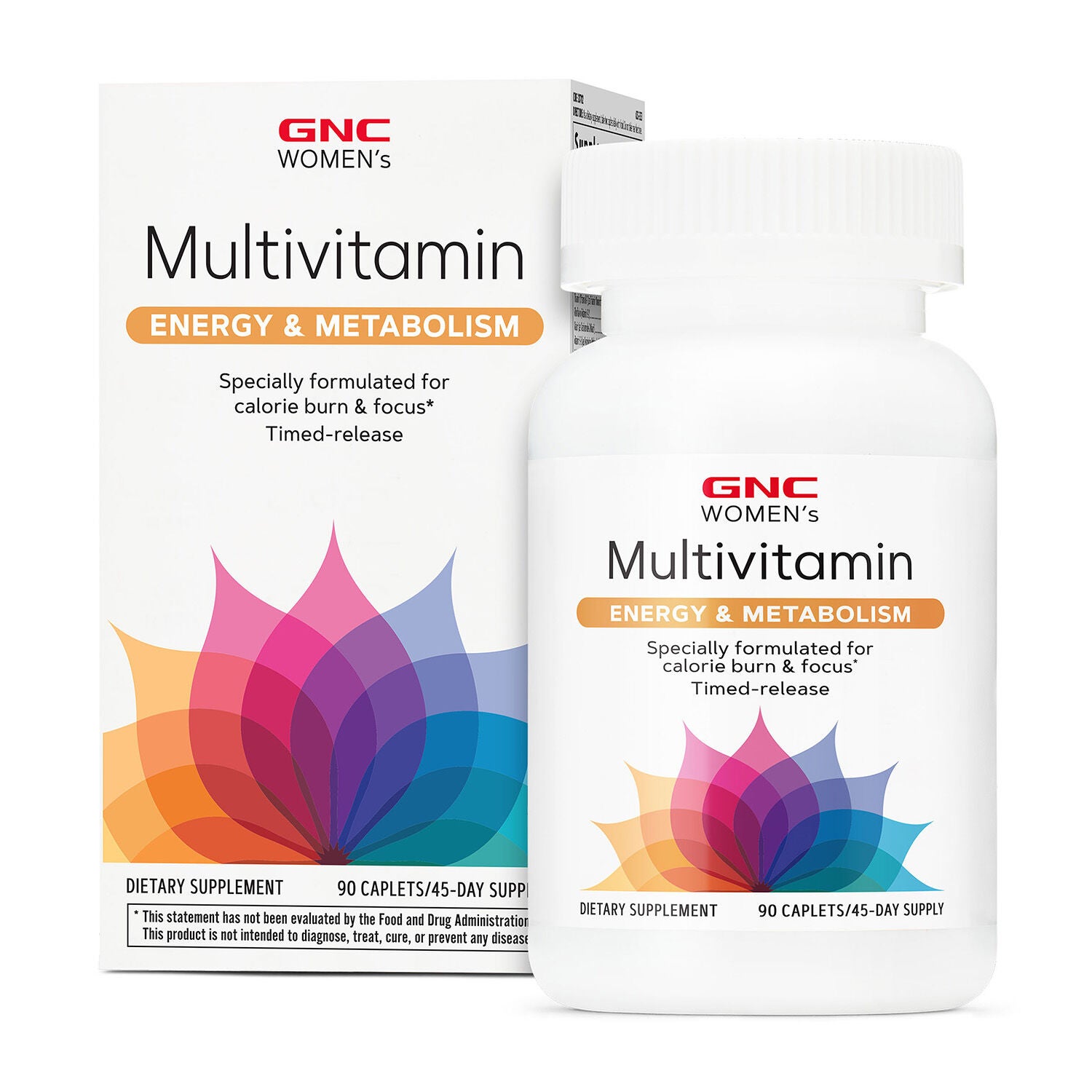
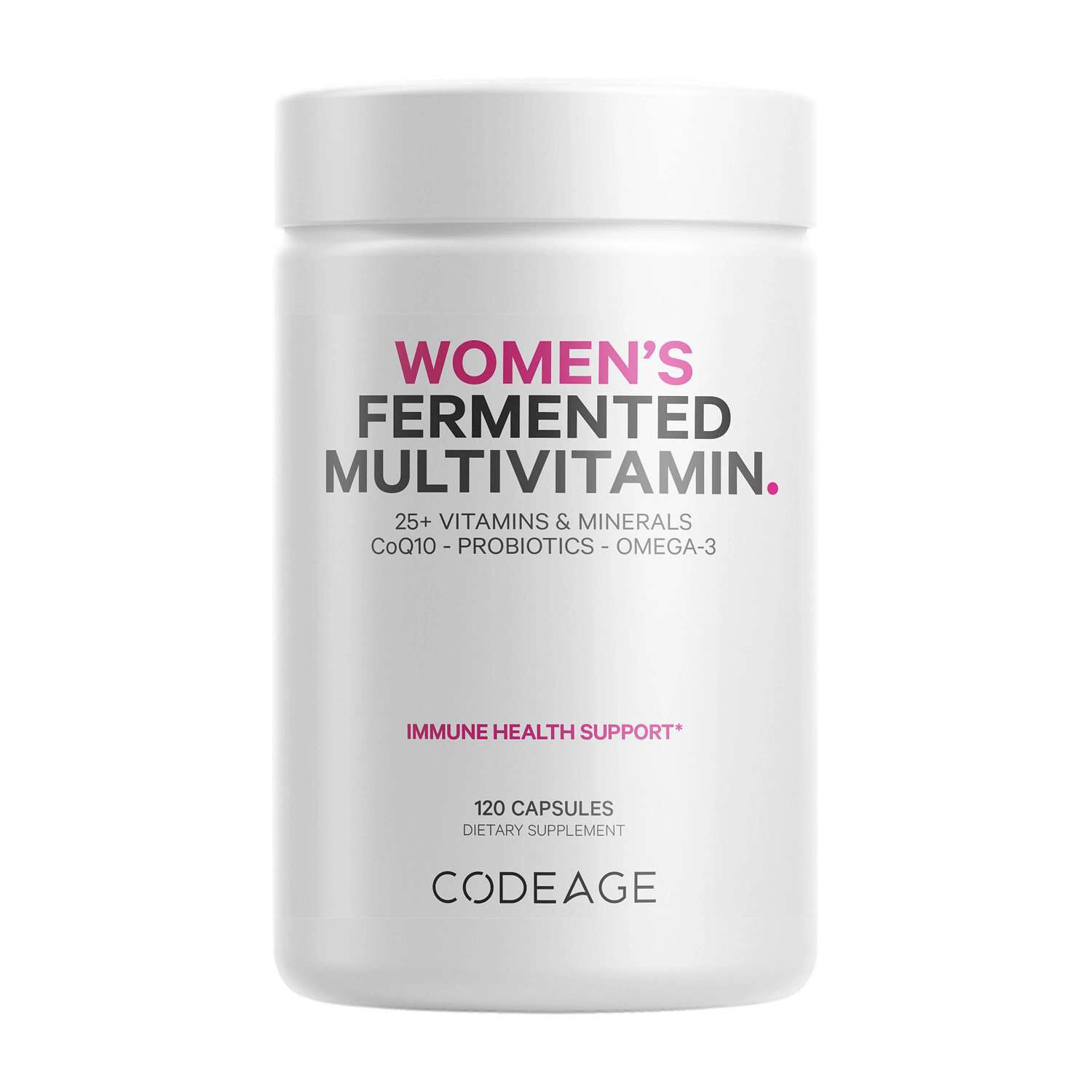
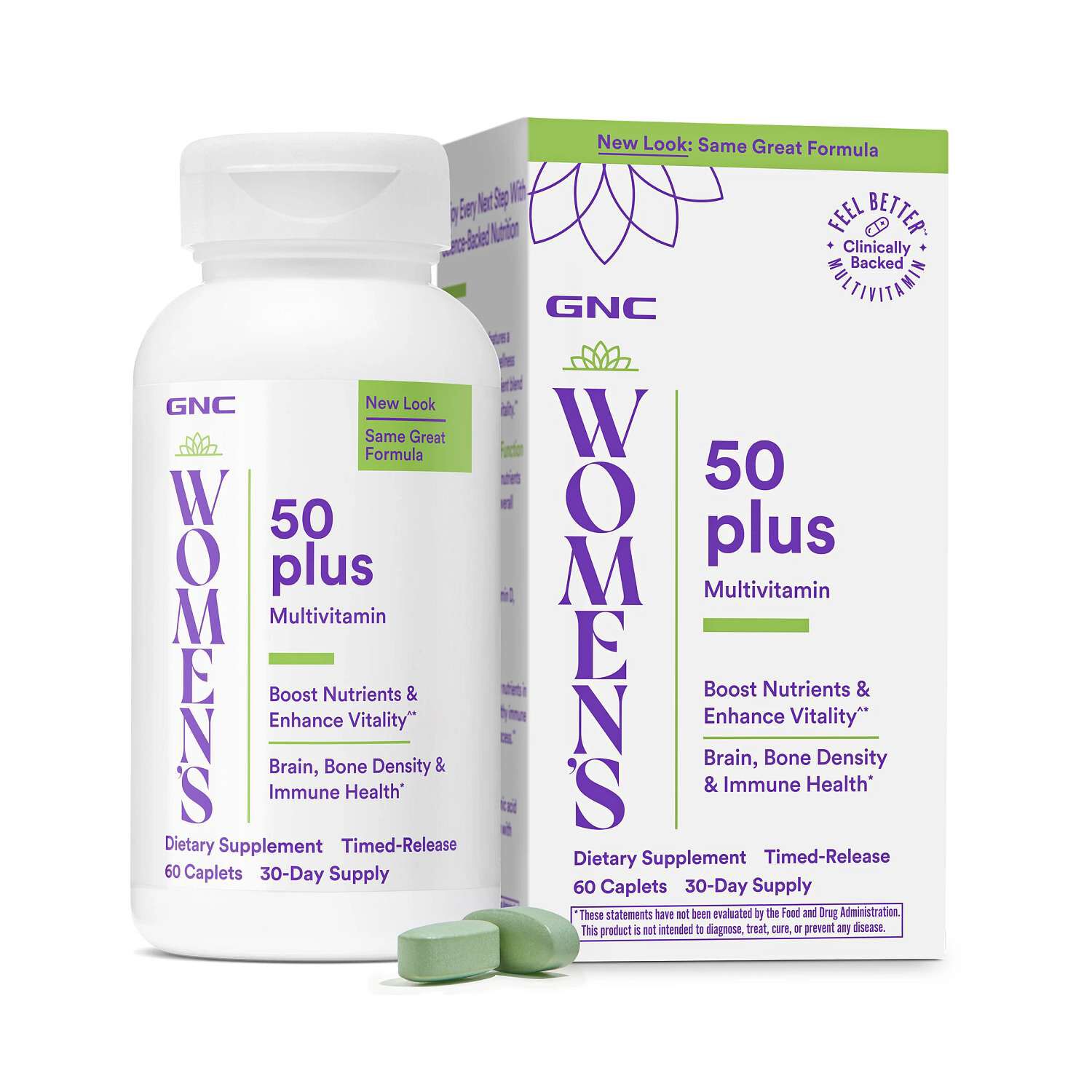
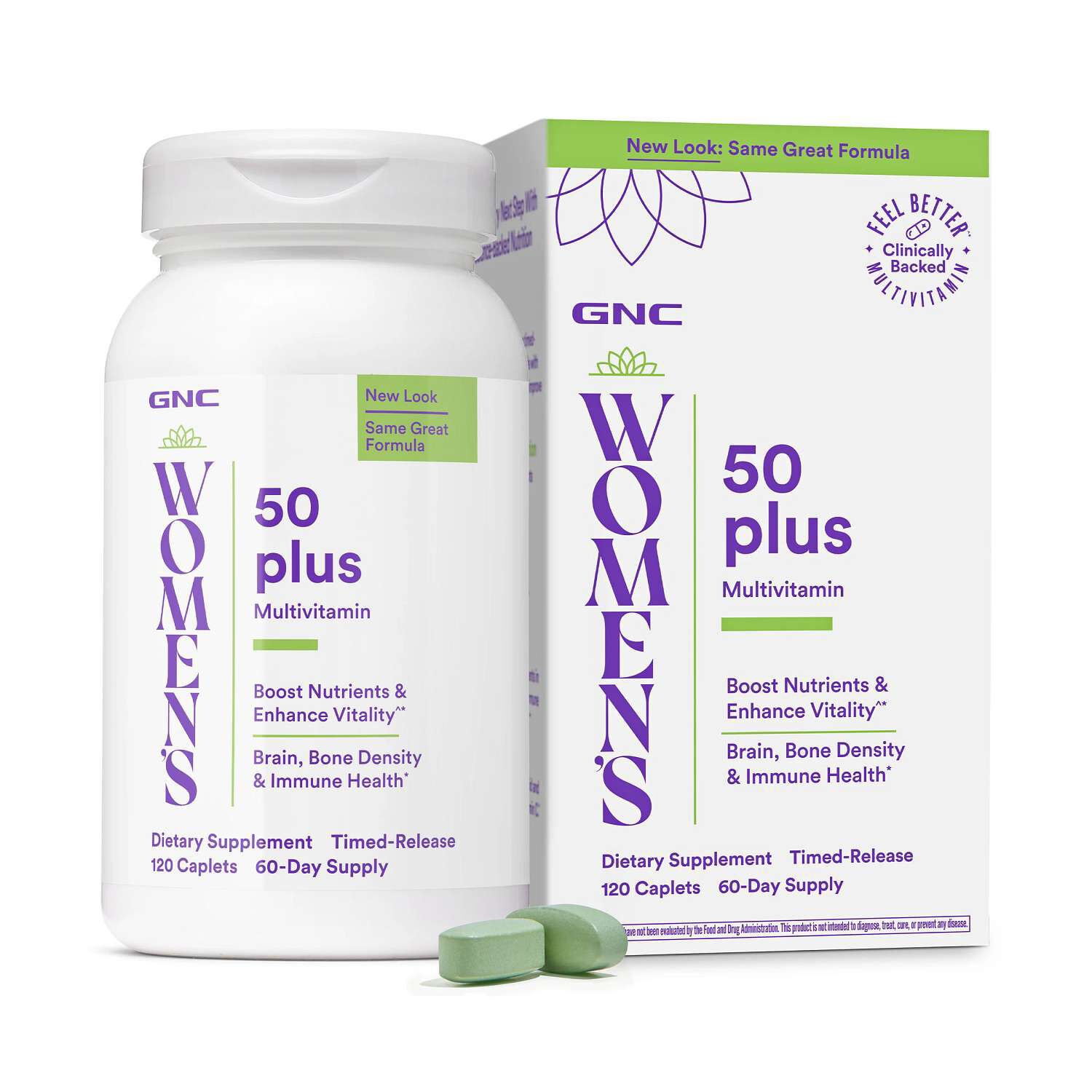
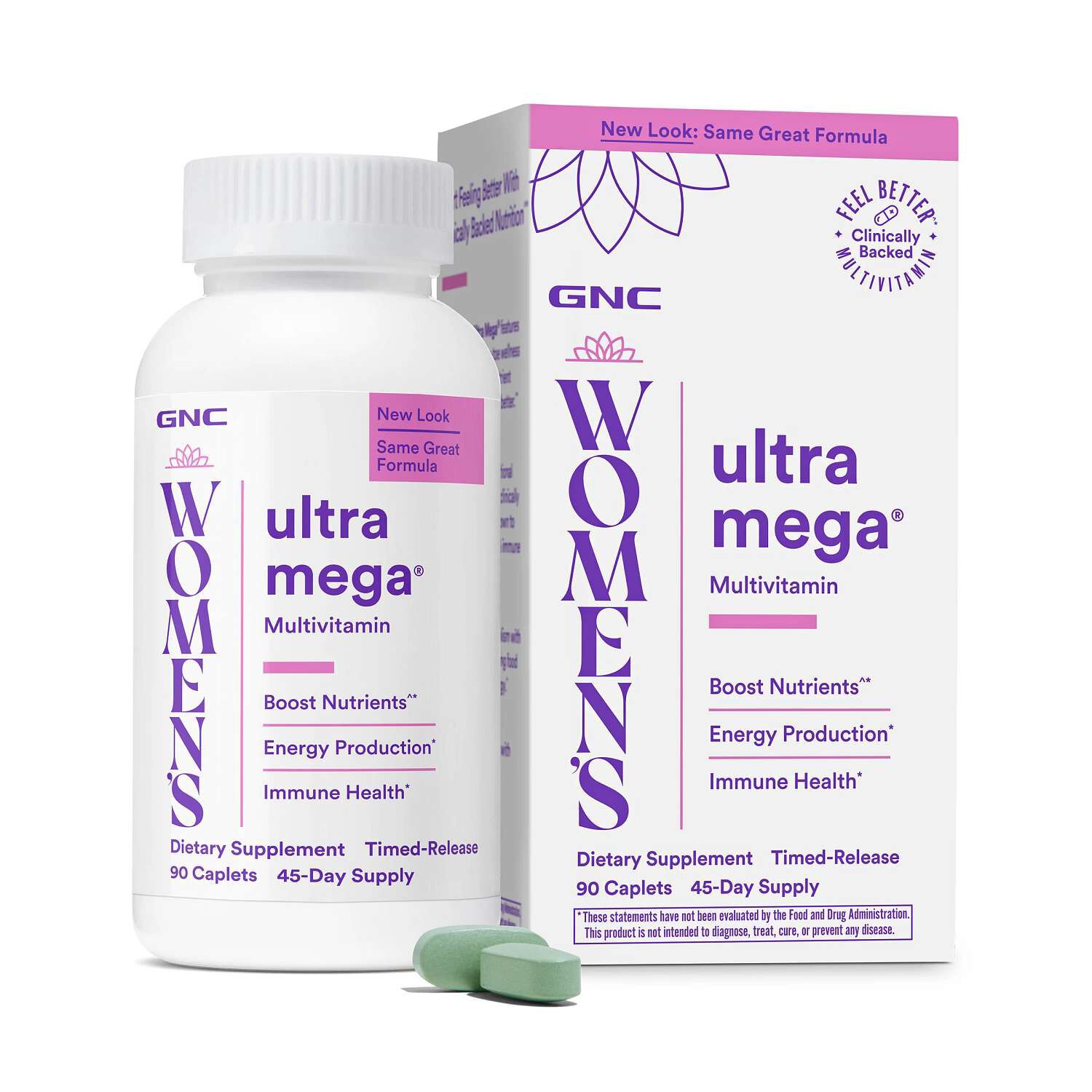
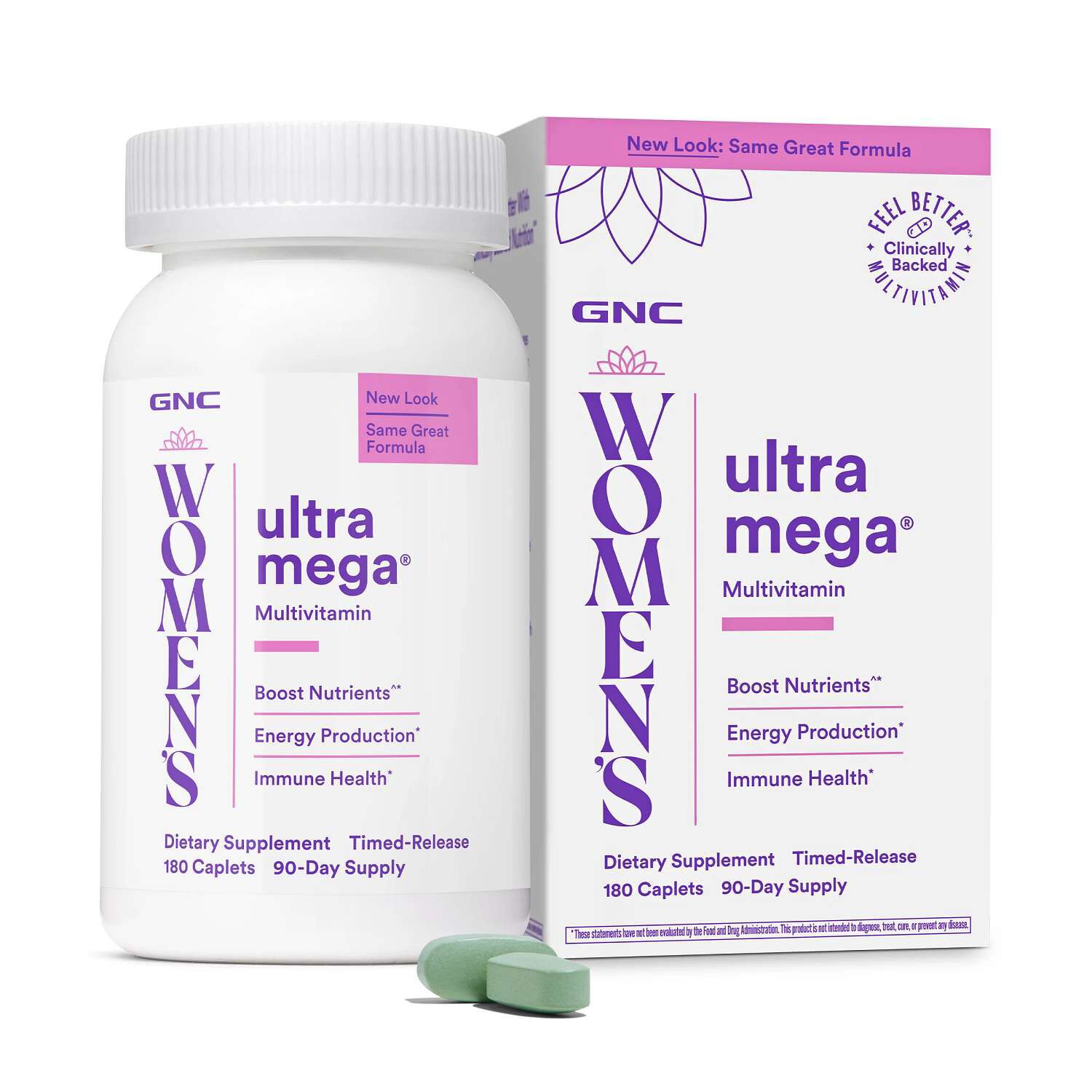
Natural supplements for women over 40 include vitamins, minerals, plant-derived ingredients, and other nutritional products chosen to fit individual eating habits and everyday routines. Common categories include women’s multivitamins, vitamin D, calcium, magnesium, vitamin B12, omega-3s, and protein powders. These categories are not interchangeable: a multivitamin combines several nutrients, while a single-nutrient formula offers a more focused selection. Turning 40 does not create one universal supplement shopping list, and women in the same age range can have very different preferences, diets, and reasons for browsing. Someone who eats mostly plant-based meals may approach the assortment differently from someone who regularly includes fish, eggs, and dairy. Likewise, a woman who enjoys preparing meals at home may want a different format from someone whose breakfast often travels in a tote bag. The word “natural” also deserves a closer look. It can describe an ingredient’s origin, but it does not, by itself, explain the amount per serving, the sourcing, or the suitability of a formula for a particular person. Those details belong on the label. Useful distinctions include whether an ingredient comes from plants, algae, or animal sources; whether the capsule shell is vegetarian; and whether a flavored powder contains sweeteners that match personal preferences. A short ingredient list may appeal to someone who likes a straightforward formula, while a broader blend may appeal to someone who prefers fewer separate containers. Neither approach is automatically the better purchase. The most useful comparison starts with what is actually inside each serving rather than the language on the front of the package. For women over 40, natural supplements may serve as an addition to a varied eating pattern, not a replacement for meals. Looking at products through that practical lens keeps the focus on ingredient transparency, dietary compatibility, and a format that feels manageable on an ordinary day.
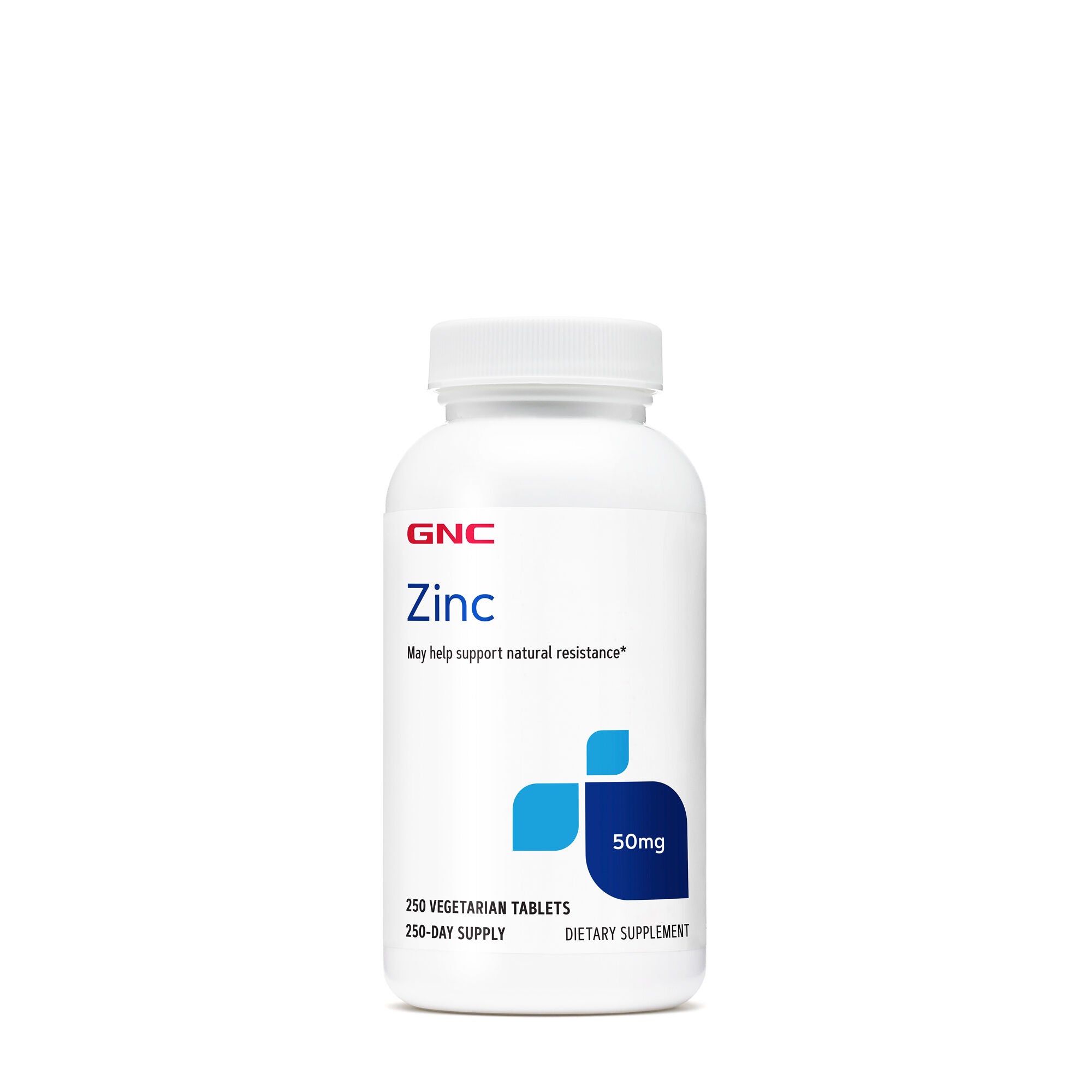
When comparing natural supplements for women over 40, the differences within each category are often as important as the differences between categories. Vitamin D products may contain D2 or D3, and the source can matter to shoppers who avoid animal-derived ingredients. Calcium and magnesium appear in several forms, with serving sizes that vary by formula. B12 is available on its own or as part of a blend, so shoppers comparing a women’s multivitamin with separate nutrients can find the same ingredient in more than one place. Omega-3 options can come from fish or algae, and the amount of oil listed on the front of a bottle is not necessarily the same as the stated amounts of its individual fatty acids. For protein powders, useful distinctions include the protein source, grams per serving, flavor, texture, and whether the formula is intended for mixing with water or another beverage. Botanical products call for a similarly close look at the plant name, the part used, and whether the formula contains a powdered ingredient or an extract. An extract ratio and an ingredient weight describe different things, so comparing only the largest number on two labels can leave out important context. Shoppers interested in a focused mineral selection can also browse Zinc Supplements for Women Over 40 and compare the listed forms, amounts, and serving formats. Across these categories, the Supplement Facts panel, other-ingredients list, and stated directions provide a clearer picture than a product’s name alone. Published sourcing information and independent testing details, where available, add another layer of information to the purchase decision. Packaging that identifies what was tested and who performed the testing is more informative than a vague quality statement. These are concrete details worth weighing alongside price, especially when two options look similar at first glance. The aim is a well-understood purchase rather than simply the most elaborate formula.
Everyday usability matters, too, because a supplement purchase has to fit the person taking it. Capsules, tablets, chewables, liquids, and powders each involve a different routine. A powder requires measuring and mixing, while a capsule or tablet has a set amount per piece; a listed serving may still contain more than one piece. Chewables can be convenient for someone who prefers that format, although flavorings, sugars, and other added ingredients deserve the same attention as the featured nutrients. With liquids, the measuring method and storage directions are part of the comparison. Imagine the actual setting: a quiet breakfast before work, a kitchen counter crowded with lunch containers, or a weekend bag being packed for a visit with family. The format that sounds appealing online is most useful when it suits those familiar moments. During the cooler months, when schedules may include more indoor activities and travel, portability and storage can become especially relevant. A smaller package may suit an occasional trip, while a larger container may make sense for a familiar product used according to its directions. Comparing cost per labeled serving gives a more meaningful price comparison than bottle size alone. A container with more capsules does not necessarily provide more servings, and a lower purchase price does not always mean a lower cost per serving. Flavor is another practical consideration: an unflavored powder and a sweetened blend create different experiences in a smoothie, oatmeal, or a simple shaker cup. For a gift, supplements are usually a more personal choice than a water bottle or gym bag. They may be appropriate when the recipient has shared an exact preference, but an unfamiliar formula chosen solely because of someone’s age can miss the mark. Whether shopping for yourself or fulfilling a specific request, the strongest selection is one with understandable ingredients, clear labeling, suitable storage requirements, and a format that fits the intended routine without unnecessary complexity.