

Supplements For Women Over 60
(0 Results)
Supplements for women over 60 may offer support for wellness goals at every stage of life. As the years go by, nutrition needs can shift, and finding the right supplements could help with maintaining a balanced lifestyle. Whether you’re looking to complement your daily routine or explore new options, supplements for women over 60 are designed with evolving needs in mind. Discover a wide selection that might fit into your personal wellness journey.
-
 2,035$119.99
 -
-
-
-

-

-

-
-

-

-

-
-
-
-
-

-

-

-
-

-

-

-

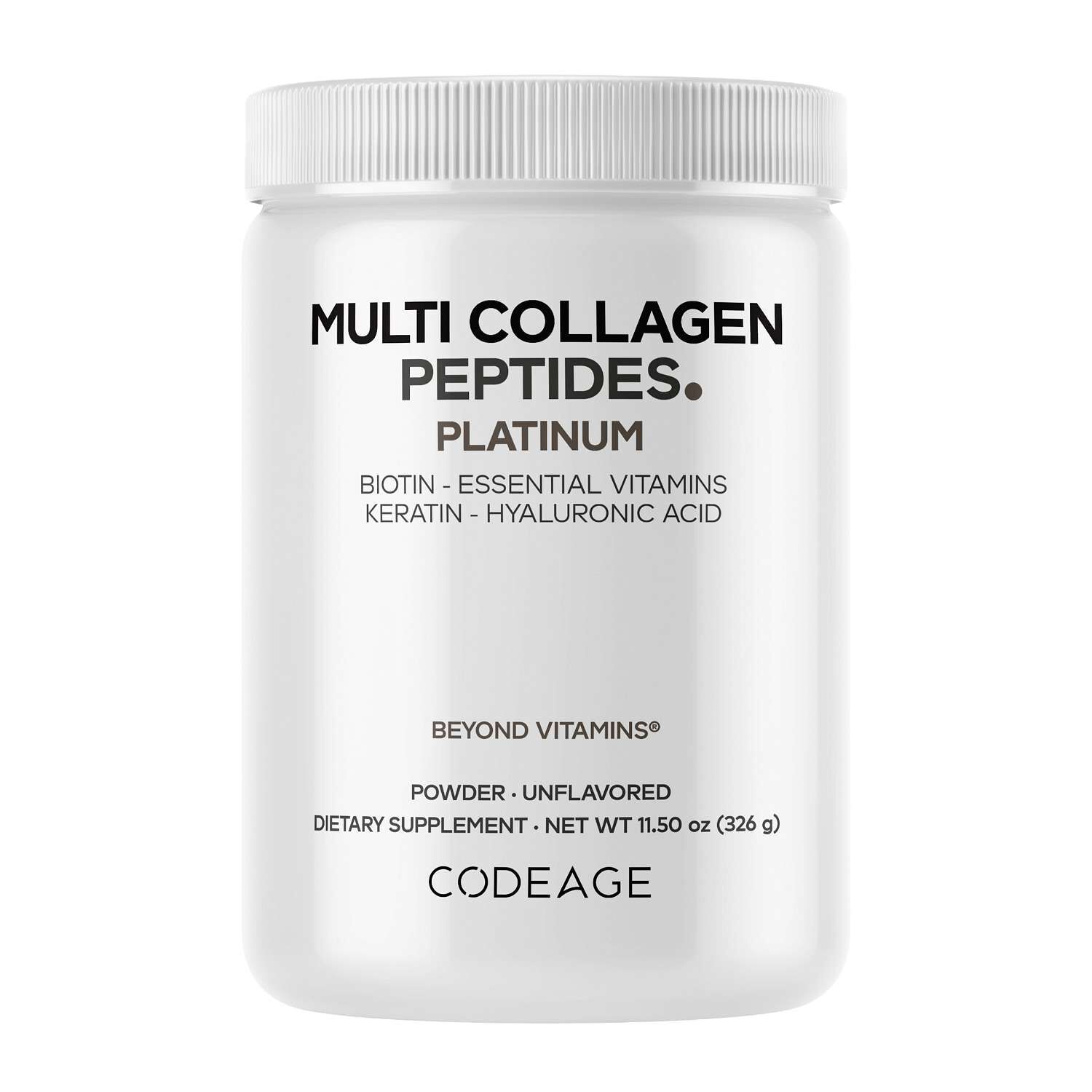
Women over 60 may look for supplements that fit changing routines, familiar food preferences, and personal wellness goals. This collection brings together options commonly considered for everyday nutrition, including formulas featuring vitamin D, calcium, vitamin B12, magnesium, and omega-3 fatty acids. Vitamin D may support calcium absorption and muscle function, while calcium may help maintain bones when paired with a balanced eating pattern and regular movement. Vitamin B12 may support normal nerve function and red blood cell formation, and some older adults may pay closer attention to B12 because the body may absorb it less efficiently with age. Magnesium may support normal muscle and nerve function, while omega-3 fatty acids may support heart and brain wellness. These nutrients can come from foods such as leafy greens, dairy foods or fortified alternatives, eggs, fish, beans, nuts, seeds, and whole grains, so supplements may serve as a convenient addition when meals do not consistently provide preferred amounts. Anyone comparing products may want to consider the nutrient form, serving size, directions, flavor, tablet size, and whether a product fits dietary preferences. A smaller serving or easy-to-swallow format could suit someone who keeps a simple morning routine, while gummies, powders, or softgels may appeal to shoppers who prefer an alternative to traditional tablets. Reading the Supplement Facts panel may make it easier to compare the amount of each nutrient, additional ingredients, and the number of servings in a container. Shoppers exploring a broader selection may also visit Supplements For Women for options organized around women’s everyday nutrition needs.
Choosing supplements for women over 60 may begin with the person’s existing diet and routine rather than a long list of individual nutrients. Someone who enjoys yogurt, fortified milk, salmon, beans, greens, and almonds may approach calcium and magnesium differently from someone whose meals are smaller or more limited. A person who spends much of the day indoors may be interested in vitamin D, while someone who eats little or no animal food may wish to discuss vitamin B12 with a qualified healthcare professional. Omega-3 supplements may be considered by people who do not regularly eat fish, though the right choice may depend on dietary preferences and the rest of the daily menu. When comparing formulas, shoppers may look for clear information about the source of an ingredient, serving directions, storage guidance, and any dietary certifications that matter to them. It may also help to consider whether a product can be taken comfortably alongside breakfast, lunch, or another established habit. Keeping supplements near a favorite mug, recipe book, or breakfast bowl could make the routine easier to remember, provided the storage area is cool, dry, and out of reach of children. For a thoughtful gift, a supplement assortment may suit a mother, grandmother, sister, aunt, or friend who enjoys practical wellness items and likes to organize a daily routine. A gift may feel more personal when paired with a reusable pill organizer, a tea selection, a nourishing pantry staple, or a handwritten note encouraging relaxed, consistent self-care. Since preferences vary, it may be considerate to choose a format the recipient already uses instead of selecting a large quantity or an unfamiliar combination.
Before adding a new supplement, shoppers may wish to review the label with a doctor, pharmacist, or other qualified healthcare professional, especially when taking prescription medicines or managing an ongoing health concern. Some nutrients may interact with medications, and taking several products with overlapping ingredients could provide more than intended. A professional may help review the full routine, including multivitamins, fortified foods, powders, herbal ingredients, and single-nutrient products, then suggest whether a specific formula or serving pattern may be appropriate. It may also be useful to introduce one new product at a time and keep a simple record of what is being used, when it is taken, and how it fits with meals. Product instructions may recommend taking certain nutrients with food, while others may have different directions, so the package label should guide use. During the cooler months, a dependable routine can fit naturally alongside comforting breakfasts, nourishing soups, roasted vegetables, and indoor activities, without replacing the variety found in everyday meals. Supplements may offer convenience for travel, busy family visits, or days when cooking plans change, but they could work best as part of a broader pattern that includes enjoyable food, regular movement suited to the individual, hydration, rest, and ongoing conversations with a healthcare professional. Careful label reading and a personal approach may help women over 60, and the people shopping for them, choose products that feel practical, familiar, and easy to use.