Vitamins For Senior Women
(0 Results)
Navigating the golden years with vitality and wellness may be within reach with the right vitamins tailored for senior women. As we age, our nutritional needs can change, and incorporating a comprehensive vitamin regimen might support overall health and well-being. From potentially enhancing bone strength to supporting cognitive function, the right mix of vitamins could play a crucial role in maintaining an active lifestyle. Discover a range of options that may help bridge nutritional gaps and promote a vibrant life at any age.
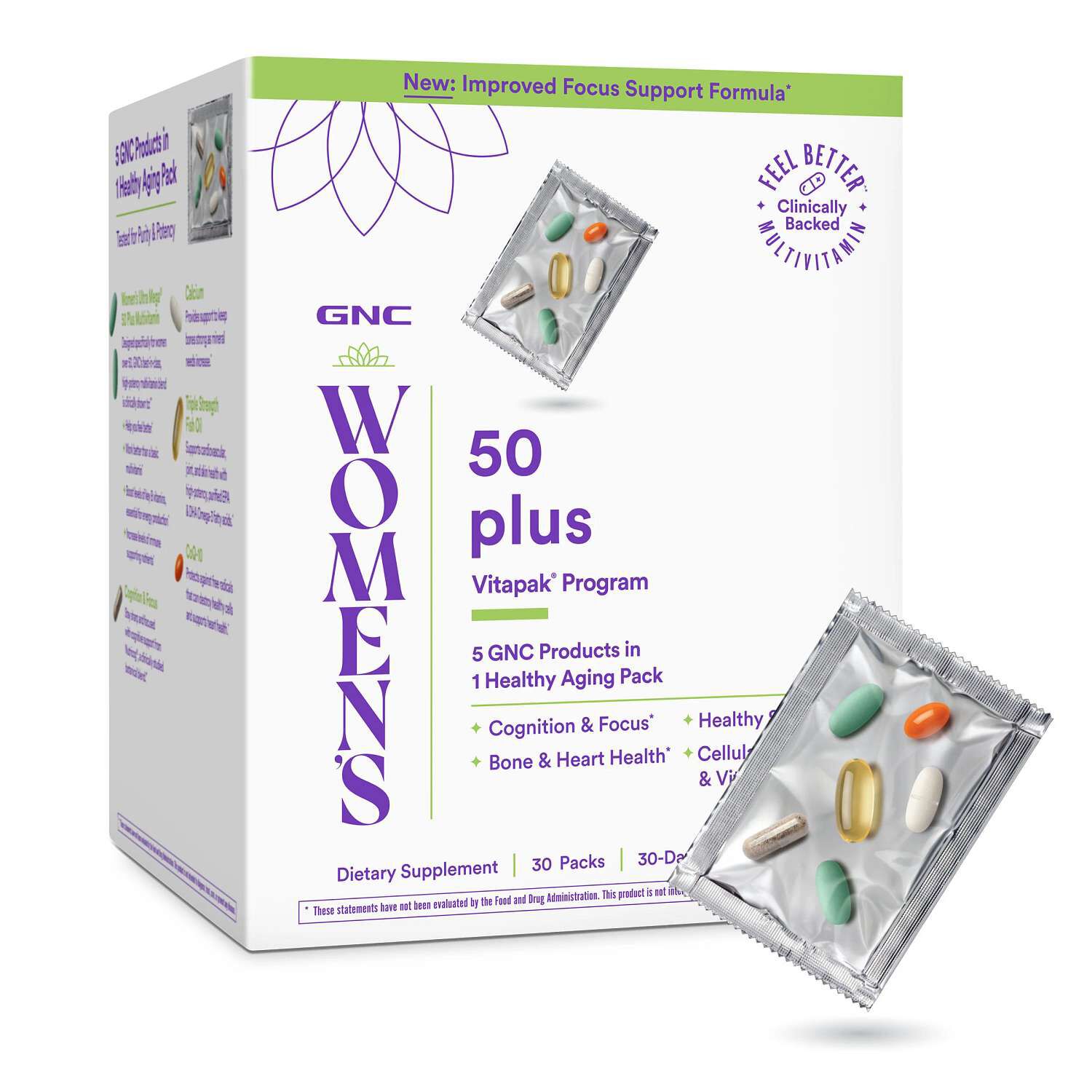

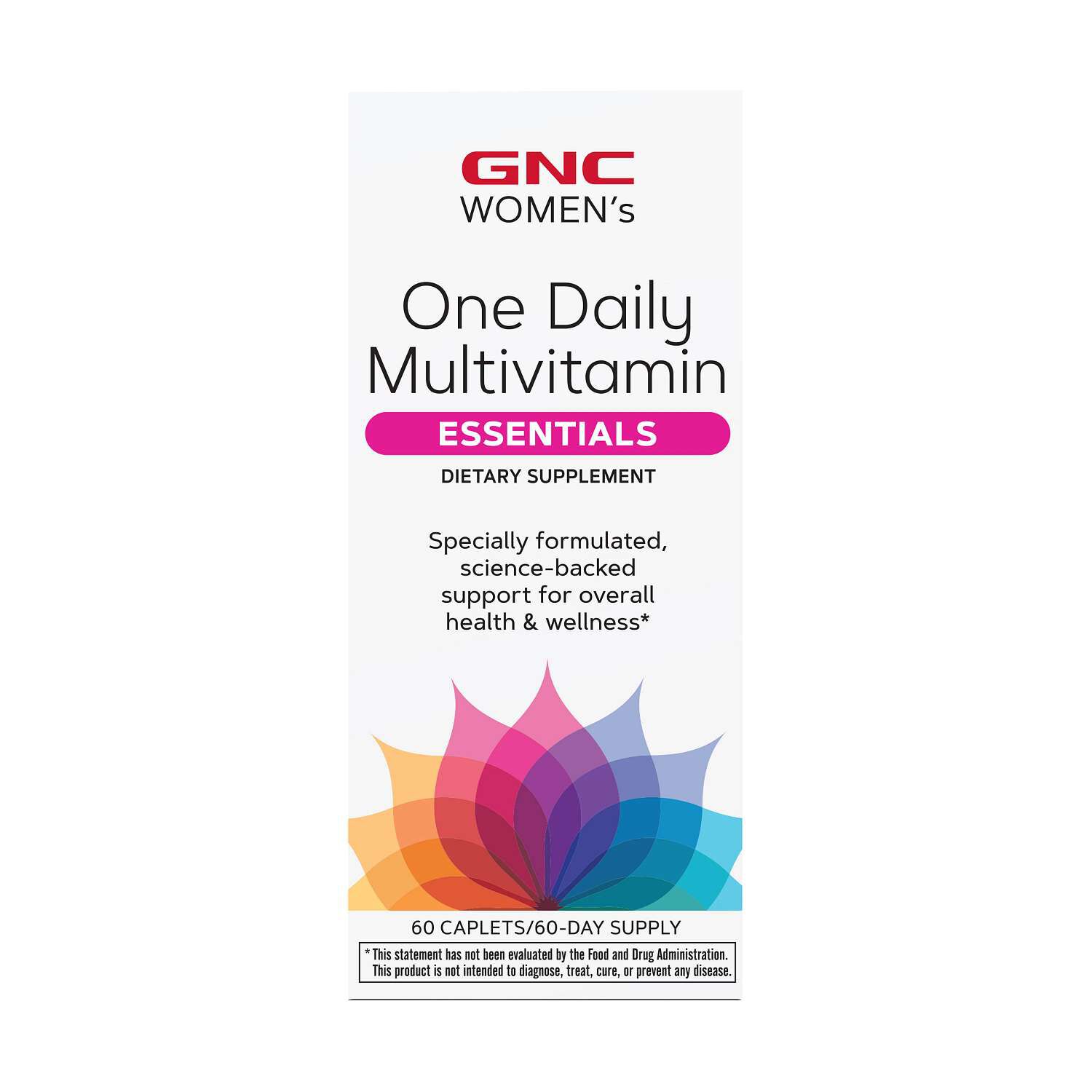

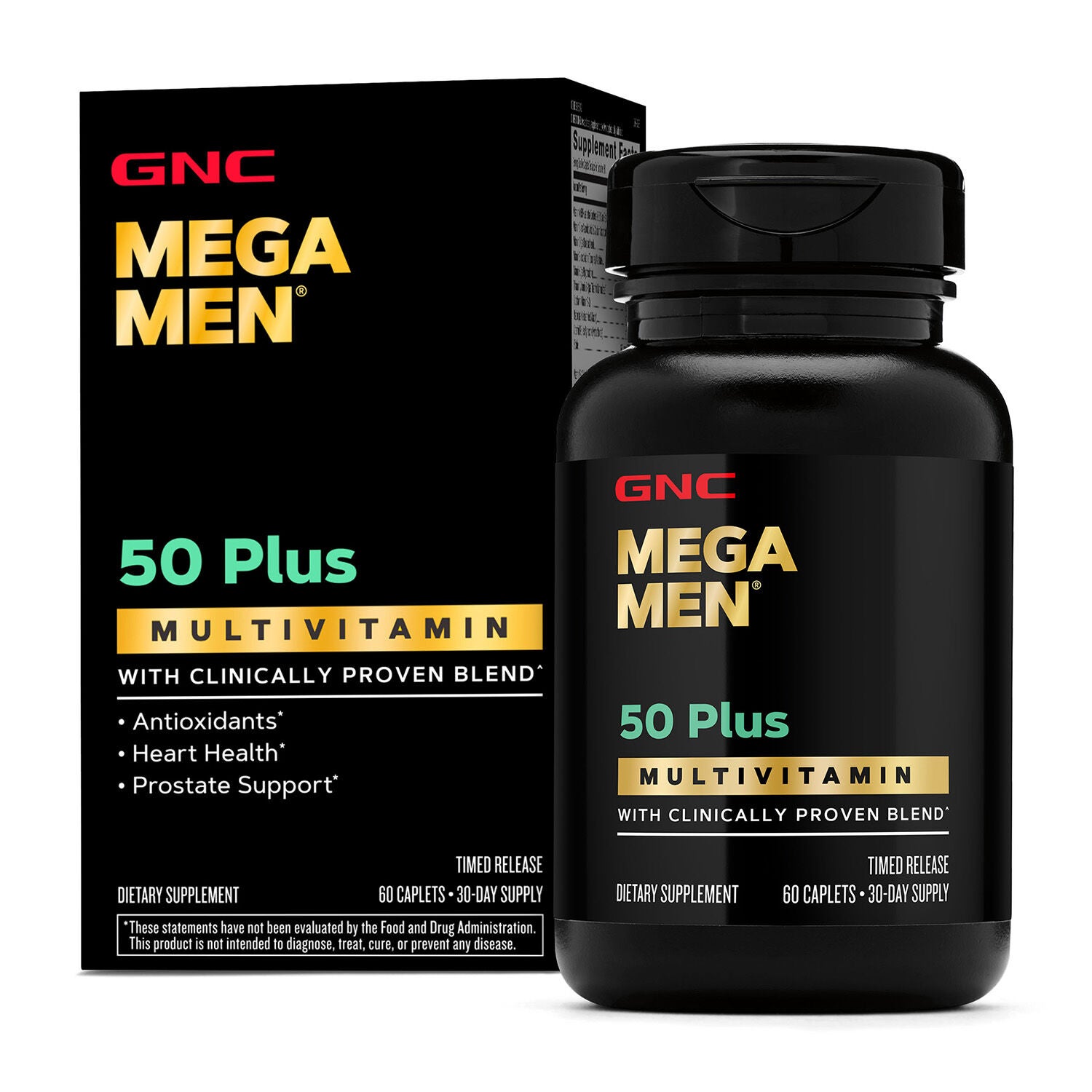
Vitamins for senior women may offer a convenient way to complement everyday meals, with choices ranging from multivitamins to individual vitamins and minerals. The category often includes formulas labeled for women age 50 and older, although an age designation is only one part of a product’s description. Women in their fifties, sixties, seventies, and beyond can have very different eating habits, dietary preferences, and daily routines. A woman who regularly enjoys yogurt, fish, beans, and leafy vegetables may approach supplement shopping differently from someone whose meals center on plant-based foods or smaller portions. Multivitamins bring several nutrients together in one formula, while single-nutrient supplements focus on a particular vitamin or mineral. Calcium, vitamin D, vitamin B12, and magnesium are common names to look for when comparing this category. Calcium and magnesium are minerals rather than vitamins, but they frequently appear alongside vitamins in age-focused nutritional formulas. Their inclusion and amounts vary, and a multivitamin does not necessarily contain every nutrient in the same proportion. Other ingredients may include vitamin C, vitamin E, folate, zinc, and additional B vitamins. Some formulas include iron, while others omit it, making the actual ingredient panel more informative than the age range alone. Food provides useful context for these comparisons: dairy foods and some fortified plant beverages contain calcium; fish and fortified foods can contain vitamin D; animal foods and certain fortified foods contain vitamin B12; and beans, nuts, seeds, and whole grains contain magnesium. Supplements are intended to accompany a diet, not replace the variety, texture, and enjoyment of meals. For shoppers considering a multivitamin for older women, a formula’s nutrient list, serving size, and format offer a clearer picture than a broad description on the front of the bottle. Individual preferences matter, too. Familiar ingredients, clearly presented amounts, and a format that fits an established routine may make one option more appealing than another, without suggesting that the same choice suits every woman. The most useful comparisons keep those differences visible rather than treating age as a substitute for personal context.
Product format is another meaningful distinction among vitamins for older women. Tablets, capsules, softgels, chewables, gummies, and liquids each have their own handling and sensory characteristics. Tablet dimensions, capsule shape, coating, flavor, and texture can all influence personal preference. A shopper who dislikes strongly flavored supplements may favor a different format from someone who prefers a fruit-flavored chewable. Gummies and chewables can contain added sugars, sweeteners, colors, or flavoring ingredients, while capsule shells and softgel materials can come from different sources. Those details are especially relevant for women with vegetarian preferences, ingredient exclusions, or other dietary requirements. The ingredient list and any clearly stated dietary designations provide information that a product’s appearance cannot. Format also affects how a serving is presented. One tablet is not automatically one serving, and a bottle’s tablet or gummy count is not necessarily the number of servings it contains. Liquid supplements list amounts by a measured volume, while other formats may require more than one piece per labeled serving. Comparing the Supplement Facts panel on that basis makes differences between formulas easier to understand. Nutrient amounts may appear in milligrams or micrograms, and vitamin D can also be expressed in international units. Percent Daily Value offers another reference point, but it is not a personalized description of an individual woman’s diet. The form of an ingredient may also be named on the panel, such as vitamin B12 listed as methylcobalamin or cyanocobalamin, or calcium listed as calcium carbonate or calcium citrate. These names identify differences in composition; they do not establish that one formula is the right choice for everyone. A simple comparison might include a multivitamin, an individual vitamin D supplement, and a calcium-containing formula, with attention to ingredients that appear in more than one. Clear labeling can make that overlap easier to recognize. For a woman whose morning already includes breakfast, a commute, or time with grandchildren, serving size and format may be just as relevant to the shopping decision as the nutrient names themselves.
Packaging, storage information, and everyday handling round out the comparison. A clearly printed label, readable expiration date, secure closure, and legible serving directions are practical details for any vitamin purchase. Bottle size and closure design can matter to someone with limited cabinet space or a preference for packaging that is comfortable to hold. Individually packaged servings present a different handling experience from a larger bottle, while liquids bring additional considerations such as the measuring device and any storage directions after opening. Product labels describe the conditions intended for storage, including any directions concerning moisture, light, or refrigeration. A kitchen counter beside a steaming kettle, a bathroom cabinet, and a closed pantry shelf are different environments, so storage language deserves attention alongside the ingredient panel. Original packaging also keeps the nutrient amounts, lot information, and expiration date together. For shoppers who prefer to keep their routine organized, clear labeling and a manageable package size may make day-to-day use less cumbersome. These details are equally relevant when vitamins are being considered for a parent, partner, or another older family member. Supplements are personal purchases, and a familiar format or a preference the recipient has already expressed gives a gift more context than an age label alone. A birthday or another family occasion does not establish which nutrients someone wants, and a decorative package says little about its contents. Across the broader category of Vitamins For Women, age-focused formulas sit alongside other nutritional options, offering different ingredient combinations and formats to compare. For senior women, the useful distinction is not simply between a multivitamin and an individual nutrient, but between formulas with different compositions, serving requirements, dietary characteristics, and packaging. A clearly described supplement may fit more naturally into an existing routine when those practical details align with personal preferences. Thoughtful comparison keeps the focus on what the label actually contains and how the product is intended to be used, rather than assuming that every woman of a similar age has the same priorities.